B21, China Town Mall, Midrand

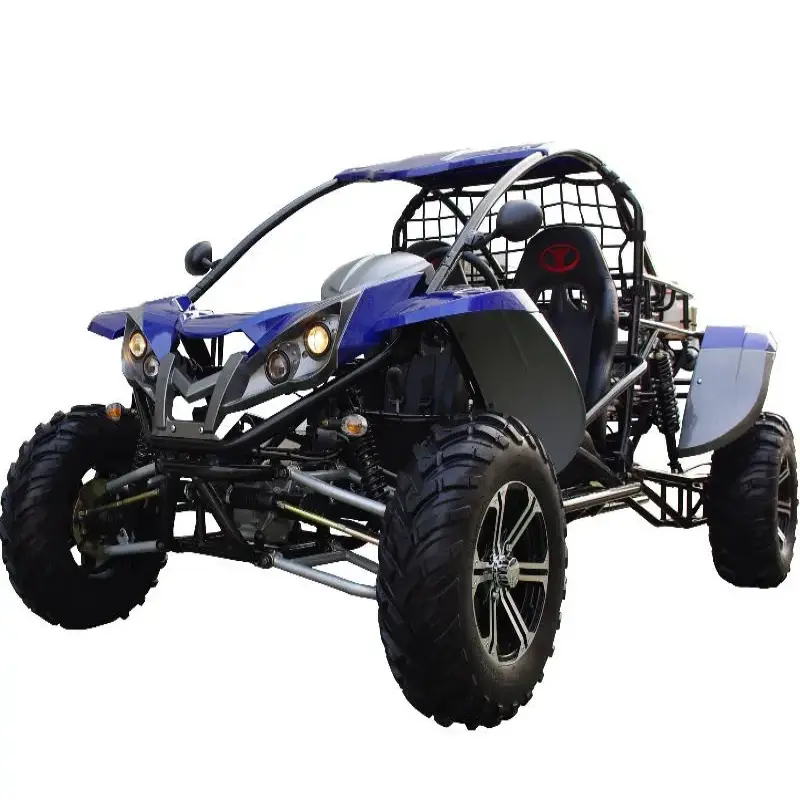
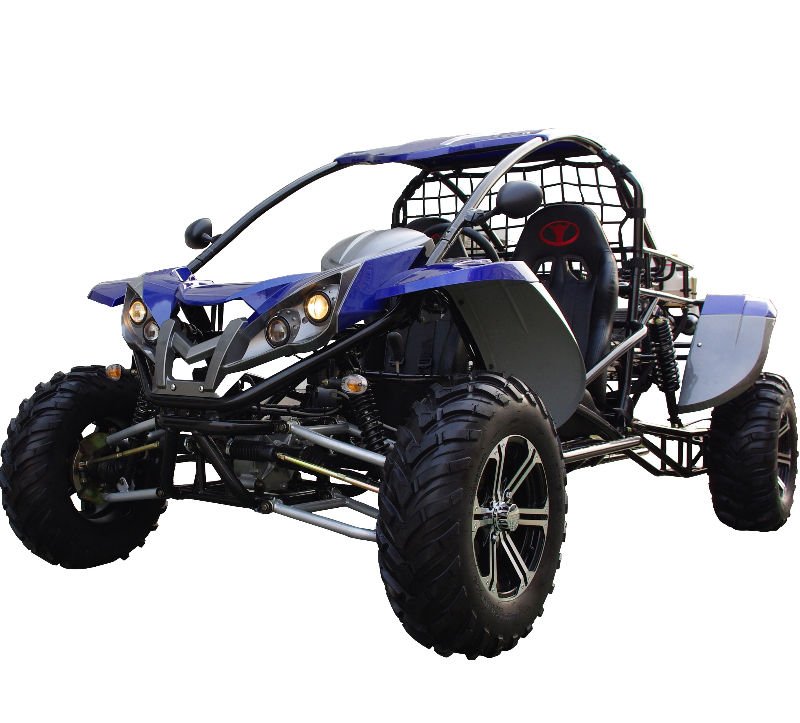
1100cc 4x4 buggy go karts electric atv
Asset finance available
Do you want funding for this equipment?
Afrimart can connect you with trusted funding partners who specialise in asset finance for businesses like yours. Compare options and apply in minutes — final approval is subject to provider review.
Check funding options
Secure & no obligation

- Section : Sports & Entertainment
- Category : Electric ATVs
- SKU : 1690482350

Key specification:
1.Length×Width×Height:3140×1850×1580mm
2.Wheelbase :2450mm
3.Front /Rear Track : 1375/1570mm
4.Ground Clearance :310mm
5.Top speed:110km/h
6.Battery:12V35Ah
7.Front, Rear brake: Hydraulic disc, right foot control
8.Front /Rear tire :27×8-14/27×11-14
9.Driven : shaft driven,4WD
10.Fuel tank :25L
11.Engine Type : 3Cylinder,4-Strokes,water cooled
12.Displacement :812mL
13.Standard Power :37KW/6000rpm
14.Maximum Torque :70 Nm /3500-4000rpm
15.Starting :Electric
16.Ignition : Electronic fuel injection
17.Transmission :Manual clutch,5 shift/Reverse
- Shipping Timeframes: All orders are processed within 2-5 business days (excluding weekends and holidays). After your order has been processed, the estimated delivery time is before 05 Aug, 2026, depending on customs, Please note that due to high demand, some items may experience longer shipping times, which will be communicated at order confirmation email.
- Order Processing Time: Please allow 2-5 business days for us to process your order before it is shipped . Orders placed after 16:00 on Fridays, or during weekends and public holidays, will begin processing on the next business day. Processing times may be extended during peak seasons or sales events.
- Manufacturing Time: Some products needs manufacturing time, the manufacturing process will take approximately 10-30 business days depending on the product. This timeframe may vary depending on the complexity of the product and current demand. but this will be communicated with you during order confirmation.
- Returns and Exchanges: We offer a 30-day return policy for most items. If you are not completely satisfied with your purchase, you may return it within 30 days of receipt for a refund or exchange. Items must be unused, in their original packaging, and accompanied by proof of purchase. Return shipping costs are the responsibility of the customer, unless the item was damaged or defective upon arrival.
1. What exactly is the '1100cc 4x4 buggy go karts electric atv'?
This is a 4x4 shaft-driven off-road buggy/ATV with a multi-cylinder gasoline engine, manual 5-speed transmission + reverse, electronic fuel injection and electric start. It combines ATV/buggy styling with full-time 4WD capability.
2. The name says 1100cc but the spec shows displacement 812 mL — which is correct?
The technical specification lists an 812 mL (0.812 L) displacement. The model name may use '1100cc' as a marketing designation. Always verify the engine displacement on the vehicle's data plate or with the seller/manufacturer before purchase.
3. What are the engine power and torque ratings?
Standard power is 37 kW at 6000 rpm, and maximum torque is 70 Nm in the 3500–4000 rpm range.
4. What type of fuel and how large is the fuel tank?
The vehicle uses gasoline (petrol) and has a 25 L fuel tank.
5. What is the top speed?
The stated top speed is 110 km/h. Actual achievable speed depends on loading, terrain, and local environmental conditions.
6. What kind of transmission and starting system does it have?
It uses a manual clutch transmission with 5 forward gears plus reverse, and features electric starting with electronic fuel injection (EFI).
7. What does the battery specification (12V35Ah) mean and what is it for?
The 12V 35Ah battery supplies power for the electric starter, EFI system and accessories. It is sized for starting and electrical systems; the engine's charging system (alternator) will normally recharge it while running.
8. Is the vehicle full-time 4WD and how is it driven?
Yes. The vehicle is 4WD and is shaft-driven, providing power to all four wheels via a mechanical driveshaft system.
9. What braking system does it use?
It is equipped with hydraulic disc brakes at both the front and rear. The brake control is right-foot operated.
10. What are the tire sizes and wheel configuration?
Front tires: 27×8-14. Rear tires: 27×11-14.
11. What are the exterior dimensions and ground clearance?
Length × Width × Height: 3140 × 1850 × 1580 mm. Wheelbase: 2450 mm. Front/Rear track: 1375 / 1570 mm. Ground clearance: 310 mm.
12. How many people can it carry and what is the payload?
The specification does not list seating capacity or payload. Many buggies of this size carry 2 occupants; however, confirm seat count and maximum payload with the seller or manufacturer for safe operation.
13. What regular maintenance should I expect?
Routine maintenance typically includes engine oil and filter changes, air filter inspection/cleaning, coolant and brake-fluid checks, spark-plug and EFI checks, tire-pressure and tread inspections, and drivetrain/shaft lubrication. Follow the manufacturer's maintenance schedule in the owner's manual or consult your dealer for specific intervals.
14. Can this buggy be street-legal?
Street legality varies by country, state and municipality. Some jurisdictions allow registration with modifications (lights, mirrors, emissions compliance, safety equipment), while others restrict off-road vehicles to private property. Check local DMV/transport authority rules before attempting to register or operate on public roads.
15. What safety equipment and precautions are recommended?
Wear a DOT/approved helmet, eye protection and appropriate off-road clothing and footwear. Use seat belts and any installed roll cage or harnesses. Inspect brakes, tires and steering before every ride, avoid excessive speeds for terrain/conditions, and follow all local laws and manufacturer safety guidelines.
Latest Order Arrivals
Discover our latest orders
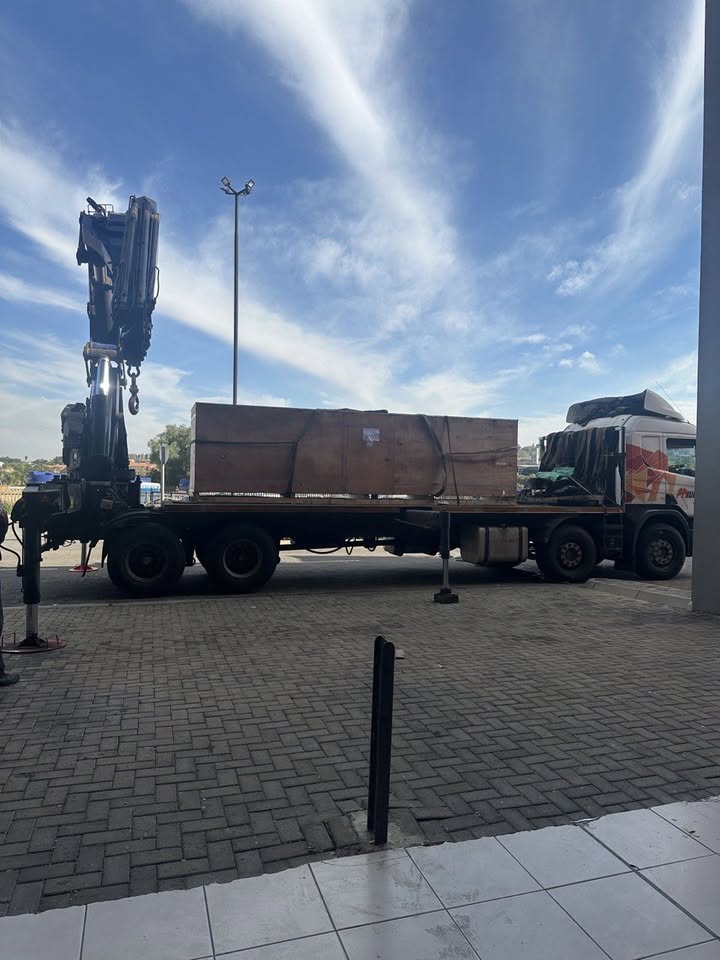
12 Heads Embroidery Machine
Toilet Paper Machine Machine
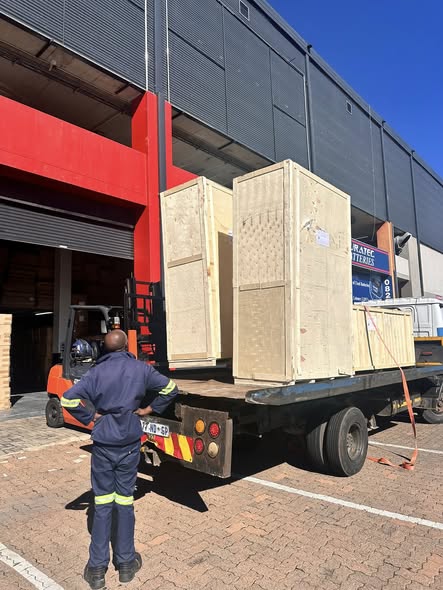
Order Collection
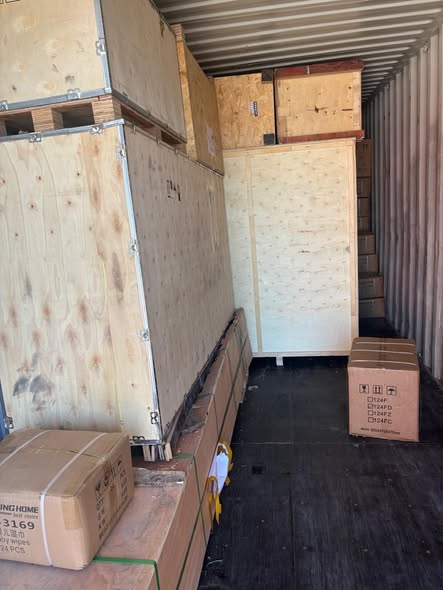
Cross Border Clients
Order cros border countries Collected
Industrial Machine Cllection
Agriculture Processing Machines
Ready for collection
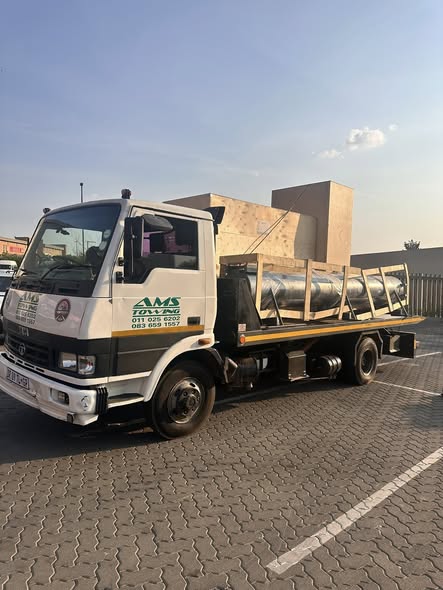
Water Pump Equipment
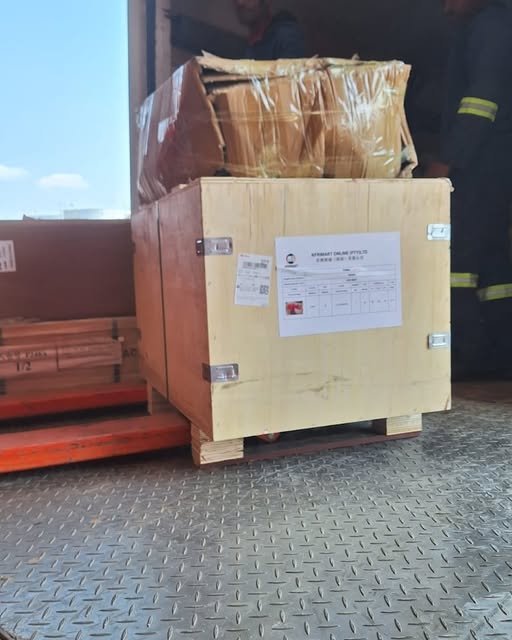
Packaging Machine and accessories
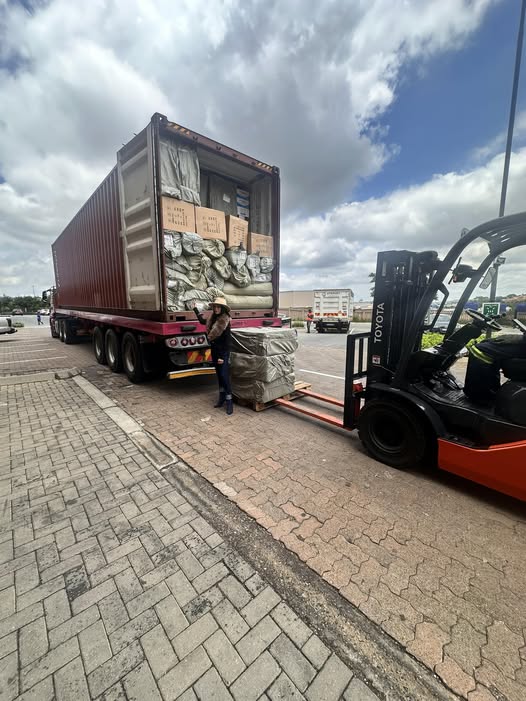
Fabrics Manufacturing Equipment
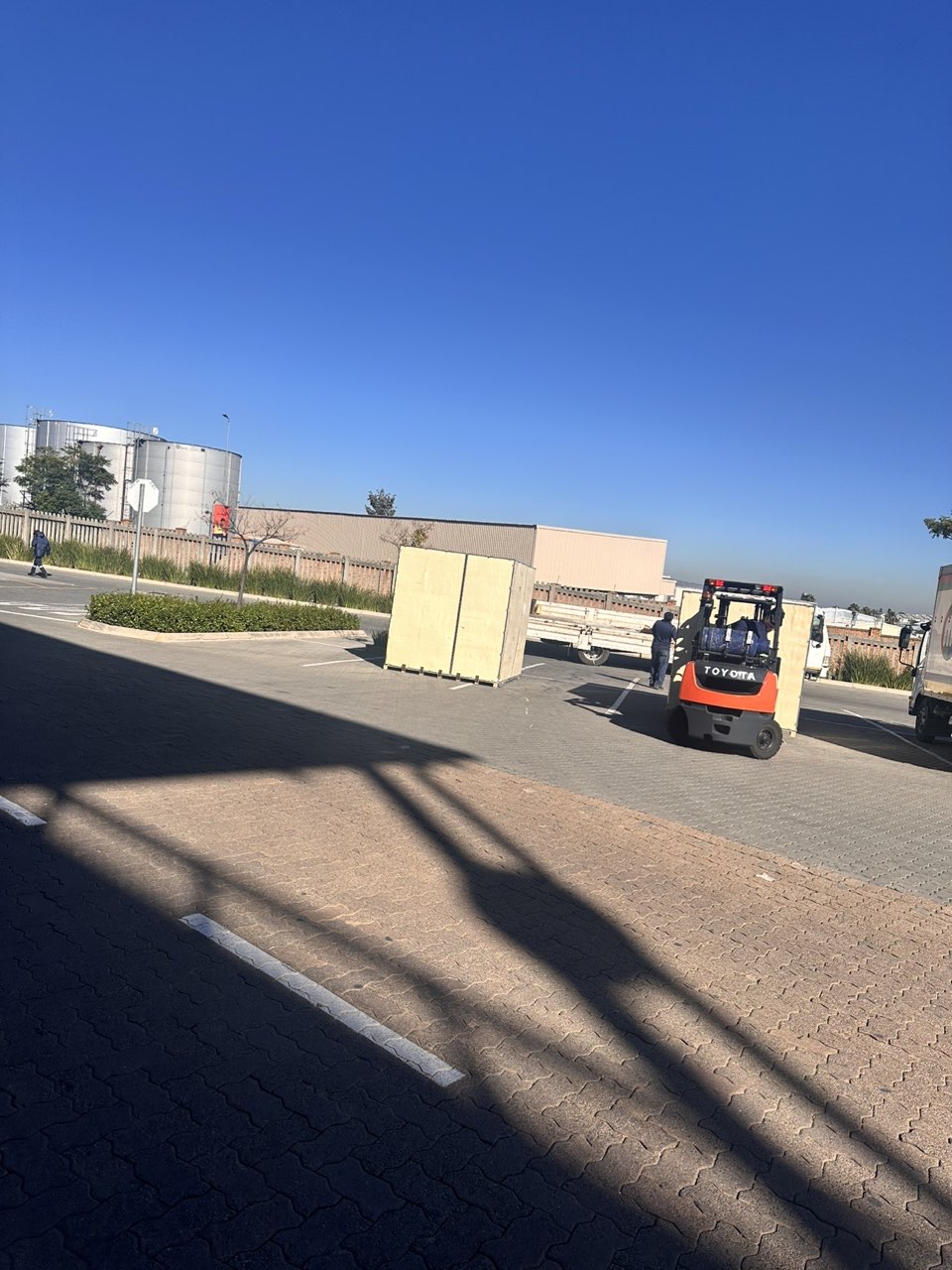
Mining Equipments
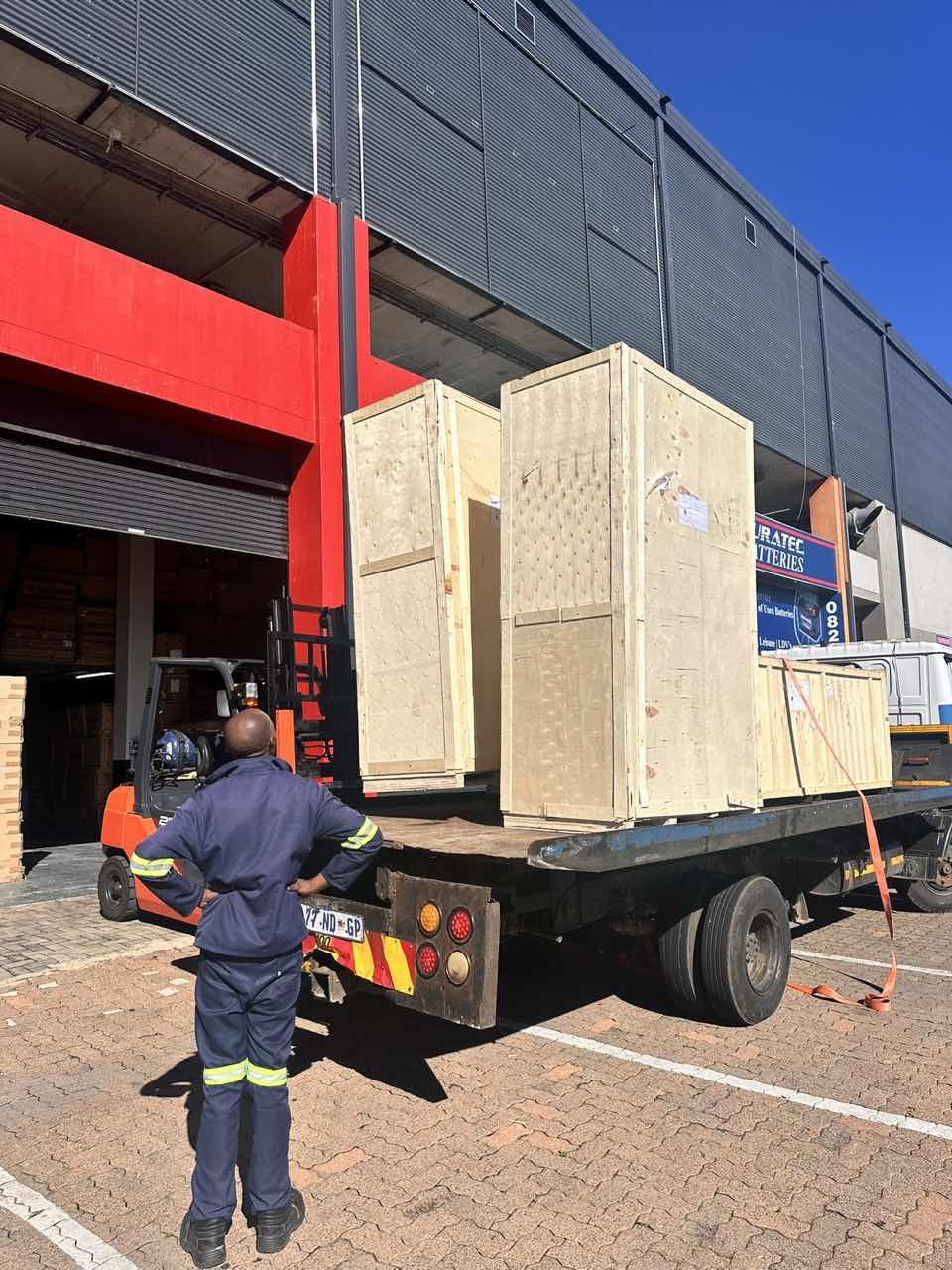
Food Processing Machine
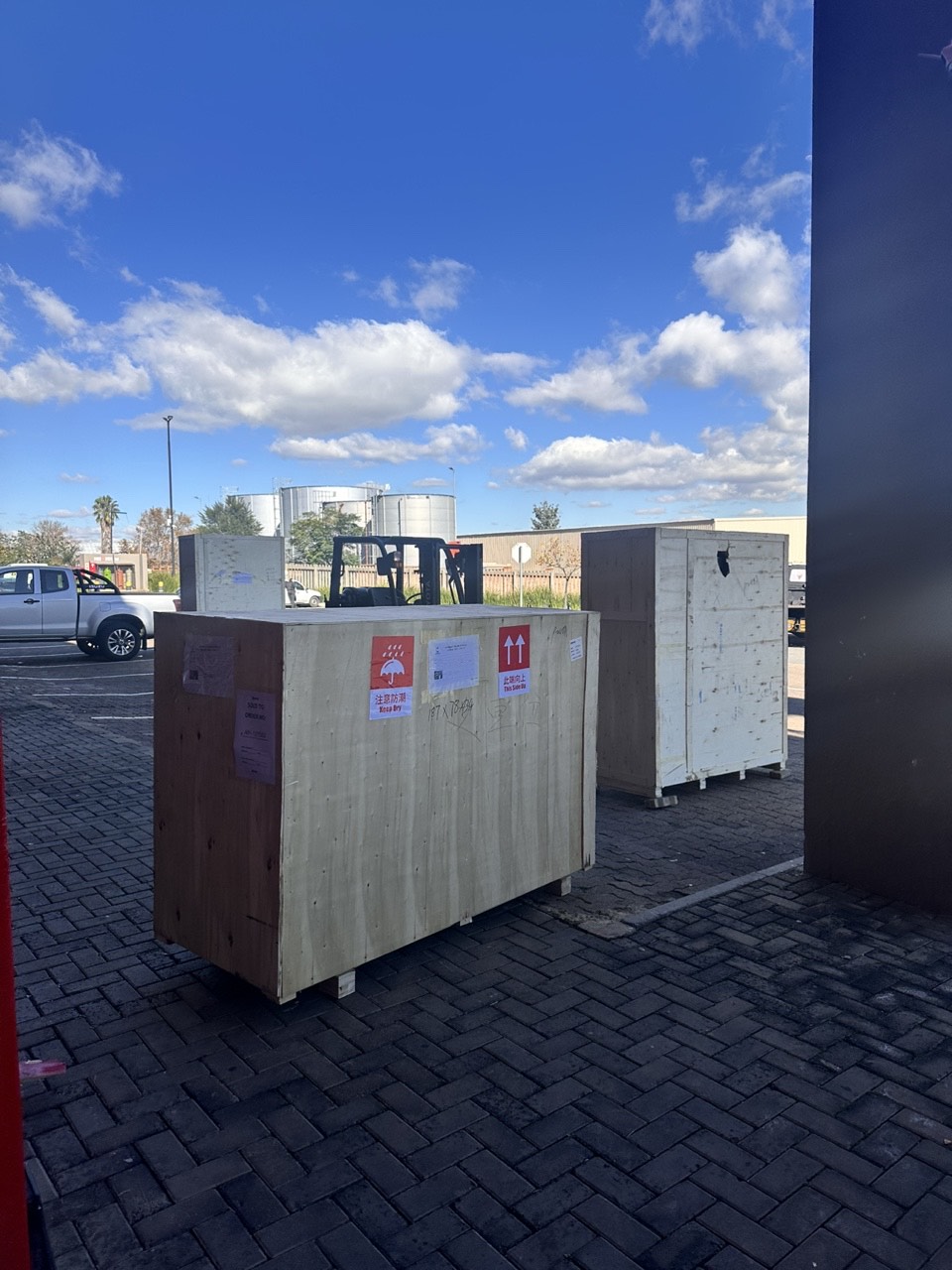
Batch of Orders
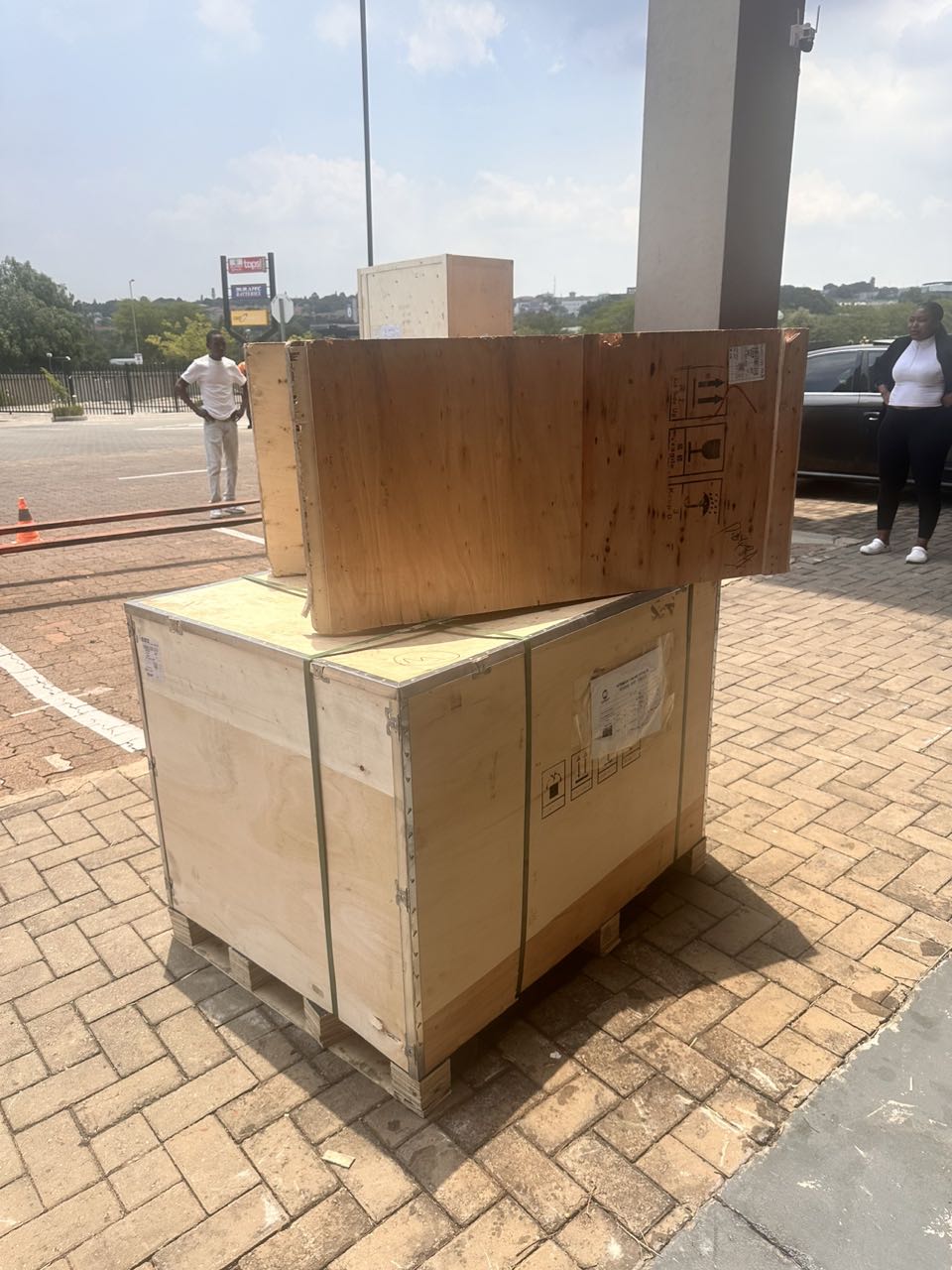
Batch of Orders
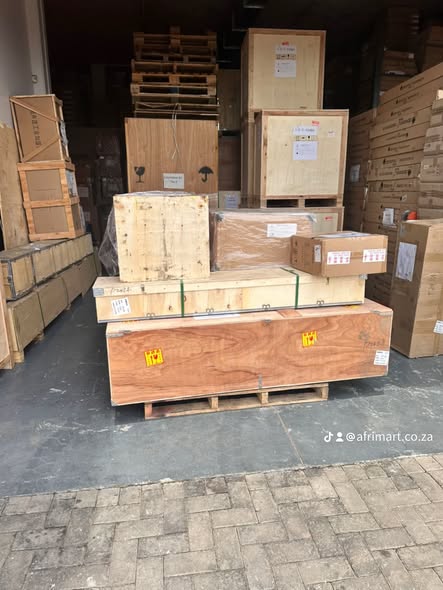
Latest Orders Labelled
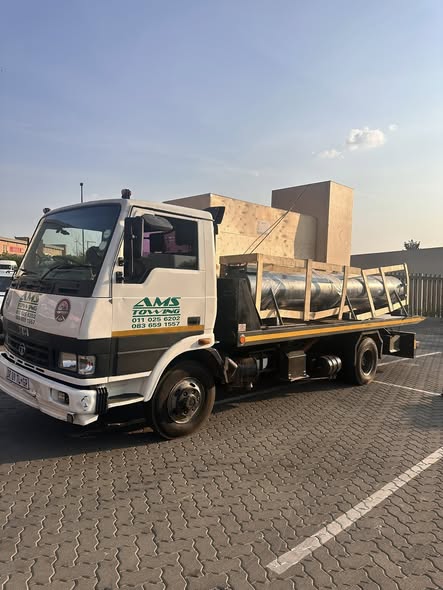
wheel alignment machines
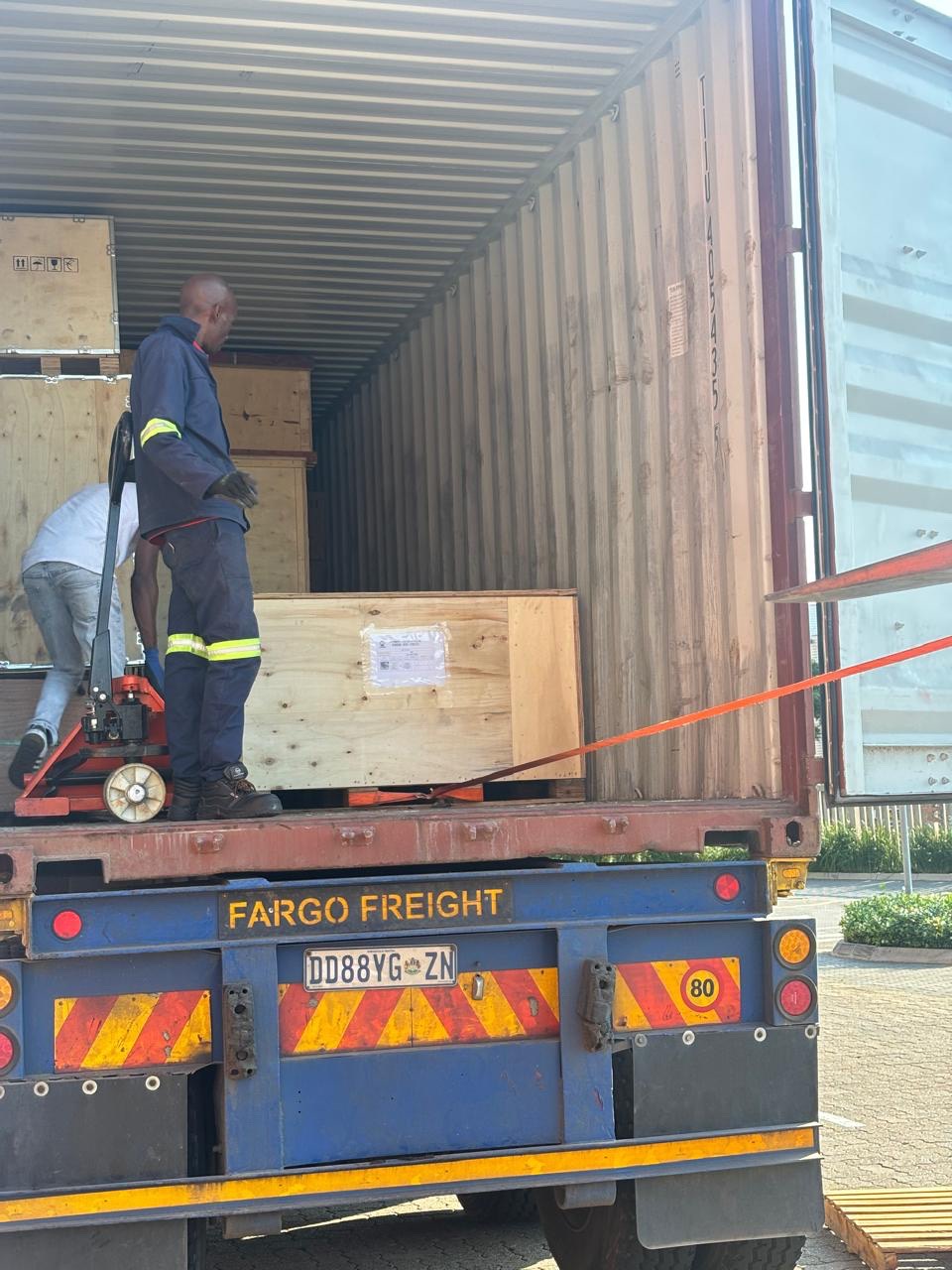
new arrivals
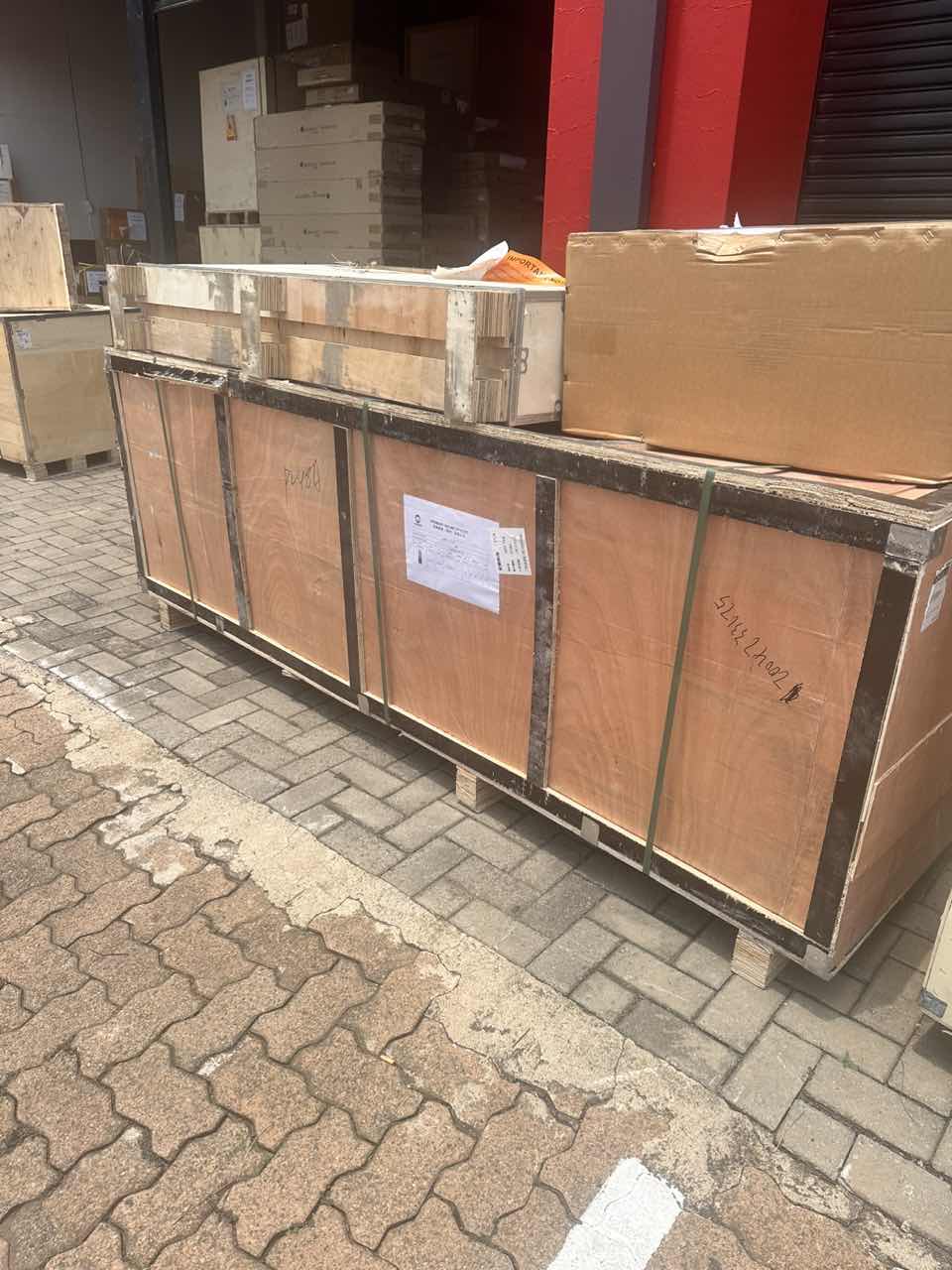
Pre Orders Offloading
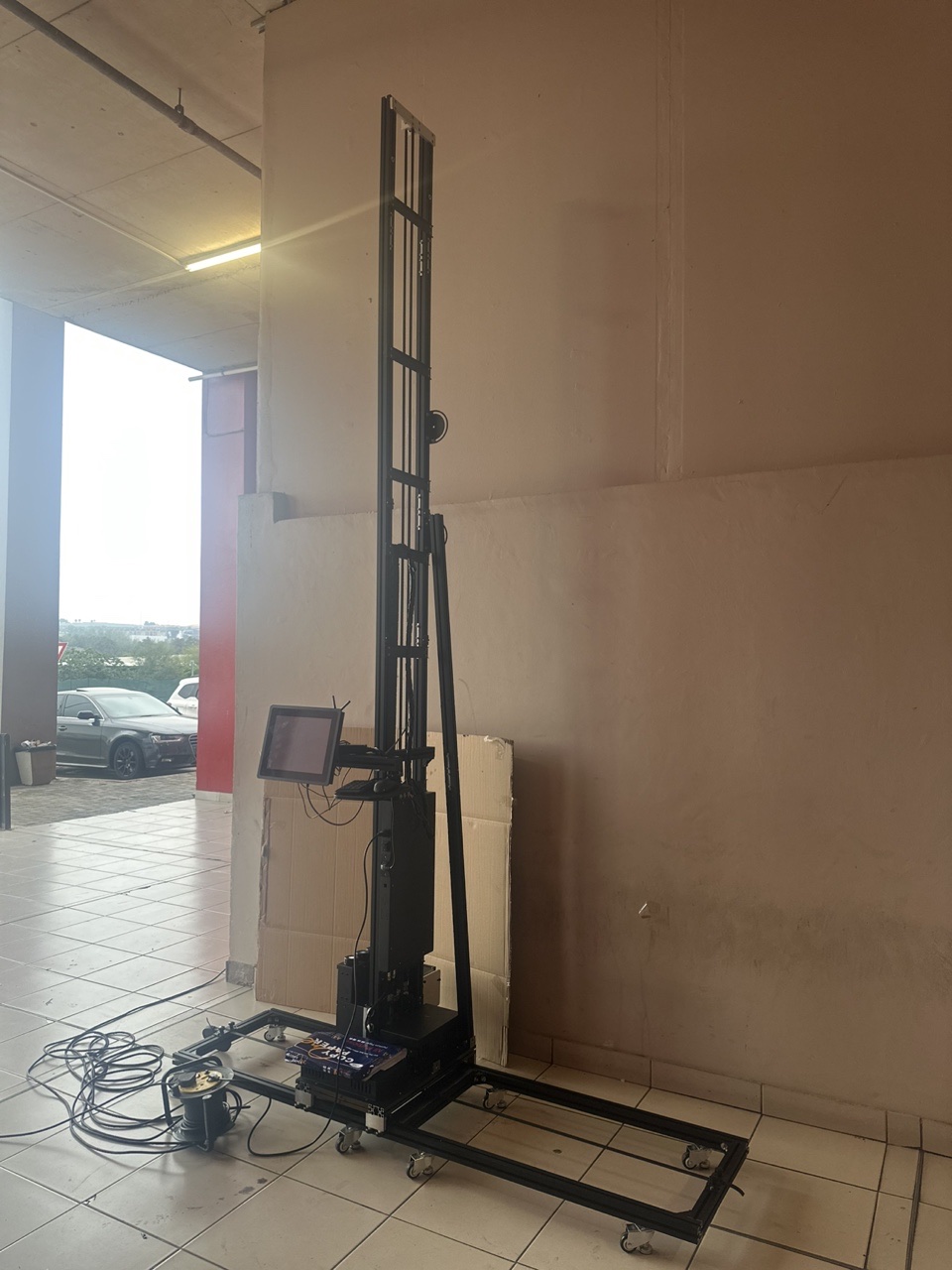
Latest Arrivals
Latest Arrivals
Latest Arrivals
Loading
Toilet paper making machine
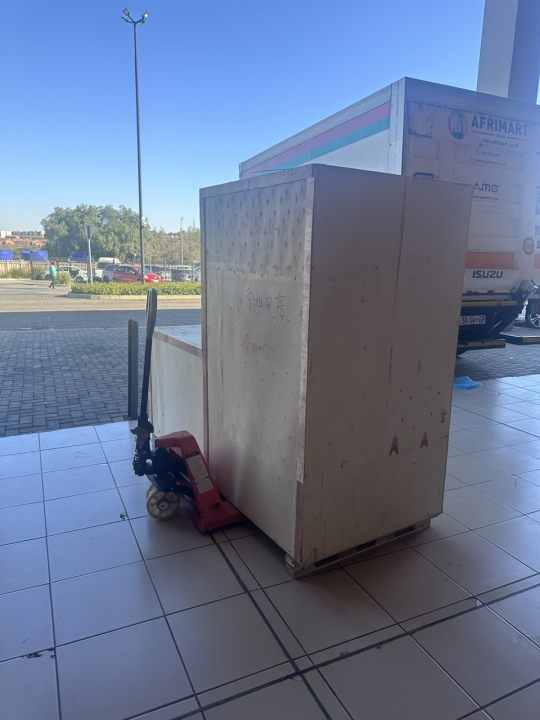
Toilet paper making machine
Toilet paper Rewinding Machine
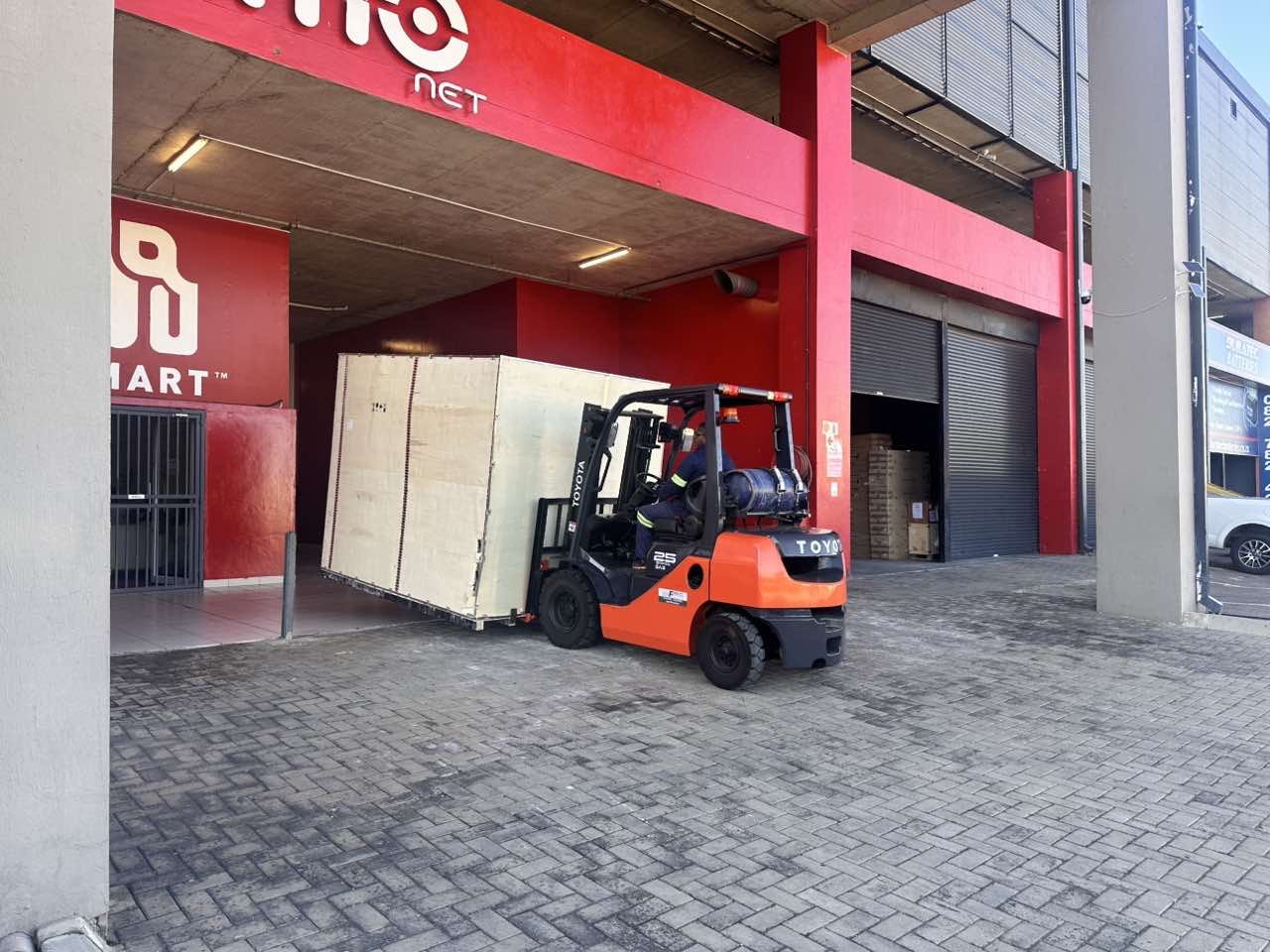
latest arrivals
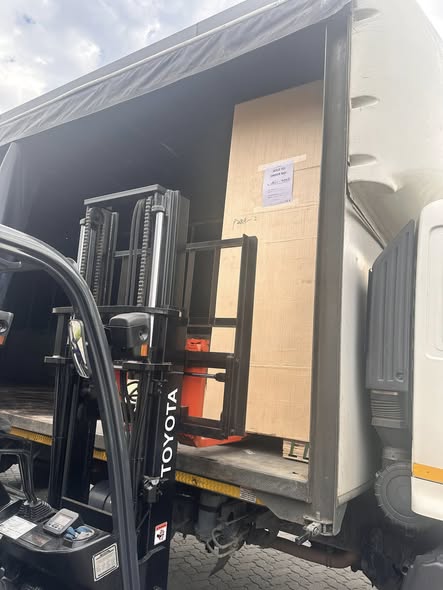
offloading
order success
order collection
order offloading