B21, China Town Mall, Midrand

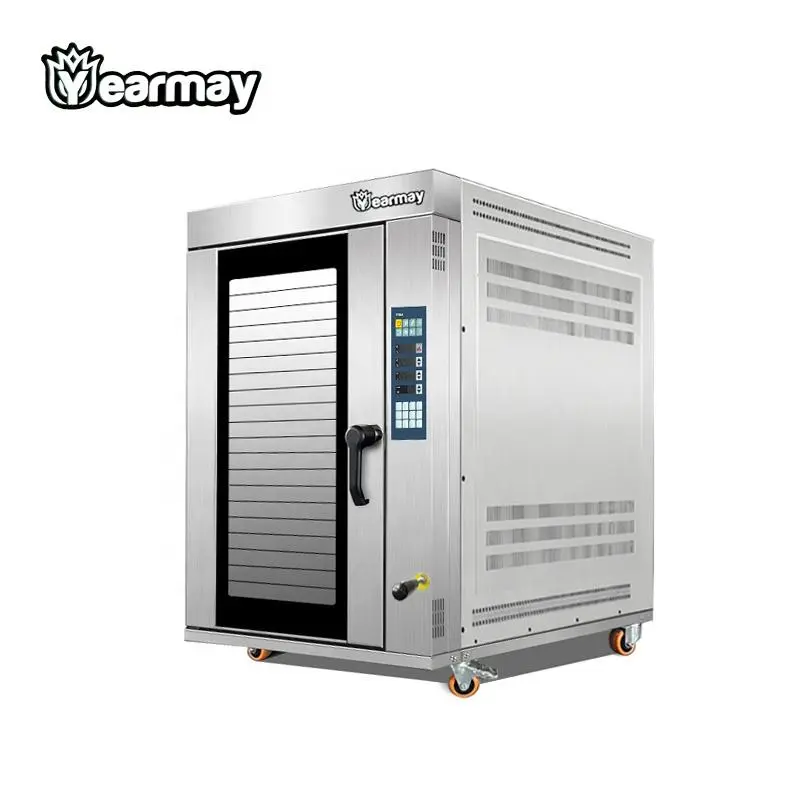
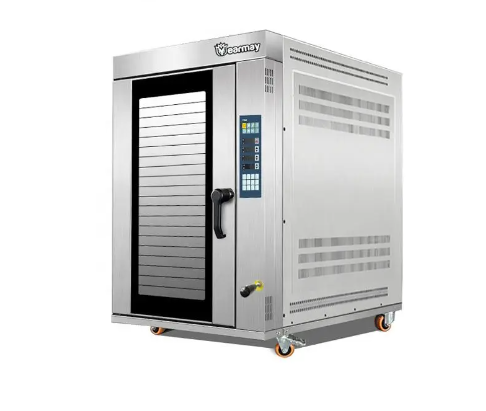
10-Tray Industrial Bread Baking Oven with Countertop Convection Oven
Asset finance available
Do you want funding for this equipment?
Afrimart can connect you with trusted funding partners who specialise in asset finance for businesses like yours. Compare options and apply in minutes — final approval is subject to provider review.
Check funding options
Secure & no obligation

- Section : Machinery
- Category : Baking Equipments
- SKU : 1600489942706

Product Description
which is stronger than
ordinary carton and
foam package, And is
not easy to damage.
then, it covered with
stretch film to prevent
water and dust. at last,
it is fixed with plywood
and the non-fumigation
plywood meet export
standards.
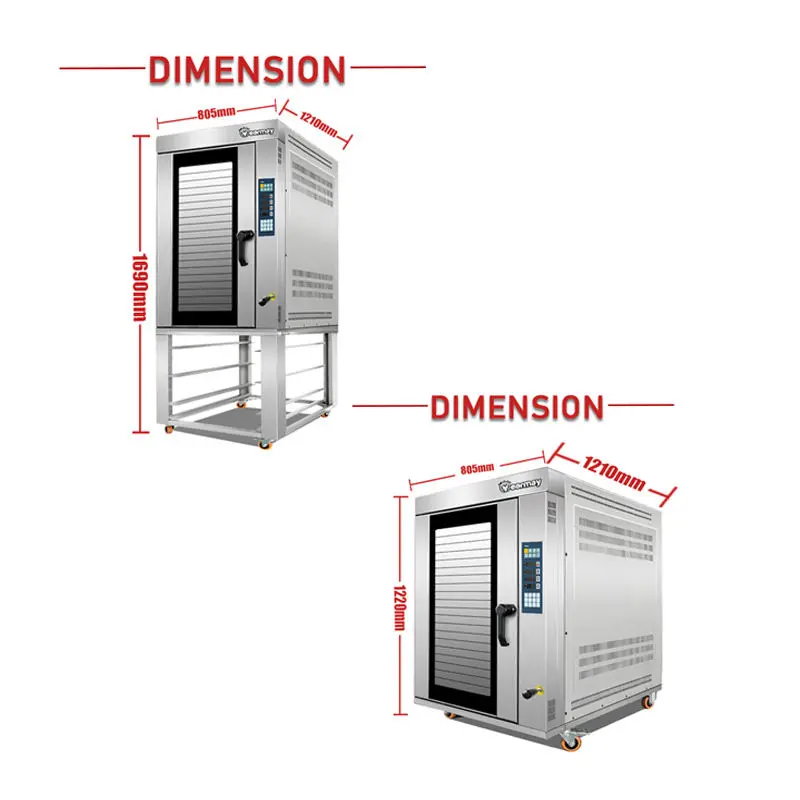
Product Paramenters
Product Size
| 10 trays hot Air convection oven | 10 trays electric hot air convection oven with under frame |


- Shipping Timeframes: All orders are processed within 2-5 business days (excluding weekends and holidays). After your order has been processed, the estimated delivery time is before 04 Aug, 2026, depending on customs, Please note that due to high demand, some items may experience longer shipping times, which will be communicated at order confirmation email.
- Order Processing Time: Please allow 2-5 business days for us to process your order before it is shipped . Orders placed after 16:00 on Fridays, or during weekends and public holidays, will begin processing on the next business day. Processing times may be extended during peak seasons or sales events.
- Manufacturing Time: Some products needs manufacturing time, the manufacturing process will take approximately 10-30 business days depending on the product. This timeframe may vary depending on the complexity of the product and current demand. but this will be communicated with you during order confirmation.
- Returns and Exchanges: We offer a 30-day return policy for most items. If you are not completely satisfied with your purchase, you may return it within 30 days of receipt for a refund or exchange. Items must be unused, in their original packaging, and accompanied by proof of purchase. Return shipping costs are the responsibility of the customer, unless the item was damaged or defective upon arrival.
1. What is the capacity of the 10-Tray Industrial Bread Baking Oven?
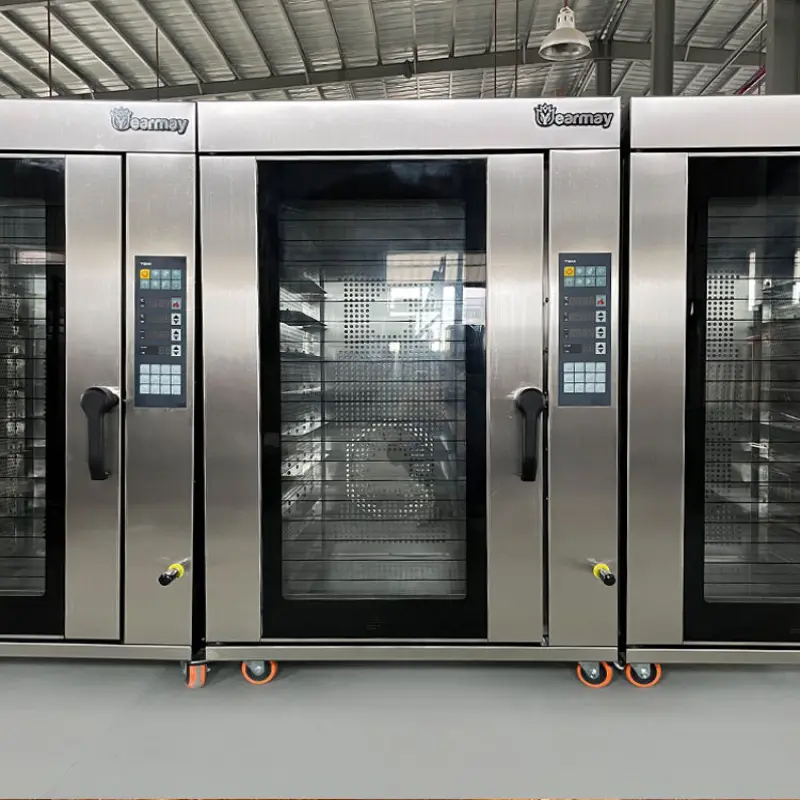
The oven holds up to 10 baking trays. It is designed for industrial/ bakery use and accepts standard commercial sheet pans — typically 600 x 400 mm (European) or equivalent sizes. Confirm tray compatibility with the supplier when ordering.
2. Is this a countertop or freestanding oven?
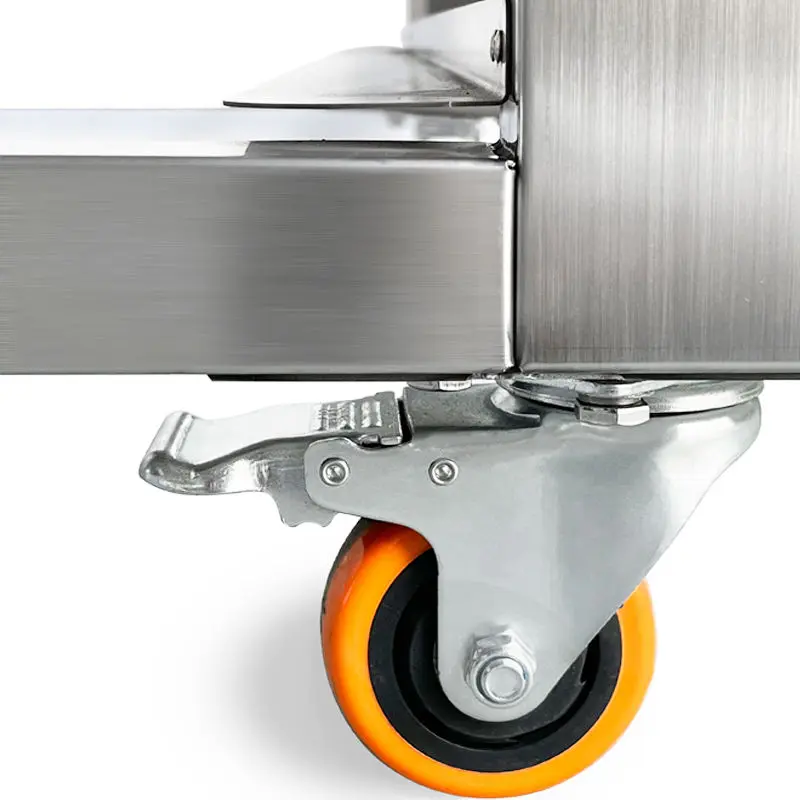
The product is a countertop convection oven but is also offered with an optional under-frame (stand) for freestanding installation and storage. The under-frame may include shelves or casters depending on the configuration.
3. What type of heating does the oven use?
This model uses electric hot-air convection (fan-assisted) heating to promote even baking across all trays.
4. What power/voltage options are available?
Voltage and power options vary by market and model. Common configurations include single-phase 220–240 V for smaller installations and three-phase 380–415 V for industrial kitchens. Power rating depends on the model; please confirm the exact electrical specification with the manufacturer or distributor before purchase.
5. What is the temperature range and how is temperature controlled?
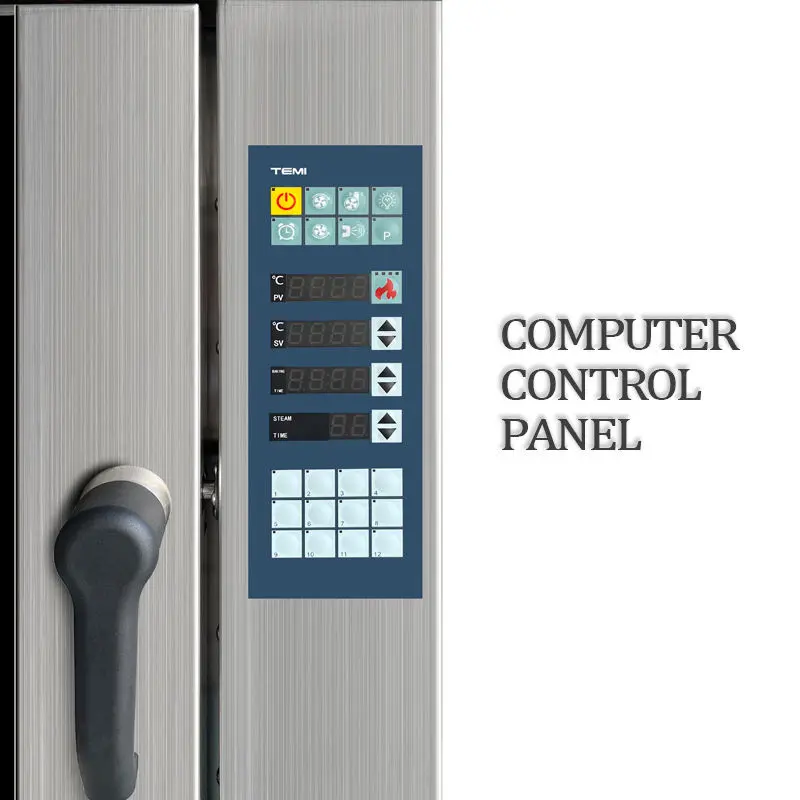
Typical convection bakery ovens reach temperatures sufficient for bread baking (commonly up to around 250–300°C). Control options vary by model and can include mechanical thermostats or digital programmable controllers with timers and multi-stage programs. Verify the temperature range and controller type for your chosen configuration.
6. Does the oven include steam injection for bread baking?
Some configurations or optional packages may include a steam injection system for crust development. If steam capability is required, request the steam option or a model with an integrated steam source when ordering.
7. What materials is the oven constructed from and is it easy to clean?
Industrial bread ovens are typically constructed from stainless steel (interior and exterior) for durability and hygiene. Trays, racks, and crumb trays are usually removable to simplify cleaning. Routine wiping and periodic deeper cleans are recommended; follow the manufacturer's cleaning instructions.
8. What safety features does the oven have?
Common safety features include thermal cut-out/over-temperature protection, insulated door handles, door safety switches, and proper grounding for electrical safety. Available safety features depend on the model — check the specification sheet for details.
9. How is the oven packaged for shipping?
Per the product description, units are packaged with stronger-than-standard cartons and foam, wrapped in stretch film to protect against water and dust, and finally secured with non-fumigation plywood that meets export standards to minimize damage during transit.
10. Do you provide installation and commissioning?
Installation and commissioning are often offered as optional services by dealers or distributors. At minimum, professional electrical connection by a qualified technician is recommended. Contact your supplier for installation service availability and pricing.
11. What accessories are included or available?
Standard inclusions typically are wire racks/trays for the 10 positions and possibly a crumb tray. Optional accessories may include additional baking pans, steam injection modules, under-frame stands with storage or casters, and spare parts. Confirm accessory lists with the vendor.
12. Are there ventilation or clearance requirements?
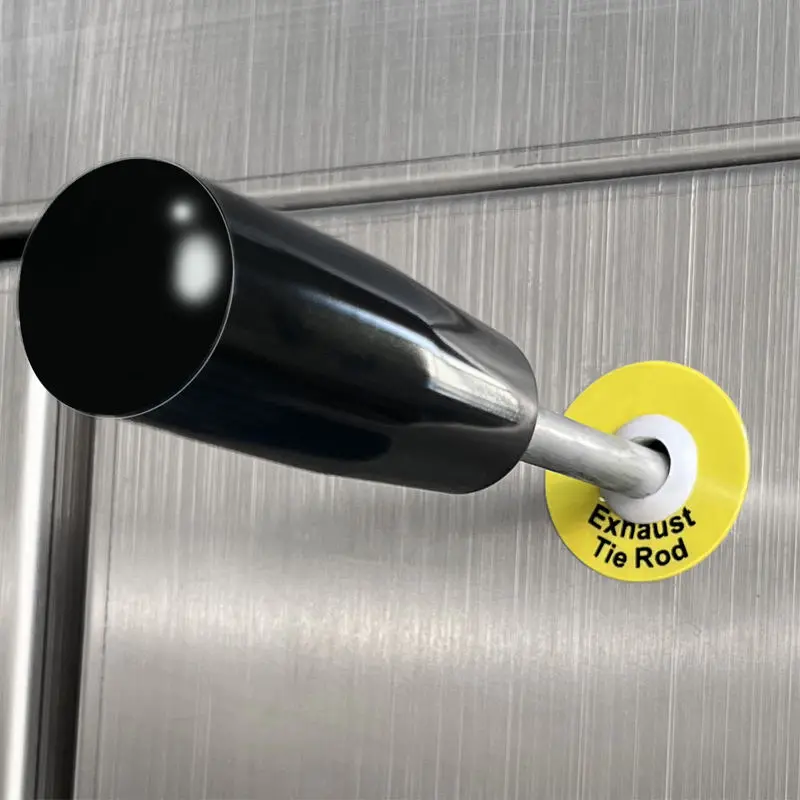
Yes — allow adequate clearance around the oven for heat dissipation and air circulation as specified in the user manual. For high-volume operations, an external exhaust or proper kitchen ventilation may be required. Check the installation guide for recommended clearances and ventilation needs.
13. What warranty and after-sales support are provided?
Warranty terms vary by manufacturer and supplier; a typical commercial warranty is one year on parts and labor, with extended warranty options available. After-sales support and spare-parts availability differ by region — confirm warranty length and service arrangements with your supplier before purchase.
14. How long is the lead time for delivery?
Lead time depends on stock, customization, and shipping destination. Typical lead times range from a few days for stocked units to several weeks for made-to-order or customized ovens. Ask your distributor for an estimated delivery schedule.
15. What maintenance is required to keep the oven performing reliably?
Regular maintenance includes cleaning the interior and trays, checking and cleaning fan and air pathways, inspecting door seals and hinges, and periodic electrical/element inspections by a qualified technician. Follow the manufacturer's maintenance schedule for best results and longevity.
Latest Order Arrivals
Discover our latest orders
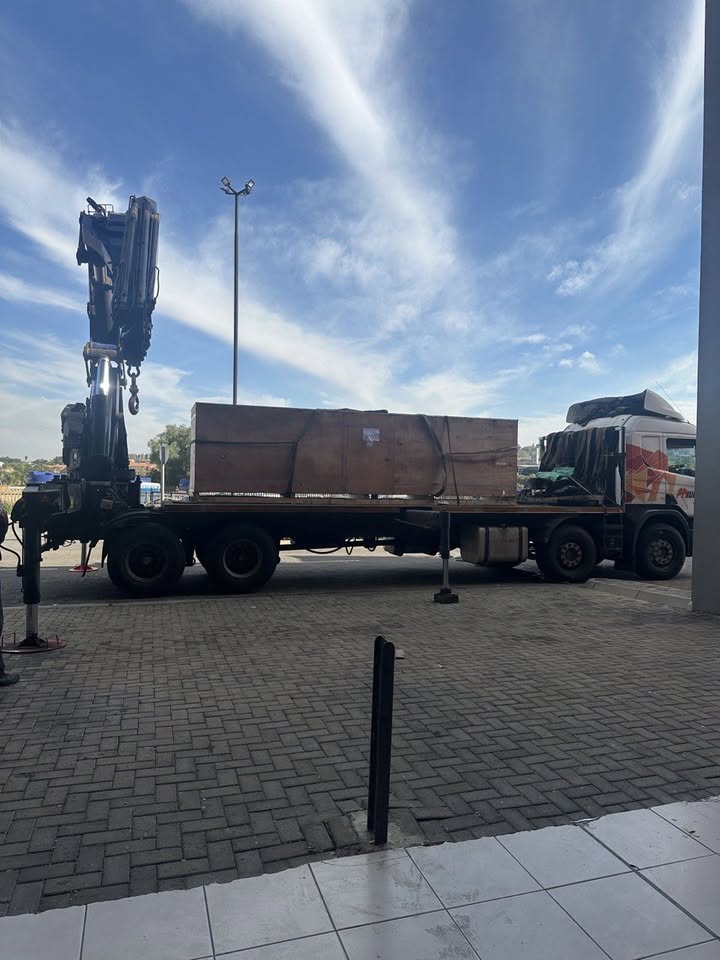
12 Heads Embroidery Machine
Toilet Paper Machine Machine
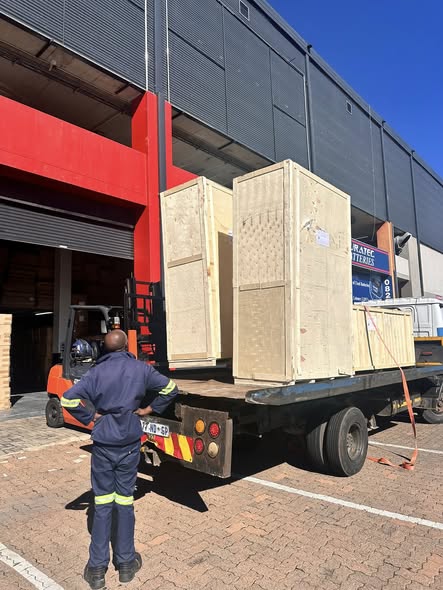
Order Collection
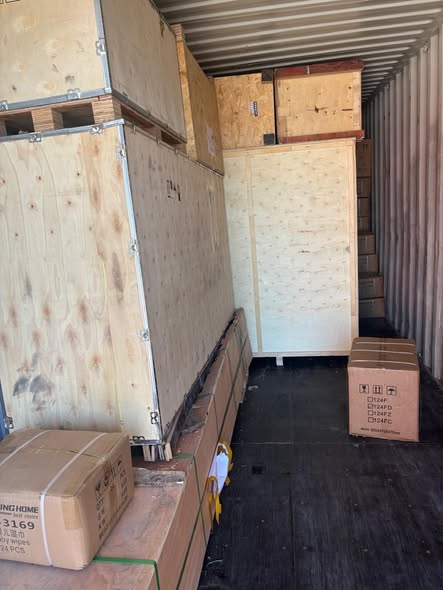
Cross Border Clients
Order cros border countries Collected
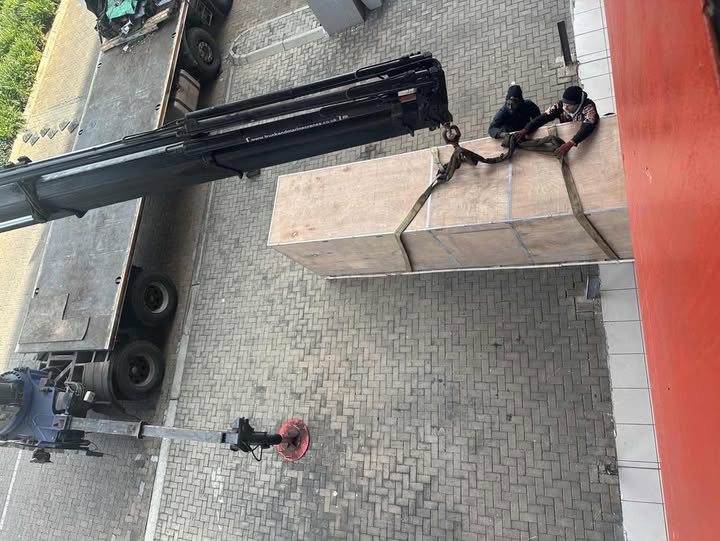
Industrial Machine Cllection
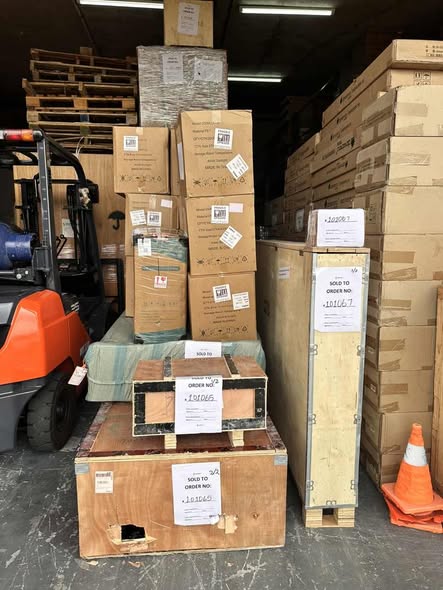
Agriculture Processing Machines
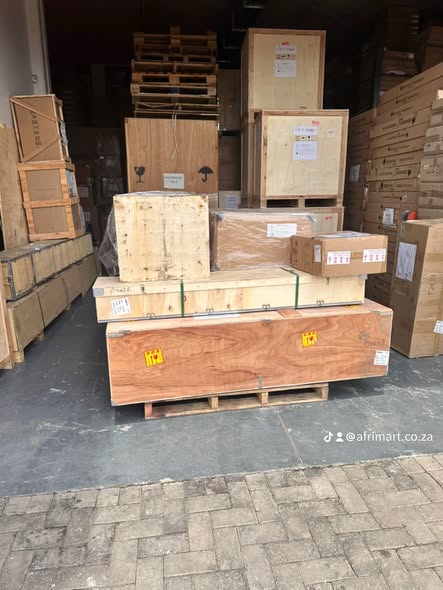
Ready for collection
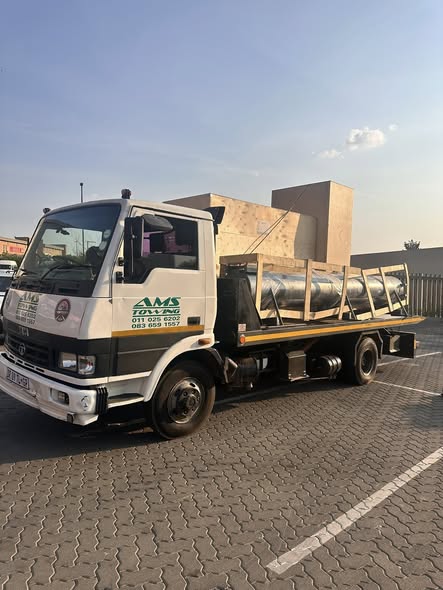
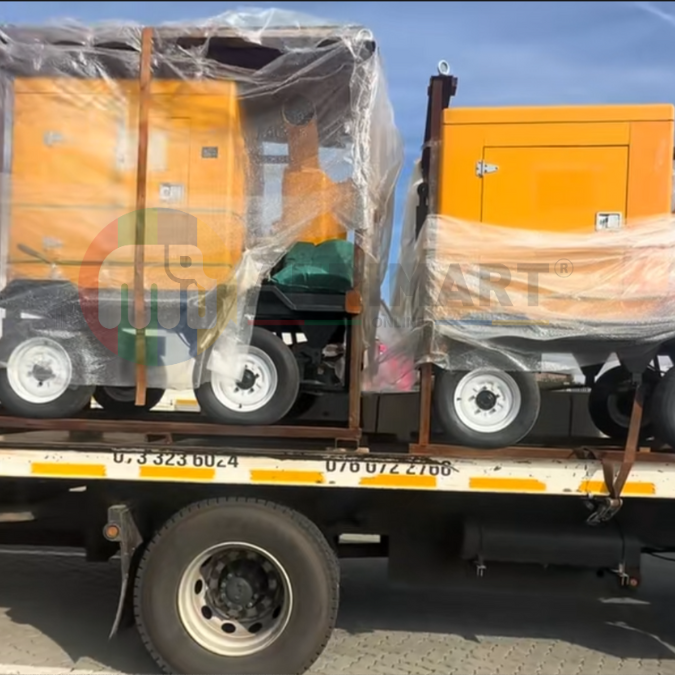
Water Pump Equipment
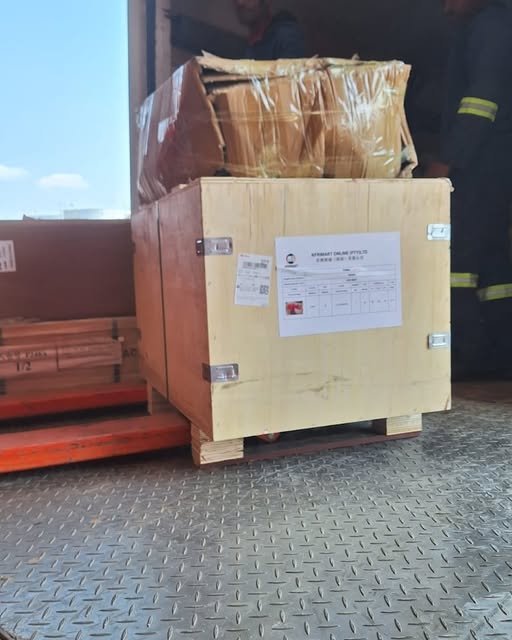
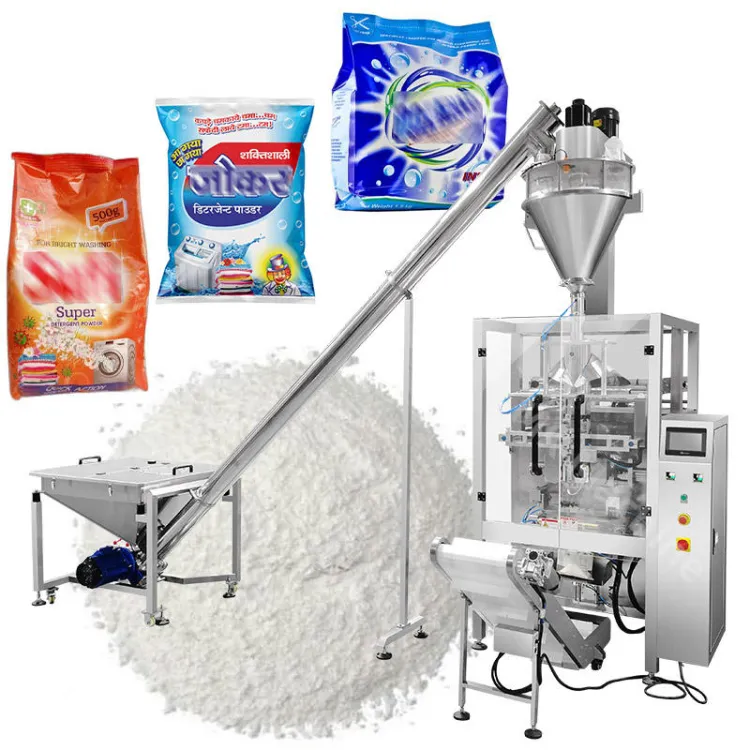
Packaging Machine and accessories
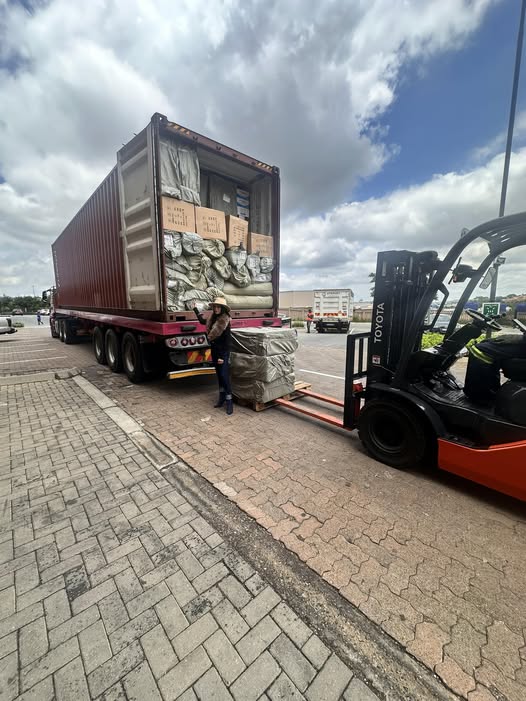
Fabrics Manufacturing Equipment
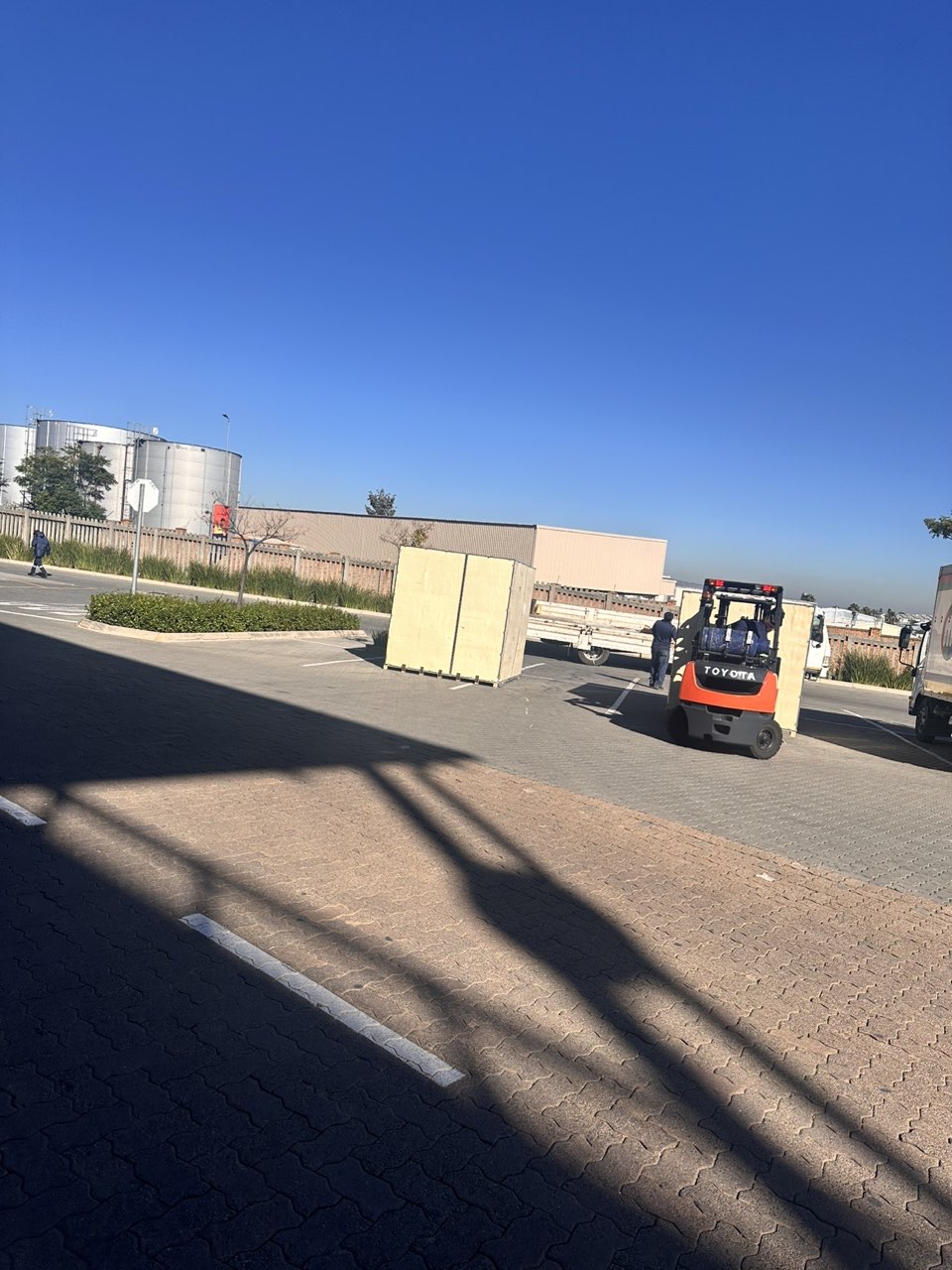
Mining Equipments
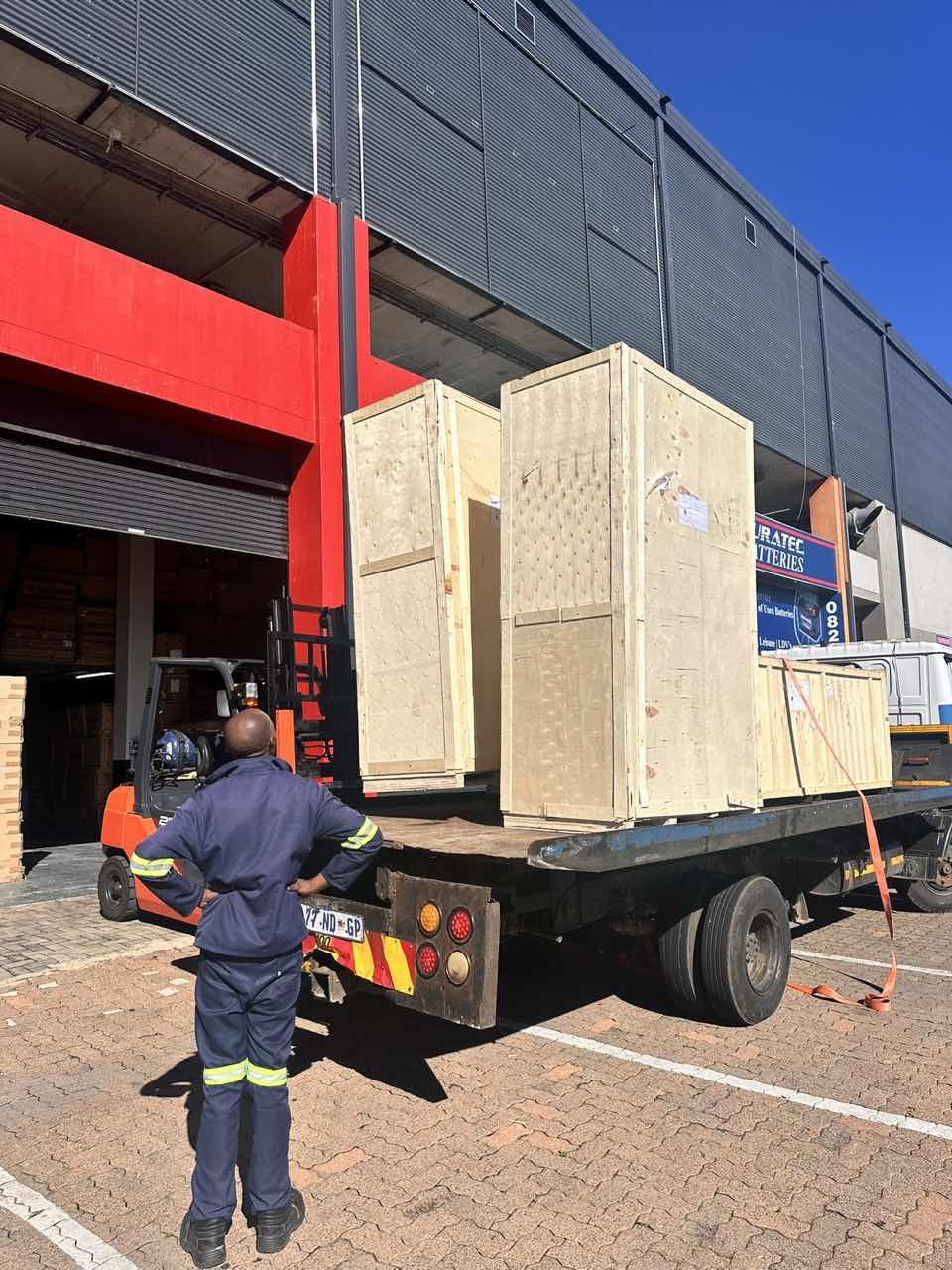
Food Processing Machine
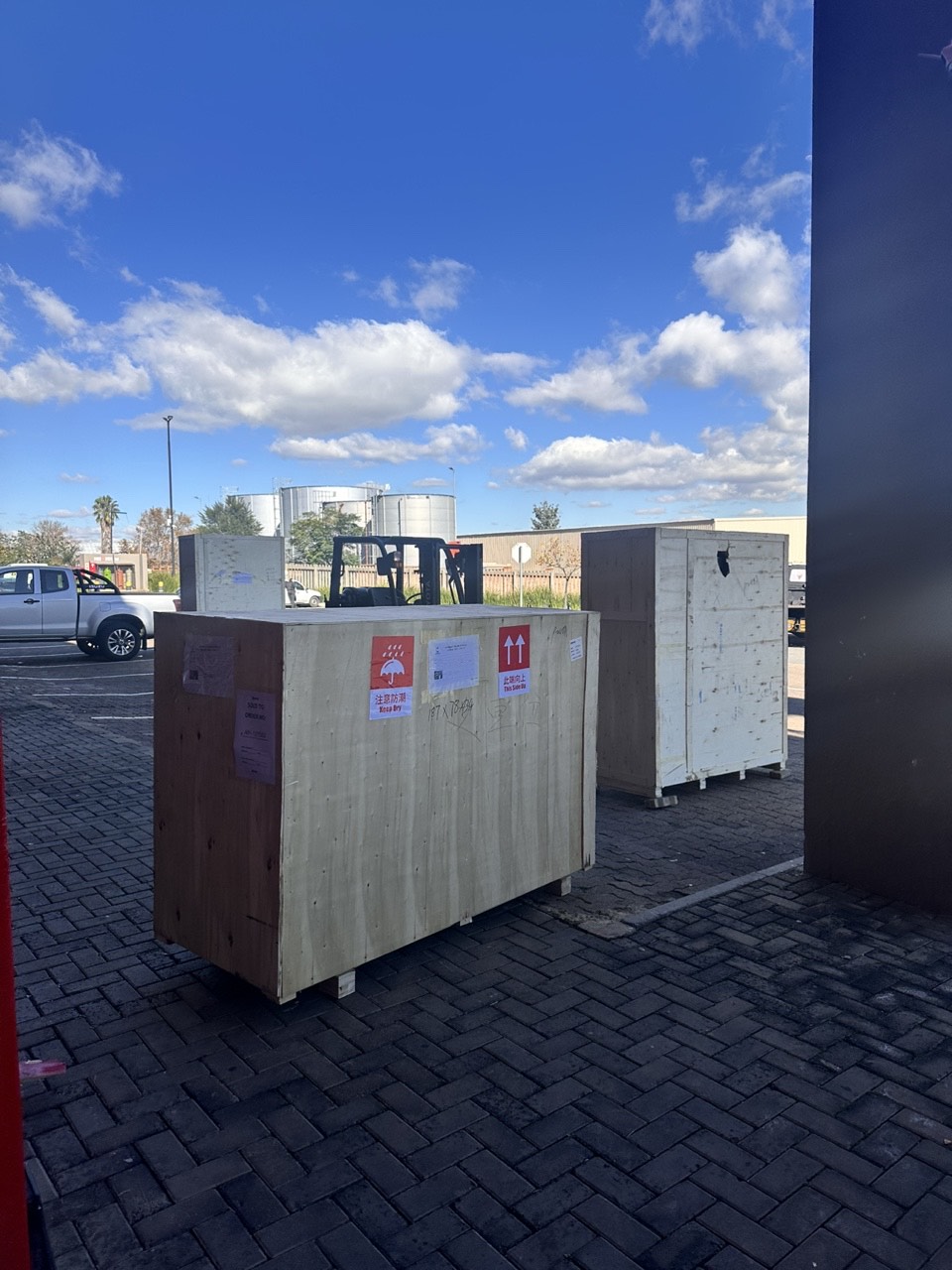
Batch of Orders
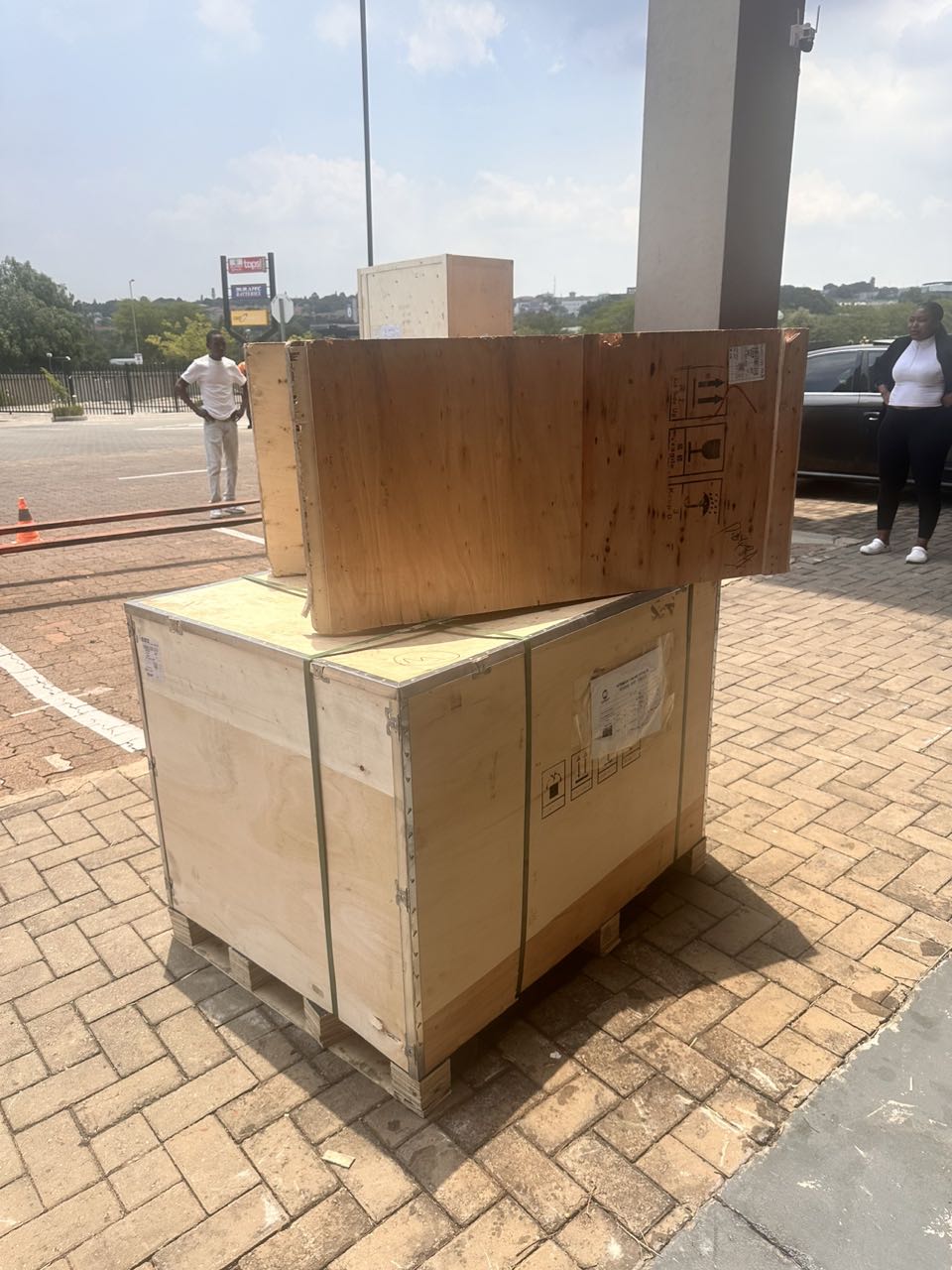
Batch of Orders
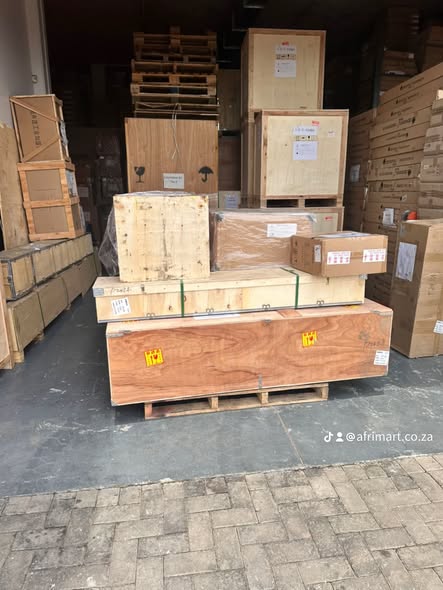
Latest Orders Labelled
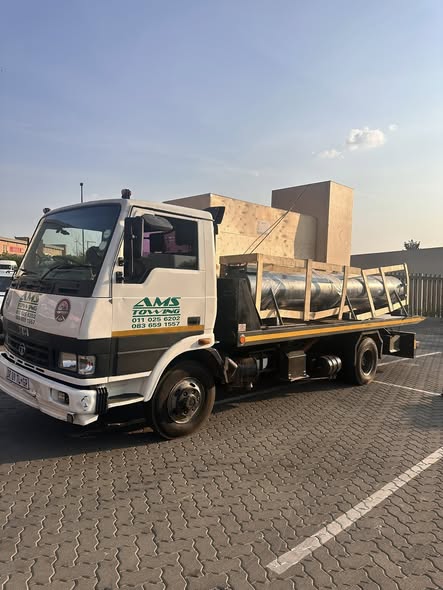
wheel alignment machines
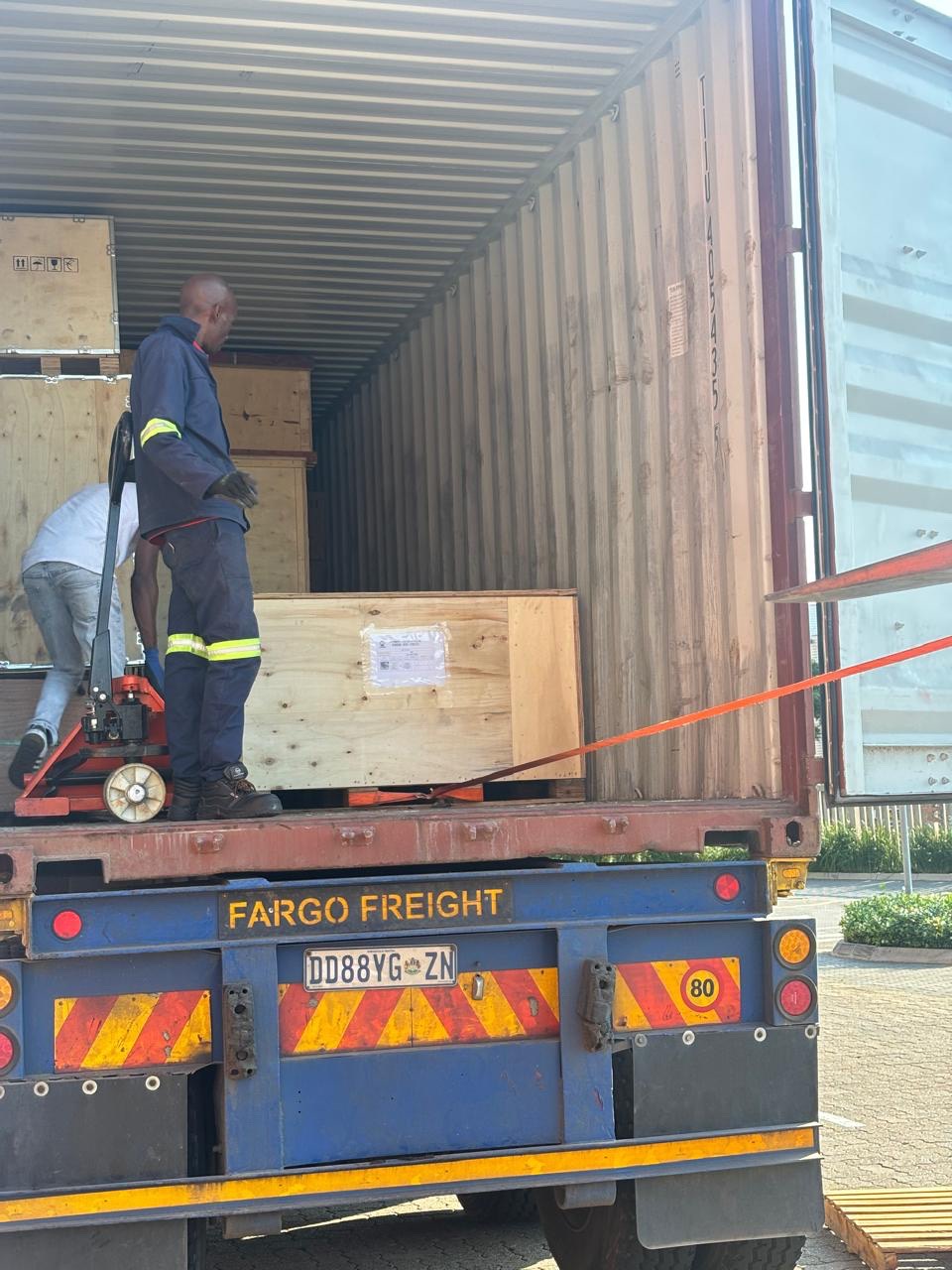
new arrivals
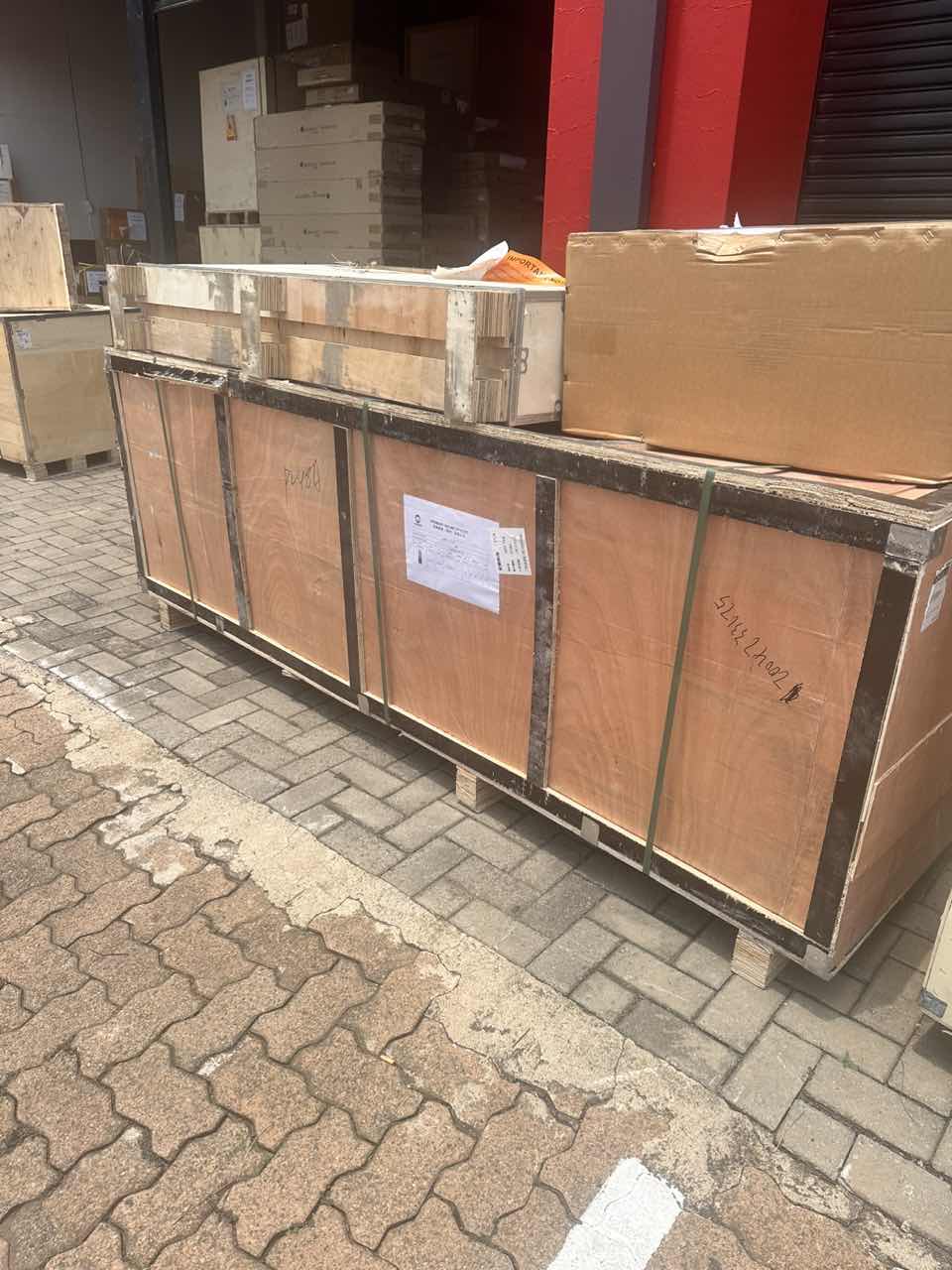
Pre Orders Offloading
Latest Arrivals
Latest Arrivals
Latest Arrivals
Loading
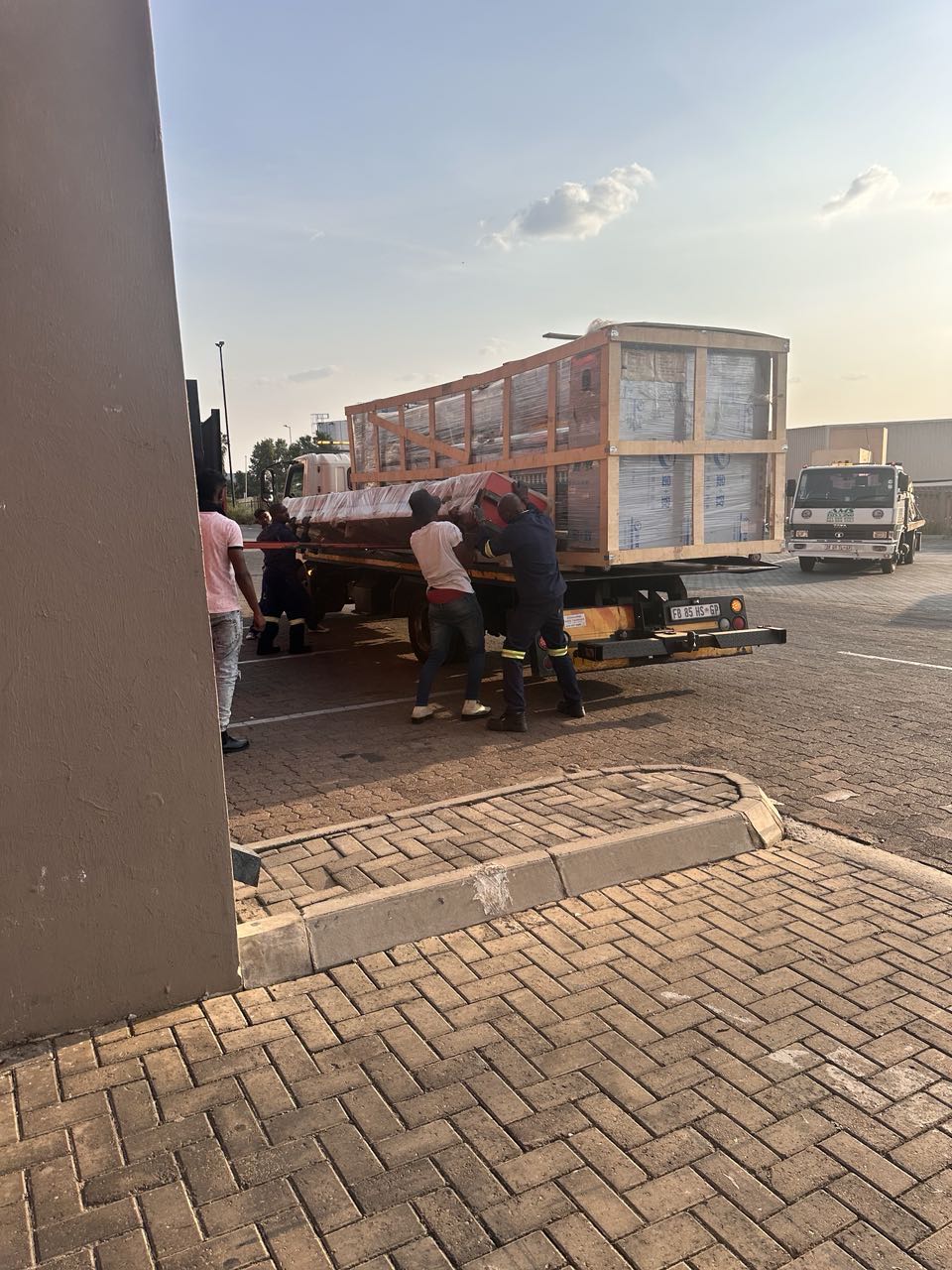
Toilet paper making machine
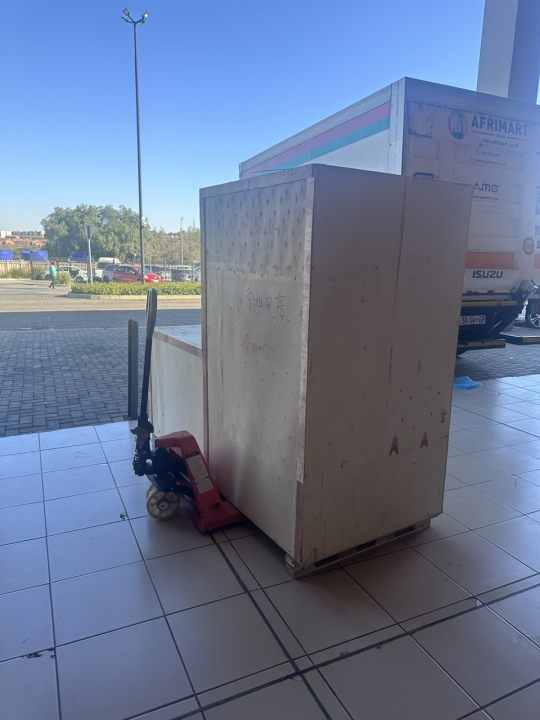
Toilet paper making machine
Toilet paper Rewinding Machine
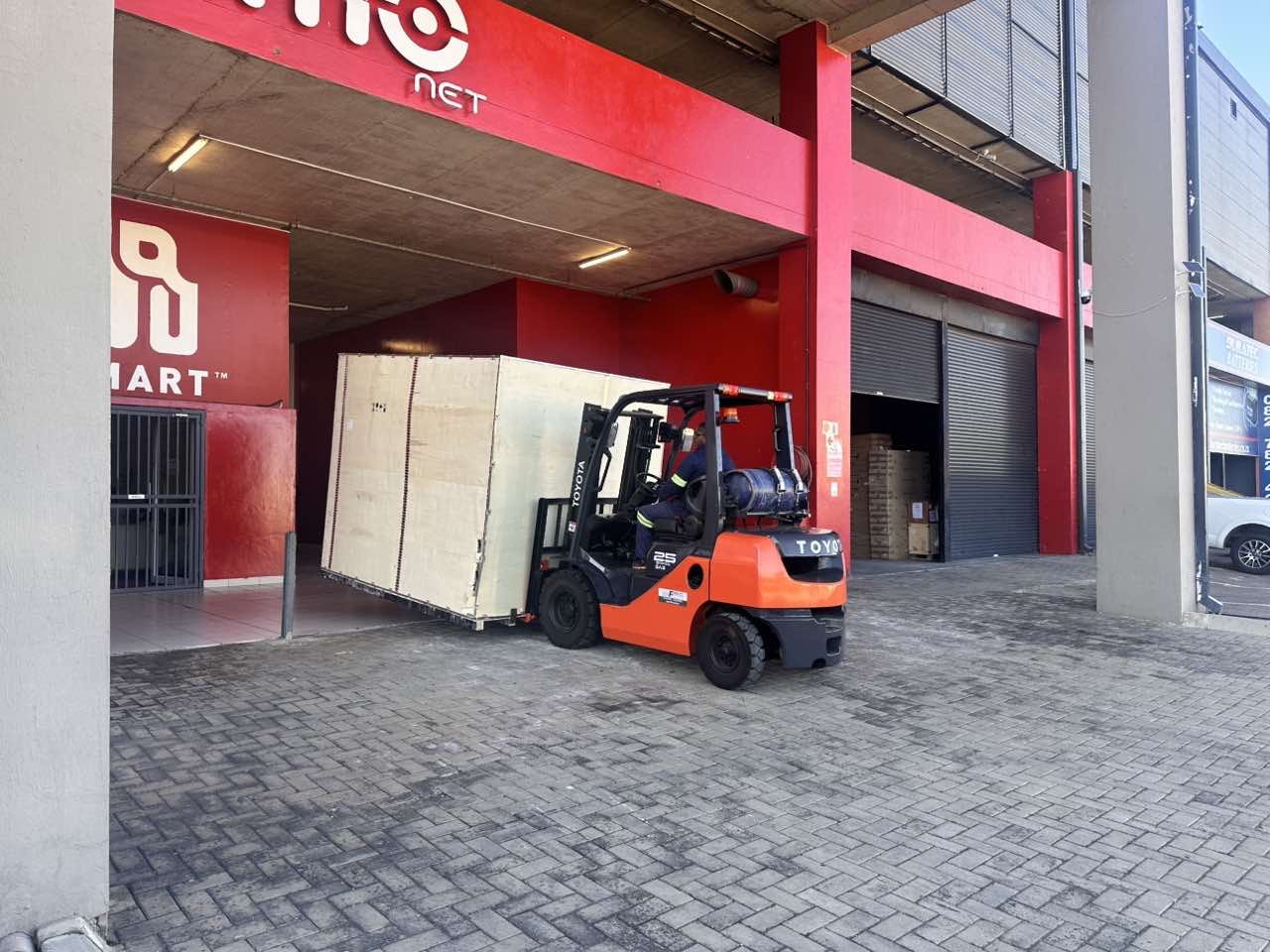
latest arrivals
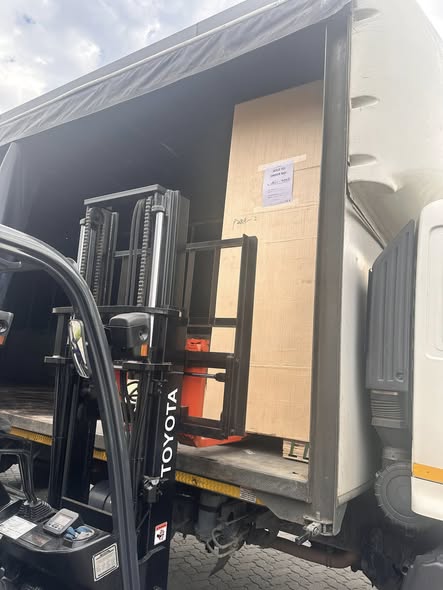
offloading
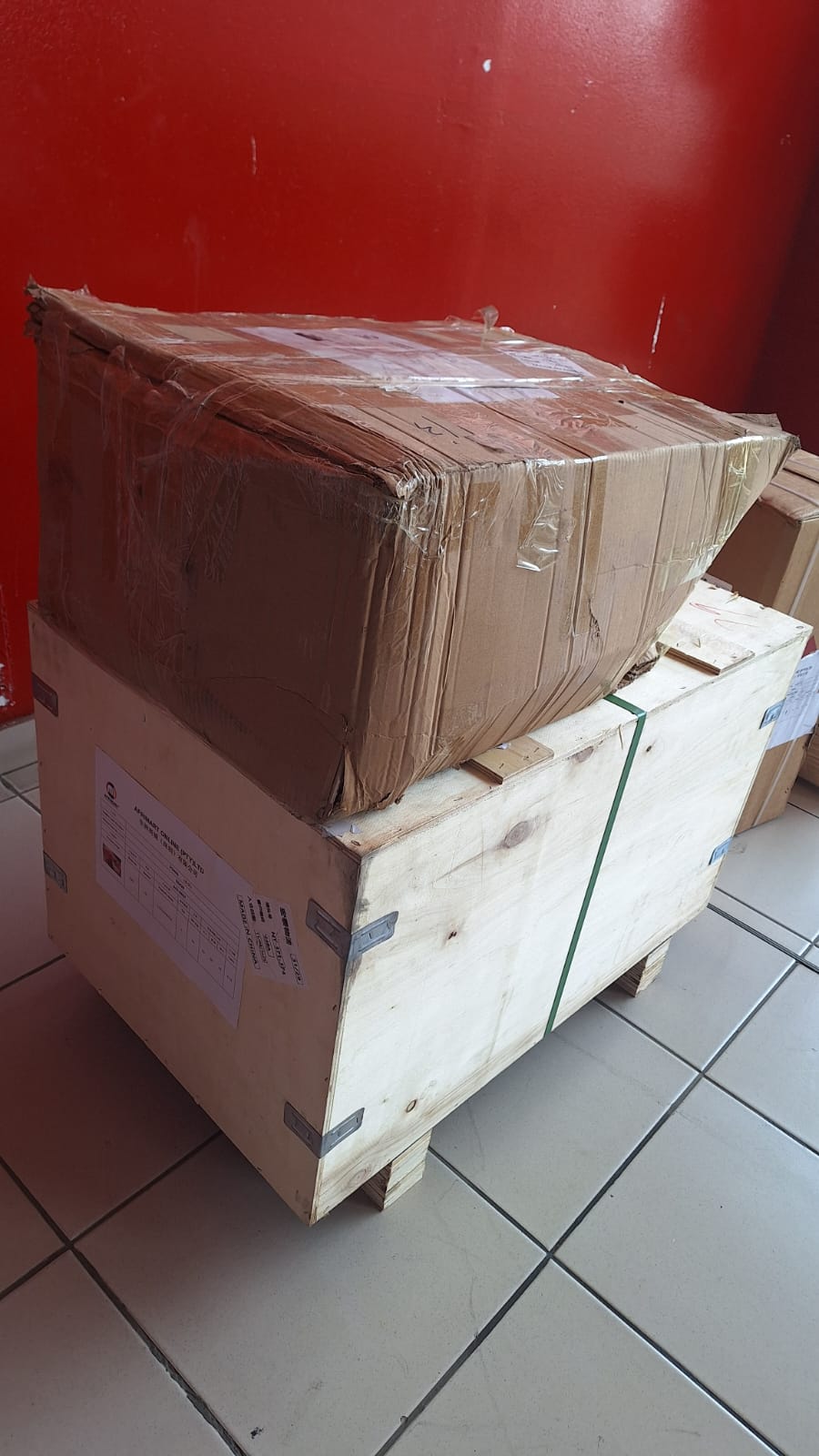
order success
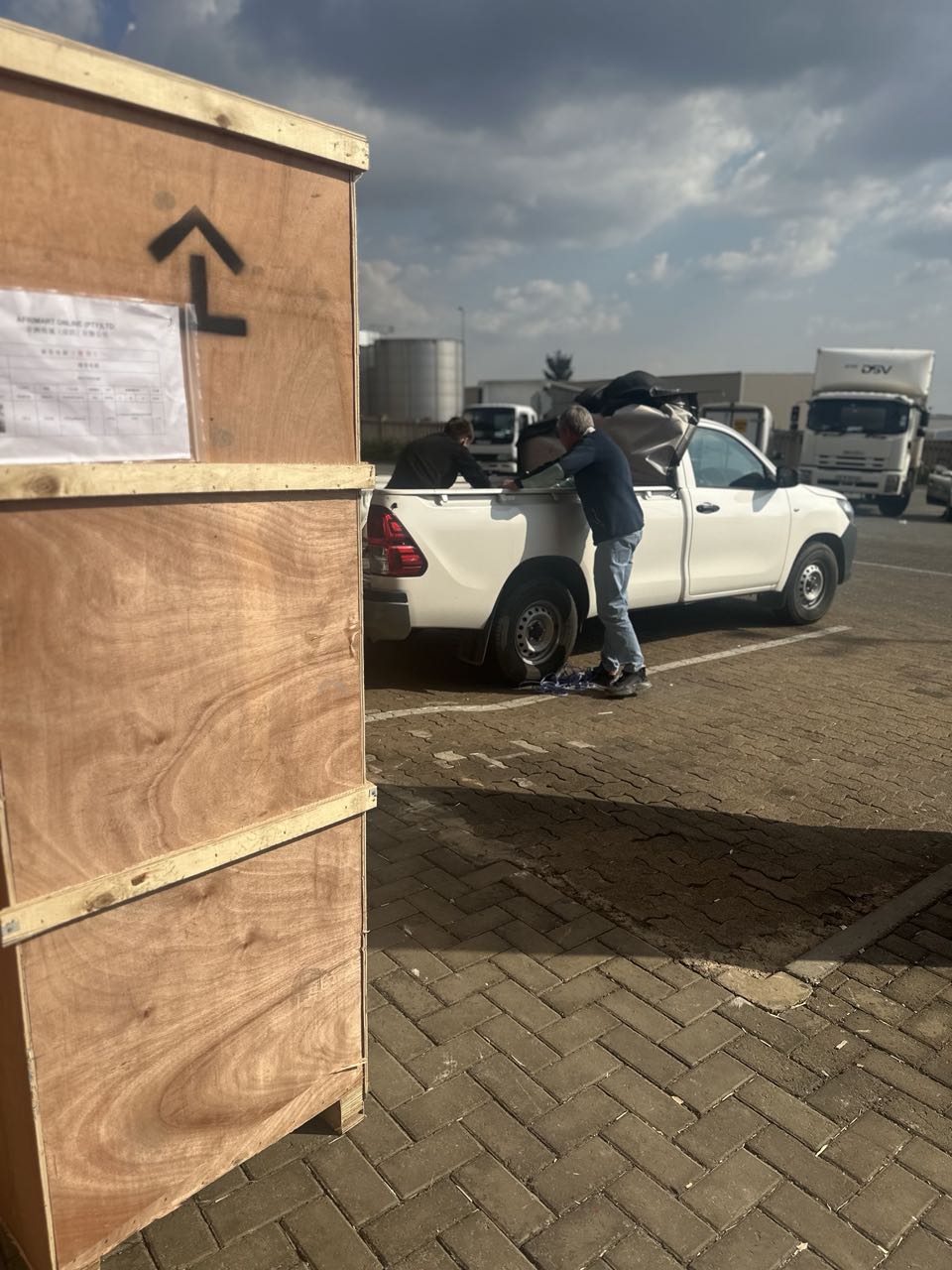
order collection
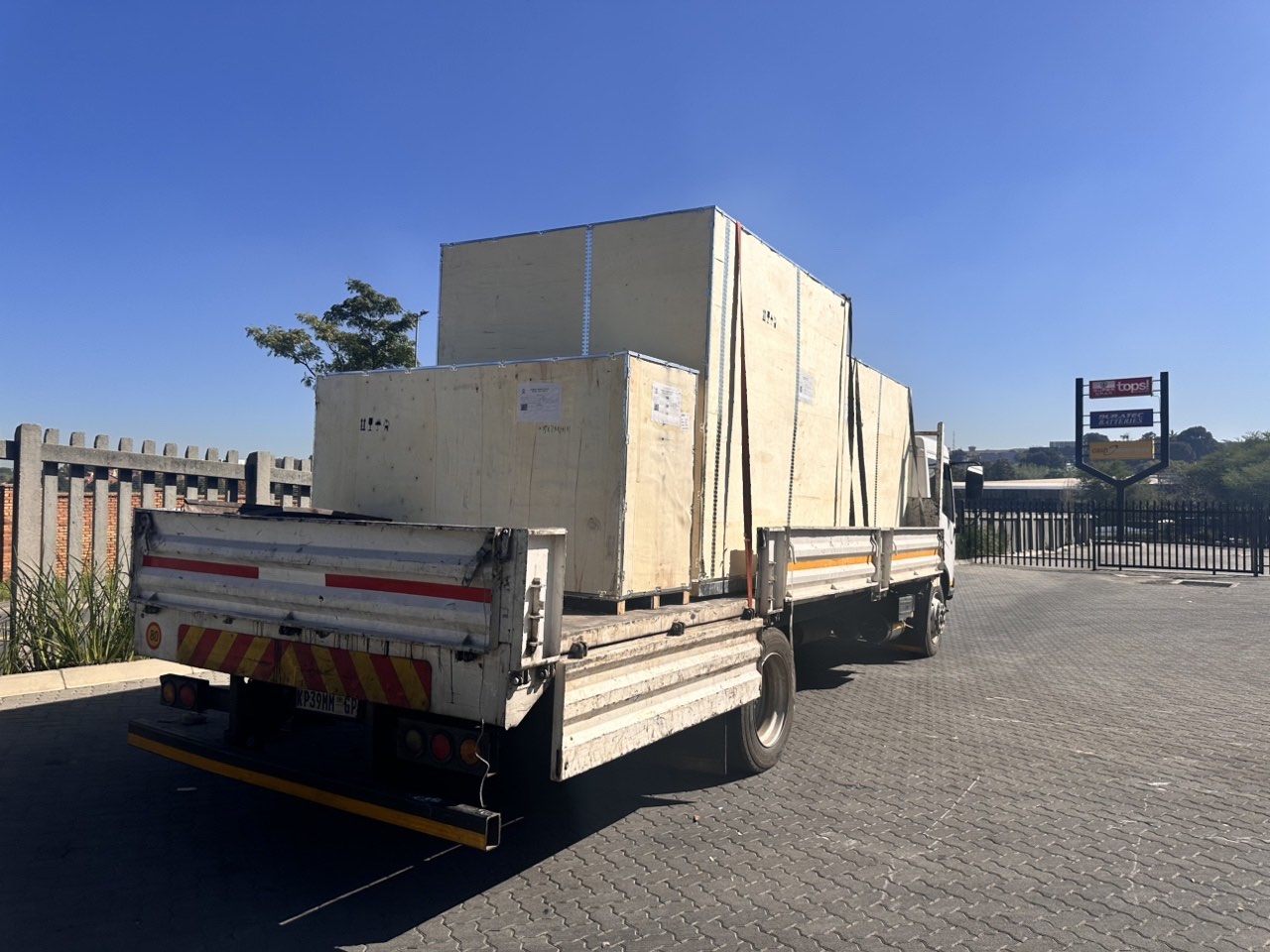
order offloading