B21, China Town Mall, Midrand


100kg/h Peanut Roasting Machine
Asset finance available
Do you want funding for this equipment?
Afrimart can connect you with trusted funding partners who specialise in asset finance for businesses like yours. Compare options and apply in minutes — final approval is subject to provider review.
Check funding options
Secure & no obligation

- Section : Machinery
- Category : Food & Beverage Machinery
- SKU : 62568845393-1-1

100kg/h Roasting Machine
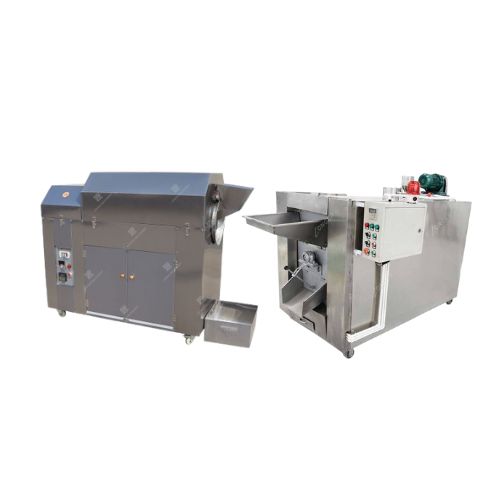
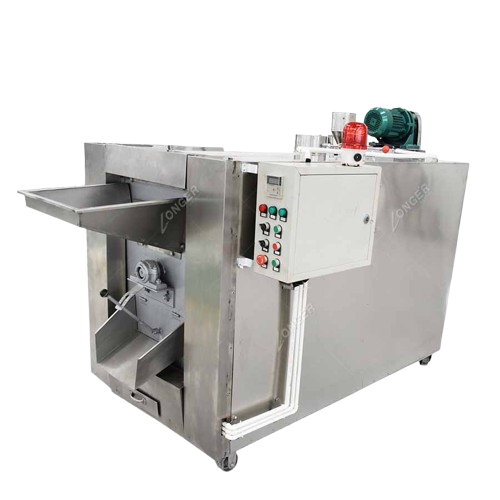
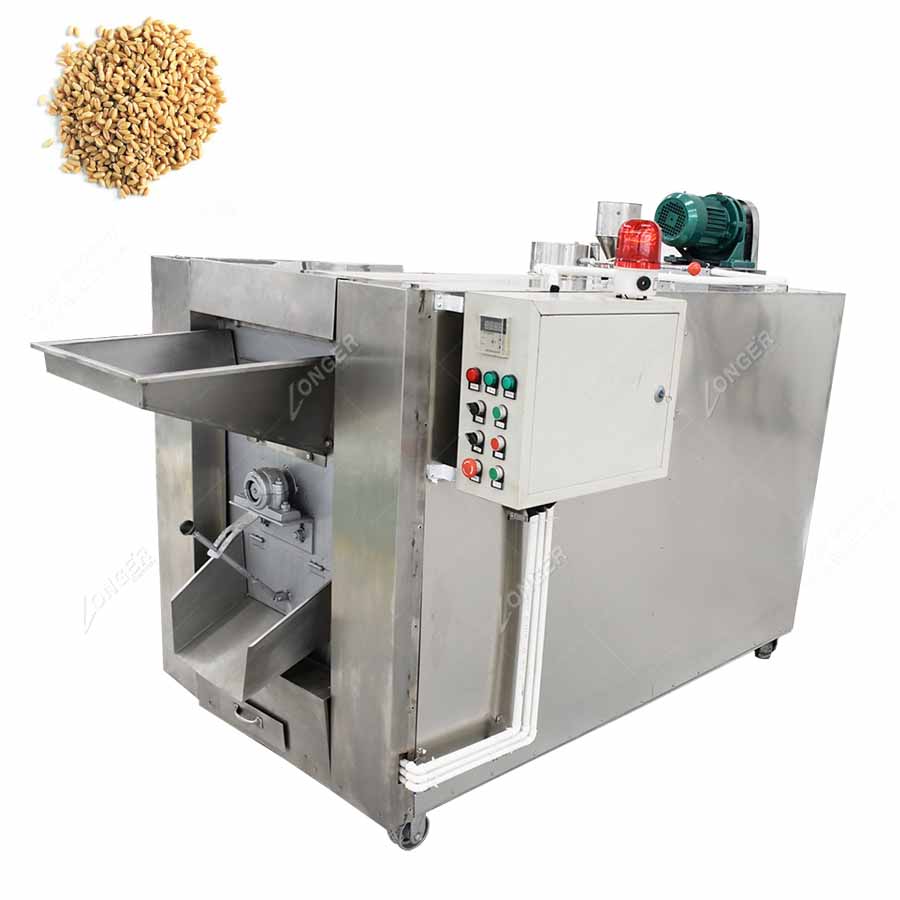
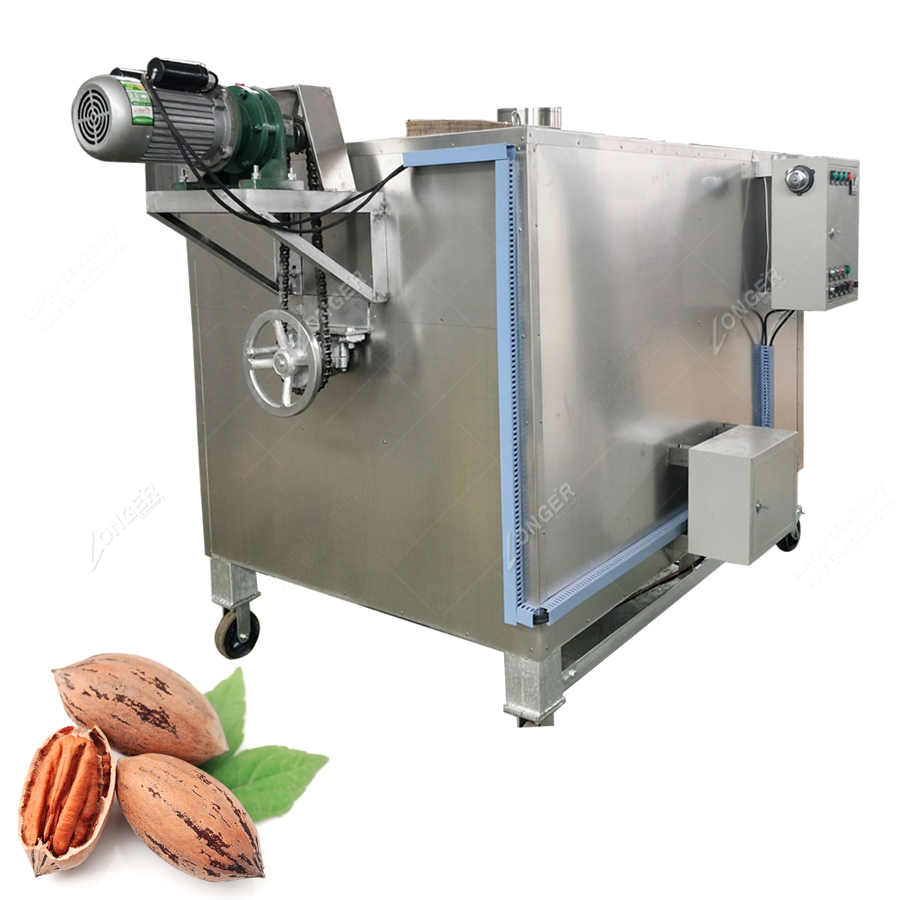
Peanut Roasting Machine – High Capacity Roaster (100KG per Batch)
Upgrade your food processing capabilities with this High-Capacity Peanut Roasting Machine, designed to roast a variety of raw beans, nuts, and seeds with precision and consistency. Ideal for commercial food manufacturers, snack producers, and agricultural processors.
Key Features:
Large Capacity: Roasts up to 100KG per batch, suitable for medium to large-scale production.
Dual Heating Options: Available in gas (natural gas or LPG) or electric models to suit your energy preferences.
Adjustable Temperature & Time: Roasting temperature range 0–300℃ and roasting time between 30–60 minutes, allowing for flexible control based on the type of food.
Durable Materials: Contact parts made from food-grade 304 stainless steel; outer cover is 201 stainless steel for long-term use.
Low Maintenance Motor: Equipped with a 0.75KW motor that does not require oil, ensuring cleaner operation and lower maintenance costs.
Energy Efficiency:
Gas Model: 4KG/h or 4m³/h gas consumption
Electric Model: 18KW/h electricity consumption
Specifications:
Machine Name: Peanut Roasting Machine
Capacity: 100KG per batch
Motor Power: 0.75KW/h
Heating Type: Gas (LPG/Natural Gas) or Electric
Gas Consumption: 4KG/h or 4m³/h
Electricity Consumption: 18KW/h
Temperature Range: 0–300℃ (Adjustable)
Roasting Time: 30–60 minutes (Adjustable)
Material (Food Contact): 304 Stainless Steel
Material (Exterior Cover): 201 Stainless Steel
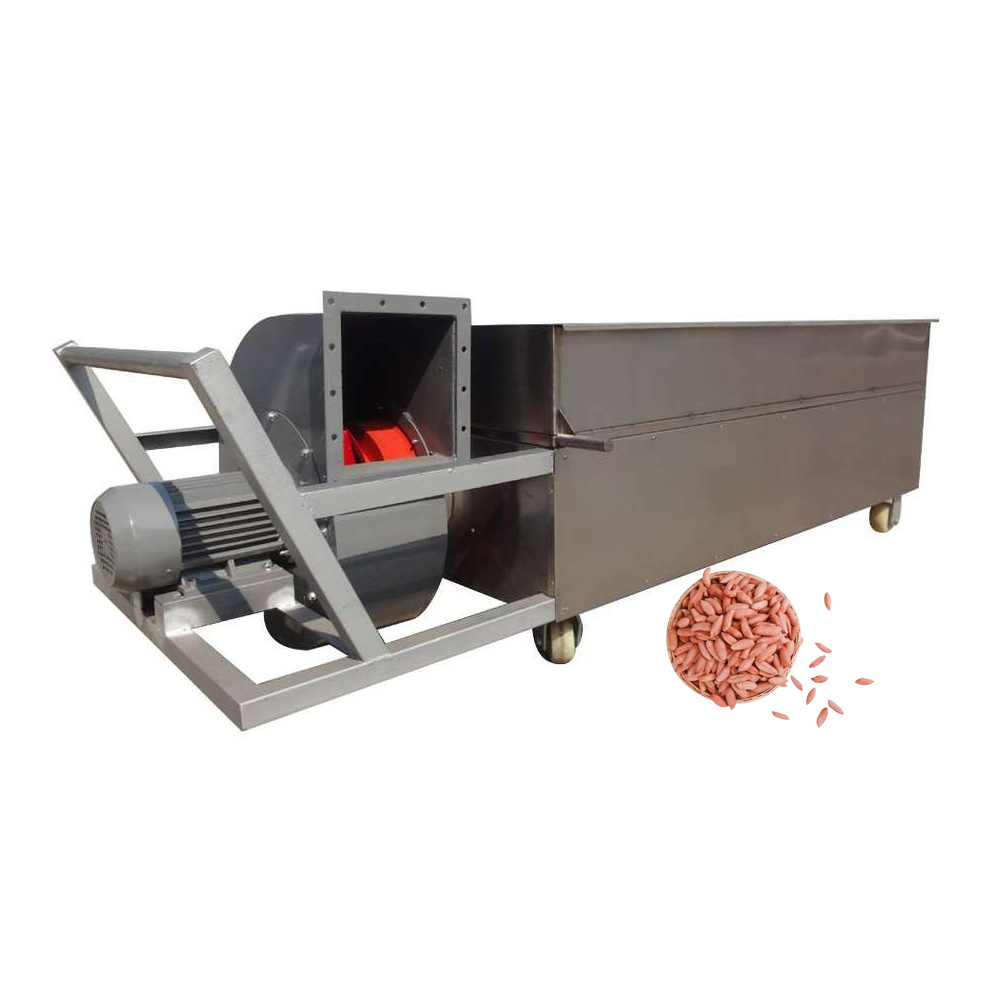
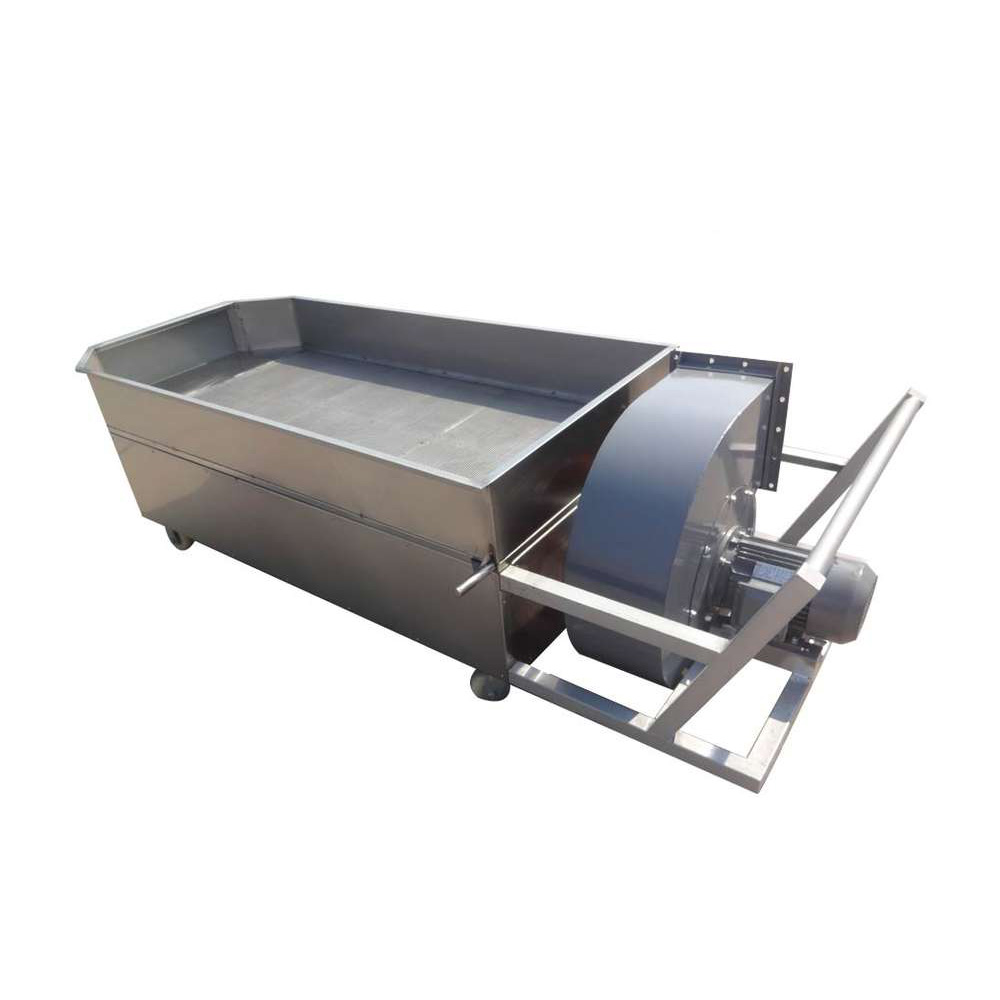
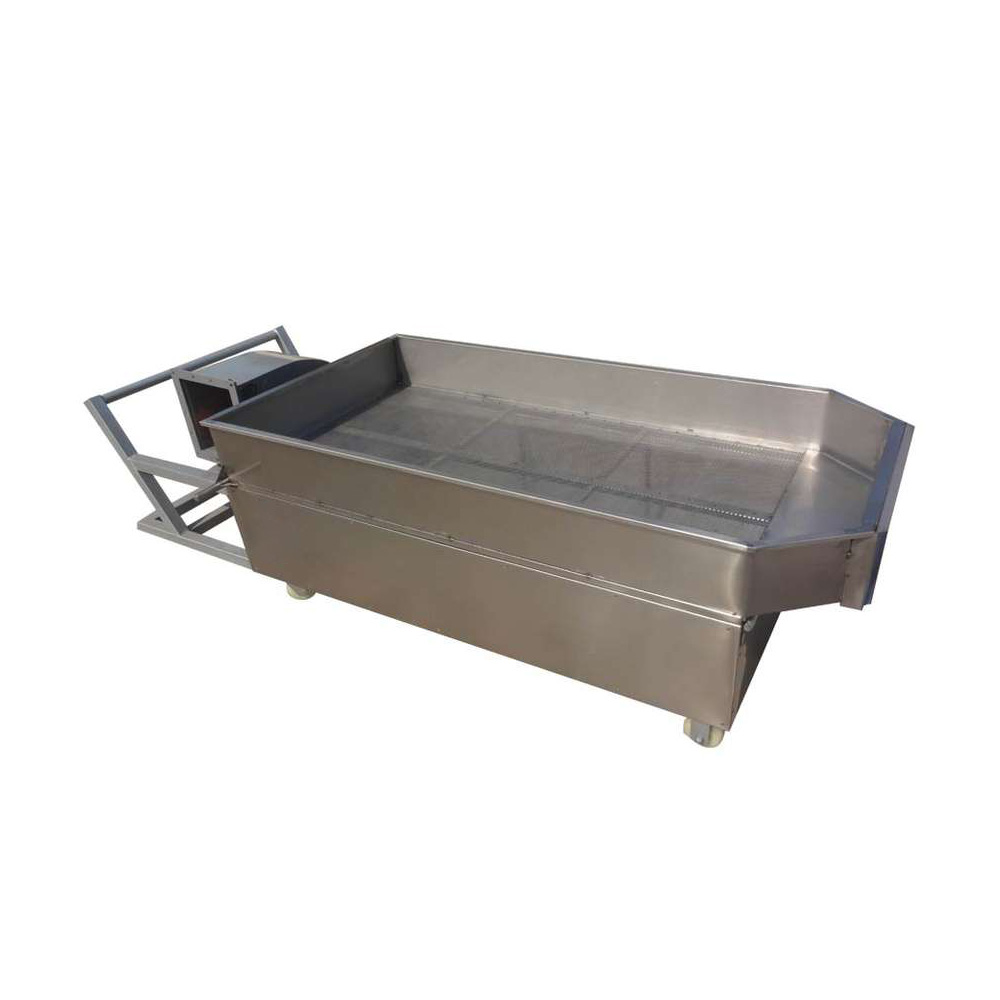
Cooling Cart – Stainless Steel Cooling System for Roasted Products
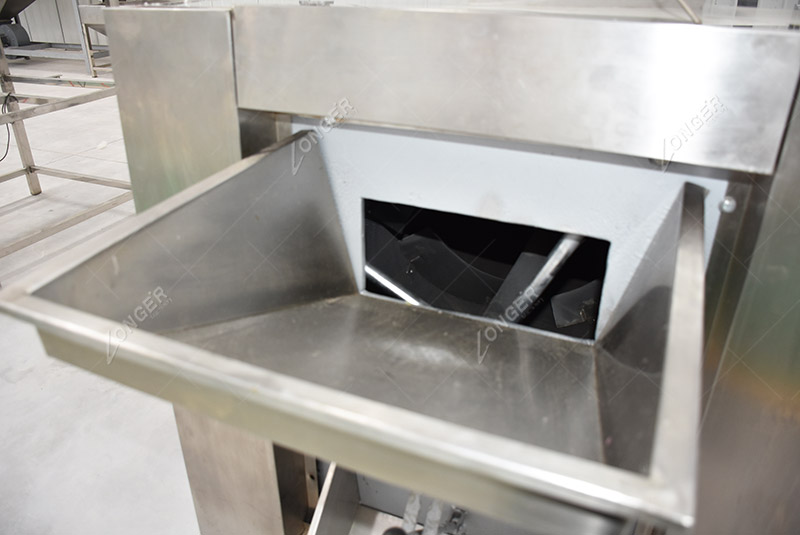
Pair your roasting operation with this efficient Cooling Cart, specially designed to cool freshly roasted peanuts quickly and hygienically. An essential companion to the peanut roasting machine for a complete post-processing solution.
Key Features:
Quick Cooling: Cools up to 100KG/h of roasted peanuts in just 8–10 minutes, improving production turnaround.
High-Power Blower: Features a 3KW/h blower for fast and even cooling.
Food-Grade Construction: Built with 304 stainless steel for food-contact parts and 201 stainless steel outer shell for durability.
Integrated Control Cabinet: Enables simple and safe operation.
Built for high-efficiency roasting and cooling
Made with food-safe materials
Offers flexible energy options (gas or electric)
Reduces processing time while ensuring product quality
Suitable for commercial peanut and nut processing operations
Specifications:
Machine Name: Cooling Cart
Capacity: 100KG/h
Cooling Time: 8–10 minutes
Blower Power: 3KW/h
Material (Food Contact): 304 Stainless Steel
Material (Exterior Cover): 201 Stainless Steel
Control System: Included Control Cabinet
Product Gallery
- Shipping Timeframes: All orders are processed within 2-5 business days (excluding weekends and holidays). After your order has been processed, the estimated delivery time is before 03 Aug, 2026, depending on customs, Please note that due to high demand, some items may experience longer shipping times, which will be communicated at order confirmation email.
- Order Processing Time: Please allow 2-5 business days for us to process your order before it is shipped . Orders placed after 16:00 on Fridays, or during weekends and public holidays, will begin processing on the next business day. Processing times may be extended during peak seasons or sales events.
- Manufacturing Time: Some products needs manufacturing time, the manufacturing process will take approximately 10-30 business days depending on the product. This timeframe may vary depending on the complexity of the product and current demand. but this will be communicated with you during order confirmation.
- Returns and Exchanges: We offer a 30-day return policy for most items. If you are not completely satisfied with your purchase, you may return it within 30 days of receipt for a refund or exchange. Items must be unused, in their original packaging, and accompanied by proof of purchase. Return shipping costs are the responsibility of the customer, unless the item was damaged or defective upon arrival.
1. What is the machine's capacity per batch and per hour?
The roaster handles up to 100 kg per batch. Hourly throughput depends on your roast cycle: with a 30-minute roast you can run roughly 2 batches/hour (≈200 kg/h); with a 60-minute roast you get about 1 batch/hour (≈100 kg/h). Loading, unloading and cooling times will also affect real-world throughput.
2. What are the differences between the gas and electric models?
Both models offer the same 100 kg batch capacity and adjustable 0–300°C temperature range. The gas model runs on natural gas or LPG with a listed consumption of about 4 kg/h or 4 m³/h; the electric model consumes about 18 kW (18 kW·h per hour of operation). Choose gas if you prefer lower fuel costs or gas availability; choose electric for simpler installation where electric power is preferred. Ask your supplier for local fuel/electric cost comparisons.
3. What temperature and time settings should I use for peanuts?
Settings depend on peanut variety, moisture content and desired roast level. Typical starting points are in the 120–160°C range with roast times around 30–40 minutes; adjust temperature and time based on sample tests until desired color, flavor and moisture are achieved. The machine allows fine control across 0–300°C and 30–60 minutes to develop custom profiles.
4. Which products can this roaster handle?
Designed for a wide range of raw beans, nuts and seeds — including peanuts, cashews, almonds, hazelnuts, sunflower seeds and similar products. For specialty items (e.g., coffee beans) consult the supplier to confirm suitability and recommended settings.
5. What materials contact the food and are they food-safe?
All food-contact parts are made from 304 stainless steel, which is food-grade and corrosion-resistant. The machine's exterior cover is 201 stainless steel. These materials are suitable for hygienic food processing; request certification documents from the supplier if required for your quality system.
6. What are the specs and performance of the Cooling Cart?
The stainless-steel Cooling Cart cools up to 100 kg/h of roasted peanuts in about 8–10 minutes. It uses a 3 kW blower and includes an integrated control cabinet. Food-contact parts are 304 stainless steel and the exterior is 201 stainless steel.
7. How do I integrate the roaster and cooling cart for continuous production?
Operate the roaster in batches and place each finished batch onto the Cooling Cart for the 8–10 minute cooling cycle. For higher capacity, run multiple roasters in parallel or stagger batch start times. We recommend one cooling cart per roaster or appropriately sized cooling capacity to avoid bottlenecks.
8. What are the installation requirements?
Requirements vary by model: gas units need a proper gas supply (LPG or natural gas), pressure regulator and a safe gas line installed by a certified technician; electric units require adequate power capacity for an 18 kW load and proper circuit protection — consult a qualified electrician for wiring and breaker sizing. Provide stable, level flooring, suitable ventilation and access for loading/unloading. Ask your supplier for detailed site drawings and utility specifications.
9. How do I clean and maintain the machine?
Regular cleaning of food-contact surfaces with warm water and mild detergent is recommended; avoid abrasive cleaners that can damage stainless steel. Allow the machine to cool and disconnect power/gas before cleaning. Routine maintenance includes checking the motor and blower, inspecting seals and bearings, cleaning burners (gas model) and verifying control cabinet connections. Follow the supplier’s maintenance schedule and replace worn parts promptly.
10. What are the motor and maintenance characteristics?
The roaster uses a 0.75 kW motor that is an oil-free (no lubrication) design for lower maintenance and cleaner operation. Regular inspections for wear and secure mounts are still recommended, but the motor does not require regular oiling.
11. How do I estimate energy or fuel costs?
Multiply the machine's consumption by your local unit price. Example calculations: electric model = 18 kW × electricity price per kWh; gas model = 4 kg (or 4 m³) × gas price per kg (or per m³). Include additional energy for preheating and ancillary equipment (blowers, cooling cart) when estimating total operating cost.
12. Are safety features and certifications included?
The machine includes standard industrial safety controls; for specifics such as flame-failure protection, emergency stop, CE or other certifications, request the exact documentation from the supplier. For gas installations, have a qualified technician install safety devices and ensure adequate ventilation and leak detection procedures are in place.
13. What spare parts, support and warranty options are available?
Spare parts (burners, belts, motors, blowers, control components) and after-sales support are typically available through the manufacturer or distributor. Warranty terms vary by seller—contact the supplier or your sales representative for details on warranty length, coverage and spare parts availability.
14. How can I get detailed technical drawings, dimensions and shipping information?
Contact the supplier or sales representative to request machine dimensions, weight, installation drawings, electrical schematics and export packing details. They can also provide site-prep guidelines and arrange shipping/installation services if required.
Latest Order Arrivals
Discover our latest orders

12 Heads Embroidery Machine

Toilet Paper Machine Machine

Order Collection

Cross Border Clients

Order cros border countries Collected

Industrial Machine Cllection

Agriculture Processing Machines

Ready for collection

Water Pump Equipment

Packaging Machine and accessories

Fabrics Manufacturing Equipment

Mining Equipments

Food Processing Machine

Batch of Orders

Batch of Orders

Latest Orders Labelled

wheel alignment machines

new arrivals

Pre Orders Offloading

Latest Arrivals

Latest Arrivals

Latest Arrivals

Loading

Toilet paper making machine

Toilet paper making machine

Toilet paper Rewinding Machine

latest arrivals

offloading

order success

order collection

order offloading