B21, China Town Mall, Midrand

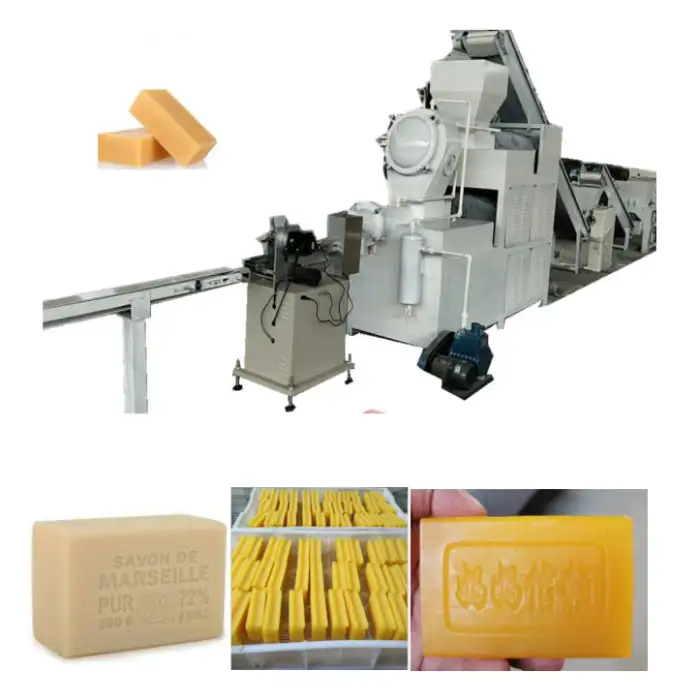
100-300KG Per Hour Soap Production Line
Asset finance available
Do you want funding for this equipment?
Afrimart can connect you with trusted funding partners who specialise in asset finance for businesses like yours. Compare options and apply in minutes — final approval is subject to provider review.
Check funding options
Secure & no obligation
- Section : Machinery
- Category : Manufacturing Machinery
- SKU : 16004774104789

100-300KG Per Hour Soap Production Line.
The 100-300KG Per Hour Soap Production Line is an advanced solution for producing high-quality soap efficiently. This production line is designed to handle a variety of soap types and is perfect for small to medium-sized businesses. With its user-friendly interface and robust construction, it ensures consistent output and high performance.
Specifications
| Attribute | Details |
|---|---|
| Production Capacity | 100-300 KG per hour |
| Power Supply | 380V, 50Hz |
| Dimensions | 10m x 2m x 2.5m |
| Weight | 1500 KG |
| Control System | PLC Automatic Control |
Key Features
- High production capacity of 100-300 KG per hour.
- User-friendly PLC control for easy operation.
- Durable and robust construction ensuring longevity.
- Versatile design suitable for various soap types.
- Efficient energy consumption for cost savings.
Applications
- Manufacturing of bar soap.
- Production of liquid soap.
- Creating specialty soaps such as organic or glycerin soaps.
- Ideal for small to medium-sized soap businesses.
- Suitable for soap manufacturers looking to scale production.
Product Info Gallery
- Shipping Timeframes: All orders are processed within 2-5 business days (excluding weekends and holidays). After your order has been processed, the estimated delivery time is before 03 Jul, 2026, depending on customs, Please note that due to high demand, some items may experience longer shipping times, which will be communicated at order confirmation email.
- Order Processing Time: Please allow 2-5 business days for us to process your order before it is shipped . Orders placed after 16:00 on Fridays, or during weekends and public holidays, will begin processing on the next business day. Processing times may be extended during peak seasons or sales events.
- Manufacturing Time: Some products needs manufacturing time, the manufacturing process will take approximately 10-30 business days depending on the product. This timeframe may vary depending on the complexity of the product and current demand. but this will be communicated with you during order confirmation.
- Returns and Exchanges: We offer a 30-day return policy for most items. If you are not completely satisfied with your purchase, you may return it within 30 days of receipt for a refund or exchange. Items must be unused, in their original packaging, and accompanied by proof of purchase. Return shipping costs are the responsibility of the customer, unless the item was damaged or defective upon arrival.
1. What is the production capacity of the 100-300KG Per Hour Soap Production Line?
The line is designed to produce between 100 and 300 kilograms of soap per hour, depending on product formulation, machine configuration, and operating parameters.
2. What are the power and electrical requirements?
Standard power supply is 380V, 50Hz. Final electrical specifications can vary with optional modules; confirm exact requirements with the supplier before installation.
3. What are the machine dimensions and footprint?
Standard overall dimensions are approximately 10 m (L) x 2 m (W) x 2.5 m (H). Plan additional space for operator access, raw material handling and finished product staging.
4. How does the control system work?
The production line uses a PLC-based automatic control system with a user-friendly HMI for recipe management, process monitoring and parameter adjustments.
5. Which types of soap can this line produce?
The line is versatile and can be configured for bar soaps, liquid soaps and specialty formulations such as organic or glycerin soaps. Specific modules or tooling may be required for certain products.
6. How many operators are required to run the line?
Typical operation needs 1–3 operators depending on level of automation, downstream packaging and product changeover frequency.
7. What maintenance is required and how often?
Routine maintenance includes cleaning, lubrication of moving parts, inspection of wear components and checking electrical connections. Frequency depends on production intensity; a basic preventive maintenance schedule is usually performed weekly and more thorough checks monthly.
8. Is installation and commissioning included?
Installation and commissioning options vary by supplier. Many suppliers offer on-site installation, start-up assistance and operator training as part of the purchase or as an optional service—confirm when ordering.
9. What are the expected energy consumption and operating costs?
The line is designed for efficient energy use, but actual consumption depends on configuration, production rate and local utilities. For precise estimates, request an energy-consumption sheet or run-rate analysis from the supplier.
10. Can the line be customized for my formulation or packaging?
Yes. The line is modular and can be customized for different soap formulations, additives, molds and downstream packaging equipment. Discuss specific requirements with the manufacturer to receive a tailored solution.
11. What safety features does the production line include?
Standard safety features typically include emergency stop buttons, safety guards, interlocks and electrical protection. Additional safety options can be added to meet local regulations and workplace policies.
12. Are spare parts and after-sales support available?
Suppliers usually provide spare parts packages and after-sales support including technical assistance, maintenance advice and replacement components. Confirm spare-part availability and lead times before purchase.
13. How consistent is product quality and output?
With PLC control and proper setup, the line provides consistent output and repeatable product quality. Consistency depends on raw material quality, recipe control and operator practices.
14. What documentation and training are provided?
Most suppliers provide operation manuals, maintenance guides, wiring diagrams and basic operator training. Extended training programs can often be arranged for production and maintenance staff.
15. What is the typical lead time and warranty?
Lead time and warranty terms vary by manufacturer, order size and custom options. Typical delivery lead times can range from a few weeks to a few months; warranty and after-sales packages should be confirmed with the supplier at the time of order.
Latest Order Arrivals
Discover our latest orders
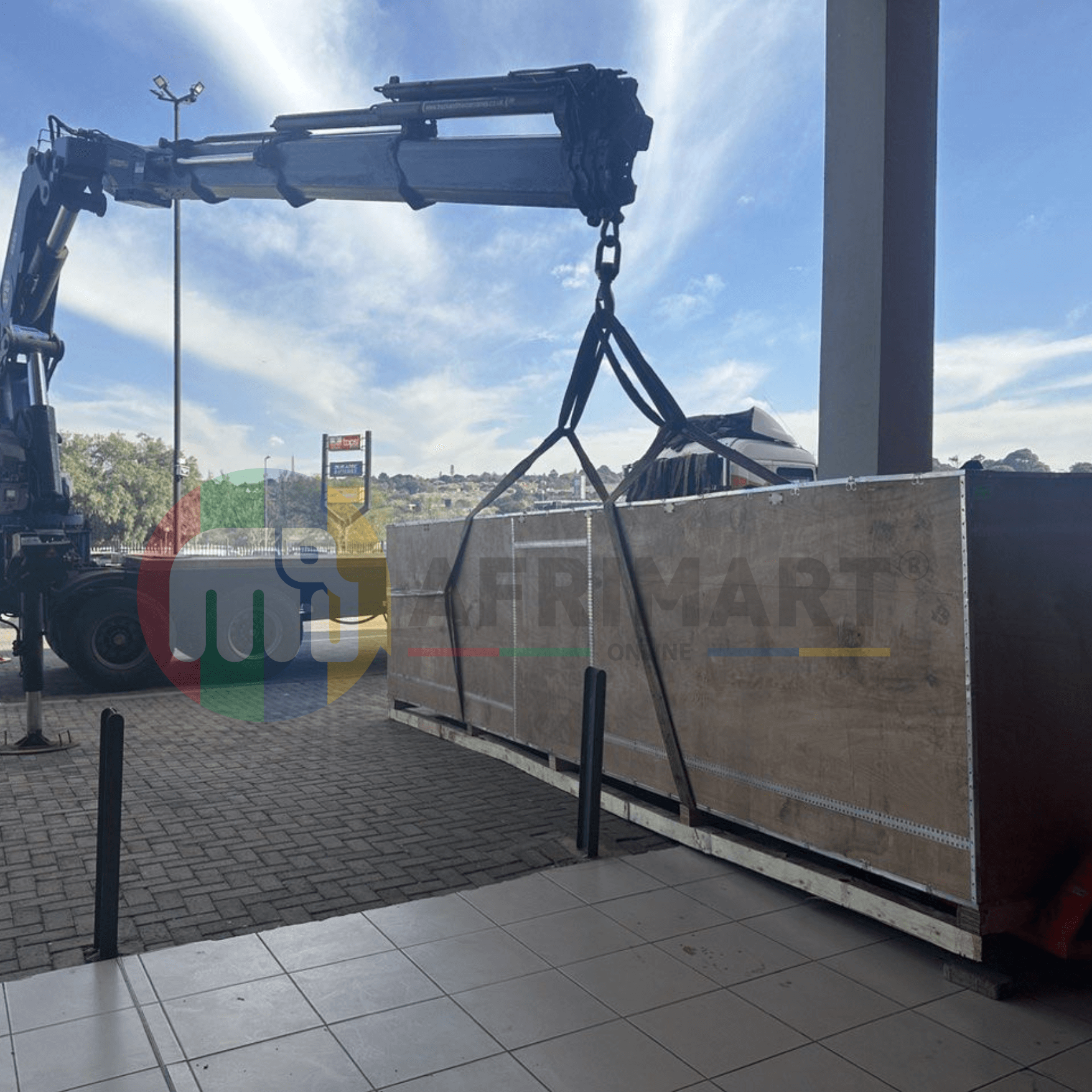
12 Heads Embroidery Machine
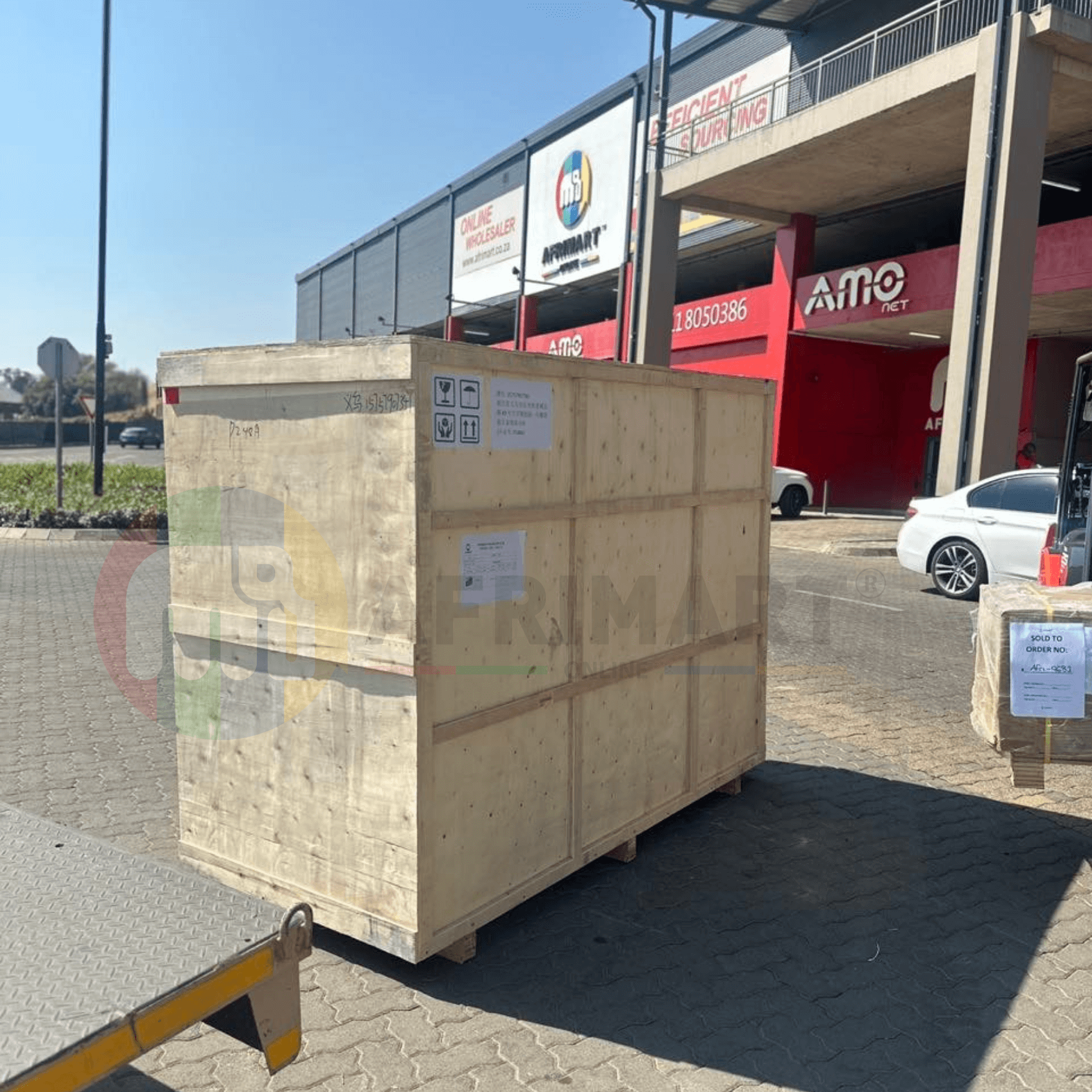
Dewatering Pump Machine
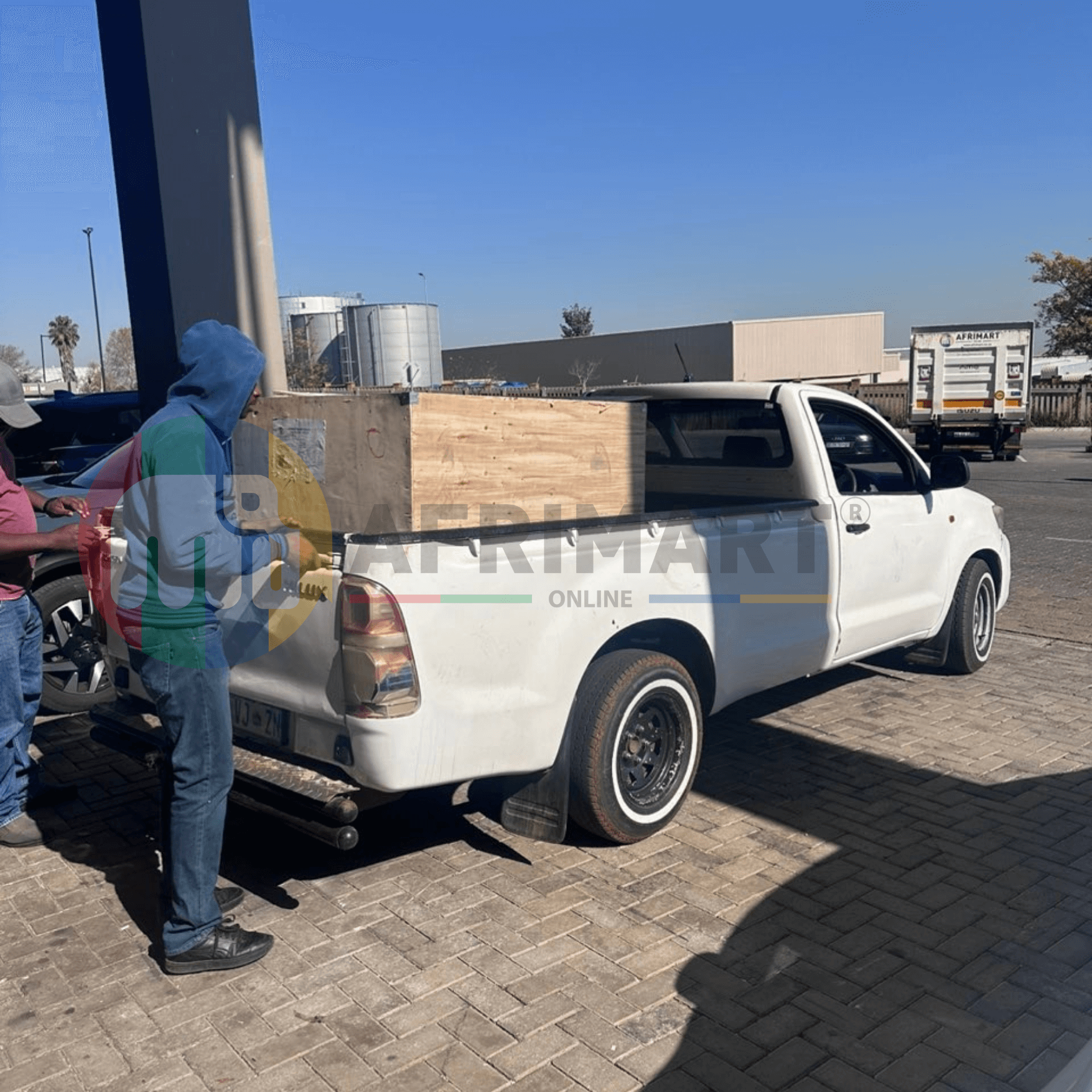
Order Collection
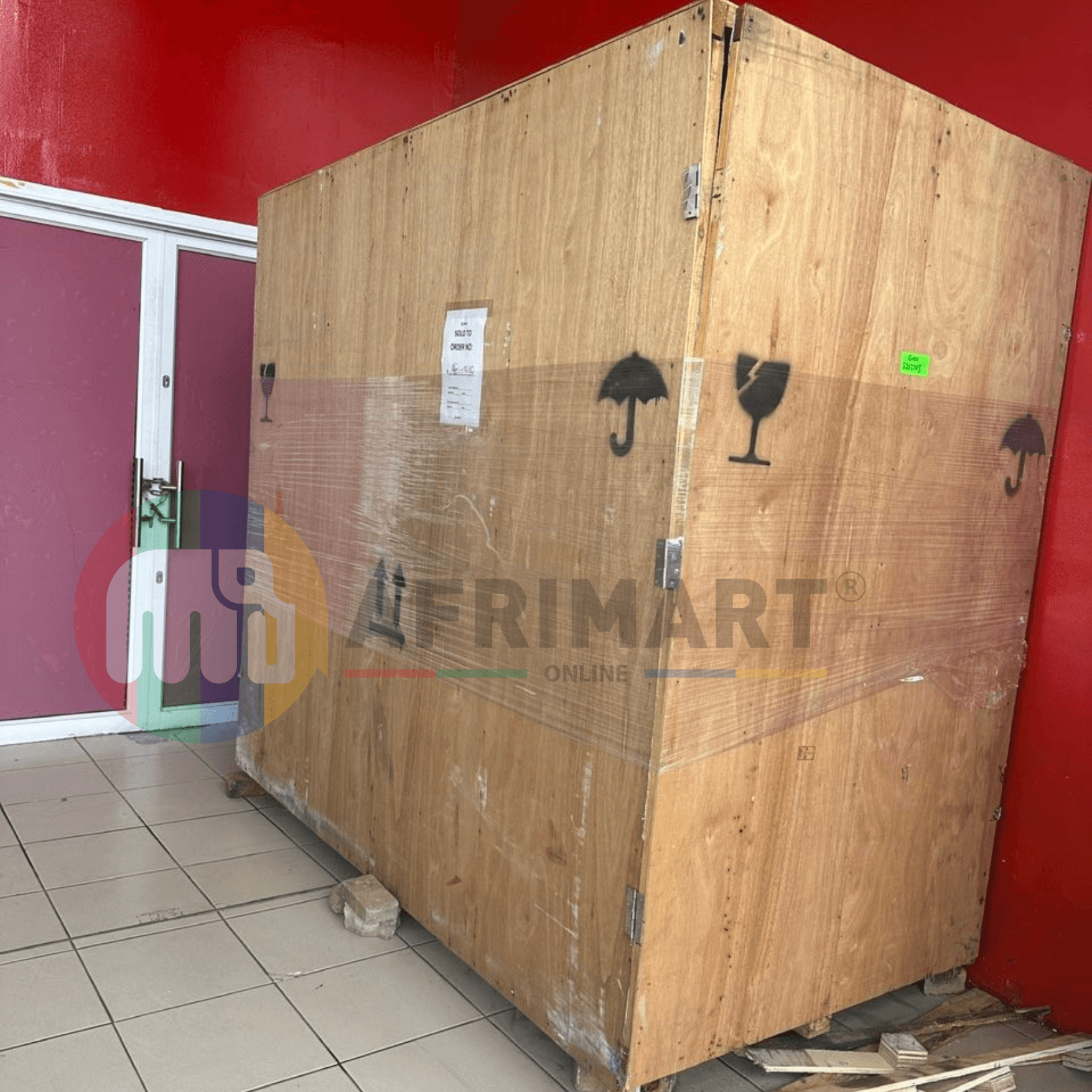
Portable Water Drilling Rig
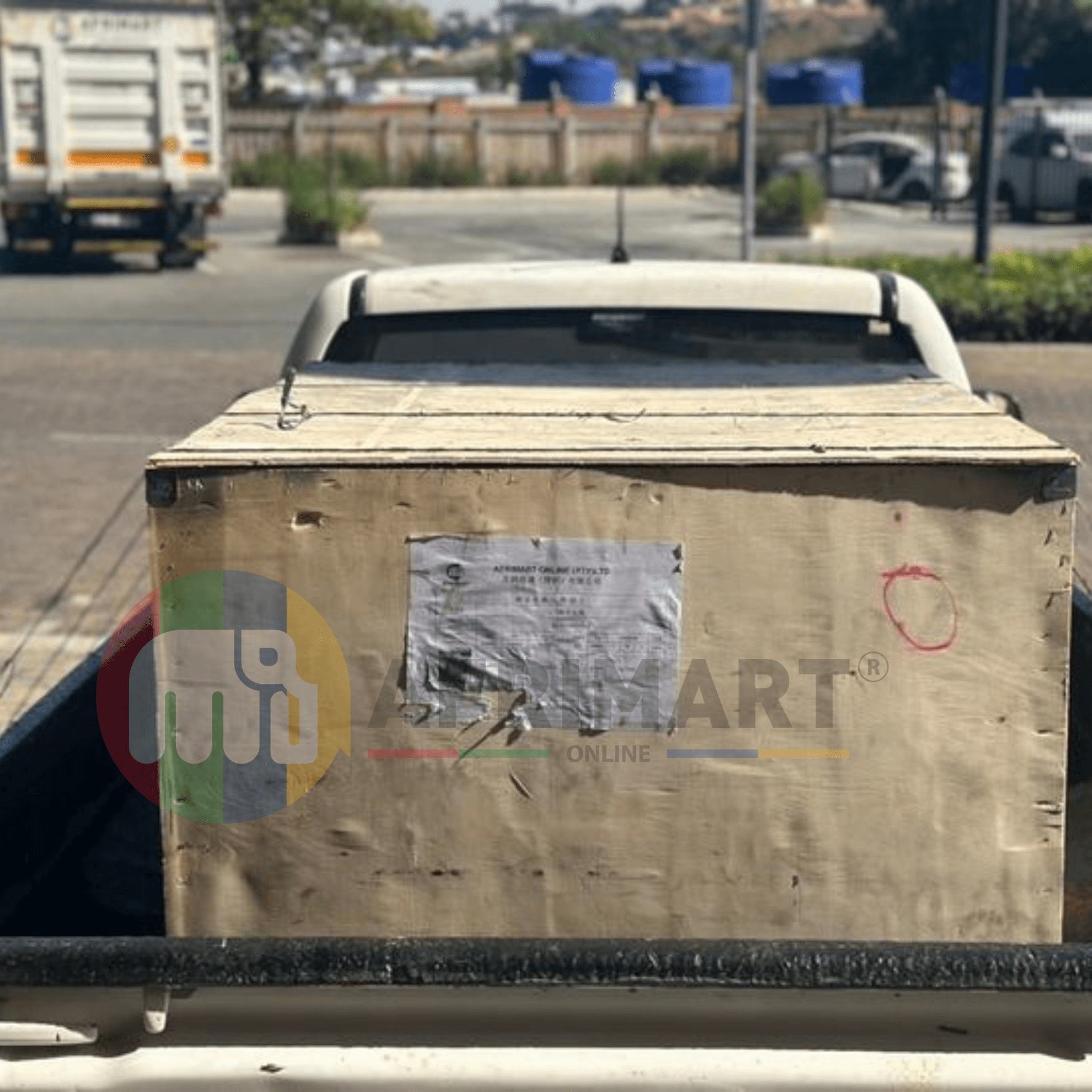
Order Usefully Collected
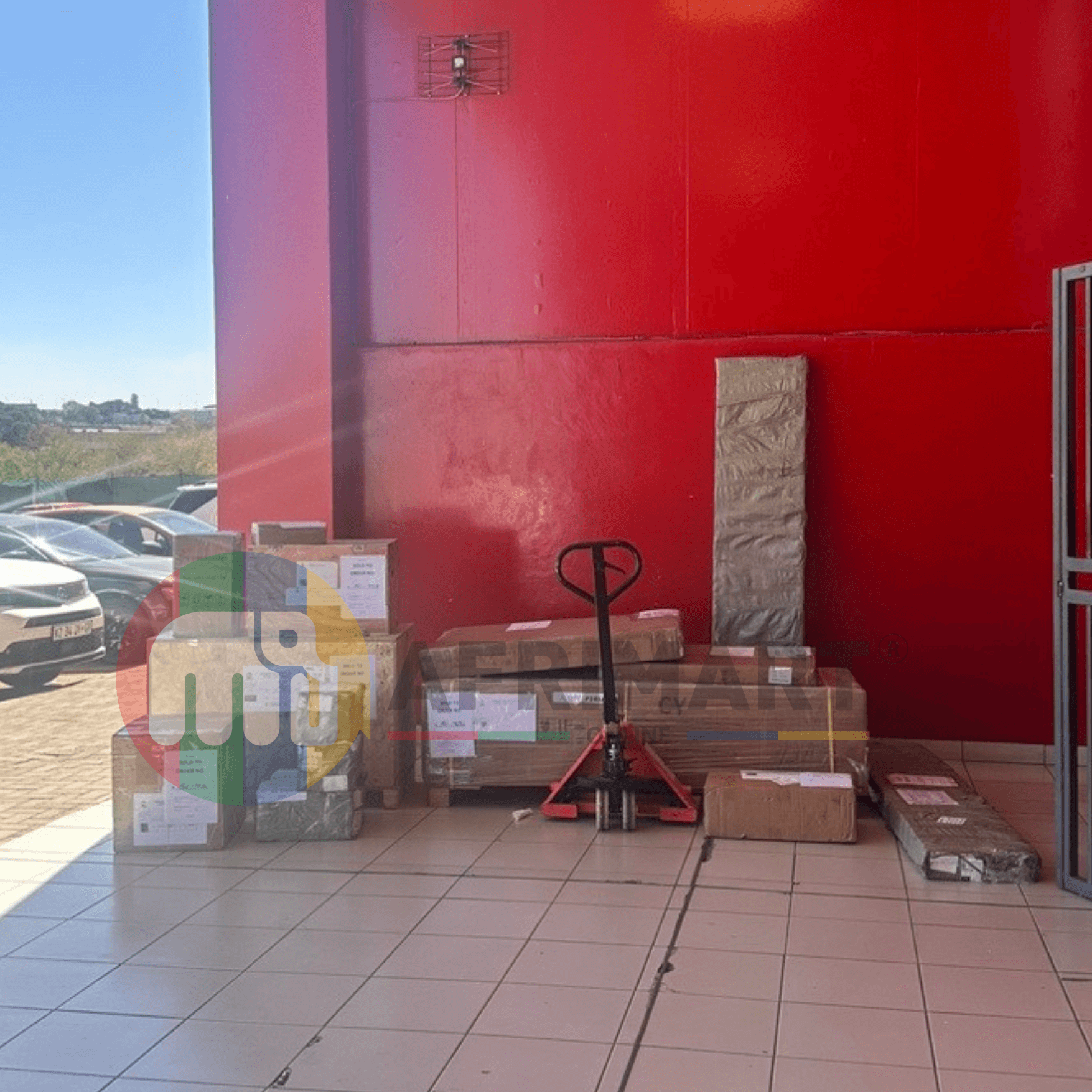
Batch of Orders
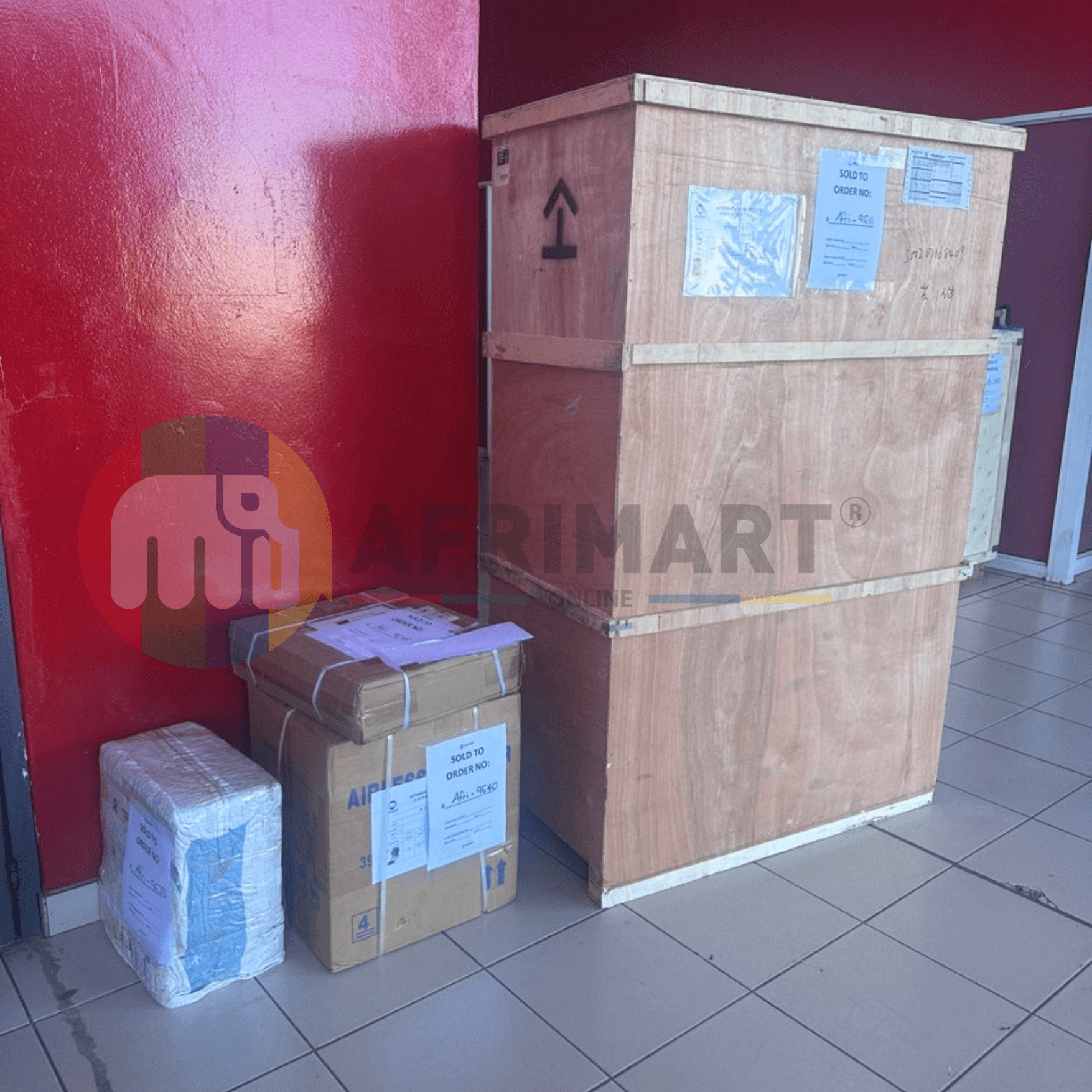
Agriculture Processing Machines
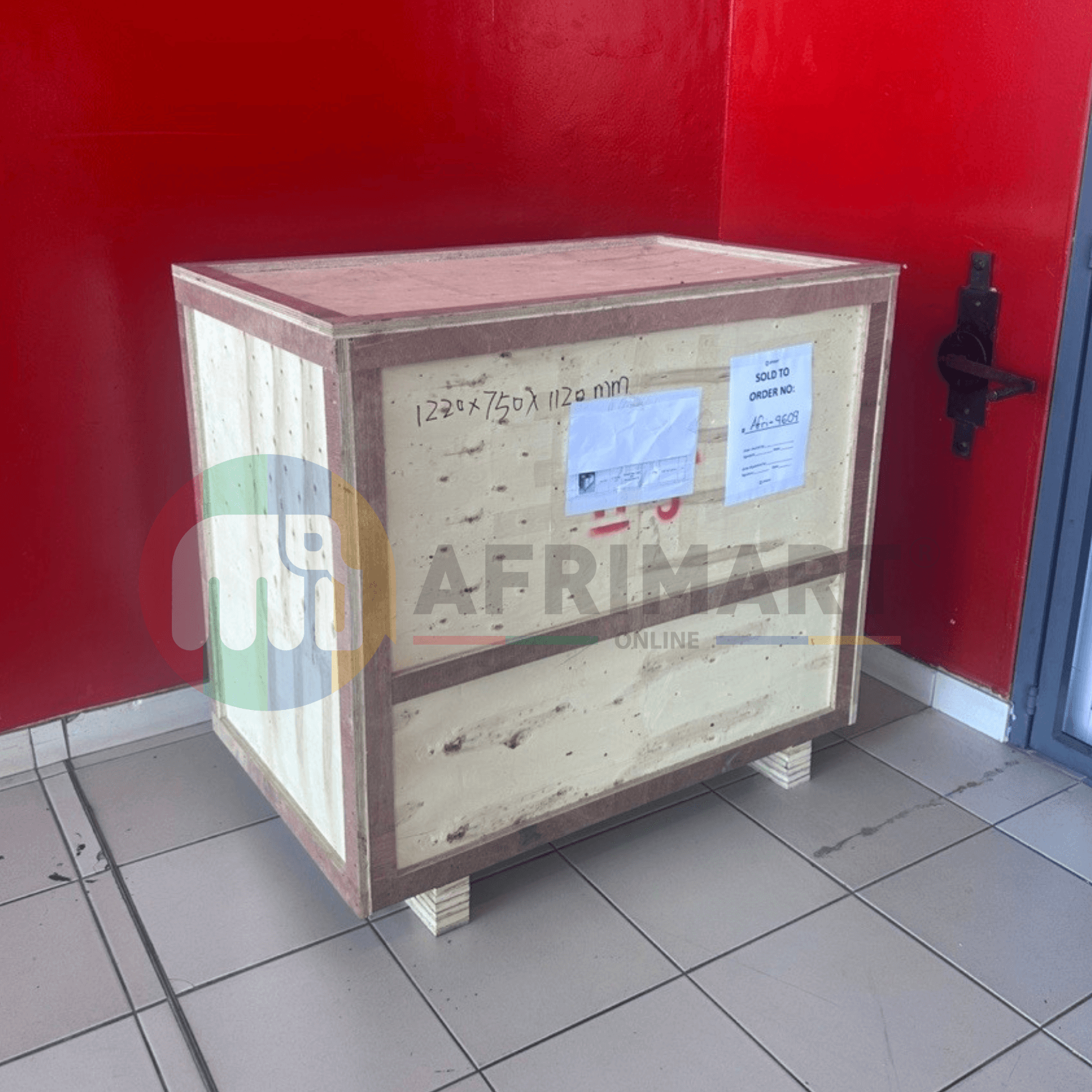
Meat Grinder Machine
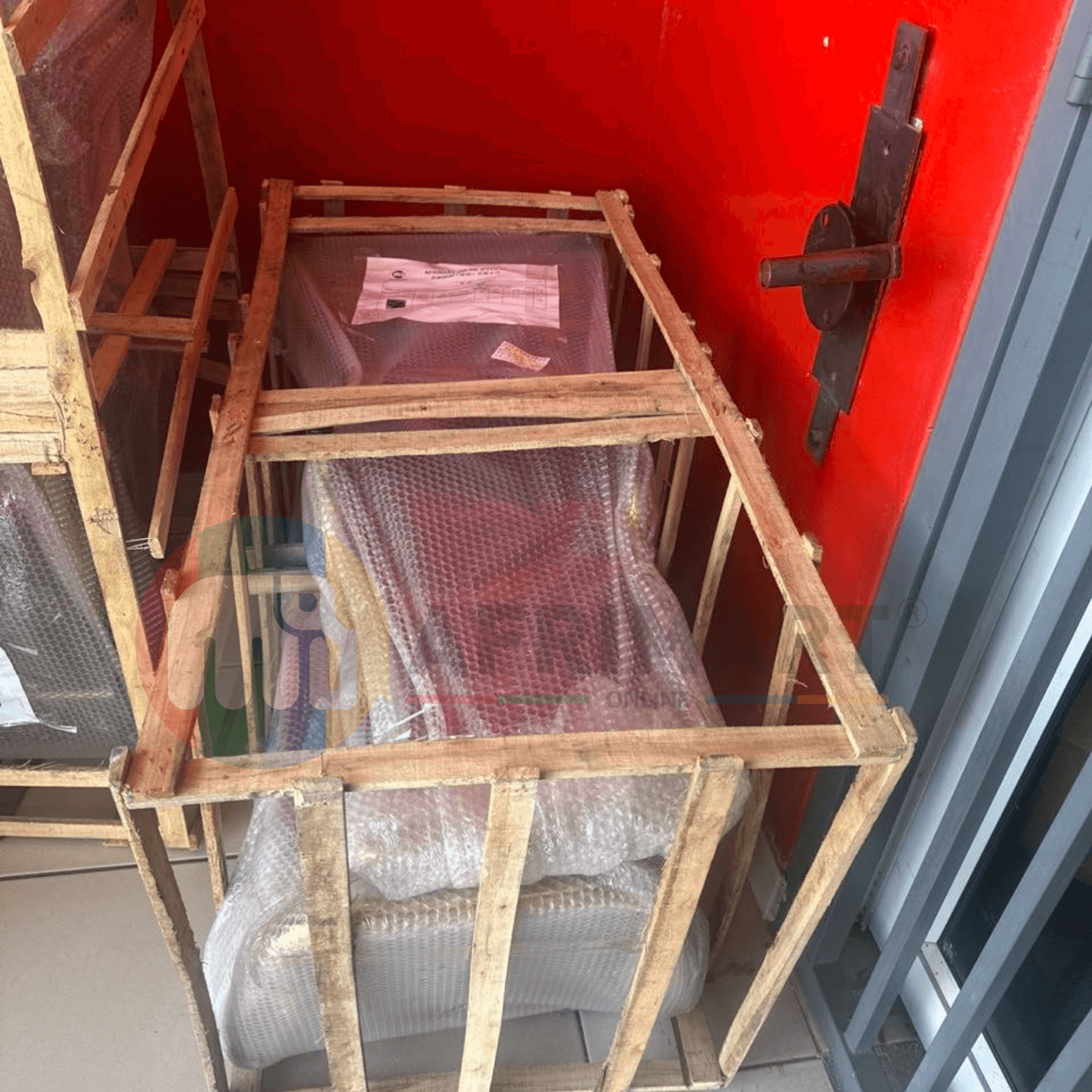
Water Pump Equipment
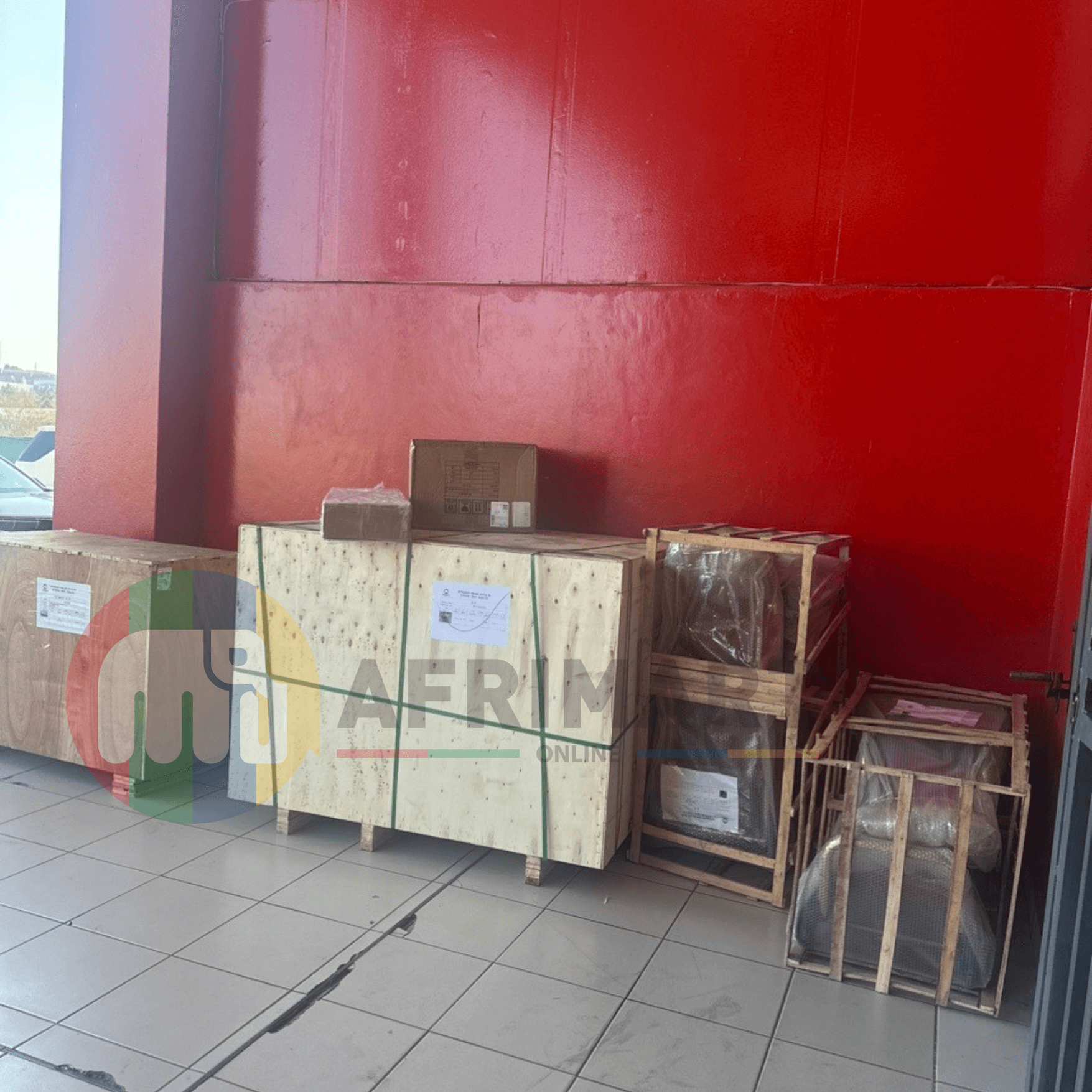
Packaging Machine and accessories
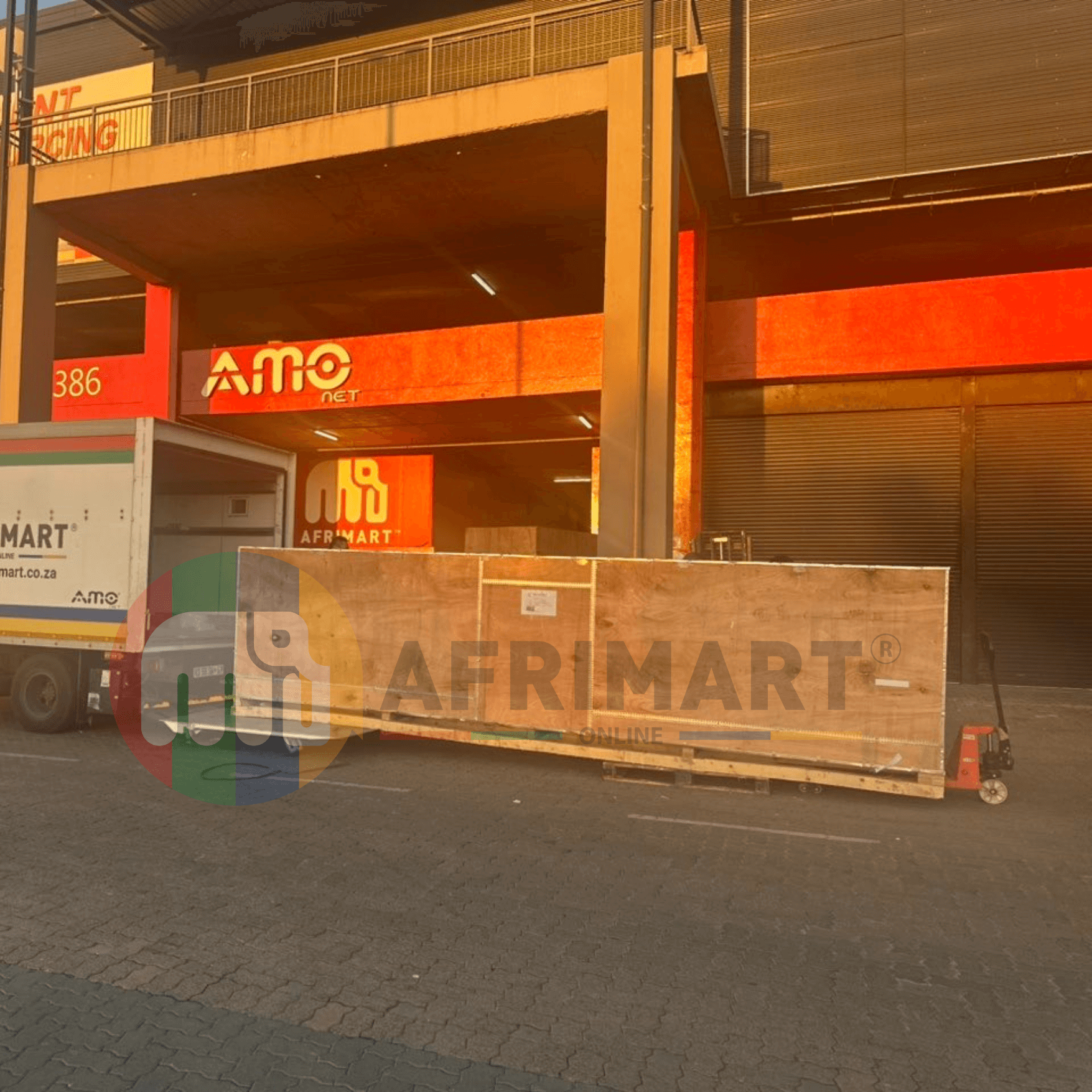
Fabrics Manufacturing Equipment
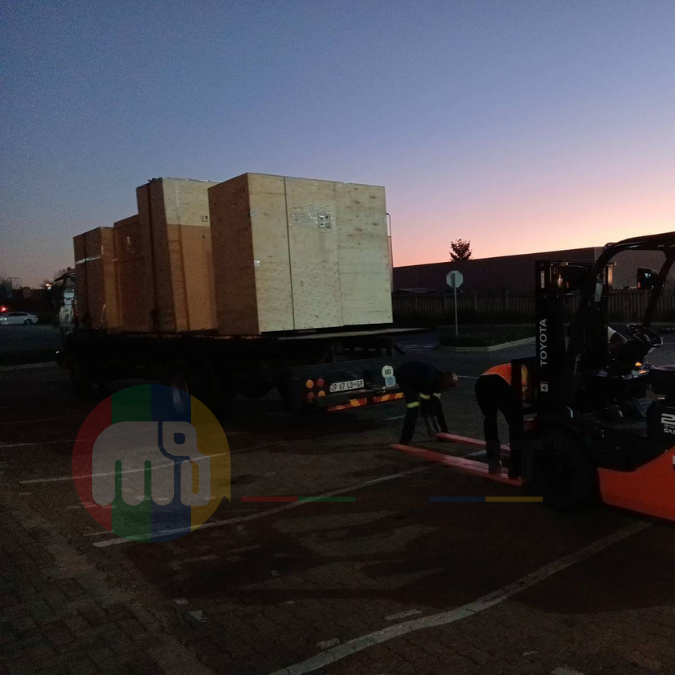
Mining Equipments
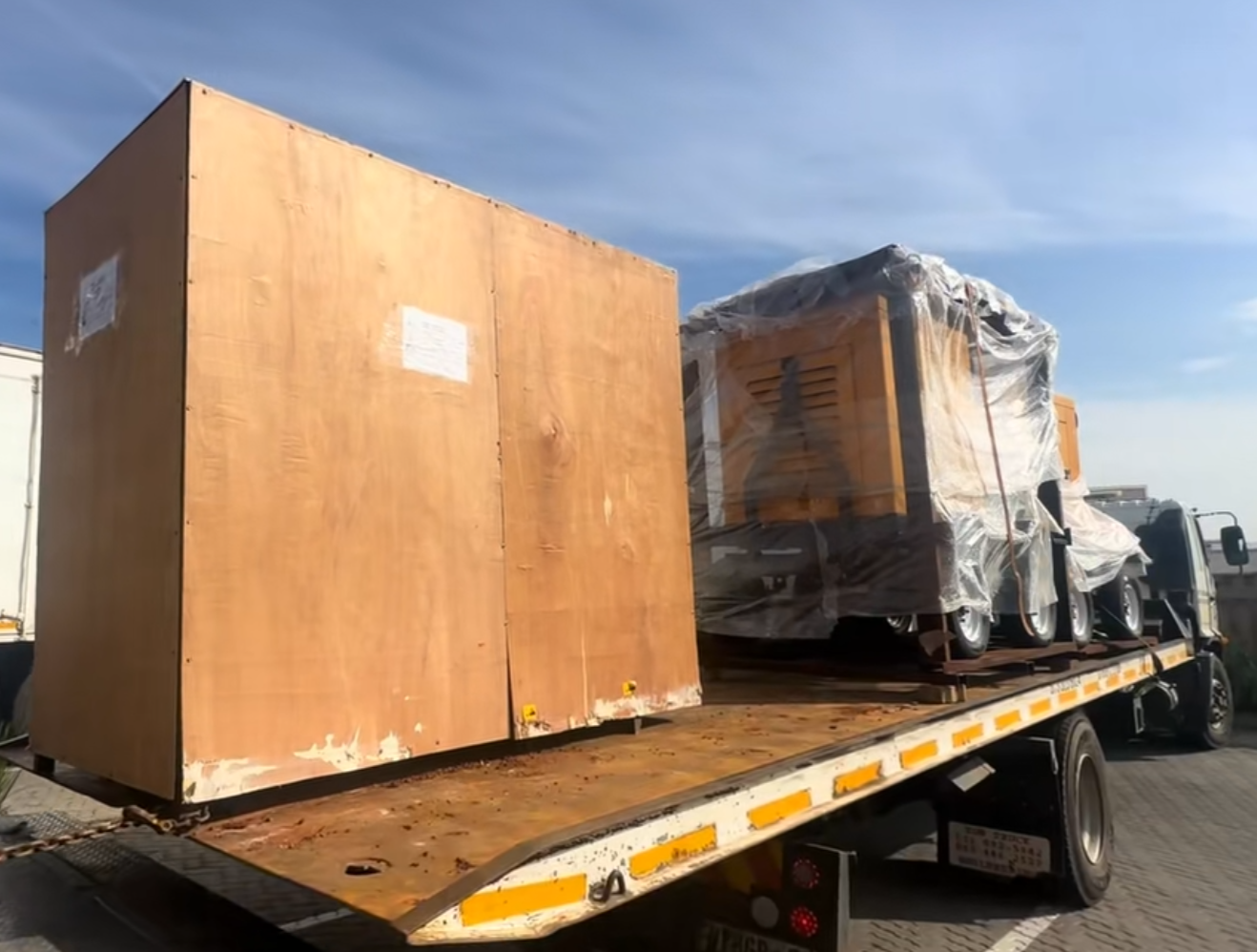
Food Processing Machine
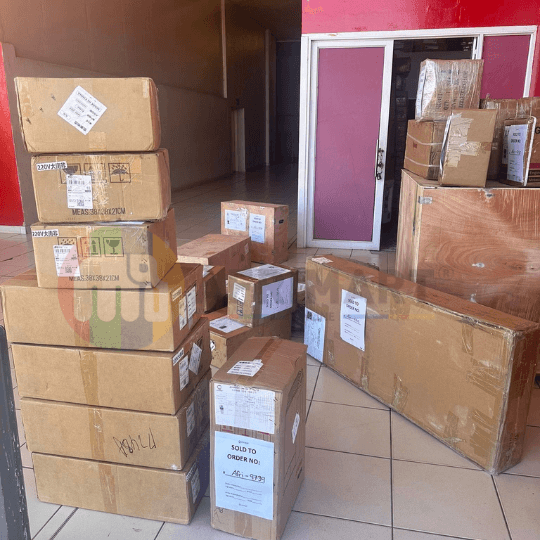
Batch of Orders
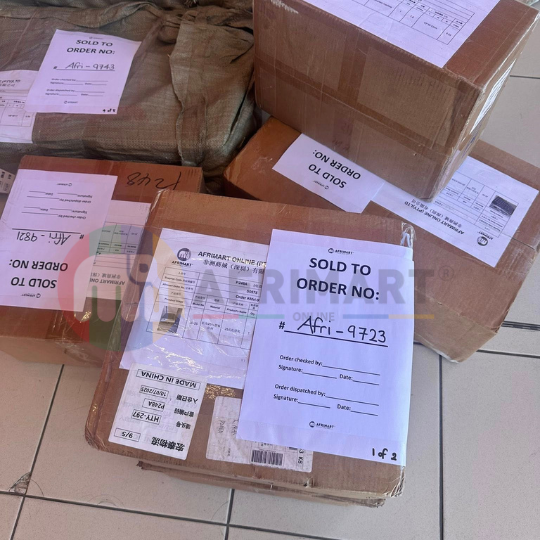
Batch of Orders
Latest Orders Labelled
wheel alignment machines
new arrivals
Pre Orders Offloading
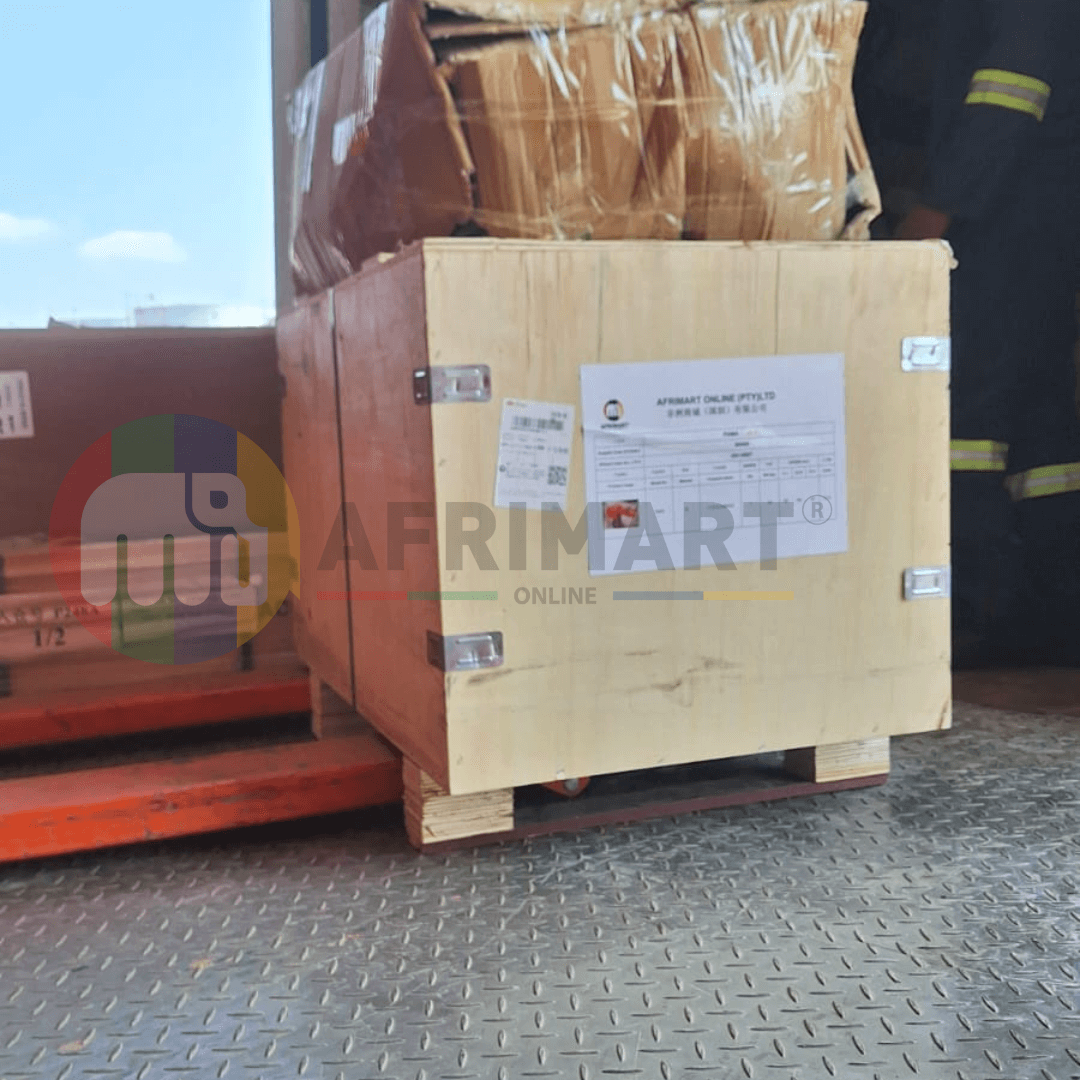
Latest Arrivals
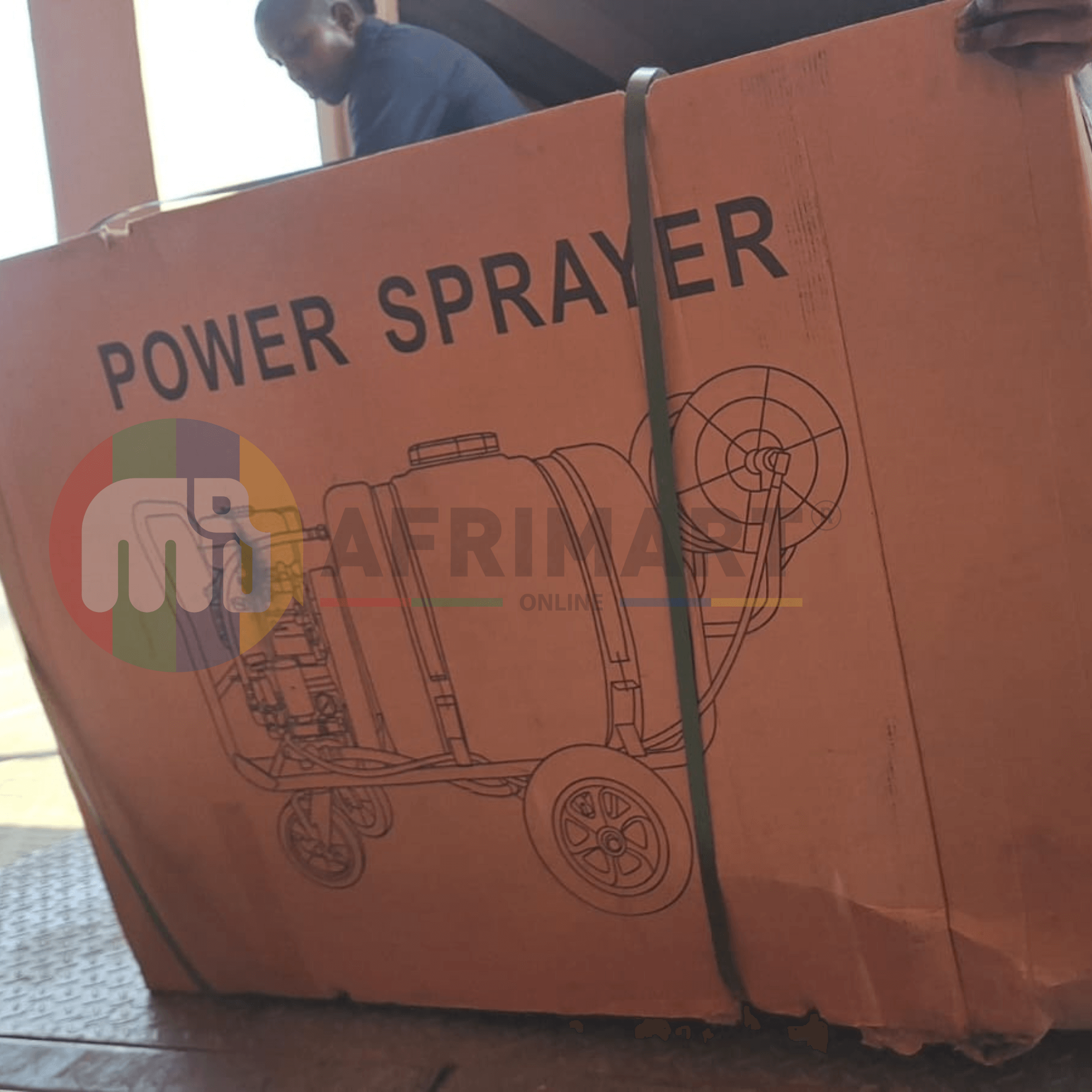
Latest Arrivals
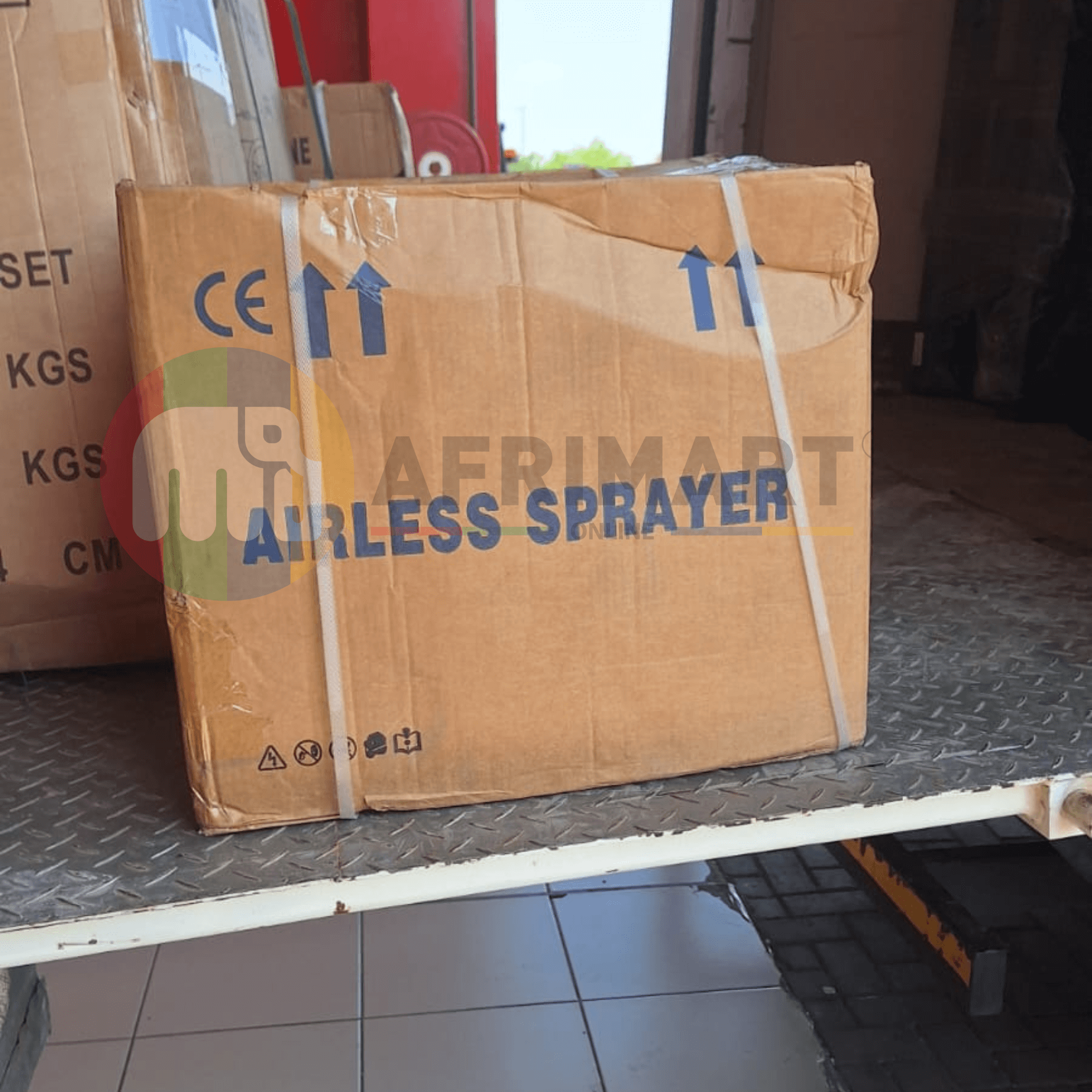
Latest Arrivals
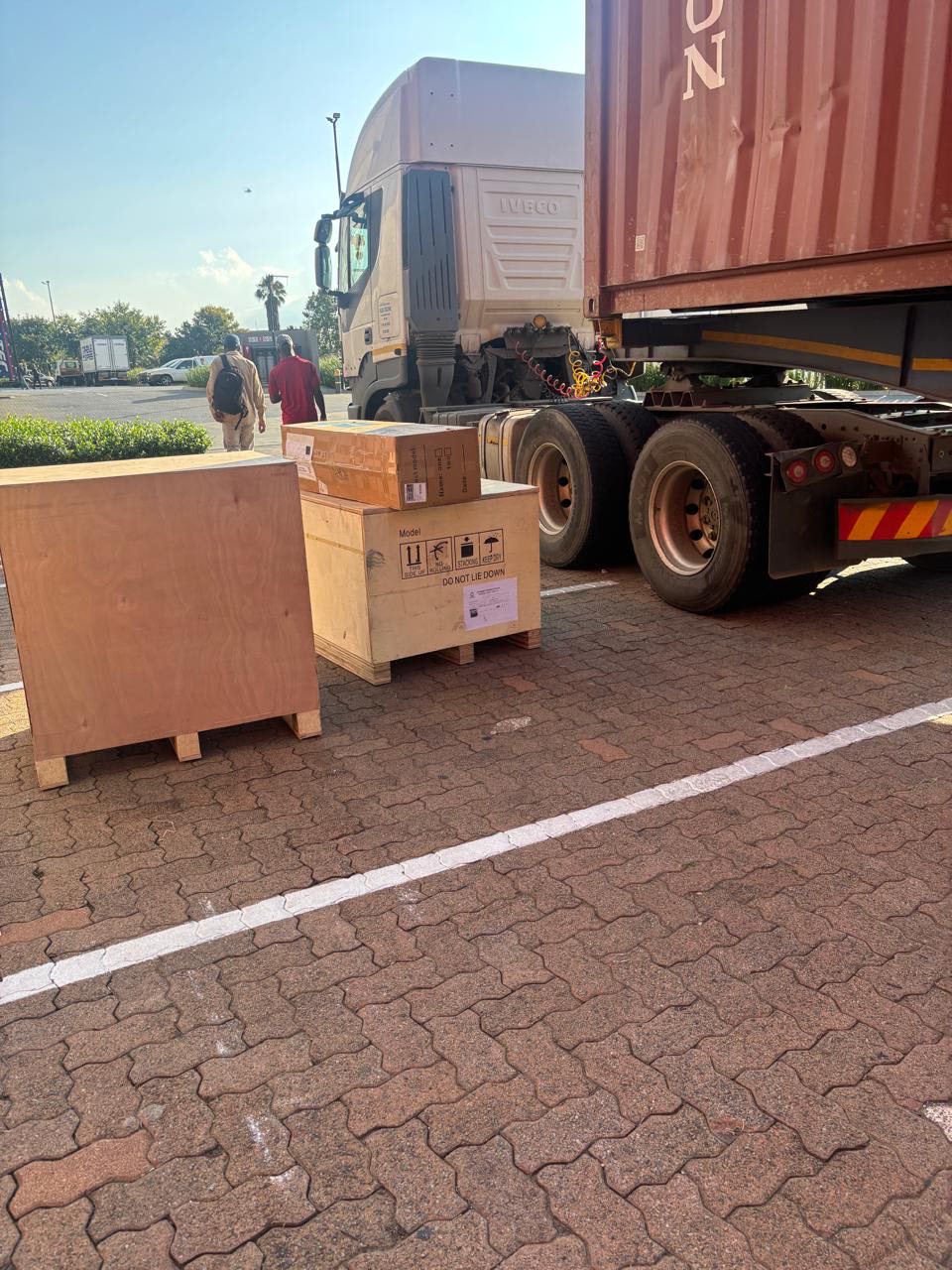
26 January 2026
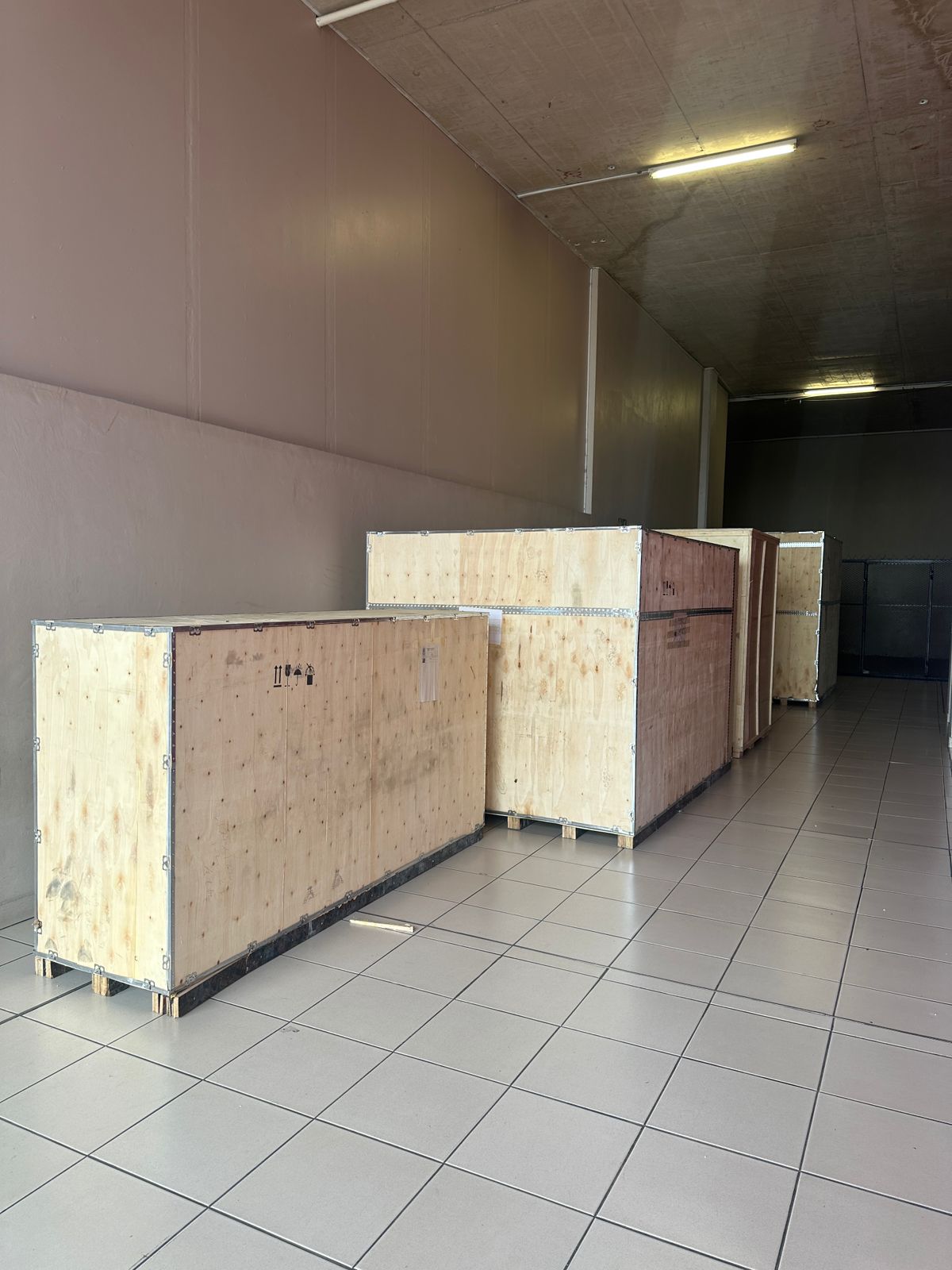
Toilet paper making machine
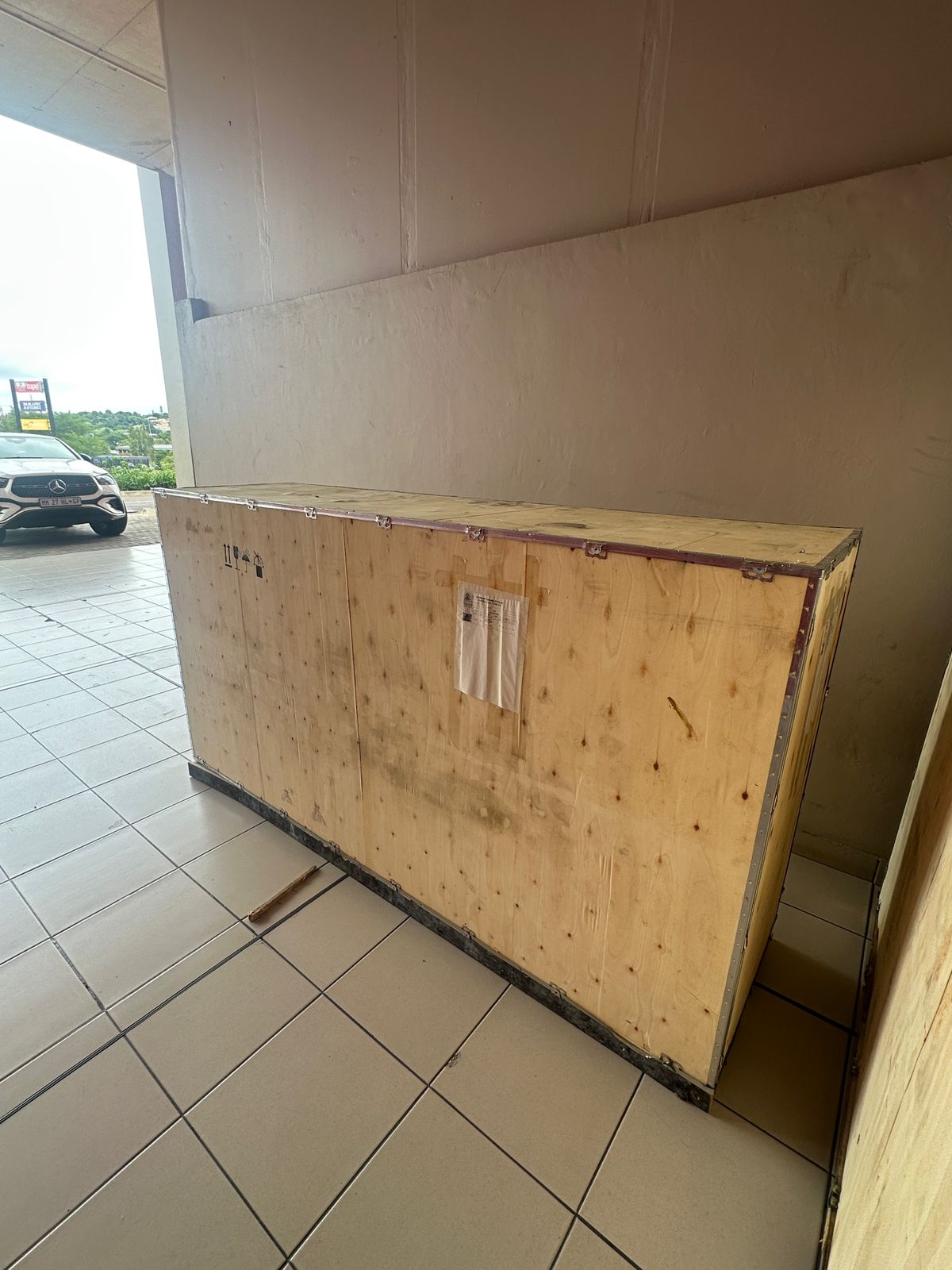
Toilet paper making machine
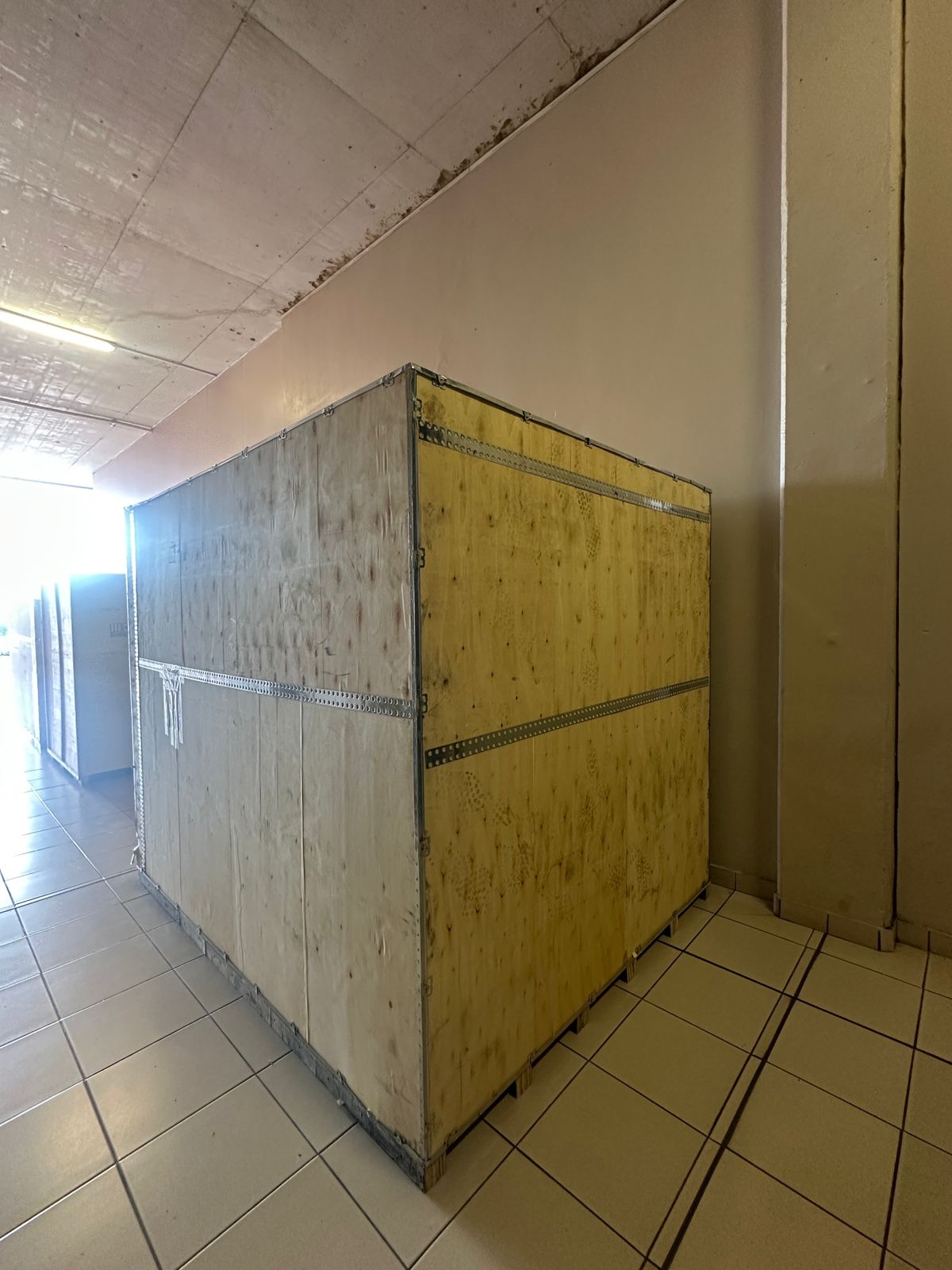
Toilet paper Rewinding Machine
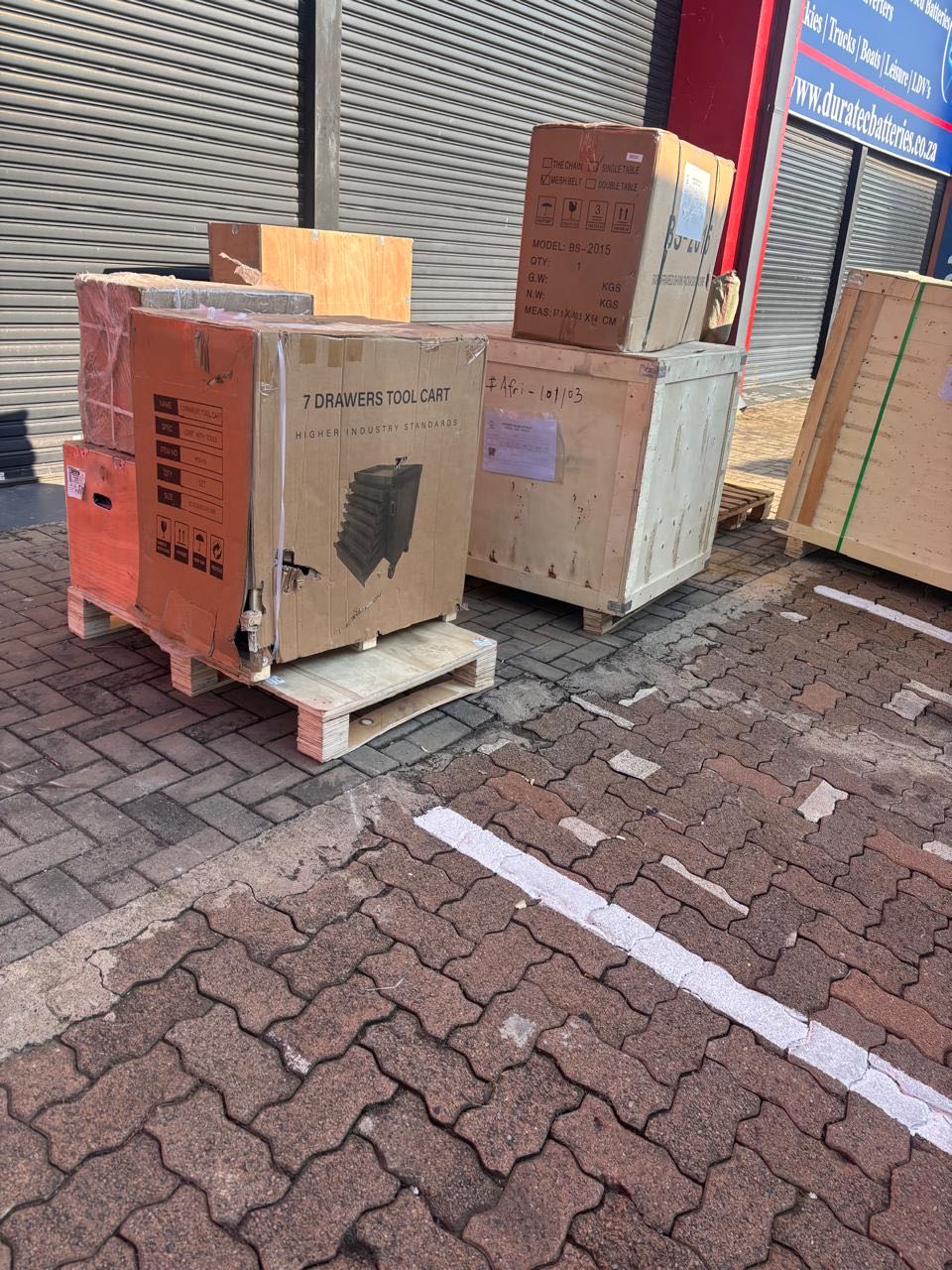
latest arrivals
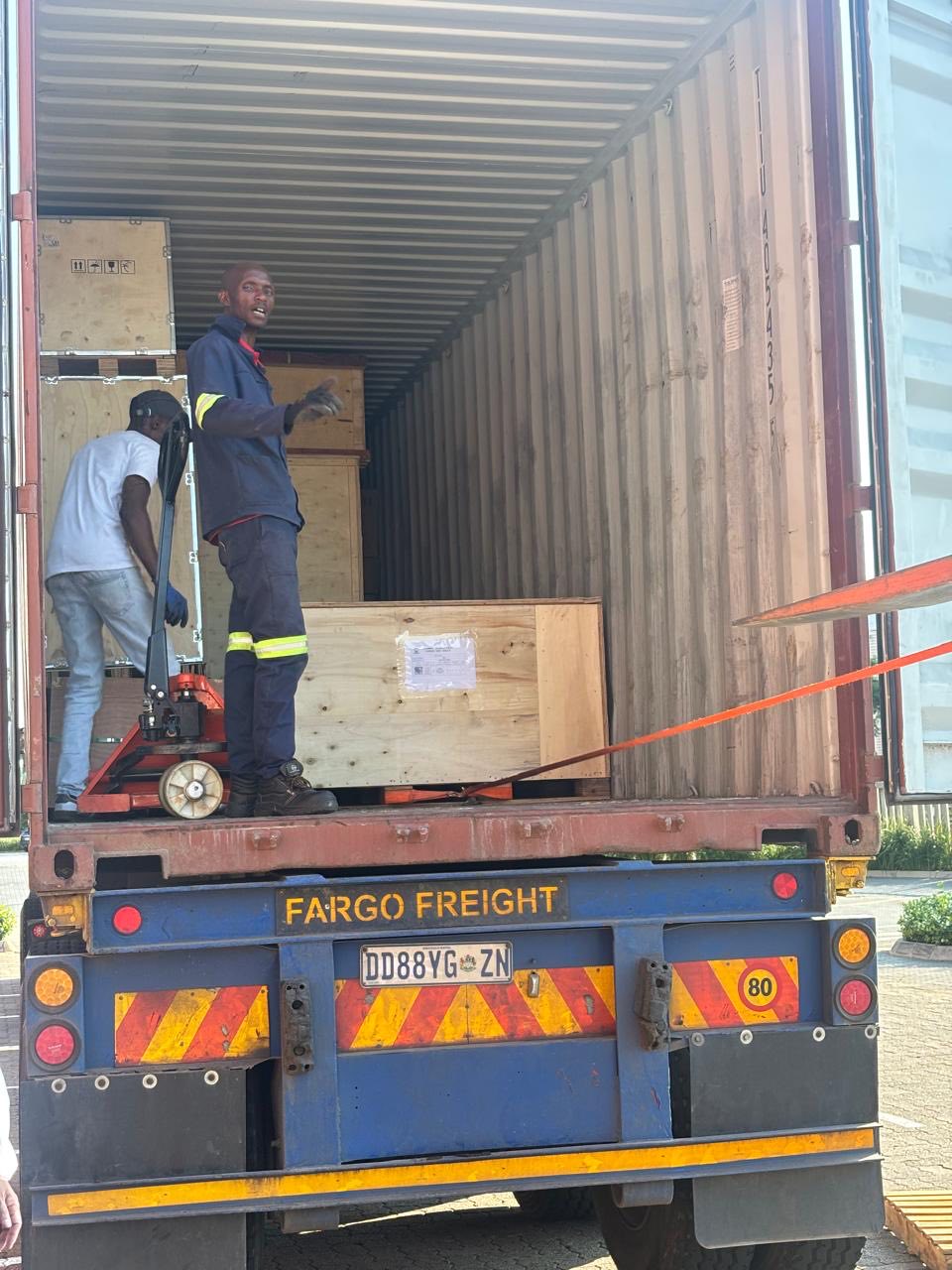
offloading
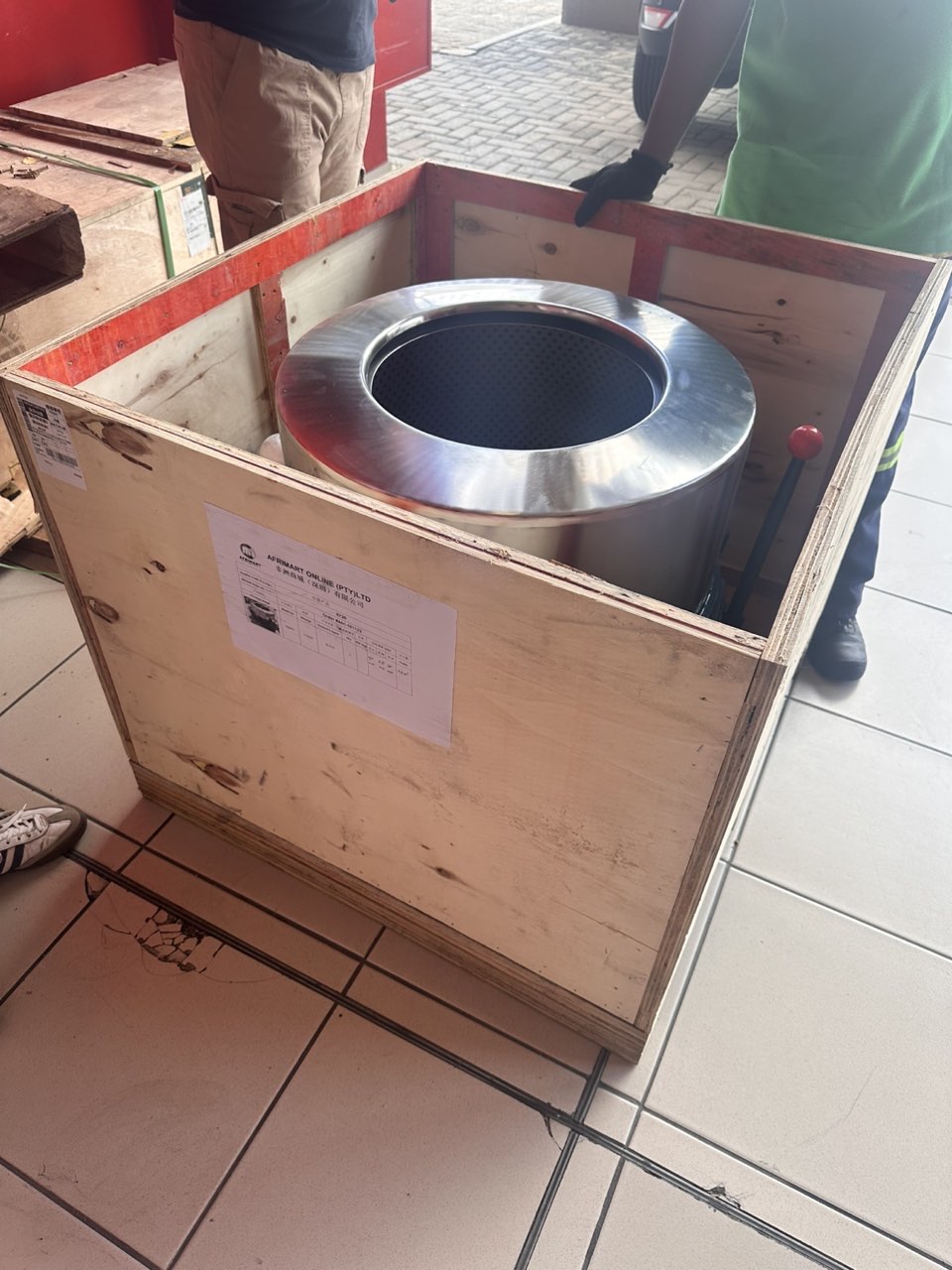
order success
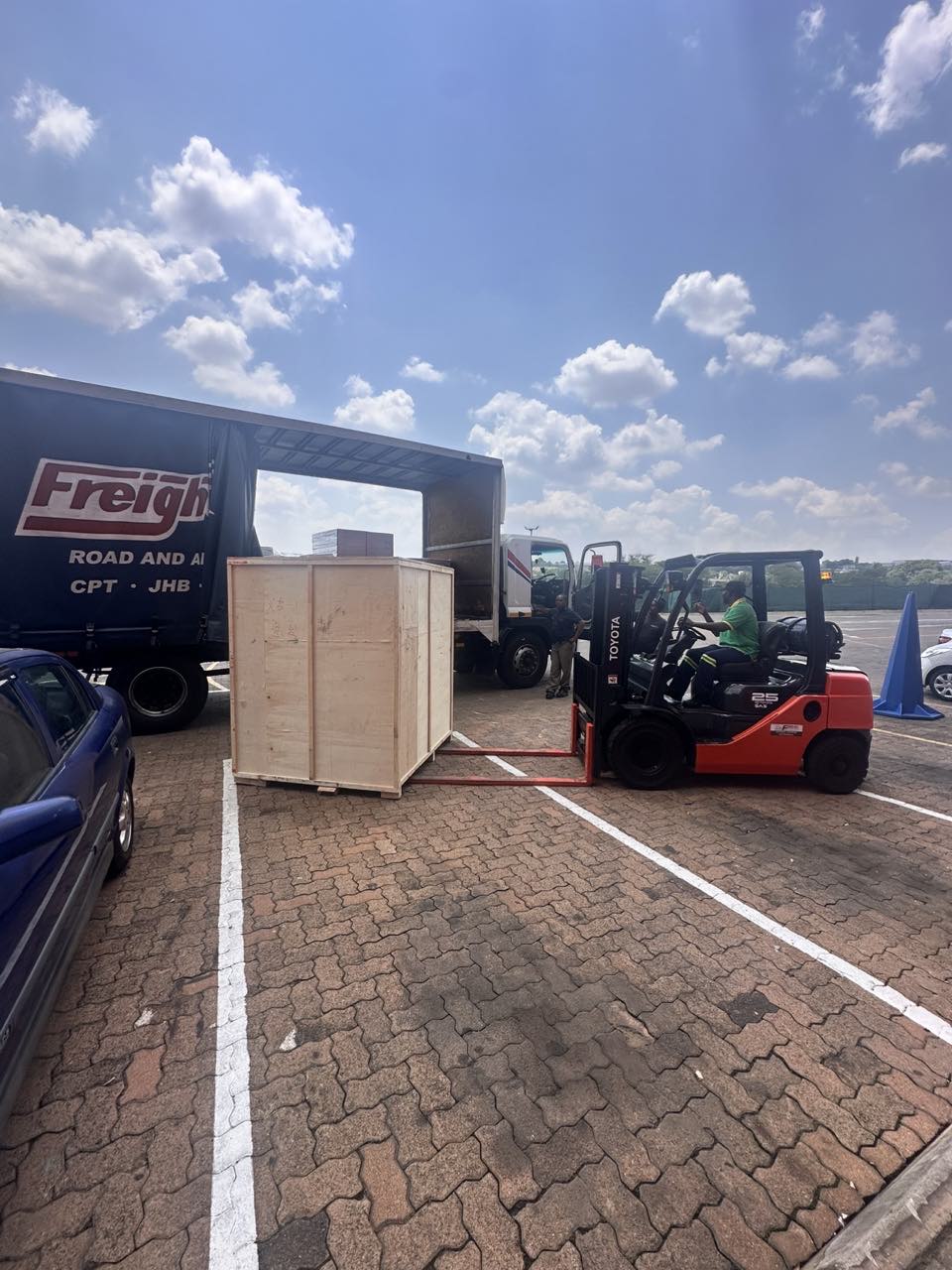
order collection
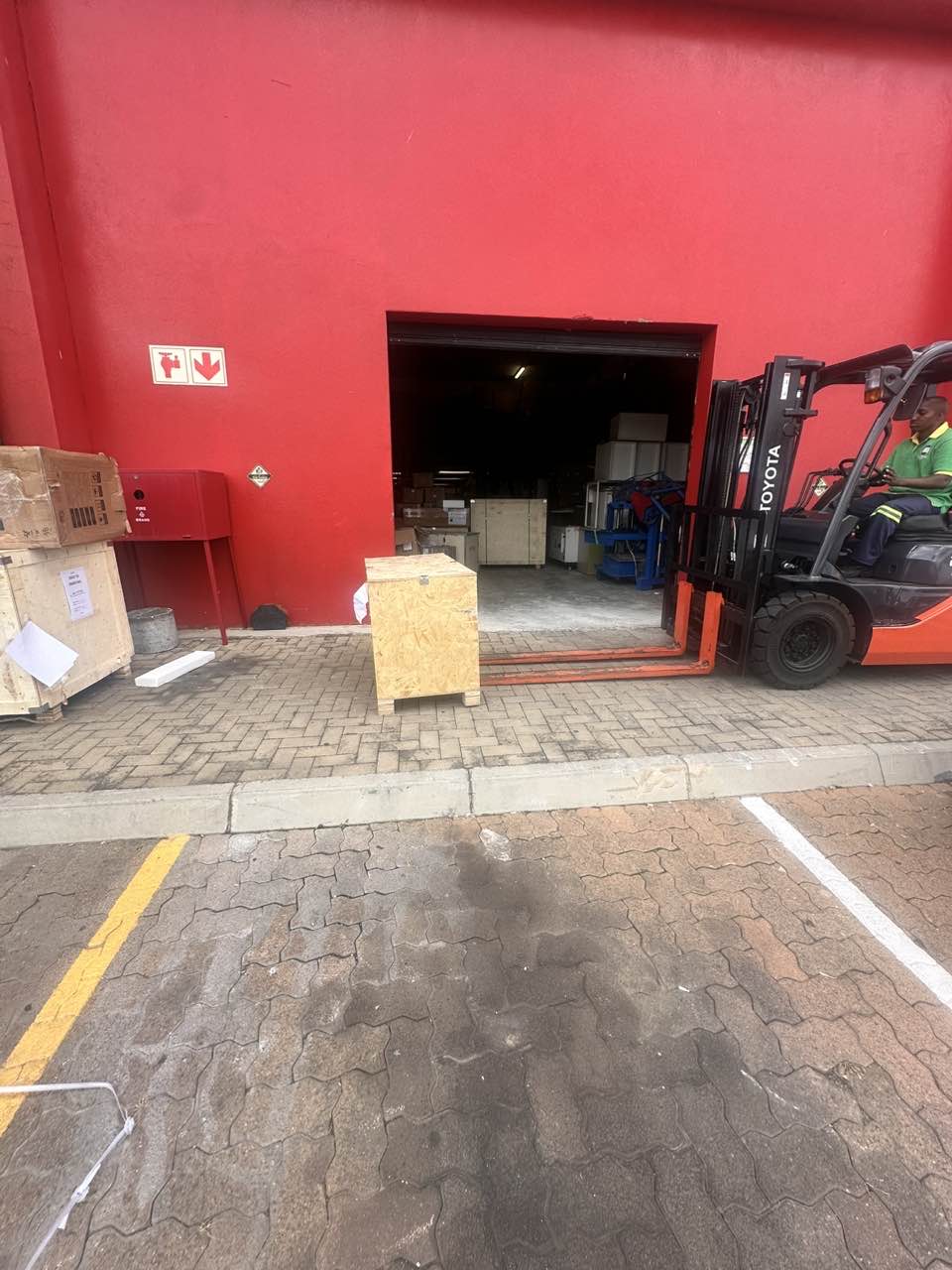
order offloading