B21, China Town Mall, Midrand


100-200KG/H Pet Food Processing Line
Asset finance available
Do you want funding for this equipment?
Afrimart can connect you with trusted funding partners who specialise in asset finance for businesses like yours. Compare options and apply in minutes — final approval is subject to provider review.
Check funding options
Secure & no obligation

- Section : Machinery
- Category : Other Food Processing Machinery
- SKU : 1600690794509

100-200KG/H Pet Food Processing Line
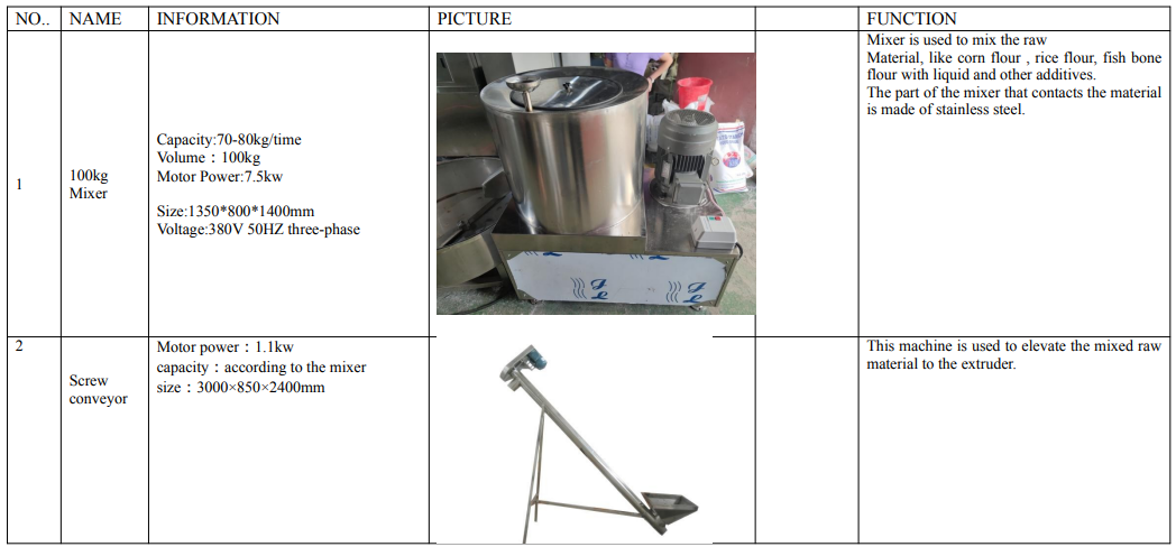
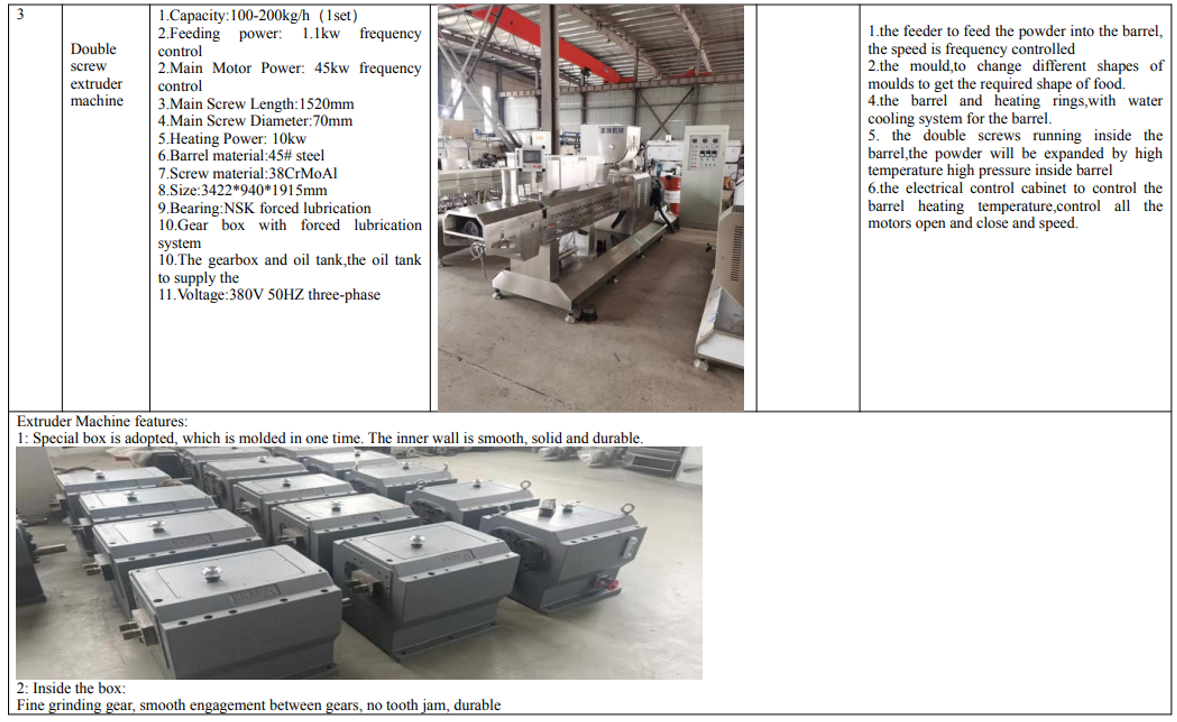
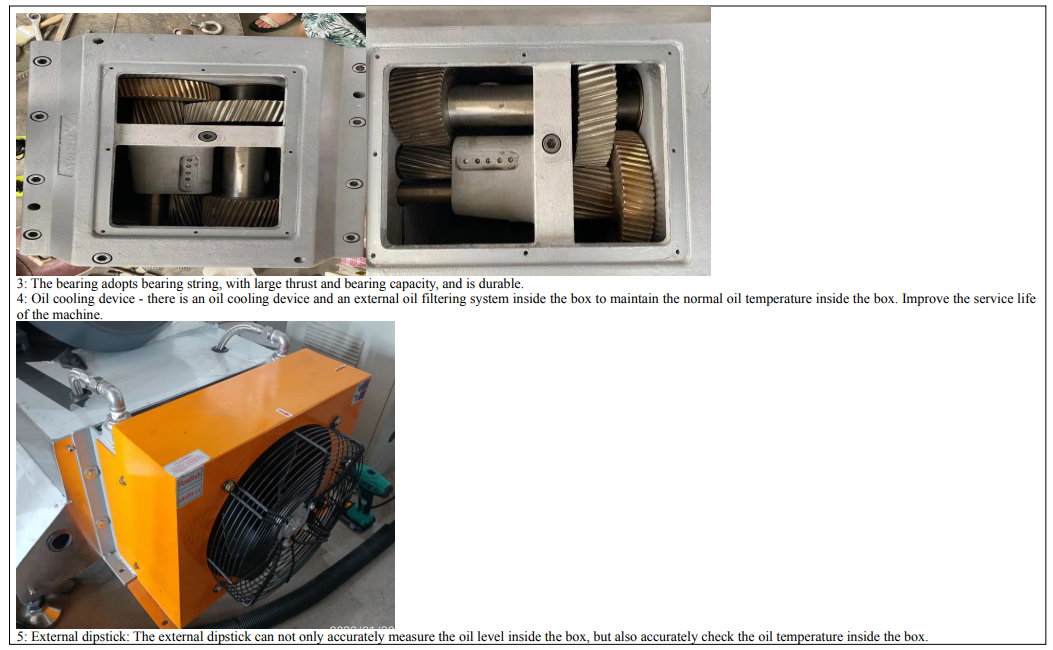
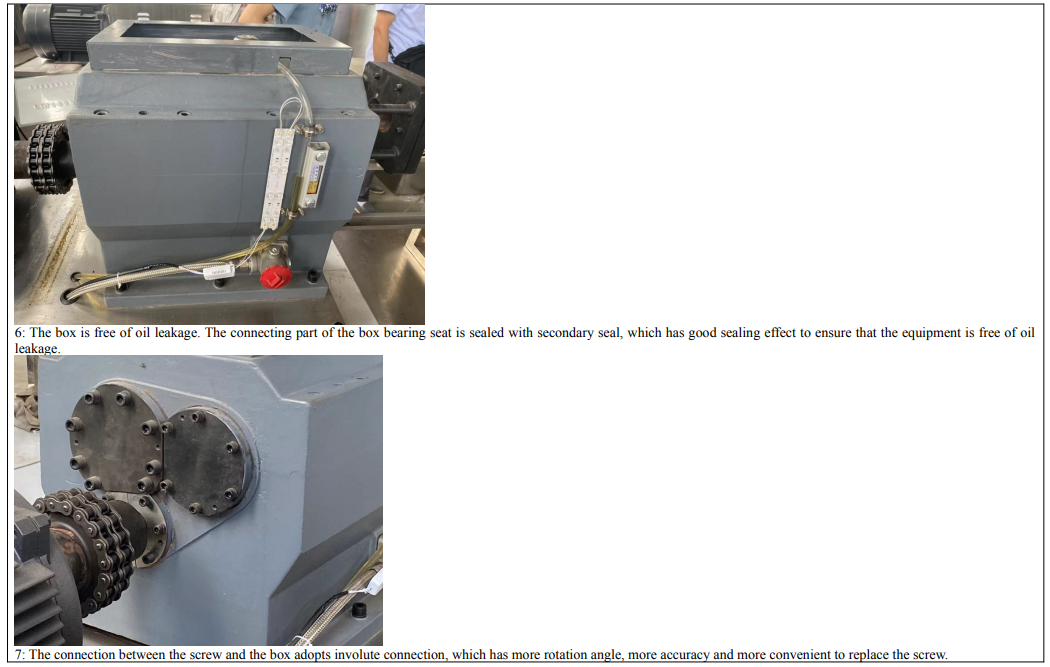
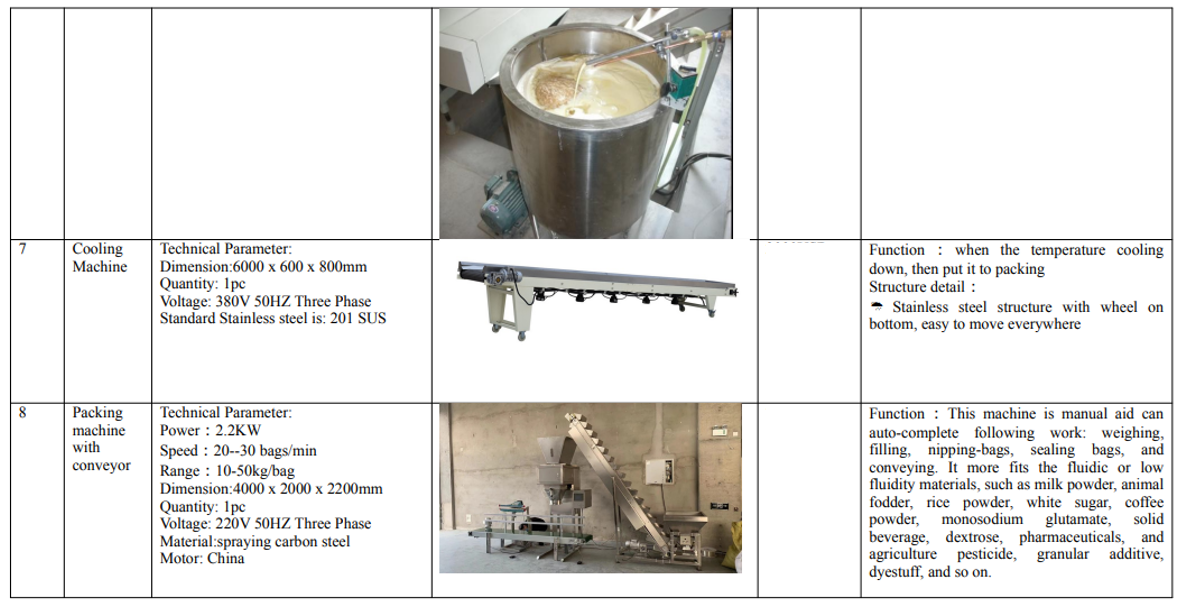
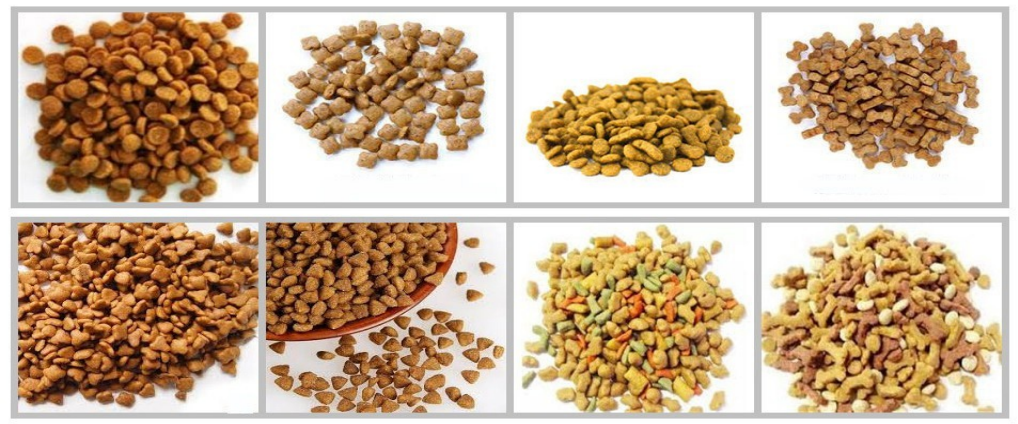
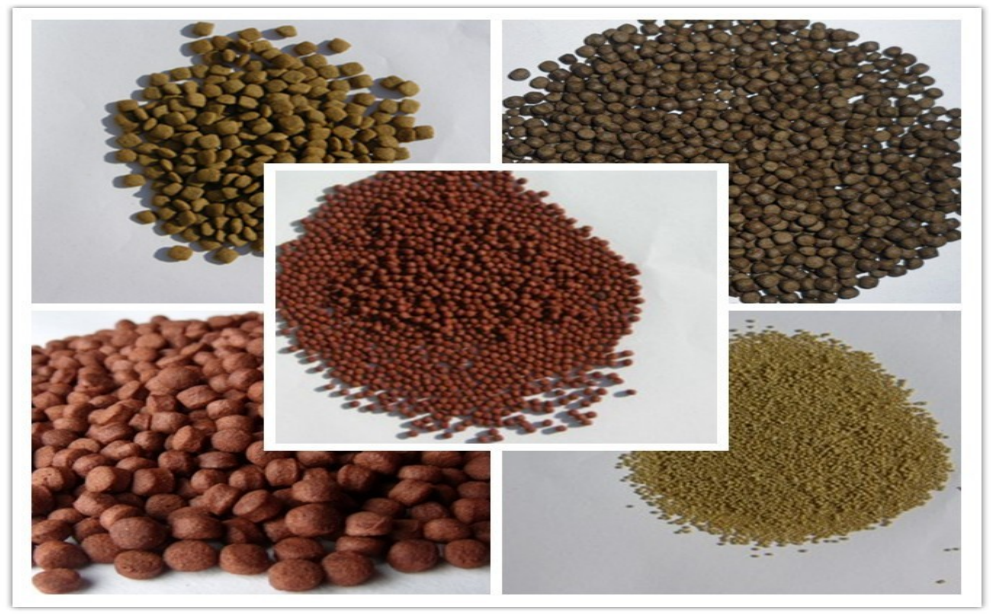
This line has features of flexible collocation, extensive applied raw materials, various snack and easy operation. It is full automatic from mixing, extruding, cutting, drying, flavoring, cooling ,packing in one-pass operation. This line is used for processing sinking and floating aquatic feeds for fish, pet food , etc. By changing the moulds , you can produce various shapes of feed pellet, such as 3mm to 20mm diameter pellet or other shapes. The line can use ingredient of corn flour ,wheat flour, fish meal, shrimp meal, bran ,soy flour, fish oil or vegetable oil ,etc.
Note: The machine includes one mould which the customer can choose which diameter is required, additional moulds cost extra and will be charged accordingly.
The processing:
Step: Flour mixing–conveyor–extruding– drying– flavoring – packing – End-products
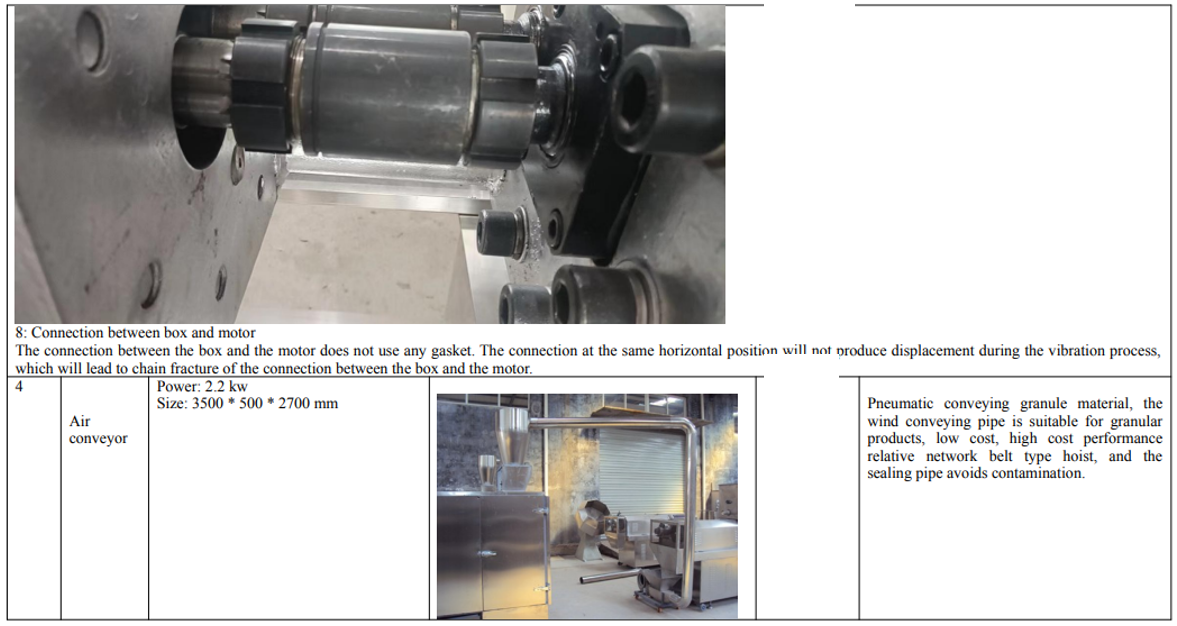
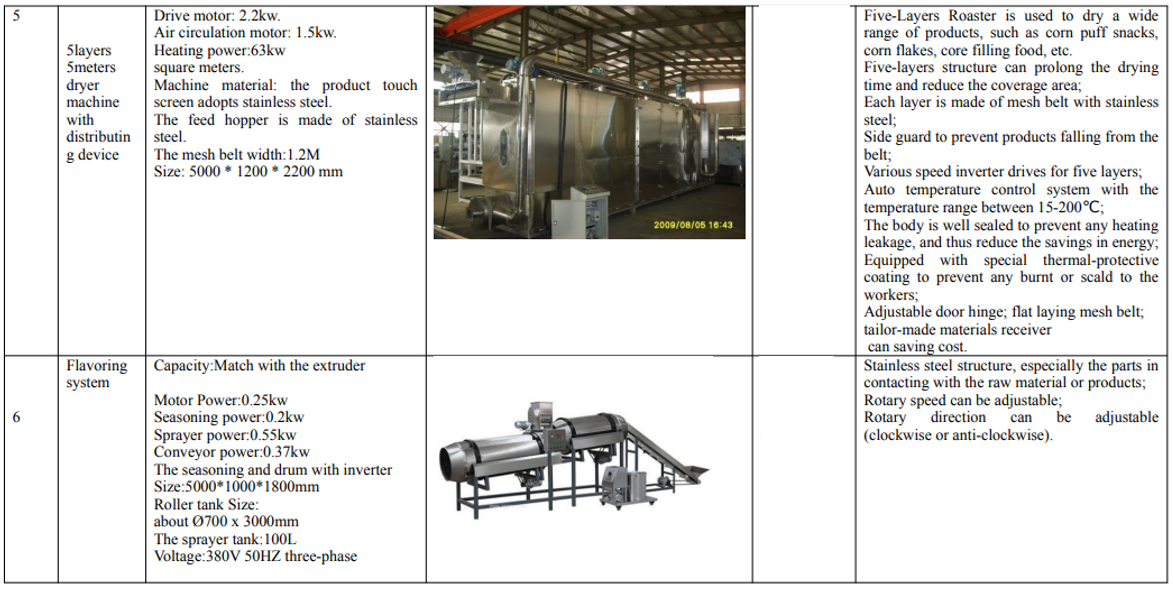
Description; Mixing the ingredient with water in the mixer, then transporting the mixed material into the feeder hopper by spiral conveyor, after the extruder can cooking the material and cutting into the shapes at outlet of extruder, the feed pellet then is transported by air conveyor to the continuous dryer to reduce the water percentage ,after drying, the fish feed pellet can be coated and mixed with oil ,the oil sprayer is to coat the fish oil (or vegetable oil)on the surface of the pellet, then after cooling the fish feed pellet can be packed and stored up.
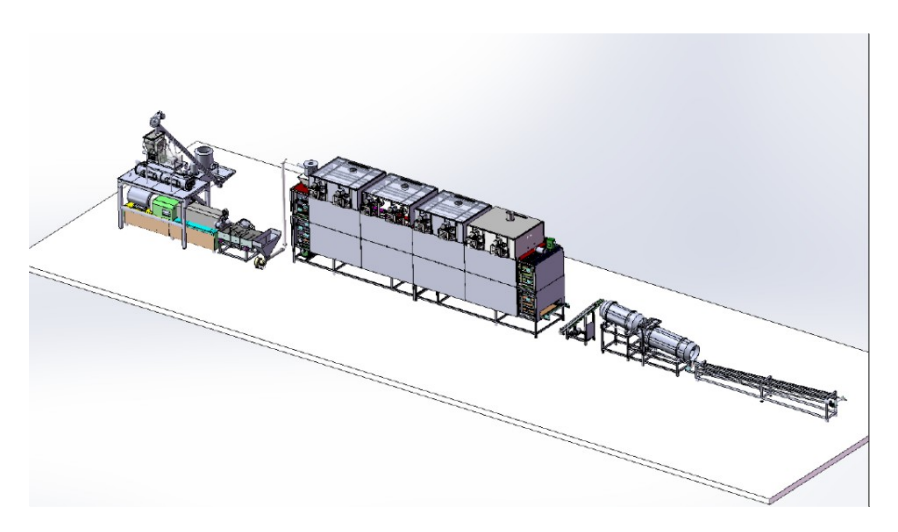
Layout:
Product Info Gallery
- Shipping Timeframes: All orders are processed within 2-5 business days (excluding weekends and holidays). After your order has been processed, the estimated delivery time is before 02 Sep, 2026, depending on customs, Please note that due to high demand, some items may experience longer shipping times, which will be communicated at order confirmation email.
- Order Processing Time: Please allow 2-5 business days for us to process your order before it is shipped . Orders placed after 16:00 on Fridays, or during weekends and public holidays, will begin processing on the next business day. Processing times may be extended during peak seasons or sales events.
- Manufacturing Time: Some products needs manufacturing time, the manufacturing process will take approximately 10-30 business days depending on the product. This timeframe may vary depending on the complexity of the product and current demand. but this will be communicated with you during order confirmation.
- Returns and Exchanges: We offer a 30-day return policy for most items. If you are not completely satisfied with your purchase, you may return it within 30 days of receipt for a refund or exchange. Items must be unused, in their original packaging, and accompanied by proof of purchase. Return shipping costs are the responsibility of the customer, unless the item was damaged or defective upon arrival.
1. What is the production capacity of the 100-200KG/H Pet Food Processing Line?
The line is designed for a throughput range of approximately 100–200 kg per hour. Exact output depends on raw materials, pellet size, moisture target and operating parameters.
2. What types of products can this line produce?
It can produce sinking and floating aquatic feeds as well as dry pet food snacks and pellets. Shapes and textures are adjustable to make fish feed, cat/dog kibble, treats and other extruded snacks.
3. Which raw materials are compatible with the line?
Common ingredients include corn flour, wheat flour, fish meal, shrimp meal, bran, soy flour, fish oil and vegetable oil. The system handles a wide range of starches, meals and binders; recipes may need tuning.
4. What pellet sizes and shapes can be produced?
By changing the moulds, you can produce pellets from about 3 mm up to 20 mm diameter and various other shapes (rings, stars, hollow, etc.). One mould of the customer’s chosen diameter is included; additional moulds are extra.
5. Is the line fully automatic?
Yes. The line supports one-pass automatic processing: mixing, conveying, extrusion, cutting, drying, flavoring/coating, cooling and packing. Some peripheral adjustments and supervision by operators are required.
6. How does the processing flow work?
Typical steps: ingredient mixing → spiral conveyor → extruder (cooking and shaping) → air conveyor → continuous dryer (moisture reduction) → oil/flavor coating → cooling → packaging.
7. Can I switch between sinking and floating pellets?
Yes. Buoyancy is determined by formulation, extrusion parameters (cooking/expansion) and drying. By adjusting raw-material ratios, screw speed, temperature and moisture, you can produce sinking or floating pellets.
8. Are oil coating and flavoring included?
Yes. The line includes an oil sprayer/coating system for fish oil or vegetable oil and a flavoring/mixing unit to evenly coat pellets after drying and before cooling.
9. What is included in the standard supply and what costs extra?
Standard supply typically includes mixer, spiral conveyor, extruder with one mould (chosen size), cutter, air conveyor, continuous dryer, flavoring/oil spray, cooler and packing unit. Additional moulds, specific packing options, special feeders or optional accessories are charged extra.
10. What are the space and power requirements?
Exact footprint and power consumption depend on the chosen configuration and accessories. Please provide your layout and local voltage to receive estimated floor area and electrical load. We can supply typical drawings and a power schedule on request.
11. How many operators are needed to run the line?
Usually 1–3 trained operators per shift can run a 100–200 kg/h line, depending on automation level and packing arrangement. One operator typically oversees mixing/extrusion and another monitors drying/packing.
12. What maintenance and cleaning are required?
Regular tasks include daily cleaning of mixer, extruder barrel and feeding systems, weekly inspection of screws and cutters, periodic replacement of wear parts (seals, cutters, gaskets) and lubrication per the maintenance schedule. Detailed maintenance manuals are provided.
13. What moisture content should pellets have after drying?
Target moisture typically ranges from 8% to 14% depending on product type and storage needs. Drying time and temperature are adjustable to reach the required final moisture for shelf stability and buoyancy.
14. Do you provide installation, commissioning and operator training?
Yes. We offer installation, commissioning and on-site or remote operator training packages. Scope and cost depend on site location and customer requirements.
15. What are lead time, warranty and spare-parts support?
Lead time varies with configuration and order size—typically several weeks to a few months. Standard warranties and spare-parts support are offered; exact terms depend on the sales agreement. We also supply recommended spare parts kits and after-sales service options.
Latest Order Arrivals
Discover our latest orders

12 Heads Embroidery Machine

Toilet Paper Machine Machine

Order Collection

Cross Border Clients

Order cros border countries Collected

Industrial Machine Cllection

Agriculture Processing Machines

Ready for collection

Water Pump Equipment

Packaging Machine and accessories

Fabrics Manufacturing Equipment

Mining Equipments

Food Processing Machine

Batch of Orders

Batch of Orders

Latest Orders Labelled

wheel alignment machines

new arrivals

Pre Orders Offloading

Latest Arrivals

Latest Arrivals

Latest Arrivals

Loading

Toilet paper making machine

Toilet paper making machine

Toilet paper Rewinding Machine

latest arrivals

offloading

order success

order collection

order offloading