B21, China Town Mall, Midrand

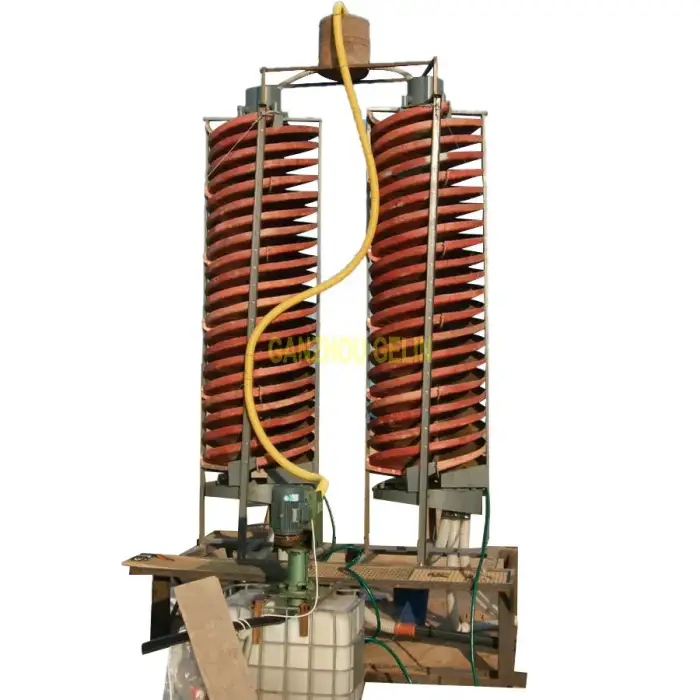
Zircon sand benefication equipment plant spiral concentration of heavy Minerals

- Section : Machinery
- Category : Mining Machinery
- SKU : 619392038

Product Description
Zircon sand benefication equipment plant spiral concentration of heavy Minerals

Our factory produce full sets mining equipments for quartz rock chromite ore processing, separation. The equipments including feeder machine, jaw crusher, cone crusher, ball mill, spiral classifier, shaking table, jigger machine, spiral separator, magnetic separator...
Spiral Chute is the best equipment for mining and mineral processing, which combines the characteristics of the spiral concentrator, shaking table and Centrifugal concentrator. It is made of the fiberglass lined with wear-resistant polyurethane and corundum cover, light moisture proof, anti-rust. It is mainly used for separation and recovery of a wide range of minerals: zircon, ilmenite, rutile, iron ore, chromite, manganese, tin, tantalum and tungsten ore, silica sands, gold, copper and base metals and etc., as well as other non-ferrous metals, rare metals and non-metallic minerals.

Features
1.Reasonable structure and small occupation area.
2. High recovery, high efficiency, and precise separation.
3. Light in weight, rust and corrosion resistant.
4. Simple installation and Minimal maintenance requirements.
5. Low operating cost and long operating life.
6. Reliable running with minimal operator attention.
7. Strong adaptability to fluctuation of feeding amount, density, size and grade.
Structure

Working principle
Raise the spiral chute and fix it in the proper position, sand pump transport the ore to the feed inlet, adding water to adjust
the concentration of the slurry. The slurry naturally swirls from high to low, and generates an inertial centrifugal force in the rotating bevel flow rate. The mineral is separated from the sand by the gravity and centrifugal force of the swirl by the
difference in specific gravity, grain size and shape of the ore. The concentrate flows into the concentrate bucket and is
connected by the pipeline. The tail sand flows into the tailing sand bucket and is connected to the sand pool by the pipeline, and then drained by the sand pump to complete the whole process of the beneficiation.

Technical Data
| Model | 5LL-400 | 5LL-600 | 5LL-900 | 5LL-1200 | 5LL-1500 | 5LL-2000 |
| Spiral Diameter (mm) | 400 | 600 | 900 | 1200 | 1500 | 2000 |
| Screw Pitch(mm) | 240/180 | 450/360 | 40405 | 720/540 | 900 | 1200 |
| Dia. Rate | 0.45 | 0.4 | 0.4/0.6 | 0.6 | 0.6 | 0.6 |
| Gradient (°) | 9 | 9 | 9 | 9 | 9 | 9 |
| Num. Of Threads | 1-2 | 1-2 | 2-3 | 2-4 | 2-4 | 2-4 |
| Num. Of Turns | 5 | 5 | 5 | 5 | 5 | 4 |
| Feeding Size (mm) | 0.02-0.2 | 0.02-0.2 | 0.03-0.3 | 0.03-0.3 | 0.03-0.3 | 0.04-0.4 |
| Feeding Density (%) | 25-55 | 25-55 | 25-55 | 25-55 | 25-55 | 30-35 |
| Capacity (t/h) | 0.2-0.5 | 0.8-1.2 | 2-3 | 4-6 | 6-8 | 7-10 |
Boundary Size
L*W*H (mm)
| 460*460*1500 | 700*700*2600 | 1060*1060*4000 | 1360*1360*5230 | 1560*1560*5230 | 2120*2120*5230 |
| Weight (kg) | 50 | 150 | 400 | 600 | 800 | 900 |
Application&Successful Case
It is applicable for separation of granularity ranged from 4mm to 0.02mm metallic minerals such as iron, ilmenite, chromite, tungsten-tin ore, niobium-tantalum ore, gold placer, seashore monazite, rutile and zircon as well as other metallic and non-metallic minerals with adequate difference of specific gravity. For the seaside, riverside, sand beach, the stream of placer mining, it is the best equipment of all.


- Shipping Timeframes: All orders are processed within 2-5 business days (excluding weekends and holidays). After your order has been processed, the estimated delivery time is before 03 Aug, 2026, depending on customs, Please note that due to high demand, some items may experience longer shipping times, which will be communicated at order confirmation email.
- Order Processing Time: Please allow 2-5 business days for us to process your order before it is shipped . Orders placed after 16:00 on Fridays, or during weekends and public holidays, will begin processing on the next business day. Processing times may be extended during peak seasons or sales events.
- Manufacturing Time: Some products needs manufacturing time, the manufacturing process will take approximately 10-30 business days depending on the product. This timeframe may vary depending on the complexity of the product and current demand. but this will be communicated with you during order confirmation.
- Returns and Exchanges: We offer a 30-day return policy for most items. If you are not completely satisfied with your purchase, you may return it within 30 days of receipt for a refund or exchange. Items must be unused, in their original packaging, and accompanied by proof of purchase. Return shipping costs are the responsibility of the customer, unless the item was damaged or defective upon arrival.
1. What is zircon sand benefication equipment used for?
Zircon sand benefication equipment is primarily used for the separation and recovery of minerals such as zircon, ilmenite, rutile, iron ore, chromite, manganese, tin, tantalum, tungsten ore, silica sands, and other non-ferrous and rare metals.
2. What are the main components of the zircon sand benefication equipment plant?
The main components include a feeder machine, jaw crusher, cone crusher, ball mill, spiral classifier, shaking table, jigger machine, spiral separator, and magnetic separator.
3. How does the spiral chute work?
The spiral chute uses gravity and centrifugal force to separate minerals from sand. It transports ore to the feed inlet, adds water to adjust slurry concentration, and allows the slurry to swirl, separating minerals based on specific gravity and size.
4. What are the advantages of using the spiral concentration method?
The spiral concentration method offers high recovery rates, precise separation, low operating costs, minimal maintenance, and adaptability to fluctuations in feeding amounts, densities, and sizes.
5. What materials can be processed with this equipment?
This equipment can process metallic minerals like iron, ilmenite, chromite, tungsten-tin ore, niobium-tantalum ore, and non-metallic minerals such as rutile and zircon.
6. What is the feeding size range for the equipment?
The feeding size range for the zircon sand benefication equipment is from 0.02 mm to 4 mm.
7. Is the equipment resistant to corrosion?
Yes, the equipment is made of fiberglass lined with wear-resistant polyurethane and has a corundum cover, making it light, moisture-proof, and resistant to rust and corrosion.
8. What is the capacity of the spiral chute?
The capacity of the spiral chute varies by model, ranging from 0.2 to 10 tons per hour.
9. Can the equipment be used for placer mining?
Yes, it is particularly suitable for seaside, riverside, sand beach, and stream placer mining applications.
10. What is the installation process like?
The installation process is straightforward, requiring minimal effort to set up the equipment and fix the spiral chute in the proper position.
11. What maintenance does the equipment require?
The equipment has minimal maintenance requirements, primarily focusing on regular checks for wear and tear and ensuring optimal operation.
12. What is the weight of the different models?
The weight of the models ranges from 50 kg for the smallest model to 900 kg for the largest model.
13. Are there any specific environmental conditions required for operation?
The equipment is designed to operate under various conditions, but optimal performance is achieved in environments with adequate water supply for slurry formation.
14. What are the dimensions of the equipment?
The dimensions vary by model, with boundary sizes ranging from 460 mm to 2120 mm in length, width, and height.
15. What is the expected lifespan of the equipment?
The equipment is designed for long operational life, but actual lifespan can depend on usage, maintenance, and environmental conditions.
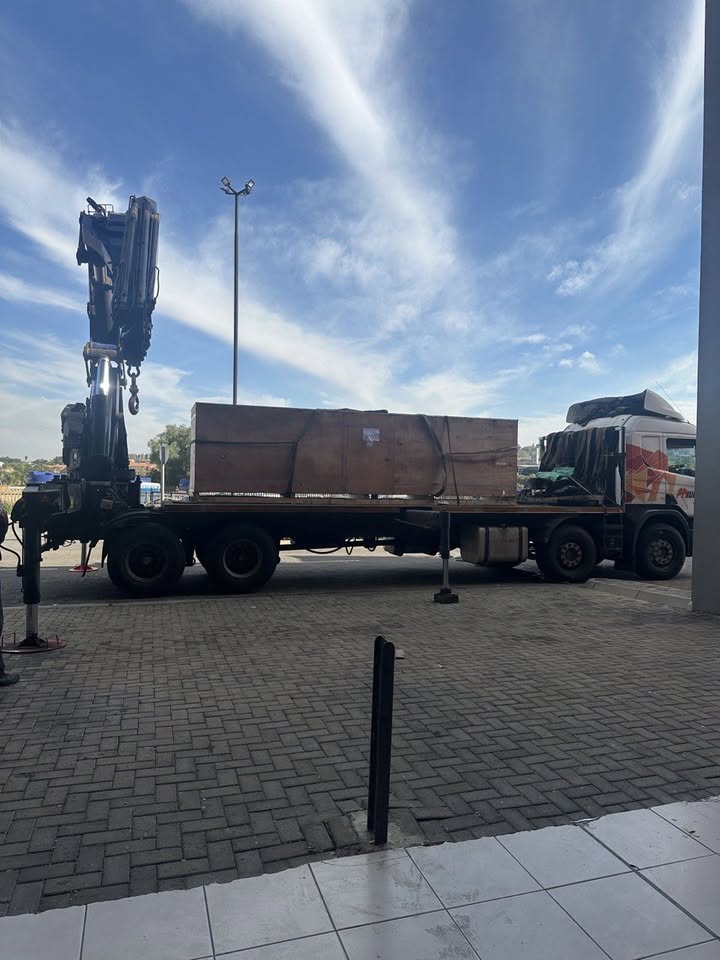
Latest Order Arrivals
Discover our latest orders
12 Heads Embroidery Machine
Toilet Paper Machine Machine
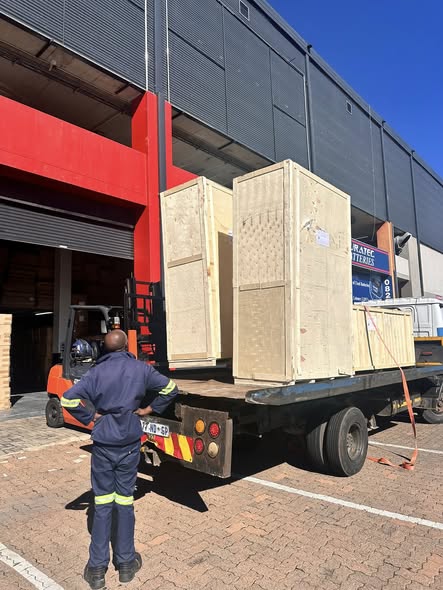
Order Collection
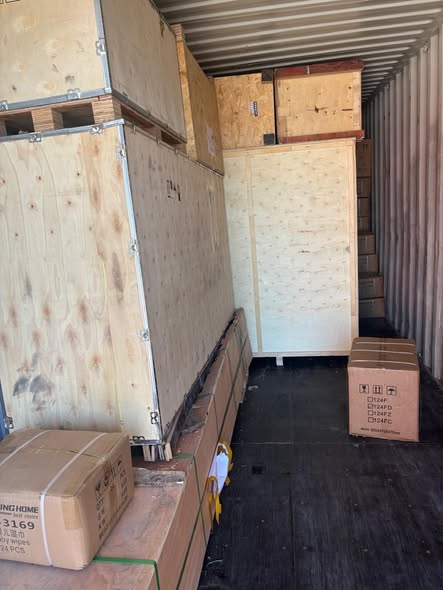
Cross Border Clients
Order cros border countries Collected
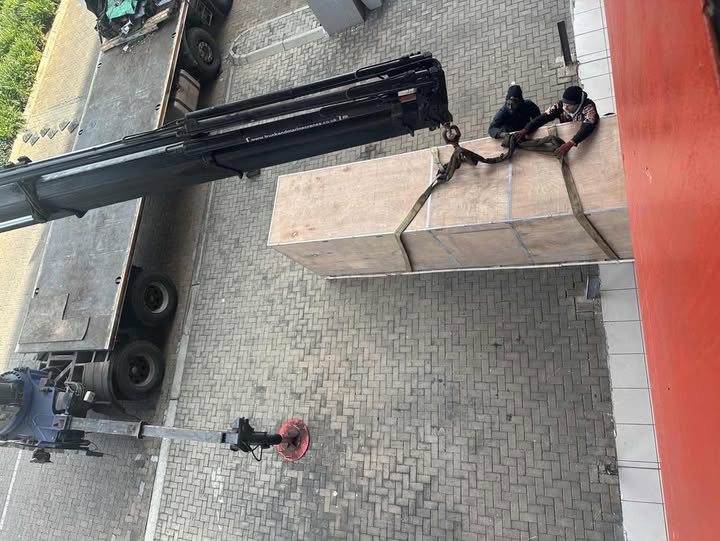
Industrial Machine Cllection
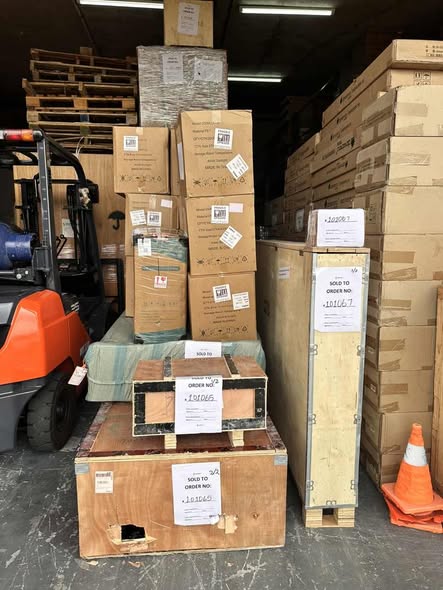
Agriculture Processing Machines
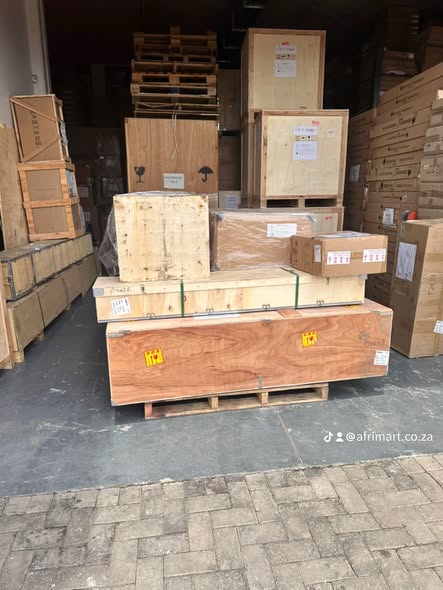
Ready for collection
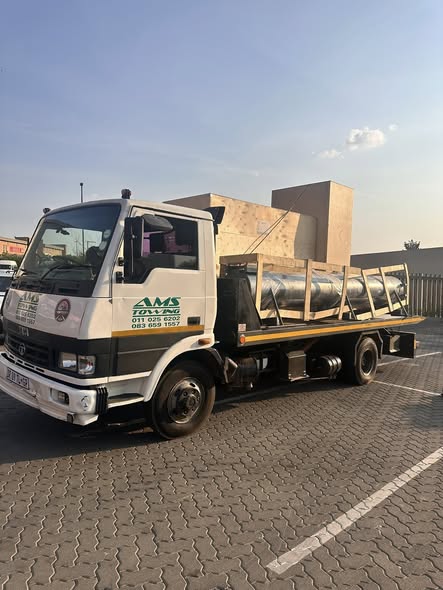
Water Pump Equipment
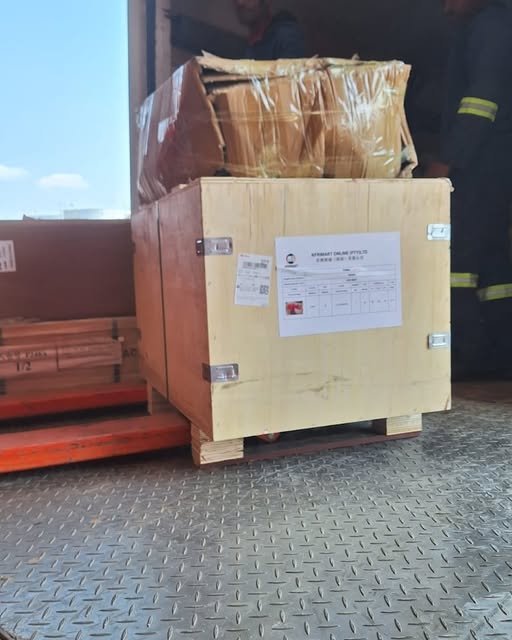
Packaging Machine and accessories
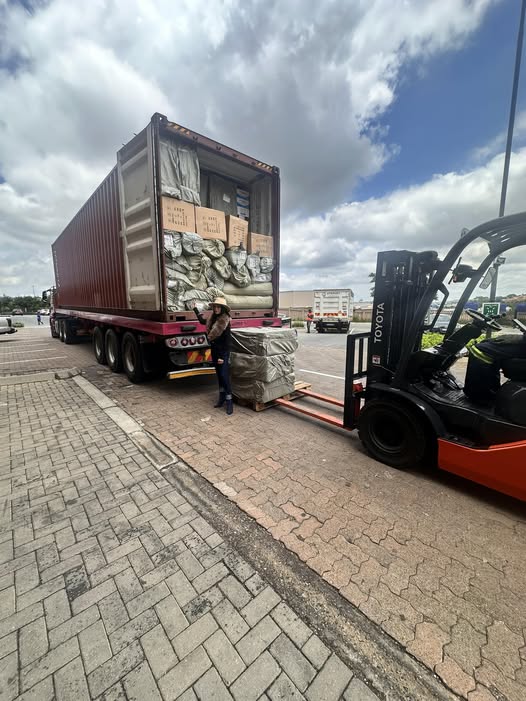
Fabrics Manufacturing Equipment
Mining Equipments
Food Processing Machine
Batch of Orders
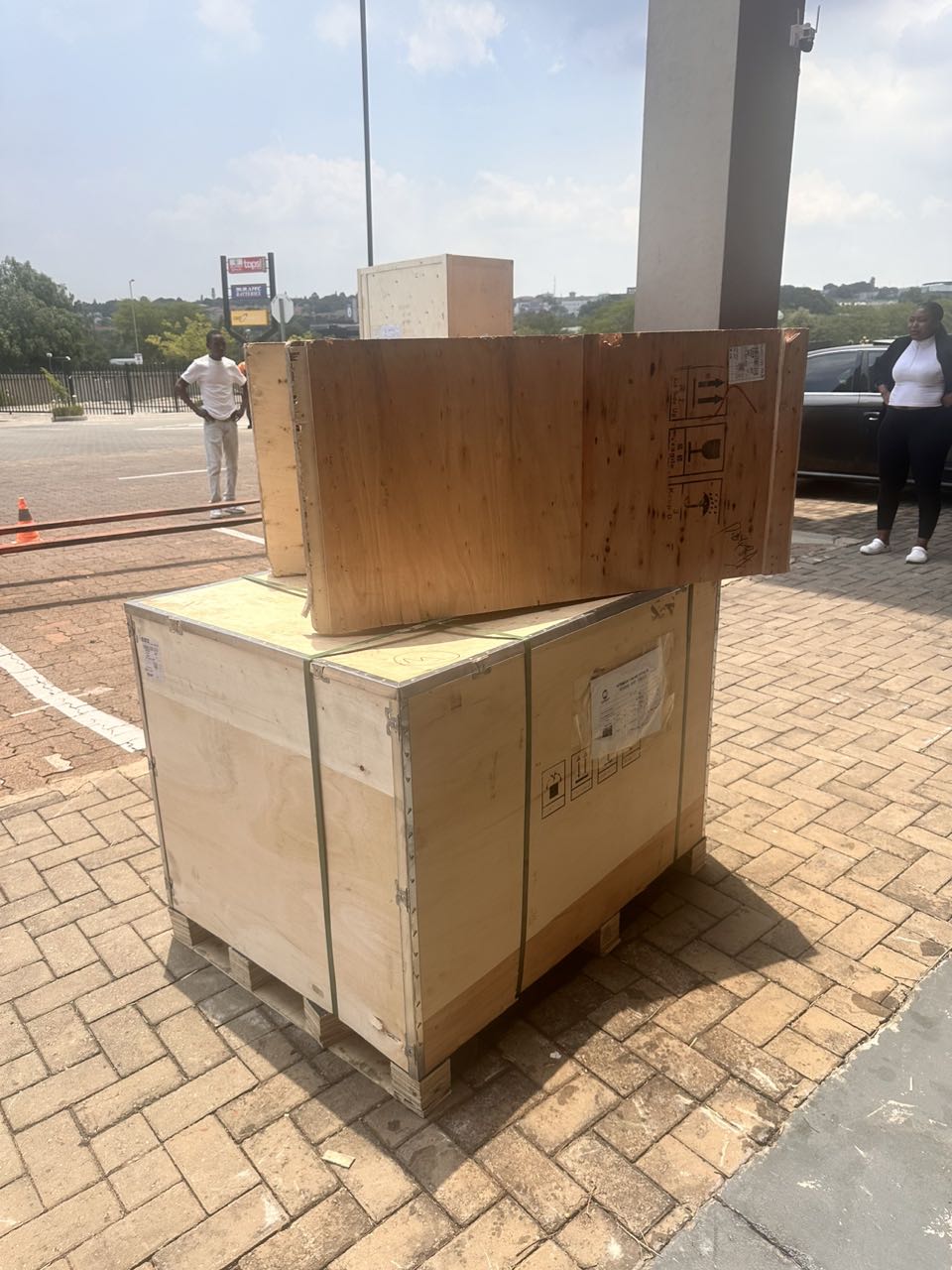
Batch of Orders
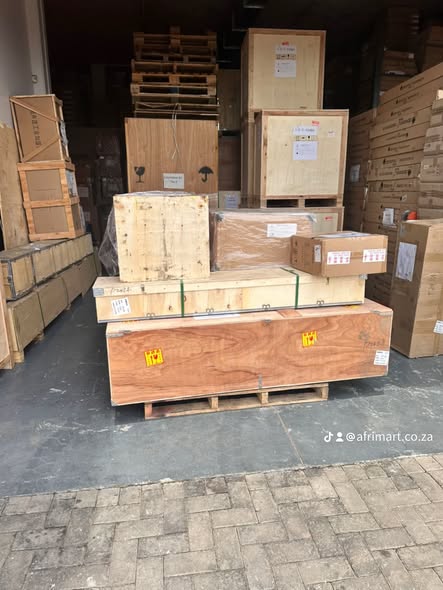
Latest Orders Labelled
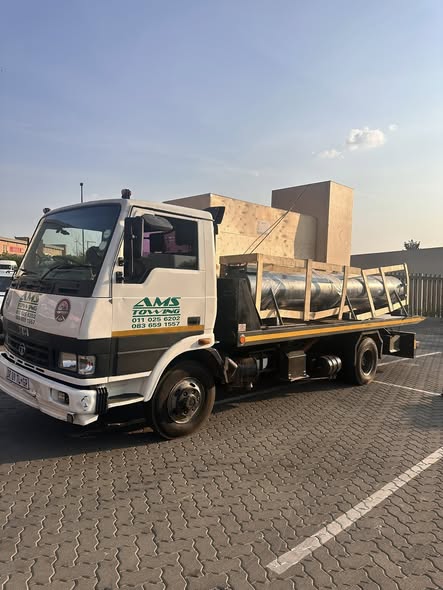
wheel alignment machines
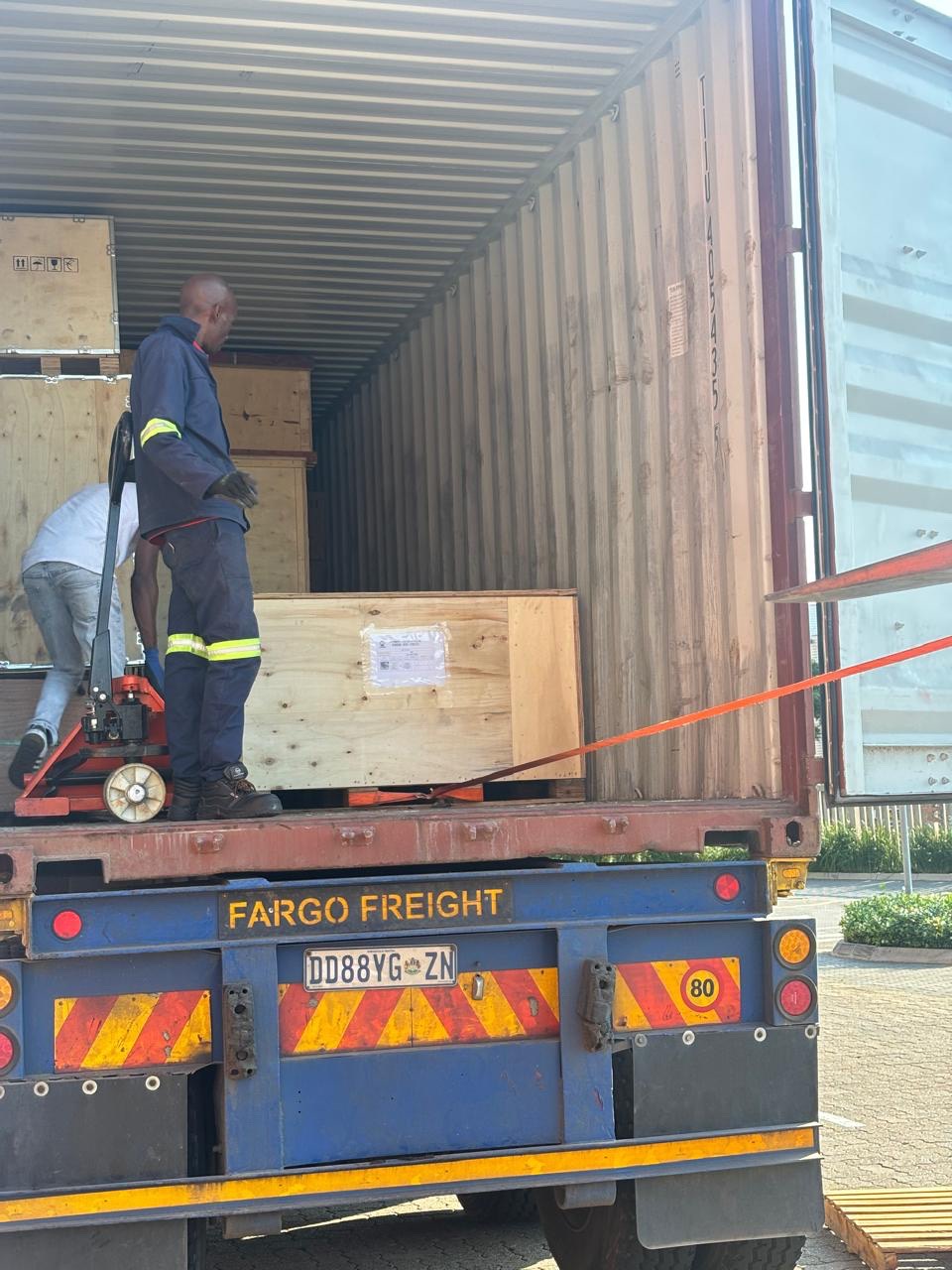
new arrivals
Pre Orders Offloading
Latest Arrivals
Latest Arrivals
Latest Arrivals
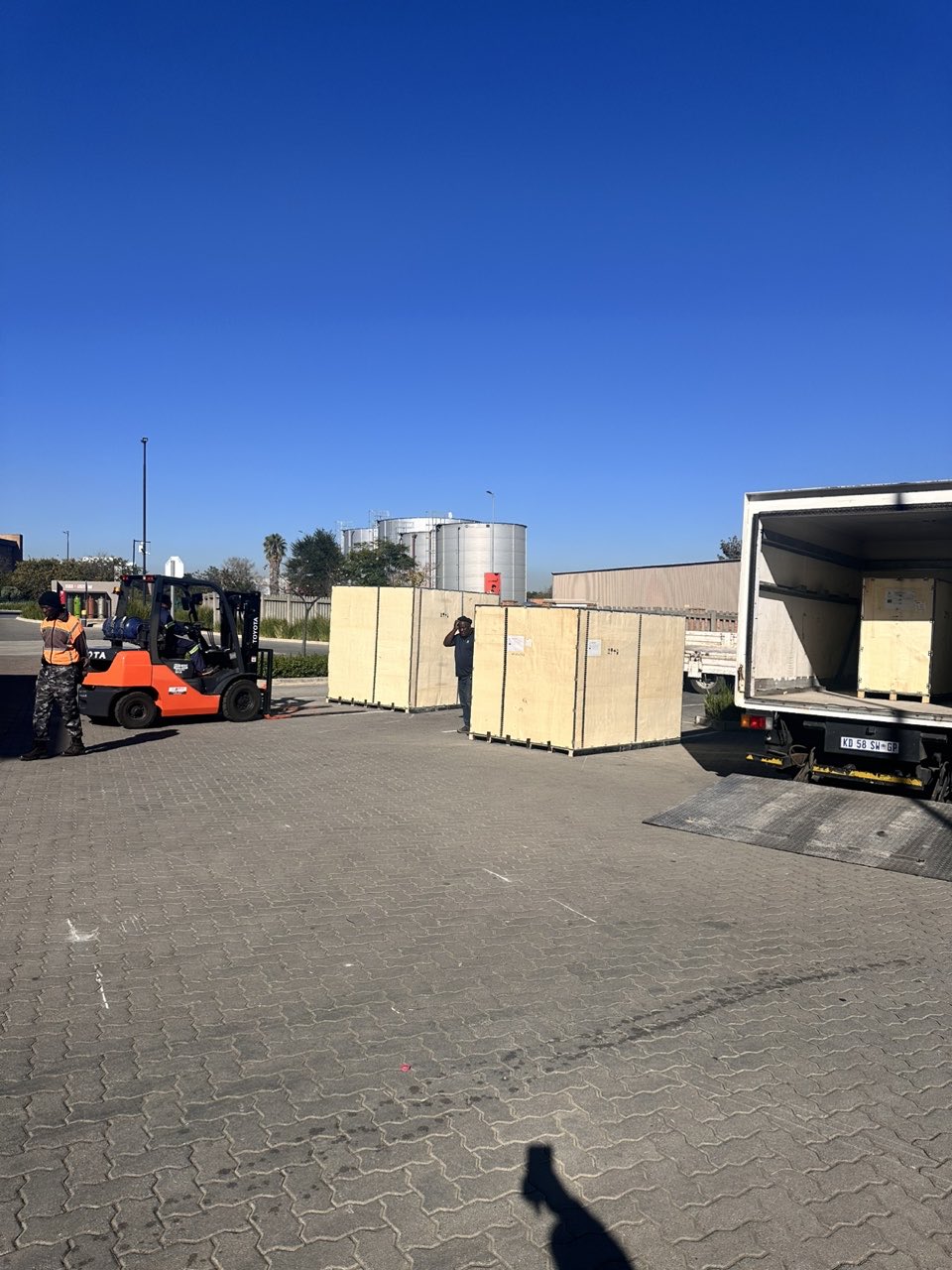
Loading
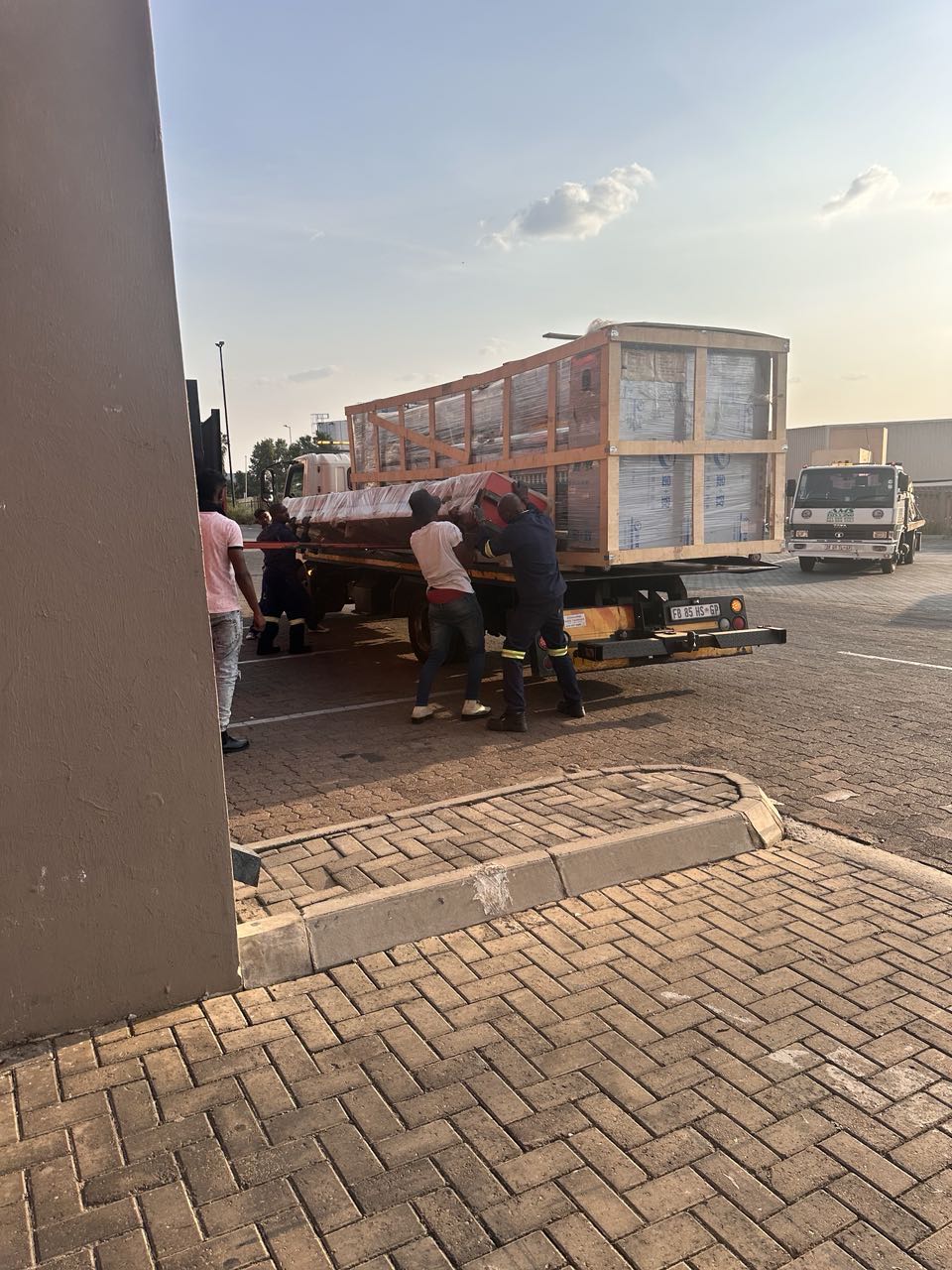
Toilet paper making machine
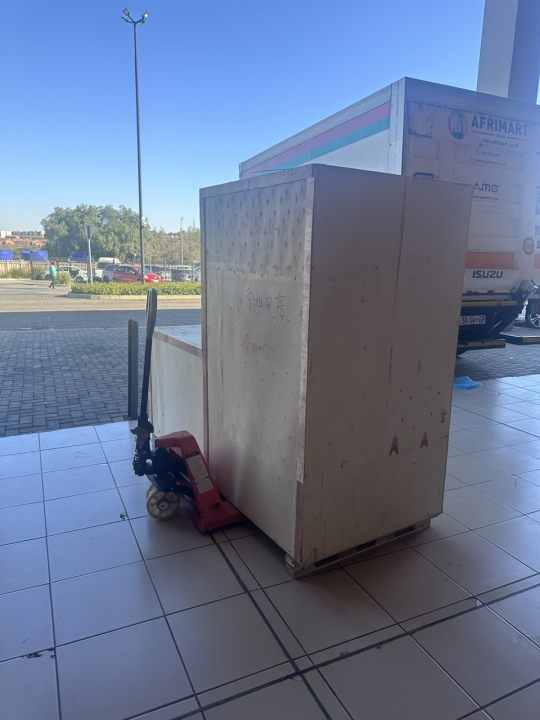
Toilet paper making machine
Toilet paper Rewinding Machine
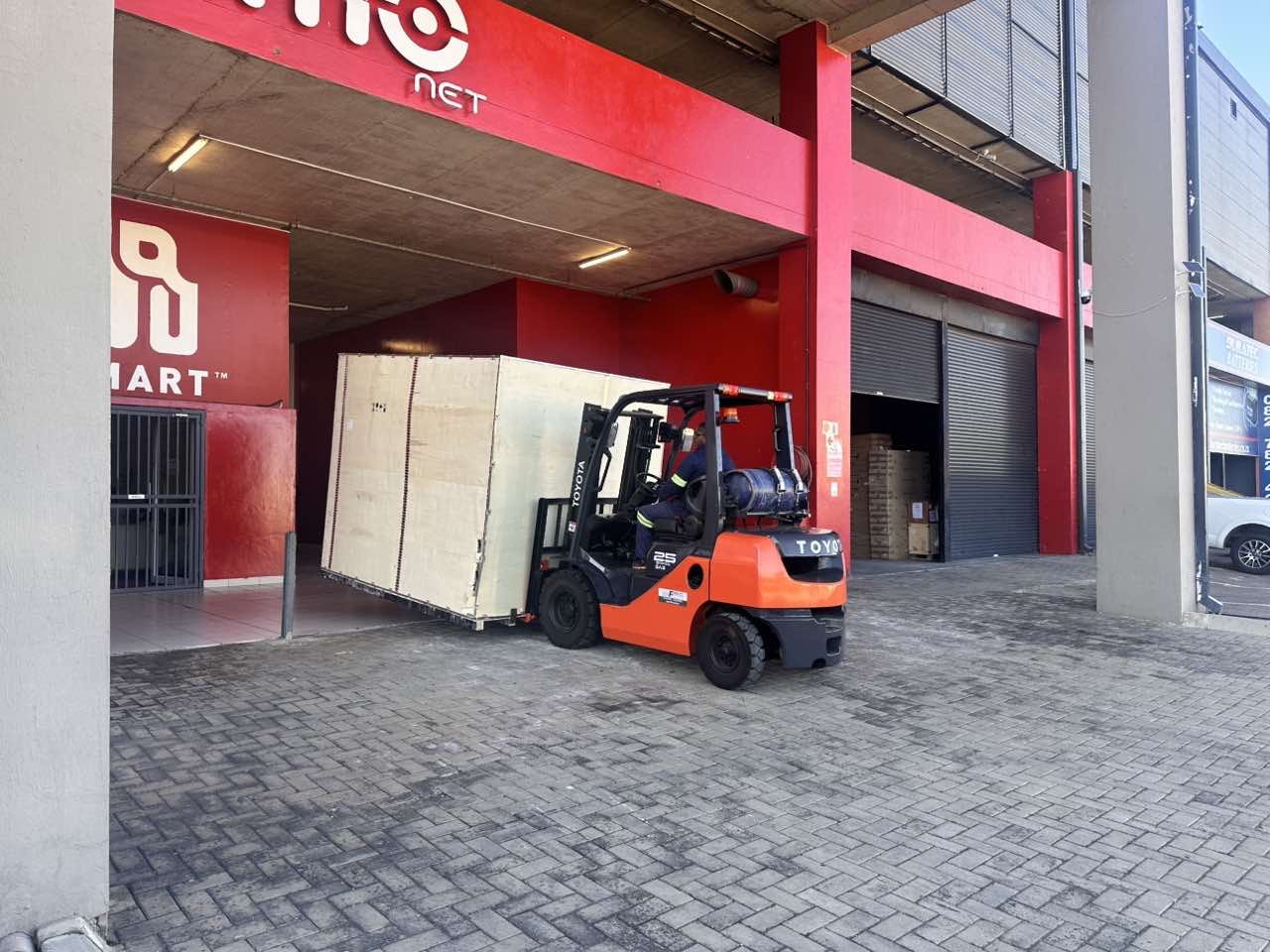
latest arrivals
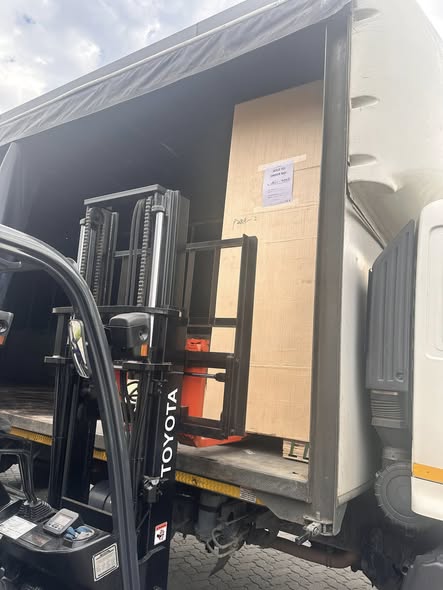
offloading
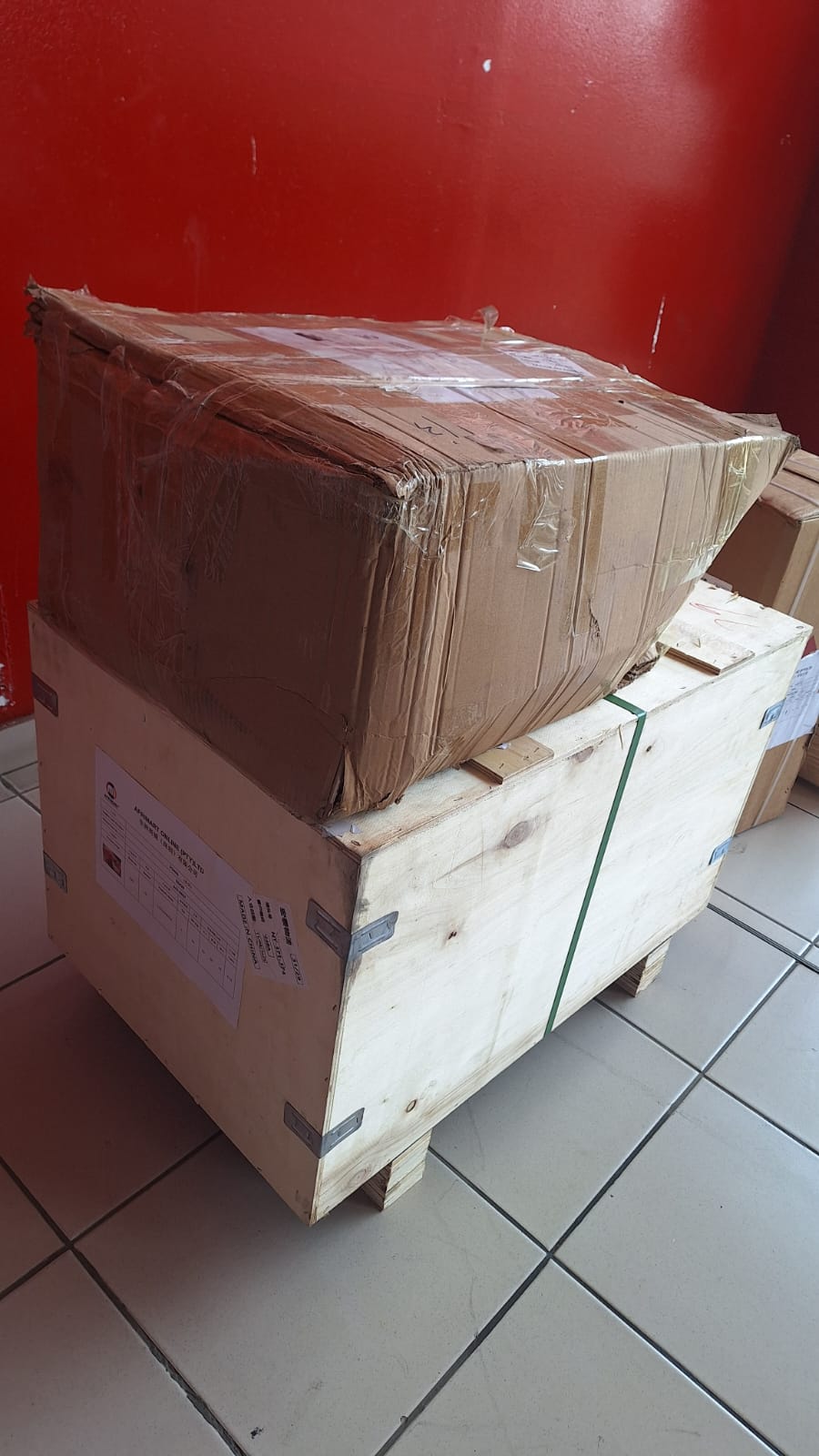
order success
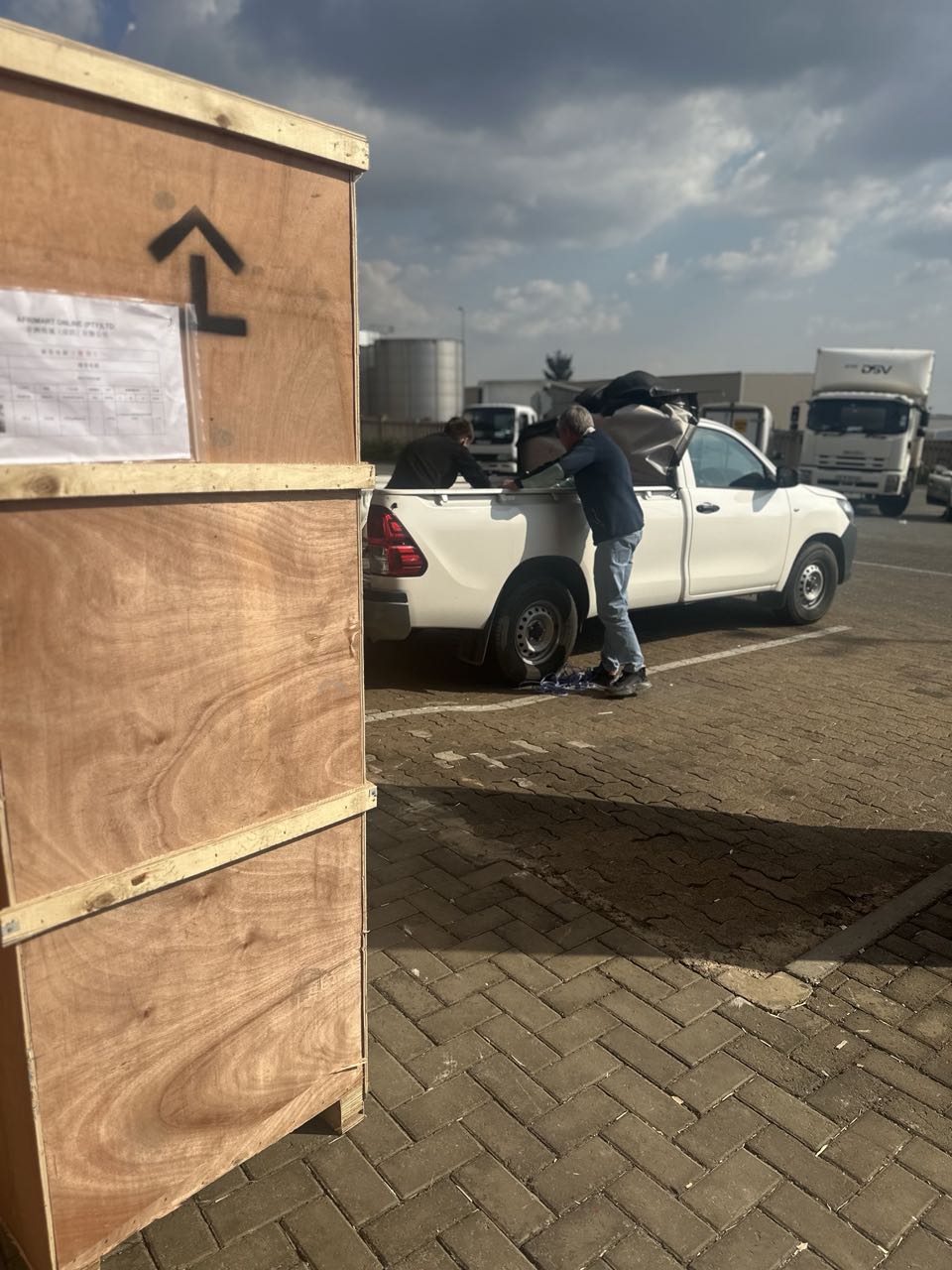
order collection
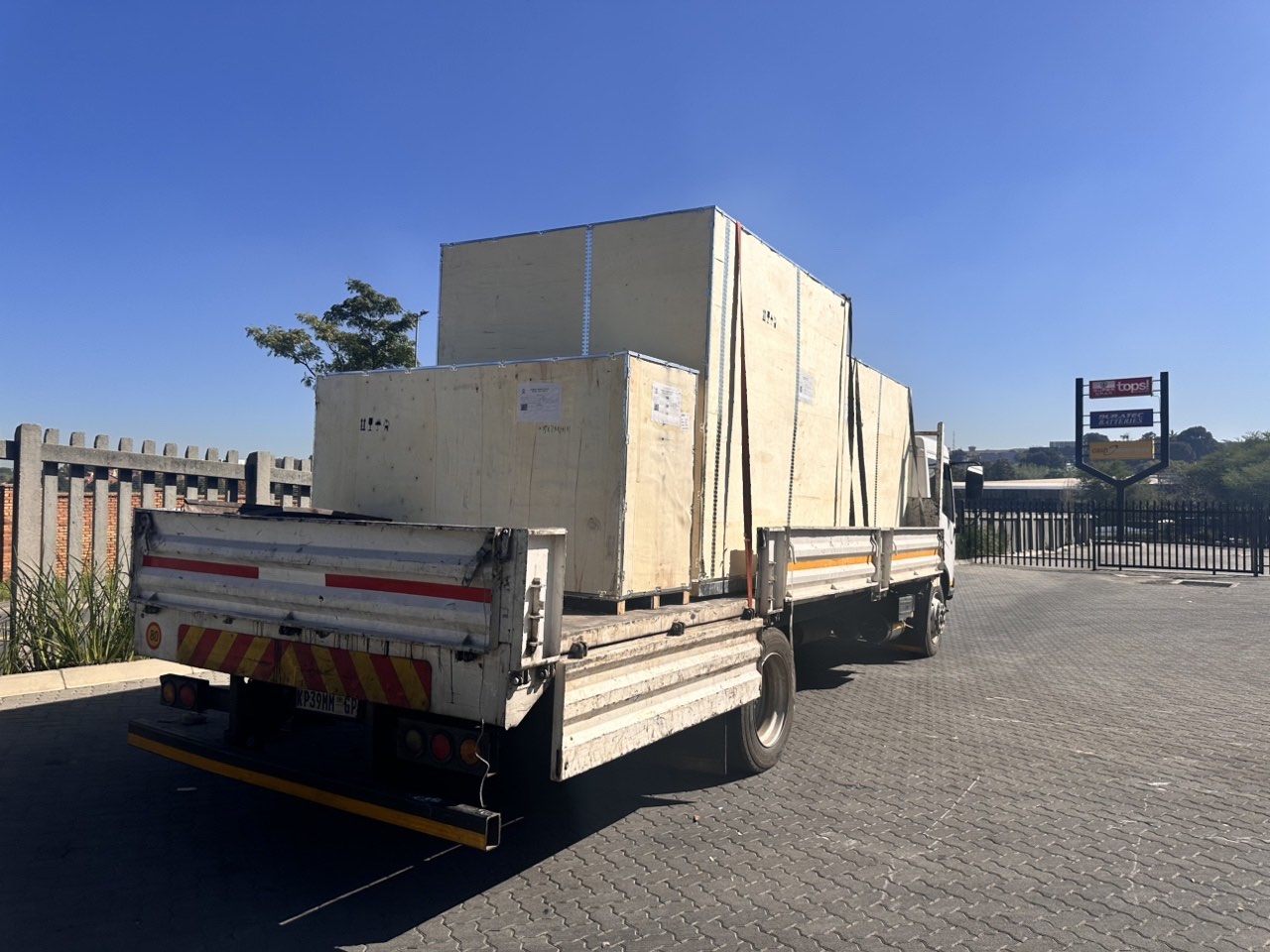
order offloading