B21, China Town Mall, Midrand

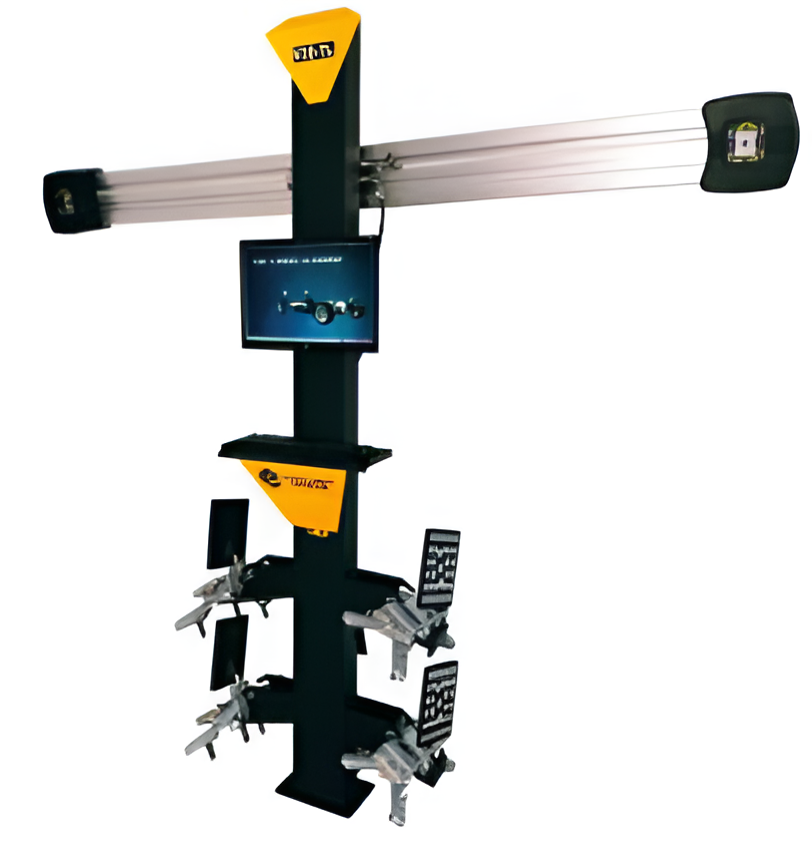
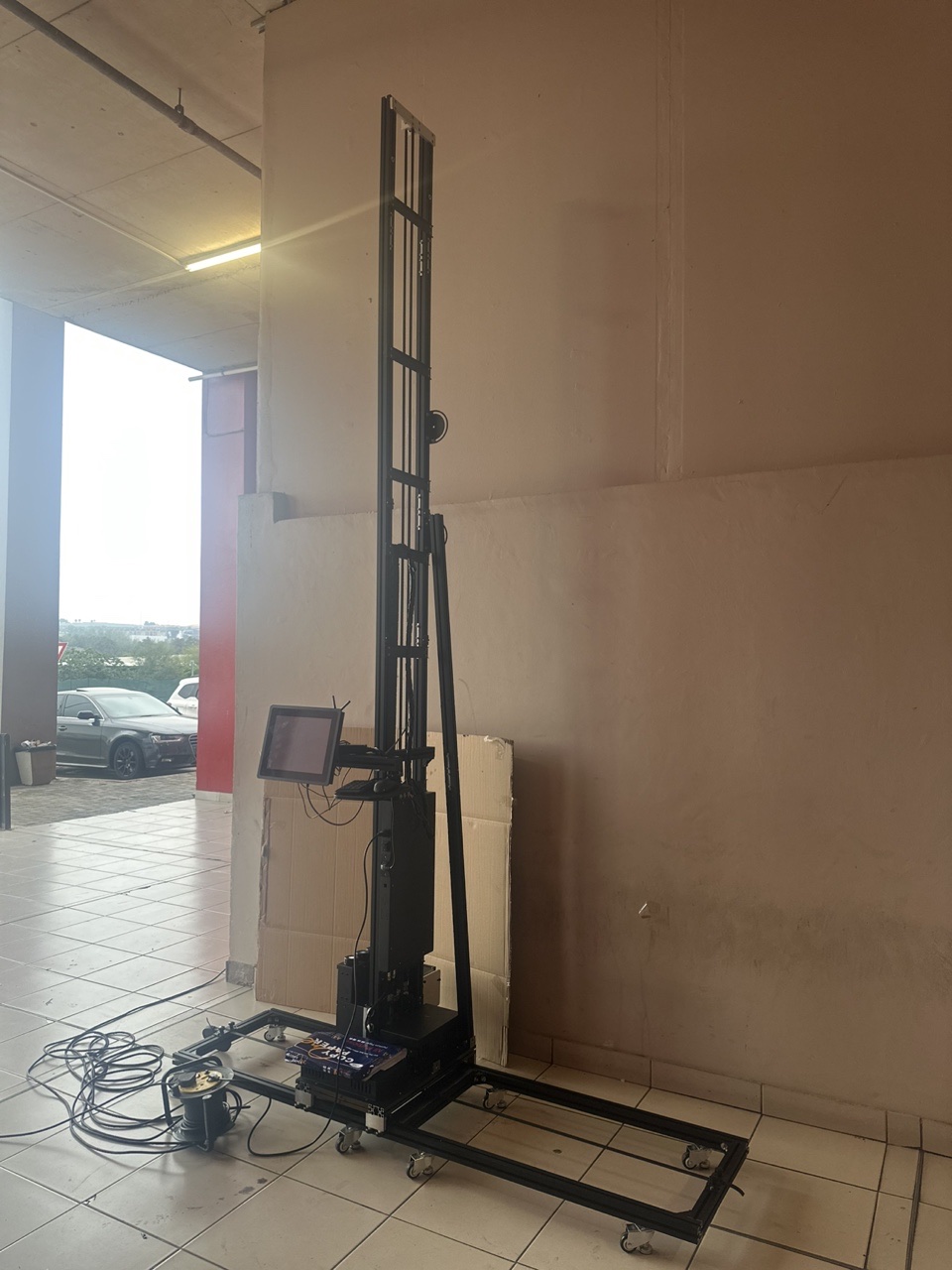
Wheel Alignment Machine
Asset finance available
Do you want funding for this equipment?
Afrimart can connect you with trusted funding partners who specialise in asset finance for businesses like yours. Compare options and apply in minutes — final approval is subject to provider review.
Check funding options
Secure & no obligation

- Section : Sports & Entertainment
- Category : Vehicle Parts & Accessories
- SKU : 1600146382827

Wheel Alignment Machine
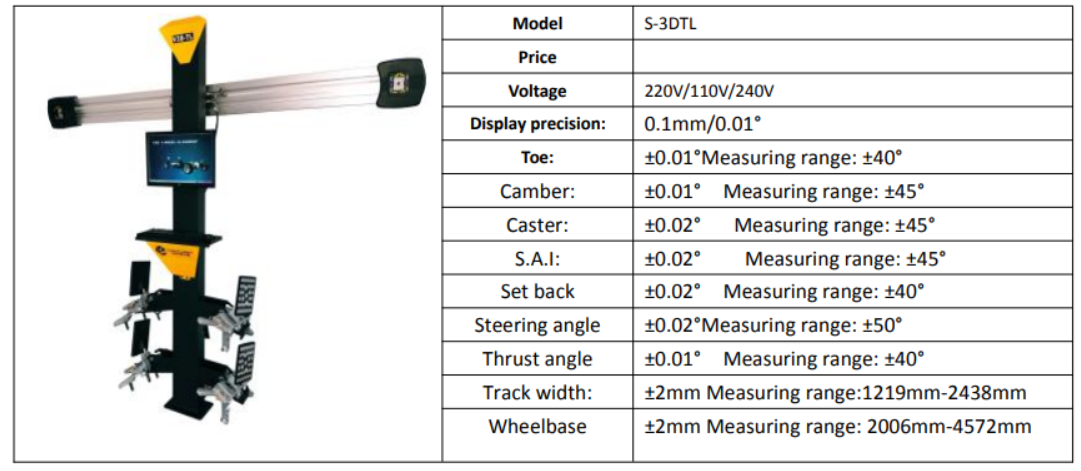
- Shipping Timeframes: All orders are processed within 2-5 business days (excluding weekends and holidays). After your order has been processed, the estimated delivery time is before 06 Aug, 2026, depending on customs, Please note that due to high demand, some items may experience longer shipping times, which will be communicated at order confirmation email.
- Order Processing Time: Please allow 2-5 business days for us to process your order before it is shipped . Orders placed after 16:00 on Fridays, or during weekends and public holidays, will begin processing on the next business day. Processing times may be extended during peak seasons or sales events.
- Manufacturing Time: Some products needs manufacturing time, the manufacturing process will take approximately 10-30 business days depending on the product. This timeframe may vary depending on the complexity of the product and current demand. but this will be communicated with you during order confirmation.
- Returns and Exchanges: We offer a 30-day return policy for most items. If you are not completely satisfied with your purchase, you may return it within 30 days of receipt for a refund or exchange. Items must be unused, in their original packaging, and accompanied by proof of purchase. Return shipping costs are the responsibility of the customer, unless the item was damaged or defective upon arrival.
1. What is a wheel alignment machine?
A wheel alignment machine is a specialized tool used to measure and adjust the angles of the wheels on a vehicle to ensure they are set to the manufacturer's specifications, promoting even tire wear and improving handling.
2. How does a wheel alignment machine work?
The machine uses sensors and cameras to measure the position of each wheel relative to the vehicle's frame and to each other. Adjustments are made to ensure all wheels are properly aligned.
3. What are the signs that my vehicle needs a wheel alignment?
Common signs include uneven tire wear, the vehicle pulling to one side, a crooked steering wheel, or vibrations in the steering wheel while driving.
4. How often should I get a wheel alignment?
It's recommended to check your wheel alignment at least once a year or whenever you replace tires, after an accident, or if you notice any alignment symptoms.
5. Can I use a wheel alignment machine on all types of vehicles?
Most wheel alignment machines are designed to accommodate a wide range of vehicles, including cars, trucks, and SUVs. However, it's important to check the machine's specifications for compatibility.
6. Is a wheel alignment machine the same as a wheel balancing machine?
No, a wheel alignment machine adjusts the angles of the wheels, while a wheel balancing machine ensures that the weight of the wheel and tire is evenly distributed around the axle.
7. What features should I look for in a wheel alignment machine?
Look for features such as digital displays, easy-to-use software, compatibility with various vehicle types, accurate measurement capabilities, and built-in diagnostic tools.
8. How much does a wheel alignment machine cost?
Prices can vary widely depending on the brand, features, and technology used, ranging from a few thousand to tens of thousands of dollars.
9. Can I perform wheel alignment myself using a wheel alignment machine?
While some advanced machines can be user-friendly, professional training is often recommended to ensure proper use and accurate adjustments.
10. What is the difference between 2-wheel and 4-wheel alignment?
A 2-wheel alignment adjusts the front wheels only, while a 4-wheel alignment adjusts all four wheels to ensure proper handling and tire wear.
11. Do I need a special license to operate a wheel alignment machine?
Operating a wheel alignment machine typically requires training and experience, but specific licensing requirements can vary by region and workplace.
12. How long does a wheel alignment take?
The process usually takes about 30 minutes to 1 hour, depending on the complexity of the vehicle's alignment and the technician's experience.
13. Can a wheel alignment machine diagnose suspension issues?
While a wheel alignment machine primarily measures wheel angles, it can help identify issues that may affect alignment, such as worn suspension parts, but further inspection is often required.
14. What maintenance does a wheel alignment machine require?
Regular calibration, software updates, and keeping the machine clean and in good working condition are essential for optimal performance.
15. Where can I purchase a wheel alignment machine?
Wheel alignment machines can be purchased from automotive equipment suppliers, online marketplaces, or directly from manufacturers. It's advisable to compare features and prices before buying.
Latest Order Arrivals
Discover our latest orders
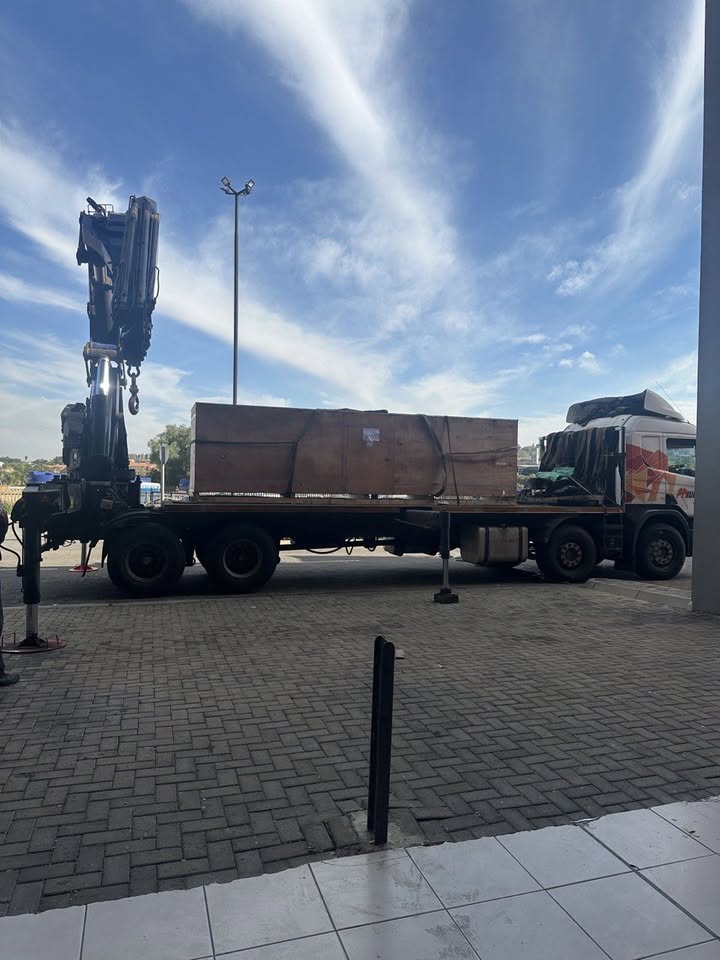
12 Heads Embroidery Machine
Toilet Paper Machine Machine
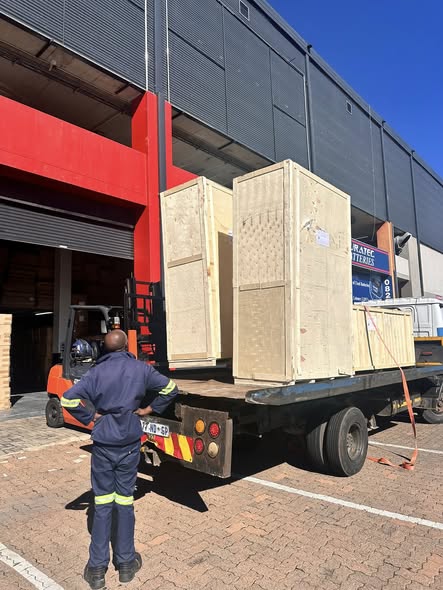
Order Collection
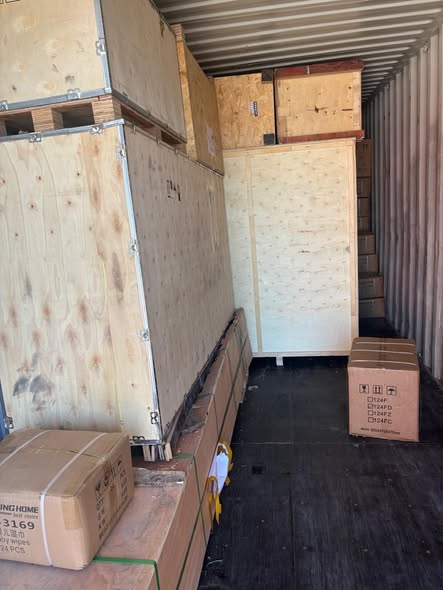
Cross Border Clients
Order cros border countries Collected
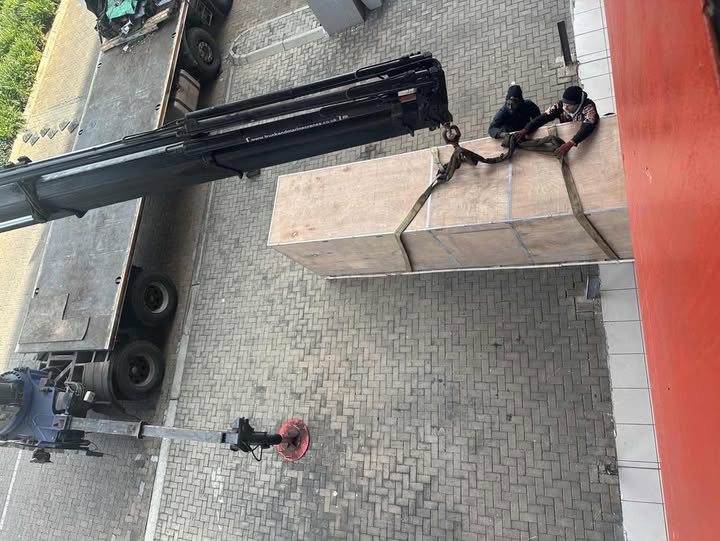
Industrial Machine Cllection
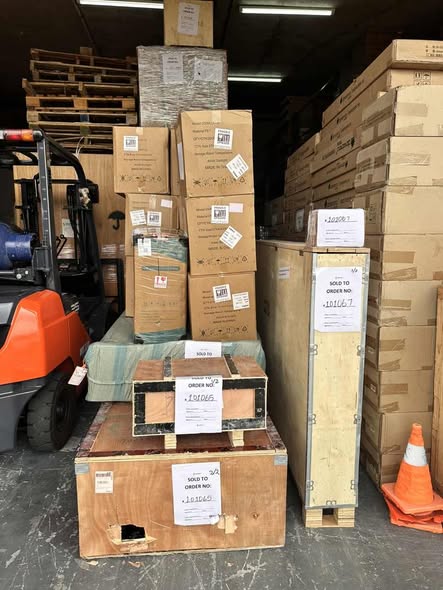
Agriculture Processing Machines
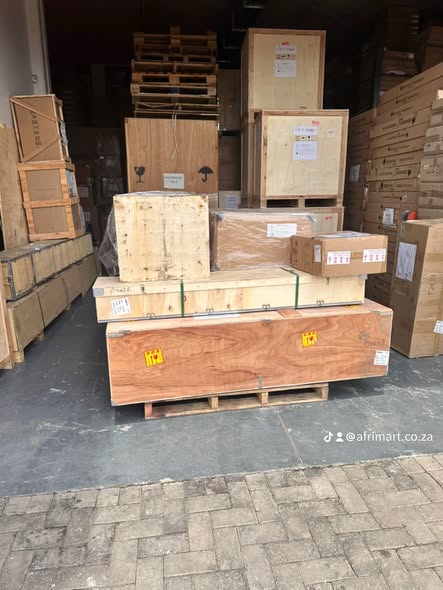
Ready for collection
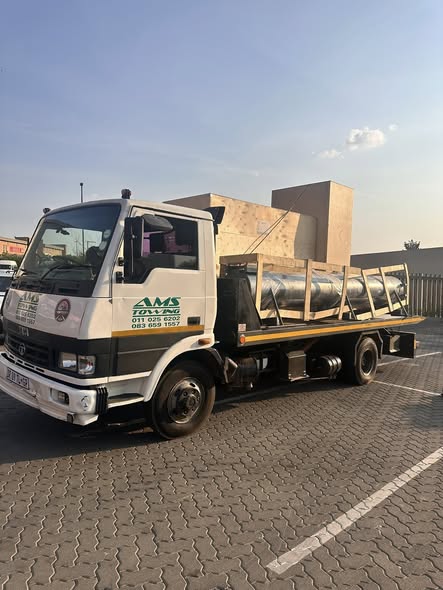
Water Pump Equipment
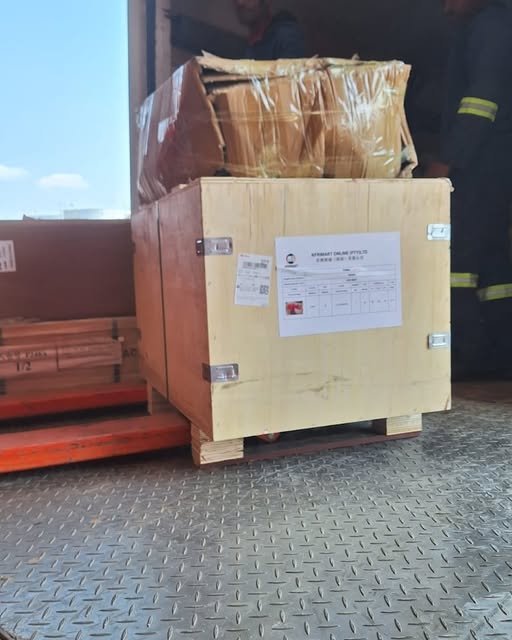
Packaging Machine and accessories
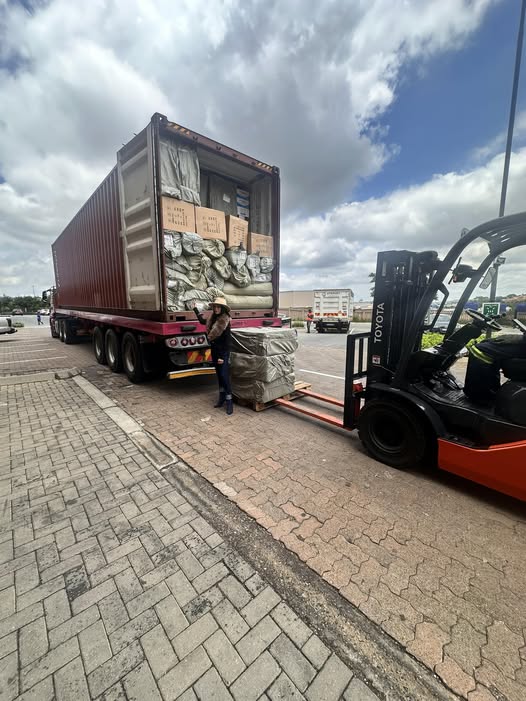
Fabrics Manufacturing Equipment
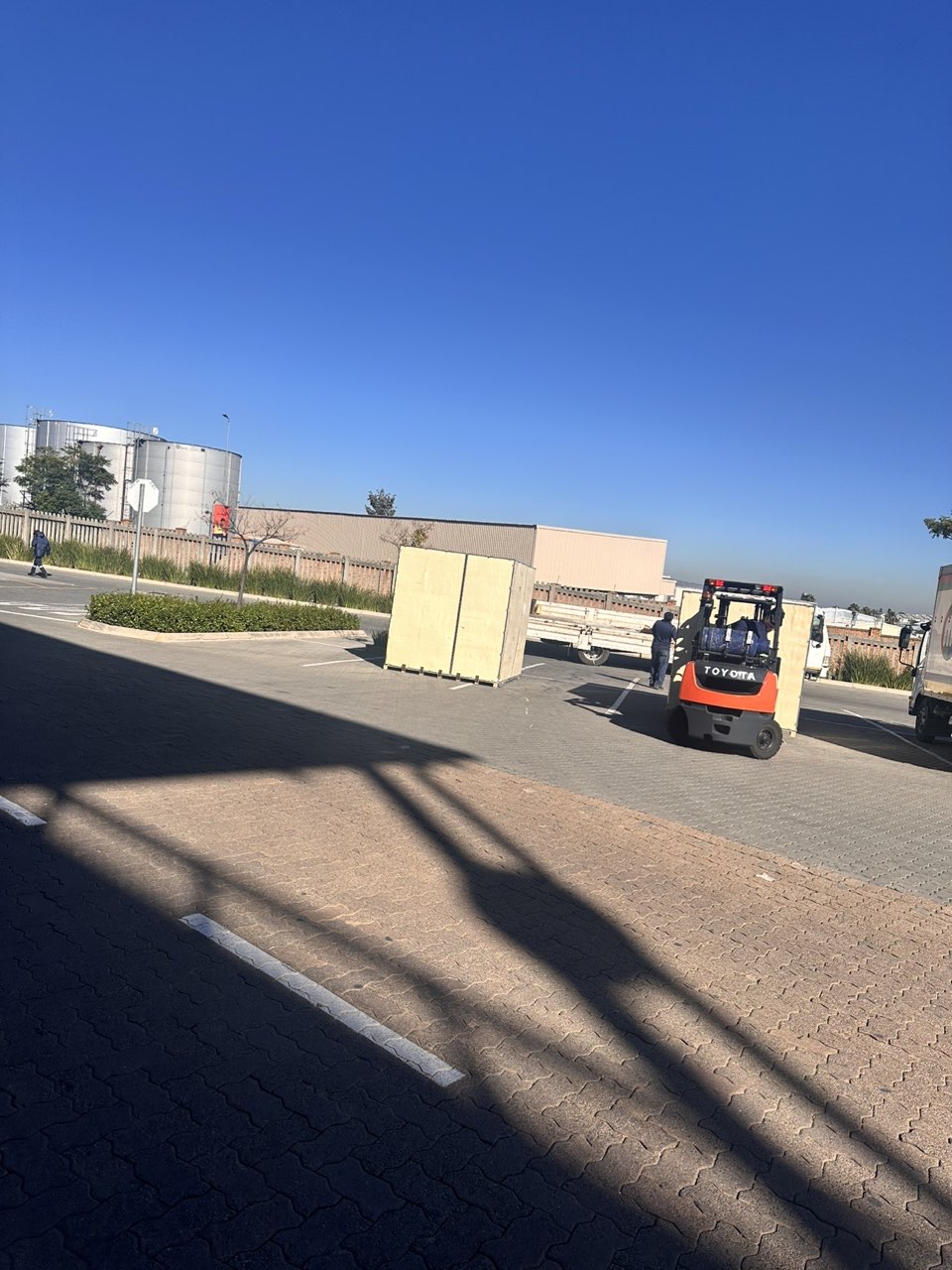
Mining Equipments
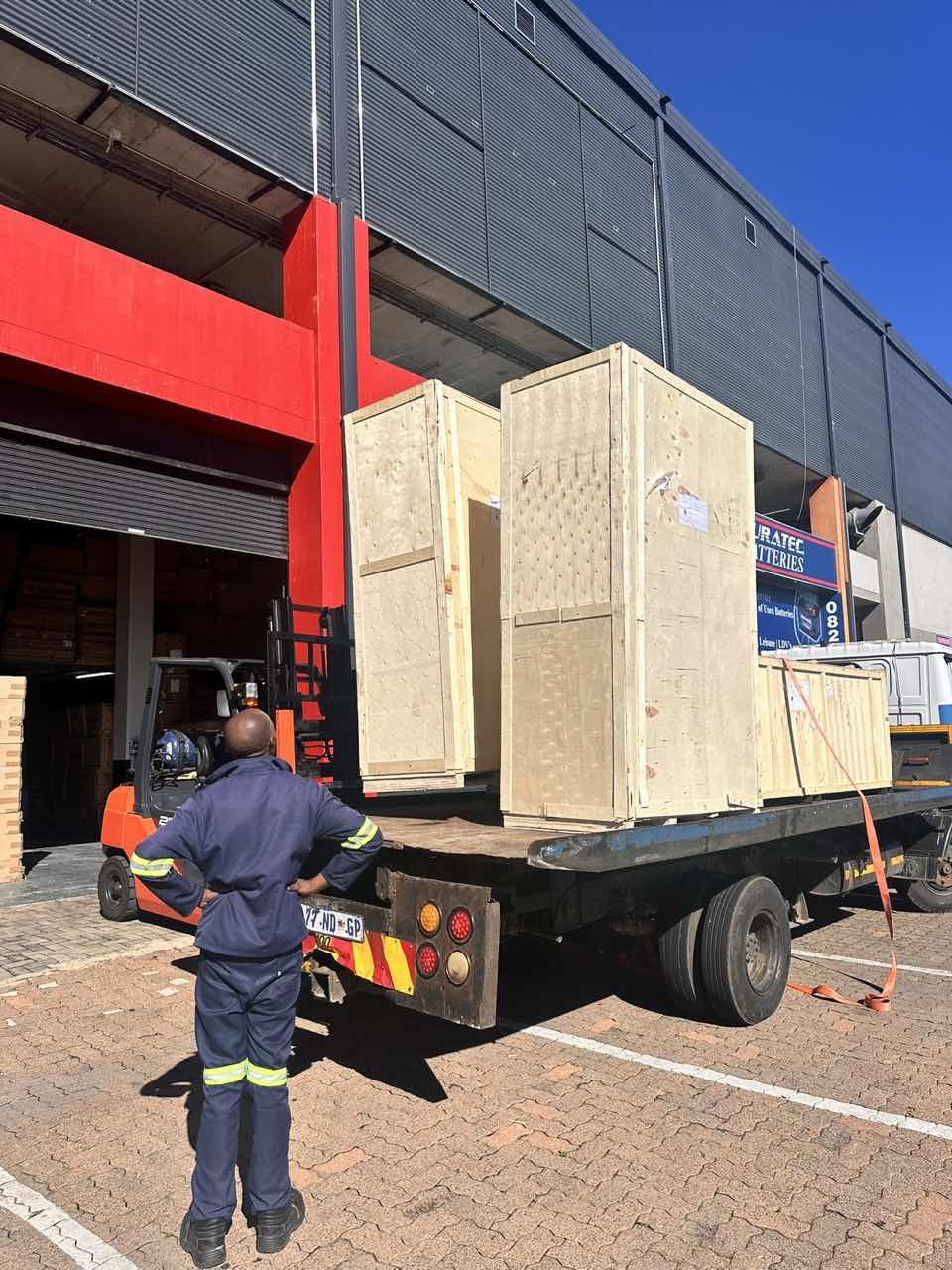
Food Processing Machine
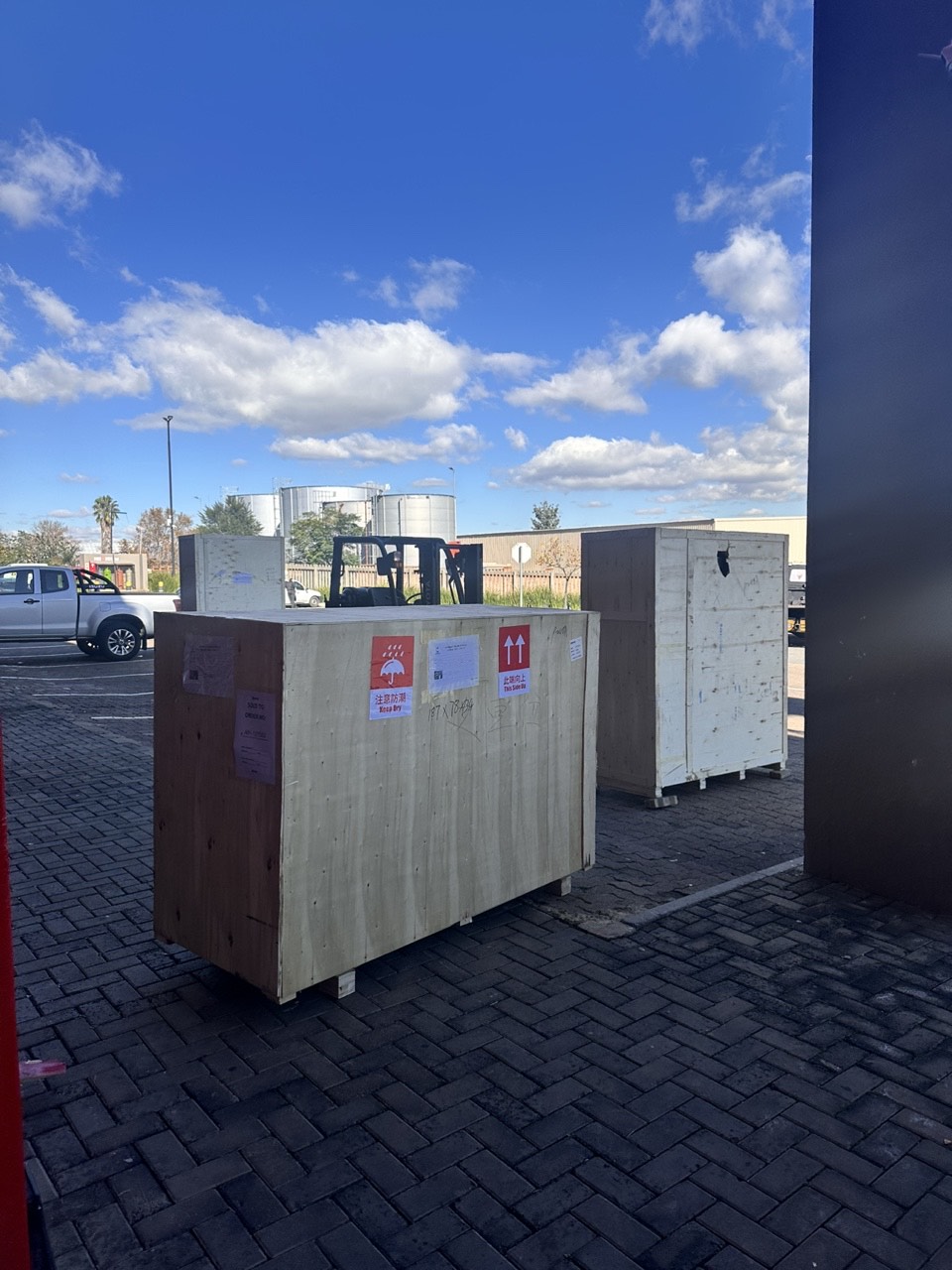
Batch of Orders
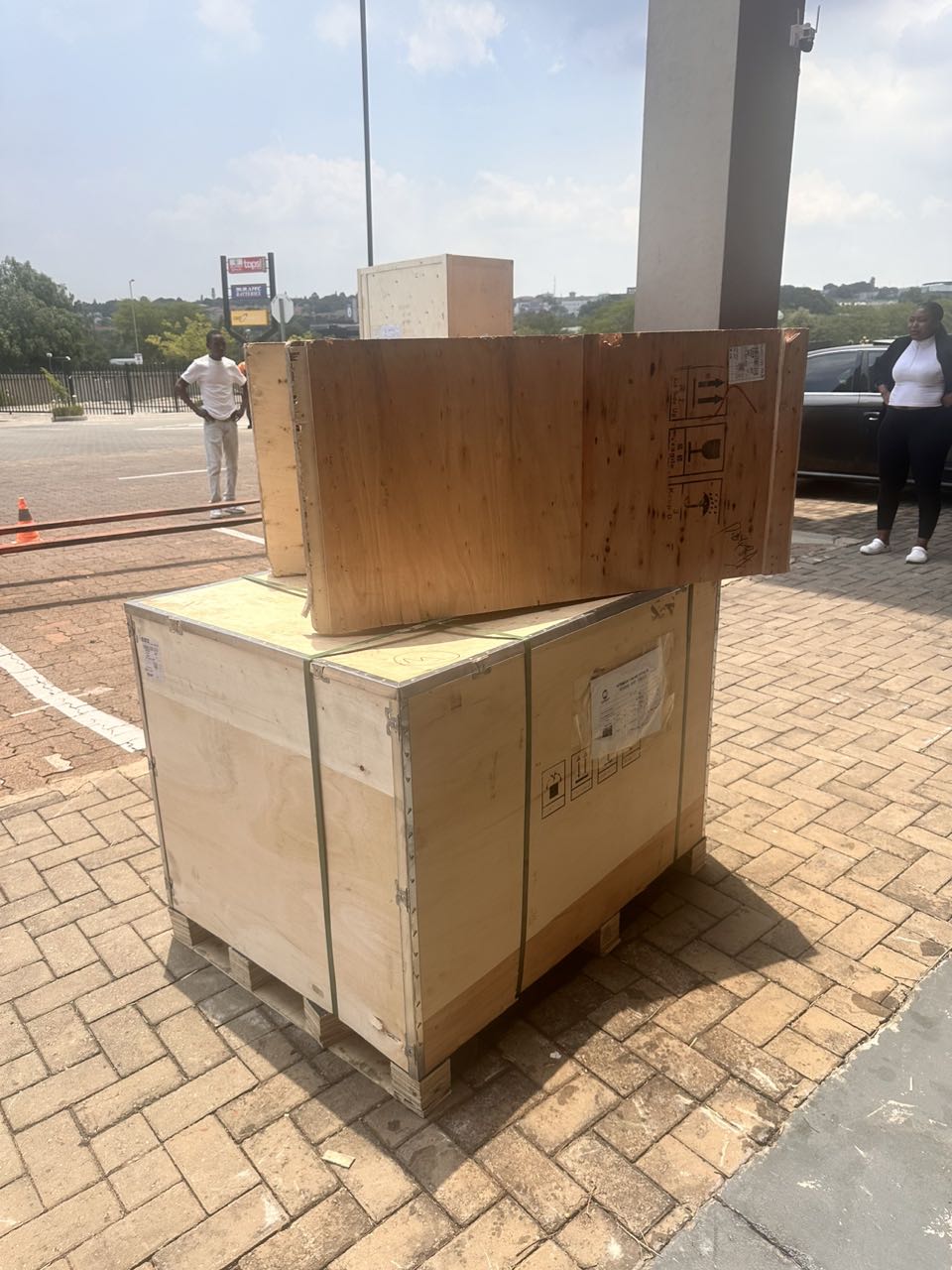
Batch of Orders
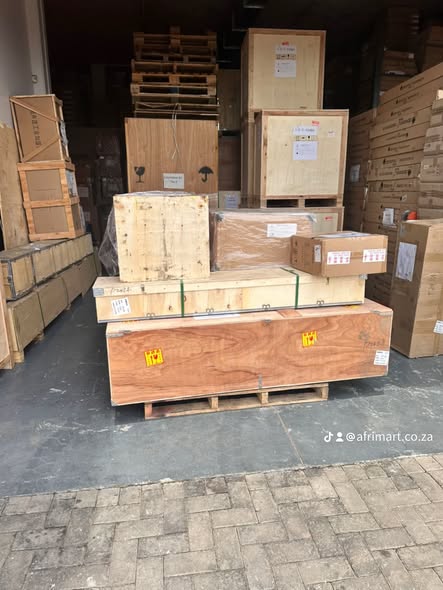
Latest Orders Labelled
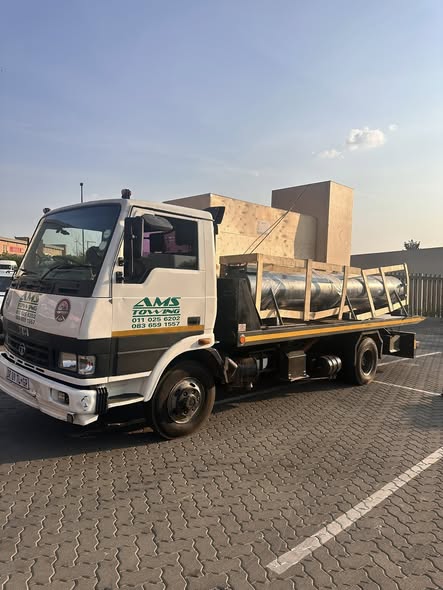
wheel alignment machines
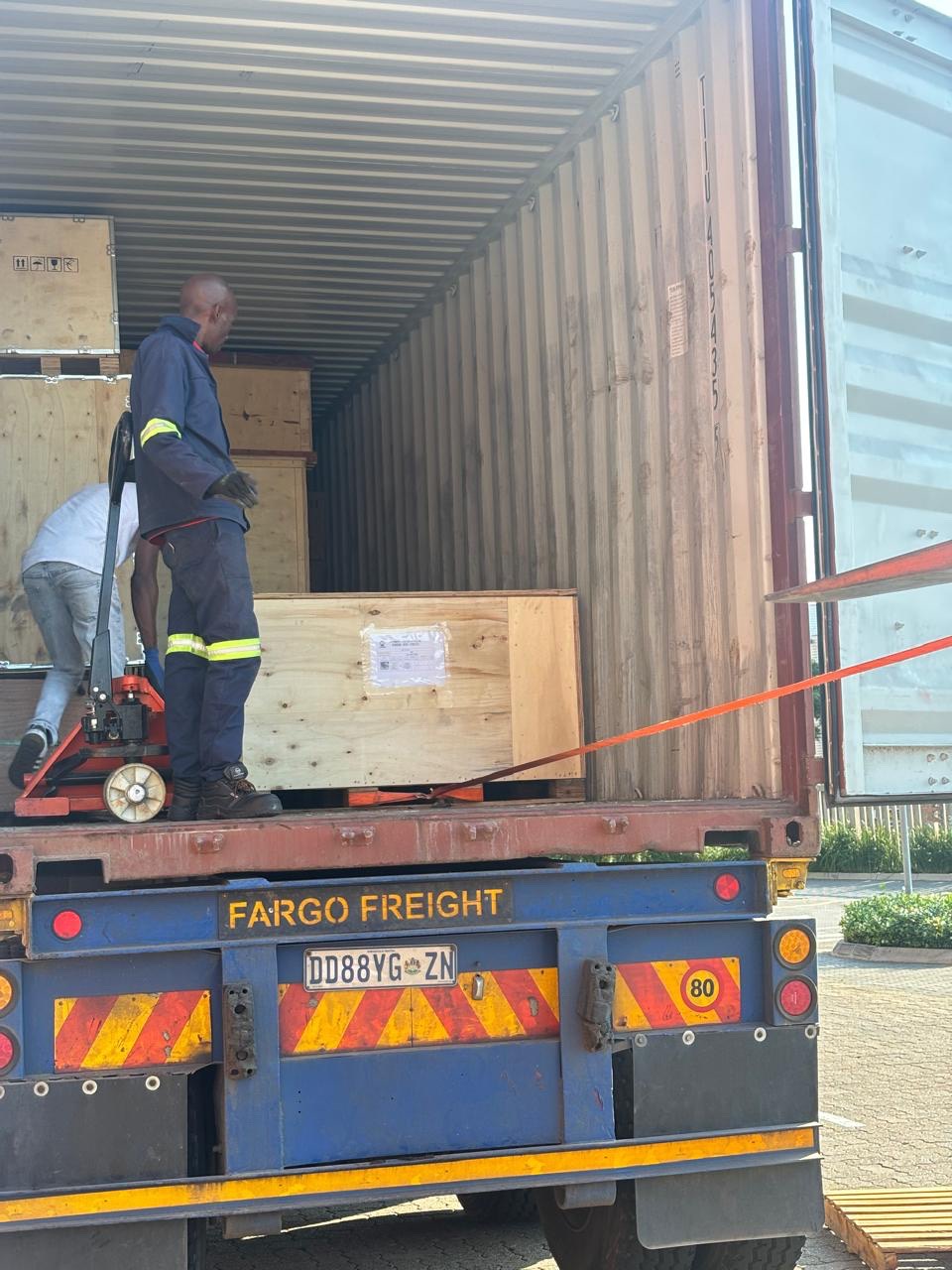
new arrivals
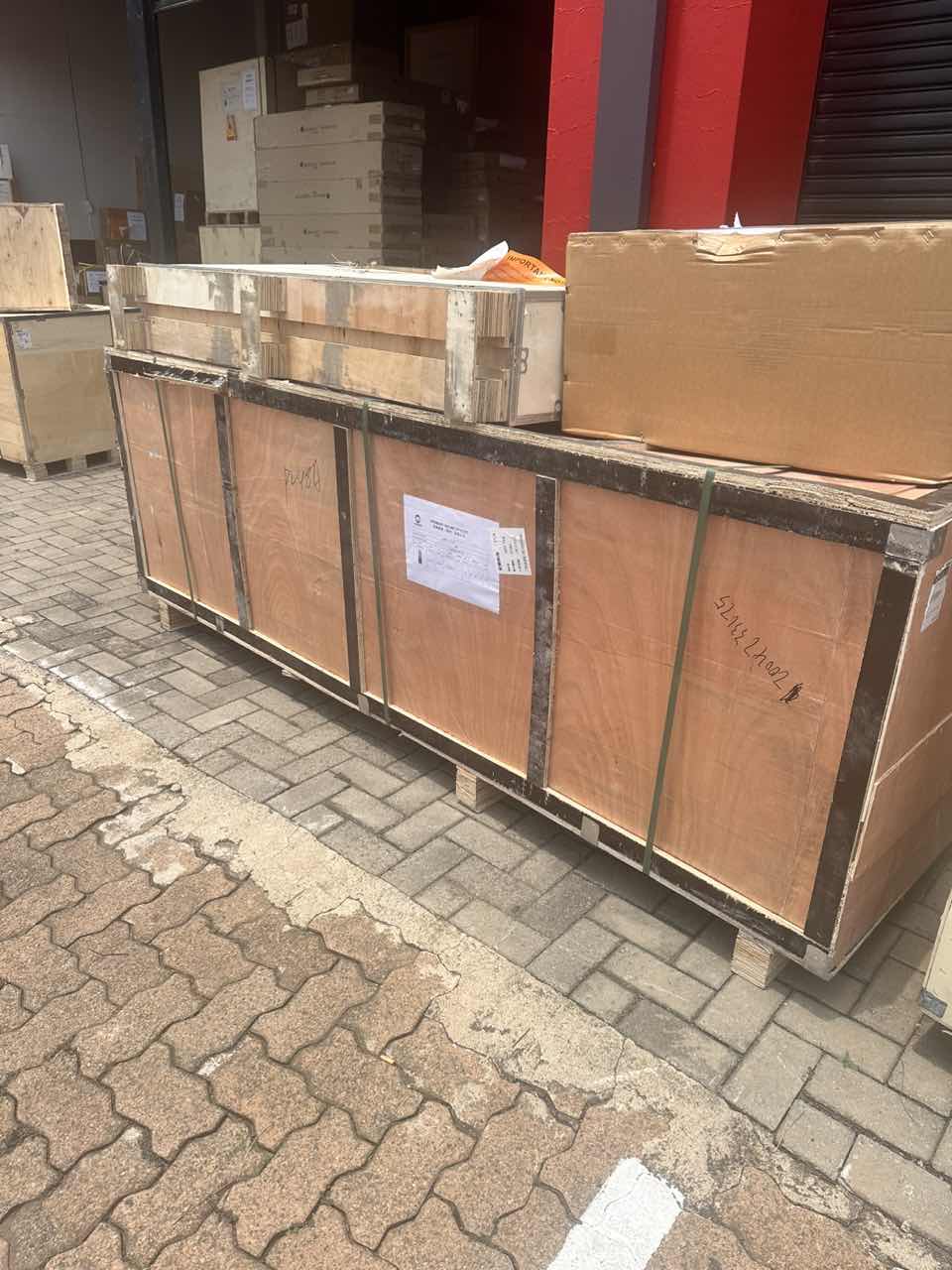
Pre Orders Offloading
Latest Arrivals
Latest Arrivals
Latest Arrivals
Loading
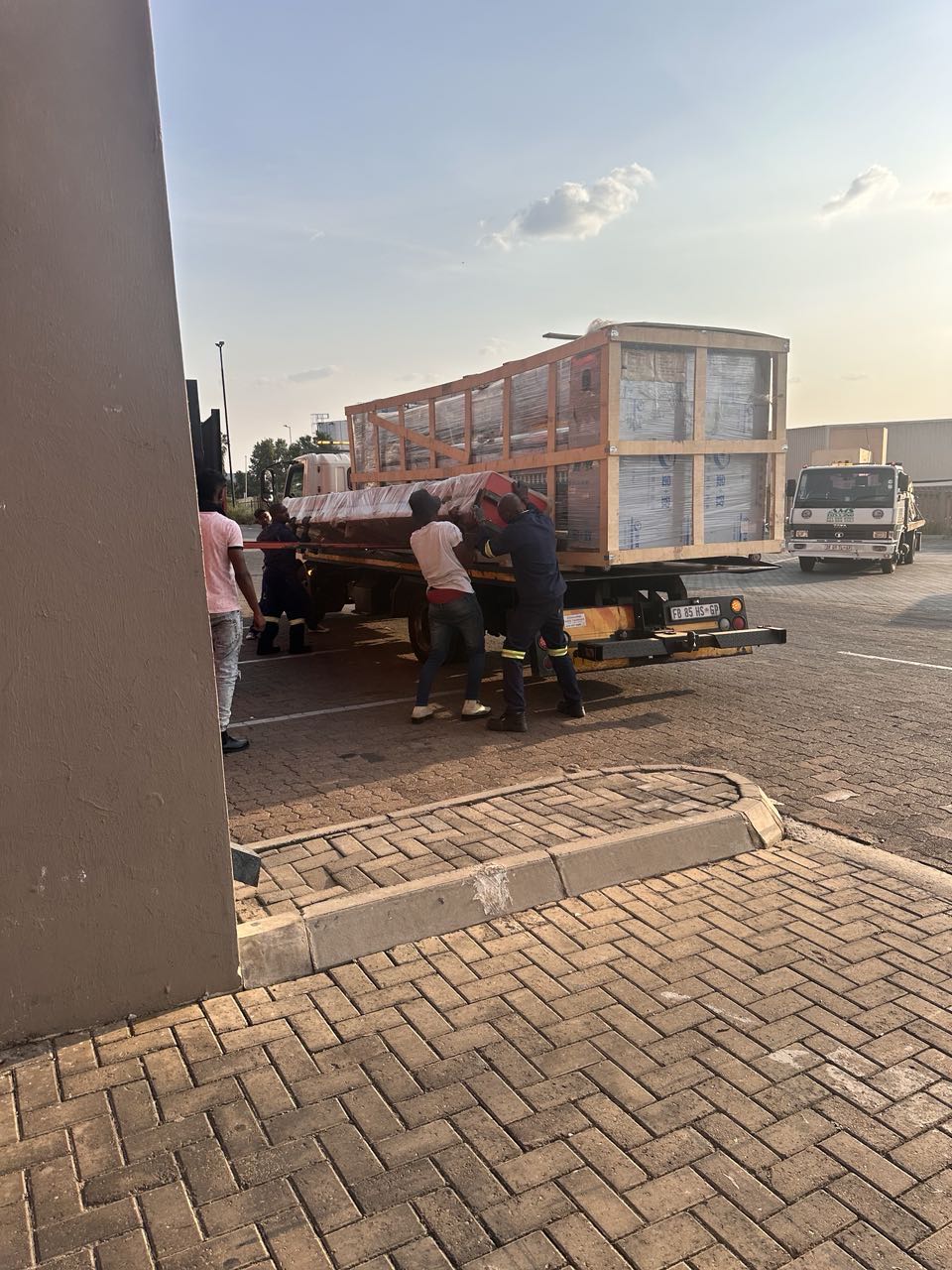
Toilet paper making machine
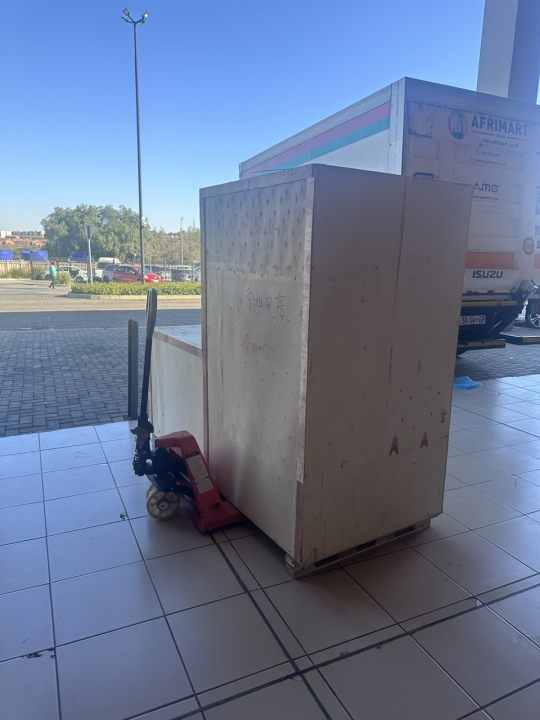
Toilet paper making machine
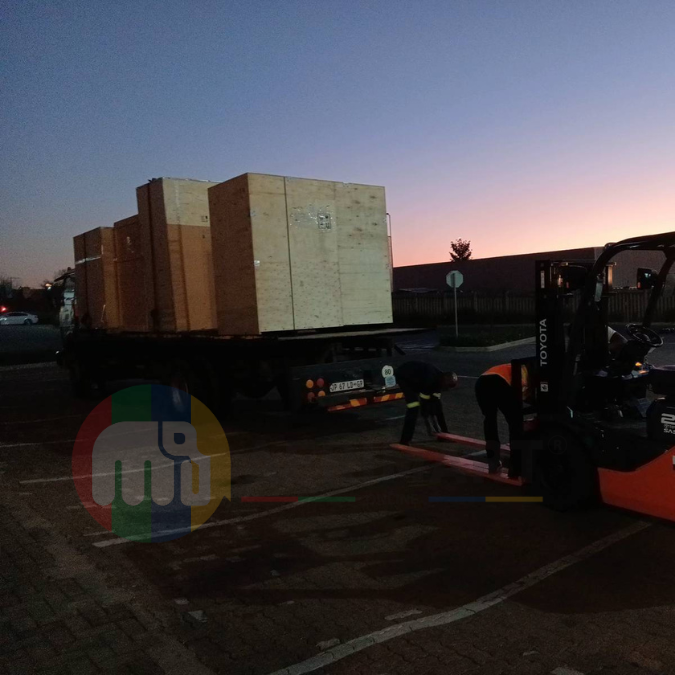
Toilet paper Rewinding Machine
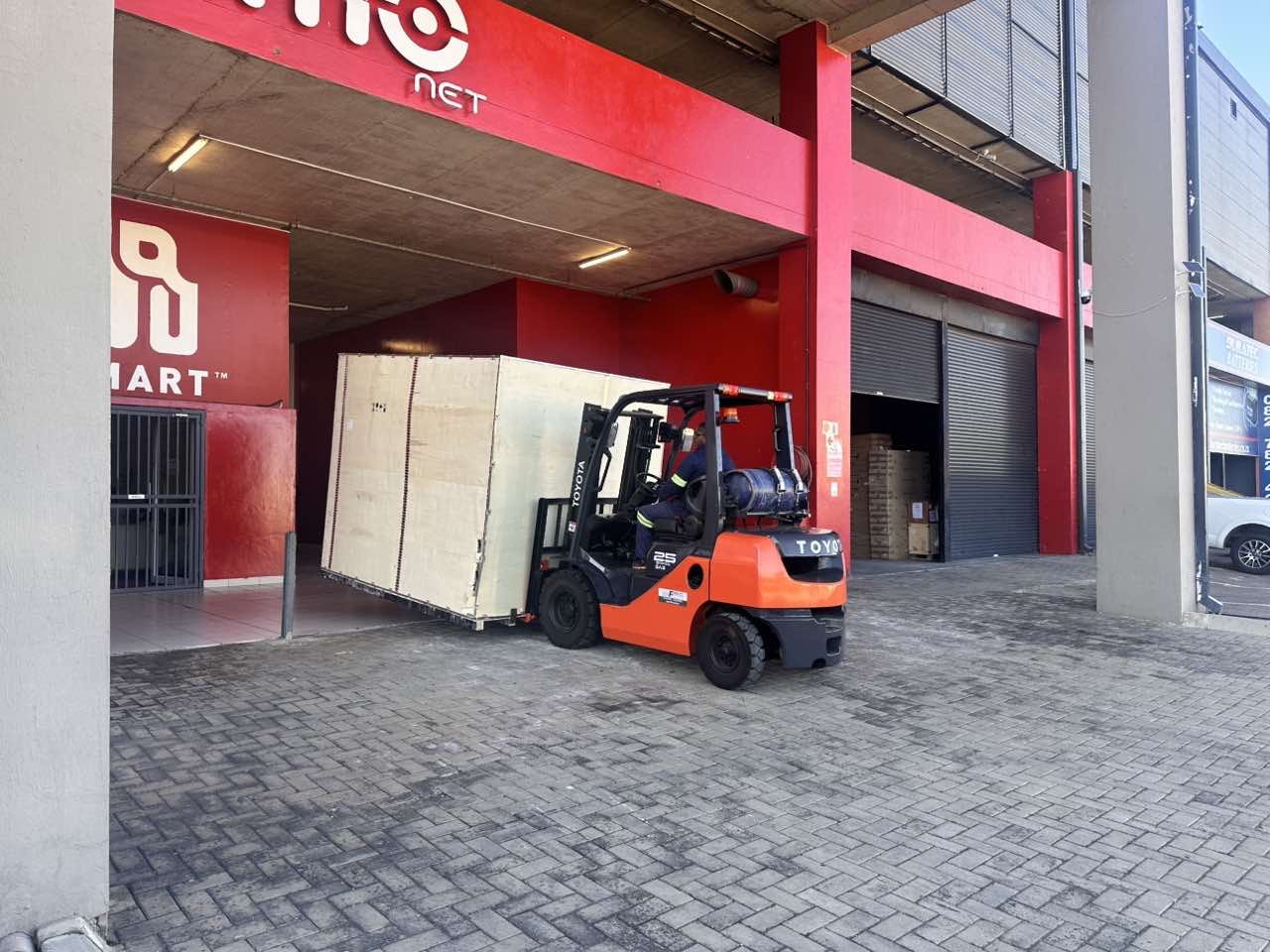
latest arrivals
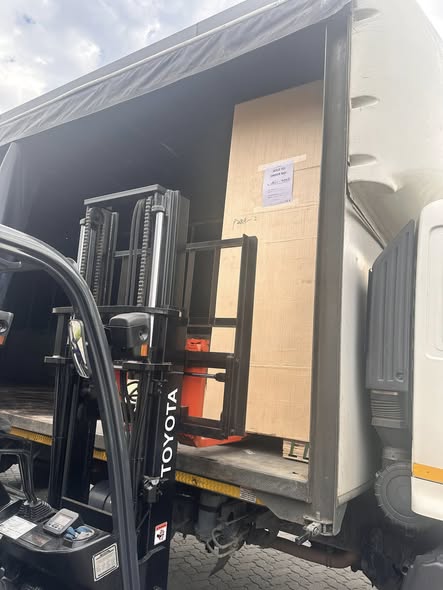
offloading
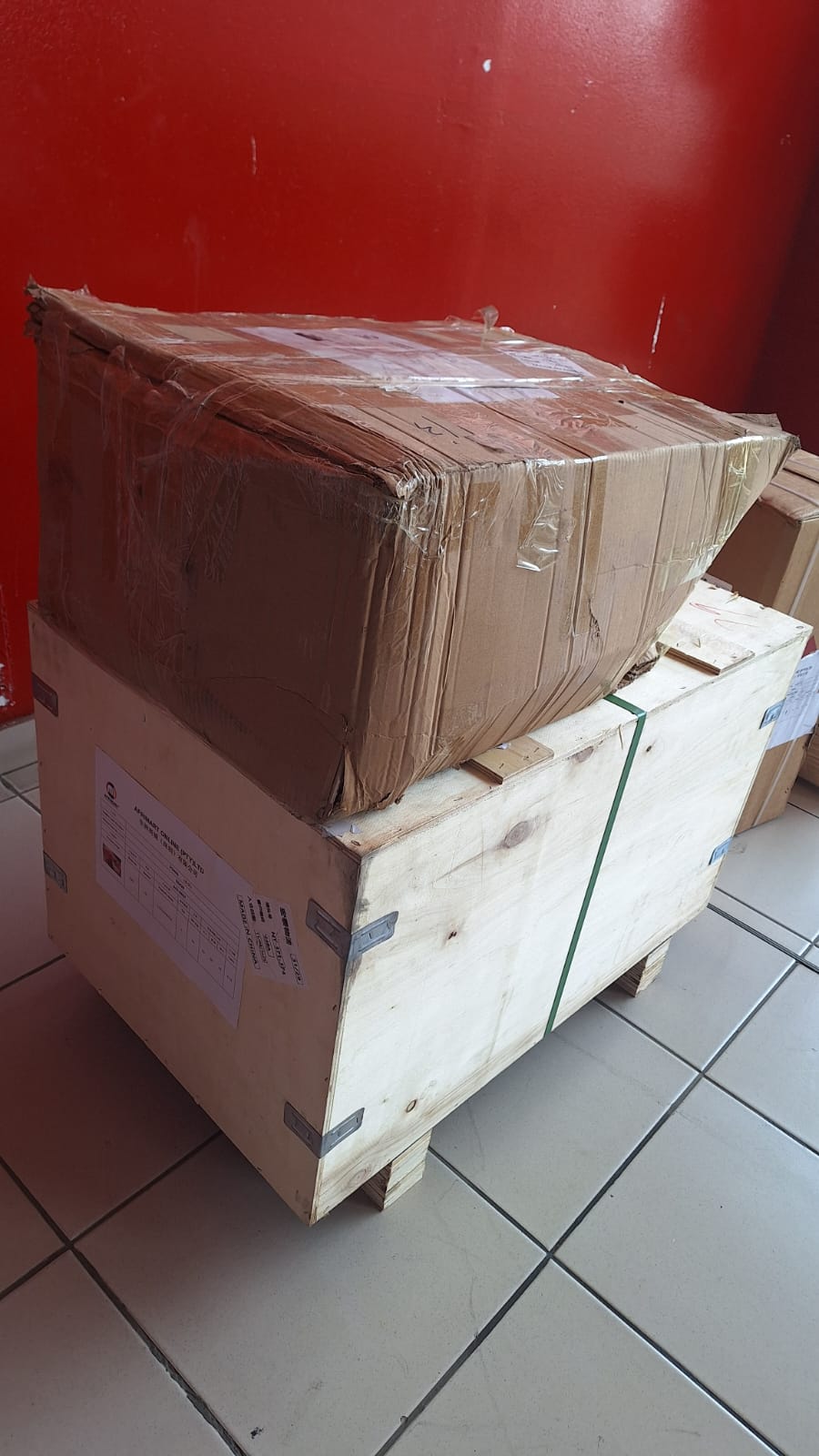
order success
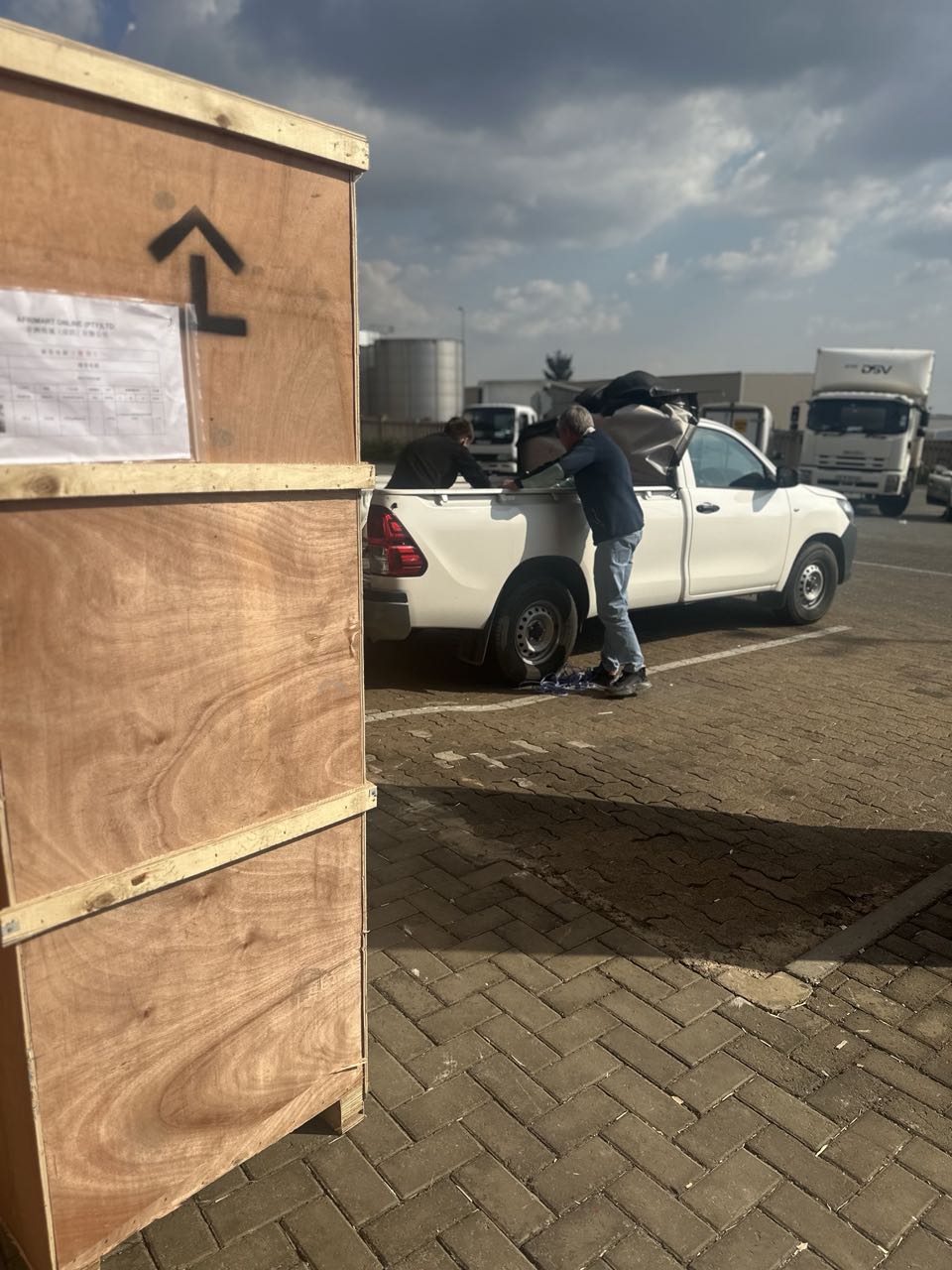
order collection
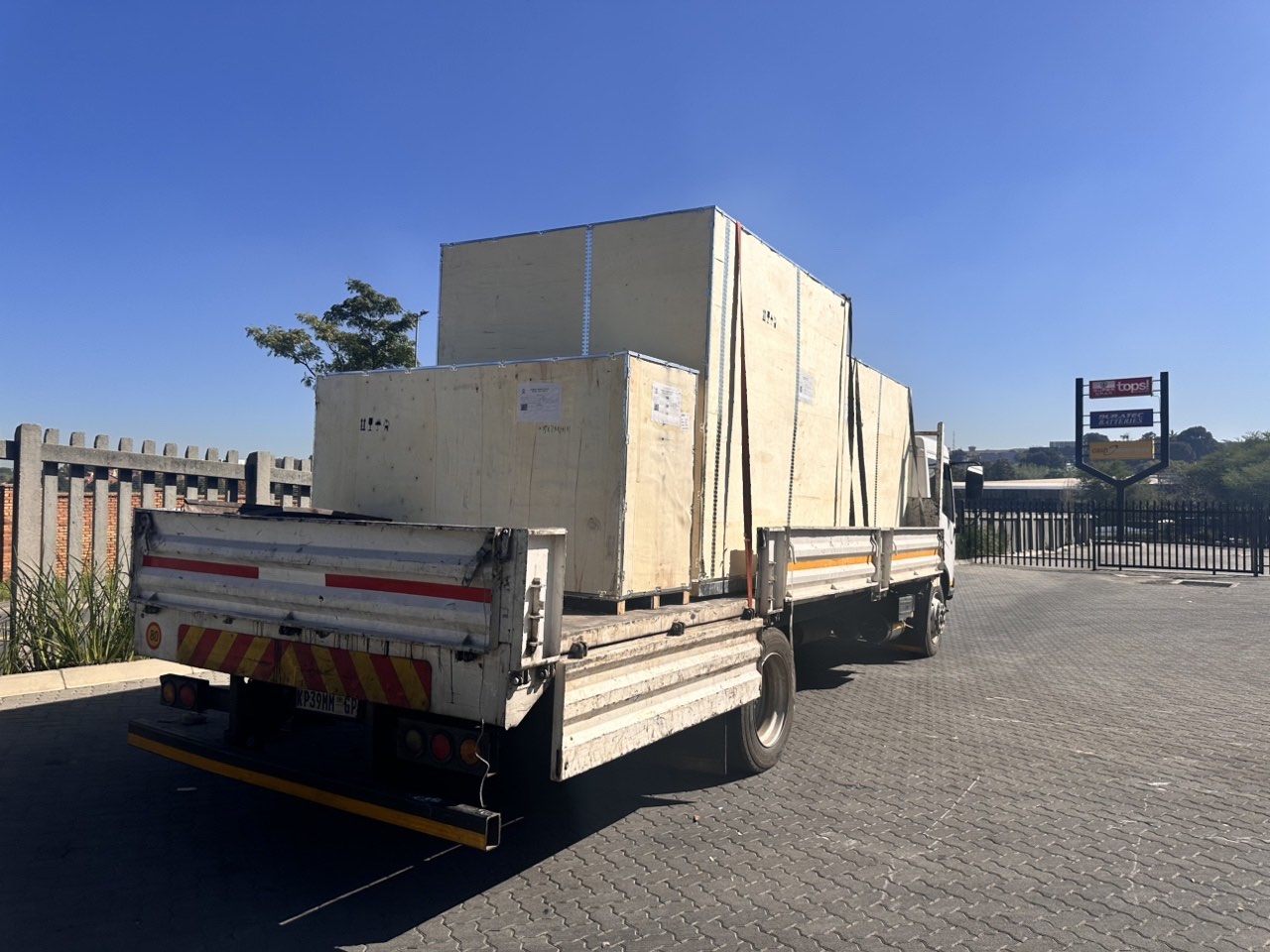
order offloading