B21, China Town Mall, Midrand

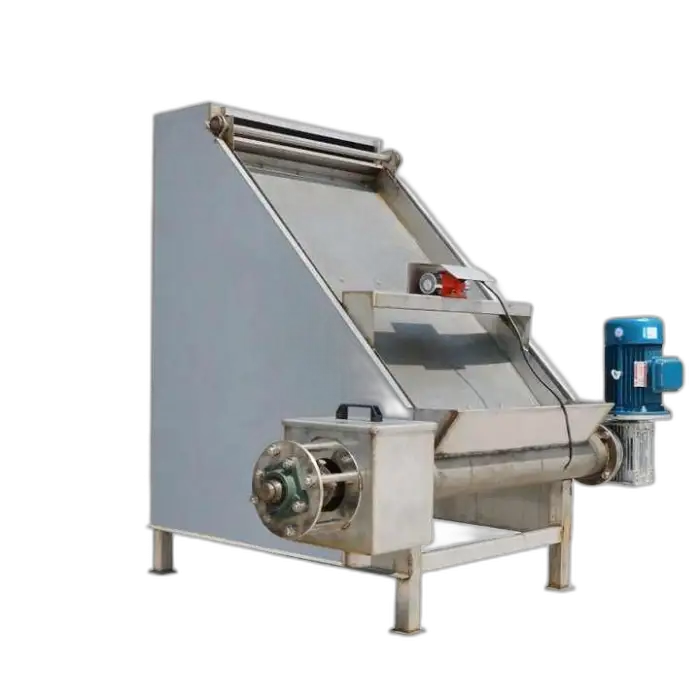
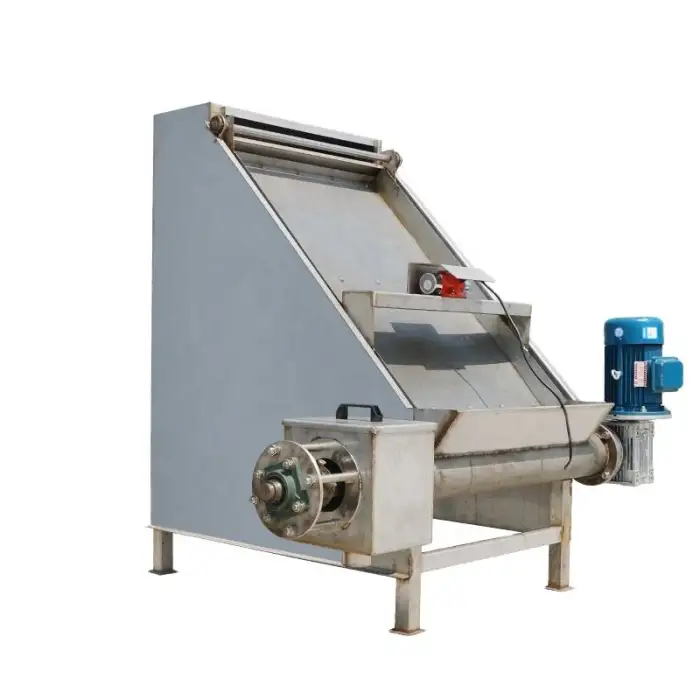
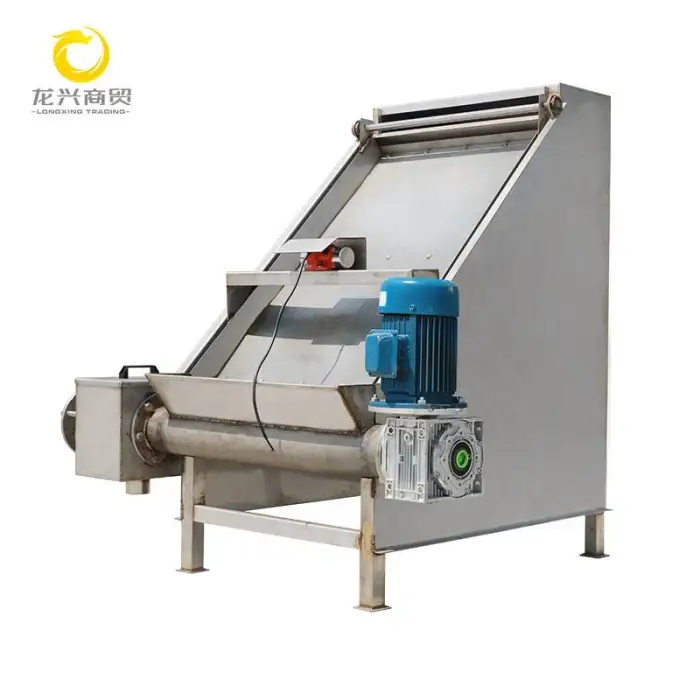
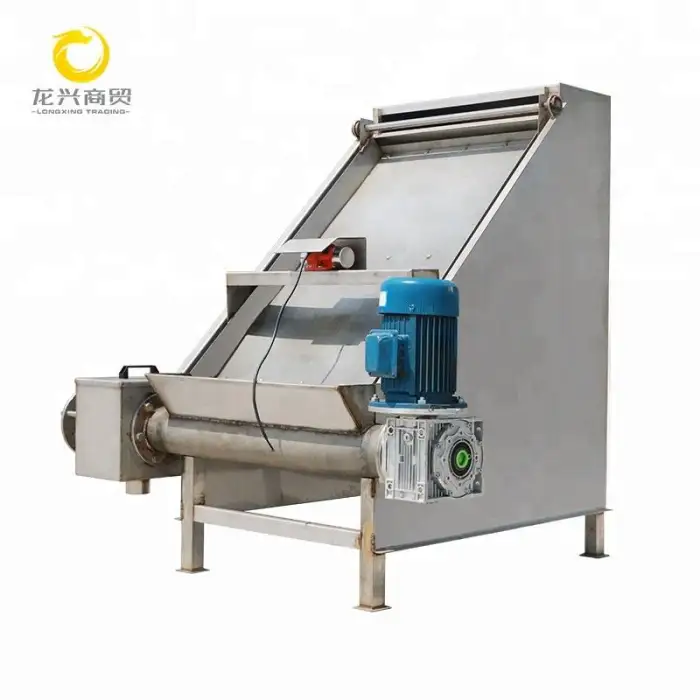
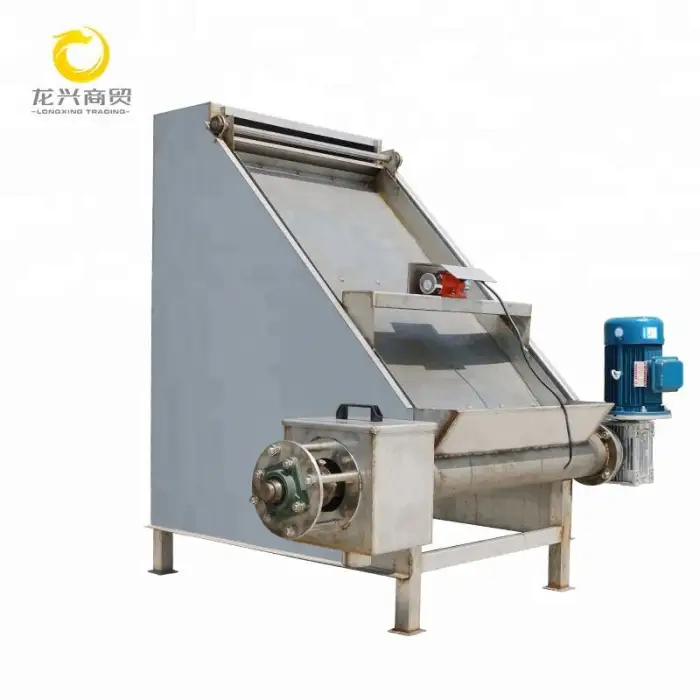
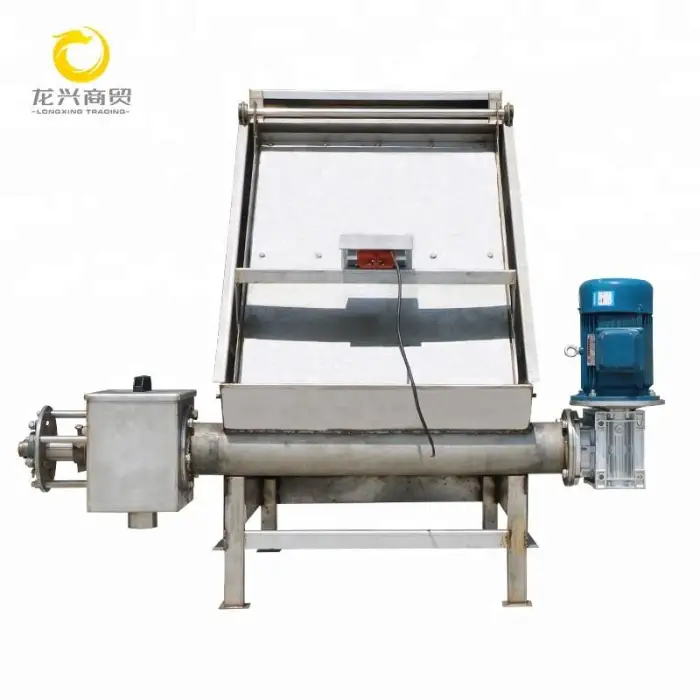
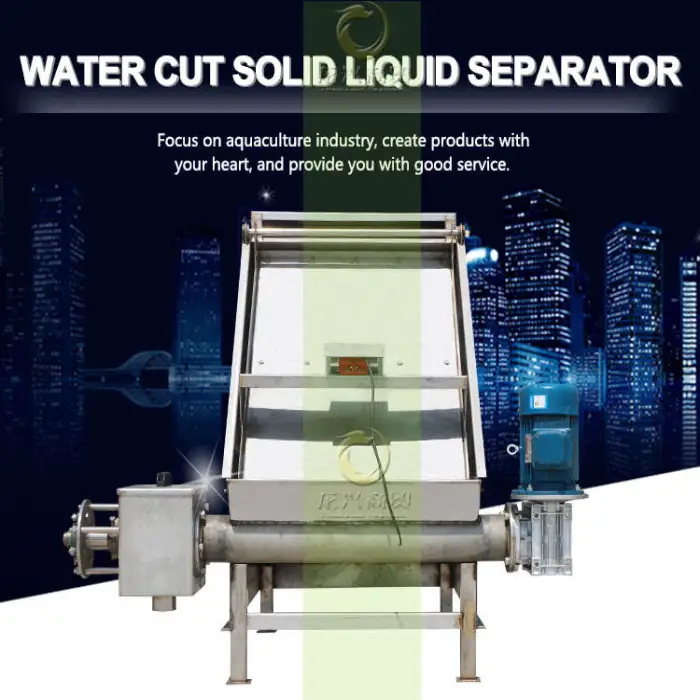
Water Cut Type Manure Dewatering Machine Vibrating Separator for Solid-liquid Separation
Asset finance available
Do you want funding for this equipment?
Afrimart can connect you with trusted funding partners who specialise in asset finance for businesses like yours. Compare options and apply in minutes — final approval is subject to provider review.
Check funding options
Secure & no obligation
- Section : Machinery
- Category : Other Agricultural Equipment
- SKU : 62148379884

Water Cut Type Manure Dewatering Machine Vibrating Separator for Solid-liquid Separation
The Water Cut Type Manure Dewatering Machine Vibrating Separator is designed to efficiently separate solid and liquid from animal waste. This machine helps farmers manage manure better, making it easier to use for various agricultural needs. With its high productivity and reliable performance, it is an essential tool for anyone in the agriculture industry.
Specifications
| Attribute | Details |
|---|---|
| Brand Name | LongXing |
| Type | Animal Dung Processing Machine |
| Weight (kg) | 1500 |
| Use | Agriculture |
| Application | Animal Waste |
| Single Package Size | 150X120X150 cm |
| Single Gross Weight | 350.000 KG |
| Core Components | Motor |
| Machinery Test Report | Provided |
| Video Outgoing Inspection | Provided |
Key Features
- High productivity for effective solid-liquid separation.
- Durable and reliable motor for long-term use.
- Compact design for easy installation and operation.
- Lightweight yet robust construction.
- Easy maintenance and operation.
Applications
- Separating solid waste from liquid in farms.
- Processing animal dung for better waste management.
- Preparing manure for use in crop production.
- Improving efficiency in agricultural operations.
- Reducing environmental impact of animal waste.
Product Info Gallery
- Shipping Timeframes: All orders are processed within 2-5 business days (excluding weekends and holidays). After your order has been processed, the estimated delivery time is before 03 Aug, 2026, depending on customs, Please note that due to high demand, some items may experience longer shipping times, which will be communicated at order confirmation email.
- Order Processing Time: Please allow 2-5 business days for us to process your order before it is shipped . Orders placed after 16:00 on Fridays, or during weekends and public holidays, will begin processing on the next business day. Processing times may be extended during peak seasons or sales events.
- Manufacturing Time: Some products needs manufacturing time, the manufacturing process will take approximately 10-30 business days depending on the product. This timeframe may vary depending on the complexity of the product and current demand. but this will be communicated with you during order confirmation.
- Returns and Exchanges: We offer a 30-day return policy for most items. If you are not completely satisfied with your purchase, you may return it within 30 days of receipt for a refund or exchange. Items must be unused, in their original packaging, and accompanied by proof of purchase. Return shipping costs are the responsibility of the customer, unless the item was damaged or defective upon arrival.
1. What is the primary purpose of the Water Cut Type Manure Dewatering Machine Vibrating Separator?
The machine is designed to separate solids and liquids in animal manure, enabling easier handling, reduced transport costs, improved manure management, and preparation of solid fraction for composting or field application.
2. Which types of animal waste can this separator handle?
It is suitable for a wide range of animal wastes including cattle, pig, poultry and other livestock manure. Performance may vary with bedding materials, litter content and moisture; contact the supplier for guidance on specific feedstocks.
3. What are the key specifications and dimensions of the machine?
Key specs include brand LongXing, type Animal Dung Processing Machine, overall single package size 150 x 120 x 150 cm. The product listing shows a machine weight of 1500 kg and a single gross package weight of 350 kg—please confirm exact shipping and component weights with the supplier as packaging and models may vary.
4. What components are included and what is the core component?
The core component is the motor. Standard delivery typically includes the vibrating separator unit, motor, mounting hardware and basic electrical connections. Check the packing list from the supplier for the exact included items.
5. How productive is the machine and what is its throughput?
Productivity depends on manure type, solids concentration, feed rate and operating settings. The machine is described as high productivity for effective solid–liquid separation. For expected throughput (e.g., m3/hour or tons/day) request performance curves or test data from the manufacturer tailored to your feedstock.
6. What is the expected dryness or moisture content of the separated solids?
Final moisture content of the solid fraction varies with manure type and operating conditions. Typical separators can significantly reduce liquid content, but exact percentages depend on feed characteristics. Ask the supplier for typical moisture ranges from their test reports for similar materials.
7. What are the installation requirements?
Install on a flat, level concrete foundation capable of supporting the machine weight. Provide appropriate electrical supply for the motor, adequate drainage for the liquid fraction, and space for maintenance access. The supplier can provide recommended site layout and installation instructions.
8. What routine maintenance is required?
Regular checks include motor and vibration mounts, screening element inspection and cleaning, fastener torque checks, lubrication of bearings where applicable, and inspection of seals and discharge chutes. Follow the manufacturer's maintenance schedule for service intervals and procedures.
9. Are machinery test reports and video inspections provided?
Yes. The product listing indicates both a machinery test report and video outgoing inspection are provided. Request these documents and video prior to shipment to verify performance and condition.
10. What safety features should I expect and what safety precautions are recommended?
Expect guards over moving parts, emergency stop provisions and secure electrical connections. Recommended precautions include lockout/tagout during maintenance, keeping clear of vibrating parts, and training operators on safe use. Confirm specific safety features with the manufacturer.
11. How easy is the machine to operate and train staff on?
The machine is described as compact and easy to operate. Basic operator training covers feed rates, startup/shutdown, routine cleaning and simple troubleshooting. Suppliers often provide operation manuals and can offer training support.
12. What spare parts and after-sales support are available?
LongXing typically supplies core spare parts such as screens, bearings, belts and motor components. Confirm availability, lead times and warranty terms with your distributor. Ask about local service partners for faster support.
13. How does the separated liquid and solid need to be handled after separation?
The liquid fraction can be stored in lagoons, treated, or applied as fertilizer depending on local regulations. The solid fraction can be composted, dried further, or directly applied to fields as organic fertilizer. Handling should follow environmental regulations and agronomic best practices.
14. Can this machine reduce the environmental impact of farm manure?
Yes. By separating solids from liquids it reduces the volume of waste to transport, facilitates nutrient management, decreases risk of runoff, and enables better use of nutrients through composting or controlled application, helping to lower environmental impact when used correctly.
Latest Order Arrivals
Discover our latest orders
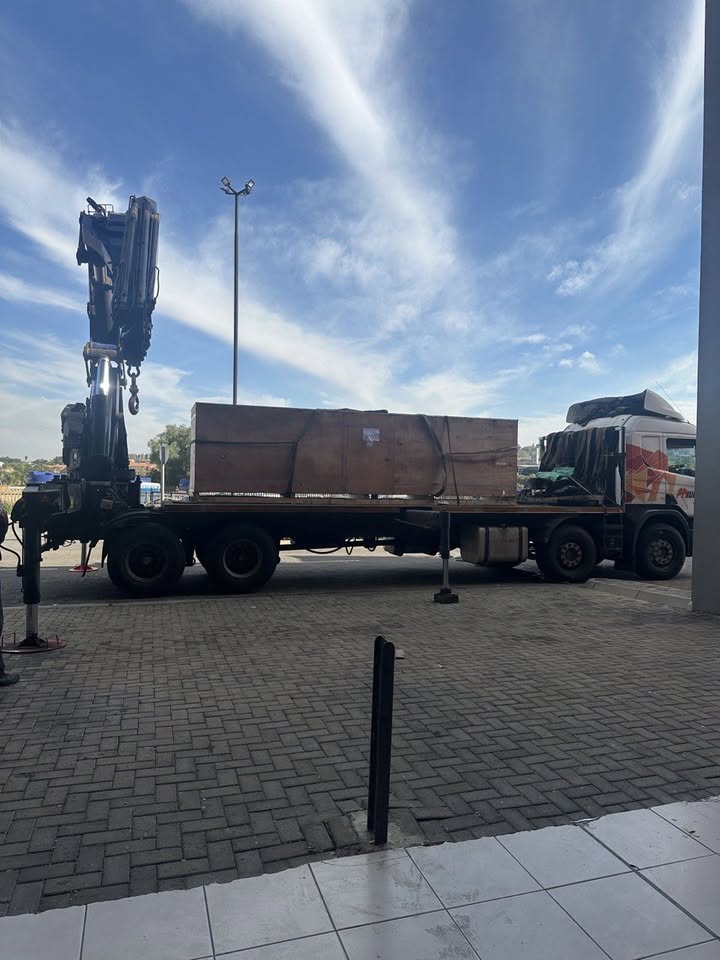
12 Heads Embroidery Machine
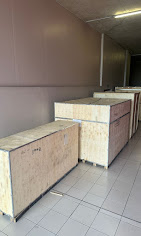
Toilet Paper Machine Machine
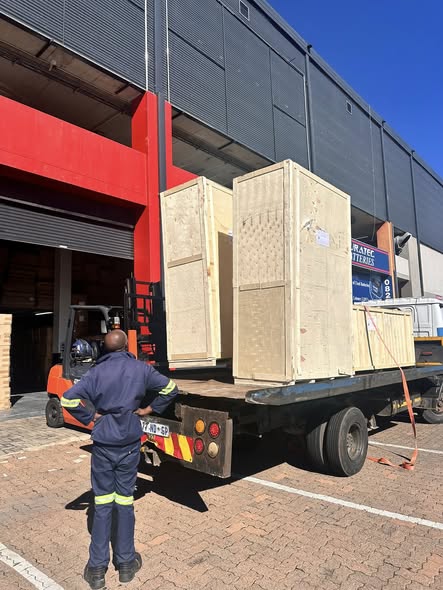
Order Collection
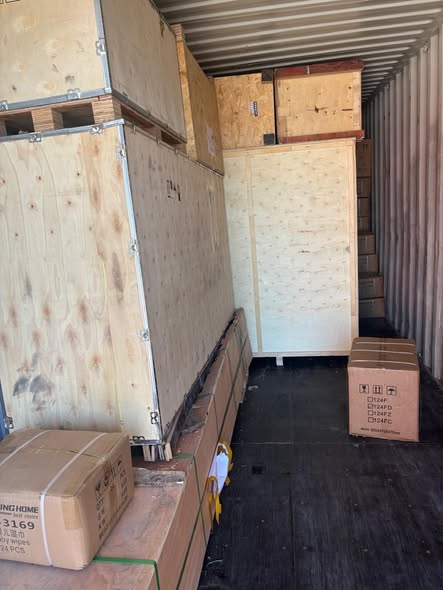
Cross Border Clients
Order cros border countries Collected
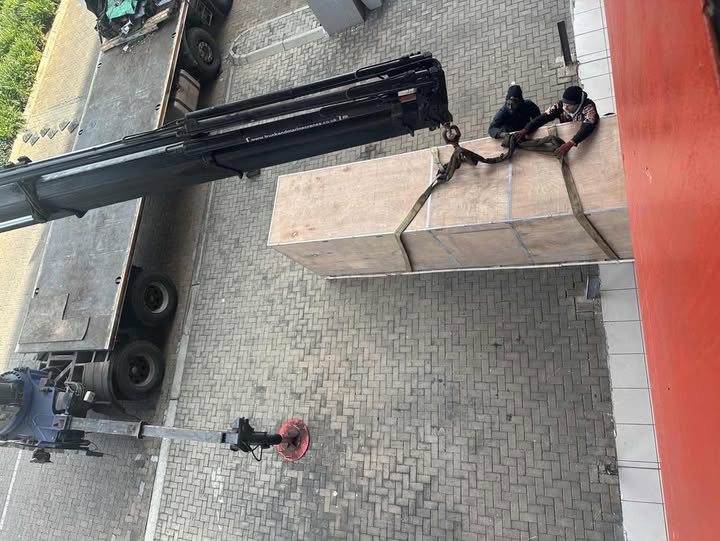
Industrial Machine Cllection
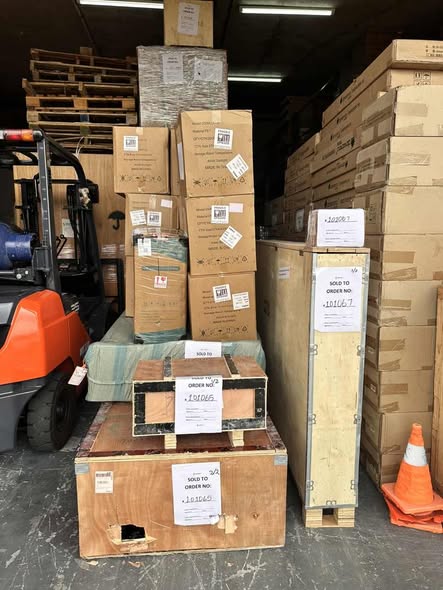
Agriculture Processing Machines
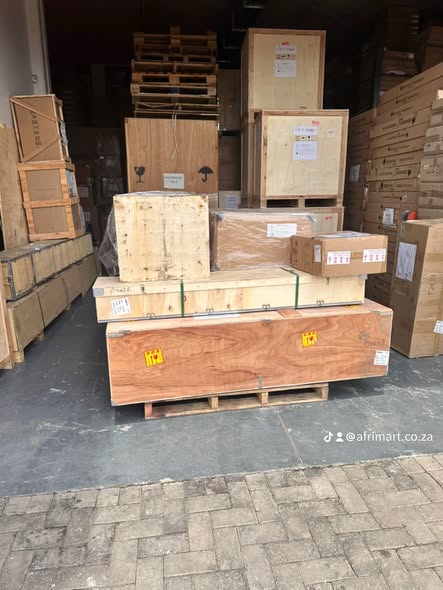
Ready for collection
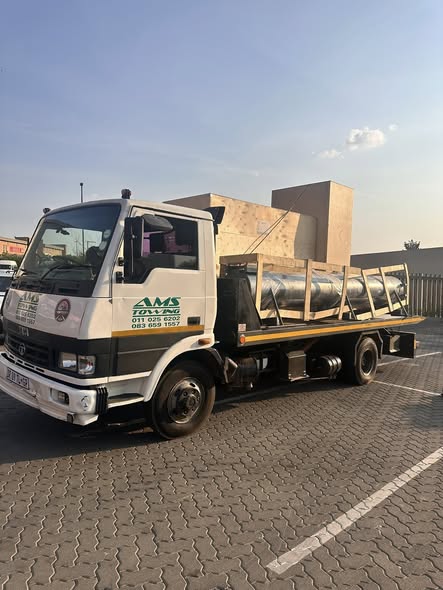
Water Pump Equipment
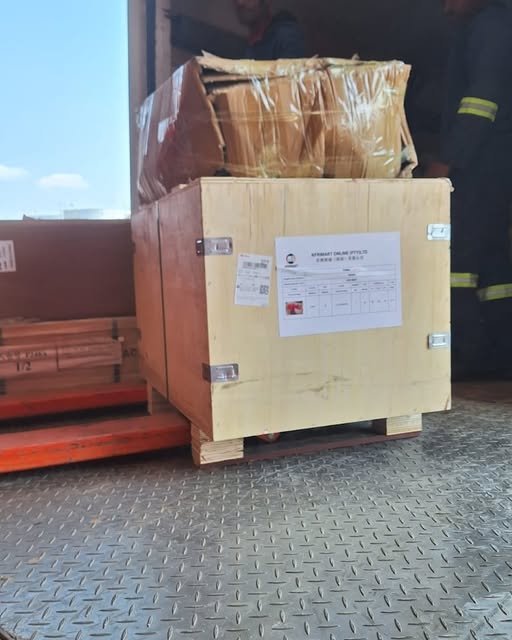
Packaging Machine and accessories
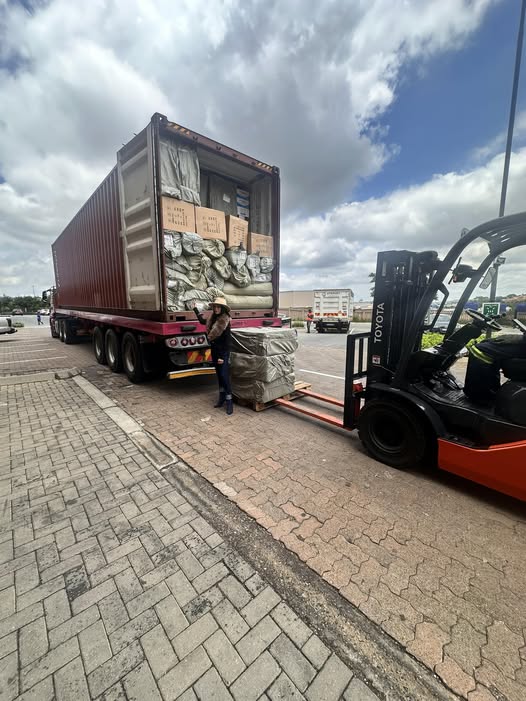
Fabrics Manufacturing Equipment
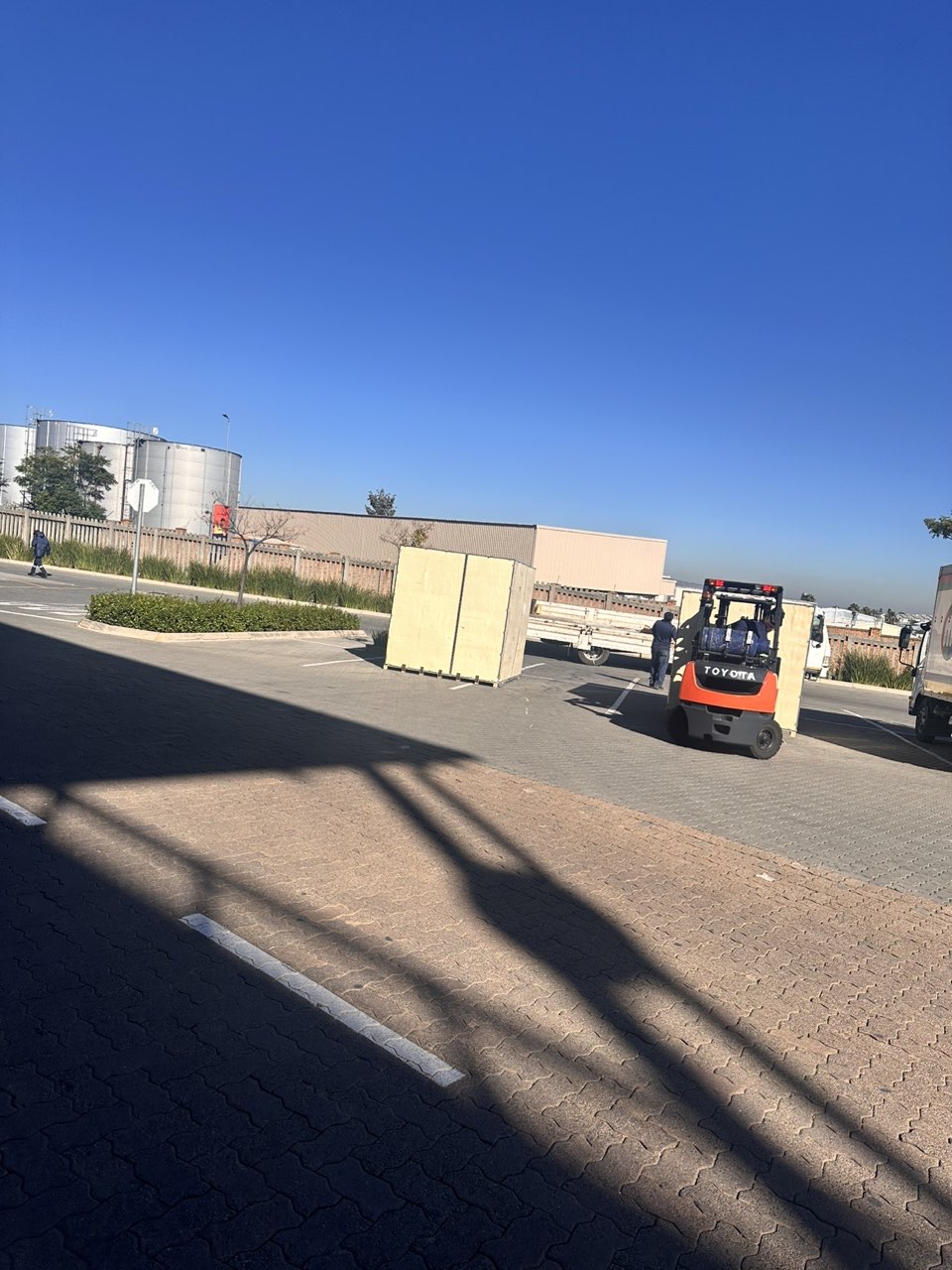
Mining Equipments
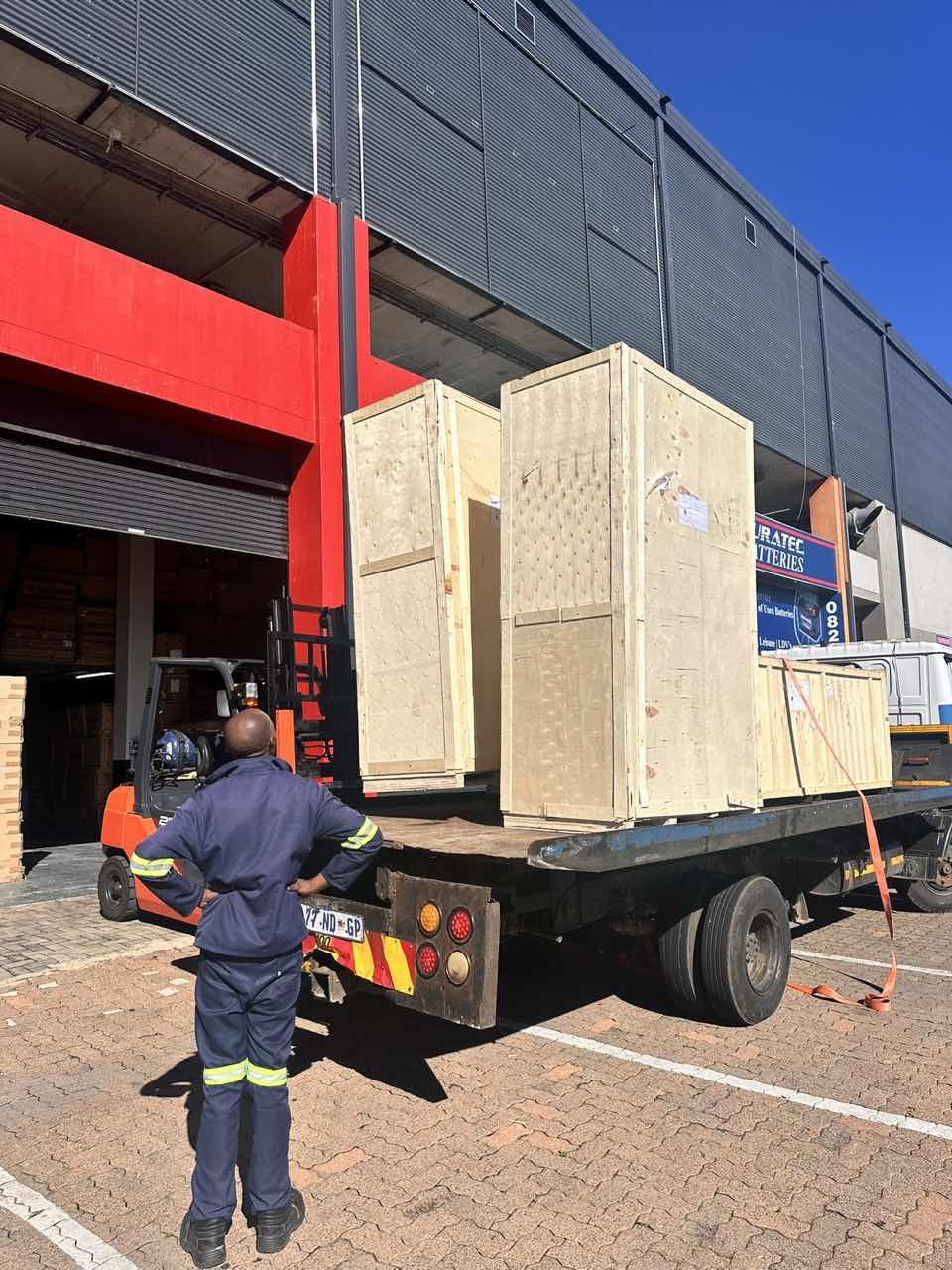
Food Processing Machine
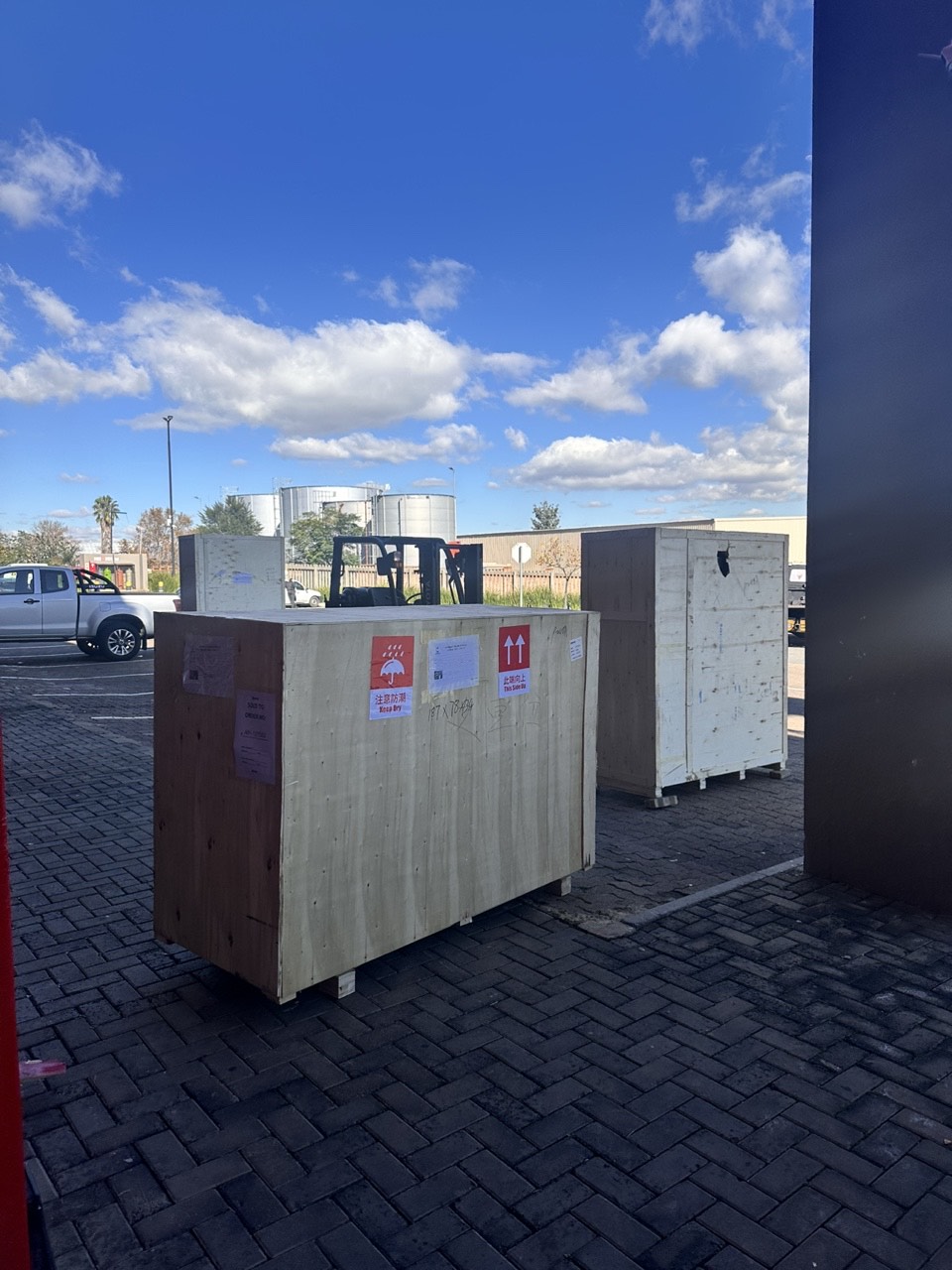
Batch of Orders
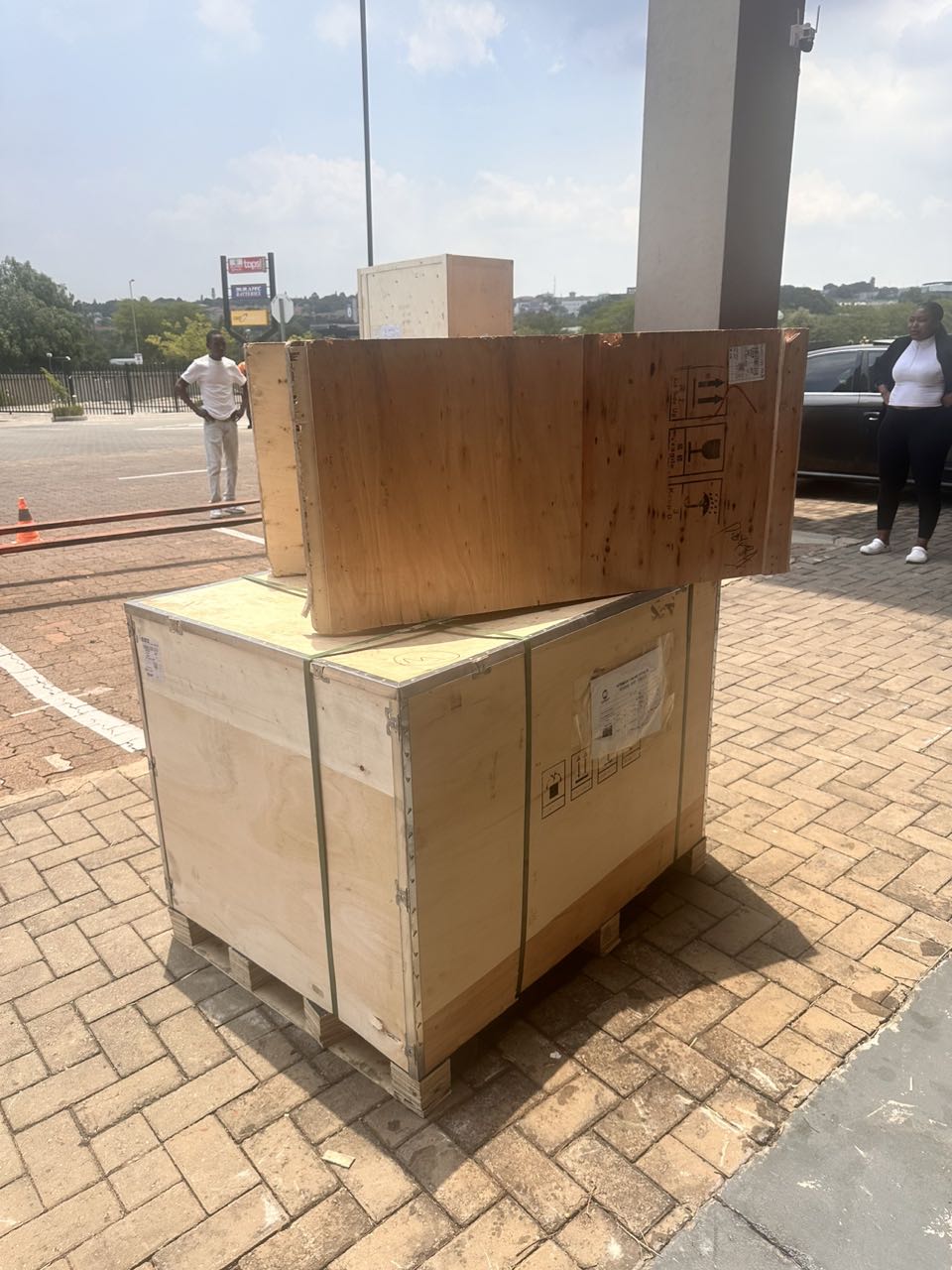
Batch of Orders
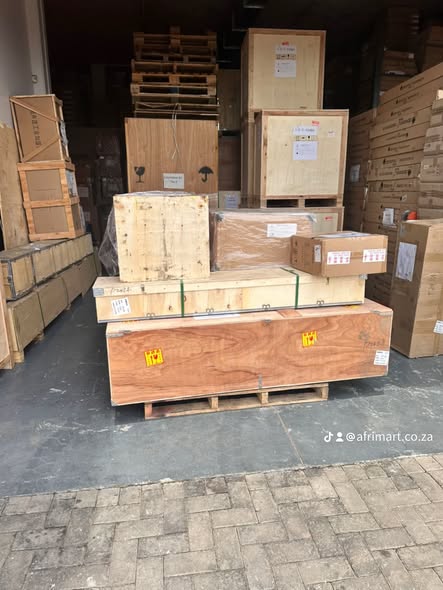
Latest Orders Labelled
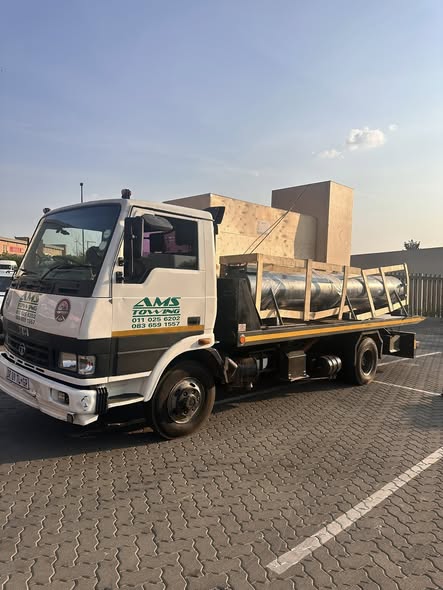
wheel alignment machines
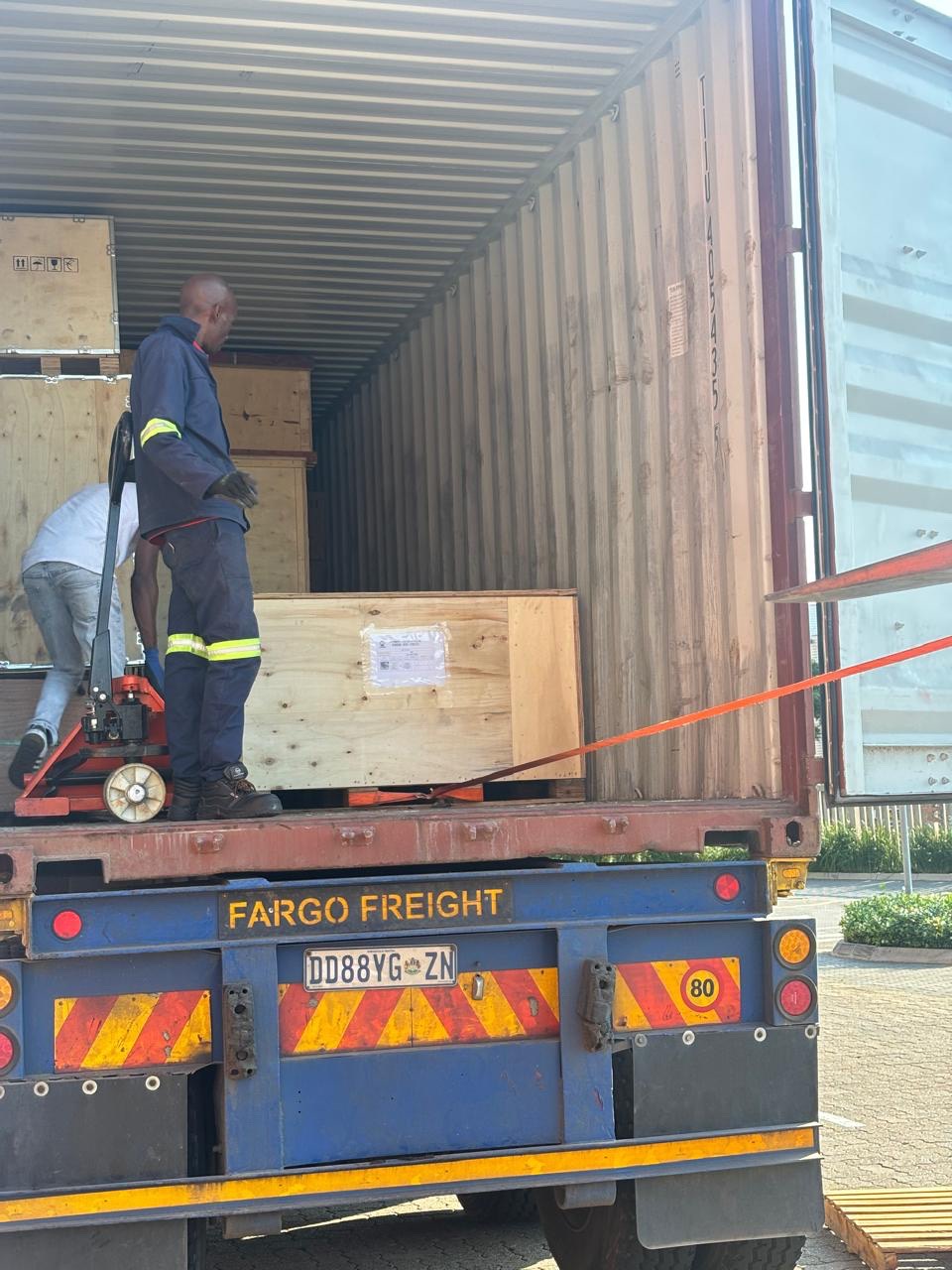
new arrivals
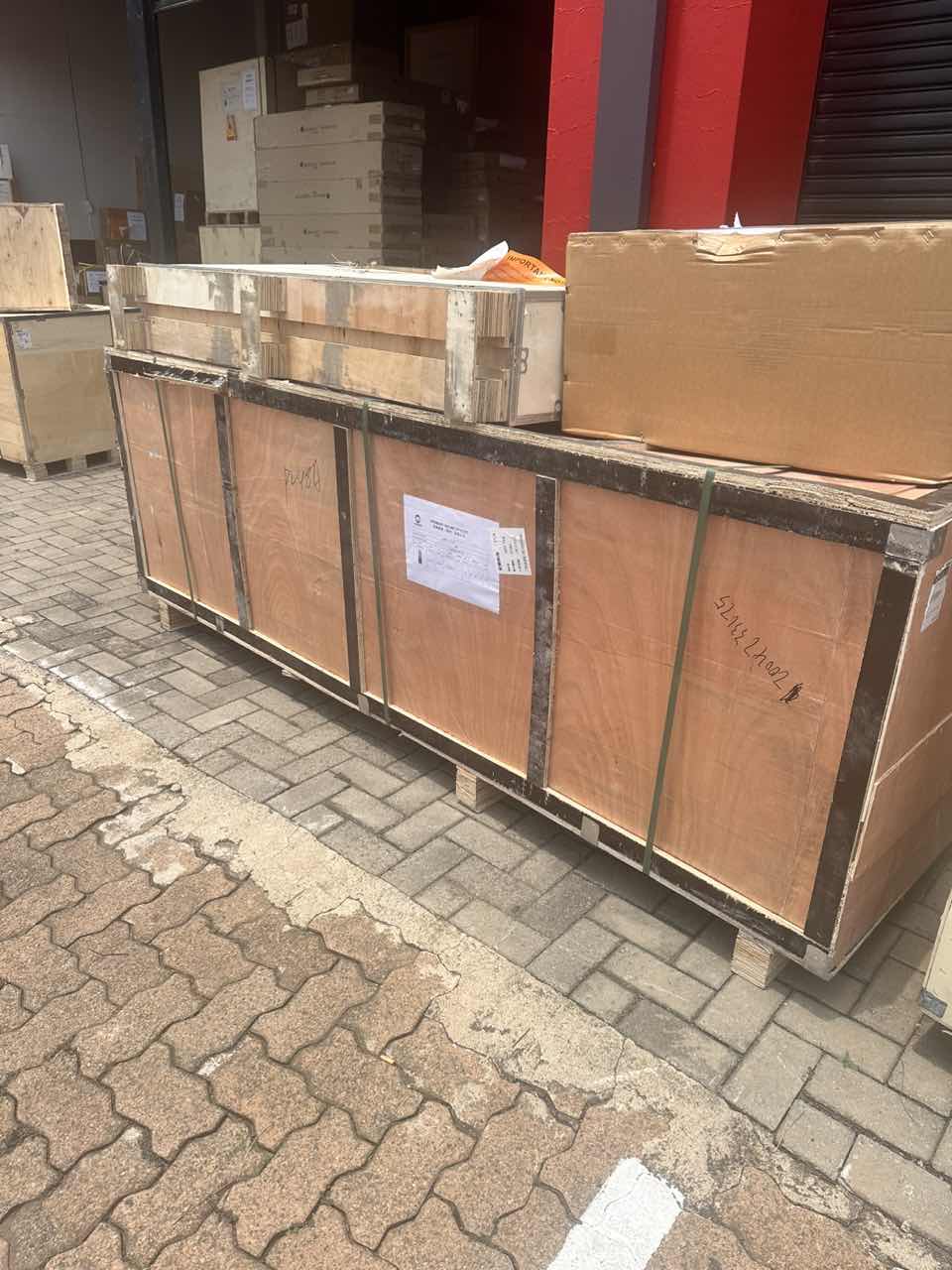
Pre Orders Offloading
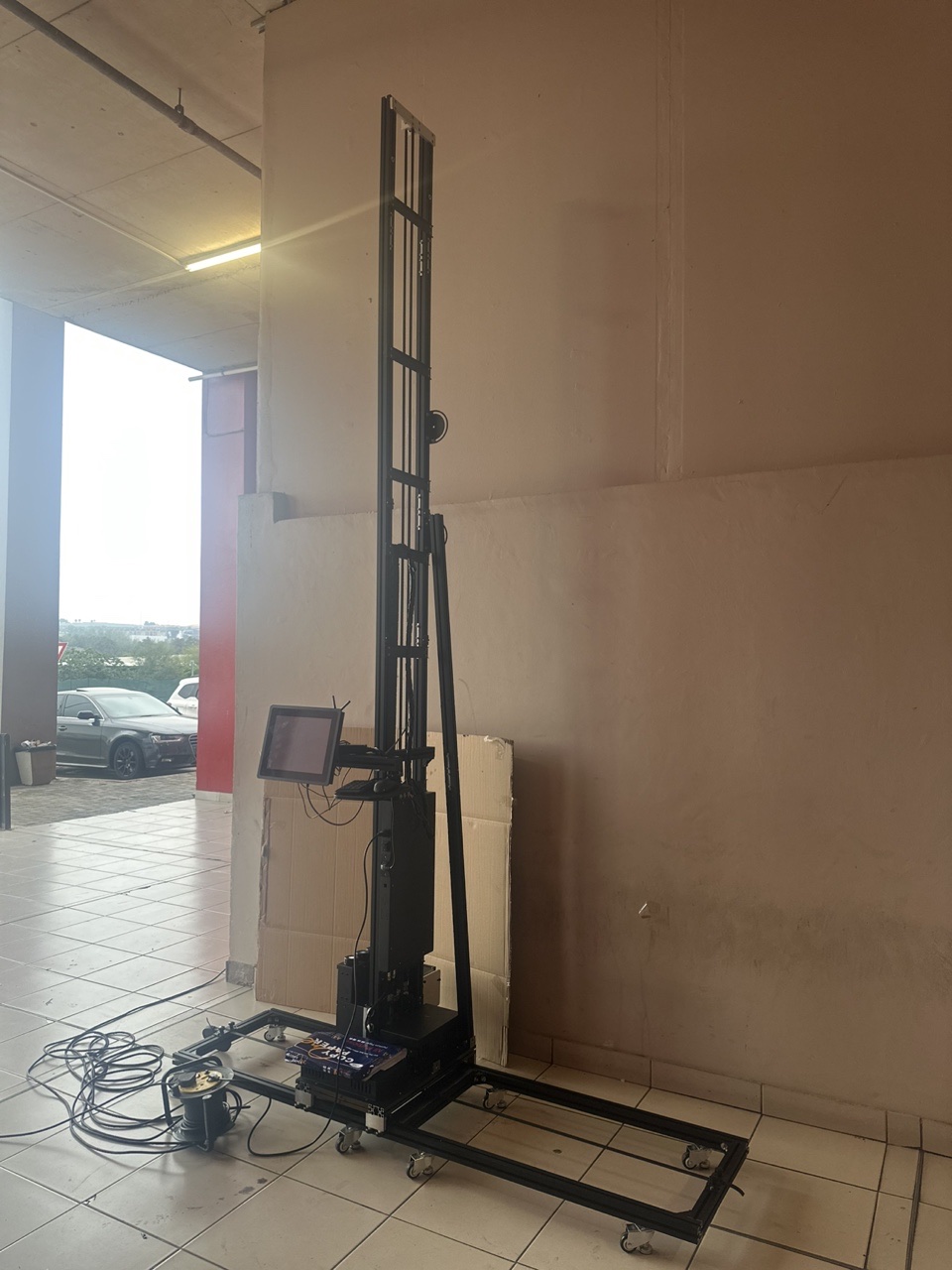
Latest Arrivals
Latest Arrivals
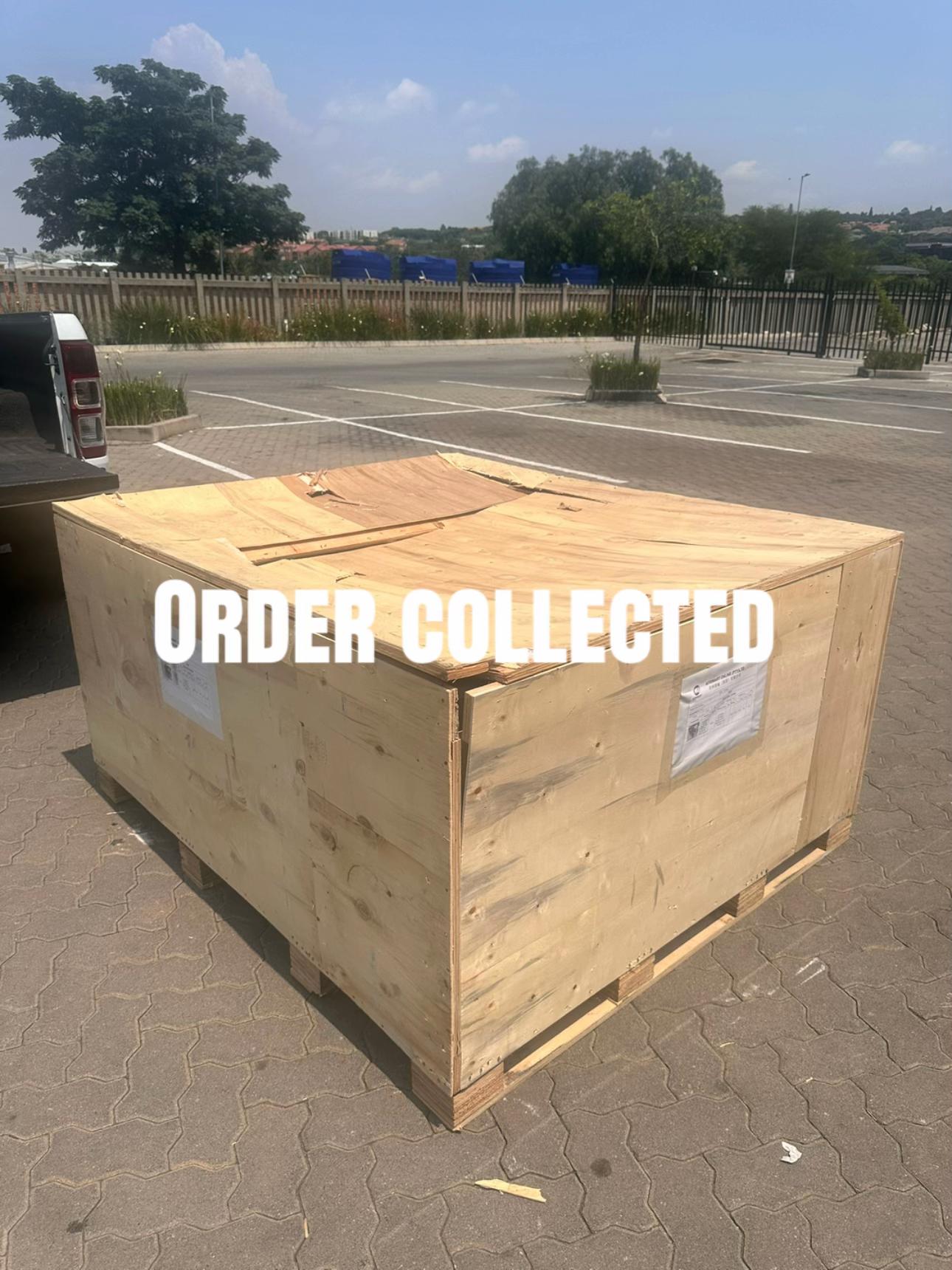
Latest Arrivals
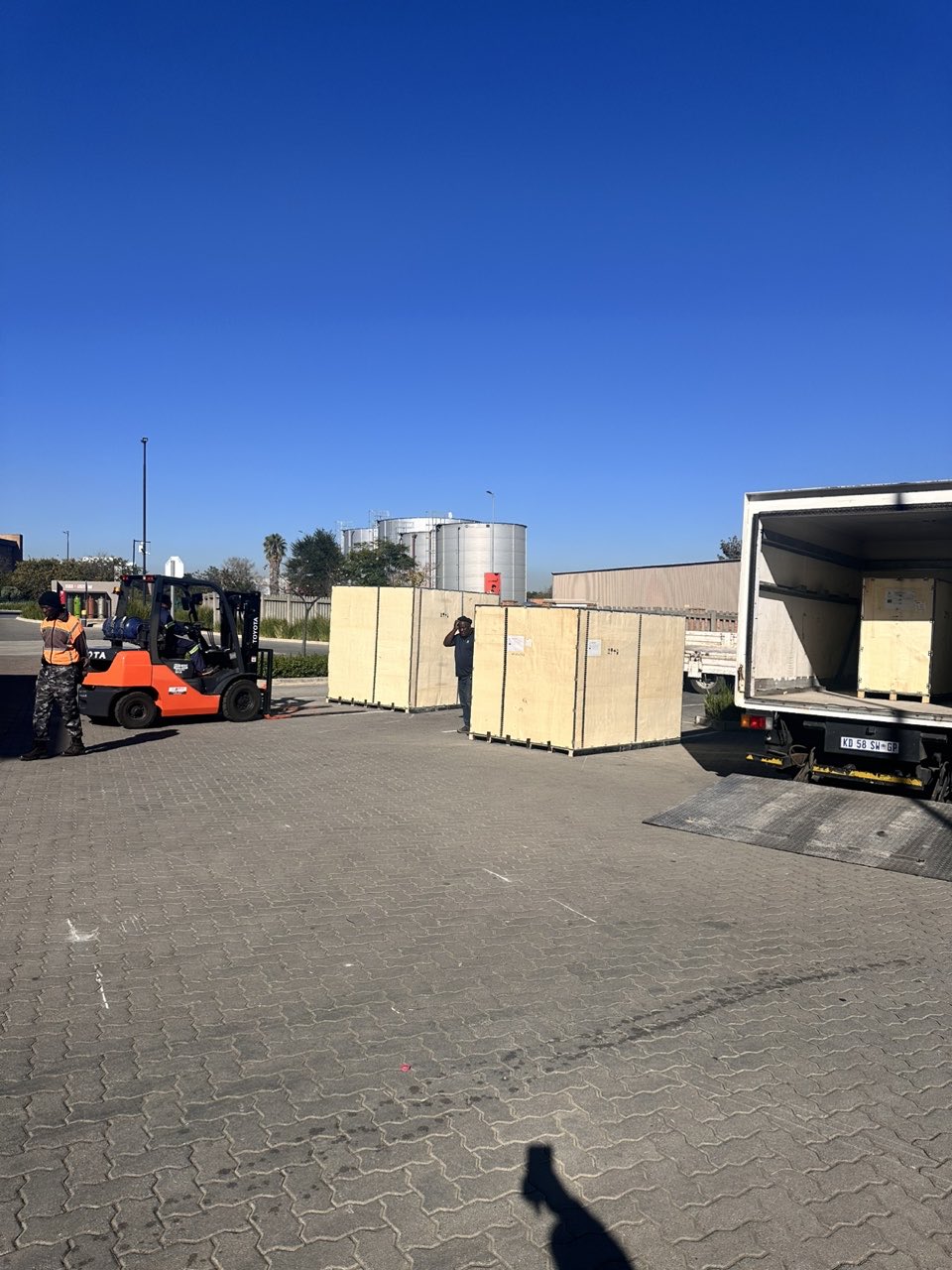
Loading
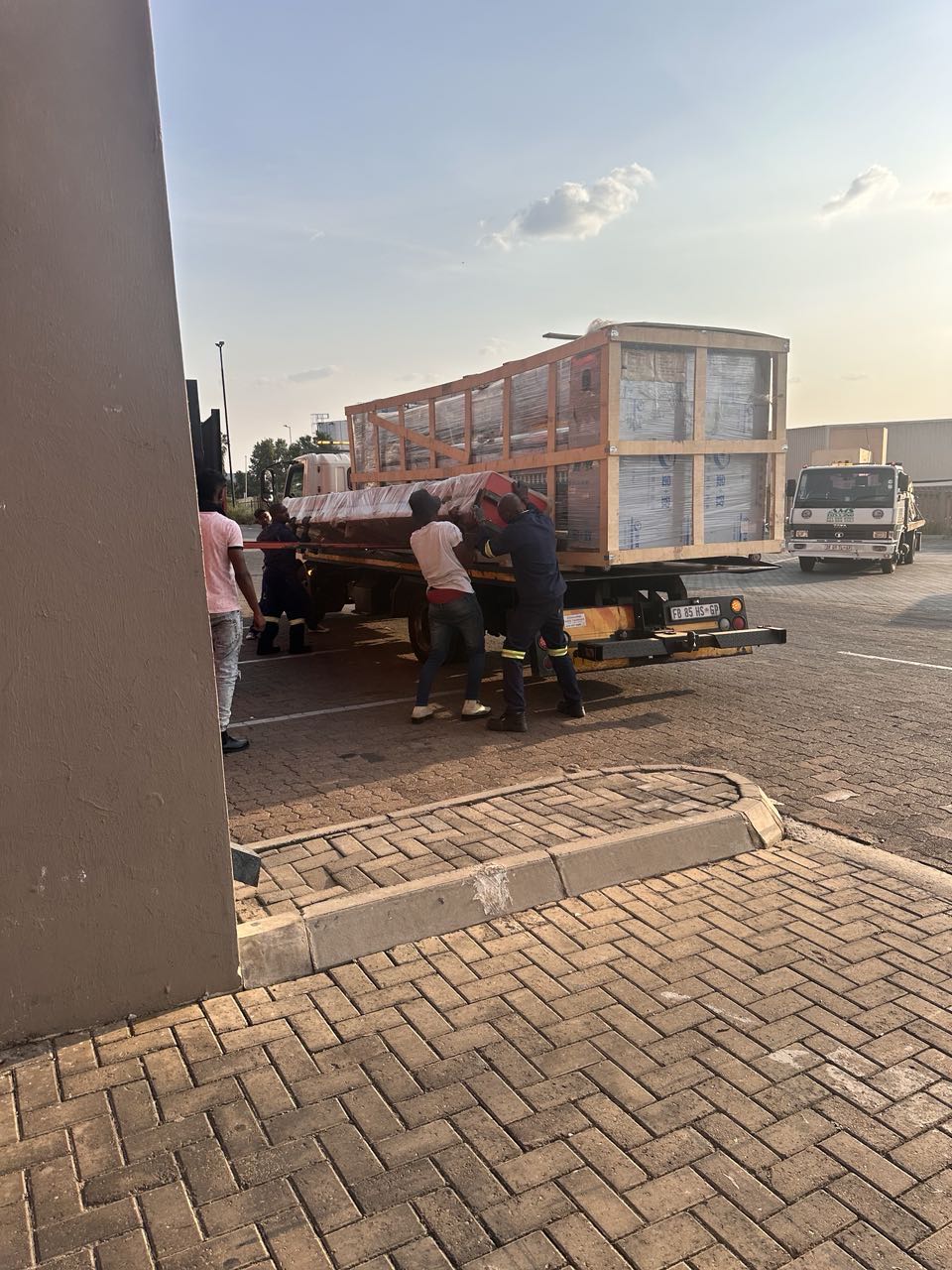
Toilet paper making machine
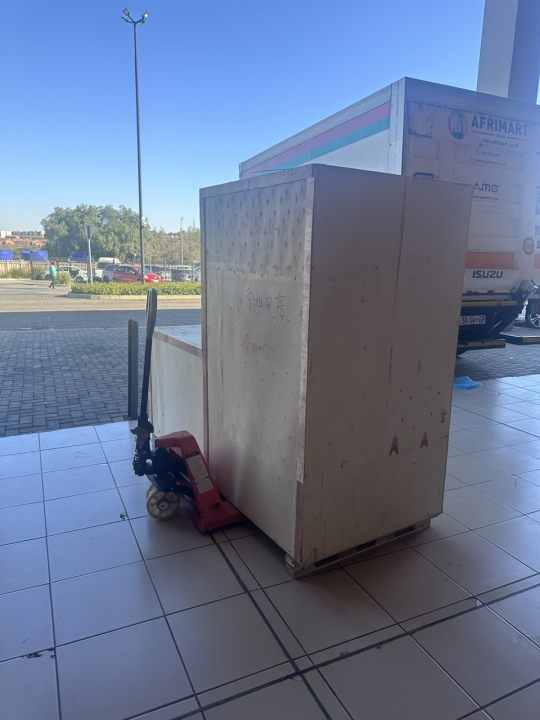
Toilet paper making machine
Toilet paper Rewinding Machine
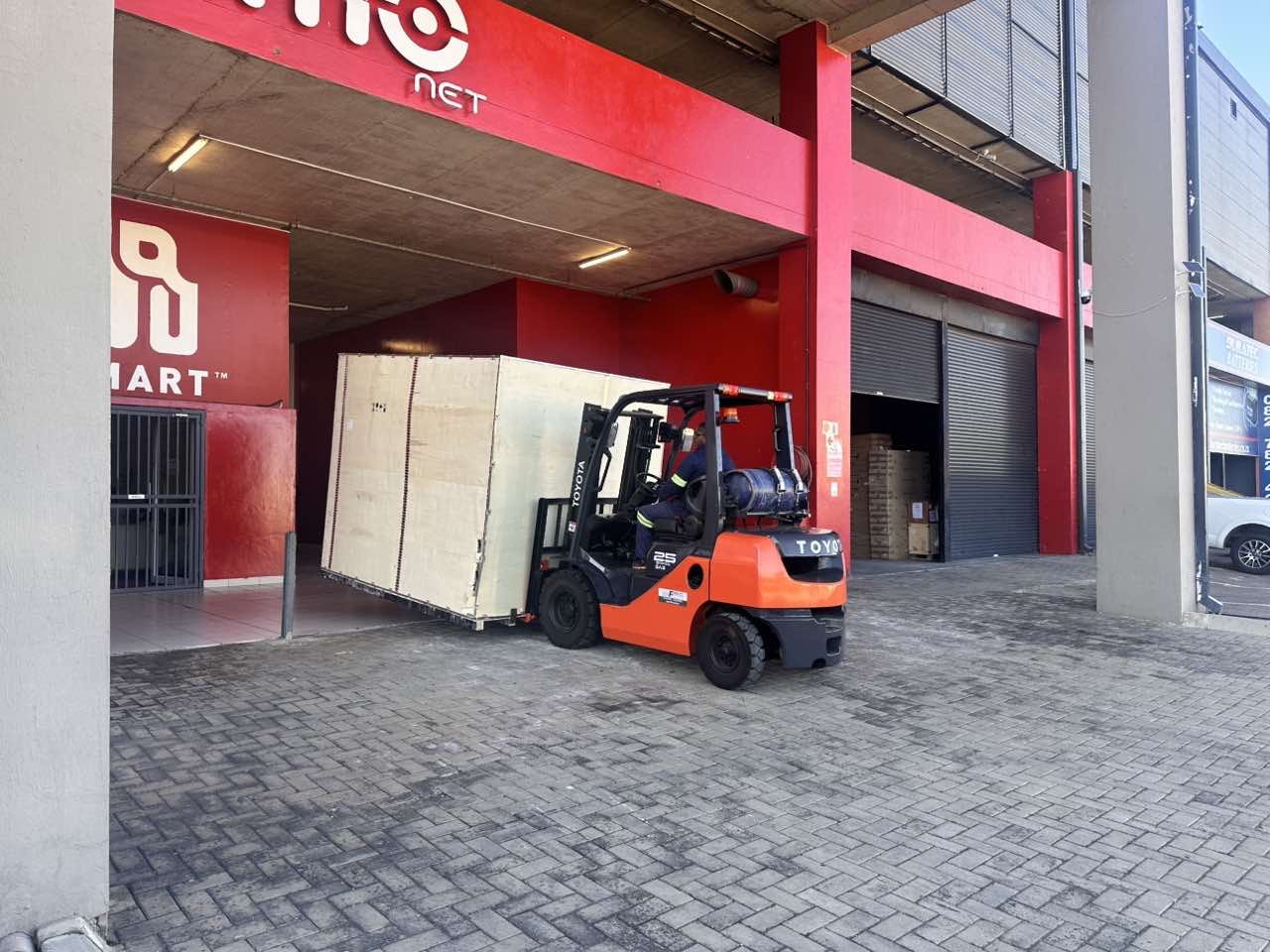
latest arrivals
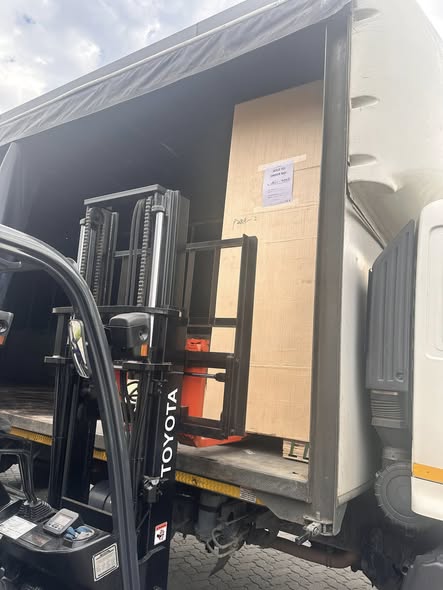
offloading
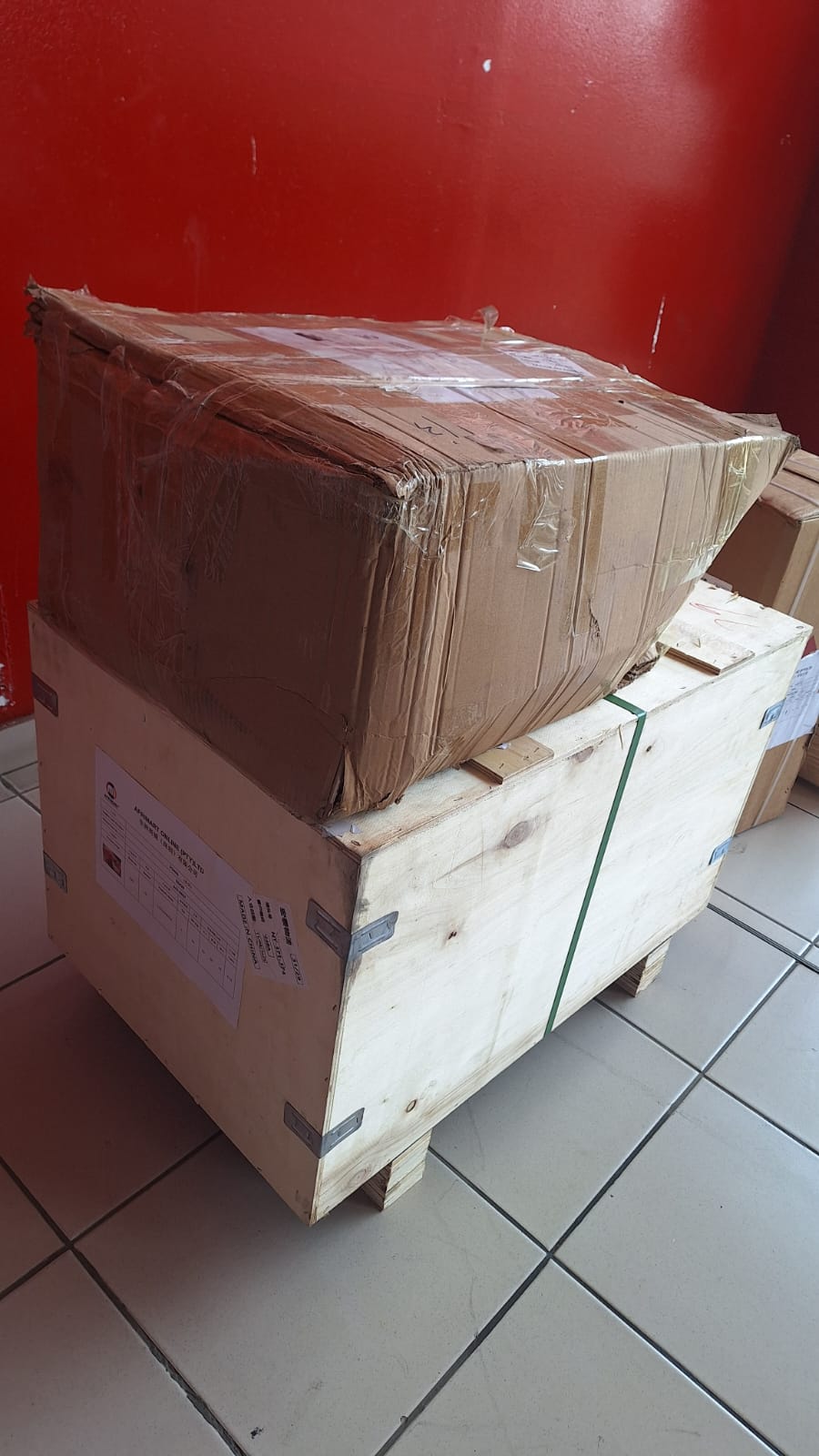
order success
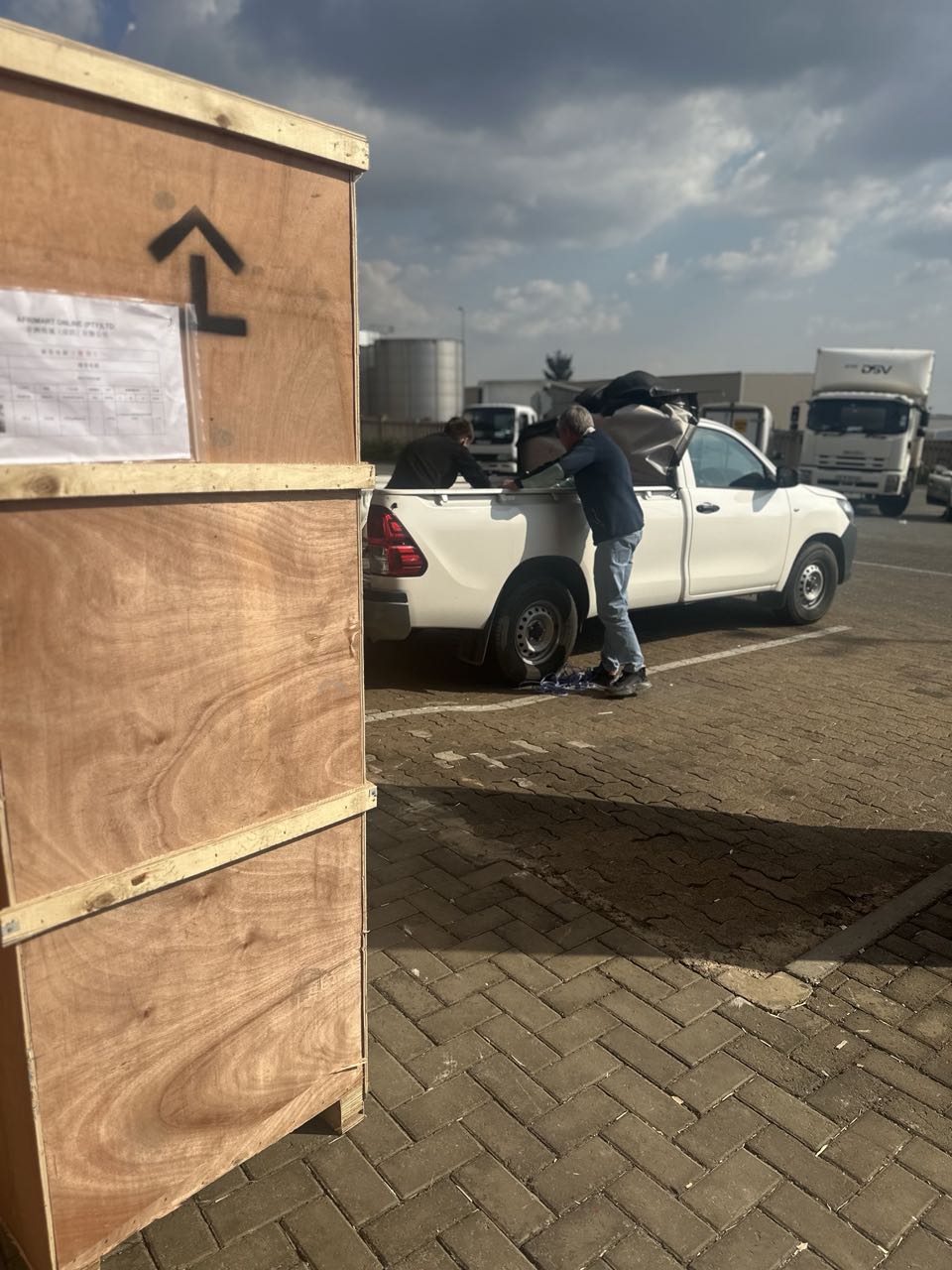
order collection
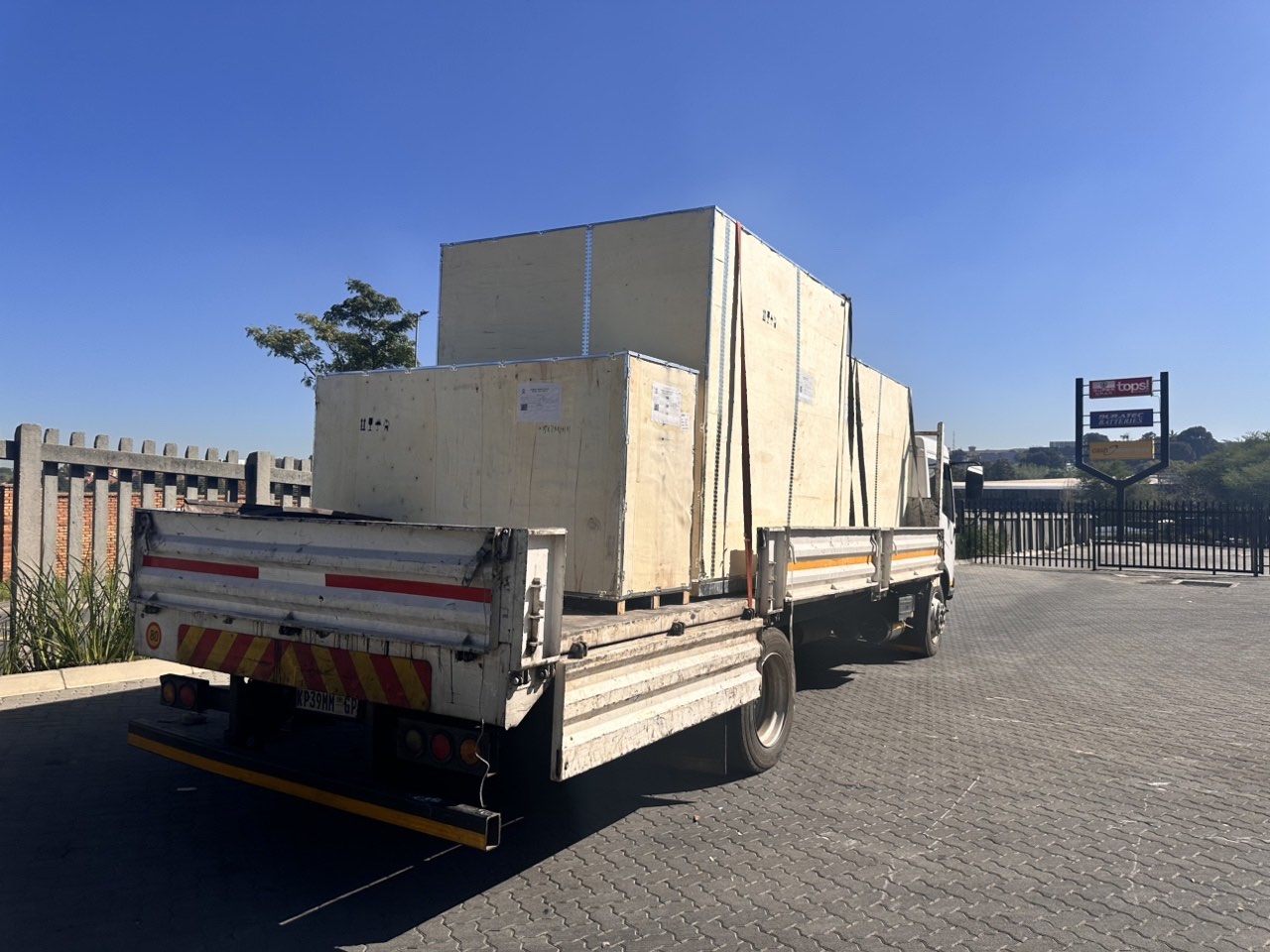
order offloading