B21, China Town Mall, Midrand

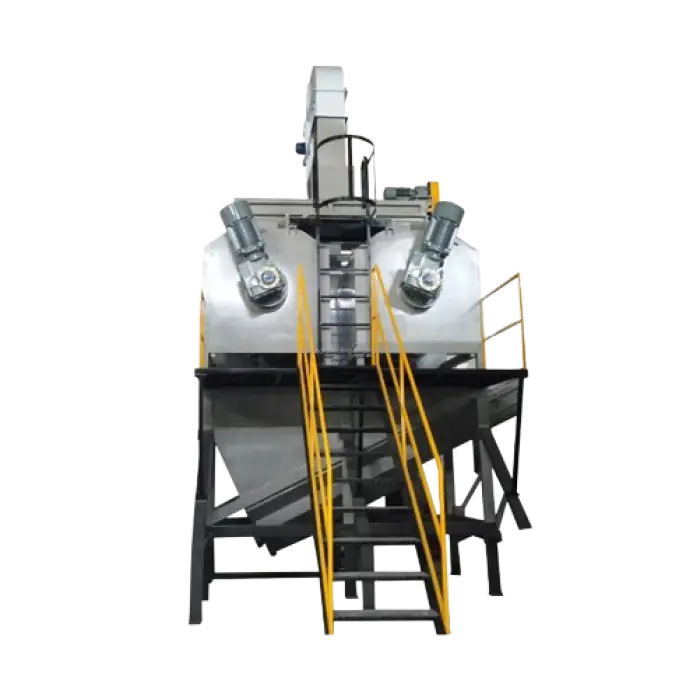
Waste Plastic Recycling Washing Line / Hdpe Can Shampoo Recycle Plant / Milk Bottle Crushing Washing Recycling Line
Asset finance available
Do you want funding for this equipment?
Afrimart can connect you with trusted funding partners who specialise in asset finance for businesses like yours. Compare options and apply in minutes — final approval is subject to provider review.
Check funding options
Secure & no obligation
- Section : Machinery
- Category : Plastic & Rubber Processing Machinery
- SKU : 1600237464364

Waste Plastic Recycling Washing Line / HDPE Can Shampoo Recycle Plant / Milk Bottle Crushing Washing Recycling Line
The Waste Plastic Recycling Washing Line is an advanced solution for recycling plastic materials such as HDPE cans and milk bottles. This efficient and automatic plant helps to clean and process waste plastics, turning them into reusable materials. With a high production capacity and a focus on safety and accuracy, this recycling line is perfect for businesses looking to enhance their recycling efforts.
Specifications
| Attribute | Details |
|---|---|
| Automatic Grade | Automatic |
| Max Production Capacity (kg/h) | 3000 |
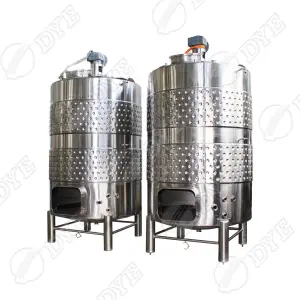
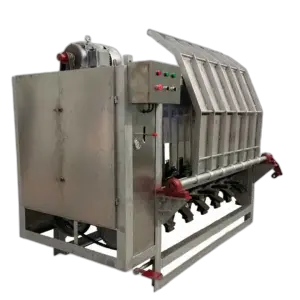
| Equipment List | Dewatering Machine, Floating Washing Tank, Hot Air Dryer, Hot Washing Tank, Trommel, Friction Washer, Pre-washer, Trommel, Bale Opener |
| Key Selling Points | High Productivity, High Safety Level, High Accuracy, Multifunctional, Automatic, Competitive Price |
| Voltage | 380V 50HZ (or customizable) |
| Weight (t) | 10 |
| Brand Name | POLYTEC |
| Selling Units | Single item |
Key Features
- High productivity for efficient recycling.
- Enhanced safety features for operator protection.
- High accuracy in processing materials.
- Multifunctional design for various plastic types.
- Fully automatic operation for ease of use.
- Competitive pricing for cost-effective solutions.
Applications
- Recycling HDPE shampoo cans.
- Processing milk bottles for reuse.
- Cleaning and crushing various plastic waste.
- Enhancing recycling facilities with efficient equipment.
- Supporting eco-friendly initiatives in plastic waste management.
Product Info Gallery
- Shipping Timeframes: All orders are processed within 2-5 business days (excluding weekends and holidays). After your order has been processed, the estimated delivery time is before 03 Aug, 2026, depending on customs, Please note that due to high demand, some items may experience longer shipping times, which will be communicated at order confirmation email.
- Order Processing Time: Please allow 2-5 business days for us to process your order before it is shipped . Orders placed after 16:00 on Fridays, or during weekends and public holidays, will begin processing on the next business day. Processing times may be extended during peak seasons or sales events.
- Manufacturing Time: Some products needs manufacturing time, the manufacturing process will take approximately 10-30 business days depending on the product. This timeframe may vary depending on the complexity of the product and current demand. but this will be communicated with you during order confirmation.
- Returns and Exchanges: We offer a 30-day return policy for most items. If you are not completely satisfied with your purchase, you may return it within 30 days of receipt for a refund or exchange. Items must be unused, in their original packaging, and accompanied by proof of purchase. Return shipping costs are the responsibility of the customer, unless the item was damaged or defective upon arrival.
1. What types of plastic can this Waste Plastic Recycling Washing Line process?
The line is designed primarily for HDPE rigid containers such as shampoo cans and milk bottles. It can also handle similar rigid plastics (e.g., HDPE/PP) depending on configuration. It is not optimized for mixed flexible films or highly contaminated waste without pre-sorting.
2. What is the production capacity of the plant?
Maximum production capacity is up to 3000 kg/h. Actual throughput depends on feedstock type, contamination level, and selected configuration (e.g., number of friction washers or dryers).
3. What equipment is included in the standard line?
Standard equipment list includes a bale opener, trommel (sieves), pre-washer, friction washer, floating washing tank, hot washing tank, dewatering machine, hot air dryer, and supporting conveyors and pumps. Specific items may vary by model and customer requirements.
4. What are the electrical requirements?
Standard supply is 380V 50Hz. Voltage and frequency can be customized to match local supply (e.g., 400V/50Hz, 480V/60Hz). Specific power demand depends on the final configuration and will be provided with the technical datasheet.
5. What is the expected final product after processing?
The plant delivers clean, crushed plastic flakes or granules suitable for further drying and extrusion or pelletizing. Final cleanliness and moisture content depend on washing stages and drying configuration.
6. Is water recycled within the system and how is wastewater handled?
The washing line uses circulating water in washing tanks to reduce fresh water consumption. However, concentrated wastewater and rinsing effluent typically require external treatment or a wastewater treatment system (can be supplied as an add-on) to meet discharge regulations or enable closed-loop reuse.
7. How much space does the plant need and what is the weight?
The listed gross weight is about 10 tonnes, but the required factory footprint depends on the selected capacity and layout. A typical compact installation footprint and layout drawing will be provided after we know your capacity and site constraints.
8. Is the line fully automatic and what level of operator skill is required?
Yes — the line is designed for automatic operation with PLC control and an operator HMI. Routine supervision and basic operator training are required for loading, monitoring, and maintenance. We provide commissioning and operator training.
9. What safety features are included?
Standard safety features include emergency stop buttons, safety guards and interlocks on moving parts, overload protection on motors, and safe electrical enclosures. Additional site-specific safety upgrades can be added on request.
10. What maintenance is required and how often?
Routine maintenance includes daily cleaning of screens and tanks, weekly inspection of bearings, belts and conveyor lines, periodic replacement of wear parts (e.g., friction washer plates, sieves), and scheduled motor/electrical inspections. Recommended maintenance intervals and spare parts lists are provided with the machine manual.
11. Can the system be customized for different feedstock or production goals?
Yes. The line is modular and can be customized (e.g., additional washing stages, hot washing, stronger dryers, different trommel sizes, or automated sorting) to match specific feedstock, contamination levels, and capacity requirements.
12. What are typical energy and water consumption figures?
Energy and water use vary with configuration, processor load and feedstock contamination. Approximate consumption estimates will be provided after reviewing your expected feedstock, throughput and the chosen equipment options. We can provide sample calculations during the quotation process.
13. Do you provide installation, commissioning and after-sales support?
Yes. Services typically include factory acceptance testing, on-site installation supervision, commissioning, operator training, and after-sales technical support. Spare parts and remote troubleshooting can also be supplied.
14. What is the lead time and pricing for the recycling line?
Price and lead time depend on configuration, capacity and optional features. Typical manufacturing lead times range depending on order size and customization; please contact us with your requirements for a firm quotation and estimated delivery schedule.
15. What warranty and spare parts availability do you offer?
Standard warranty terms are provided with each quotation (typically factory warranty on mechanical and electrical components). Critical spare parts (wear plates, sieves, belts, bearings) are kept in stock or available for timely supply. Specific warranty length and spare parts terms will be included in the sales agreement.
Latest Order Arrivals
Discover our latest orders

12 Heads Embroidery Machine

Toilet Paper Machine Machine

Order Collection

Cross Border Clients

Order cros border countries Collected

Industrial Machine Cllection

Agriculture Processing Machines

Ready for collection

Water Pump Equipment

Packaging Machine and accessories

Fabrics Manufacturing Equipment

Mining Equipments

Food Processing Machine

Batch of Orders

Batch of Orders

Latest Orders Labelled

wheel alignment machines

new arrivals

Pre Orders Offloading

Latest Arrivals

Latest Arrivals

Latest Arrivals

Loading

Toilet paper making machine

Toilet paper making machine

Toilet paper Rewinding Machine

latest arrivals

offloading

order success

order collection

order offloading