B21, China Town Mall, Midrand


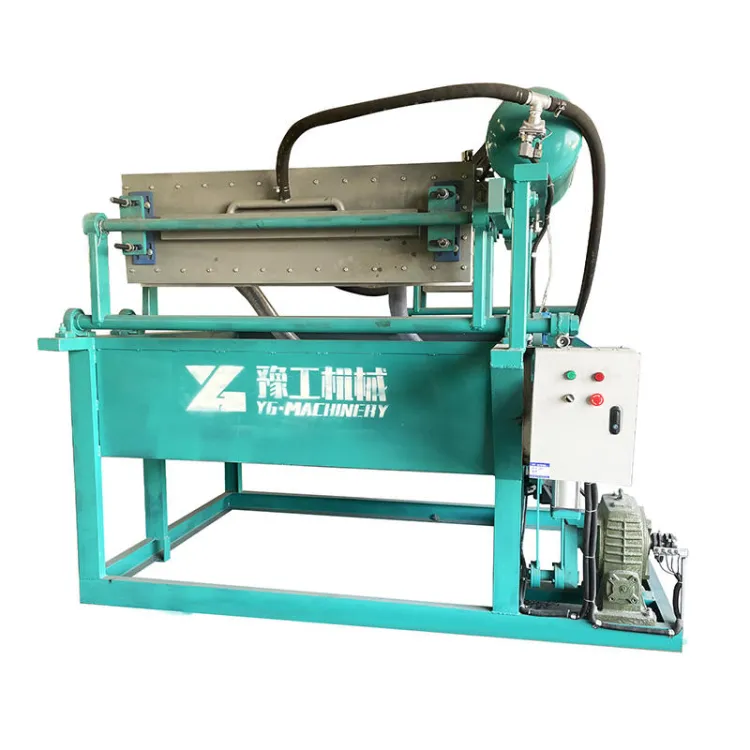
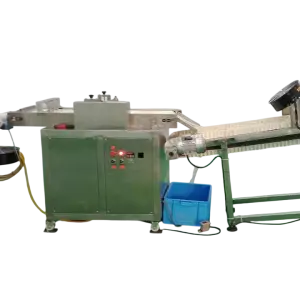
Waste Carton Paper Pulp Recycling Machine Making Egg Tray
Asset finance available
Do you want funding for this equipment?
Afrimart can connect you with trusted funding partners who specialise in asset finance for businesses like yours. Compare options and apply in minutes — final approval is subject to provider review.
Check funding options
Secure & no obligation

- Section : Machinery
- Category : Industrial Machinery
- SKU : 1600609104726

- Product Description

The hydraulic pulper is an essential accessory equipment for the egg tray production line. Its purpose is to crush waste paper, mix water with old books, old magazines, damaged cartons, etc. to make pulp. This is the first step in egg tray production.
Product Details


Production Process

There are many different models of hydraulic pulper, according to the output size of egg tray production line to determine the most suitable model. The machine can customize different colors according to customer requirements, which will not charge extra fees.


Working Principle
1. Crushed fiber bundles and wet pulp blocks by the rolling of rotor and rotating blades ;
2. Rotating blades produce a strong vortex and formed a high speed cyclone zone around the blade, the speed of the pulp are slow down with the gap increase between this region ,so that the pulp layer formed a speed difference, and the fibers separated because of the friction;
3. Fiber bundles are separated by rub against each other in the gap of the blade and sieve separation, then good pulp out the pulper through sieve hole;
4. The sand, nails and other precipitation debris are accumulation in the miscellaneous mouth of the pulper.; The pulper blademade by stainless steel casting or steel production, and imported brands bearing.
- Shipping Timeframes: All orders are processed within 2-5 business days (excluding weekends and holidays). After your order has been processed, the estimated delivery time is before 03 Aug, 2026, depending on customs, Please note that due to high demand, some items may experience longer shipping times, which will be communicated at order confirmation email.
- Order Processing Time: Please allow 2-5 business days for us to process your order before it is shipped . Orders placed after 16:00 on Fridays, or during weekends and public holidays, will begin processing on the next business day. Processing times may be extended during peak seasons or sales events.
- Manufacturing Time: Some products needs manufacturing time, the manufacturing process will take approximately 10-30 business days depending on the product. This timeframe may vary depending on the complexity of the product and current demand. but this will be communicated with you during order confirmation.
- Returns and Exchanges: We offer a 30-day return policy for most items. If you are not completely satisfied with your purchase, you may return it within 30 days of receipt for a refund or exchange. Items must be unused, in their original packaging, and accompanied by proof of purchase. Return shipping costs are the responsibility of the customer, unless the item was damaged or defective upon arrival.
1. What is the main purpose of the Waste Carton Paper Pulp Recycling Machine?
The main purpose of this machine is to crush waste paper and mix it with water to create pulp, which is the first step in the production of egg trays.
2. What types of materials can be processed by this machine?
The machine can process various types of waste paper, including old books, old magazines, and damaged cartons.
3. How does the hydraulic pulper work?
The hydraulic pulper works by using a rotor and rotating blades to crush fiber bundles and create a cyclone effect that separates fibers, allowing the good pulp to pass through while debris accumulates in the miscellaneous mouth.
4. Can the machine be customized for different production outputs?
Yes, there are different models of the hydraulic pulper available, and the most suitable model can be determined based on the output size of your egg tray production line.
5. Are there additional fees for customizing the machine's color?
No, the machine can be customized in different colors according to customer requirements without additional fees.
6. What materials are used in the construction of the pulper blades?
The pulper blades are made from stainless steel casting or steel production to ensure durability and longevity.
7. What kind of maintenance does the machine require?
Regular maintenance includes checking the blades for wear, ensuring the bearings are functioning properly, and cleaning the machine to prevent clogging.
8. Is the machine suitable for small-scale production?
Yes, the machine is versatile and can be used for both small and large-scale egg tray production based on the model selected.
9. How long does it take to produce pulp using this machine?
The time it takes to produce pulp can vary based on the model and the amount of material being processed, but it is generally designed for efficient and rapid operation.
10. What safety features are included in the machine?
The machine includes safety features such as emergency stop buttons and protective covers to ensure safe operation during use.
11. Can the machine handle mixed waste paper types?
Yes, the machine is designed to handle a mixture of different types of waste paper, making it efficient for recycling various paper products.
12. What is the capacity of the hydraulic pulper?
The capacity of the hydraulic pulper varies by model; it is important to choose a model that matches your production needs.
13. Is training provided for operating the machine?
Yes, training is often provided to ensure operators understand how to use the machine safely and effectively.
14. What is the warranty period for the machine?
The warranty period may vary by manufacturer, but it typically covers defects in materials and workmanship for a specified time after purchase.
Latest Order Arrivals
Discover our latest orders

12 Heads Embroidery Machine

Toilet Paper Machine Machine

Order Collection

Cross Border Clients

Order cros border countries Collected

Industrial Machine Cllection

Agriculture Processing Machines

Ready for collection

Water Pump Equipment

Packaging Machine and accessories

Fabrics Manufacturing Equipment

Mining Equipments

Food Processing Machine

Batch of Orders

Batch of Orders

Latest Orders Labelled

wheel alignment machines

new arrivals

Pre Orders Offloading

Latest Arrivals

Latest Arrivals

Latest Arrivals

Loading

Toilet paper making machine

Toilet paper making machine

Toilet paper Rewinding Machine

latest arrivals

offloading

order success

order collection

order offloading