B21, China Town Mall, Midrand


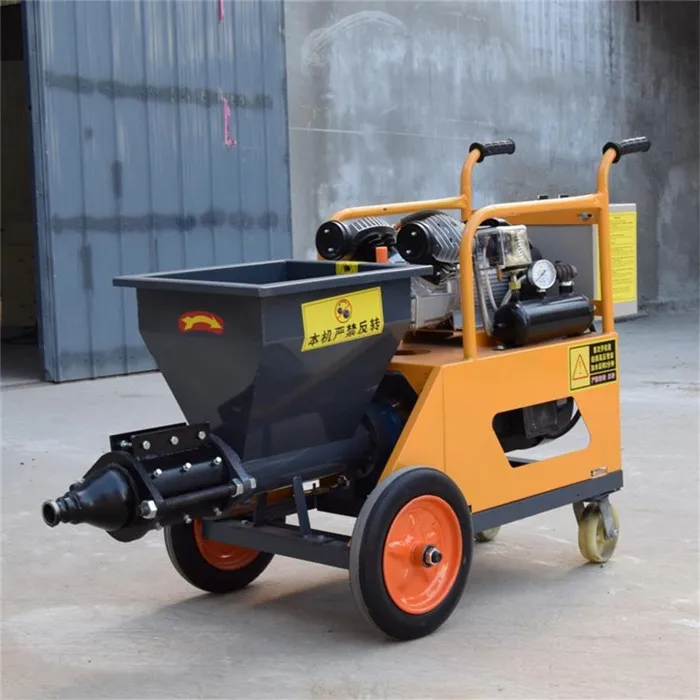
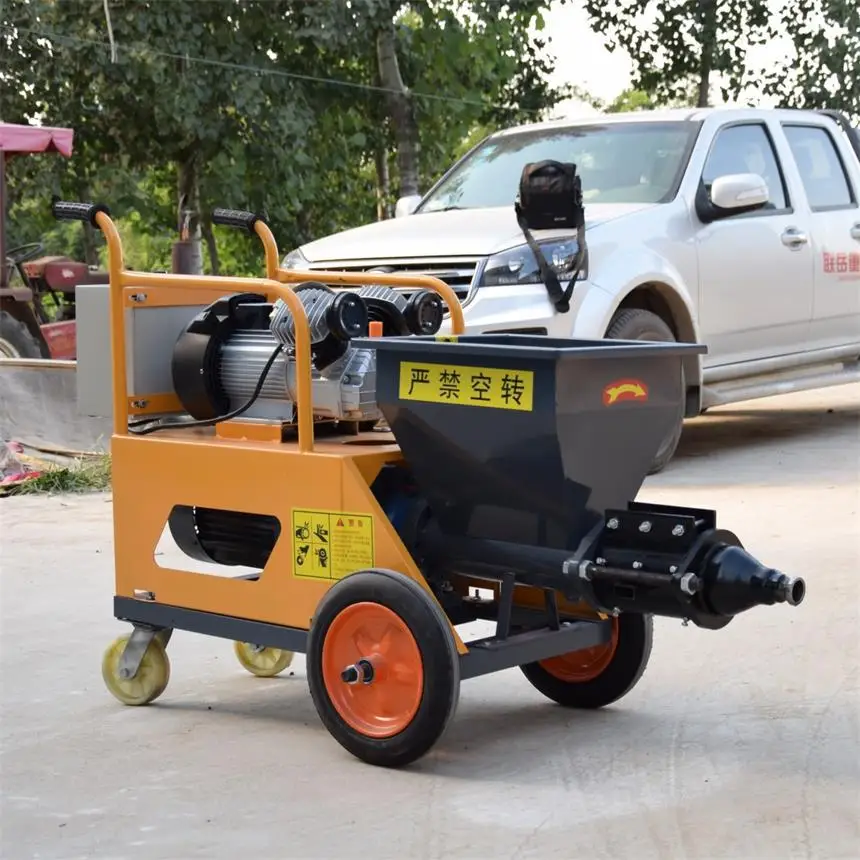
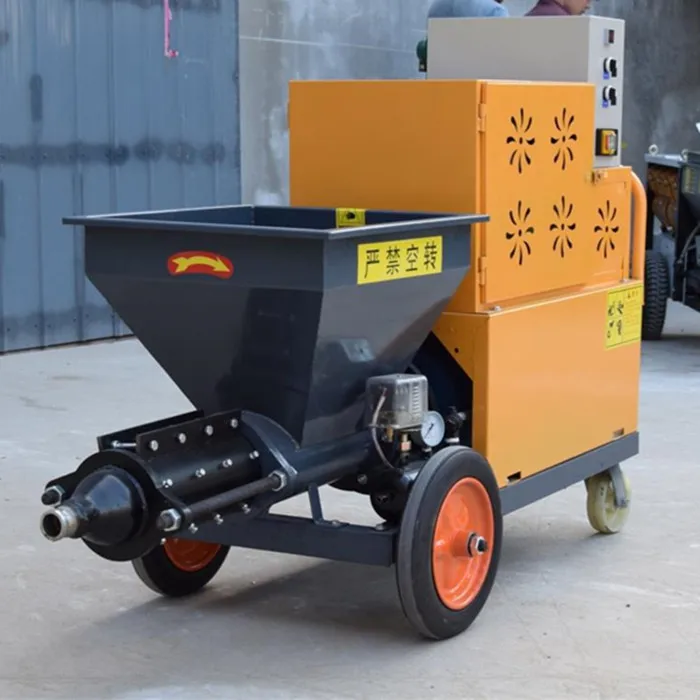
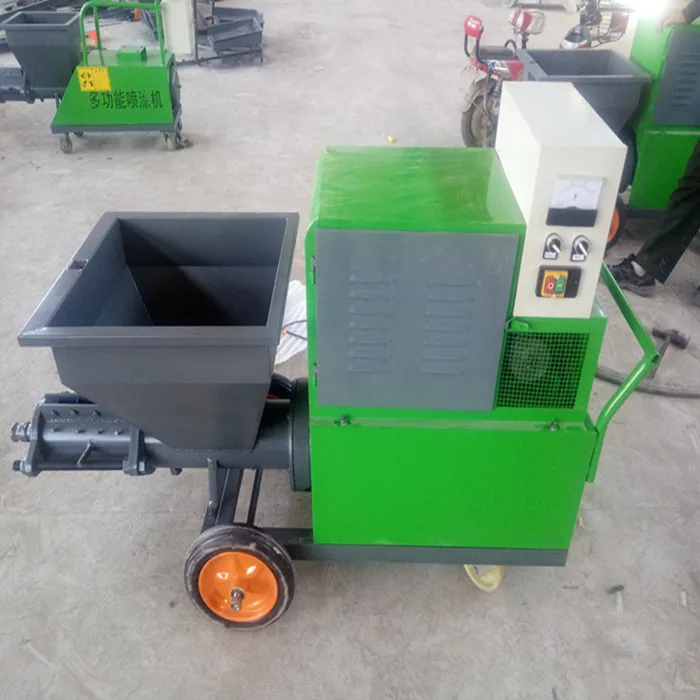
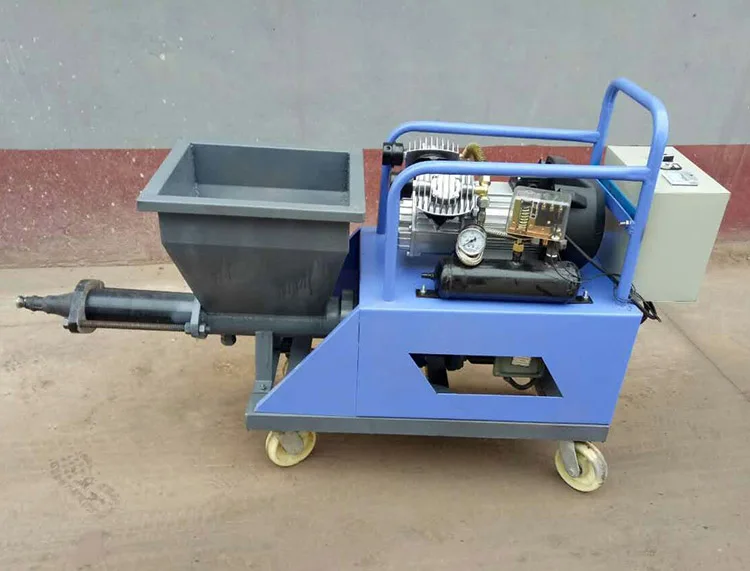
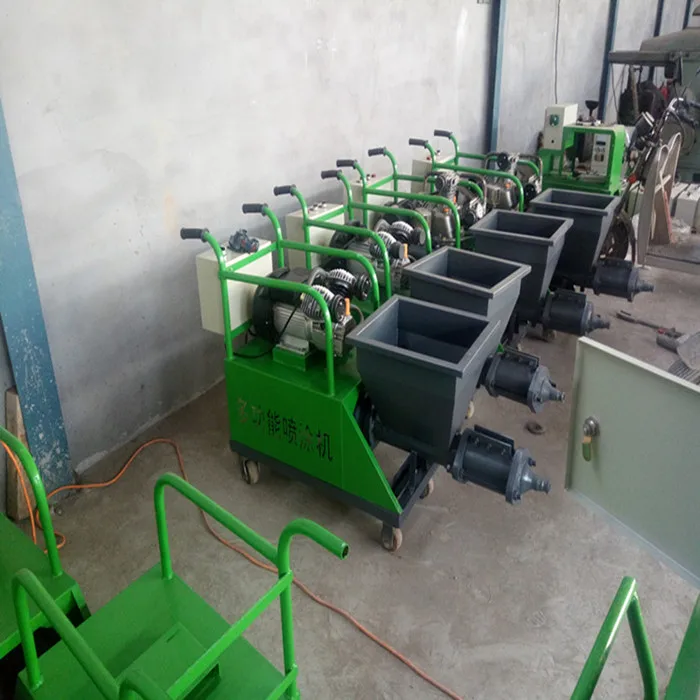
Wall Mortar Spraying Machine

- Section : Machinery
- Category : Other Construction Machinery
- SKU : 1600320582094

Wall Mortar Spraying Machine
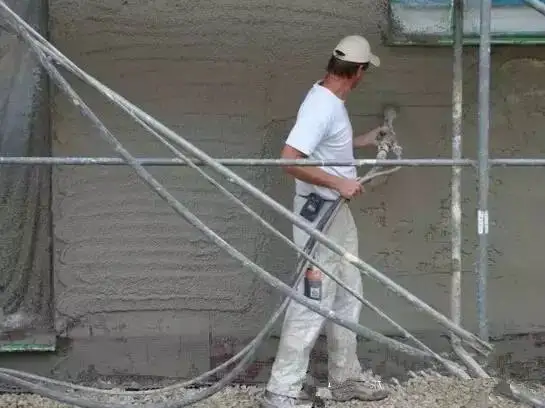
Transform your wall finishing process with the Wall Mortar Spraying Machine. This machine is designed to make spraying cement mortar fast and efficient, giving you the results you desire with ease.
Key Features:
High Output Pressure: With a maximum output pressure of 6N/S, this machine delivers consistent performance for smooth application.
Versatile Nozzle Sizes: Equipped with various nozzle diameters (4, 6, 8, 10, 12, 14 mm) to accommodate different spraying needs and ensure precision.
Custom Processing: The machine offers custom processing options, allowing you to tailor it to your specific project requirements.
Efficient Design: Lightweight at just 50 kg, it’s easy to transport and maneuver, making it ideal for various job sites.
User-Friendly Operation: Designed for ease of use, this machine simplifies the wall spraying process, saving time and effort.
Conclusion:
The Wall Mortar Spraying Machine is an essential tool for any construction project that requires efficient and effective wall finishing. Its high performance and customizable features make it a must-have for professionals looking to enhance their workflow.
Product Info Gallery
| Model | Power | Work pressure | Material diameter | Lift height | Horizontal conveying |
| JH-311 | 4kw | 3Mpa | ≤3mm | 15m | 30m |
| JH-411 | 4kw | 3Mpa | ≤3mm | 18m | 30m |
| JH-511 | 7.5kw | 4Mpa | ≤5mm | 22m | 45m |
| JH-711 | 7.5kw | 4Mpa | ≤6mm | 30m | 50m |
- Shipping Timeframes: All orders are processed within 2-5 business days (excluding weekends and holidays). After your order has been processed, the estimated delivery time is before 03 Aug, 2026, depending on customs, Please note that due to high demand, some items may experience longer shipping times, which will be communicated at order confirmation email.
- Order Processing Time: Please allow 2-5 business days for us to process your order before it is shipped . Orders placed after 16:00 on Fridays, or during weekends and public holidays, will begin processing on the next business day. Processing times may be extended during peak seasons or sales events.
- Manufacturing Time: Some products needs manufacturing time, the manufacturing process will take approximately 10-30 business days depending on the product. This timeframe may vary depending on the complexity of the product and current demand. but this will be communicated with you during order confirmation.
- Returns and Exchanges: We offer a 30-day return policy for most items. If you are not completely satisfied with your purchase, you may return it within 30 days of receipt for a refund or exchange. Items must be unused, in their original packaging, and accompanied by proof of purchase. Return shipping costs are the responsibility of the customer, unless the item was damaged or defective upon arrival.
1. What is a Wall Mortar Spraying Machine used for?
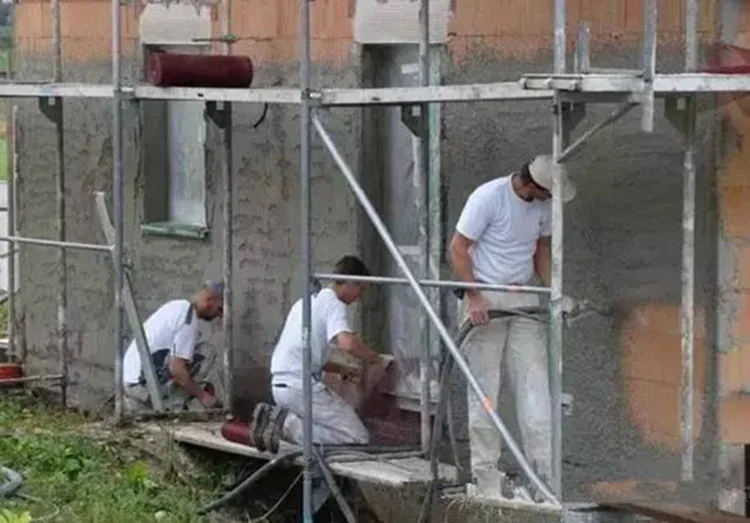
It is used to spray cement-based mortars and similar rendering materials onto walls to speed up plastering, achieve uniform finishes, and reduce manual labor on construction projects.
2. What materials can be sprayed with this machine?
Typical materials include cement mortar, lime mortar, gypsum-based plasters and many premixed render products. Compatibility depends on particle size and mix consistency; check the model's maximum allowable particle size before use.
3. How do I choose the right model for my job?
Choose based on required conveying distance (horizontal and lift), maximum particle size the model accepts, and power/work-pressure needs. The product spec table lists model options and their conveying heights and material limits—contact the supplier if you need help matching a model to your project.
4. What nozzle sizes are available and how do I select one?
Nozzles of various diameters (4, 6, 8, 10, 12, 14 mm) are available. Use smaller nozzles for finer, thinner layers and finer mixes; use larger nozzles for thicker coats, heavier mixes, or when you need higher output per pass.
5. What are the machine's pressure and performance characteristics?
The machine offers high output pressure for consistent spraying. Actual work pressure and performance vary by model—refer to the product specification table for model-specific work pressure and conveying performance.
6. What is the maximum particle size the machine can handle?
Maximum acceptable particle size varies by model. Some models handle finer mixes (e.g., up to about 3 mm) while higher-capacity models accept coarser mixes (e.g., up to about 5–6 mm). Check the model specifications for exact limits.
7. How portable is the machine?
The machine is designed to be lightweight and easy to move (around 50 kg for the base unit), making it suitable for transport between job sites and for maneuvering on-site.
8. What kind of maintenance does the machine require?
Regular maintenance includes flushing and cleaning the hopper, hoses, pump and nozzles after each use to prevent clogging, inspecting hoses and fittings for wear, replacing worn seals, and following the manufacturer's recommended service intervals.
9. How do I prevent and clear nozzle clogging?
Use properly mixed material (no large aggregates), strain mixes if needed, select the correct nozzle size, and flush the system with clean water or recommended cleaner after use. If a clog occurs, relieve pressure, remove the nozzle and clear it manually or with a soft brush.
10. Are additives (accelerators, plasticizers, bonding agents) compatible with the machine?
Many common admixtures are compatible, but compatibility depends on the chemistry and solids content. Always test a small batch first and follow manufacturer guidance for both the mortar additive and the spraying machine.
11. What safety precautions should operators follow?
Operators should wear eye protection, a dust mask or respirator, gloves and protective clothing. Ensure safe handling of power connections, relieve pressure before servicing, and follow local electrical and on-site safety rules. Keep bystanders clear of the spraying area.
12. Can the machine be customized for special projects?
Yes — custom processing and configuration options are available to adapt pressure settings, nozzle setups, hose lengths and other components to your specific project requirements. Contact the supplier to discuss custom options.
13. What troubleshooting steps should I take if the machine loses pressure or output decreases?
Check for blockages in the nozzle or hoses, inspect for air leaks in connections, verify adequate material supply and correct mix consistency, ensure the pump is receiving power, and examine seals and valves for wear. If problems persist, contact technical support.
14. Are spare parts and service available?
Yes. Common replacement parts such as nozzles, seals, hoses and wear rings are typically available. For service or parts, contact your supplier or the manufacturer's service center for availability and lead times.
15. Is operator training provided or recommended?
Training is strongly recommended to ensure safe and efficient operation. Many suppliers offer onboarding, operation manuals, and training sessions—ask your vendor about training options when purchasing.
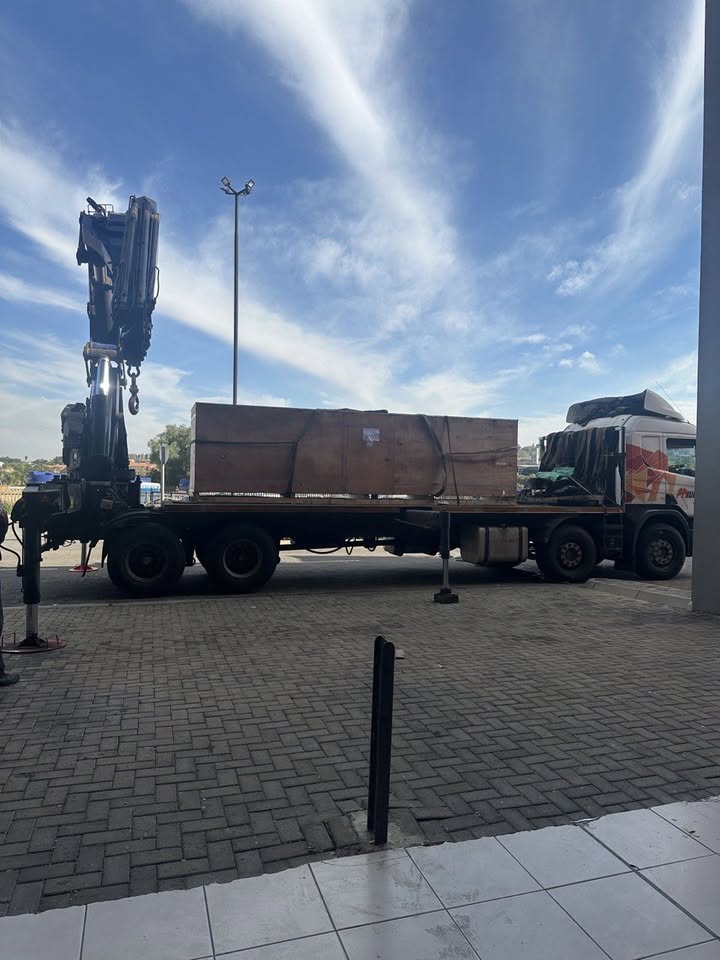
Latest Order Arrivals
Discover our latest orders
12 Heads Embroidery Machine
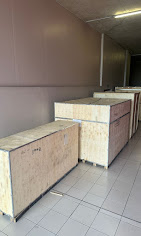
Toilet Paper Machine Machine
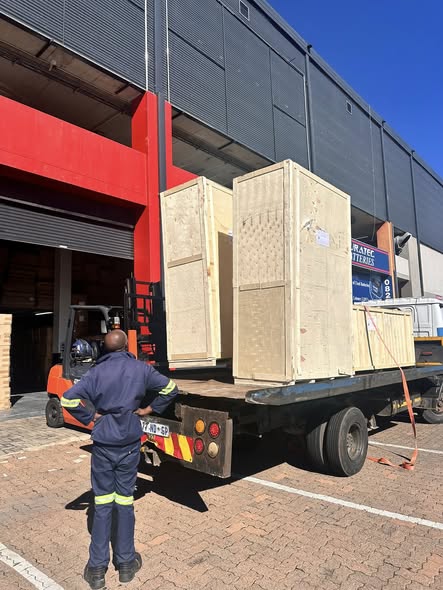
Order Collection
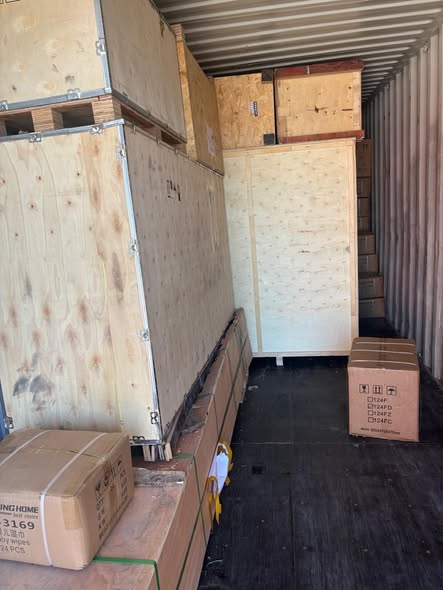
Cross Border Clients
Order cros border countries Collected
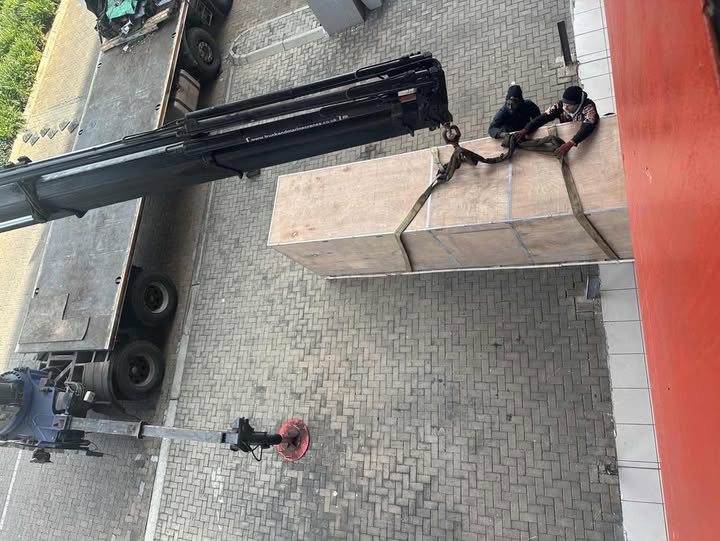
Industrial Machine Cllection
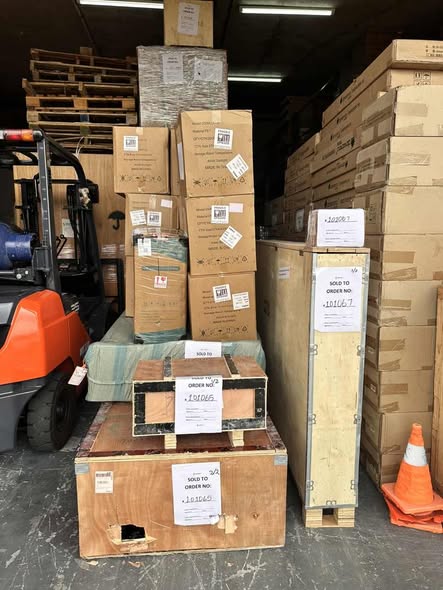
Agriculture Processing Machines
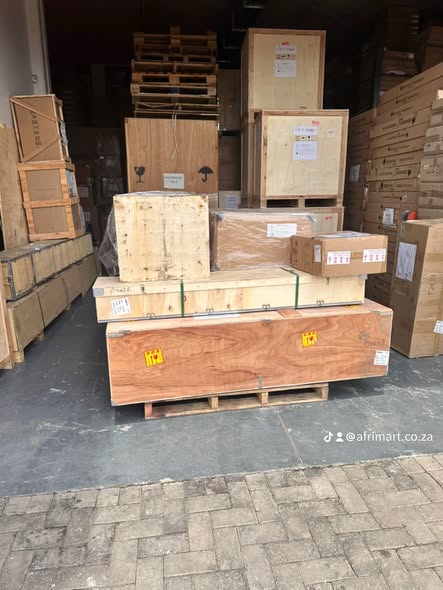
Ready for collection
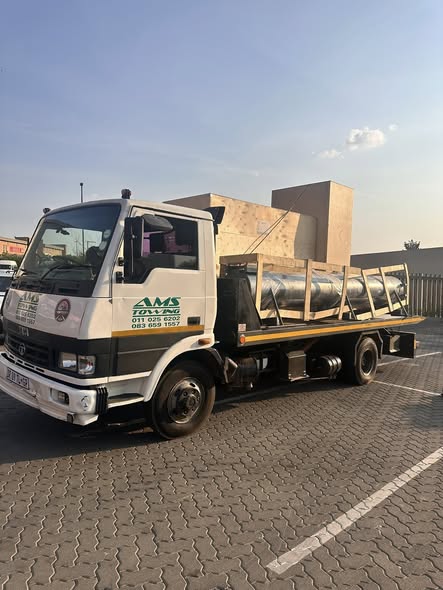
Water Pump Equipment
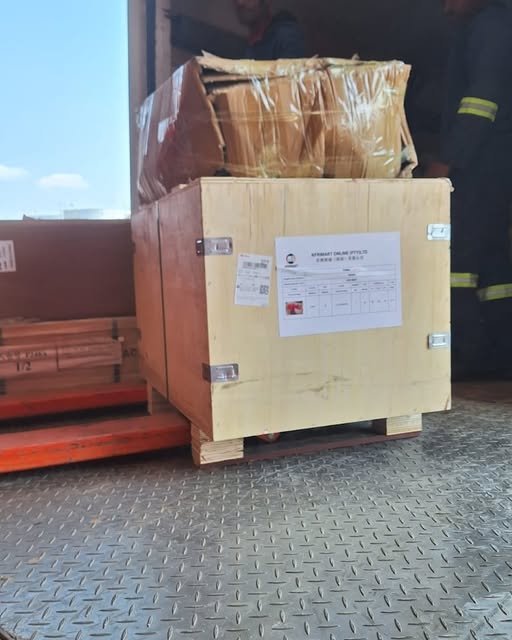
Packaging Machine and accessories
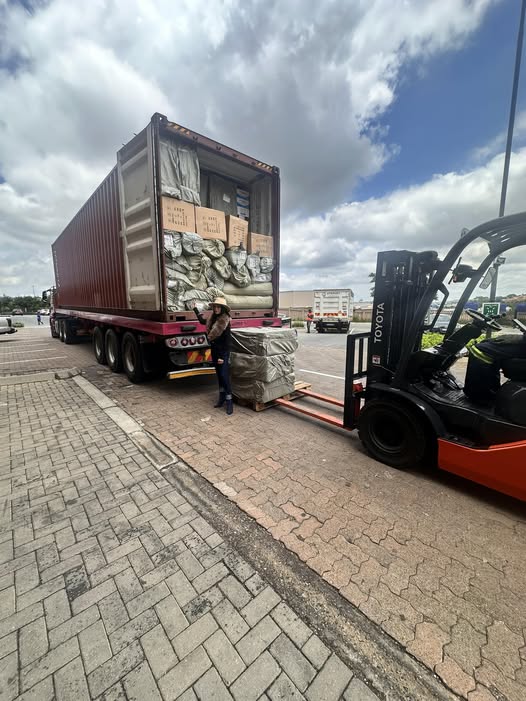
Fabrics Manufacturing Equipment
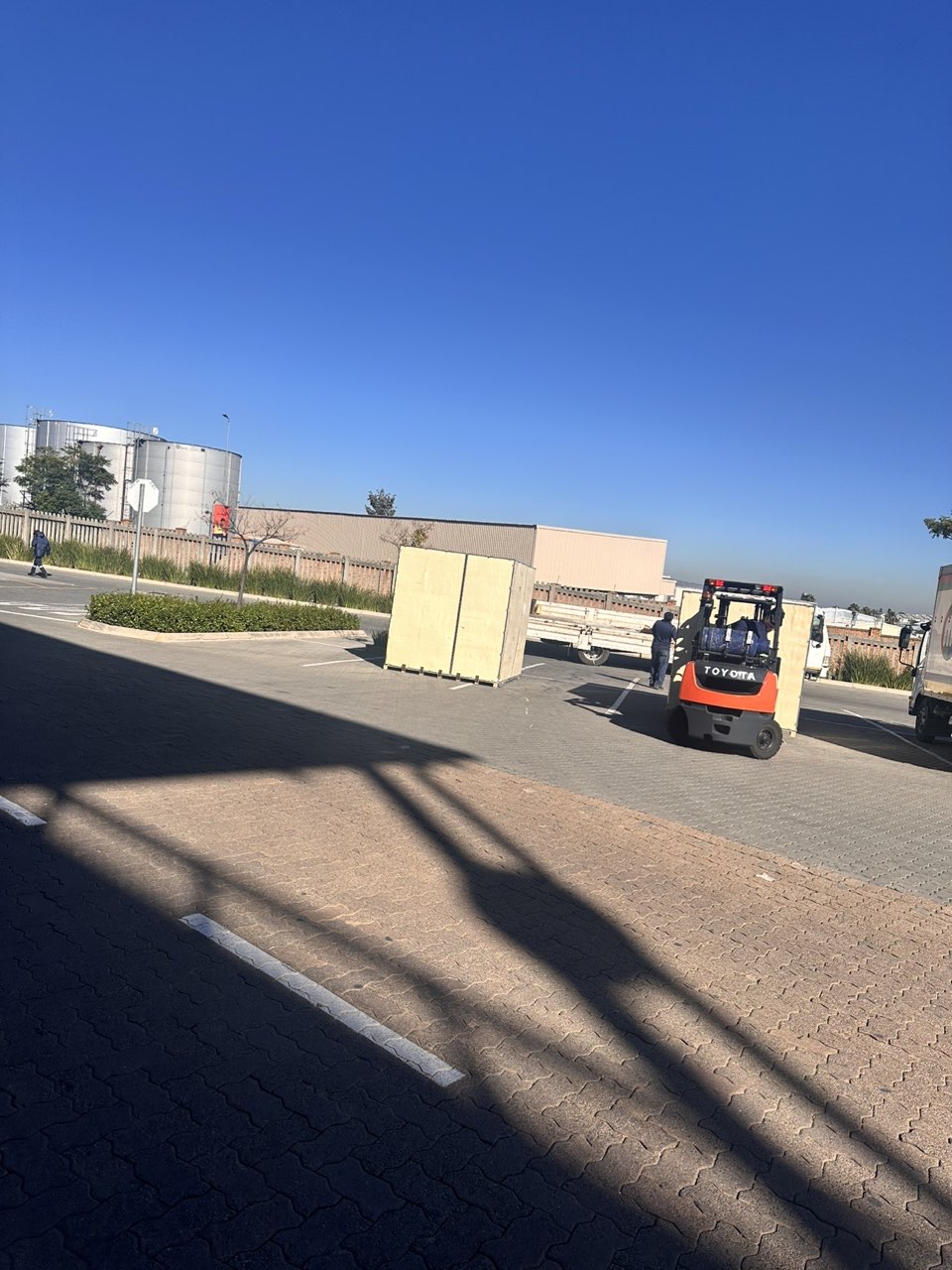
Mining Equipments
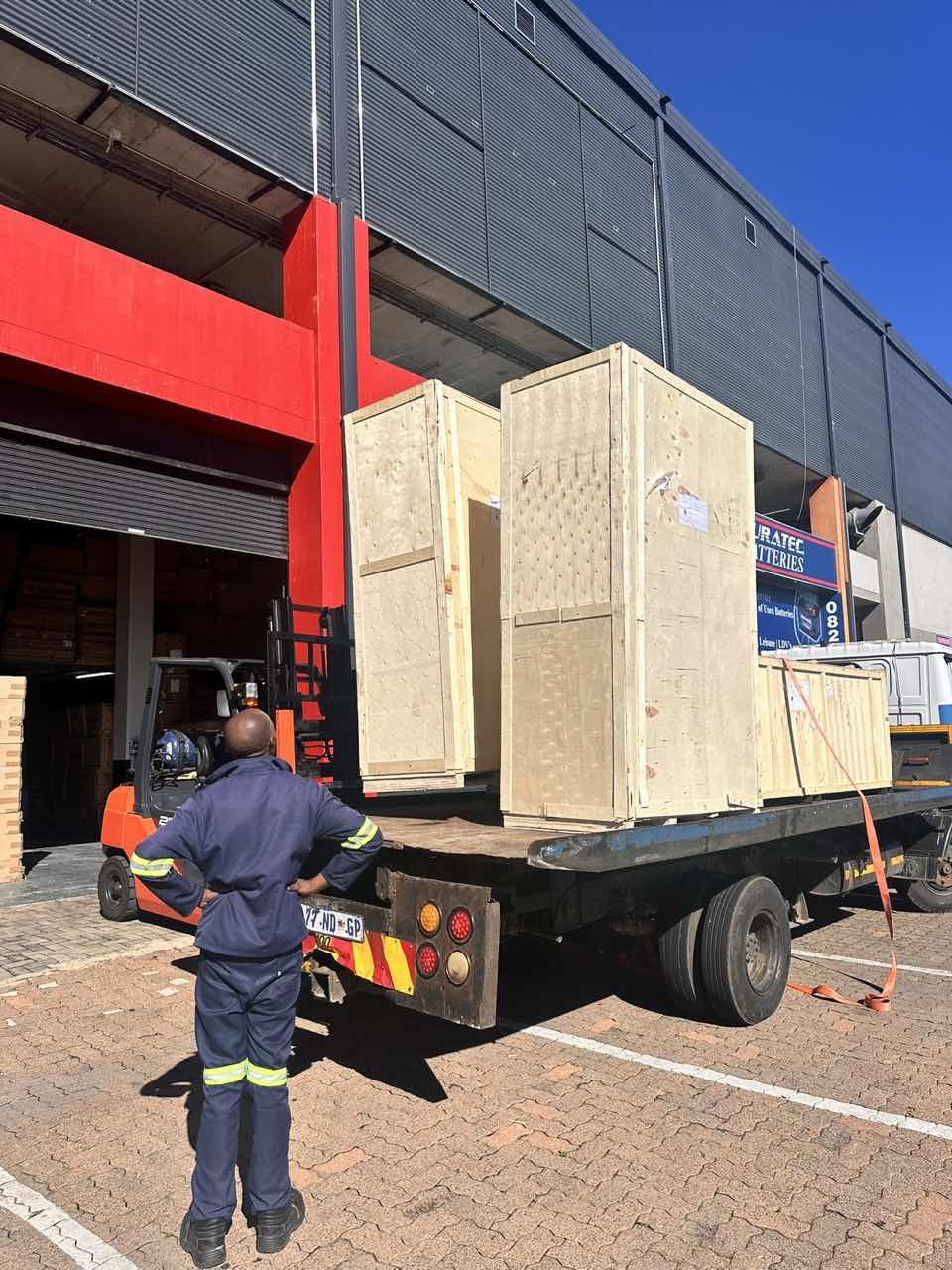
Food Processing Machine
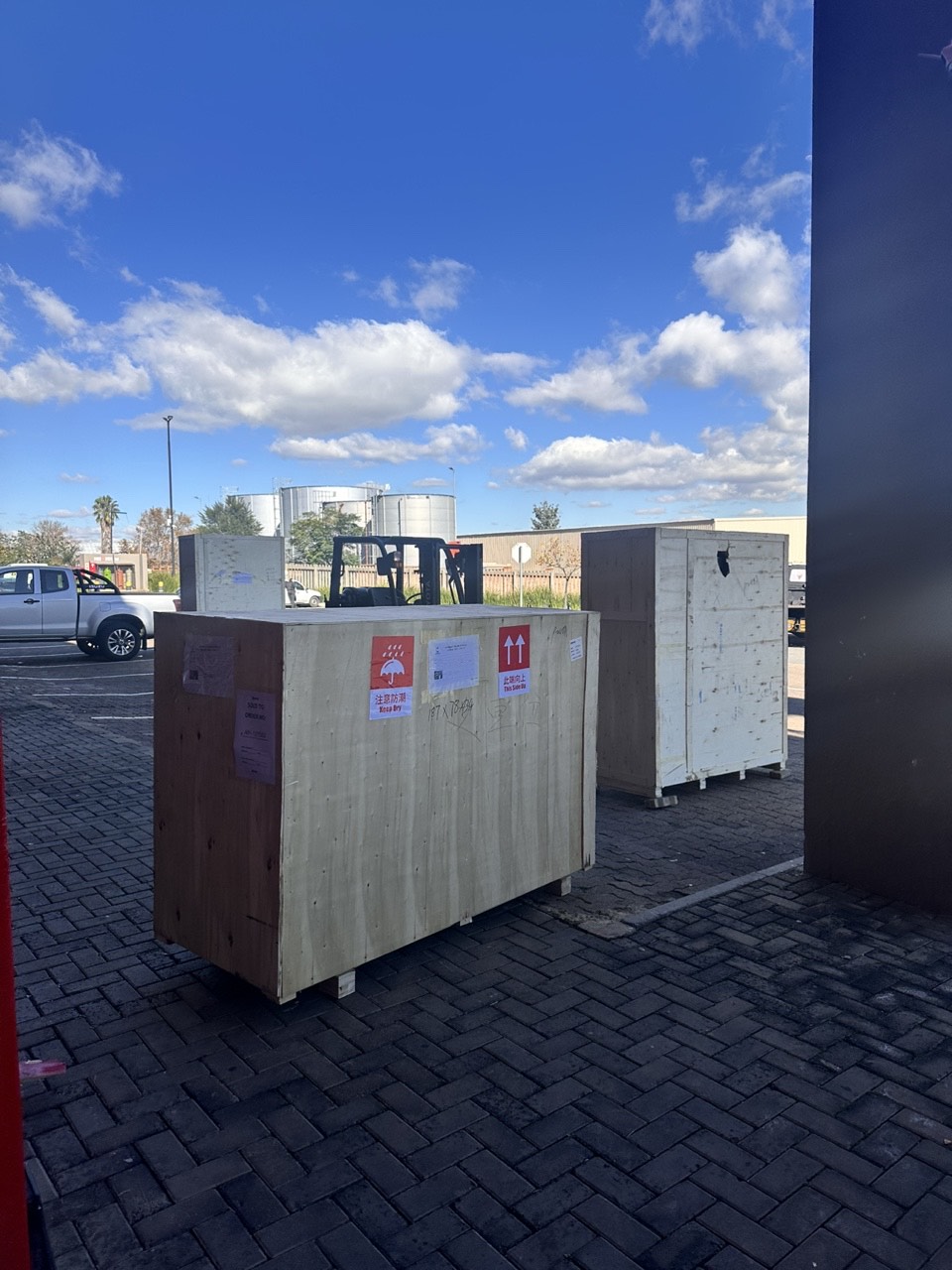
Batch of Orders
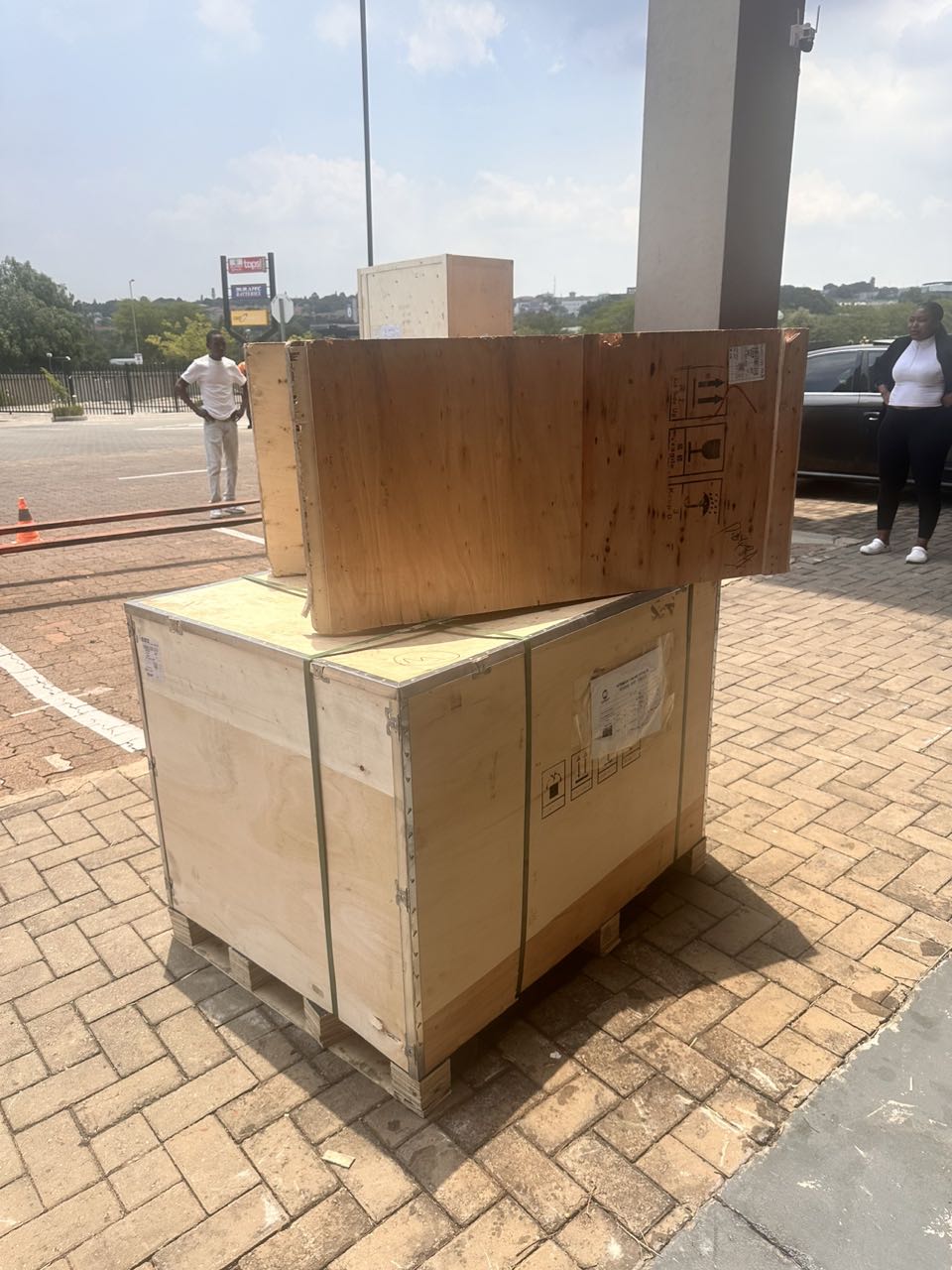
Batch of Orders
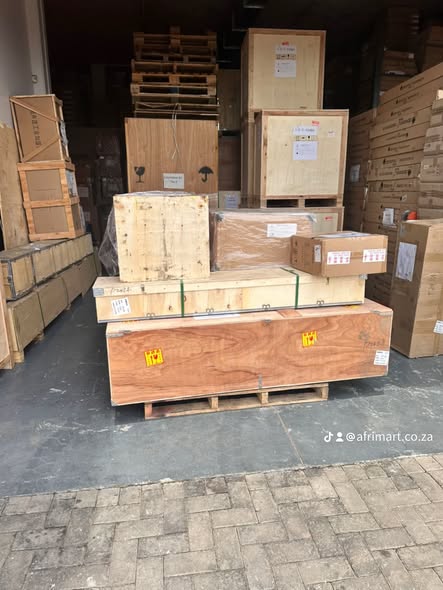
Latest Orders Labelled
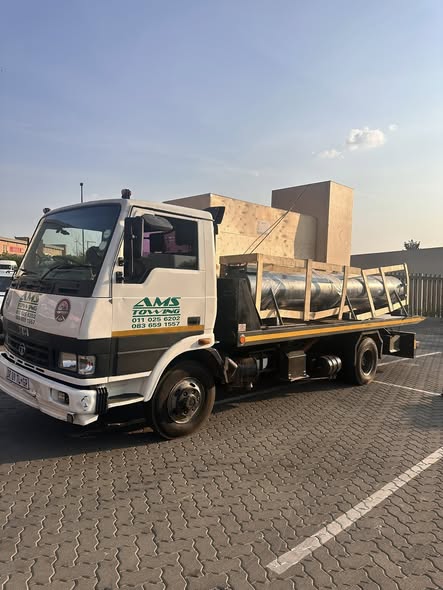
wheel alignment machines
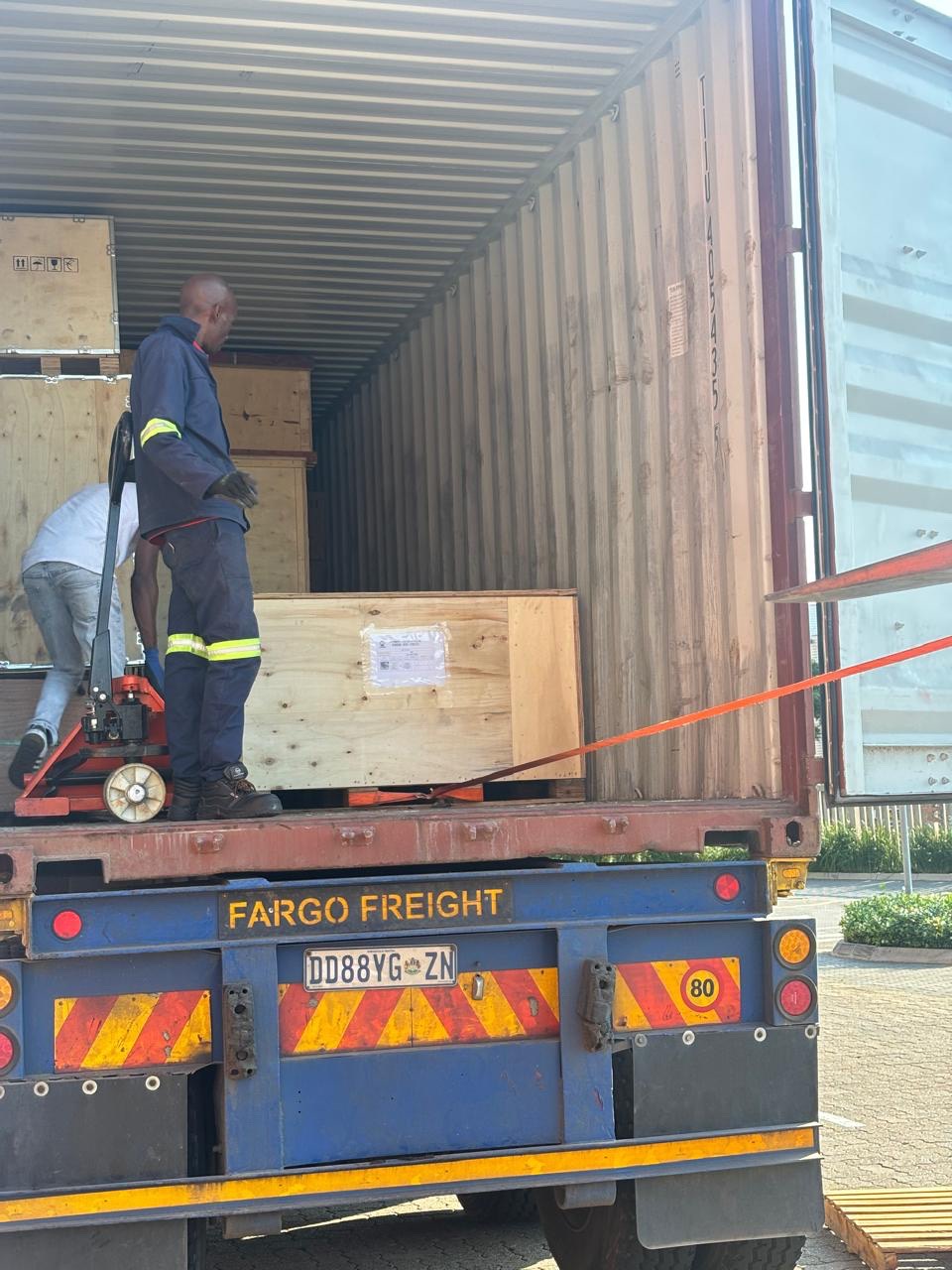
new arrivals
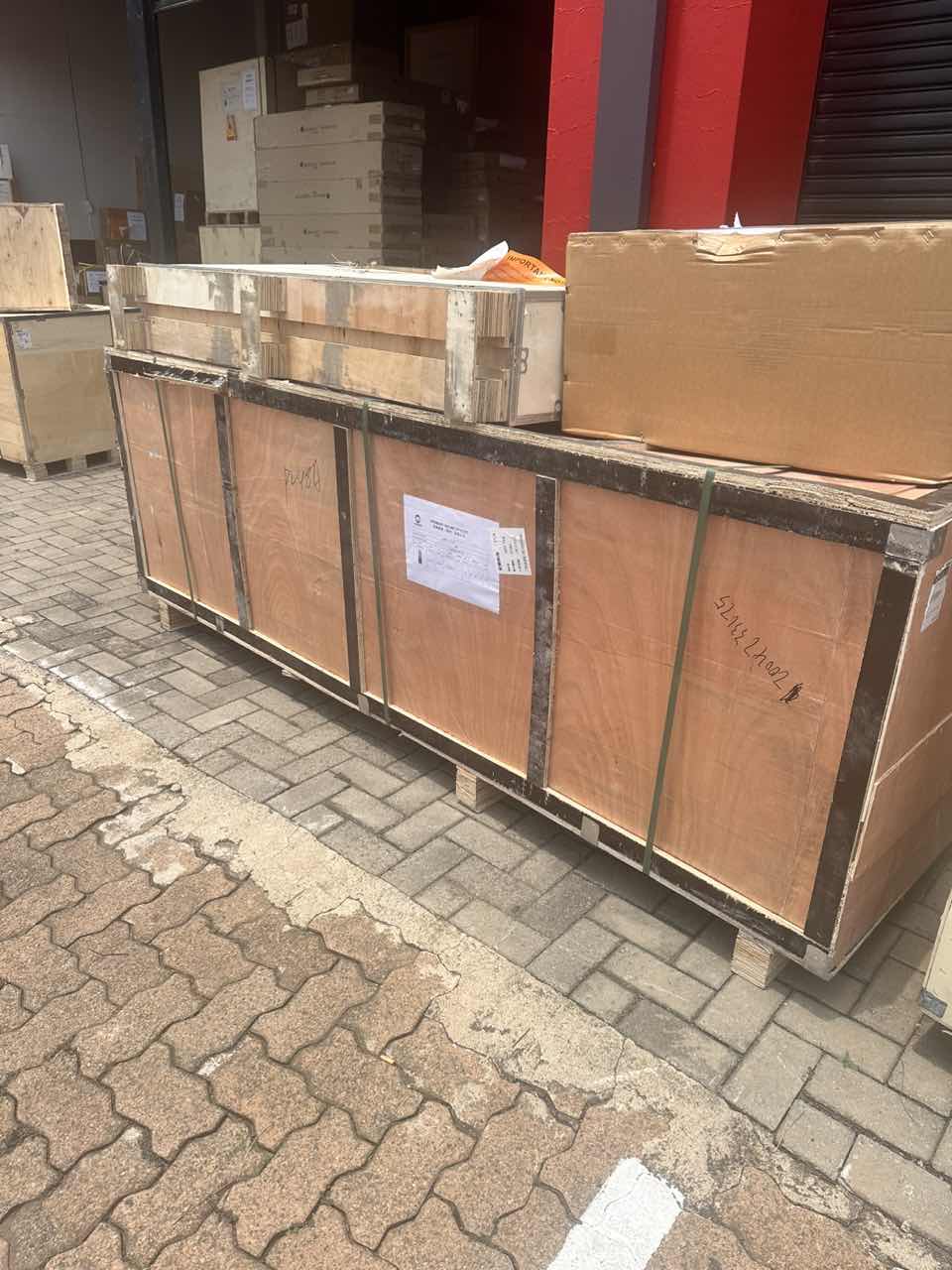
Pre Orders Offloading
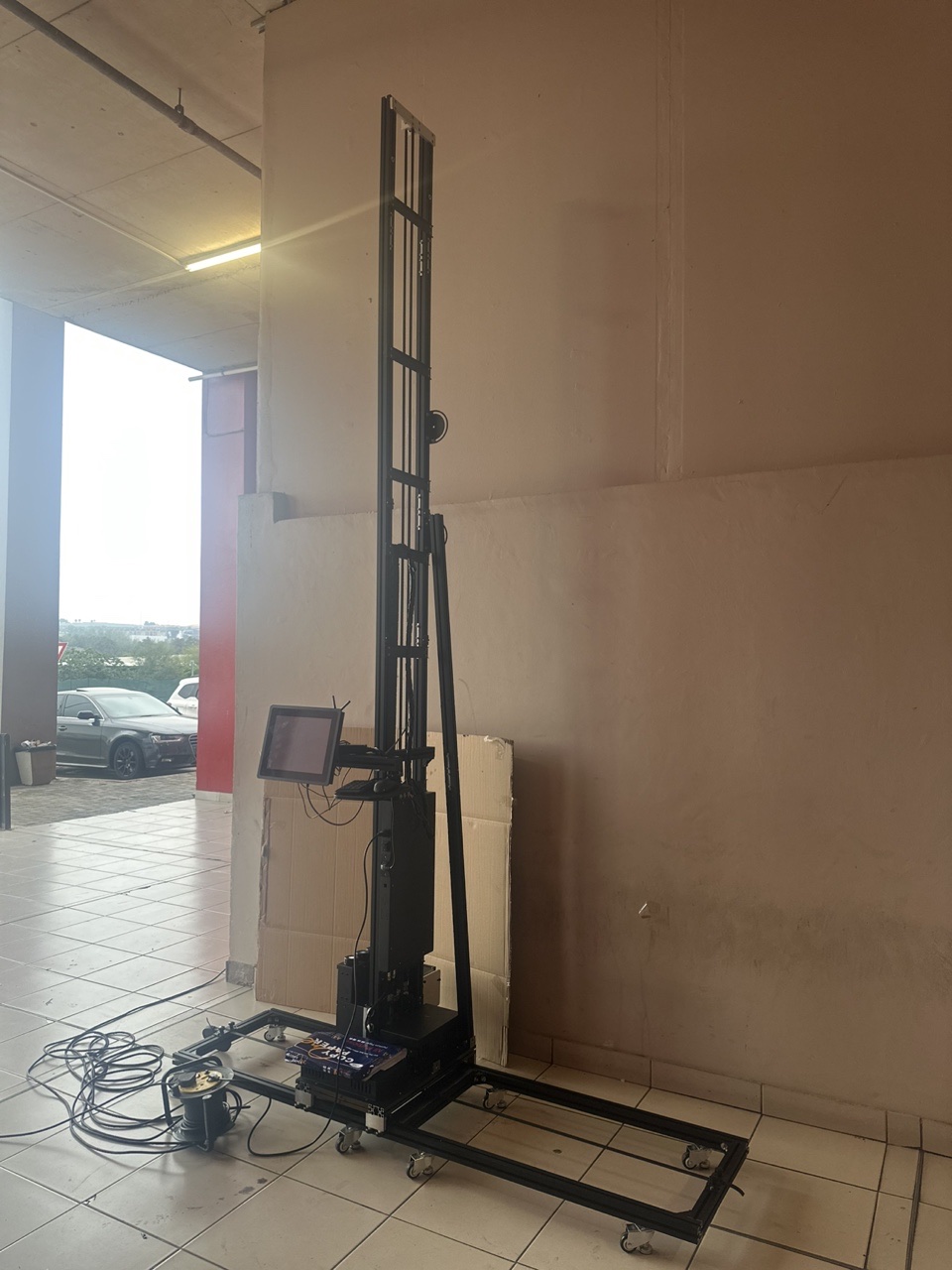
Latest Arrivals
Latest Arrivals
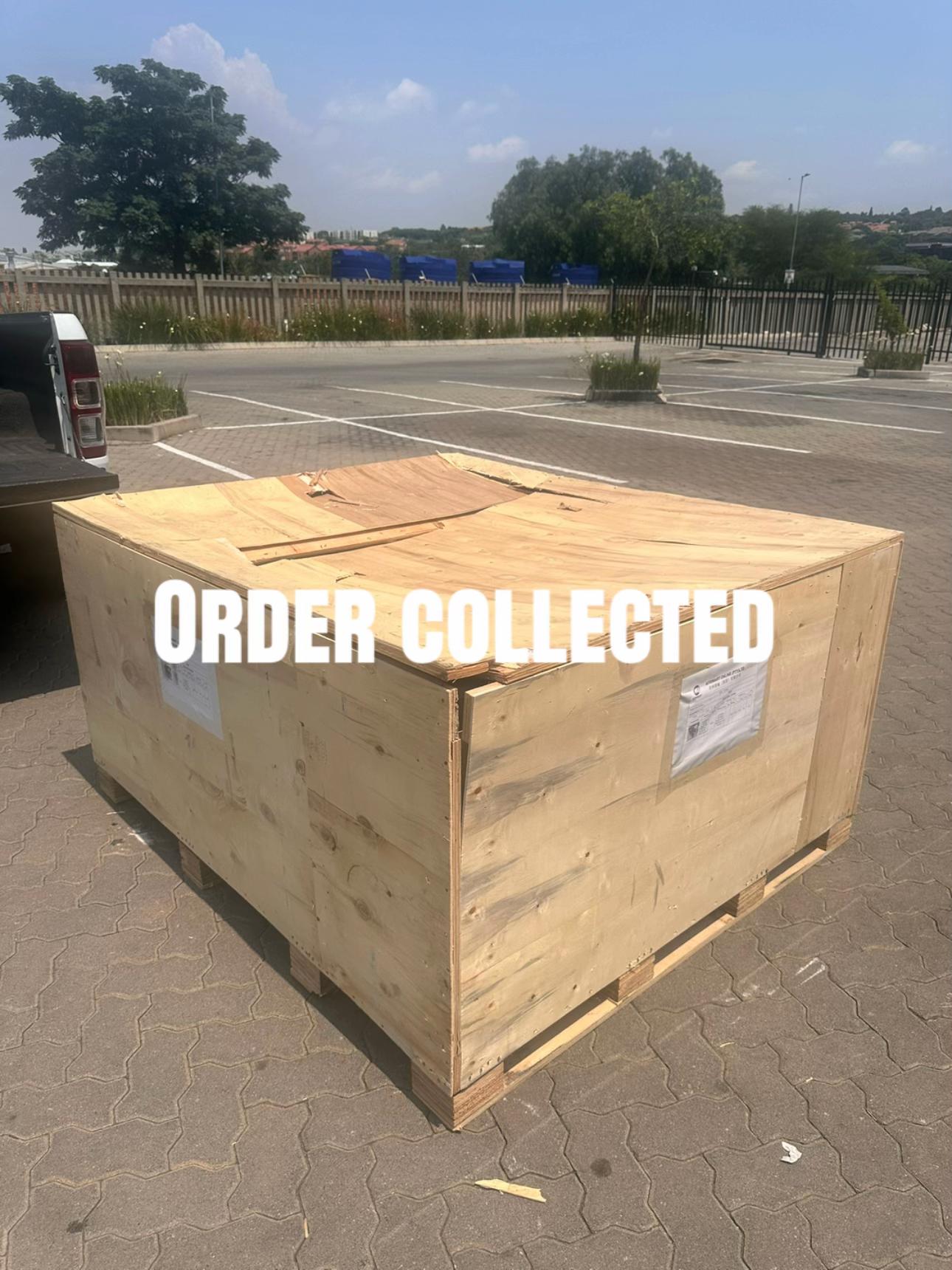
Latest Arrivals
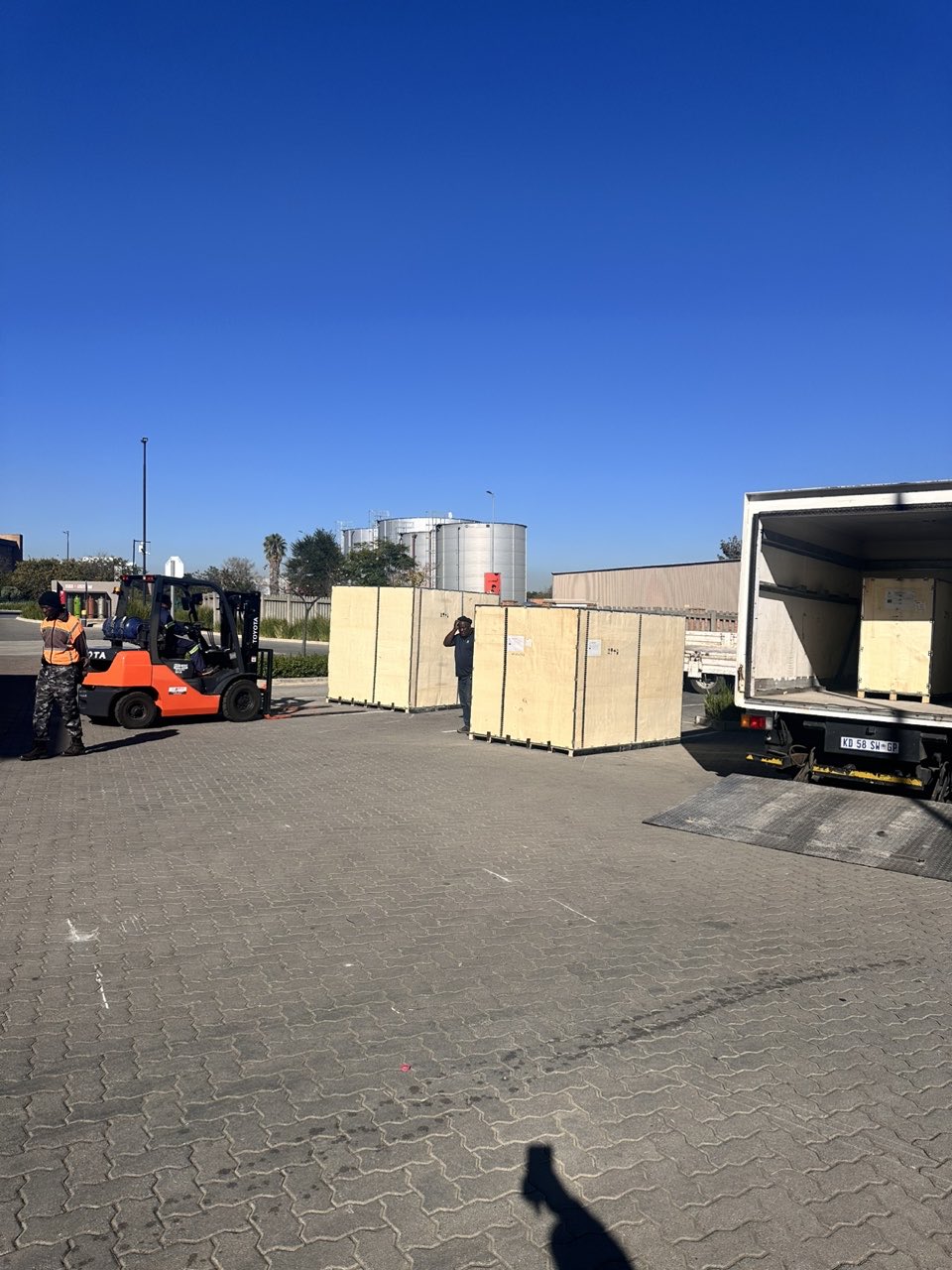
Loading
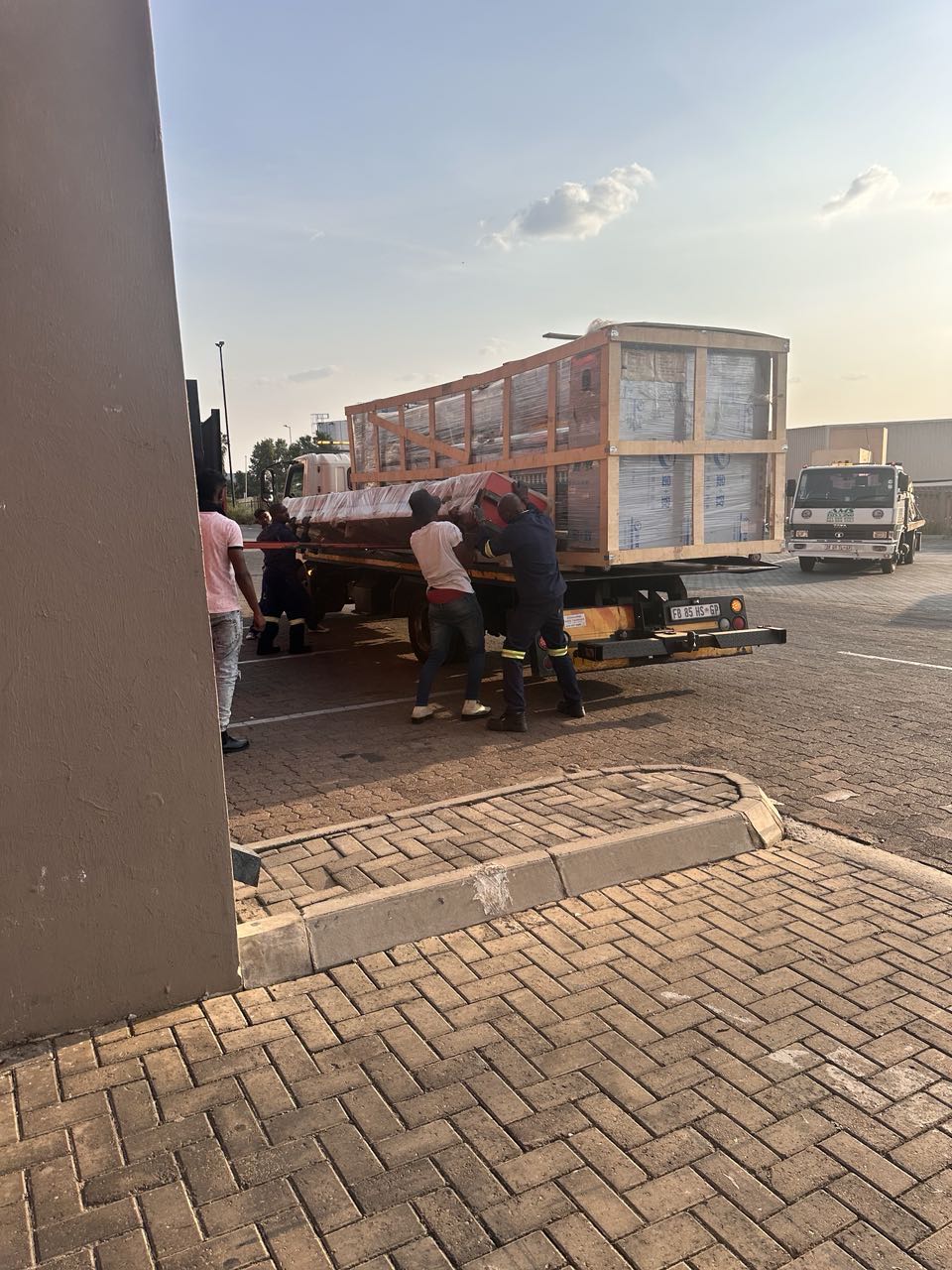
Toilet paper making machine
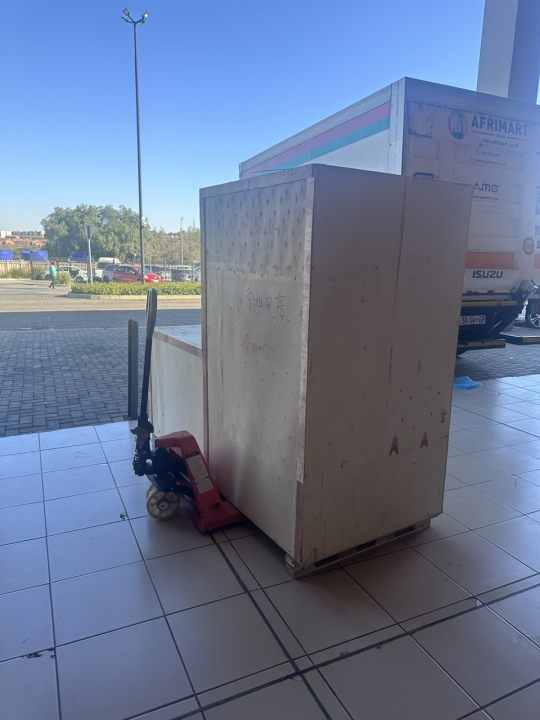
Toilet paper making machine
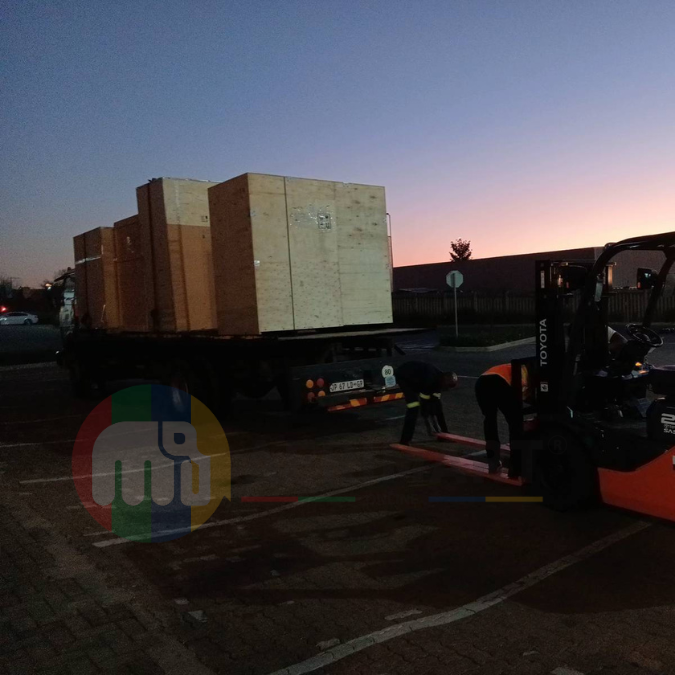
Toilet paper Rewinding Machine
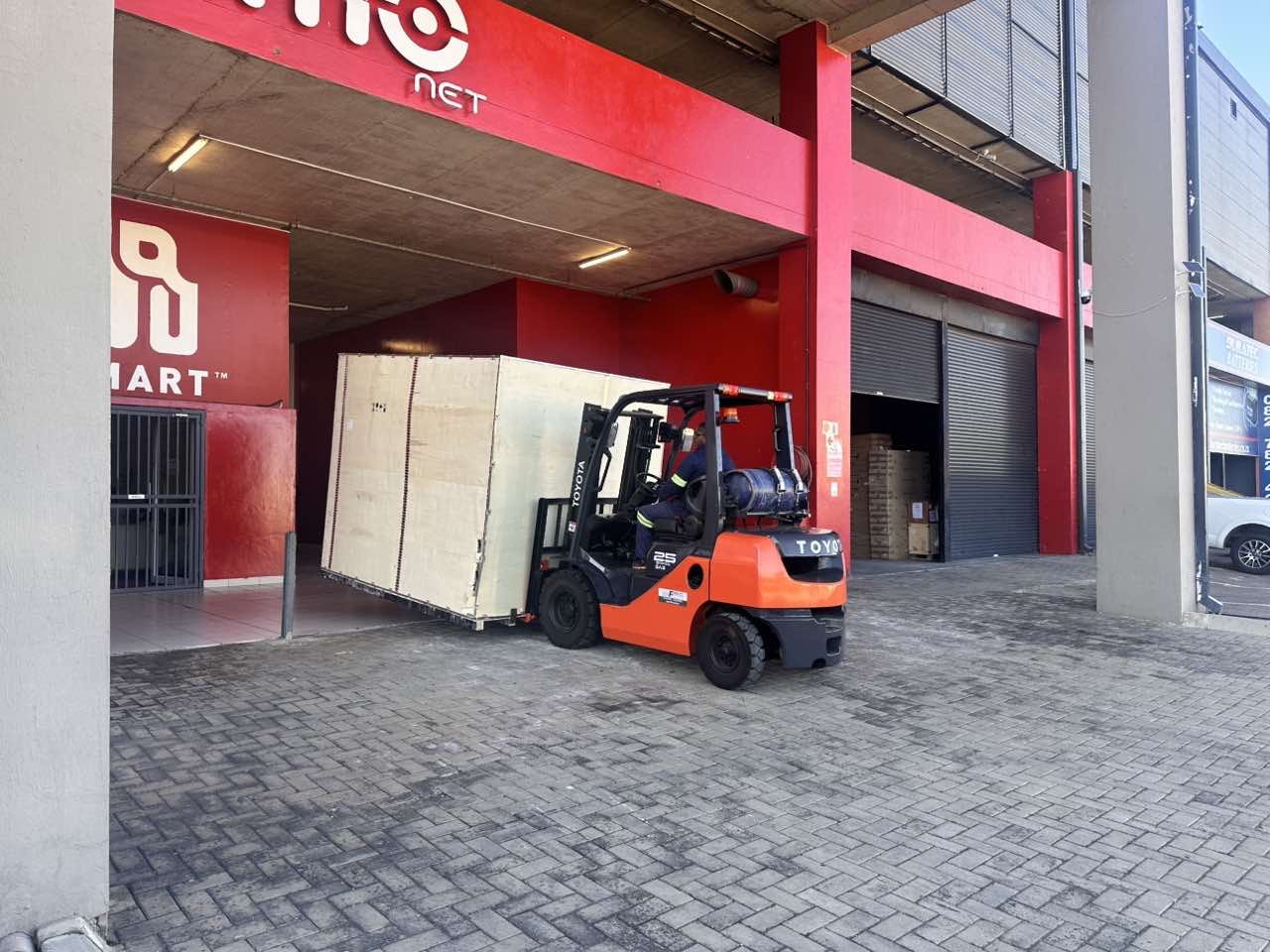
latest arrivals
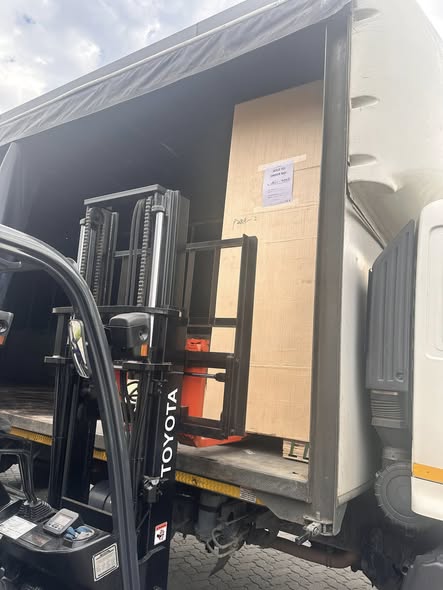
offloading
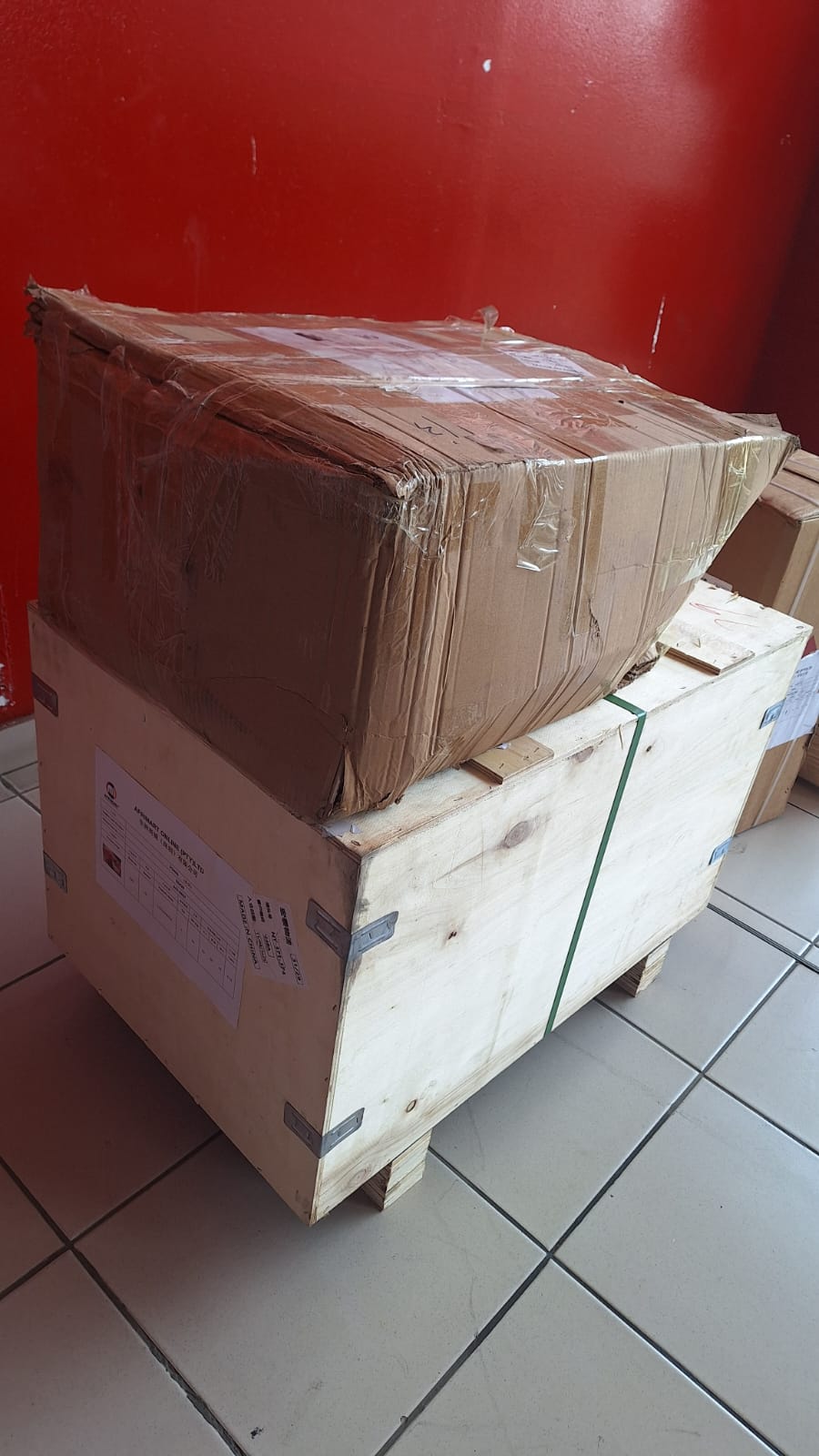
order success
order collection
order offloading