B21, China Town Mall, Midrand

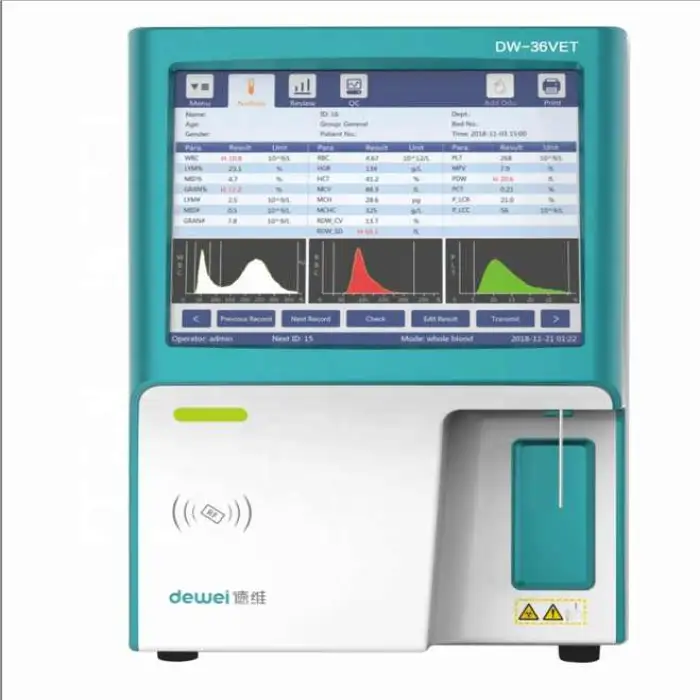
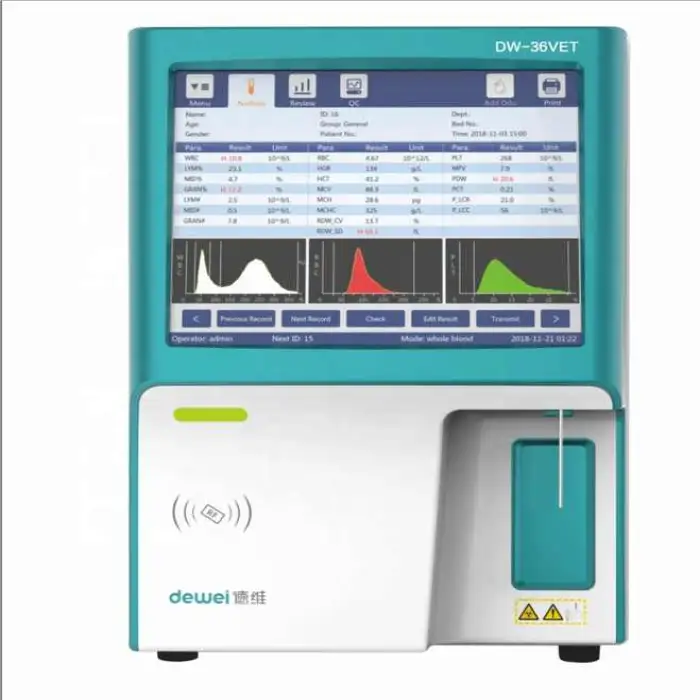
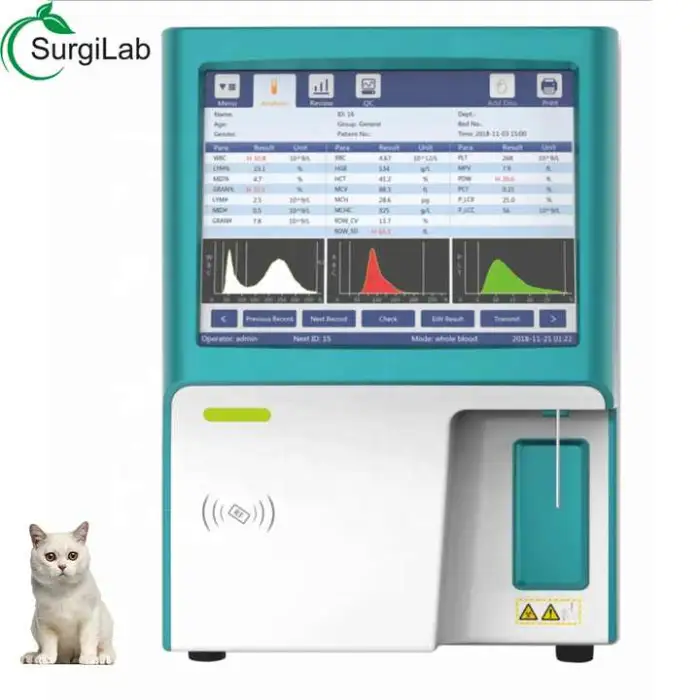
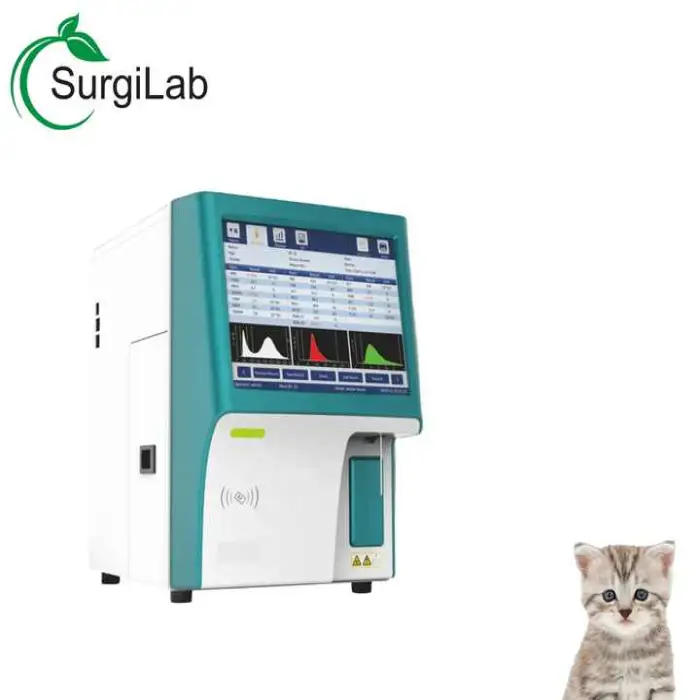
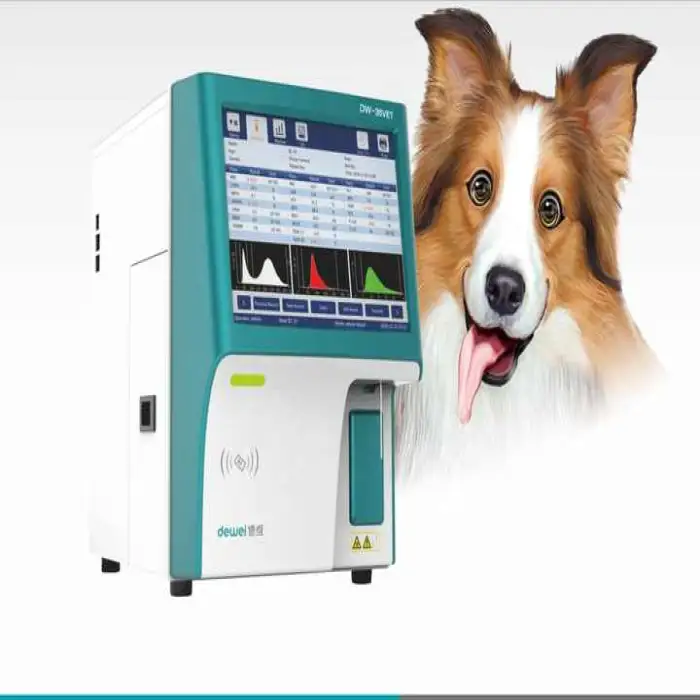
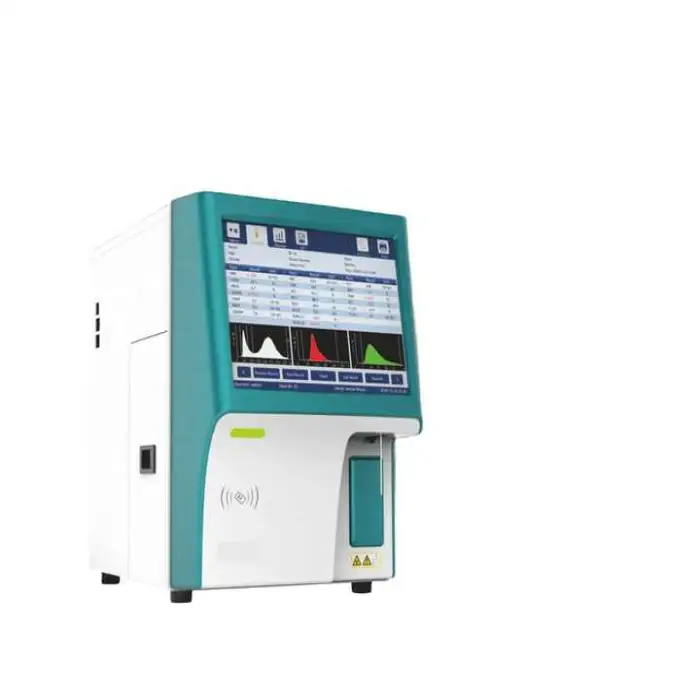
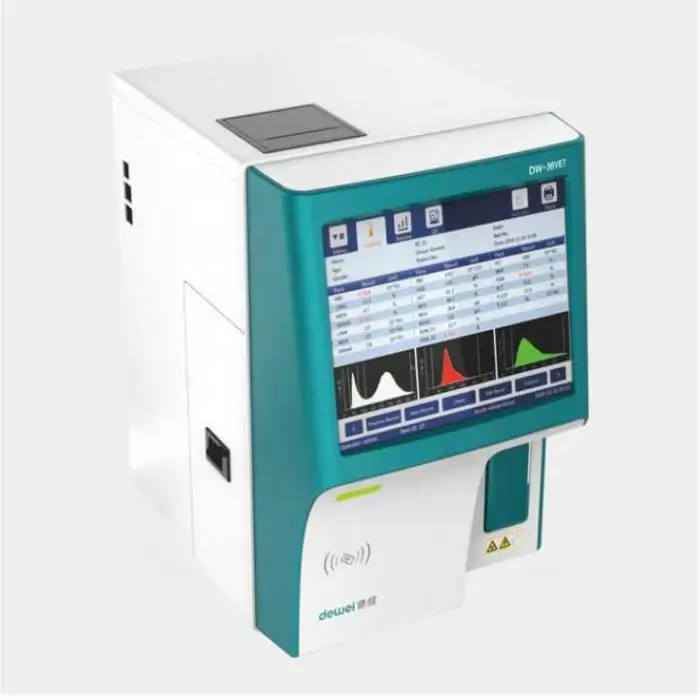
Vet Clinical Analytical Instruments 3 Part Auto Veterinary Hematology Analyzer for Pet Animals Medical Use
Asset finance available
Do you want funding for this equipment?
Afrimart can connect you with trusted funding partners who specialise in asset finance for businesses like yours. Compare options and apply in minutes — final approval is subject to provider review.
Check funding options
Secure & no obligation

- Section : Medical Supplies
- Category : Professional Medical Devices
- SKU : 1601088408189

Vet Clinical Analytical Instruments 3 Part Auto Veterinary Hematology Analyzer for Pet Animals Medical Use
The Vet Clinical Analytical Instruments 3 Part Auto Veterinary Hematology Analyzer is a reliable tool designed for veterinary professionals. This analyzer provides accurate blood analysis for pet animals, including cats and dogs. It is perfect for clinics that need fast and precise test results.
Specifications
| Attribute | Details |
|---|---|
| Model Number | SL-VL-01A |
| Weight | 18 kg |
| Size | 390 x 285 x 390 mm |
| Throughput | ≥ 60 tests/hour |
| Data Memory | Up to 100,000 results |
| Quality Control | 3 levels, 2 models |
| Calibration | Auto and manual calibration |
| Function | WBC/RBC/HGB/PLT |
Key Features
- Fast and reliable blood analysis for pets.
- Supports both auto and manual calibration.
- Stores up to 100,000 test results.
- High throughput of over 60 tests per hour.
- Quality control with three levels and two models.
Applications
- Veterinary clinics for routine blood tests.
- Emergency animal care facilities.
- Research institutions studying pet health.
- Animal shelters for health assessments.
- Pet hospitals for pre-surgical evaluations.
Product Info Gallery
- Shipping Timeframes: All orders are processed within 2-5 business days (excluding weekends and holidays). After your order has been processed, the estimated delivery time is before 03 Aug, 2026, depending on customs, Please note that due to high demand, some items may experience longer shipping times, which will be communicated at order confirmation email.
- Order Processing Time: Please allow 2-5 business days for us to process your order before it is shipped . Orders placed after 16:00 on Fridays, or during weekends and public holidays, will begin processing on the next business day. Processing times may be extended during peak seasons or sales events.
- Manufacturing Time: Some products needs manufacturing time, the manufacturing process will take approximately 10-30 business days depending on the product. This timeframe may vary depending on the complexity of the product and current demand. but this will be communicated with you during order confirmation.
- Returns and Exchanges: We offer a 30-day return policy for most items. If you are not completely satisfied with your purchase, you may return it within 30 days of receipt for a refund or exchange. Items must be unused, in their original packaging, and accompanied by proof of purchase. Return shipping costs are the responsibility of the customer, unless the item was damaged or defective upon arrival.
1. What is the Vet Clinical Analytical Instruments 3 Part Auto Veterinary Hematology Analyzer used for?
It is used to perform automated complete blood counts (CBCs) for pet animals, providing key hematology parameters (WBC, RBC, HGB, PLT) for routine diagnostics, emergency care, pre-surgical evaluations and research in veterinary settings.
2. Which animal species is this analyzer validated for?
The analyzer is designed for pet animals and is commonly used with cats and dogs. Use with other species (exotic pets, livestock) should be confirmed with the manufacturer or validated by the laboratory before clinical use.
3. What blood sample types can be used with this analyzer?
It is intended for anticoagulated whole blood samples. EDTA (K2 or K3) whole blood is the standard anticoagulant for hematology testing. Refer to the user manual for specific tube types and handling instructions.
4. What parameters does the instrument measure?
The analyzer provides measurements for white blood cells (WBC), red blood cells (RBC), hemoglobin (HGB) and platelets (PLT). Consult the user manual for available derived indices and reportable parameters.
5. How fast can the analyzer run tests?
The instrument has a throughput of at least 60 tests per hour under standard operating conditions.
6. How much data can the analyzer store?
The system stores up to 100,000 test results in onboard memory for result review and retrospective access.
7. What quality control (QC) and calibration options are available?
The analyzer supports three levels of quality control (low, normal, high) and two QC modes/models. Calibration can be performed automatically or manually—follow the manufacturer’s procedures and use recommended calibrators for best accuracy.
8. What consumables and reagents are required?
The instrument requires manufacturer-approved reagents, controls and calibrators for accurate results. Specific consumables (e.g., diluents, lysing reagents) and part numbers are listed in the user manual or can be provided by the supplier.
9. What are the physical dimensions and installation requirements?
The unit measures 390 x 285 x 390 mm and weighs approximately 18 kg. Ensure a stable, level bench with sufficient clearance for ventilation, access to power, and safe sample handling space. Check the manual for the recommended ambient temperature and power specifications.
10. How do I perform routine maintenance and cleaning?
Perform daily startup/shutdown checks, run QC, clean sample probe and external surfaces per the maintenance schedule, and perform periodic deeper maintenance as described in the manual. Use appropriate disinfectants and wear PPE when cleaning. Replace consumable items according to manufacturer guidance.
11. How do I troubleshoot common errors or invalid results?
Common steps include re-running the sample, checking and running QC, verifying calibration status, inspecting and cleaning the sample probe, and ensuring reagents are within expiry and properly prepared. If issues persist, contact technical support with the instrument model and error code.
12. Does the analyzer offer connectivity or data export options?
The product stores up to 100,000 results; specific connectivity and data export options (USB, LAN, LIS integration) vary by configuration. Refer to the user manual or contact the vendor for details on available interfaces and data transfer procedures.
13. Are there safety and biohazard precautions I should follow?
Yes. Handle all blood specimens as potentially infectious. Use appropriate personal protective equipment (gloves, lab coat, eye protection), follow local biosafety protocols, and dispose of biohazardous waste and sharps according to regulations.
14. What training and support are available?
Training and after-sales support options vary by supplier—many vendors offer on-site installation training, user training, and technical support. Ask your vendor about service contracts, spare parts, and field or remote support availability.
15. Are there limitations to the analyzer's performance I should know about?
As a 3‑part veterinary hematology analyzer, it provides robust routine CBC metrics but does not perform advanced 5‑part WBC differentials. Interferences (lipemia, hemolysis, abnormal cell morphology) can affect accuracy. Always correlate analyzer results with clinical findings and microscopic blood film review when indicated.
Latest Order Arrivals
Discover our latest orders
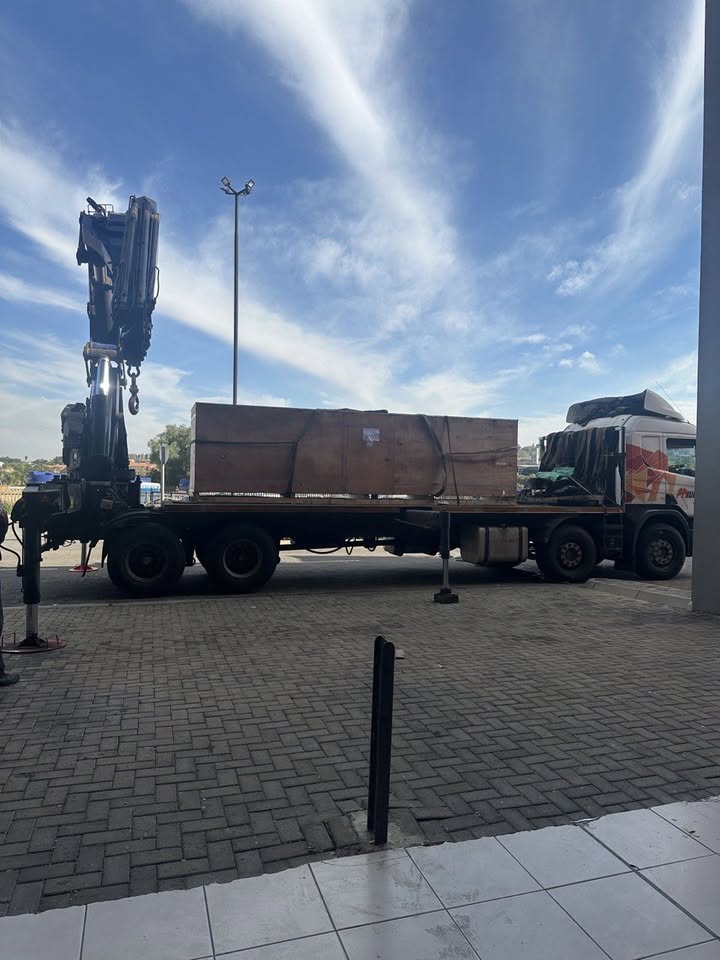
12 Heads Embroidery Machine
Toilet Paper Machine Machine
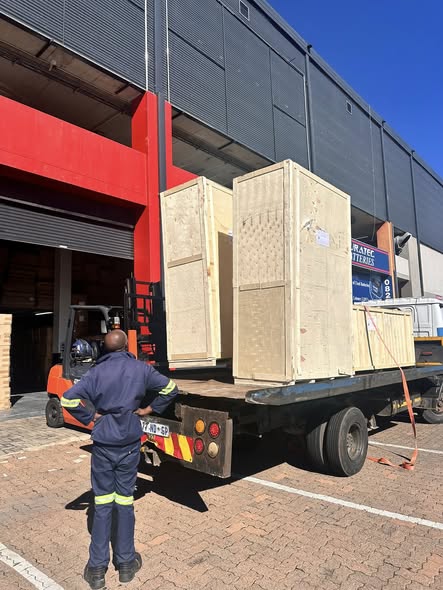
Order Collection
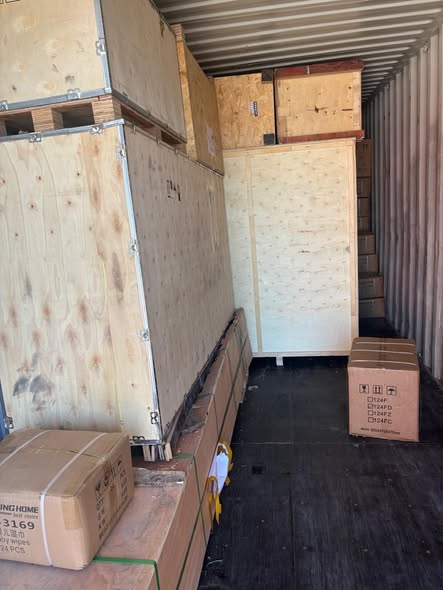
Cross Border Clients
Order cros border countries Collected
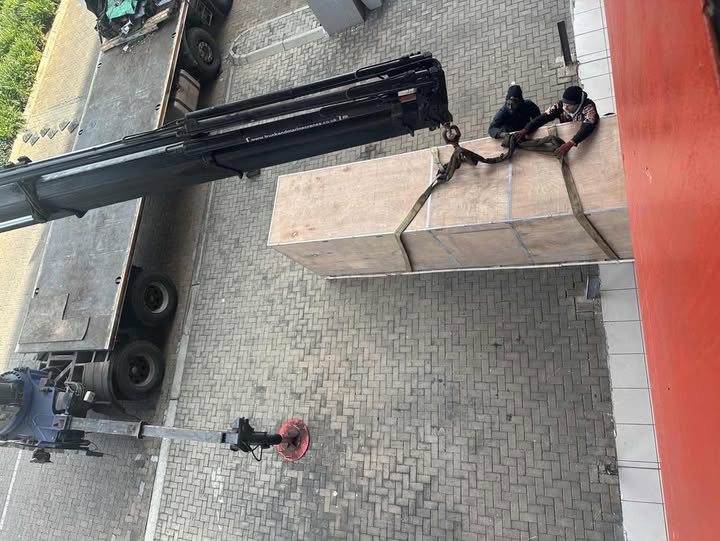
Industrial Machine Cllection
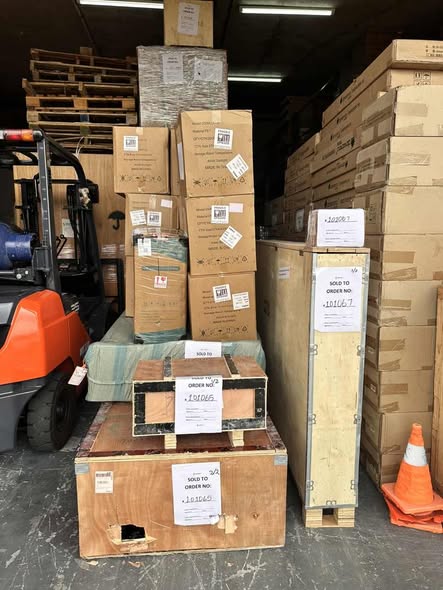
Agriculture Processing Machines
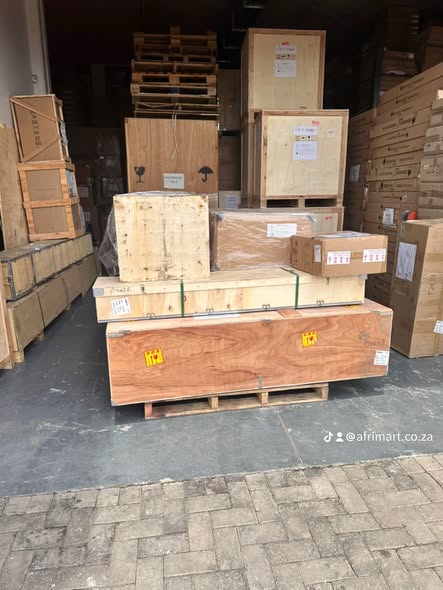
Ready for collection
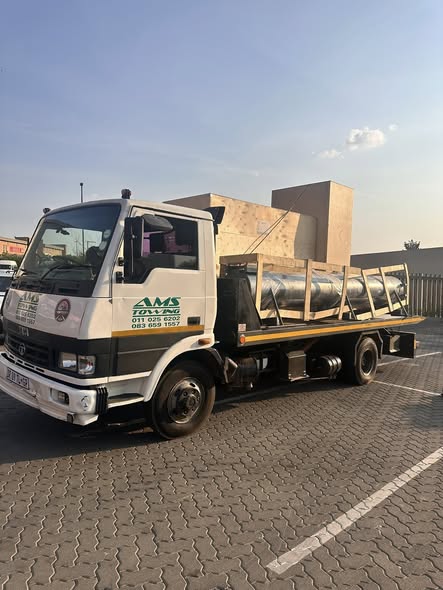
Water Pump Equipment
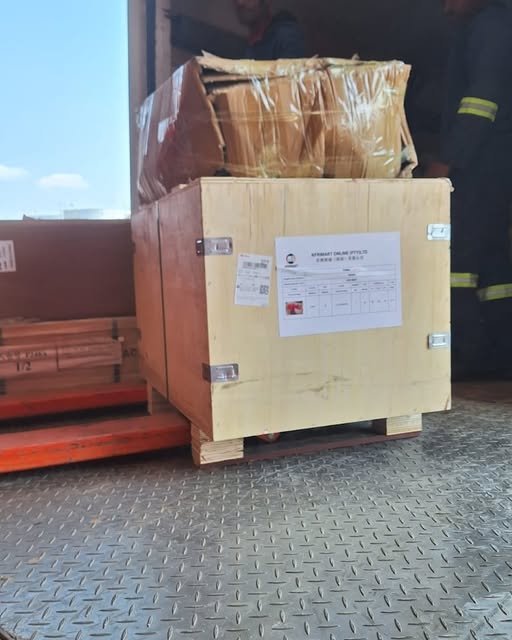
Packaging Machine and accessories
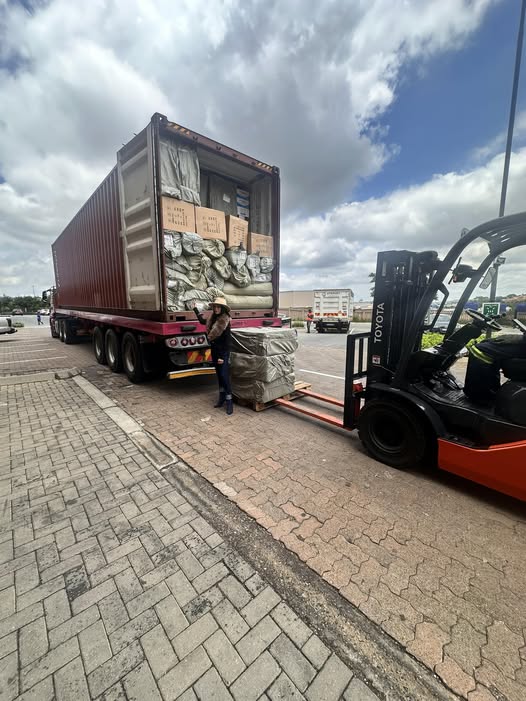
Fabrics Manufacturing Equipment
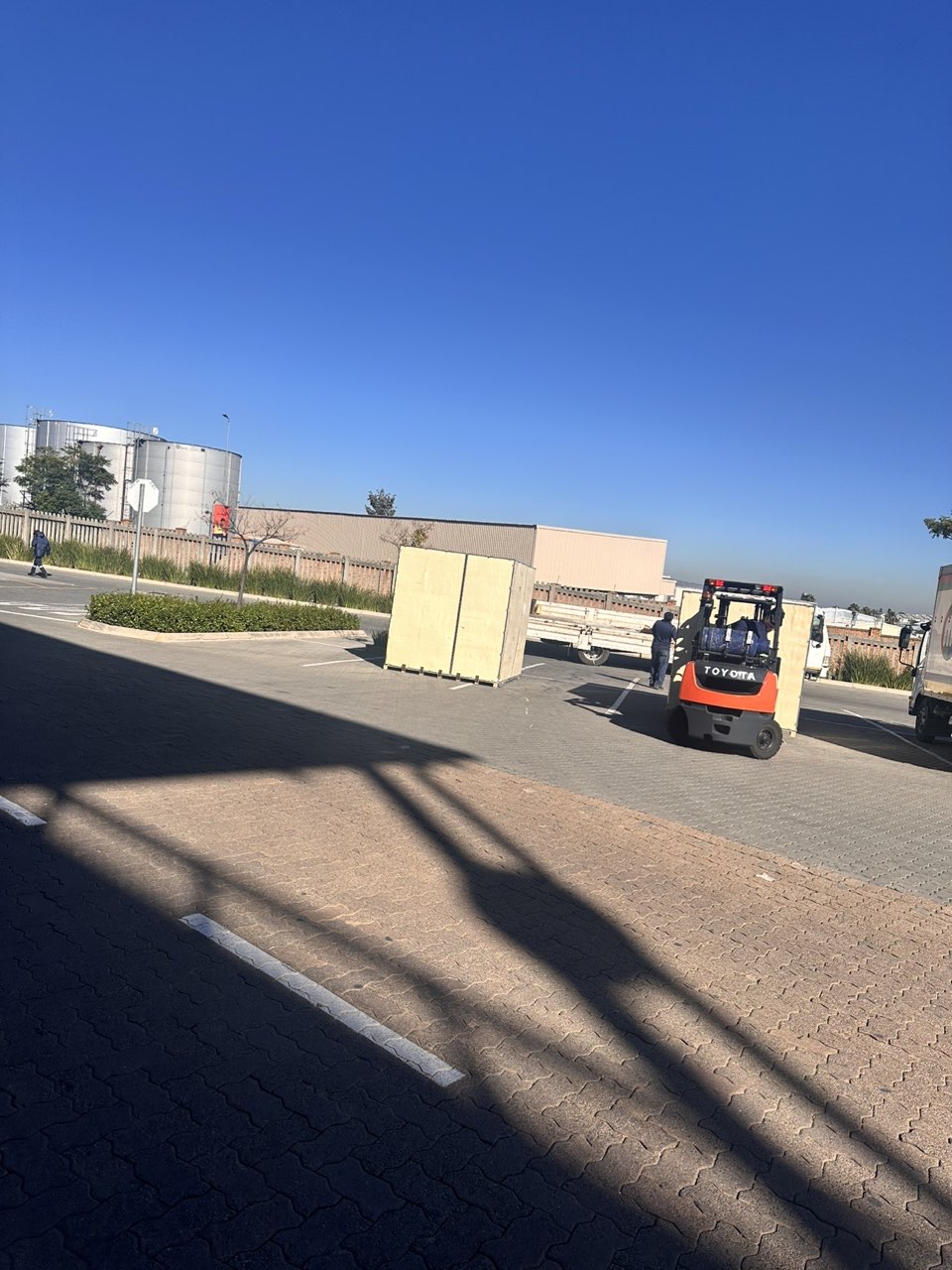
Mining Equipments
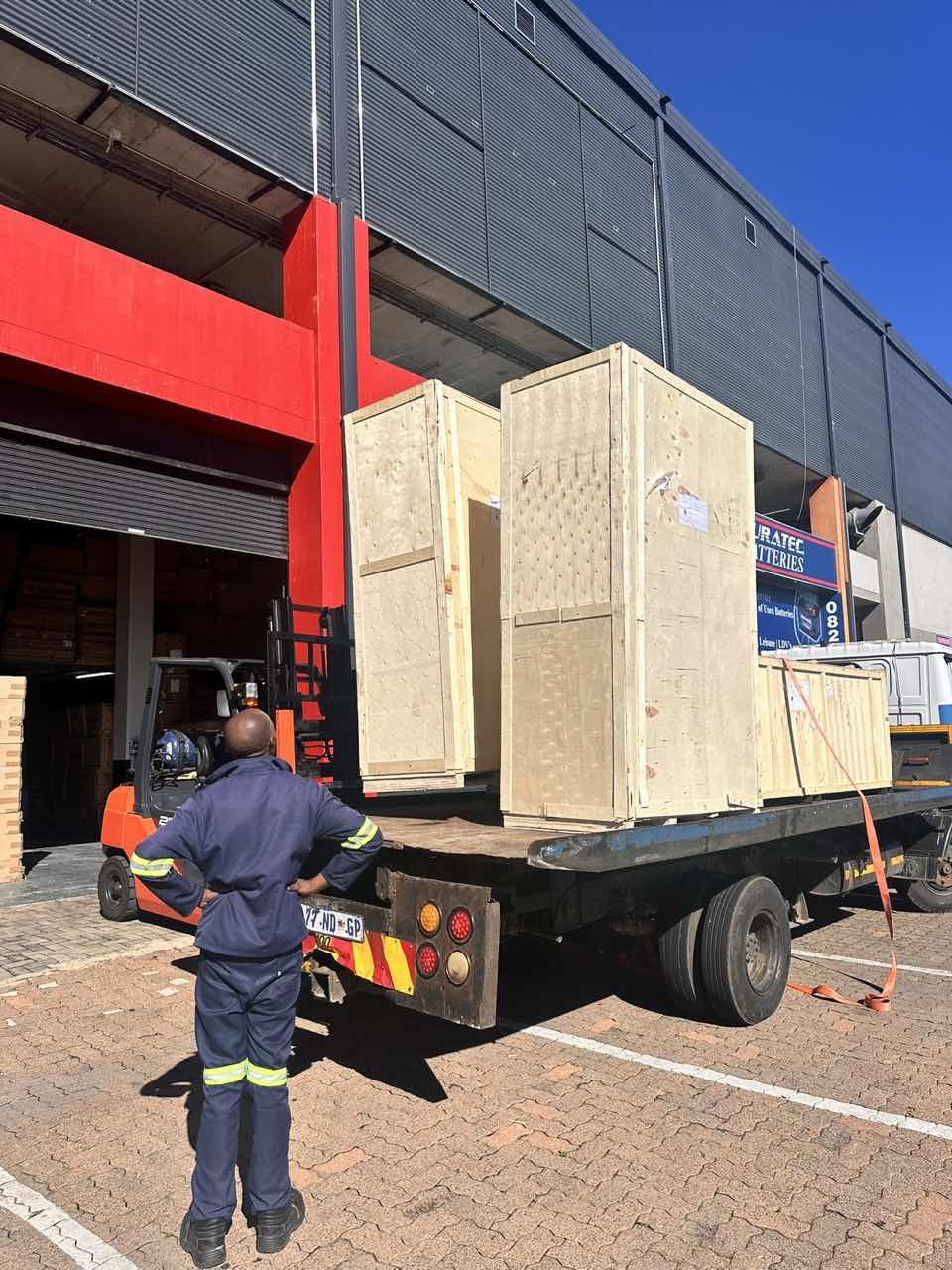
Food Processing Machine
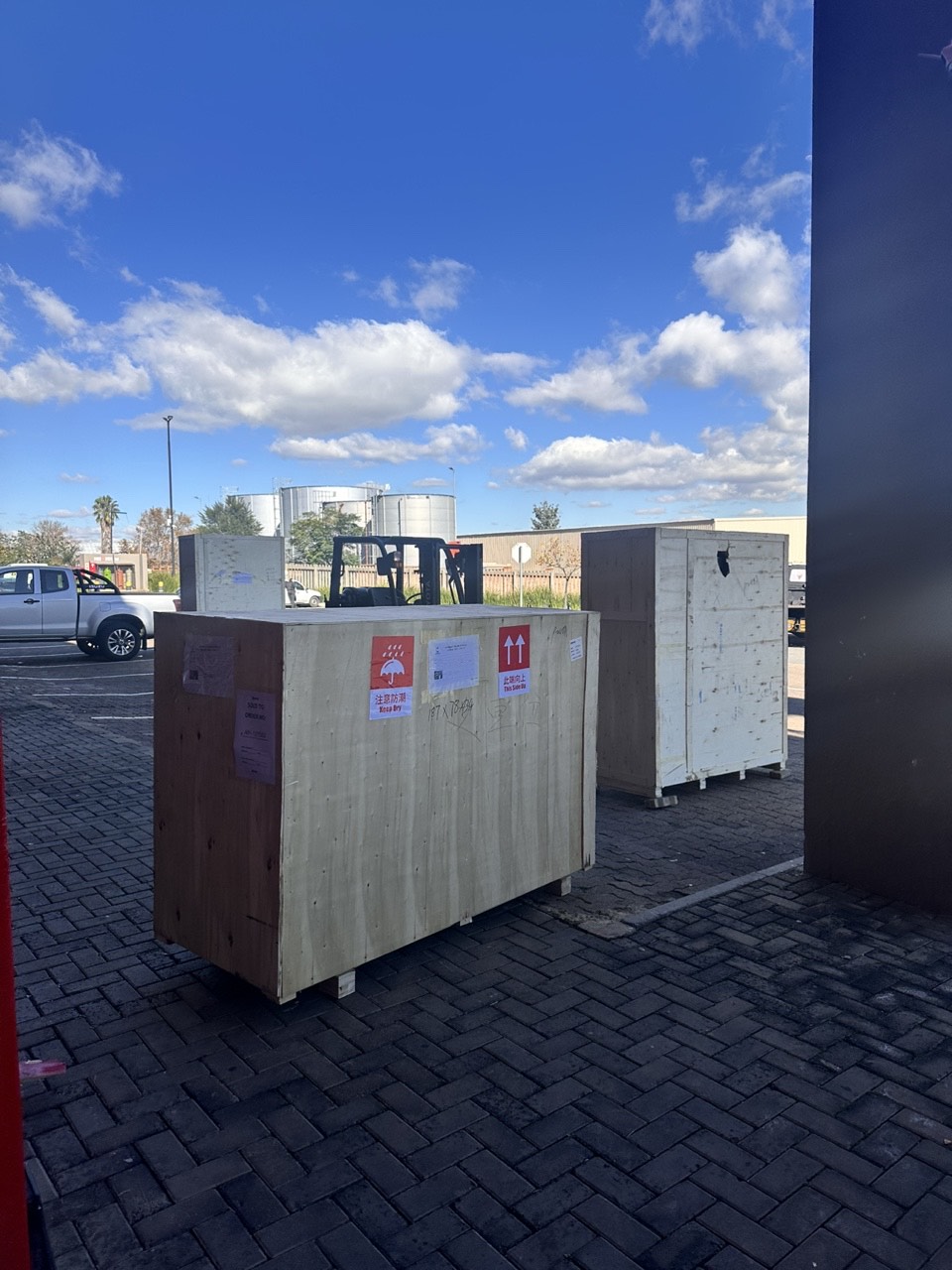
Batch of Orders
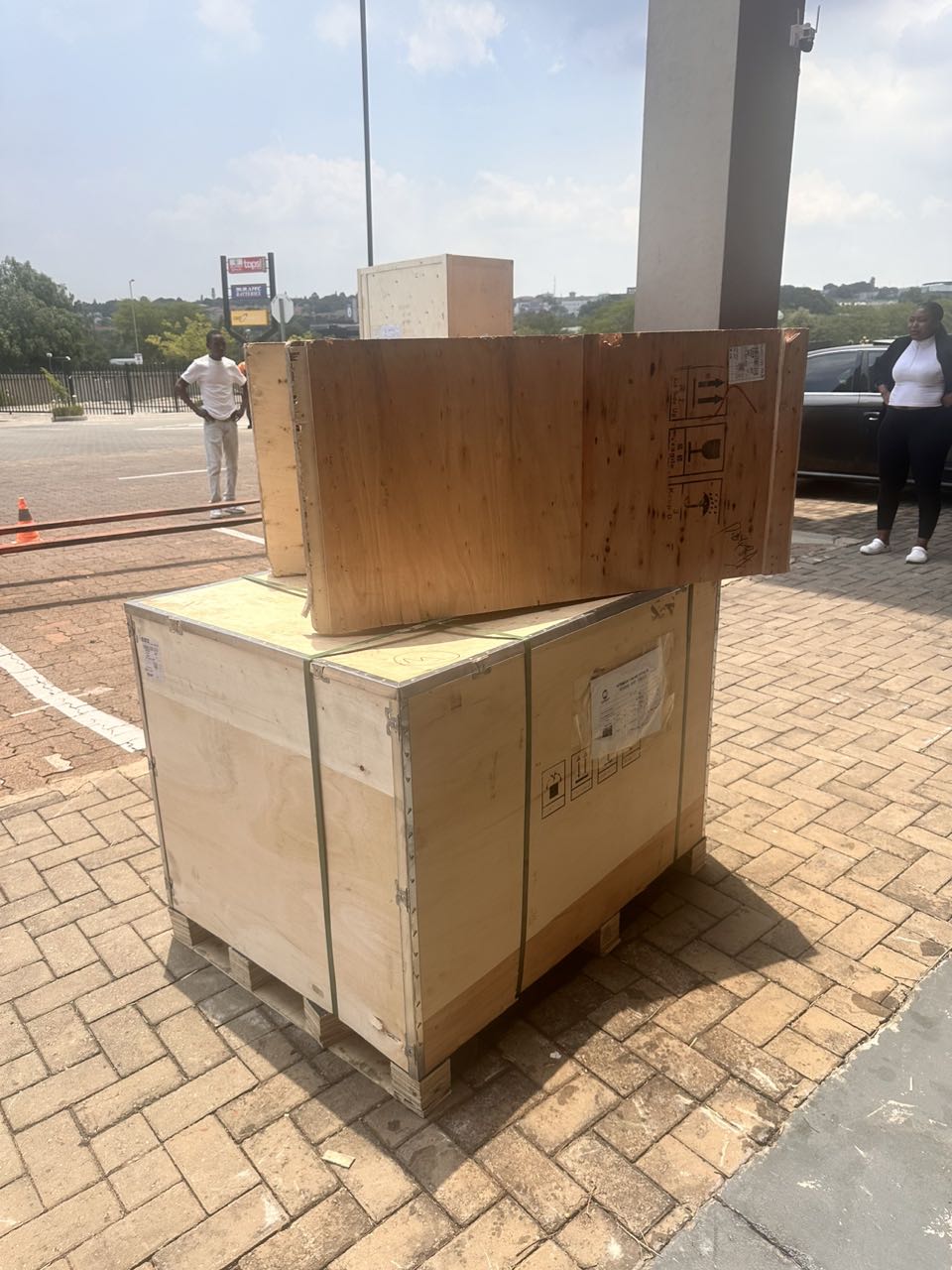
Batch of Orders
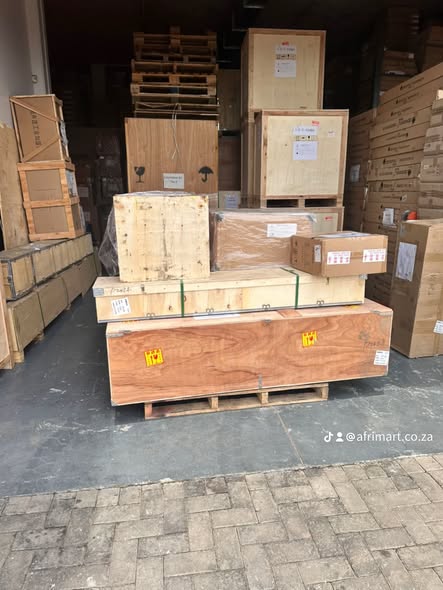
Latest Orders Labelled
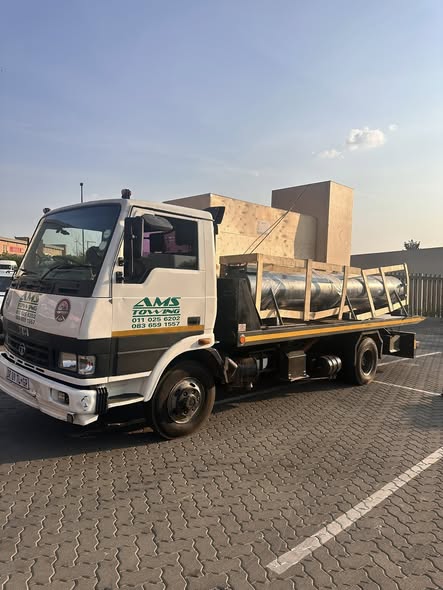
wheel alignment machines
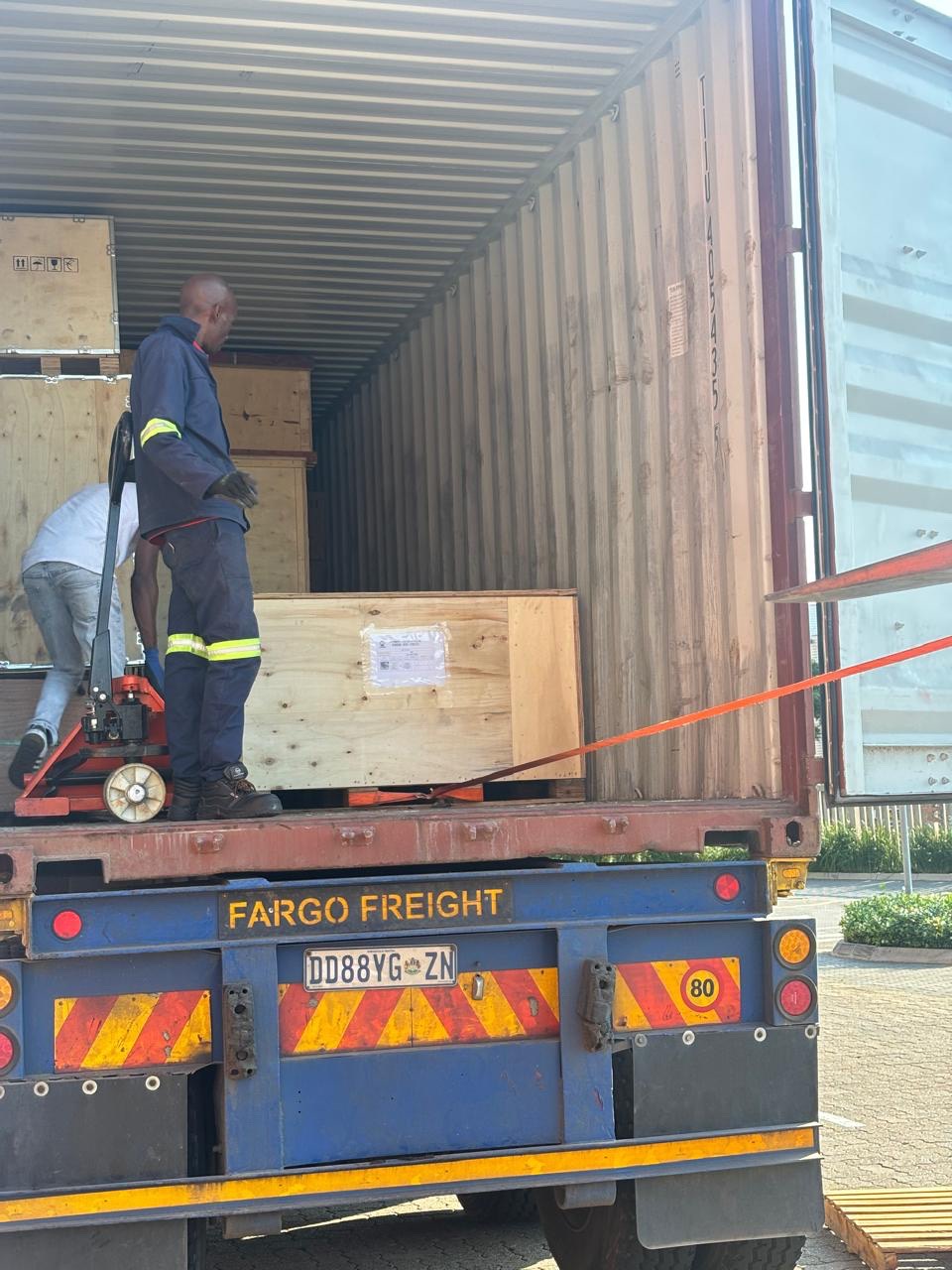
new arrivals
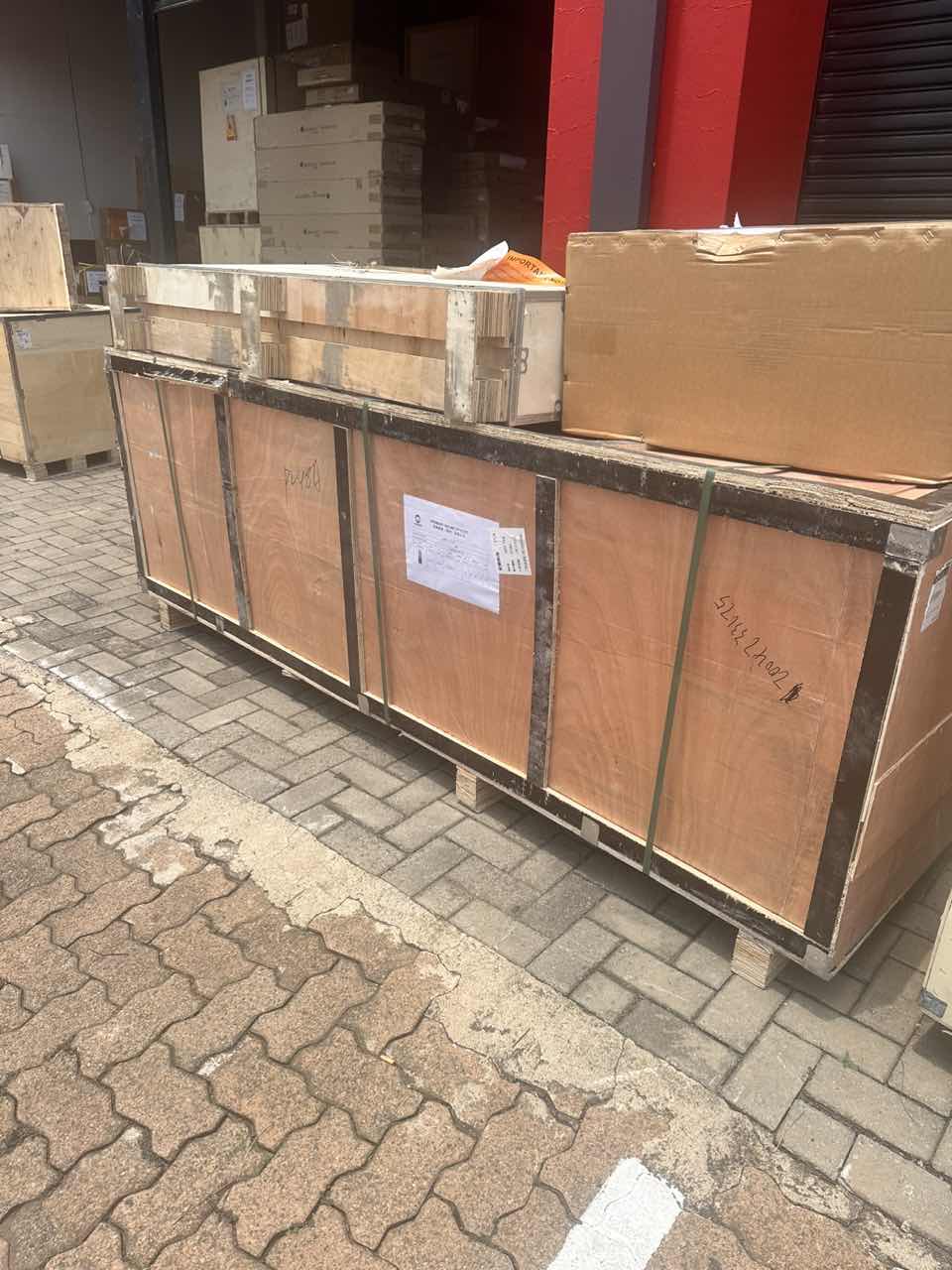
Pre Orders Offloading
Latest Arrivals
Latest Arrivals
Latest Arrivals
Loading
Toilet paper making machine
Toilet paper making machine
Toilet paper Rewinding Machine
latest arrivals
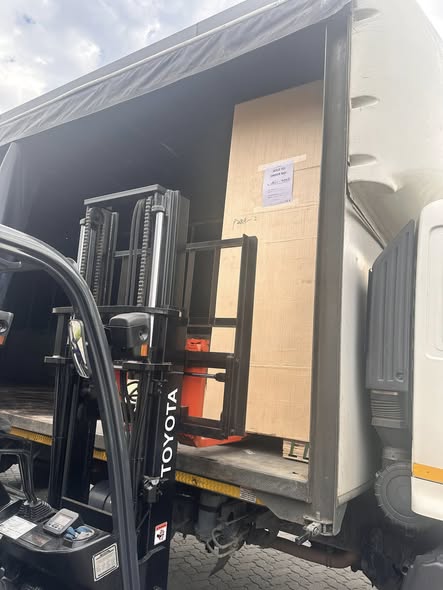
offloading
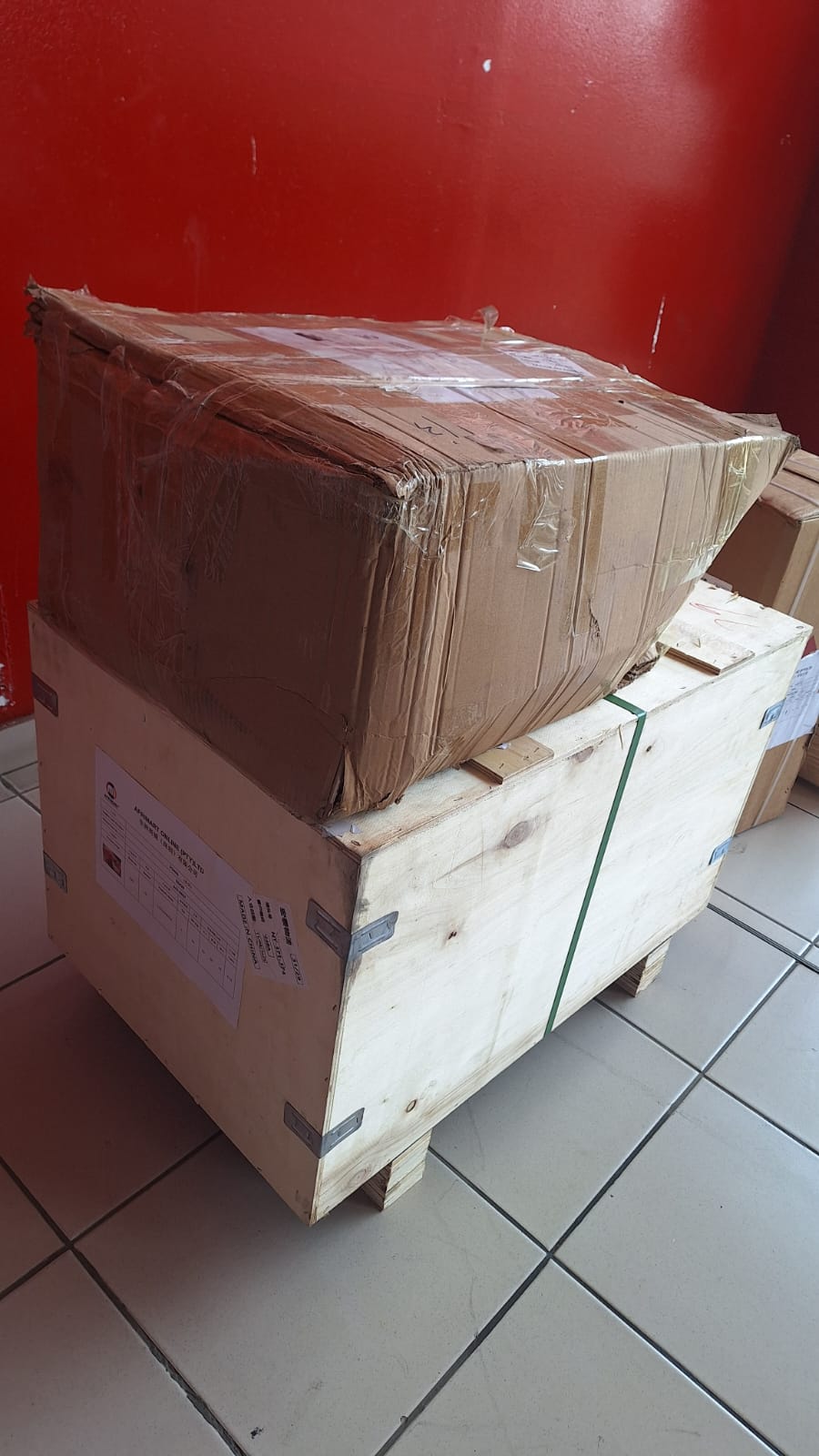
order success
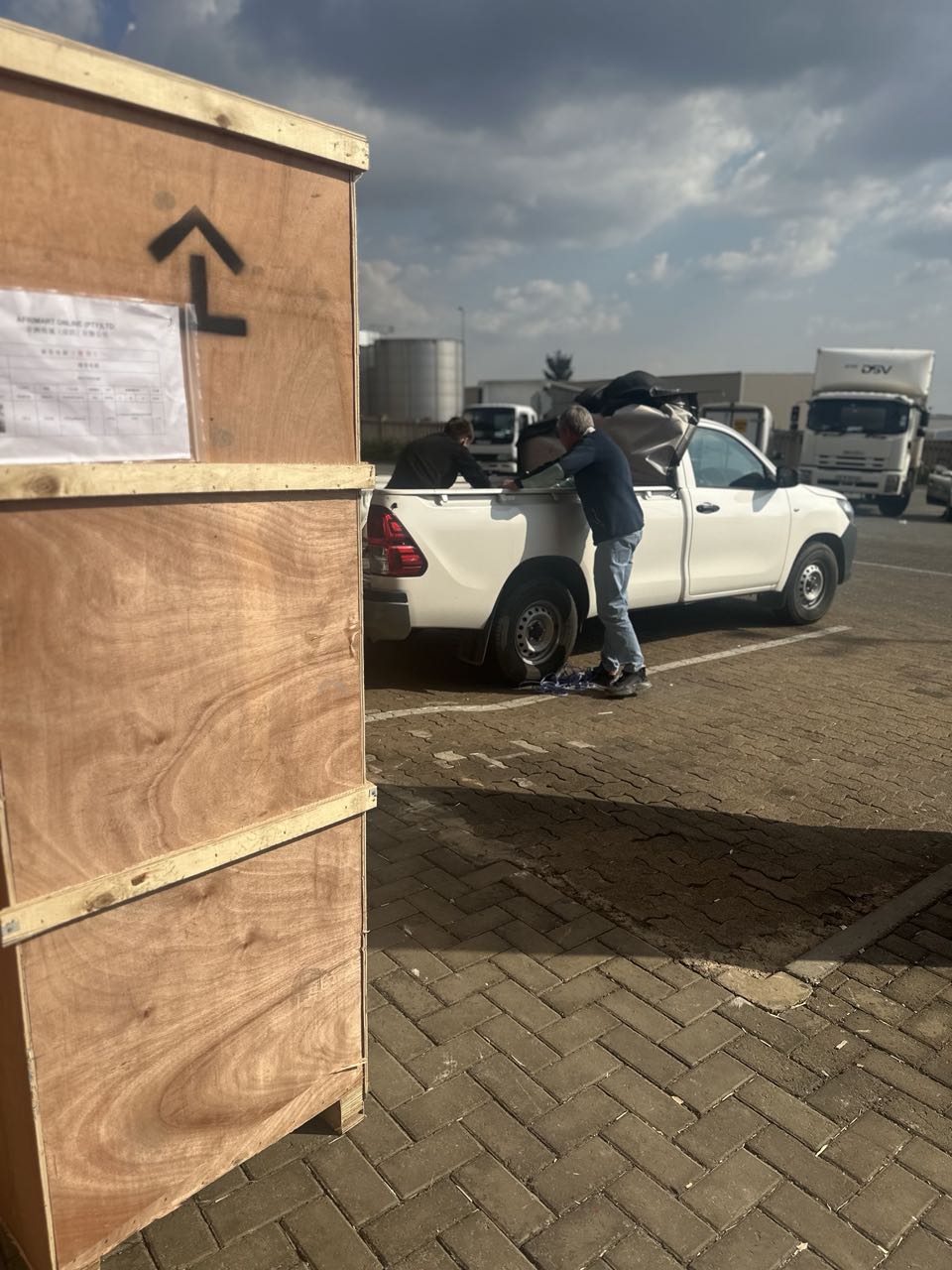
order collection
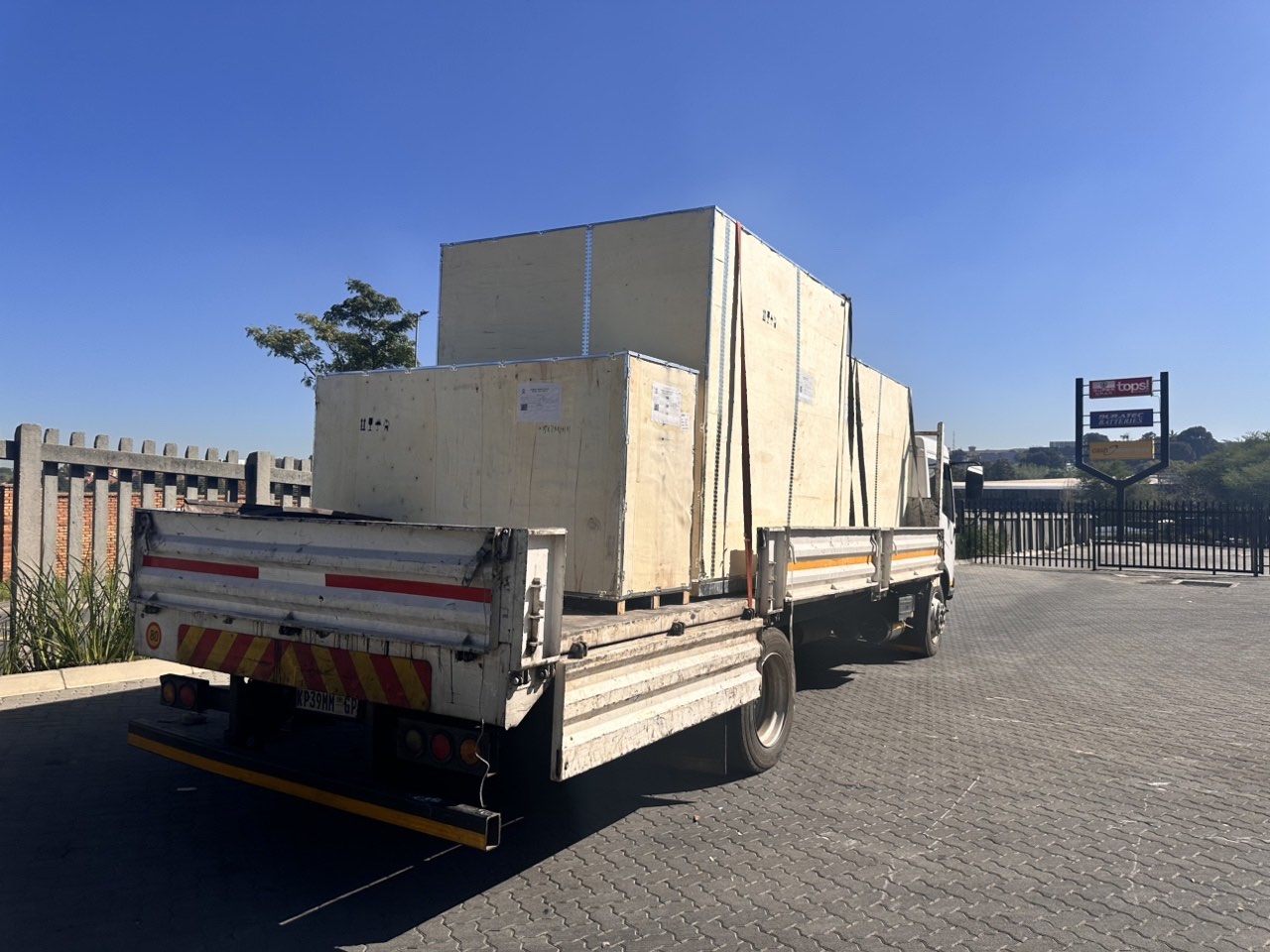
order offloading