B21, China Town Mall, Midrand

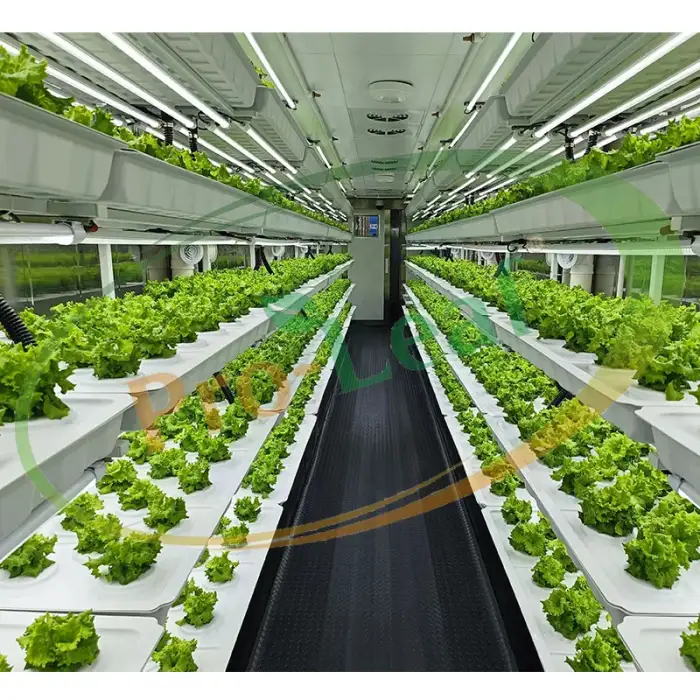
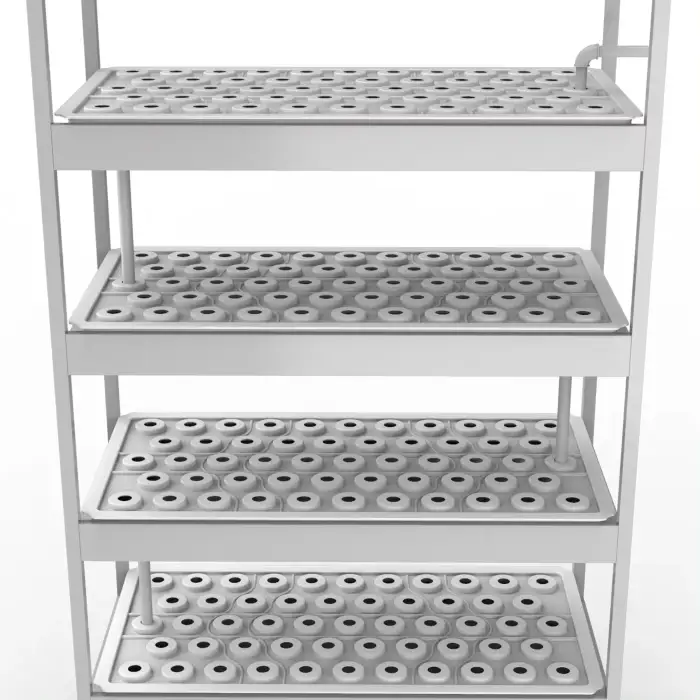
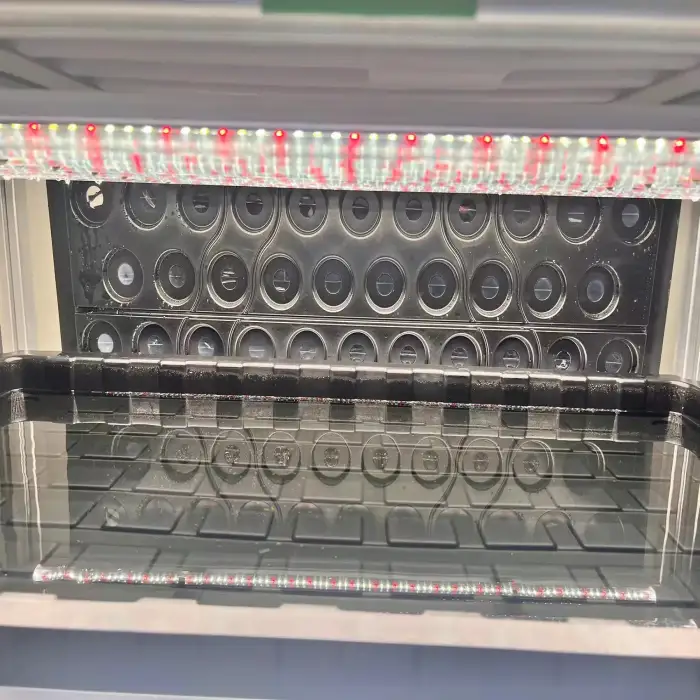
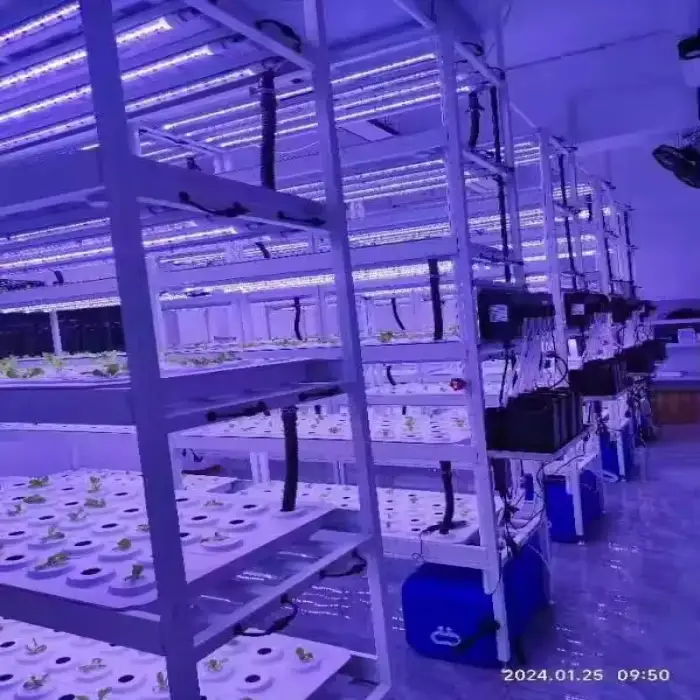
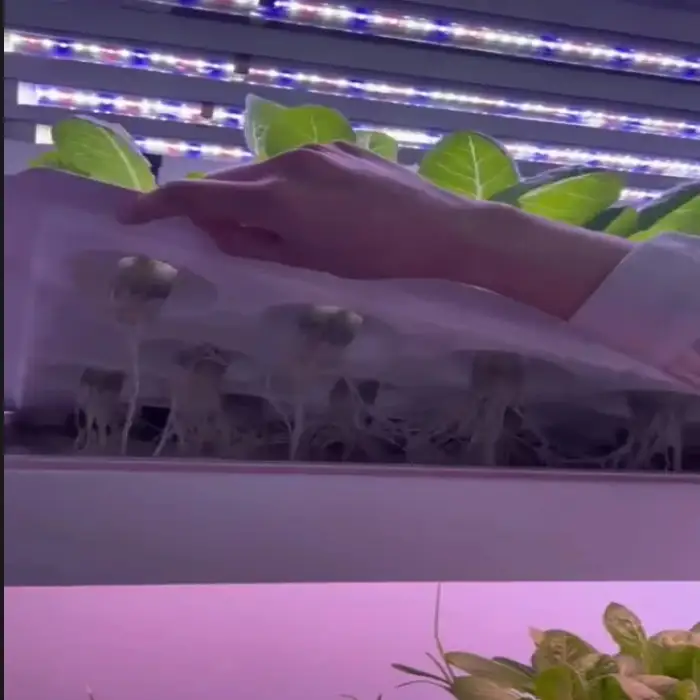
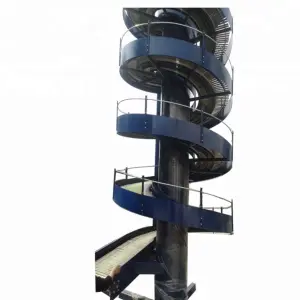
Vertical farm hydroponic tower system - Size: Width: 2m; Length: 30m, height: 10m (total height of 30 layers)
Asset finance available
Do you want funding for this equipment?
Afrimart can connect you with trusted funding partners who specialise in asset finance for businesses like yours. Compare options and apply in minutes — final approval is subject to provider review.
Check funding options
Secure & no obligation

- Section : Machinery
- Category : Other Agricultural Equipment
- SKU : 1601128112321

Product Description


- Shipping Timeframes: All orders are processed within 2-5 business days (excluding weekends and holidays). After your order has been processed, the estimated delivery time is before 02 Sep, 2026, depending on customs, Please note that due to high demand, some items may experience longer shipping times, which will be communicated at order confirmation email.
- Order Processing Time: Please allow 2-5 business days for us to process your order before it is shipped . Orders placed after 16:00 on Fridays, or during weekends and public holidays, will begin processing on the next business day. Processing times may be extended during peak seasons or sales events.
- Manufacturing Time: Some products needs manufacturing time, the manufacturing process will take approximately 10-30 business days depending on the product. This timeframe may vary depending on the complexity of the product and current demand. but this will be communicated with you during order confirmation.
- Returns and Exchanges: We offer a 30-day return policy for most items. If you are not completely satisfied with your purchase, you may return it within 30 days of receipt for a refund or exchange. Items must be unused, in their original packaging, and accompanied by proof of purchase. Return shipping costs are the responsibility of the customer, unless the item was damaged or defective upon arrival.
1. What is a vertical farm hydroponic tower system?
A vertical farm hydroponic tower system is a method of growing plants in a vertical arrangement using hydroponics, which allows for efficient space utilization and increased crop yield without soil.
2. What are the dimensions of the system?
The system measures 2 meters in width, 30 meters in length, and has a total height of 10 meters, accommodating 30 layers of plants.
3. How many plants can I grow in this system?
The number of plants you can grow depends on the specific plant type and spacing requirements, but the system is designed to maximize plant density, allowing for hundreds of plants per cycle.
4. What types of plants can be grown in this hydroponic tower system?
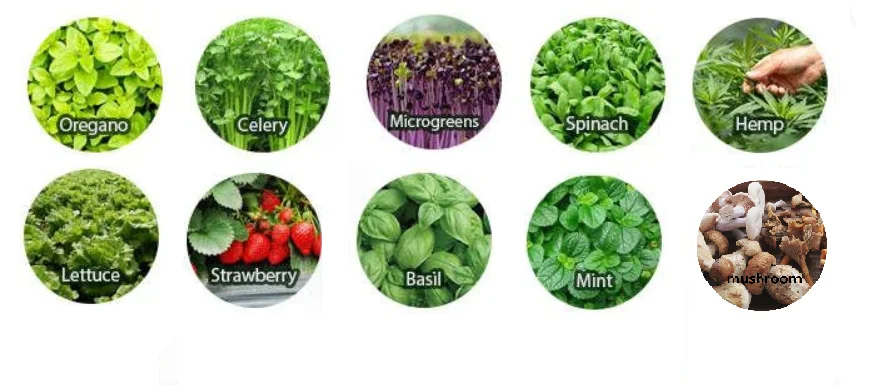
You can grow a variety of plants including leafy greens, herbs, strawberries, and some vegetables. It's ideal for fast-growing, smaller plants.
5. Is this system suitable for indoor or outdoor use?
The vertical farm hydroponic tower system can be used both indoors and outdoors, but you may need to consider environmental controls like lighting and temperature for optimal growth.
6. What is hydroponics, and how does it work?
Hydroponics is a method of growing plants without soil, using nutrient-rich water instead. It allows for more efficient nutrient absorption and faster growth rates.
7. What materials is the tower system made from?
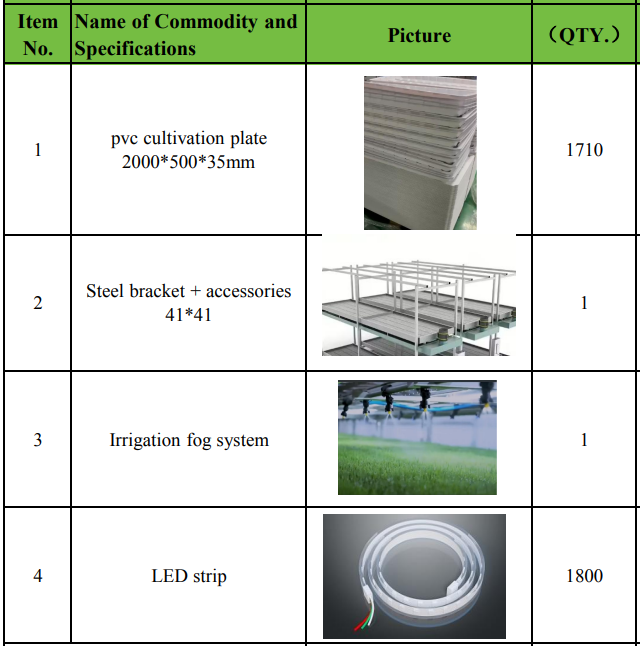
The tower system is typically constructed from durable, weather-resistant materials such as high-density polyethylene (HDPE) or other plastics designed for agricultural use.
8. How much water does the system require?
Water usage varies by plant type and environmental conditions, but hydroponic systems generally use less water than traditional farming. You can expect to use a recirculating water system to minimize waste.
9. What kind of maintenance is required for this system?
Regular maintenance includes checking nutrient levels, ensuring proper water circulation, cleaning the system to prevent algae growth, and monitoring plant health.
10. Can I automate the nutrient delivery and watering system?
Yes, many hydroponic systems can be automated with timers and sensors to manage nutrient delivery and watering schedules effectively.
11. What is the expected yield from this system?
Yield can vary widely based on plant type and growing conditions, but hydroponic systems often produce higher yields compared to traditional farming methods due to optimized growth conditions.
12. Do I need any special knowledge or skills to operate this system?
While some basic understanding of hydroponics is beneficial, many users can successfully operate this system with provided instructions and resources.
13. How much space is required for setup?
The system requires a footprint of 2m x 30m, plus additional space for accessing the system for maintenance and harvesting.
14. What is the average cost of operation for this system?
Operating costs will vary based on electricity, water, and nutrient costs, but hydroponic systems often result in lower long-term costs due to increased efficiency.
15. Is there a warranty or guarantee for the product?
Warranty details vary by manufacturer, but many hydroponic systems come with a limited warranty covering defects in materials or workmanship.
Latest Order Arrivals
Discover our latest orders

12 Heads Embroidery Machine

Toilet Paper Machine Machine

Order Collection

Cross Border Clients

Order cros border countries Collected

Industrial Machine Cllection

Agriculture Processing Machines

Ready for collection

Water Pump Equipment

Packaging Machine and accessories

Fabrics Manufacturing Equipment

Mining Equipments

Food Processing Machine

Batch of Orders

Batch of Orders

Latest Orders Labelled

wheel alignment machines

new arrivals

Pre Orders Offloading

Latest Arrivals

Latest Arrivals

Latest Arrivals

Loading

Toilet paper making machine

Toilet paper making machine

Toilet paper Rewinding Machine

latest arrivals

offloading

order success

order collection

order offloading