B21, China Town Mall, Midrand


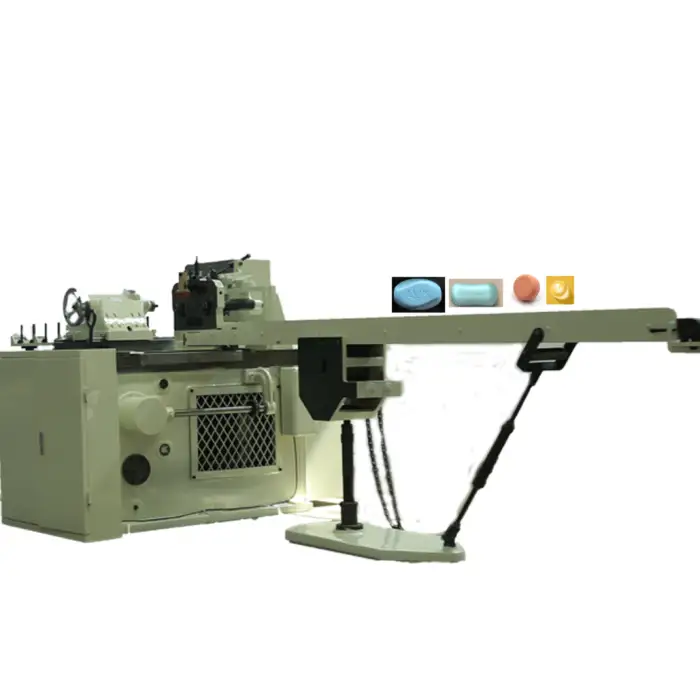
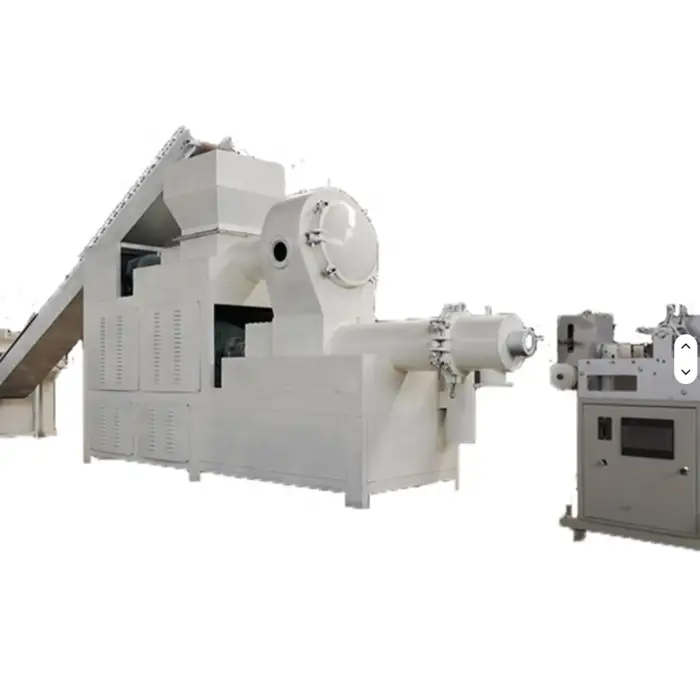
Toilet Soap Stamper/ Soap Stamp Plodder Making Machine/ Stamping Machine
Asset finance available
Do you want funding for this equipment?
Afrimart can connect you with trusted funding partners who specialise in asset finance for businesses like yours. Compare options and apply in minutes — final approval is subject to provider review.
Check funding options
Secure & no obligation

- Section : Machinery
- Category : Chemical Machinery
- SKU : 1600144631307

Toilet Soap Stamper/ Soap Stamp Plodder Making Machine/ Stamping Machine
The Toilet Soap Stamper is a powerful machine designed for making high-quality soap. This stamping machine is perfect for crafting beautiful and uniform soap bars. With a long service life and reliable performance, it is an essential tool for soap makers. This machine combines efficiency and durability, making it an excellent investment for your soap production line.
Specifications
| Attribute | Details |
|---|---|
| Product Type | Soap Making Machine |
| Core Components | Motor |
| Weight (kg) | 2000 |
| After-sales Service Provided | Online support |
| After Warranty Service | Online support |
| Machinery Test Report | Provided |
| Video Outgoing Inspection | Provided |
Key Features
- Long service life for continuous use.
- High-quality soap production.
- Easy to operate and maintain.
- Robust motor for reliable performance.
- Comprehensive after-sales support.
Applications
- Production of toilet soap bars.
- Soap making for small businesses.
- Custom soap crafting for special events.
- Scaling up soap production for larger demands.
- Educational purposes in soap making workshops.
Product Info Gallery
- Shipping Timeframes: All orders are processed within 2-5 business days (excluding weekends and holidays). After your order has been processed, the estimated delivery time is before 03 Aug, 2026, depending on customs, Please note that due to high demand, some items may experience longer shipping times, which will be communicated at order confirmation email.
- Order Processing Time: Please allow 2-5 business days for us to process your order before it is shipped . Orders placed after 16:00 on Fridays, or during weekends and public holidays, will begin processing on the next business day. Processing times may be extended during peak seasons or sales events.
- Manufacturing Time: Some products needs manufacturing time, the manufacturing process will take approximately 10-30 business days depending on the product. This timeframe may vary depending on the complexity of the product and current demand. but this will be communicated with you during order confirmation.
- Returns and Exchanges: We offer a 30-day return policy for most items. If you are not completely satisfied with your purchase, you may return it within 30 days of receipt for a refund or exchange. Items must be unused, in their original packaging, and accompanied by proof of purchase. Return shipping costs are the responsibility of the customer, unless the item was damaged or defective upon arrival.
1. What is the Toilet Soap Stamper / Soap Stamp Plodder Making Machine used for?
This machine is designed to form and stamp toilet soap bars. It combines shaping (plodder/extrusion or feeding) with a stamping unit to create uniform, branded soap bars suitable for retail or bulk production.
2. Which types of soap can this machine process?
It is suitable for most solid soap formulations used to make toilet bars, including commercial toilet soap bases and many handmade/semi-industrial soap formulations that are sufficiently solid at processing temperature. For specialized or very soft formulations, consult the supplier.
3. What are the key specifications I should know?
Core component: motor; Weight: 2000 kg; Machinery test report and a video of outgoing inspection are provided. For complete technical specifications (power, dimensions, capacity, electrical requirements), request the detailed datasheet from the supplier.
4. How many soap bars can the machine produce per hour?
Output depends on mold size, stamping cycle time, automation level and soap formulation. The supplier can provide test-run data and expected output for your specific mold and process requirements.
5. Is the machine easy to operate and maintain?
Yes. It is designed for straightforward operation with routine maintenance. Recommended tasks include regular cleaning, lubrication of moving parts, routine inspection of the motor and wear parts, and following the operator manual.
6. What safety features and precautions should I be aware of?
The machine includes standard industrial safety measures; however operators should follow the instruction manual, use appropriate guards, lockout/tagout during maintenance, and wear PPE. For specific safety features, request the safety specification sheet.
7. Is training provided for operation and maintenance?
Online support is provided as standard. Many suppliers also offer remote training materials and can arrange on-site commissioning or training upon request—confirm options when ordering.
8. What after-sales and warranty support is available?
After-sales support and after-warranty online support are provided. A machinery test report and an outgoing inspection video are supplied with the machine. For on-site service, extended warranties or spare-part contracts, contact the seller to discuss arrangements.
9. Can I use custom molds, logos or different bar shapes?
Yes — stamping molds and plates can typically be customized to create different shapes, logos and sizes. Provide artwork or dimensions to the supplier so they can advise on feasibility, tooling cost and lead time.
10. How is the machine cleaned and sanitized?
Always power down and follow lockout procedures before cleaning. Remove molds and product-contact parts if designed for removal, clean with non-corrosive detergents, rinse and dry thoroughly. Avoid direct water spray on electrical components and follow the manufacturer's cleaning instructions.
11. What spare parts are available and how quickly can they be supplied?
Common wear parts (seals, belts, stamping plates, consumables) are typically available. Lead time depends on part and location; contact the supplier with part numbers or machine model for availability and shipping times.
12. Does the machine come with a test report or inspection documentation?
Yes. A machinery test report and a video of the outgoing inspection are provided with each machine to verify performance prior to shipment.
13. What are the installation and power requirements?
Power and installation requirements vary by configuration and motor specification. The machine’s detailed technical sheet will list voltage, phase, and site-preparation needs. Contact the supplier to get exact requirements before delivery.
14. Can this machine support scaling up production for a growing business?
Yes. It is suitable for small-business production and can be used to scale up output. Suppliers can advise on throughput increases, automation options and integration into larger production lines.
15. How long is the lead time and what are the shipping arrangements?
Lead time depends on model, customization, and current order backlog. Shipping arrangements vary by destination and are usually quoted at order. Ask the supplier for an estimated lead time, freight options and any import/export documentation required.
Latest Order Arrivals
Discover our latest orders
12 Heads Embroidery Machine
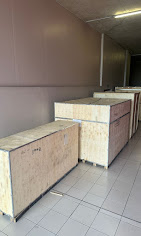
Toilet Paper Machine Machine
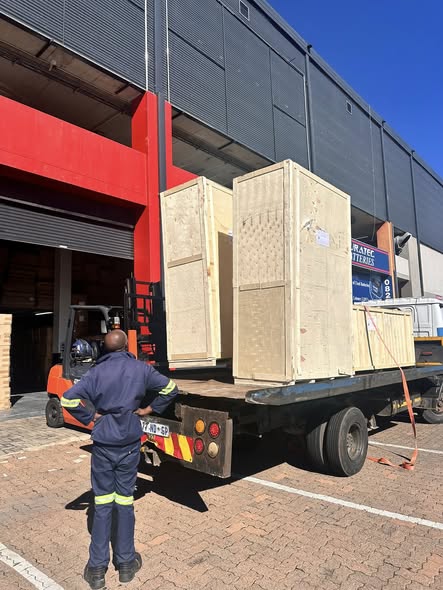
Order Collection
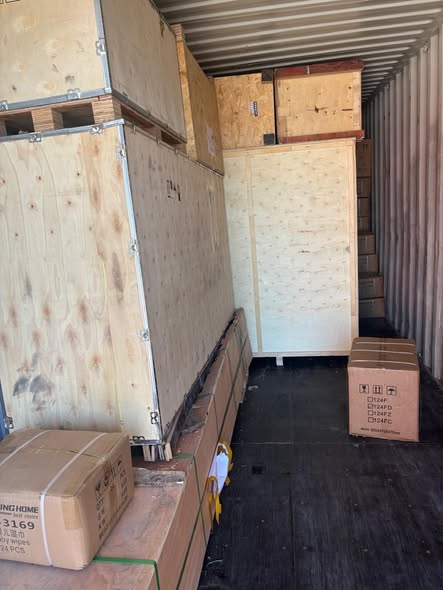
Cross Border Clients
Order cros border countries Collected
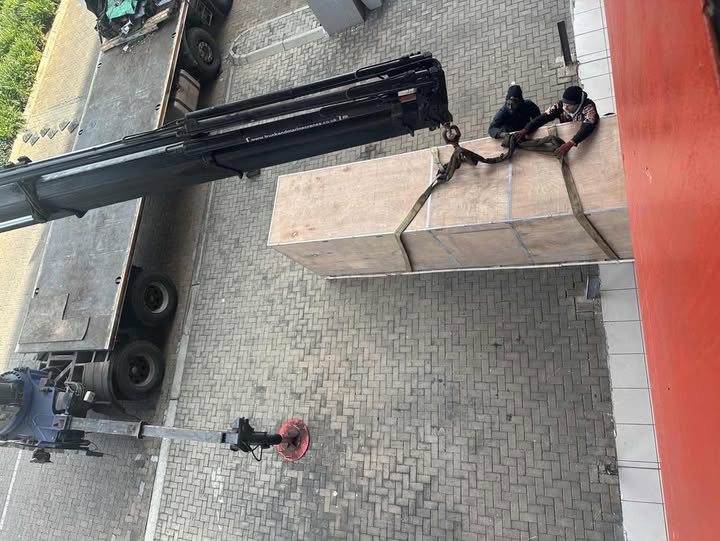
Industrial Machine Cllection
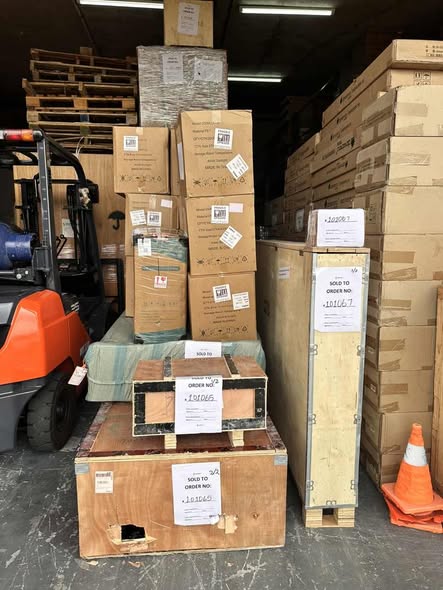
Agriculture Processing Machines
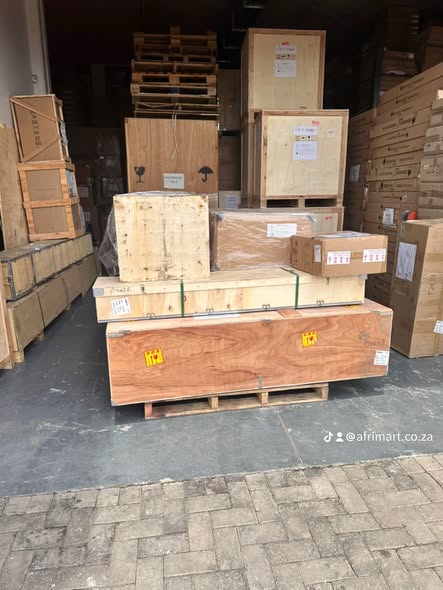
Ready for collection
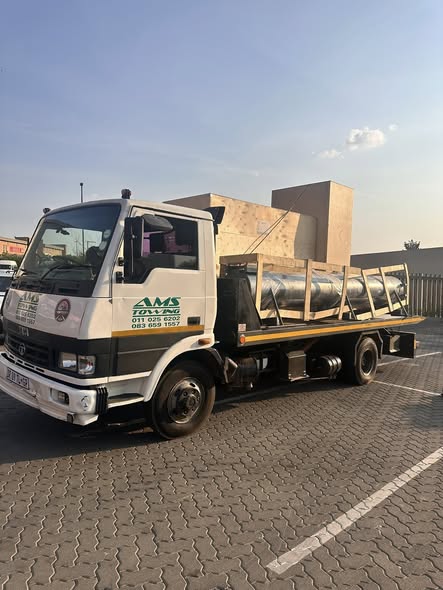
Water Pump Equipment
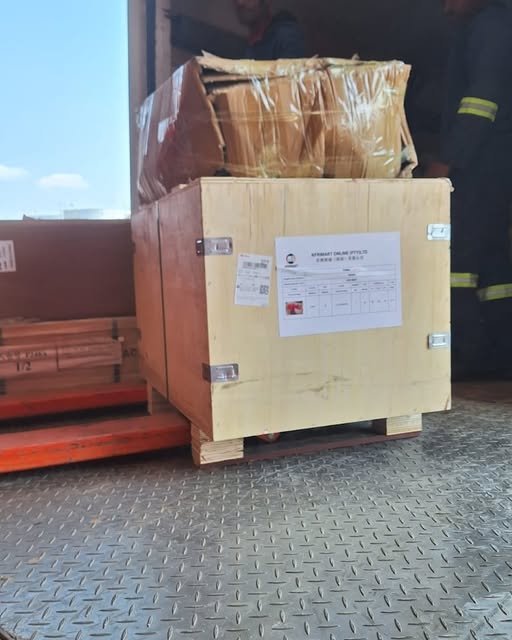
Packaging Machine and accessories
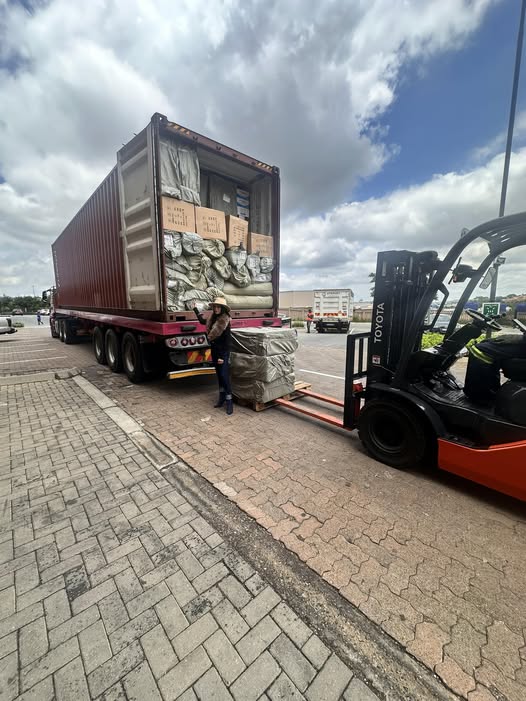
Fabrics Manufacturing Equipment
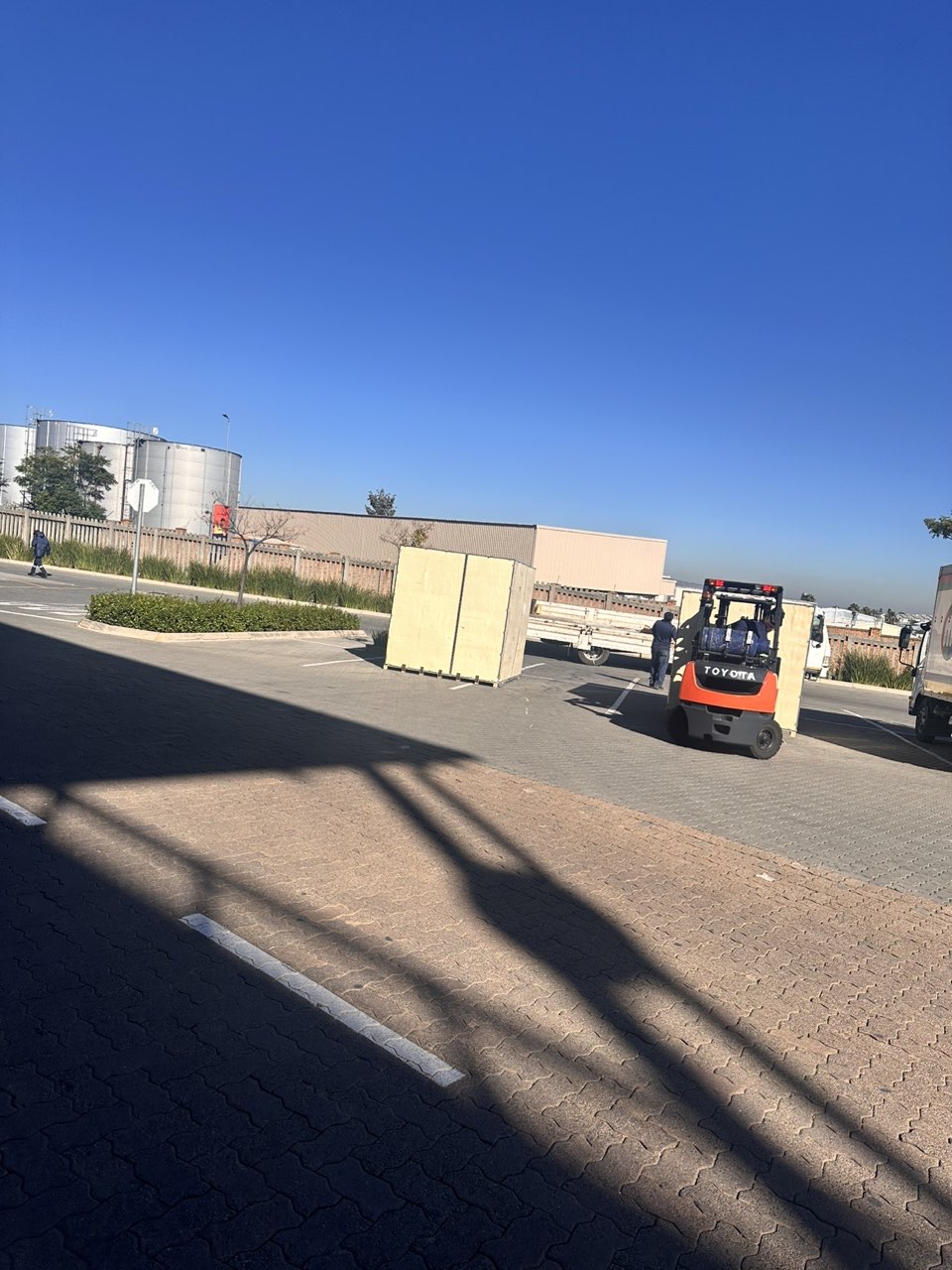
Mining Equipments
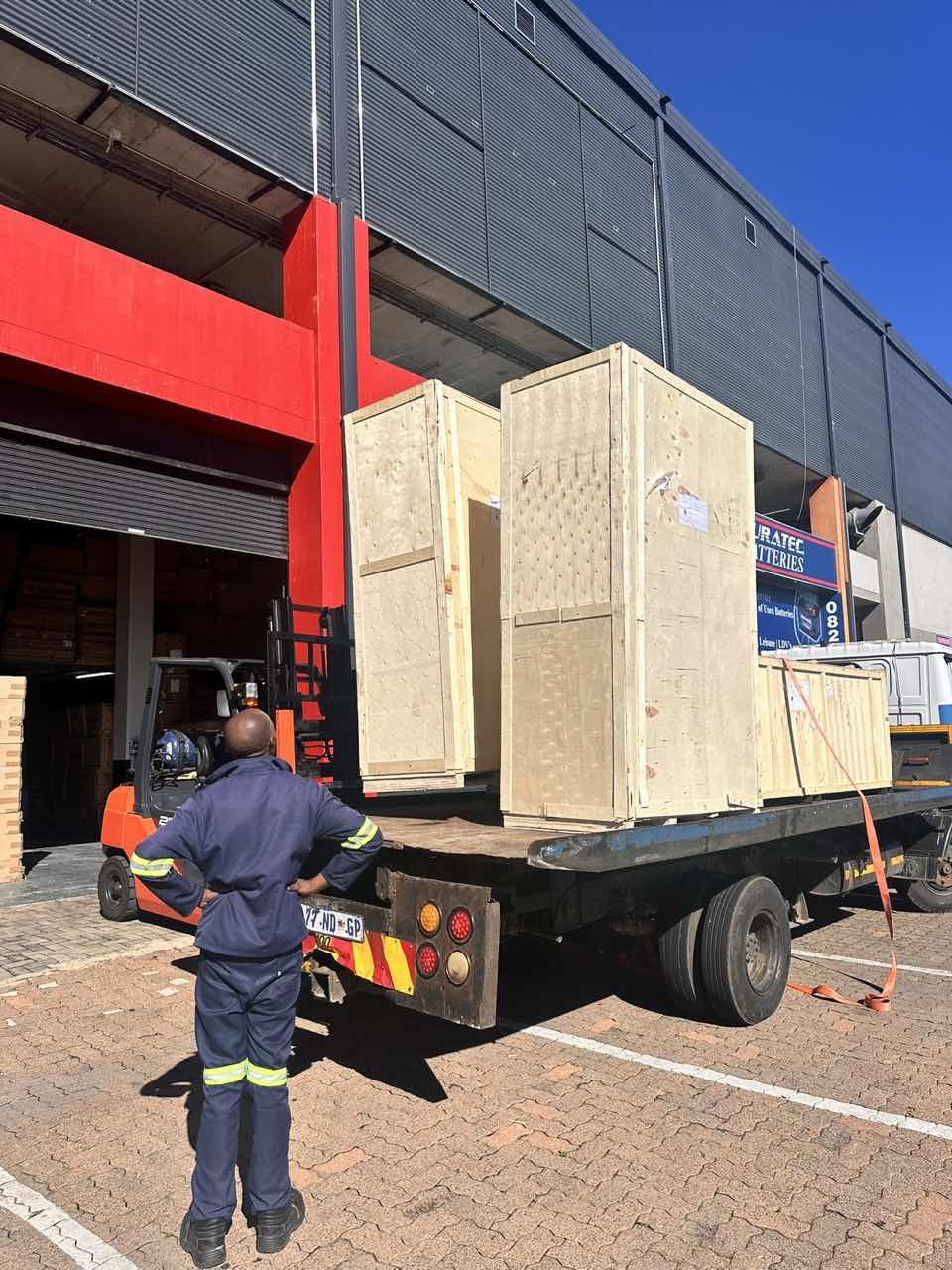
Food Processing Machine
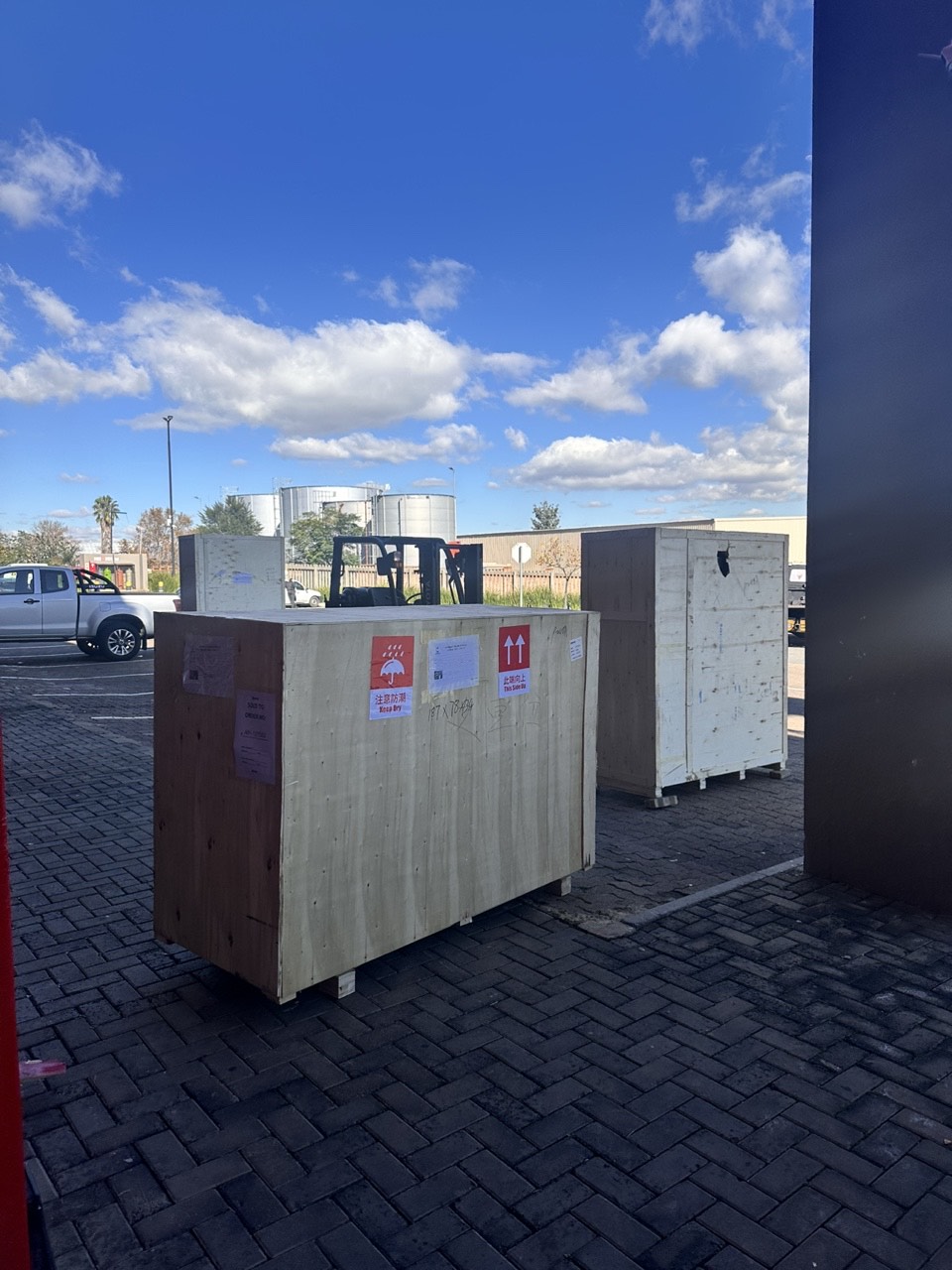
Batch of Orders
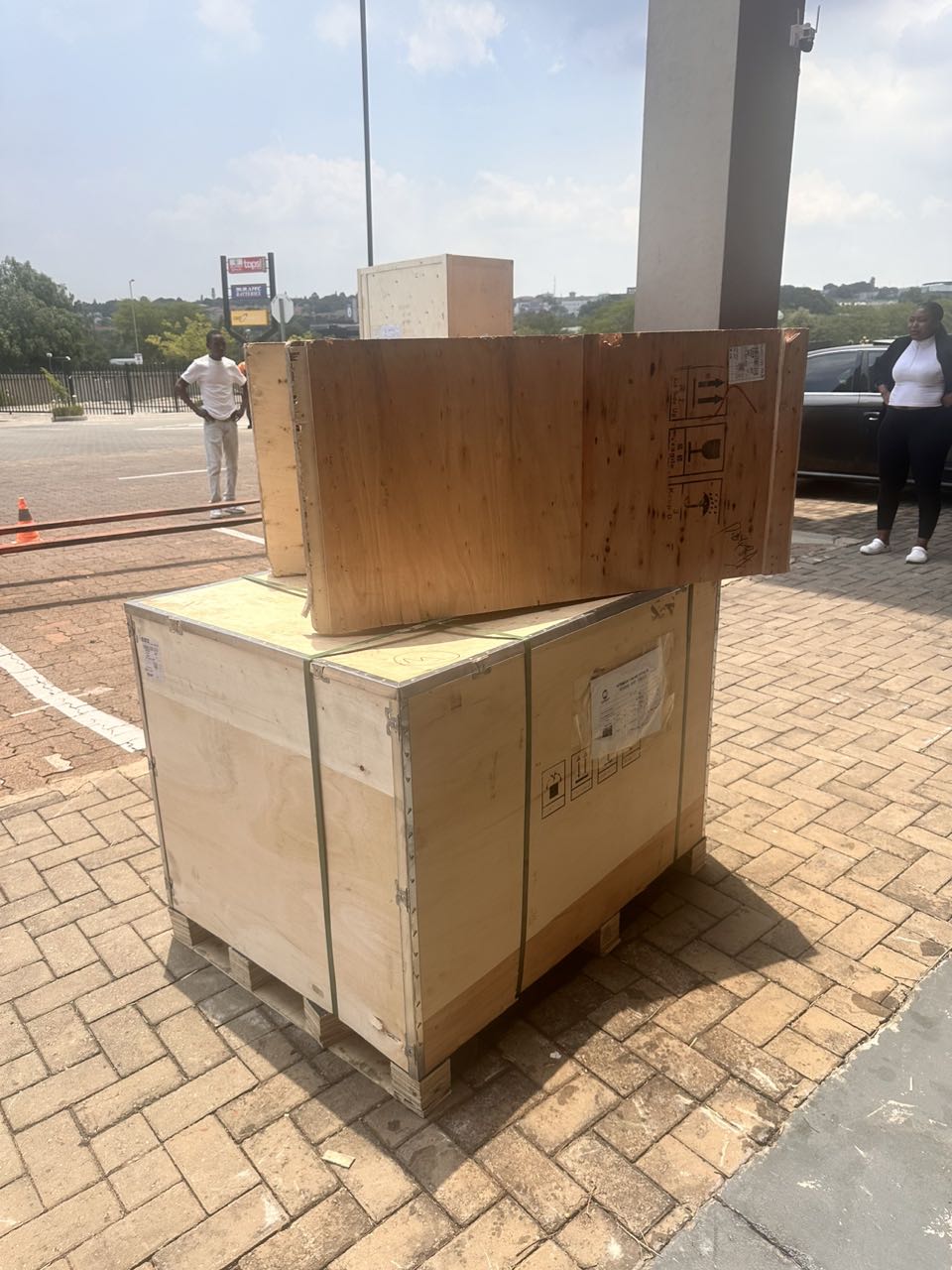
Batch of Orders
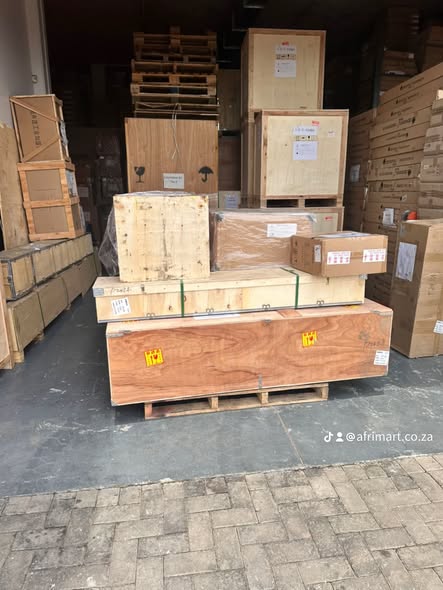
Latest Orders Labelled
wheel alignment machines
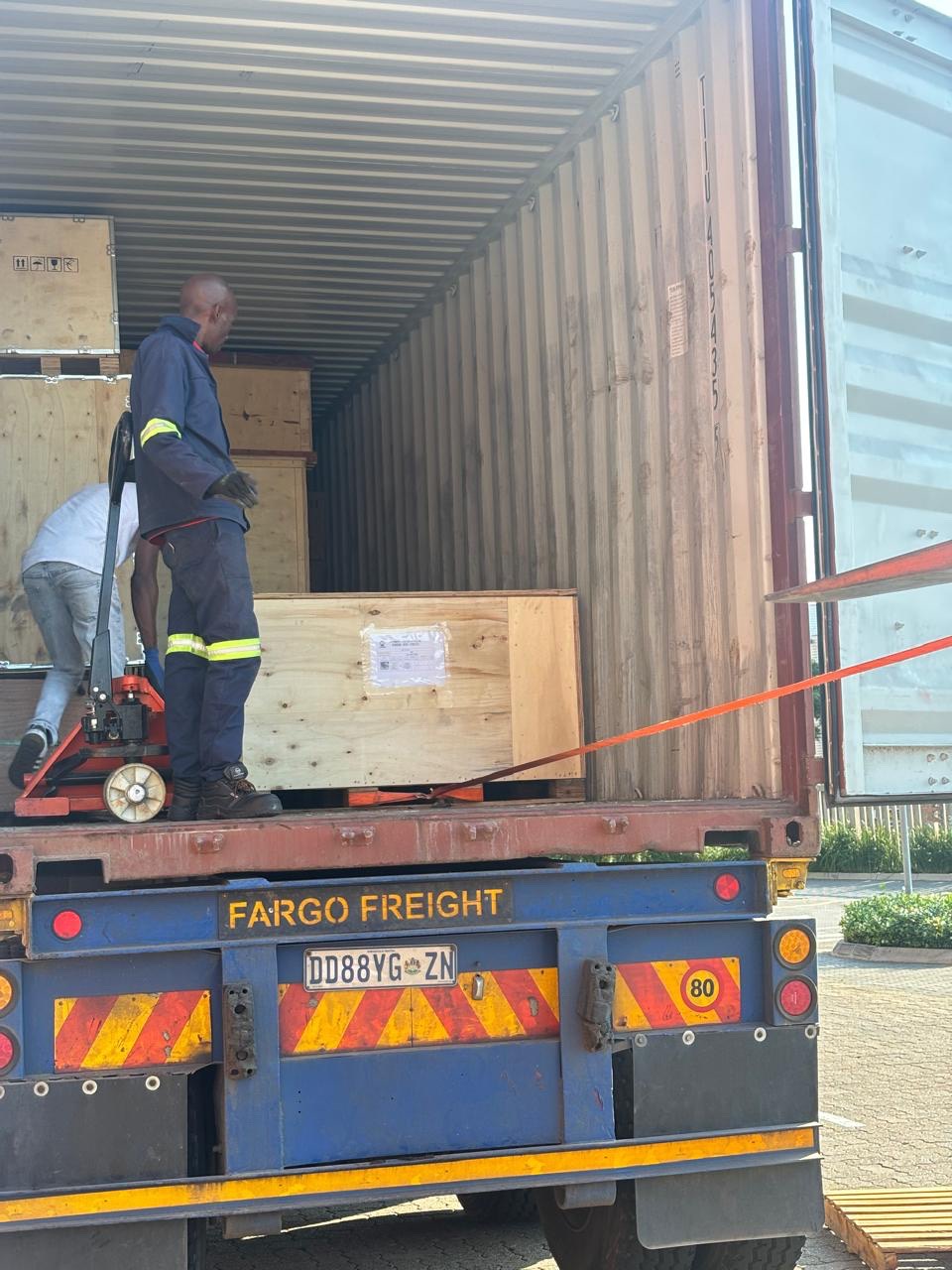
new arrivals
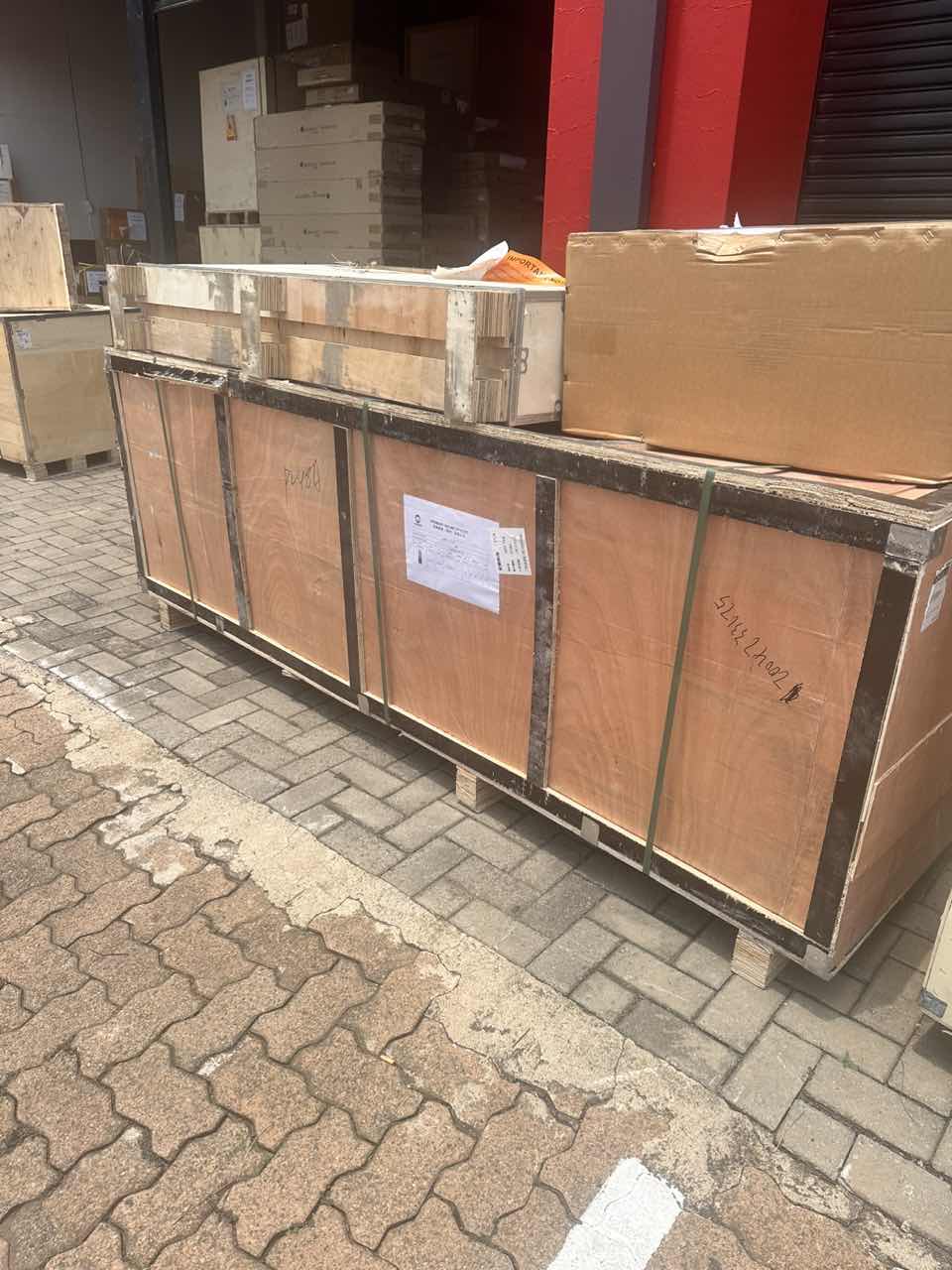
Pre Orders Offloading
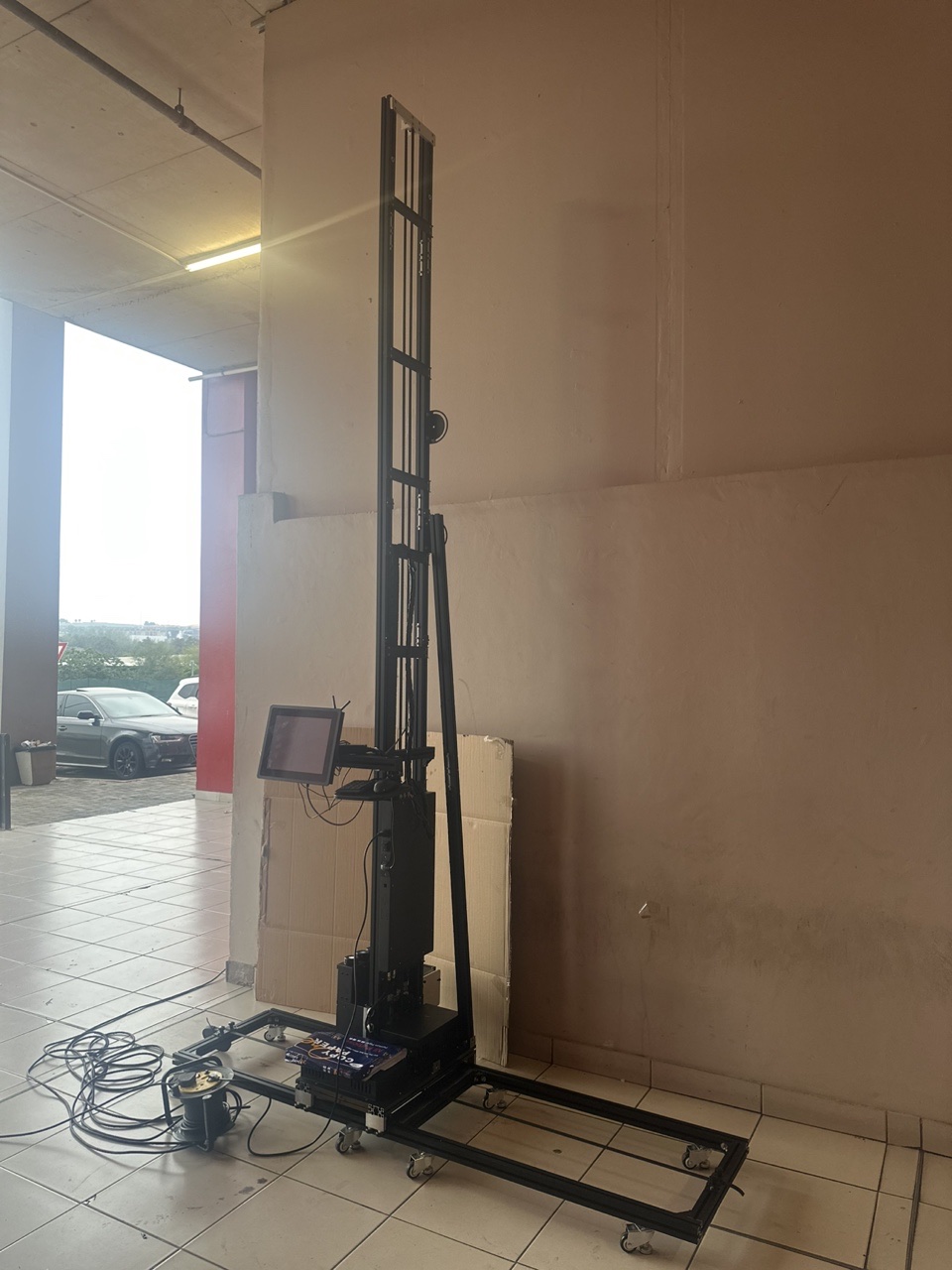
Latest Arrivals
Latest Arrivals
Latest Arrivals
Loading
Toilet paper making machine
Toilet paper making machine
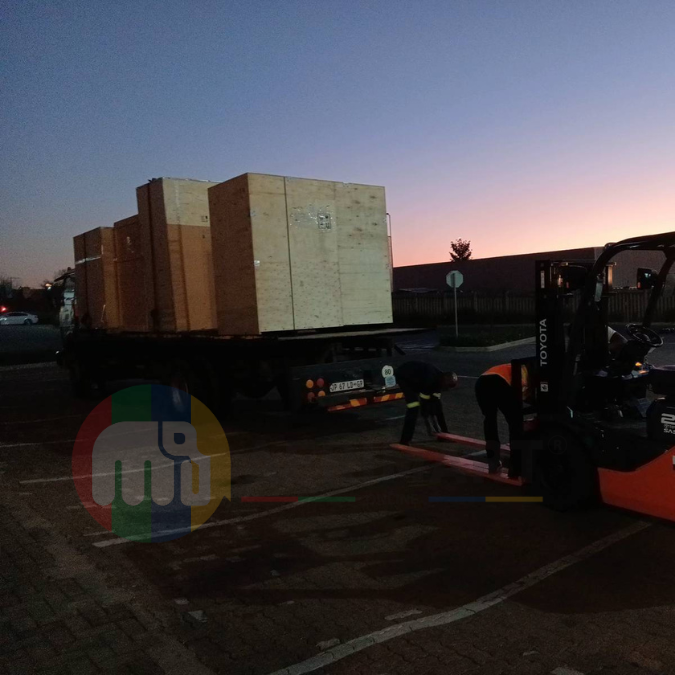
Toilet paper Rewinding Machine
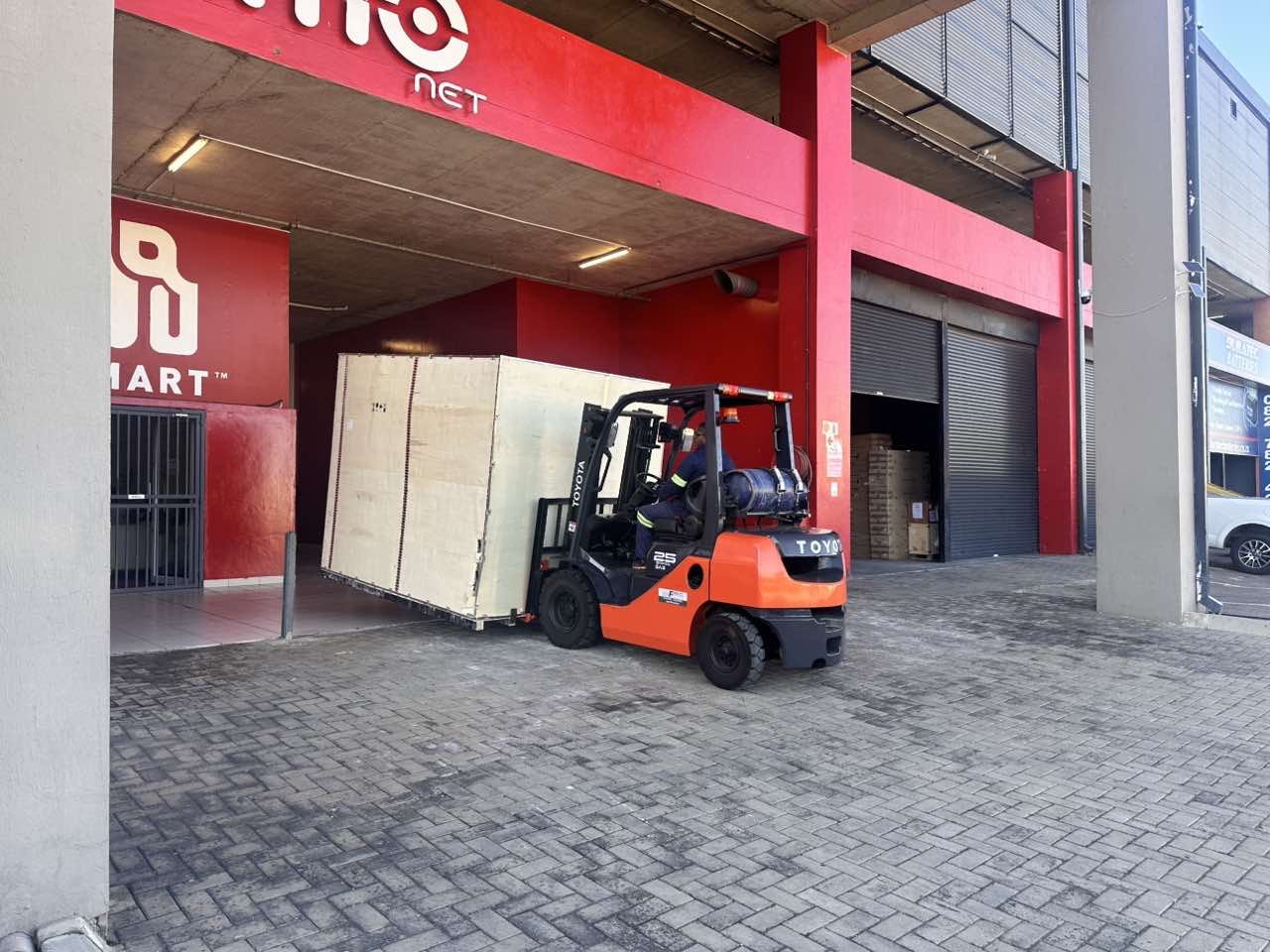
latest arrivals
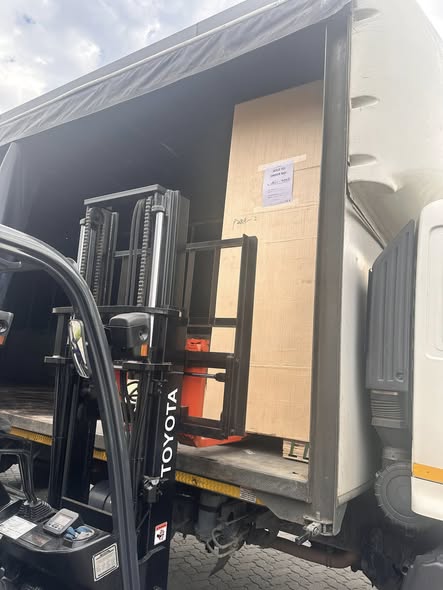
offloading
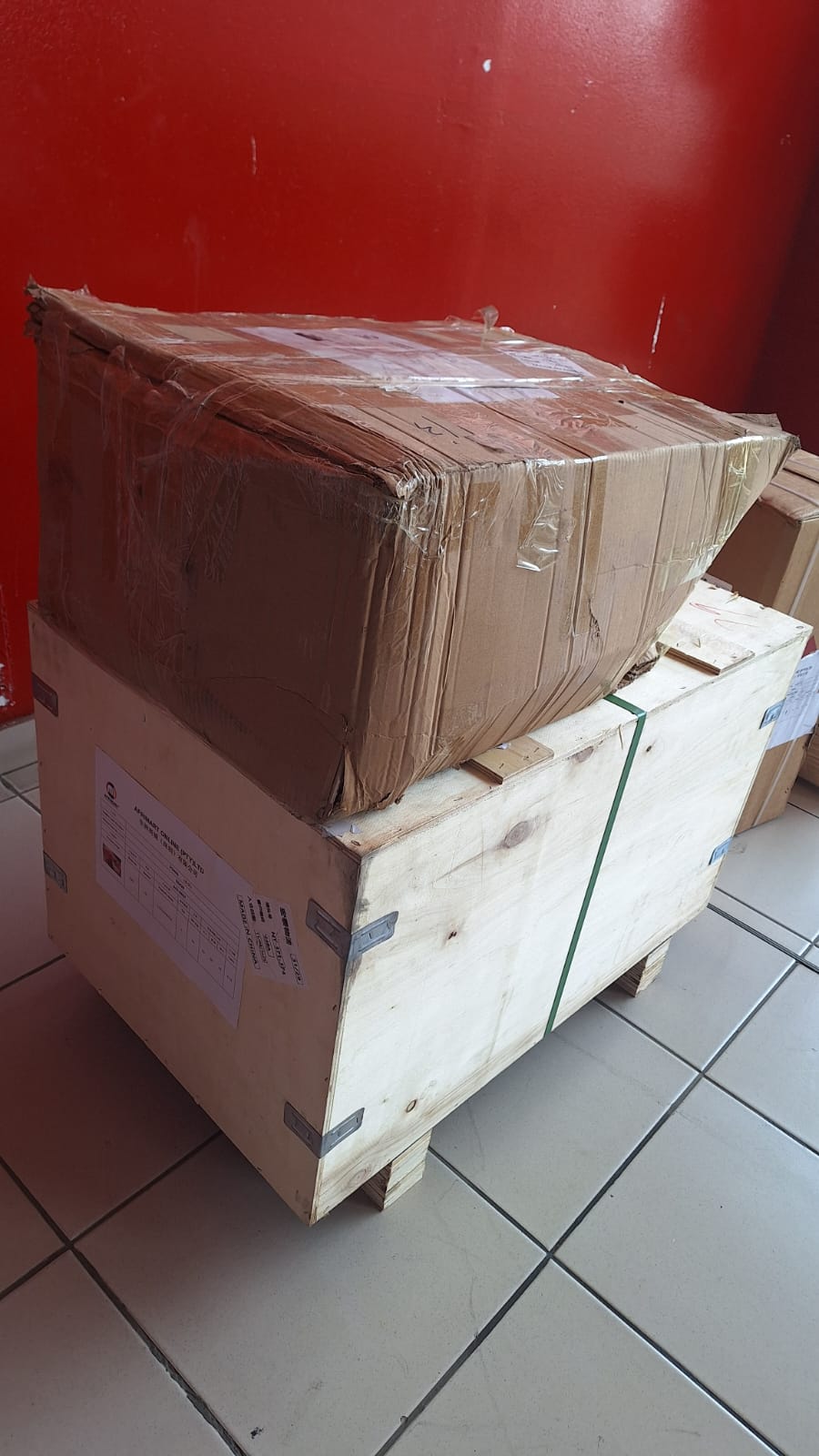
order success
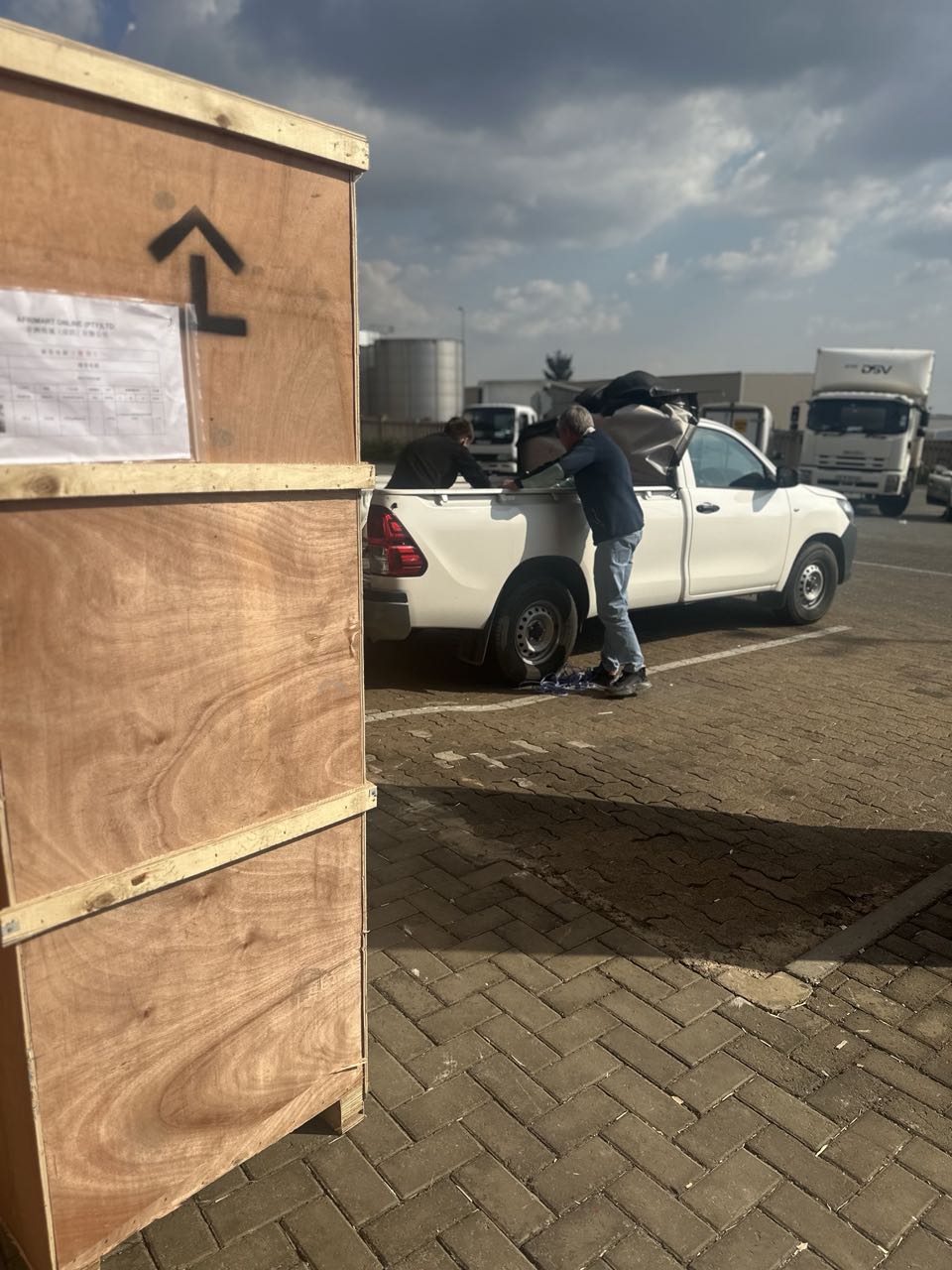
order collection
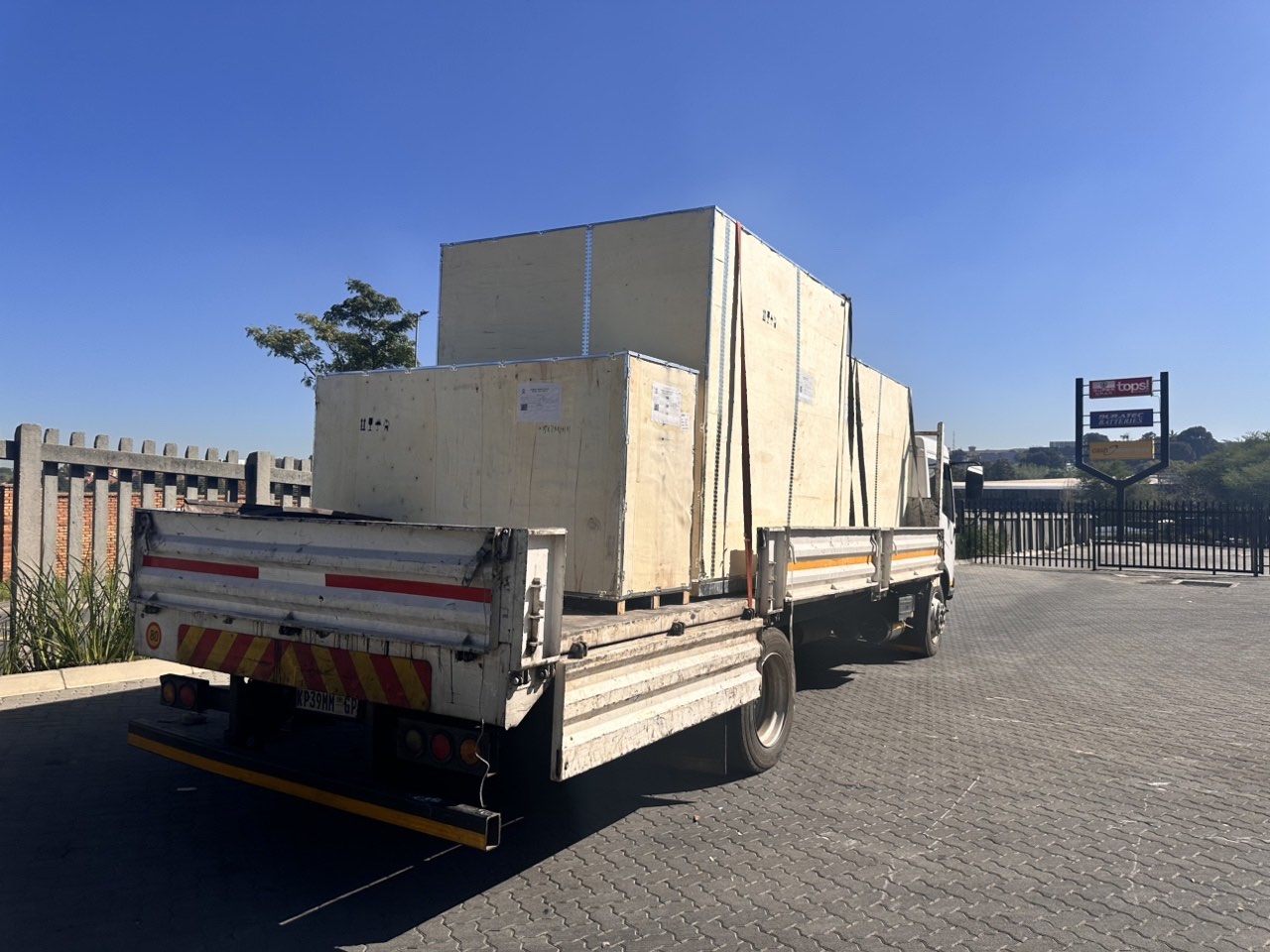
order offloading