B21, China Town Mall, Midrand

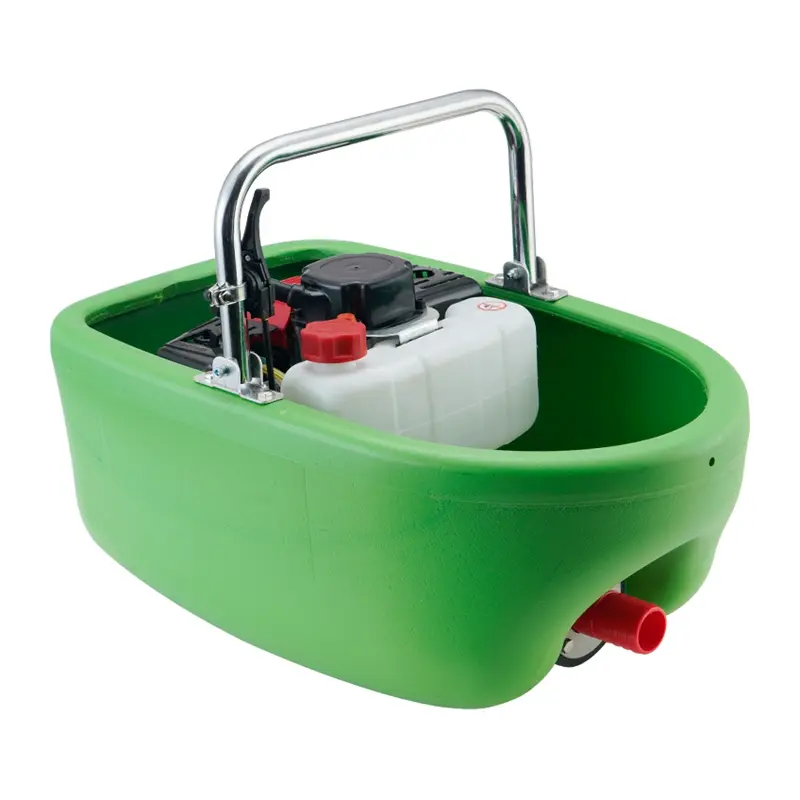
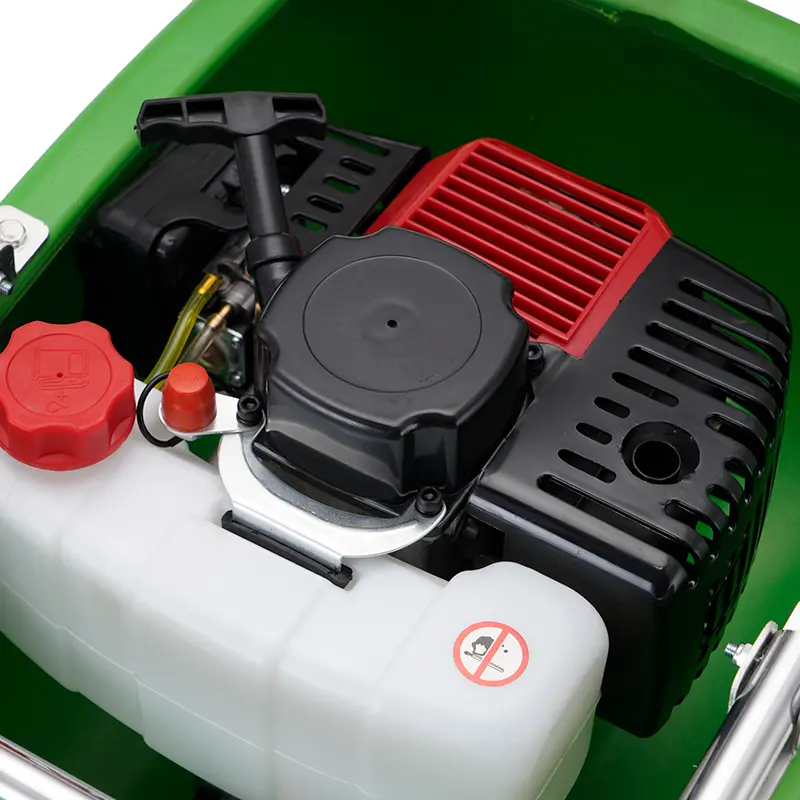
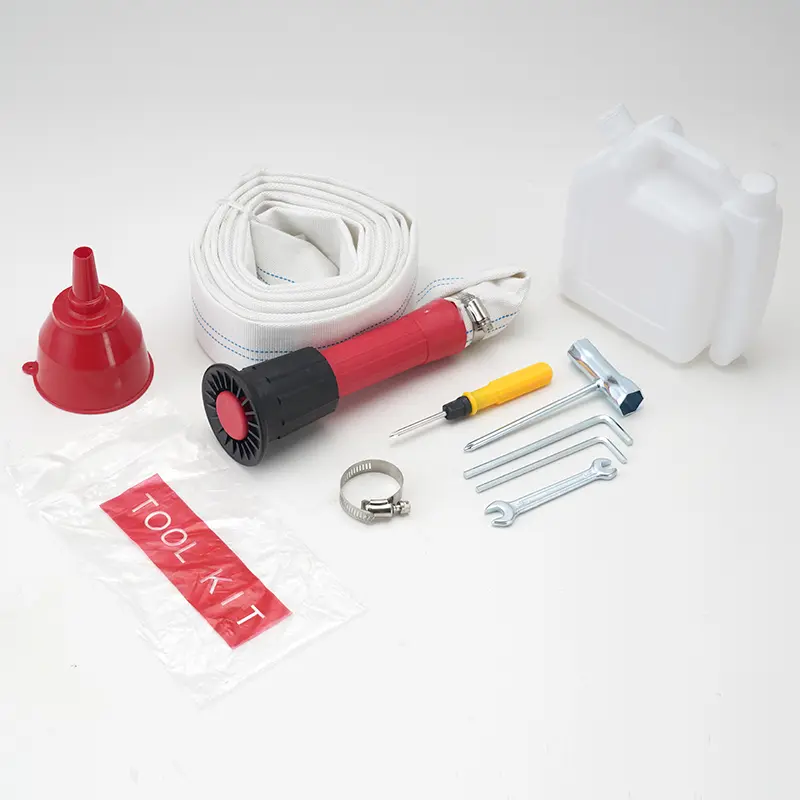
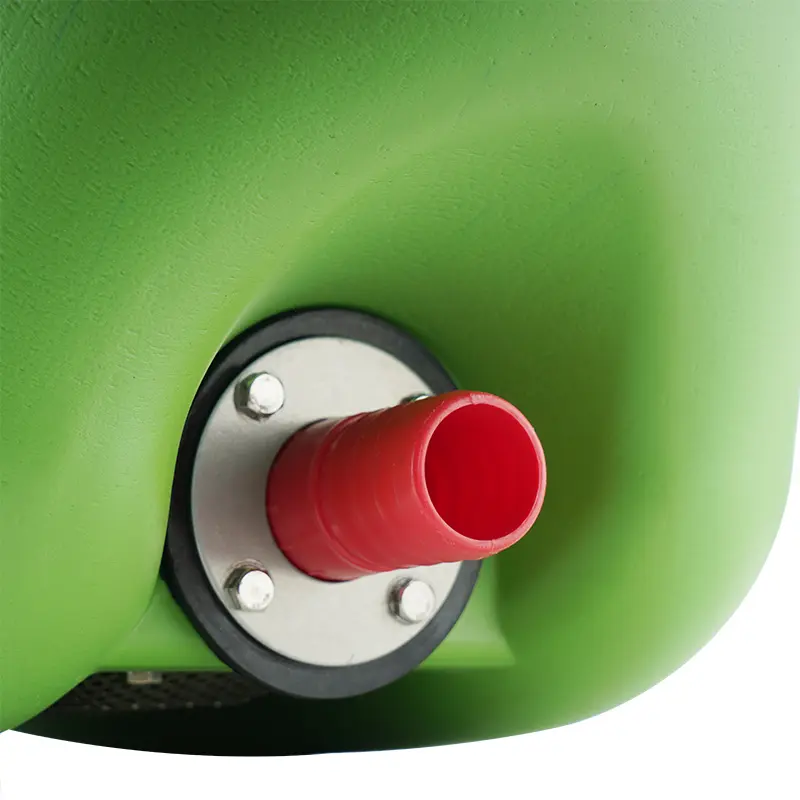
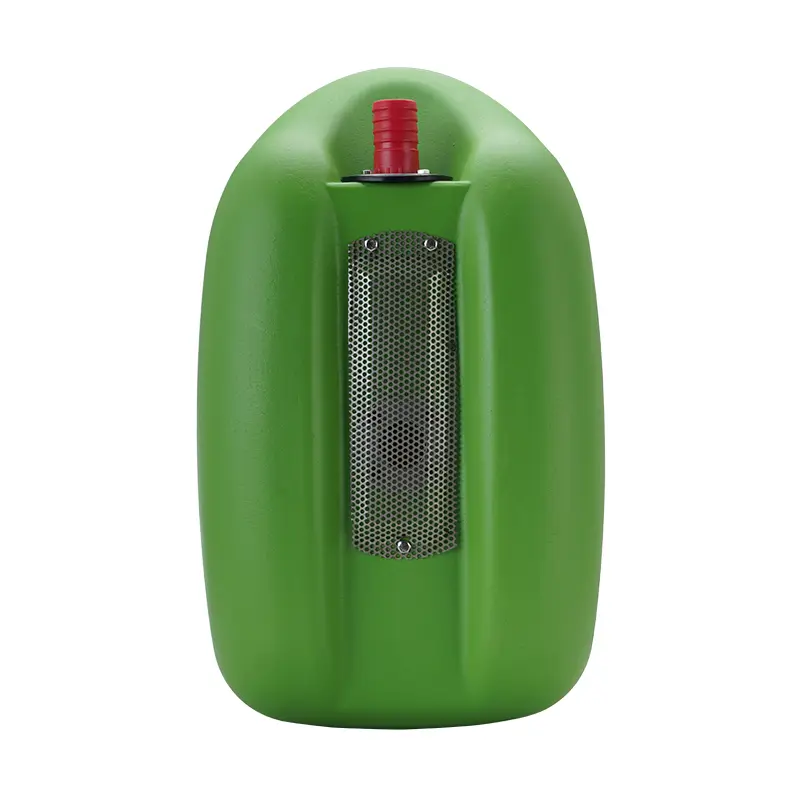
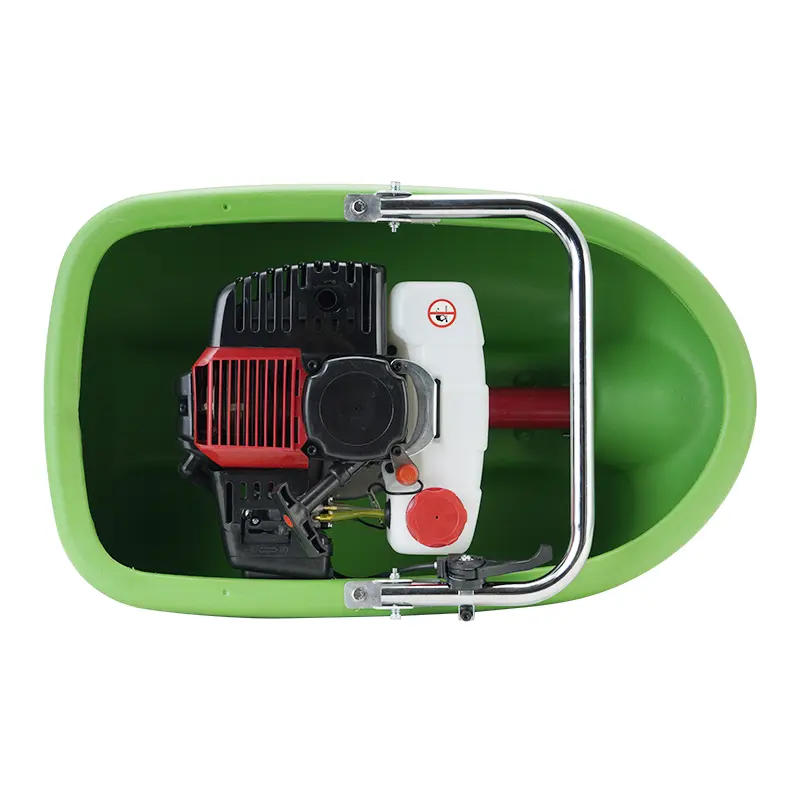
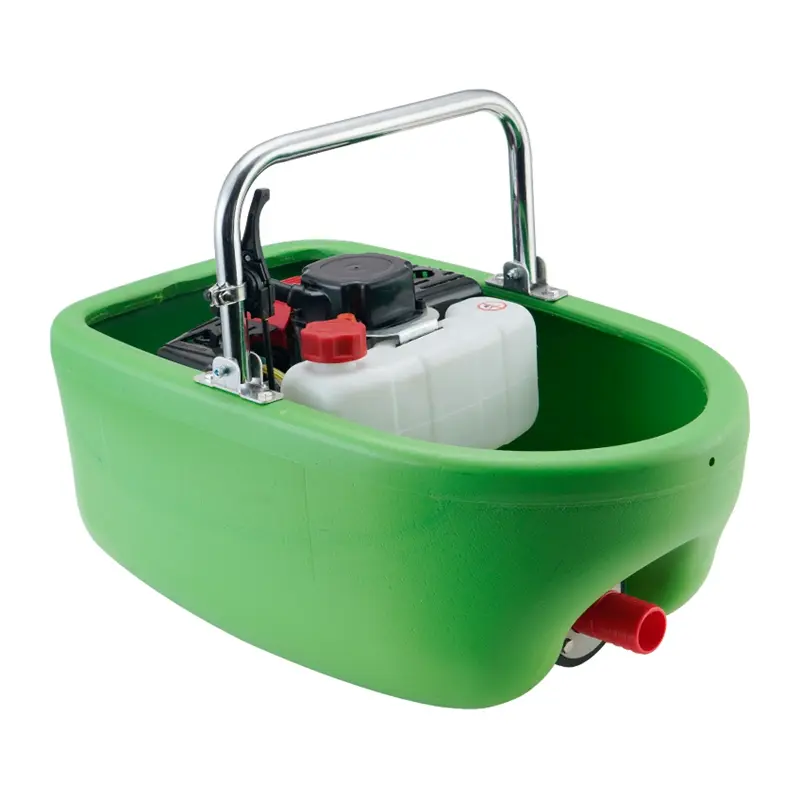
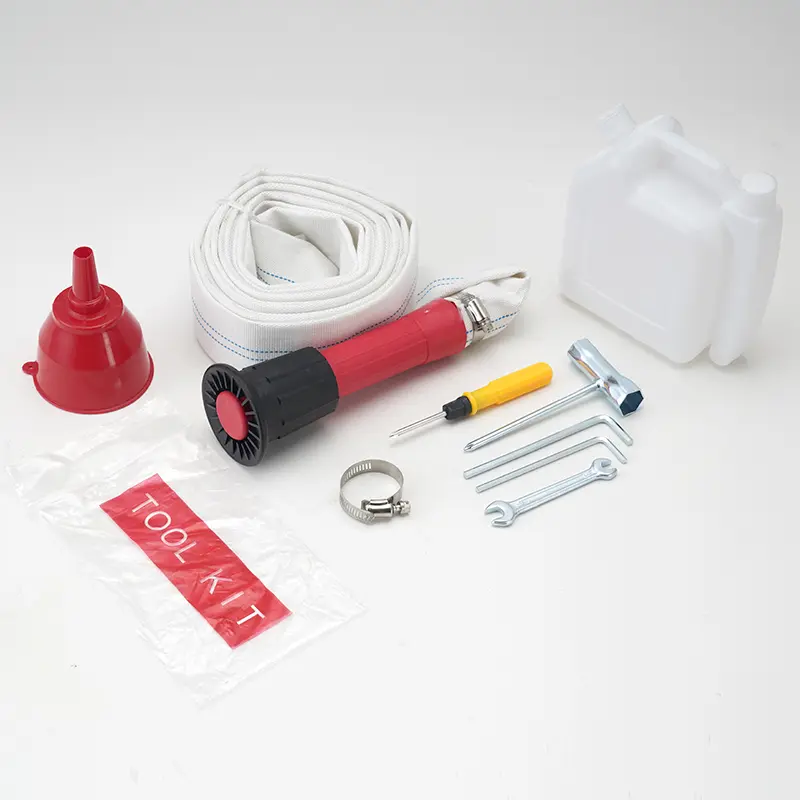
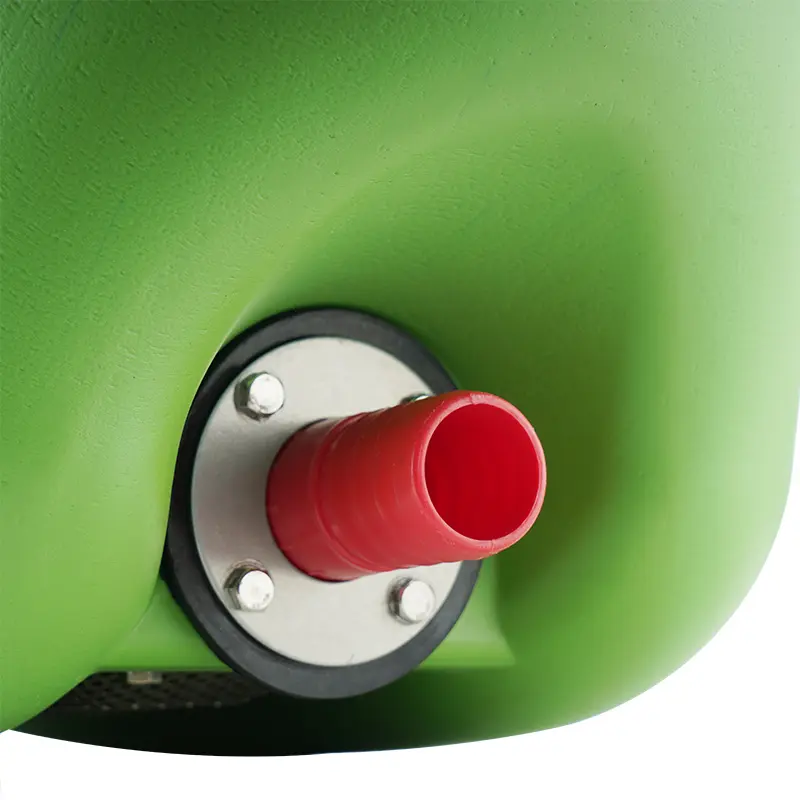
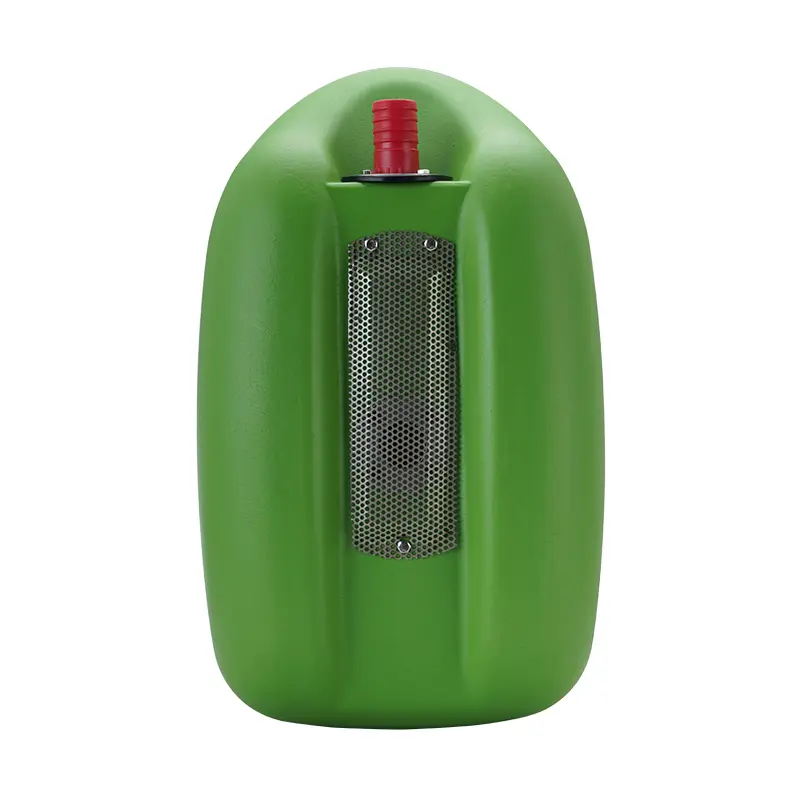
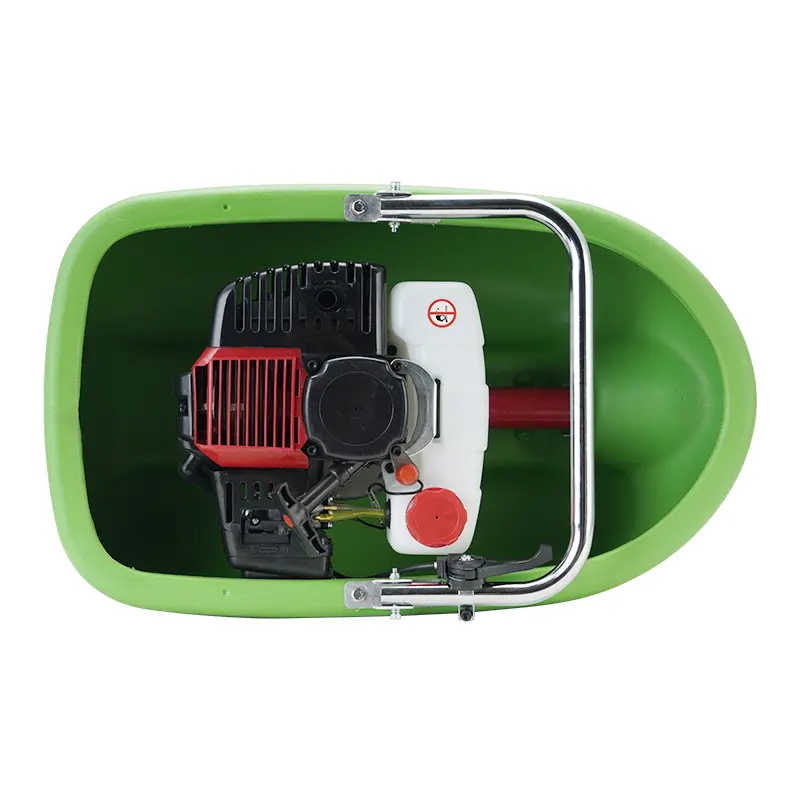
TF-32 Irrigation Float Controlled Diesel Water Pump

- Section : Machinery
- Category : Irrigation Systems
- SKU : 1600351012962

- Shipping Timeframes: All orders are processed within 2-5 business days (excluding weekends and holidays). After your order has been processed, the estimated delivery time is before 29 May, 2026, depending on customs, Please note that due to high demand, some items may experience longer shipping times, which will be communicated at order confirmation email.
- Order Processing Time: Please allow 2-5 business days for us to process your order before it is shipped . Orders placed after 16:00 on Fridays, or during weekends and public holidays, will begin processing on the next business day. Processing times may be extended during peak seasons or sales events.
- Manufacturing Time: Some products needs manufacturing time, the manufacturing process will take approximately 10-30 business days depending on the product. This timeframe may vary depending on the complexity of the product and current demand. but this will be communicated with you during order confirmation.
- Returns and Exchanges: We offer a 30-day return policy for most items. If you are not completely satisfied with your purchase, you may return it within 30 days of receipt for a refund or exchange. Items must be unused, in their original packaging, and accompanied by proof of purchase. Return shipping costs are the responsibility of the customer, unless the item was damaged or defective upon arrival.
1. What is the TF-32 Irrigation Float Controlled Diesel Water Pump?
The TF-32 is a float-controlled diaphragm water pump intended for irrigation and industrial utility use. It features a small engine drive (specifications listed by the manufacturer) and automatic operation via a float control to start/stop pumping based on water level.
2. What fuel does the TF-32 use?
The product name and primary specification list it as a diesel-powered pump. Some listings may incorrectly show gasoline; confirm with your supplier or datasheet if you need a gasoline variant. Always follow the engine labeling and supplier documentation.
3. What are the key engine specifications?
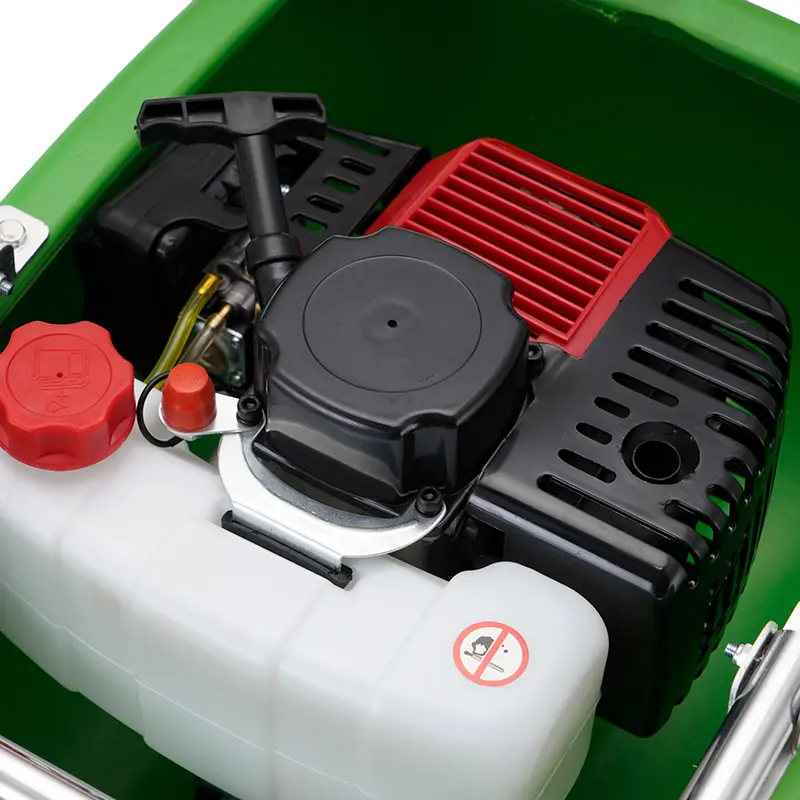
Manufacturer-provided specs include displacement 52 cc, rated power 2.2 kW at 7,500 rpm, fuel tank capacity 1200 ml, ignition type CDI, and engine model 1E44F-5.
4. What does 'float controlled' mean and how does it work?
Float control refers to a float switch that senses liquid level. When the liquid reaches a preset level the float activates the pump (starts engine/electrical circuit); when the level falls it turns the pump off. This enables automatic on/off operation without manual intervention.
5. What are the advantages of the diaphragm pump structure?
Diaphragm pumps are self-priming, tolerant of running dry for short periods, and better at handling solids or abrasive particles compared with some other pump types. They are often used where suction lift or solids handling is required.
6. What certifications does the TF-32 have?
The provided specification lists CE certification. For full compliance and documentation, request the CE certificate or test reports from the supplier.
7. Can the TF-32 be customized or OEM-branded?
Yes. The description indicates customized support and OEM availability. Contact the manufacturer or authorized distributor to discuss branding, labeling, or specification changes.
8. What typical applications is this pump suited for?
Typical uses include agricultural irrigation, water transfer for industrial utilities, drainage, and other applications requiring automatic level control and reliable pumping of surface or shallow water.
9. What installation considerations should I follow?
Install on a stable, level base; ensure proper ventilation for the engine exhaust; plumb inlet/outlet with appropriate hoses or piping and strainers; mount the float switch securely at the correct level; and follow local fuel storage and exhaust safety regulations.
10. What maintenance is recommended?
Routine maintenance typically includes engine oil checks/replacement, fuel filter inspection, air filter cleaning, diaphragm and valve inspections, checking and cleaning the float switch, and inspecting hoses and fittings for leaks. Follow the manufacturer’s maintenance schedule and use specified consumables.
11. What spare parts should I keep on hand?
Common spares include diaphragms, valves/seats, gaskets, inlet strainers, fuel and air filters, spark plug (if applicable), and a spare float switch. Confirm part numbers with the supplier for correct replacements.
12. What performance data (flow rate and head) does the TF-32 deliver?
Flow rate and maximum head are not provided in the brief specification. Performance depends on pump model and configuration. Request the pump performance curve or datasheet from the supplier to confirm flow (m3/h or L/min) and head (meters) for your operating conditions.
13. Is the pump self-priming and can it handle solids?
As a diaphragm-type pump, it is generally self-priming and more tolerant of solids or suspended particles than many centrifugal pumps. For specific particle size limits and solids-handling capability, consult the manufacturer.
14. Are there safety precautions I should take when using the TF-32?
Yes. Operate in a well-ventilated area to avoid exhaust fumes, keep the pump and engine away from open flames when refueling, secure and ground electrical components if present, avoid running the pump unattended without appropriate safeguards, and follow local regulations for fuel storage and emissions.
Latest Order Arrivals
Discover our latest orders
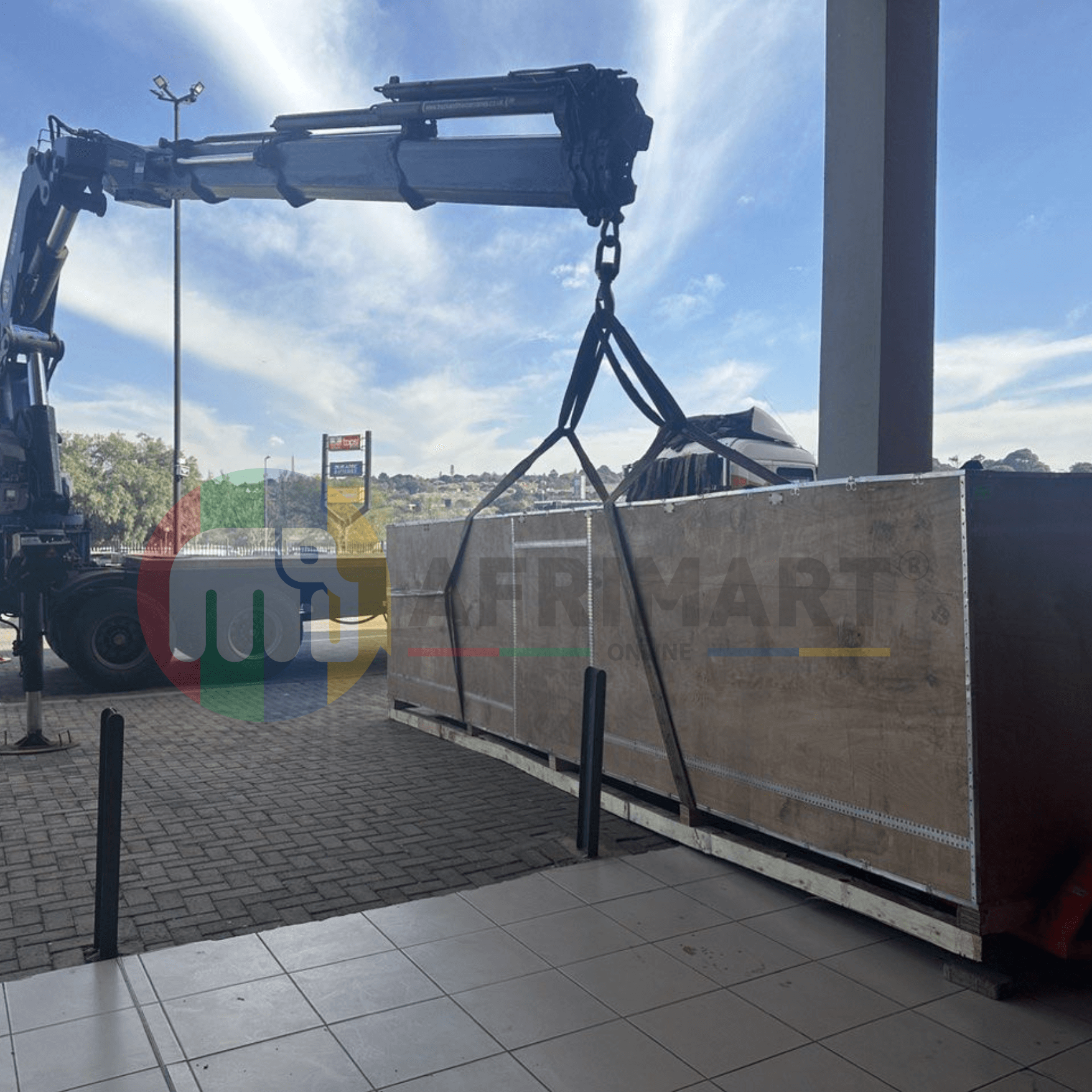
12 Heads Embroidery Machine
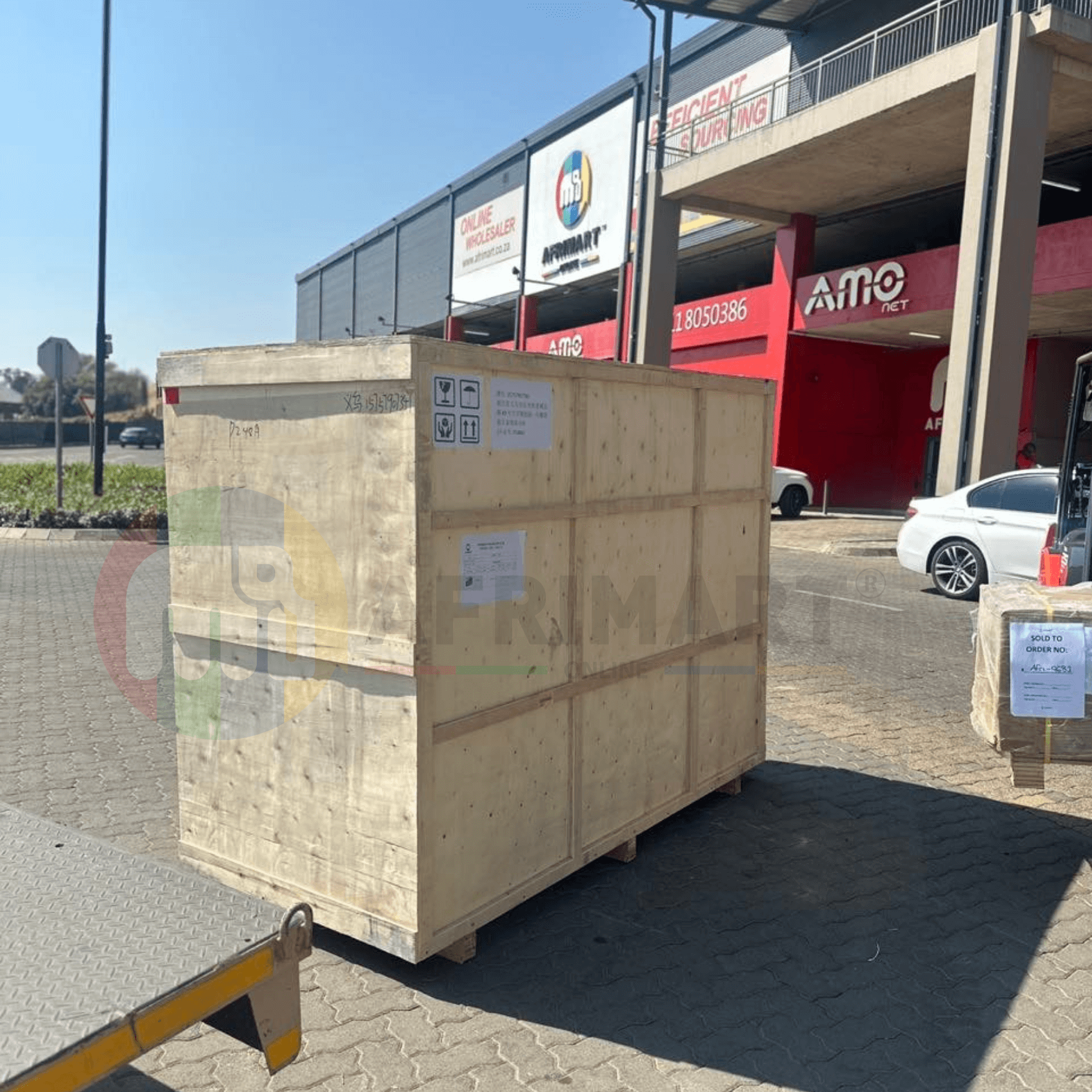
Dewatering Pump Machine
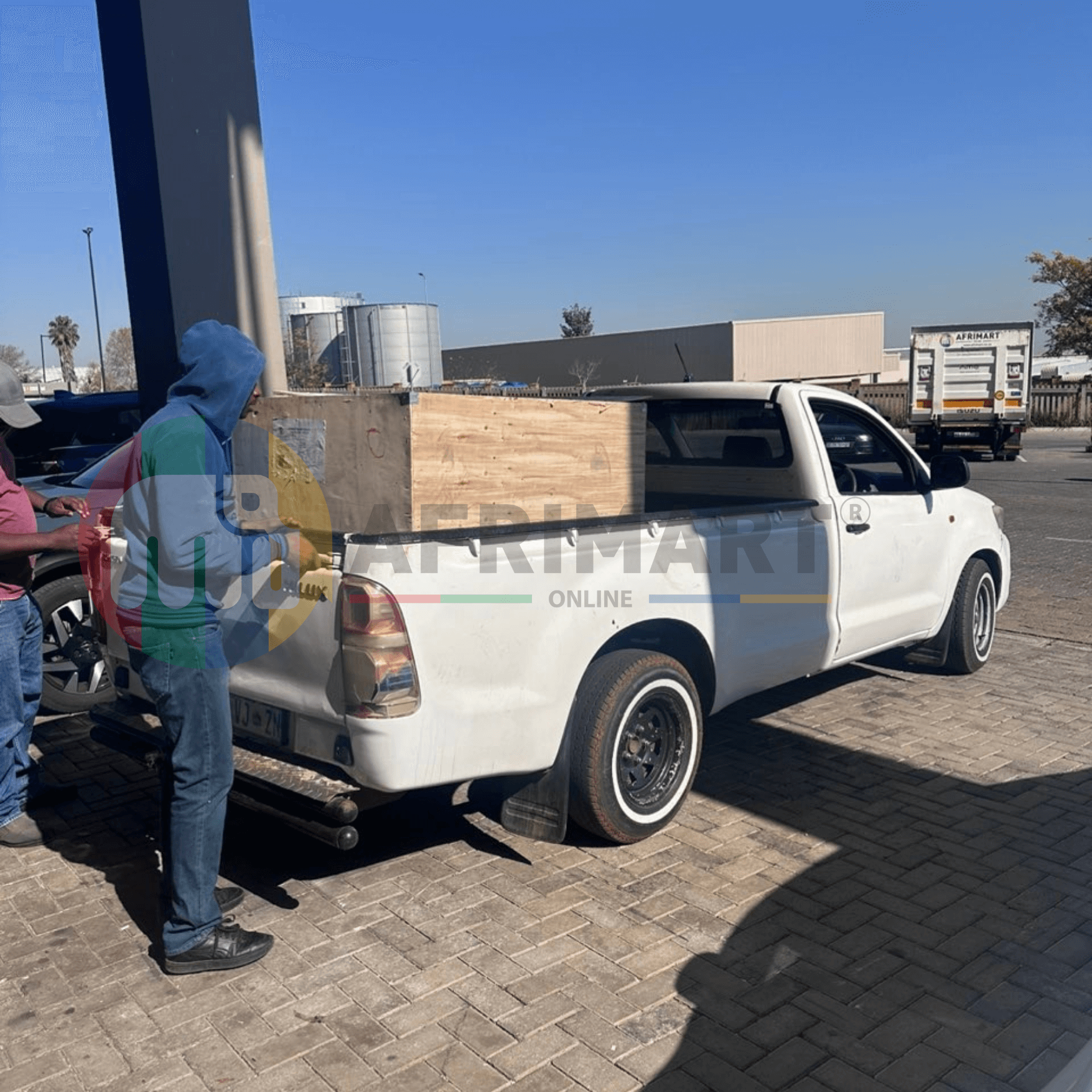
Order Collection
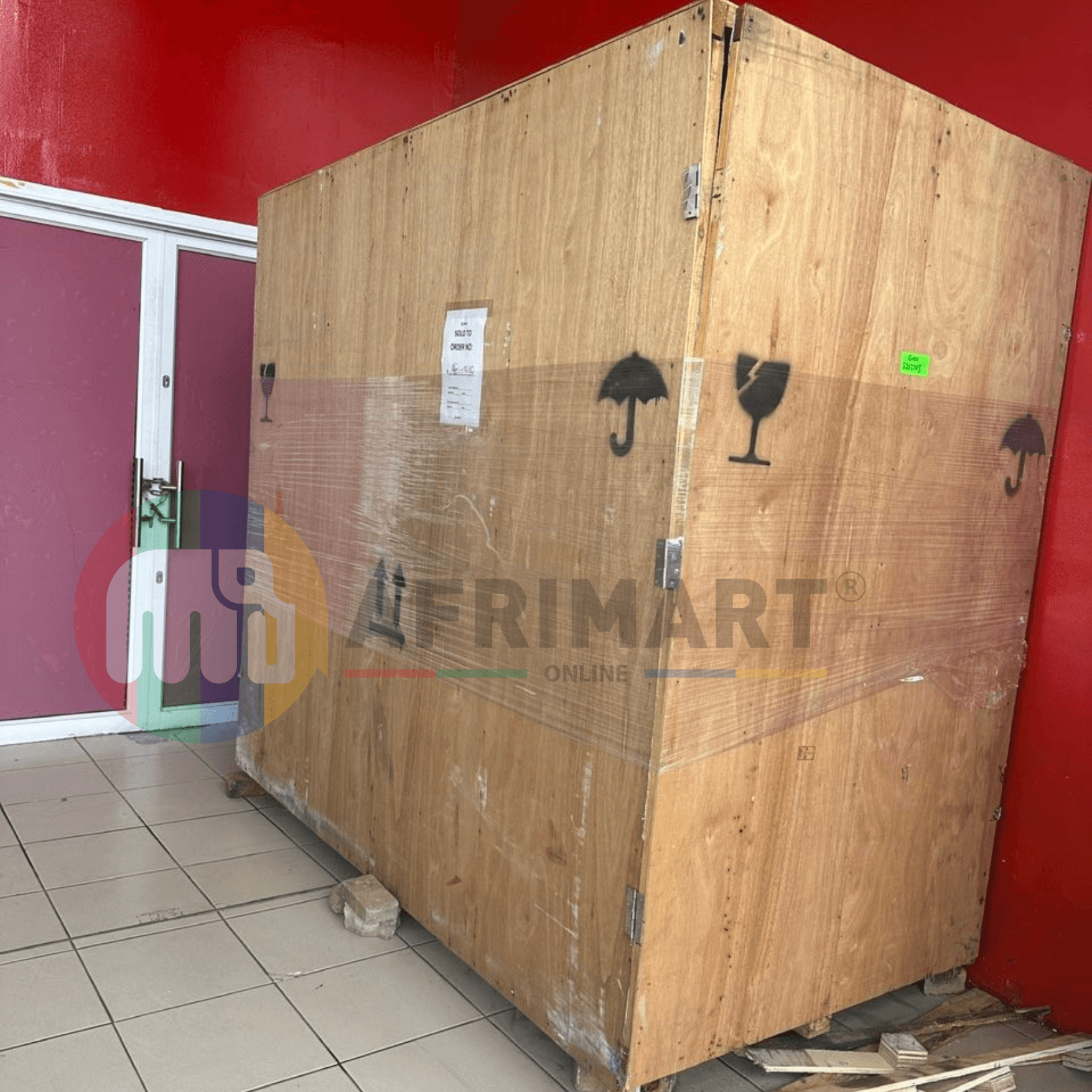
Portable Water Drilling Rig
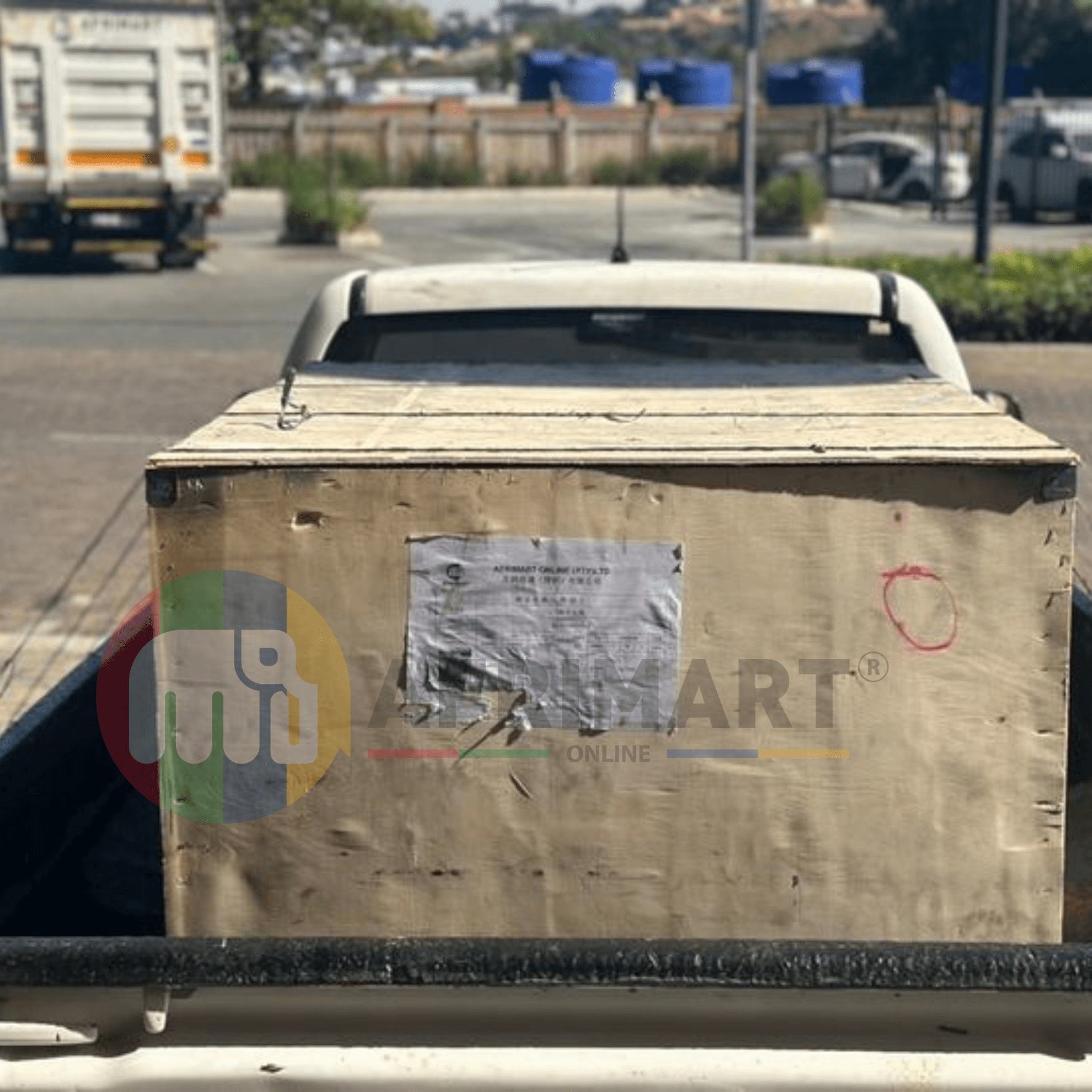
Order Usefully Collected
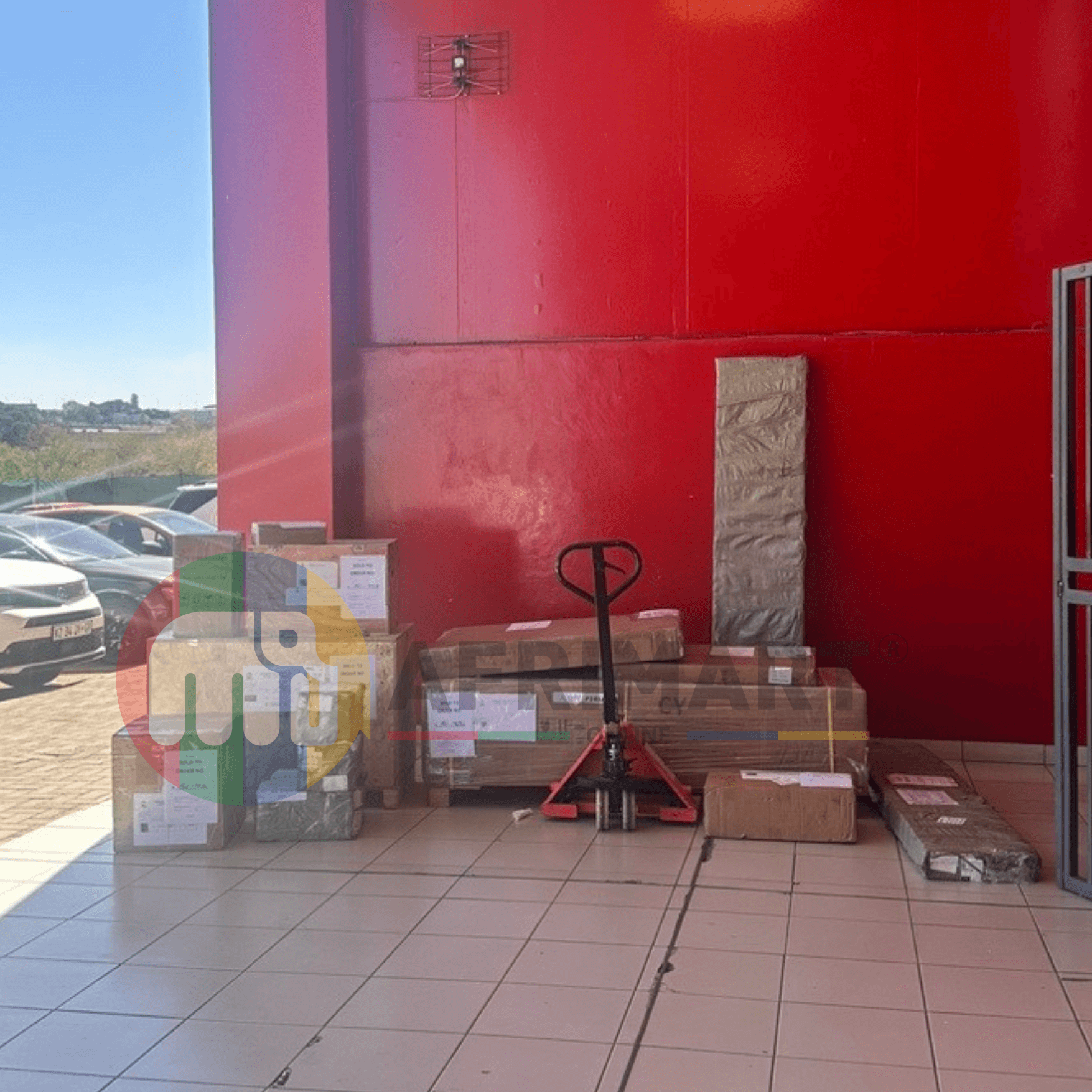
Batch of Orders
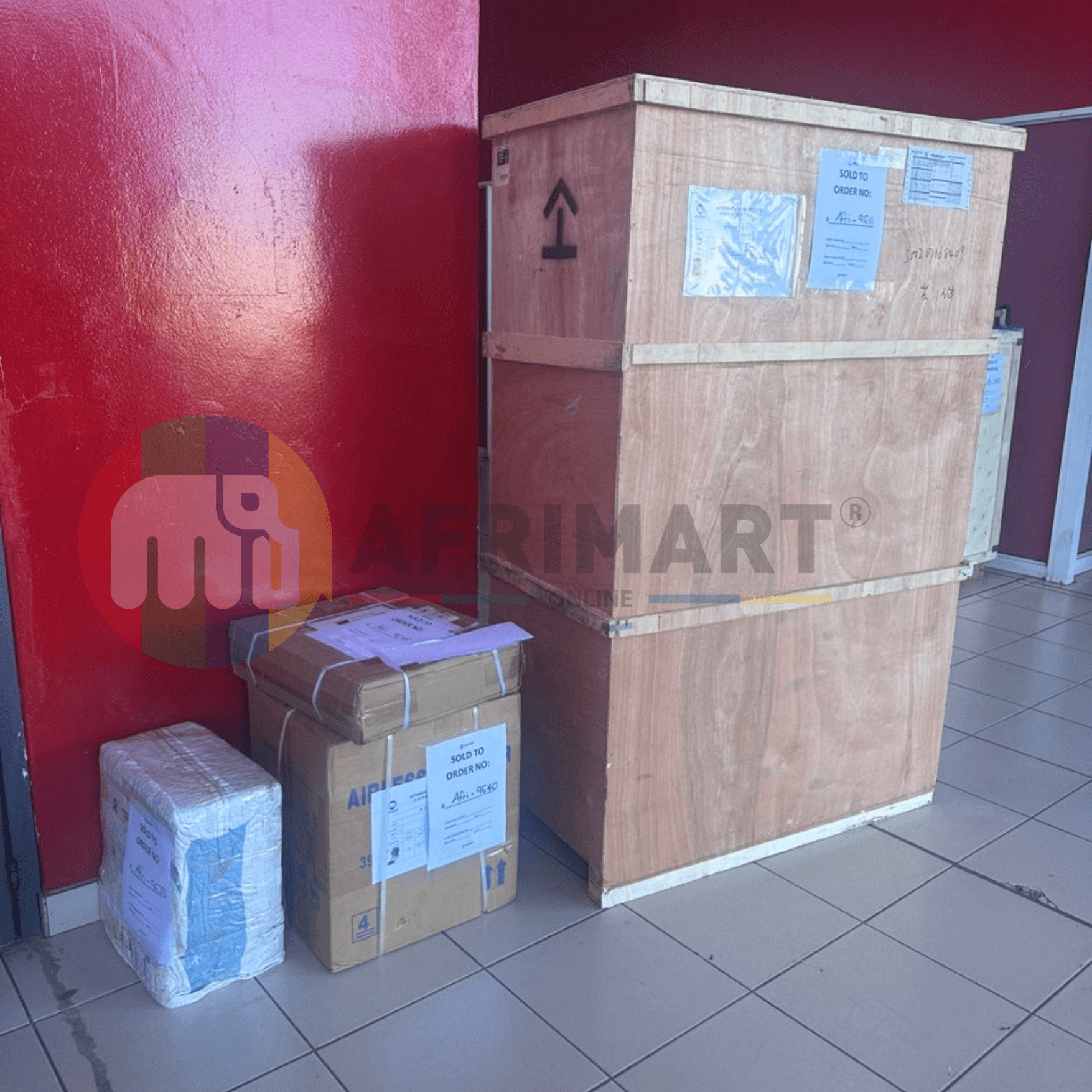
Agriculture Processing Machines
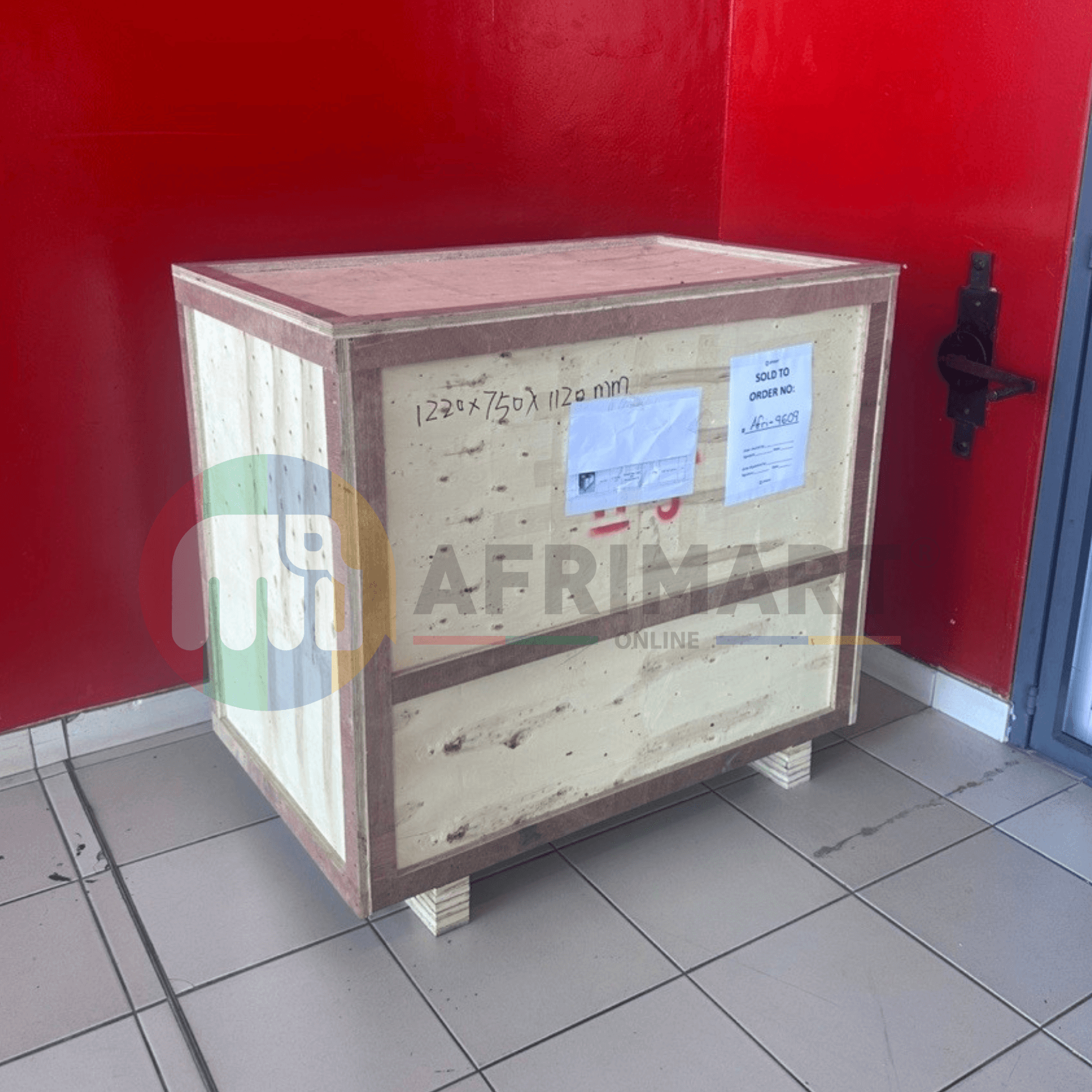
Meat Grinder Machine
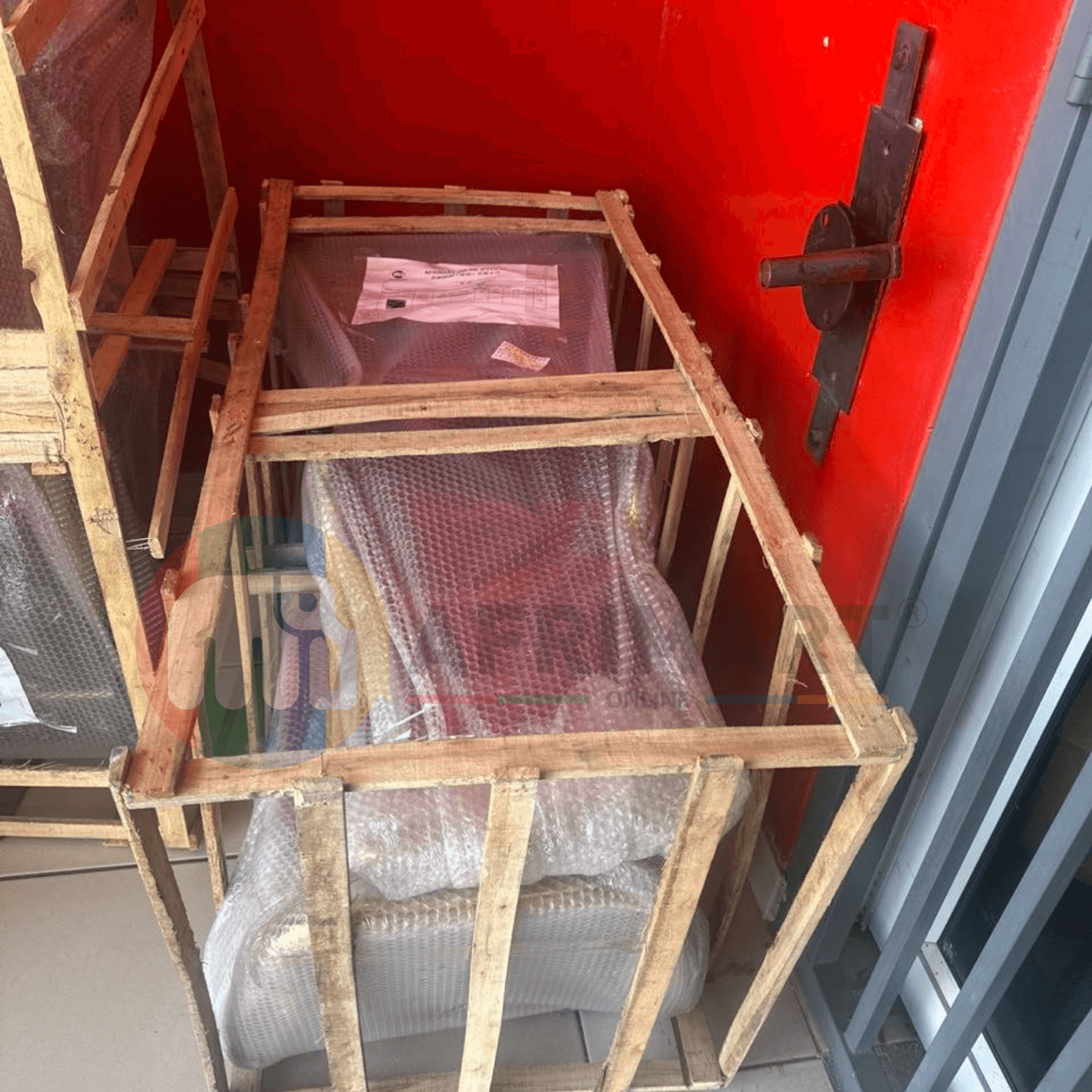
Water Pump Equipment
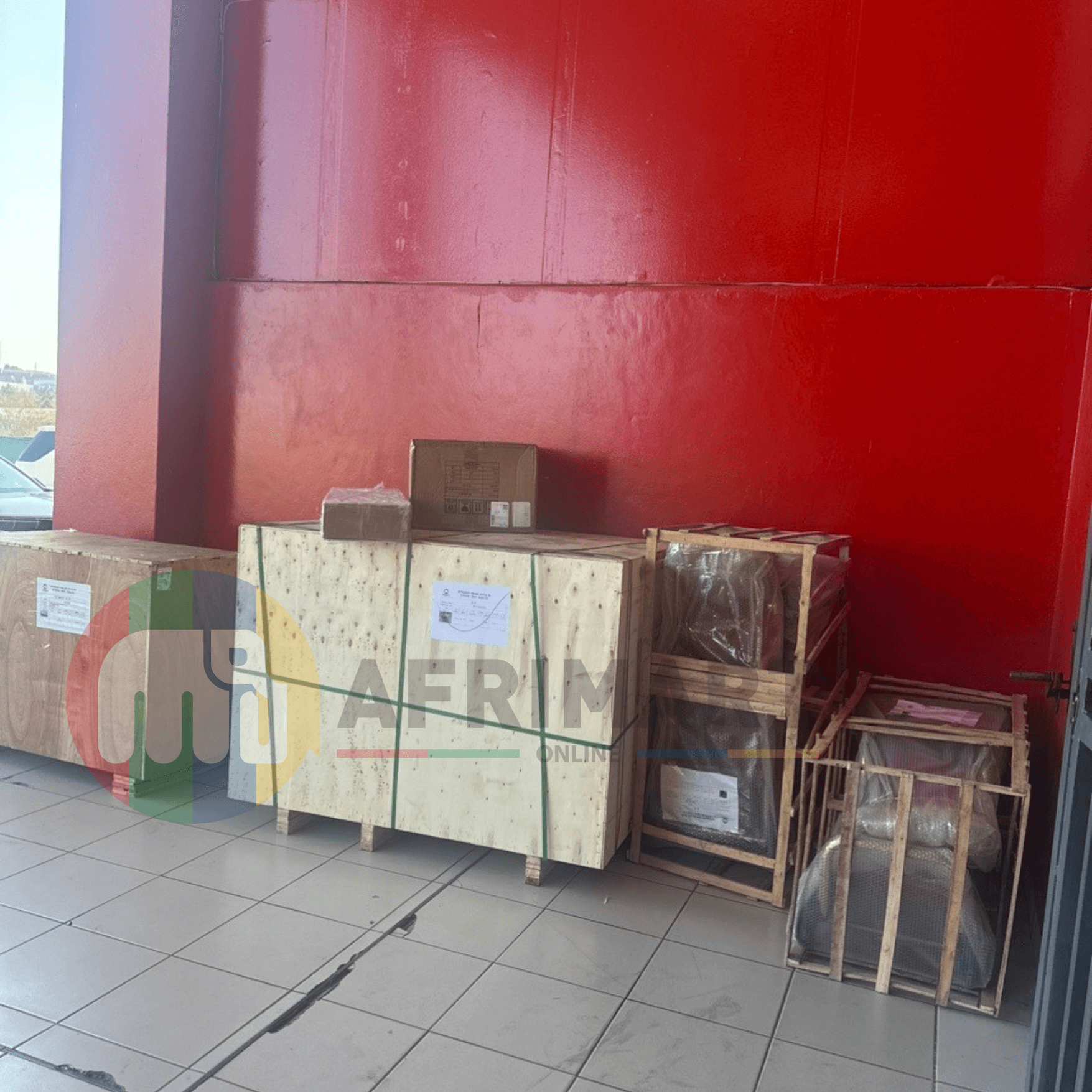
Packaging Machine and accessories
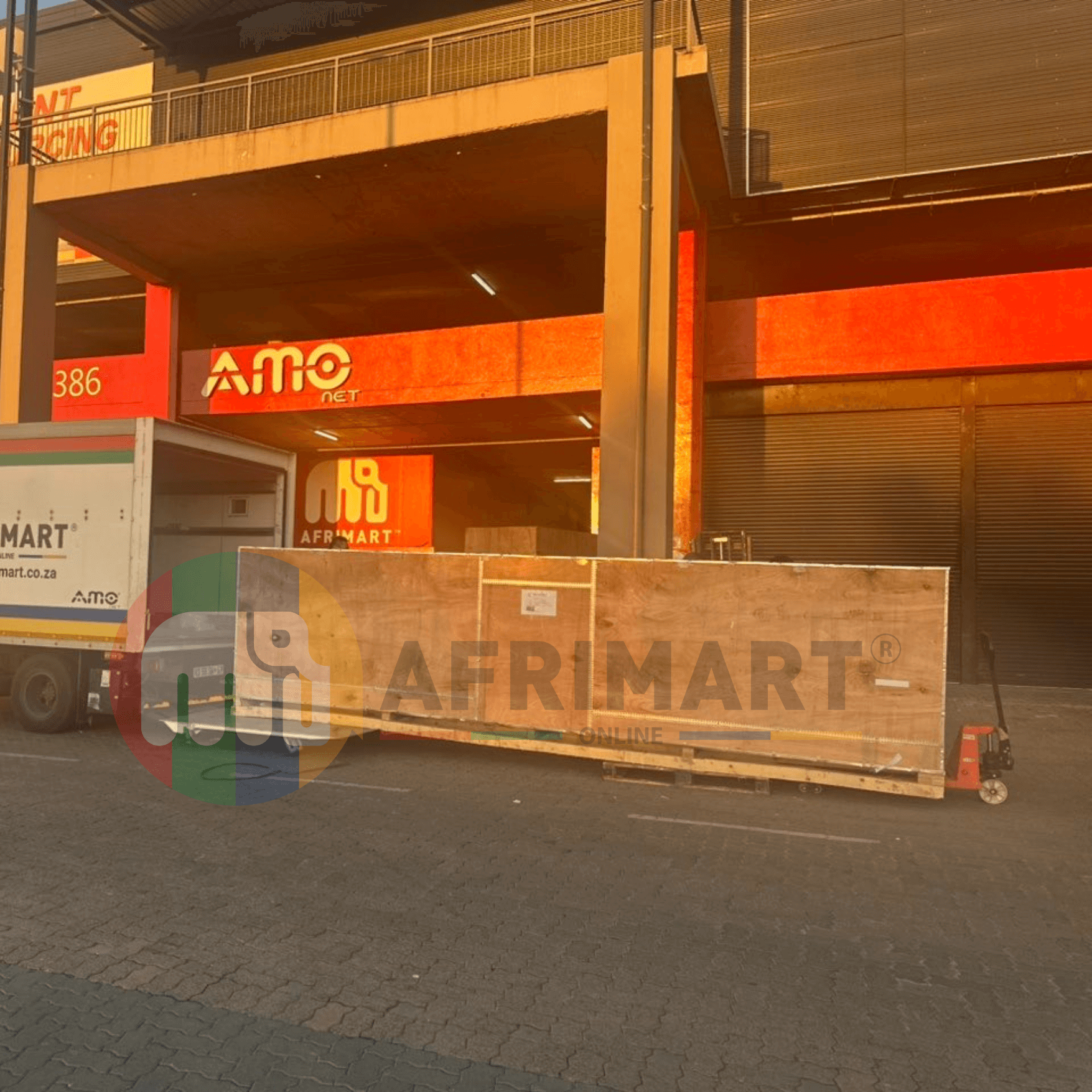
Fabrics Manufacturing Equipment
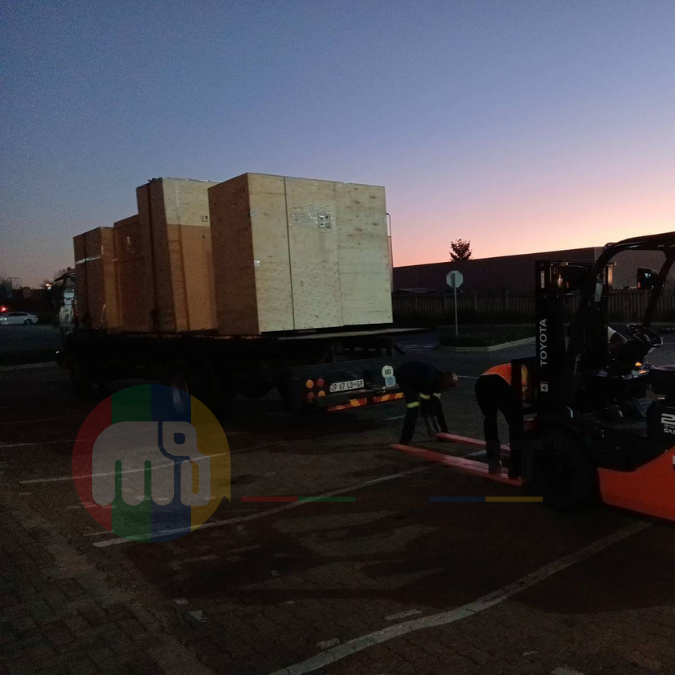
Mining Equipments
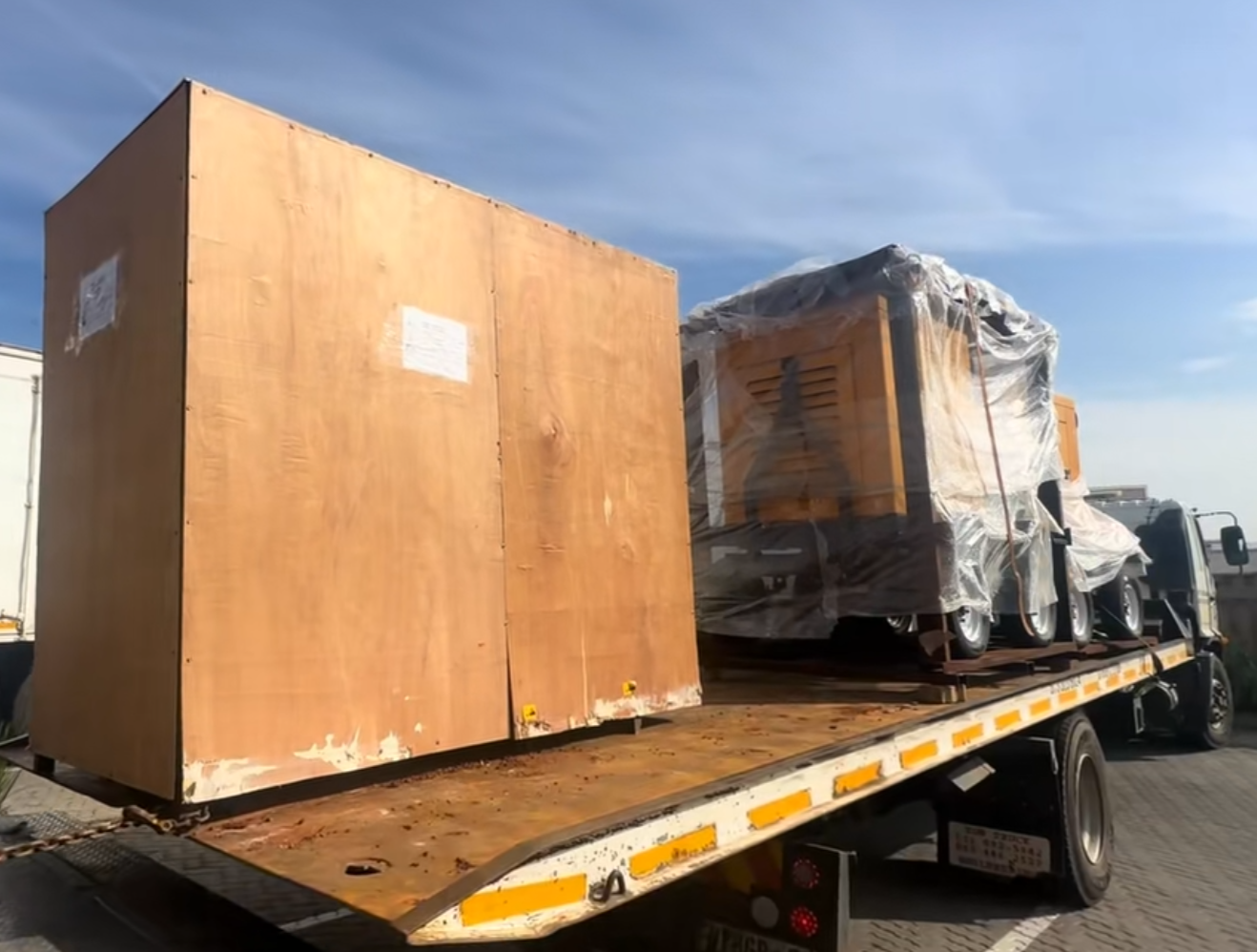
Food Processing Machine
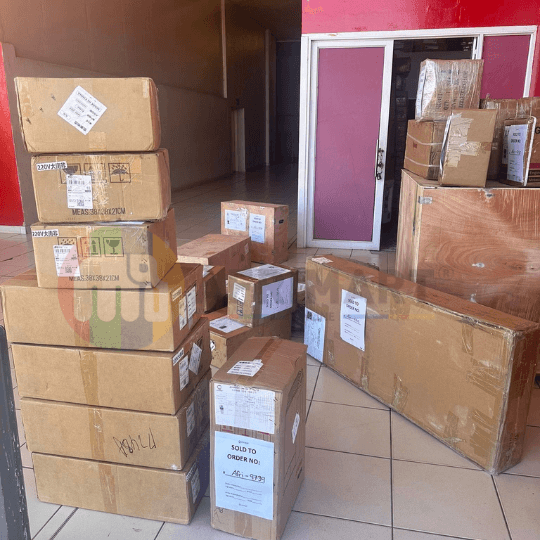
Batch of Orders
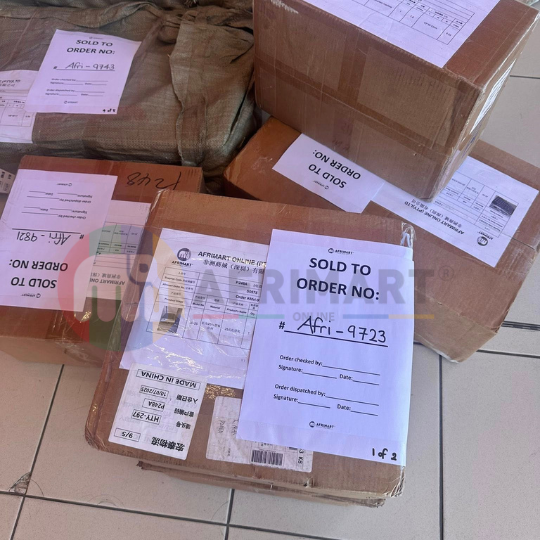
Batch of Orders
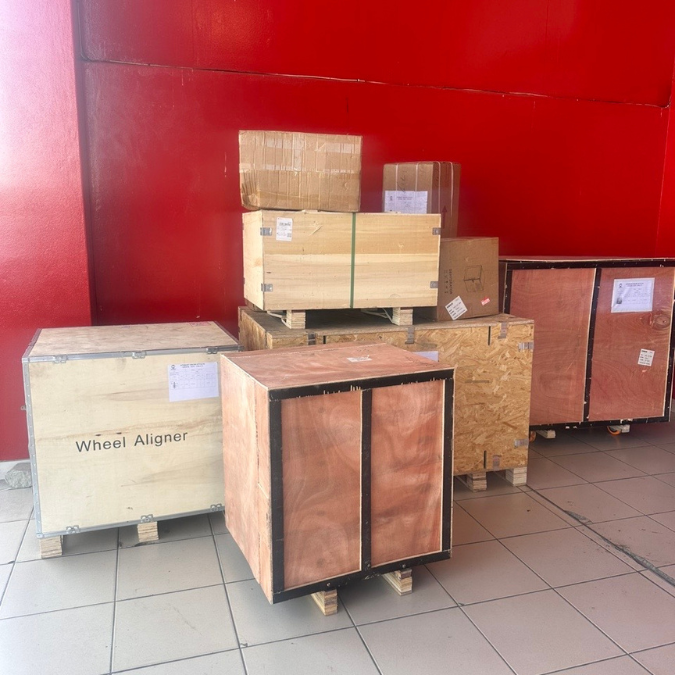
Latest Orders Labelled
wheel alignment machines
new arrivals
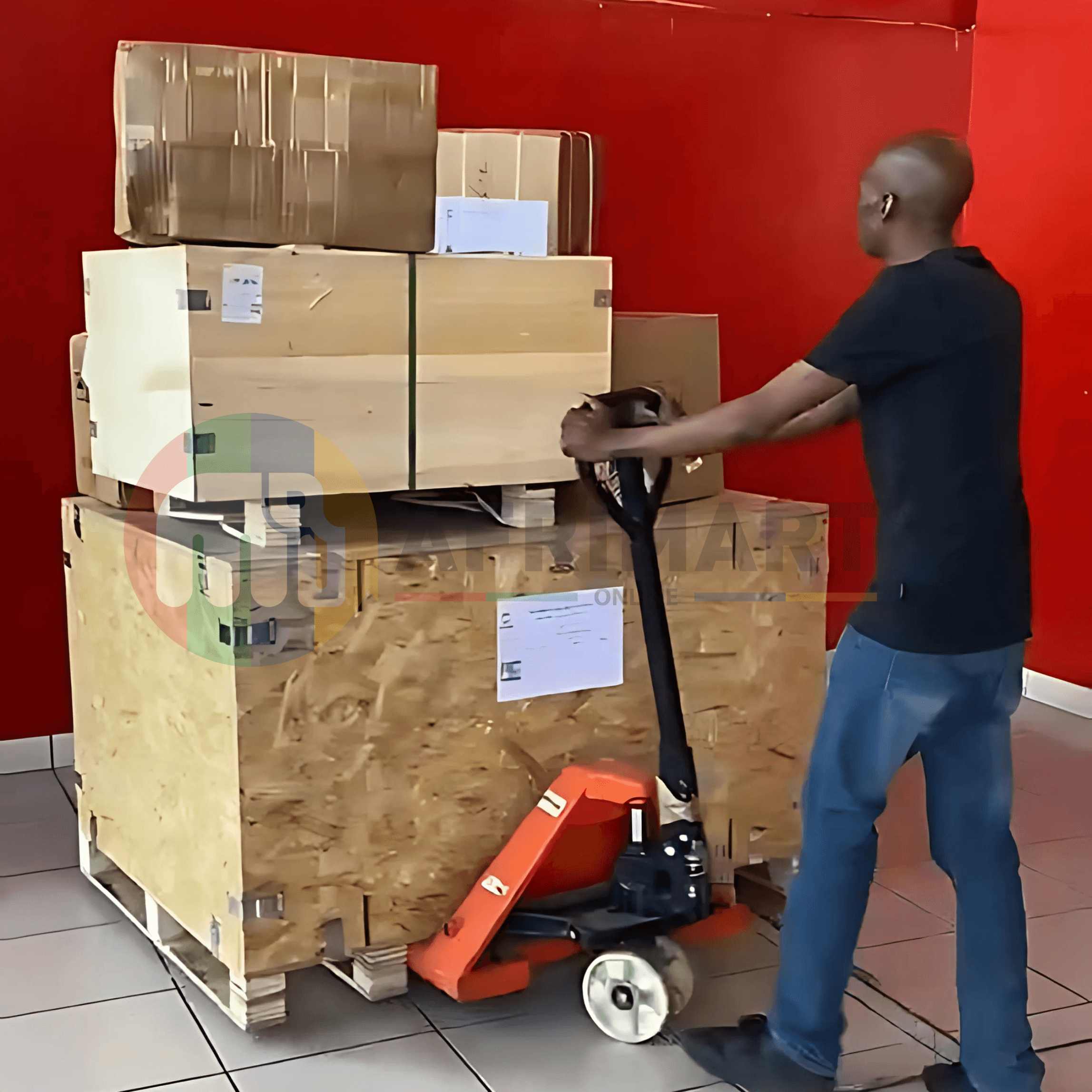
Pre Orders Offloading
Latest Arrivals
Latest Arrivals
Latest Arrivals
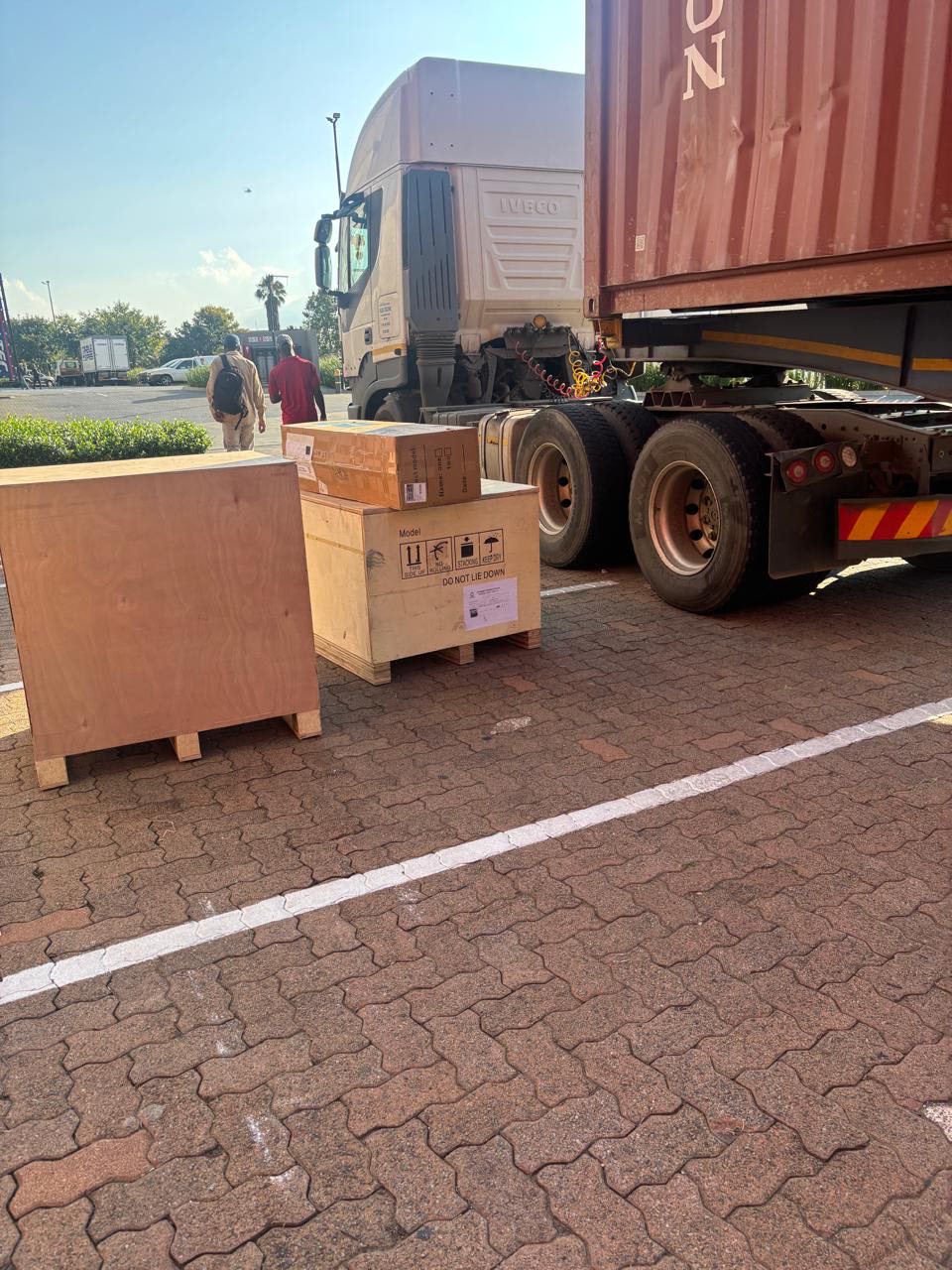
26 January 2026
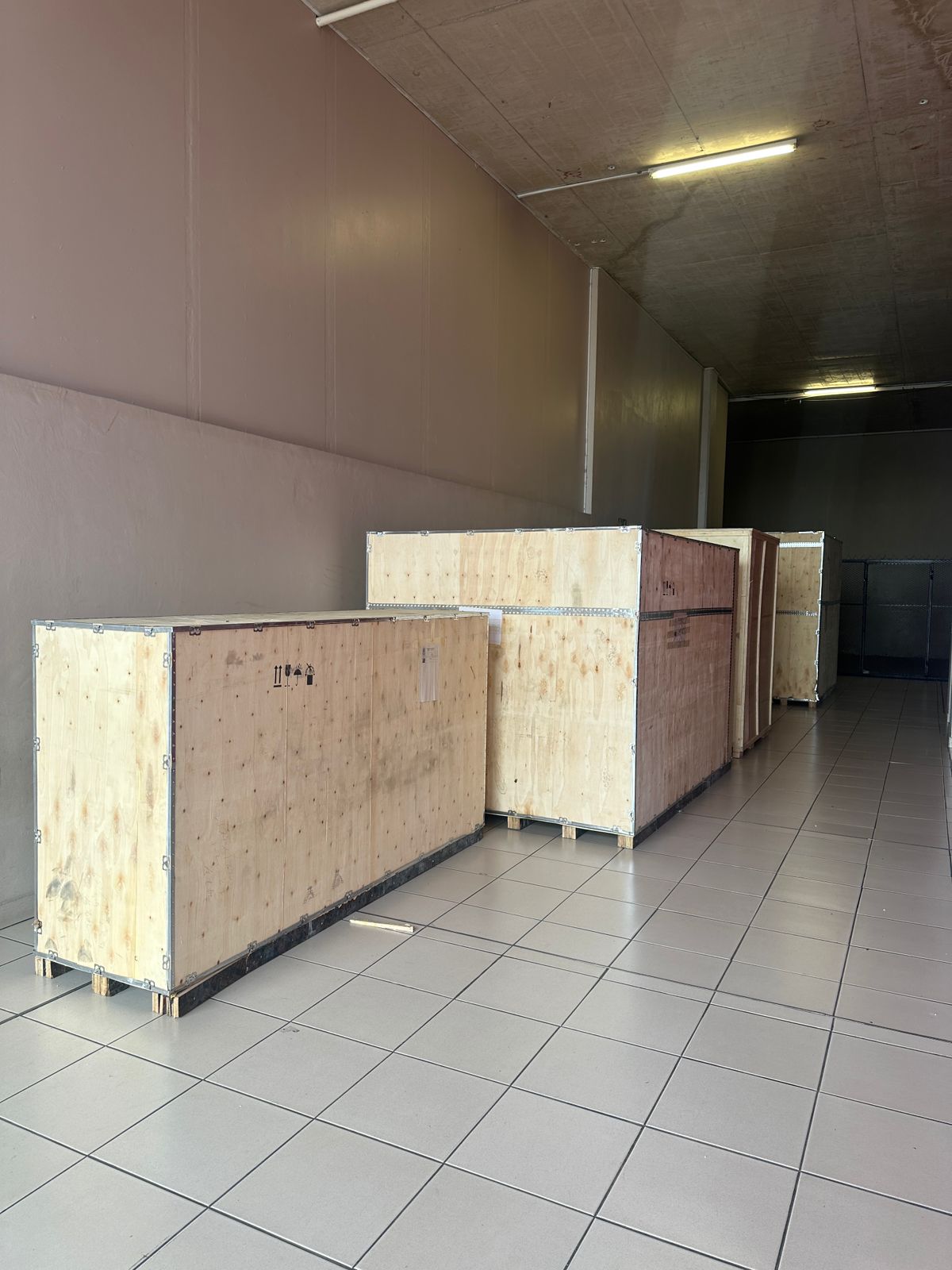
Toilet paper making machine
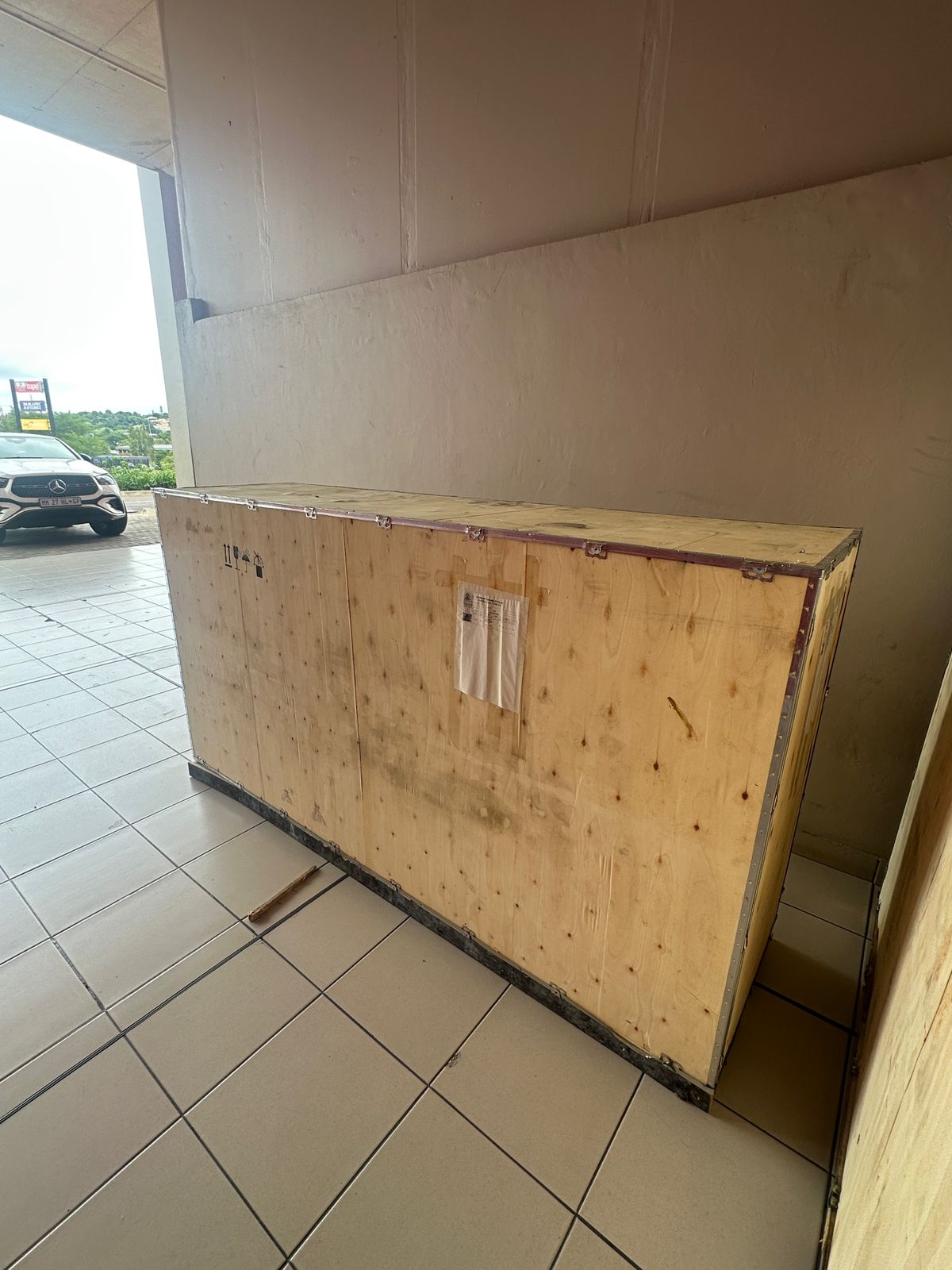
Toilet paper making machine
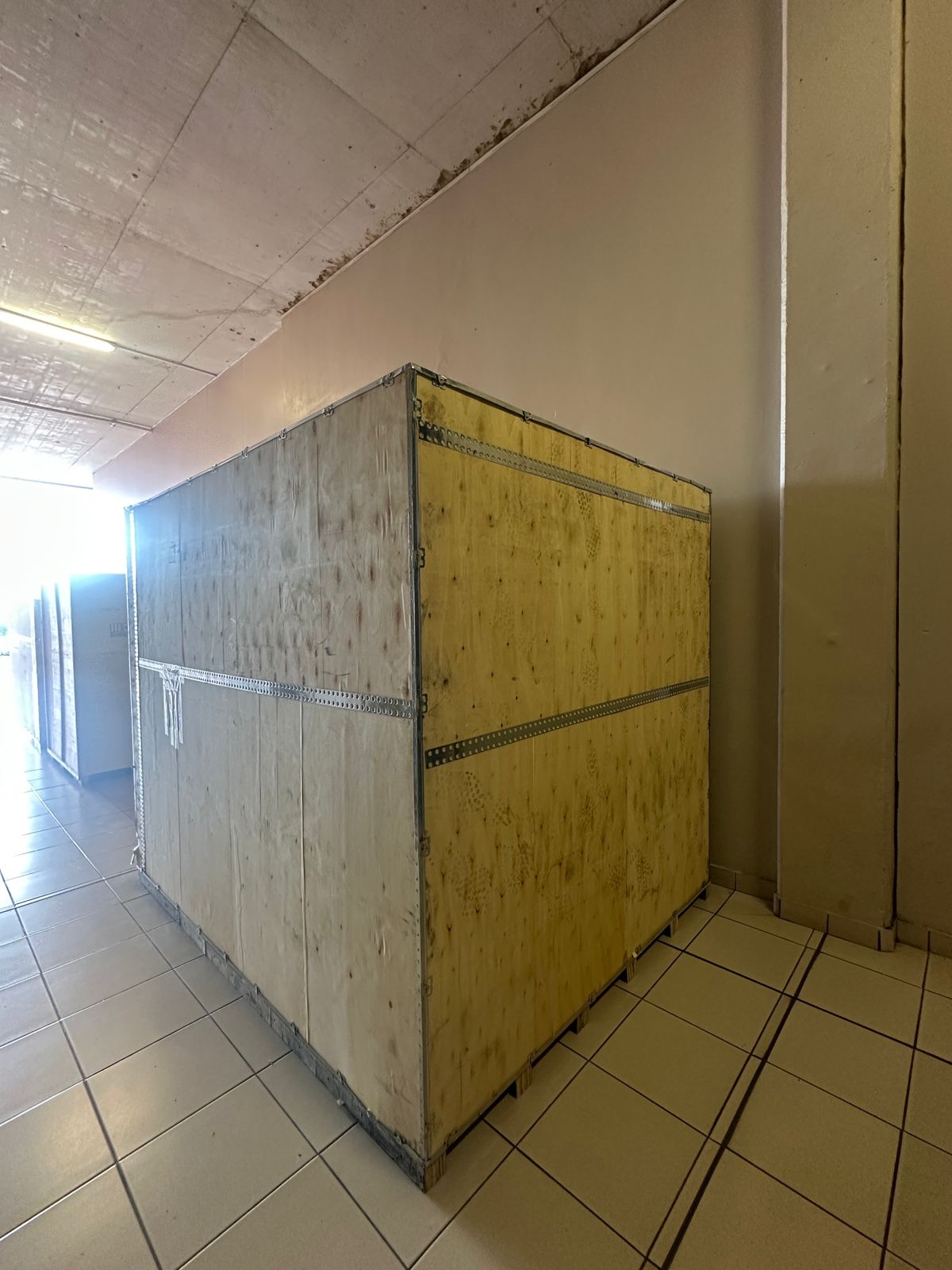
Toilet paper Rewinding Machine
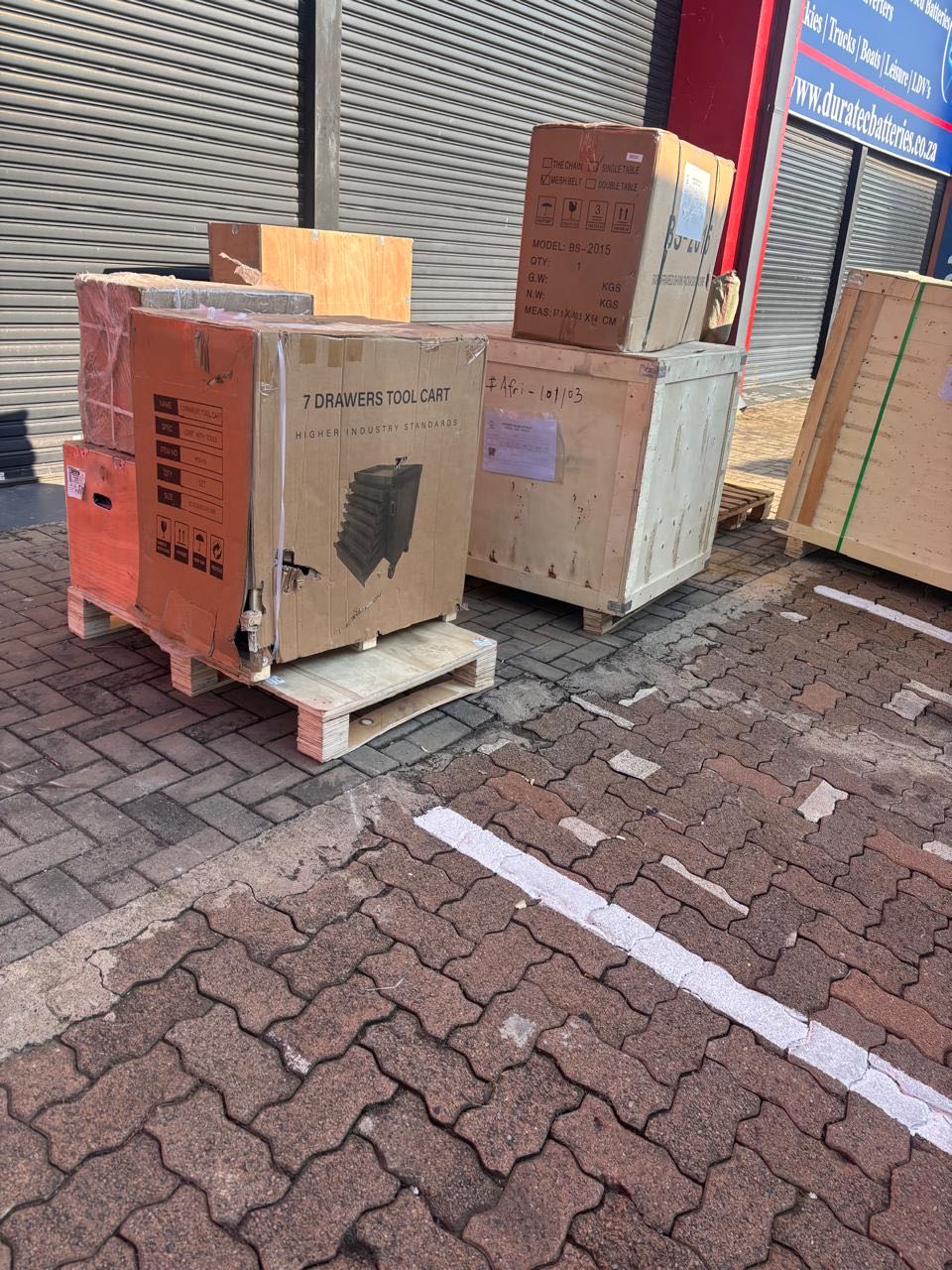
latest arrivals
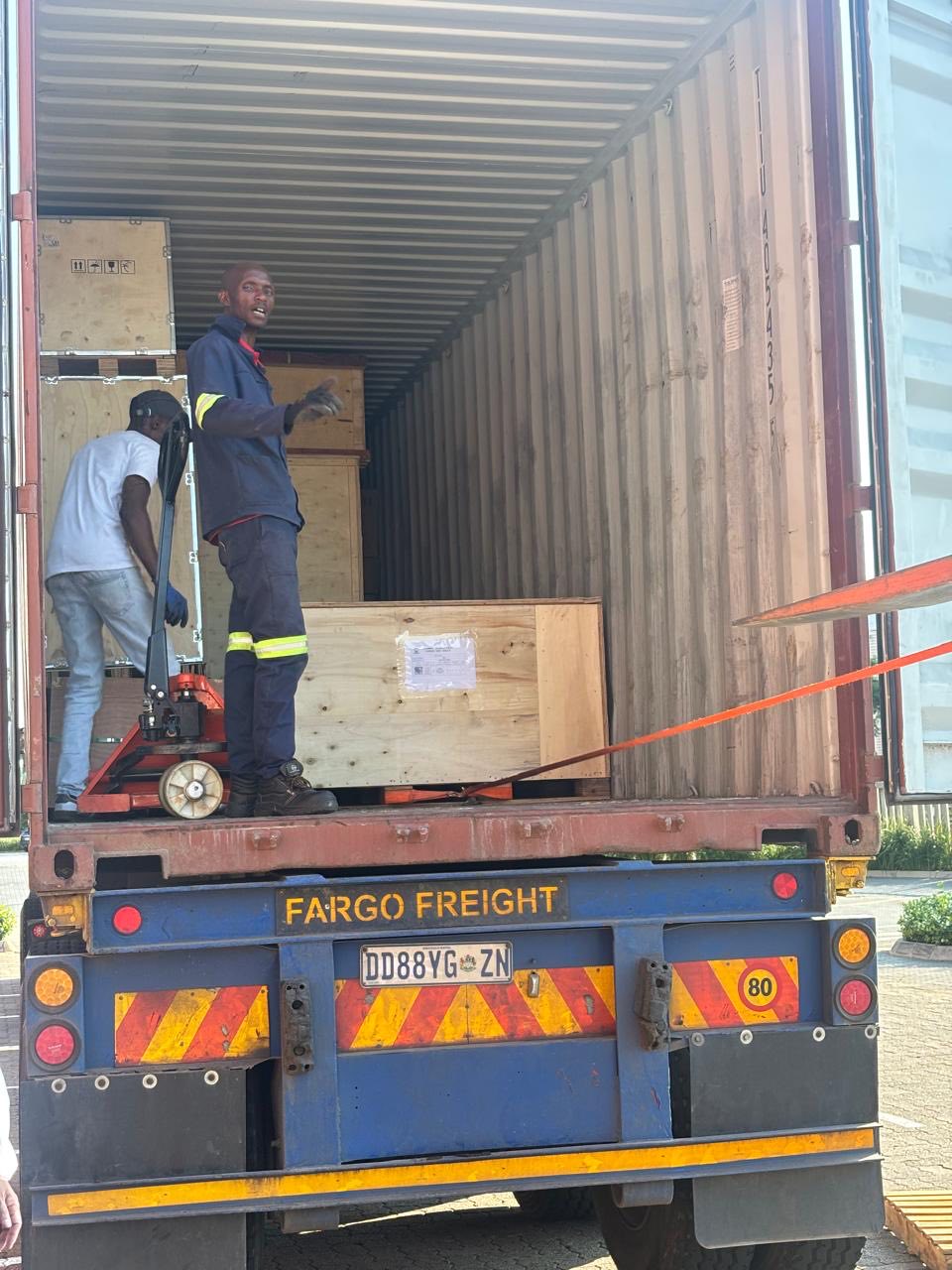
offloading
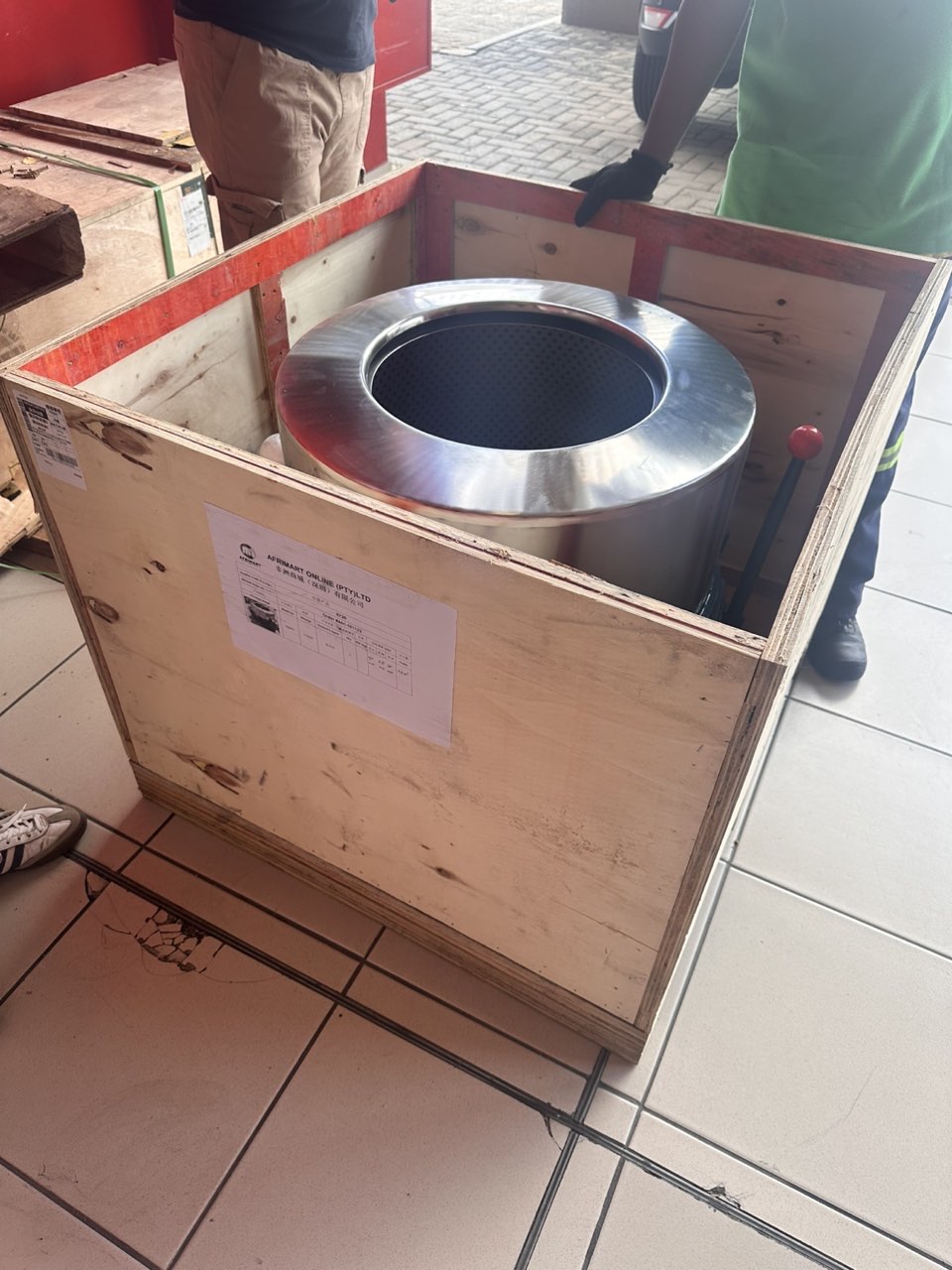
order success
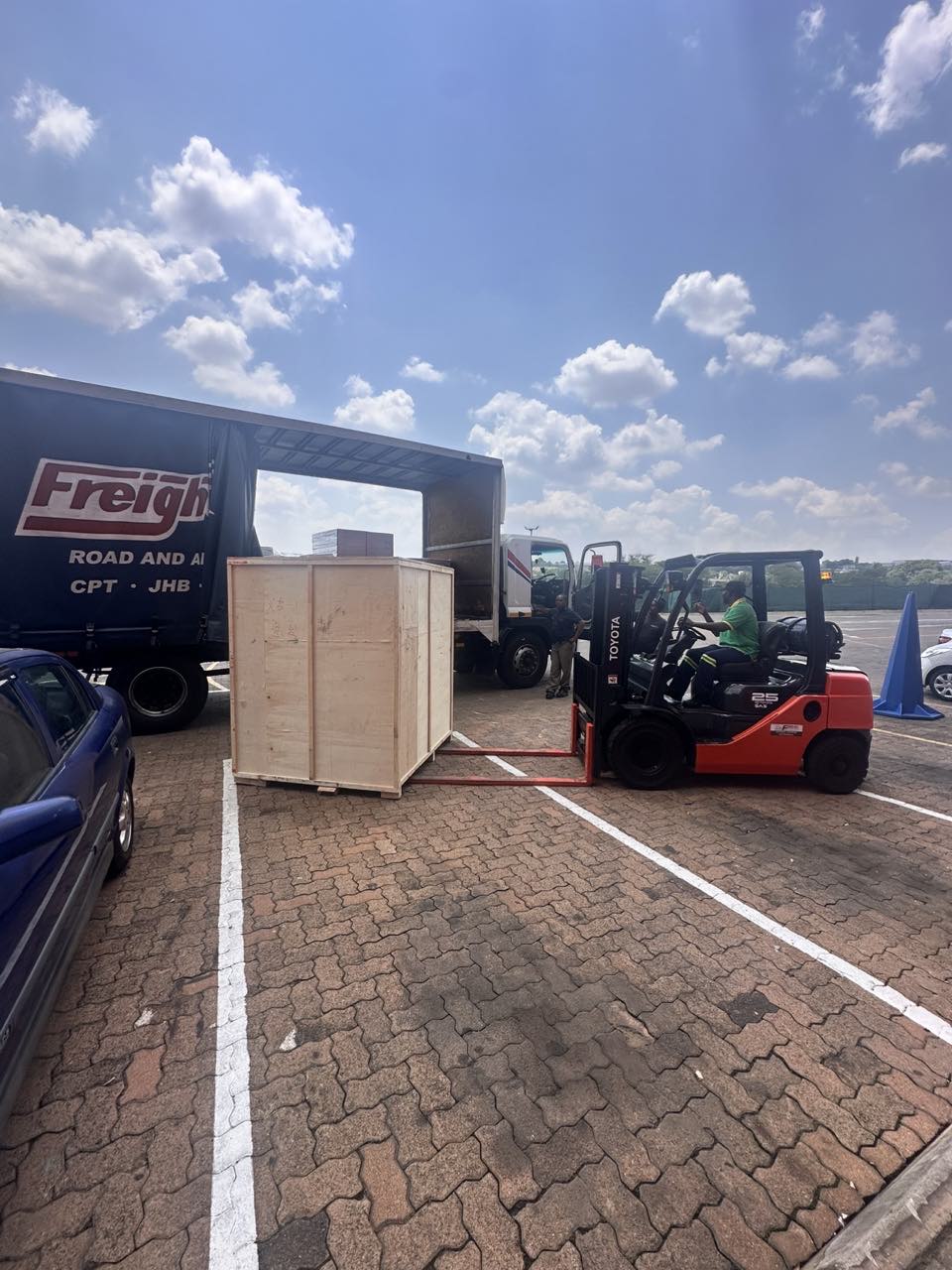
order collection
order offloading