B21, China Town Mall, Midrand


Stone Ore Rock Granite Jaw Crusher Machine
Asset finance available
Do you want funding for this equipment?
Afrimart can connect you with trusted funding partners who specialise in asset finance for businesses like yours. Compare options and apply in minutes — final approval is subject to provider review.
Check funding options
Secure & no obligation

- Section : Machinery
- Category : Mining Machinery
- SKU : 1601009420212-1713517499

Jaw Crusher Machine
The Jaw Crusher Machine is designed for efficient crushing in various industries, including building materials and mining. It provides reliable performance and easy operation, making it a valuable addition to any manufacturing plant.
Key Features
- Easy to Operate: This machine is user-friendly, allowing operators to achieve optimal results with minimal training.
- Robust Construction: Built from carton steel, the crusher ensures durability and longevity, even in demanding environments.
- High Capacity: It has a maximum feeding size of 180 mm and can produce output sizes ranging from 10 to 40 mm, making it suitable for various applications.
- Core Components: The machine includes essential components like an engine, bearing, and jaw plate, ensuring smooth operation.
In summary, the Jaw Crusher Machine offers an effective solution for crushing stone, enhancing productivity in construction and mining operations.
Product Info Gallery
- Core Components: Engine, Bearing, Jaw Plate
- Weight: 1300 KG
- Dimensions: 1800 x 900 x 1700 mm

Jaw crusher is combined with the secondary crushing equipment in the whole stone crushing line,like cone crusher and impact crusher. Due to their smaller physical size, jaw crushers are also ideal for tight spaces, such as underground mining and mobile crushing applications.
Product Parameters
Common parameters of jaw crusher
| Model | Opening size(mm) | Max feeding size(mm) | Output adjust range(mm) | Production capacity(t/h) | Power (kw) |
| PE250*400 | 250*400 | 200 | 20-50 | 5-20 | 15 |
| PE400*600 | 400*600 | 350 | 40-100 | 15-60 | 30-37 |
| PE500*700 | 500*700 | 425 | 50-100 | 40-110 | 45-55 |
| PE600*900 | 600*900 | 480 | 65-160 | 90-180 | 55-75 |
| PE750*1060 | 750*1060 | 630 | 80-140 | 110-320 | 90-110 |
| PE900*1200 | 900*1200 | 750 | 95-165 | 220-450 | 110-132 |
| PE1200*1500 | 1200*1500 | 1020 | 150-300 | 400-800 | 160-220 |


Jaw crusher features:
1. The jaw crusher cavity is deep and there is no dead zone, which improves the feeding capacity and output;
2. The crushing ratio is large and the product size is uniform;
3. Gasket-type discharge opening adjustment device is reliable and convenient, with a large adjustment range, which increases the flexibility of the equipment;
4. The lubrication system is safe and reliable, the replacement of parts is convenient, and the maintenance workload is small;
5. Simple structure, reliable work, low operating cost;
6. Equipment energy saving: single machine energy saving 15%~30%;
7. The adjustment range of the discharge opening is large, which can meet the requirements of different users;
8. Low noise and less dus
- Shipping Timeframes: All orders are processed within 2-5 business days (excluding weekends and holidays). After your order has been processed, the estimated delivery time is before 03 Aug, 2026, depending on customs, Please note that due to high demand, some items may experience longer shipping times, which will be communicated at order confirmation email.
- Order Processing Time: Please allow 2-5 business days for us to process your order before it is shipped . Orders placed after 16:00 on Fridays, or during weekends and public holidays, will begin processing on the next business day. Processing times may be extended during peak seasons or sales events.
- Manufacturing Time: Some products needs manufacturing time, the manufacturing process will take approximately 10-30 business days depending on the product. This timeframe may vary depending on the complexity of the product and current demand. but this will be communicated with you during order confirmation.
- Returns and Exchanges: We offer a 30-day return policy for most items. If you are not completely satisfied with your purchase, you may return it within 30 days of receipt for a refund or exchange. Items must be unused, in their original packaging, and accompanied by proof of purchase. Return shipping costs are the responsibility of the customer, unless the item was damaged or defective upon arrival.
1. What is the Stone Ore Rock Granite Jaw Crusher Machine used for?
It is a primary crushing machine designed to crush stone, ore and rock in industries such as construction, mining and building materials. It is suitable for initial reduction before secondary crushers (cone, impact) and for use in stationary, mobile or confined-space applications (e.g., underground).
2. What are the key features of this jaw crusher?
User-friendly operation, robust steel construction, deep crushing cavity with no dead zone, large crushing ratio and uniform product size, gasket-type discharge adjustment, reliable lubrication system, simple structure with low operating cost, reduced noise and dust, and energy savings of about 15–30% per machine.
3. What maximum feeding size and output sizes can it handle?
This depends on the model. Smaller models have a maximum feeding size around 180 mm with output sizes of roughly 10–40 mm. Larger models in the product range accept feed sizes up to about 1020 mm and have adjustable output ranges from roughly 10 mm up to 300 mm—refer to the model parameter table for the exact values per model.
4. Which models and production capacities are available?
The product line includes models such as PE250×400, PE400×600, PE500×700, PE600×900, PE750×1060, PE900×1200 and PE1200×1500. Production capacities vary widely by model—from around 0.5–5 t/h for the smallest up to 400–800 t/h for the largest models. Check the model parameter table for exact capacity ranges.
5. What are the machine's power requirements?
Power depends on model size. Typical motor power ranges from about 5–220 kW across the model range; choose a model whose power spec matches your capacity needs and available power supply.
6. What are the weight and external dimensions?
A standard model example is listed as weighing 1300 kg with dimensions 1800 × 900 × 1700 mm. Larger models will be significantly heavier and larger—consult the supplier or model datasheet for the exact weight and footprint of the model you plan to purchase.
7. What are the core components included with the crusher?
Core components include the engine (driving motor), bearing assemblies and the jaw plate (fixed and movable jaw). Other key parts include the crushing chamber, toggle/gasket adjustment mechanism and the lubrication system.
8. How easy is it to operate and what training is required?
The machine is designed to be user-friendly and typically requires minimal training for routine operation. Operators should be trained on safe start/stop procedures, feed control, discharge adjustment and basic inspection and maintenance tasks as described in the operator manual.
9. What maintenance is required and how often?
Regular maintenance includes daily inspection of wear parts (jaw plates, liners), checking and topping up lubrication for bearings, tightening fasteners, and clearing blockages. Replace worn jaw plates and bearings as needed. Follow the manufacturer's maintenance schedule in the manual for detailed intervals.
10. How is the output size adjusted?
Output size is adjusted using the gasket-type discharge opening adjustment device (or equivalent adjustment mechanism on the model). This provides a large adjustment range—adjust per the manual, ensuring the machine is stopped and safely secured before changing settings.
11. What measures reduce noise and dust during operation?
The machine is designed for relatively low noise and reduced dust generation. Additional measures include using water sprays or misting at feed/discharge points, installing dust collectors or enclosures, and using proper feed control to minimize fines and dust creation.
12. Is this machine energy efficient?
Yes. The design offers energy savings versus some conventional crushers—single-machine energy savings are typically in the 15–30% range depending on operating conditions and the selected model.
13. Can the jaw crusher be used with other crushers in a complete crushing line?
Yes. The jaw crusher is commonly used as the primary crusher and is designed to work in combination with secondary crushers such as cone crushers and impact crushers to form a complete crushing line.
14. Is the machine suitable for confined or mobile applications?
Yes. Due to relatively compact physical size (depending on model), some jaw crusher models are well suited for tight spaces such as underground mining and mobile crushing setups. Select a model that matches the available space and mobility requirements.
15. Where can I get spare parts and warranty information?
Spare parts commonly available include jaw plates, bearings, toggles and lubricants. Warranty terms, spare parts availability and lead times vary by supplier—contact your equipment provider or sales representative for detailed warranty coverage, parts lists and ordering information.
Latest Order Arrivals
Discover our latest orders
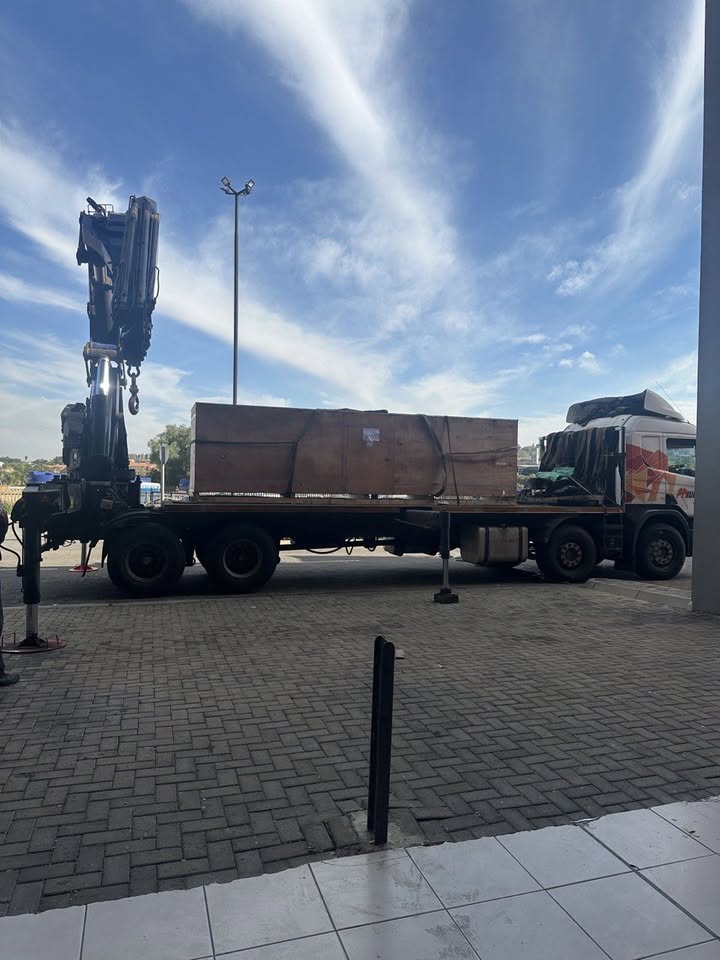
12 Heads Embroidery Machine
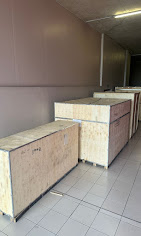
Toilet Paper Machine Machine
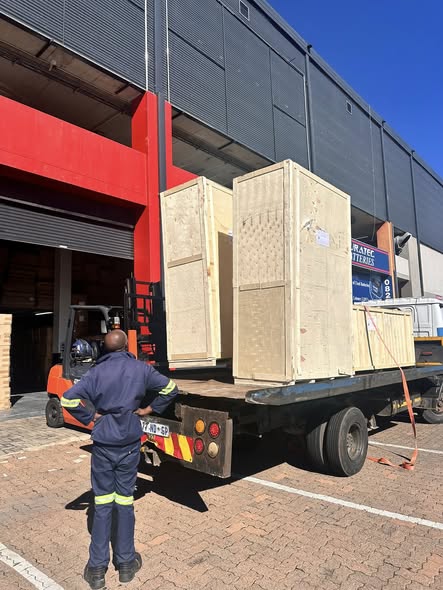
Order Collection
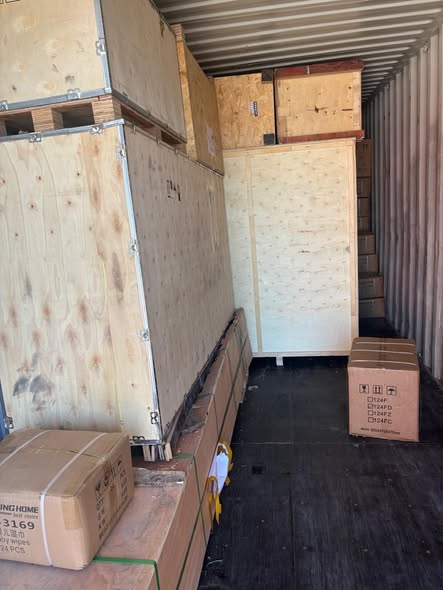
Cross Border Clients
Order cros border countries Collected
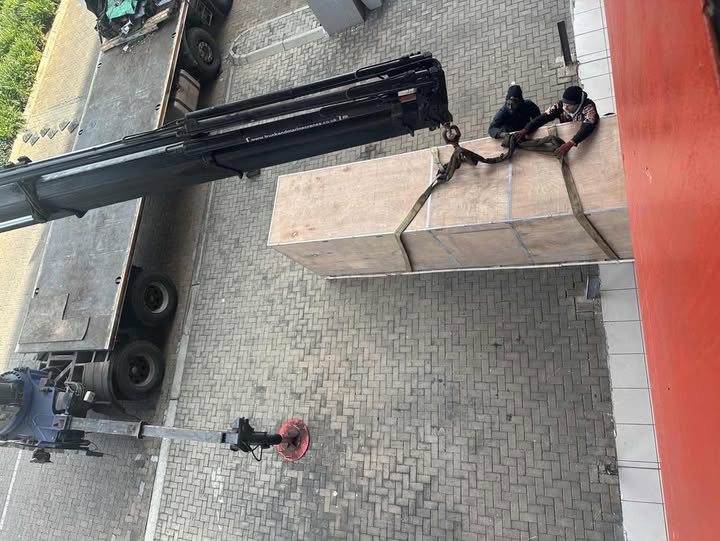
Industrial Machine Cllection
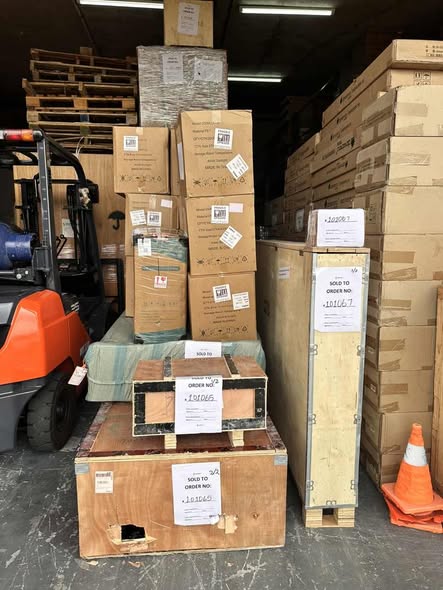
Agriculture Processing Machines
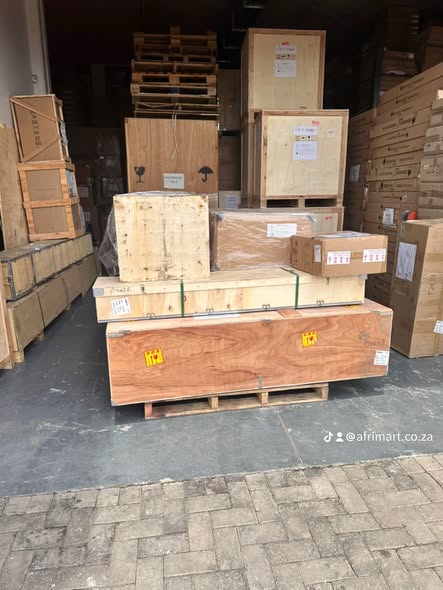
Ready for collection
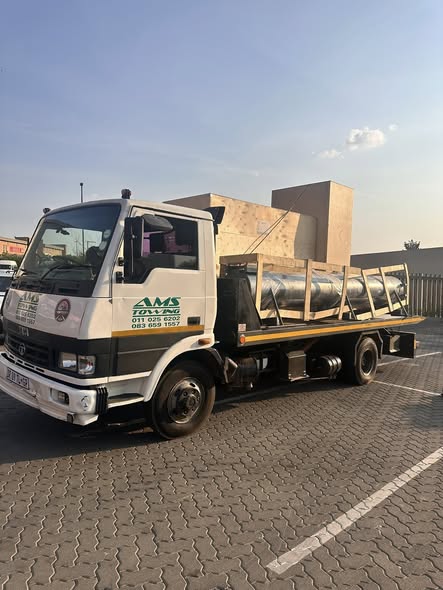
Water Pump Equipment
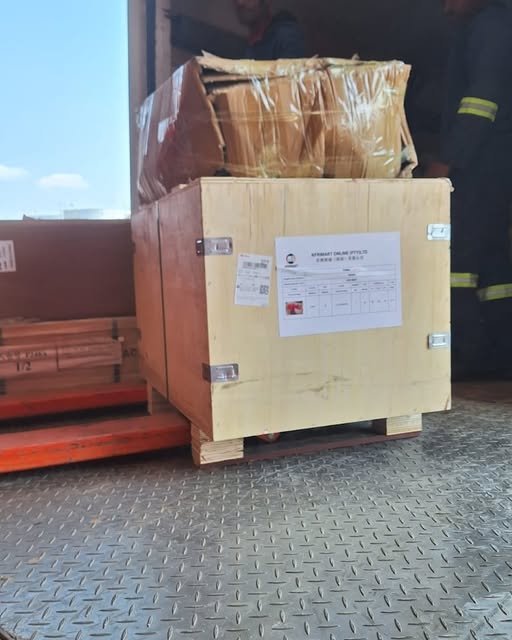
Packaging Machine and accessories
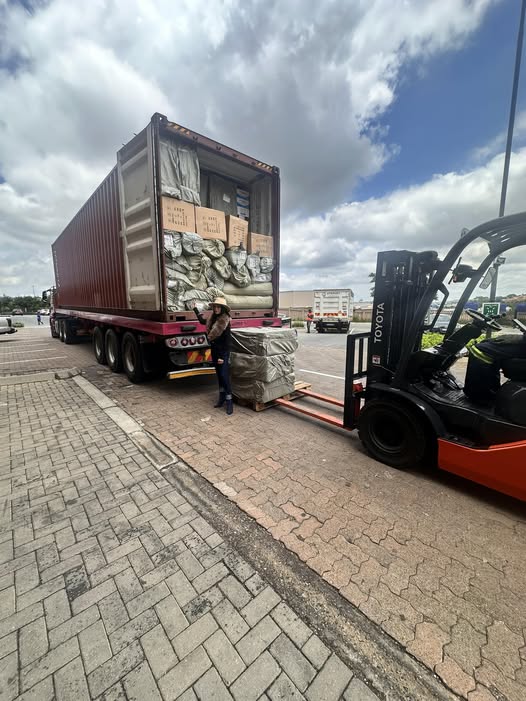
Fabrics Manufacturing Equipment
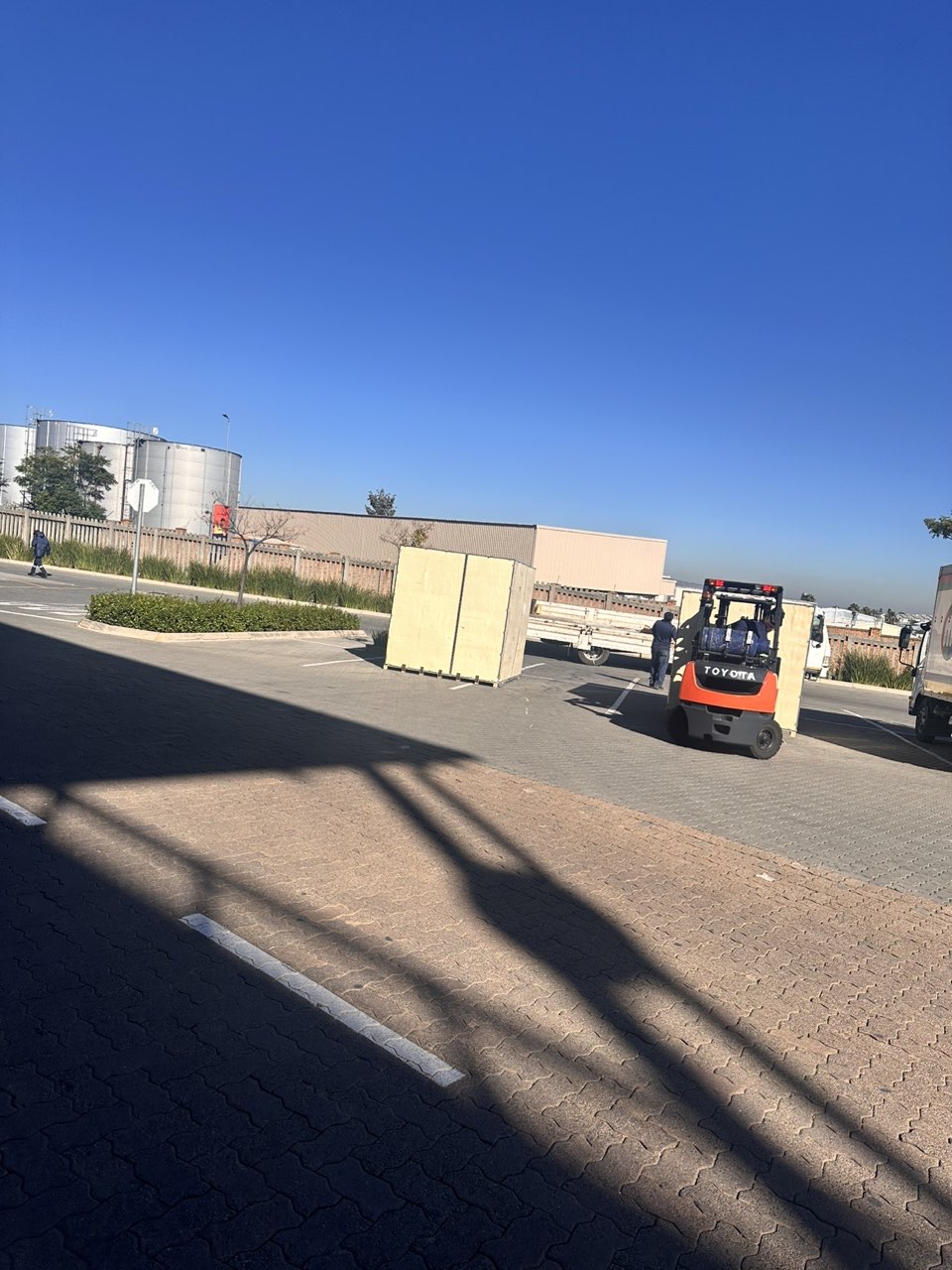
Mining Equipments
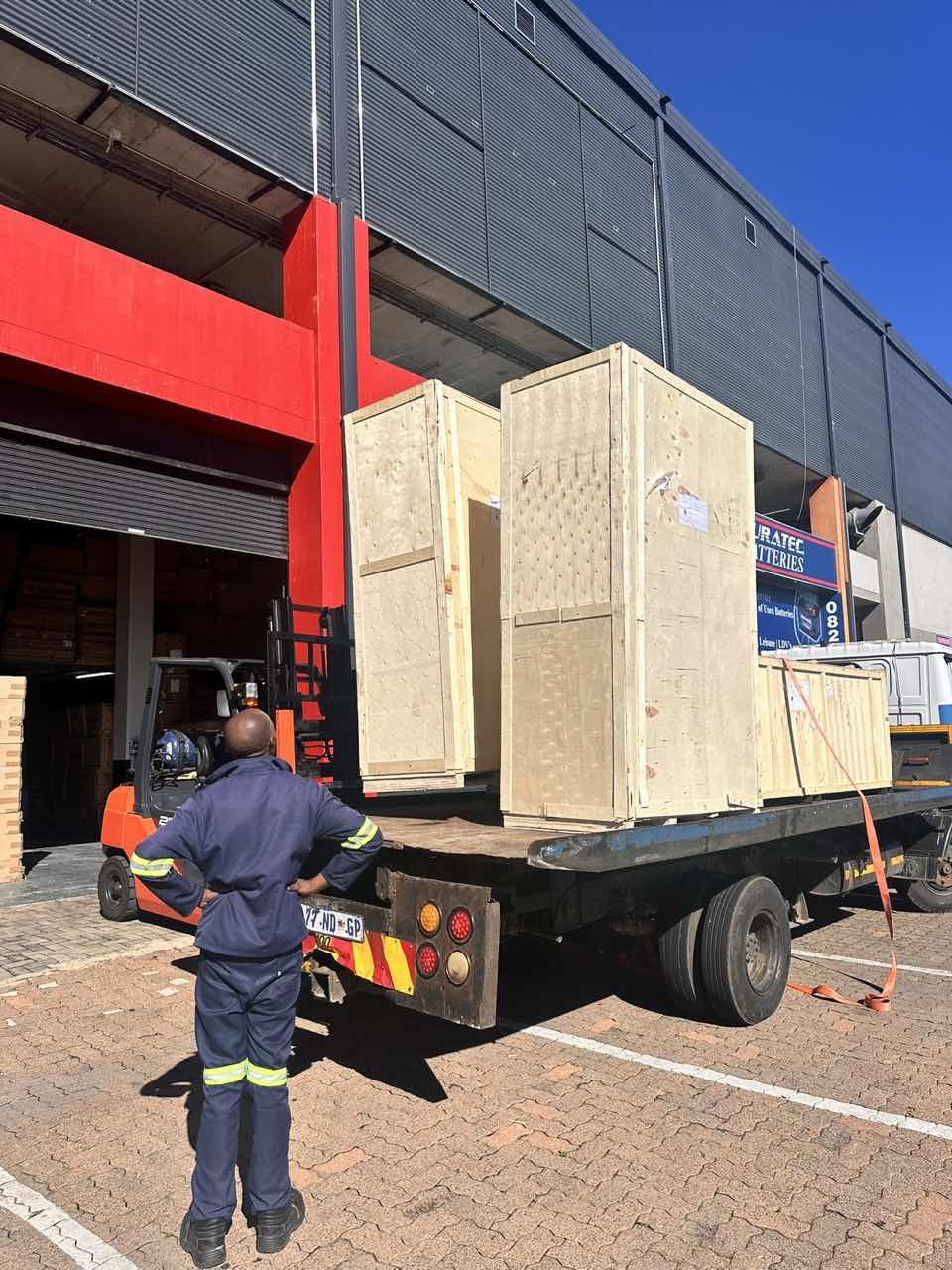
Food Processing Machine
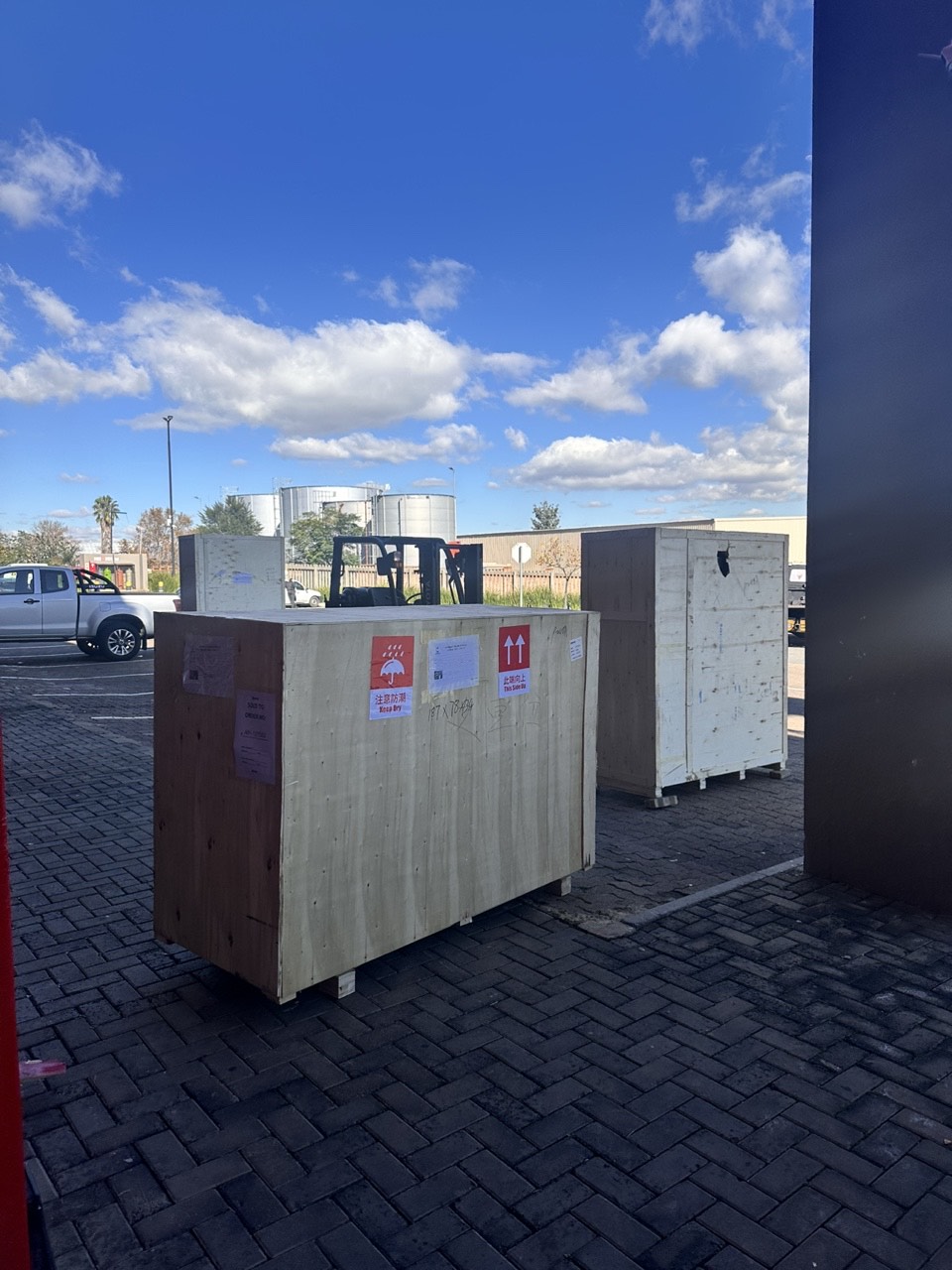
Batch of Orders
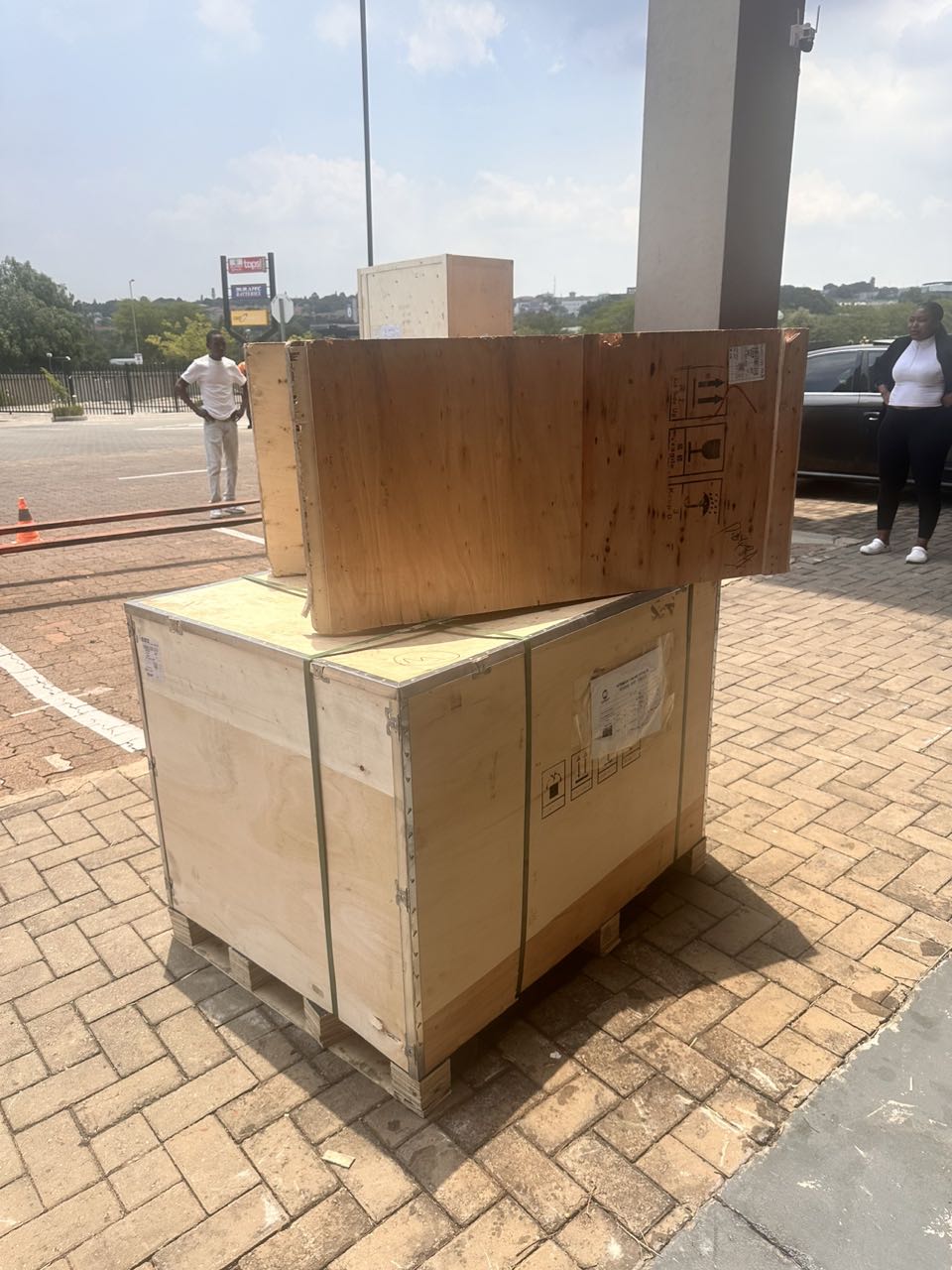
Batch of Orders
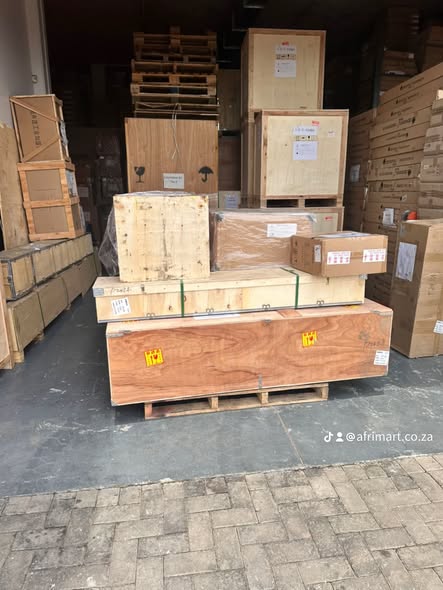
Latest Orders Labelled
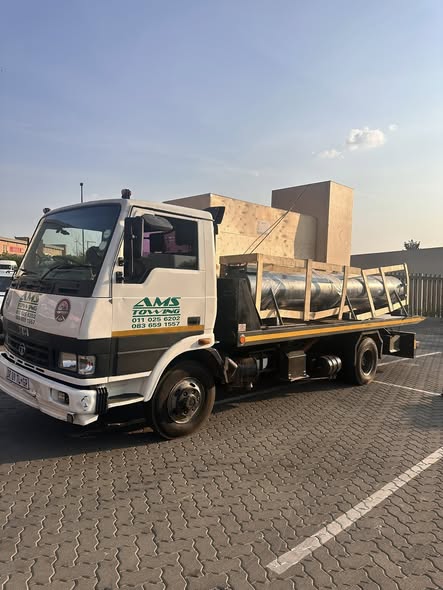
wheel alignment machines
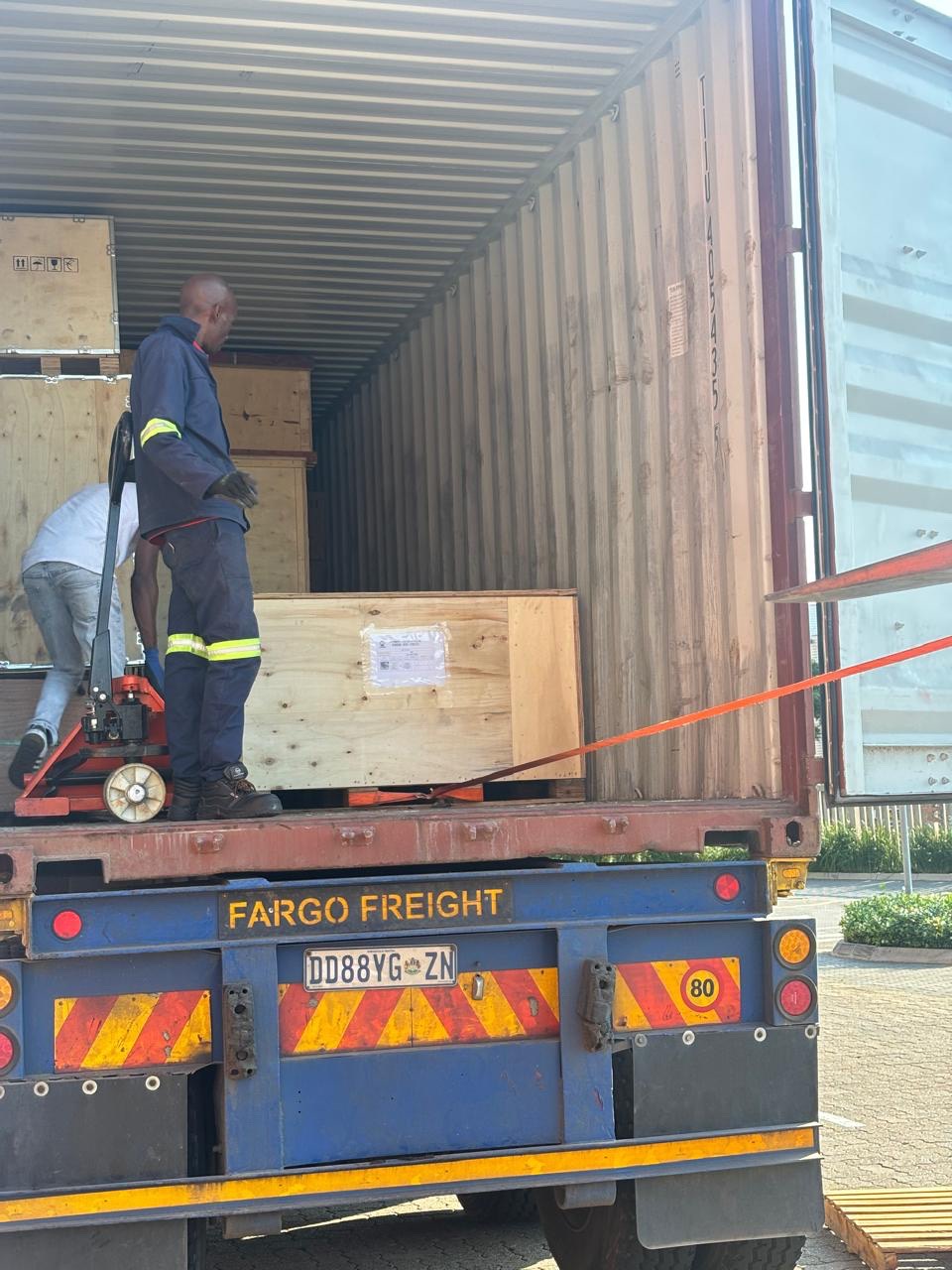
new arrivals
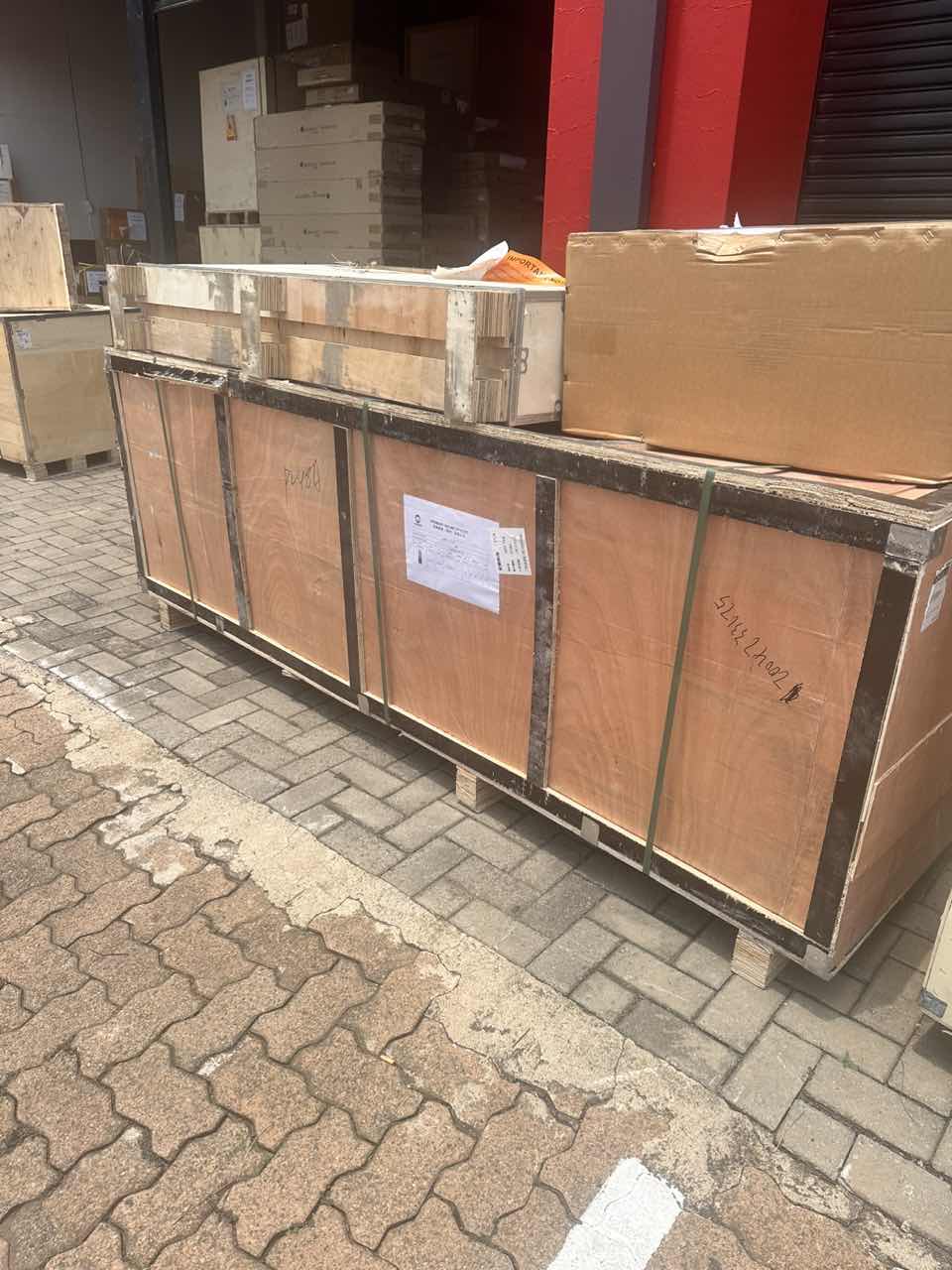
Pre Orders Offloading
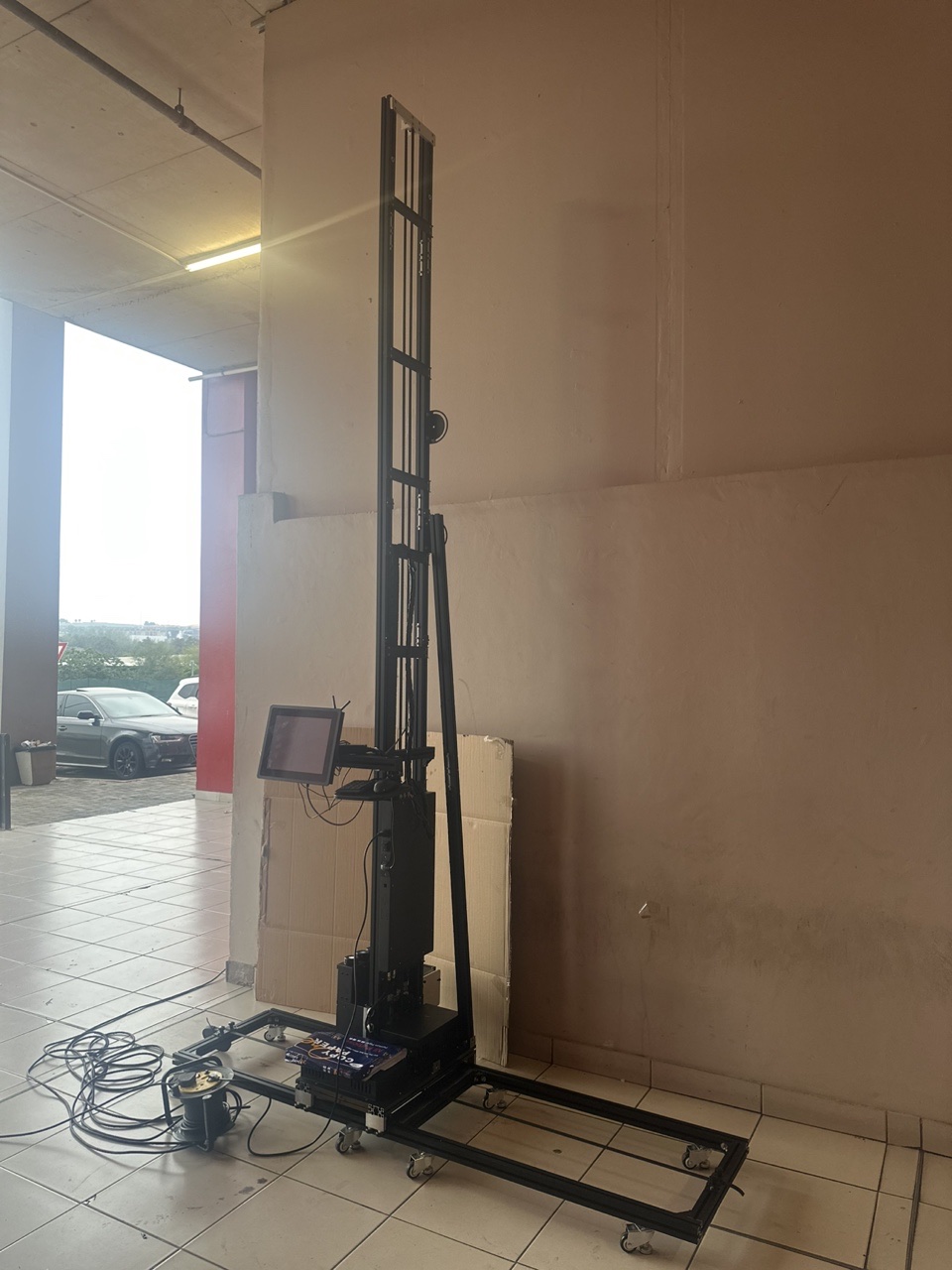
Latest Arrivals
Latest Arrivals
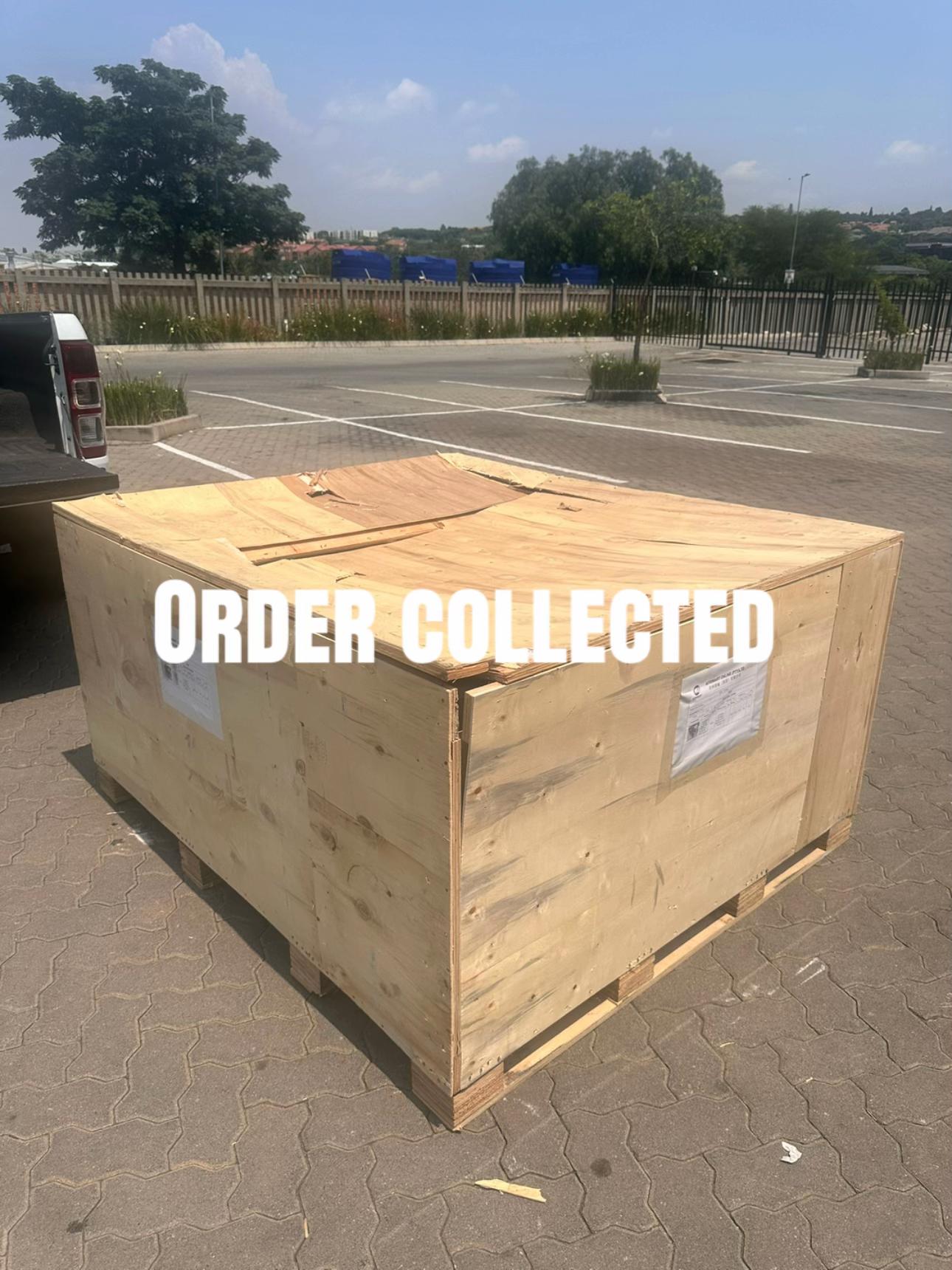
Latest Arrivals
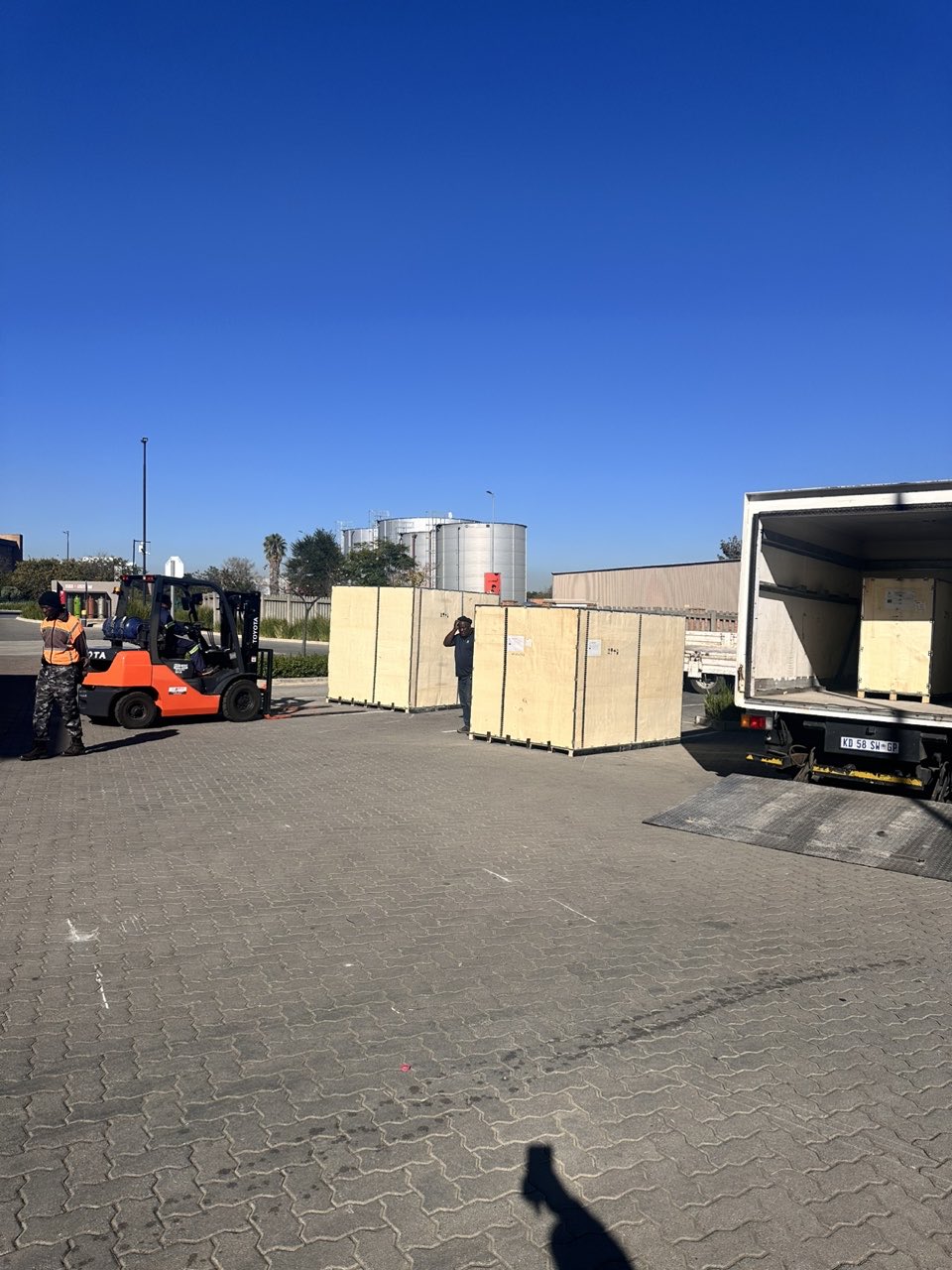
Loading
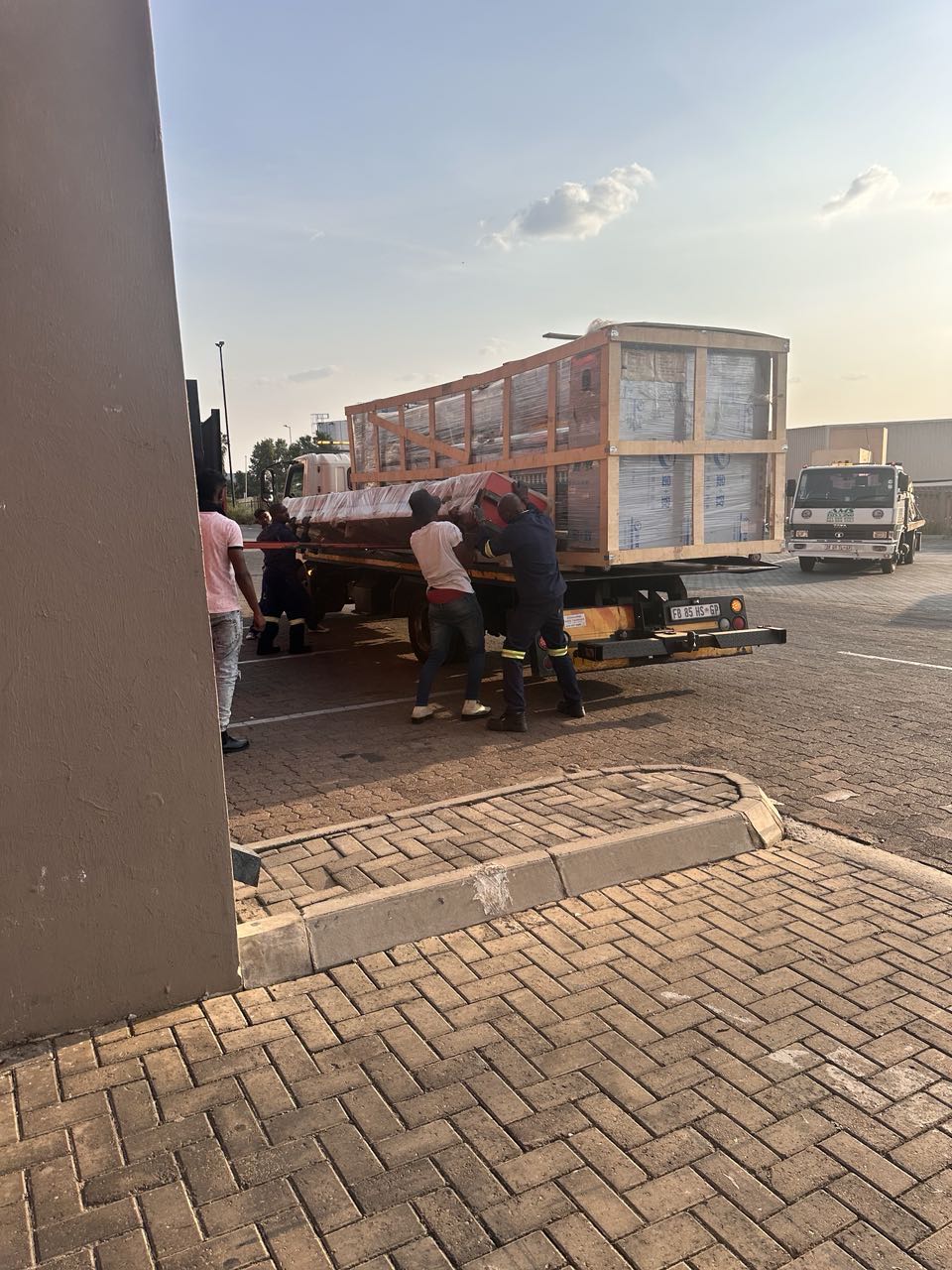
Toilet paper making machine
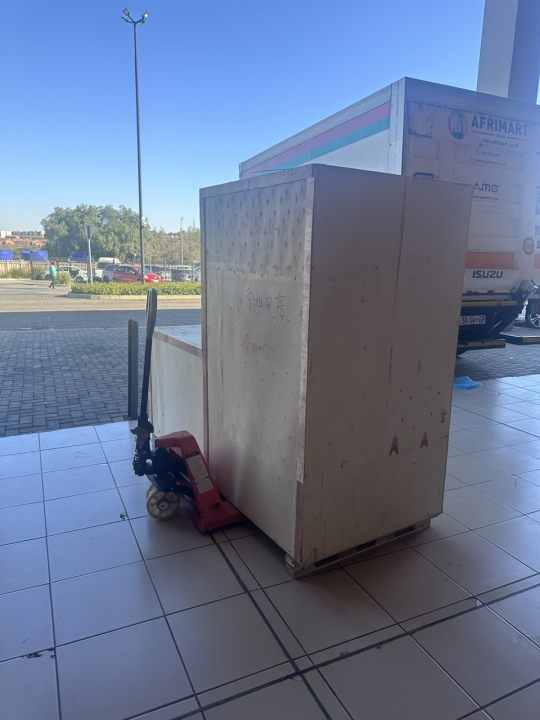
Toilet paper making machine
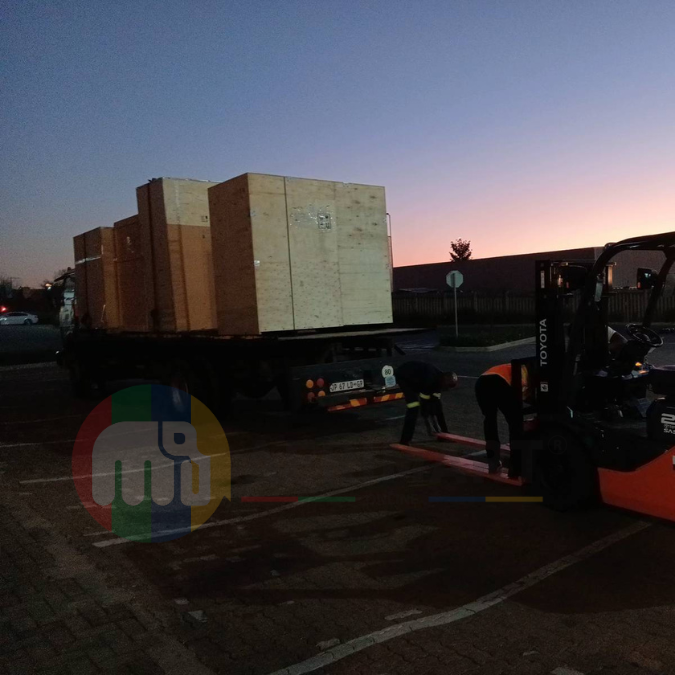
Toilet paper Rewinding Machine
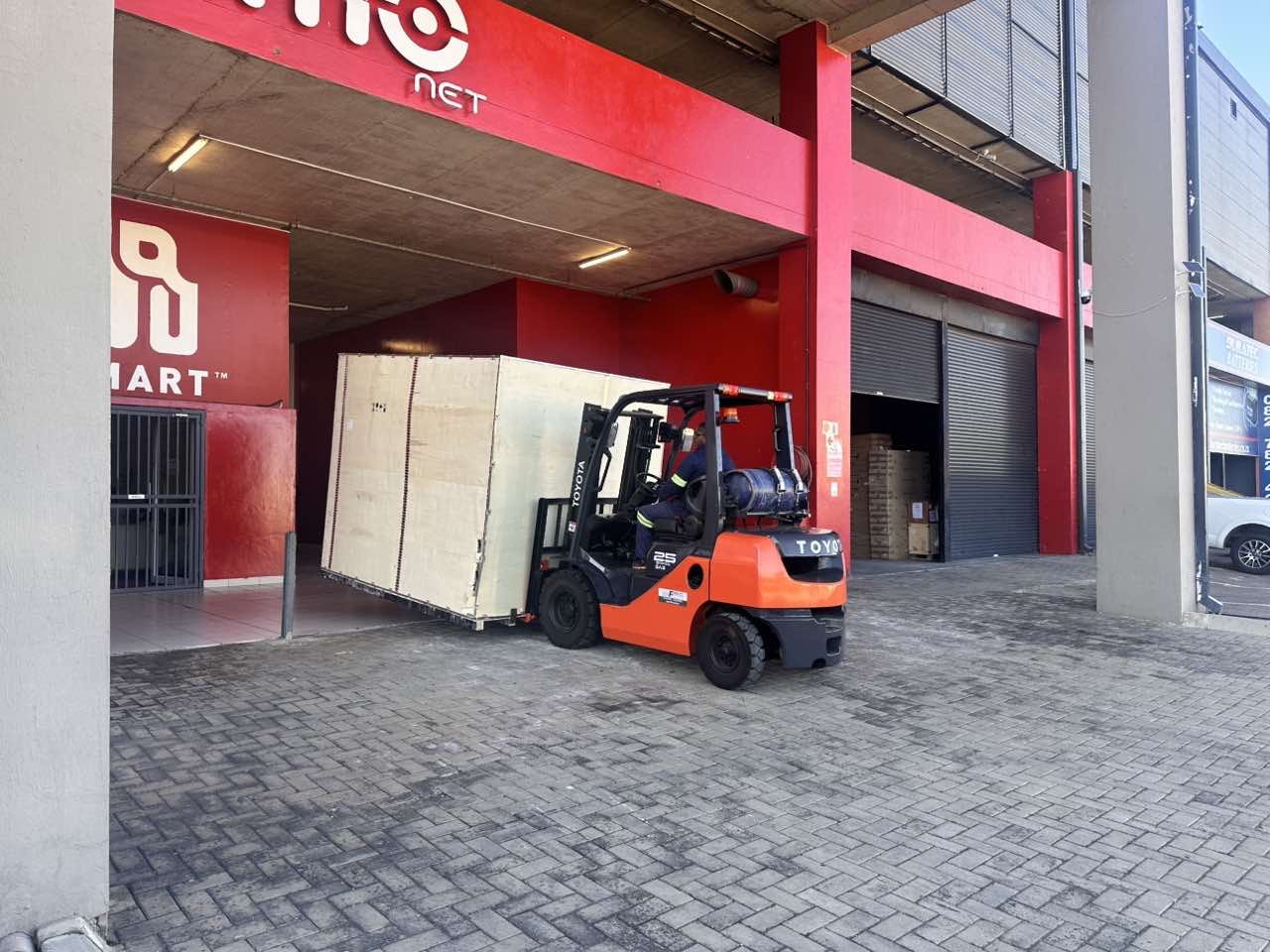
latest arrivals
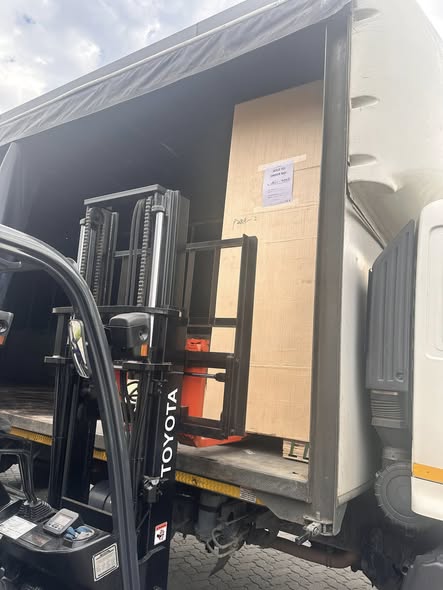
offloading
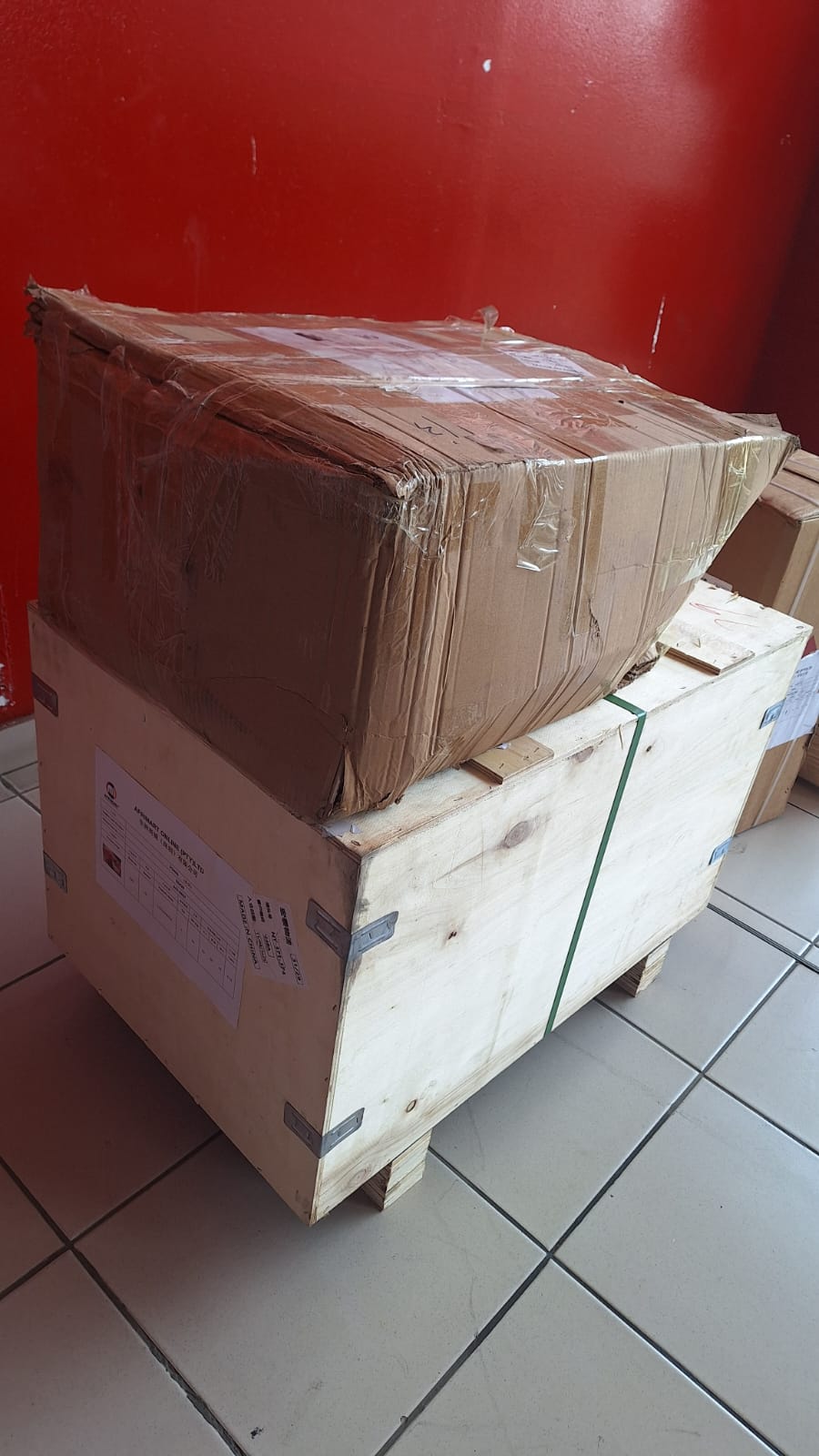
order success
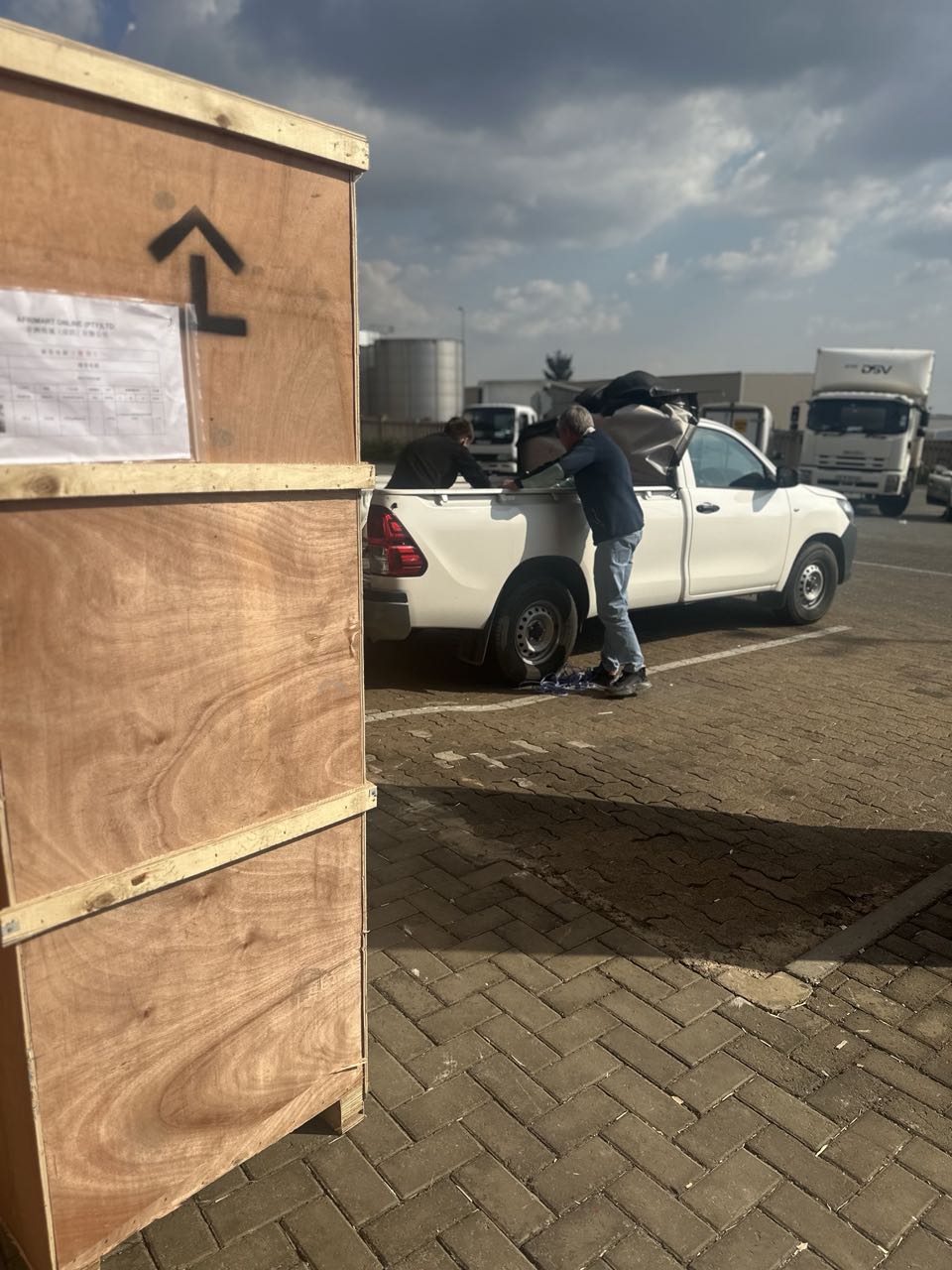
order collection
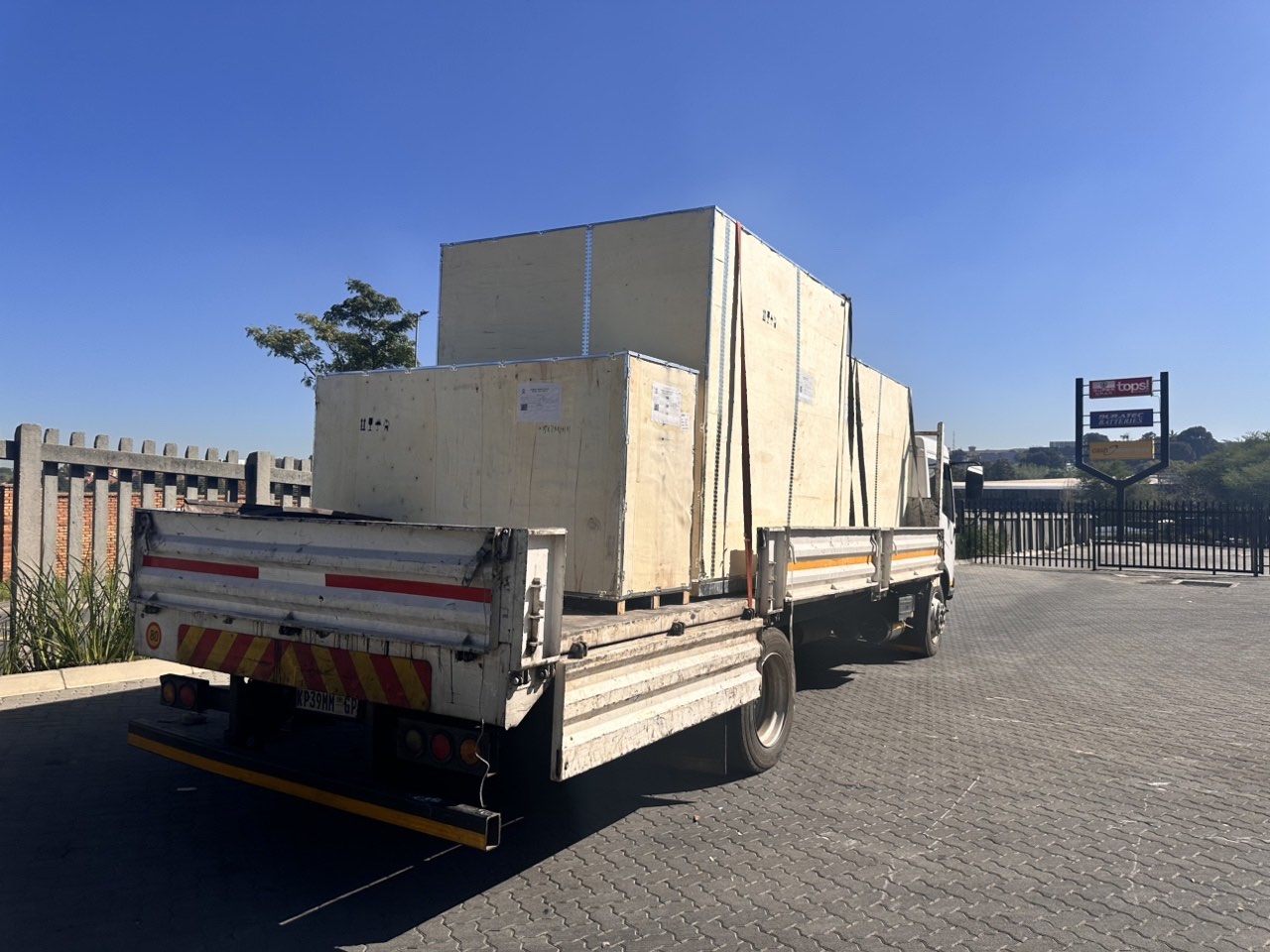
order offloading