B21, China Town Mall, Midrand

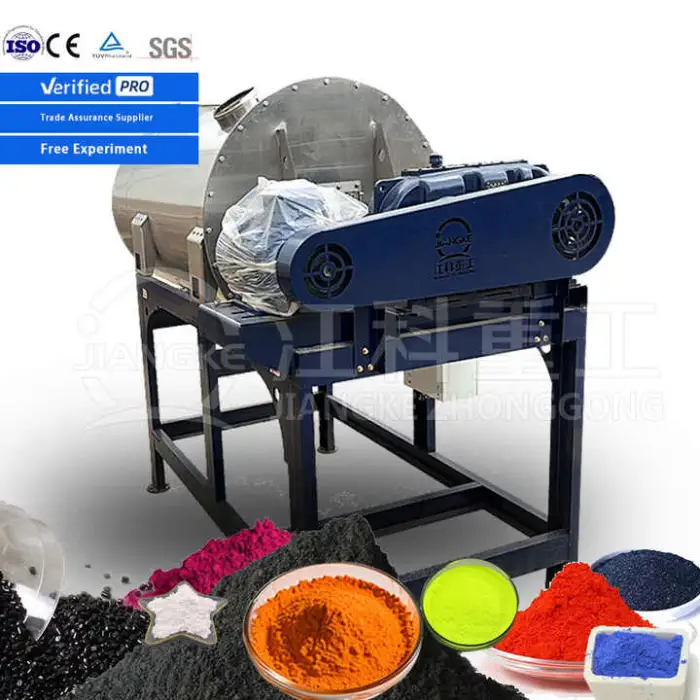
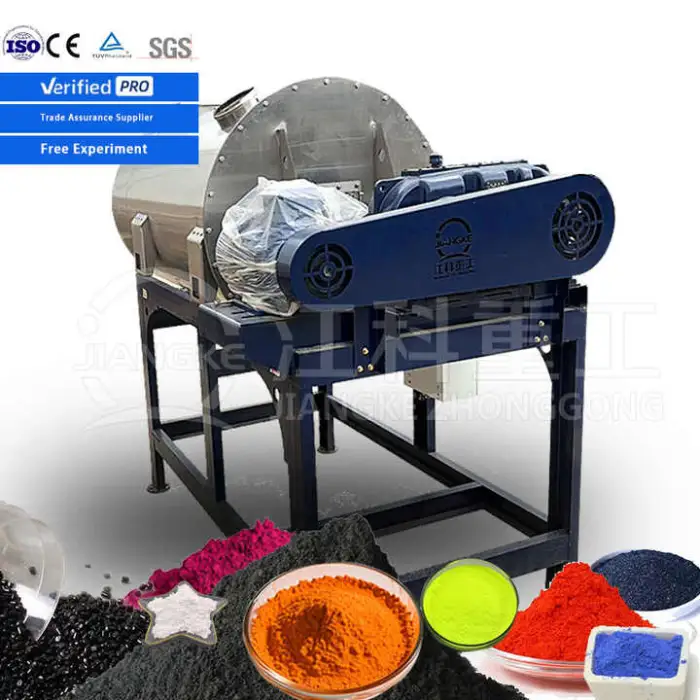
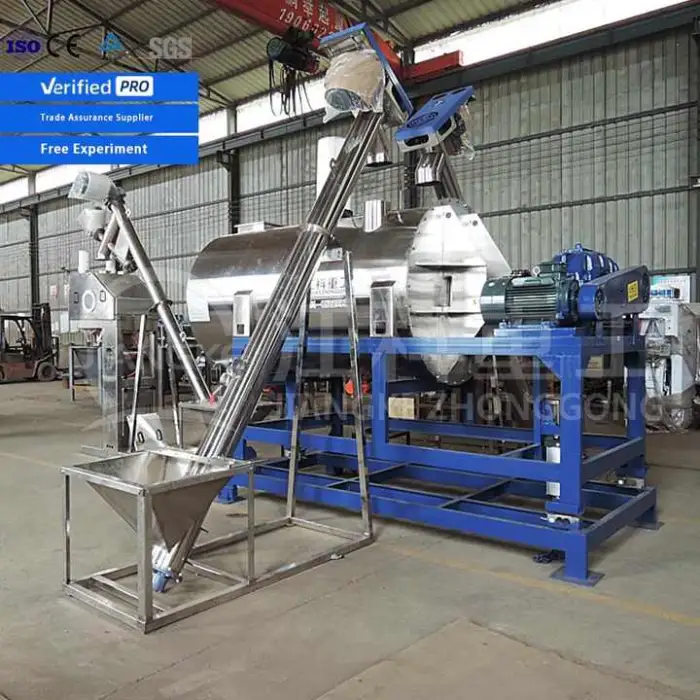
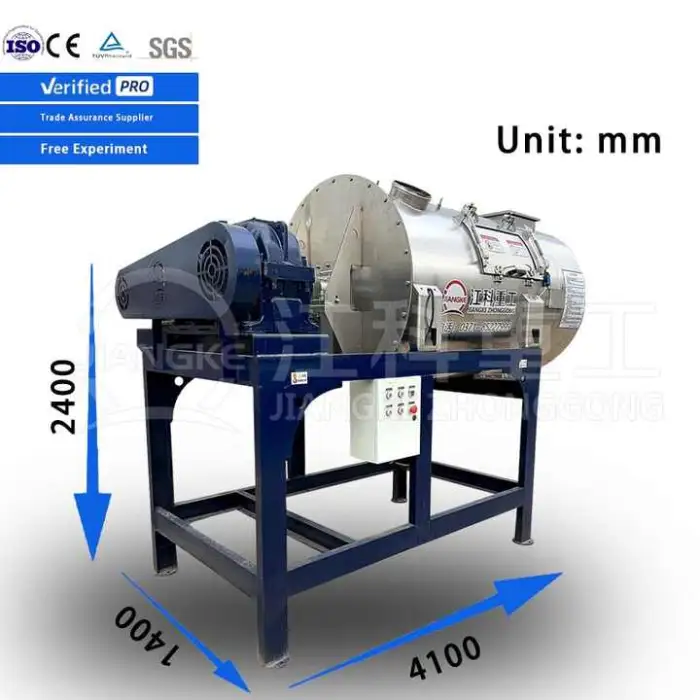
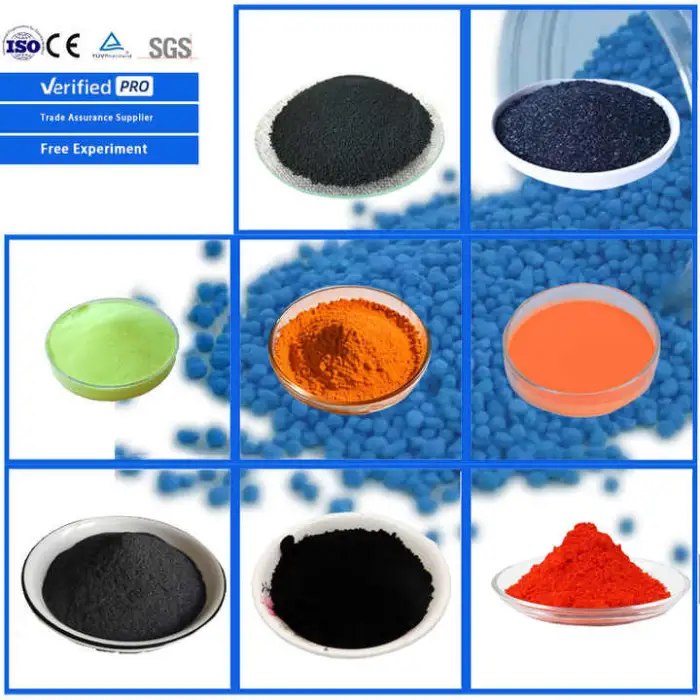
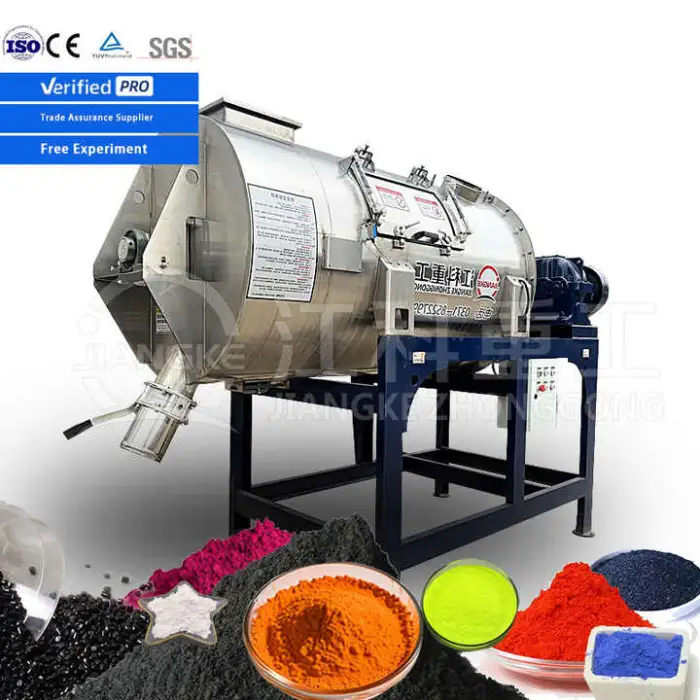
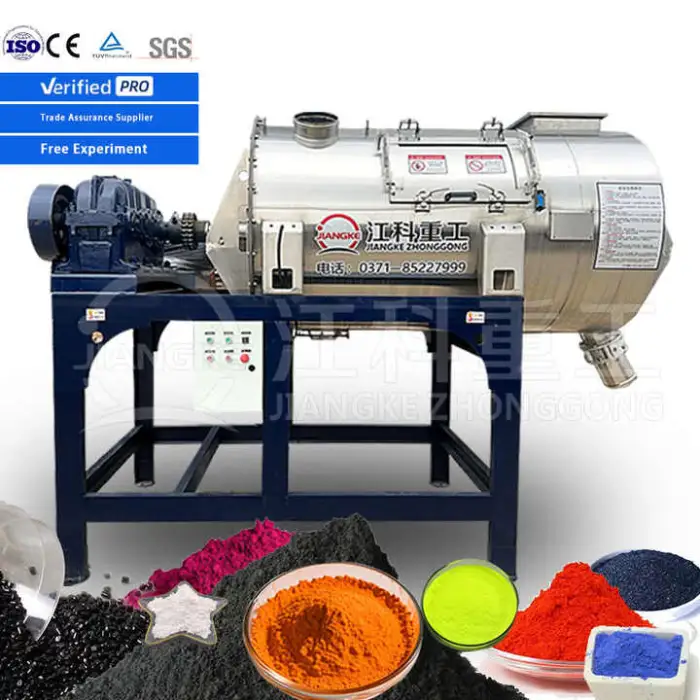
Stainless Steel U-type O-type Dry Powder Mixer Flour Additive Mixing Equipment

- Section : Machinery
- Category : Tile Making Machinery
- SKU : 1601370969667

Stainless Steel U-type O-type Dry Powder Mixer Flour Additive Mixing Equipment
This Stainless Steel U-type O-type Dry Powder Mixer is the perfect solution for mixing flour additives and other dry powders. It is built with high-quality materials to ensure durability and efficiency. With its advanced technology, this mixer provides high-accuracy mixing for various applications in the industry. Designed for both reliability and ease of use, it is an essential machine for any flour processing operation.
Specifications
| Attribute | Details |
|---|---|
| Voltage | 380V, 220V |
| Power | 3.5 |
| Core Components | PLC, motor |
| Weight | 2000 kg |
| Service Life | More than 5 years |
| Key Selling Points | High-accuracy |
| Video Outgoing Inspection | Provided |
| Machinery Test Report | Provided |
| Applicable Industries | Machinery Repair Shops |
| Showroom Location | None |
| Marketing Type | New Product 2020 |
| Selling Units | Single item |
Key Features
- Durable stainless steel construction
- High mixing accuracy for consistent results
- Available in multiple voltage options
- Easy to operate with PLC control
- Heavy-duty design for long-lasting use
Applications
- Mixing flour additives in food production
- Blending dry powders in chemical processing
- Preparing ingredients in pharmaceutical manufacturing
- Creating custom mixes for baking industries
- Used in various machinery repair shops
Product Info Gallery
- Shipping Timeframes: All orders are processed within 2-5 business days (excluding weekends and holidays). After your order has been processed, the estimated delivery time is before 03 Aug, 2026, depending on customs, Please note that due to high demand, some items may experience longer shipping times, which will be communicated at order confirmation email.
- Order Processing Time: Please allow 2-5 business days for us to process your order before it is shipped . Orders placed after 16:00 on Fridays, or during weekends and public holidays, will begin processing on the next business day. Processing times may be extended during peak seasons or sales events.
- Manufacturing Time: Some products needs manufacturing time, the manufacturing process will take approximately 10-30 business days depending on the product. This timeframe may vary depending on the complexity of the product and current demand. but this will be communicated with you during order confirmation.
- Returns and Exchanges: We offer a 30-day return policy for most items. If you are not completely satisfied with your purchase, you may return it within 30 days of receipt for a refund or exchange. Items must be unused, in their original packaging, and accompanied by proof of purchase. Return shipping costs are the responsibility of the customer, unless the item was damaged or defective upon arrival.
1. What is the Stainless Steel U-type O-type Dry Powder Mixer used for?
It is designed for high-accuracy mixing of flour additives and other dry powders used in food, chemical, and pharmaceutical industries, as well as machinery repair shops for blending dry materials.
2. What are the main construction materials and why are they important?
The machine is constructed from stainless steel, which provides corrosion resistance, meets basic sanitary requirements for food processing, and ensures durability and ease of cleaning.
3. What voltage and power options are available?
Voltage options: 380V and 220V. Power is listed as 3.5 (specified by the manufacturer — please confirm units, typically kW, when ordering).
4. What control system does the mixer use?
The mixer uses PLC control for easy operation. The PLC allows for setting mixing times, automating cycles, and integration with upstream/downstream equipment.
5. What is the weight and expected service life of the equipment?
The unit weight is approximately 2000 kg, and the service life is stated as more than 5 years under normal operating and maintenance conditions.
6. What quality checks and documentation are provided before shipment?
A video outgoing inspection and a machinery test report are provided to demonstrate machine performance and verify operation before shipping.
7. What is the difference between U-type and O-type mixers?
U-type generally refers to a trough-shaped mixer suitable for certain mixing dynamics and easier discharge; O-type refers to a closed or tubular design offering different flow patterns. Choice depends on material properties and process requirements—consult the supplier for a recommendation.
8. Is this mixer suitable for food and pharmaceutical production?
Yes, the stainless steel construction and high-accuracy mixing make it suitable for food and pharmaceutical applications, but you should confirm specific sanitary certifications (e.g., FDA, GMP) and finish requirements with the manufacturer for regulatory compliance.
9. Can I get performance data for mixing uniformity?
Mixing accuracy is a key selling point. The manufacturer can provide test data (e.g., coefficient of variation or other homogeneity metrics) in the machinery test report or via sample trials—request these when quoting.
10. Is cleaning or CIP (clean-in-place) supported?
The stainless steel design facilitates cleaning; CIP capability depends on the specific model and configuration. Ask the supplier about CIP options or sanitary finishes if required.
11. What safety and protection features are included?
Standard industrial safety features are typically included (emergency stop, guards, interlocks). Exact safety details vary by model—confirm required safety options and compliance with local regulations with the supplier.
12. How is maintenance handled and are spare parts available?
Routine maintenance includes inspection of seals, bearings, motor, and PLC. Spare parts (motors, seals, control components) are normally available from the manufacturer or distributor—ask about recommended maintenance intervals and parts lead times.
13. Can the mixer be customized (capacity, dimensions, automation)?
Customization is commonly offered (different capacities, voltages, automation levels, discharge types). Contact the supplier with your process requirements to obtain a tailored solution and quotation.
14. What are the shipping, installation and commissioning arrangements?
Shipping, installation, and commissioning policies vary by supplier. The product listing indicates no showroom. Ask the vendor for lead times, installation service options, on-site commissioning, and operator training availability.
15. How do I get a quote, technical drawings or a factory acceptance test?
Contact the manufacturer or sales representative to request a formal quotation, technical specifications/drawings, and to arrange factory acceptance tests (FAT) or inspection videos and reports prior to shipment.
Latest Order Arrivals
Discover our latest orders
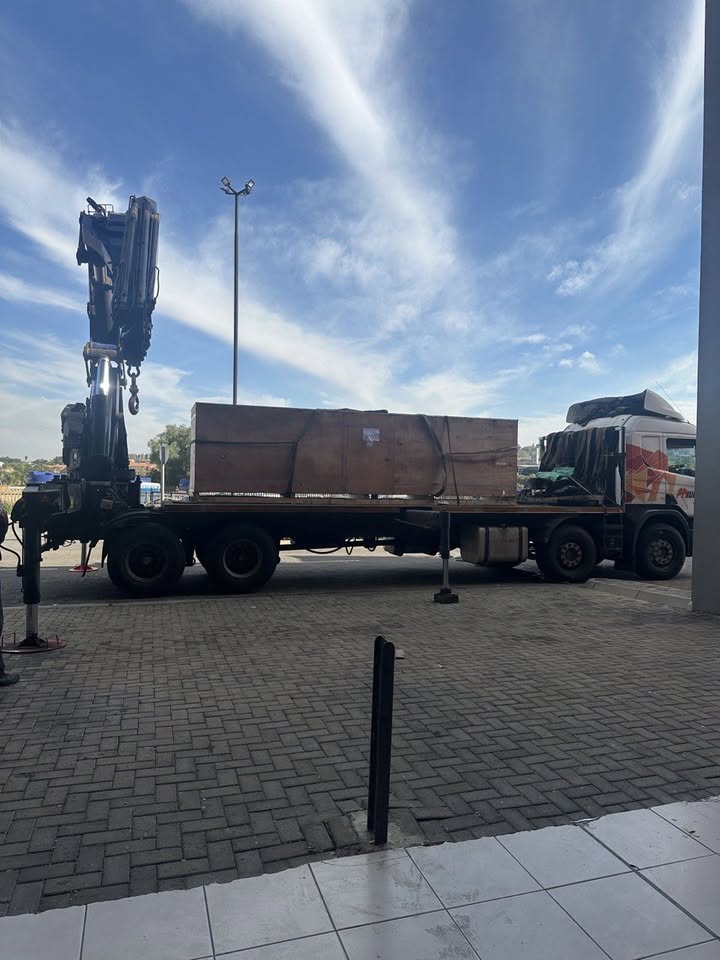
12 Heads Embroidery Machine
Toilet Paper Machine Machine
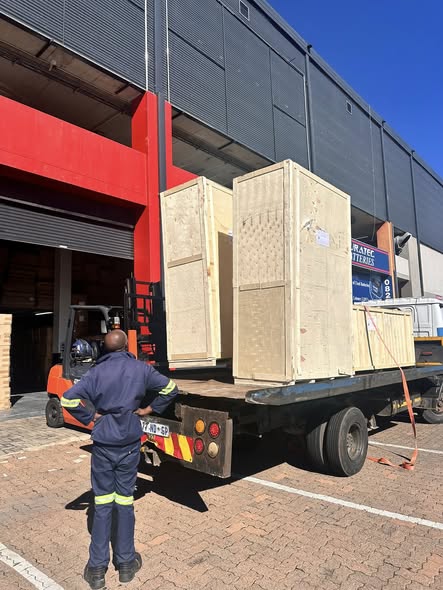
Order Collection
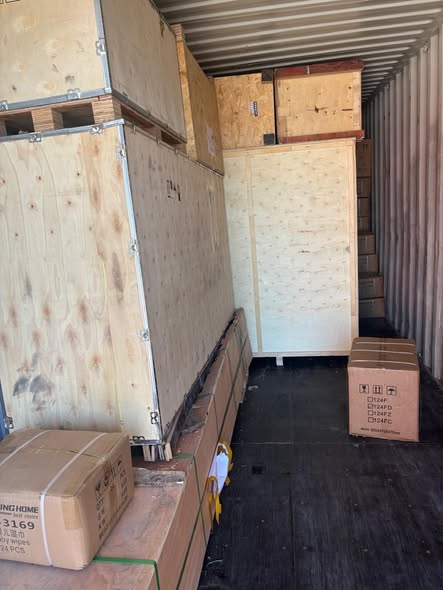
Cross Border Clients
Order cros border countries Collected
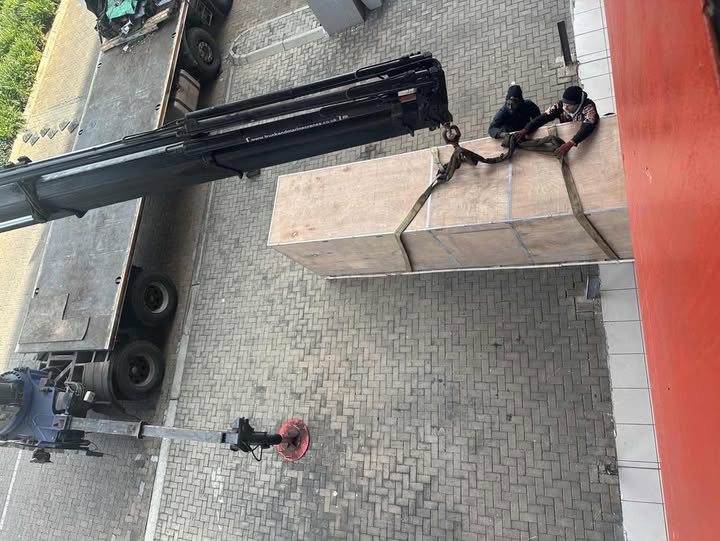
Industrial Machine Cllection
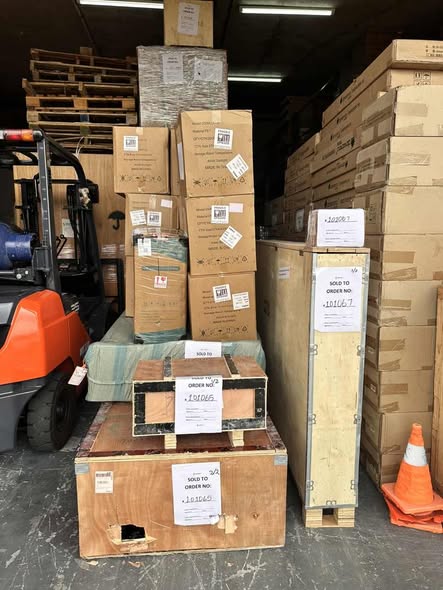
Agriculture Processing Machines
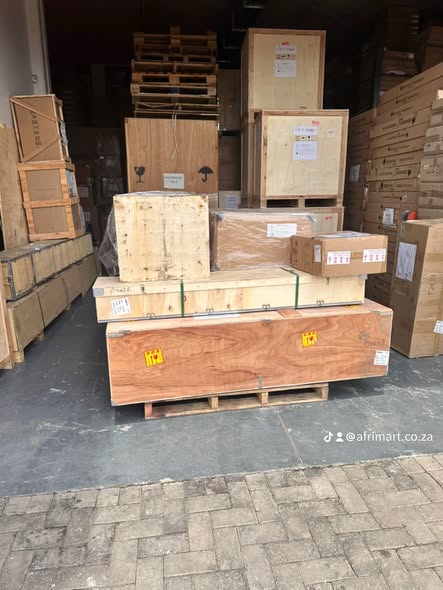
Ready for collection
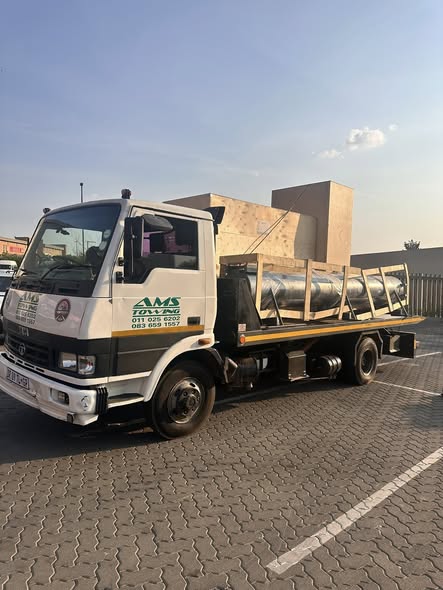
Water Pump Equipment
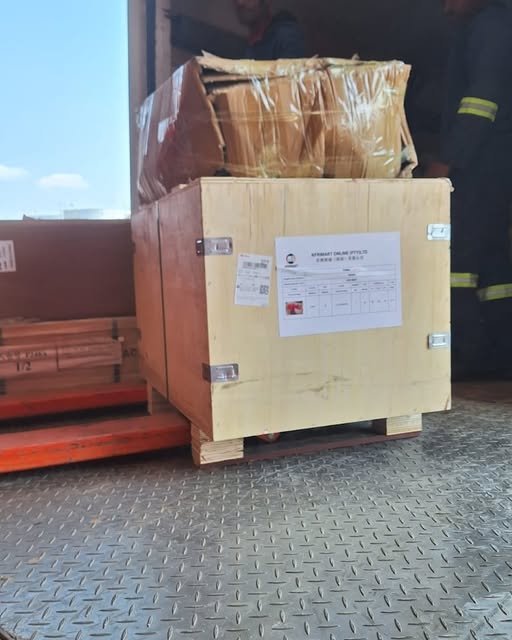
Packaging Machine and accessories
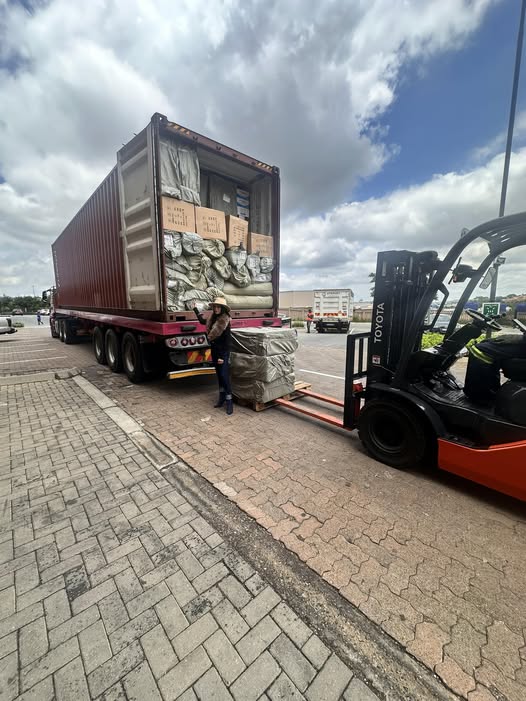
Fabrics Manufacturing Equipment
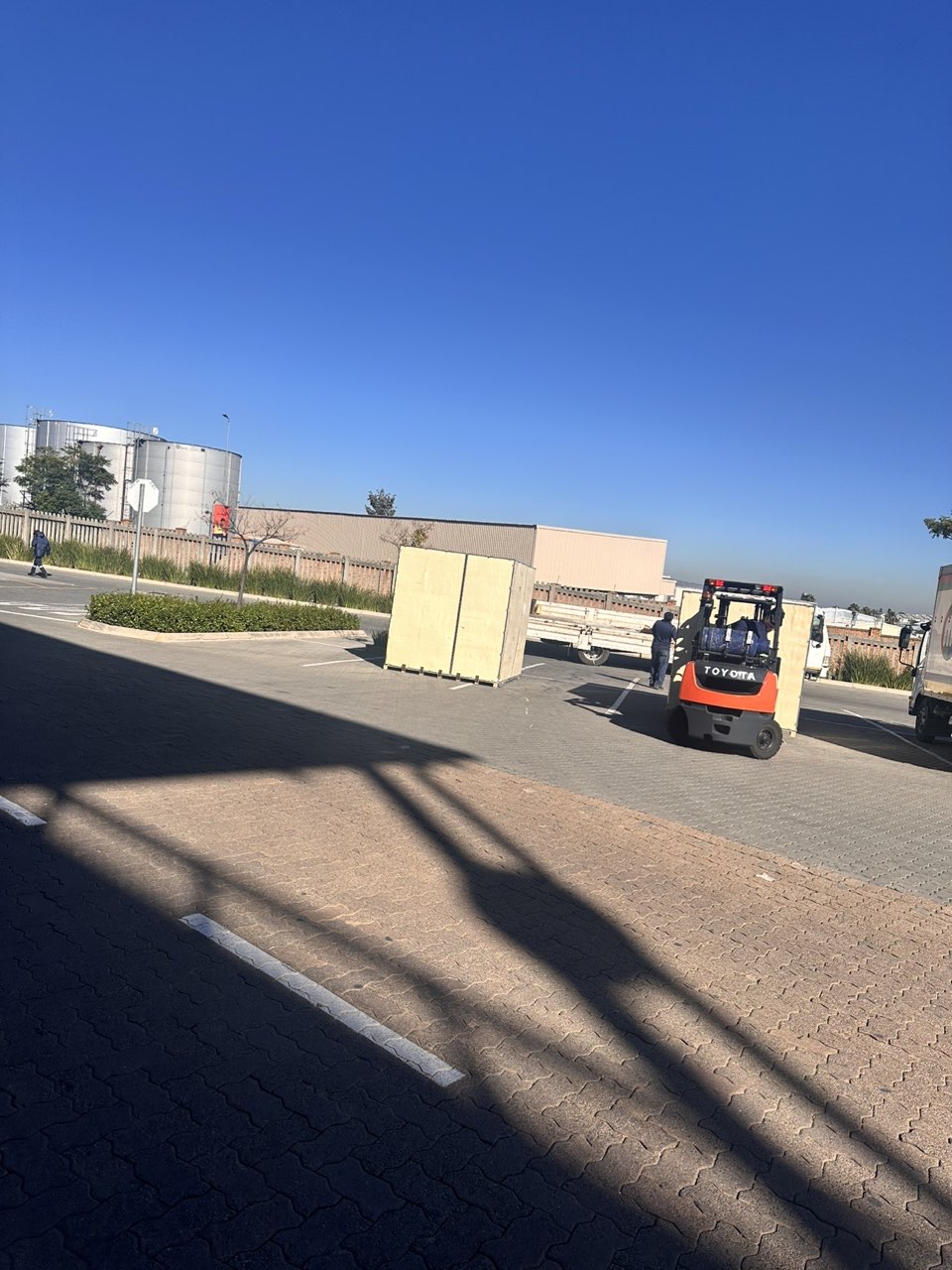
Mining Equipments
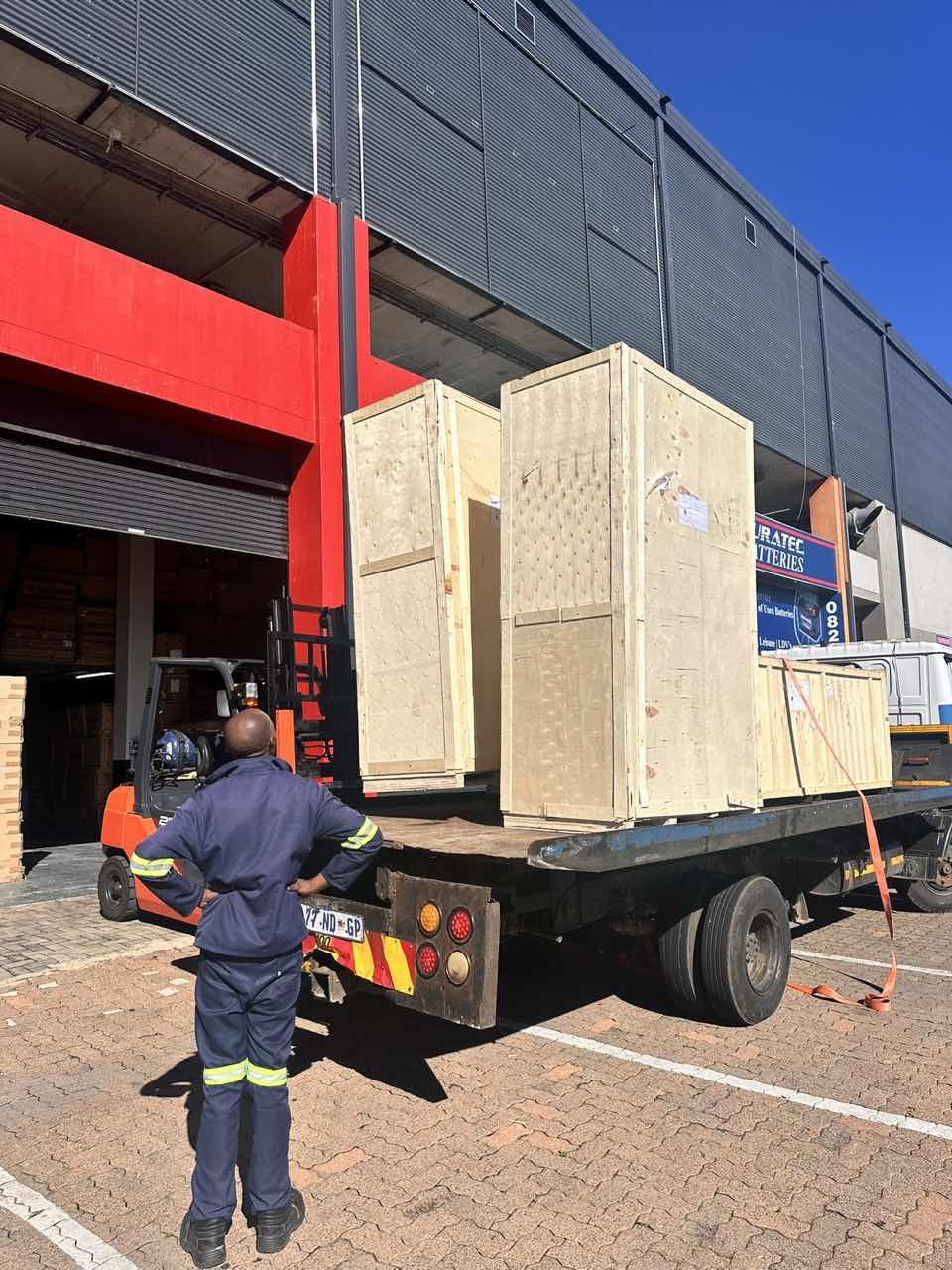
Food Processing Machine
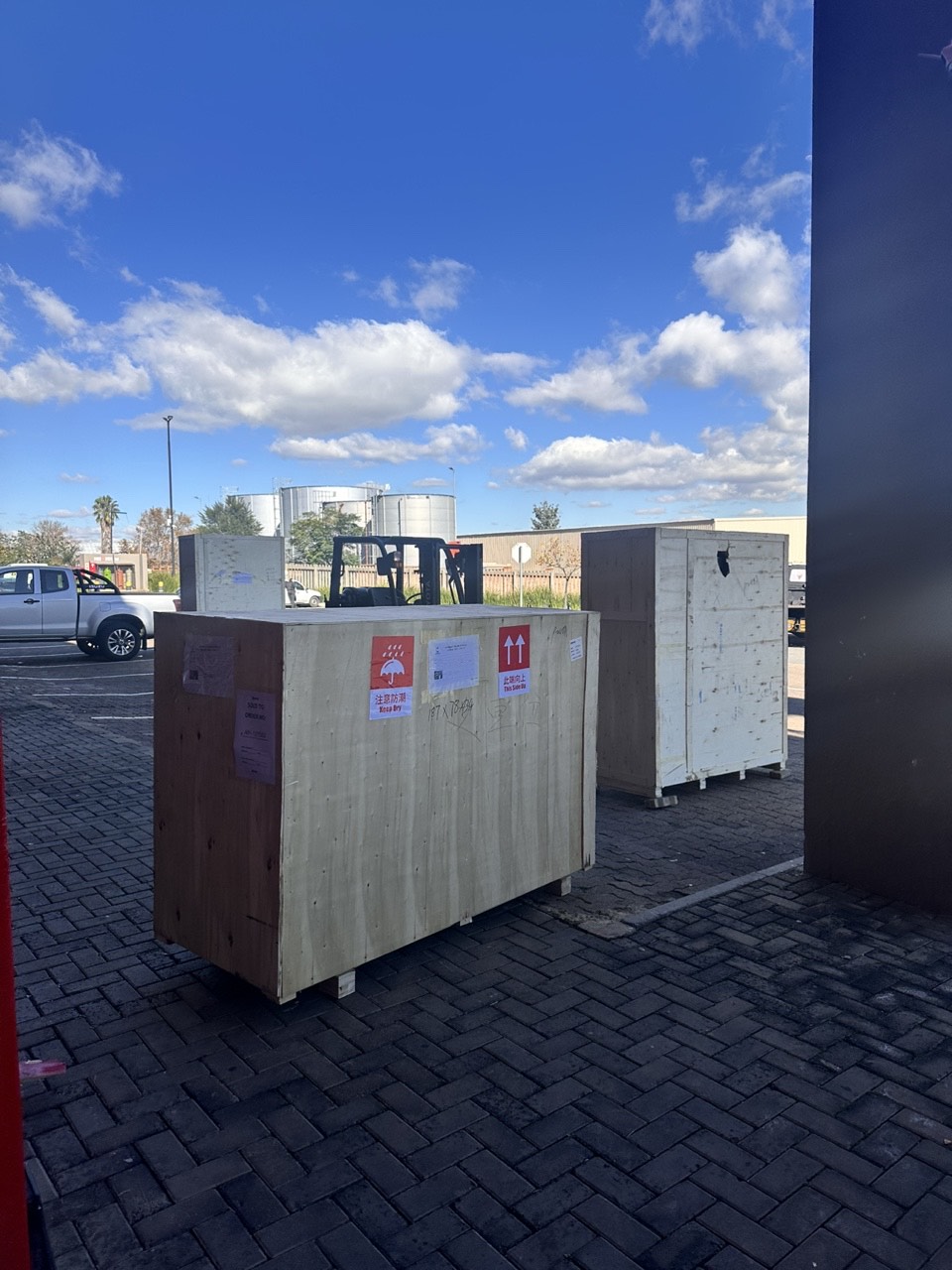
Batch of Orders
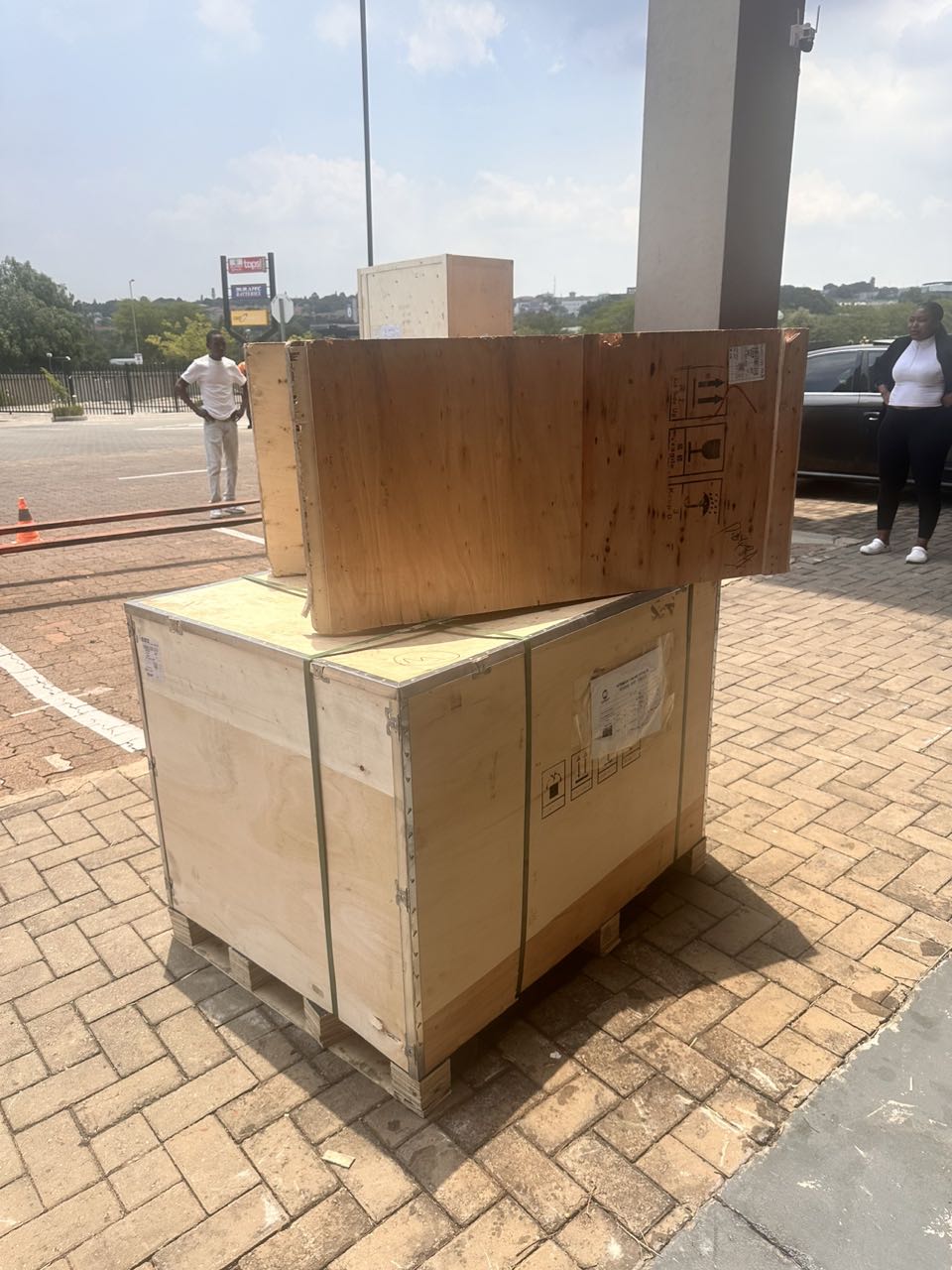
Batch of Orders
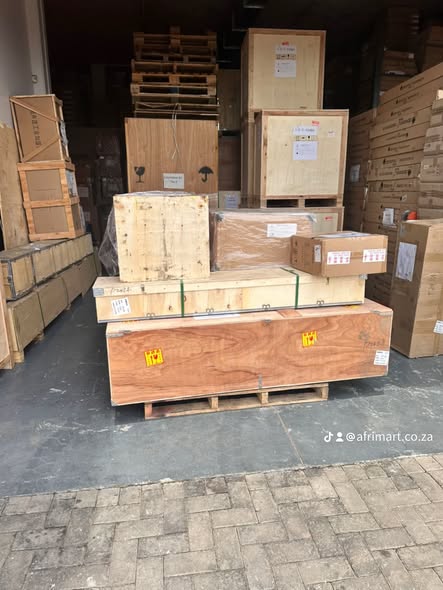
Latest Orders Labelled
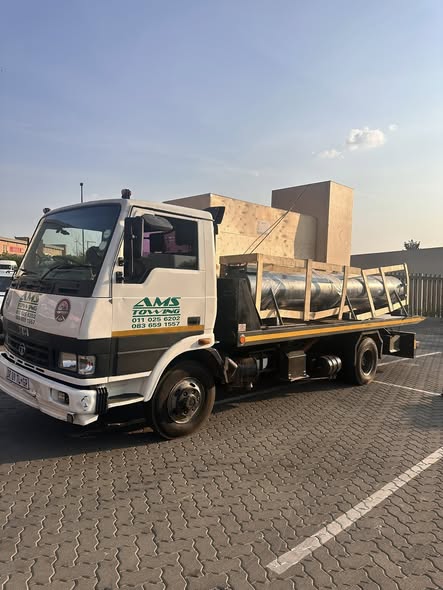
wheel alignment machines
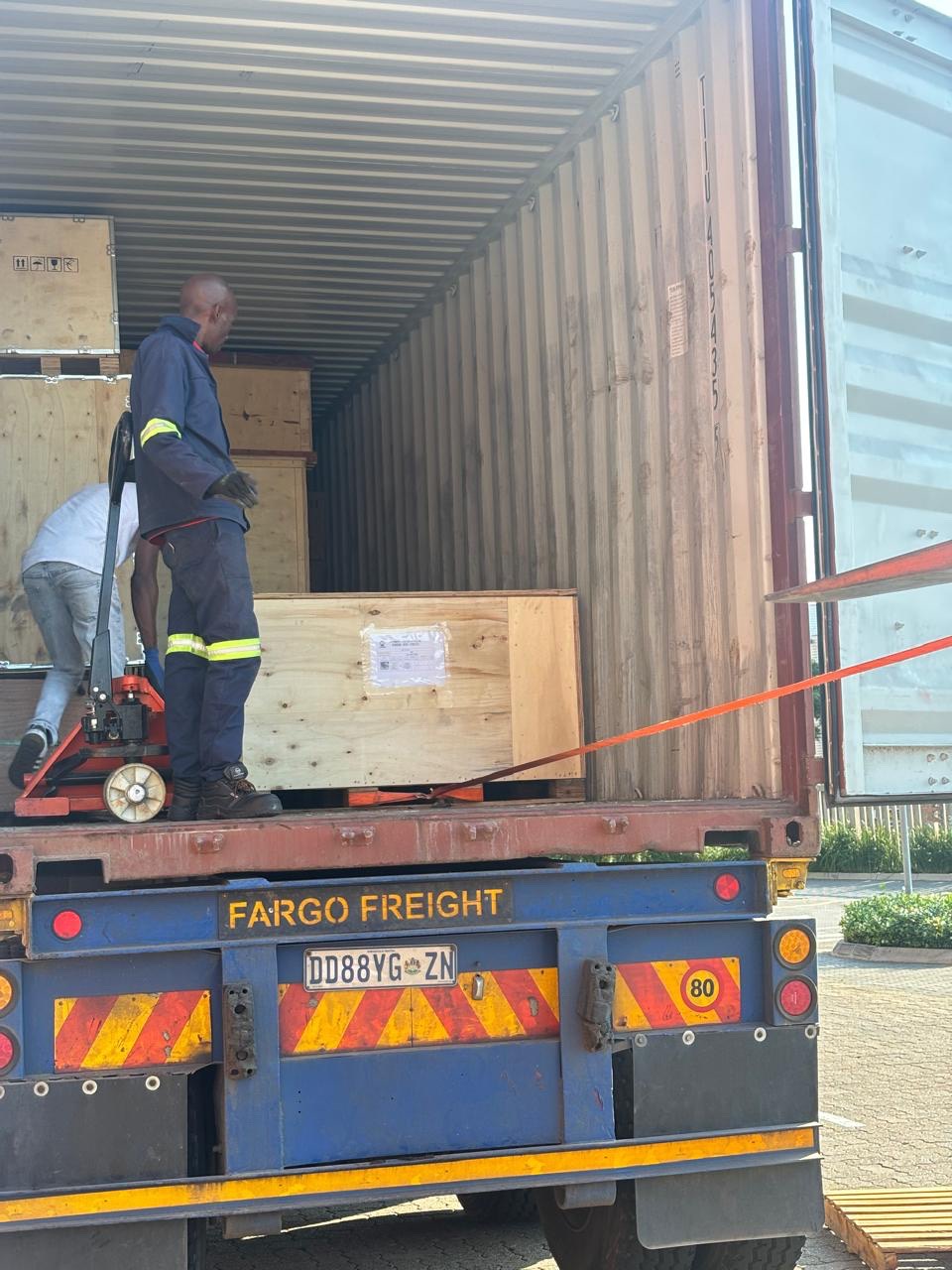
new arrivals
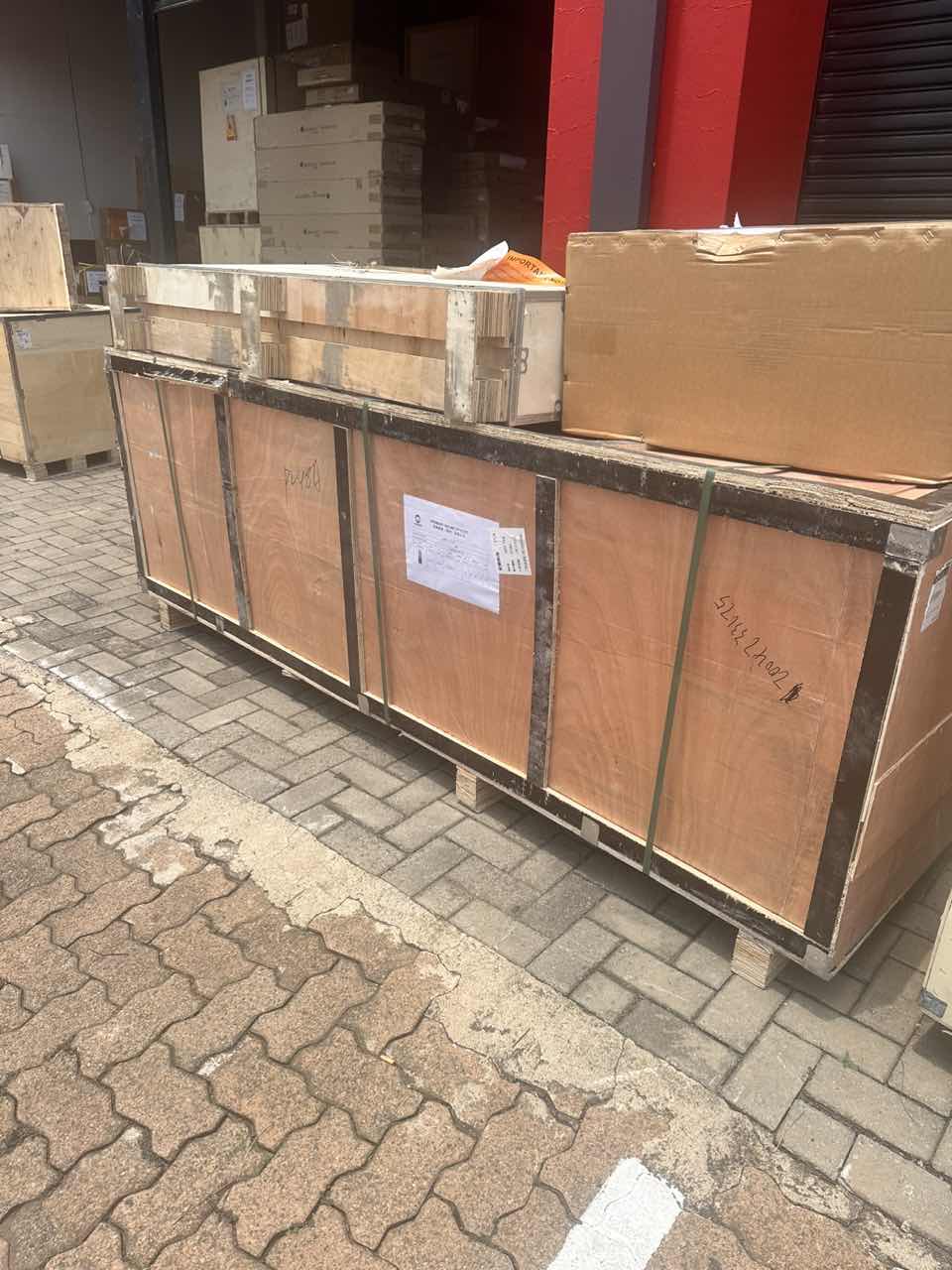
Pre Orders Offloading
Latest Arrivals
Latest Arrivals
Latest Arrivals
Loading
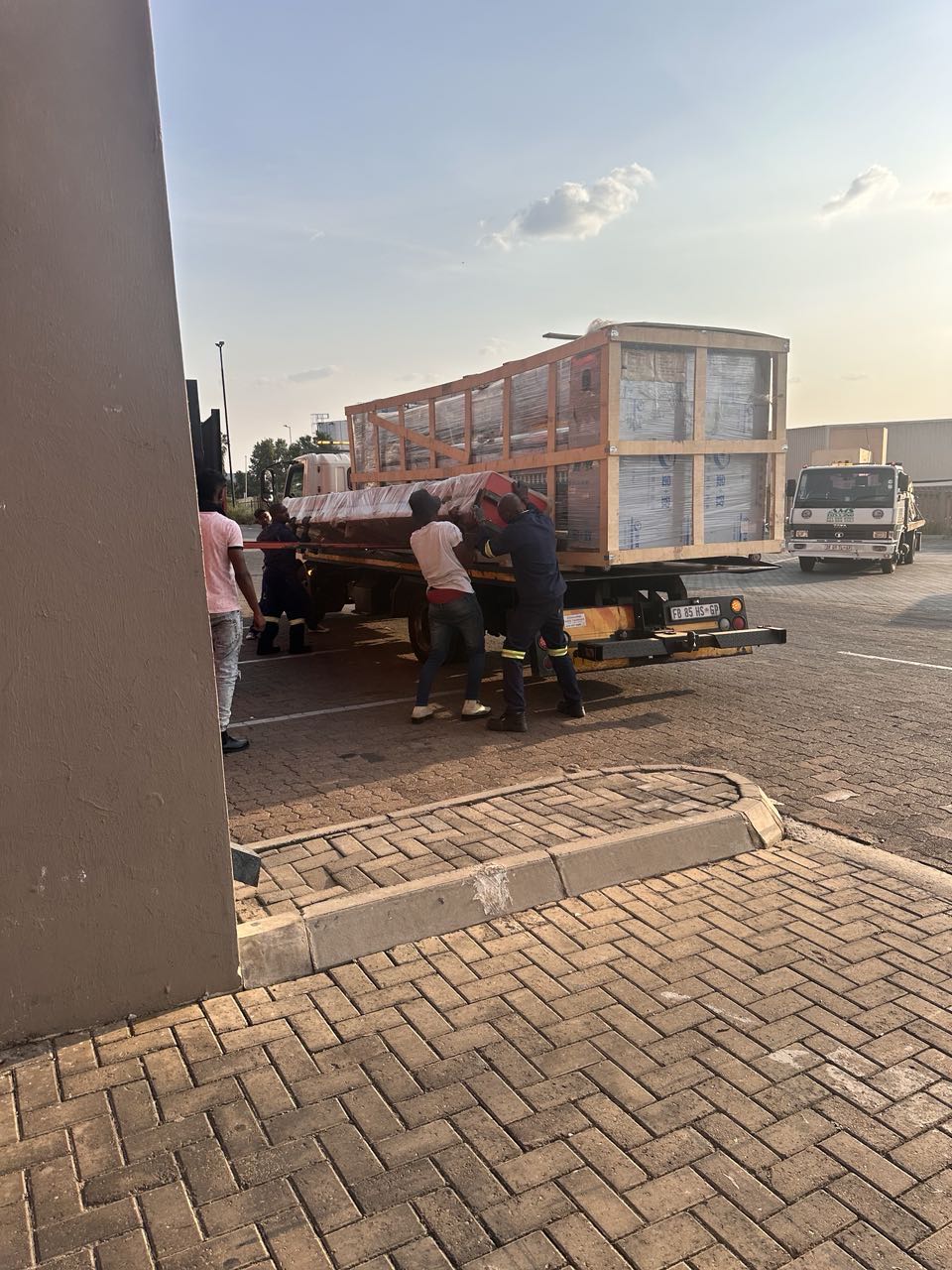
Toilet paper making machine
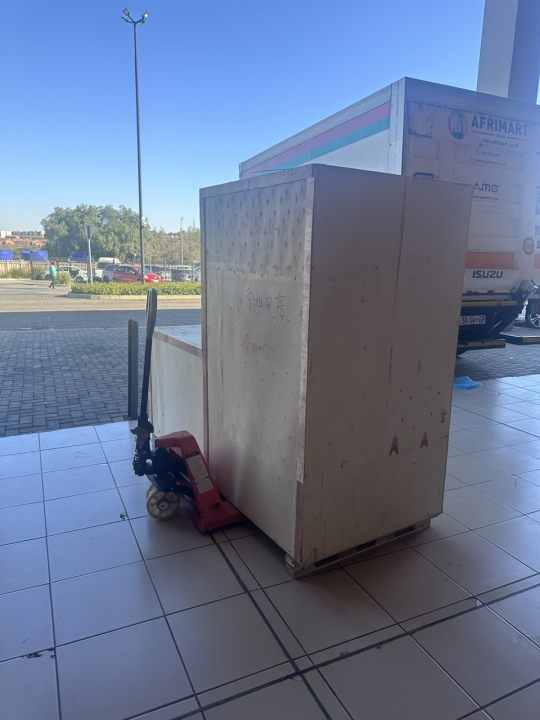
Toilet paper making machine
Toilet paper Rewinding Machine
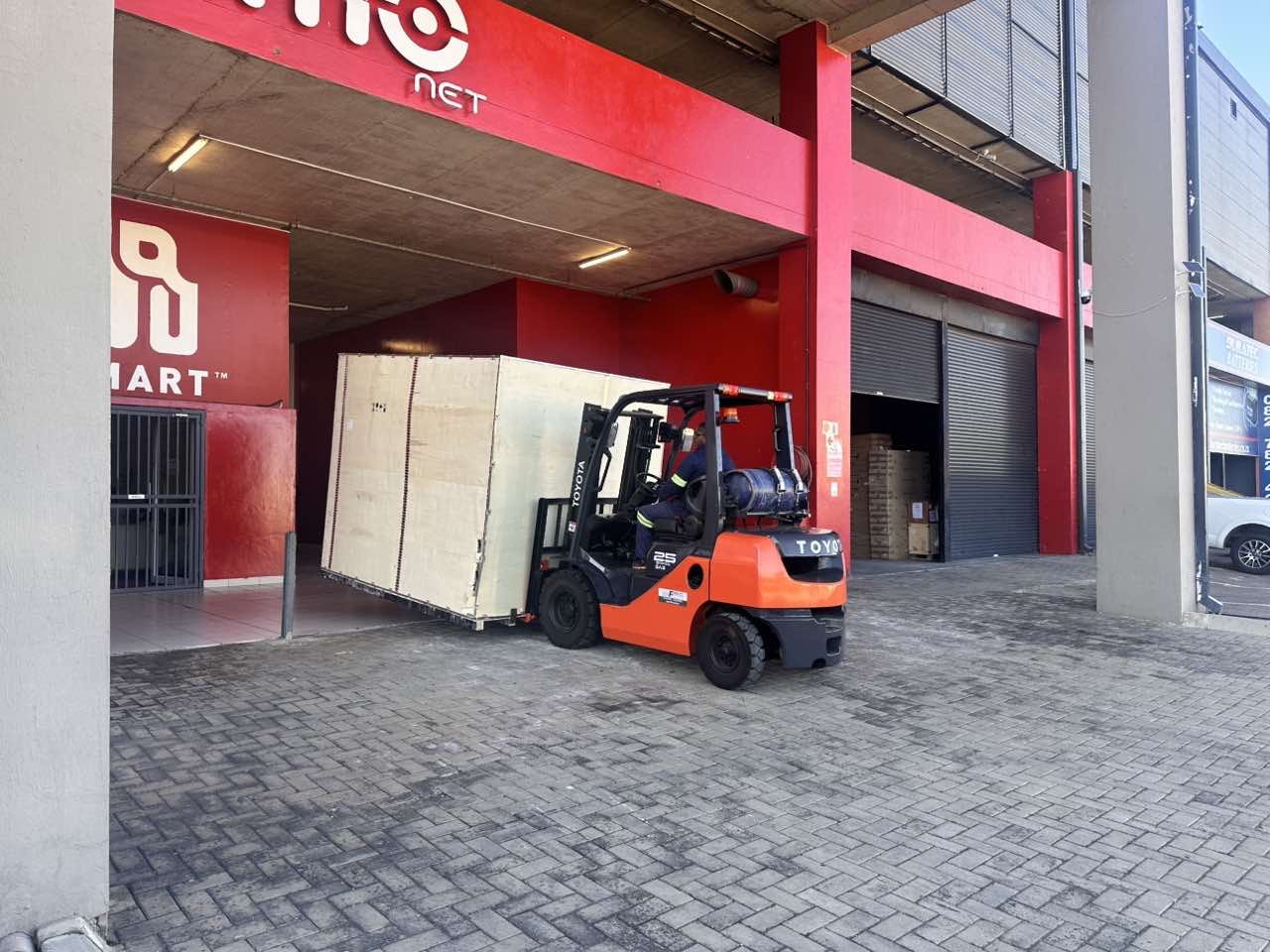
latest arrivals
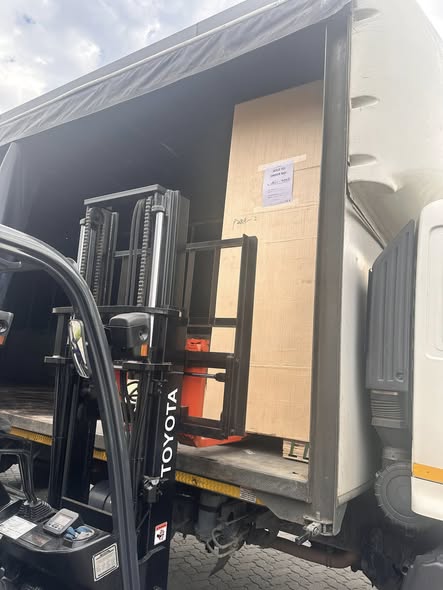
offloading
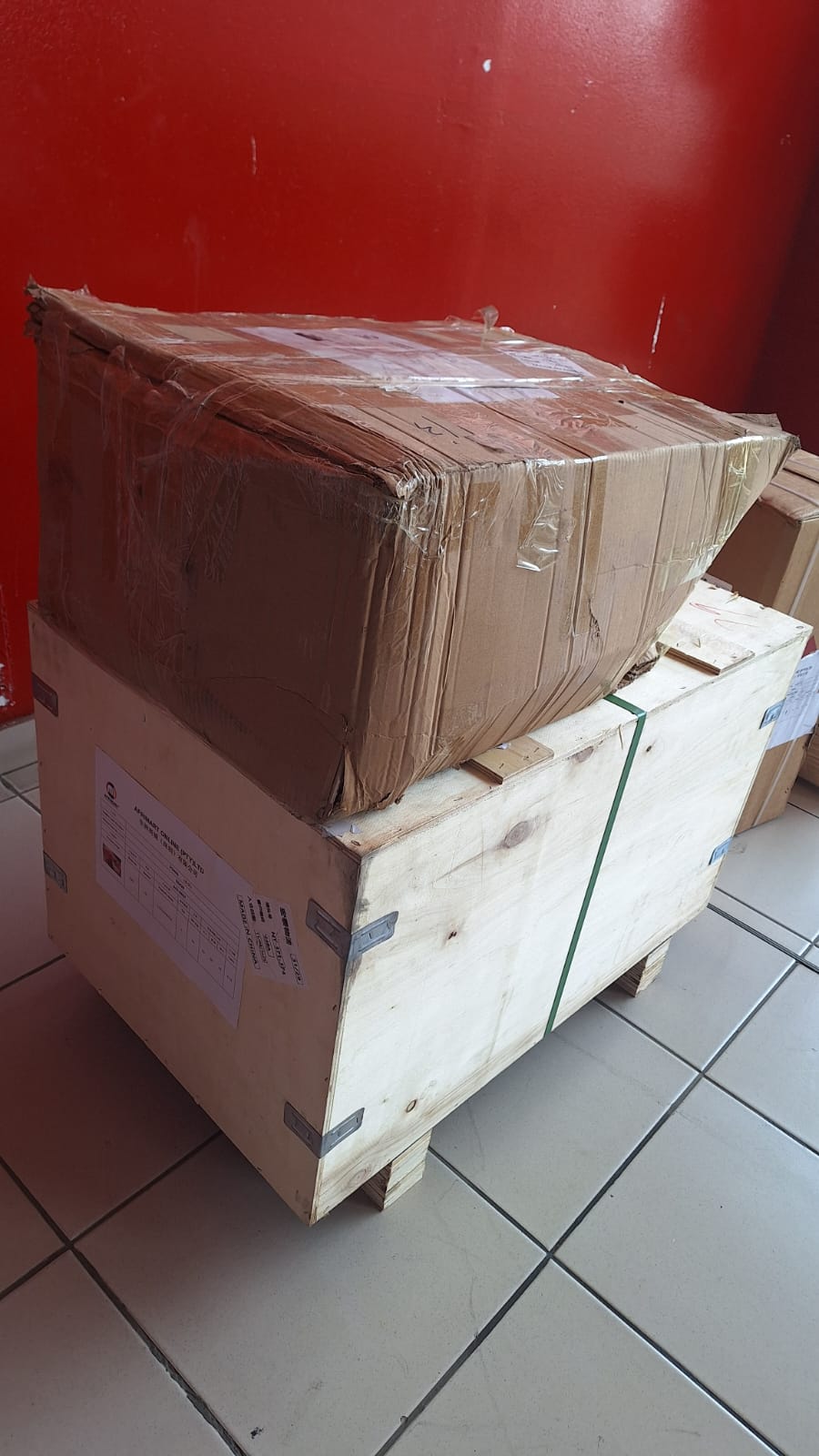
order success
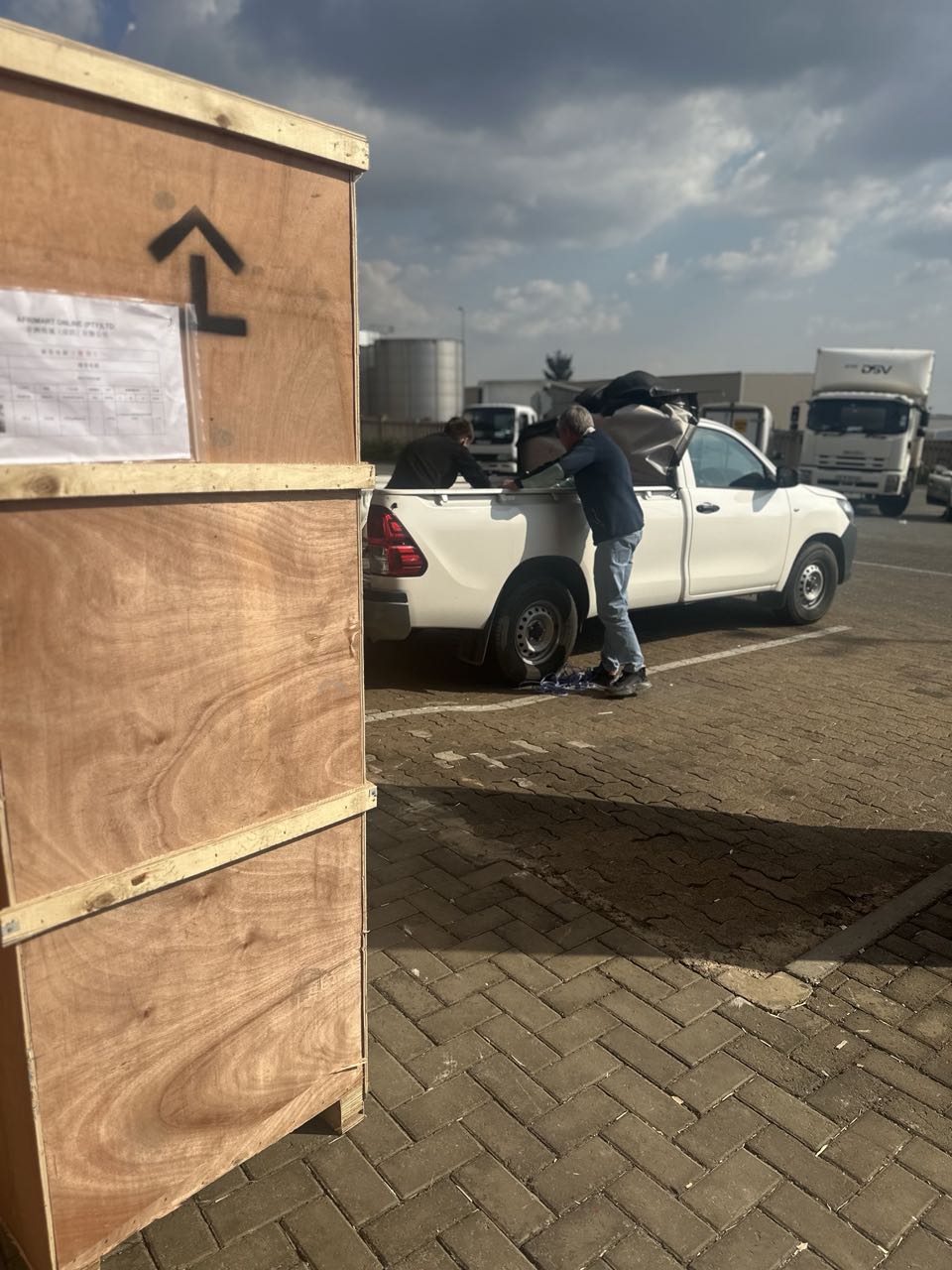
order collection
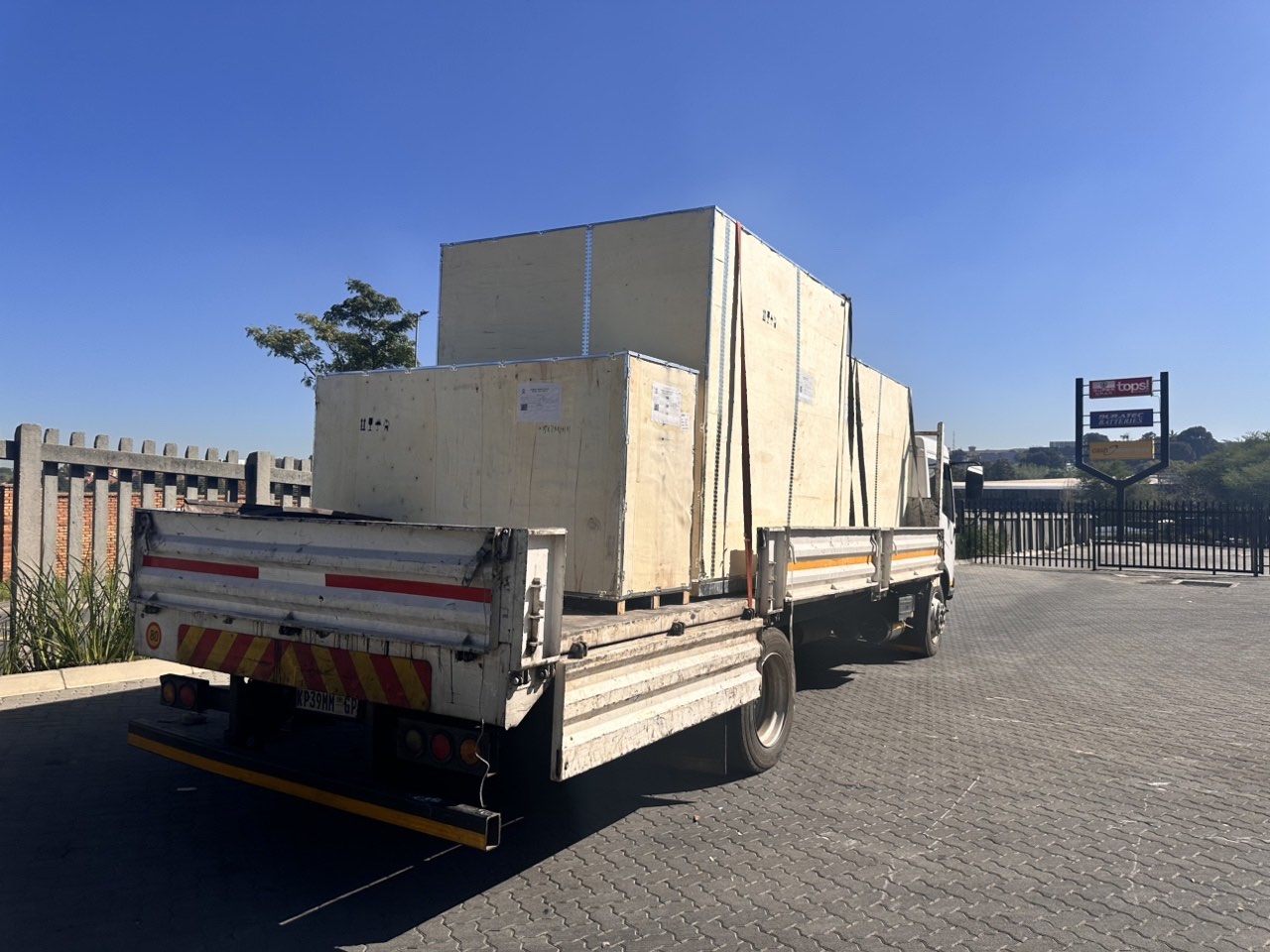
order offloading