B21, China Town Mall, Midrand


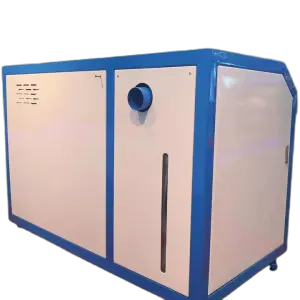
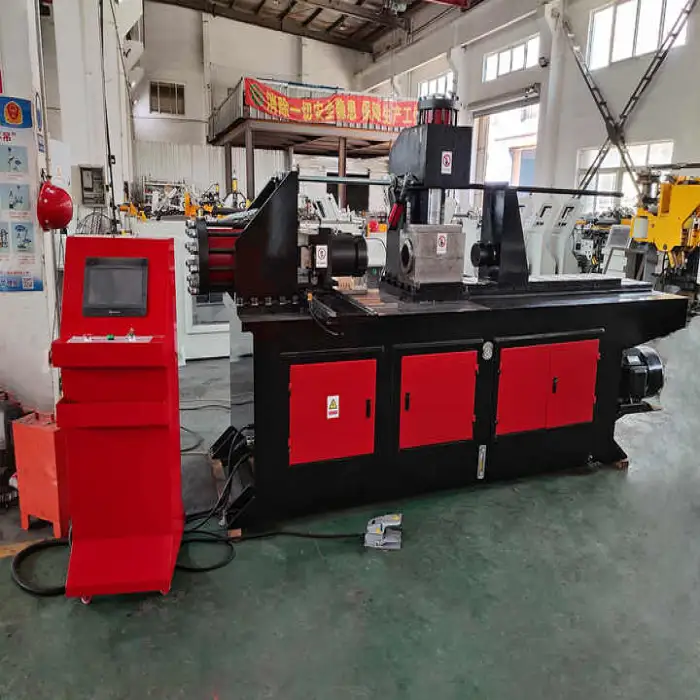
Stainless Steel Pipe Tube Head ReducePipe Tube End Forming Tube Shrinking Machine
Asset finance available
Do you want funding for this equipment?
Afrimart can connect you with trusted funding partners who specialise in asset finance for businesses like yours. Compare options and apply in minutes — final approval is subject to provider review.
Check funding options
Secure & no obligation
- Section : Machinery
- Category : Machine Tool Equipment
- SKU : 1600362704544

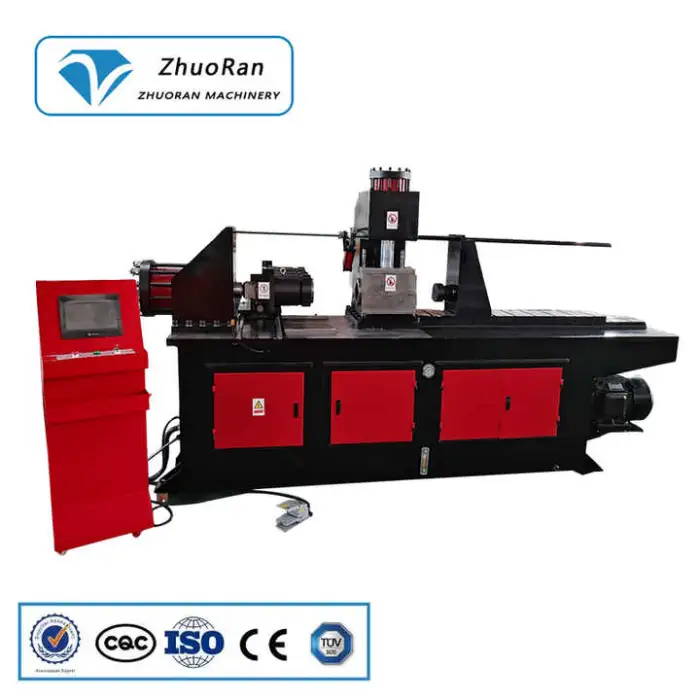
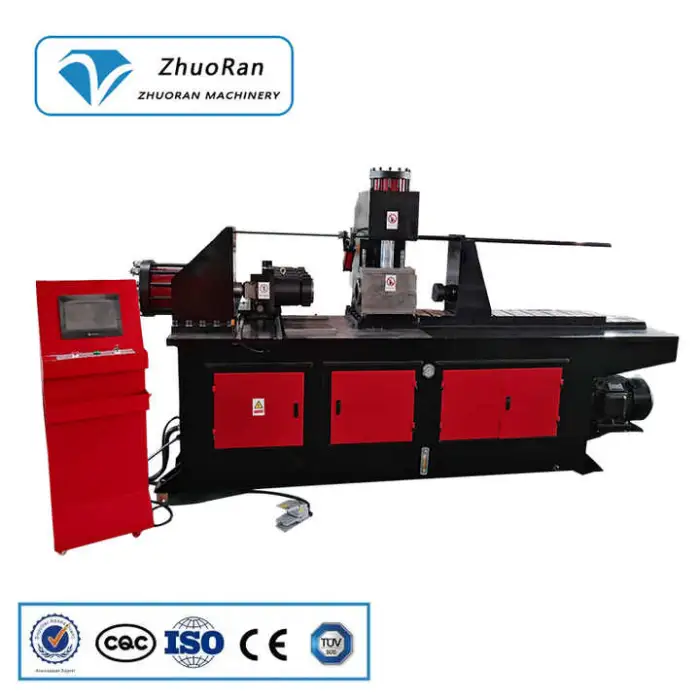
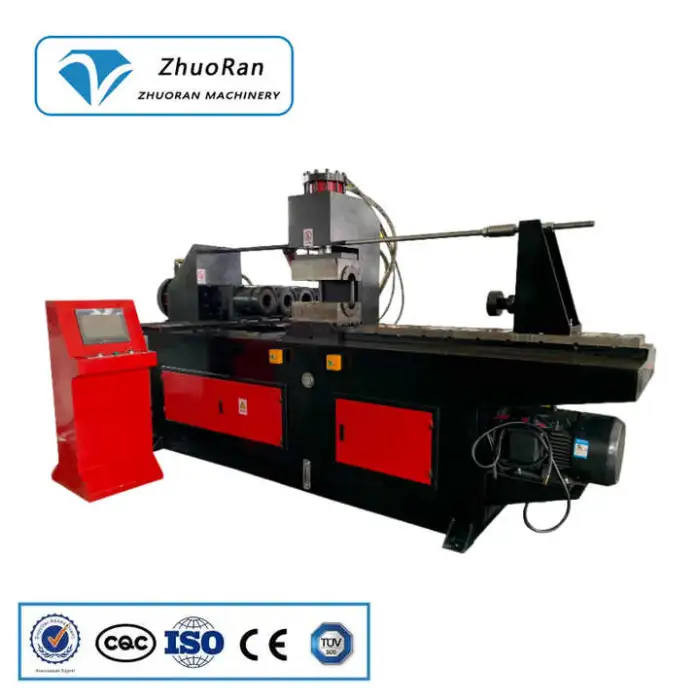
Stainless Steel Pipe Tube Head ReducePipe Tube End Forming Tube Shrinking Machine
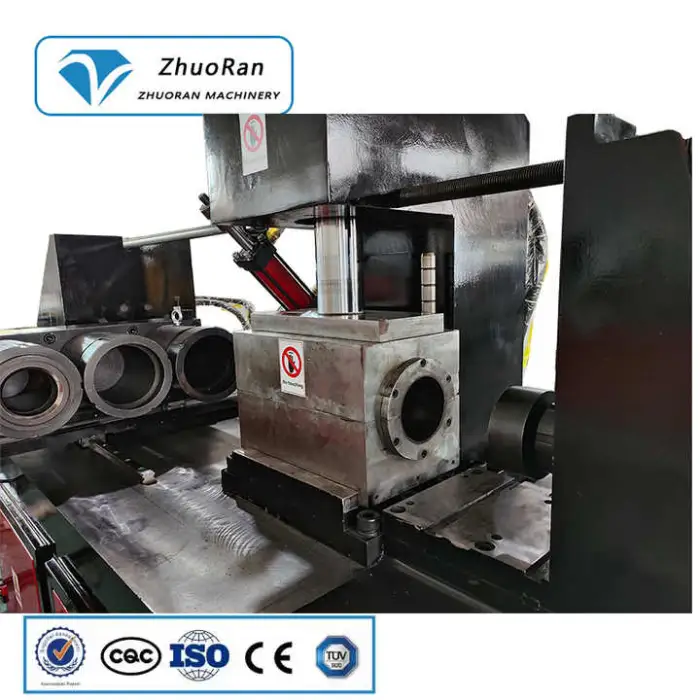
The Stainless Steel Pipe Tube Head ReducePipe Tube End Forming Tube Shrinking Machine is designed for efficiency and ease of use. This semi-automatic machine is perfect for processing various metals, including stainless steel, brass, and aluminum. With a powerful motor and robust components, it ensures high-quality results every time.
Specifications
| Attribute | Details |
|---|---|
| Max. Shrinking Capacity (Diameter) | 120 mm |
| Max. Shrinking Capacity (Thickness) | 5 mm |
| Power | 11 kW |
| Weight | 3200 kg |
| Material / Metal Processed | Brass / Copper, Alloy, Stainless Steel, Aluminum, Aluminium Alloy, Carbon Steel |
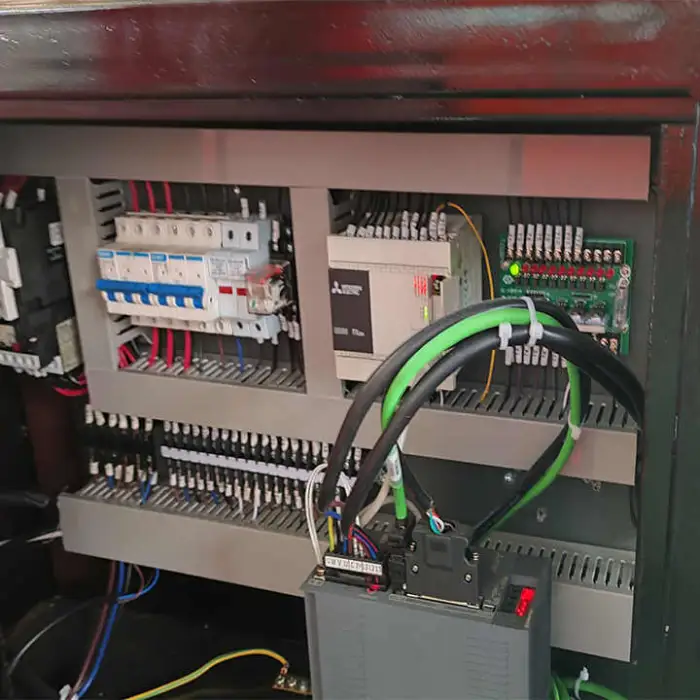
| Core Components | Bearing, Motor, Pump |
Key Features
- Easy to operate, suitable for all skill levels.
- Semi-automatic operation streamlines the process.
- Powerful 11 kW motor for efficient performance.
- Processes a variety of metals with ease.
- Durable and robust design for long-lasting use.
Applications
- Pipe end forming for construction projects.
- Manufacturing of metal products and components.
- Automotive industry for pipe fittings.
- HVAC systems for ductwork applications.
- General metalworking and fabrication tasks.
The Stainless Steel Pipe Tube Head ReducePipe Tube End Forming Tube Shrinking Machine is your go-to solution for efficient metal processing. Enhance your production line with this reliable machinery today!
Product Info Gallery
- Shipping Timeframes: All orders are processed within 2-5 business days (excluding weekends and holidays). After your order has been processed, the estimated delivery time is before 03 Aug, 2026, depending on customs, Please note that due to high demand, some items may experience longer shipping times, which will be communicated at order confirmation email.
- Order Processing Time: Please allow 2-5 business days for us to process your order before it is shipped . Orders placed after 16:00 on Fridays, or during weekends and public holidays, will begin processing on the next business day. Processing times may be extended during peak seasons or sales events.
- Manufacturing Time: Some products needs manufacturing time, the manufacturing process will take approximately 10-30 business days depending on the product. This timeframe may vary depending on the complexity of the product and current demand. but this will be communicated with you during order confirmation.
- Returns and Exchanges: We offer a 30-day return policy for most items. If you are not completely satisfied with your purchase, you may return it within 30 days of receipt for a refund or exchange. Items must be unused, in their original packaging, and accompanied by proof of purchase. Return shipping costs are the responsibility of the customer, unless the item was damaged or defective upon arrival.
1. What are the maximum tube diameter and wall thickness this machine can shrink?
The machine supports a maximum shrinking diameter of 120 mm and a maximum wall thickness of 5 mm.
2. Which materials can this tube shrinking and end forming machine process?
It is designed to process a wide range of metals including stainless steel, brass, copper, aluminium/aluminum alloys, carbon steel and other common alloys.
3. Is the machine fully automatic or semi-automatic?
This is a semi-automatic machine, combining manual loading/unloading or setup with powered forming/shrinking cycles to streamline production while keeping operator control.
4. What is the motor power and electrical supply requirement?
The machine is equipped with an 11 kW motor. Exact electrical supply requirements (voltage, phase, and starter type) depend on the configuration—confirm the required supply voltage and connections with the supplier or installation technician.
5. How heavy is the machine and what are the installation requirements?
The machine weight is 3200 kg. It requires a stable, level foundation or floor capable of supporting the weight, proper anchoring, adequate space for operation and maintenance, and lifting equipment (crane/forklift) for unloading and positioning.
6. What core components should I expect and are spare parts available?
Core components include bearings, motor and hydraulic or vacuum pump (depending on configuration). Typical spare parts such as bearings, seals, pumps and tooling are usually available—check with the supplier for lead times and recommended spare kits.
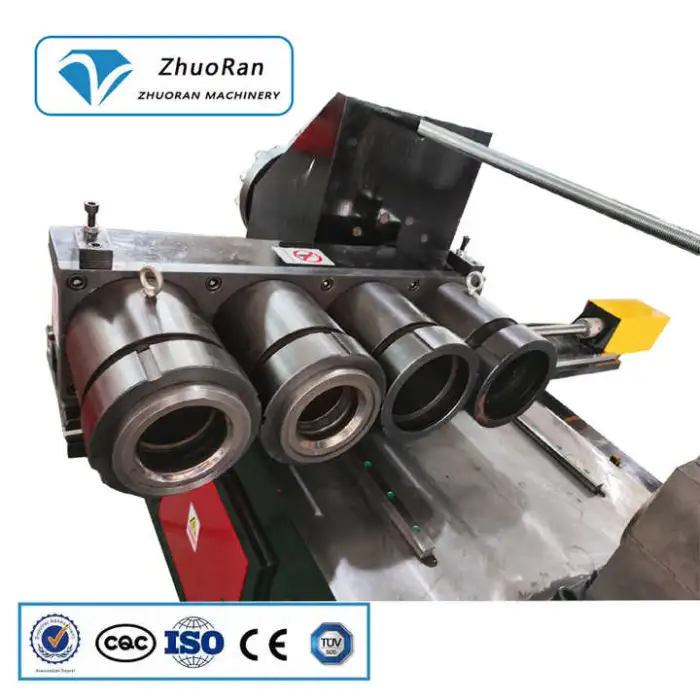
7. What kind of tooling or dies are used and are they interchangeable?
The machine uses forming/shrinking dies or tooling that are generally replaceable and can be customized for different tube diameters and end profiles. Standard tooling sets may be supplied; custom sets are available on request.
8. What production rate or cycle time can I expect?
Cycle time depends heavily on material type, wall thickness, part geometry and the tooling used. Because these variables affect throughput, ask the supplier for sample cycle times based on your specific parts to estimate production rate.
9. What routine maintenance does the machine require?
Routine maintenance includes regular lubrication, periodic inspection and replacement of bearings and seals, checking hydraulic/pump fluid levels and condition, electrical inspections, cleaning, and inspection/replacement of tooling as it wears.
10. What safety features are included and what PPE is recommended?
Typical safety features include guards around moving parts, emergency stop controls and interlocks. Operators should use appropriate PPE (safety glasses, gloves, hearing protection as needed) and follow lockout/tagout and safe operating procedures.
11. Can the machine be customized for different end-form profiles or automation levels?
Yes. The machine can be fitted with customized tooling for specific end-form profiles and can be upgraded or integrated with additional automation or handling equipment per production requirements—discuss options with the manufacturer.
12. Is operator training and commissioning provided?
Most suppliers offer operator training, commissioning and start-up support (either on-site or remote). Confirm training scope and any associated fees when ordering.
13. How is the machine shipped and what should I plan for on delivery day?
Given the machine's weight and size, it is typically shipped on a reinforced pallet or skid and requires freight handling with rigging equipment. Plan for dock access, a forklift or crane, and personnel to assist with offloading and positioning.
14. What warranty and after-sales support are available?
Warranty terms vary by supplier. Commonly there is a limited warranty covering manufacturing defects and initial parts. After-sales support often includes spare parts supply, technical support and service agreements—confirm specific warranty length and coverage with the seller.
15. How do I determine whether this machine is right for my production needs?
Compare the machine's max diameter (120 mm), max thickness (5 mm), material compatibility, semi-automatic workflow and throughput expectations with your part specifications and production volume. For accurate assessment, provide sample tubes or part drawings to the supplier for evaluation and test runs.
Latest Order Arrivals
Discover our latest orders
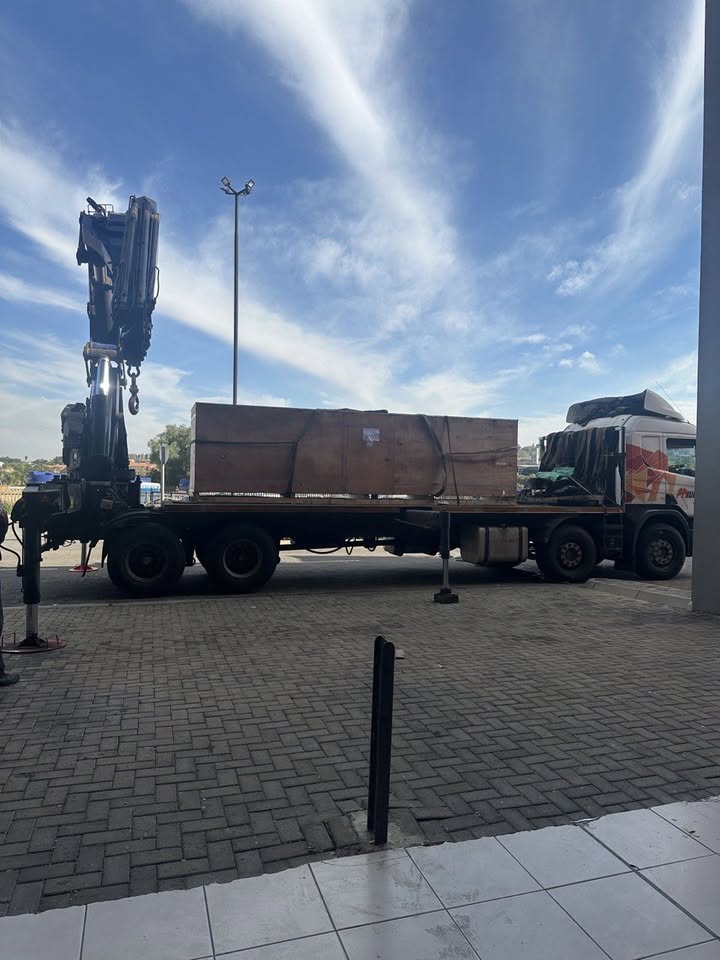
12 Heads Embroidery Machine
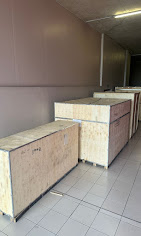
Toilet Paper Machine Machine
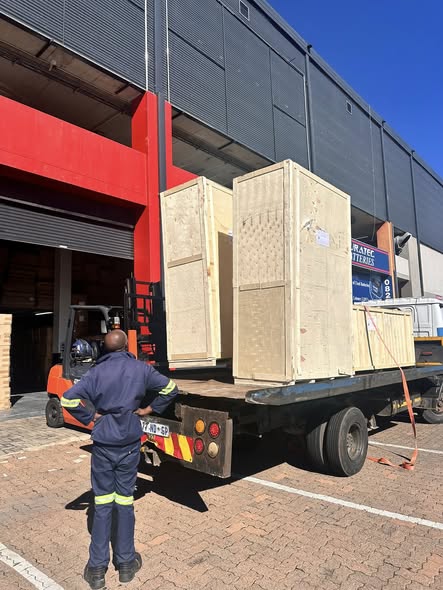
Order Collection
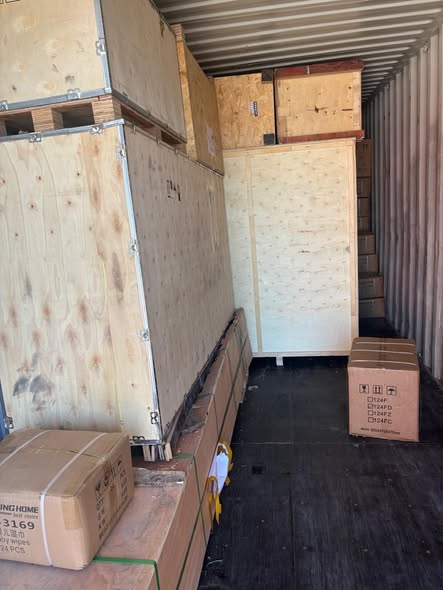
Cross Border Clients
Order cros border countries Collected
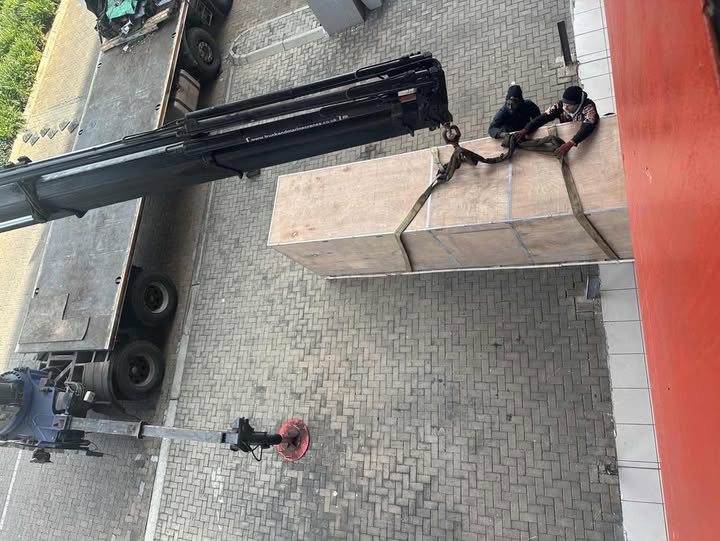
Industrial Machine Cllection
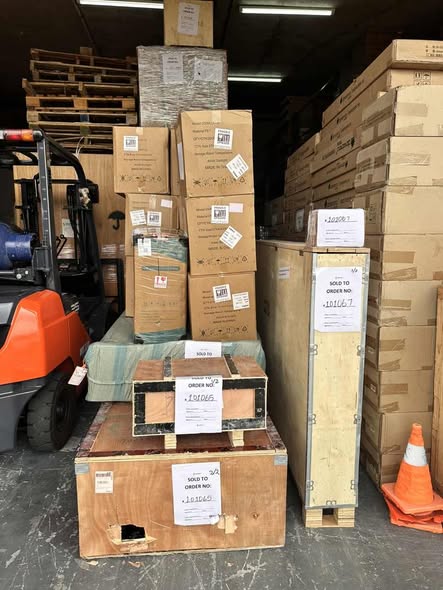
Agriculture Processing Machines
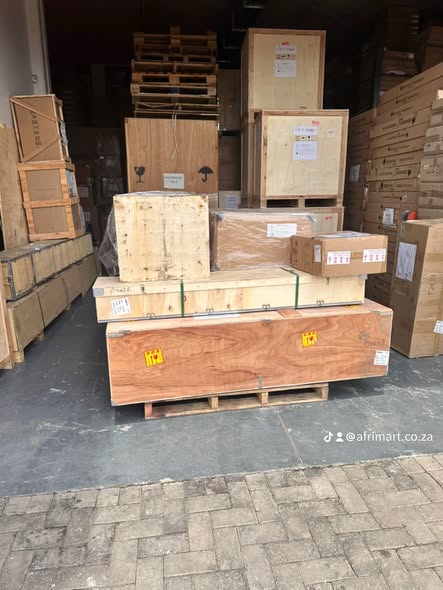
Ready for collection
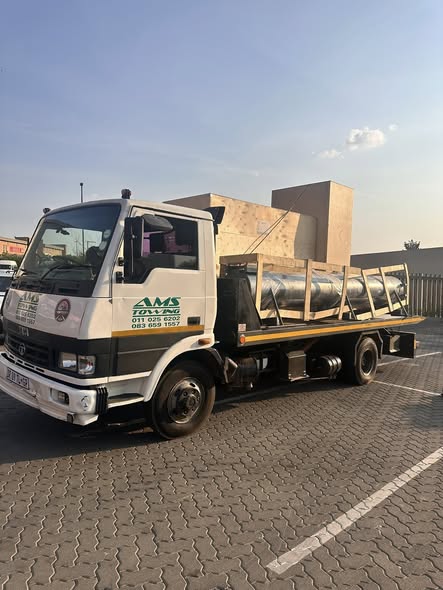
Water Pump Equipment
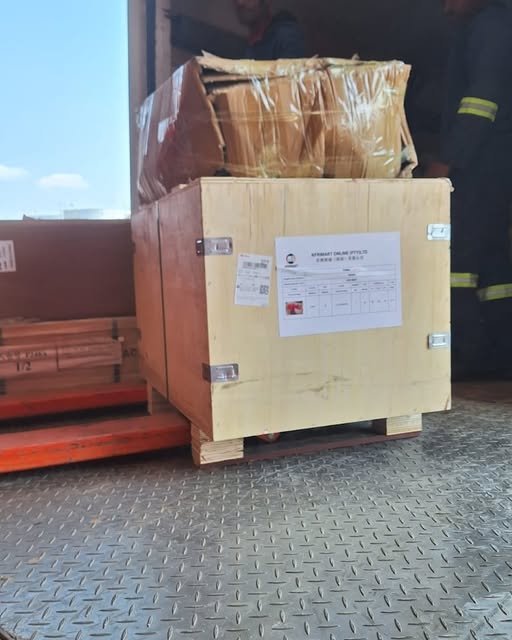
Packaging Machine and accessories
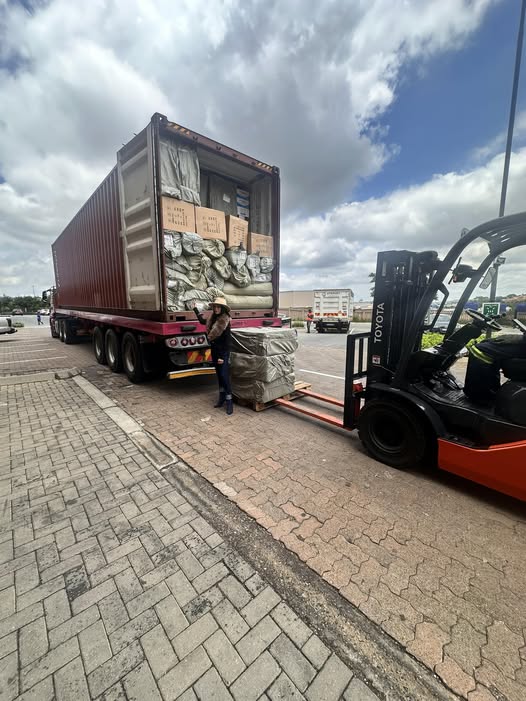
Fabrics Manufacturing Equipment
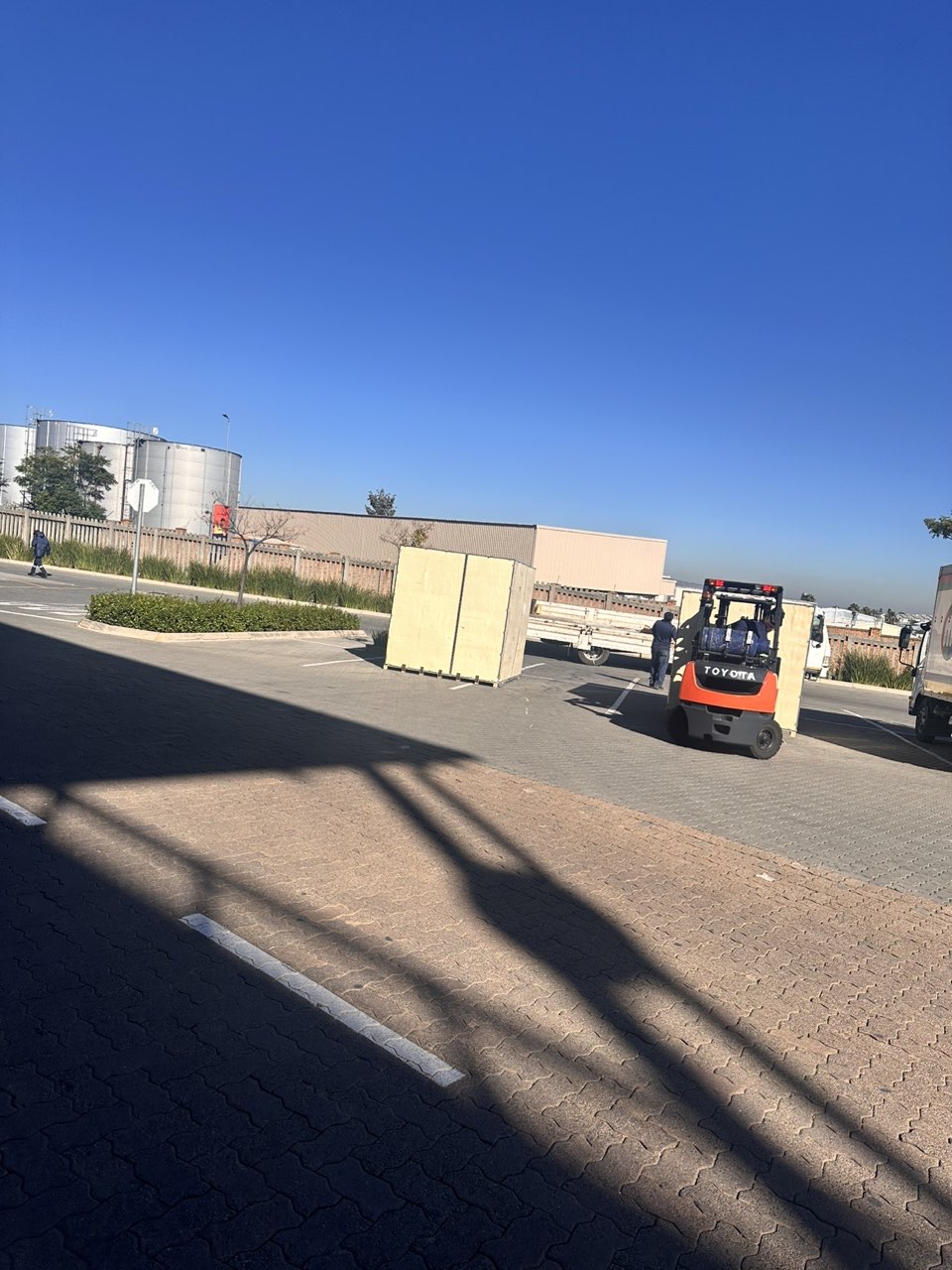
Mining Equipments
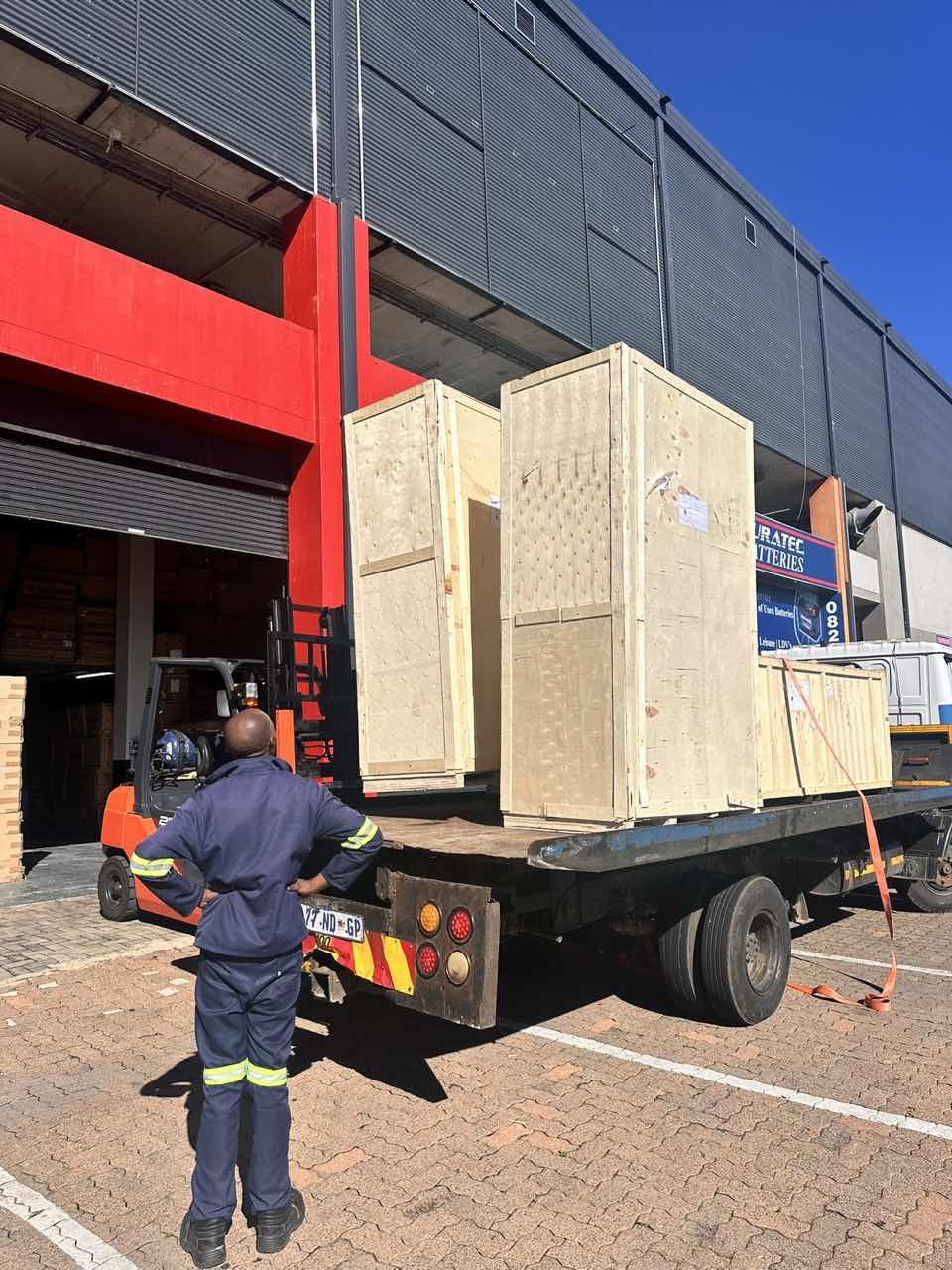
Food Processing Machine
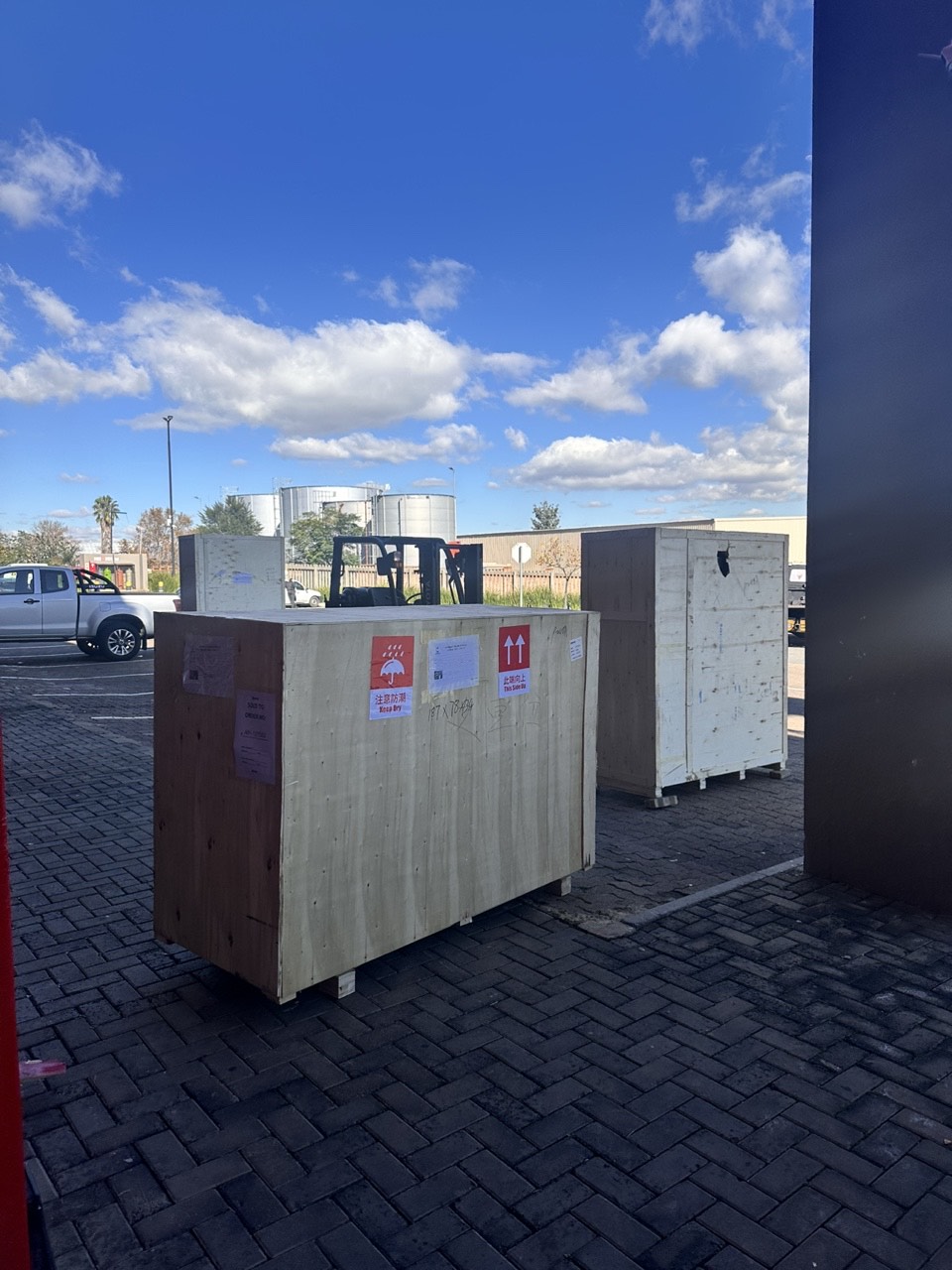
Batch of Orders
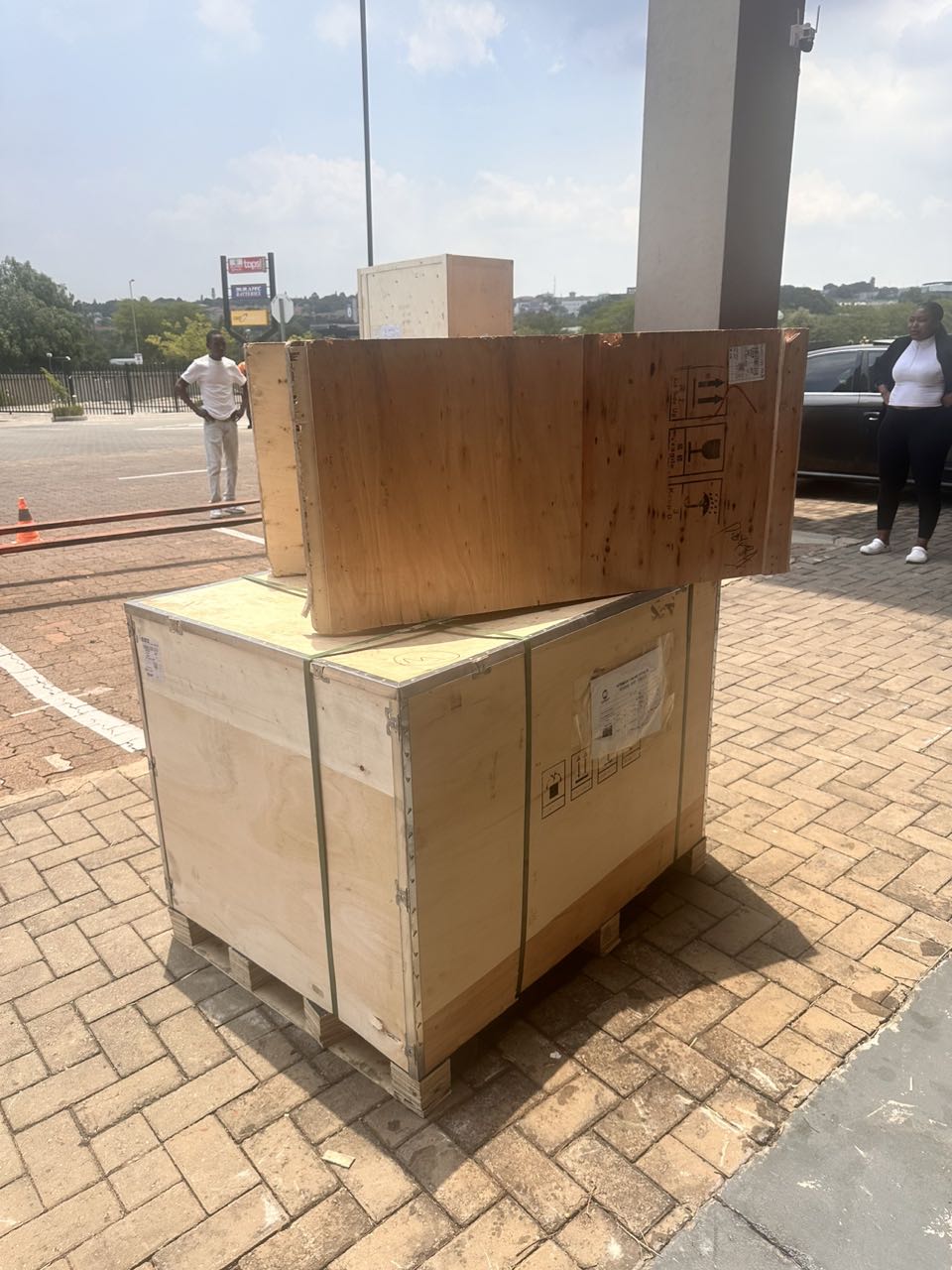
Batch of Orders
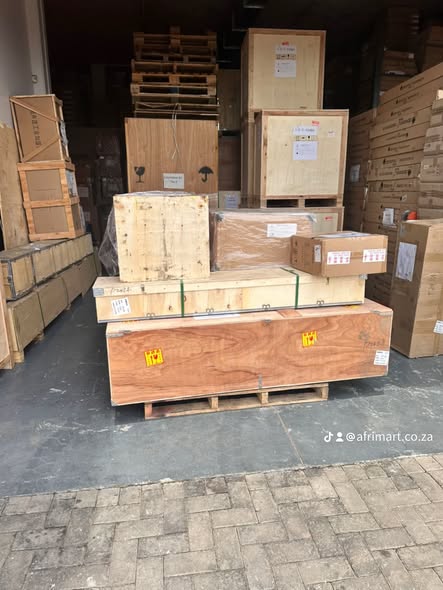
Latest Orders Labelled
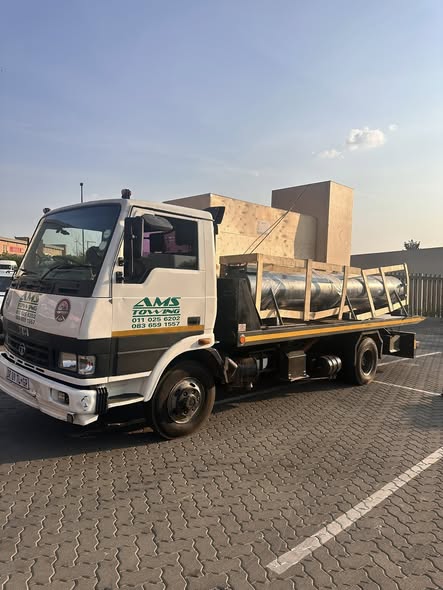
wheel alignment machines
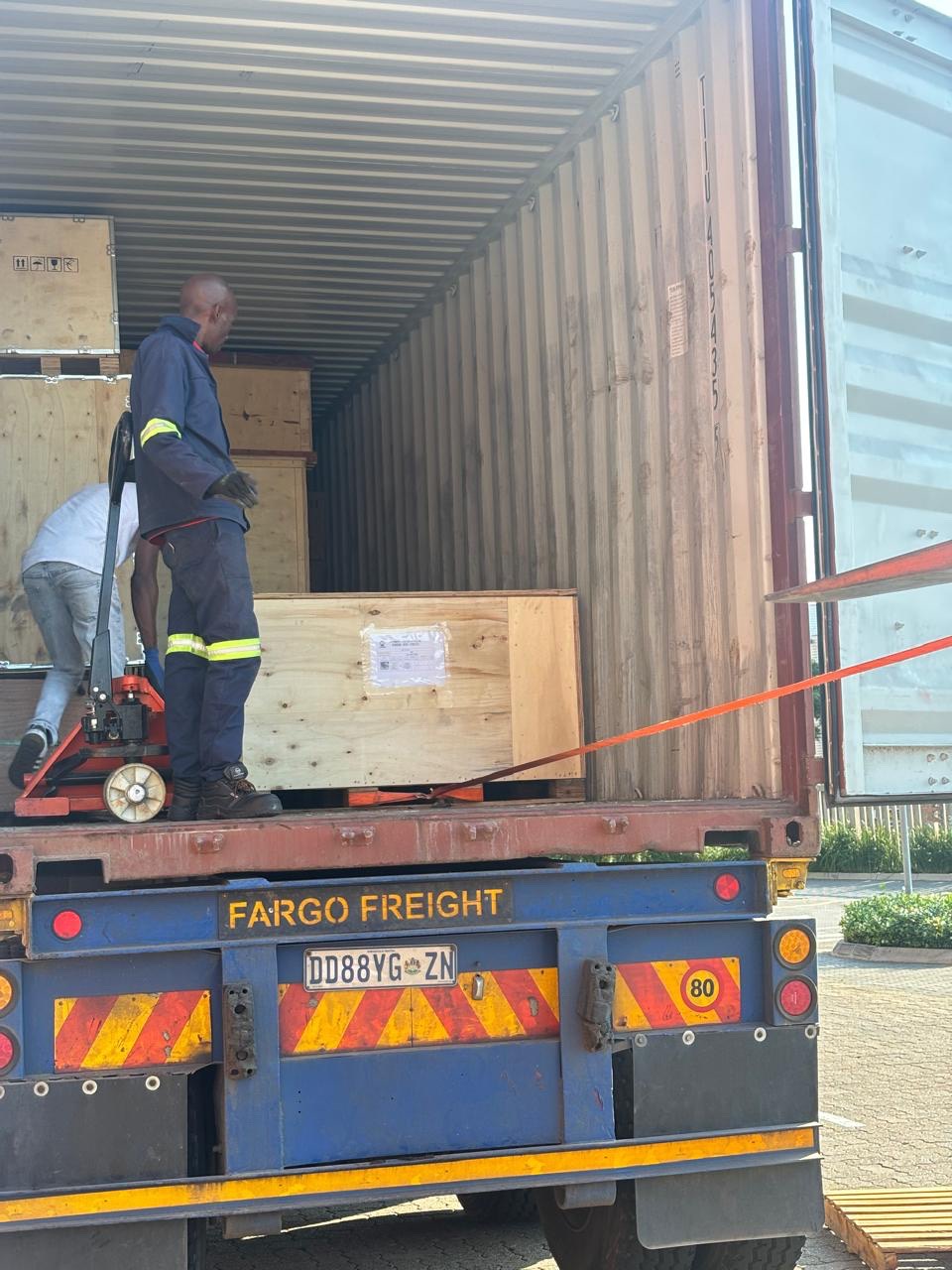
new arrivals
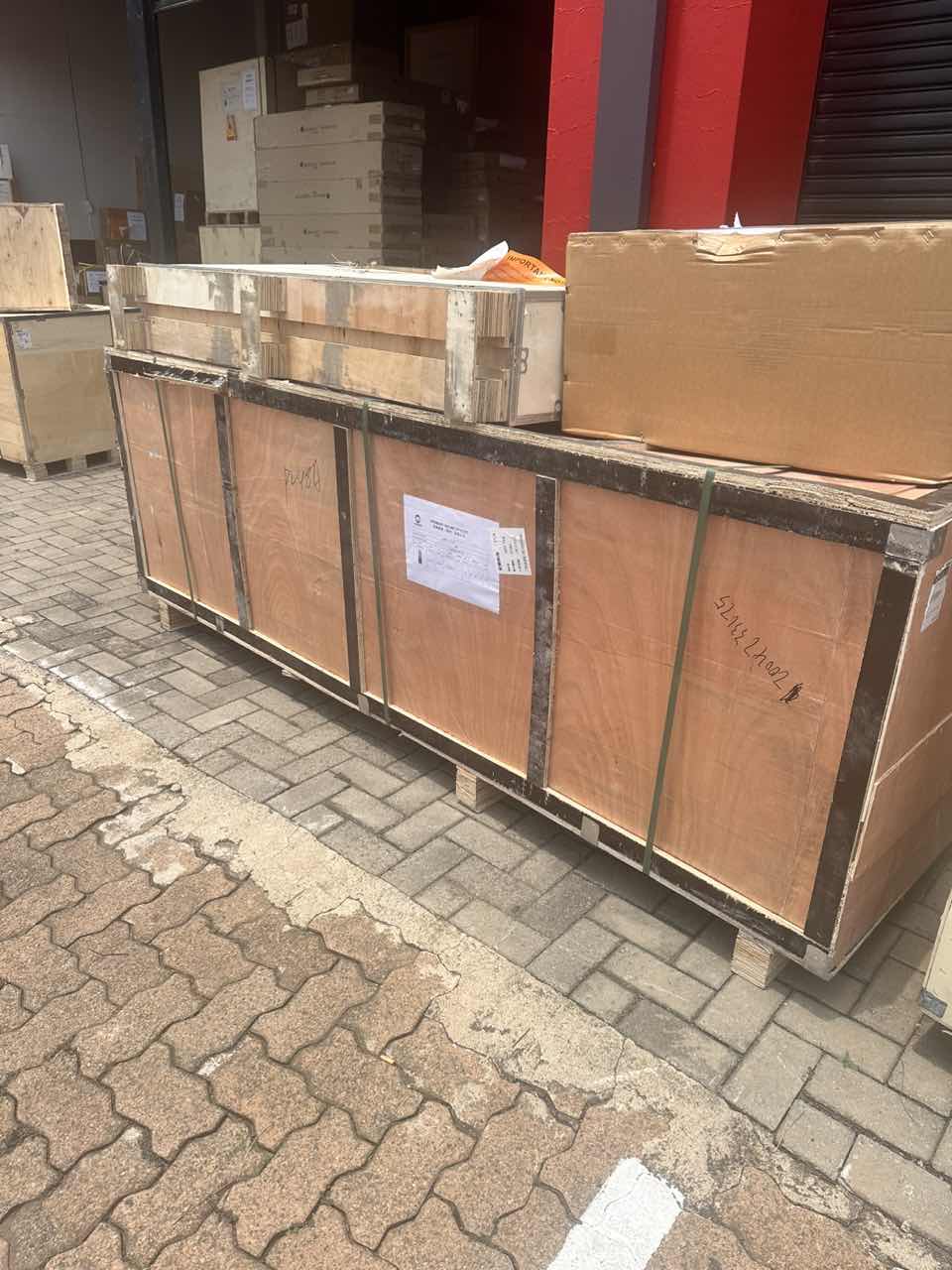
Pre Orders Offloading
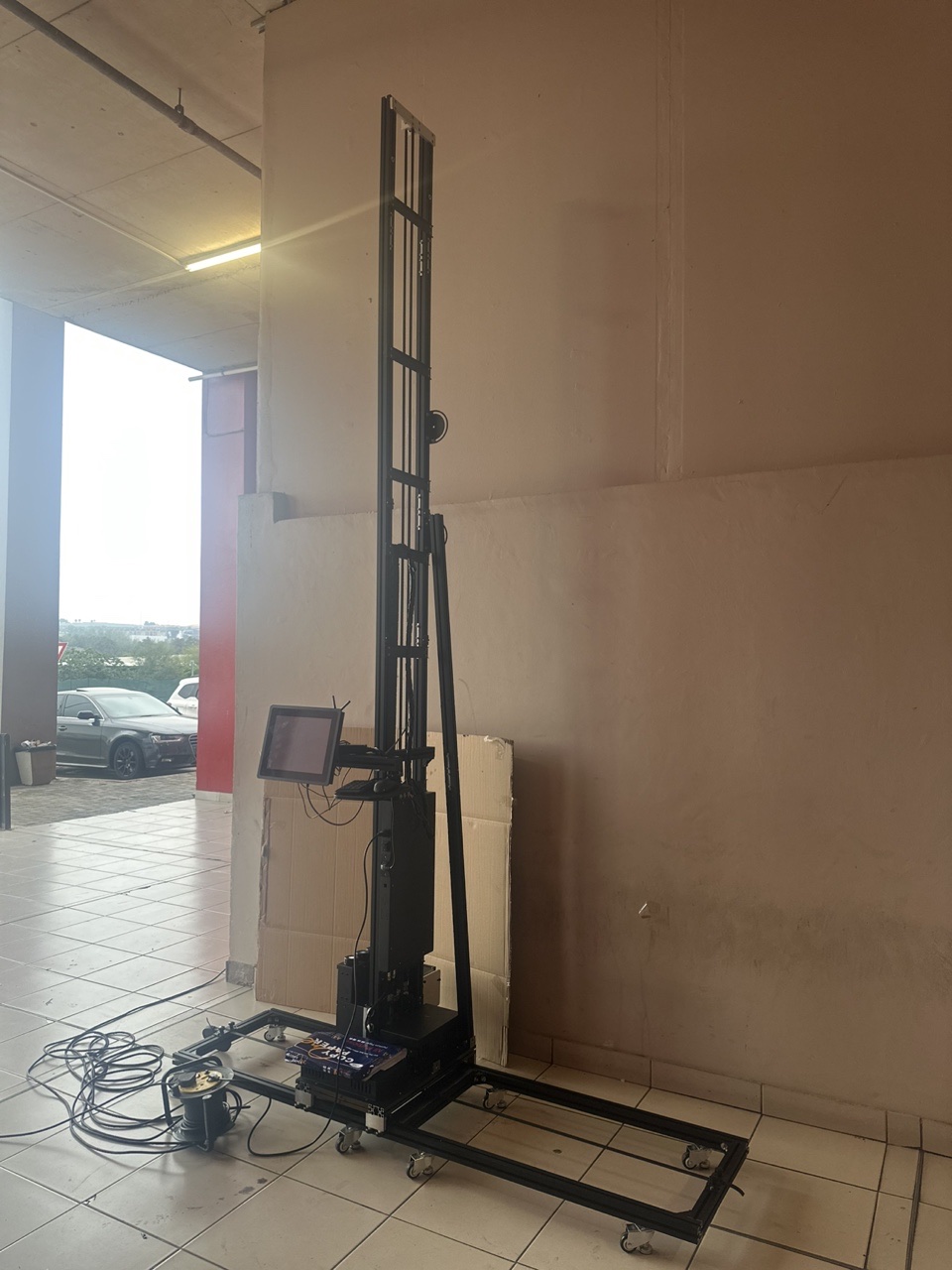
Latest Arrivals
Latest Arrivals
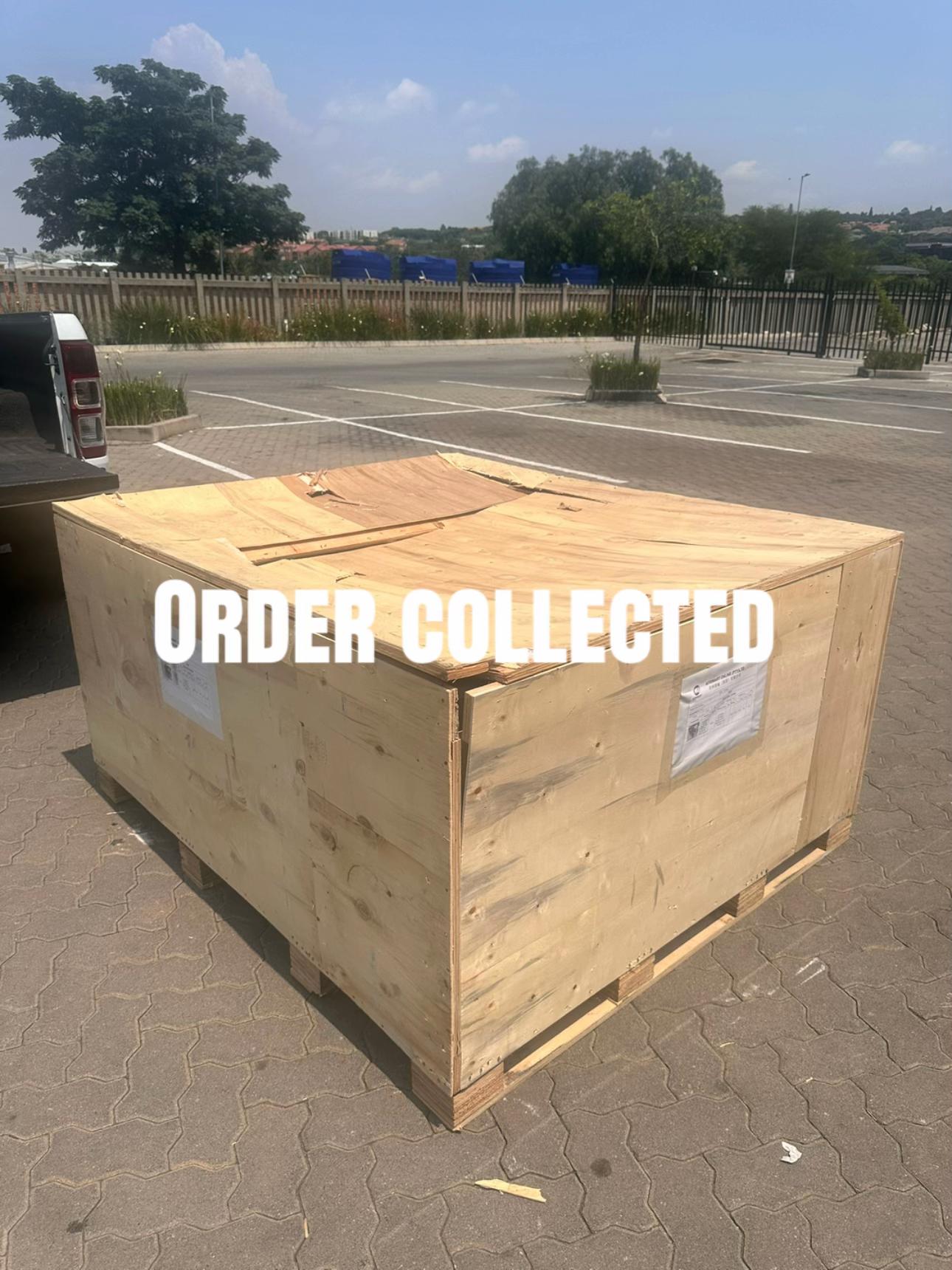
Latest Arrivals
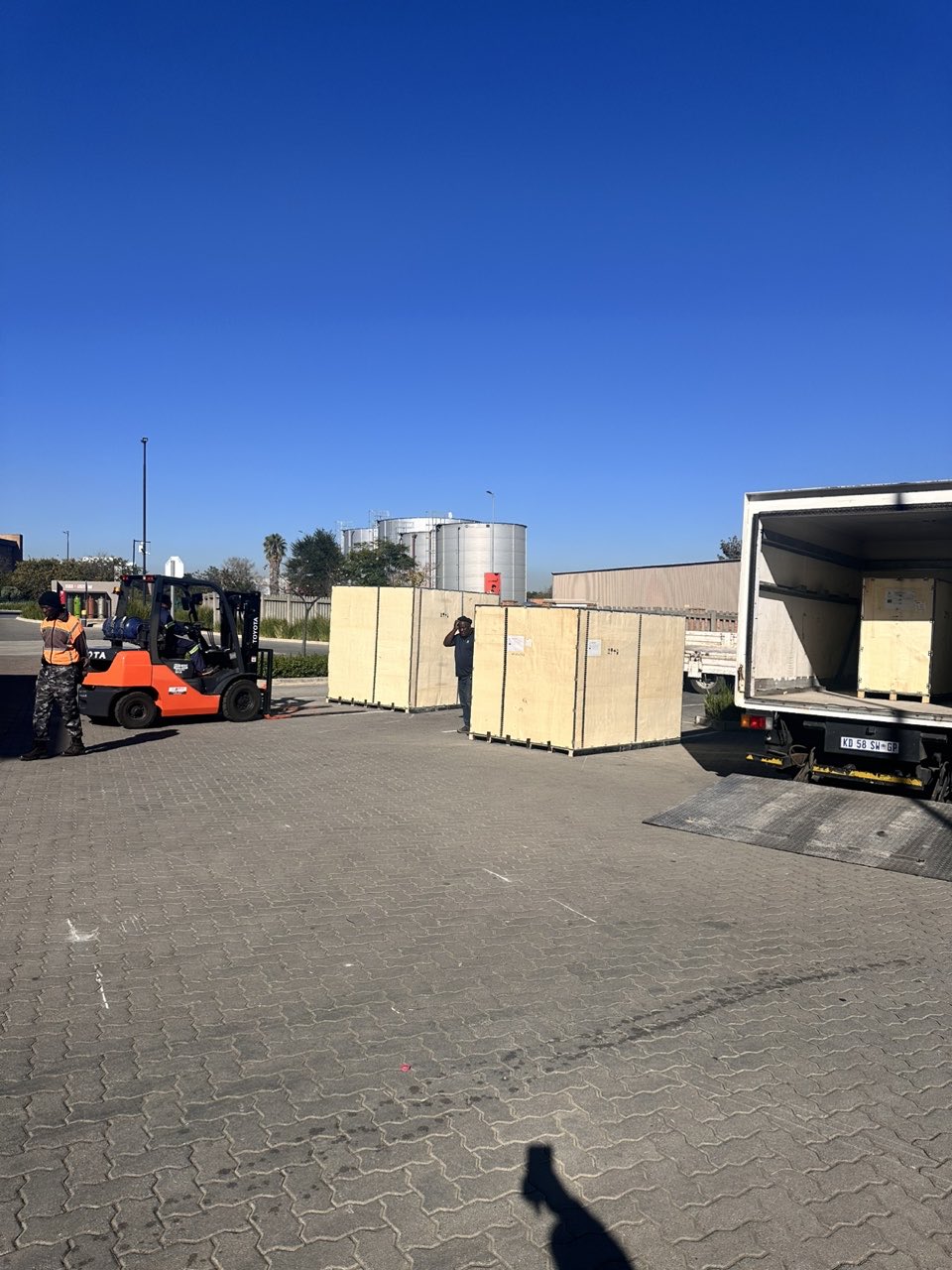
Loading
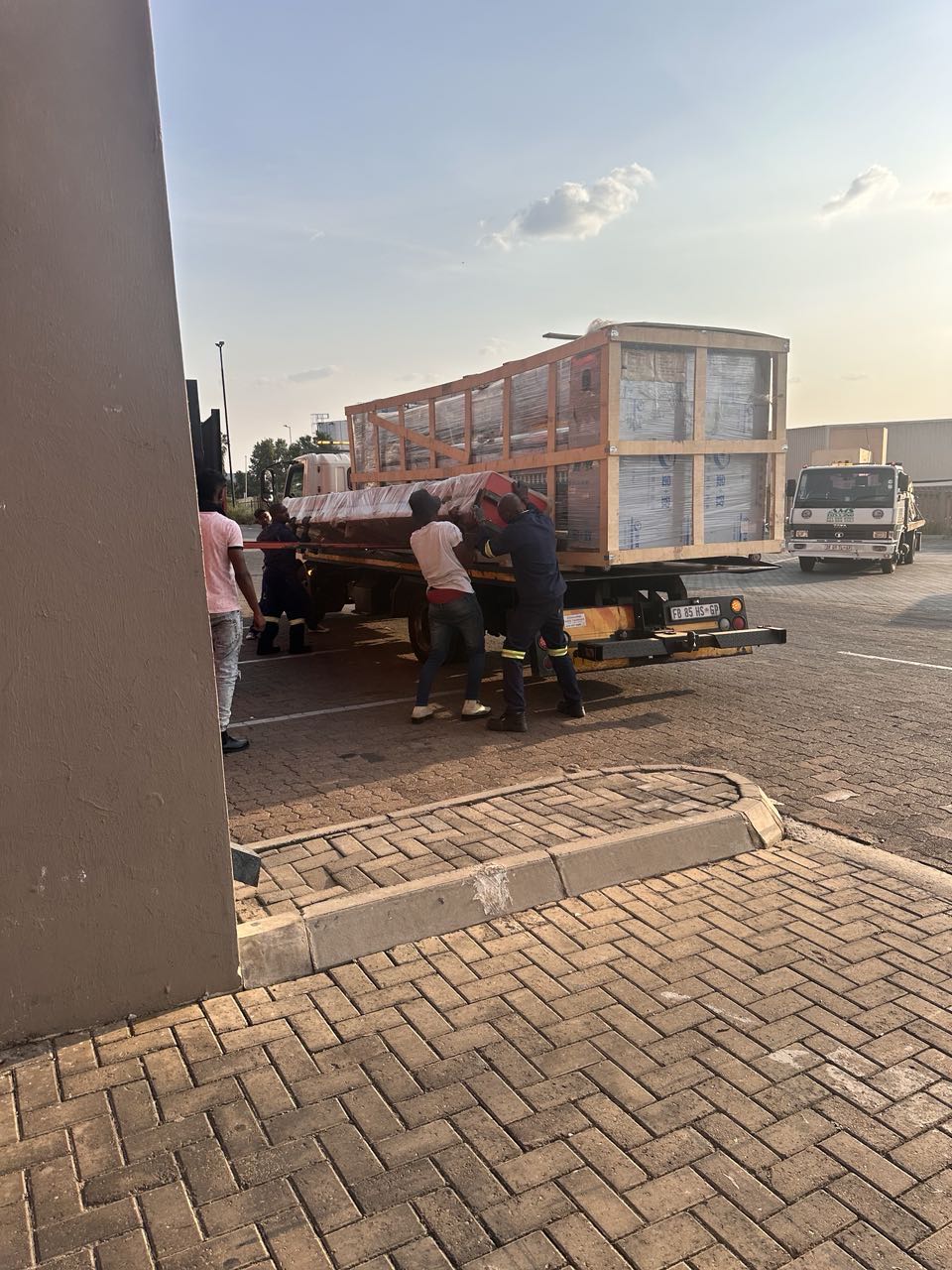
Toilet paper making machine
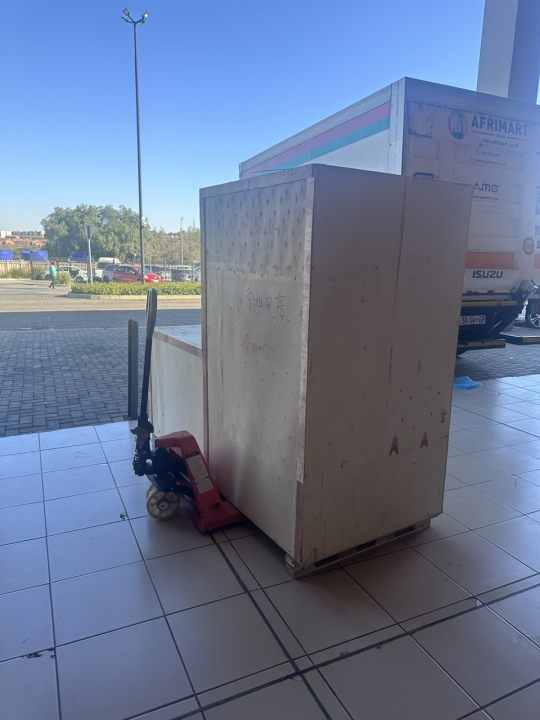
Toilet paper making machine
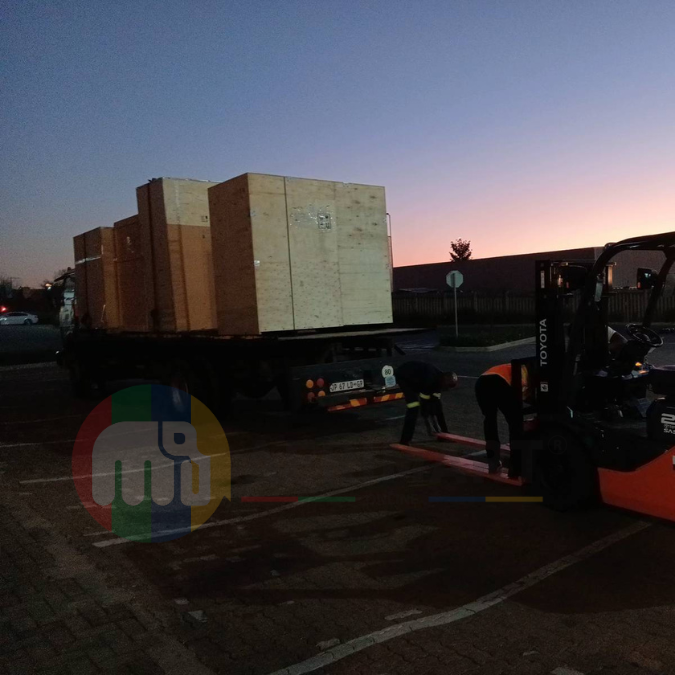
Toilet paper Rewinding Machine
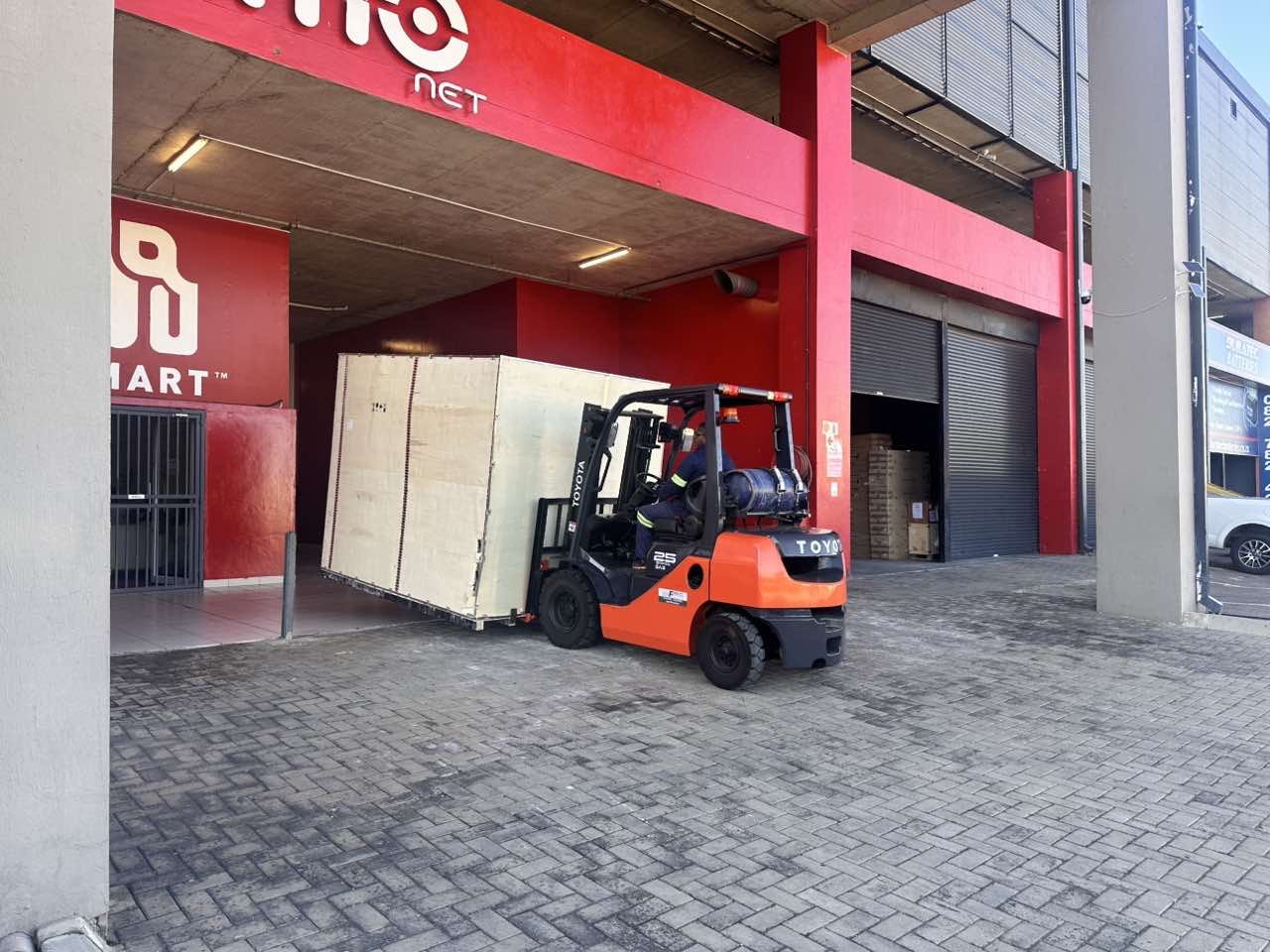
latest arrivals
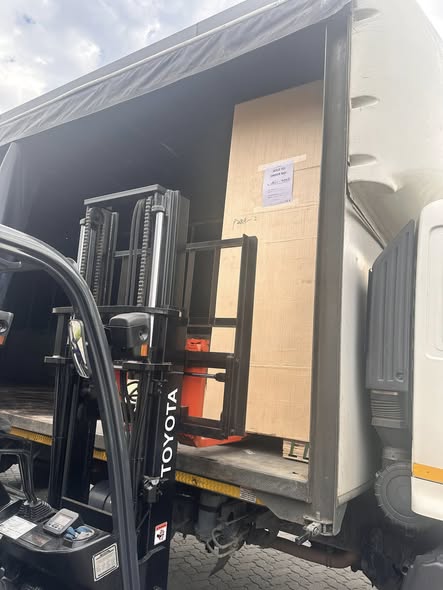
offloading
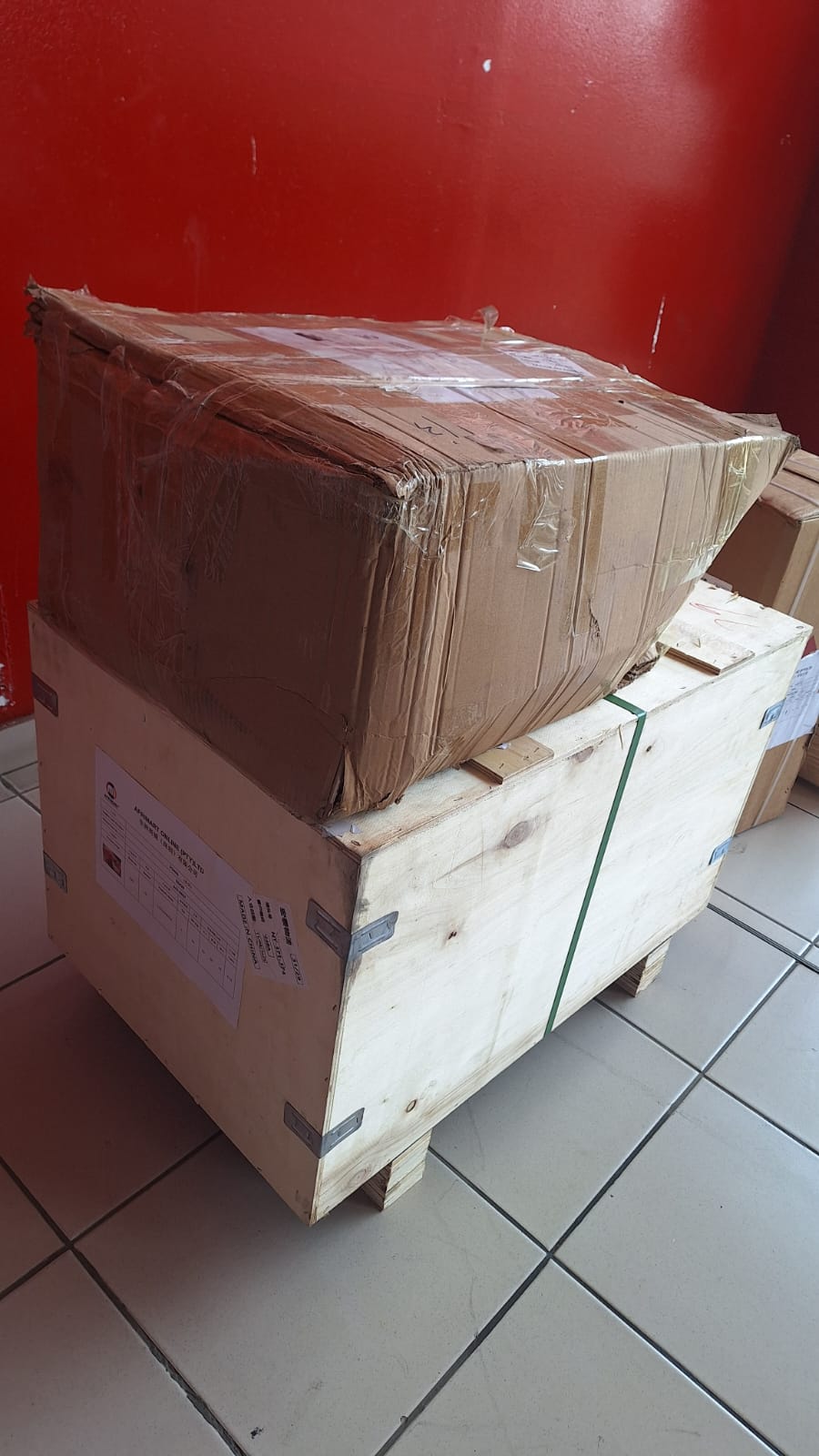
order success
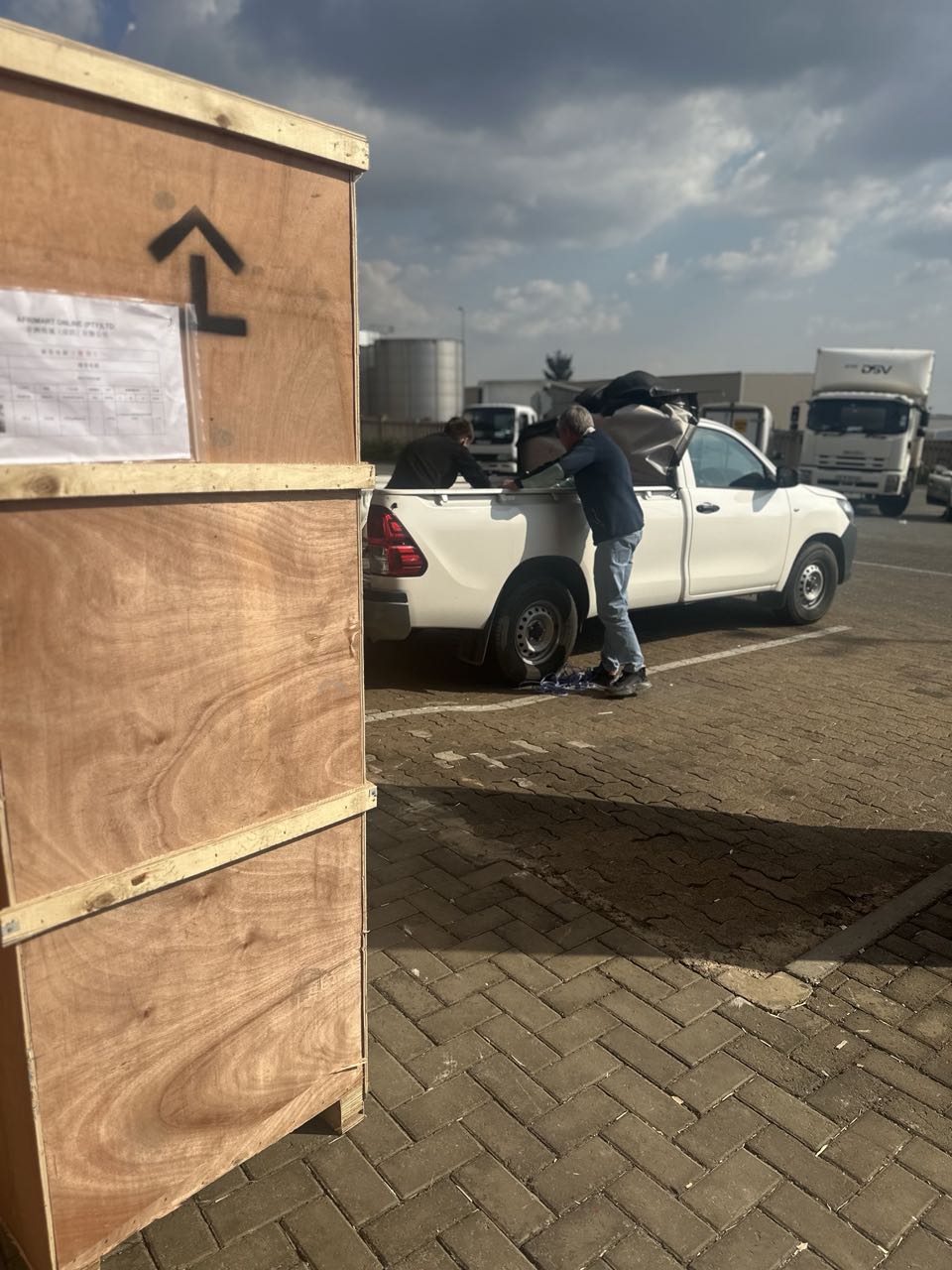
order collection
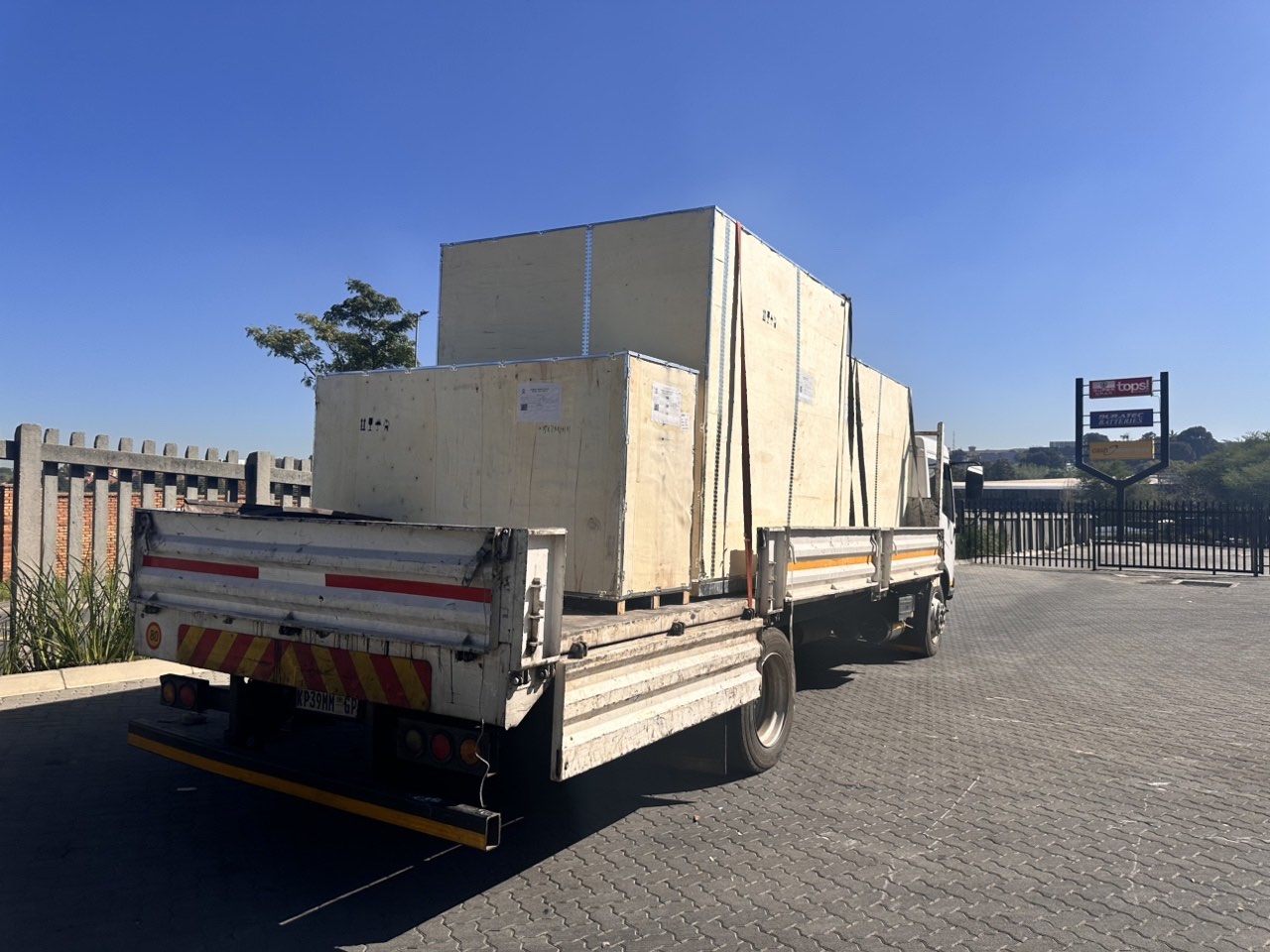
order offloading