B21, China Town Mall, Midrand

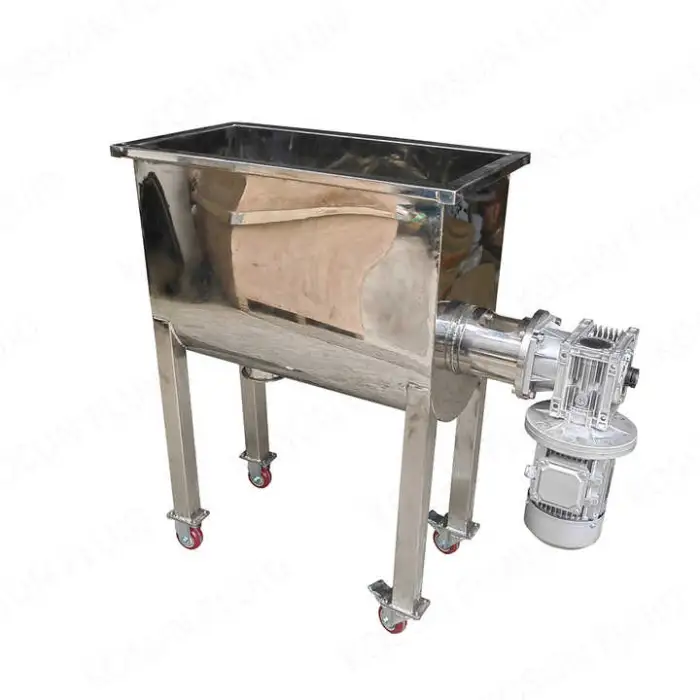
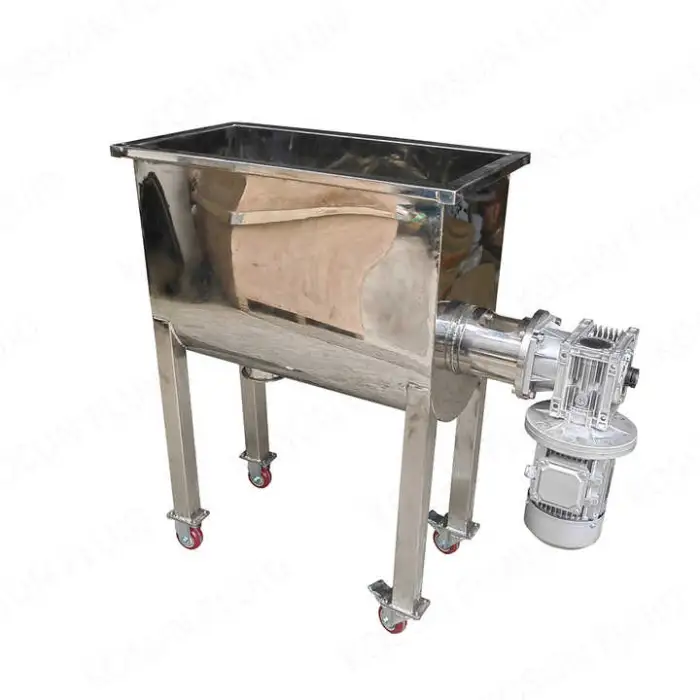
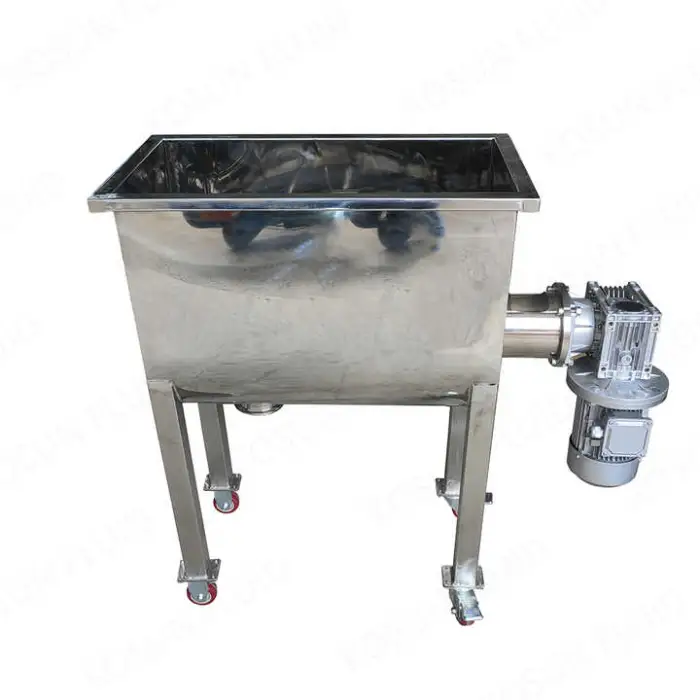
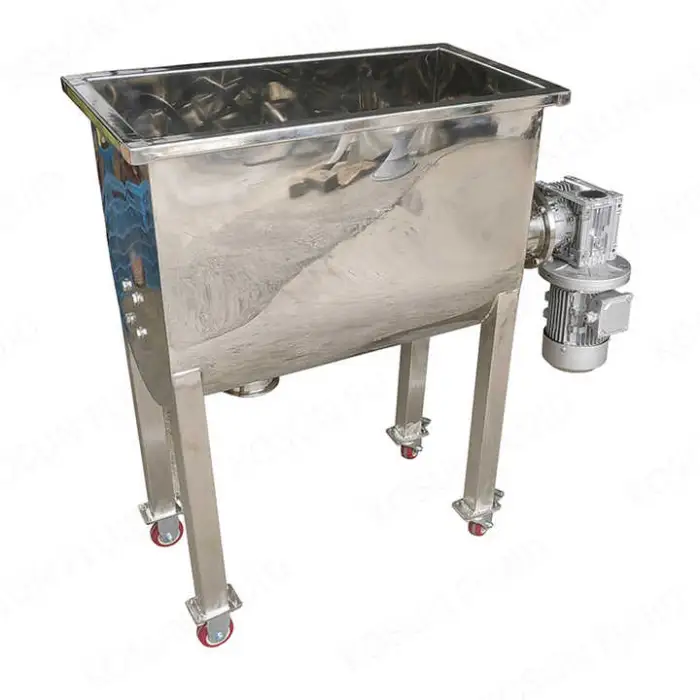
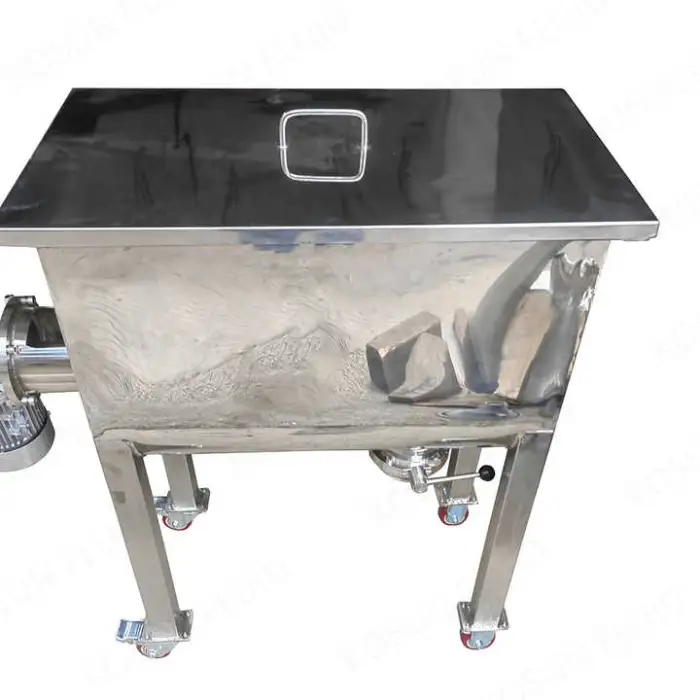
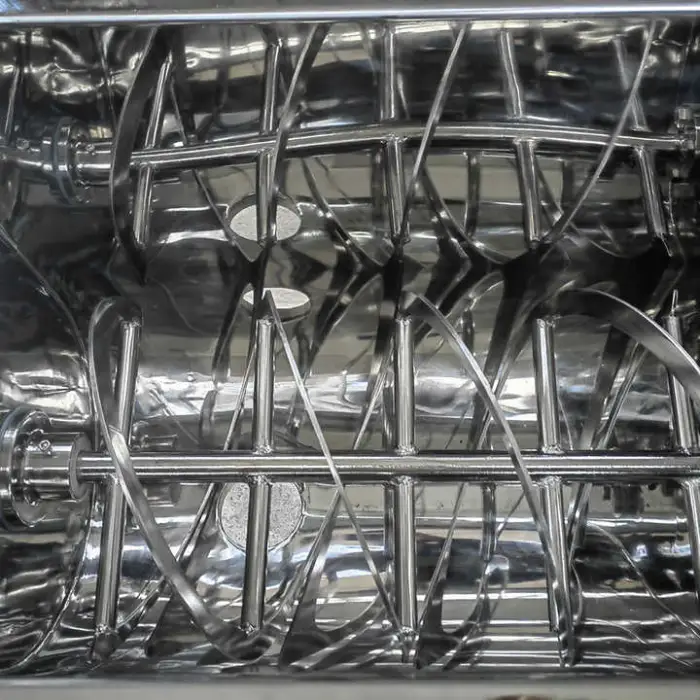
Stainless Steel 20L 30L 50L 20kg 30kg 50kg Small Ribbon Blender Powder Mixer

- Section : Machinery
- Category : Chemical Machinery
- SKU : 1600968052826

Stainless Steel 20L 30L 50L 20kg 30kg 50kg Small Ribbon Blender Powder Mixer
The Stainless Steel 20L 30L 50L Small Ribbon Blender Powder Mixer is designed to mix powders efficiently. This versatile mixer is perfect for various industries, including food and chemicals. With different capacities and durable materials, it meets diverse mixing needs.
Specifications
| Attribute | Details |
|---|---|
| Material Processed | Chemicals, Food, Beverage |
| Mixer Type | Paddle |
| Capacity | 50L, 1000L |
| Voltage | 220V/380V/440V |
| Product Type | Other |
| Video Outgoing Inspection | Provided |
| Machinery Test Report | Provided |
| Core Components | Gearbox, Motor, Vessel Body, Agitator |
| Material | SUS304, SUS304L, SUS316, SUS316L |
| Power (kW) | 7.5 kW |
| Selling Units | Single item |
Key Features
- Made from high-quality stainless steel.
- Efficient paddle mixing for uniform powder blending.
- Available in multiple capacities: 20L, 30L, and 50L.
- Flexible voltage options for different setups.
- Durable and reliable core components.
Applications
- Mixing food ingredients for production.
- Blending chemicals in various industries.
- Preparing powders for beverages.
- Utilized in pharmaceutical applications.
- Common in cosmetic product manufacturing.
Product Info Gallery
- Shipping Timeframes: All orders are processed within 2-5 business days (excluding weekends and holidays). After your order has been processed, the estimated delivery time is before 02 Jun, 2026, depending on customs, Please note that due to high demand, some items may experience longer shipping times, which will be communicated at order confirmation email.
- Order Processing Time: Please allow 2-5 business days for us to process your order before it is shipped . Orders placed after 16:00 on Fridays, or during weekends and public holidays, will begin processing on the next business day. Processing times may be extended during peak seasons or sales events.
- Manufacturing Time: Some products needs manufacturing time, the manufacturing process will take approximately 10-30 business days depending on the product. This timeframe may vary depending on the complexity of the product and current demand. but this will be communicated with you during order confirmation.
- Returns and Exchanges: We offer a 30-day return policy for most items. If you are not completely satisfied with your purchase, you may return it within 30 days of receipt for a refund or exchange. Items must be unused, in their original packaging, and accompanied by proof of purchase. Return shipping costs are the responsibility of the customer, unless the item was damaged or defective upon arrival.
1. What capacities are available for the Stainless Steel Small Ribbon Blender Powder Mixer?
Standard small-capacity models are 20L, 30L and 50L. The product line can be supplied in larger capacities on request (spec sheet also references larger models up to 1000L) — contact the supplier for intermediate or custom sizes.
2. Is this machine a ribbon blender or a paddle mixer?
The product name and typical configuration indicate a ribbon blender (helical inner ribbons) optimized for powder mixing. The specifications also list paddle options — both ribbon and paddle-style agitators are available depending on model and customer requirements. Confirm the agitator type when ordering.
3. What materials of construction are used?
Units are manufactured from food- and chemical-grade stainless steels: SUS304, SUS304L, SUS316, or SUS316L. Material selection depends on application and corrosion resistance needs.
4. What industries and applications is this mixer suitable for?
Common applications include mixing food ingredients, blending chemicals, preparing beverage powders, pharmaceutical powder processing, and cosmetic product manufacturing. It is optimized for dry powder and granular blending in batch mode.
5. What power and voltage options are available?
A typical listed motor power is 7.5 kW, but motor power varies by capacity and configuration. Voltage options include 220V, 380V and 440V. Specific power and voltage should be confirmed for each model.
6. Is the mixer suitable for wet or high‑viscosity materials?
This ribbon/paddle blender is designed primarily for dry powders and low‑moisture blends. It is not intended for high‑viscosity pastes or heavy liquid mixing unless specially configured.
7. Does the machine come with inspection and test documentation?
Yes — video outgoing inspection and a machinery test report are provided with the equipment to document performance and quality checks prior to shipment.
8. Are sanitary finishes and clean‑in‑place (CIP) options available?
Sanitary finishes, polished interior surfaces and CIP-compatible configurations are available, especially when ordering SUS316/316L and sanitary fittings. Specify sanitary/CIP requirements at the time of order.
9. What safety features are included?
Standard safety features typically include a secured cover/guard over the charging/inspection port, emergency stop, and sealed bearings. Additional safety interlocks and explosion‑proof options can be provided on request.
10. Can the mixer be customized (speed control, seals, ports)?
Yes. Common customizations include variable speed drives, different discharge valve types, special seals, sampling ports, jacketed vessels, and ATEX/explosion‑proof components. Discuss required options with the supplier.
11. Is there a warranty and after‑sales support?
Warranty terms and after‑sales support vary by supplier. Many suppliers provide a standard warranty and offer spares, service, and technical support — request the warranty and service package details before purchase.
12. How is the mixer cleaned between batches?
Cleaning methods depend on product and surface finish: dry brushing, vacuuming, and manual washdown are common. For sanitary/CIP-configured units, automated cleaning circuits can be used. Provide product details to get recommended cleaning procedures.
13. Is this mixer suitable for pharma and food production?
Yes — when specified with appropriate stainless steel grades (e.g., SUS316L), sanitary finishes, and validation documentation, the mixer can be used in pharmaceutical and food production. Ask for material certificates and cleaning validation support.
14. How do I determine the correct model for my batch size and throughput?
Select a model based on desired batch volume, bulk density of the powder, blend uniformity target and cycle time. Contact the supplier with material characteristics and required throughput so they can recommend the appropriate capacity and motor power.
15. What documentation and certifications are available with the unit?
Provided documentation typically includes a machinery test report, video of outgoing inspection, material certificates on request, and optional conformity or sanitary certificates. Ask the vendor for a complete document list when ordering.
Latest Order Arrivals
Discover our latest orders
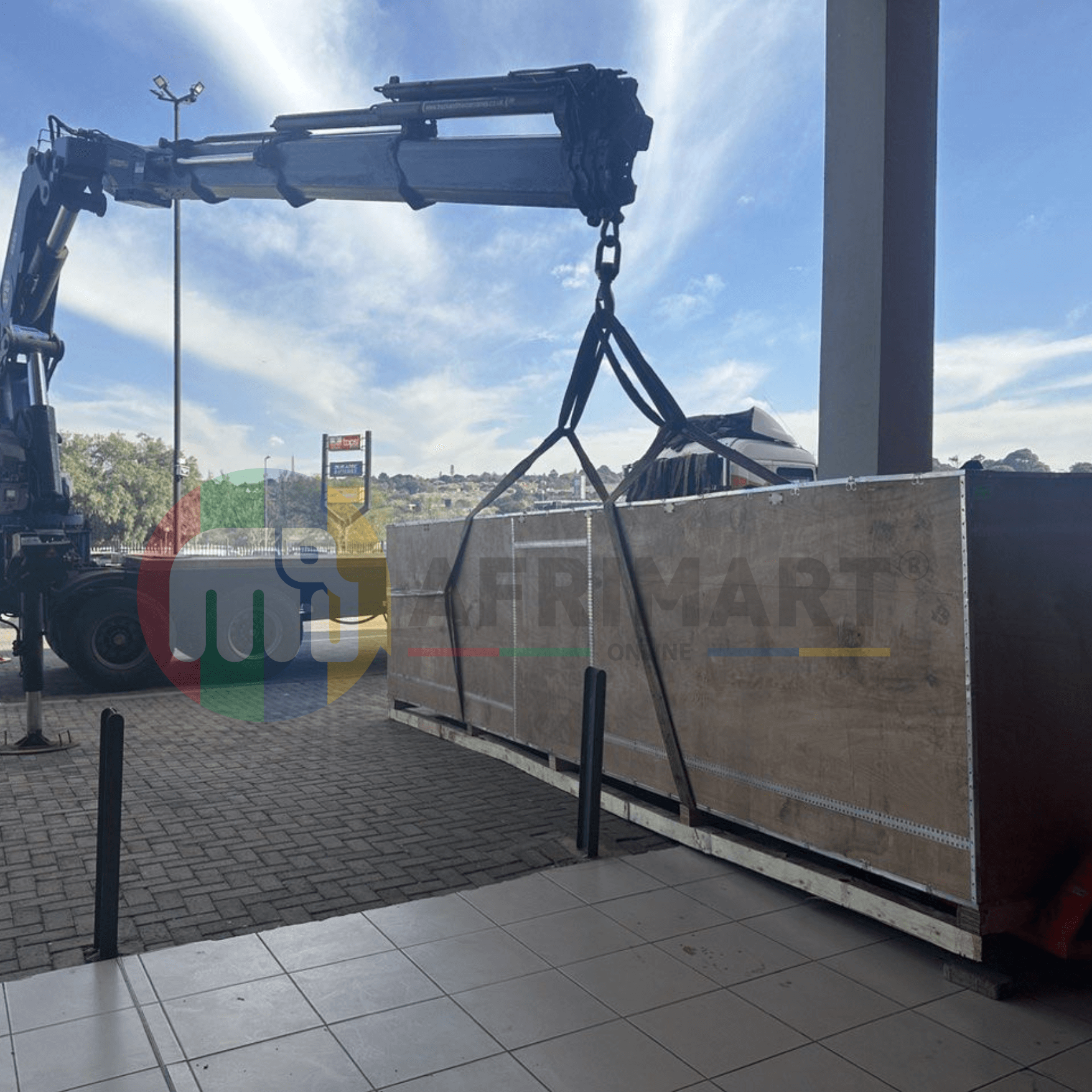
12 Heads Embroidery Machine
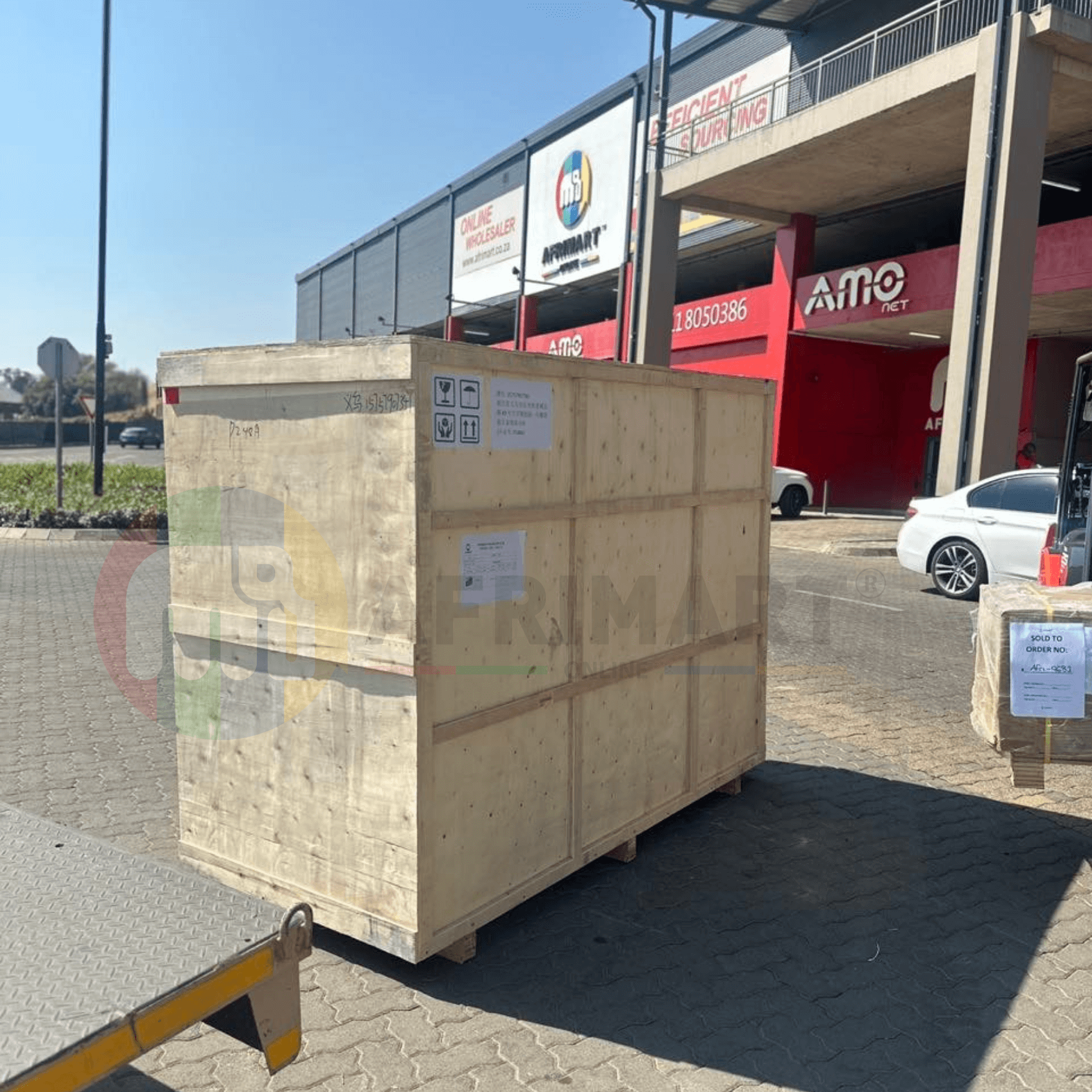
Dewatering Pump Machine
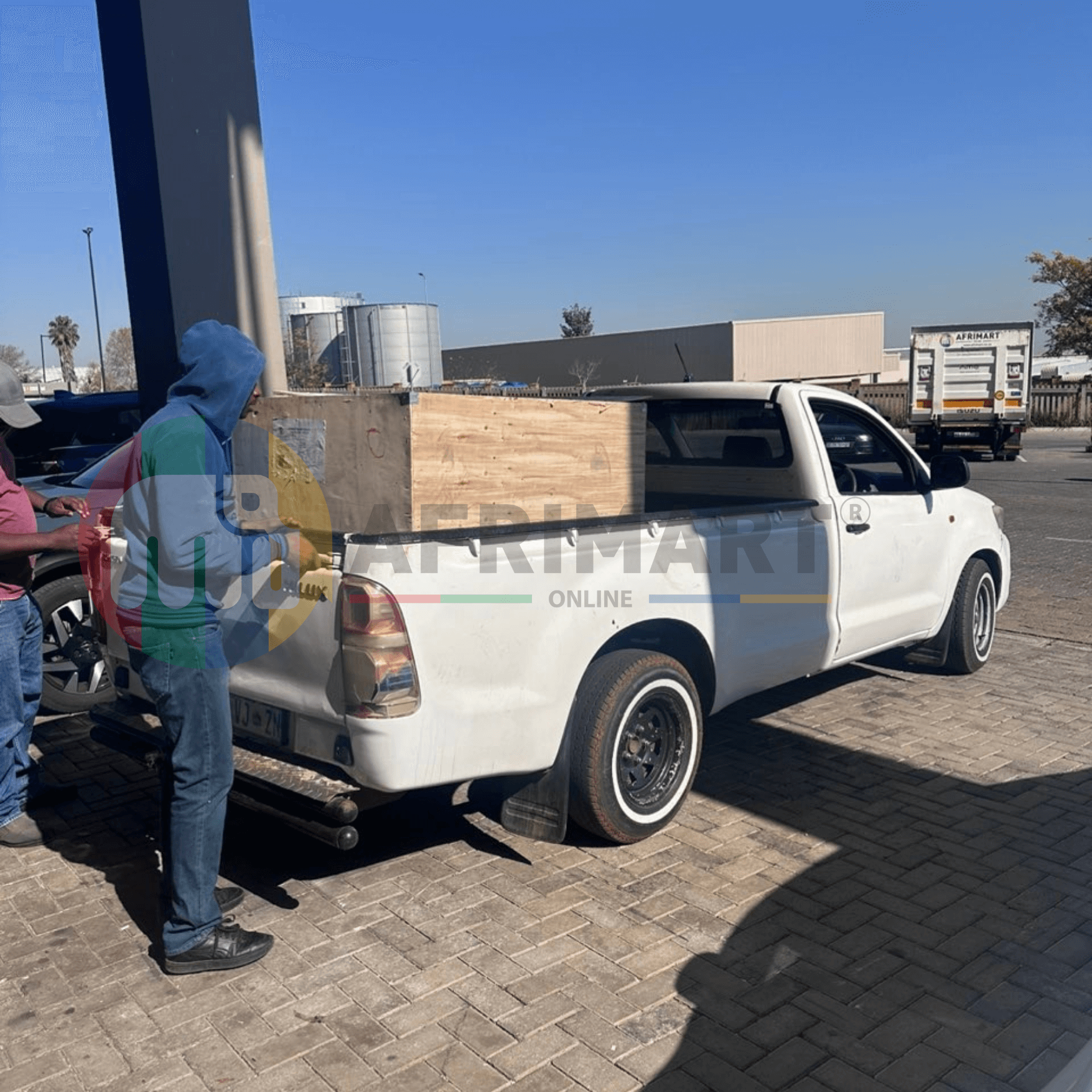
Order Collection
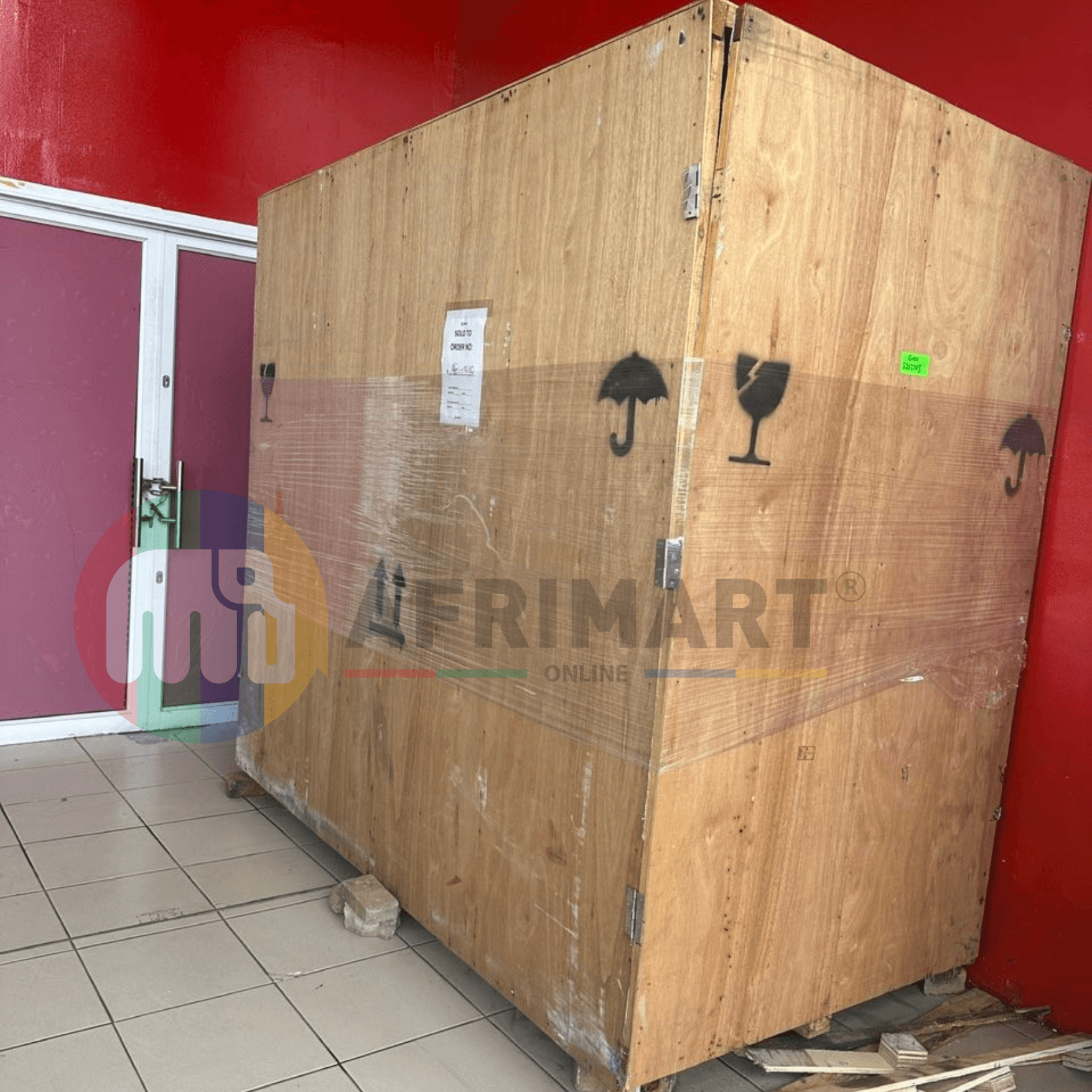
Portable Water Drilling Rig
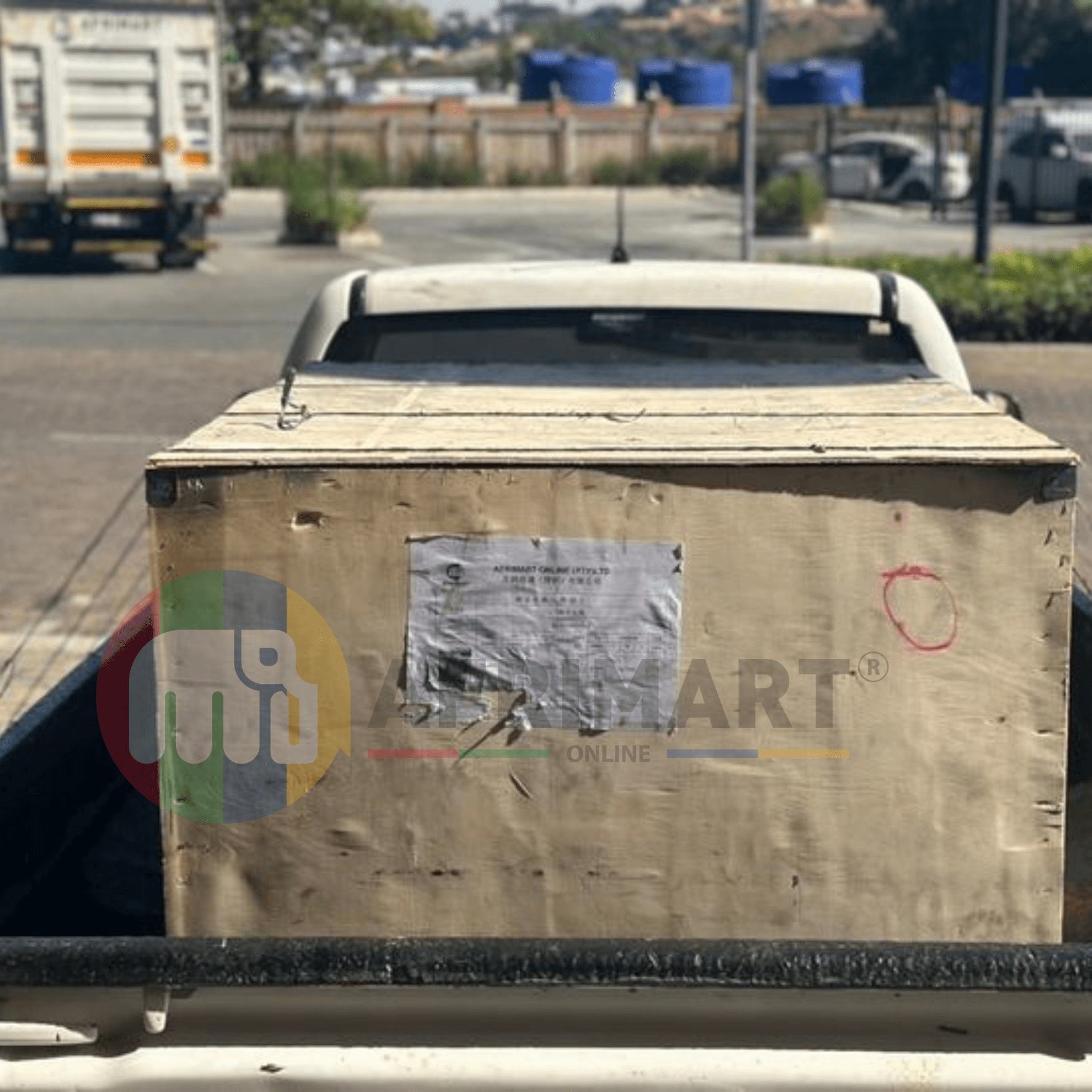
Order Usefully Collected
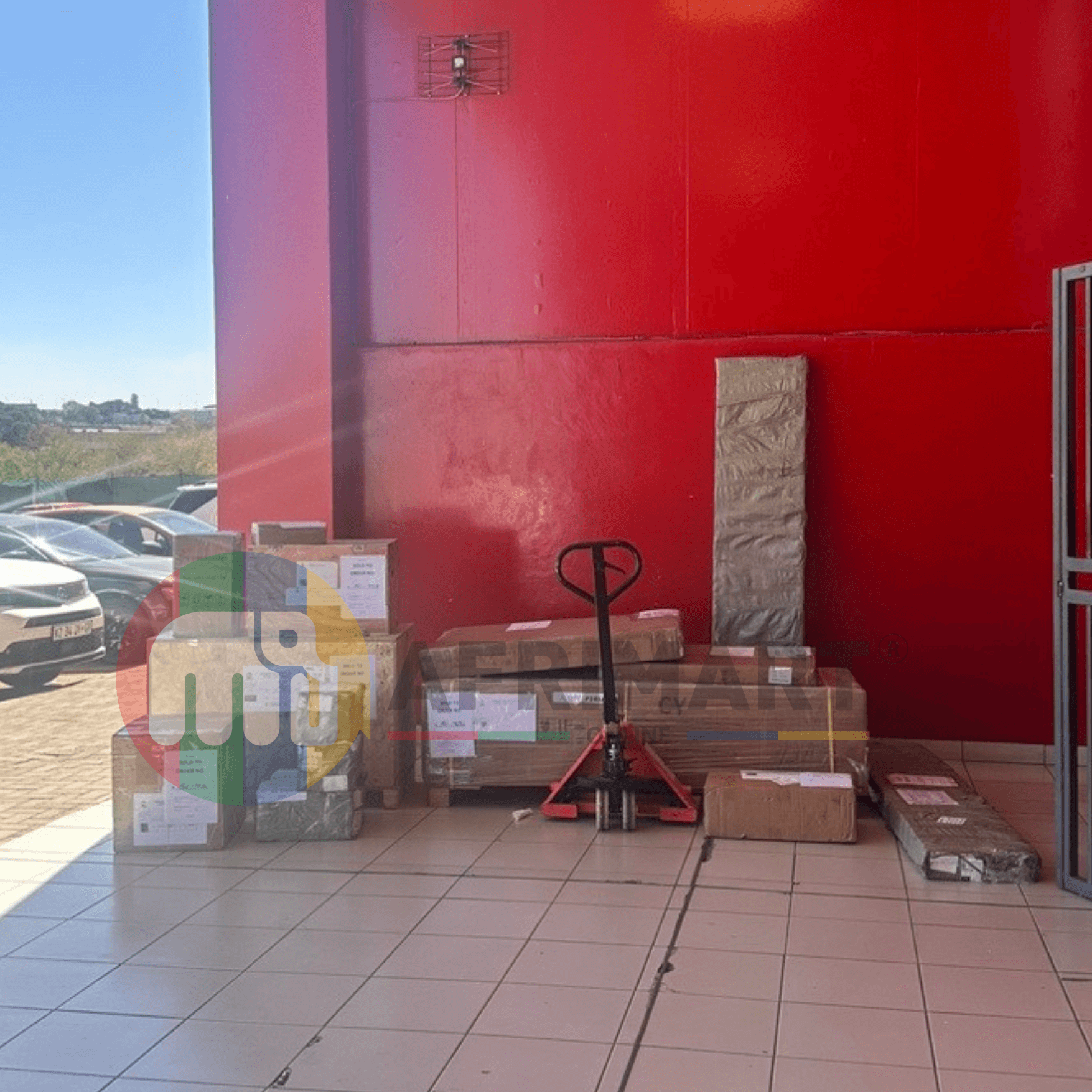
Batch of Orders
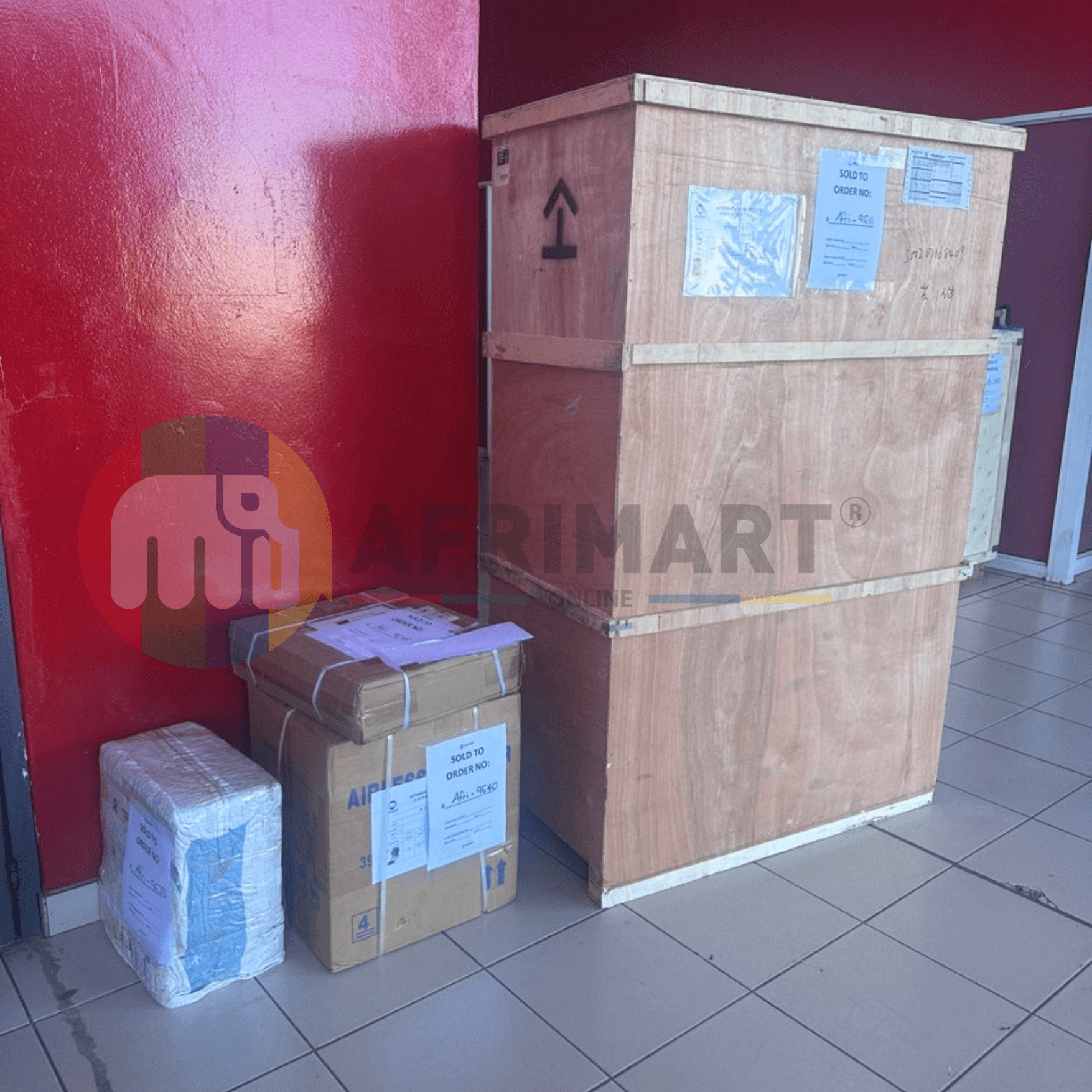
Agriculture Processing Machines
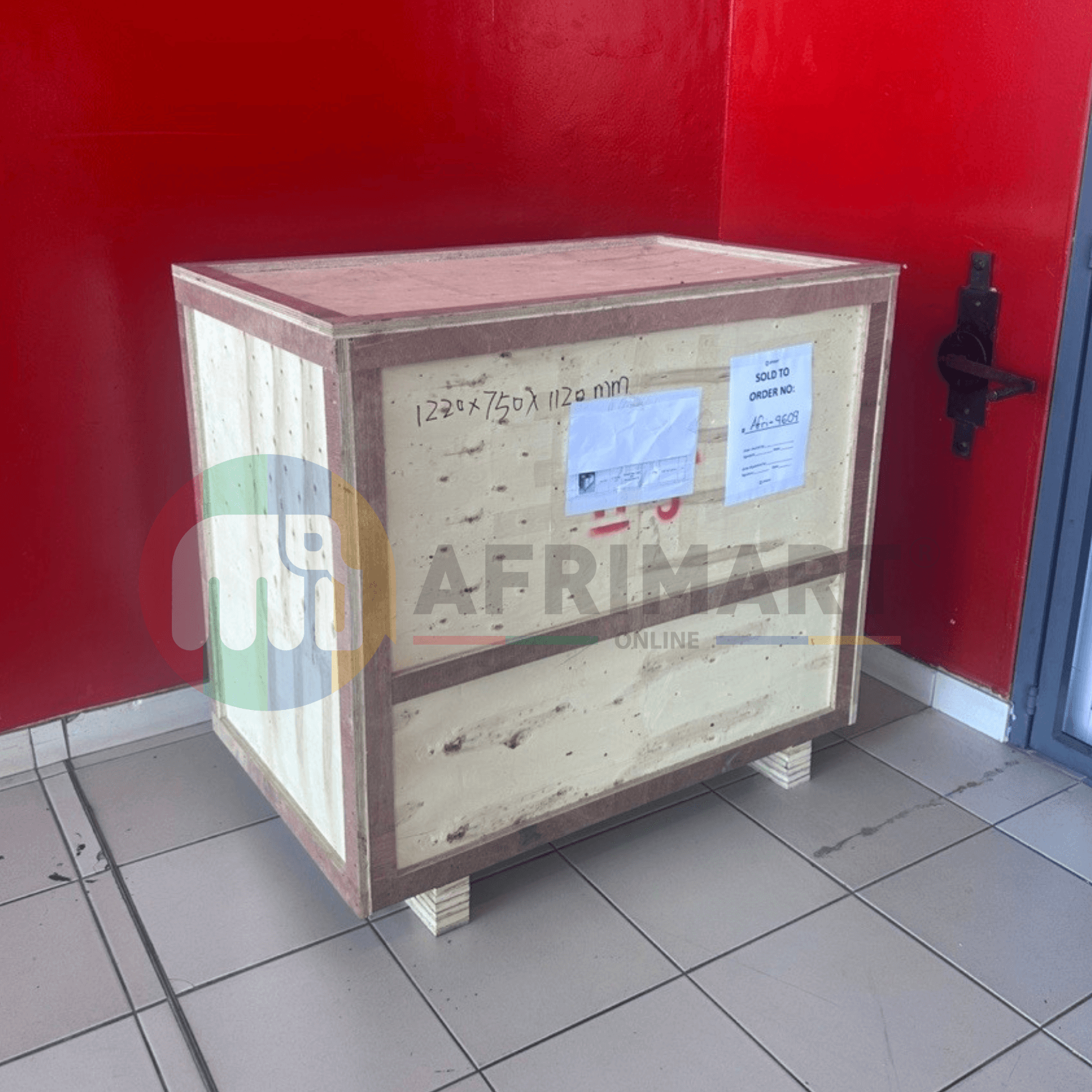
Meat Grinder Machine
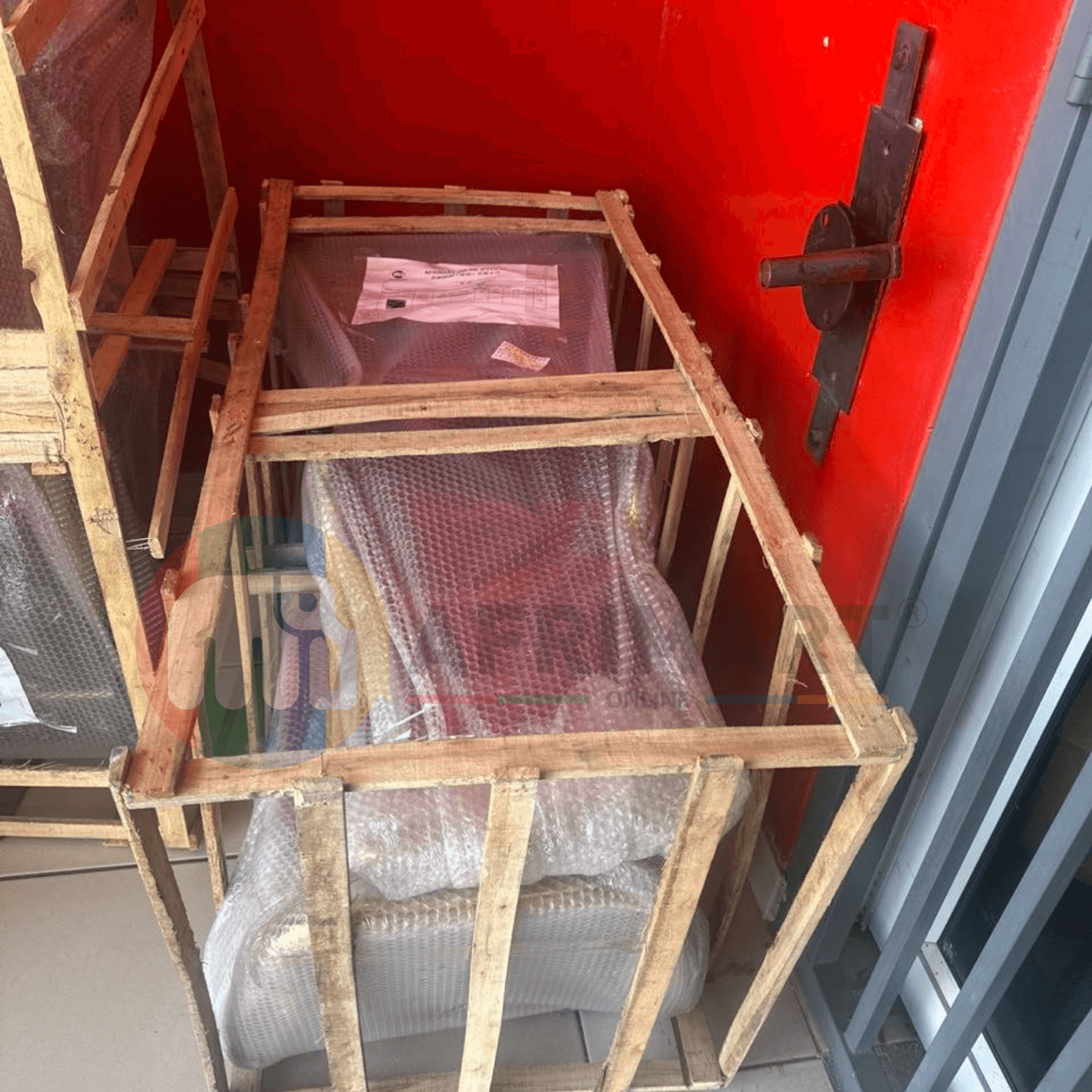
Water Pump Equipment
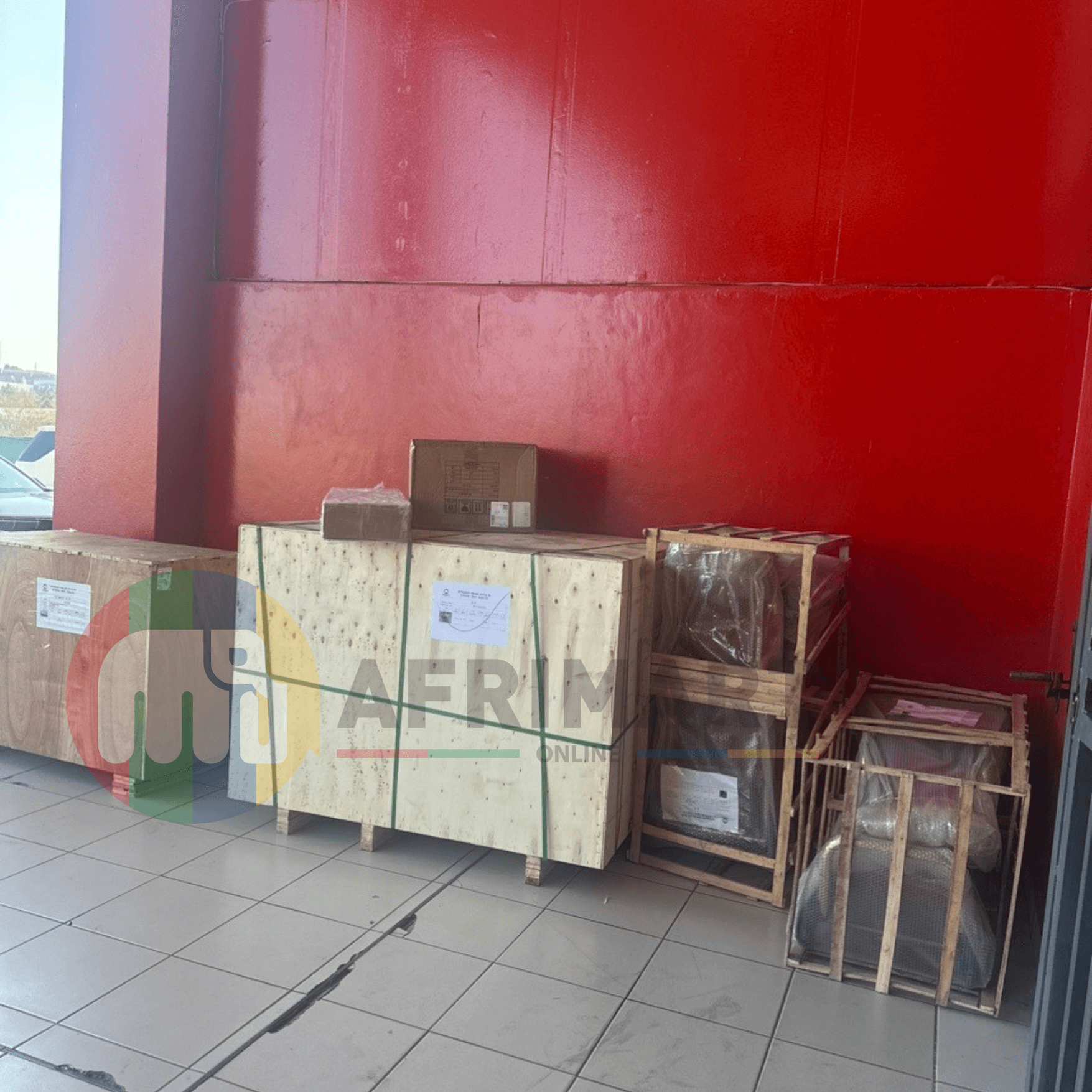
Packaging Machine and accessories
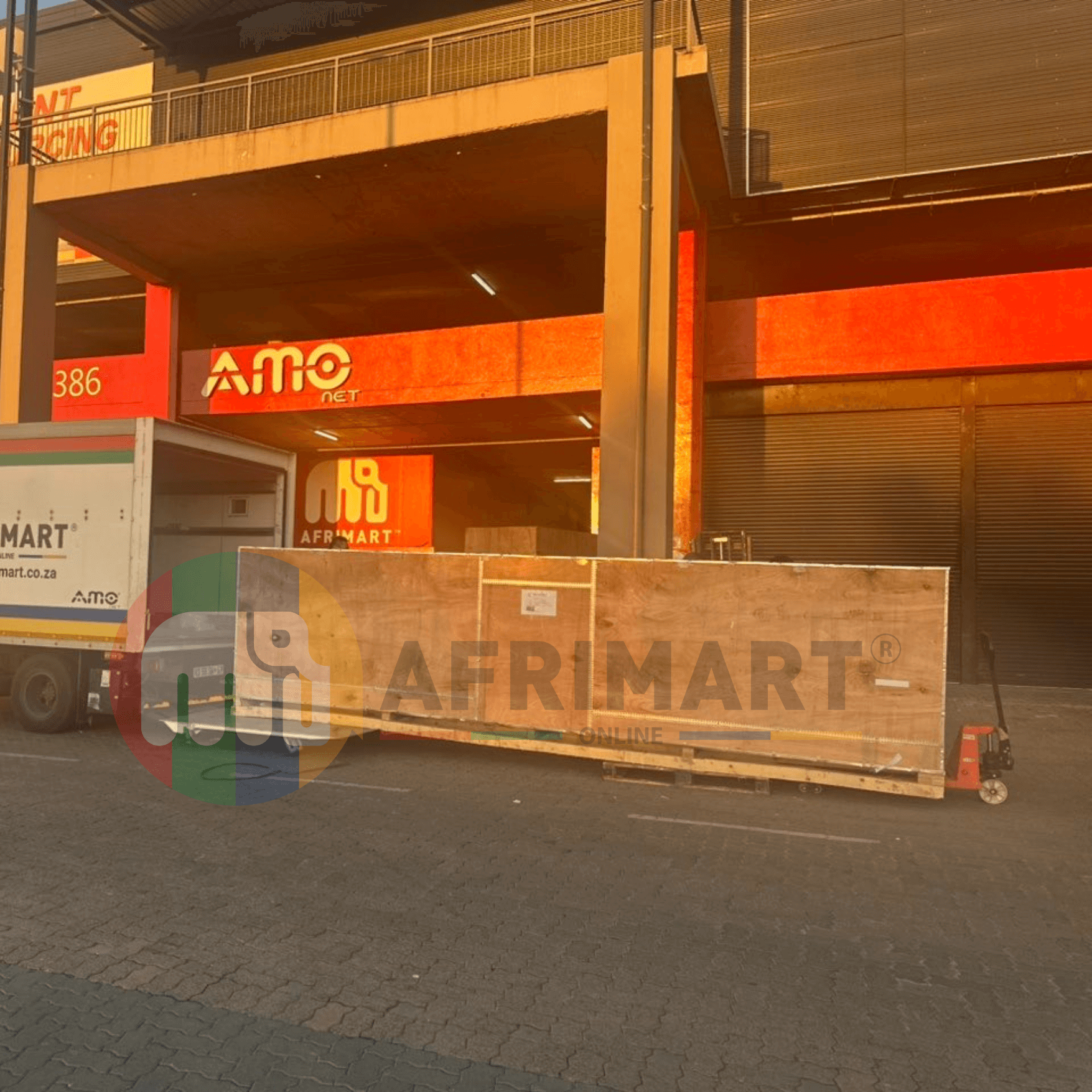
Fabrics Manufacturing Equipment
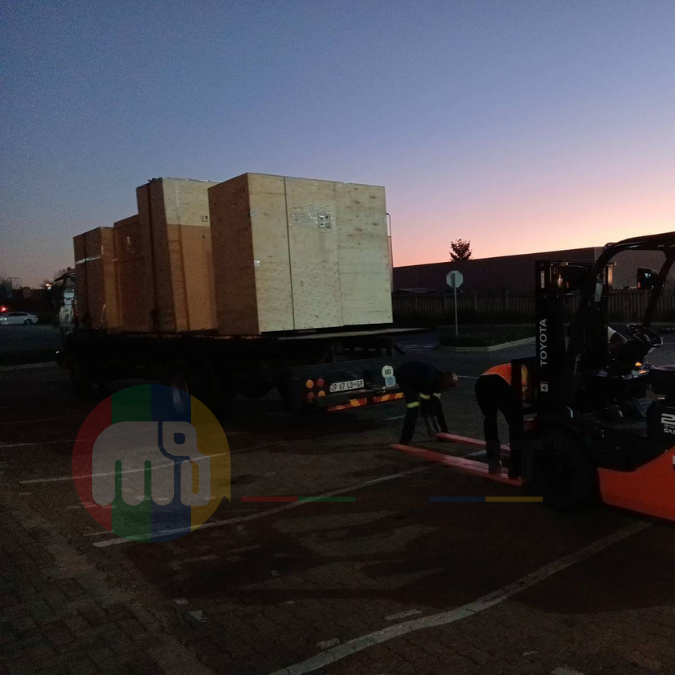
Mining Equipments
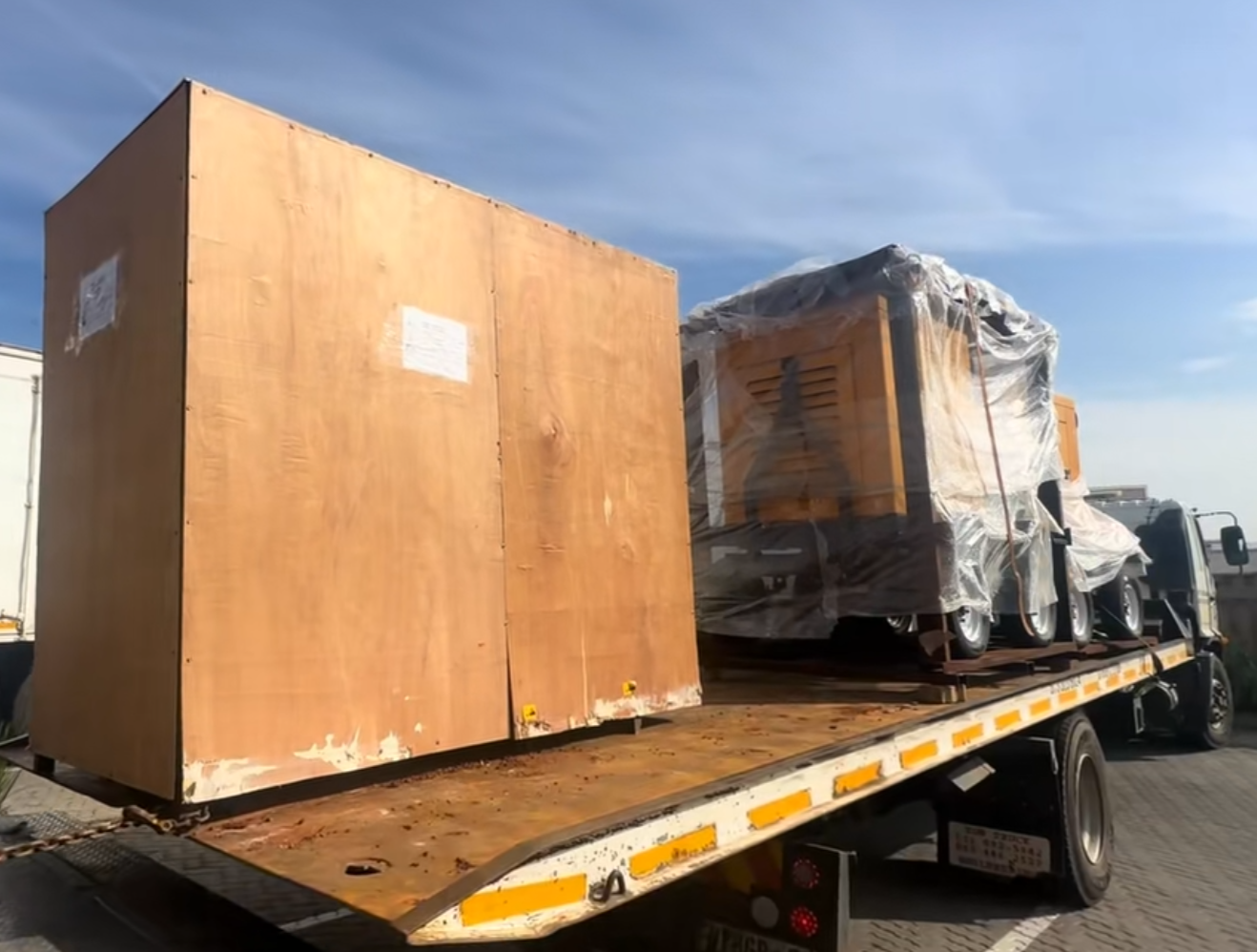
Food Processing Machine
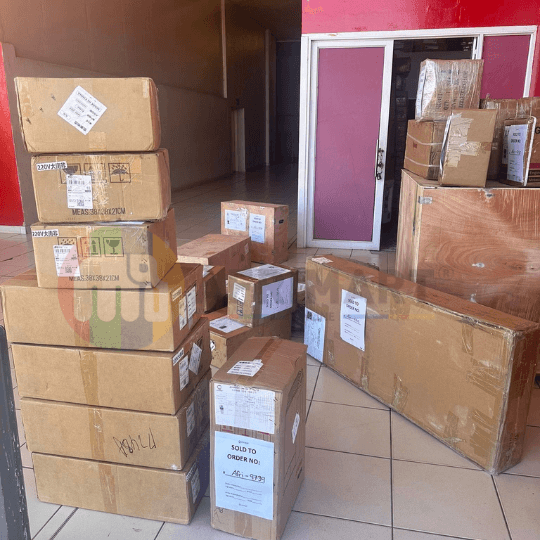
Batch of Orders
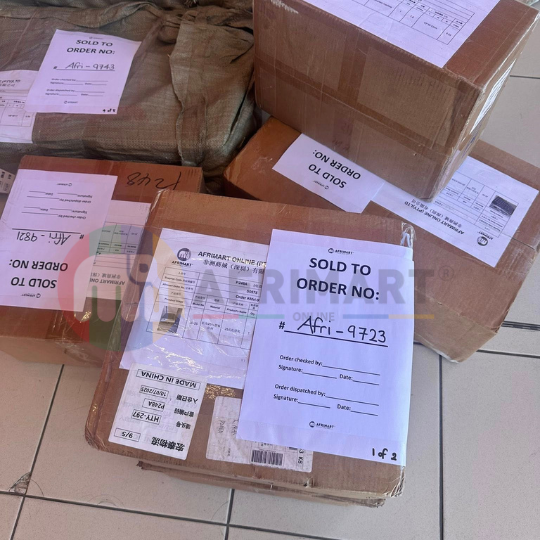
Batch of Orders
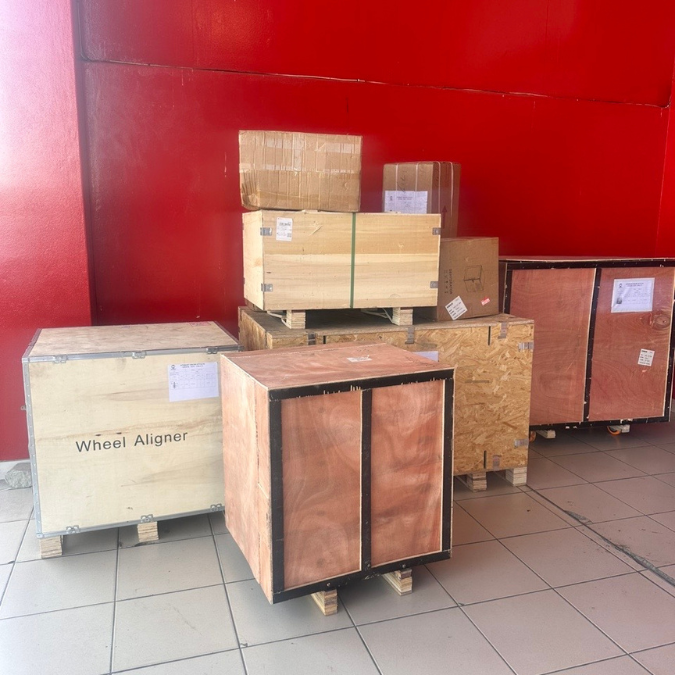
Latest Orders Labelled
wheel alignment machines
new arrivals
Pre Orders Offloading
Latest Arrivals
Latest Arrivals
Latest Arrivals
26 January 2026
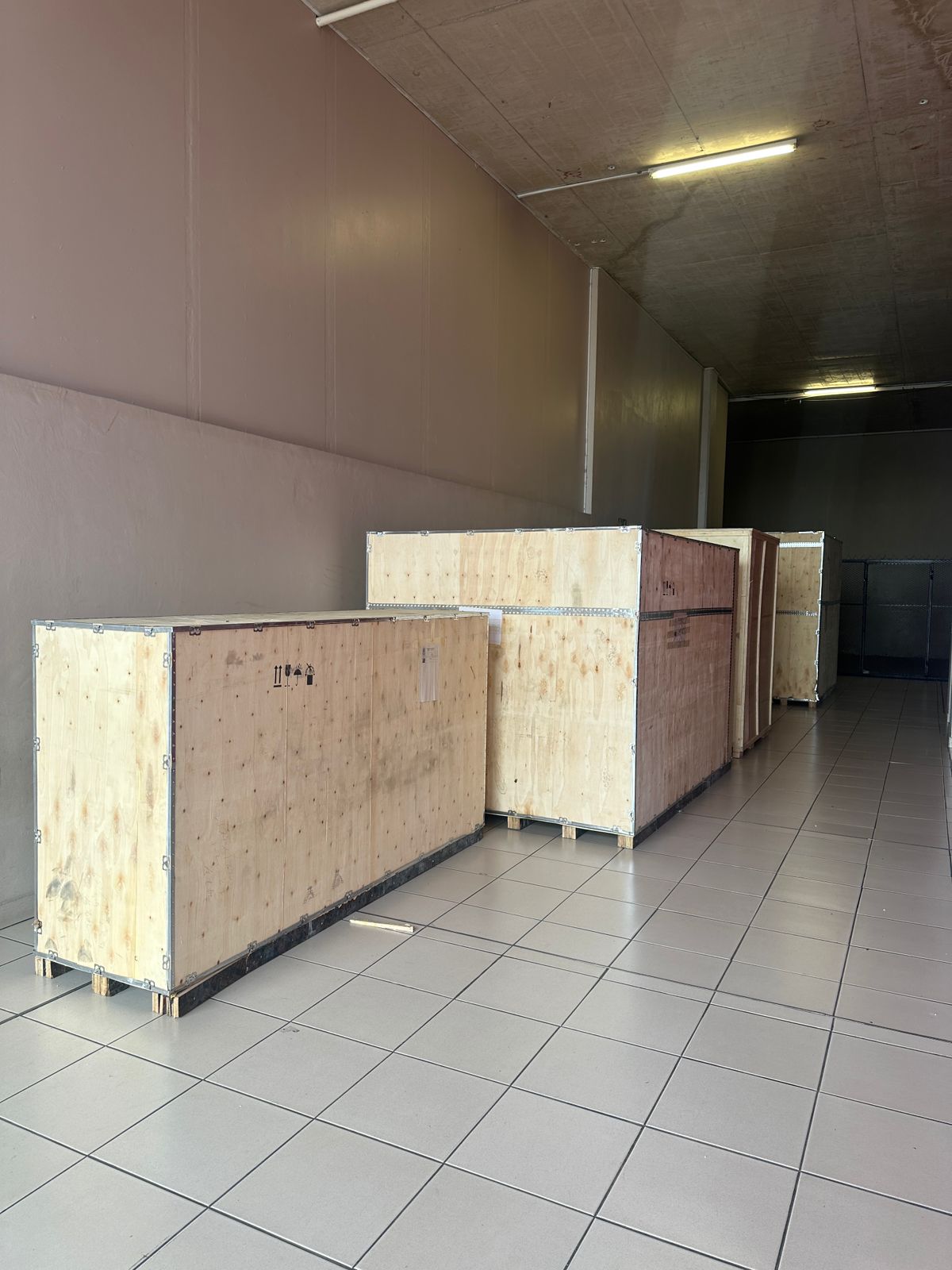
Toilet paper making machine
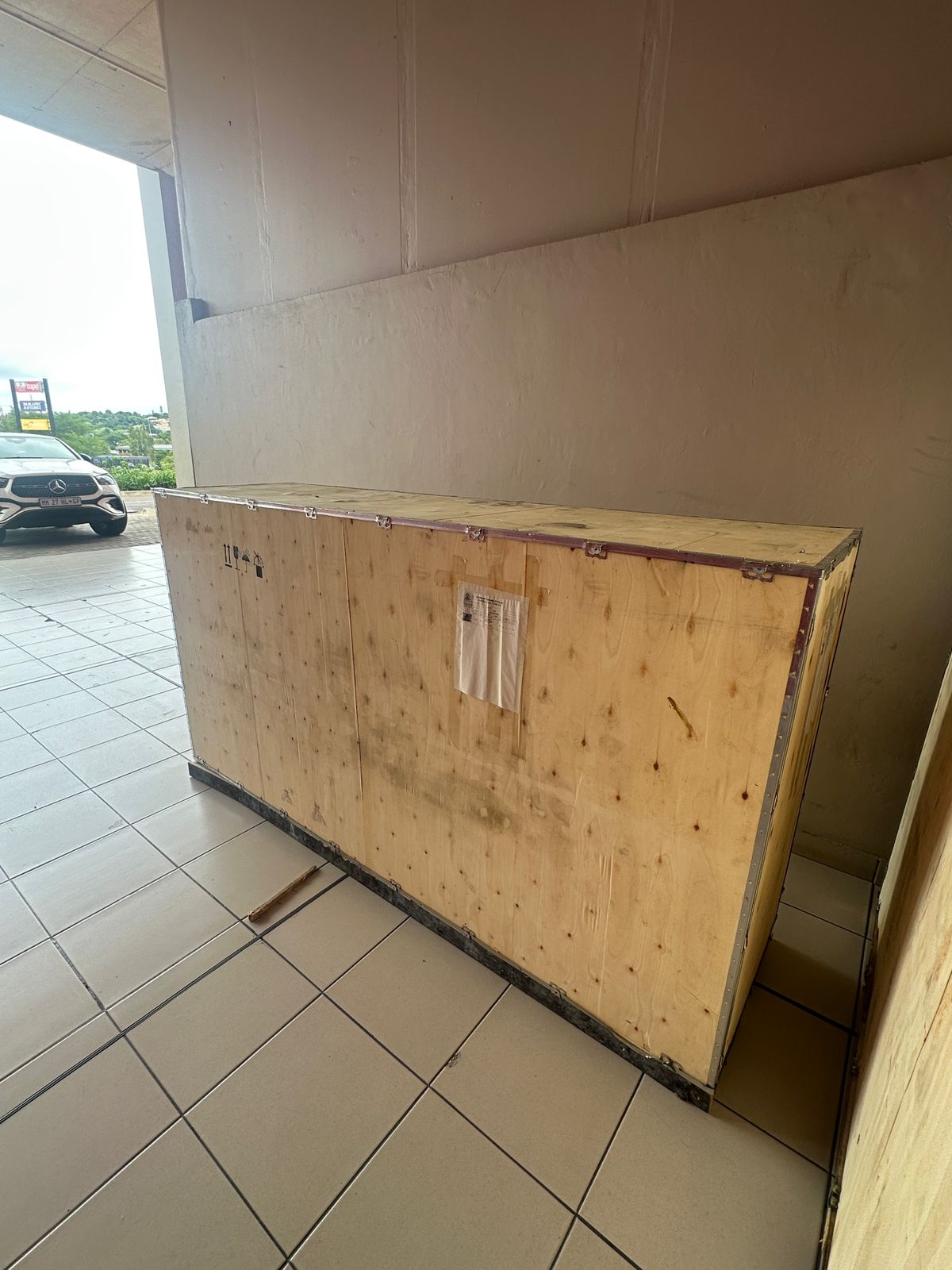
Toilet paper making machine
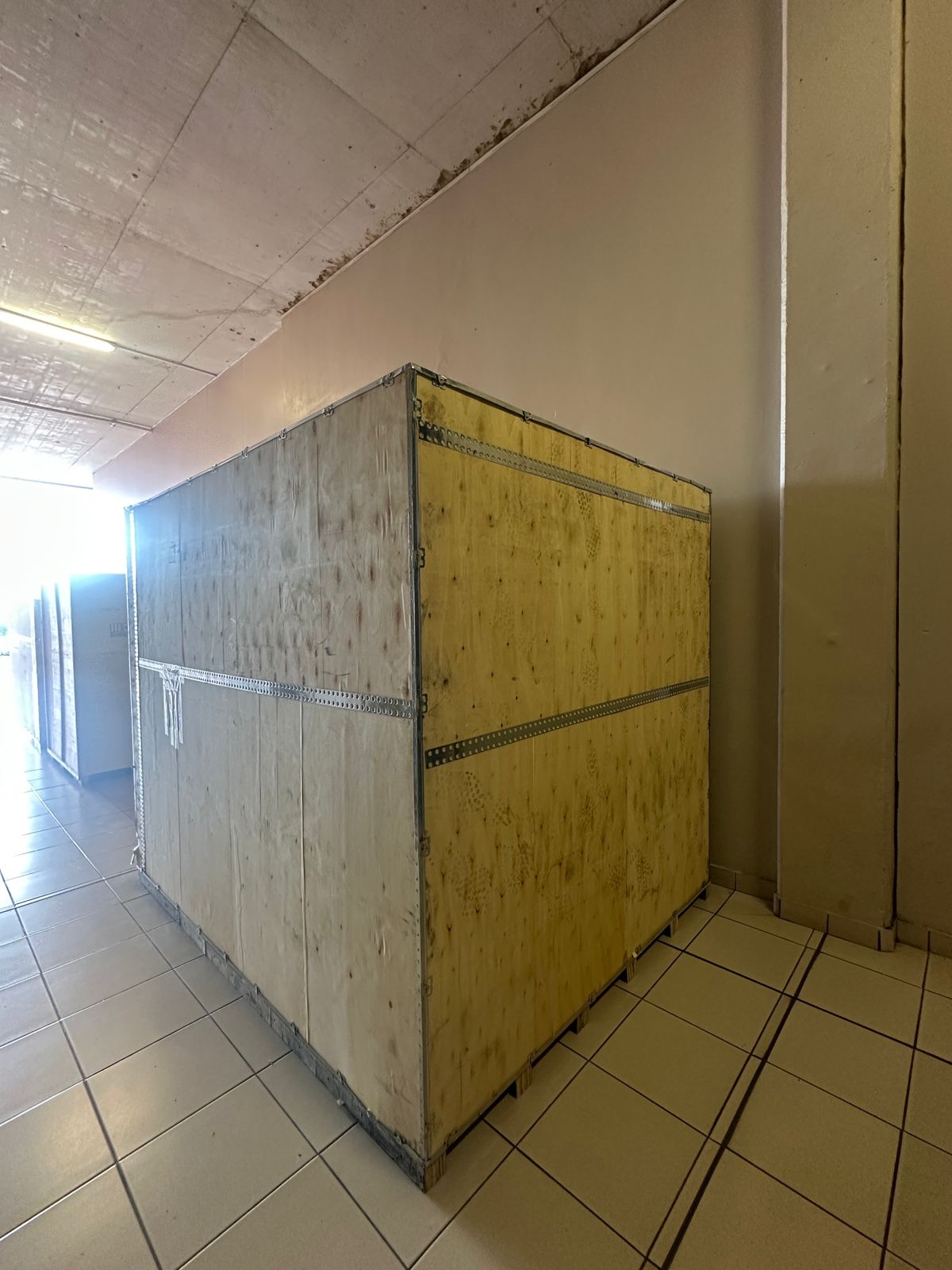
Toilet paper Rewinding Machine
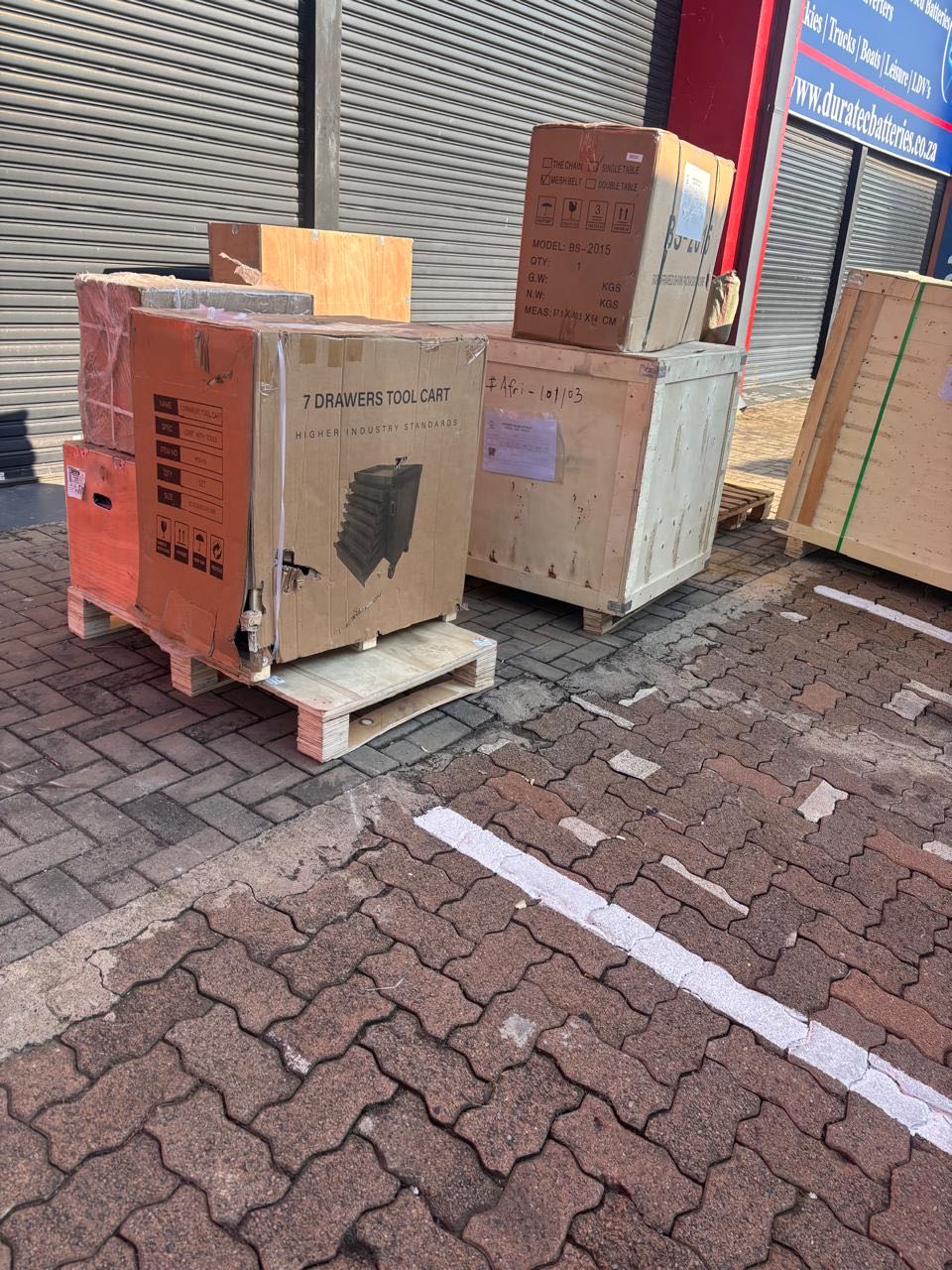
latest arrivals
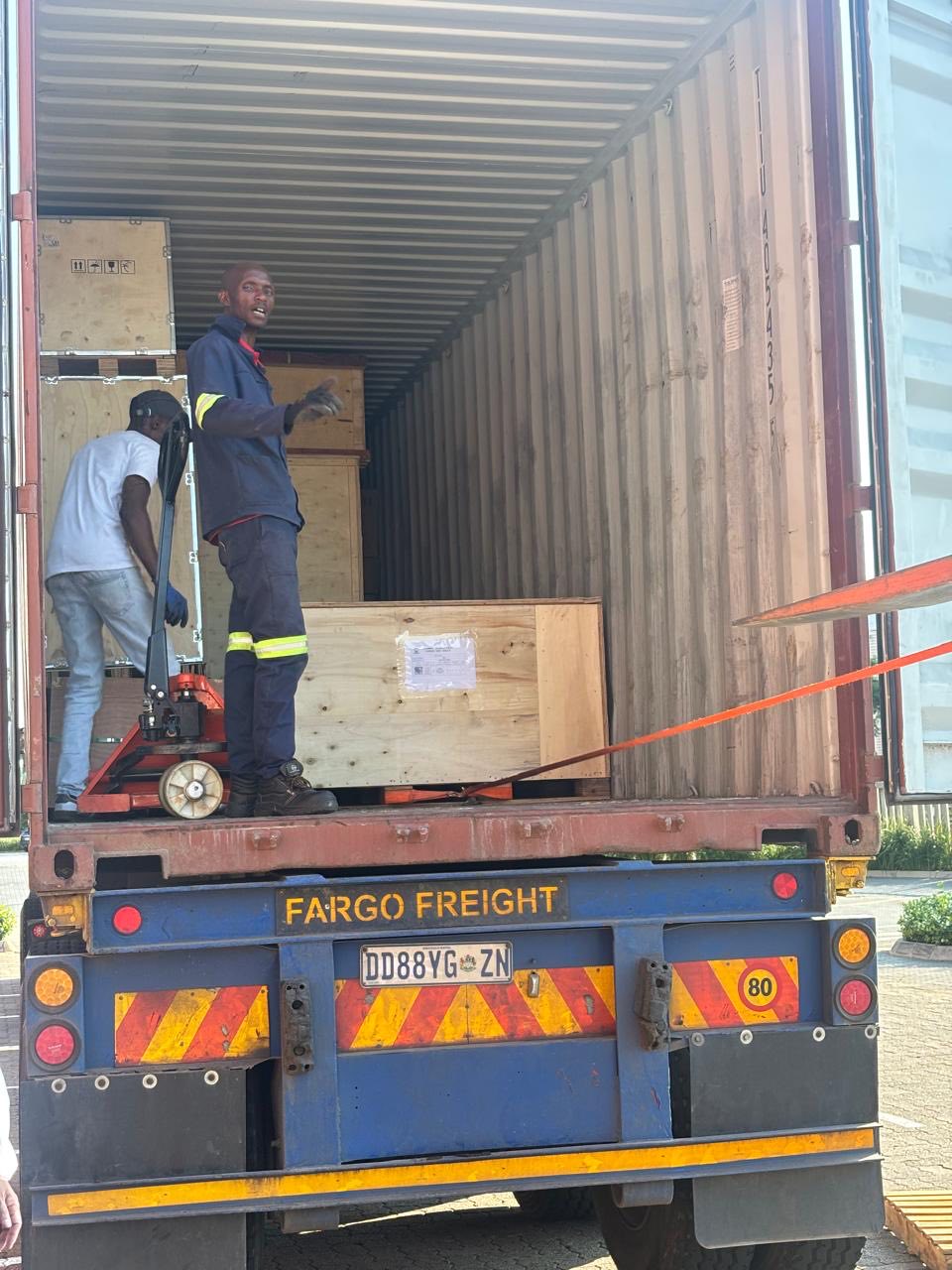
offloading
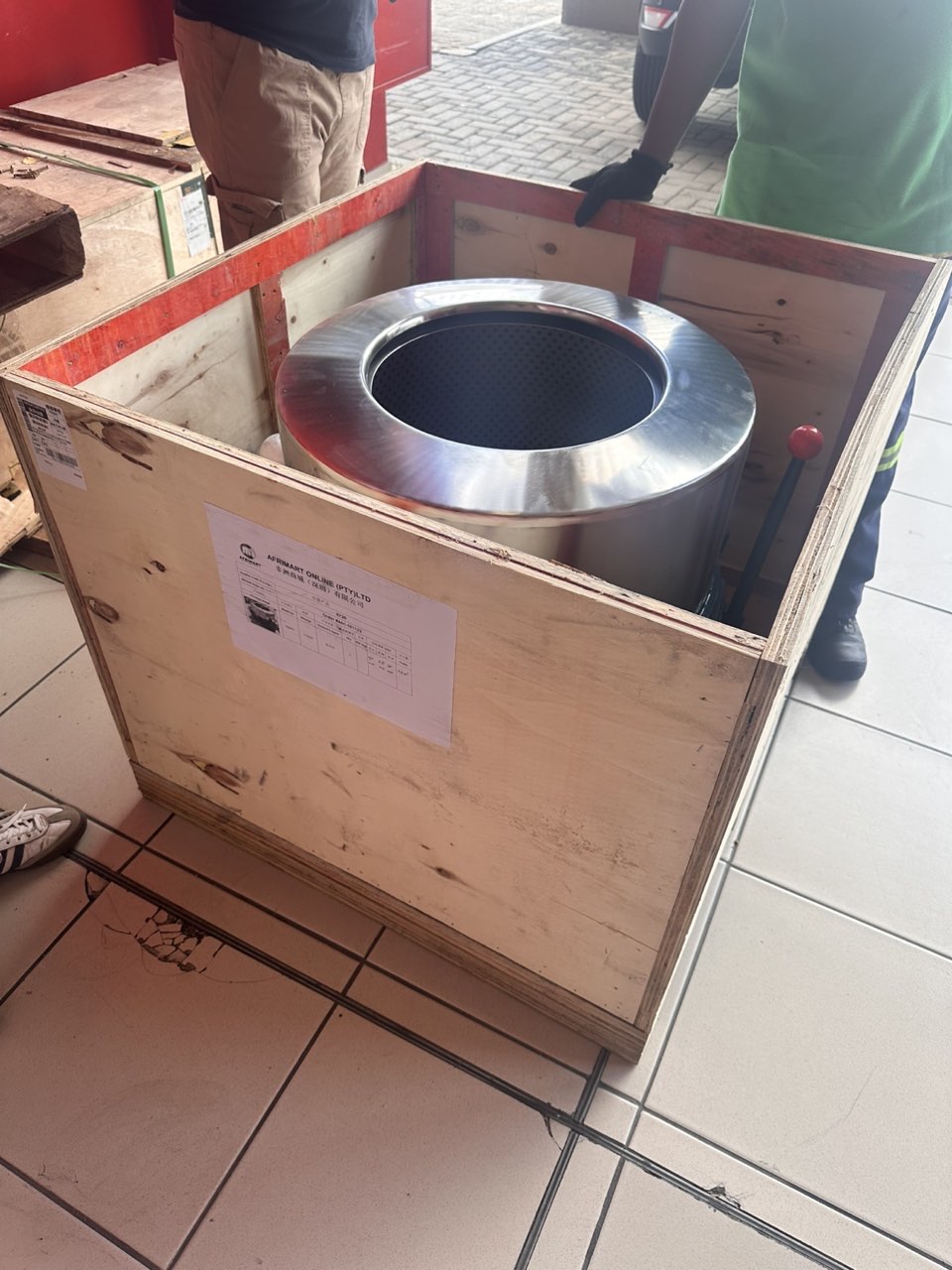
order success
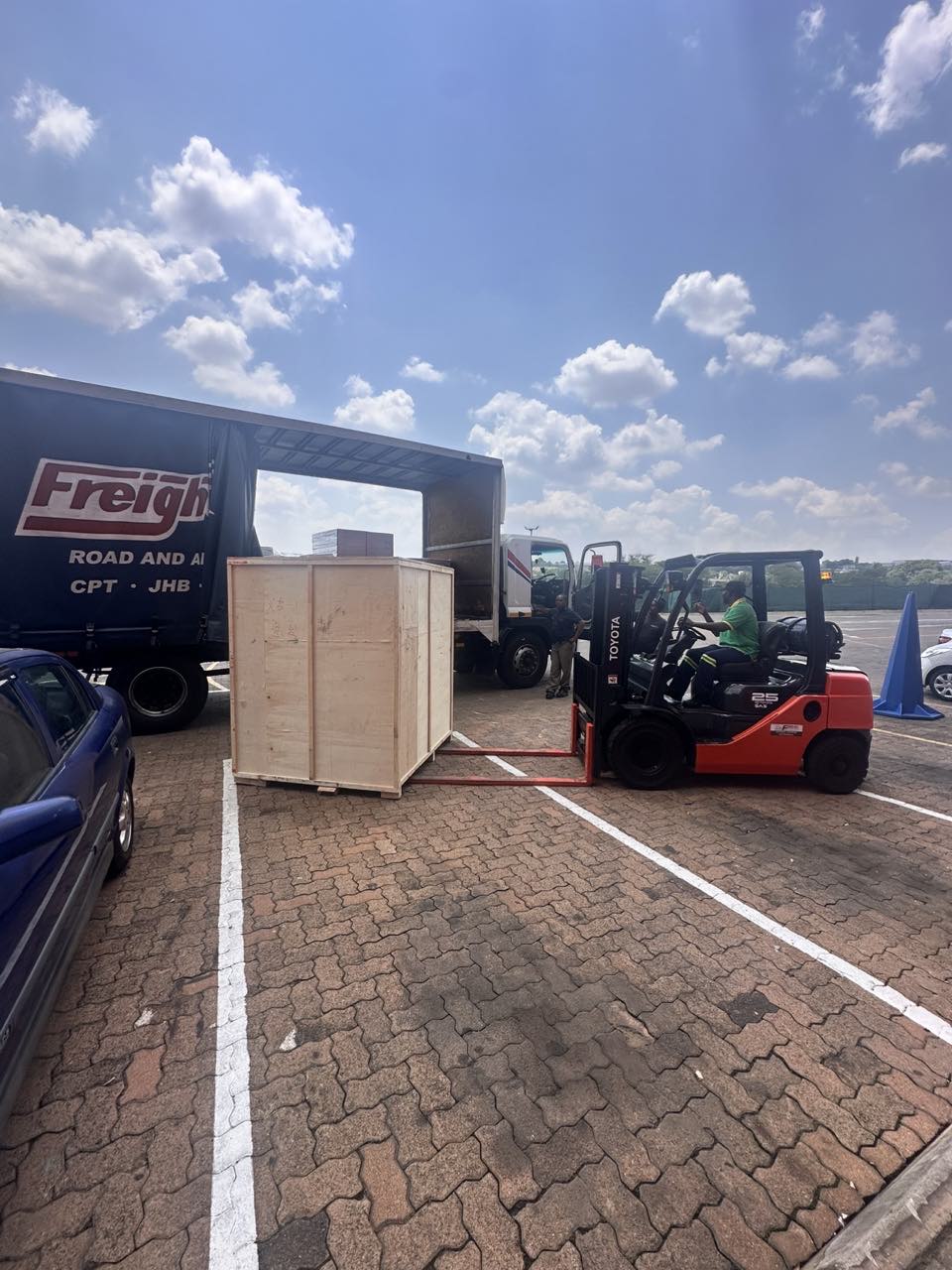
order collection
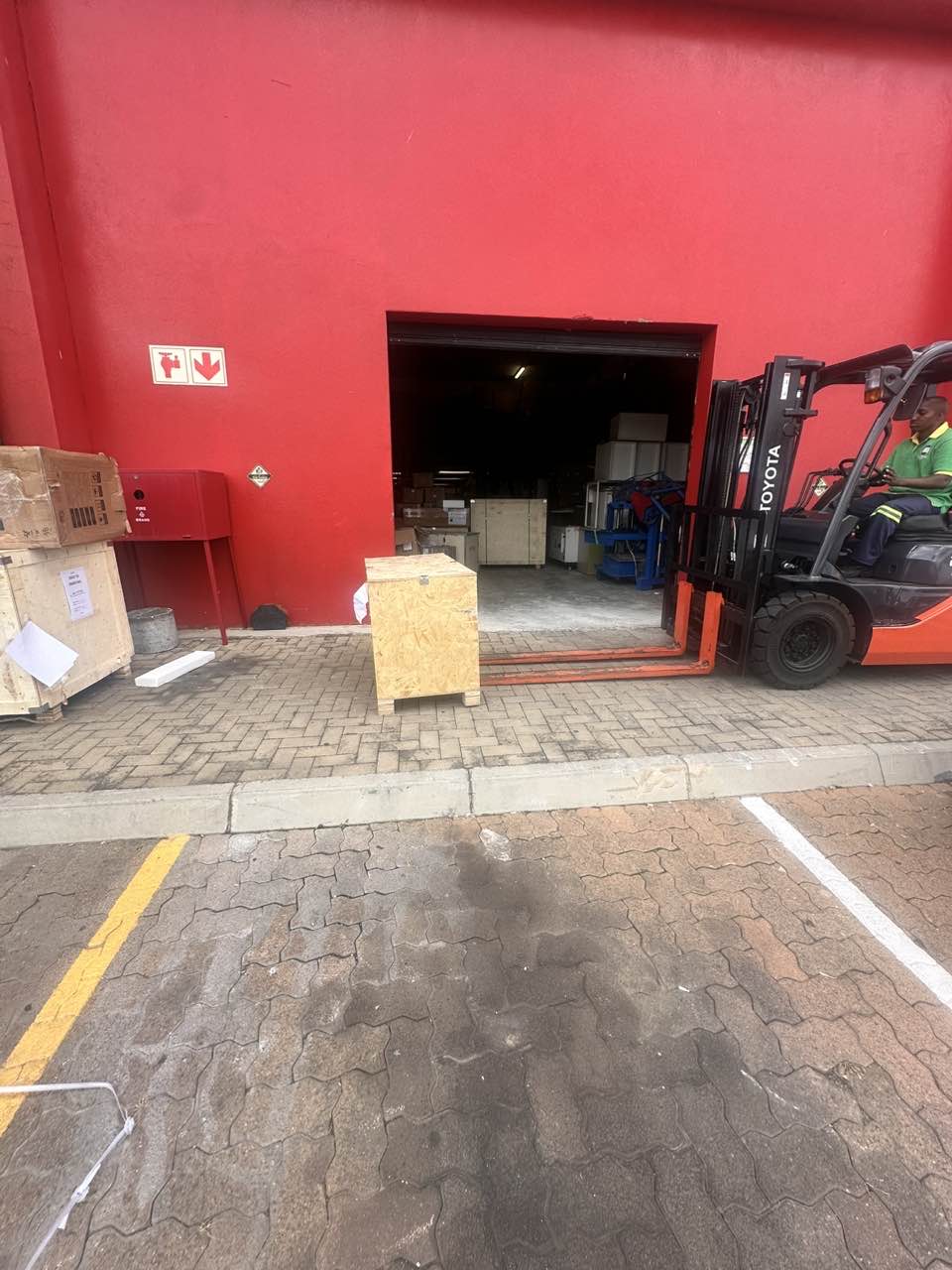
order offloading