B21, China Town Mall, Midrand

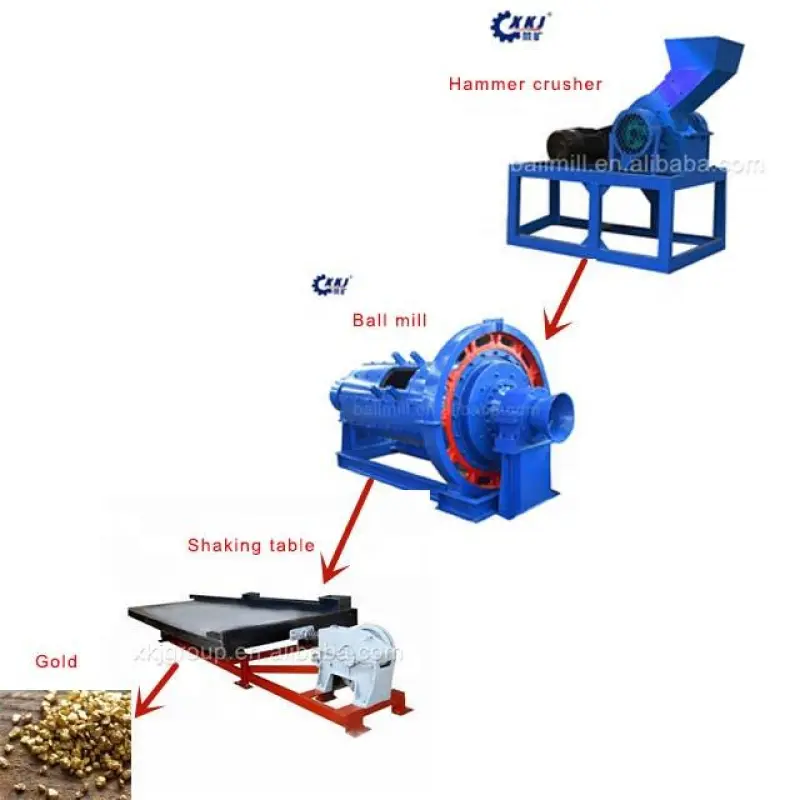
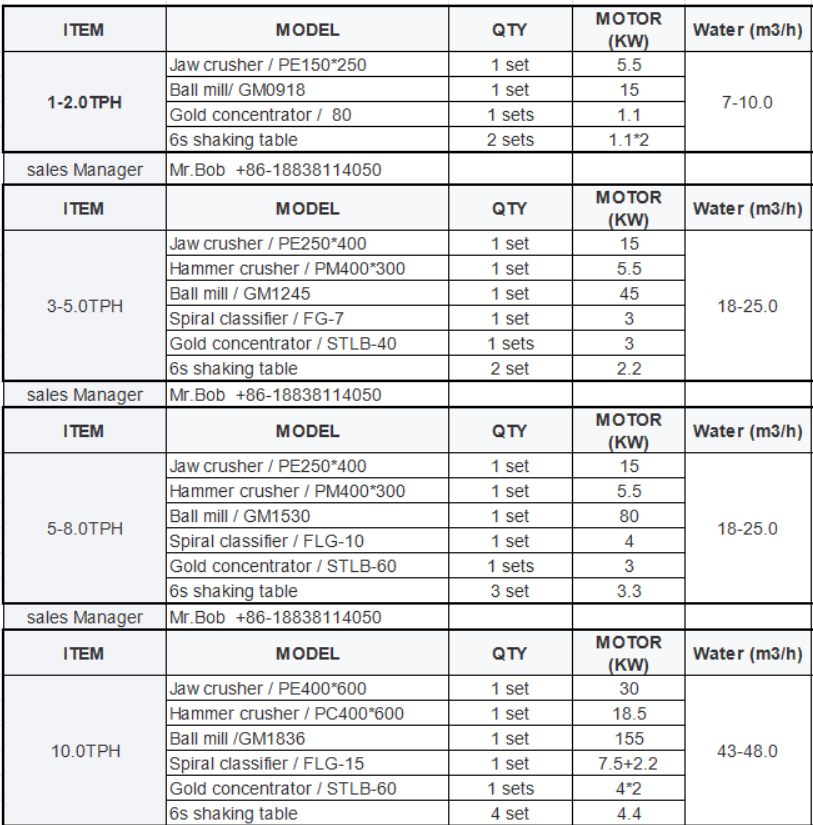
Small Scale Gold Processing Plant 1-2 TPH
Asset finance available
Do you want funding for this equipment?
Afrimart can connect you with trusted funding partners who specialise in asset finance for businesses like yours. Compare options and apply in minutes — final approval is subject to provider review.
Check funding options
Secure & no obligation

- Section : Machinery
- Category : Mining Machinery
- SKU : 1600442798956

Product Description
- Shipping Timeframes: All orders are processed within 2-5 business days (excluding weekends and holidays). After your order has been processed, the estimated delivery time is before 11 Aug, 2026, depending on customs, Please note that due to high demand, some items may experience longer shipping times, which will be communicated at order confirmation email.
- Order Processing Time: Please allow 2-5 business days for us to process your order before it is shipped . Orders placed after 16:00 on Fridays, or during weekends and public holidays, will begin processing on the next business day. Processing times may be extended during peak seasons or sales events.
- Manufacturing Time: Some products needs manufacturing time, the manufacturing process will take approximately 10-30 business days depending on the product. This timeframe may vary depending on the complexity of the product and current demand. but this will be communicated with you during order confirmation.
- Returns and Exchanges: We offer a 30-day return policy for most items. If you are not completely satisfied with your purchase, you may return it within 30 days of receipt for a refund or exchange. Items must be unused, in their original packaging, and accompanied by proof of purchase. Return shipping costs are the responsibility of the customer, unless the item was damaged or defective upon arrival.
1. What does "1-2 TPH" mean for this small scale gold processing plant?
1-2 TPH means the plant is designed to process between 1 and 2 tonnes of ore per hour under design conditions. Actual throughput will depend on ore hardness, feed size, and operating schedule (e.g., single vs. continuous shifts).
2. What typical equipment components are included in a 1-2 TPH plant?
Typical components include primary crusher (jaw or hammer), secondary crusher/grinder (e.g., ball mill or hammer mill), classifier/screen, gravity concentration devices (sluices, jigs, shaking tables, centrifugal concentrator), thickener/clarifier, pumps, reagents tanks and dosing, conveyors, and an overall control panel. Final configuration is usually tailored to the ore and recovery route.
3. What types of ore can this plant treat?
The plant can treat free-milling oxide and transitional gold ores using gravity and/or leaching methods. Refractory ores (sulfide-hosted or carbonaceous) may require additional pre-treatment (roasting, pressure oxidation, bio-oxidation) or bespoke processing steps.
4. What gold recovery rates can I expect?
Recovery varies with ore type and chosen flowsheet. Gravity-only setups commonly recover 40–85% of coarse gold. Combined gravity plus cyanide leaching/CIL can achieve overall recoveries typically in the 80–95% range for amenable ores. Site testwork is required for accurate predictions.
5. What feed size and final grind are required?
Feed is usually crushed to under 10–20 mm before milling. Final grind for effective liberation depends on the ore—typical P80 targets are in the 75–150 µm range for leaching circuits; coarser grinds may be acceptable for coarse free gold with gravity recovery.
6. How much water does the plant use?
Water consumption depends on process selection and recycle efficiency. Typical gross water use can range from 0.5 to 3 m3 per tonne of ore, but most operations recycle a large portion of process water, so make-up water requirements are significantly lower.
7. What are the electrical and power requirements?
Power needs vary with equipment selection. Small 1–2 TPH plants commonly require on the order of 20–80 kW for crushing, grinding and concentration equipment. Exact requirements depend on motor sizes and ancillary systems; confirm with a site-specific electrical load schedule.
8. What is the typical footprint and site preparation needed?
A compact 1–2 TPH plant generally occupies roughly 40–200 m² depending on layout and whether tanks/thickeners are external. Site preparation includes level ground, concrete pads or foundations for heavy equipment, bunding for chemical tanks, and access for deliveries and waste removal.
9. How long does installation and commissioning take?
Standard modular plants can be installed and commissioned in 1–4 weeks after site preparation. Timeframes depend on customization level, civil works, utilities availability, and regulatory inspections.
10. How many operators are required to run the plant?
Typical staffing for a 1–2 TPH plant is 3–8 operators/technicians per shift (including a plant operator, mill operator, maintenance tech, and laboratory technician). Staffing depends on automation level and shift patterns.
11. What are the main operating and maintenance considerations?
Daily tasks include monitoring flows, reagent dosing, and slurry densities; routine lubrication and wear inspections; regular cleaning of screens and sluices; and scheduled replacement of wear parts (liners, screens, pump seals). A preventive maintenance plan and spare parts inventory reduce downtime.
12. What environmental and safety controls are needed?
Key controls include proper cyanide and reagent handling procedures, secondary containment and bunding, tailings management and disposal (lined ponds or dry stacking where required), dust suppression at crushing stages, and worker PPE and training. Regulatory permits and water discharge standards must be observed.
13. Do you provide training, commissioning support, and spare parts?
Most suppliers offer on-site commissioning, operator training, and a recommended spare parts kit. After-sales technical support and remote troubleshooting options are commonly available; confirm service levels when requesting a quote.
14. Can the plant be customized or scaled-up later?
Yes. Small-scale plants are often modular and can be customized for different ores, recovery methods (gravity-only vs. gravity + leach), or footprint constraints. Capacity can be increased by adding parallel modules or upsizing key pieces of equipment.
15. How do I get an accurate price and a recommended flowsheet for my ore?
Provide representative ore samples, desired throughput, and site constraints to the supplier. They will typically perform bench-scale testwork (gravity + leach tests), propose a tailored flowsheet, and supply a detailed quotation including equipment, installation, and optional services.
Latest Order Arrivals
Discover our latest orders
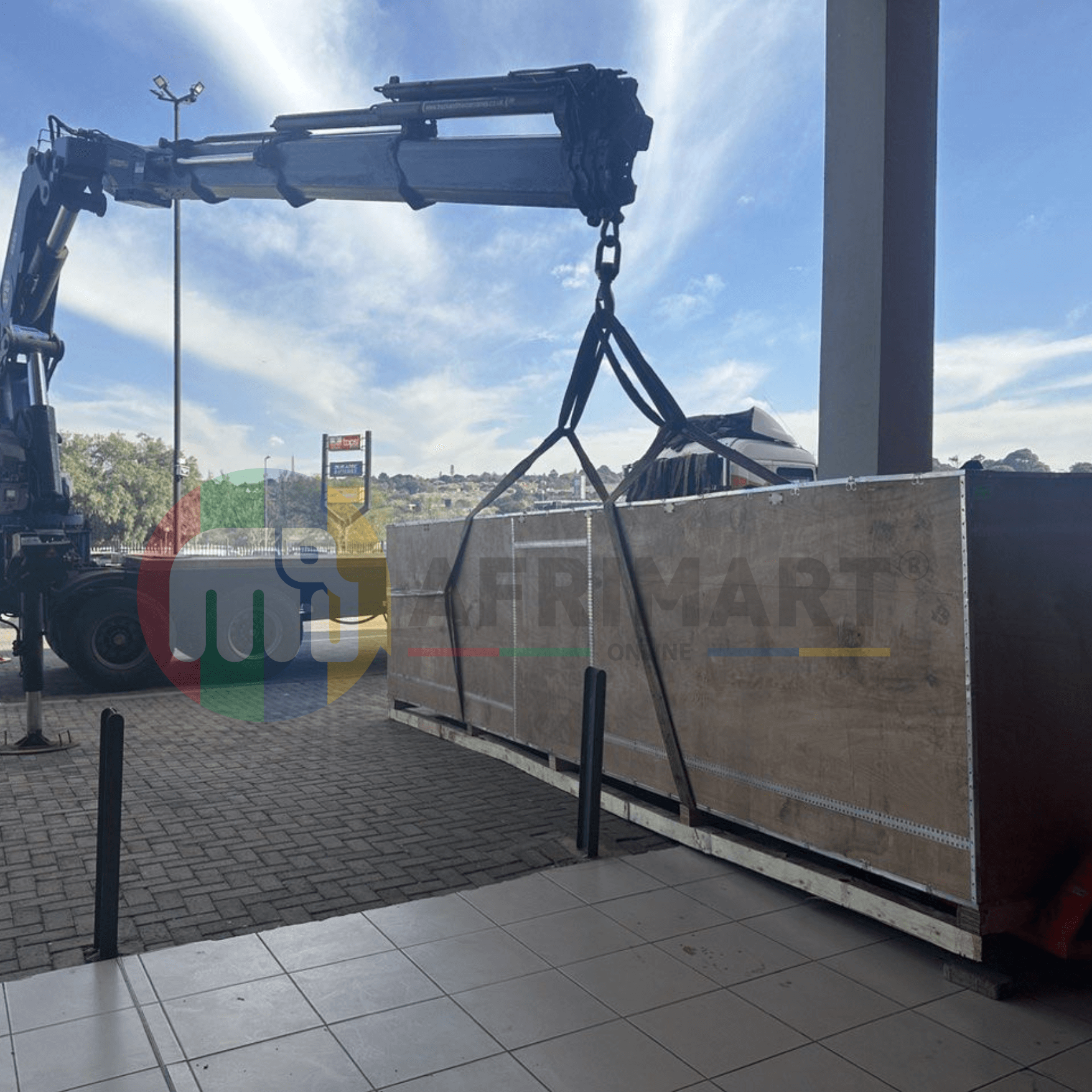
12 Heads Embroidery Machine
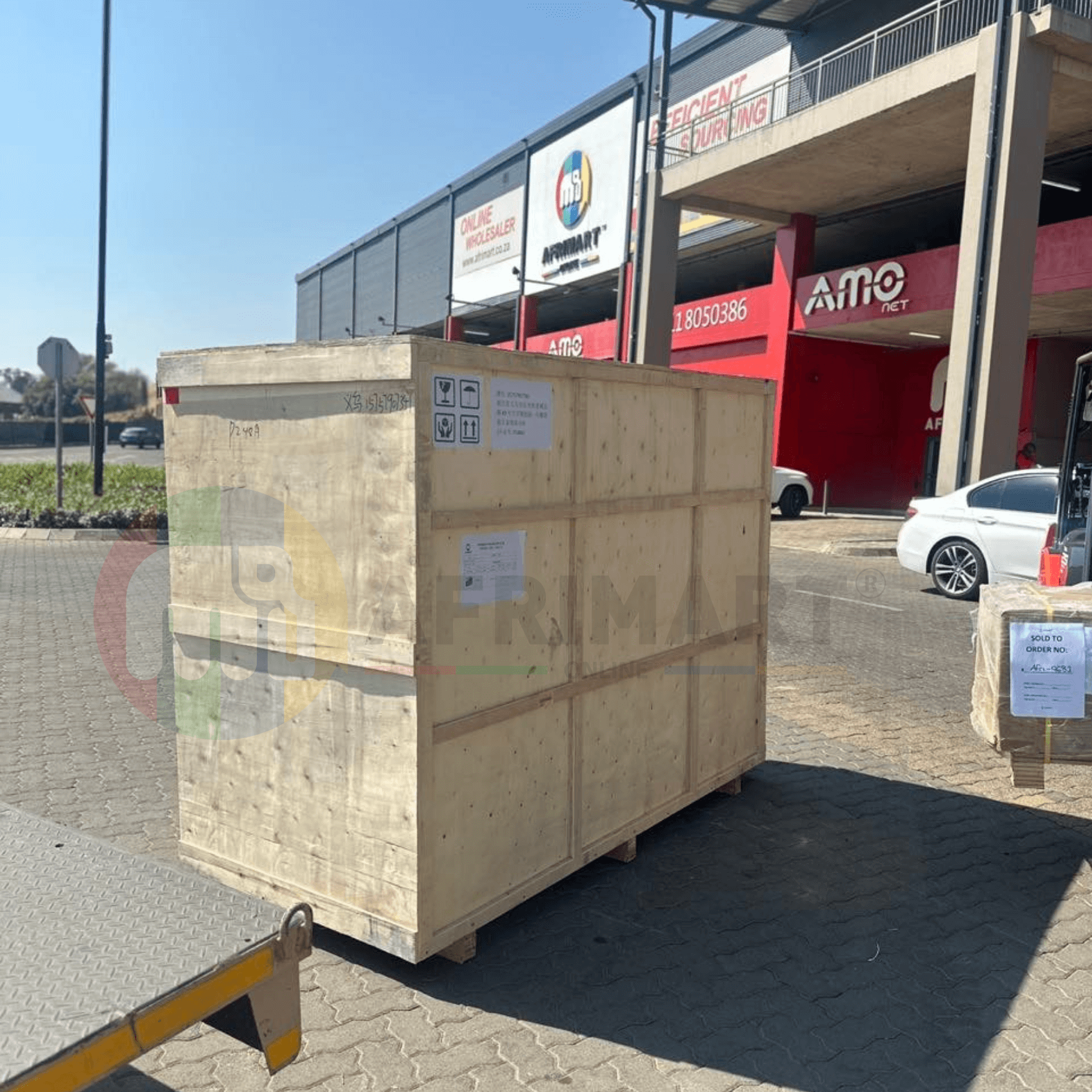
Dewatering Pump Machine
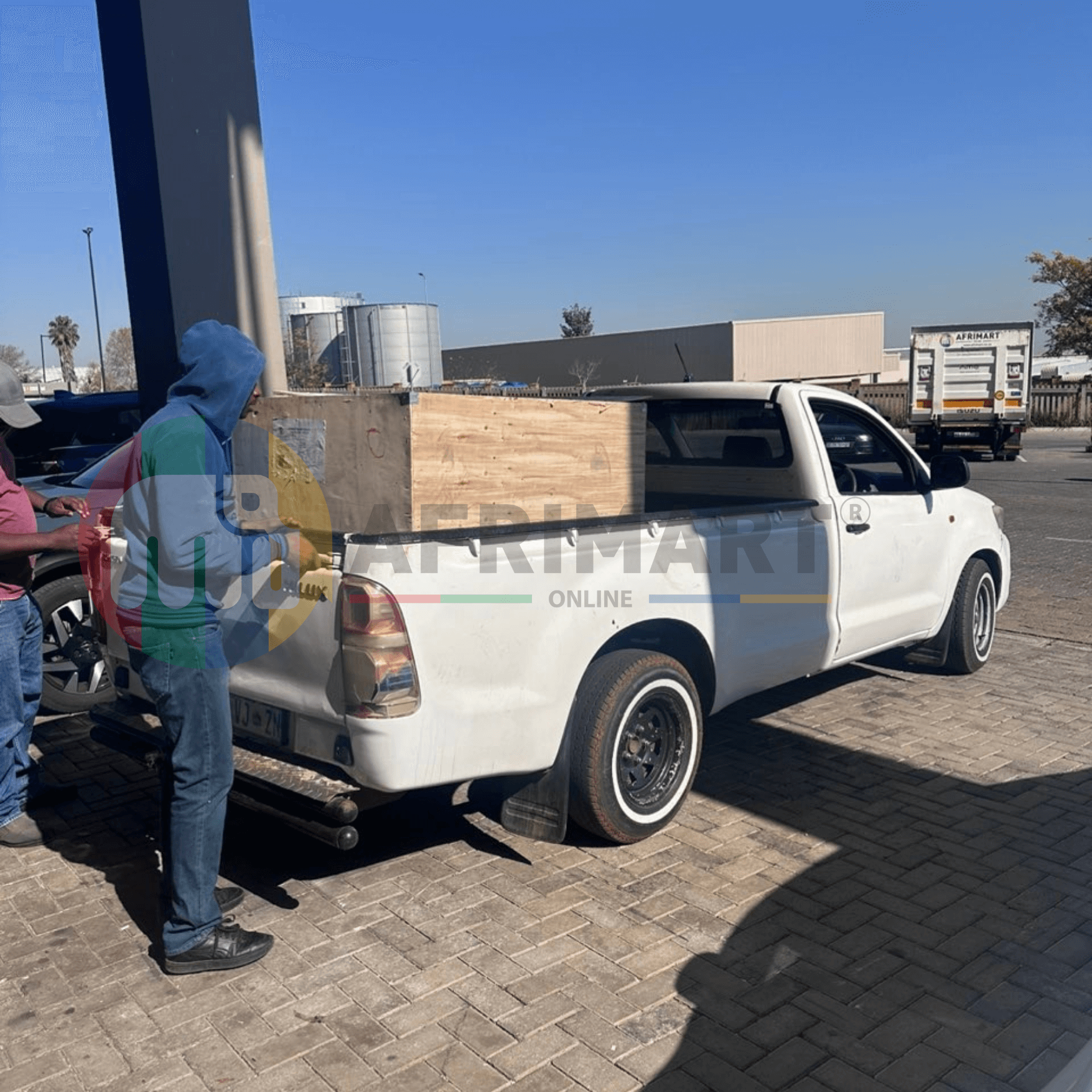
Order Collection
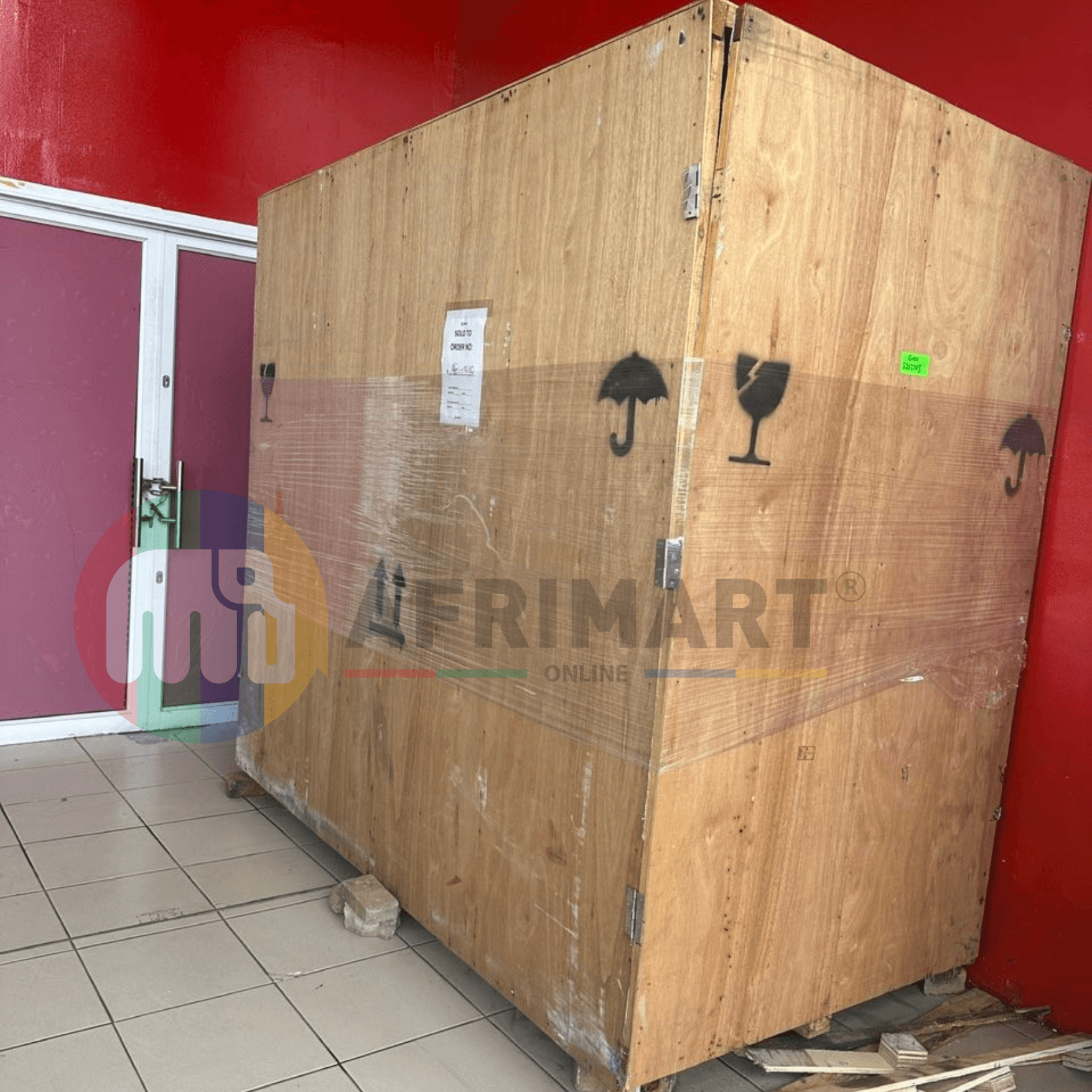
Portable Water Drilling Rig
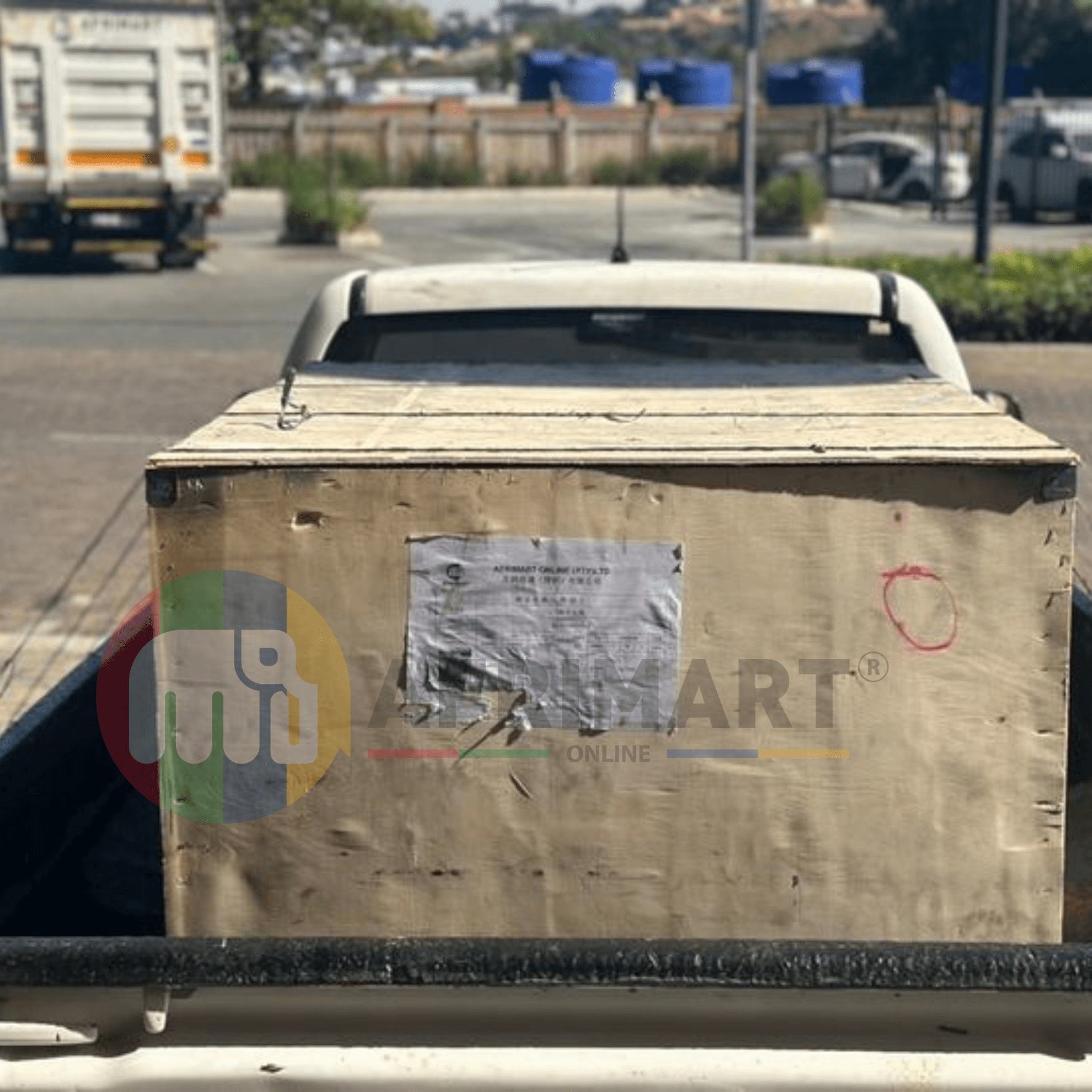
Order Usefully Collected
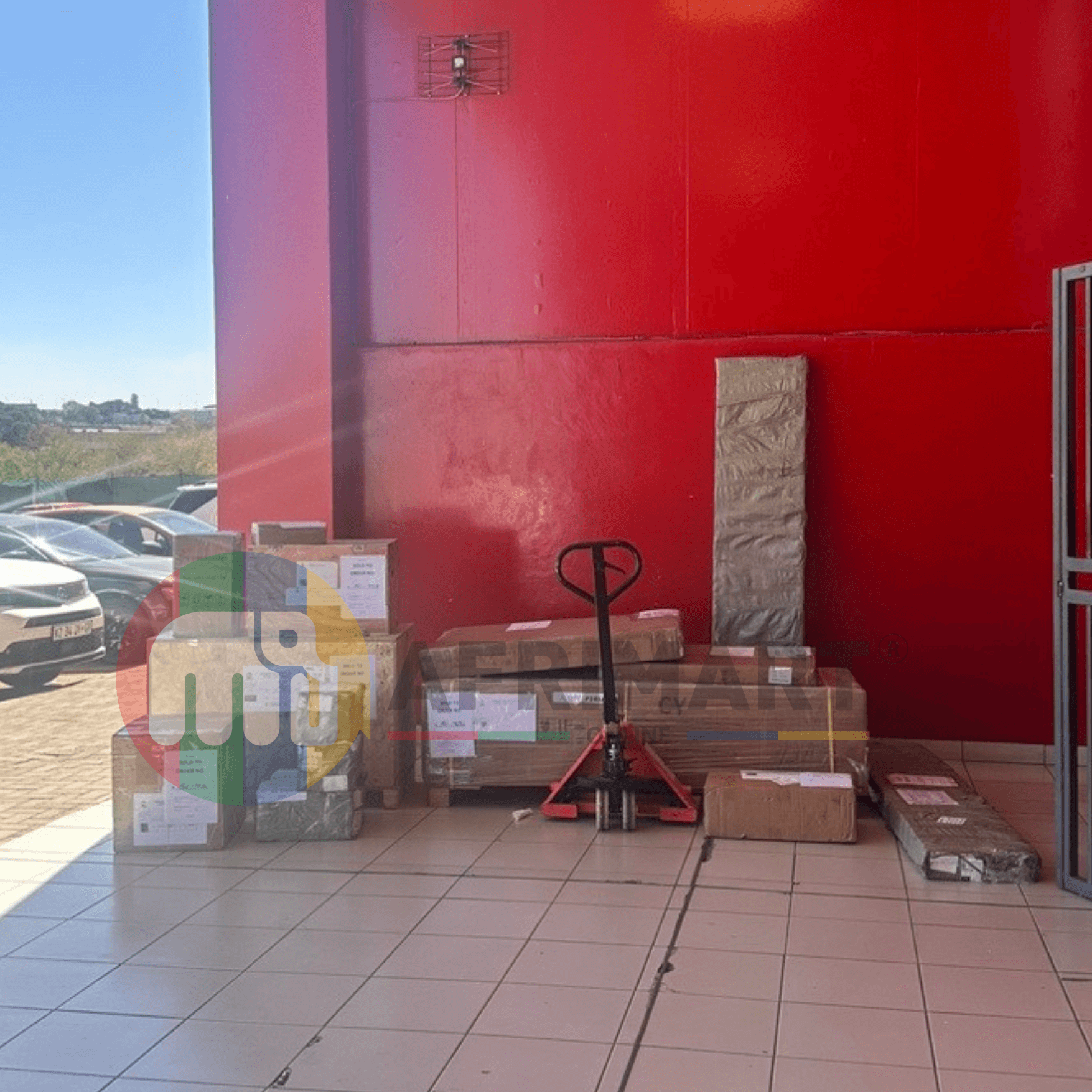
Batch of Orders
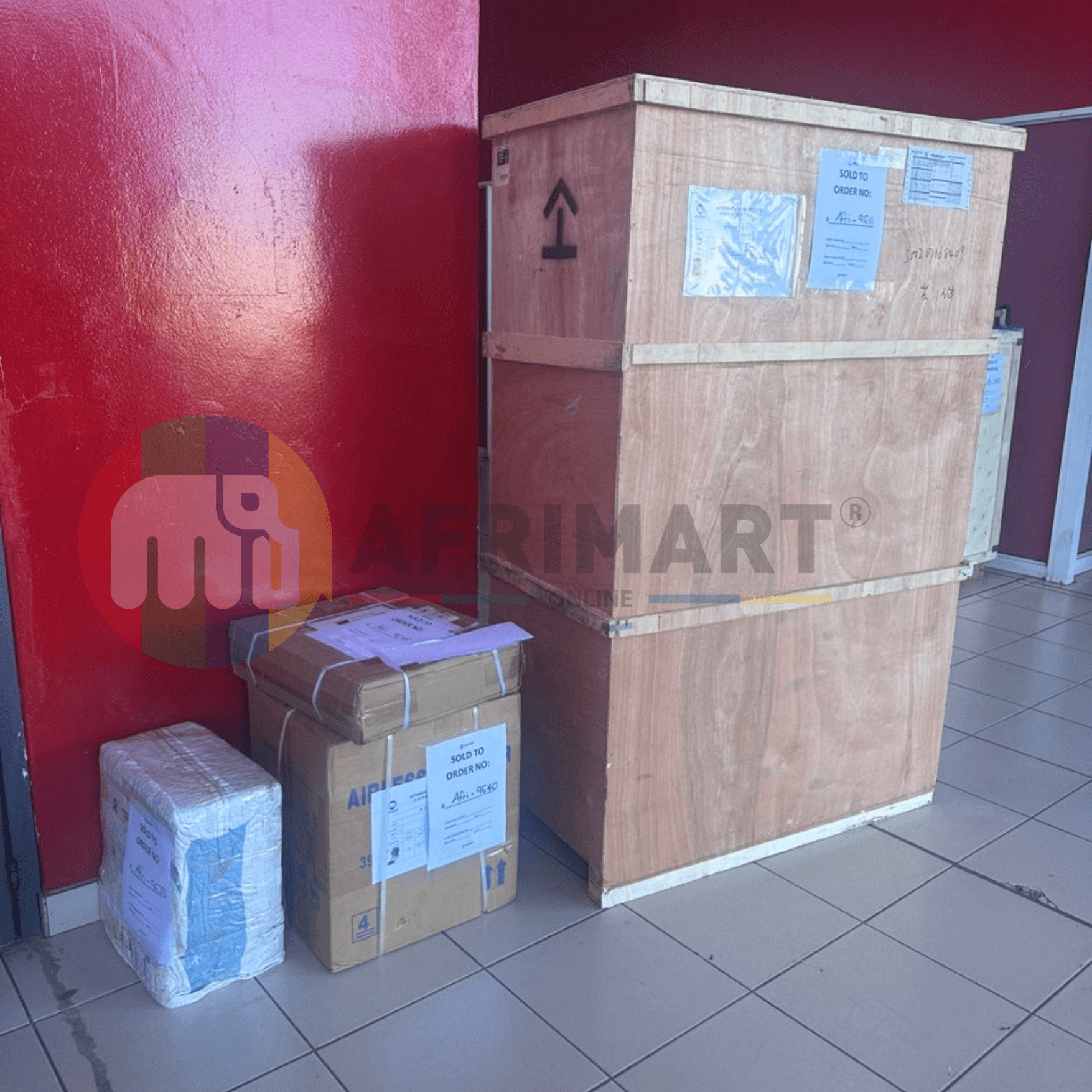
Agriculture Processing Machines
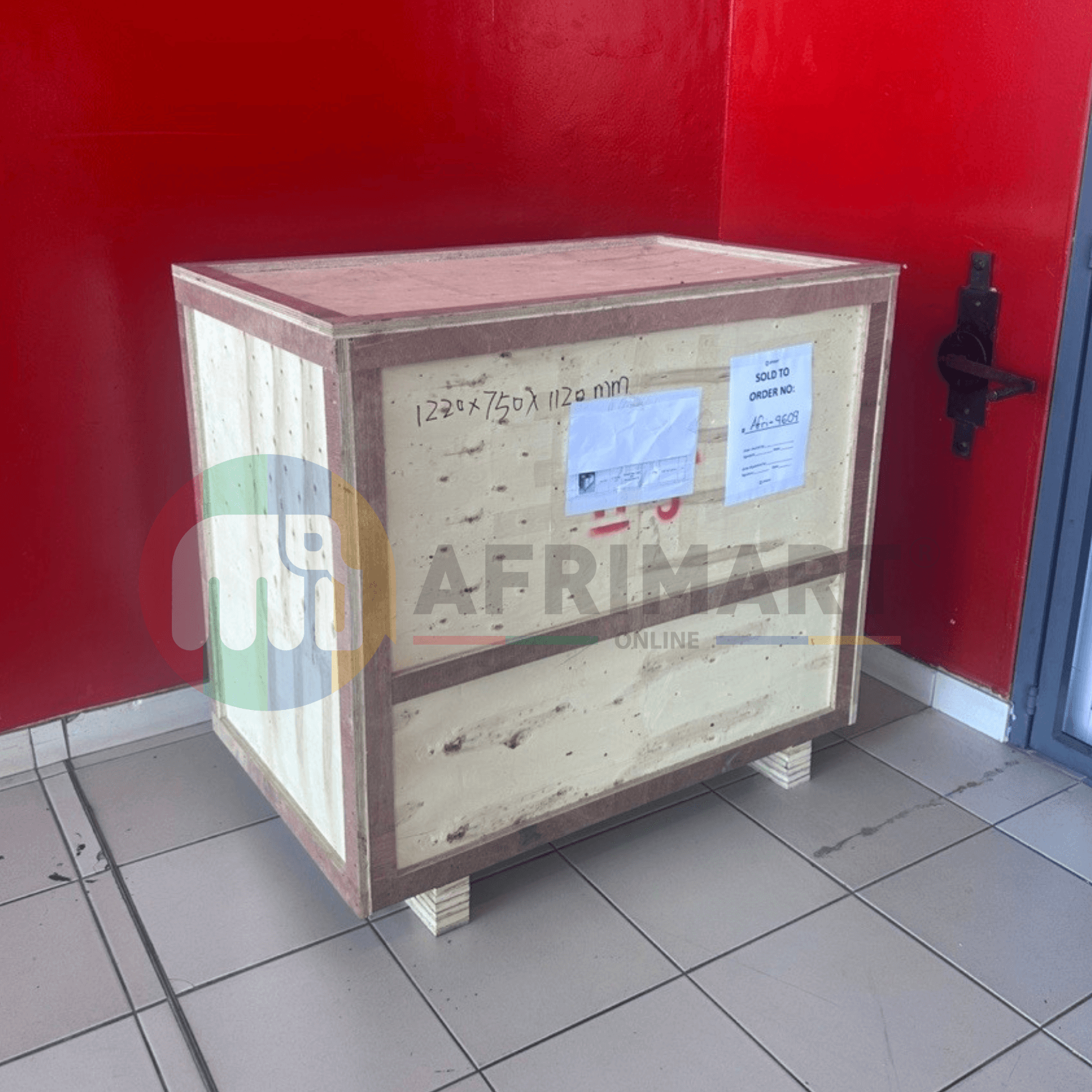
Meat Grinder Machine
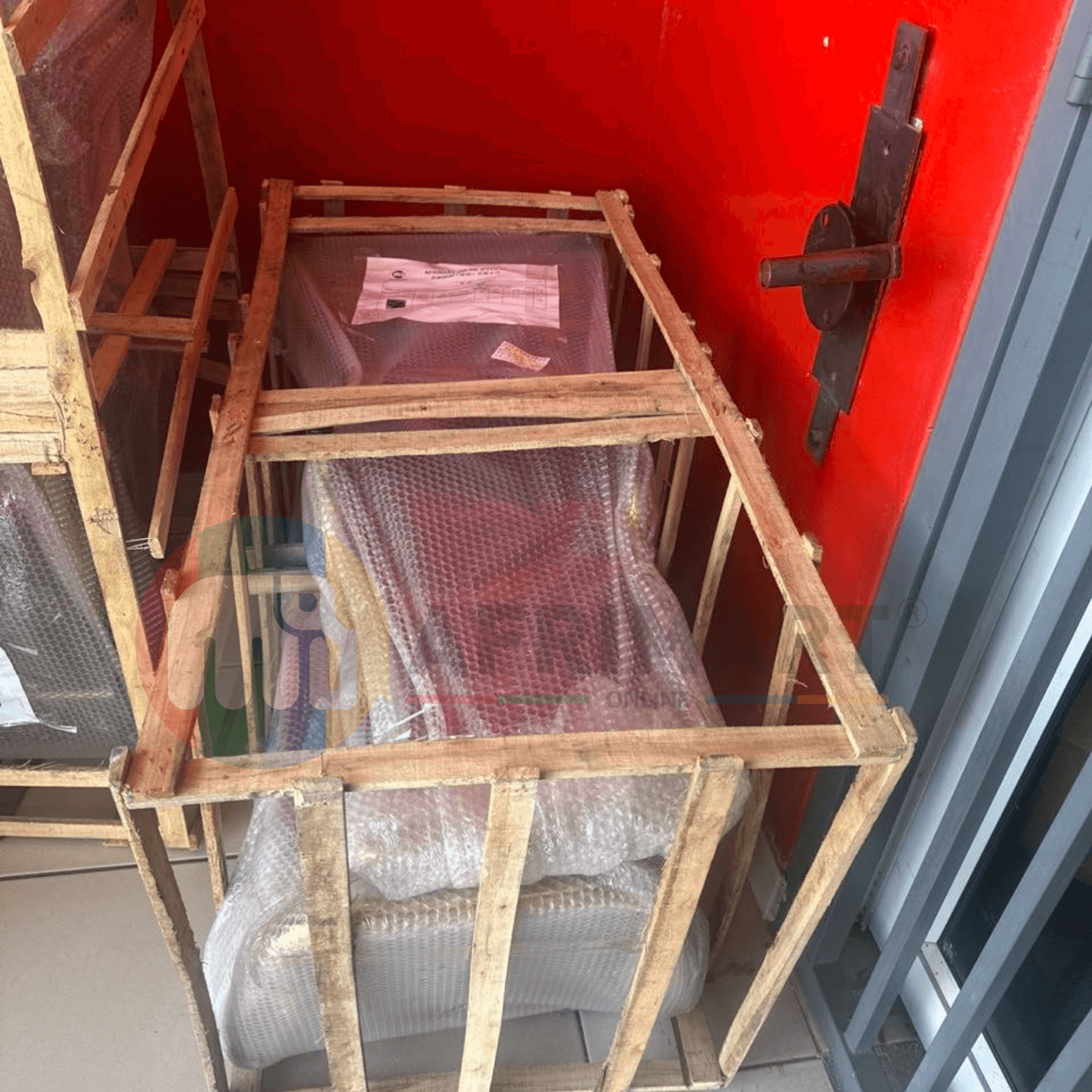
Water Pump Equipment
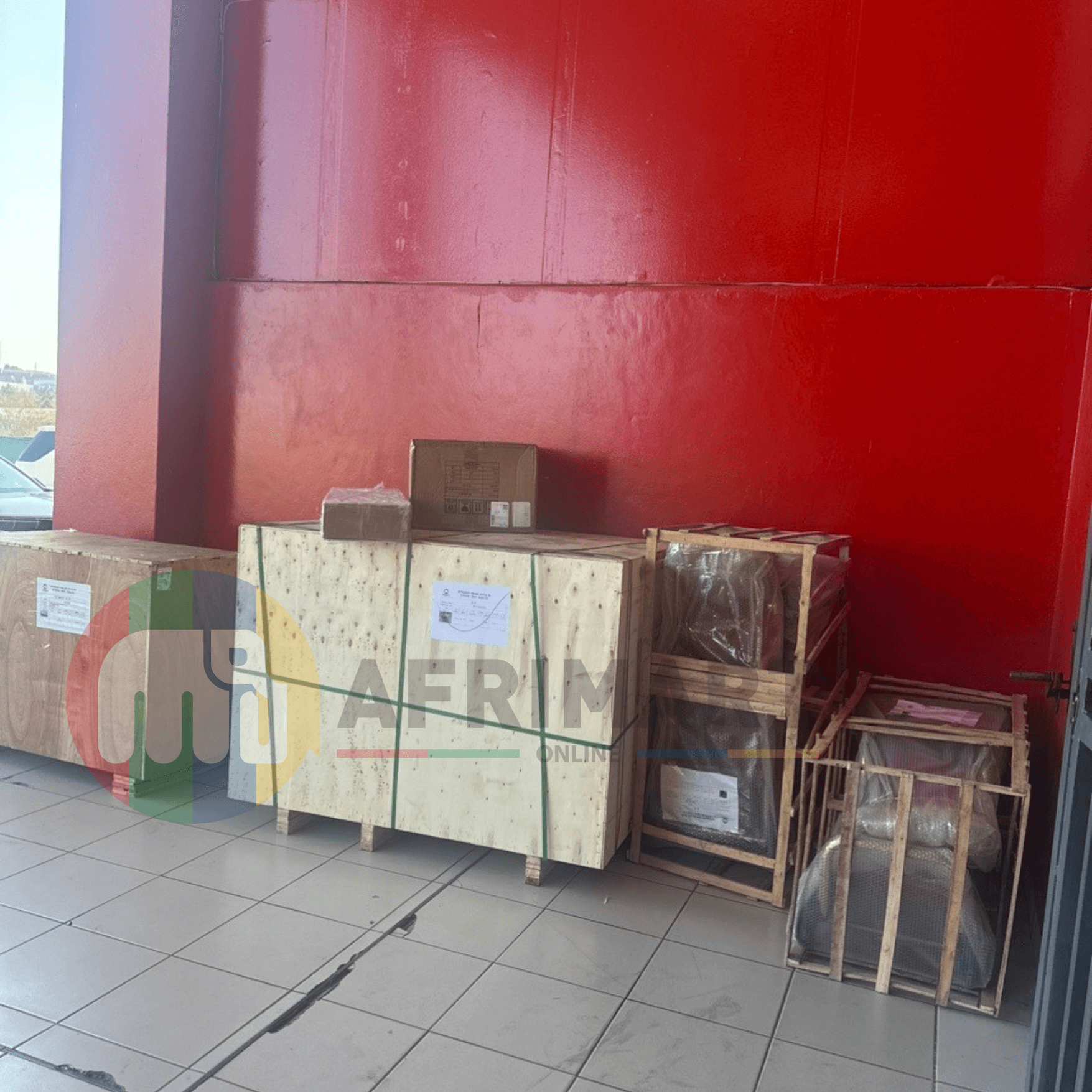
Packaging Machine and accessories
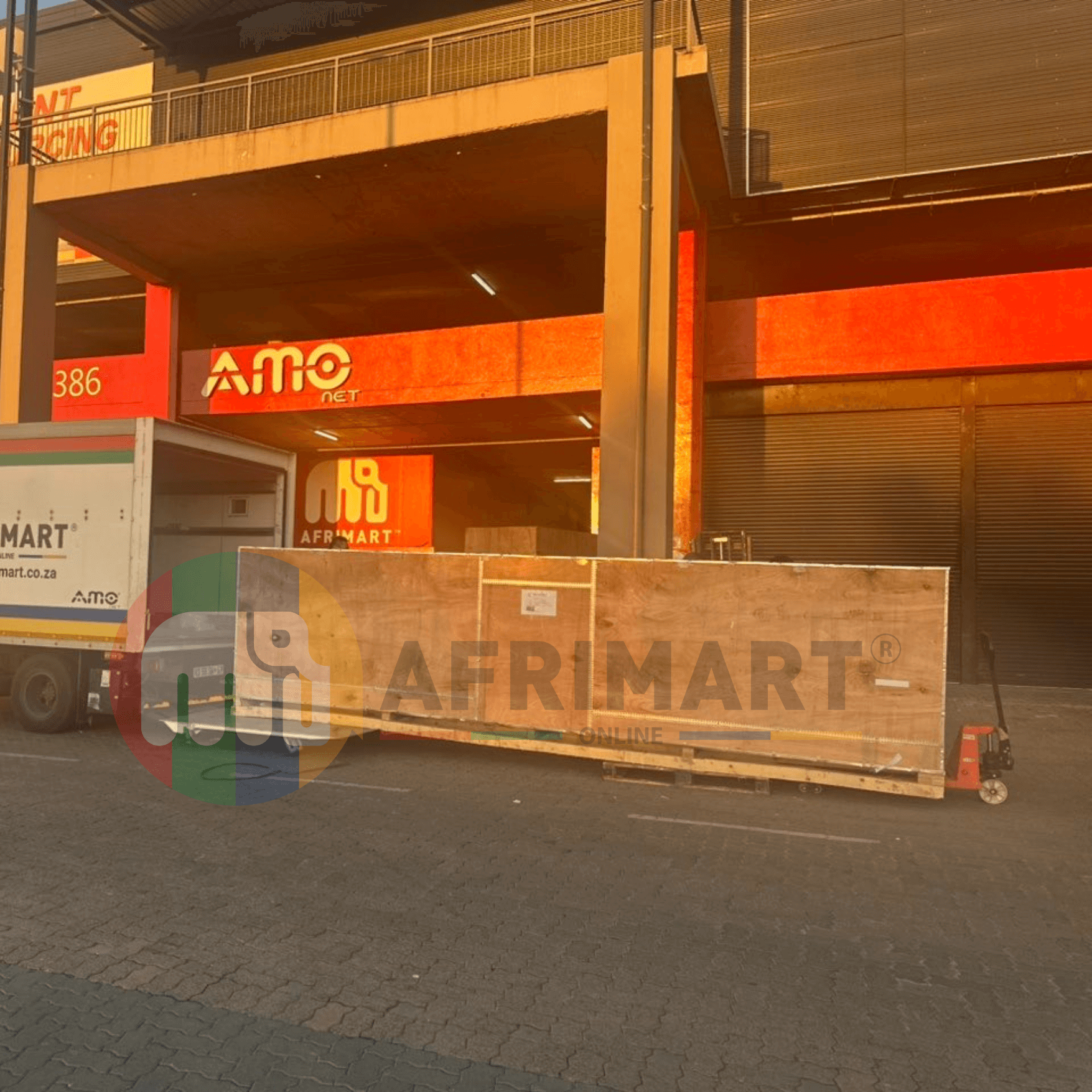
Fabrics Manufacturing Equipment
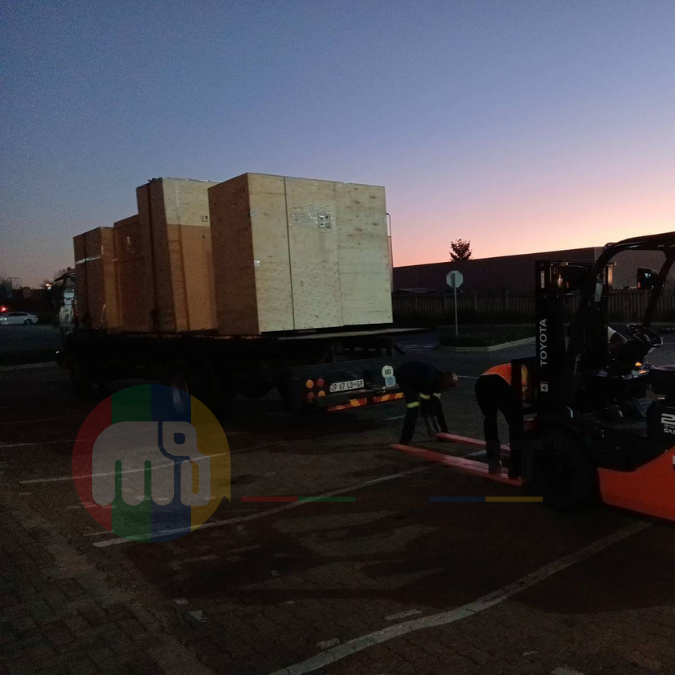
Mining Equipments
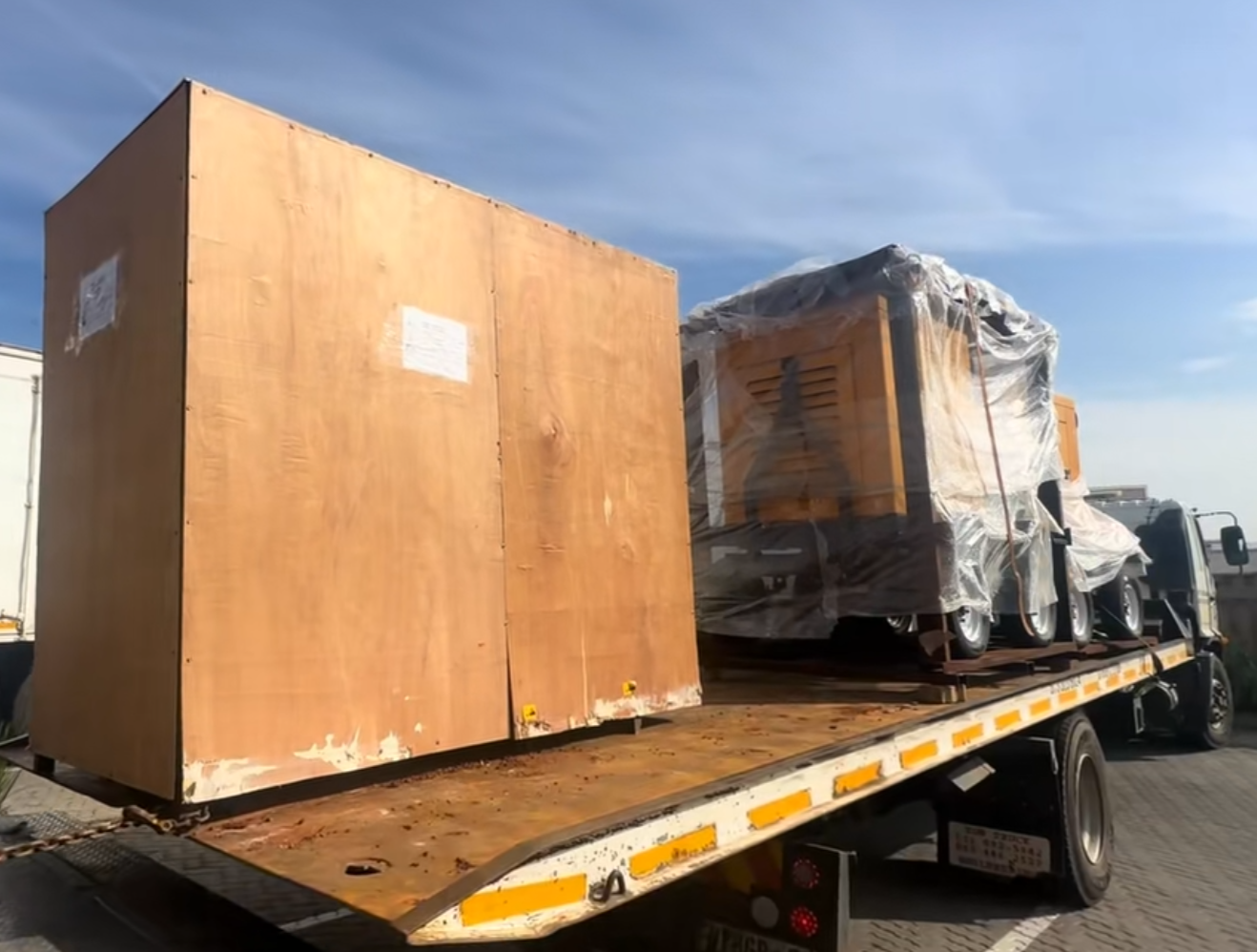
Food Processing Machine
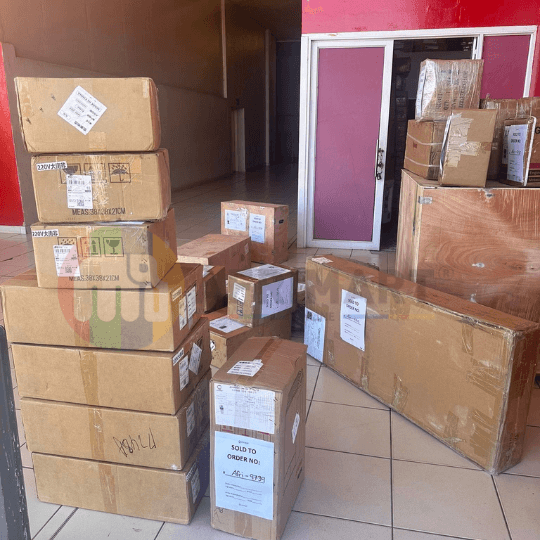
Batch of Orders
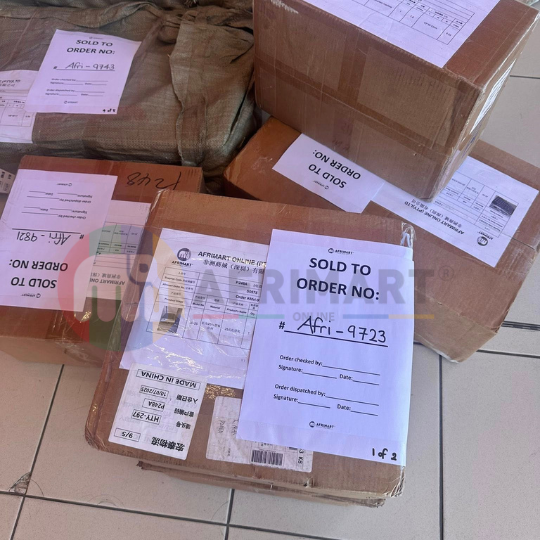
Batch of Orders
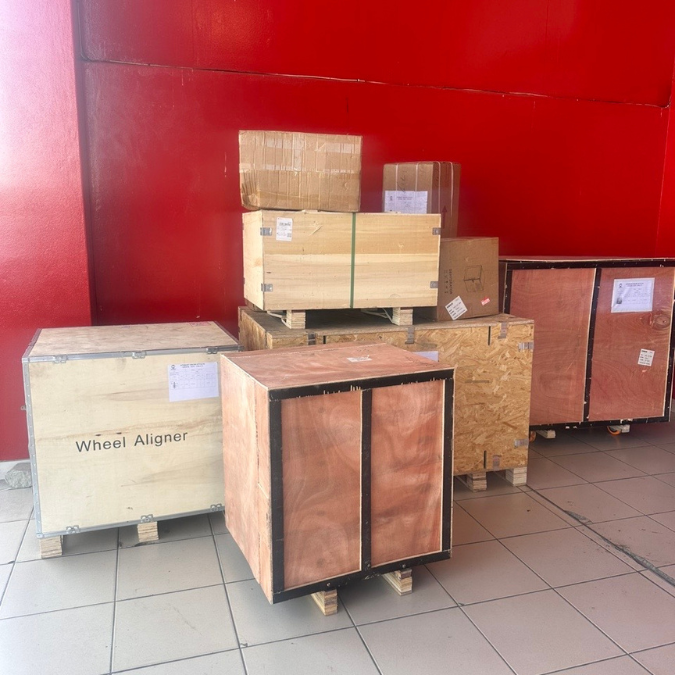
Latest Orders Labelled
wheel alignment machines
new arrivals
Pre Orders Offloading
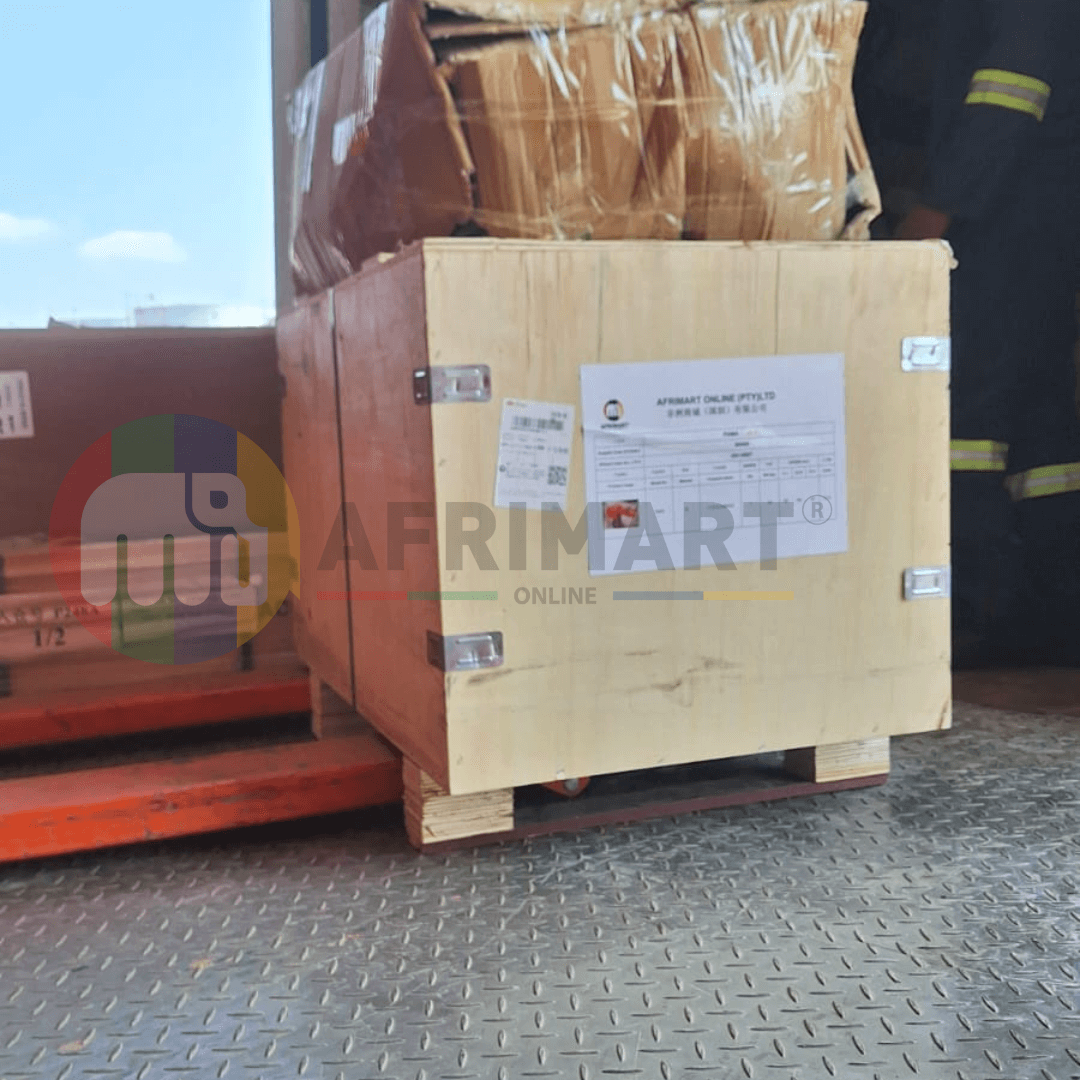
Latest Arrivals
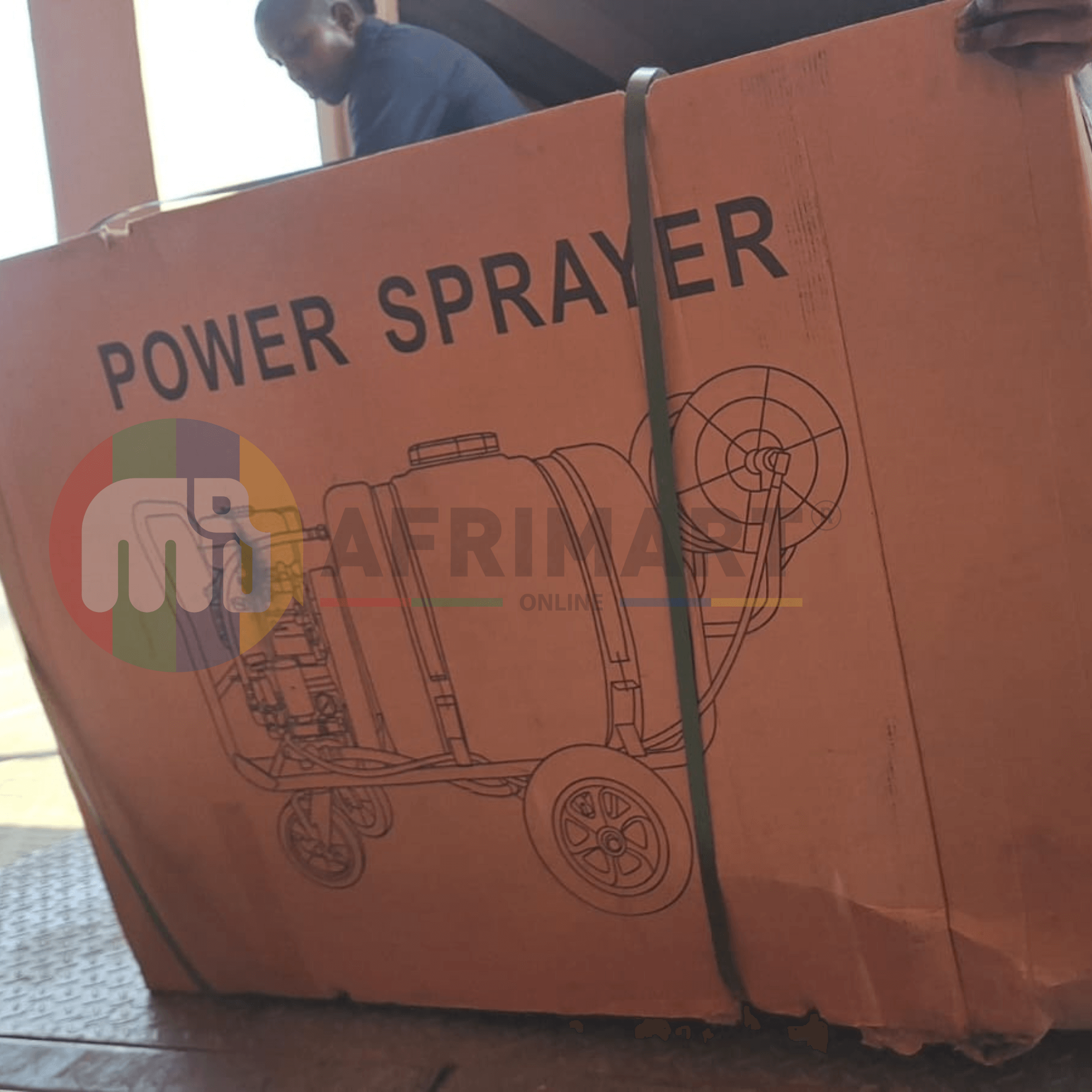
Latest Arrivals
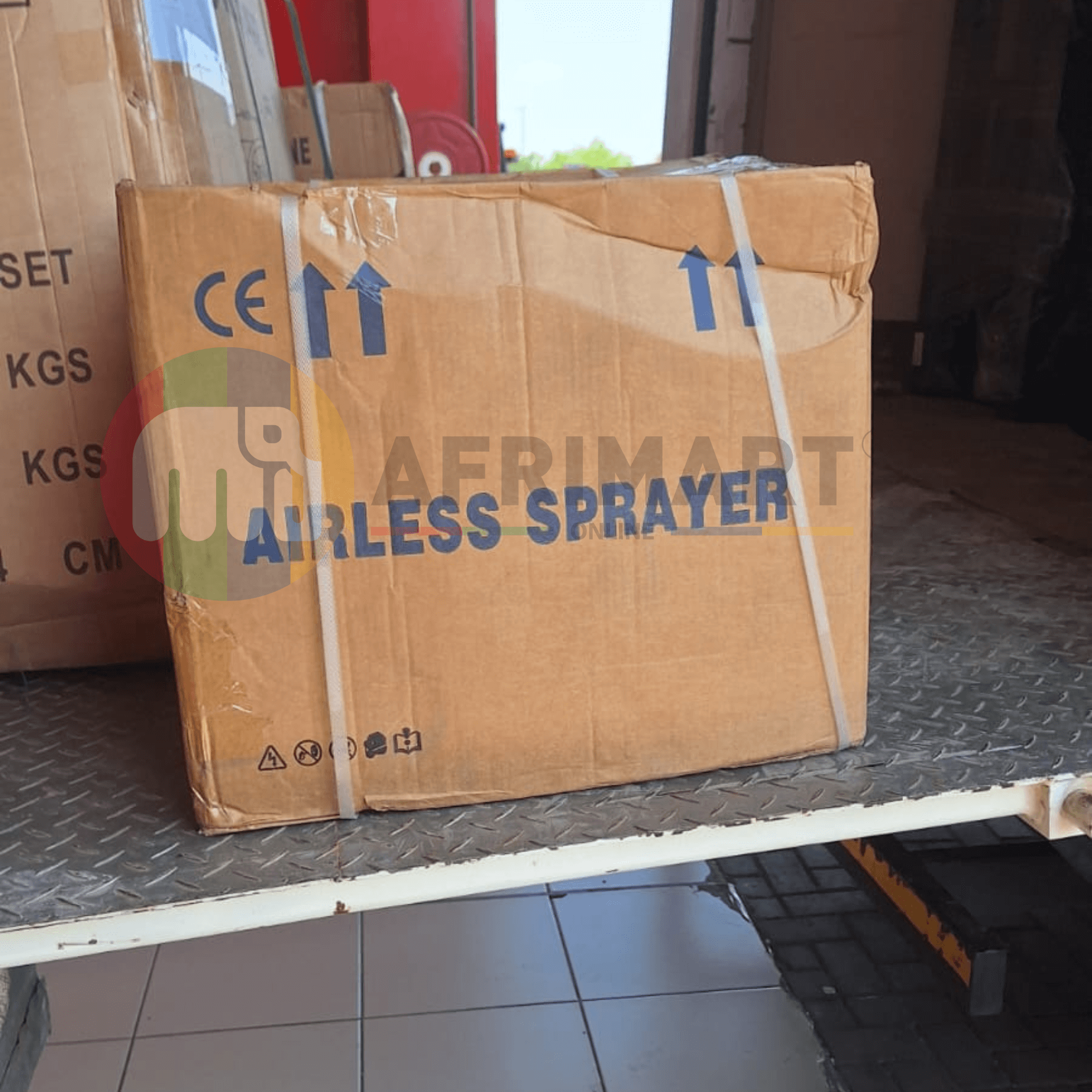
Latest Arrivals
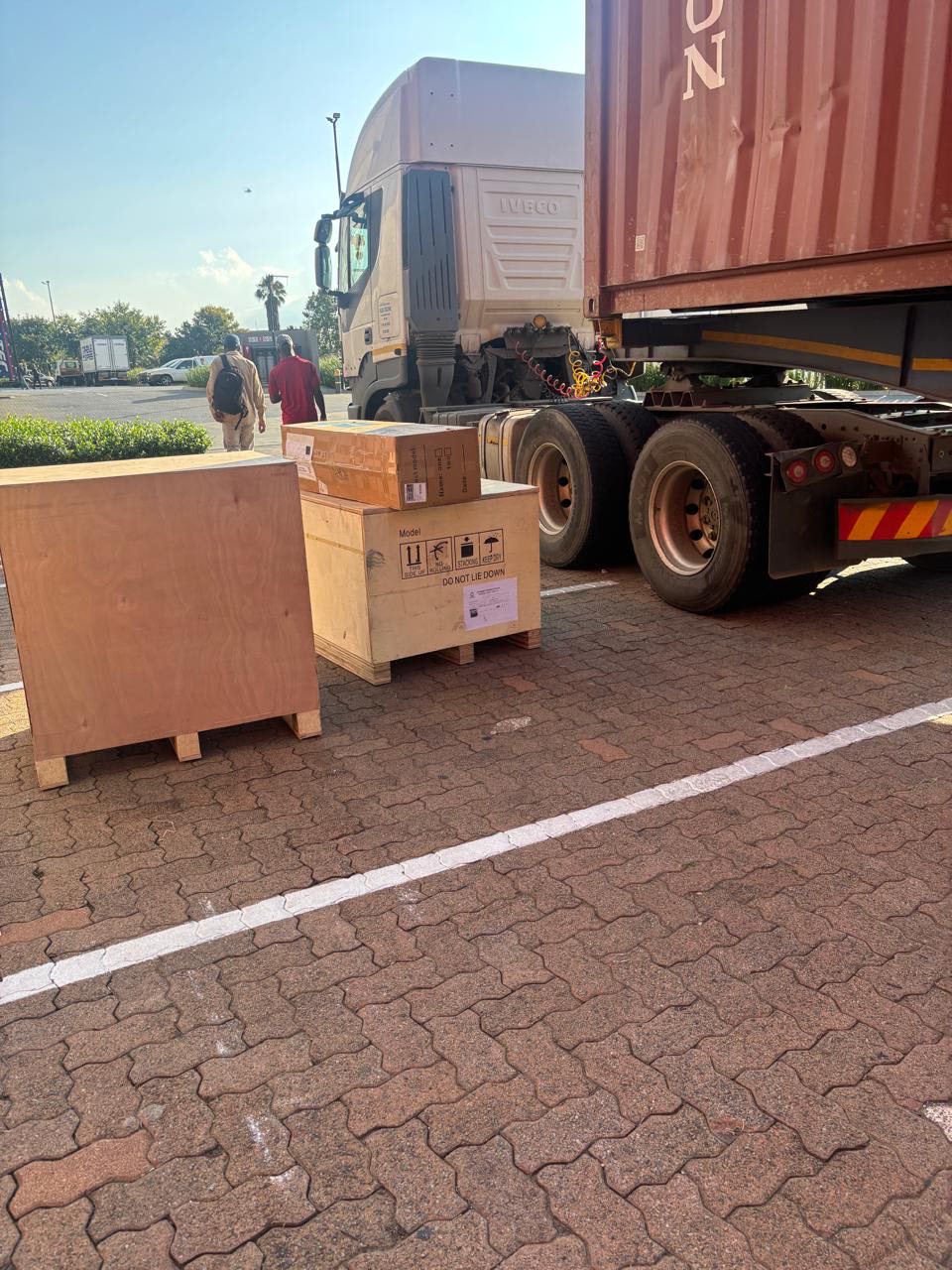
26 January 2026
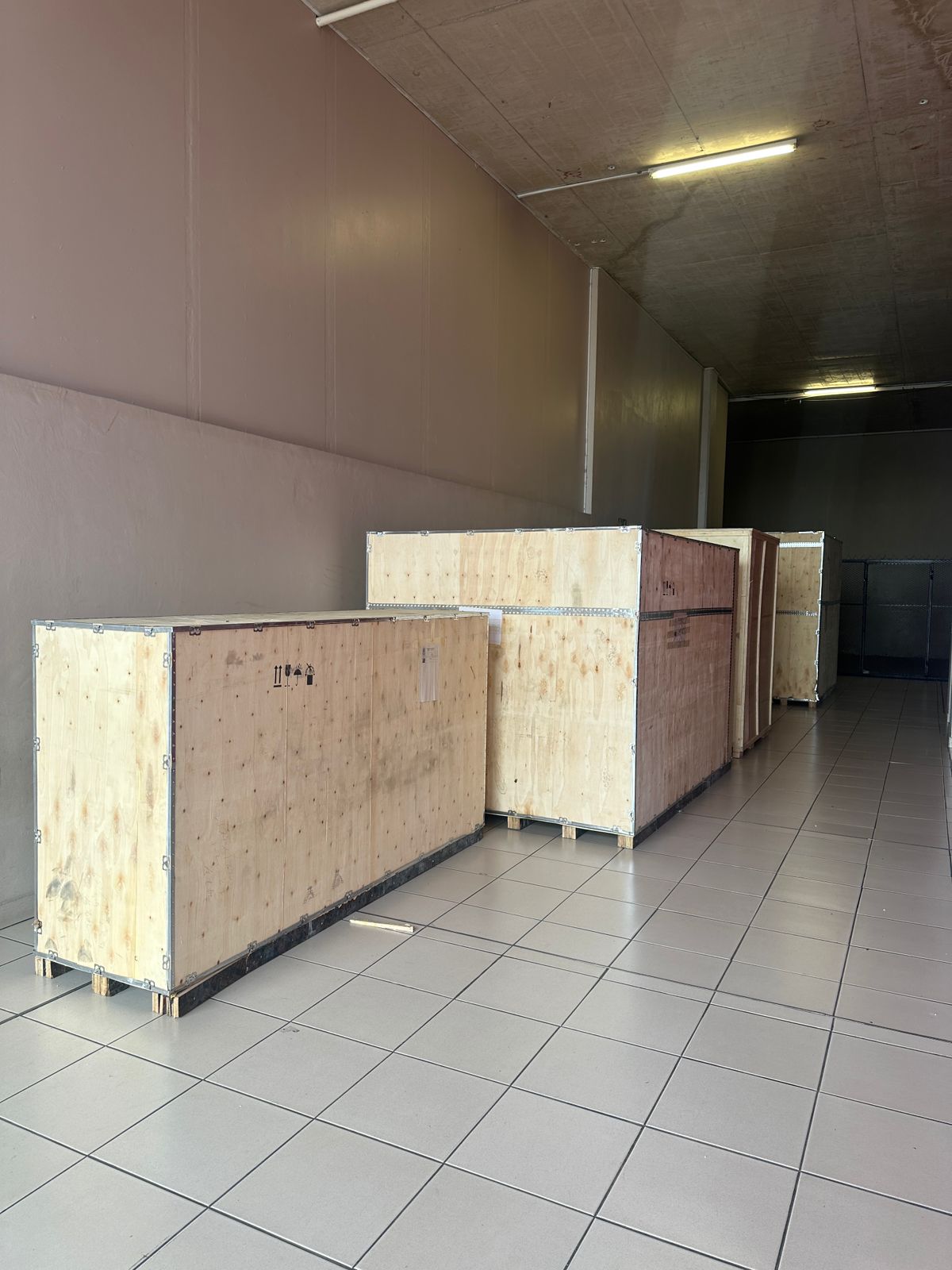
Toilet paper making machine
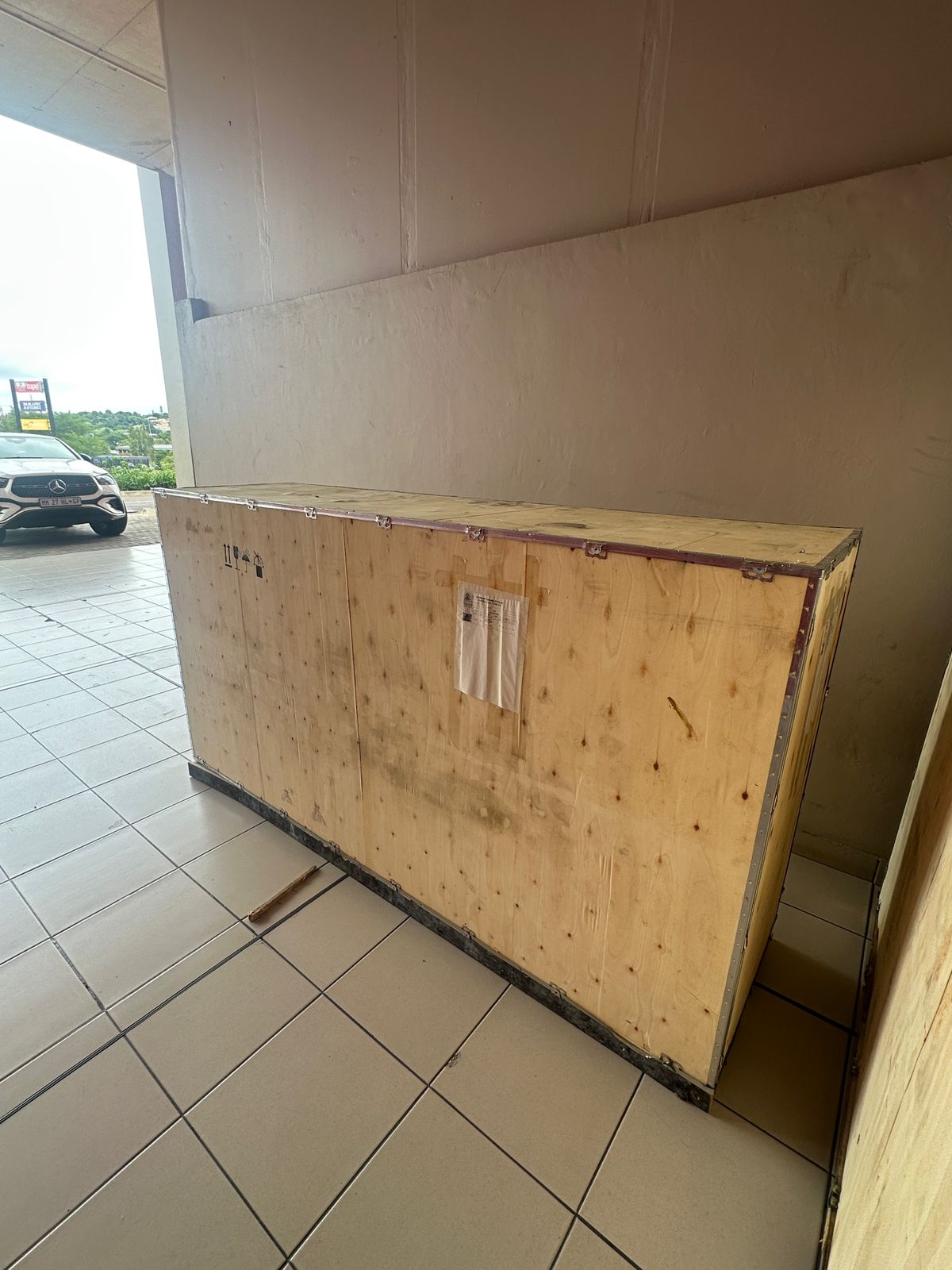
Toilet paper making machine
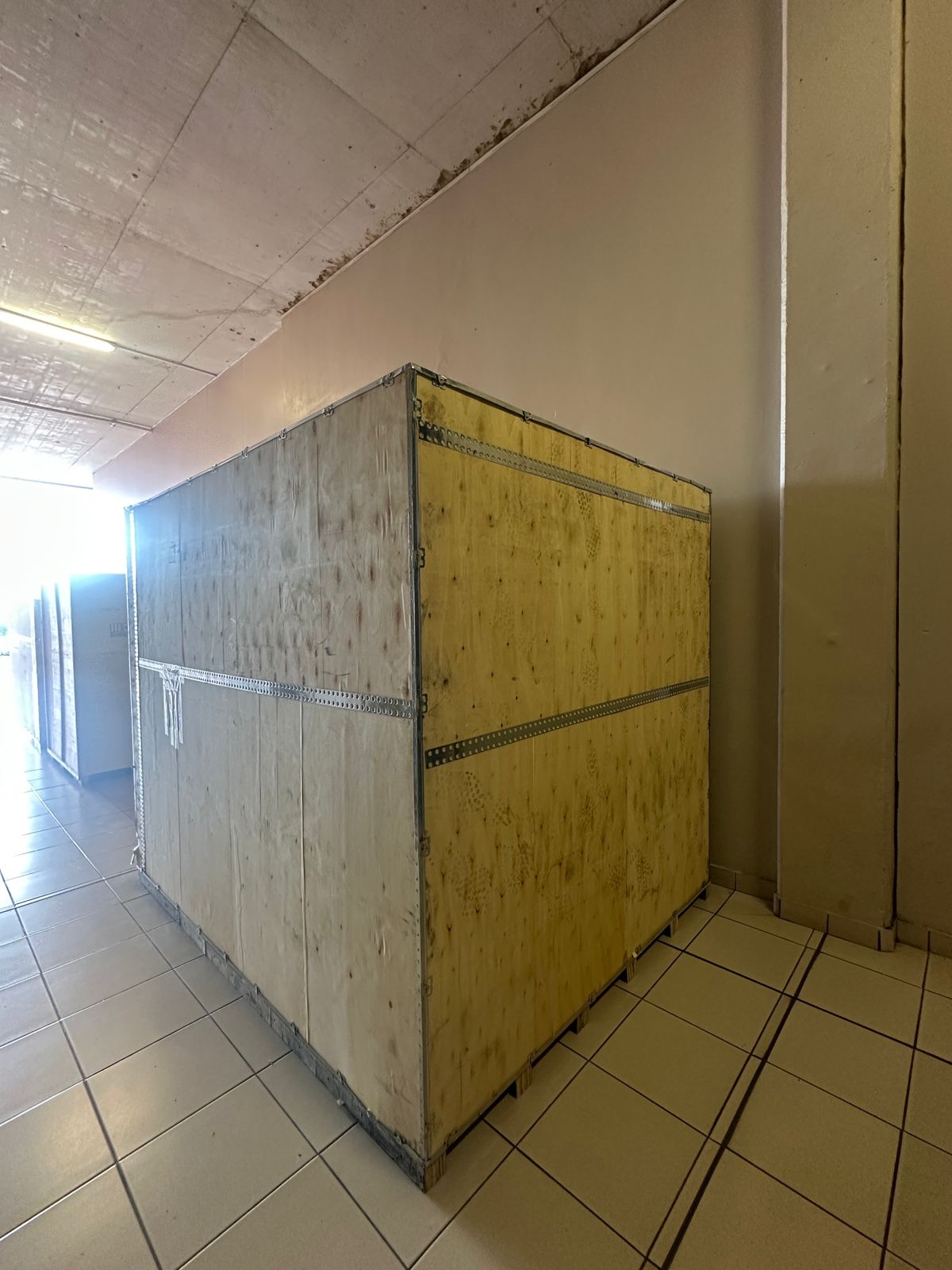
Toilet paper Rewinding Machine
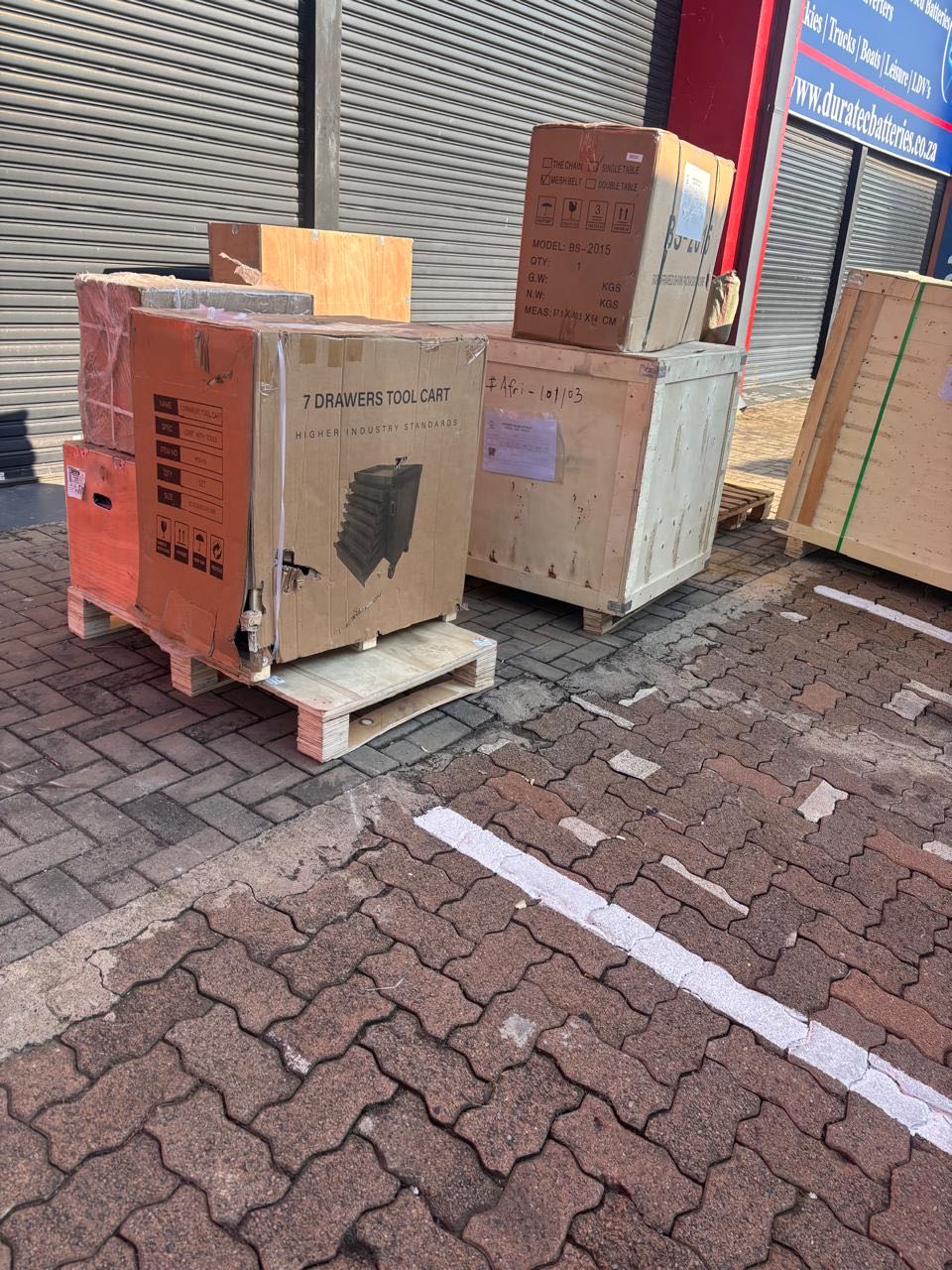
latest arrivals
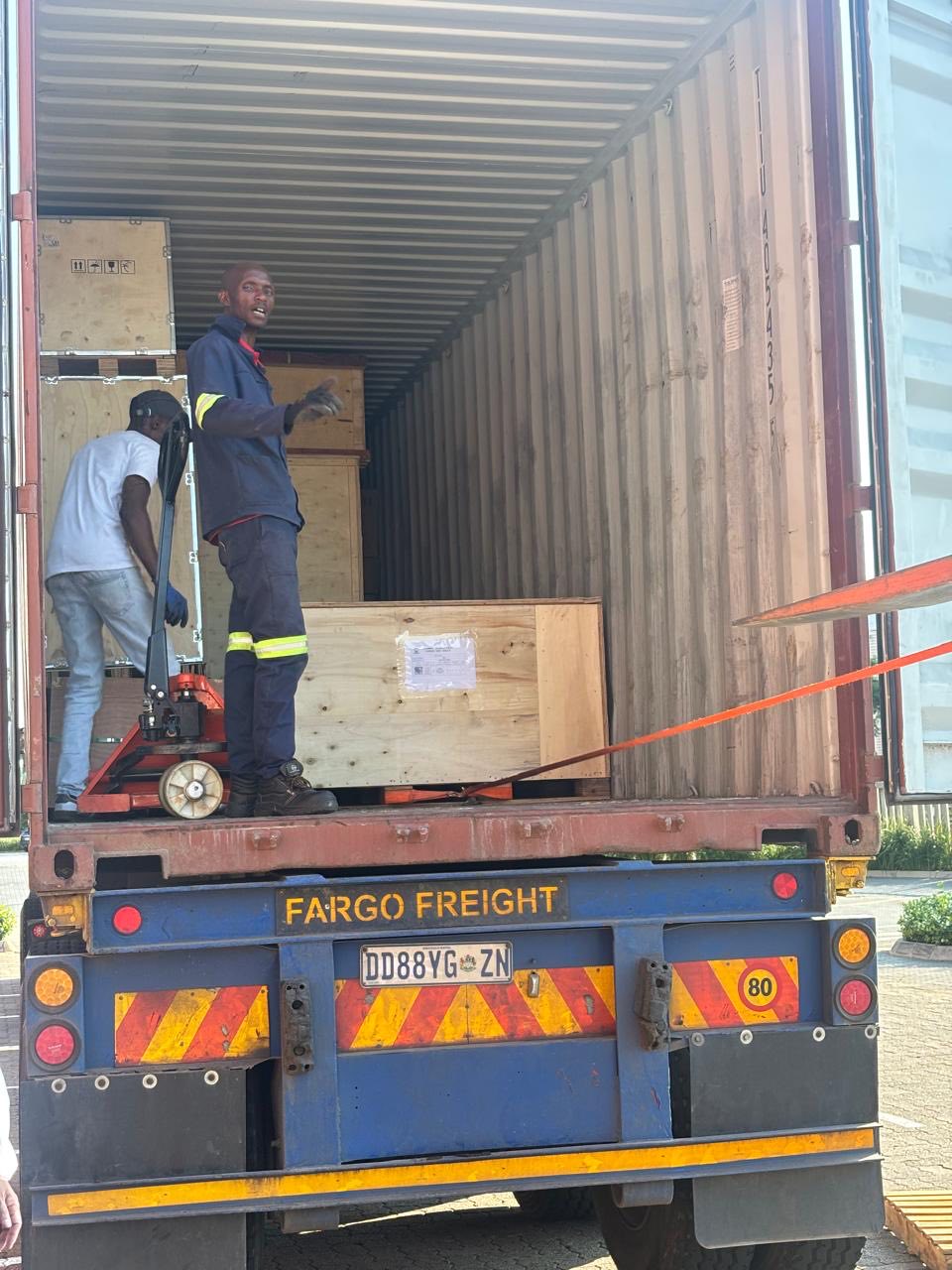
offloading
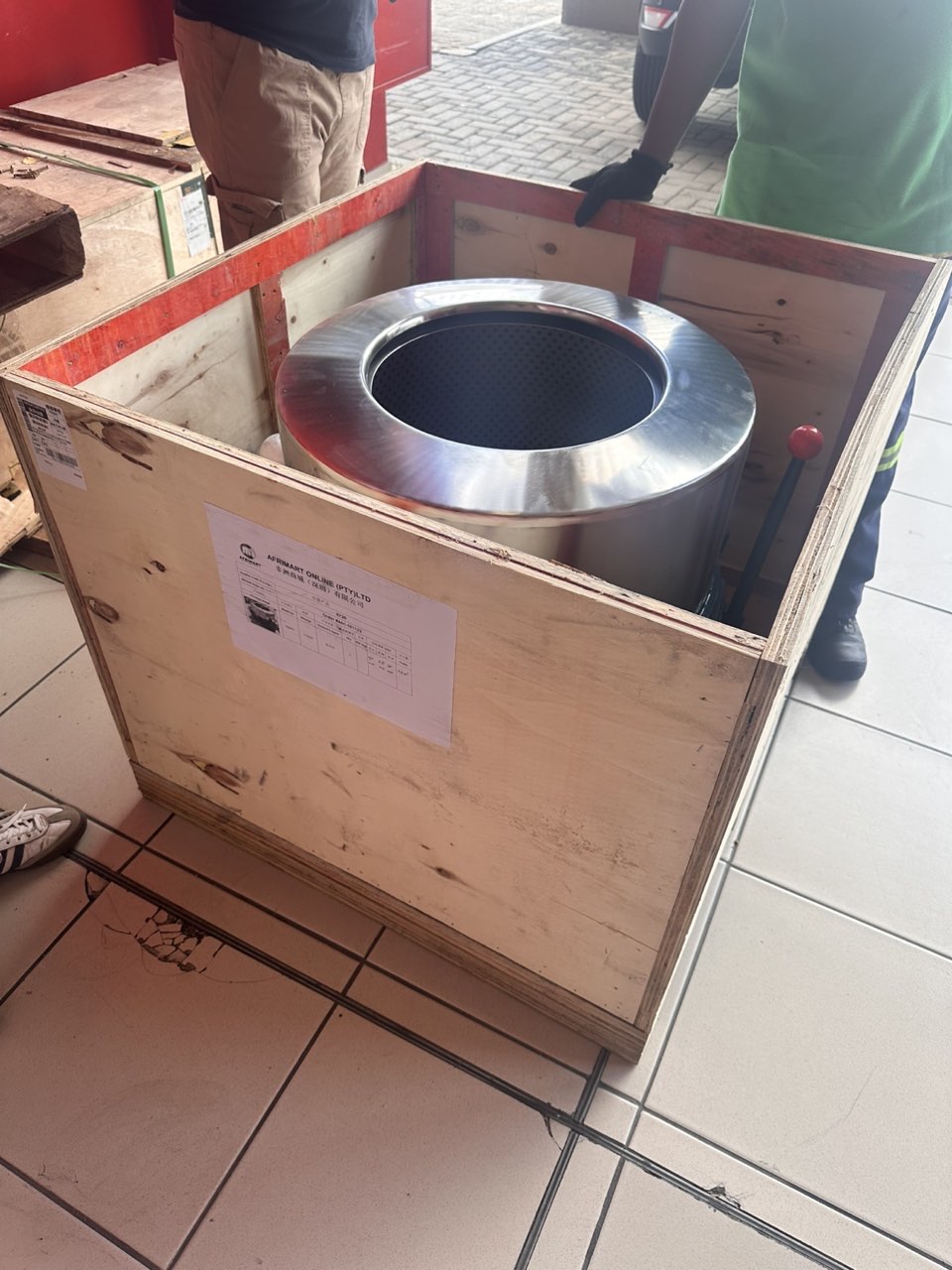
order success
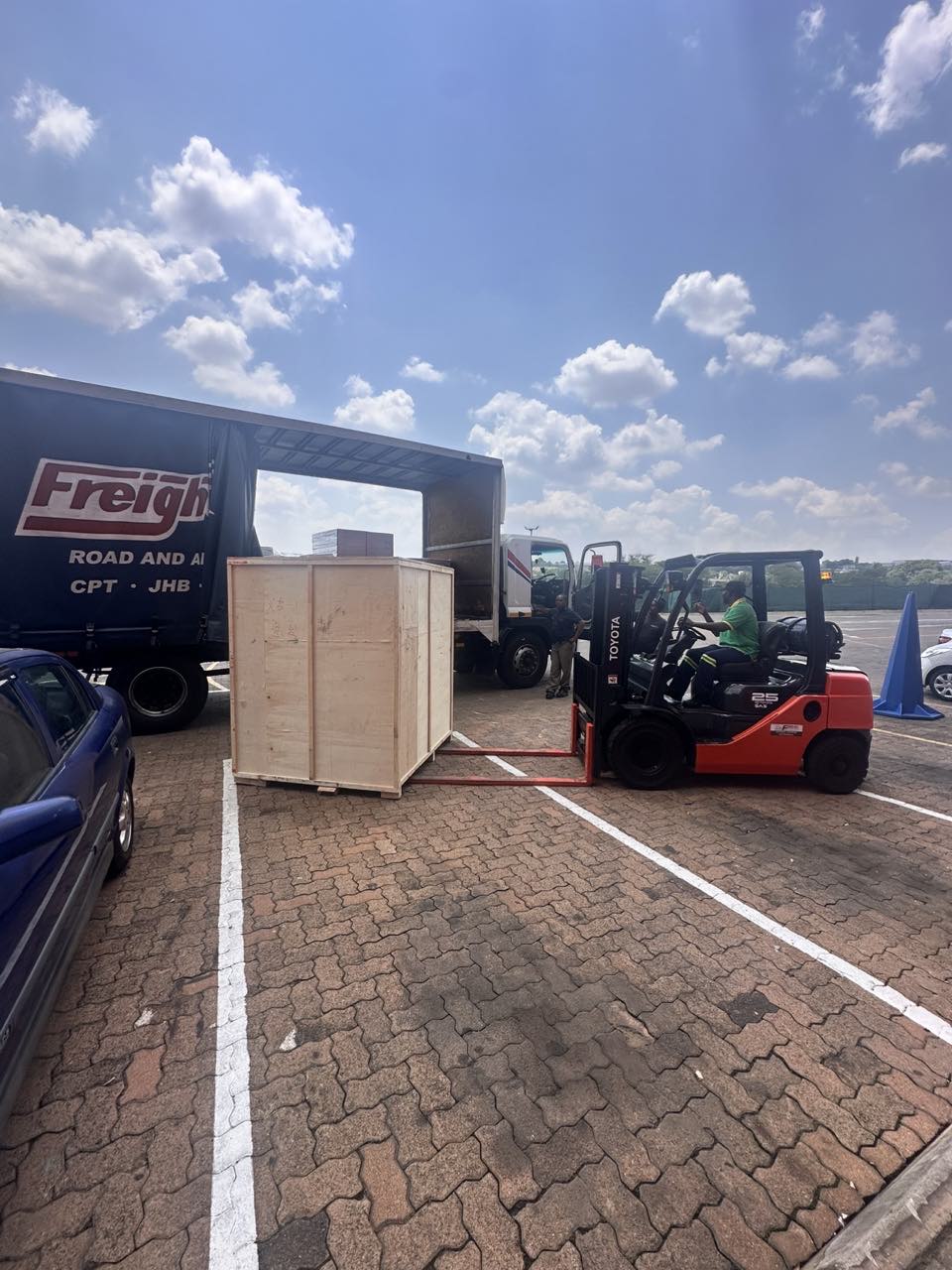
order collection
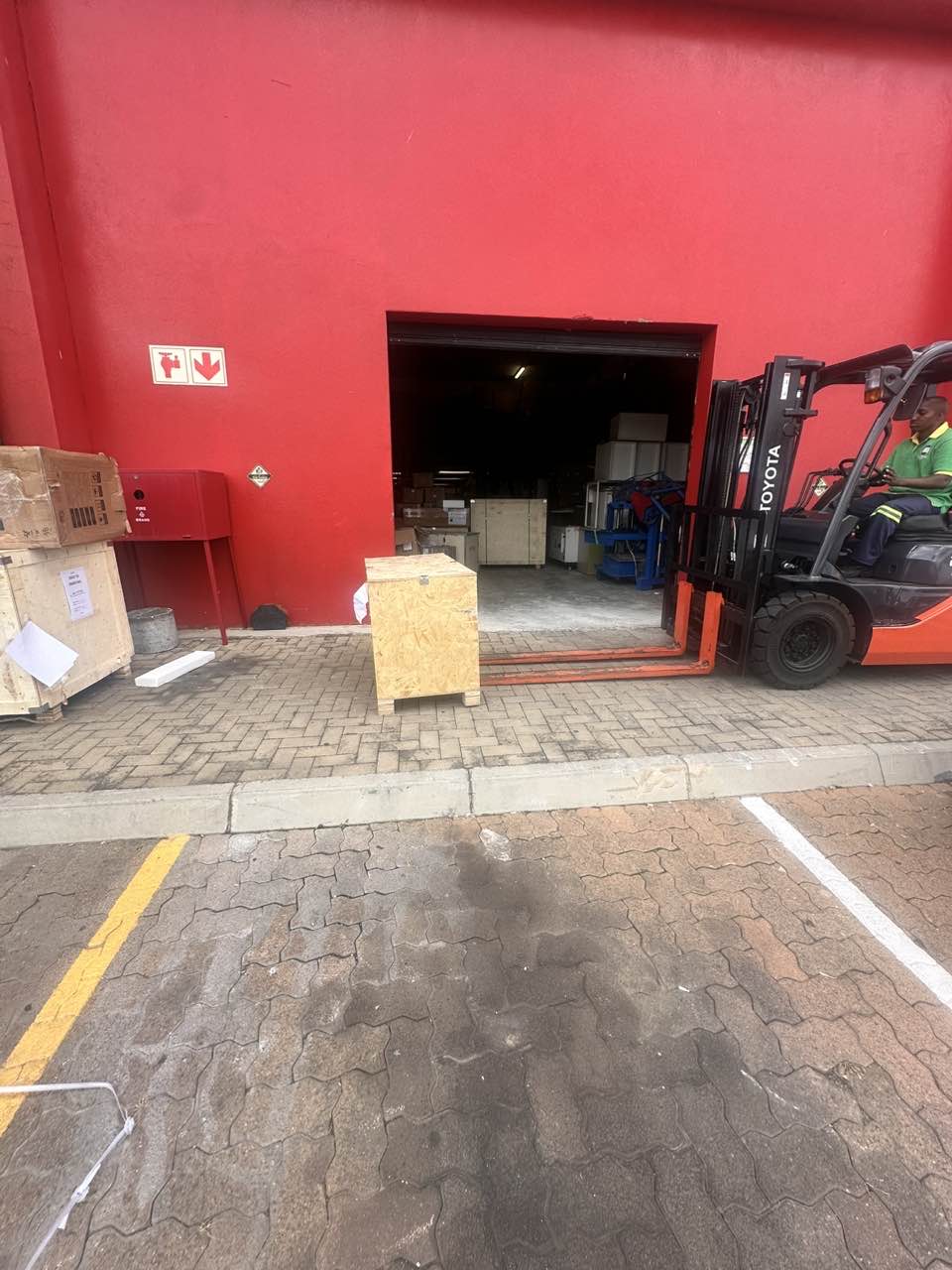
order offloading