B21, China Town Mall, Midrand

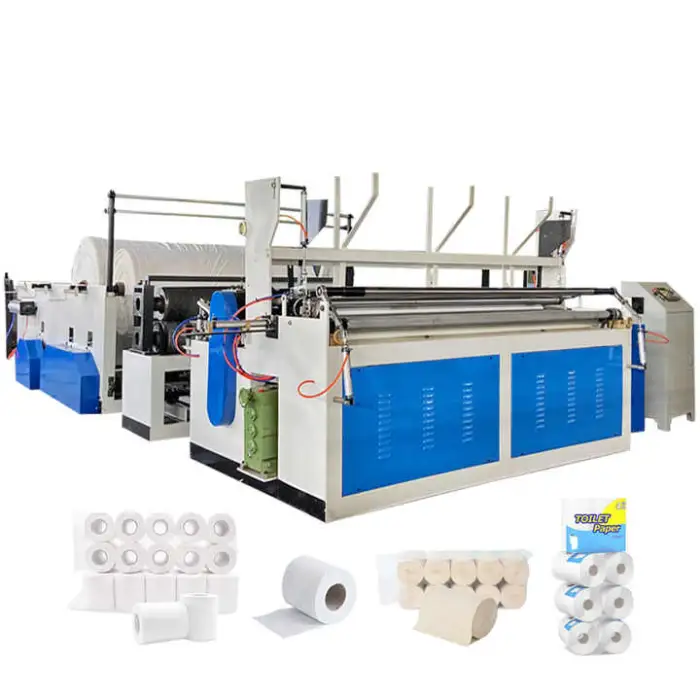
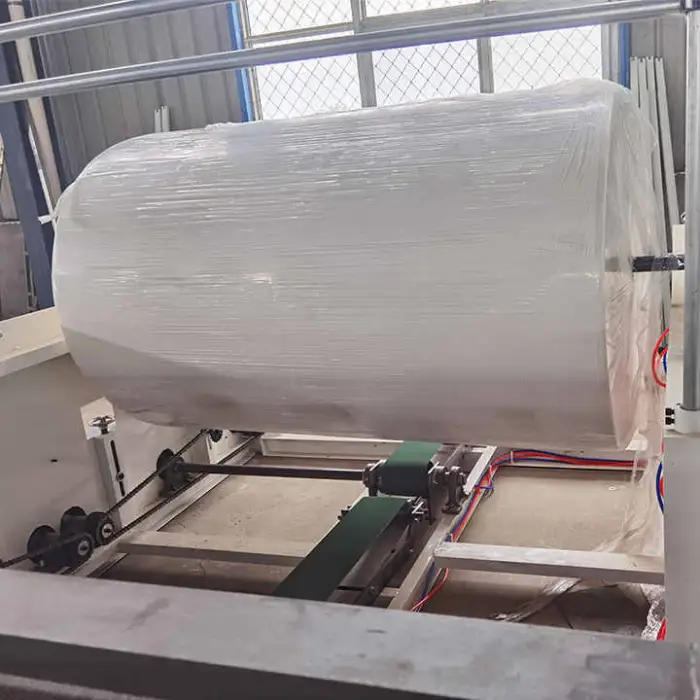
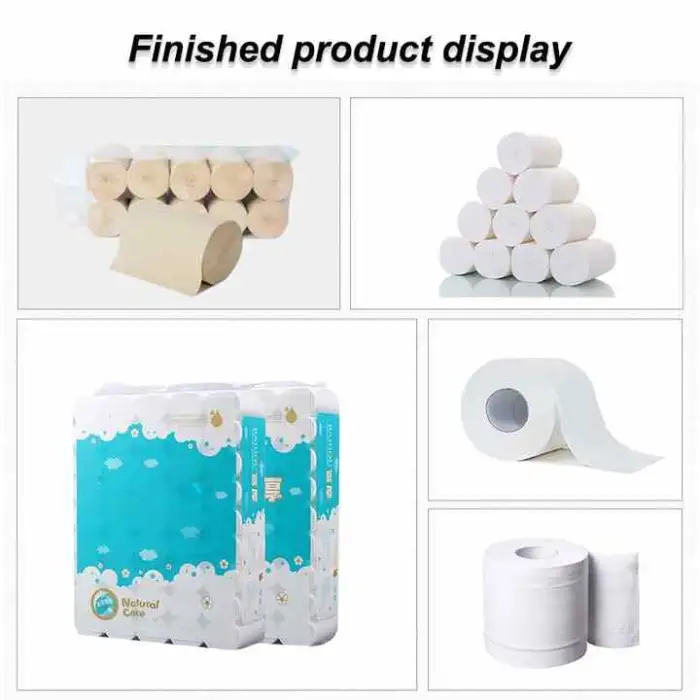
Small Machines Home Business Toilet Paper Making Machine
Asset finance available
Do you want funding for this equipment?
Afrimart can connect you with trusted funding partners who specialise in asset finance for businesses like yours. Compare options and apply in minutes — final approval is subject to provider review.
Check funding options
Secure & no obligation

- Section : Machinery
- Category : Paper Production Machinery
- SKU : 1601269669446

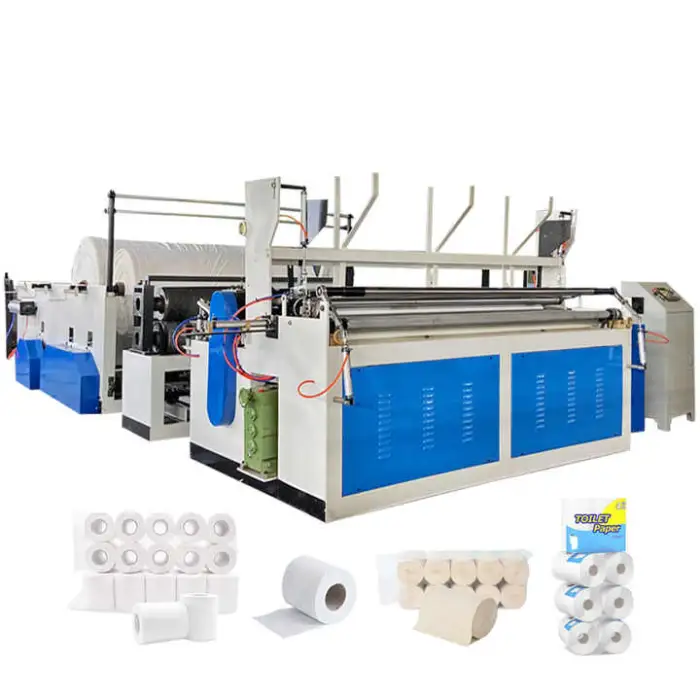
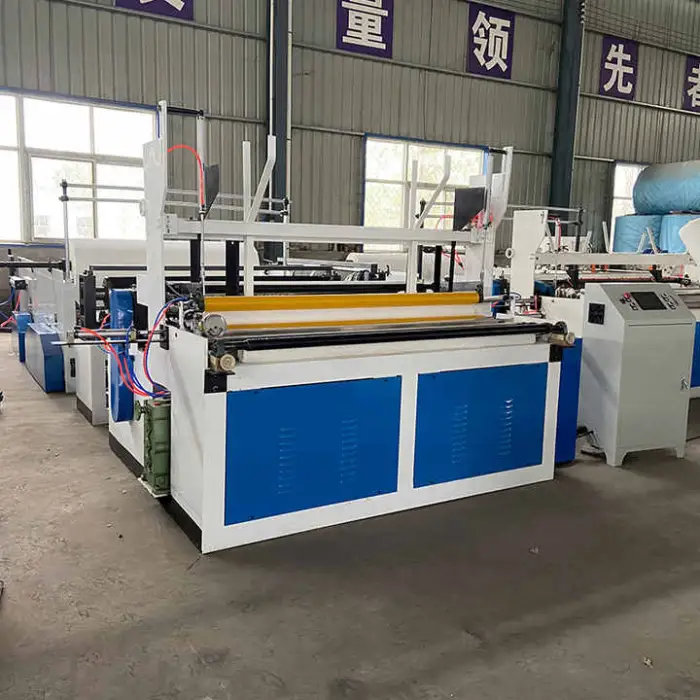
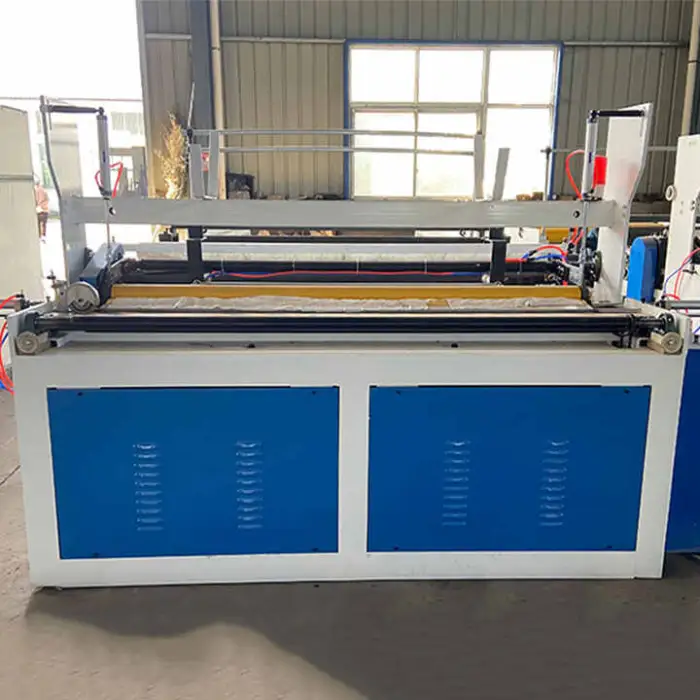
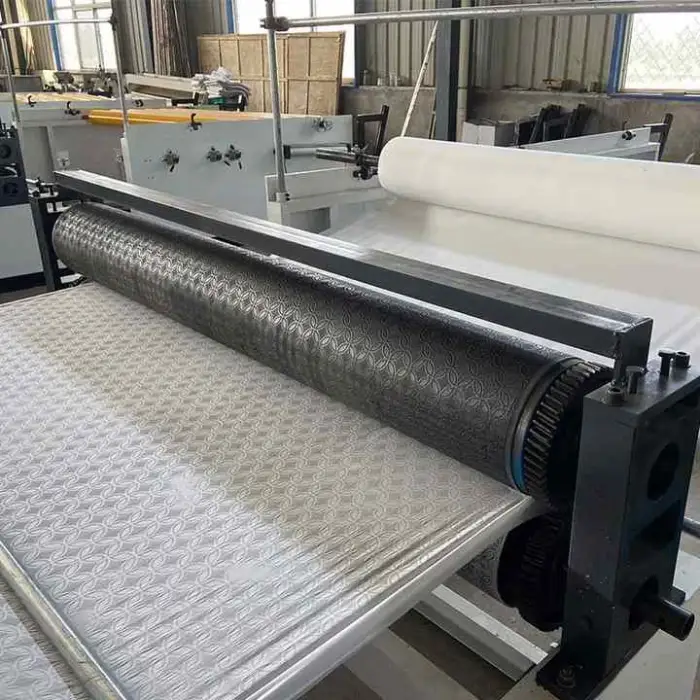
Small Machines Home Business Toilet Paper Making Machine
The Small Machines Home Business Toilet Paper Making Machine is designed for those who want to start a toilet paper production business from home. This machine is easy to use, efficient, and helps you create high-quality toilet tissue rolls quickly. With a production capacity of 2-4 tons per day, you can meet the demands of hotels and households alike.
Specifications
| Attribute | Details |
|---|---|
| Product Type | Toilet Tissue Paper Roll Rewinding Machine |
| Production Capacity | 80-200m/min |
| Power | 5.5KW |
| Dimensions (L*W*H) | 5500*2500*1750mm |
| Speed | 80-200m/min |
| Finished Products | Toilet Tissue Paper Roll |
| Service Provided | Video Support |
| Weight | 2900.000 KG |
Key Features
- Full automatic toilet paper making machine
- High production speed of 80-200m/min
- Efficient processing with PLC control
- Includes video outgoing inspection and machinery test report
- Compact dimensions for easy placement in small spaces
Applications
- Perfect for home businesses
- Ideal for hotels and hospitality industries
- Can be used for personal home needs
- Suitable for small to medium scale production
Product Info Gallery
- Shipping Timeframes: All orders are processed within 2-5 business days (excluding weekends and holidays). After your order has been processed, the estimated delivery time is before 03 Aug, 2026, depending on customs, Please note that due to high demand, some items may experience longer shipping times, which will be communicated at order confirmation email.
- Order Processing Time: Please allow 2-5 business days for us to process your order before it is shipped . Orders placed after 16:00 on Fridays, or during weekends and public holidays, will begin processing on the next business day. Processing times may be extended during peak seasons or sales events.
- Manufacturing Time: Some products needs manufacturing time, the manufacturing process will take approximately 10-30 business days depending on the product. This timeframe may vary depending on the complexity of the product and current demand. but this will be communicated with you during order confirmation.
- Returns and Exchanges: We offer a 30-day return policy for most items. If you are not completely satisfied with your purchase, you may return it within 30 days of receipt for a refund or exchange. Items must be unused, in their original packaging, and accompanied by proof of purchase. Return shipping costs are the responsibility of the customer, unless the item was damaged or defective upon arrival.
1. What is the daily production capacity of the Small Machines Home Business Toilet Paper Making Machine?
The machine is advertised to support small-business output of about 2–4 tons per day. Actual daily output depends on paper basis weight, finished roll size, shift length and operator efficiency.
2. What are the machine's operating speed and how does that translate to finished rolls?
The web speed is 80–200 m/min. The number of finished rolls per minute depends on the length and diameter of each roll and paper thickness; for an accurate rolls-per-hour estimate, provide the target roll dimensions and paper GSM.
3. What power and utilities does the machine require?
The machine's rated power is 5.5 kW. You should confirm the required voltage and phase (e.g., single- or three-phase) with the supplier so the electrical supply at your site matches the machine's specifications.
4. What are the machine dimensions and floor space requirements?
Machine dimensions are 5500 mm (L) × 2500 mm (W) × 1750 mm (H). Allow additional working space around the machine for material handling, maintenance and operator access.
5. How heavy is the machine and do I need special foundations or handling equipment?
Net weight is 2,900 kg. A stable level floor is recommended; depending on site layout you may need a forklift or crane for delivery and placement. No special concrete foundation is typically required for small installations, but confirm with the supplier.
6. What finished products does it produce?
It produces toilet tissue paper rolls (rewound rolls). Finished roll size options depend on your tooling and slitting settings—discuss desired roll diameters and core sizes with the supplier.
7. What raw materials are needed?
The machine converts parent jumbo tissue rolls (mother rolls). Compatible paper grades typically include 1-ply and 2-ply toilet tissue; confirm acceptable basis weights (GSM) and roll widths with the manufacturer.
8. Is the machine easy to operate for a home business?
Yes — it is described as a full-automatic machine with PLC control designed for ease of use. Typical small operations can run it with one or two trained operators. The supplier provides video support to help with training.
9. What training and after-sales support are provided?
Video support is provided, and the machine includes a machinery test report and video outgoing inspection. For on-site training, installation assistance, spare parts or warranty details, contact the seller to confirm available services.
10. Does the machine include quality and testing certification?
The product listing states it includes video outgoing inspection and a machinery test report. For specific certifications (CE, ISO, etc.), request documentation from the supplier.
11. How much maintenance does the machine require?
Routine maintenance includes cleaning paper dust, lubricating moving parts, checking blades and belts, and periodic inspection of rollers and electrical systems. Exact maintenance intervals and parts lists should be provided by the supplier.
12. Are spare parts readily available?
Spare parts are typically available from the manufacturer or dealer. Confirm lead times and recommended spare-part kits (knives, bearings, sensors) when ordering the machine.
13. What safety features does the machine have?
The machine is PLC-controlled which allows safety interlocks and emergency stops. For details on guards, emergency stop locations and electrical protections, request the machine’s safety specification from the supplier.
14. How do I get pricing, shipping and delivery information?
Pricing and delivery depend on configuration, optional features and your location. Contact the seller with your required production specs, desired roll sizes and delivery address to receive a formal quotation including lead time and shipping costs.
Latest Order Arrivals
Discover our latest orders
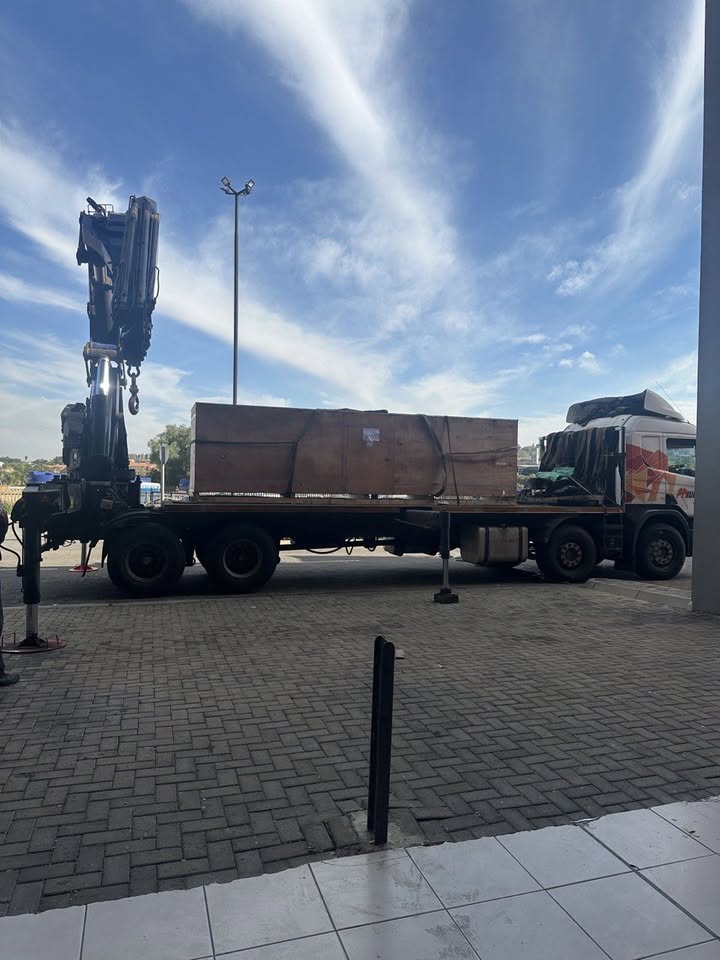
12 Heads Embroidery Machine
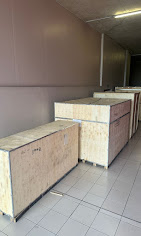
Toilet Paper Machine Machine
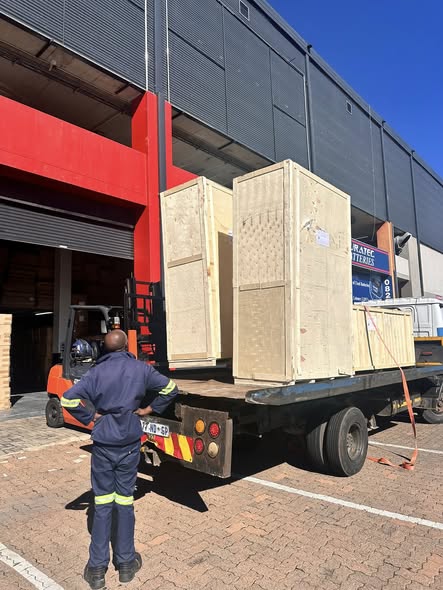
Order Collection
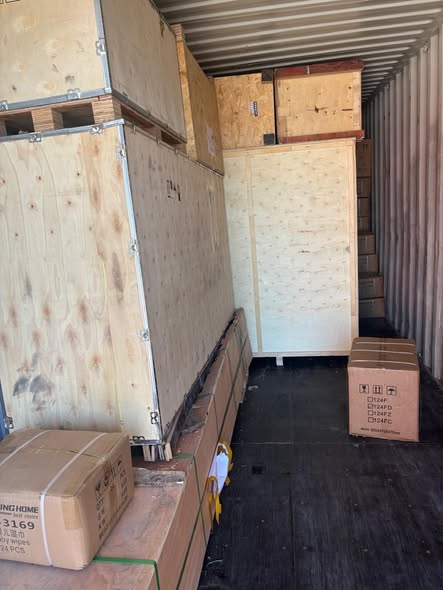
Cross Border Clients
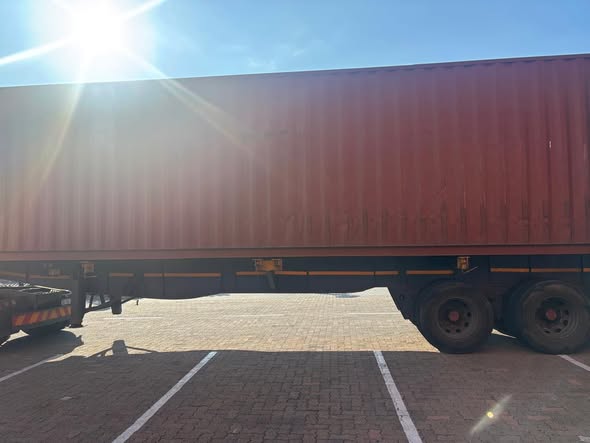
Order cros border countries Collected
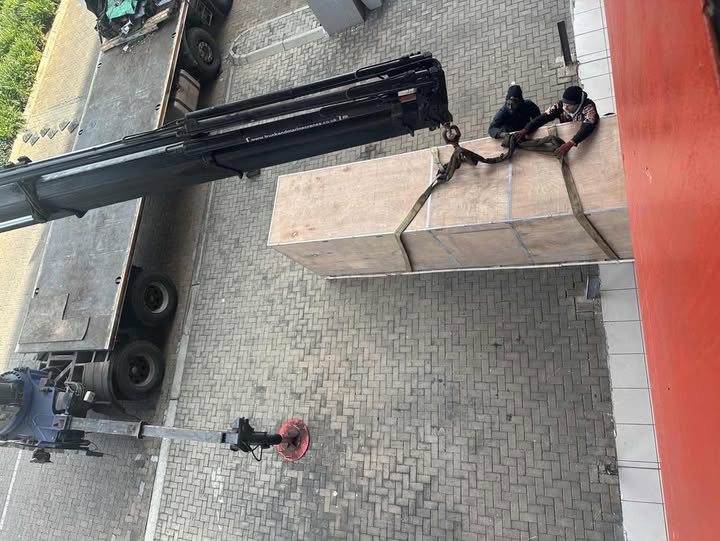
Industrial Machine Cllection
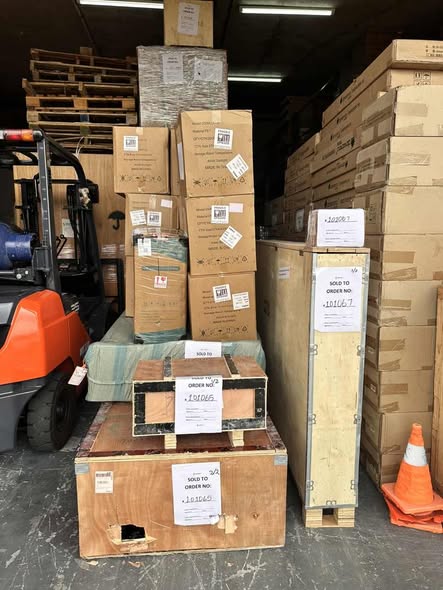
Agriculture Processing Machines
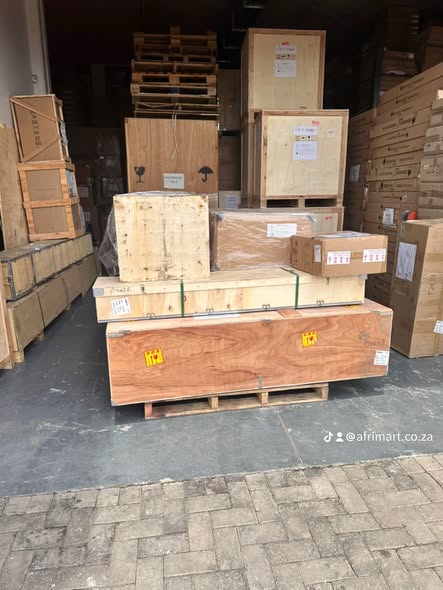
Ready for collection
Water Pump Equipment
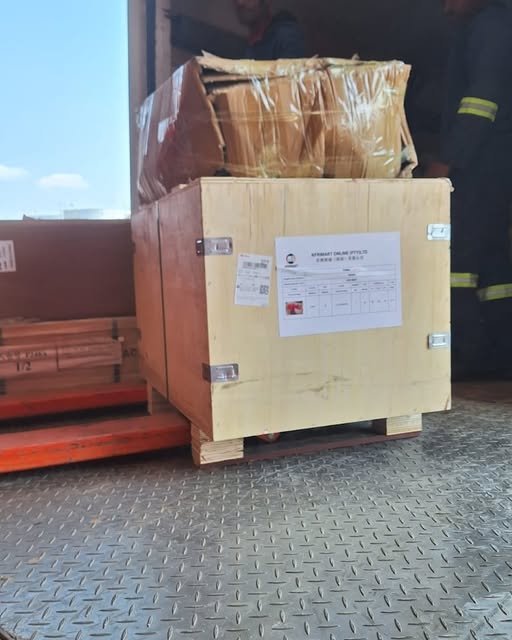
Packaging Machine and accessories
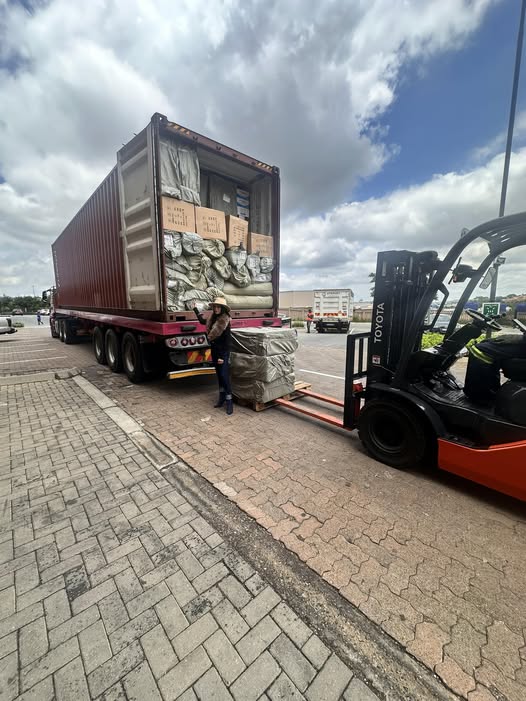
Fabrics Manufacturing Equipment
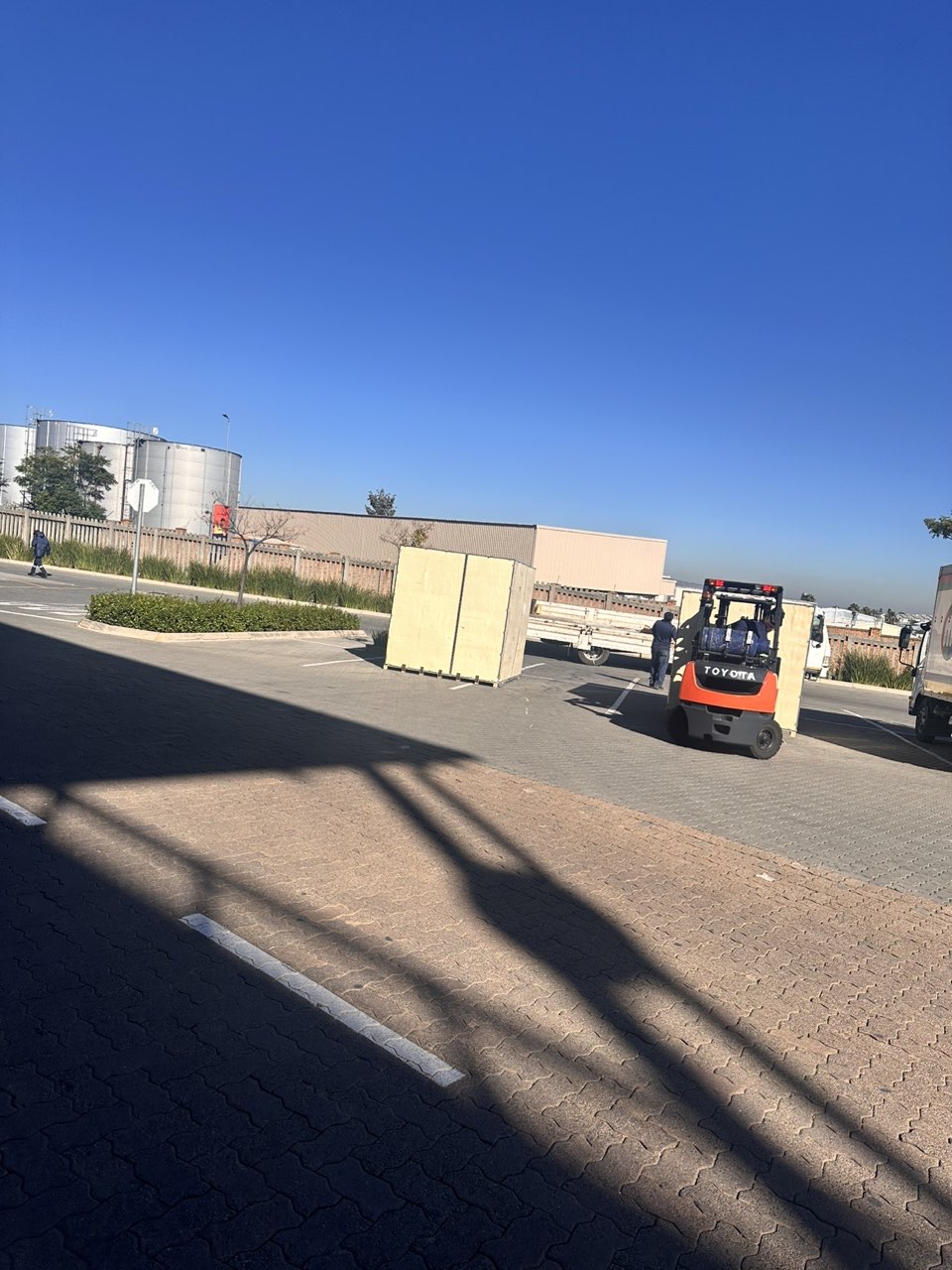
Mining Equipments
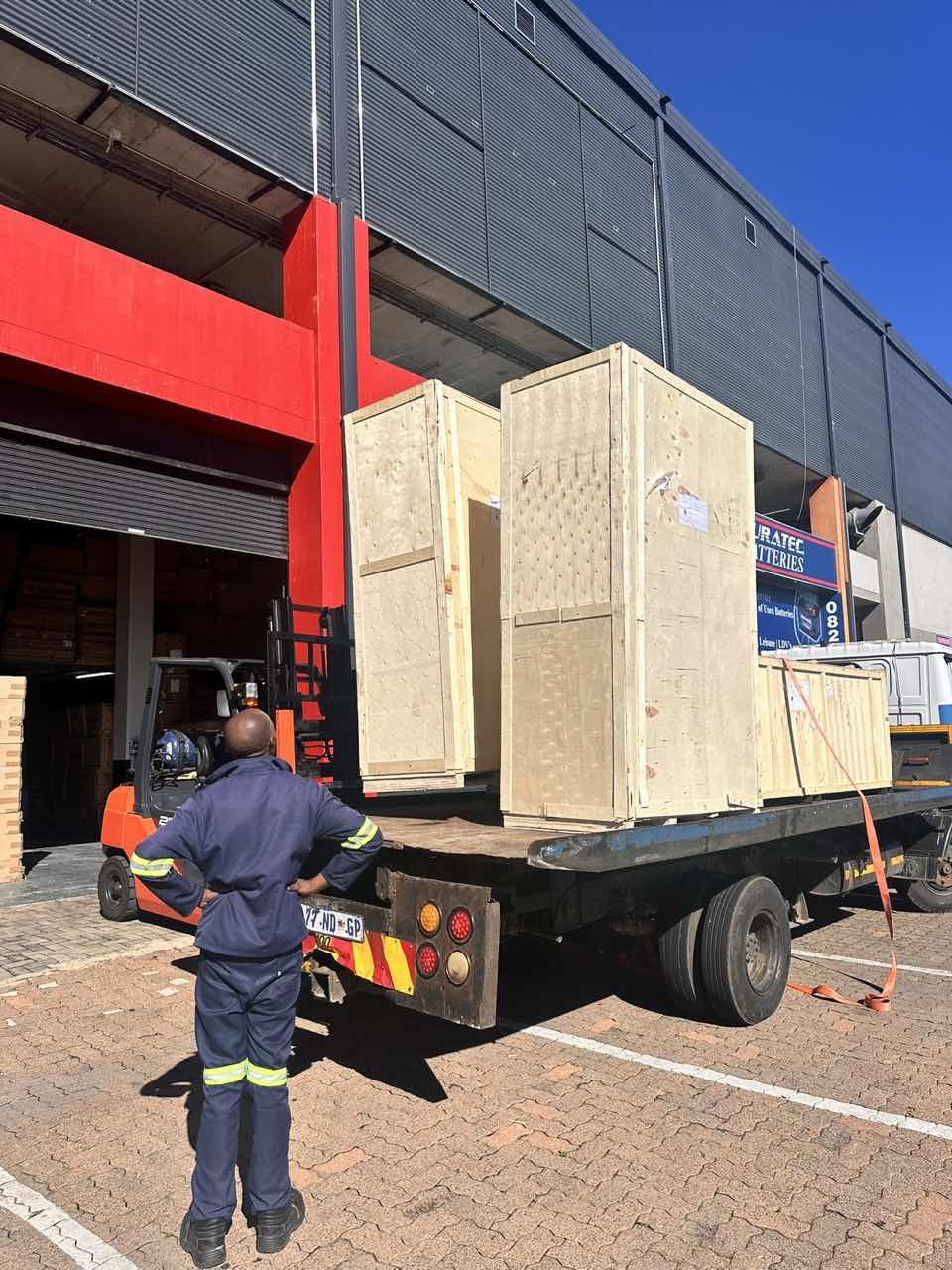
Food Processing Machine
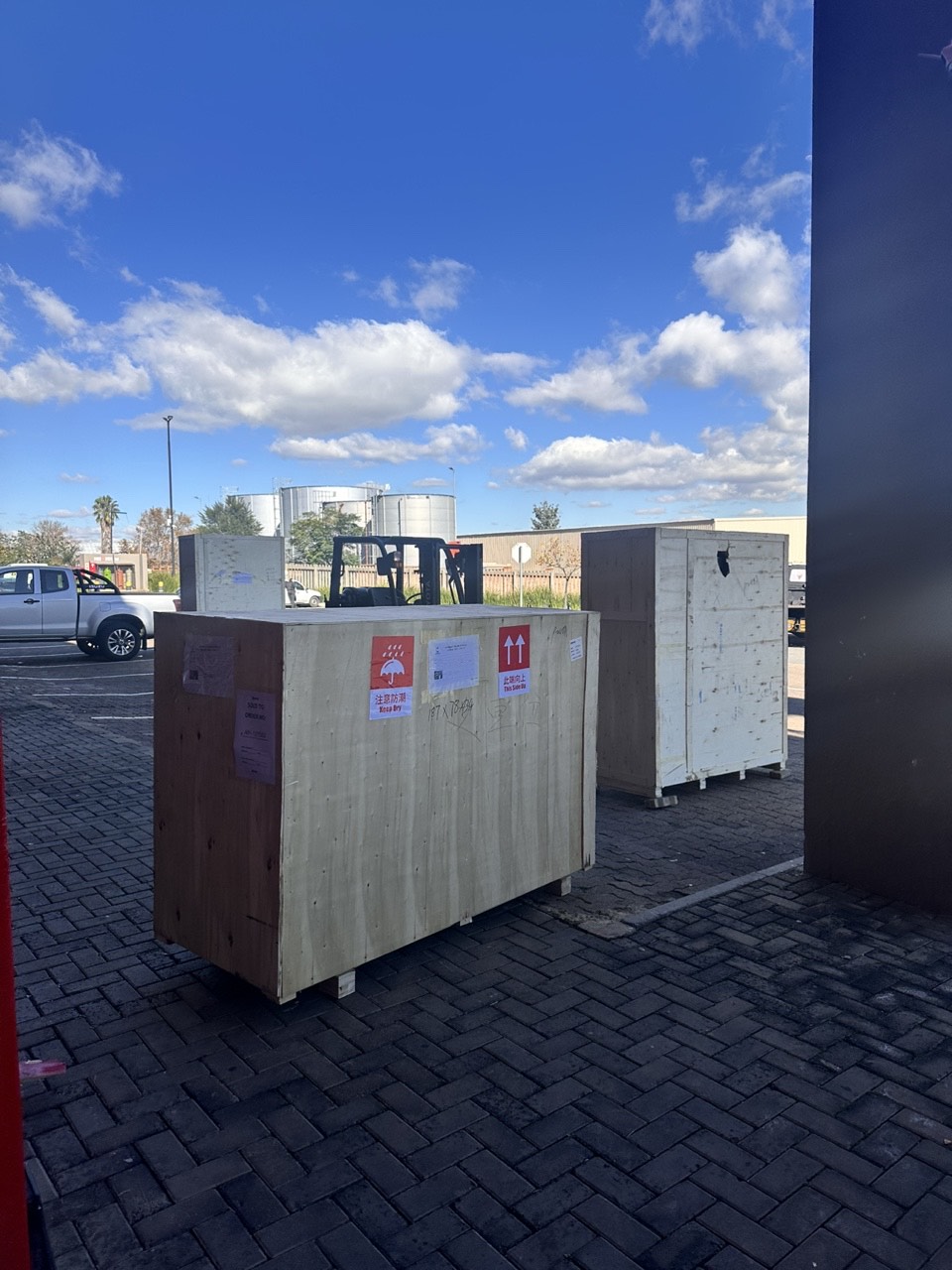
Batch of Orders
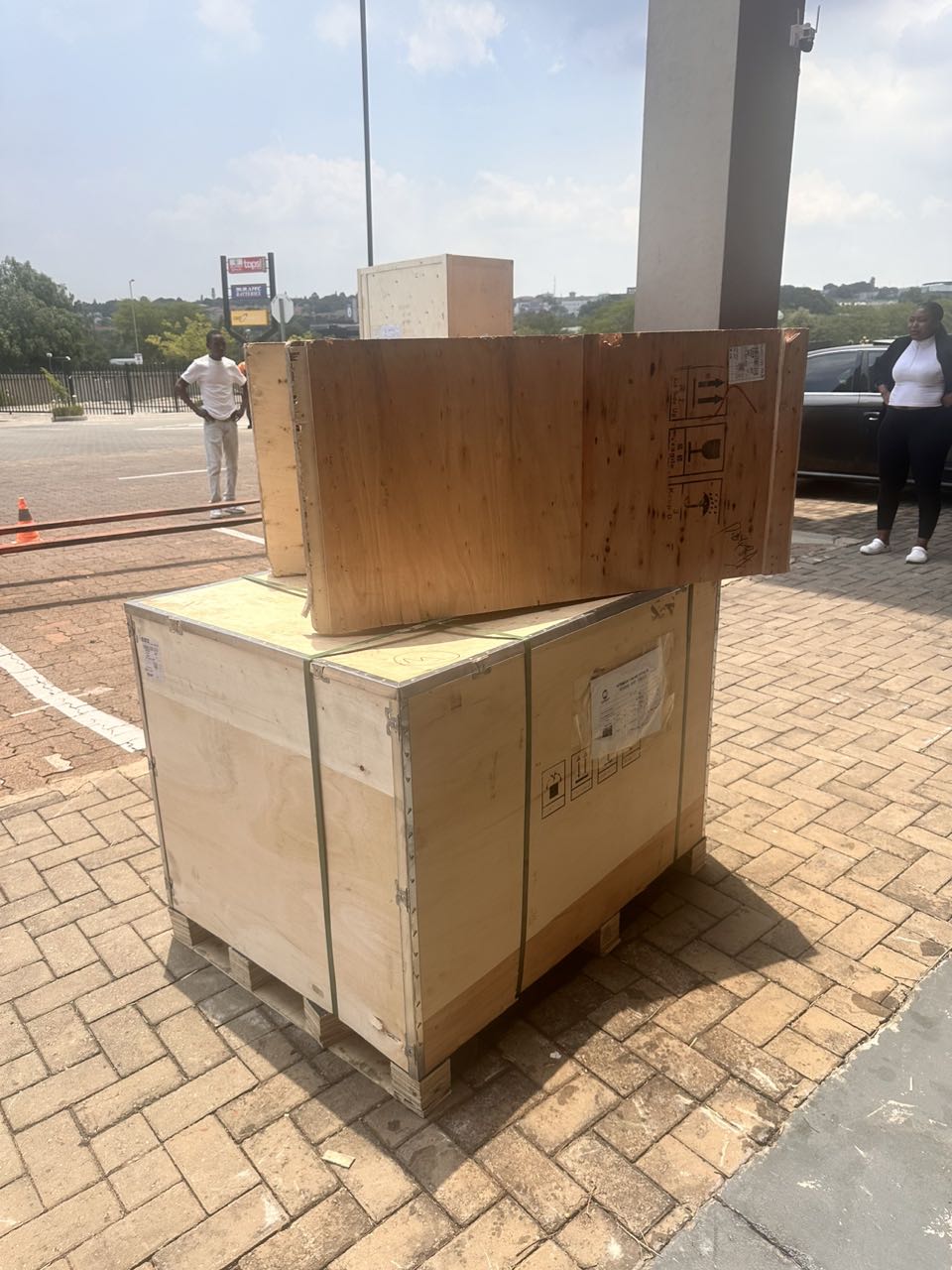
Batch of Orders
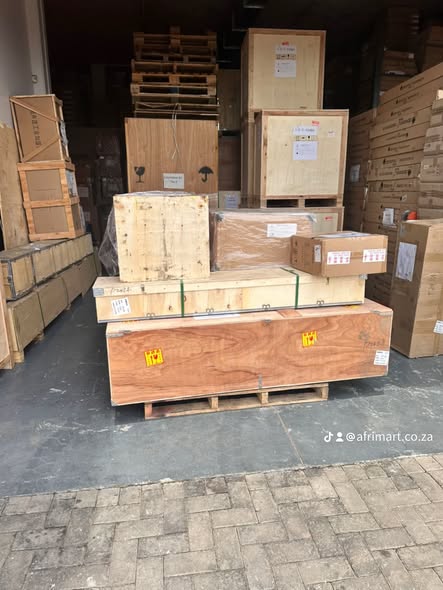
Latest Orders Labelled
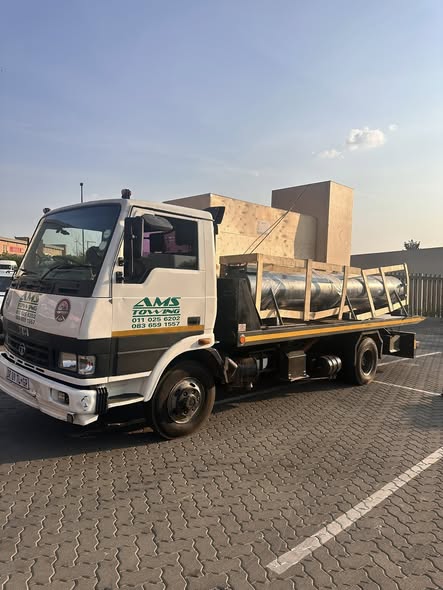
wheel alignment machines
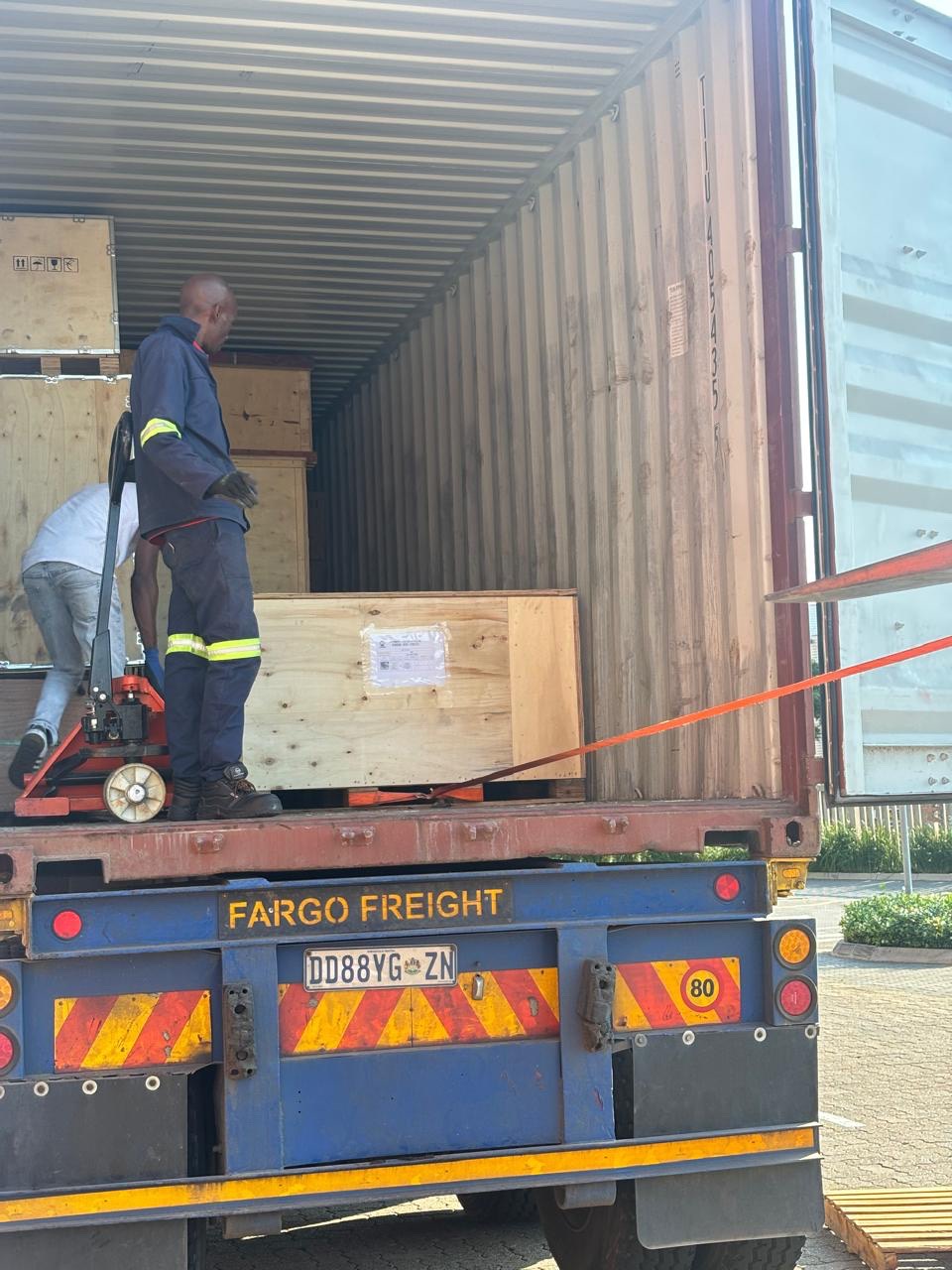
new arrivals
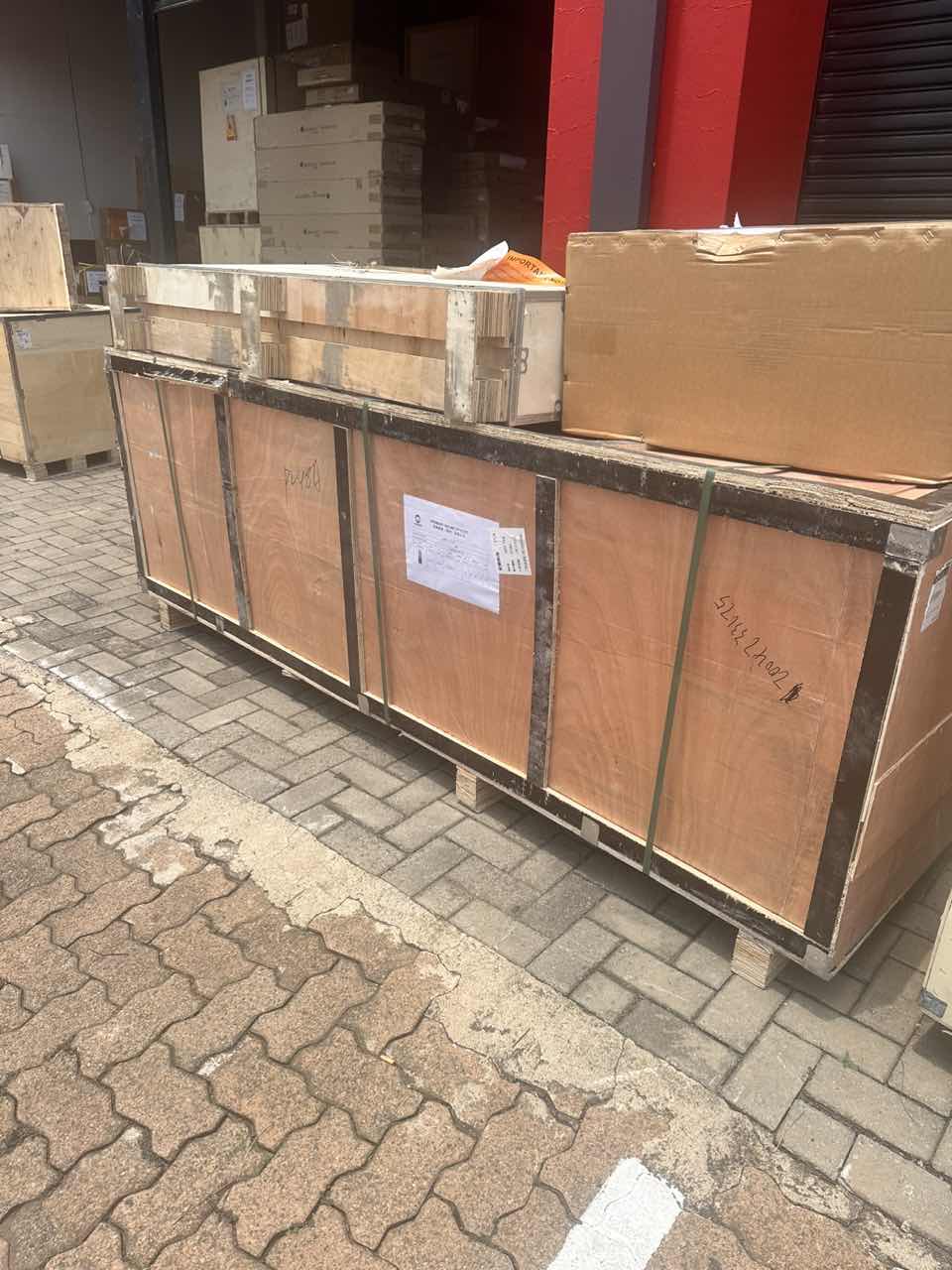
Pre Orders Offloading
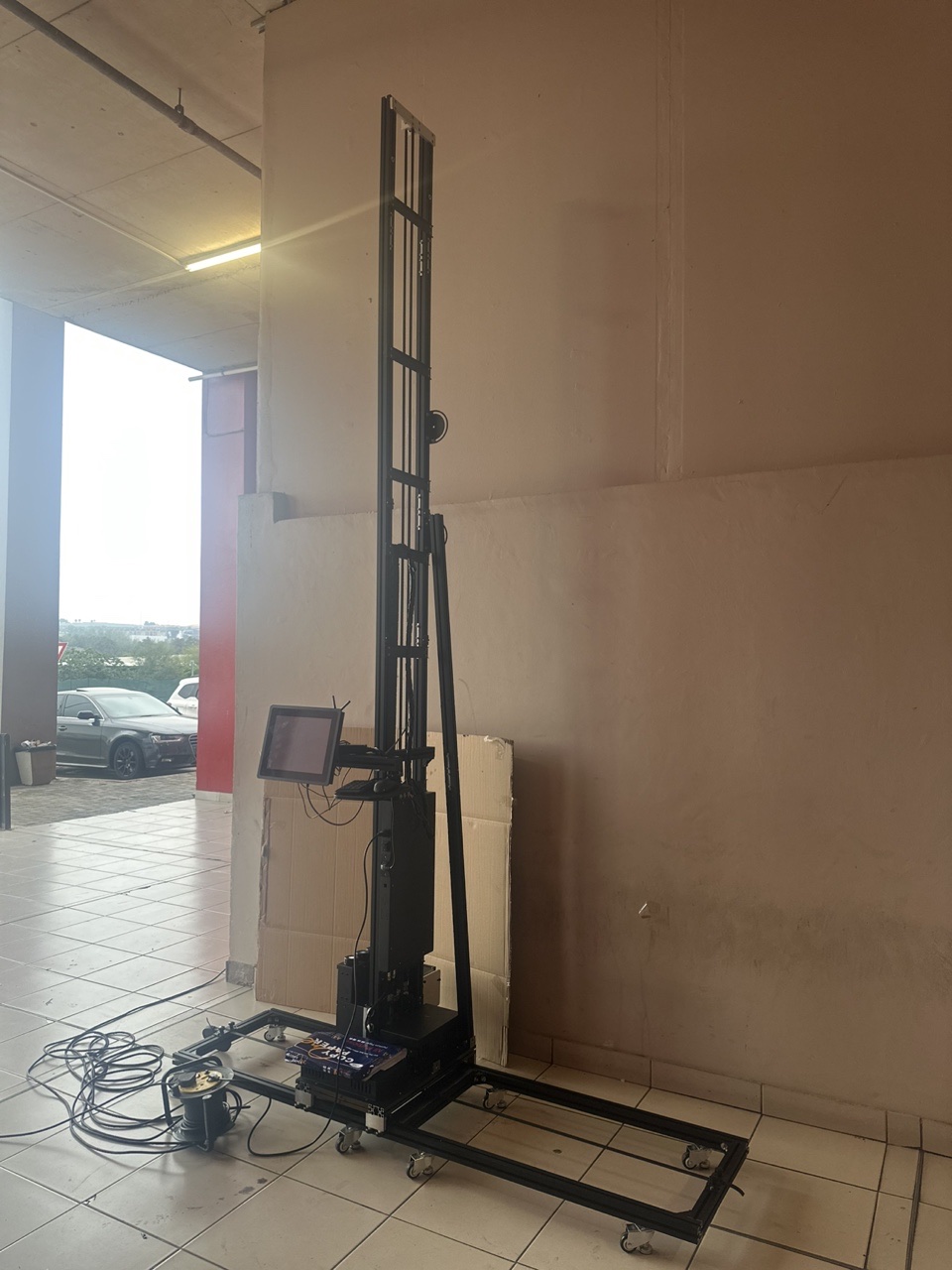
Latest Arrivals
Latest Arrivals
Latest Arrivals
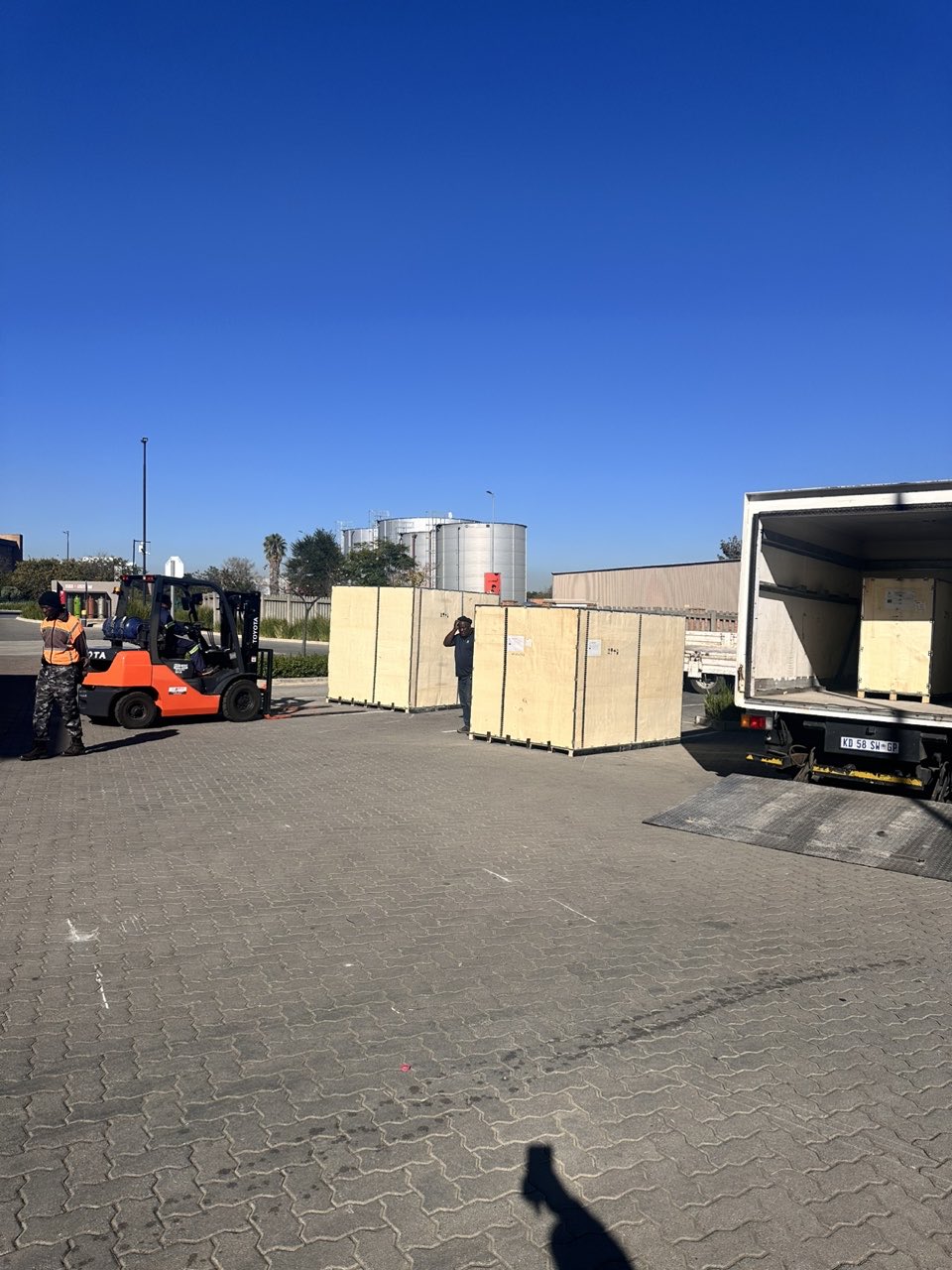
Loading
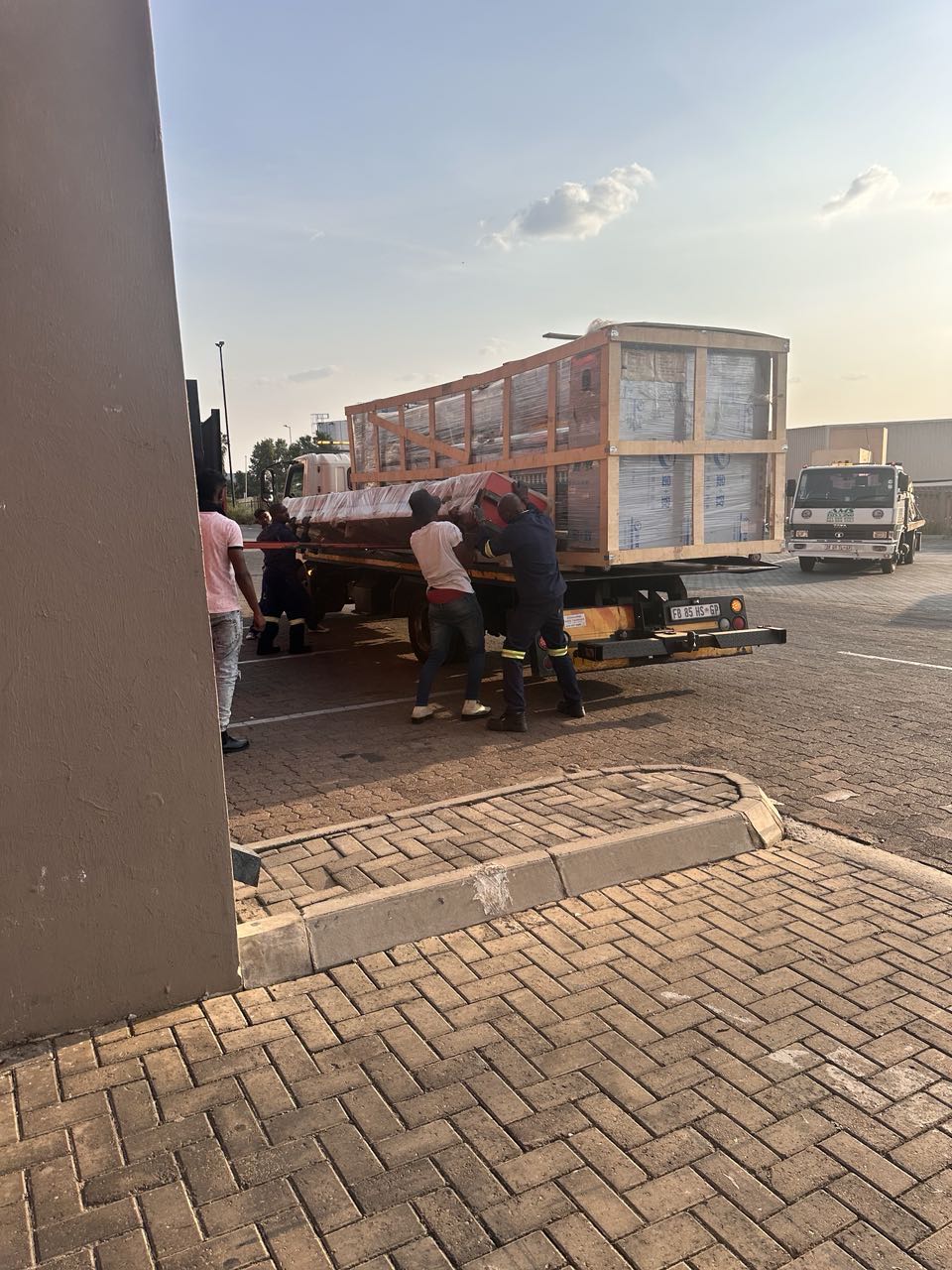
Toilet paper making machine
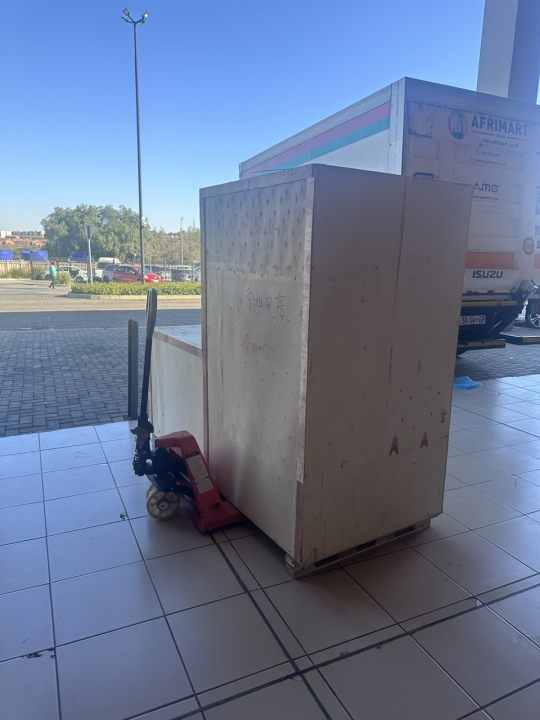
Toilet paper making machine
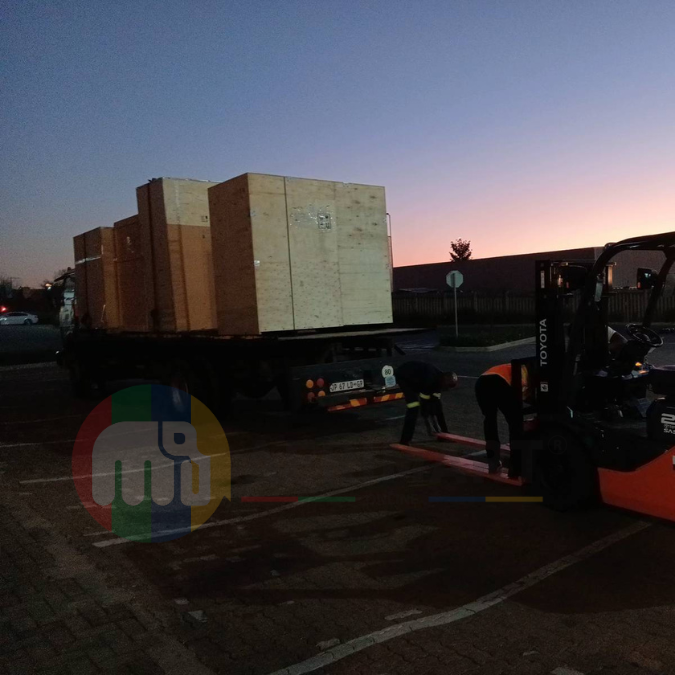
Toilet paper Rewinding Machine
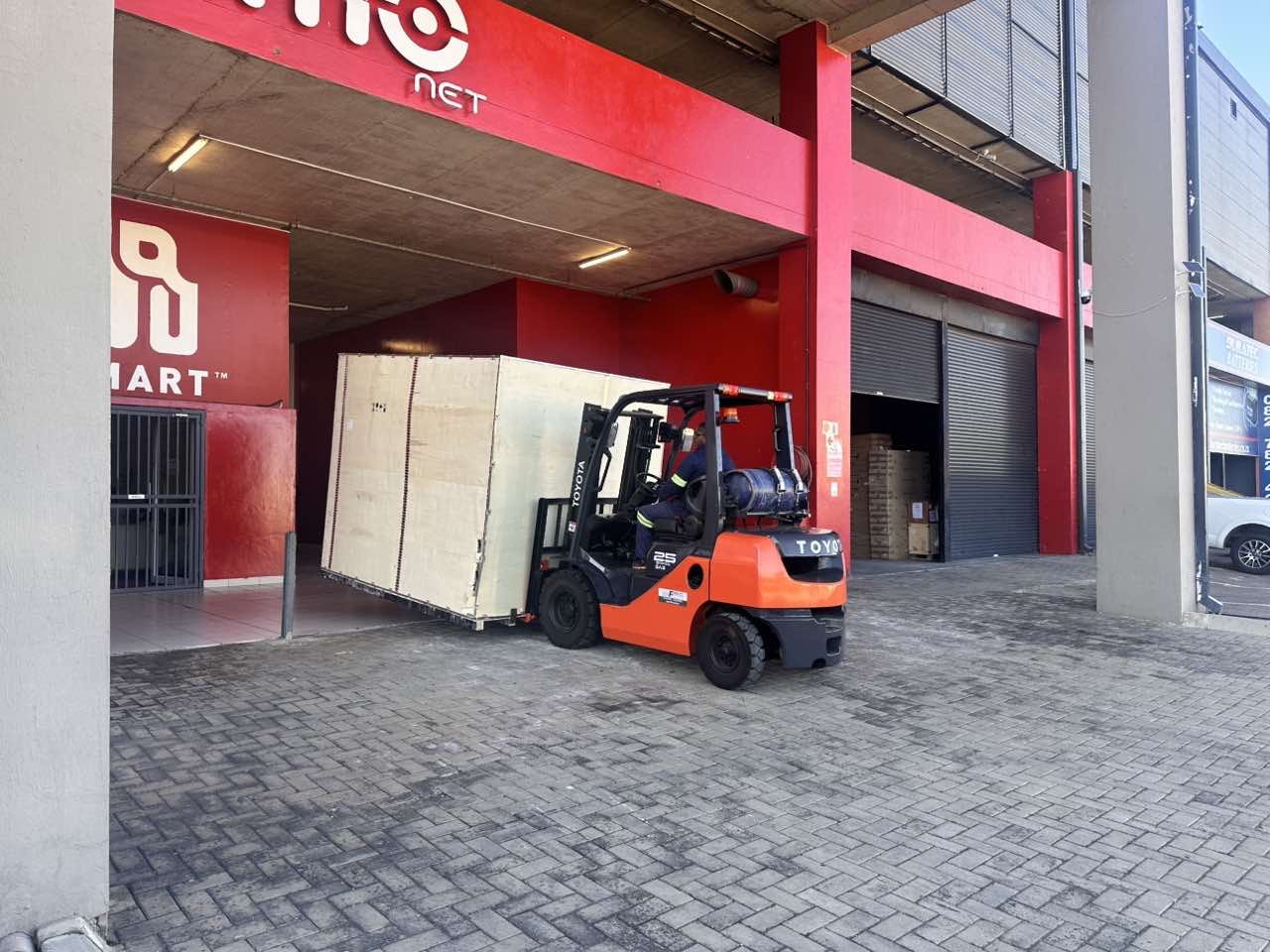
latest arrivals
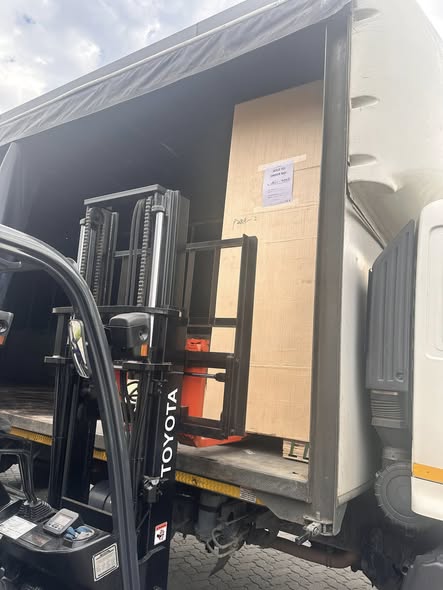
offloading
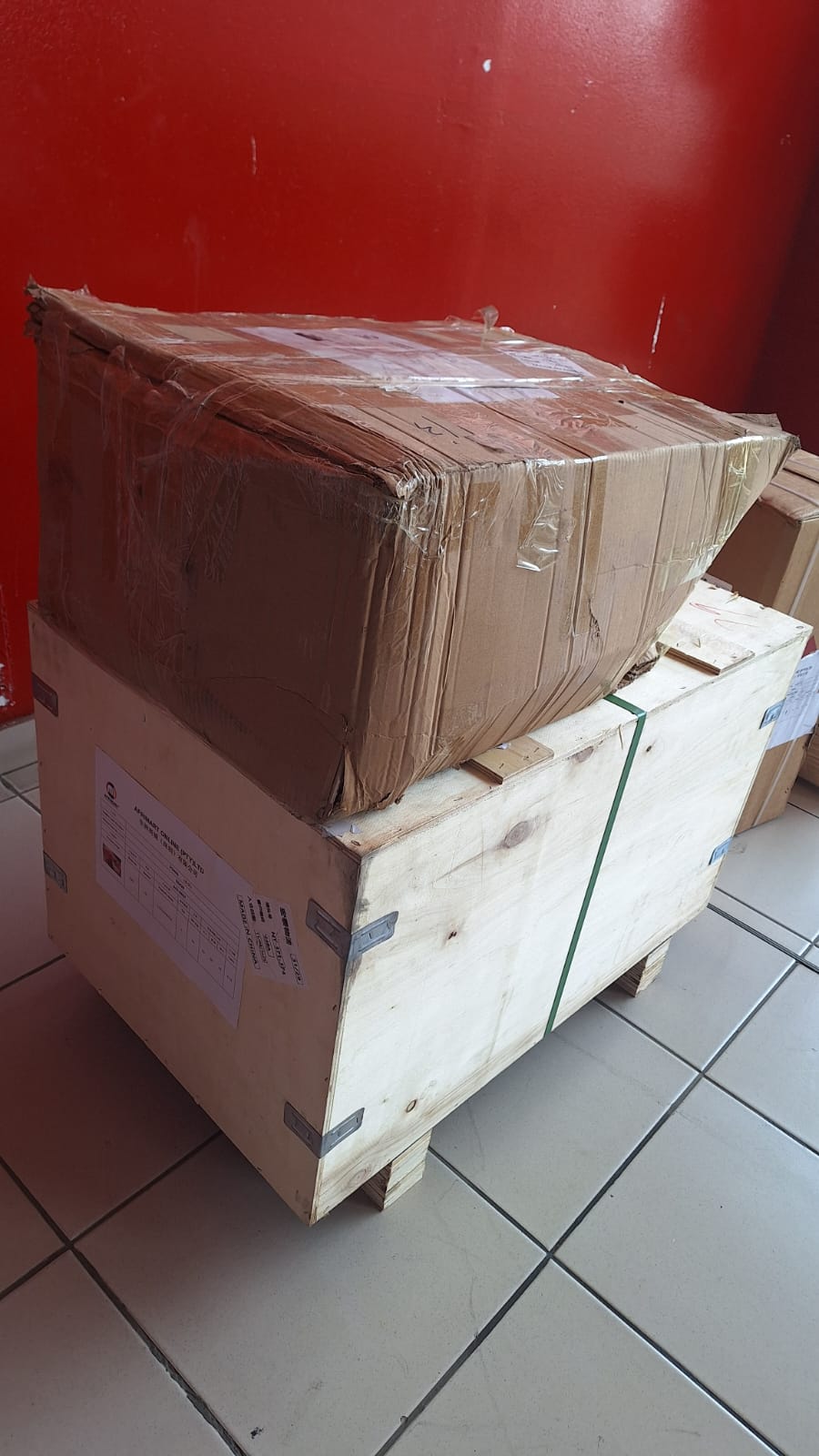
order success
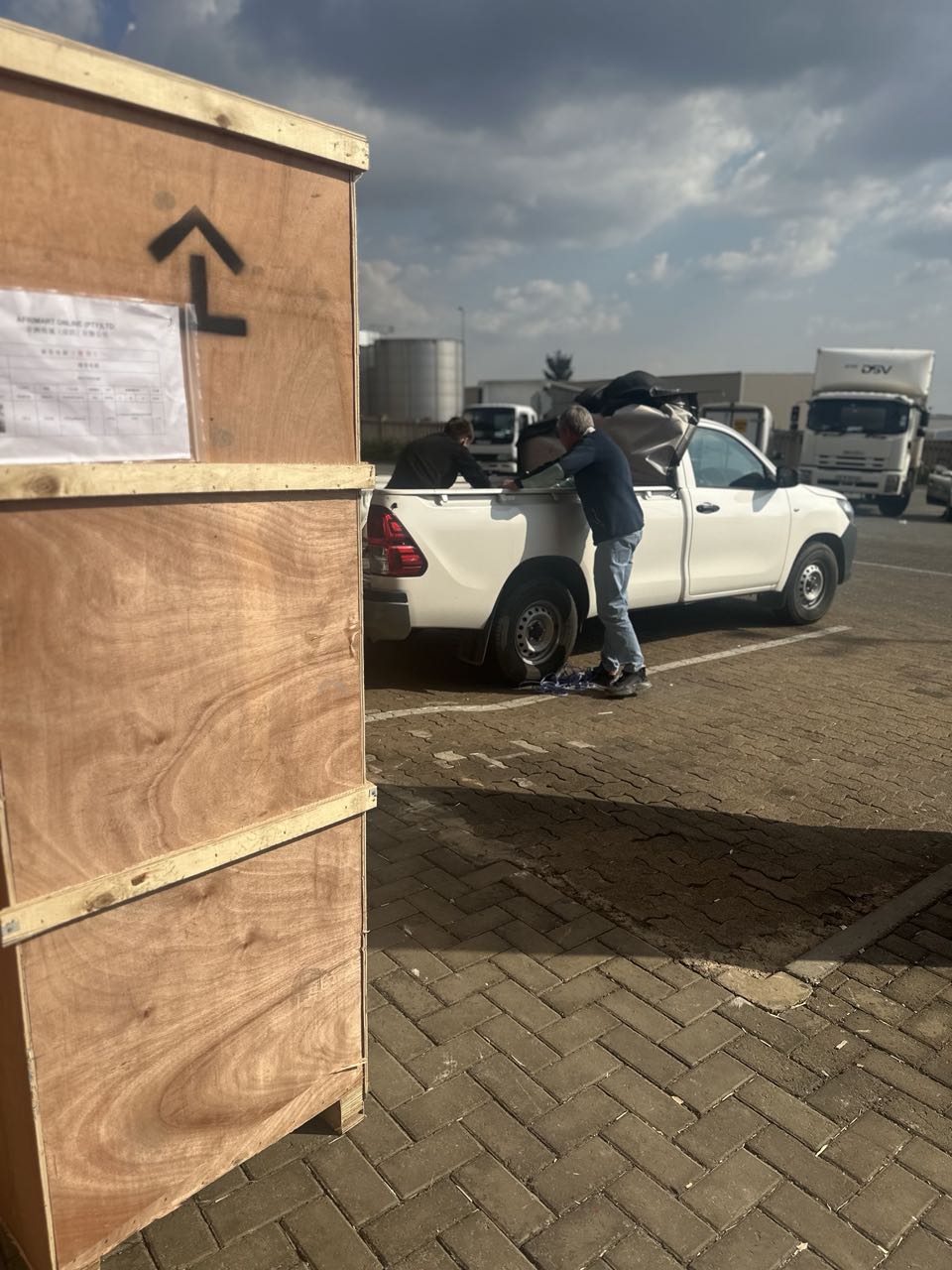
order collection
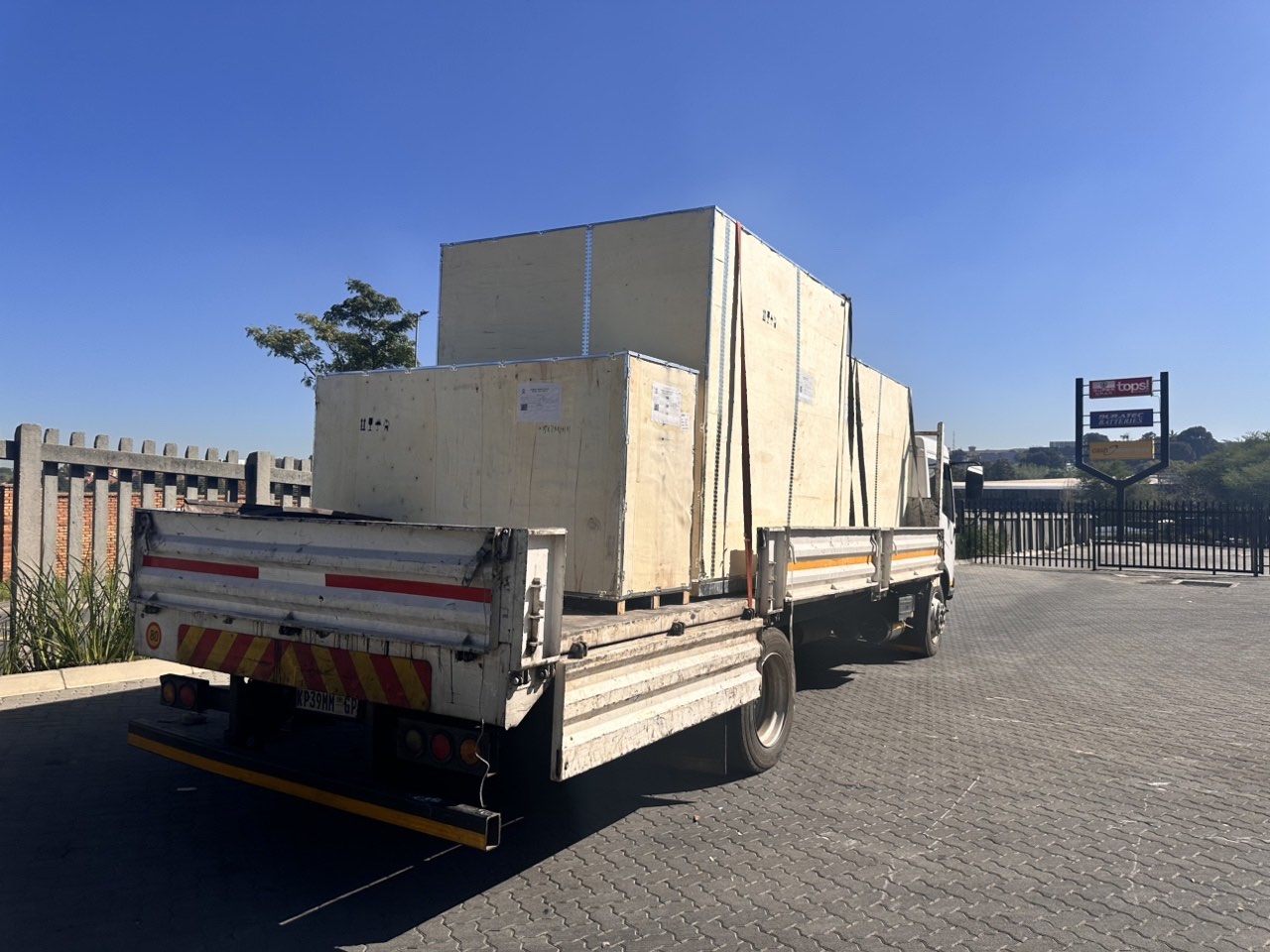
order offloading