B21, China Town Mall, Midrand

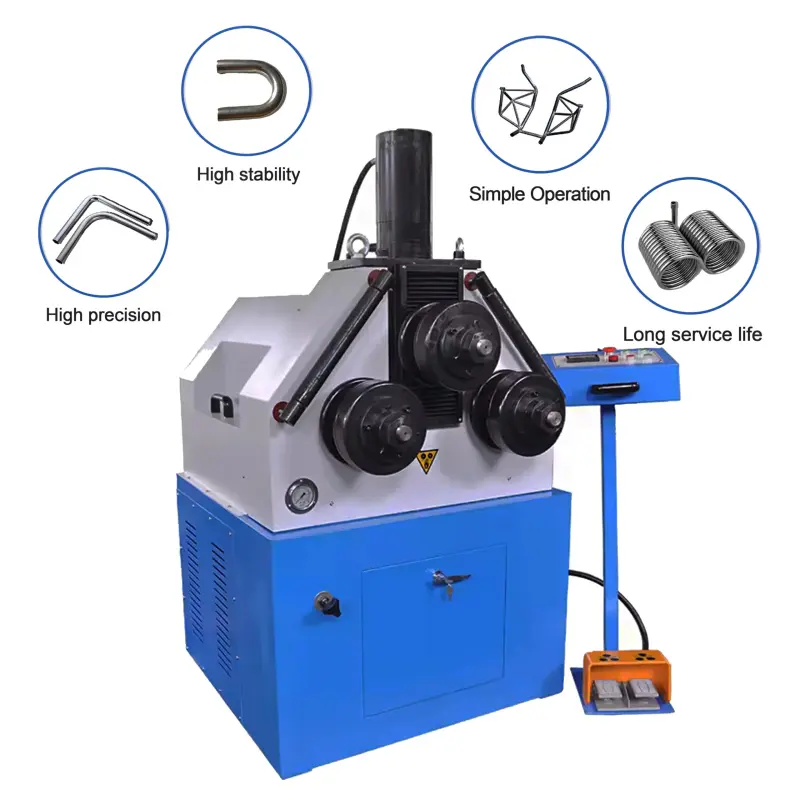
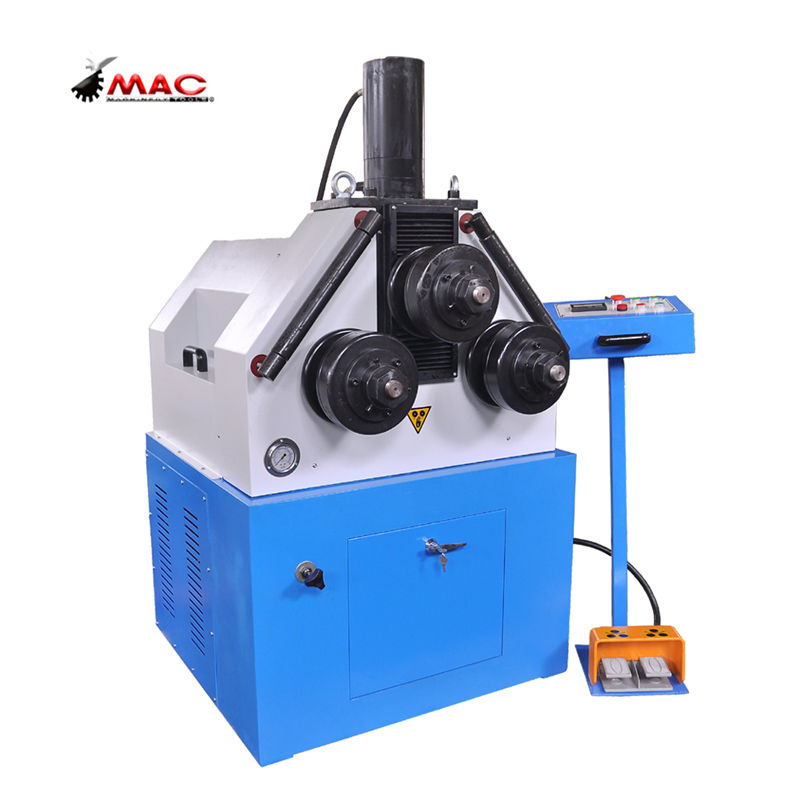
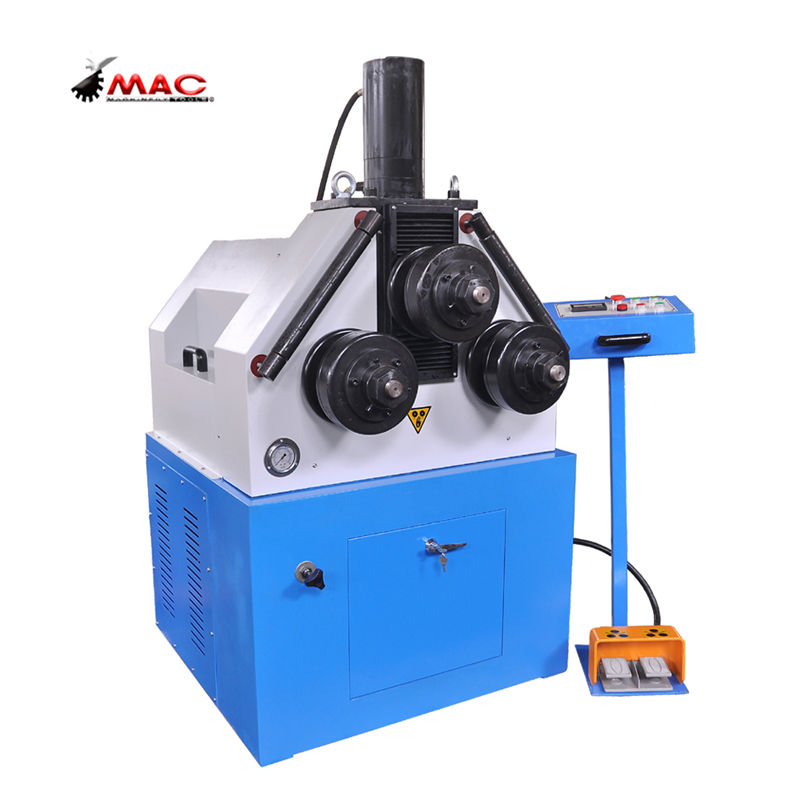
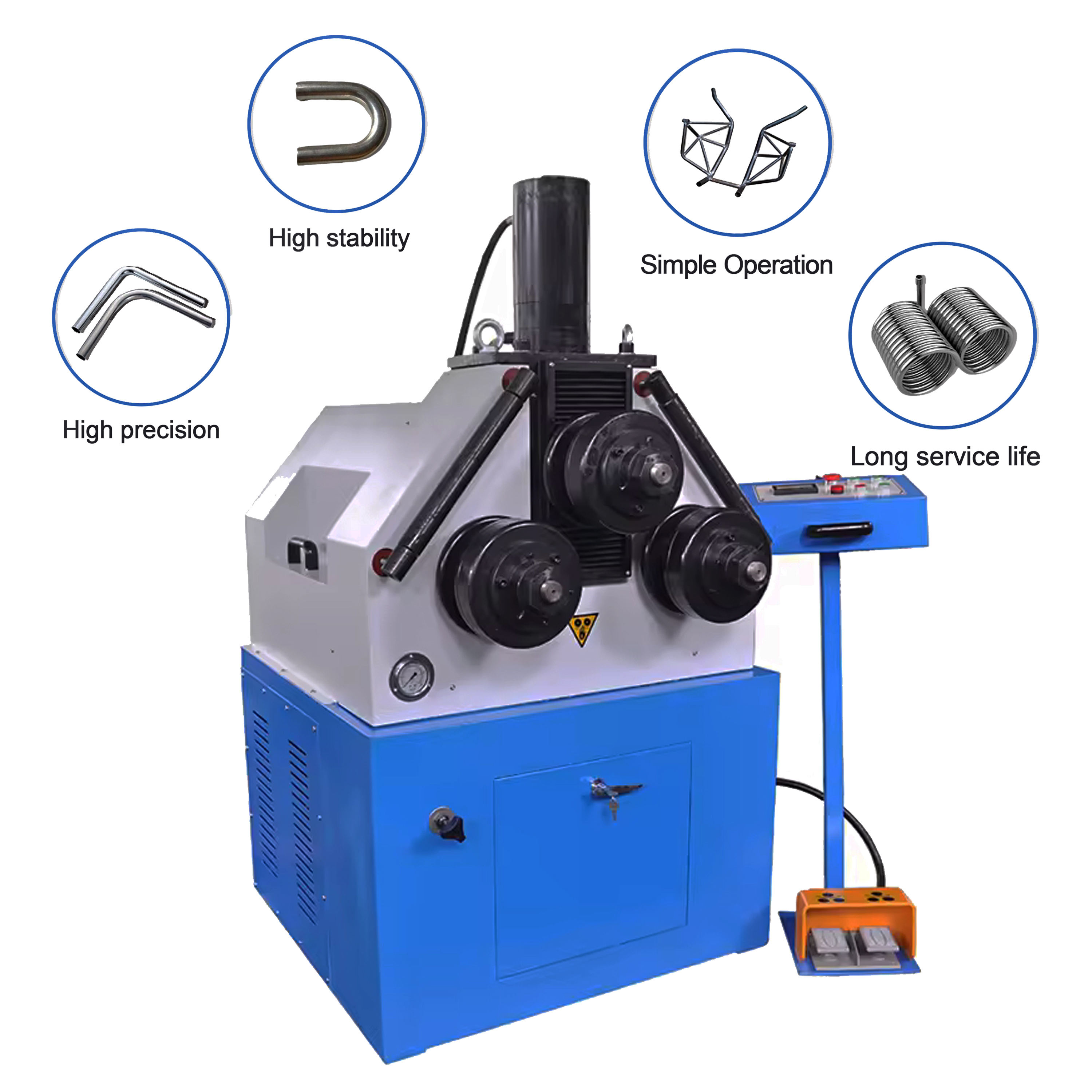
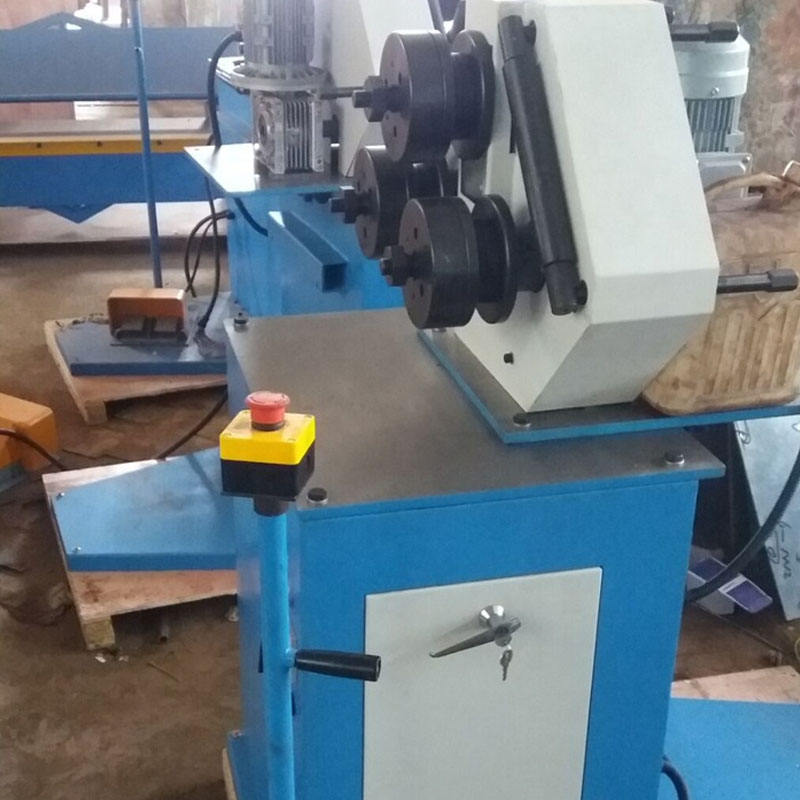
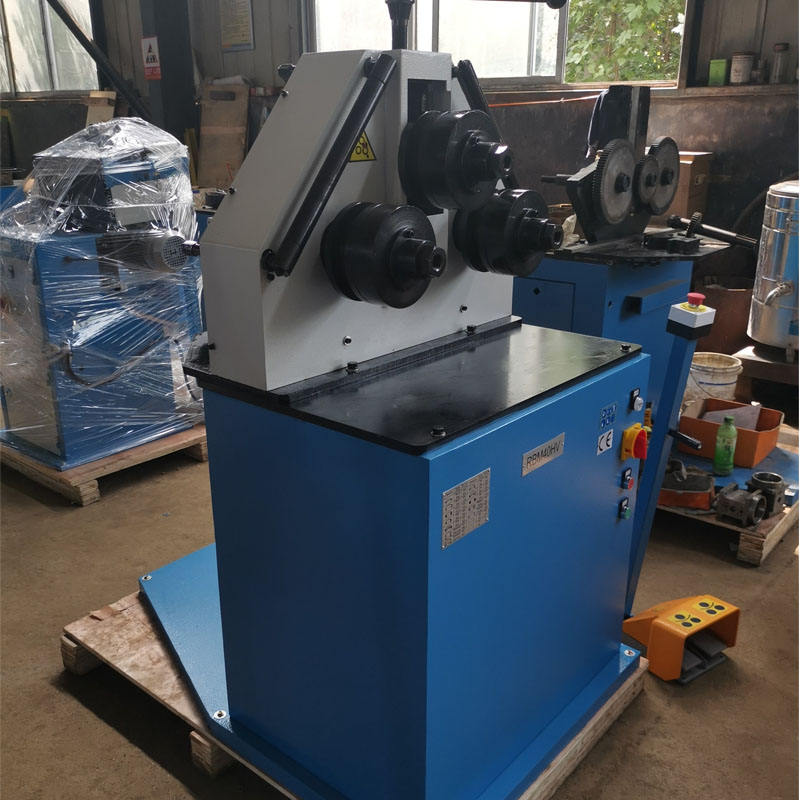
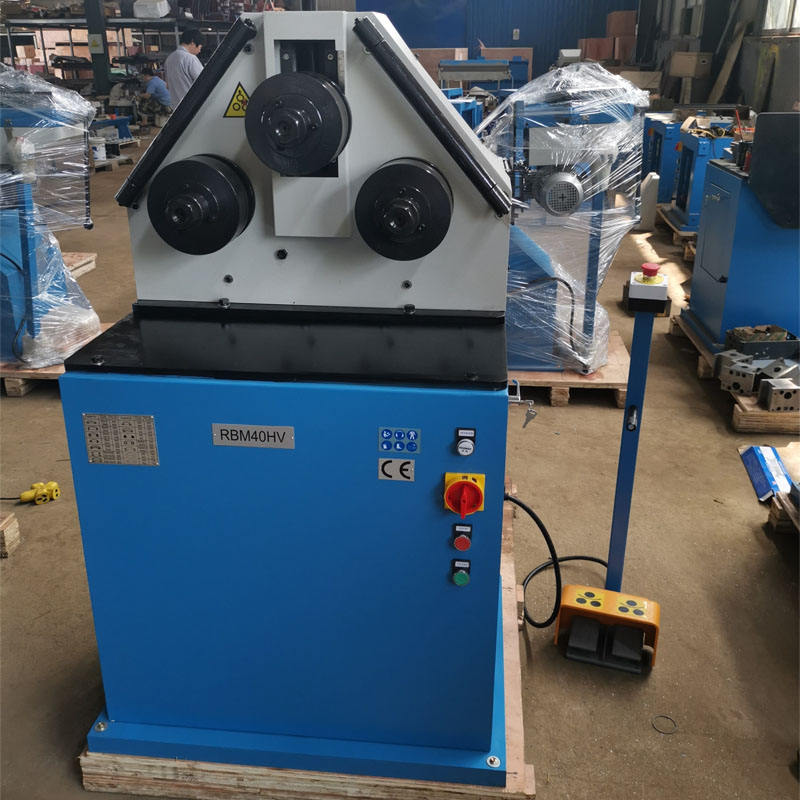
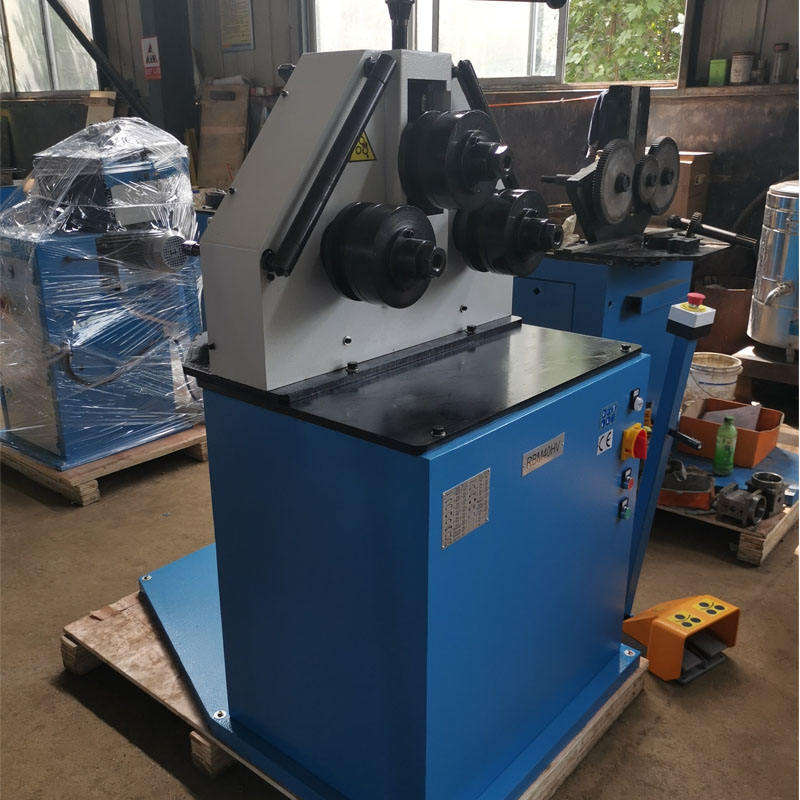
Sheet Round Bending Machine
Asset finance available
Do you want funding for this equipment?
Afrimart can connect you with trusted funding partners who specialise in asset finance for businesses like yours. Compare options and apply in minutes — final approval is subject to provider review.
Check funding options
Secure & no obligation
- Section : Machinery
- Category : Metal & Metallurgy Machinery
- SKU : 1600141563763

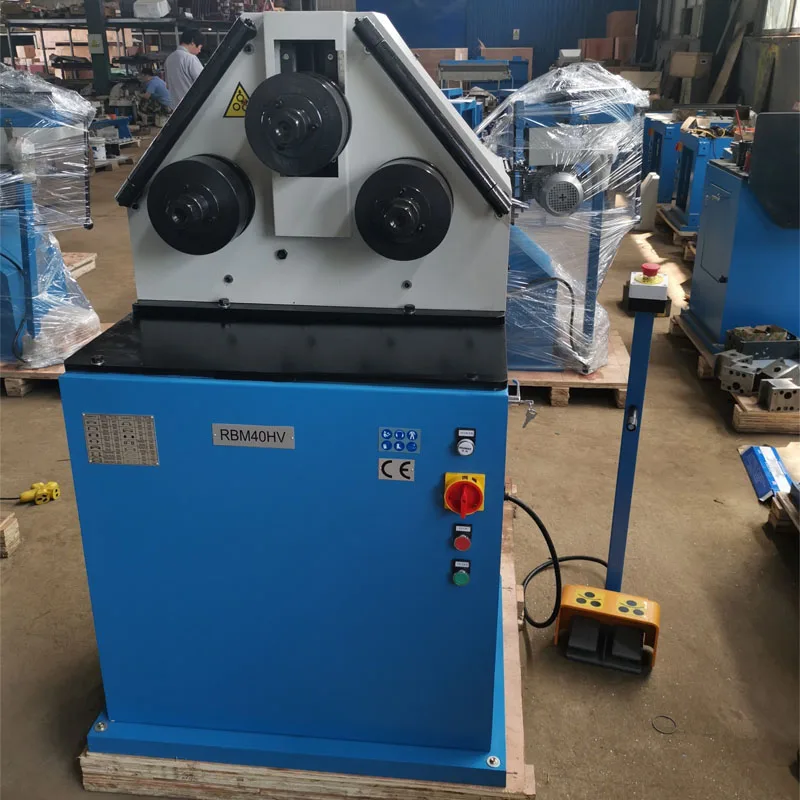
Profile Sheet Round Bending Machine
The Profile Sheet Round Bending Machine is designed for high-accuracy bending of various materials. This semi-automatic machine is perfect for professionals looking for precision and efficiency in their operations.
Key Features
High Accuracy: This machine is engineered for precise bending, ensuring that your profiles meet exact specifications.
Versatile Operation: It features both horizontal and vertical operation, allowing you to tackle a variety of bending tasks with ease.
Robust Construction: Weighing 200 kg, the machine is built to withstand heavy usage while delivering reliable performance.
Material Processing: Capable of processing various metals, including alloy, aluminum, stainless steel, and carbon steel, making it versatile for different applications.
Semi-Automatic Functionality: The semi-automatic design simplifies operation while maintaining high productivity levels.
Powerful Motor: Equipped with Siemens Beide motors, this machine provides robust power for efficient operation.
Quality Electrical Components: Built with Siemens electrical elements, ensuring reliability and durability.
Optional Color: The machine's color can be customized to meet your preferences.
Section Bending Capability: Specifically designed for bending round and section bars, as well as pipe tubes.
OEM Accepted: Custom solutions are available to meet your specific requirements.
In conclusion, the Profile Sheet Round Bending Machine by SMAC is an essential tool for any workshop or manufacturing facility. Its high accuracy, versatile operation, and robust design make it ideal for a wide range of bending applications. Whether you're working with metal profiles or pipes, this machine will help you achieve outstanding results.
Product Info Gallery
Introduction
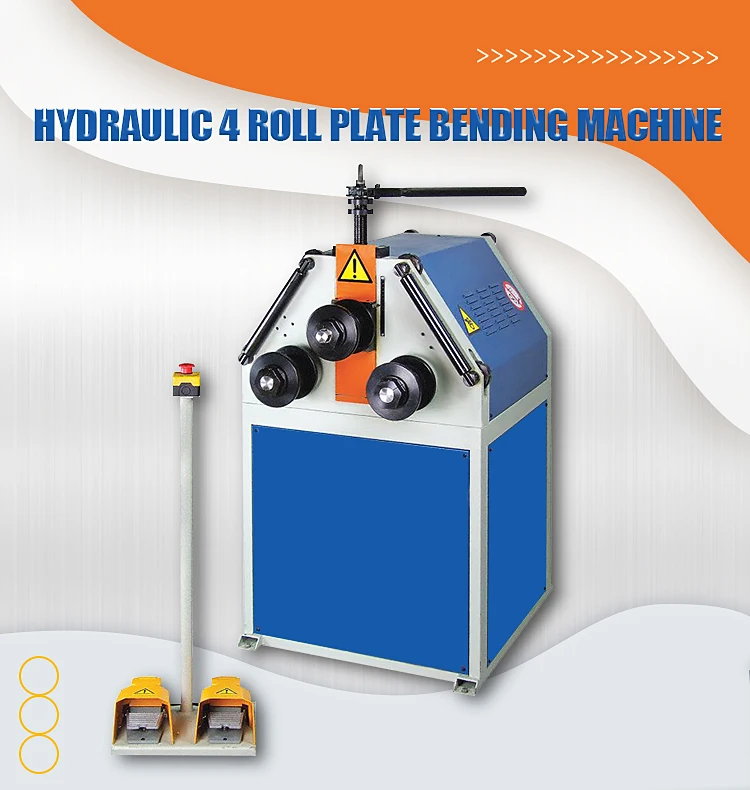
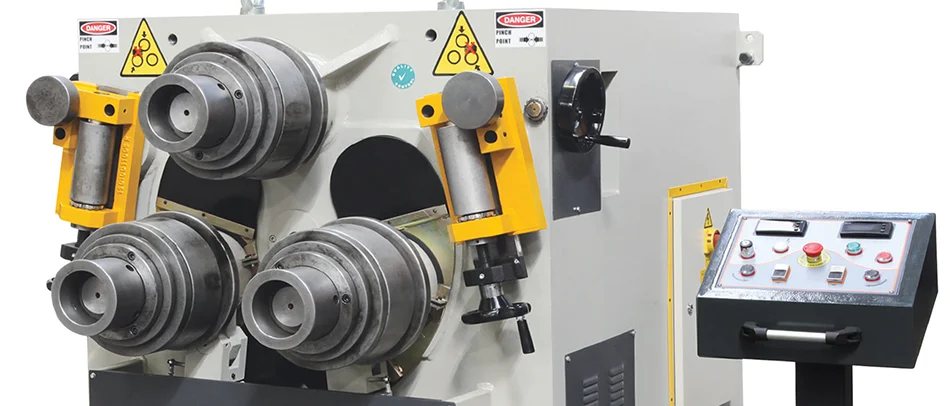
The full hydraulic four-roller plate bending machine is a forming and finishing equipment. It is mainly used to bend steel plates into simplified, cone or arc parts under cold conditions. It is also used for steel plate leveling.
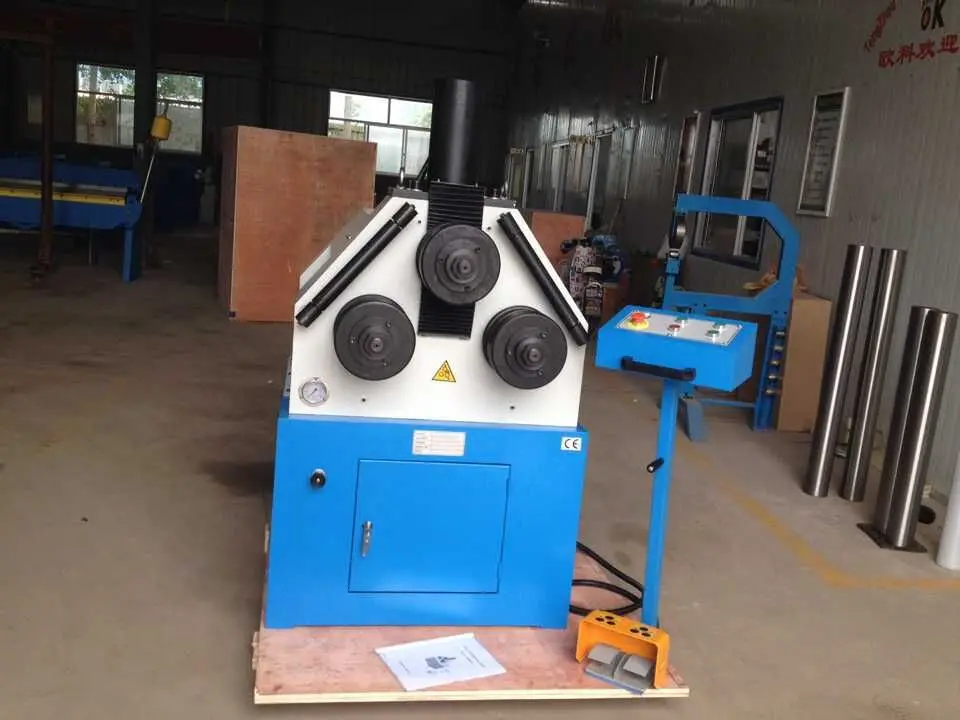
Characteristics :
1. The hydraulic round bending machine HRBM30 features a steel plate welding structure. ( Steel-welded construction frame) 2. With the advantages of hydraulic wheel drive and more power 3. The nether two axes are driven by a powerful hydraulic motor, while the upper wheels are pushed to lift by the retractable spear of hydraulic cylinder.
4. The button panel features reliable functions that can easily conduct operations on machine
5. The standard combination molds of hydraulic round bending machine can finish processing many work pieces in various shapes.
- Shipping Timeframes: All orders are processed within 2-5 business days (excluding weekends and holidays). After your order has been processed, the estimated delivery time is before 03 Aug, 2026, depending on customs, Please note that due to high demand, some items may experience longer shipping times, which will be communicated at order confirmation email.
- Order Processing Time: Please allow 2-5 business days for us to process your order before it is shipped . Orders placed after 16:00 on Fridays, or during weekends and public holidays, will begin processing on the next business day. Processing times may be extended during peak seasons or sales events.
- Manufacturing Time: Some products needs manufacturing time, the manufacturing process will take approximately 10-30 business days depending on the product. This timeframe may vary depending on the complexity of the product and current demand. but this will be communicated with you during order confirmation.
- Returns and Exchanges: We offer a 30-day return policy for most items. If you are not completely satisfied with your purchase, you may return it within 30 days of receipt for a refund or exchange. Items must be unused, in their original packaging, and accompanied by proof of purchase. Return shipping costs are the responsibility of the customer, unless the item was damaged or defective upon arrival.
1. What materials can the Sheet Round Bending Machine process?
It can process a wide range of metals including alloy, aluminum, stainless steel and carbon steel. It is specifically designed for round and section bars as well as pipe tubes and profile sheets.
2. Is this machine fully automatic or semi-automatic?
This is a semi-automatic machine. It automates the bending process while still requiring an operator for tasks such as loading/unloading, positioning and some parameter inputs.
3. What are the key features of the machine?
Key features include high-accuracy bending, dual horizontal and vertical operation modes, robust steel-welded construction (200 kg machine weight), full-hydraulic four-roller design, Siemens Beide motors and Siemens electrical components, and standard combination molds for multiple shapes.
4. What bending profiles and shapes can it produce?
The machine is designed to bend round bars, section bars, pipe tubes and profile sheets into arcs, cones and other simplified curved parts. It can also perform steel plate leveling in cold conditions using the four-roller configuration.
5. What is the maximum thickness and diameter it can bend?
Maximum thickness and diameter depend on the specific model, tooling and material. Please provide the material type, dimensions and desired bend radius so we can confirm capacity or recommend a suitable model.
6. What power and electrical requirements does the machine have?
The machine uses Siemens Beide motors and Siemens electrical components. Exact power ratings and supply requirements vary by configuration; contact sales or request the technical datasheet for precise electrical specifications for your model.
7. Are tooling and molds included with the machine?
Standard combination molds are typically included to handle a variety of common shapes. Specialized tooling, custom dies or additional mold sets may be offered as optional accessories or quoted separately.
8. Can the machine be customized or ordered as OEM?
Yes. OEM and custom solutions are accepted. Customization options commonly include capacity changes, special tooling, control upgrades, paint color and other adaptations to meet specific production requirements.
9. What installation and site requirements are needed?
Installation typically requires a level, stable foundation, adequate floor load capacity, correct electrical supply, and hydraulic oil filling/bleed procedures. Many suppliers offer installation and commissioning services—confirm with your vendor for site-specific requirements.
10. What maintenance is required to keep the machine running reliably?
Regular maintenance includes checking and changing hydraulic oil, inspecting and lubricating moving parts and rollers, verifying electrical connections, monitoring seals and hoses, and replacing worn tooling. Follow the manufacturer’s maintenance schedule in the user manual.
11. What safety features does the machine have?
The machine includes a reliable push-button control panel and hydraulic controls. Standard safety best practices include emergency stop capability, guarding around rollers, hydraulic overload protection, and operator PPE and training. Specific safety features may vary by configuration.
12. How accurate are the bends produced by this machine?
The machine is engineered for high accuracy, but achievable tolerances depend on material, thickness, tooling and operator setup. Provide your required tolerances and material details to get an expected accuracy specification for your application.
13. Is training and technical support provided?
Yes. Suppliers commonly provide operator training, start-up assistance and technical support. Options may include remote support, onsite commissioning, and training sessions—confirm availability and scope with your vendor.
14. Are spare parts and after-sales service available?
Spare parts and after-sales service are available. The machine uses widely known Siemens components, and suppliers typically stock common wear parts and provide service agreements for longer-term support.
15. What are typical lead times and warranty terms?
Lead times and warranty terms vary by model, configuration and current production schedule. Contact the sales team for up-to-date lead time estimates and specific warranty coverage (duration and terms) for the configuration you plan to purchase.
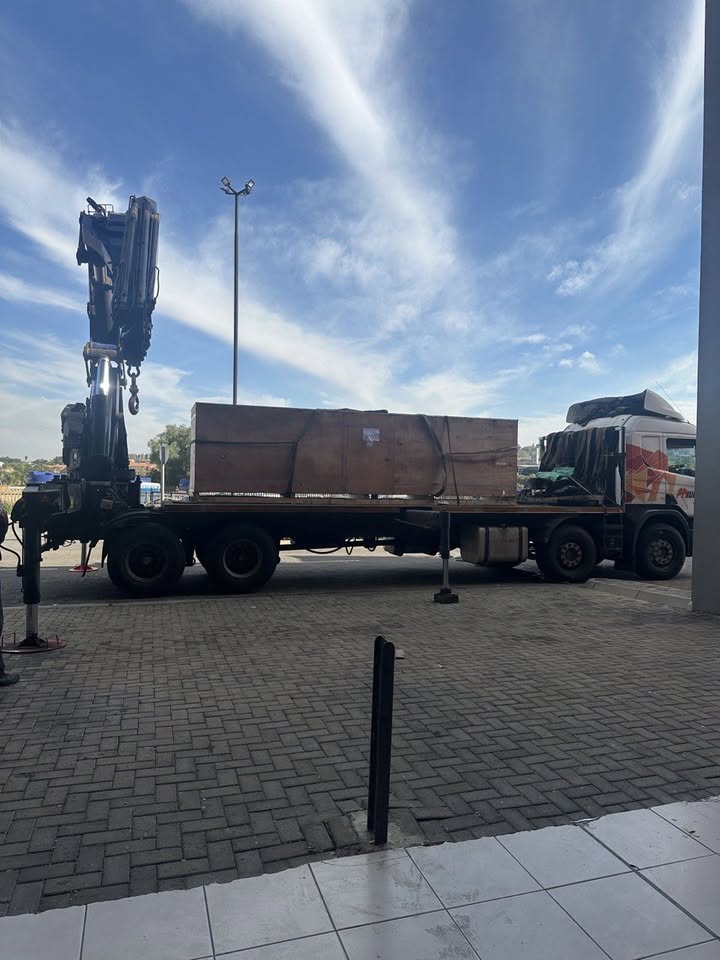
Latest Order Arrivals
Discover our latest orders
12 Heads Embroidery Machine
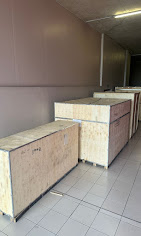
Toilet Paper Machine Machine
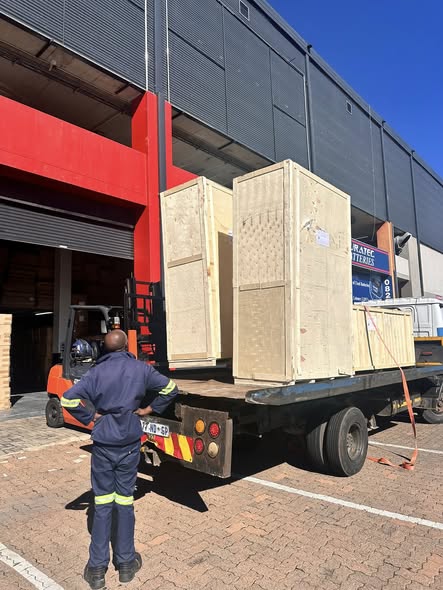
Order Collection
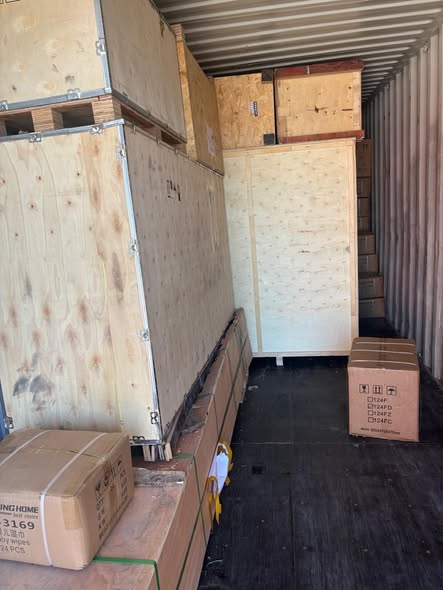
Cross Border Clients
Order cros border countries Collected
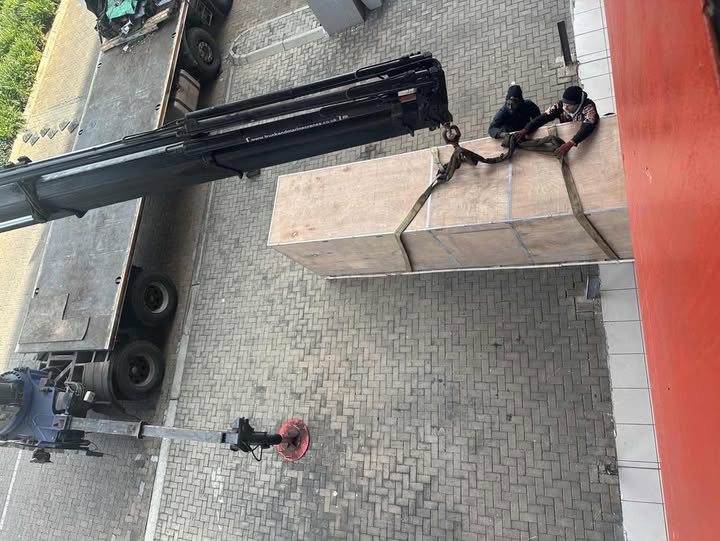
Industrial Machine Cllection
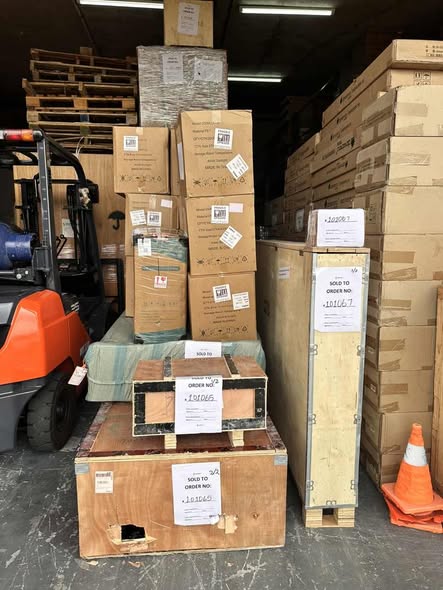
Agriculture Processing Machines
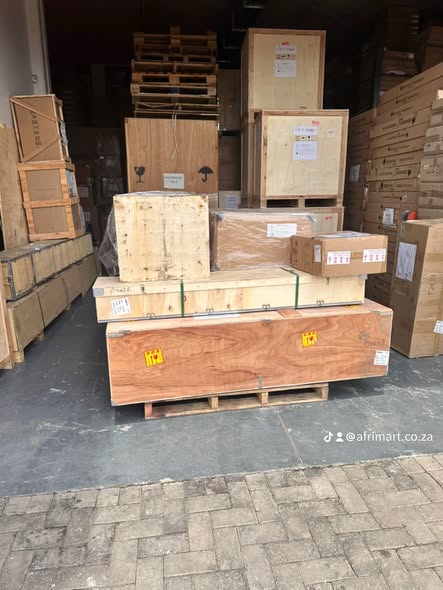
Ready for collection
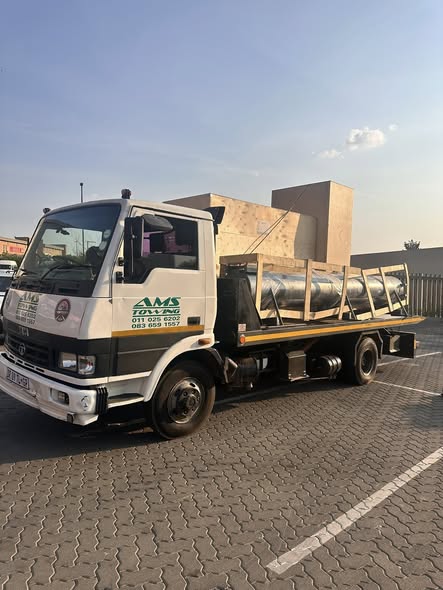
Water Pump Equipment
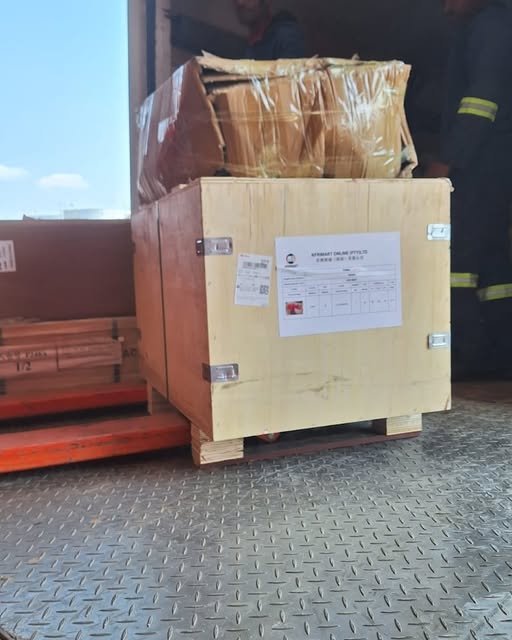
Packaging Machine and accessories
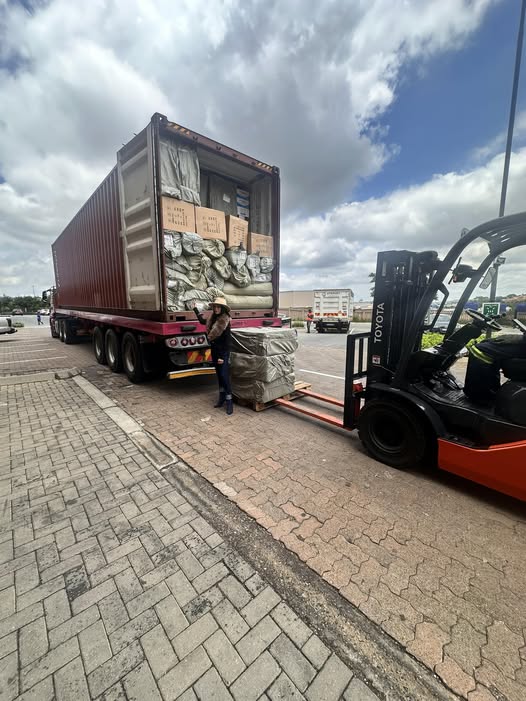
Fabrics Manufacturing Equipment
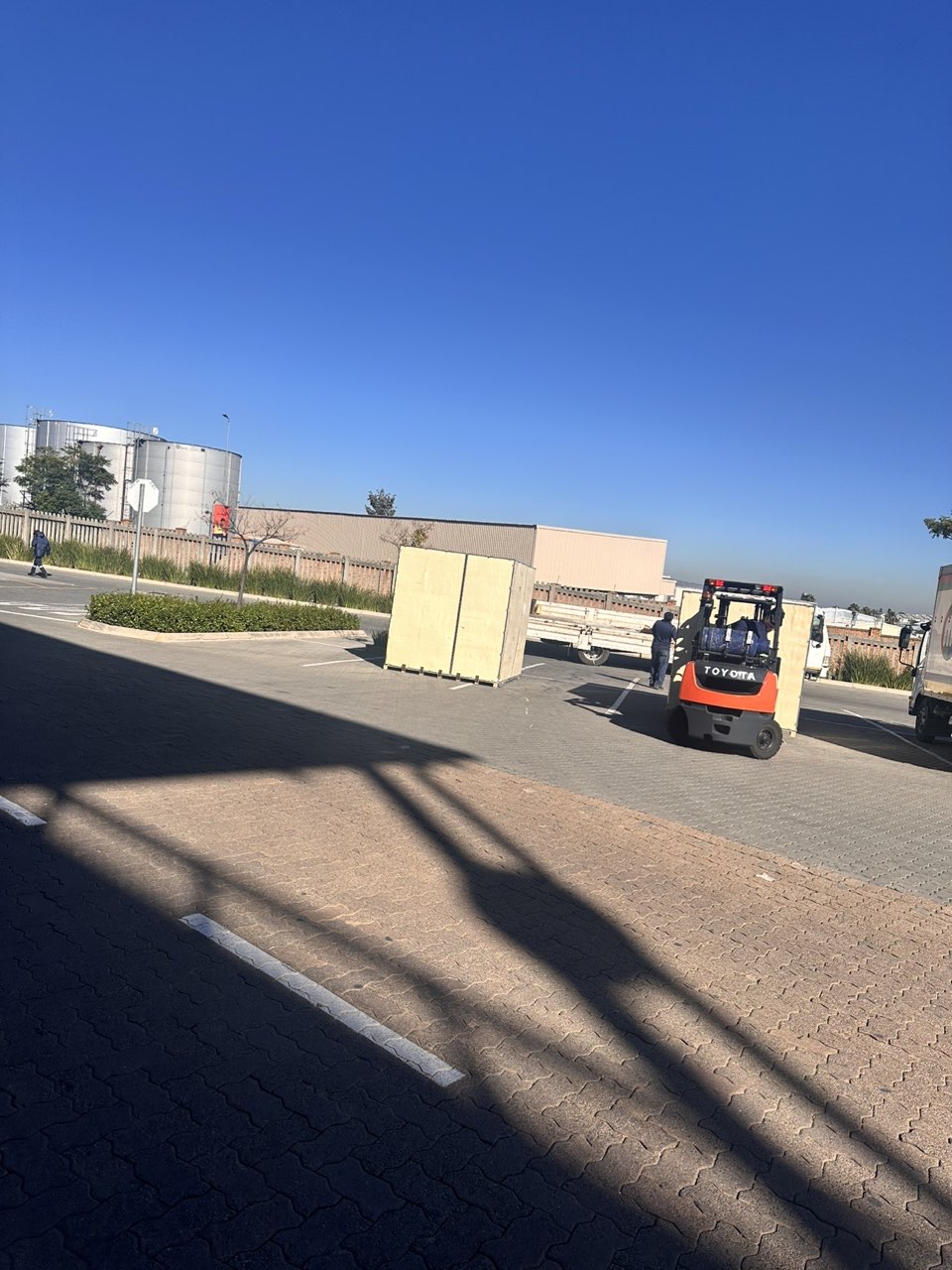
Mining Equipments
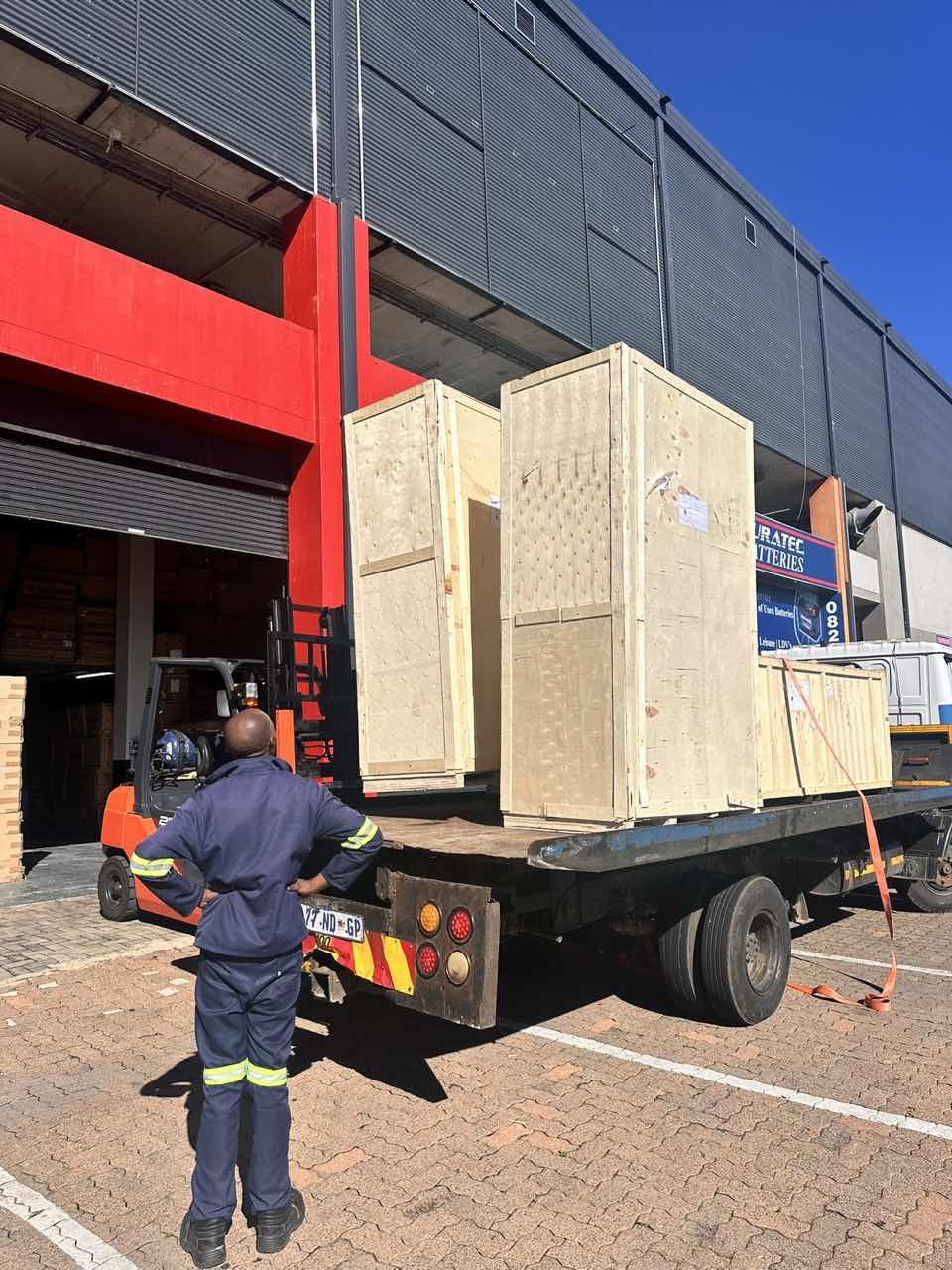
Food Processing Machine
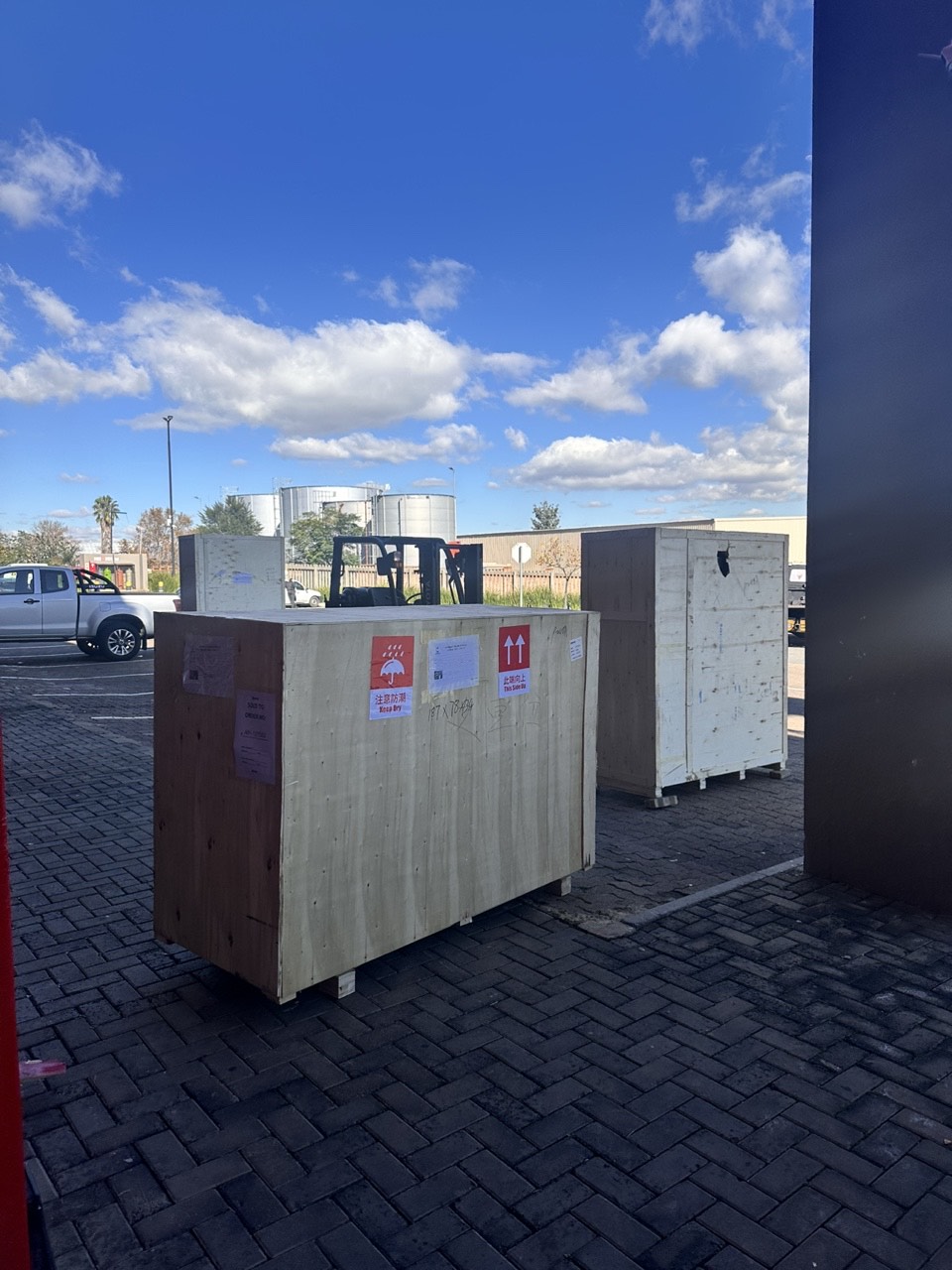
Batch of Orders
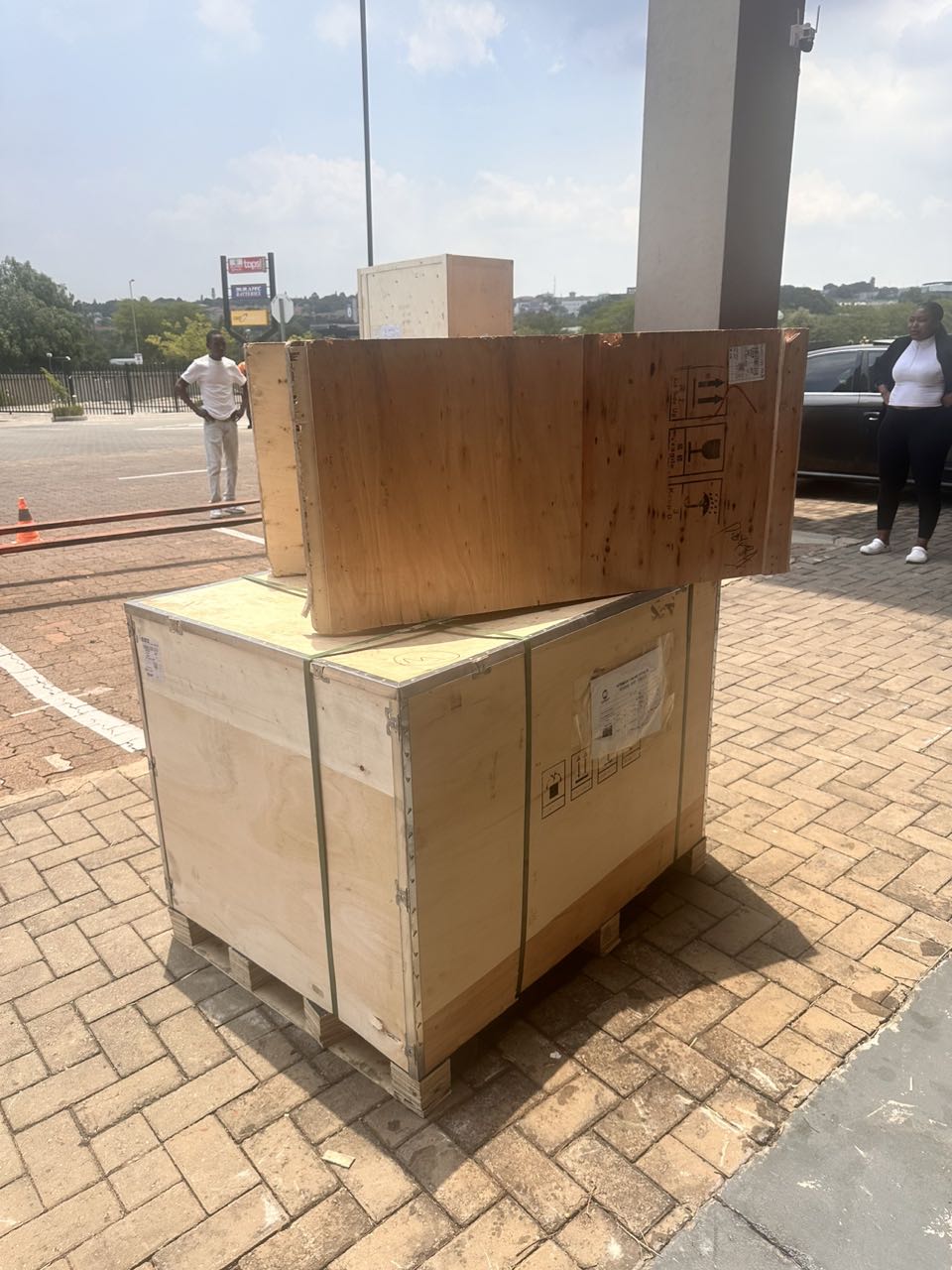
Batch of Orders
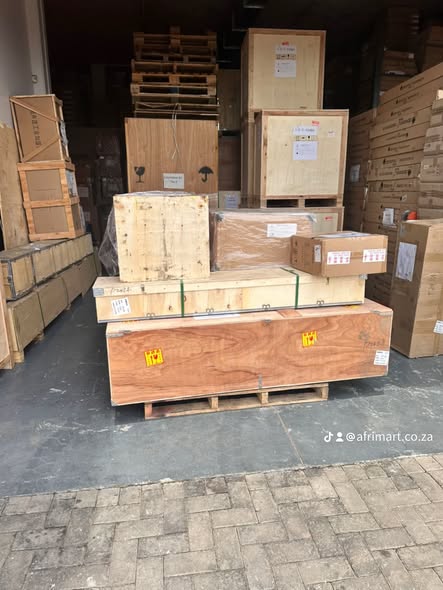
Latest Orders Labelled
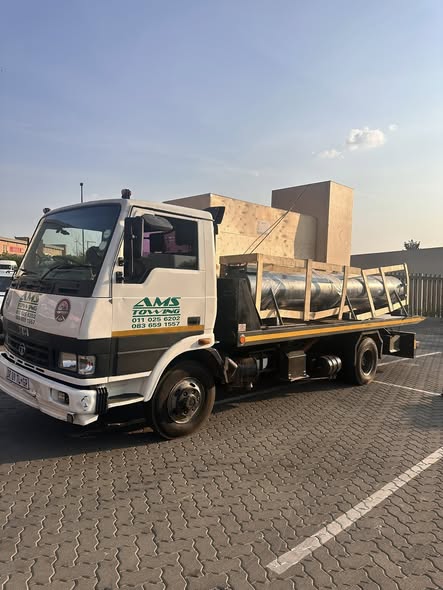
wheel alignment machines
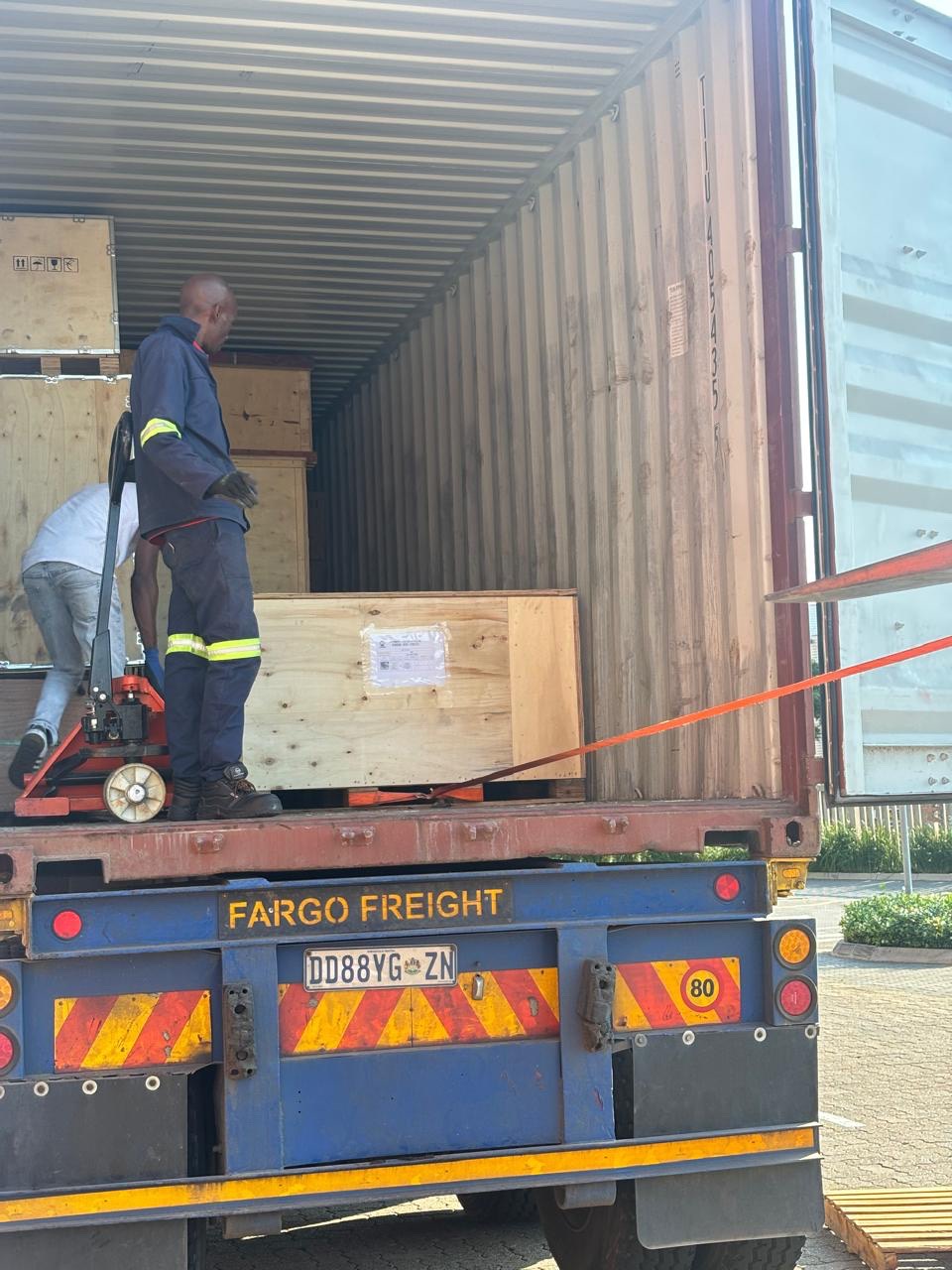
new arrivals
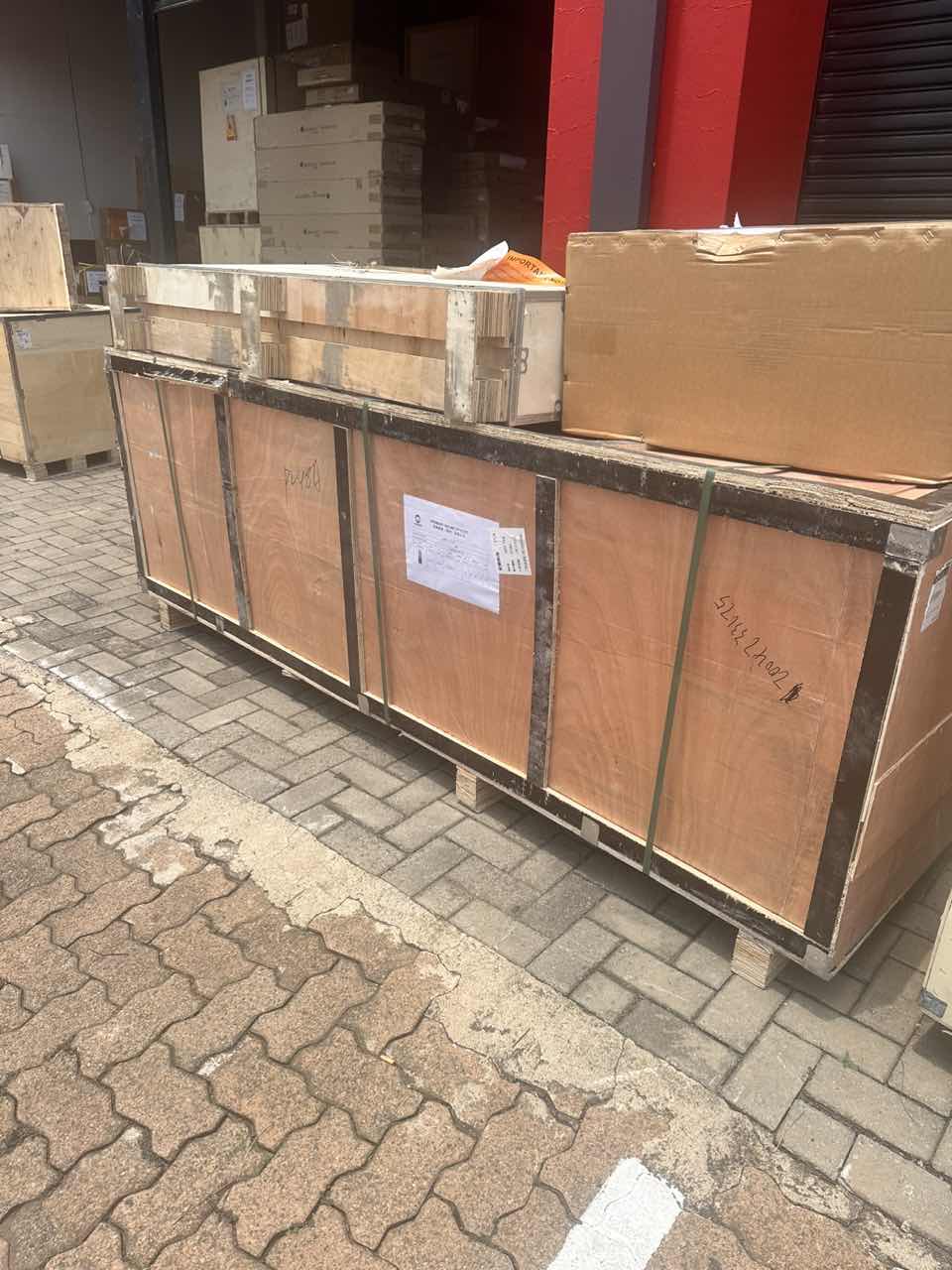
Pre Orders Offloading
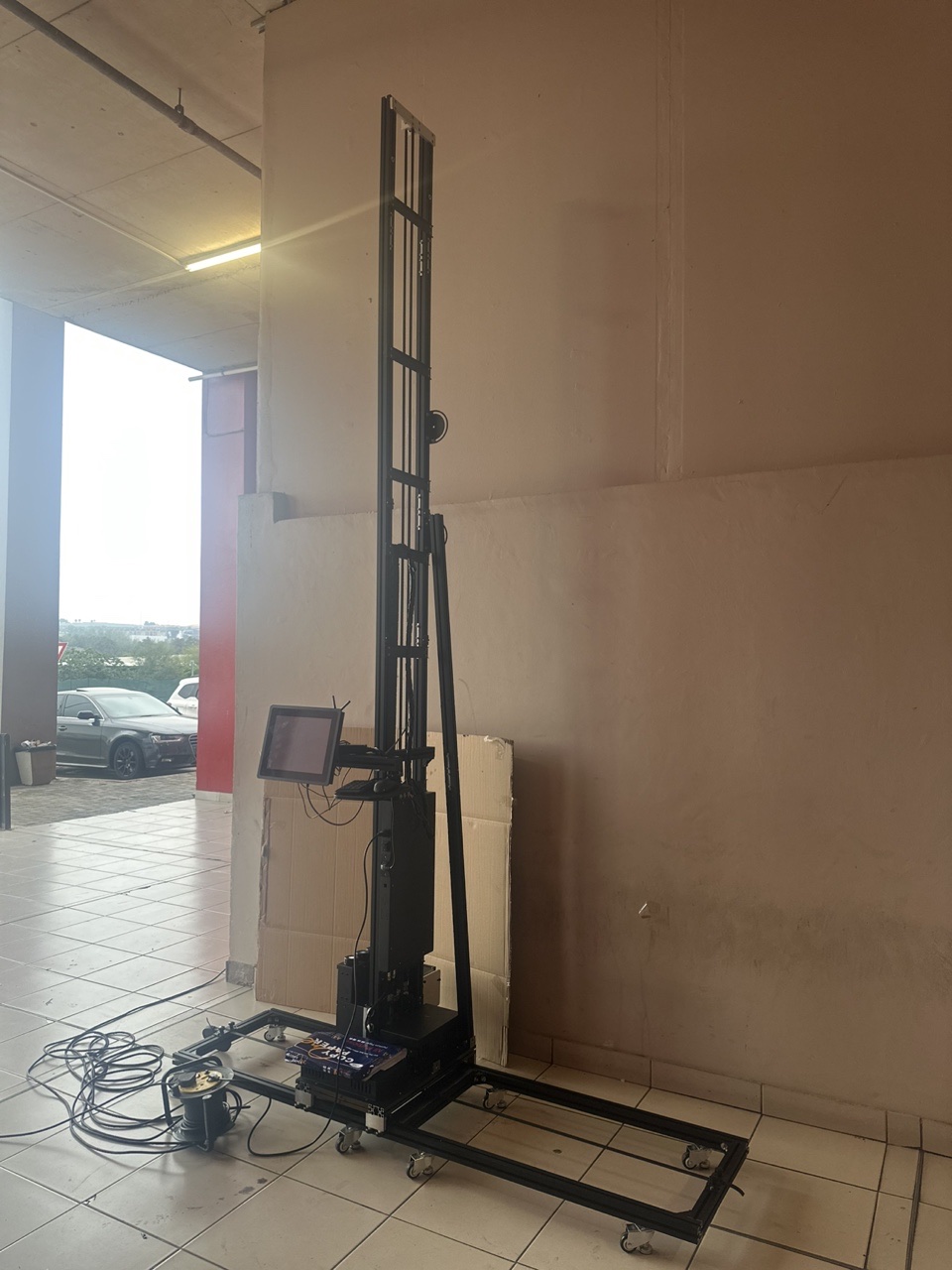
Latest Arrivals
Latest Arrivals
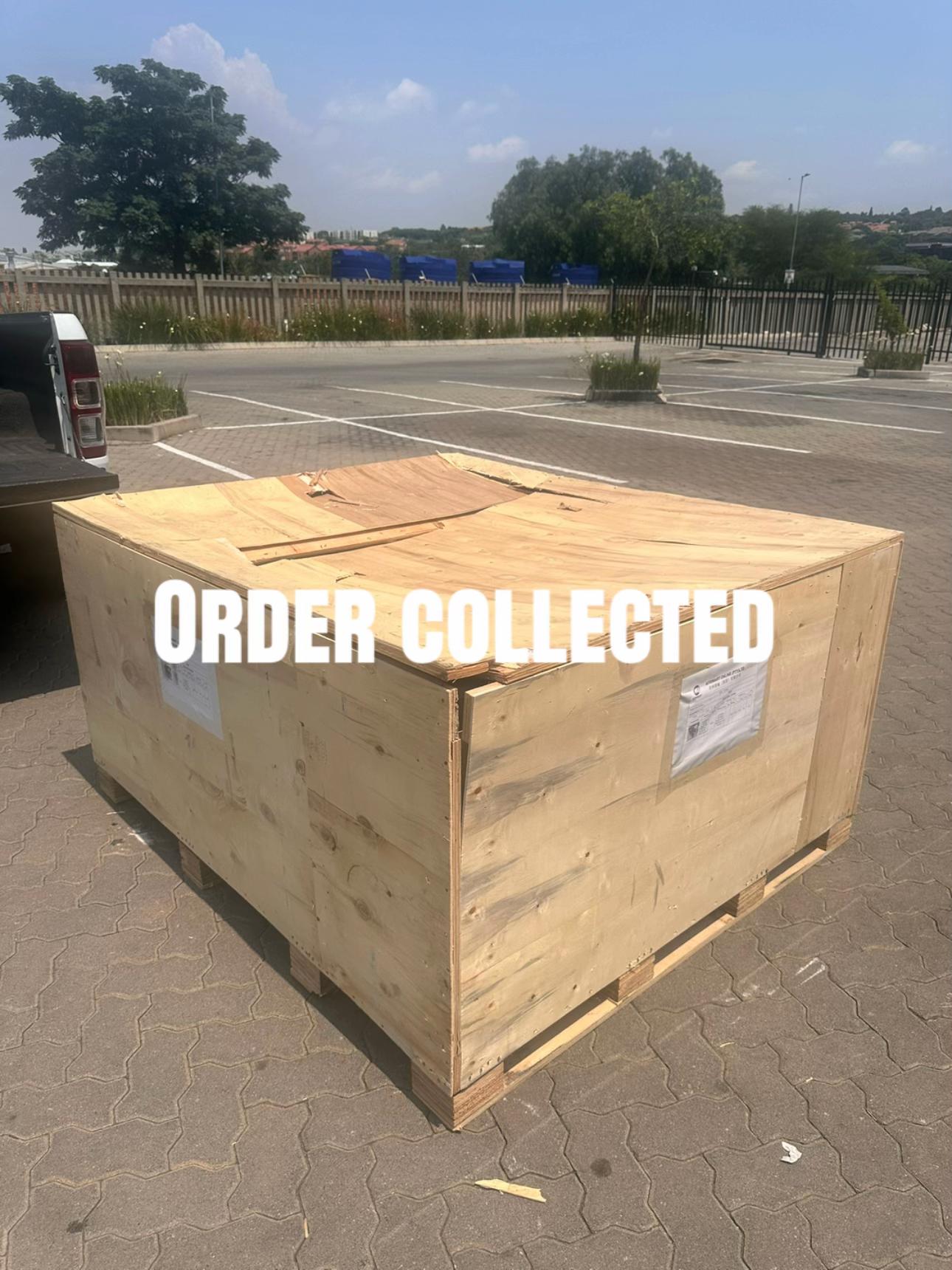
Latest Arrivals
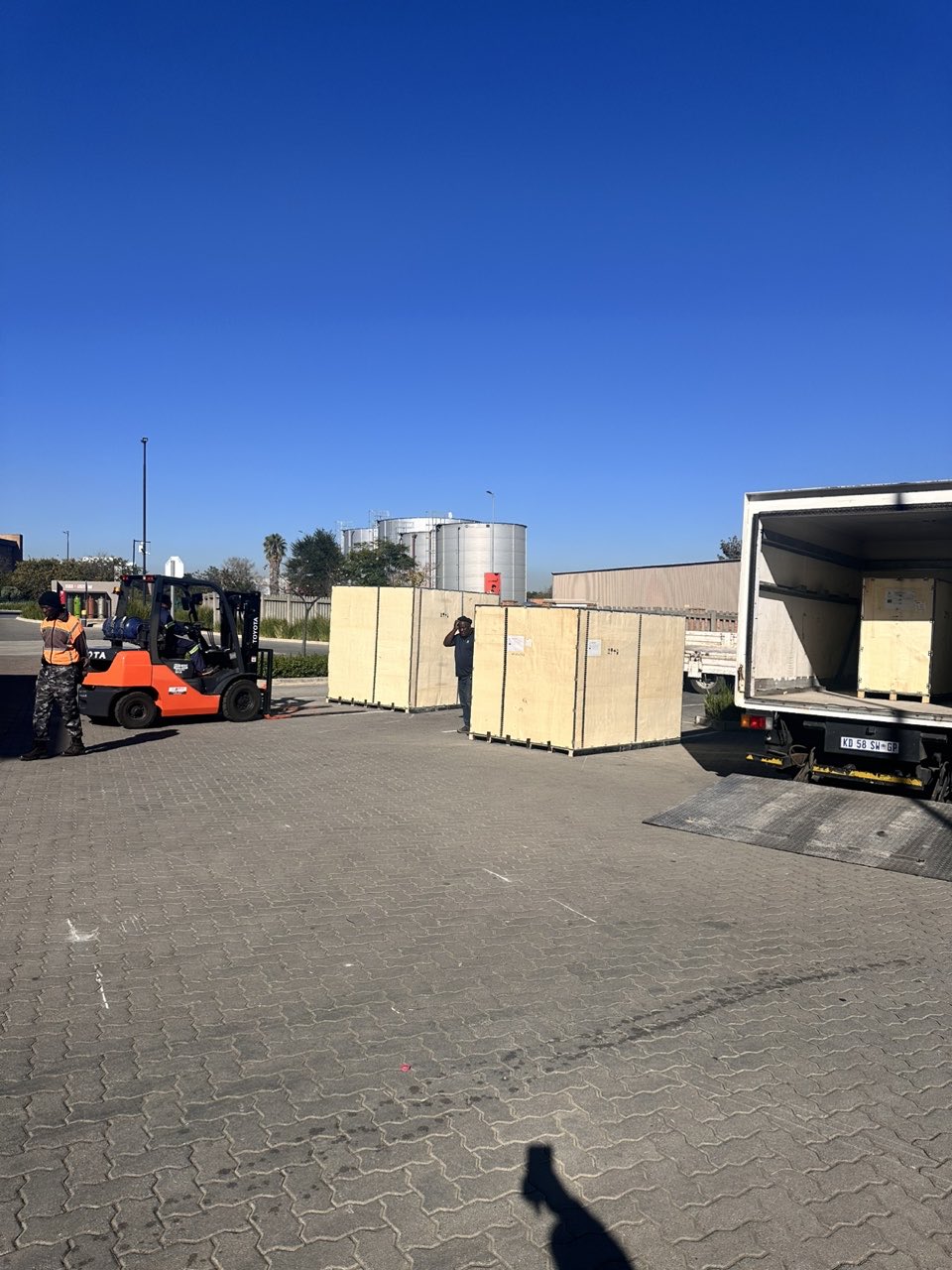
Loading
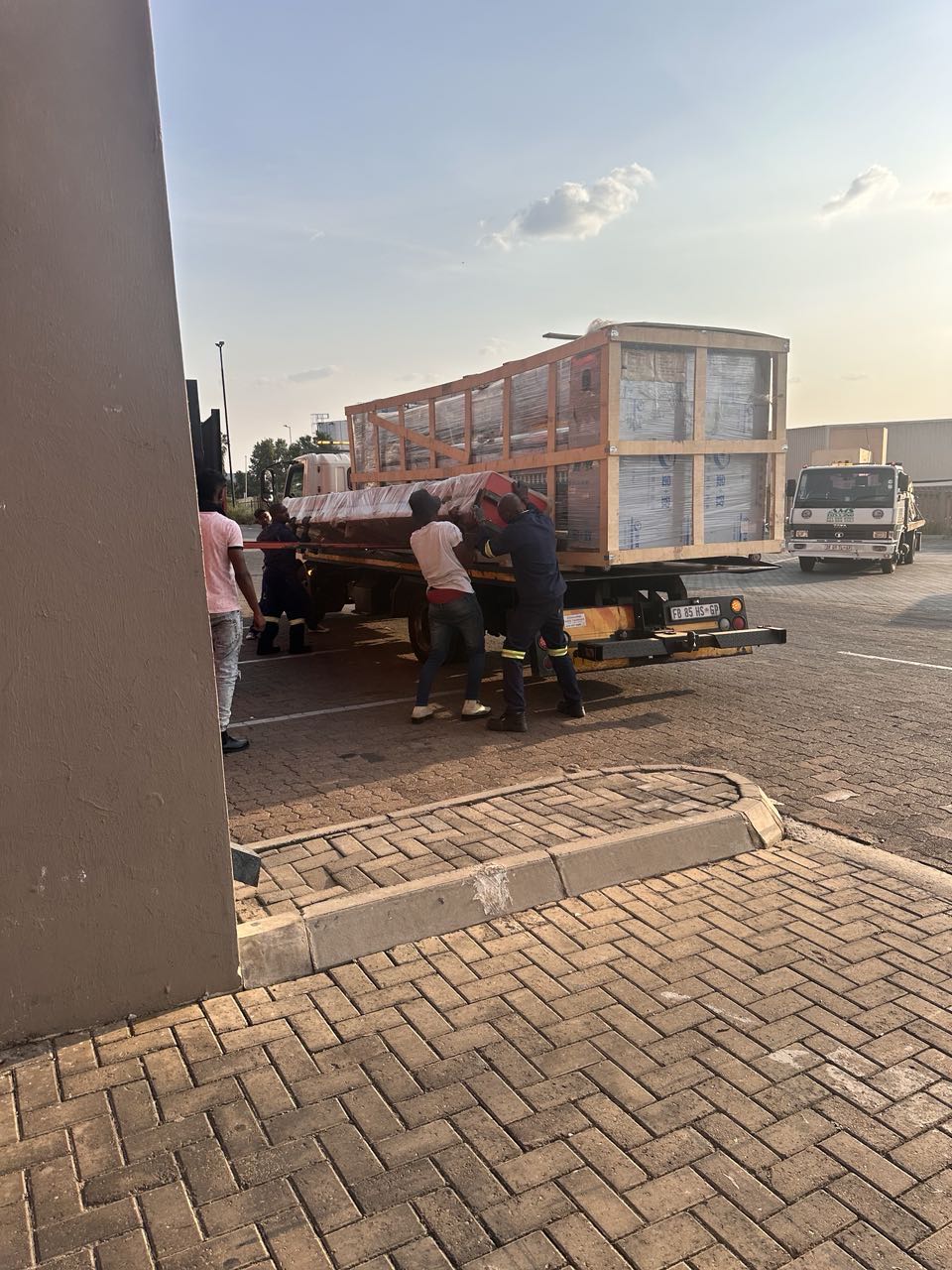
Toilet paper making machine
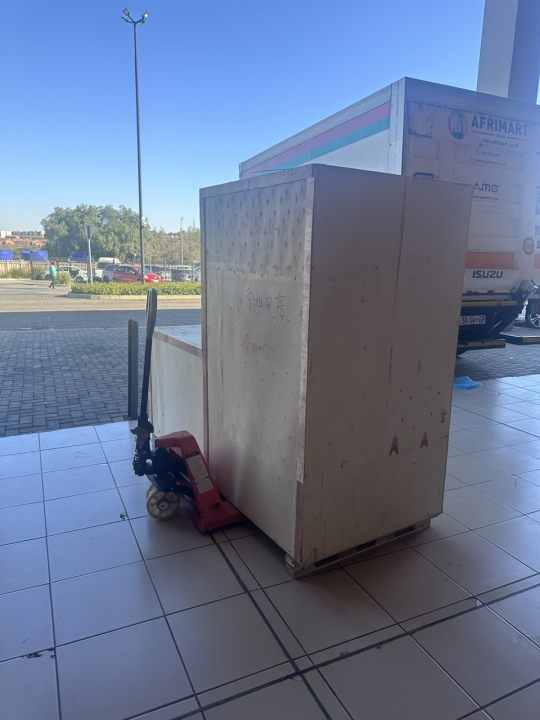
Toilet paper making machine
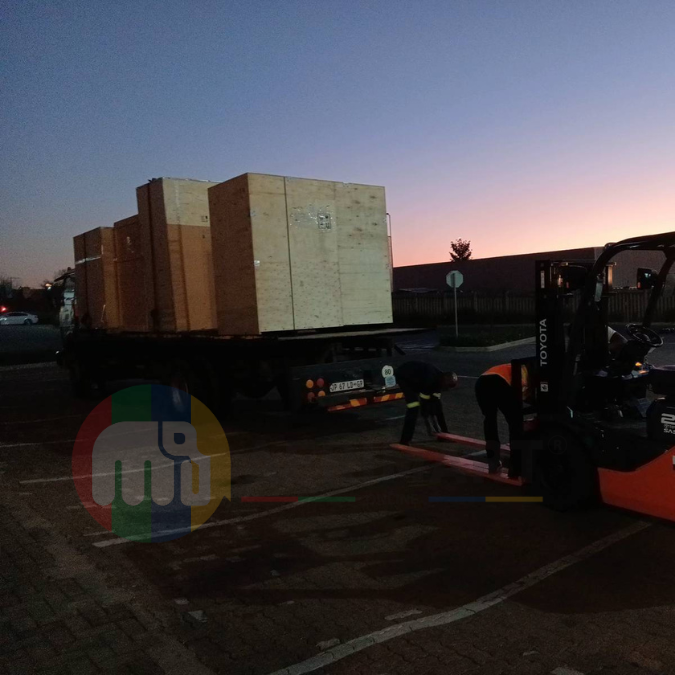
Toilet paper Rewinding Machine
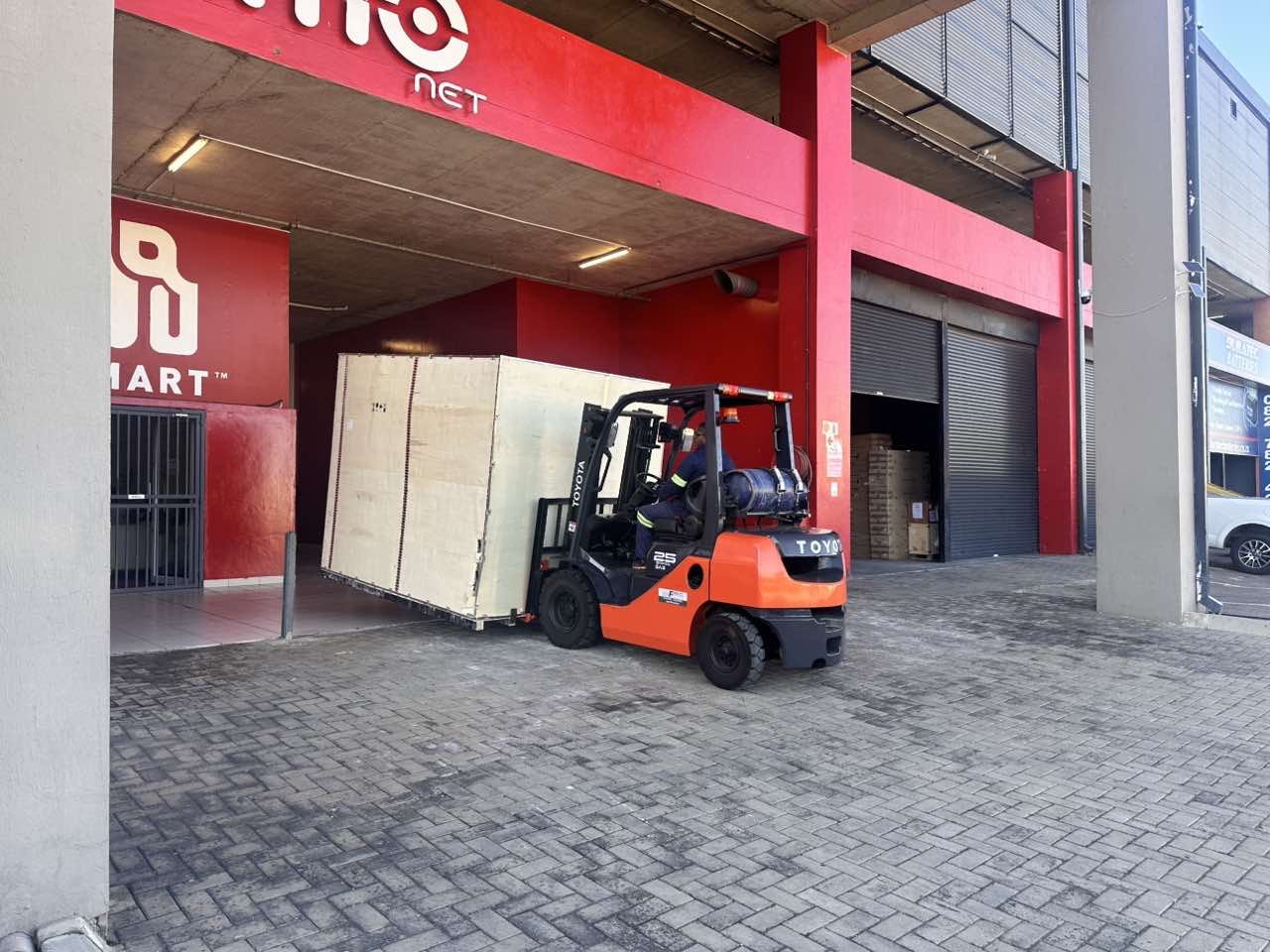
latest arrivals
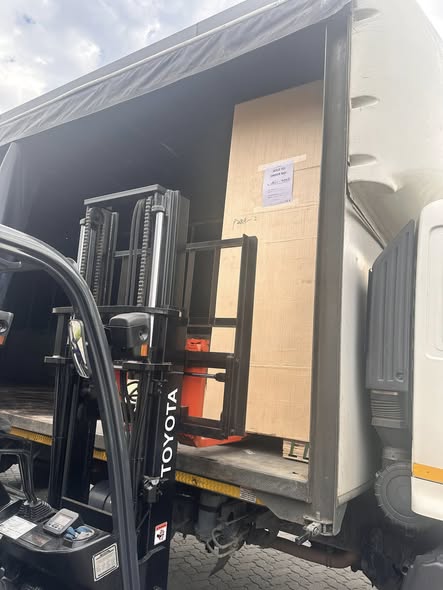
offloading
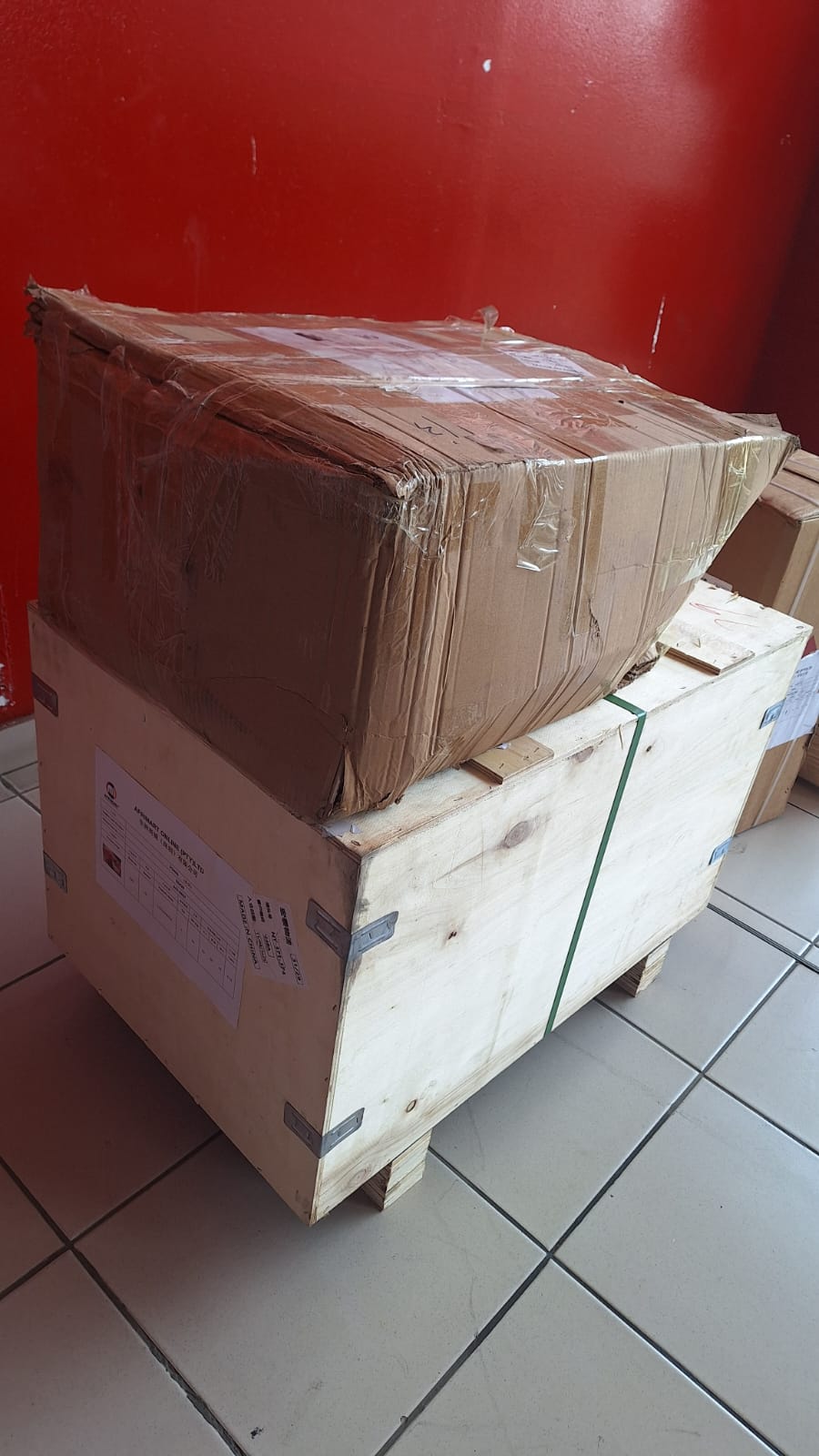
order success
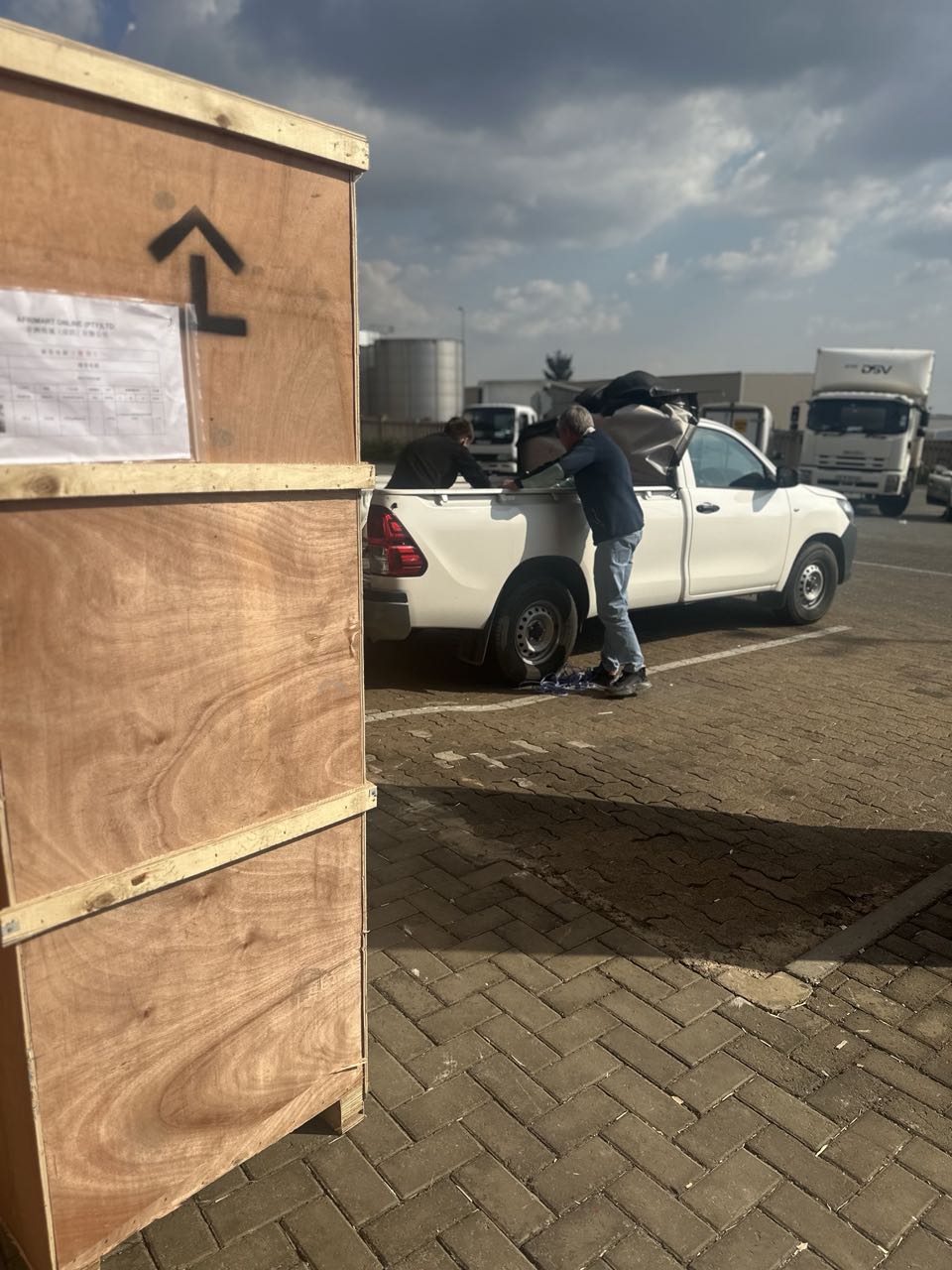
order collection
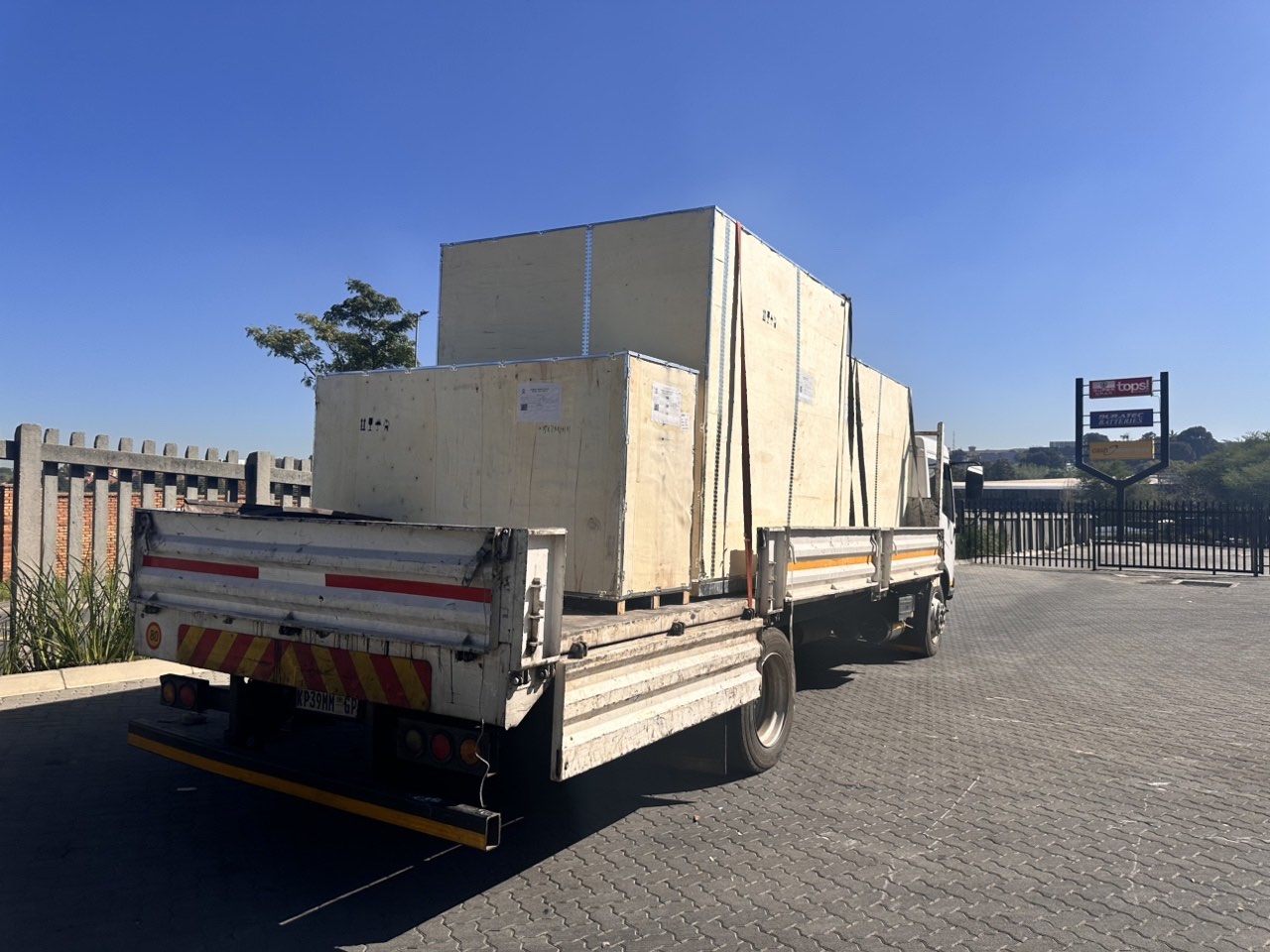
order offloading