B21, China Town Mall, Midrand

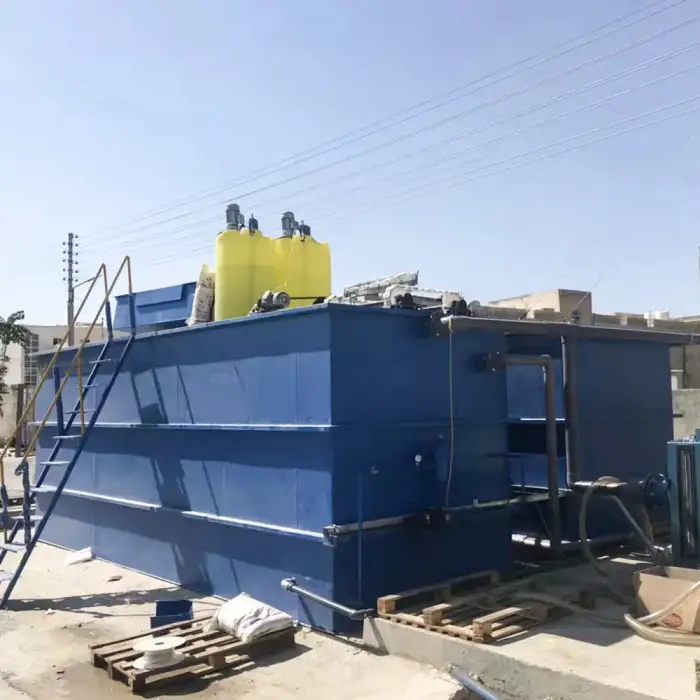
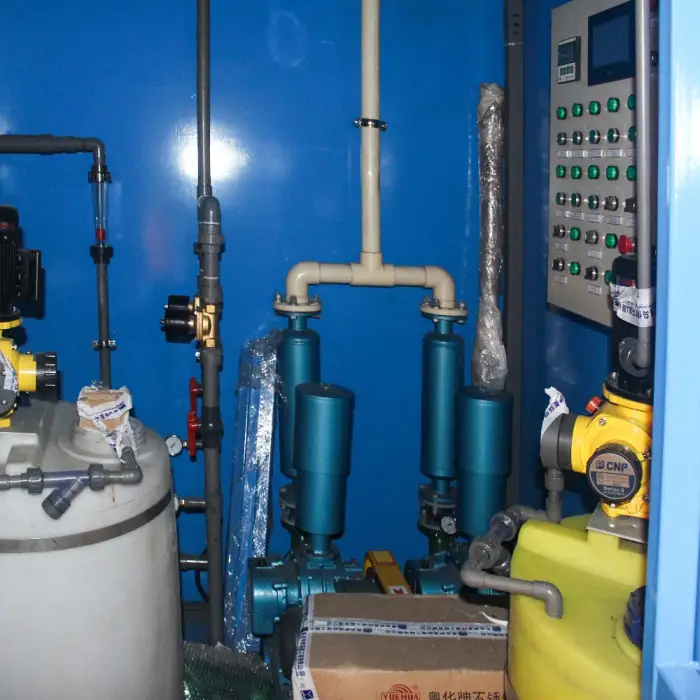
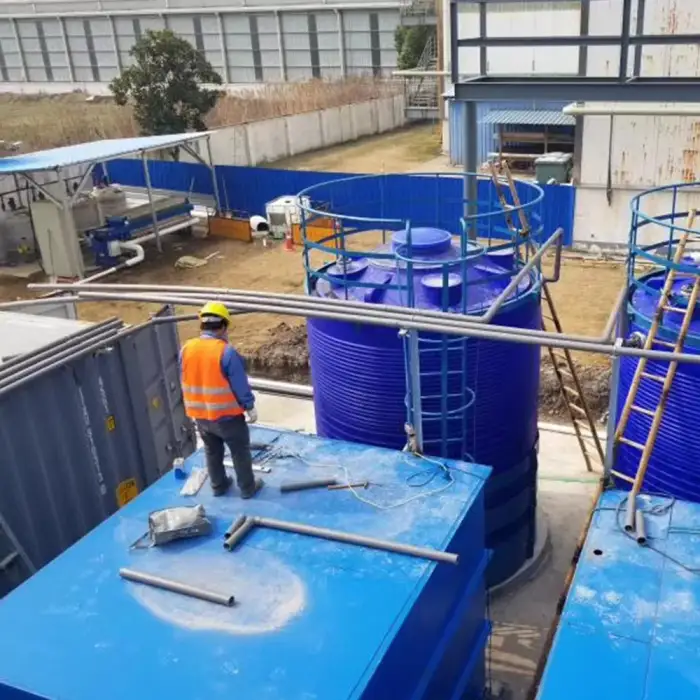
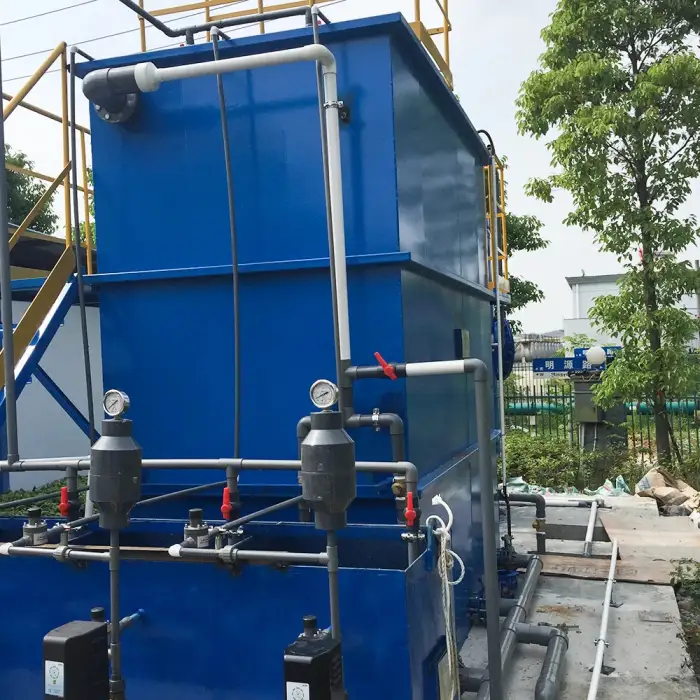
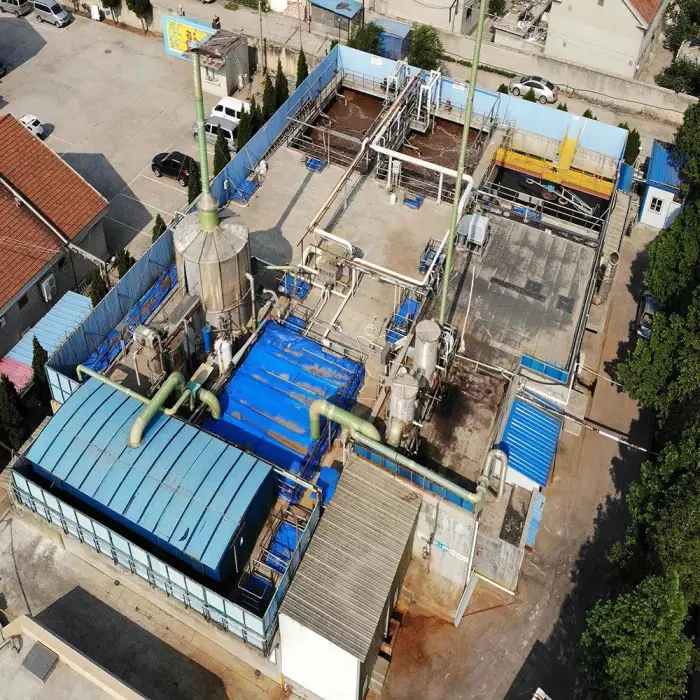
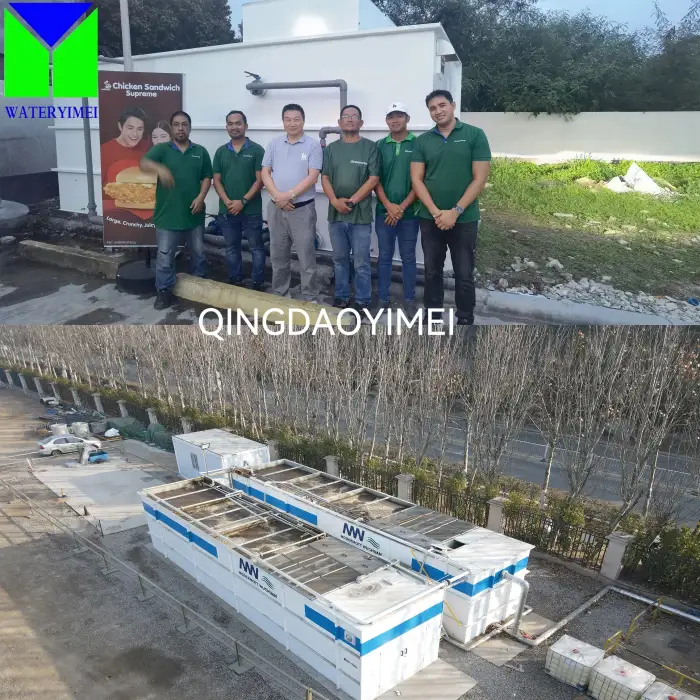
Sewage waste Water Treatment Plant equipment package Stp Plant MBBR MBR wastewater Sewage treatment System
Asset finance available
Do you want funding for this equipment?
Afrimart can connect you with trusted funding partners who specialise in asset finance for businesses like yours. Compare options and apply in minutes — final approval is subject to provider review.
Check funding options
Secure & no obligation
- Section : Machinery
- Category : Waste Treatment Machinery
- SKU : 1600818603955

- Product Description


The principle of the MBBR process is to increase the biomass and biological species in the reactor by adding a certain number of suspension carriers to the reactor, thus improving the efficiency of the reactor. Because the density of packing is close to that of water, it is completely mixed with water when aerated, and the environment of microorganism growth is gas, liquid and solid three phases. The collision and shearing action of the carrier in water make the air bubble smaller and increase the utilization rate of oxygen. In addition, each carrier has a variety of biological species inside and outside, the internal growth of some anaerobes or facultative bacteria, the outside is a good culture, so each carrier is a micro reactor, which makes the nitrification reaction and denitrification at the same time, thus improving the treatment effect.
Influent and effluent water quality

The process is applicable to high-contaminated wastewater such as meat processing wastewater, high-concentration organic wastewater, landfill leachate, etc. Meanwhile, for domestic sewage with low organic matter concentration, all water quality indexes of treated effluent can reach the national reuse index.

We can design best process according to wastewater type,wastewater quality and effluent standards,too. Advantages: 1. Impact load, long sludge age, less residual sludge, high efficiency and flexible operation.2. The sludge concentration in the reactor is relatively high. Generally, the sludge concentration is 5 to 10 times that of the conventional activated sludge process, and the aeration tank sludge mass concentration can be as high as 30 to 40 g/L.3. Head loss is small, should not be blocked, no backwash, generally do not return.4. As the core of the MBBR process, the suspended filler has aerobic and anaerobic metabolic activity, and can be a good nitrogen and phosphorus removal. Application scope:1. Hotels, restaurants, nursing homes, hospitals.2. Residential areas, village, town.3. Stations, airports, port terminals and ship.4. Factories, mines, military, tourist, scenic.5. All kinds of industrial wastewater similar with domestic sewage
| Iteam | inlet data | outlet data | ||
| COD | <600 | <50 | ||
| BOD | <30 | <20 | ||
| TSS | <100 | <10 |
- Shipping Timeframes: All orders are processed within 2-5 business days (excluding weekends and holidays). After your order has been processed, the estimated delivery time is before 01 Jul, 2026, depending on customs, Please note that due to high demand, some items may experience longer shipping times, which will be communicated at order confirmation email.
- Order Processing Time: Please allow 2-5 business days for us to process your order before it is shipped . Orders placed after 16:00 on Fridays, or during weekends and public holidays, will begin processing on the next business day. Processing times may be extended during peak seasons or sales events.
- Manufacturing Time: Some products needs manufacturing time, the manufacturing process will take approximately 10-30 business days depending on the product. This timeframe may vary depending on the complexity of the product and current demand. but this will be communicated with you during order confirmation.
- Returns and Exchanges: We offer a 30-day return policy for most items. If you are not completely satisfied with your purchase, you may return it within 30 days of receipt for a refund or exchange. Items must be unused, in their original packaging, and accompanied by proof of purchase. Return shipping costs are the responsibility of the customer, unless the item was damaged or defective upon arrival.
1. What is the MBBR process in wastewater treatment?
The MBBR (Moving Bed Biofilm Reactor) process enhances biomass and biological species in the reactor by introducing suspension carriers. This improves reactor efficiency by allowing microbial growth in a three-phase environment of gas, liquid, and solid.
2. What types of wastewater can this system treat?
This system is suitable for high-contaminated wastewater, including meat processing wastewater, high-concentration organic wastewater, landfill leachate, and can also effectively treat domestic sewage.
3. What are the effluent quality standards achievable with this system?
The treated effluent can meet national reuse standards, with COD levels below 50 mg/L, BOD below 20 mg/L, and TSS below 10 mg/L.
4. What are the main advantages of using the MBBR system?
Key advantages include high treatment efficiency, reduced residual sludge, flexible operation, high sludge concentration, minimal head loss, and good nitrogen and phosphorus removal capabilities.
5. How does the MBBR system improve oxygen utilization?
The collision and shearing action of the carriers in water create smaller air bubbles, increasing the surface area for oxygen transfer, thus enhancing the utilization rate of oxygen.
6. Can the system handle varying levels of organic matter?
Yes, the system can be designed to accommodate different wastewater types and organic matter concentrations, ensuring effective treatment tailored to specific conditions.
7. What is the typical sludge concentration in the reactor?
The sludge concentration in the reactor can be 5 to 10 times higher than that of conventional activated sludge processes, with aeration tank sludge mass concentrations reaching up to 30 to 40 g/L.
8. Is backwashing required for this system?
No, the MBBR system generally does not require backwashing and is designed to prevent blocking, offering a more efficient and maintenance-friendly operation.
9. Where can this wastewater treatment system be applied?
This system is applicable in hotels, restaurants, nursing homes, hospitals, residential areas, factories, military facilities, and various industrial wastewater scenarios.
10. What is the expected lifespan of the MBBR system equipment?
The lifespan of the equipment can vary based on usage and maintenance, but with proper care, it can last many years under normal operating conditions.
11. Does the system require special training for operation?
While basic operational knowledge is beneficial, comprehensive training is typically provided with the equipment to ensure safe and efficient use.
12. Can the system be customized for specific wastewater treatment needs?
Yes, the system can be designed and customized based on the specific type of wastewater, its quality, and the required effluent standards.
13. What are the maintenance requirements for the MBBR system?
Maintenance is generally low, focusing on routine checks and monitoring of system performance, with less frequent need for extensive repairs or cleaning.
14. What environmental benefits does this treatment system offer?
The MBBR system effectively reduces pollutants, promoting cleaner water reuse, and helps in preserving natural water bodies by ensuring treated effluent meets environmental standards.
15. How does the MBR technology integrate with MBBR?
MBR (Membrane Bioreactor) technology can be integrated with MBBR to provide additional filtration, enhancing effluent quality by removing smaller particles and pathogens.
Latest Order Arrivals
Discover our latest orders
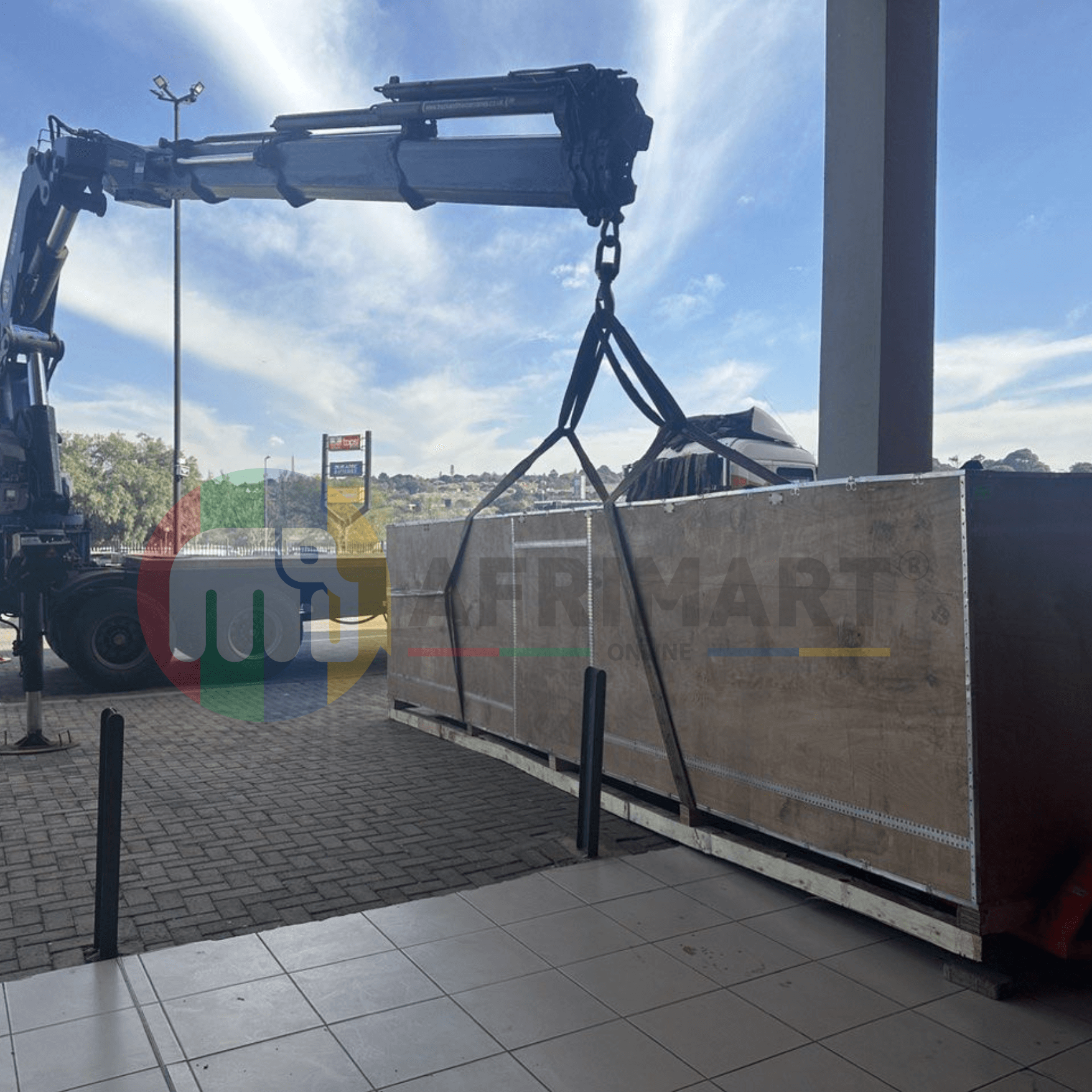
12 Heads Embroidery Machine
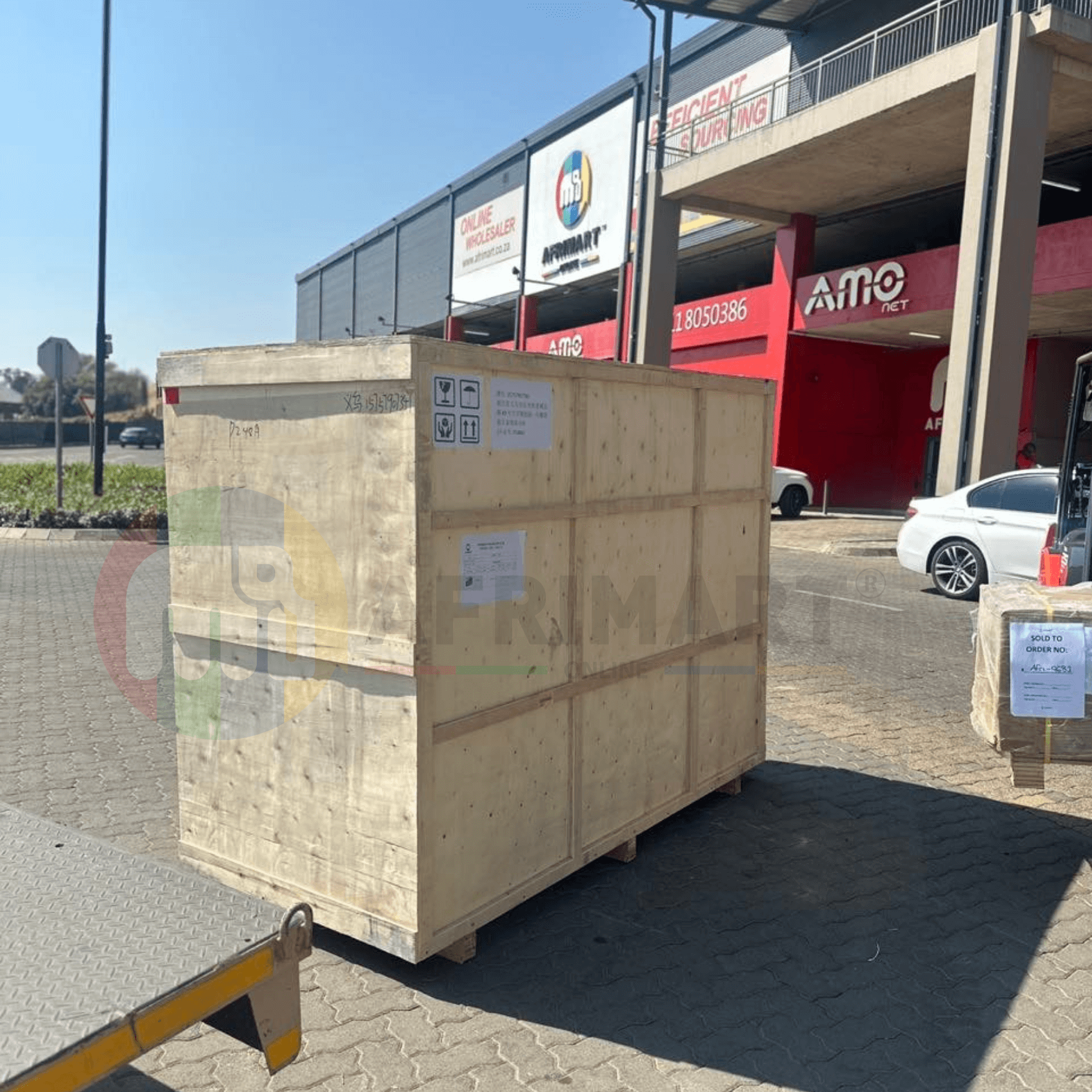
Dewatering Pump Machine
Order Collection
Portable Water Drilling Rig
Order Usefully Collected
Batch of Orders
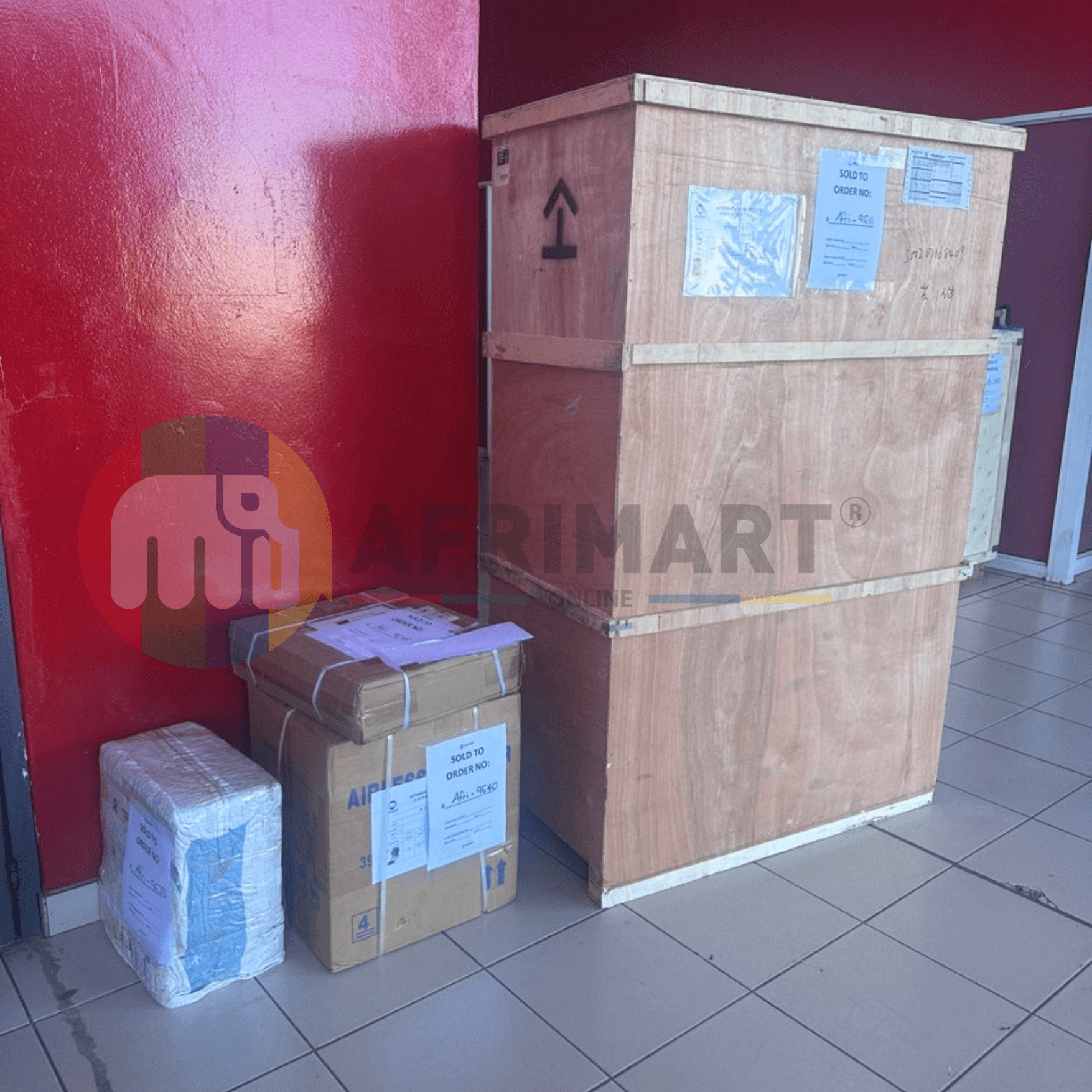
Agriculture Processing Machines
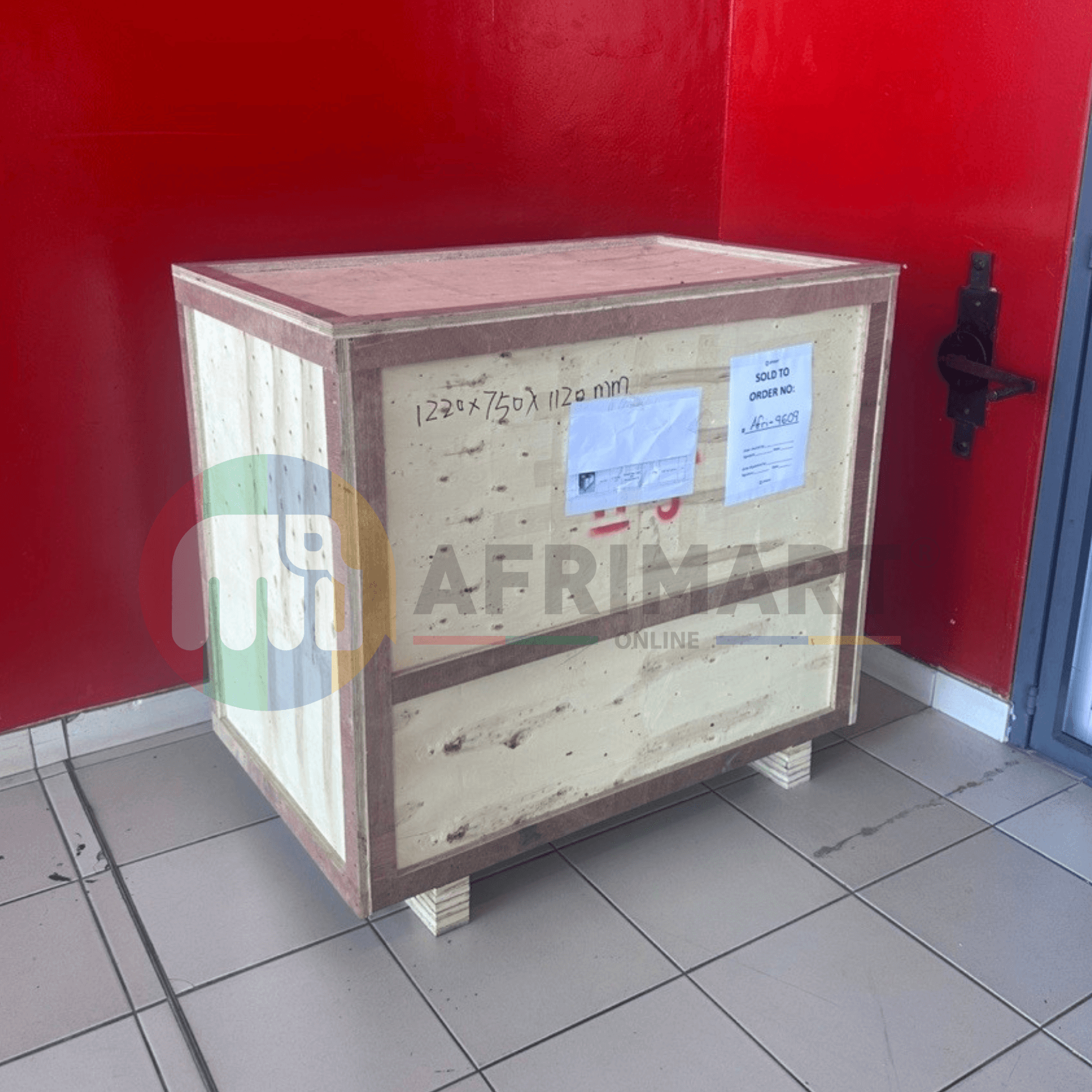
Meat Grinder Machine
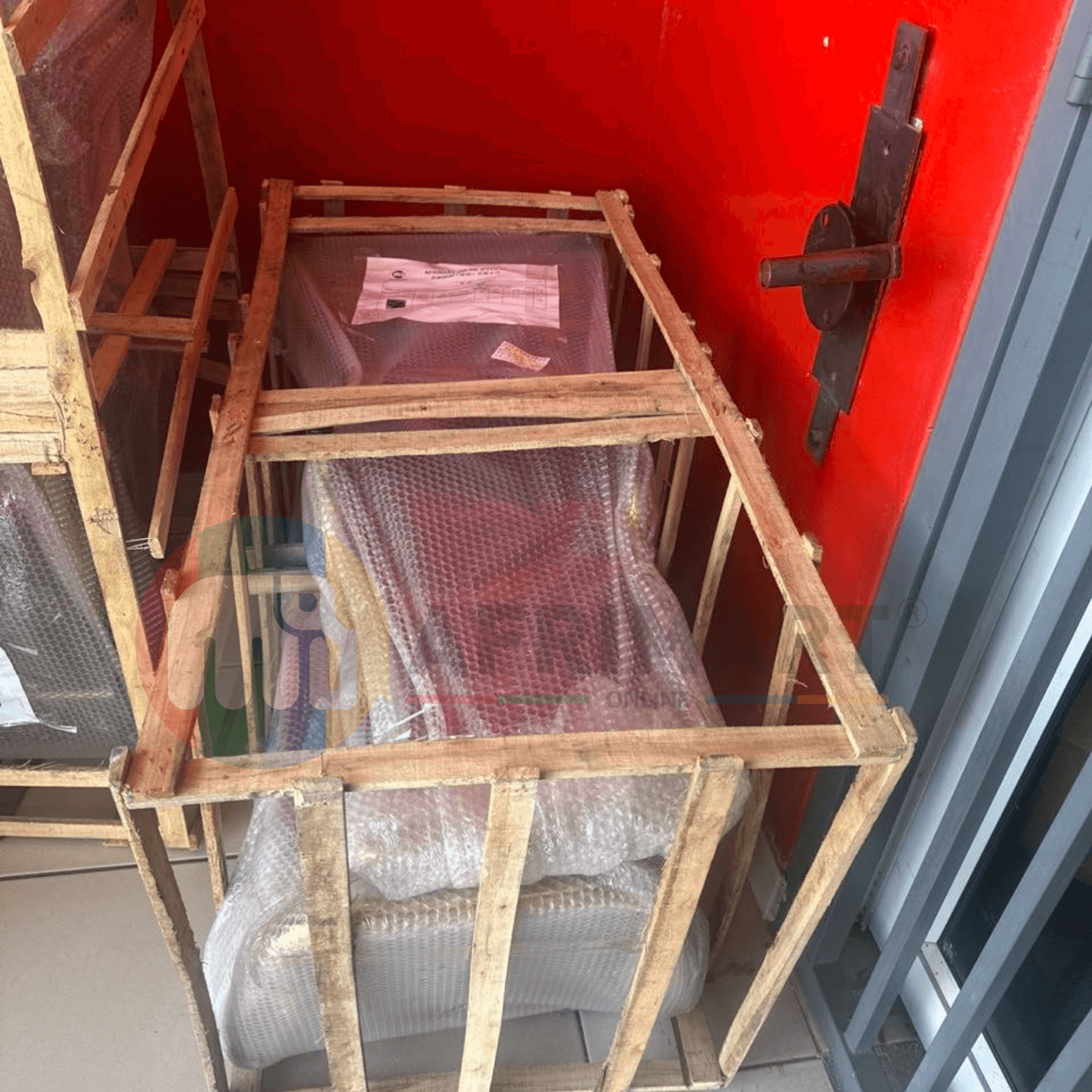
Water Pump Equipment
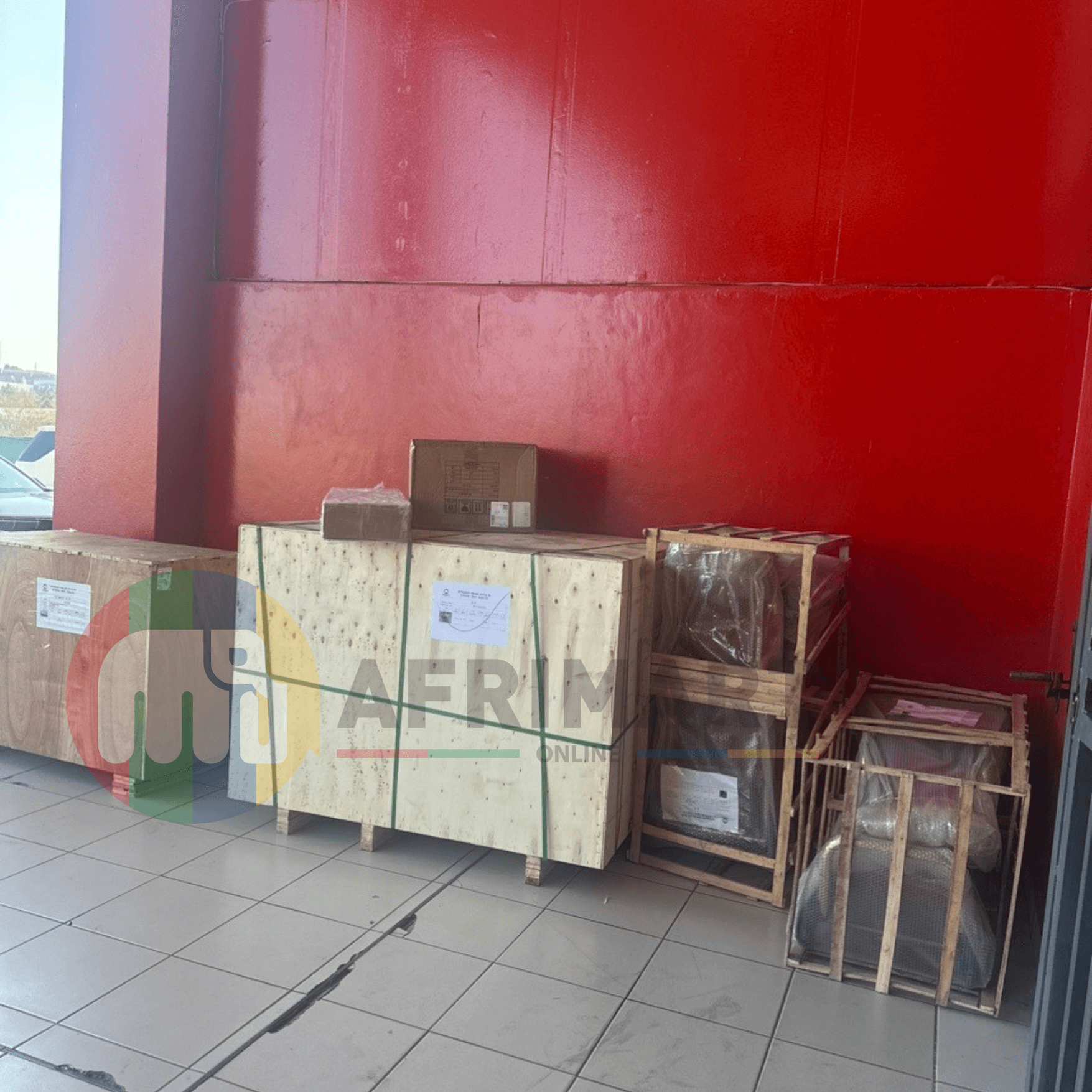
Packaging Machine and accessories
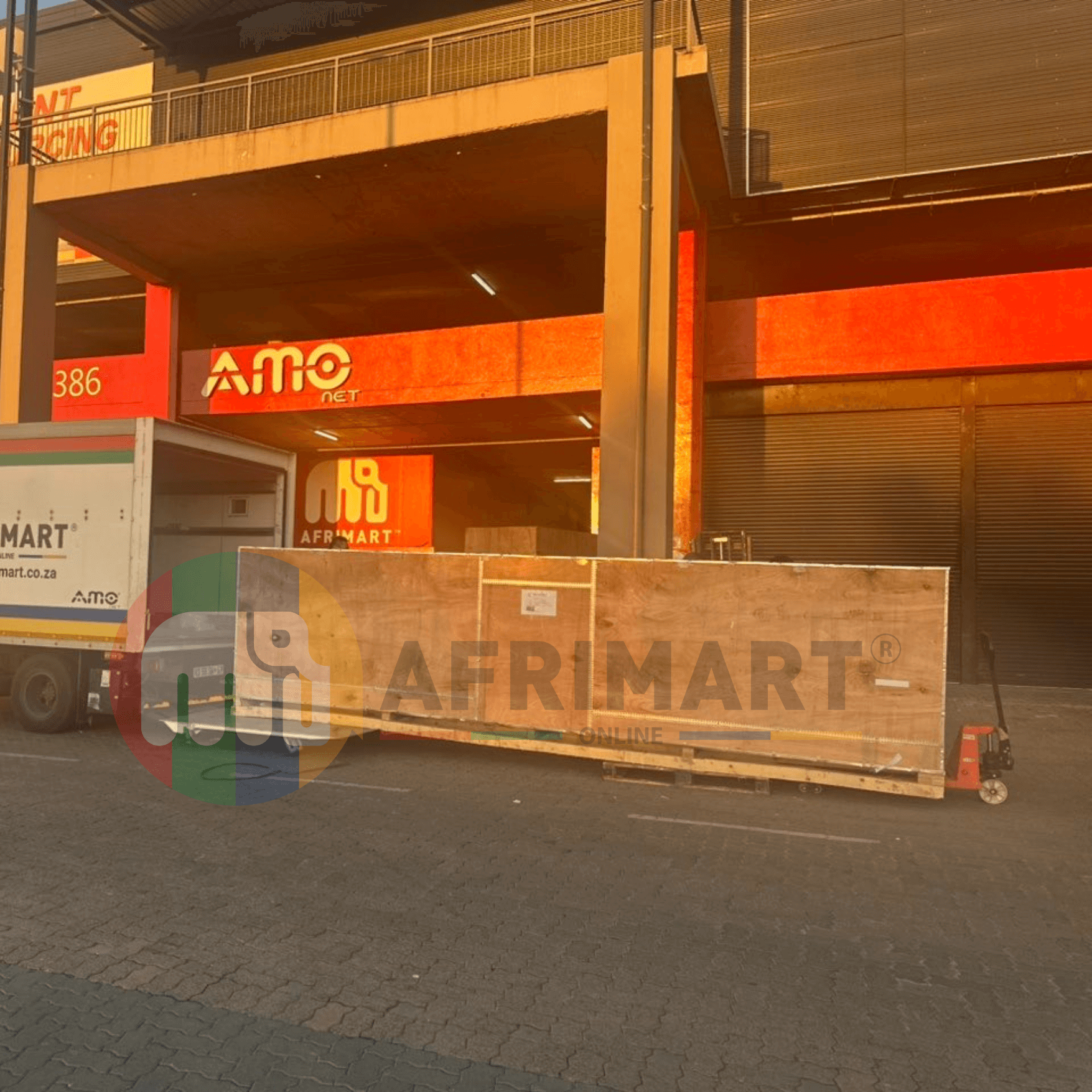
Fabrics Manufacturing Equipment
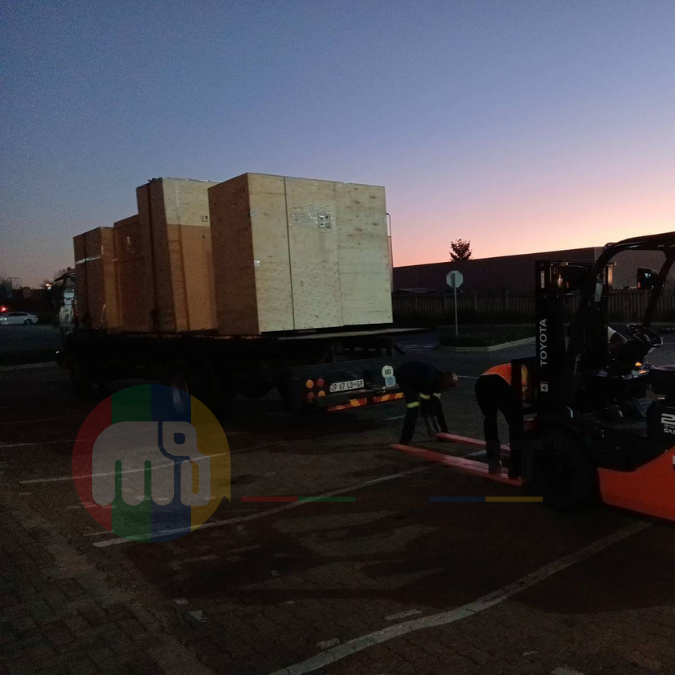
Mining Equipments
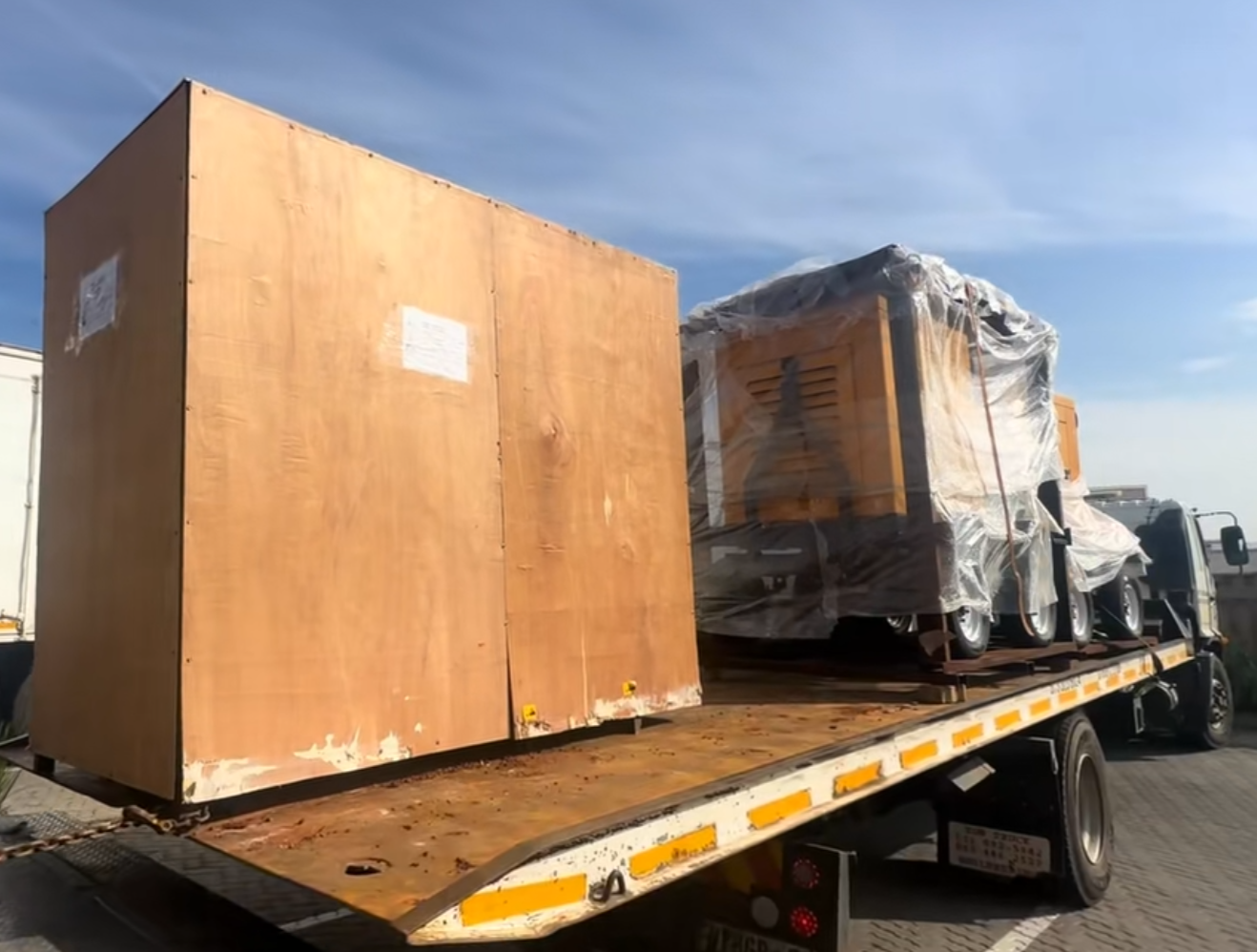
Food Processing Machine
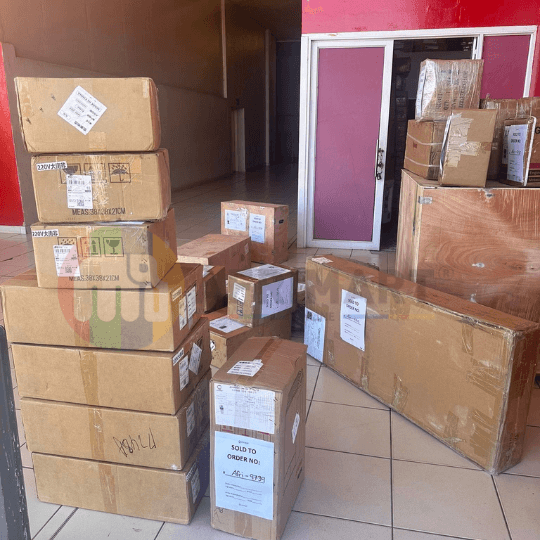
Batch of Orders
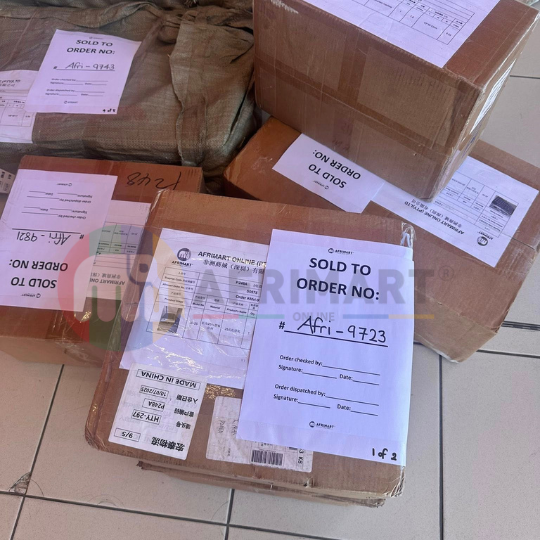
Batch of Orders
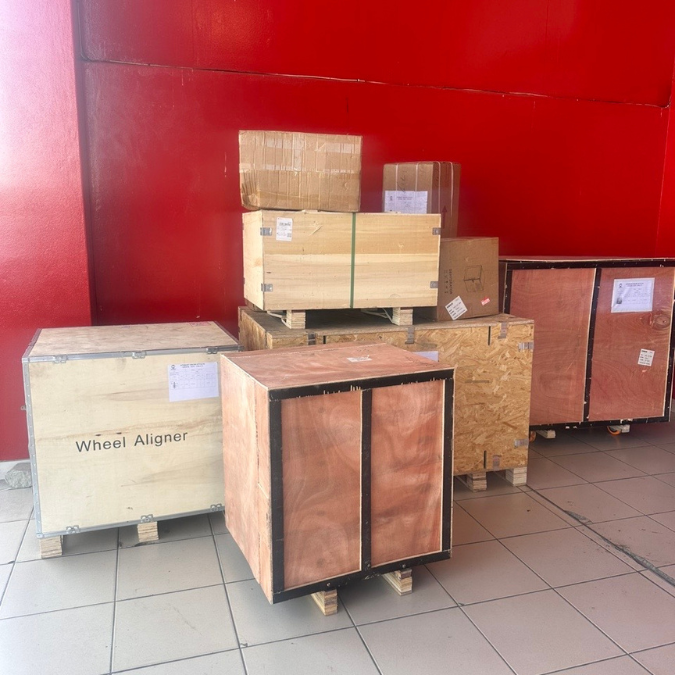
Latest Orders Labelled
wheel alignment machines
new arrivals
Pre Orders Offloading
Latest Arrivals
Latest Arrivals
Latest Arrivals
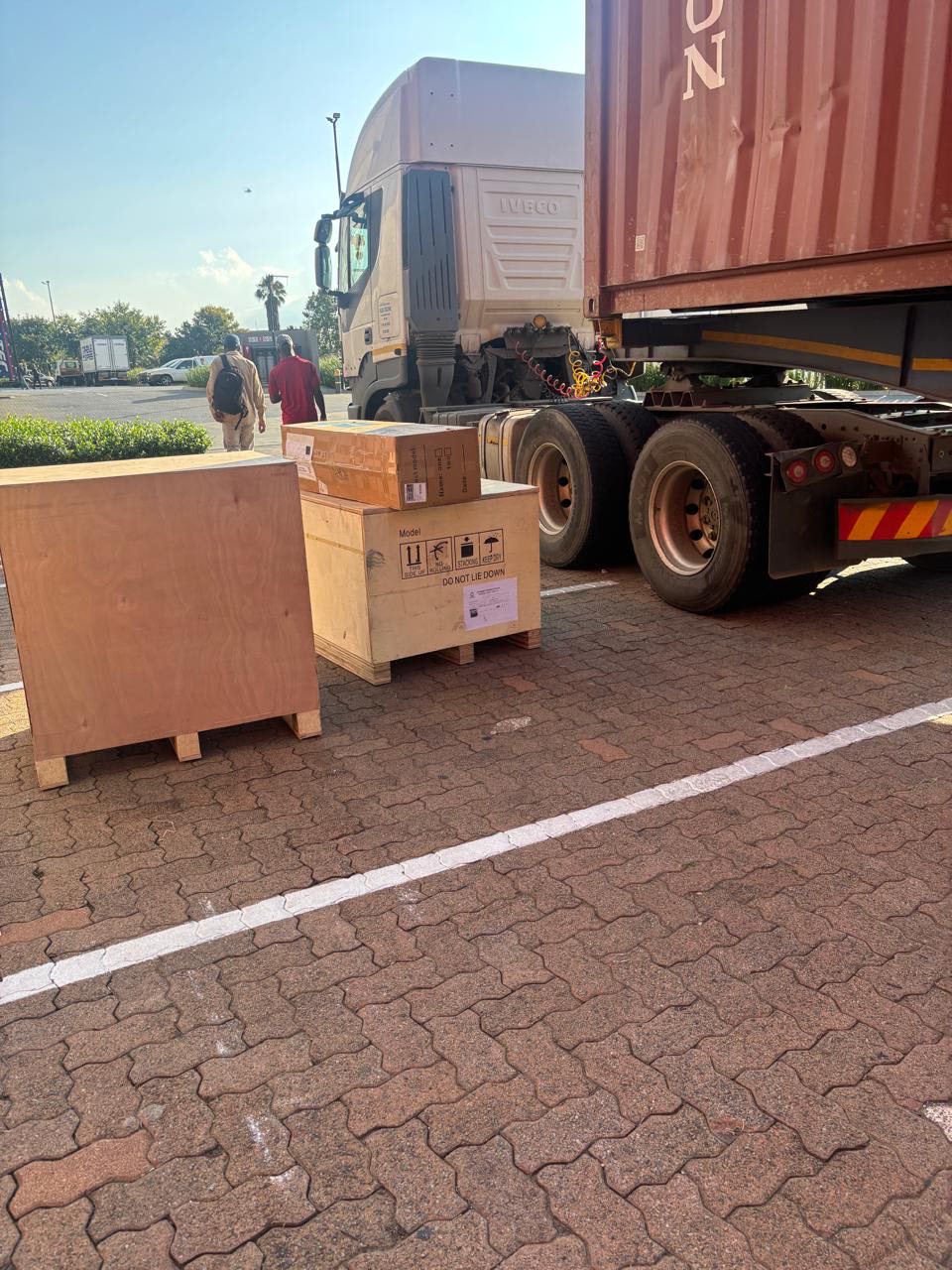
26 January 2026
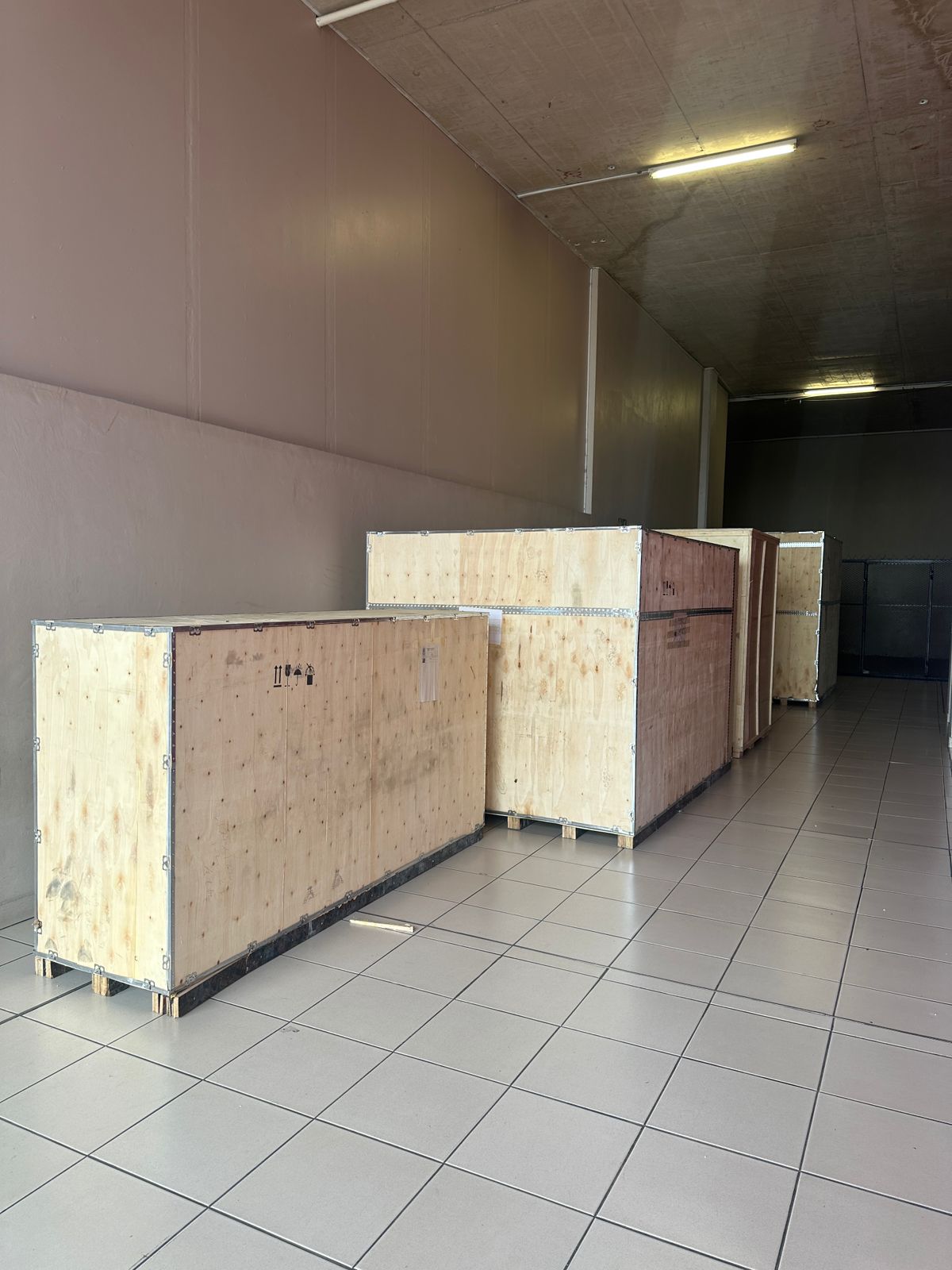
Toilet paper making machine
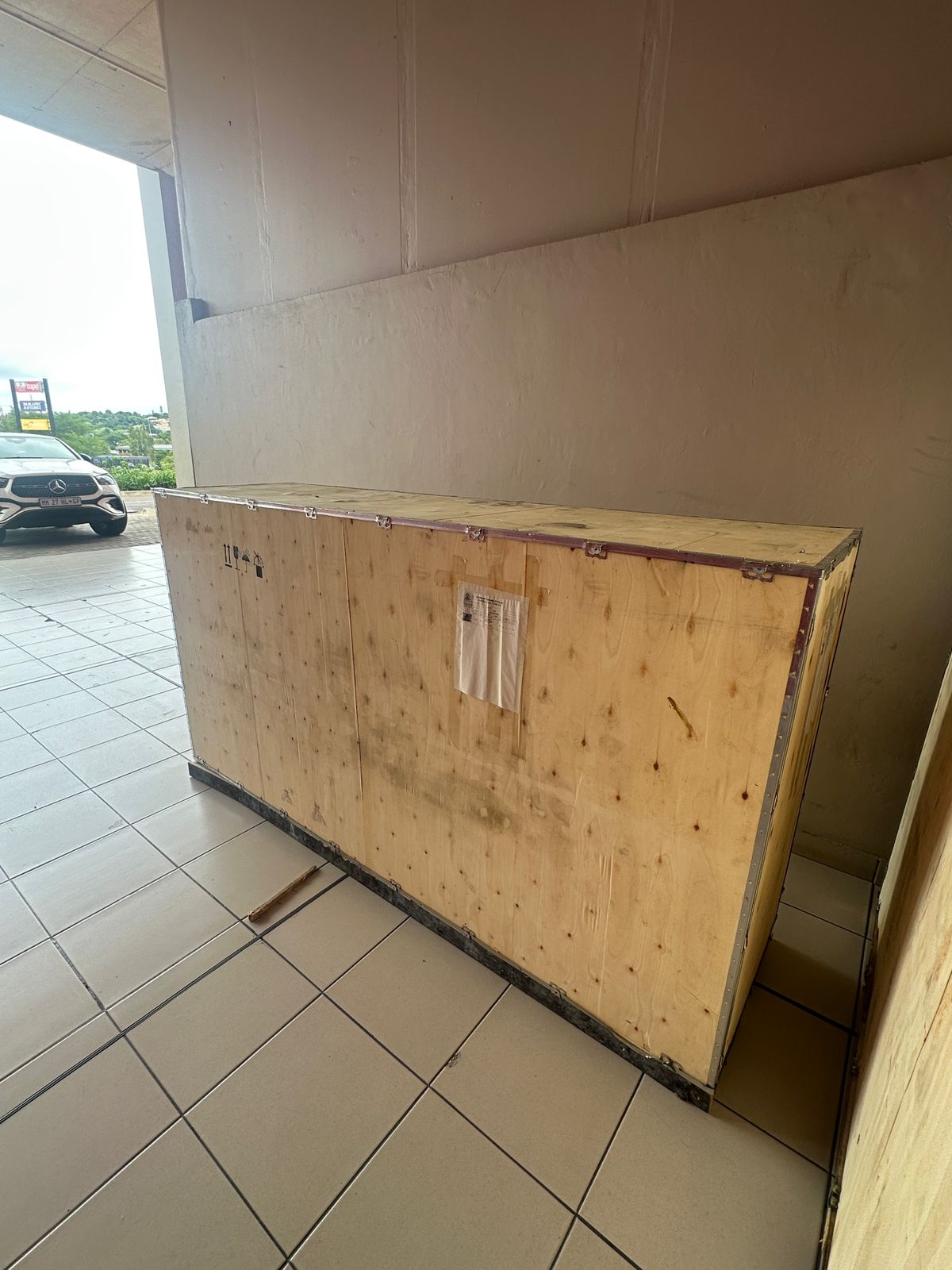
Toilet paper making machine
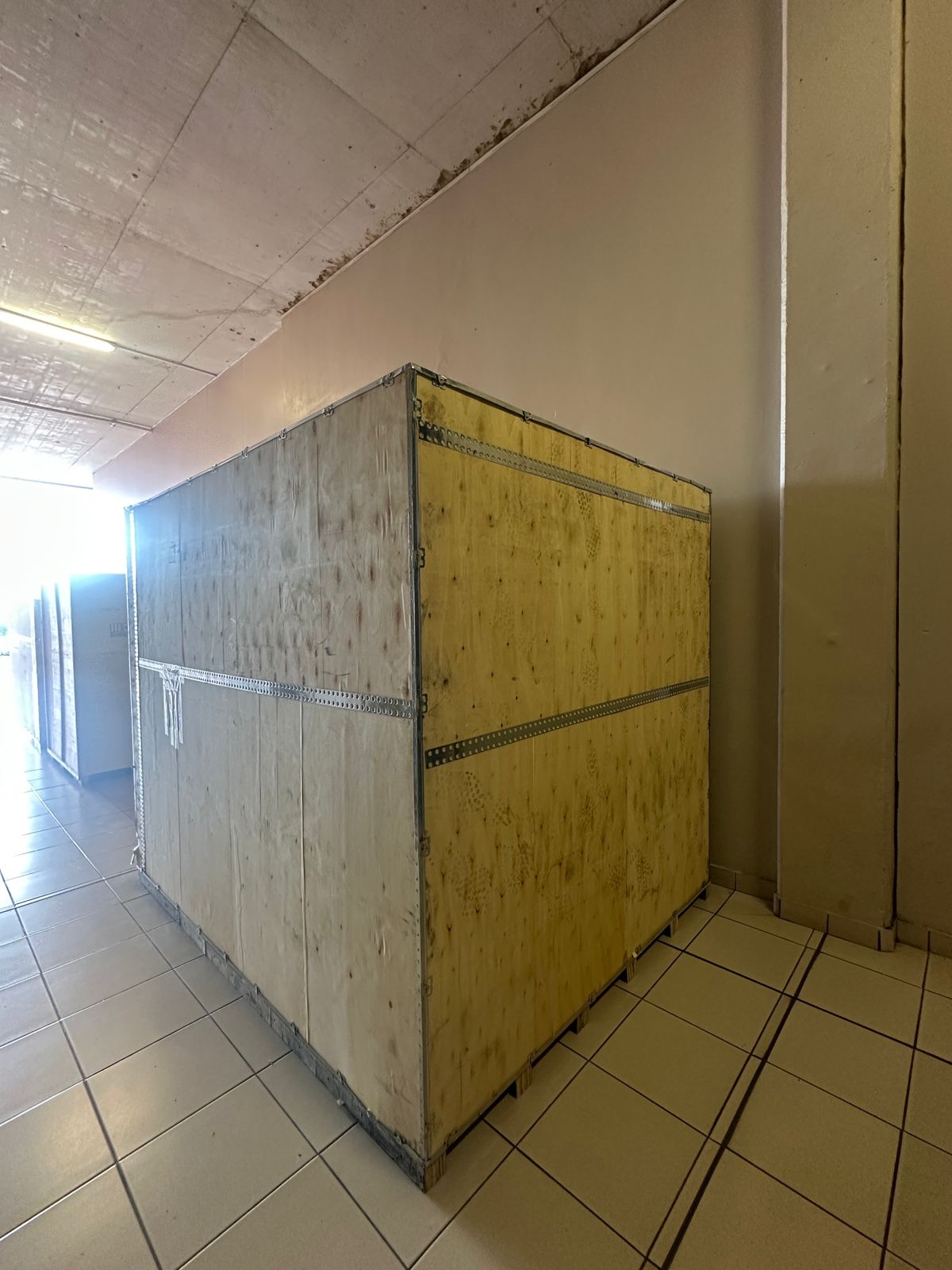
Toilet paper Rewinding Machine
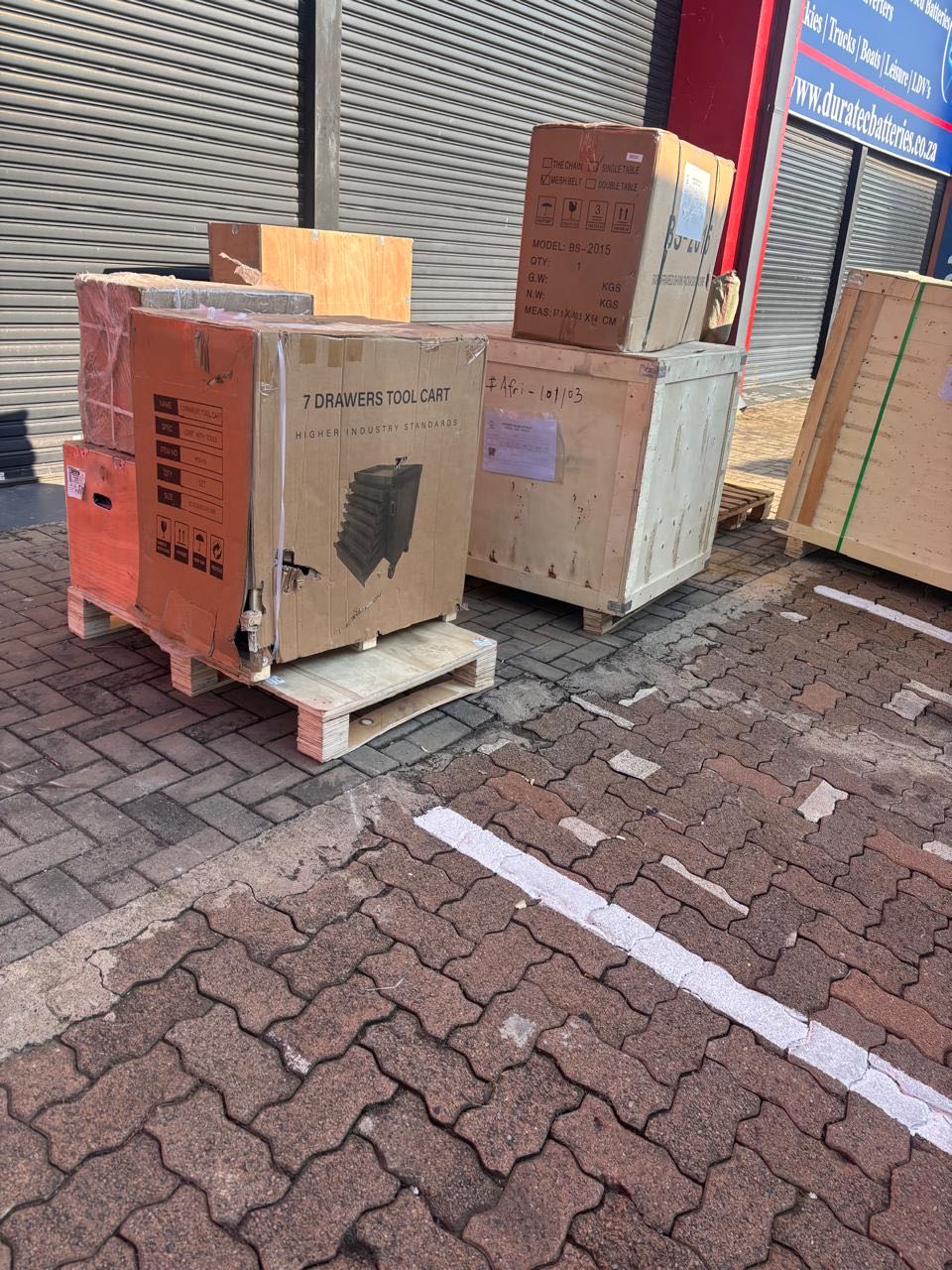
latest arrivals
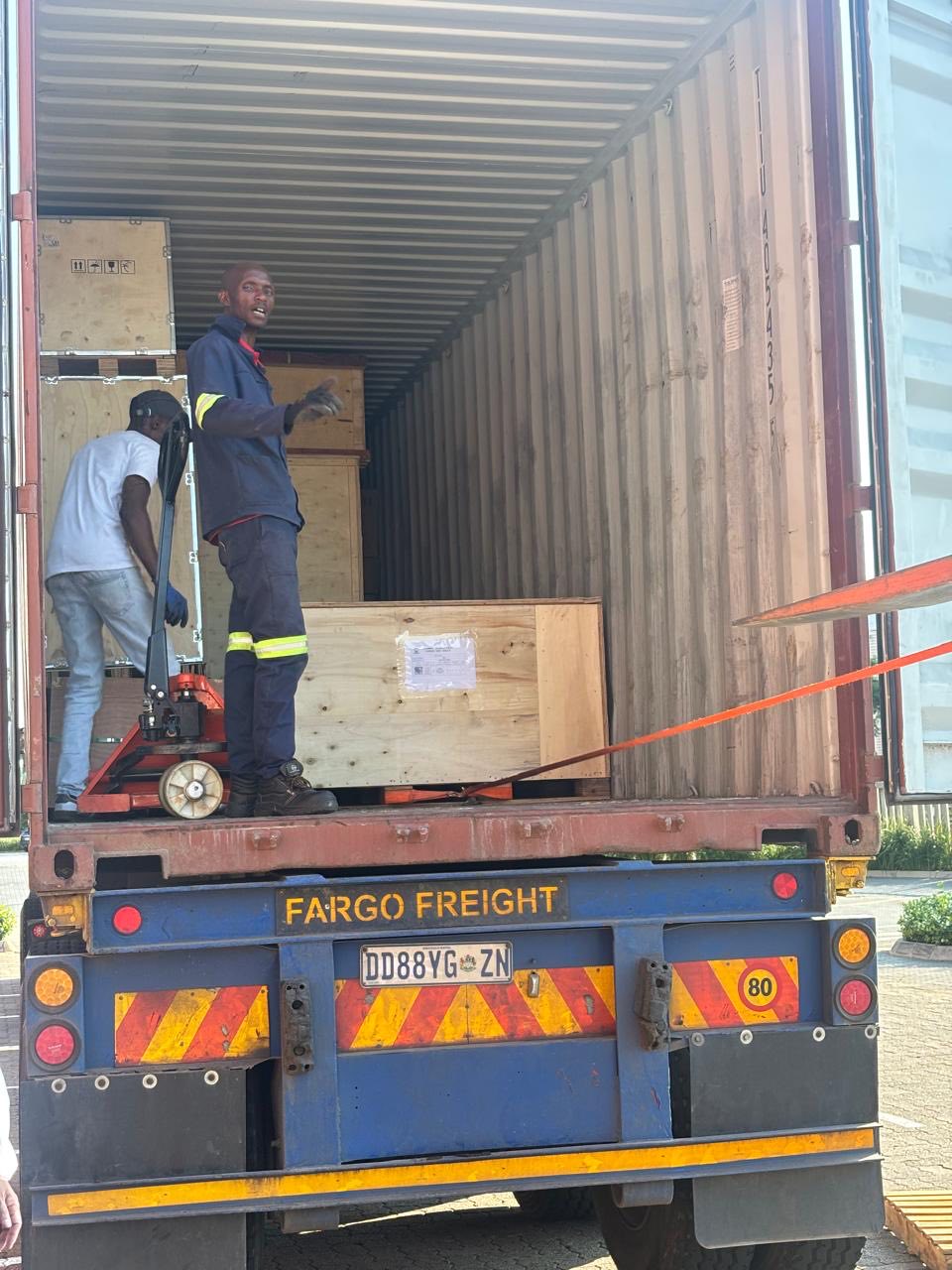
offloading
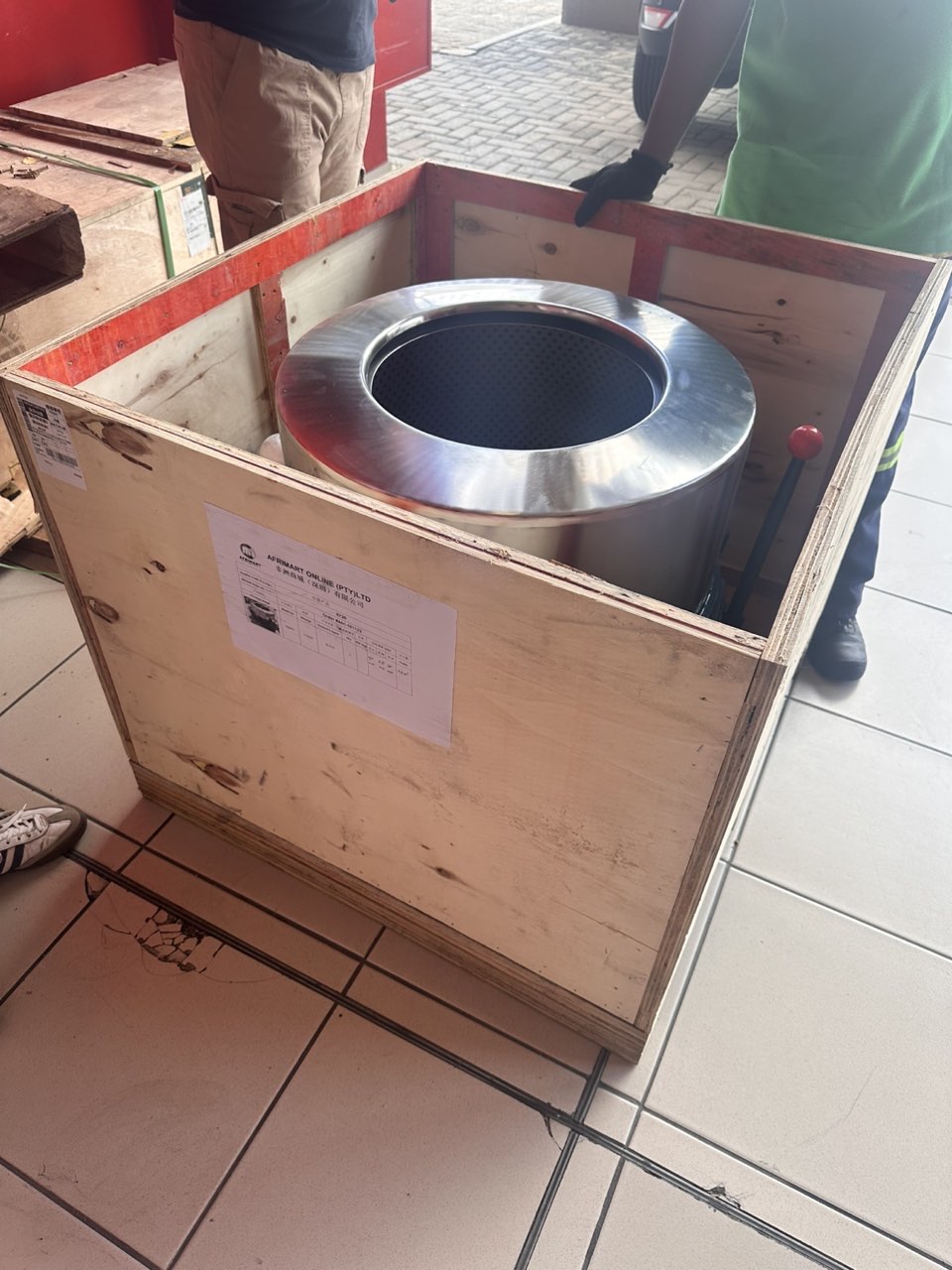
order success
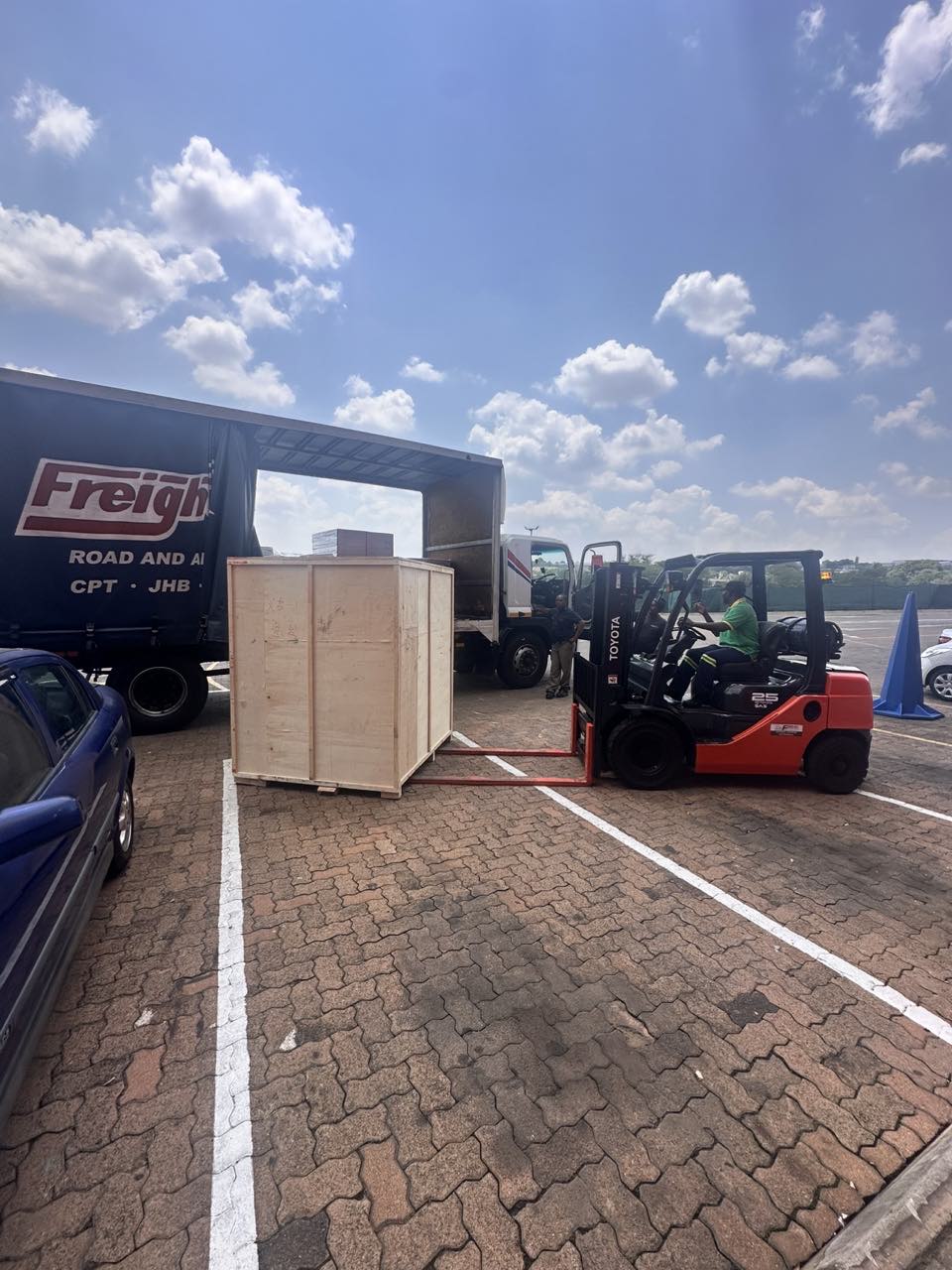
order collection
order offloading