B21, China Town Mall, Midrand


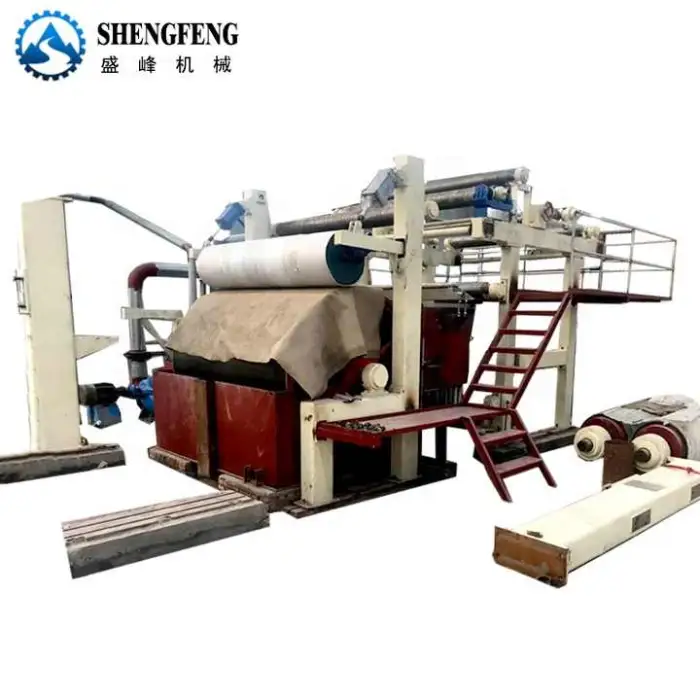
Second Hand Toilet Tissue Paper Making Machine
Asset finance available
Do you want funding for this equipment?
Afrimart can connect you with trusted funding partners who specialise in asset finance for businesses like yours. Compare options and apply in minutes — final approval is subject to provider review.
Check funding options
Secure & no obligation

- Section : Machinery
- Category : Paper Production Machinery
- SKU : 1600612654102

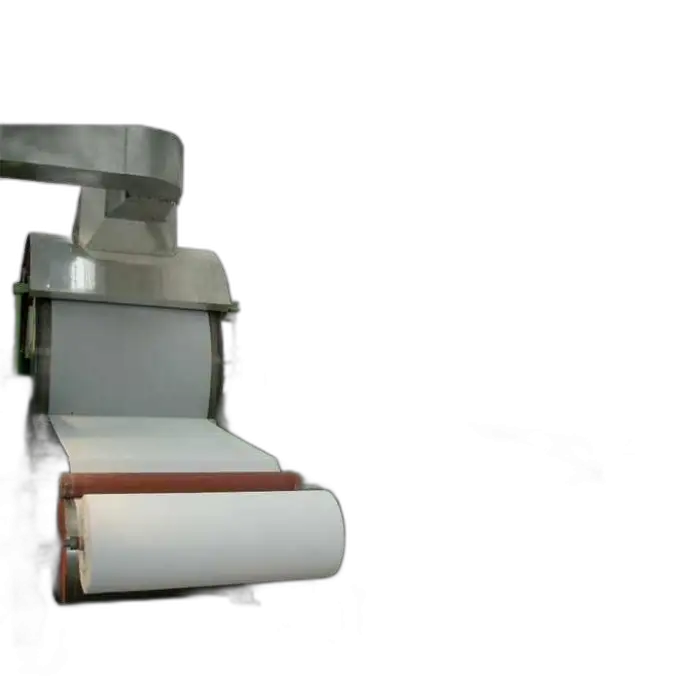
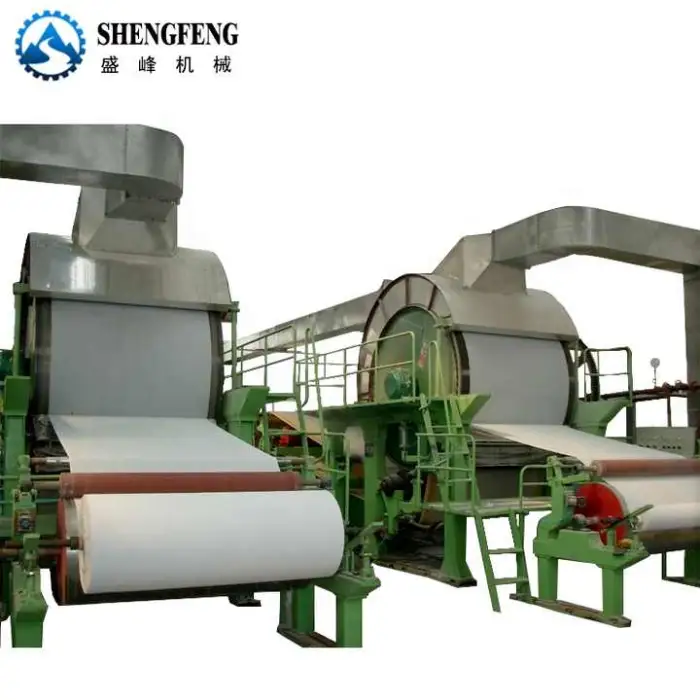
Second Hand Toilet Tissue Paper Making Machine
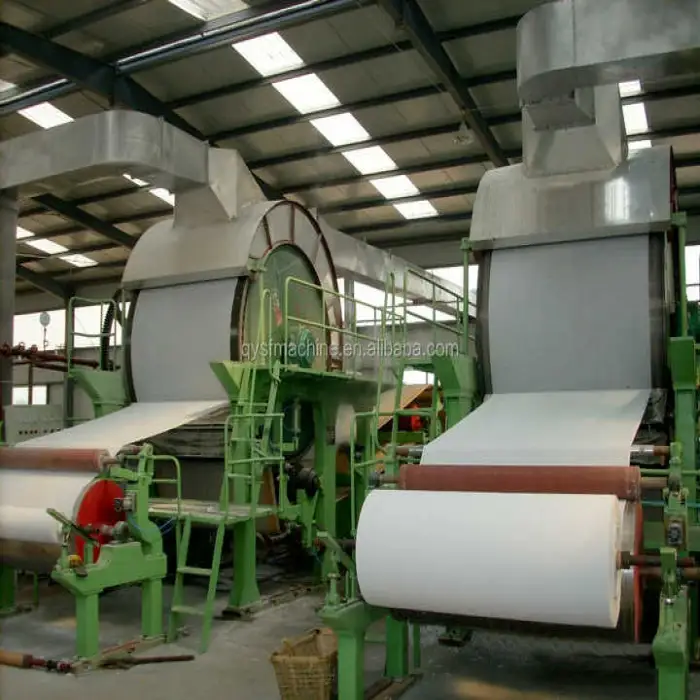
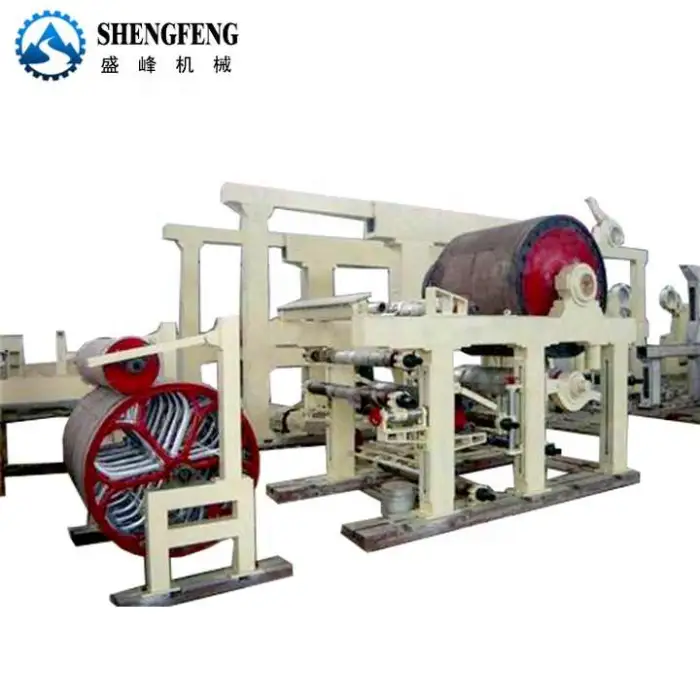
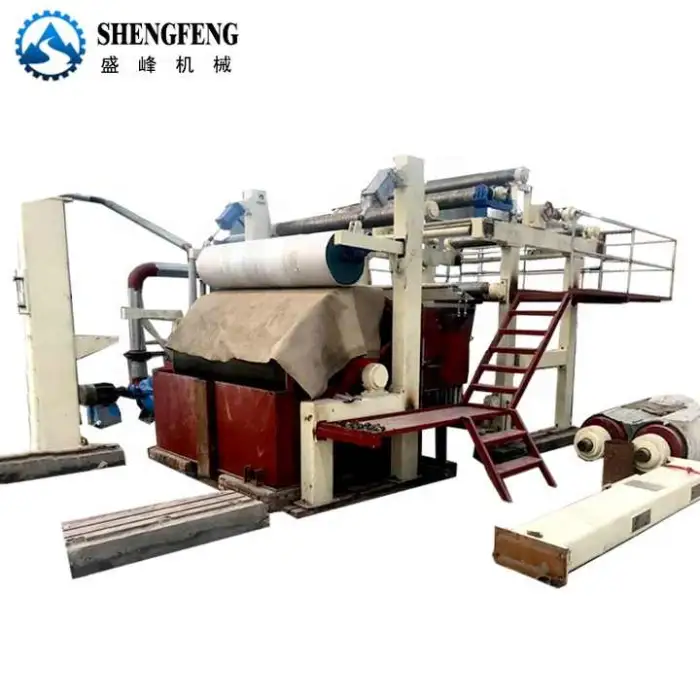
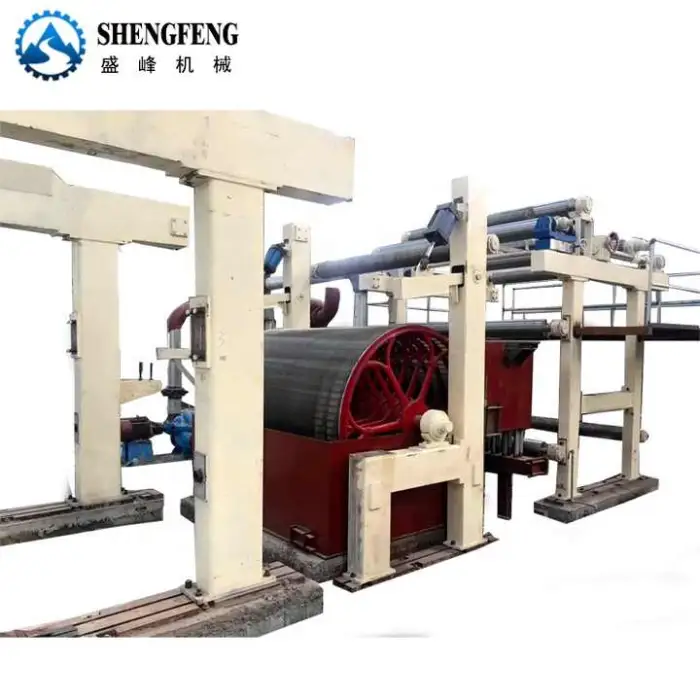
The Second Hand Toilet Tissue Paper Making Machine is an excellent choice for businesses looking to produce high-quality toilet tissue efficiently. With a production capacity of up to 200 meters per minute, this machine helps you turn raw materials like waste paper, wood, straw, and reed into finished toilet tissue rolls swiftly. Designed for ease of use and maintenance, it is a reliable addition to your paper production line.
Specifications
| Attribute | Details |
|---|---|
| Voltage | 380V 50HZ |
| Processing Type | Paper making production line |
| Production Capacity | 200 m/min |
| Daily Capacity | 8-10T |
| Power | 100kw |
| Dimensions (L*W*H) | 10m * 5m * 5.6m |
| Working Speed | 80-140m/min |
| Control System | PLC, Frequency converter |
| Drive Way | Electric Motor |
Key Features
- Efficient production speed of 200 m/min.
- Produces high-quality toilet tissue rolls.
- Can process various raw materials such as waste paper and straw.
- Equipped with PLC and frequency converter for easy operation.
- Robust design with key components like pressure vessel and gearbox.
- Service available with engineers for overseas support.
Applications
- Manufacturing toilet tissue for retail sale.
- Production for hotels and restaurants.
- Supplying hospitals and sanitary facilities.
- Creating eco-friendly tissue products from recycled materials.
- Supporting the paper industry with efficient production lines.
The Second Hand Toilet Tissue Paper Making Machine is your go-to solution for high-efficiency tissue production. Invest in this machine to enhance your production capabilities today!
Product Info Gallery
- Shipping Timeframes: All orders are processed within 2-5 business days (excluding weekends and holidays). After your order has been processed, the estimated delivery time is before 03 Aug, 2026, depending on customs, Please note that due to high demand, some items may experience longer shipping times, which will be communicated at order confirmation email.
- Order Processing Time: Please allow 2-5 business days for us to process your order before it is shipped . Orders placed after 16:00 on Fridays, or during weekends and public holidays, will begin processing on the next business day. Processing times may be extended during peak seasons or sales events.
- Manufacturing Time: Some products needs manufacturing time, the manufacturing process will take approximately 10-30 business days depending on the product. This timeframe may vary depending on the complexity of the product and current demand. but this will be communicated with you during order confirmation.
- Returns and Exchanges: We offer a 30-day return policy for most items. If you are not completely satisfied with your purchase, you may return it within 30 days of receipt for a refund or exchange. Items must be unused, in their original packaging, and accompanied by proof of purchase. Return shipping costs are the responsibility of the customer, unless the item was damaged or defective upon arrival.
1. Is this truly a second hand (used) machine or new?
This is a second hand / refurbished toilet tissue paper making machine. Units are inspected and serviced before sale, but condition and remaining life vary by individual machine—confirm specific inspection reports and photos with the seller.
2. What are the main production capacities and speeds?
Maximum production capability is up to 200 m/min. Typical working speed is 80–140 m/min, with a daily production capacity of approximately 8–10 tonnes depending on product specs and operating time.
3. What raw materials can this machine process?
It can process a variety of raw materials including waste paper (recycled fiber), wood pulp, straw, and reed to produce toilet tissue rolls.
4. What are the electrical and power requirements?
The machine requires 380V 50Hz three‑phase power and has a rated power consumption of about 100 kW. Exact electrical hookup and breaker/fuse sizing should be confirmed with the supplier.
5. What control and drive systems are included?
The machine is equipped with a PLC control system and a frequency converter for speed control. Drive is via electric motors with gearbox assemblies on key components.
6. What are the machine dimensions and space requirements?
Typical footprint is approximately 10 m (L) × 5 m (W) × 5.6 m (H). Additional clearance is recommended for material handling, rewinding, maintenance access and utilities.
7. Can the machine produce different roll sizes and sheet formats?
Yes—roll width, core diameter and sheet length can normally be adjusted or customized, but available options depend on the specific unit configuration. Confirm required roll specifications with the supplier before purchase.
8. What installation, commissioning and training support is offered?
Sellers typically provide on-site installation and commissioning by engineers (overseas service available). Operator and maintenance training can be provided—confirm travel, visa and service costs in the quote.
9. What maintenance and spare parts should I expect to need?
Routine maintenance includes lubrication, bearing and gearbox checks, belt/roller inspections and PLC backups. Common spare parts: motors, bearings, gearboxes, electrical components and pressure vessel seals. Ask the seller about spare-part kits and lead times.
10. Is there any warranty or after-sales service for used machines?
Warranties on second hand machines vary by seller—some offer limited warranties or short-term guarantees after refurbishment. Clarify warranty length, covered components and service terms prior to purchase.
11. What site infrastructure is required besides power?
Expect requirements for stable three‑phase power, compressed air (if applicable), water supply and wastewater drainage, proper foundation or mounting area, material handling (feed and finished roll storage) and adequate crane or lifting equipment for installation.
12. Can the machine be upgraded or fitted with additional finishing (embossing, perforation, packaging)?
Yes—many used machines can be upgraded or integrated with embossers, perforation units, rewinding and packaging lines. Availability depends on the machine model and mechanical/electrical compatibility.
13. What are typical operating costs and ROI considerations?
Operating costs depend on raw material costs, labor, utilities (notably electricity ~100 kW), maintenance and packaging. With daily output around 8–10 tonnes, ROI will vary by local market prices and operating efficiency—request a cost/production analysis from the seller using your local input costs.
14. Are there environmental or safety certifications for the machine?
Certification (e.g., CE) depends on the machine's origin and modifications. Safety features such as emergency stops and guards are common, but you should verify conformity to local safety and environmental regulations before purchase.
15. How long can a refurbished machine be expected to operate reliably?
Lifespan depends on prior usage, refurbishment quality and maintenance. Many refurbished machines provide reliable service for several years when properly maintained. Ask for service history, refurbishment records and recommended maintenance schedules.
Latest Order Arrivals
Discover our latest orders
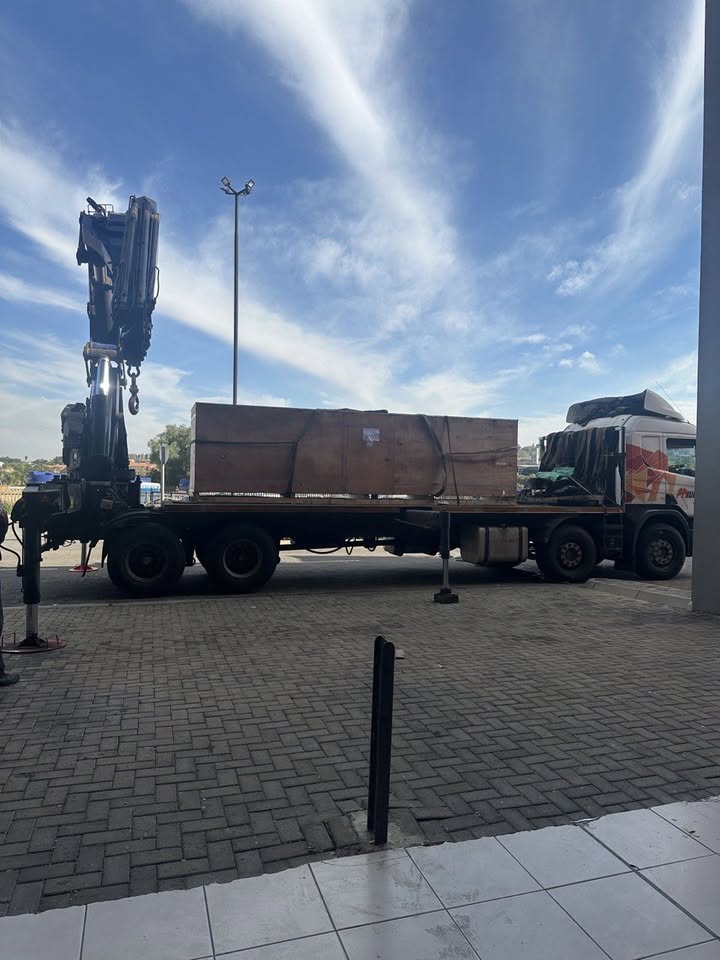
12 Heads Embroidery Machine
Toilet Paper Machine Machine
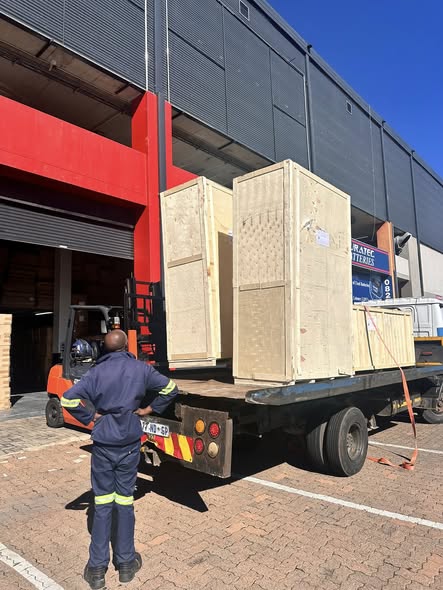
Order Collection
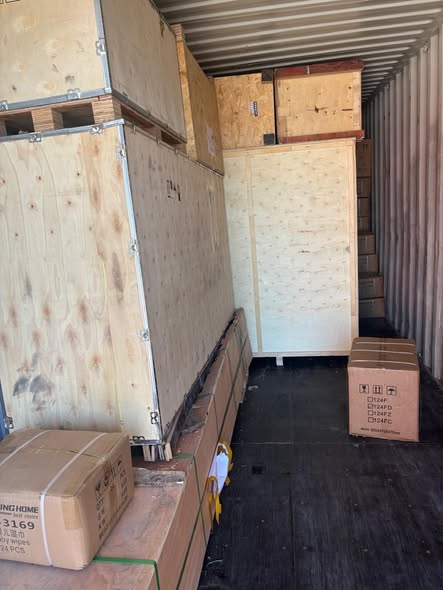
Cross Border Clients
Order cros border countries Collected
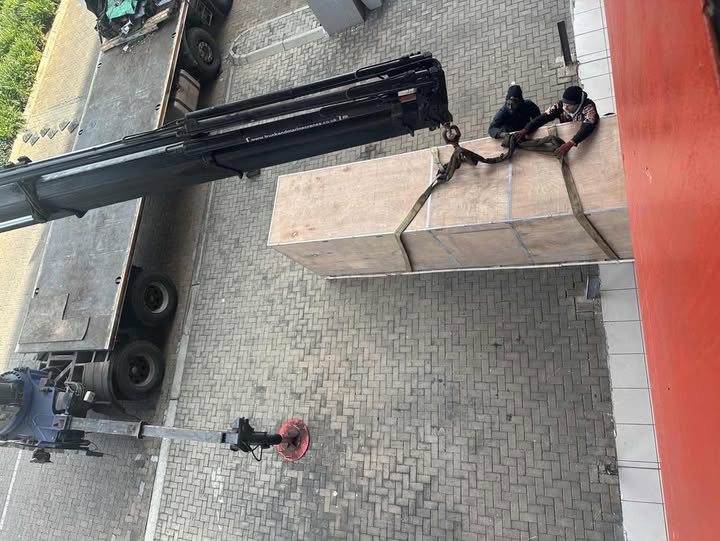
Industrial Machine Cllection
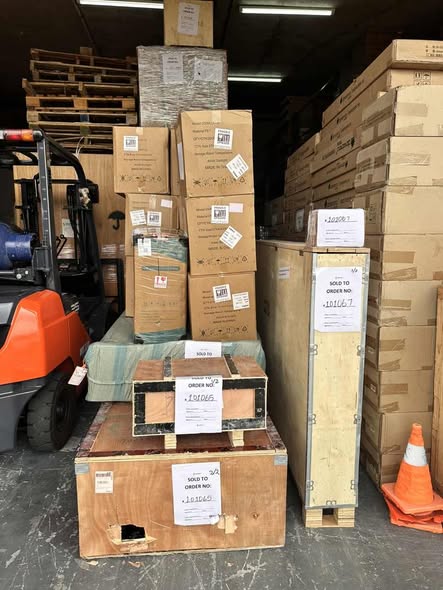
Agriculture Processing Machines
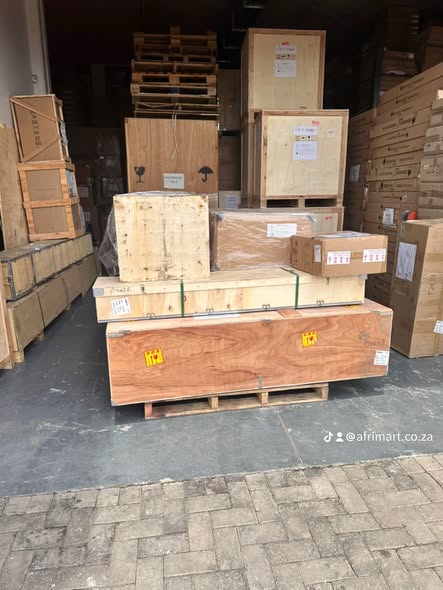
Ready for collection
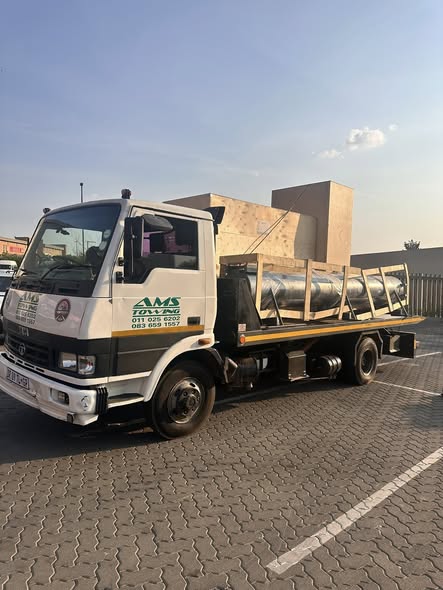
Water Pump Equipment
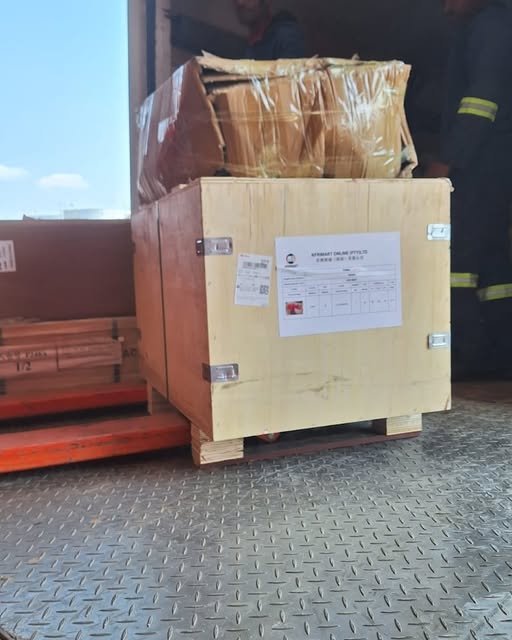
Packaging Machine and accessories
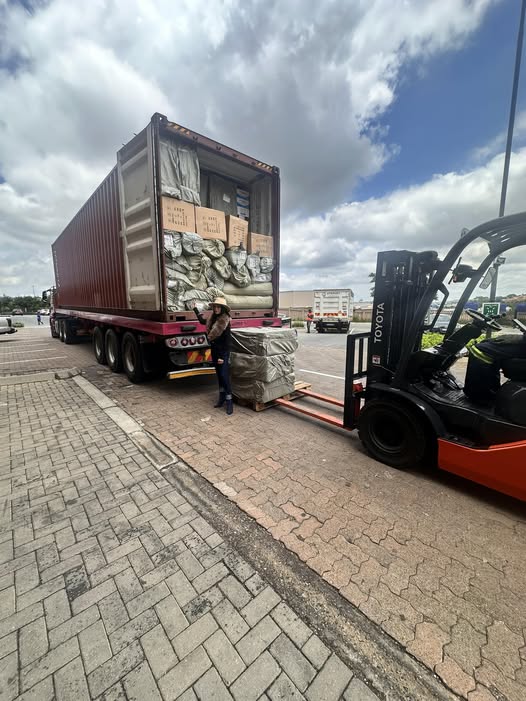
Fabrics Manufacturing Equipment
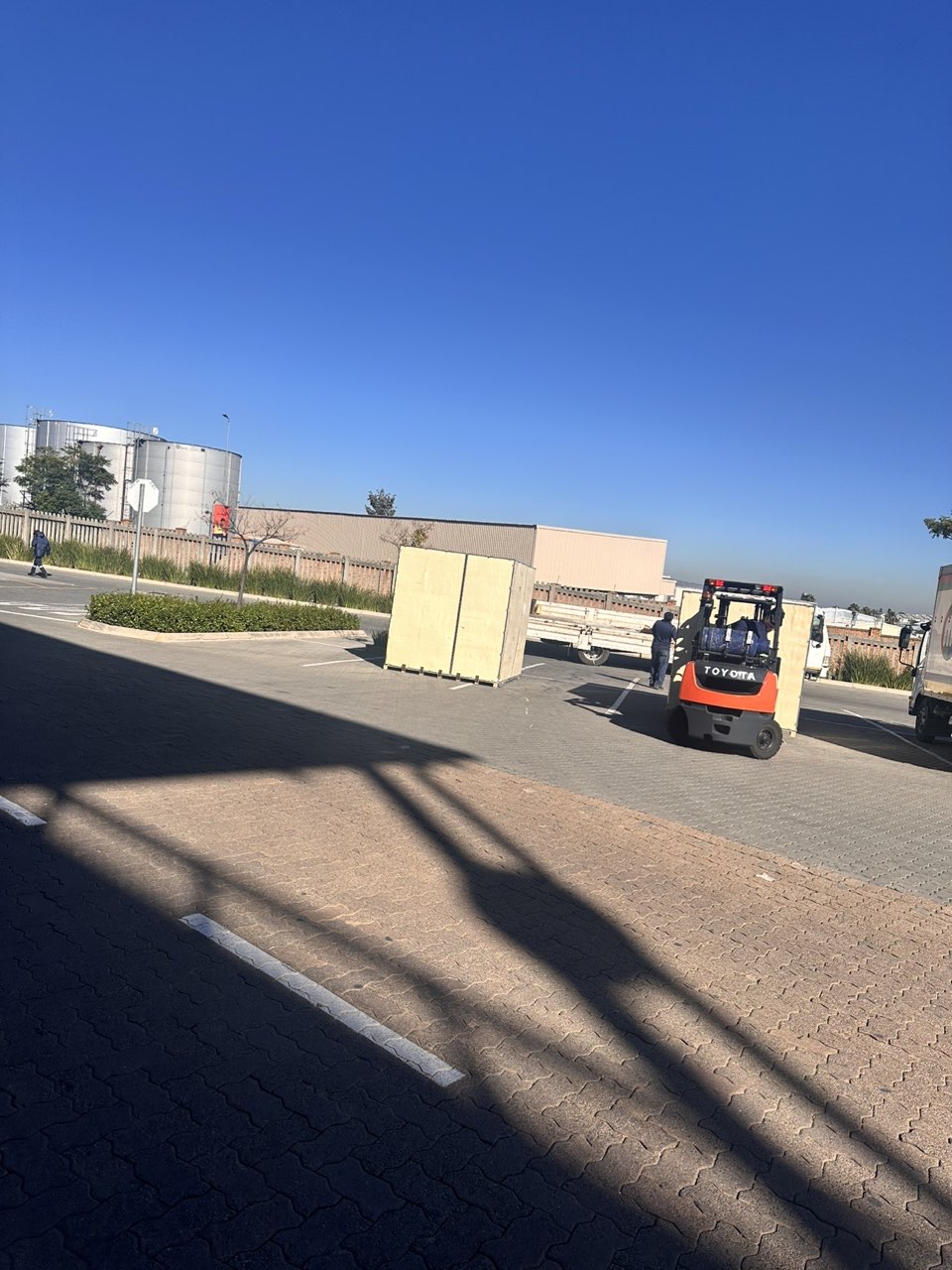
Mining Equipments
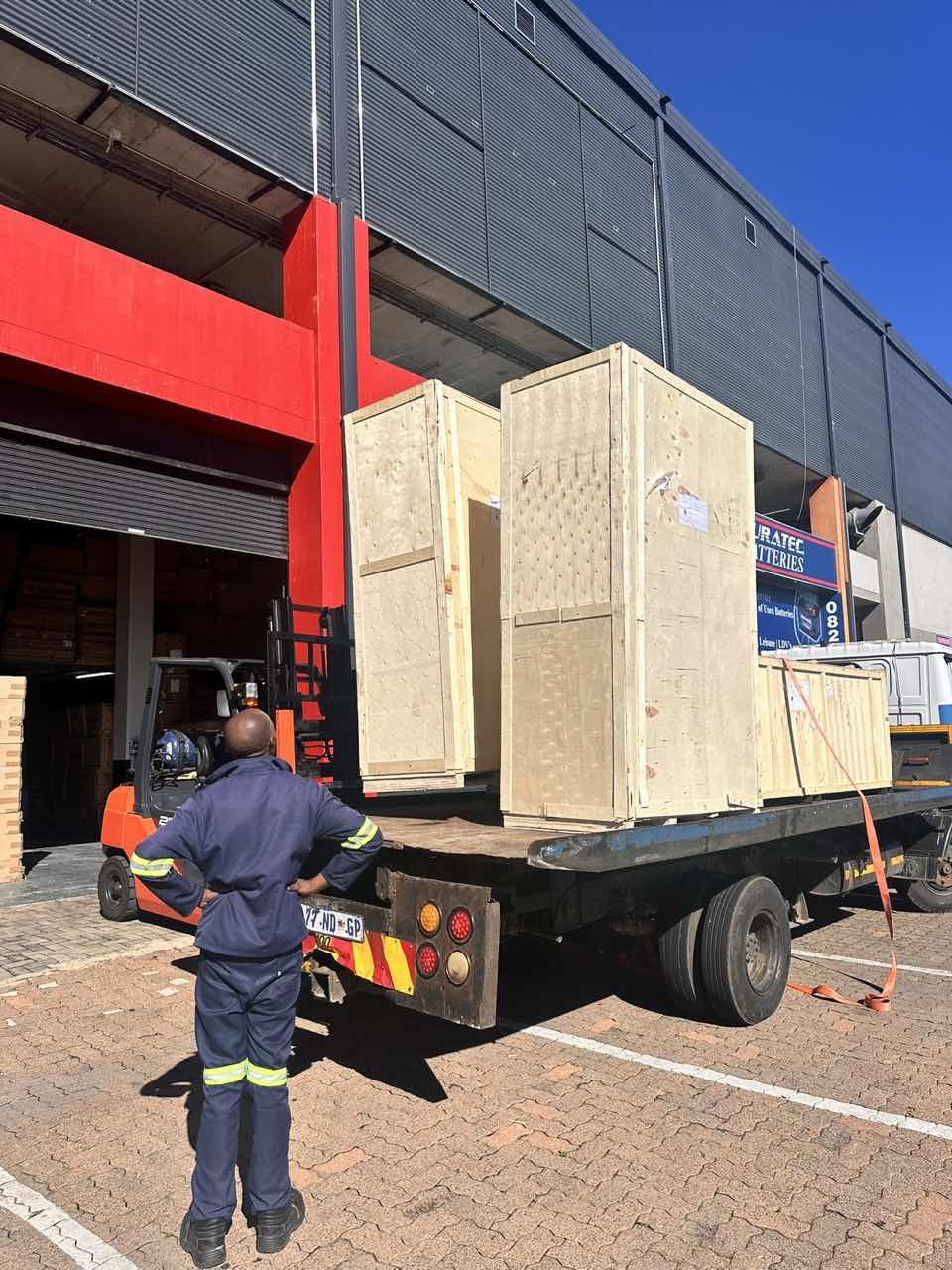
Food Processing Machine
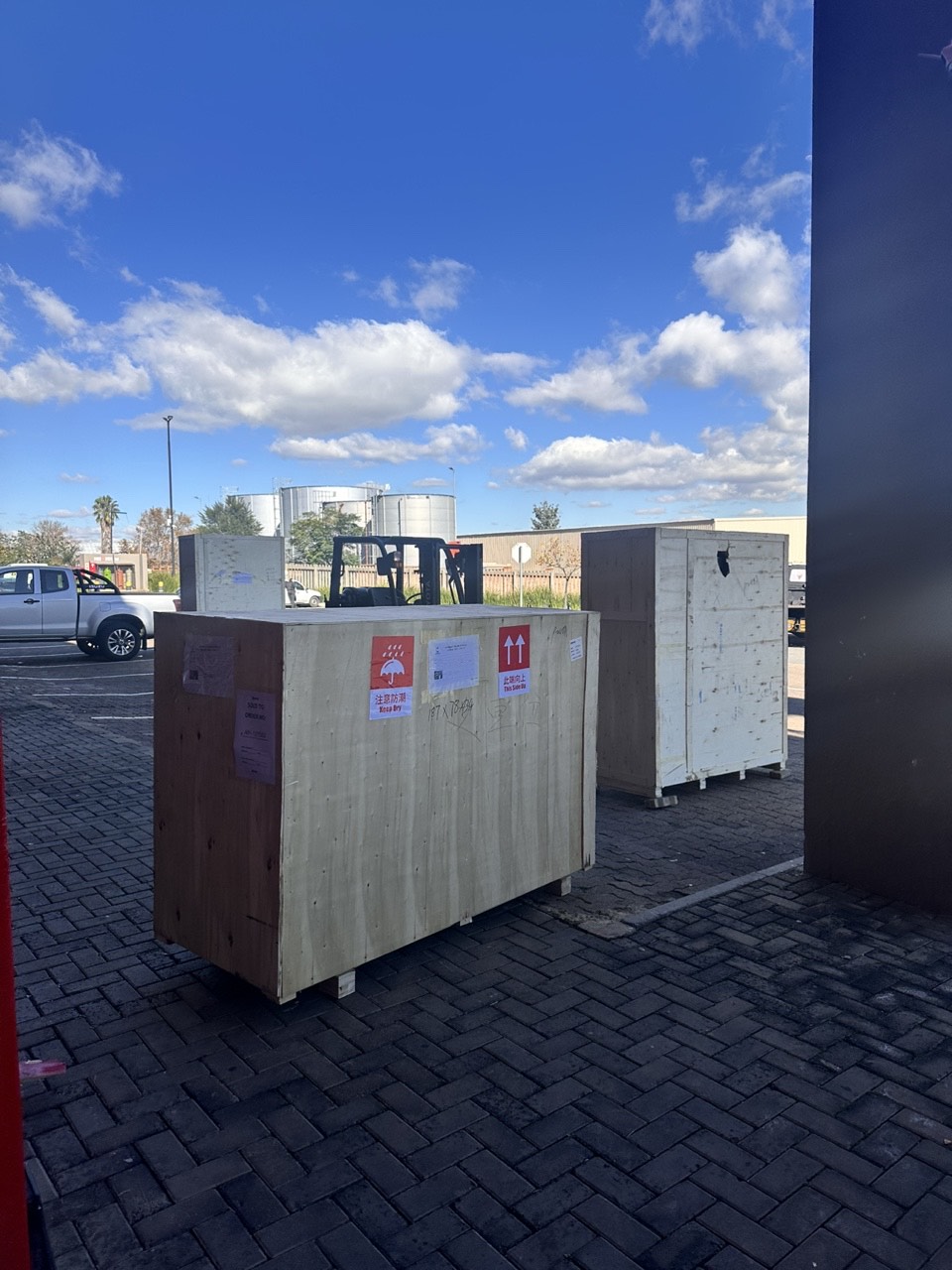
Batch of Orders
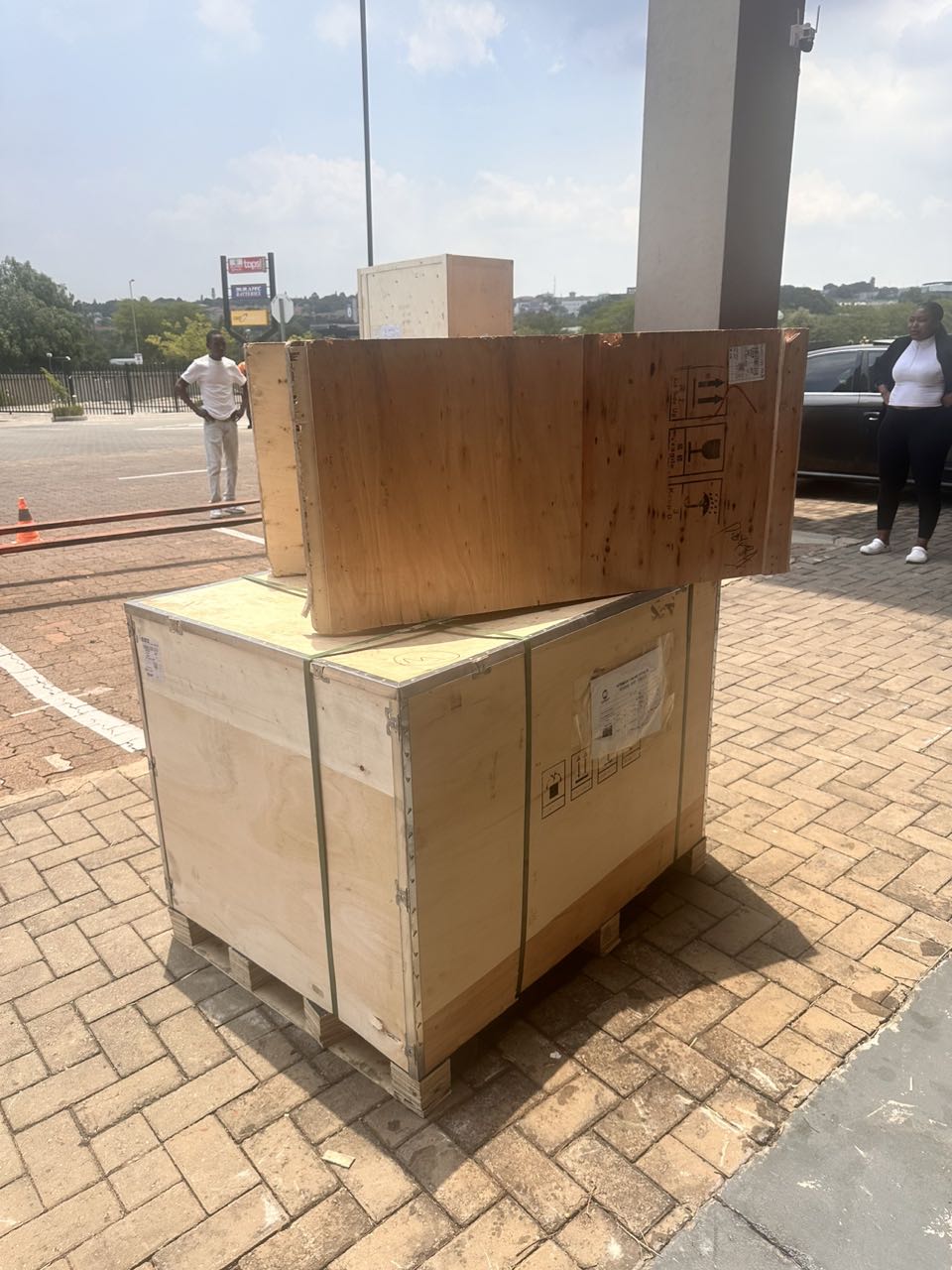
Batch of Orders
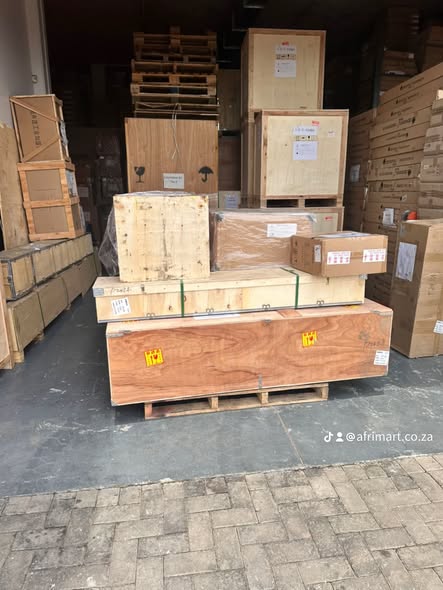
Latest Orders Labelled
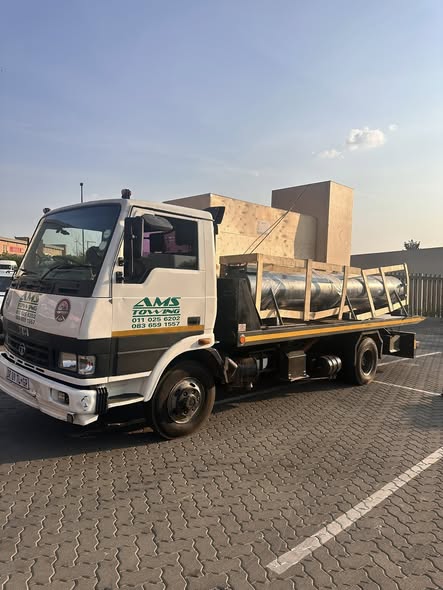
wheel alignment machines
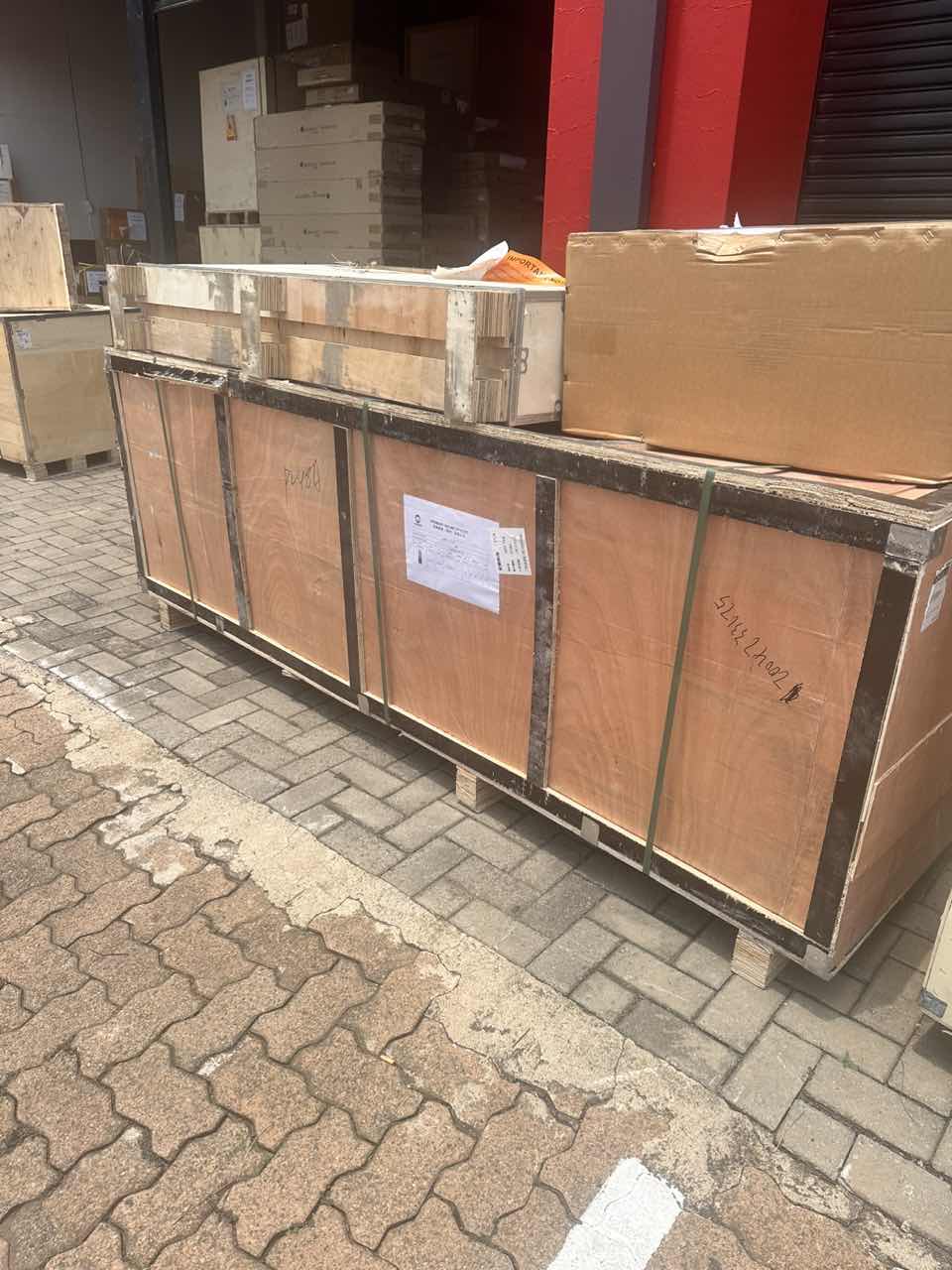
new arrivals
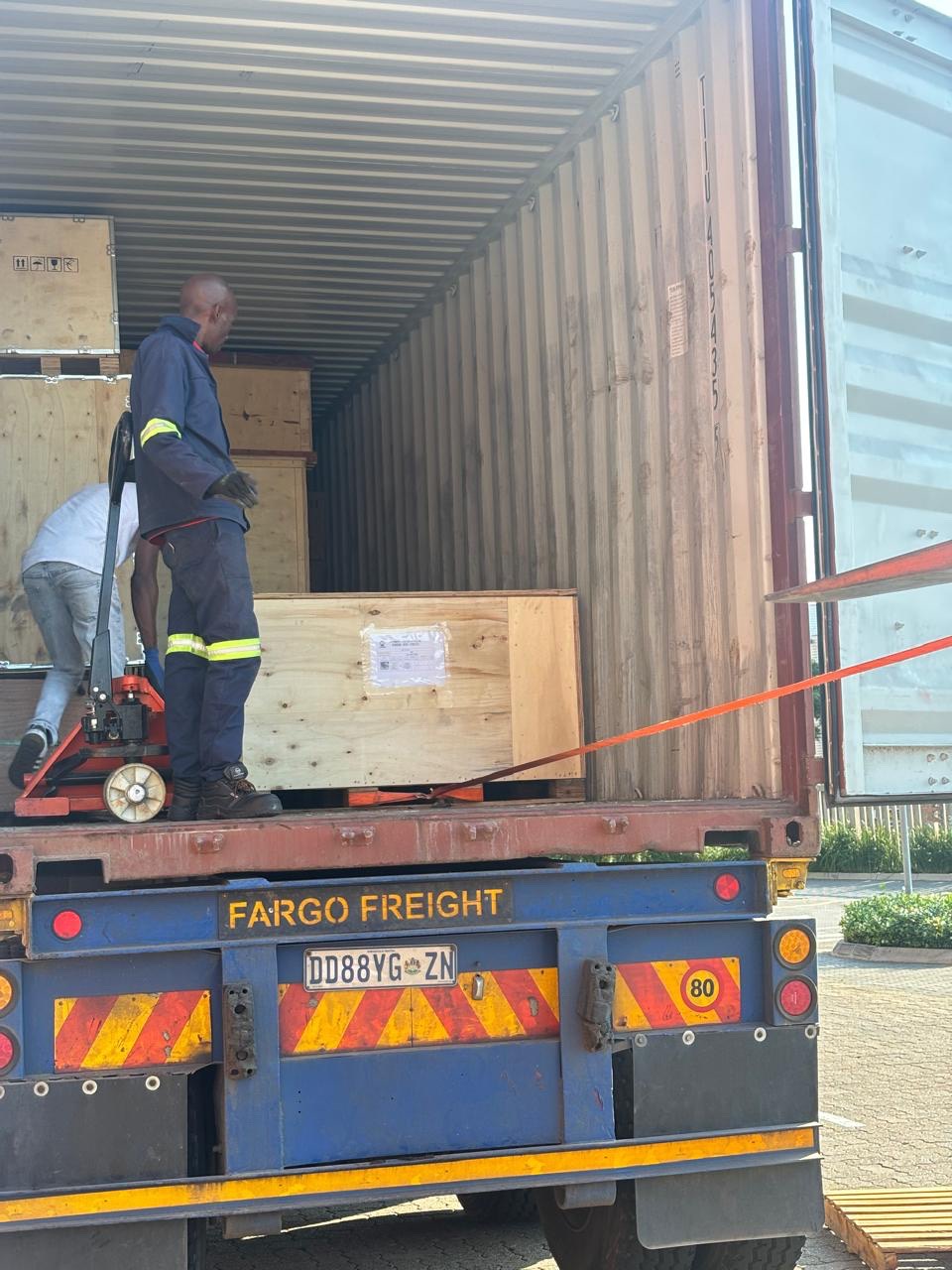
Pre Orders Offloading
Latest Arrivals
Latest Arrivals
Latest Arrivals
Loading
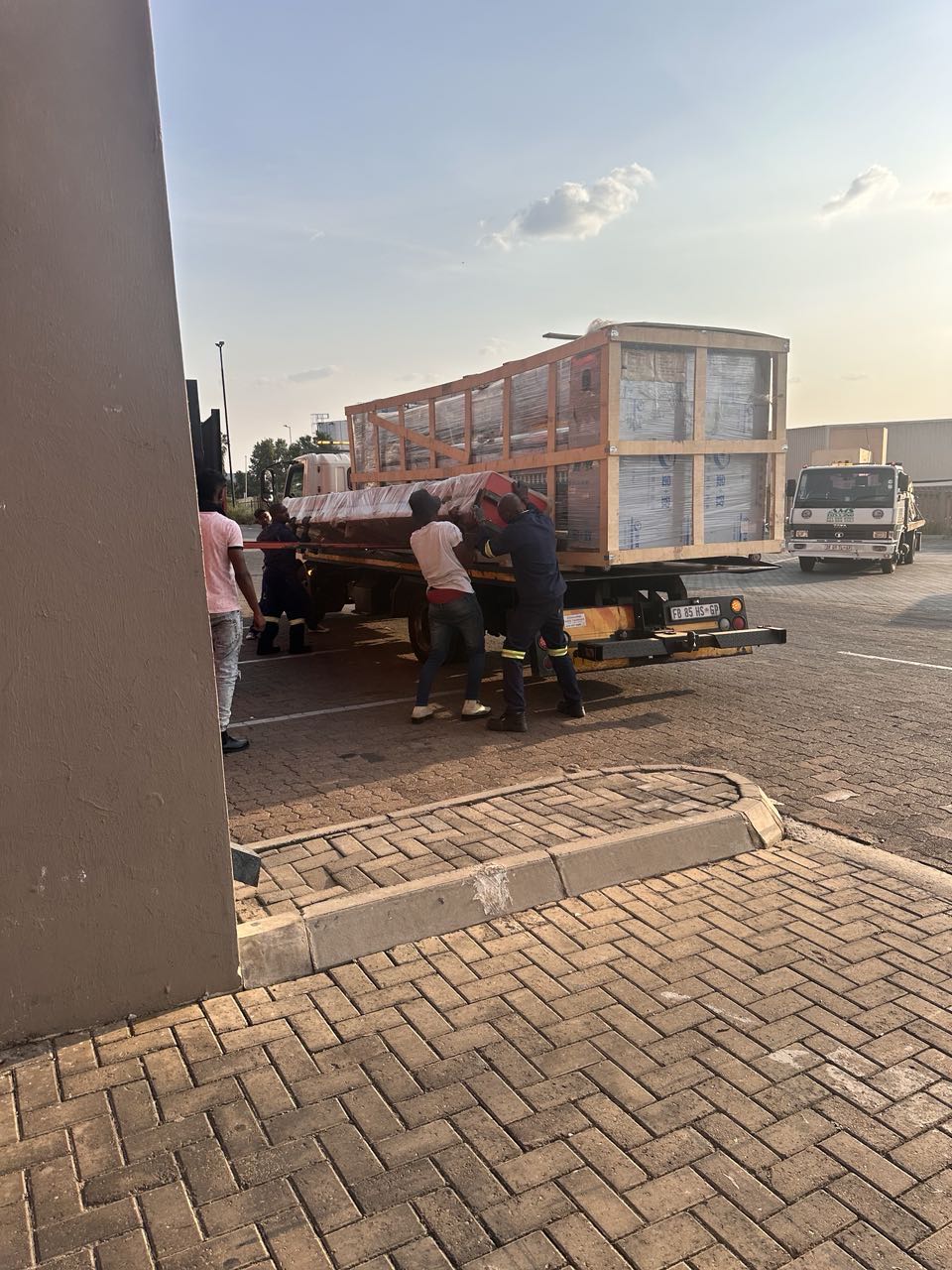
Toilet paper making machine
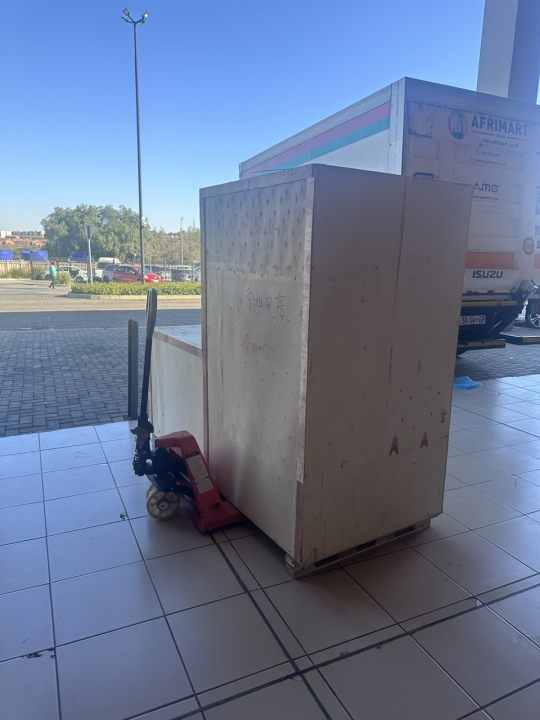
Toilet paper making machine
Toilet paper Rewinding Machine
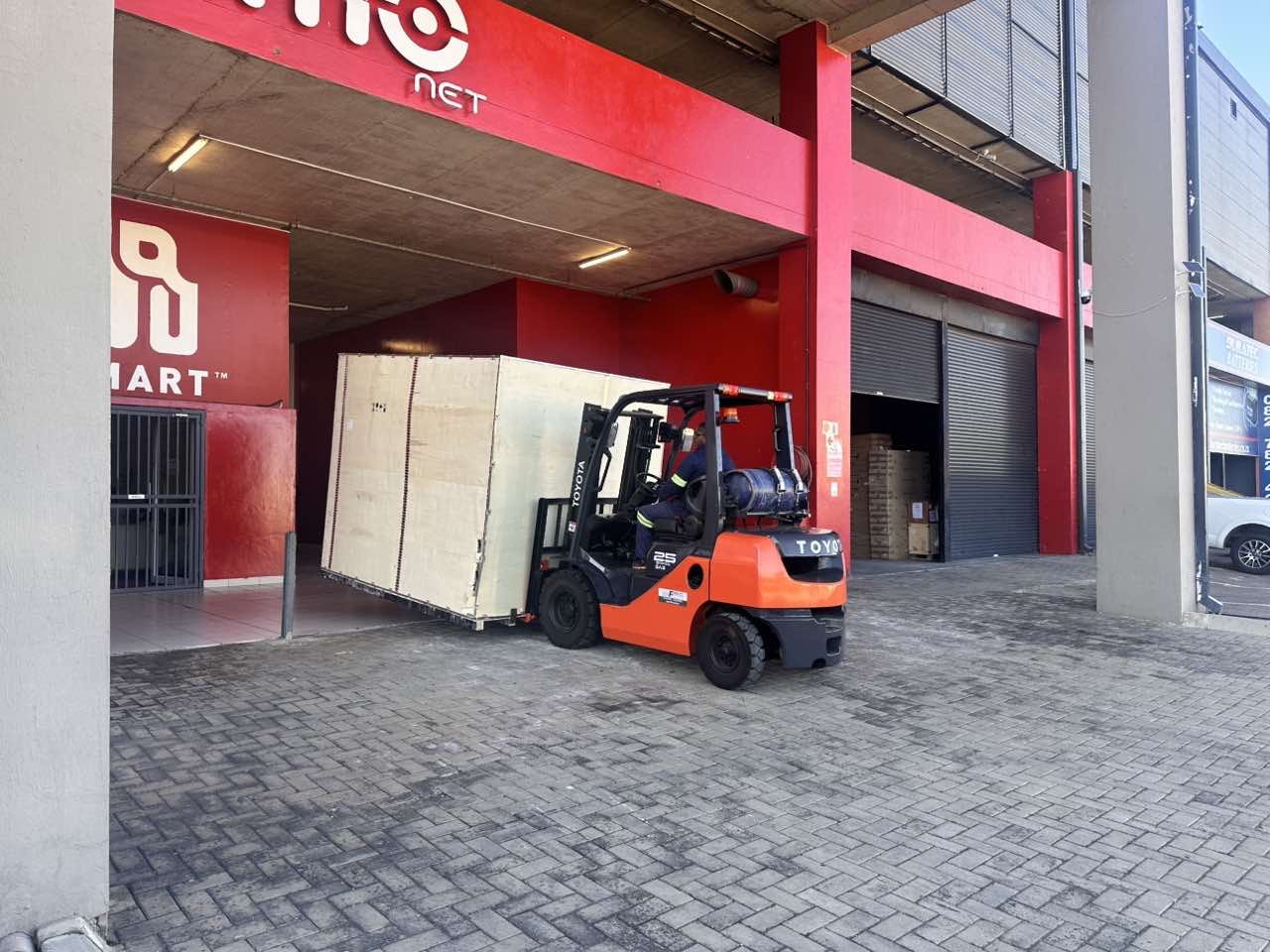
latest arrivals
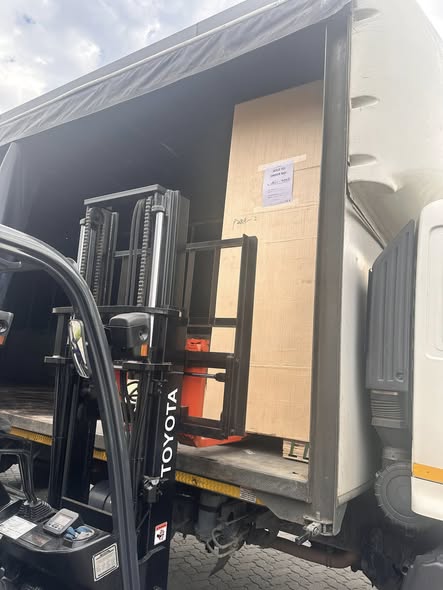
offloading
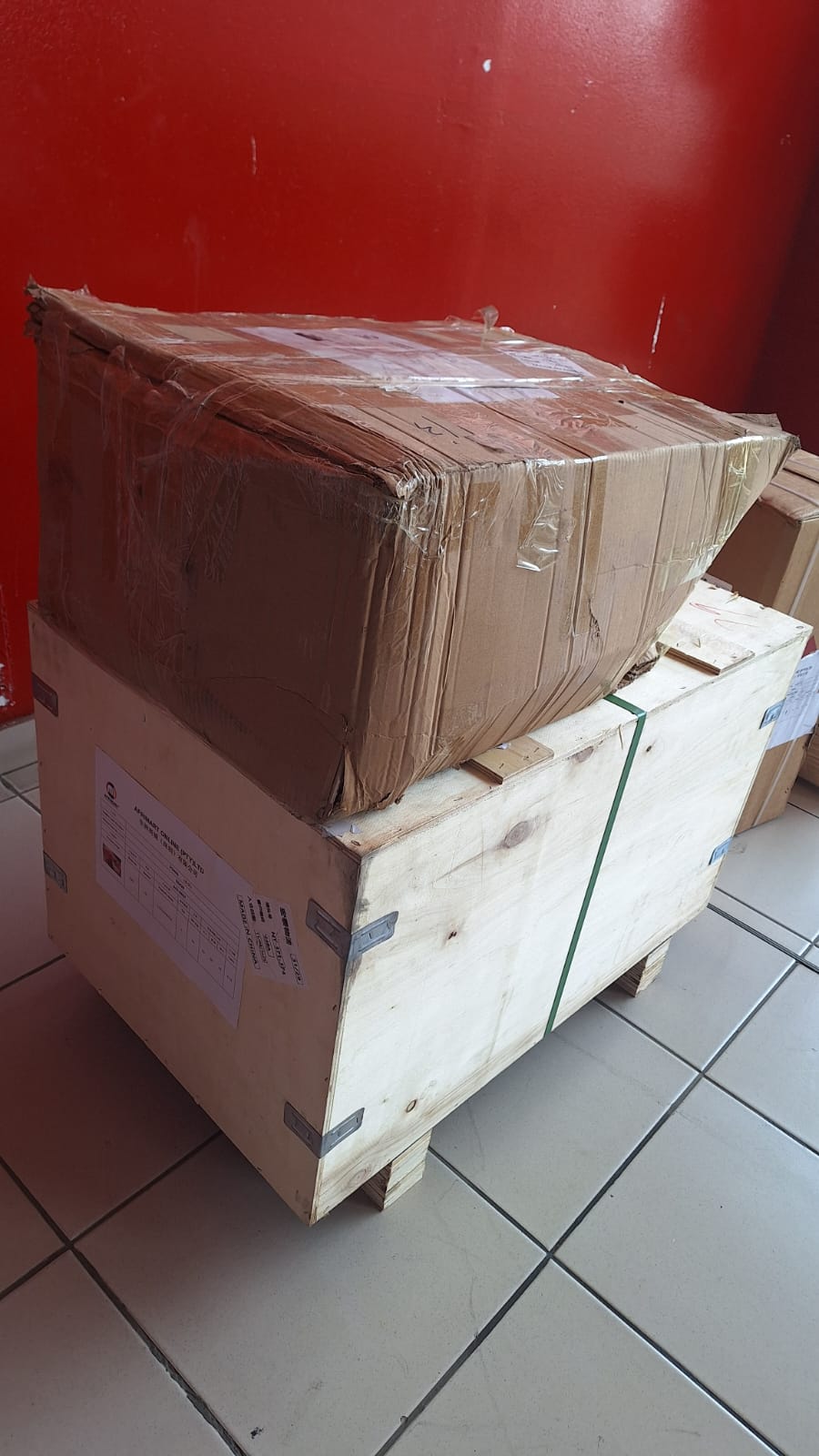
order success
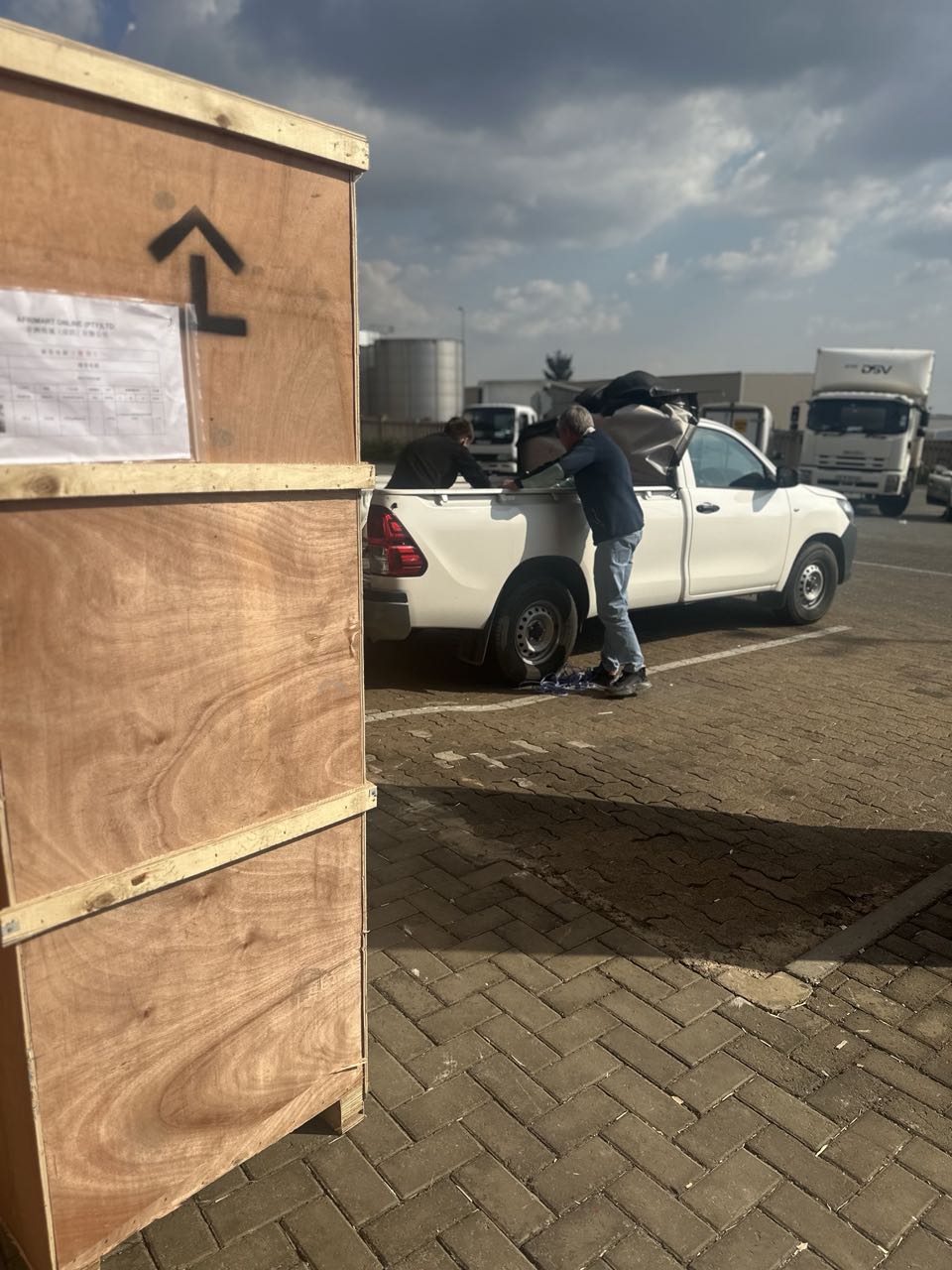
order collection
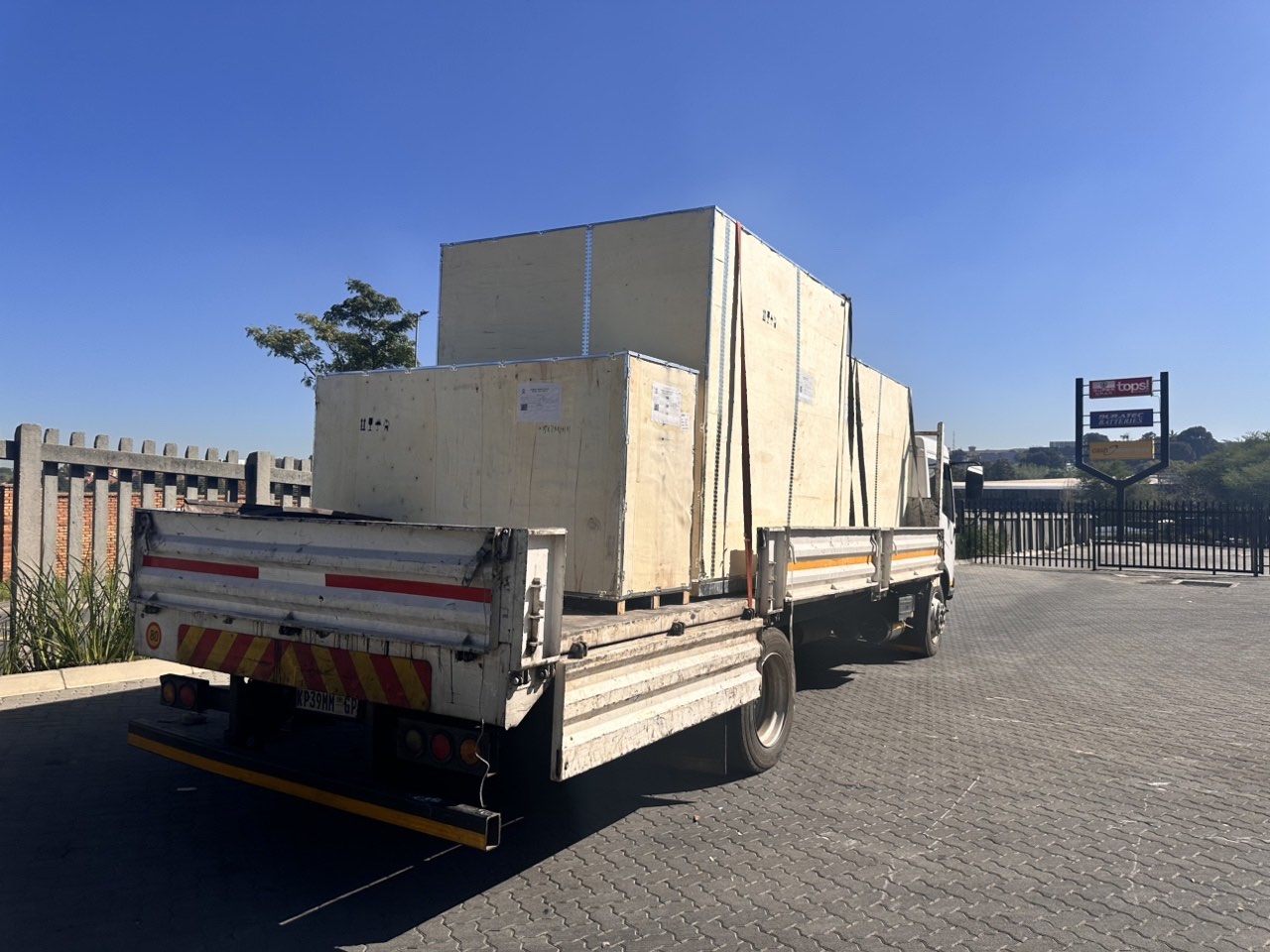
order offloading