B21, China Town Mall, Midrand

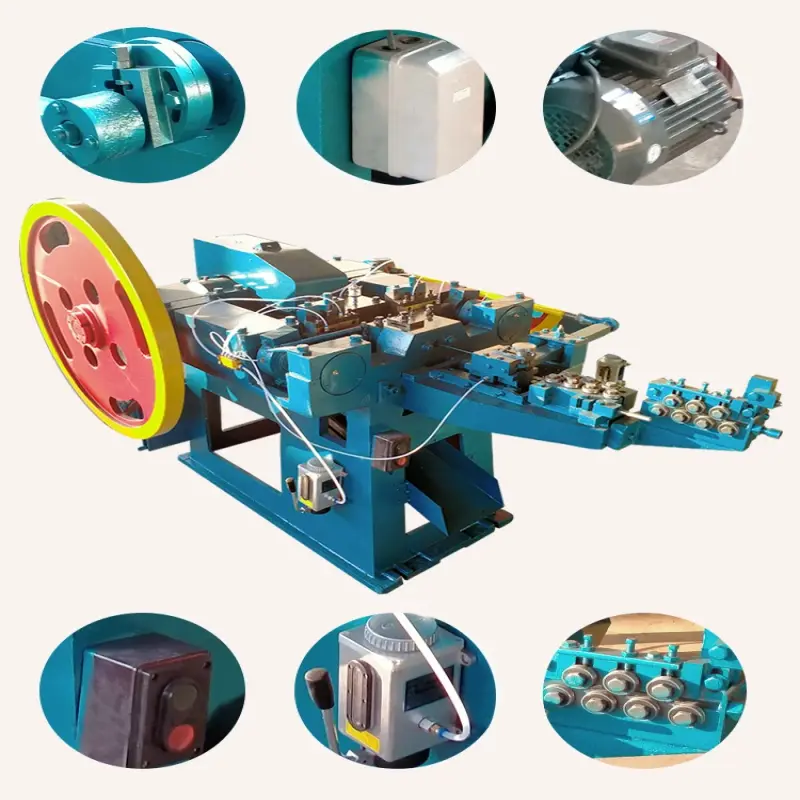
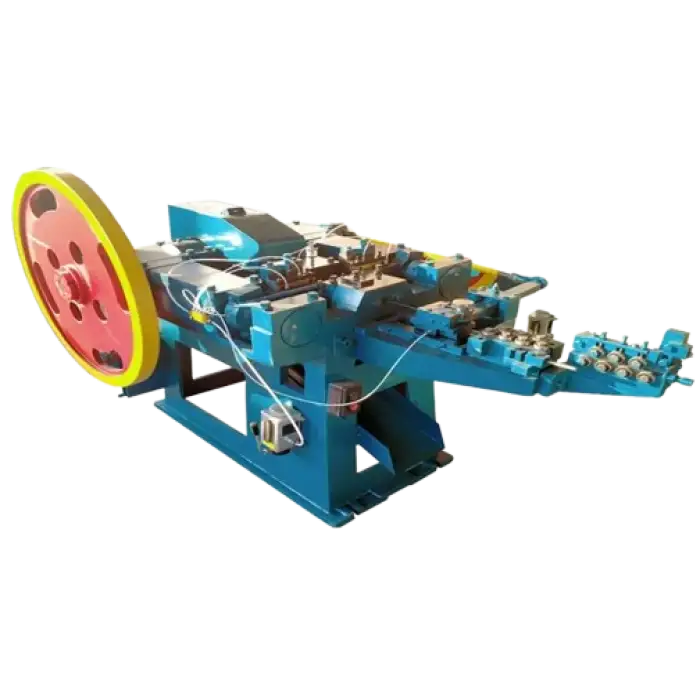
SAE1008 Steel Wire Nail Making Machines
Asset finance available
Do you want funding for this equipment?
Afrimart can connect you with trusted funding partners who specialise in asset finance for businesses like yours. Compare options and apply in minutes — final approval is subject to provider review.
Check funding options
Secure & no obligation
Model:
- Section : Machinery
- Category : Metal & Metallurgy Machinery
- SKU : 1601044180759



PCL automatic nail making machine
With wire rod, steel bar, galvanized wire as raw materials, the production of general nails, concrete nails, rivets, double-headed nails, U-shaped nails and so on. Necessary machinery for large-scale nail production line.

| Model | Z94-1C |
| Dia of nail | 0.8-2.0mm |
| Length of nail | 10-30mm |
| Capacity | 450pcs/min |
| Motor power | 1.5kw |
| Weight | 450kg |
| Dimensions | 1250*1100*1150mm |

| Model | Z94-2C |
| Dia of nail | 1.5-2.8mm |
| Length of nail | 25-50mm |
| Capacity | 340pcs/min |
| Motor power | 2.2kw |
| Weight | 750kg |
| Dimensions | 1750*1200*1250mm |

| Model | Z94-3C |
| Dia of nail | 2.0-3.4mm |
| Length of nail | 50-80mm |
| Capacity | 280pcs/min |
| Motor power | 3kw |
| Weight | 1050kg |
| Dimensions | 1750*1250*1300mm |
| Model | Z94-4C |
| Dia of nail | 2.8-4.5mm |
| Length of nail | 60-100mm |
| Capacity | 220pcs/min |
| Motor power | 4kw |
| Weight | 1900kg |
| Dimensions | 2200*1550*1500mm |
| Model | Z94-5C |
| Dia of nail | 3.7-5.5mm |
| Length of nail | 80-180mm |
| Capacity | 180pcs/min |
| Motor power | 5.5kw |
| Weight | 2200kg |
| Dimensions | 2500*1550*1450mm |
| Model | Z94-6.5C |
| Dia of nail | 4.5-8.0mm |
| Length of nail | 100-230mm |
| Capacity | 130pcs/min |
| Motor power | 7.5kw |
| Weight | 4400kg |
| Dimensions | 2800*1750*1700mm |

| Model | ZSX50 | ZSX90 | ZSX130 | ZSX150 | ZSX210 |
| Dia of nail | 1.8-2.6mm | 2.2-3.4mm | 2.8-4.5mm | 3.5-5.0mm | 3.5-5.5mm |
| Length of nail | 25-60mm | 38-90mm | 70-130mm | 80-150mm | 100-210mm |
| Capacity | 750-800pcs/min | 700-750pcs/min | 550-600pcs/min | 450-500pcs/min | 380-430pcs/min |
| Motor power | 7.7kw | 7.7kw | 9.9kw | 13kw | 13kw |
| Weight | 2800kg | 2800kg | 3000kg | 3400kg | 4200kg |
| Dimensions | 1850*1200*1150 | 1850*1200*1150 | 2010-1220-1150 | 2500-1220-1150 | 2680-1250-1160 |
| Output | 27-120kg | 70-230kg | 120-400kg | 200-600kg | 220-800kg |
PRODUCTION PROCESS

Raw material


- Shipping Timeframes: All orders are processed within 2-5 business days (excluding weekends and holidays). After your order has been processed, the estimated delivery time is before 03 Aug, 2026, depending on customs, Please note that due to high demand, some items may experience longer shipping times, which will be communicated at order confirmation email.
- Order Processing Time: Please allow 2-5 business days for us to process your order before it is shipped . Orders placed after 16:00 on Fridays, or during weekends and public holidays, will begin processing on the next business day. Processing times may be extended during peak seasons or sales events.
- Manufacturing Time: Some products needs manufacturing time, the manufacturing process will take approximately 10-30 business days depending on the product. This timeframe may vary depending on the complexity of the product and current demand. but this will be communicated with you during order confirmation.
- Returns and Exchanges: We offer a 30-day return policy for most items. If you are not completely satisfied with your purchase, you may return it within 30 days of receipt for a refund or exchange. Items must be unused, in their original packaging, and accompanied by proof of purchase. Return shipping costs are the responsibility of the customer, unless the item was damaged or defective upon arrival.
1. What raw materials can SAE1008 Steel Wire Nail Making Machines use?
These machines accept wire rod, steel bar and galvanized wire as raw materials and can produce nails from those feedstocks.
2. What types of nails can these machines produce?
They can produce general nails, concrete nails, rivets, double-headed nails and U-shaped nails, among other common nail forms.
3. What model ranges are available and how do they differ?
Two series are offered: Z94-1C to Z94-6.5 (smaller to larger diameters and lengths) and ZSX50/90/130/150/210 (high-output models). They differ by nail diameter and length ranges, capacity (pcs/min), motor power, weight and machine dimensions. Choose based on required nail size and production speed.
4. What nail diameters and lengths can each Z94 model produce?
Z94-1C: dia 0.8–2.0 mm, length 10–30 mm. Z94-2C: dia 1.5–2.8 mm, length 25–50 mm. Z94-3C: dia 2.0–3.4 mm, length 50–80 mm. Z94-4C: dia 2.8–4.5 mm, length 60–100 mm. Z94-5C: dia 3.7–5.5 mm, length 80–180 mm. Z94-6.5C: dia 4.5–8.0 mm, length 100–230 mm.
5. What are the capacities and motor powers for the Z94 models?
Capacities: Z94-1C ~450 pcs/min (1.5 kW), Z94-2C ~340 pcs/min (2.2 kW), Z94-3C ~280 pcs/min (3 kW), Z94-4C ~220 pcs/min (4 kW), Z94-5C ~180 pcs/min (5.5 kW), Z94-6.5C ~130 pcs/min (7.5 kW).
6. What are the specifications for the ZSX series in terms of nail size and output?
ZSX50: dia 1.8–2.6 mm, length 25–60 mm, capacity 750–800 pcs/min. ZSX90: dia 2.2–3.4 mm, length 38–90 mm, capacity 700–750 pcs/min. ZSX130: dia 2.8–4.5 mm, length 70–130 mm, capacity 550–600 pcs/min. ZSX150: dia 3.5–5.0 mm, length 80–150 mm, capacity 450–500 pcs/min. ZSX210: dia 3.5–5.5 mm, length 100–210 mm, capacity 380–430 pcs/min.
7. What output weight ranges can the ZSX models produce per hour/day?
Output (approximate by model): ZSX50: 27–120 kg, ZSX90: 70–230 kg, ZSX130: 120–400 kg, ZSX150: 200–600 kg, ZSX210: 220–800 kg. Actual hourly/day production depends on nail size and operational uptime.
8. What are the machine dimensions and approximate weights?
Z94 models: dimensions range from about 1250×1100×1150 mm up to 2800×1750×1700 mm, weights from 450 kg to 4400 kg depending on model. ZSX models: footprint roughly 1850–2680 mm by 1200–1250 mm by ~1150–1160 mm, weights from ~2800 kg to 4200 kg depending on model.
9. What power supply and motor requirements are needed?
Motor power ranges by model (1.5 kW up to 13 kW). Standard facility power should match motor voltage and phase (confirm with supplier). High-output ZSX models typically require 7.7–13 kW motors; ensure your electrical supply and breakers can support the chosen model plus auxiliary equipment.
10. What is required for installation and site preparation?
A level, solid foundation or concrete pad sized to the machine footprint, appropriate power supply and wiring, grounding, adequate lighting and space for operation/maintenance. Lifting equipment may be needed for heavier models. Specific anchoring points and foundation drawings should be obtained from the supplier.
11. What routine maintenance is required?
Regular lubrication of moving parts, daily cleaning of chips and dust, inspection and replacement of dies and cutters as they wear, checking feed tension and alignment, tightening fasteners, and periodic electrical checks. Follow the supplier’s maintenance schedule and keep spare consumables on hand.
12. Are spare parts and consumables available?
Yes — common spare parts include dies, cutters, feed rollers, bearings and belts. Contact the supplier for a recommended spare-parts kit and lead times. Keeping critical spares reduces downtime.
13. What safety features and operator requirements are recommended?
Machines include guards and emergency stop controls; operators should wear PPE (safety glasses, gloves, ear protection), be trained on safe operation, and follow lockout/tagout procedures for maintenance. Ensure machine guards are in place during operation.
14. Can the machines be customized or adjusted for special nail shapes or sizes?
Yes, many elements (dies, cutters, feeding devices and forming tools) can be changed or customized to produce different nail heads, shanks or special forms. For non-standard sizes or high-volume customization, discuss requirements with the manufacturer for tooling and setup options.
Latest Order Arrivals
Discover our latest orders
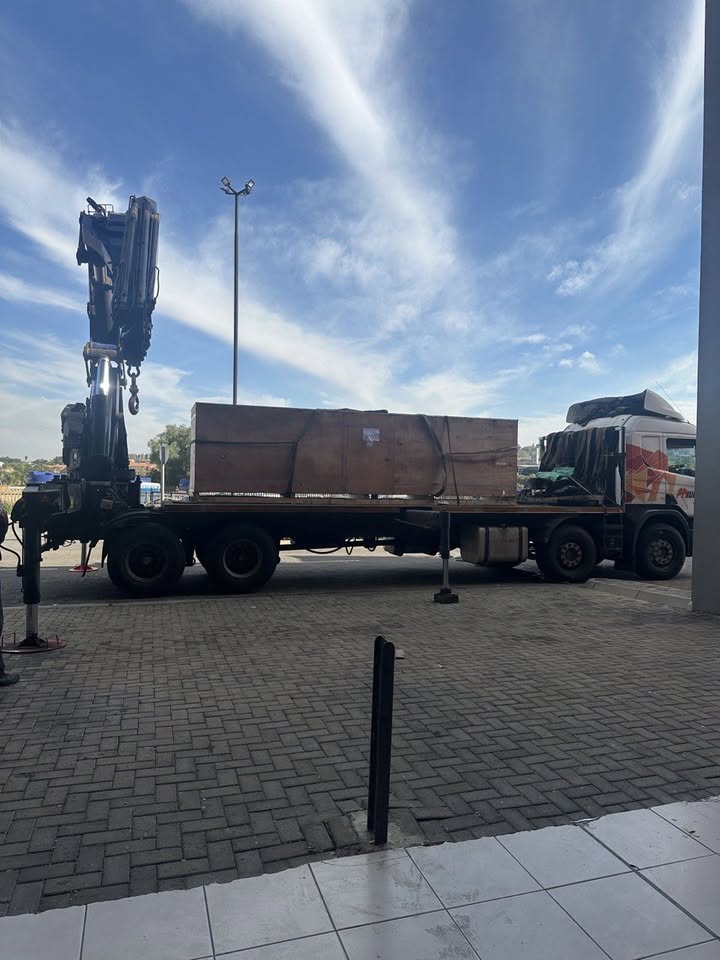
12 Heads Embroidery Machine
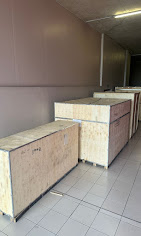
Toilet Paper Machine Machine
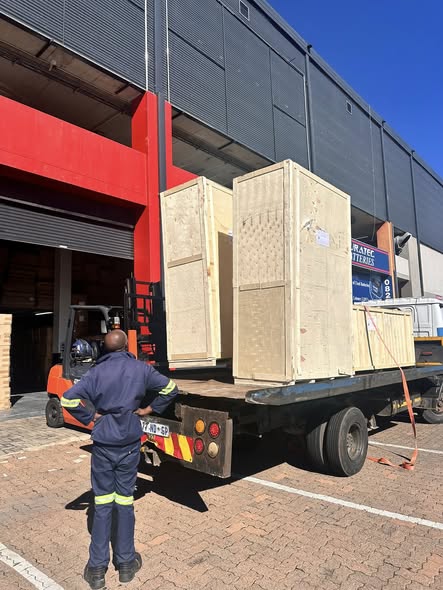
Order Collection
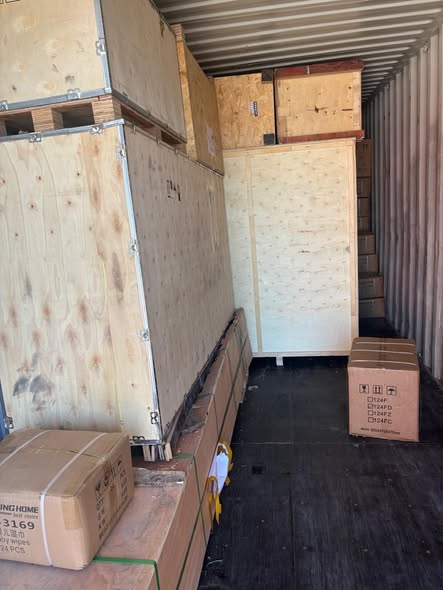
Cross Border Clients
Order cros border countries Collected
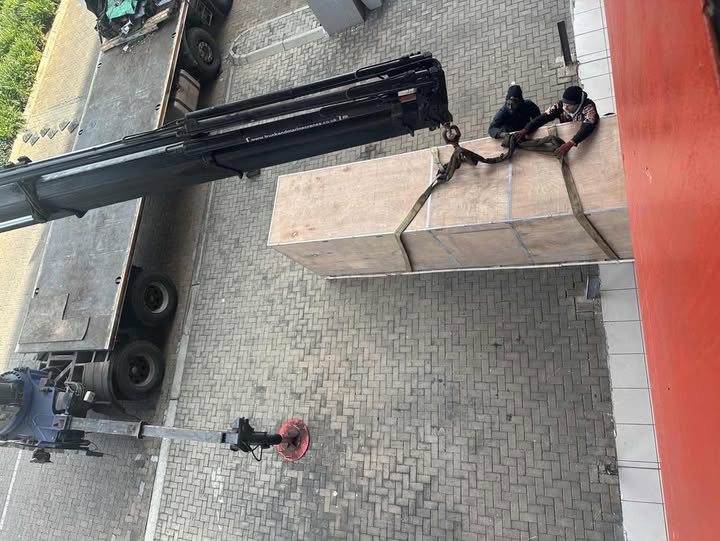
Industrial Machine Cllection
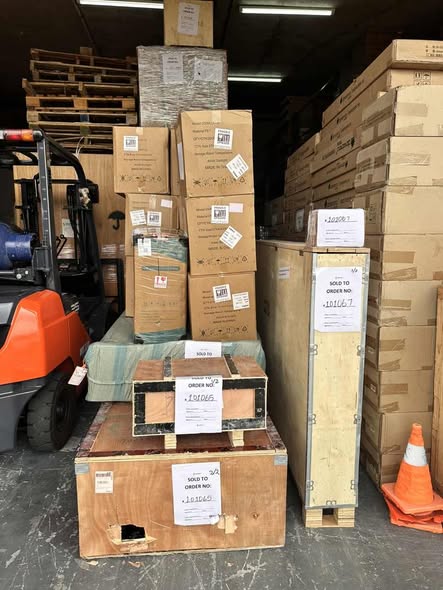
Agriculture Processing Machines
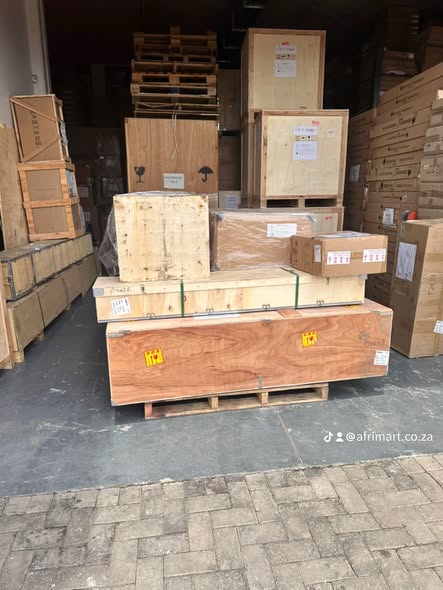
Ready for collection
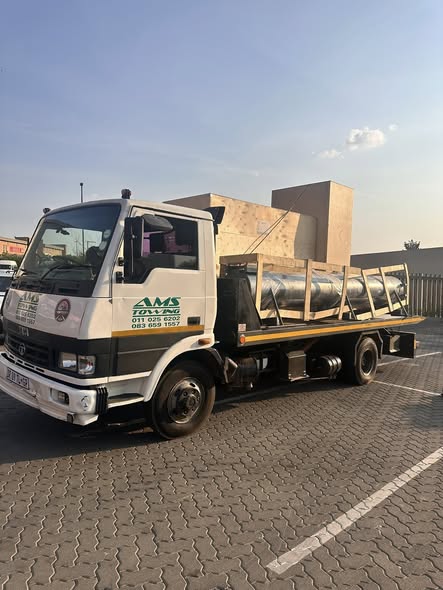
Water Pump Equipment
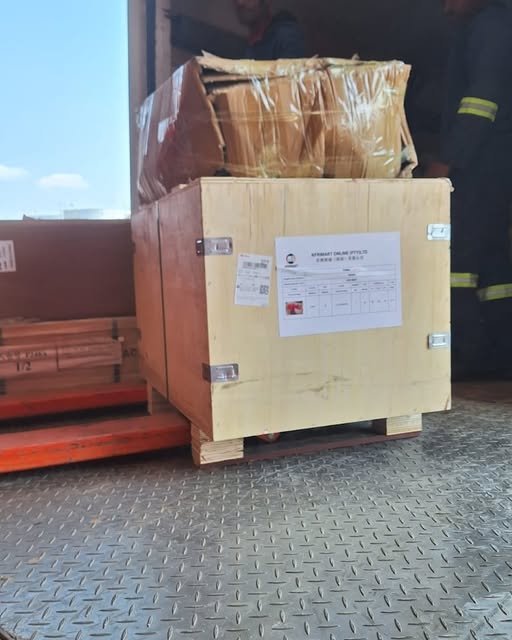
Packaging Machine and accessories
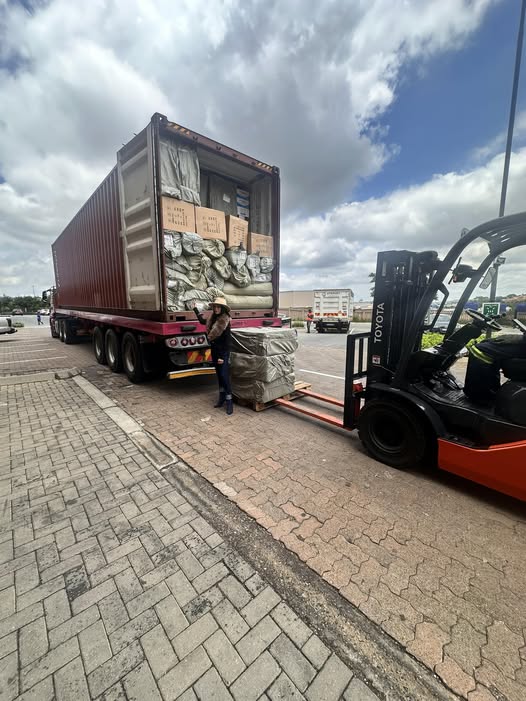
Fabrics Manufacturing Equipment
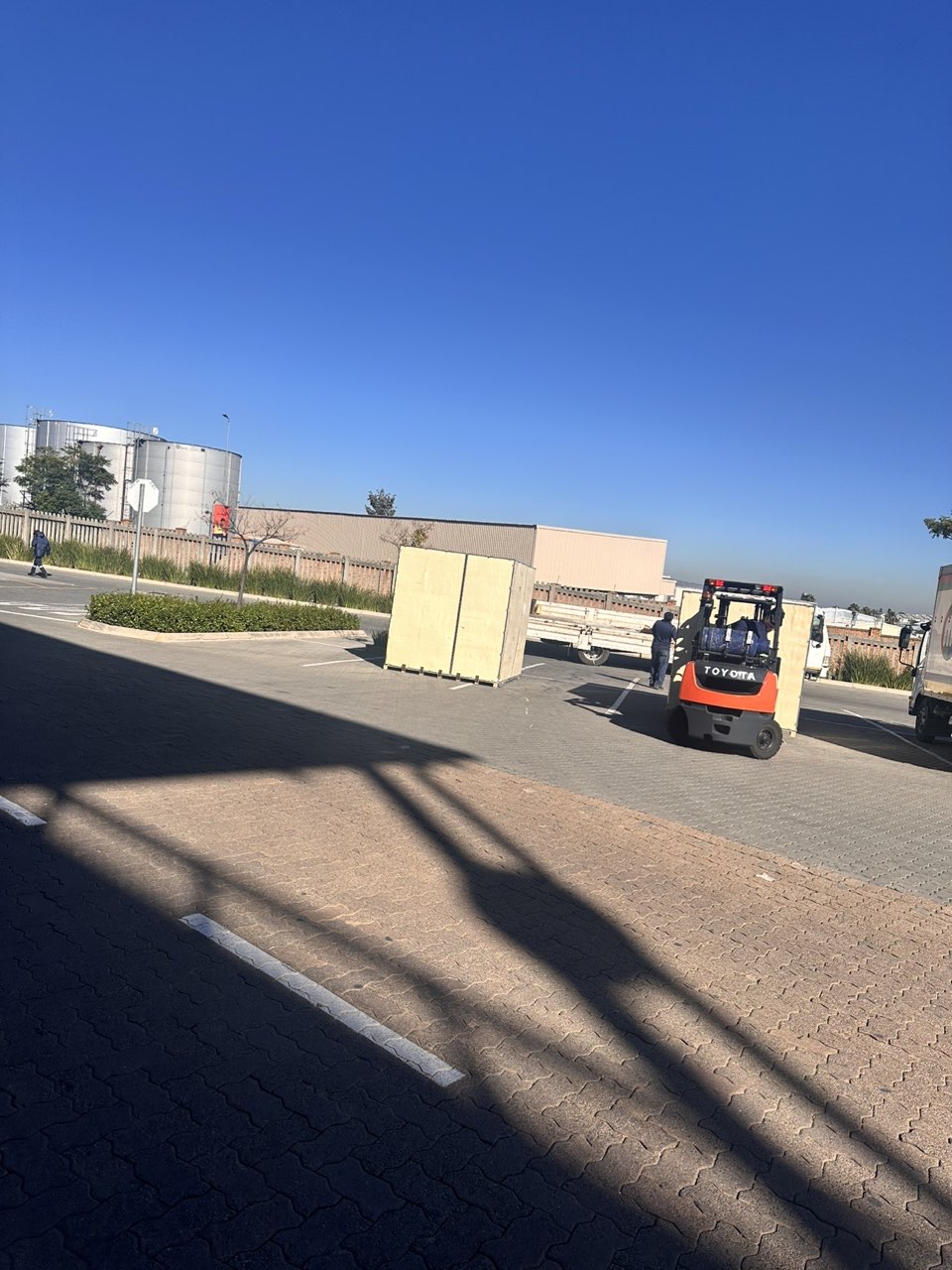
Mining Equipments
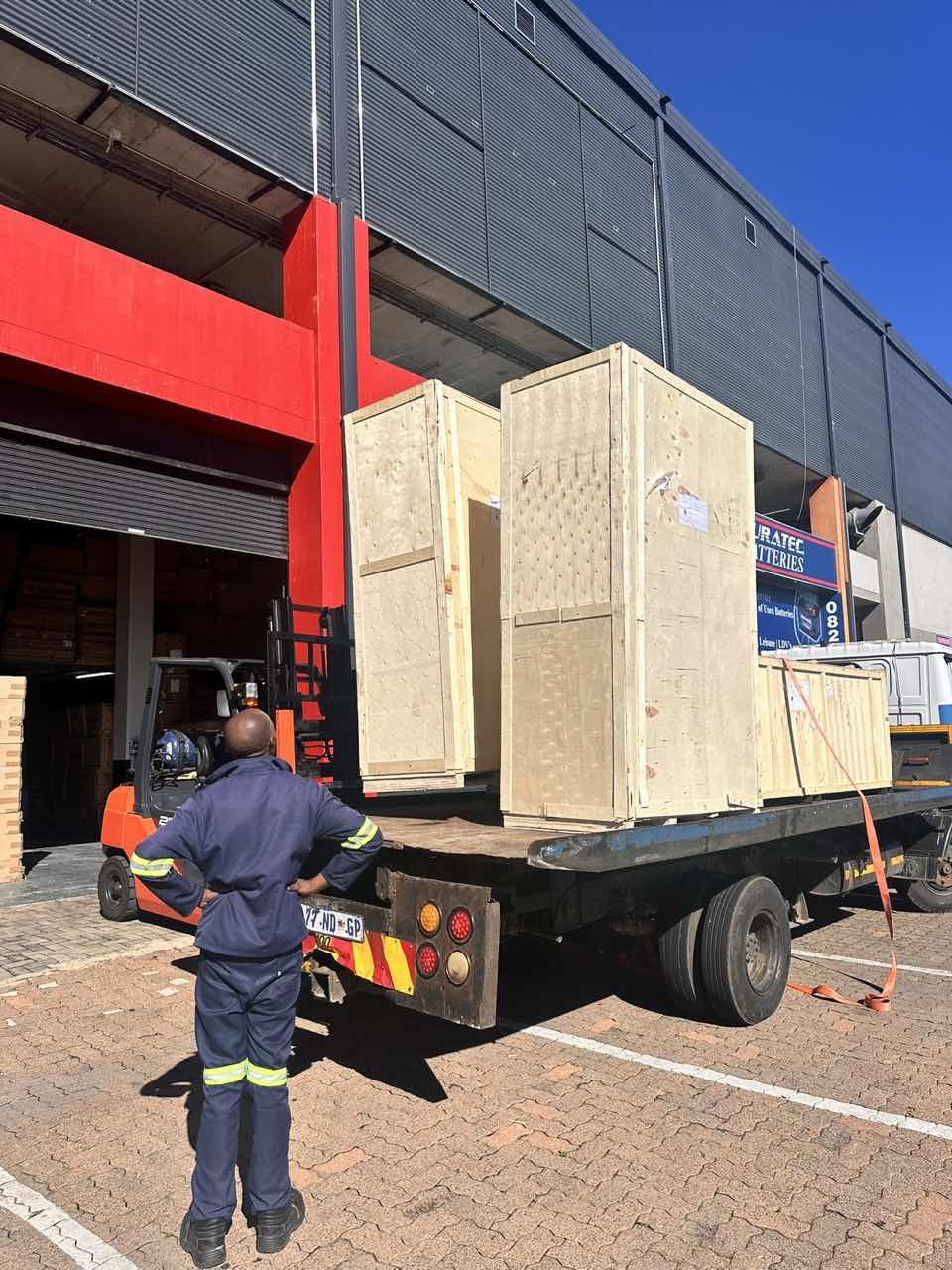
Food Processing Machine
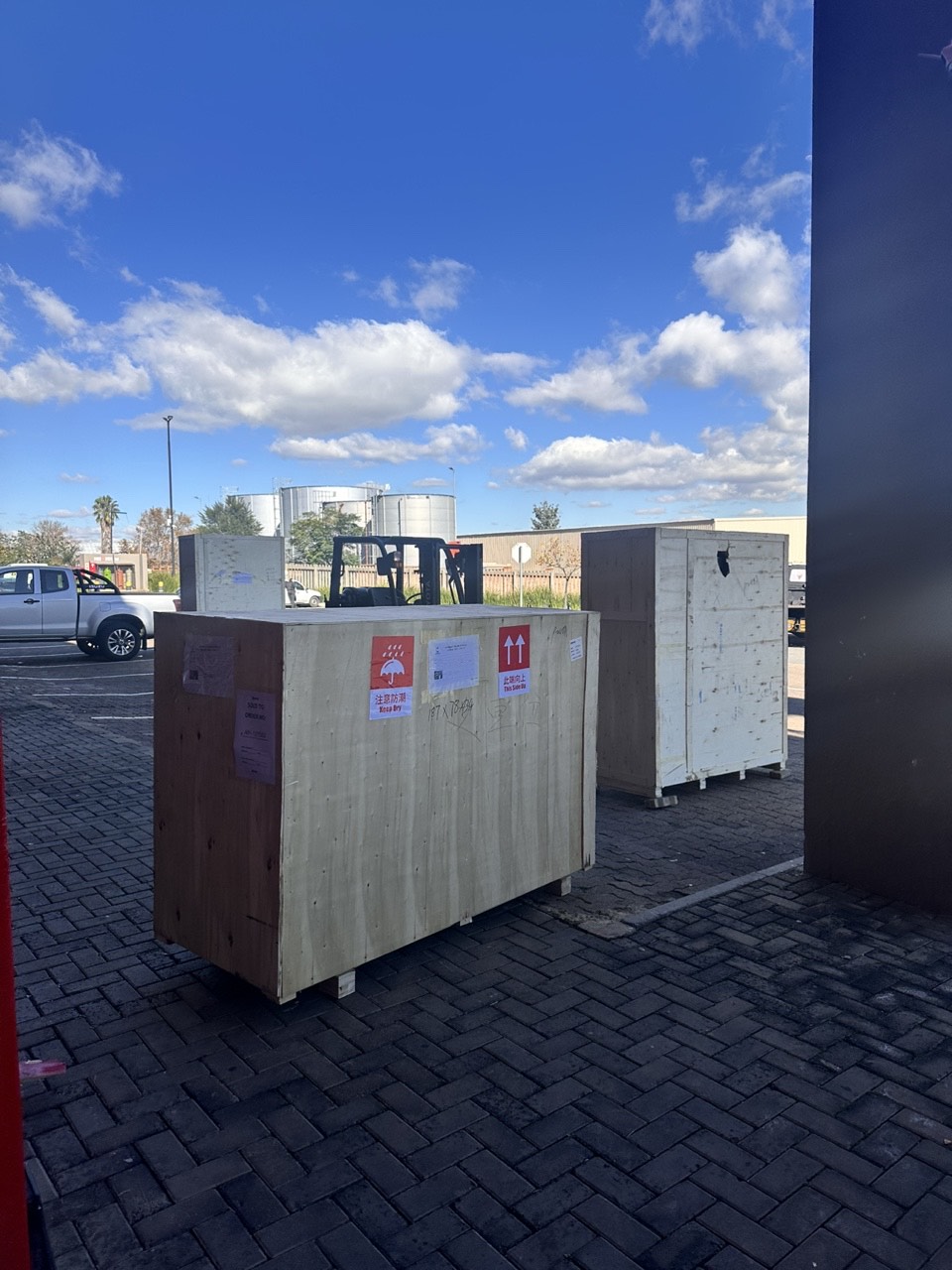
Batch of Orders
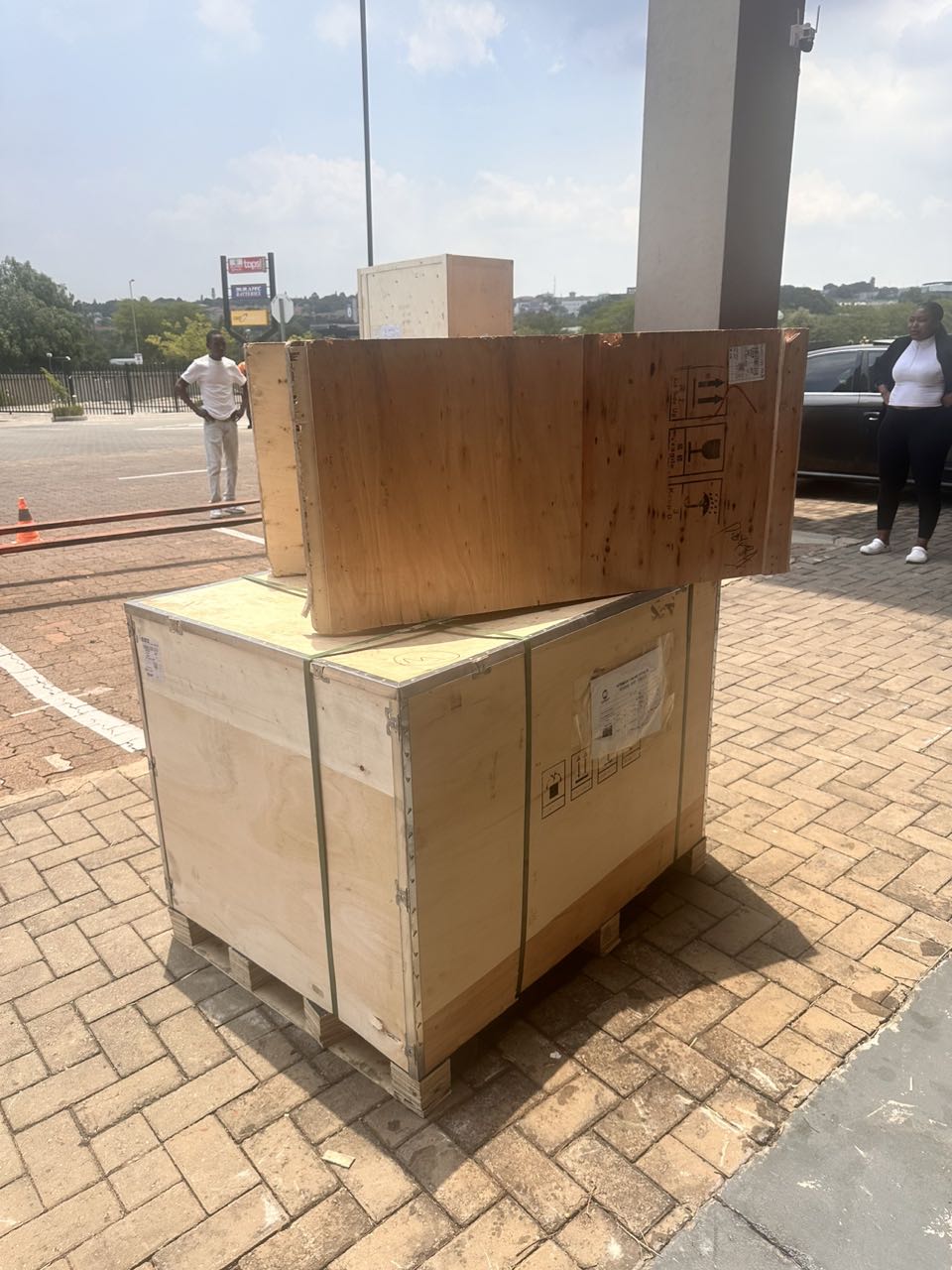
Batch of Orders
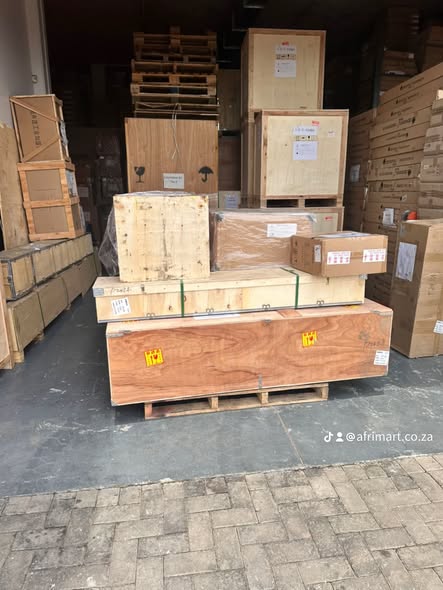
Latest Orders Labelled
wheel alignment machines
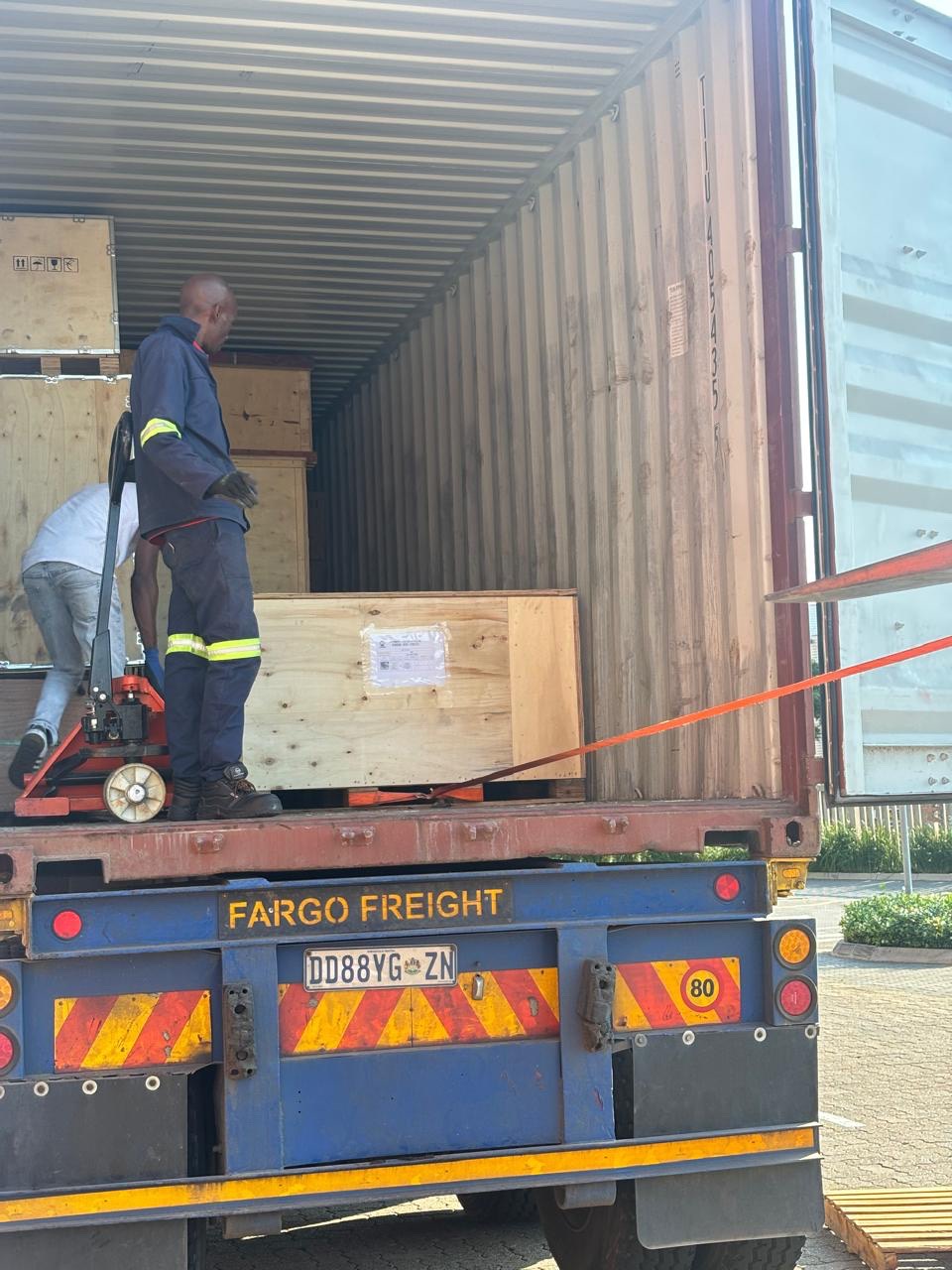
new arrivals
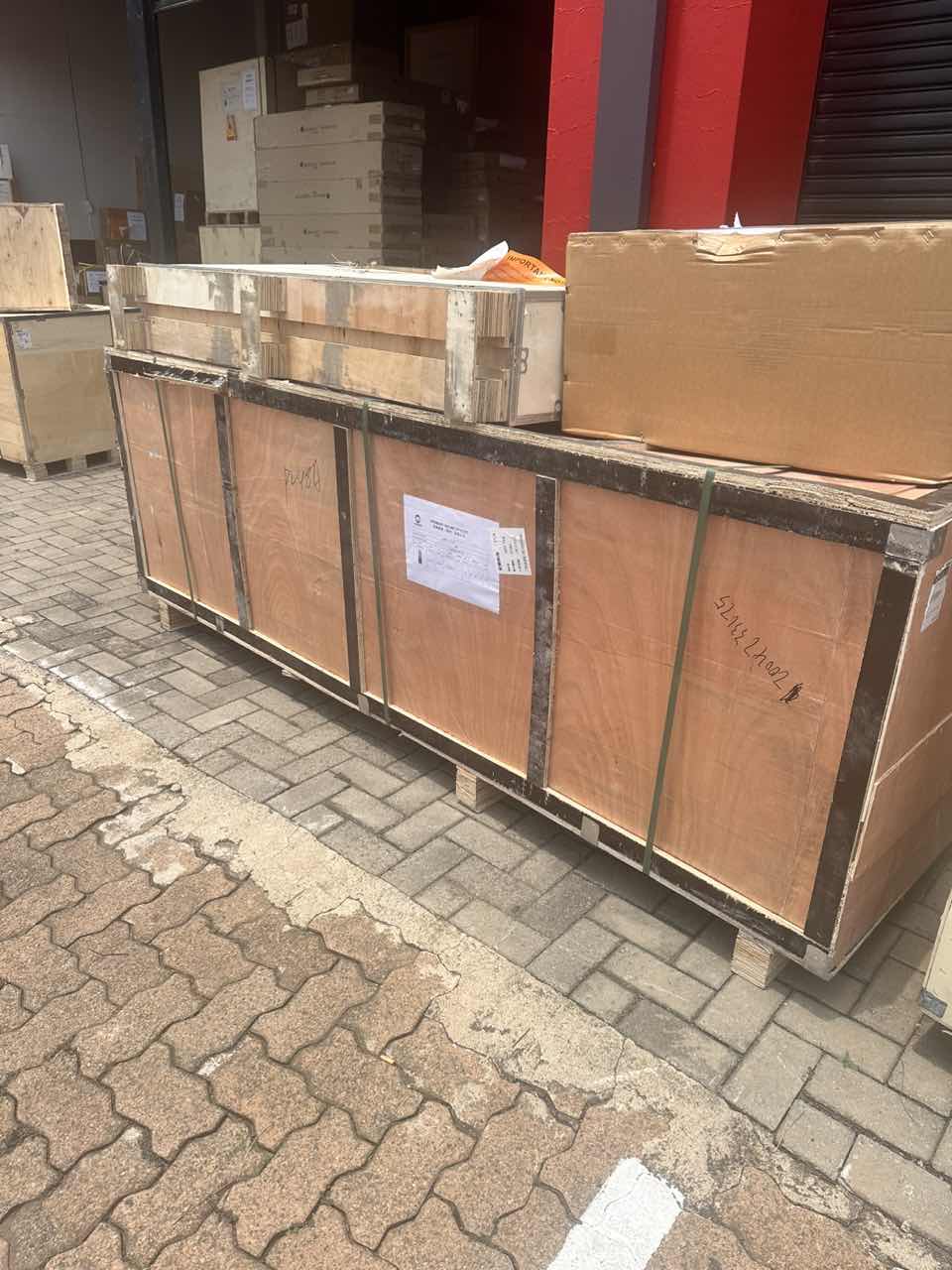
Pre Orders Offloading
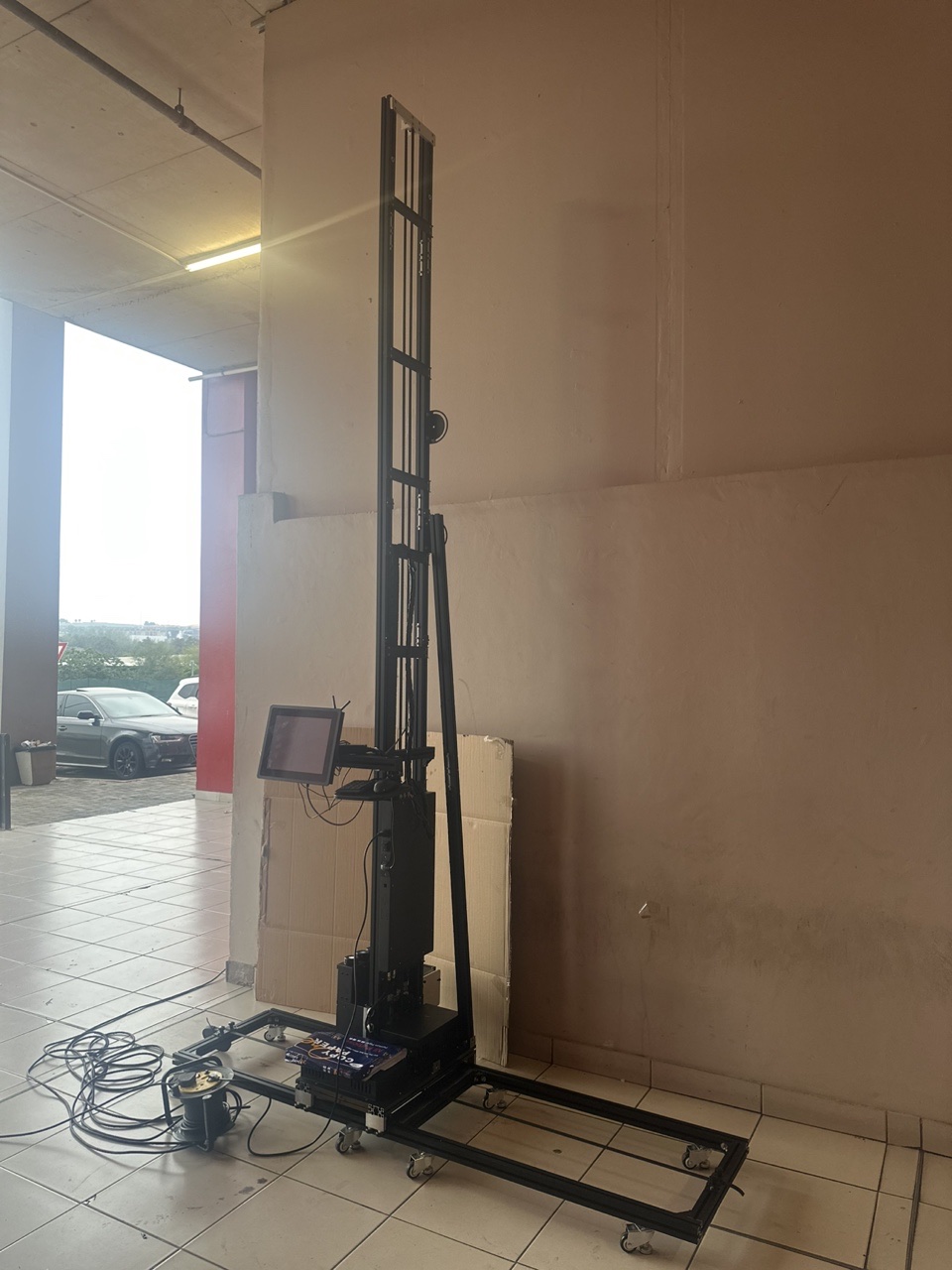
Latest Arrivals
Latest Arrivals
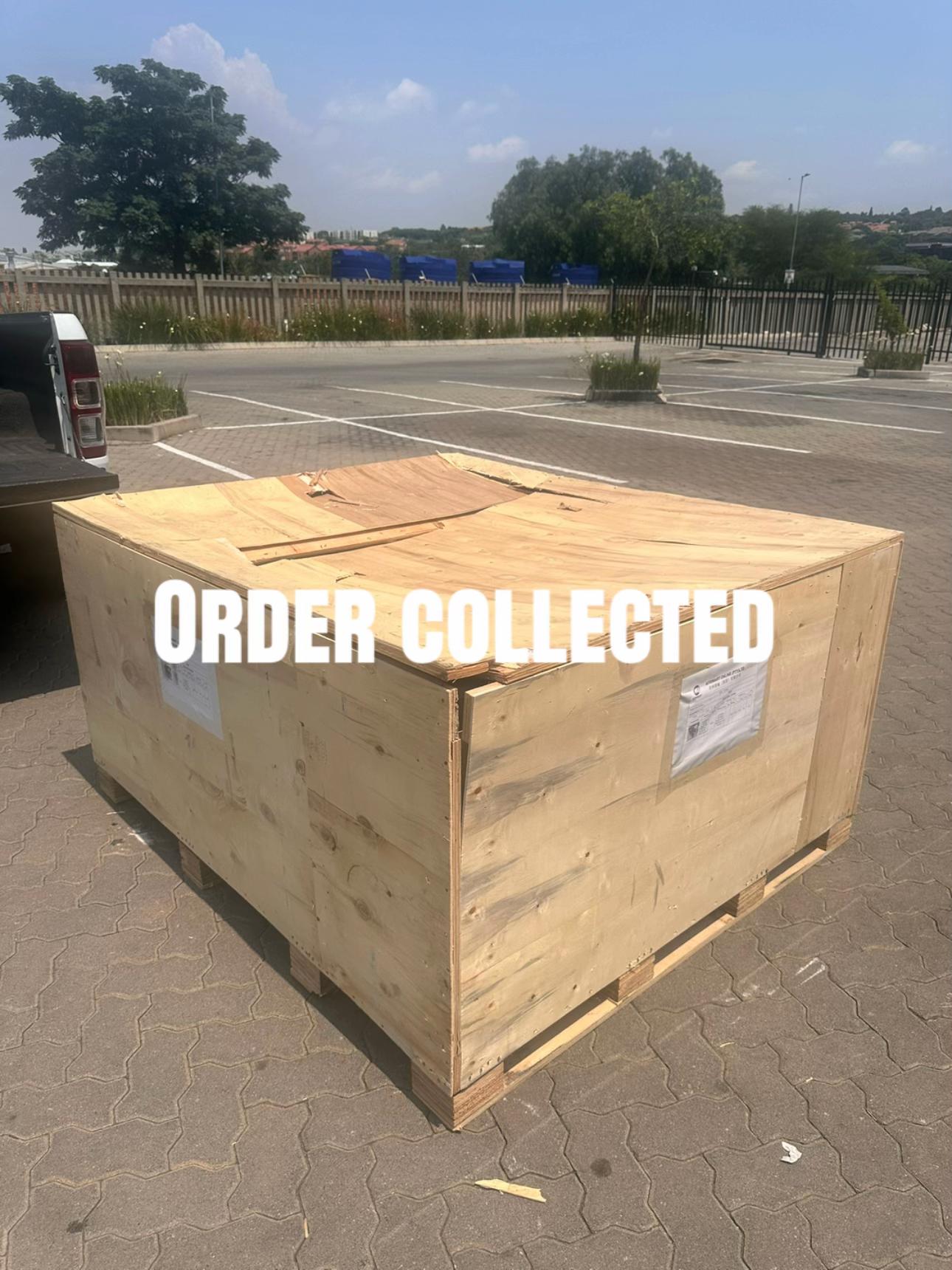
Latest Arrivals
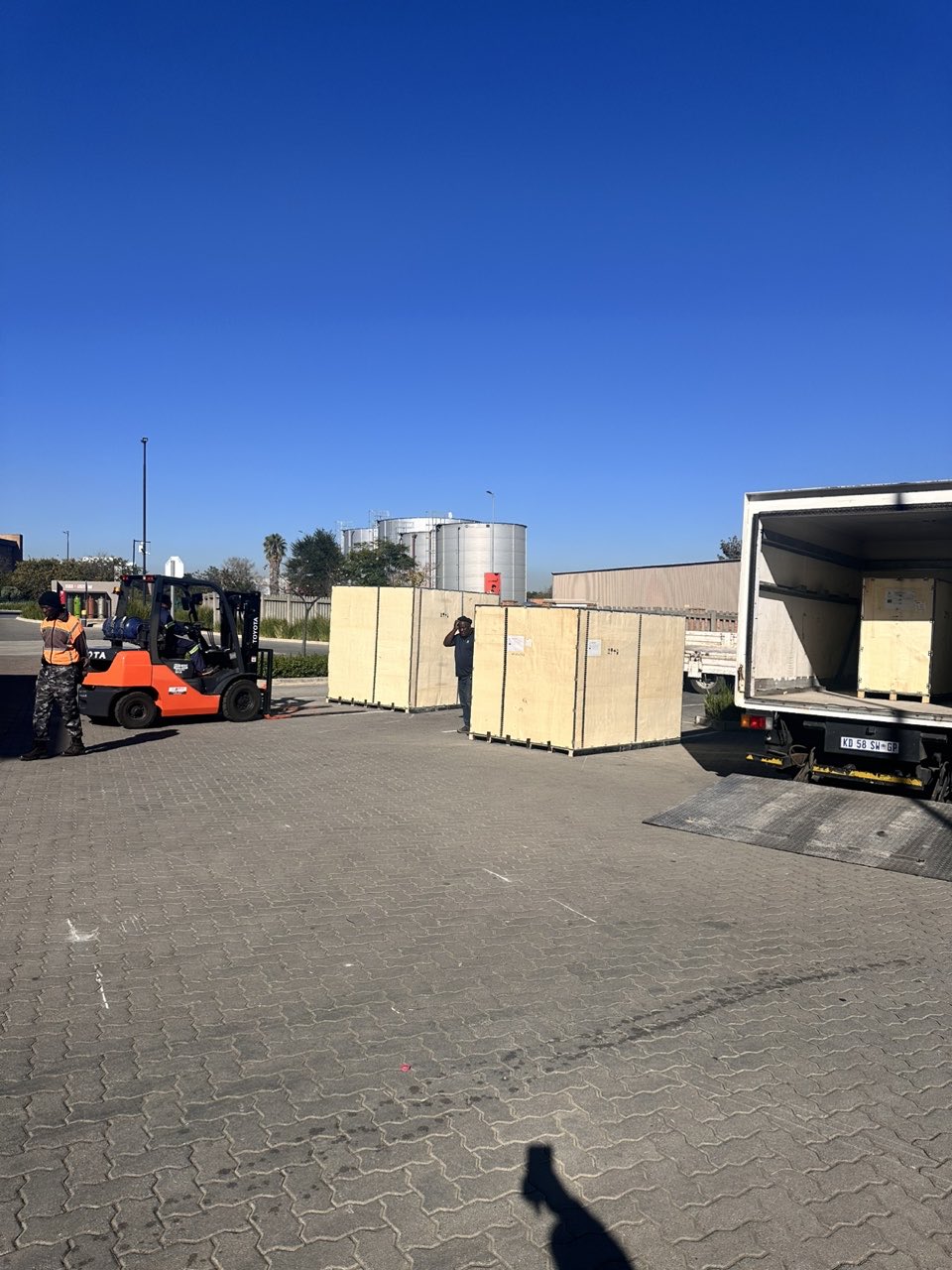
Loading
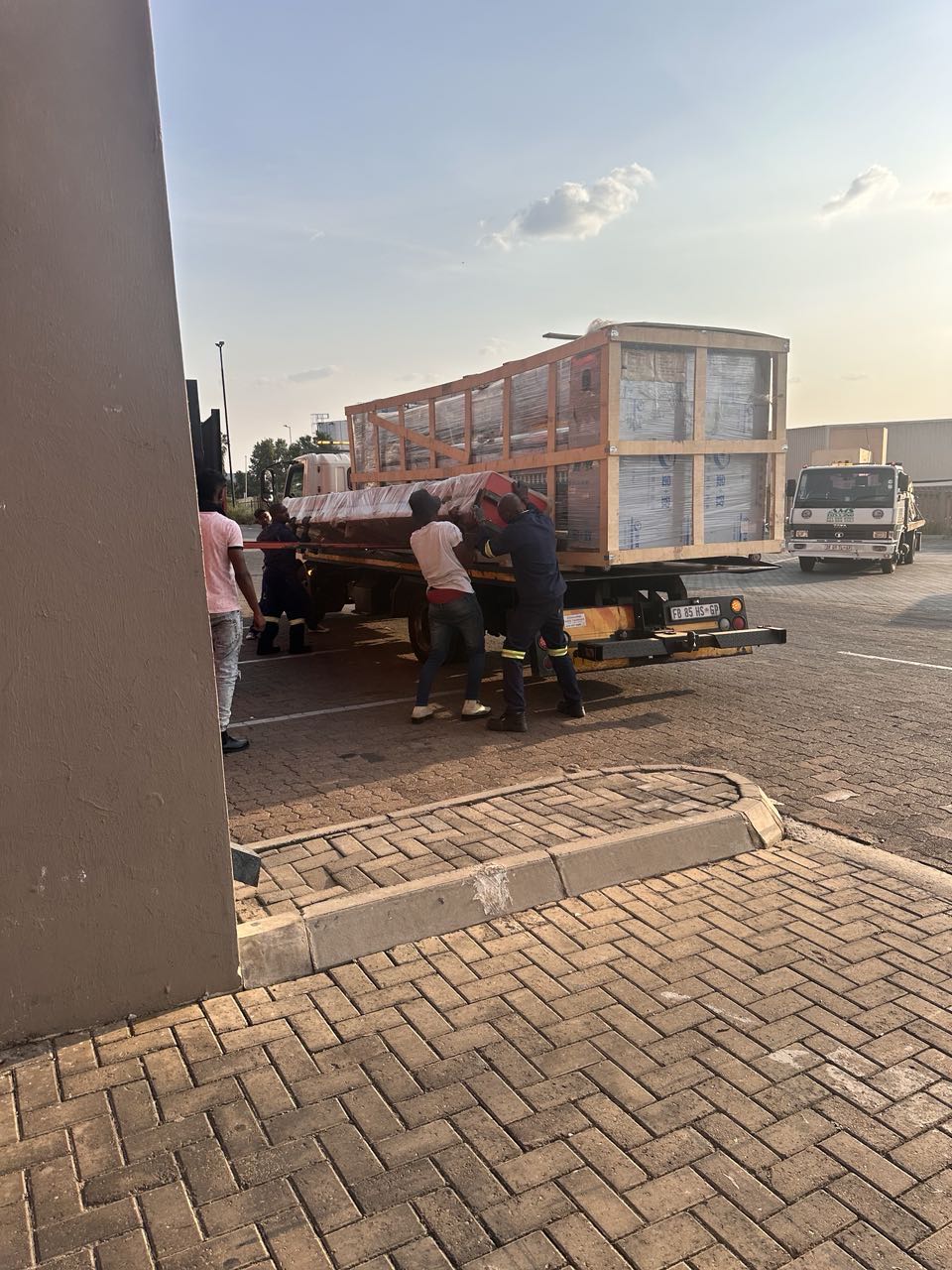
Toilet paper making machine
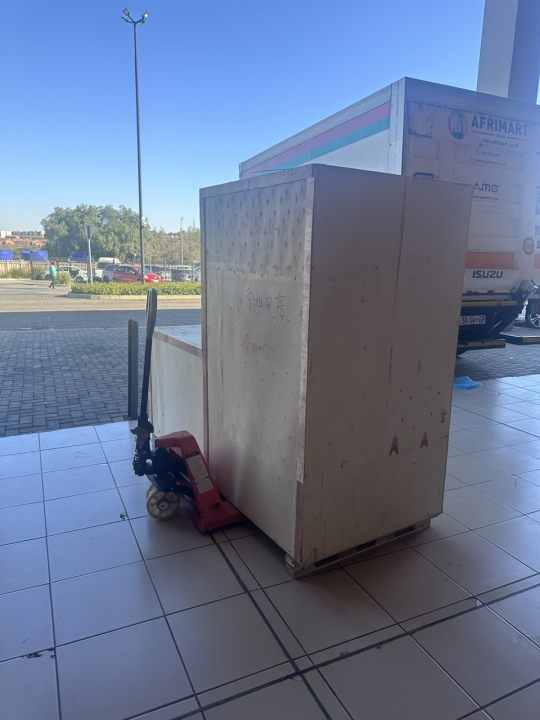
Toilet paper making machine
Toilet paper Rewinding Machine
latest arrivals
offloading
order success
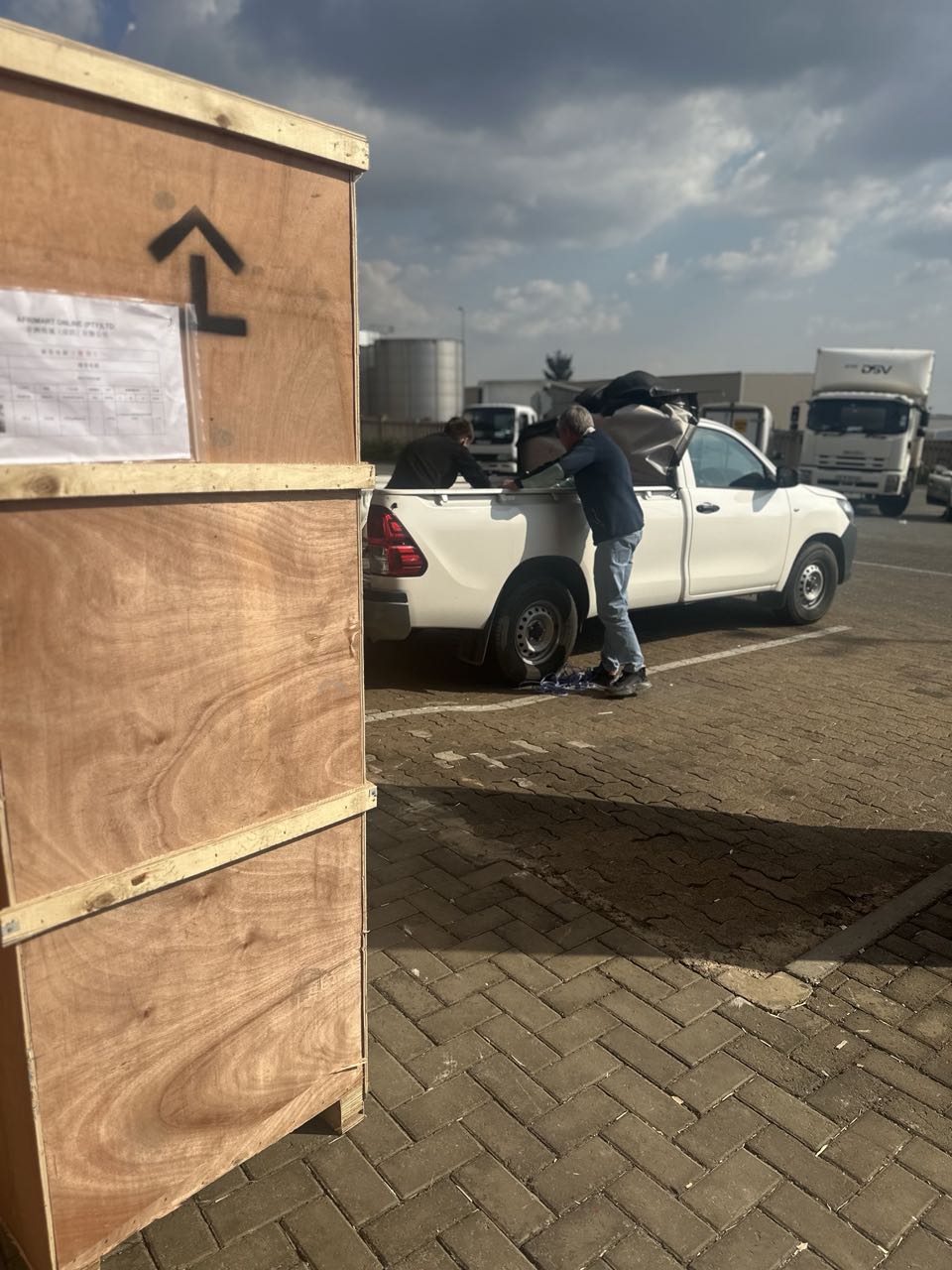
order collection
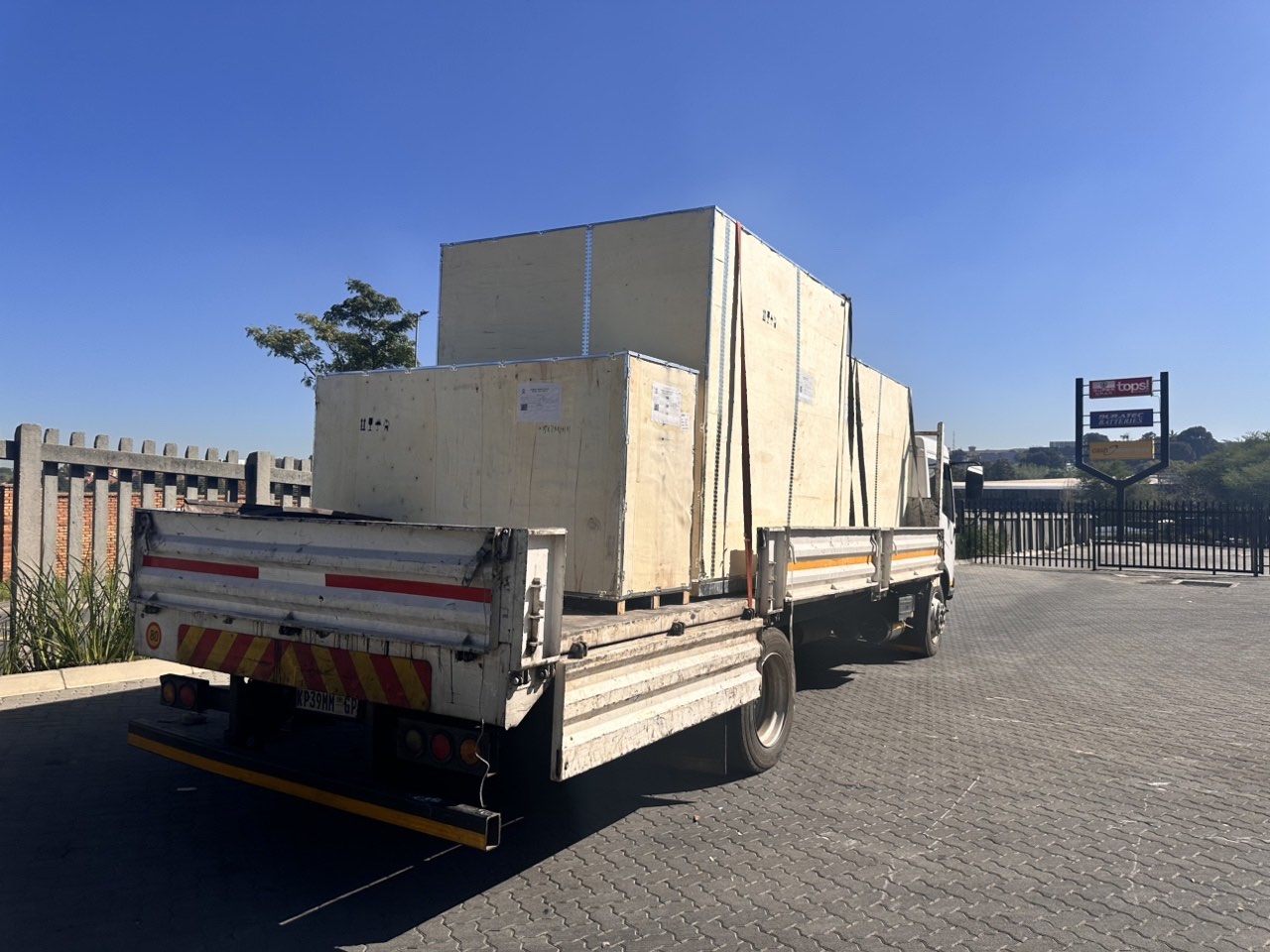
order offloading