B21, China Town Mall, Midrand


Rubber Solid Tyre Hot Press Machine for Solid Tyre Manufacturing
Asset finance available
Do you want funding for this equipment?
Afrimart can connect you with trusted funding partners who specialise in asset finance for businesses like yours. Compare options and apply in minutes — final approval is subject to provider review.
Check funding options
Secure & no obligation

- Section : Machinery
- Category : Industrial Machinery
- SKU : 1600584984571

- Shipping Timeframes: All orders are processed within 2-5 business days (excluding weekends and holidays). After your order has been processed, the estimated delivery time is before 03 Aug, 2026, depending on customs, Please note that due to high demand, some items may experience longer shipping times, which will be communicated at order confirmation email.
- Order Processing Time: Please allow 2-5 business days for us to process your order before it is shipped . Orders placed after 16:00 on Fridays, or during weekends and public holidays, will begin processing on the next business day. Processing times may be extended during peak seasons or sales events.
- Manufacturing Time: Some products needs manufacturing time, the manufacturing process will take approximately 10-30 business days depending on the product. This timeframe may vary depending on the complexity of the product and current demand. but this will be communicated with you during order confirmation.
- Returns and Exchanges: We offer a 30-day return policy for most items. If you are not completely satisfied with your purchase, you may return it within 30 days of receipt for a refund or exchange. Items must be unused, in their original packaging, and accompanied by proof of purchase. Return shipping costs are the responsibility of the customer, unless the item was damaged or defective upon arrival.
1. What is the Rubber Solid Tyre Hot Press Machine used for?
This machine is used to mold and vulcanize a variety of rubber products including solid tyres, shoe soles, rubber tiles, sheets, hollow mats, gaskets, rubber wheels and belts.
2. What models are available and what are their main differences?
Two main configurations are shown: XLB-D(Y)1500x1500x2 and XLB-D(Y)2000x2000x2. The 1500 model has a nominal molding force of 1200 tons, 300 mm piston stroke, 5.3 MPa plate unit pressure, 600 mm plate clearance and 15 kW main motor. The 2000 model has 1800 tons molding force, 500 mm piston stroke, 4.5 MPa plate unit pressure, 1000 mm plate clearance and 22 kW main motor.
3. What heating methods does the machine support?
The machine supports steam heating and electric heating. Exact configuration (steam, electric or dual) should be confirmed with the supplier.
4. How many working layers (pressing layers) does the machine have?
Both listed configurations are 2-layer (two working layers) presses, allowing simultaneous molding in two cavities or stacked molds.
5. What are the typical production cycle times?
Cycle time depends on rubber compound, mold design and product size. Typical molding cycles for solid tyre and similar parts usually range from a few minutes up to 20–30 minutes. Provide sample product and compound to the supplier for accurate cycle time estimation.
6. What foundation, utilities and site requirements are needed for installation?
You will need a reinforced concrete foundation sized per supplier drawings, adequate power supply (15 kW or 22 kW main motor plus auxiliaries), steam supply for steam-heated units (or electrical supply for electric heating), hydraulic oil, compressed air and proper ventilation. Exact requirements are provided in the machine’s installation documentation.
7. What safety features are included?
Standard safety items typically include emergency stop buttons, hydraulic overload protection, safety interlocks and guards around moving parts. Exact safety options and certifications should be confirmed with the manufacturer.
8. Can the machine be customized for specific tyre sizes or molds?
Yes. Plate clearance, mold platens, mold fixtures and other parameters can generally be customized to accommodate specific tyre sizes and mold designs. Discuss your mold dimensions and production needs with the supplier.
9. What maintenance is required and how often?
Regular maintenance includes hydraulic oil checks and replacement per the maintenance schedule, inspection and lubrication of moving parts, steam/electric heating element checks, cleaning, and inspection of seals and hoses. Frequency depends on usage; the supplier will provide a recommended maintenance schedule.
10. Are spare parts and tooling available?
Suppliers commonly provide spare parts (hydraulic components, seals, heaters, motors) and can assist with tooling and molds. Confirm lead times and parts lists with the vendor.
11. What is the guaranteed molding force and plate unit pressure?
The XLB-D(Y)1500x1500x2 model has a nominal molding force of 1200 tons and a plate unit pressure of approximately 5.3 MPa. The XLB-D(Y)2000x2000x2 model has 1800 tons nominal force and around 4.5 MPa plate unit pressure.
12. What control system does the press use?
Control systems vary by supplier and can range fromPLC-based control with HMI to more basic electro-hydraulic controls. Confirm exact control features (temperature control, pressure/time profiles, data logging) when ordering.
13. How energy-intensive is the machine?
Energy consumption depends on heating method, cycle time and production rate. Main motor power is 15 kW for the 1500 model and 22 kW for the 2000 model; additional energy is consumed by steam generation or electric heating. Provide estimated production data to the supplier for an energy consumption estimate.
14. What after-sales support, training and warranty are offered?
After-sales support commonly includes installation supervision, operator and maintenance training, spare parts supply and technical support. Warranty terms vary by manufacturer—confirm warranty period, scope and response times prior to purchase.
15. How do I choose between the 1500 and 2000 models for my production?
Choose based on required mold size and clearance, molding force needed for your tyre geometry and compound, production capacity and available floor/foundation space. Provide your product dimensions, expected cycle time and annual output to the supplier for a recommendation.
Latest Order Arrivals
Discover our latest orders
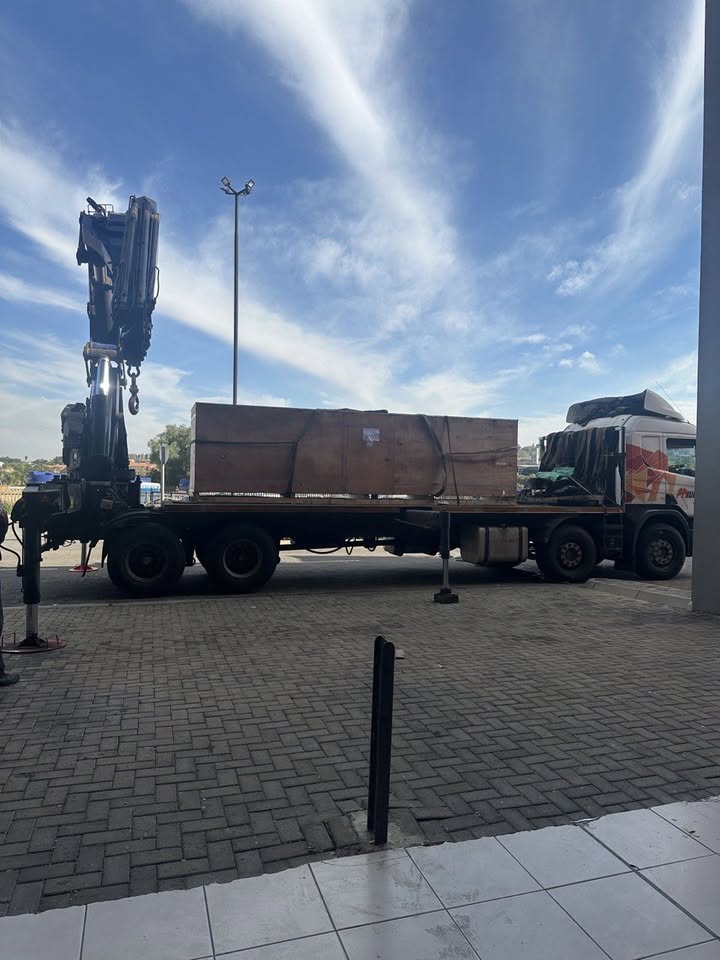
12 Heads Embroidery Machine
Toilet Paper Machine Machine
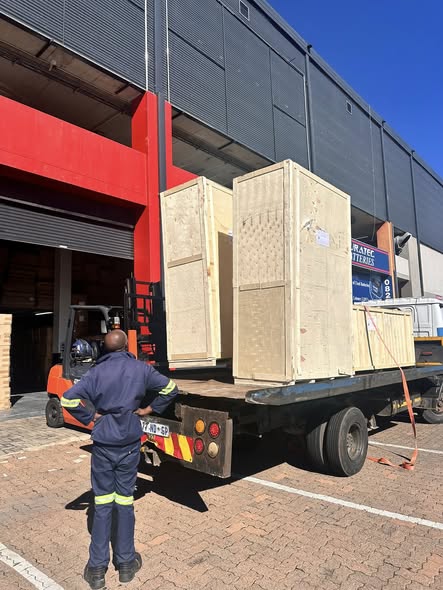
Order Collection
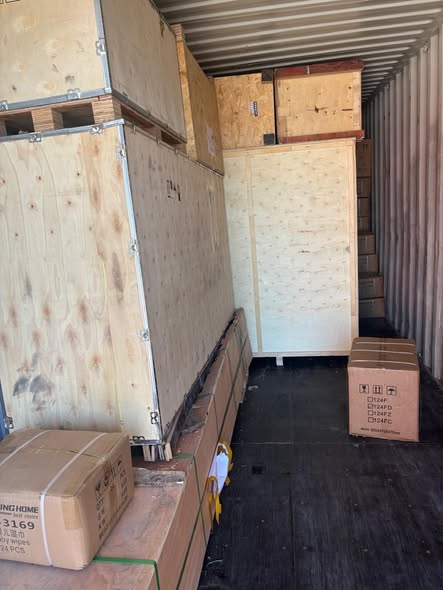
Cross Border Clients
Order cros border countries Collected
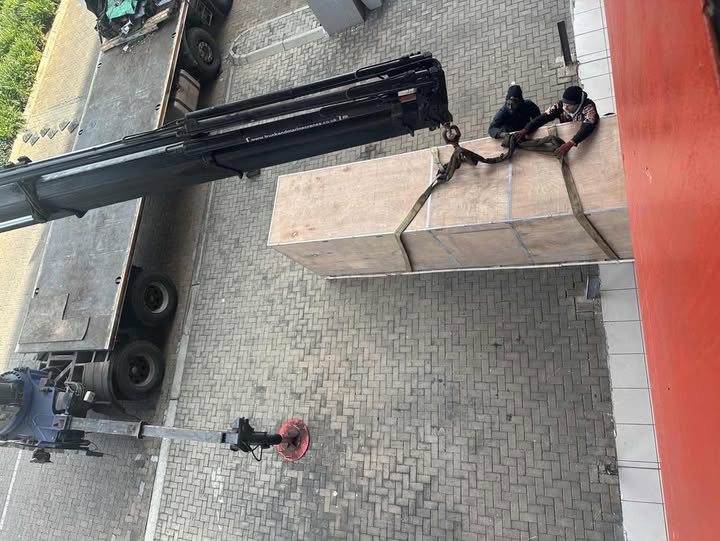
Industrial Machine Cllection
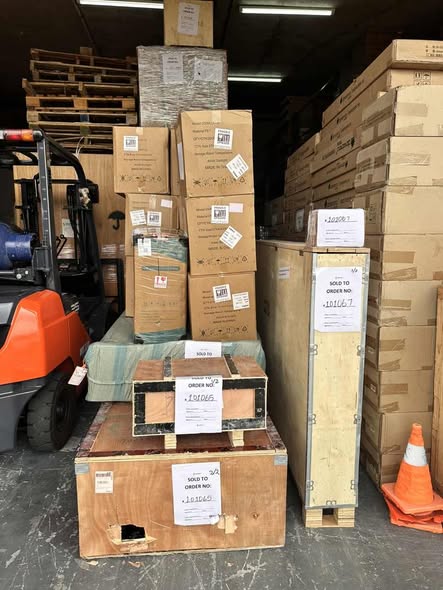
Agriculture Processing Machines
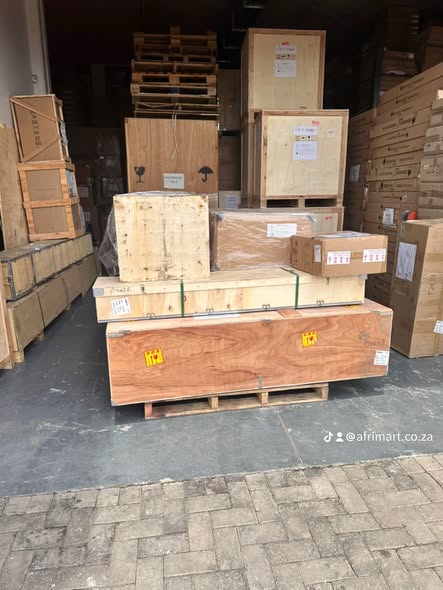
Ready for collection
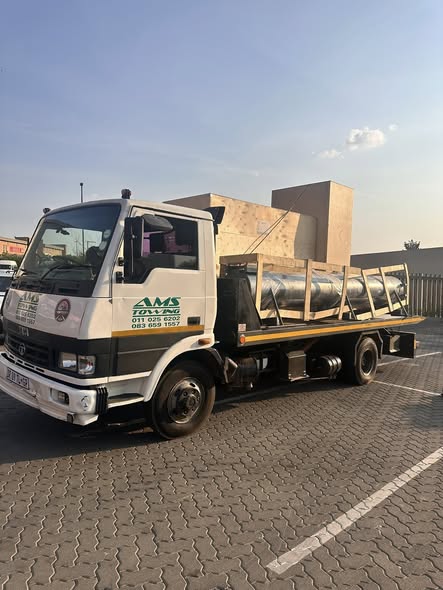
Water Pump Equipment
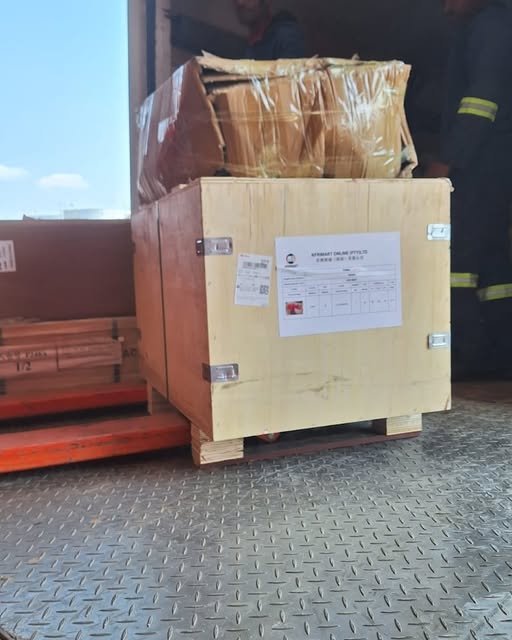
Packaging Machine and accessories
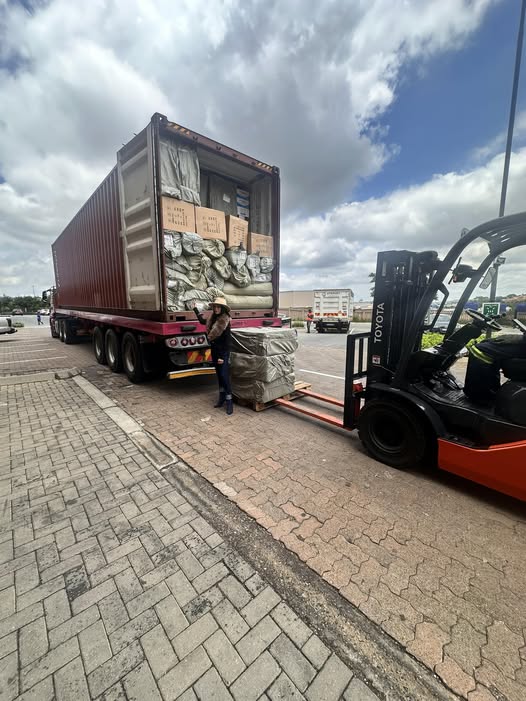
Fabrics Manufacturing Equipment
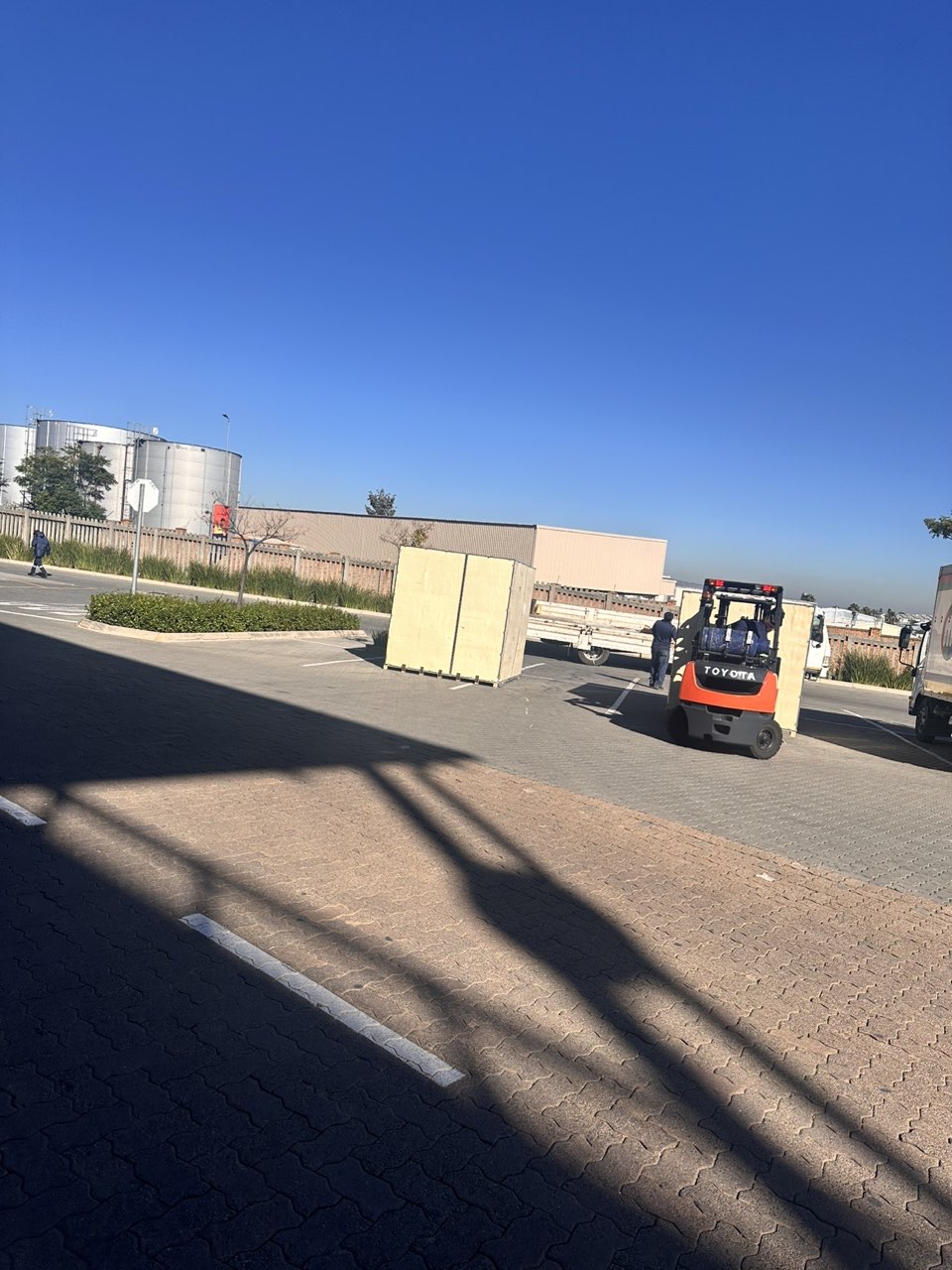
Mining Equipments
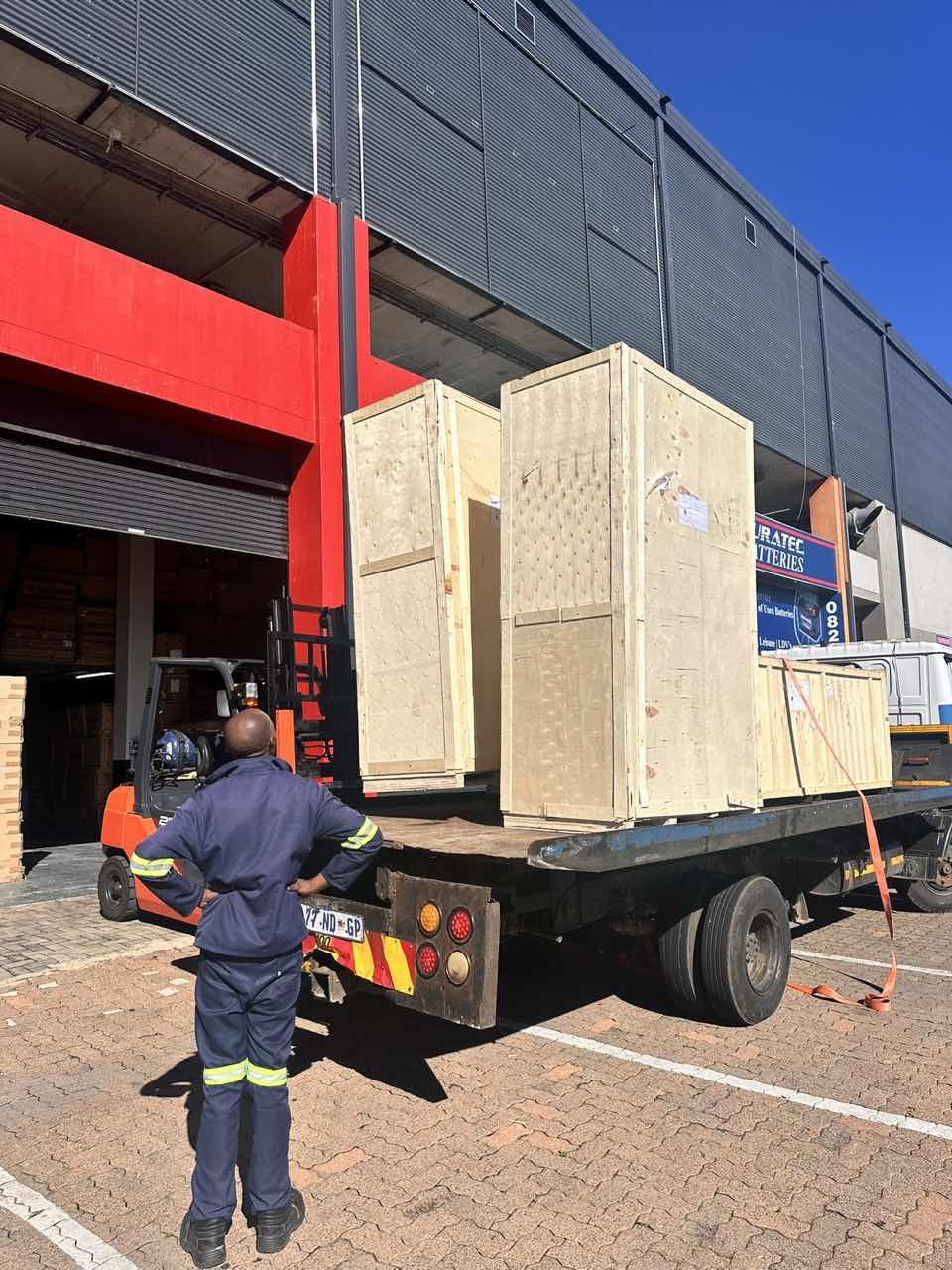
Food Processing Machine
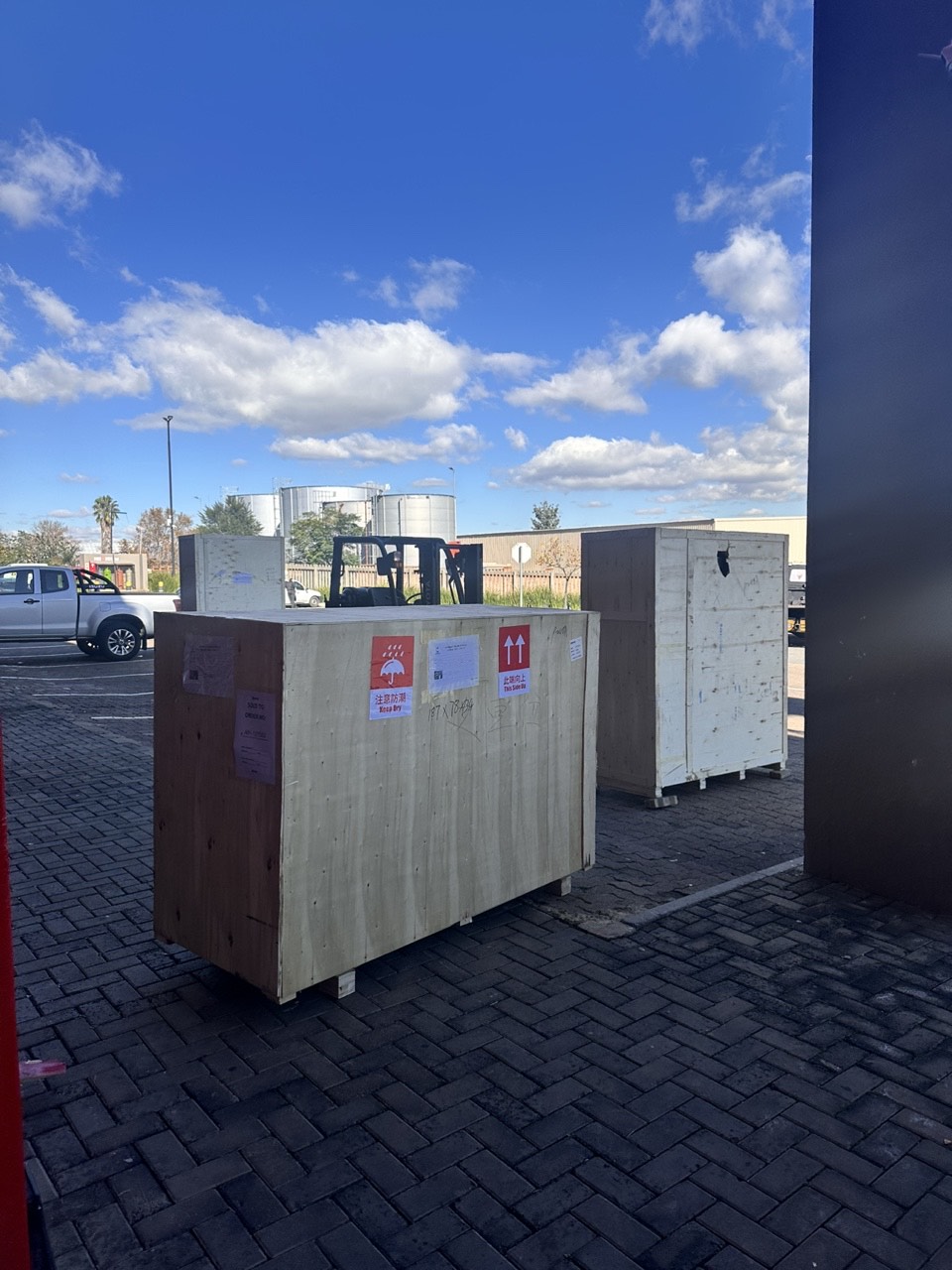
Batch of Orders
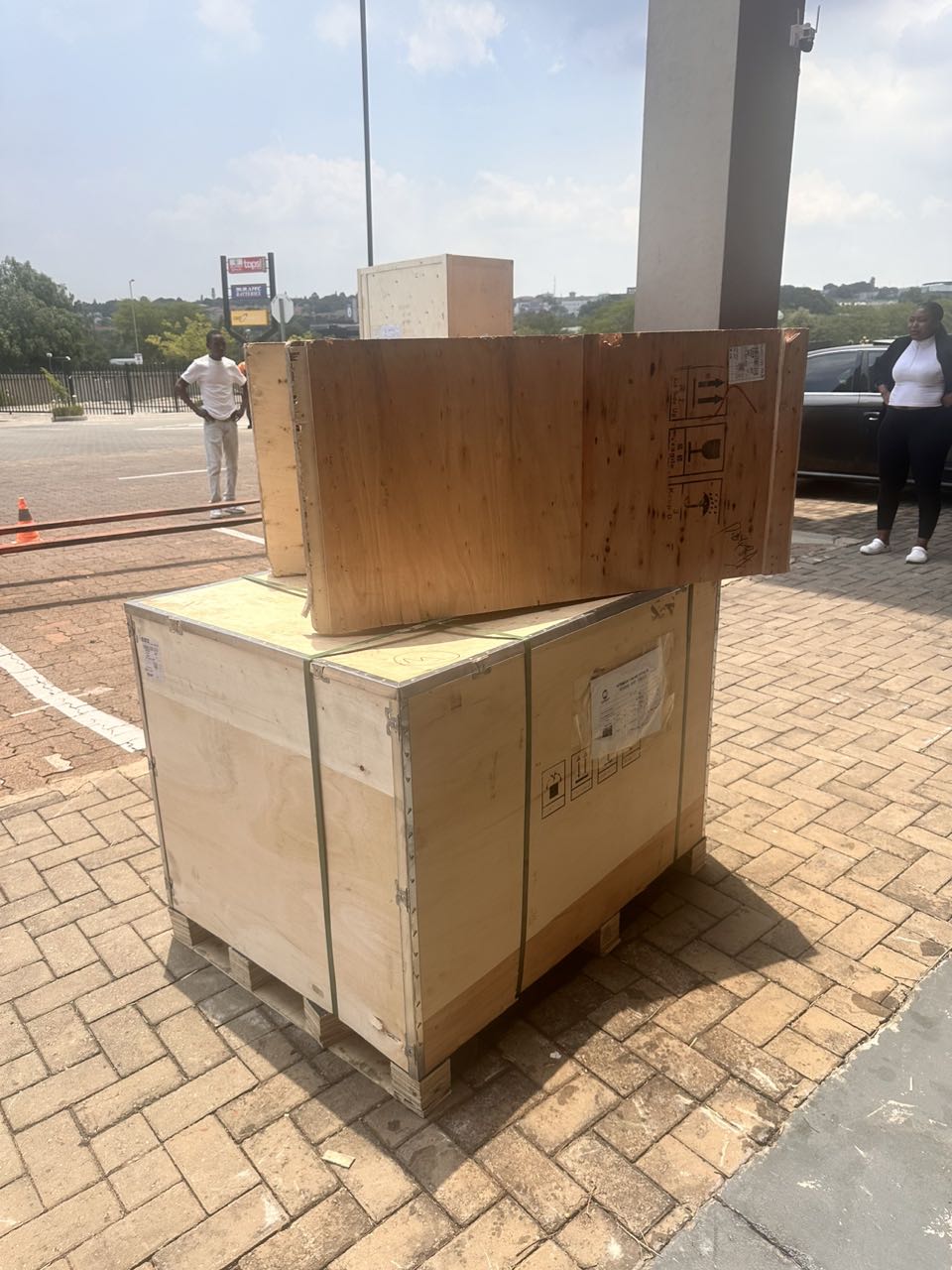
Batch of Orders
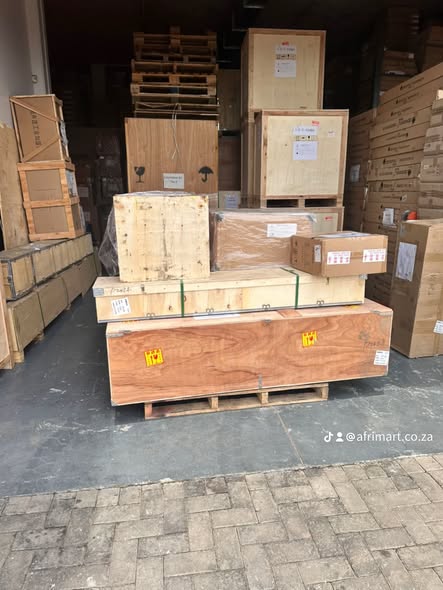
Latest Orders Labelled
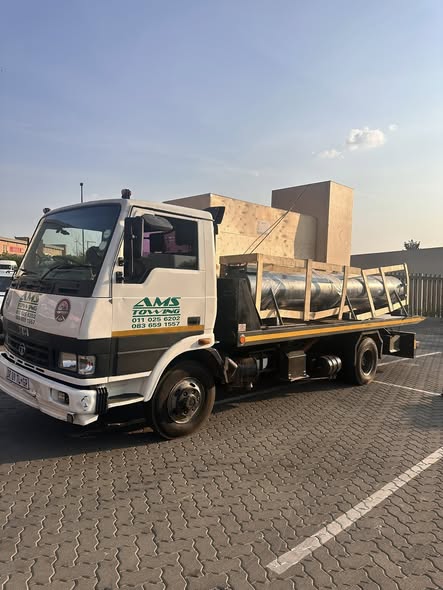
wheel alignment machines
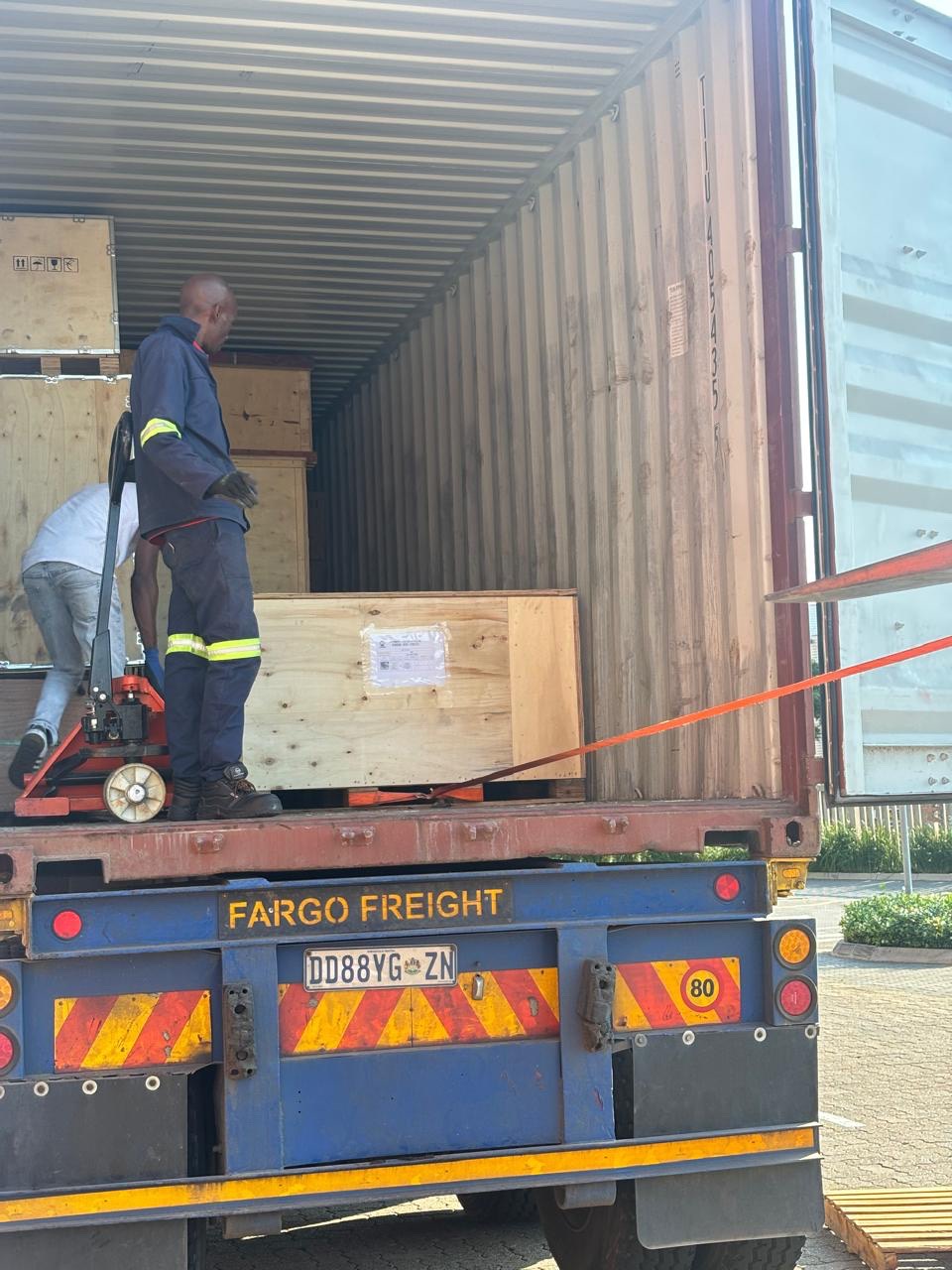
new arrivals
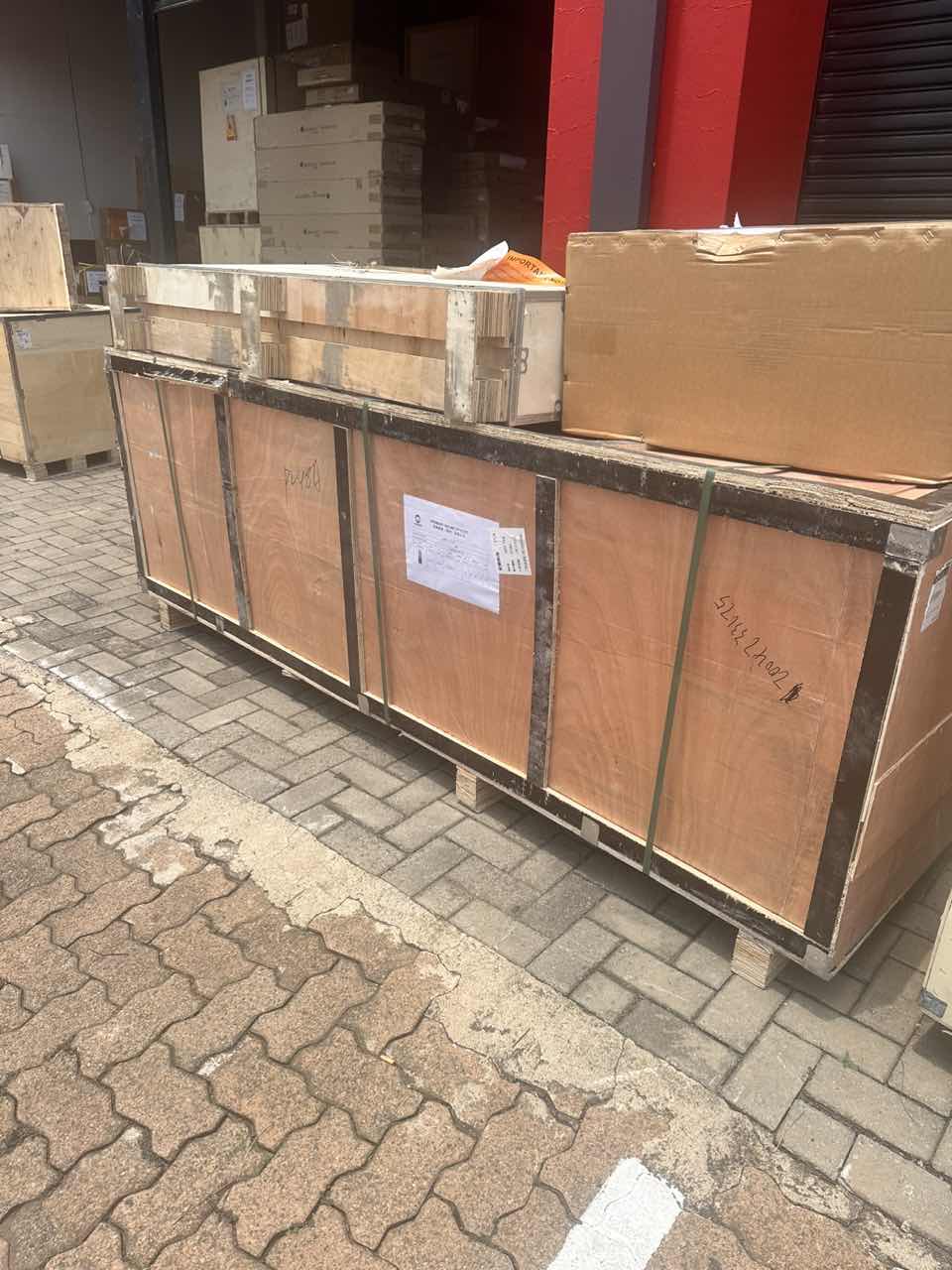
Pre Orders Offloading
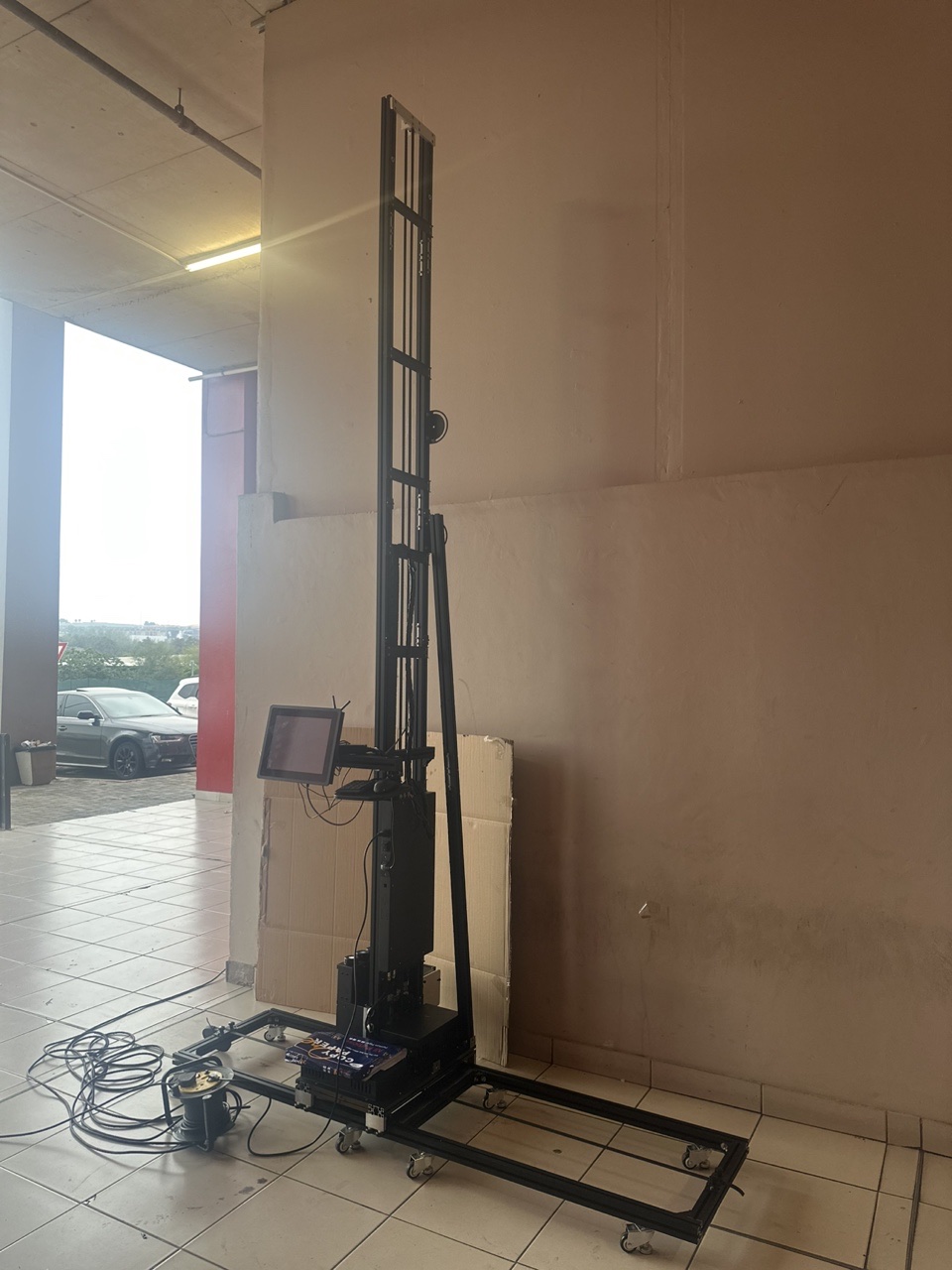
Latest Arrivals
Latest Arrivals
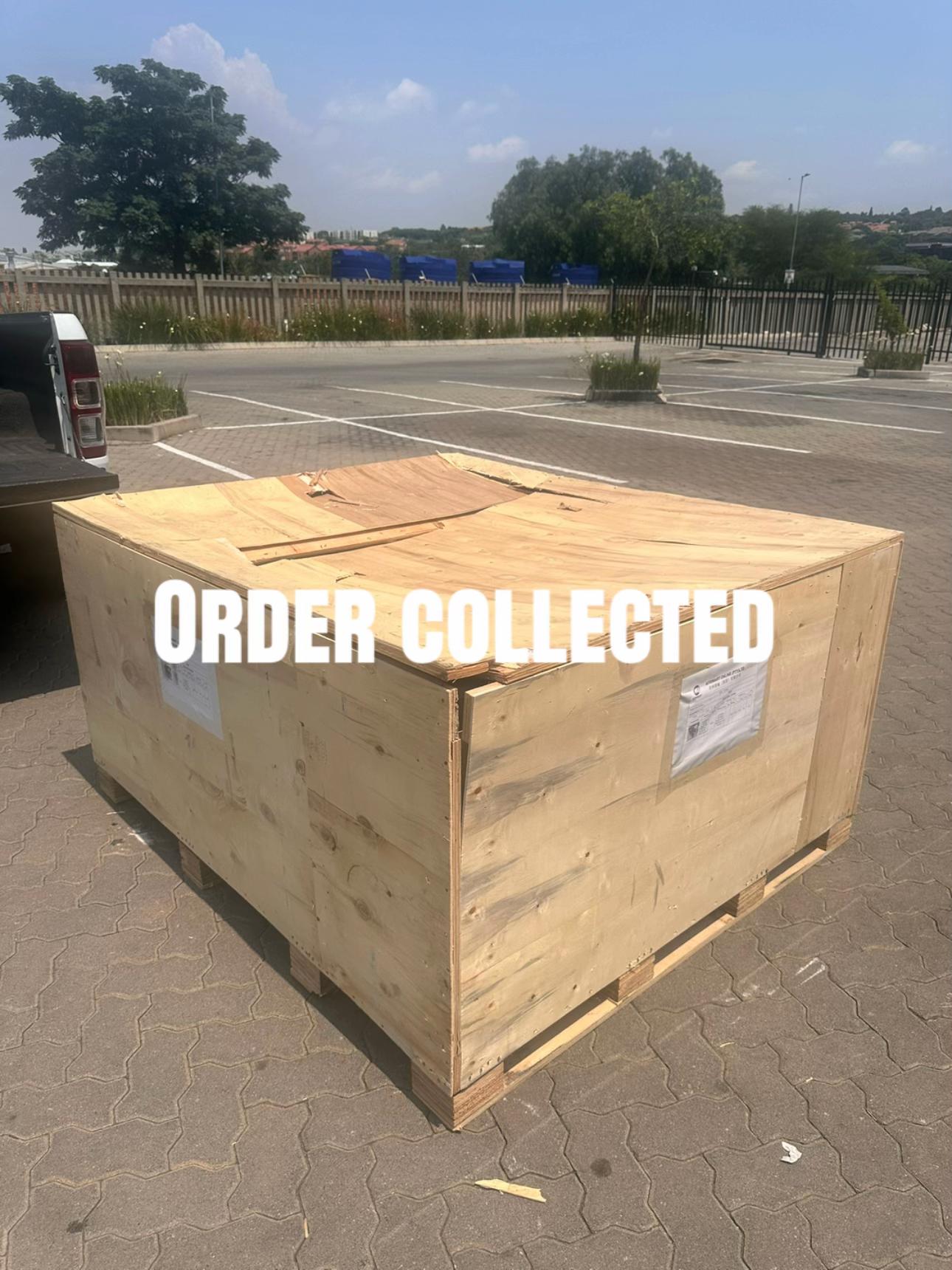
Latest Arrivals
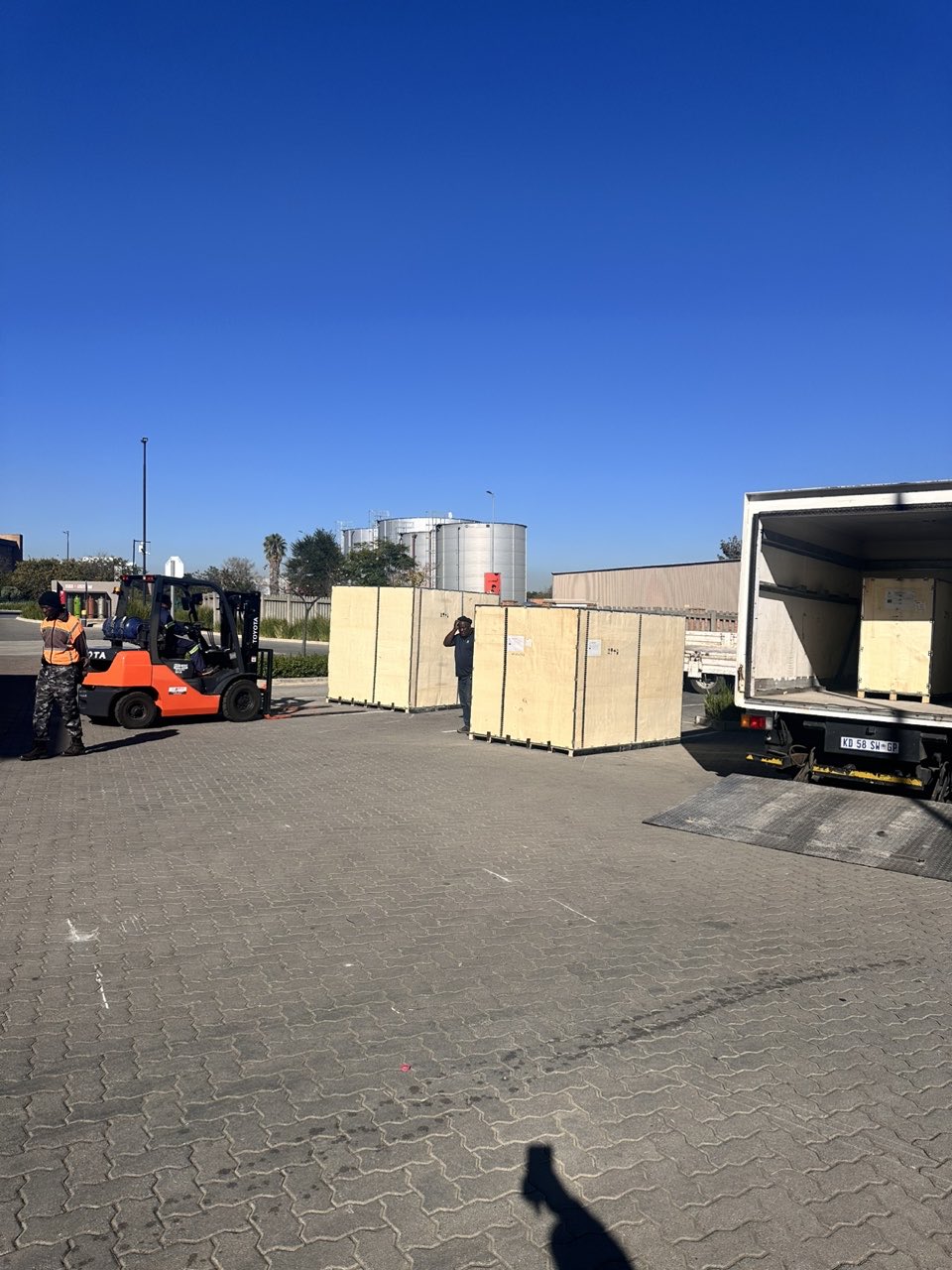
Loading
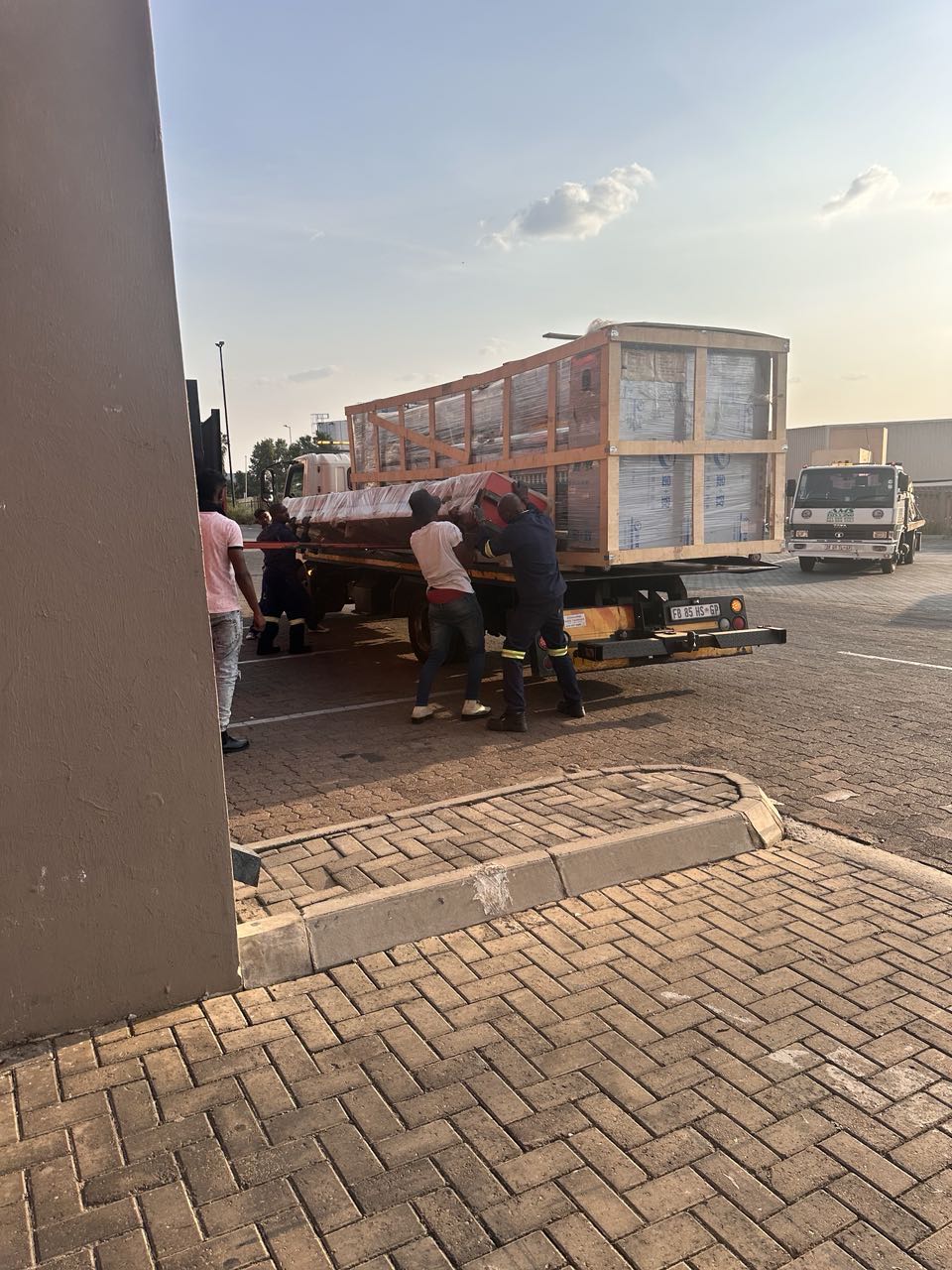
Toilet paper making machine
Toilet paper making machine
Toilet paper Rewinding Machine
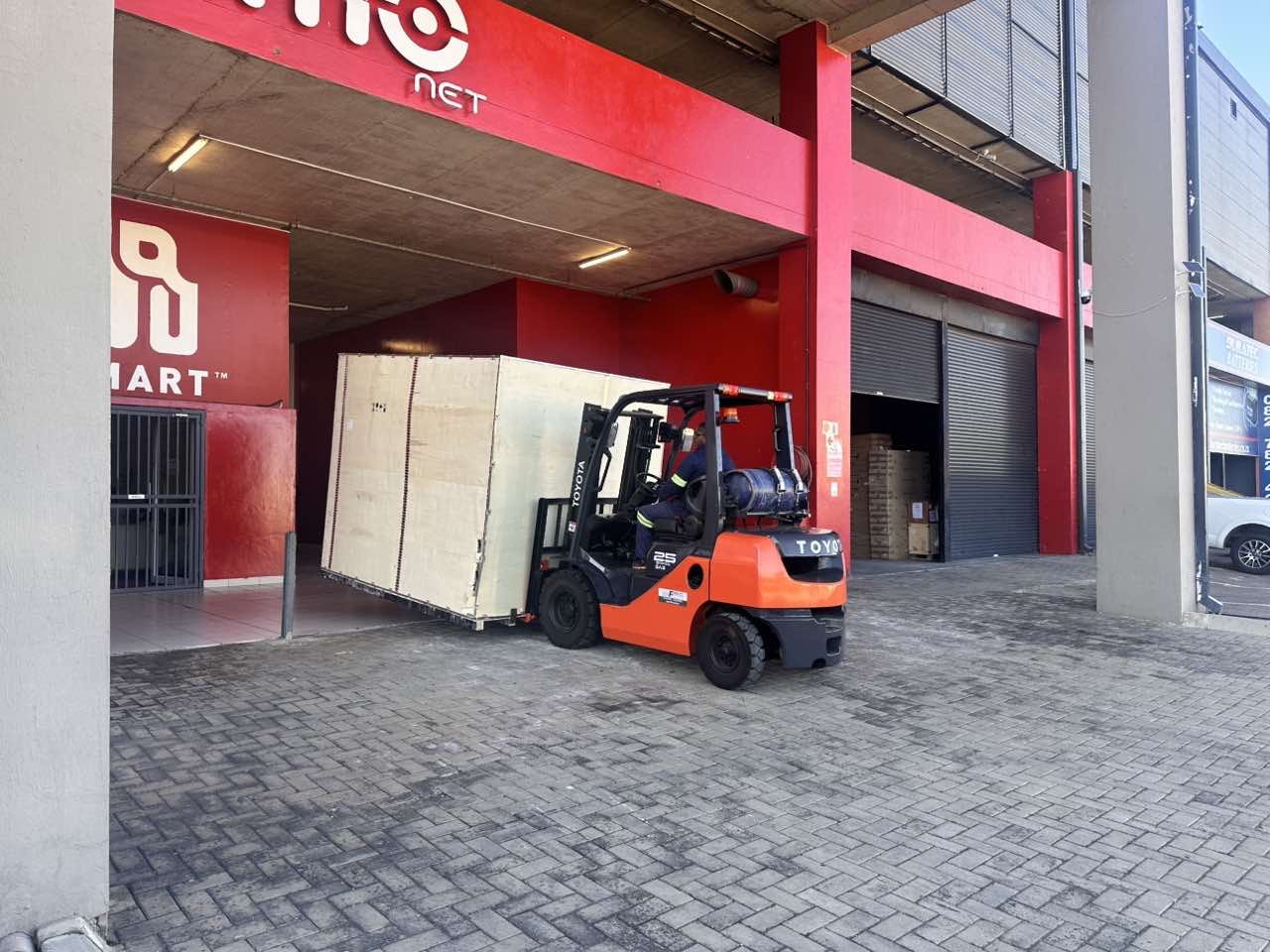
latest arrivals
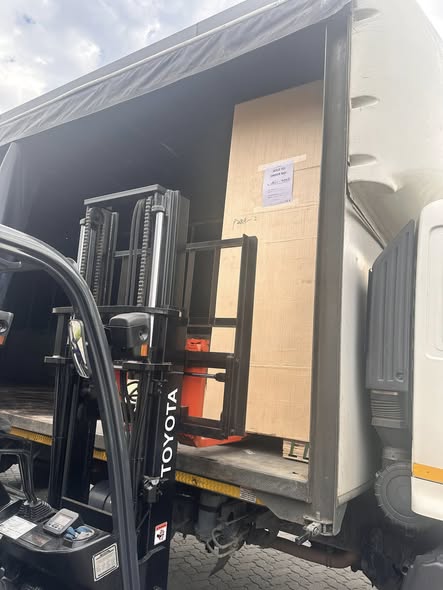
offloading
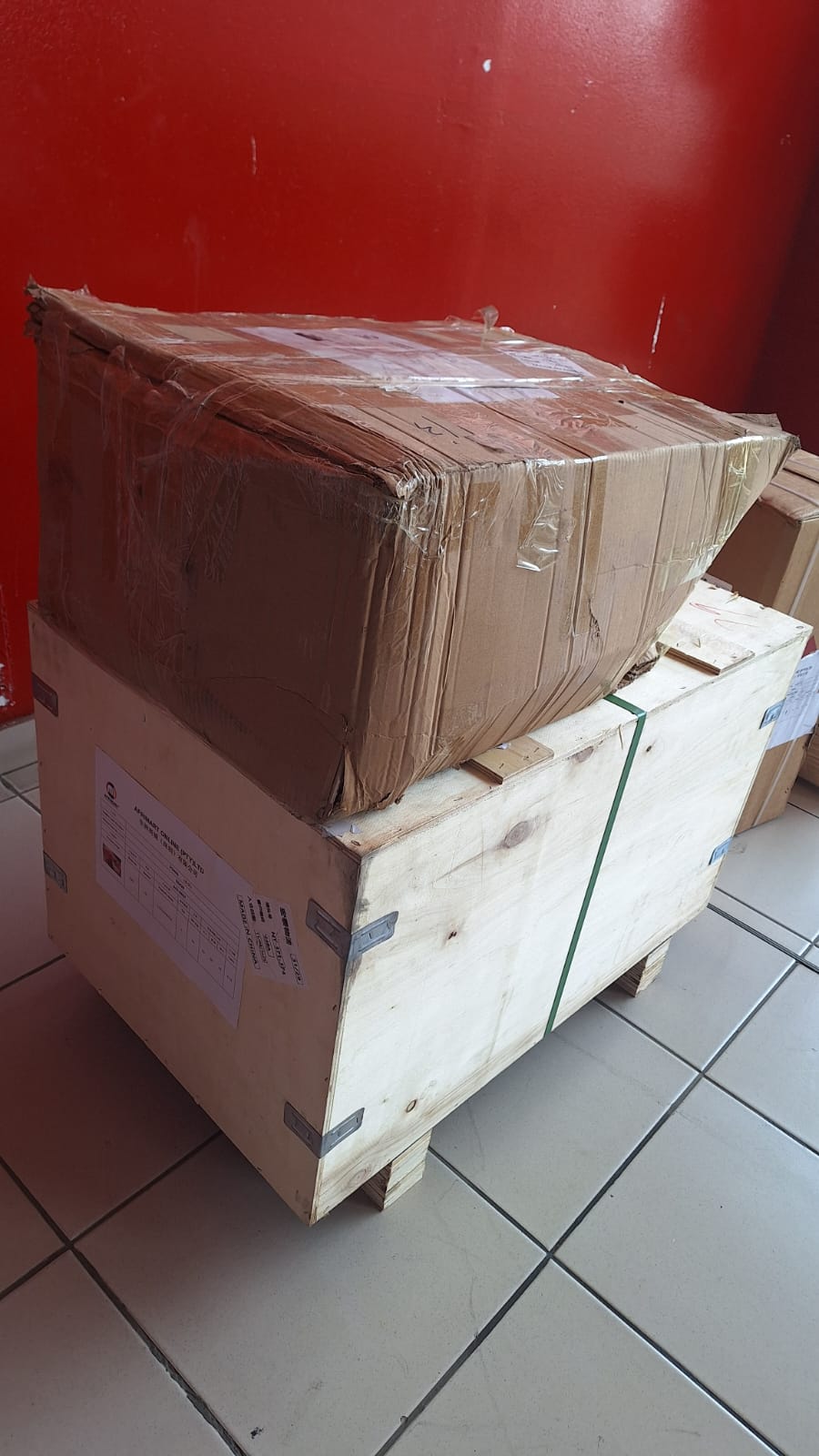
order success
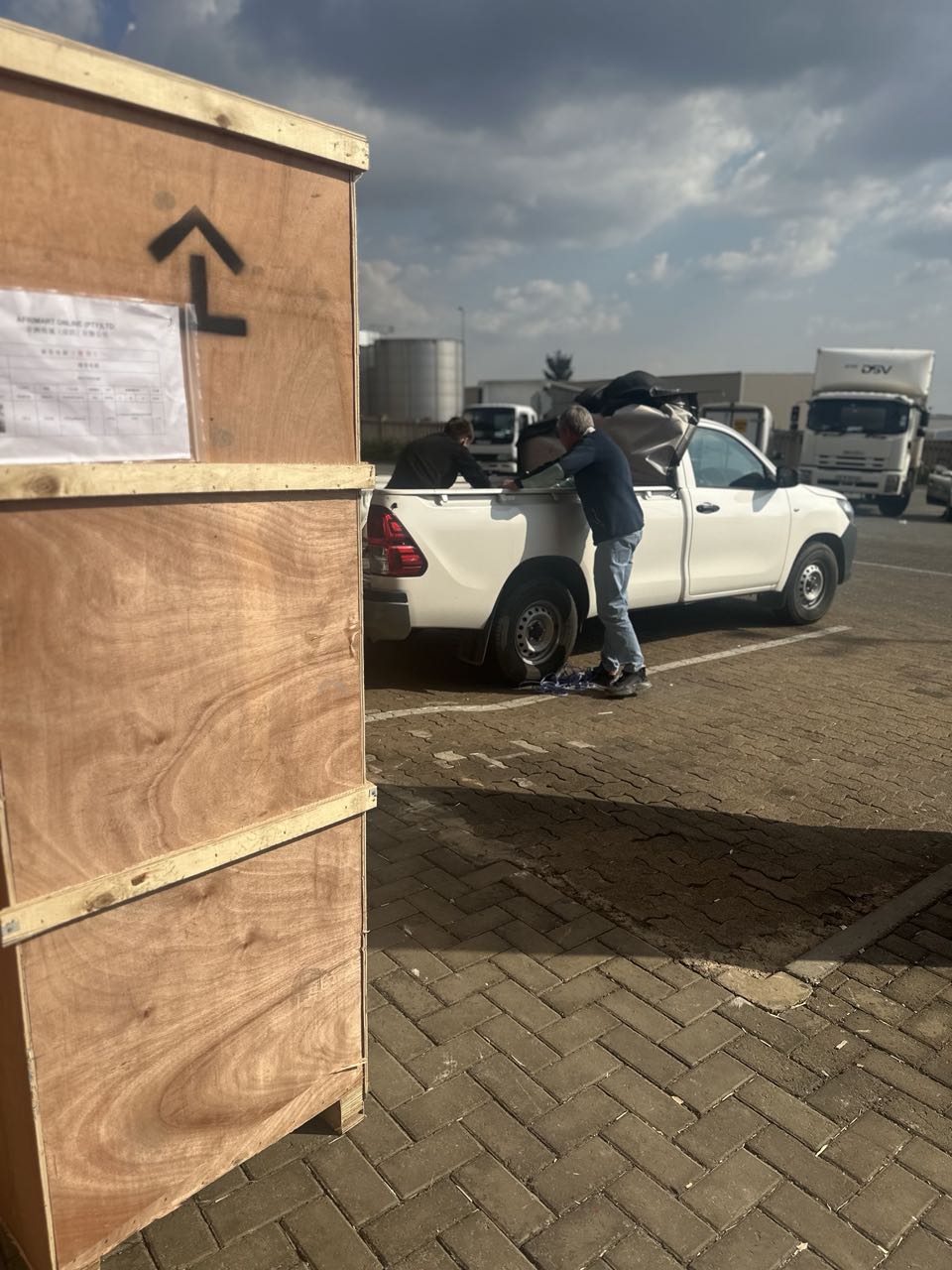
order collection
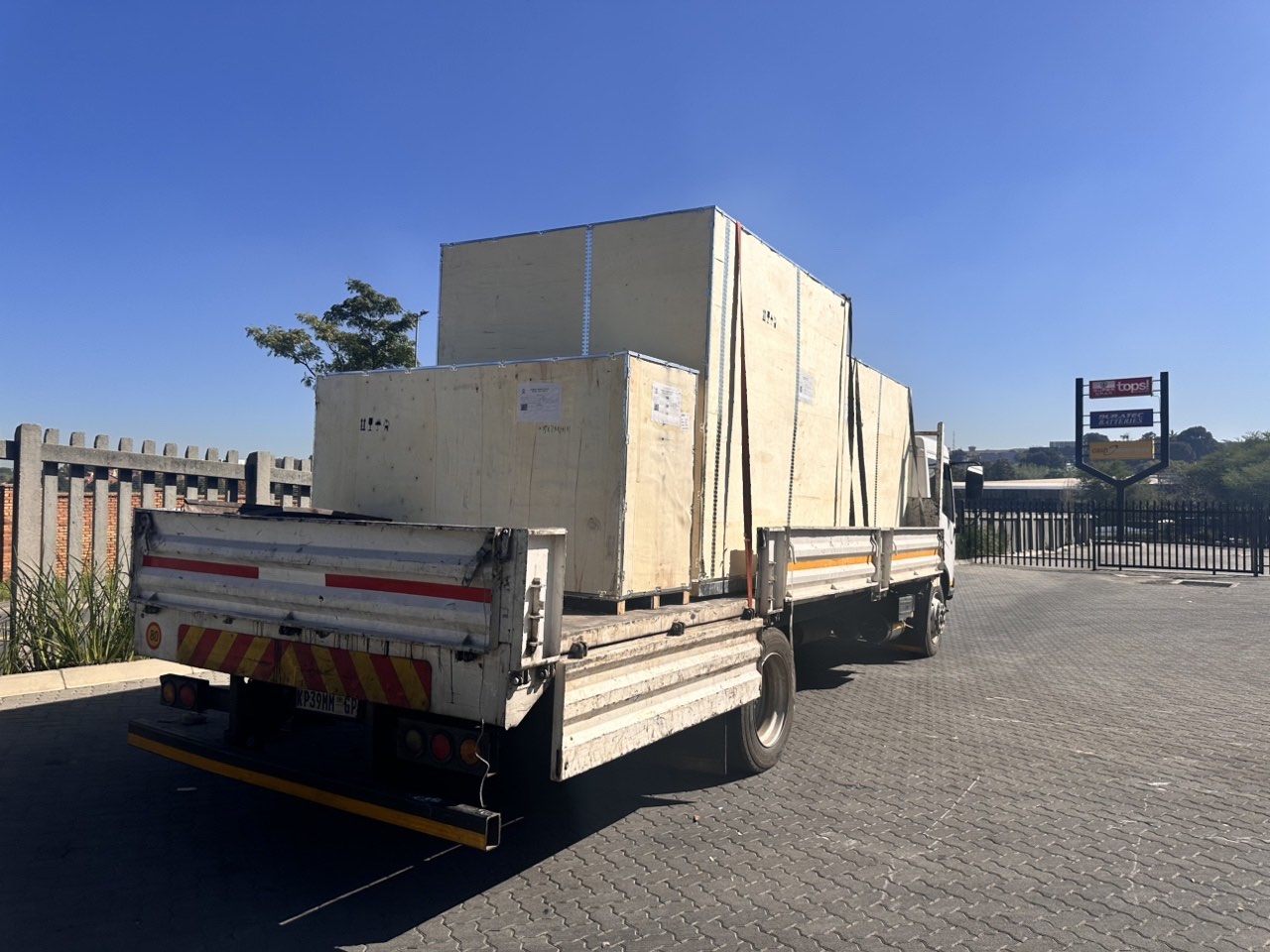
order offloading