B21, China Town Mall, Midrand


RT-7600 Blood Analysis System For Accurate Hematology Testing
Asset finance available
Do you want funding for this equipment?
Afrimart can connect you with trusted funding partners who specialise in asset finance for businesses like yours. Compare options and apply in minutes — final approval is subject to provider review.
Check funding options
Secure & no obligation

- Section : Medical Supplies
- Category : Clinical Analytical Instruments
- SKU : 1600209173660

RT-7600 Blood Analysis System for Accurate Hematology Testing
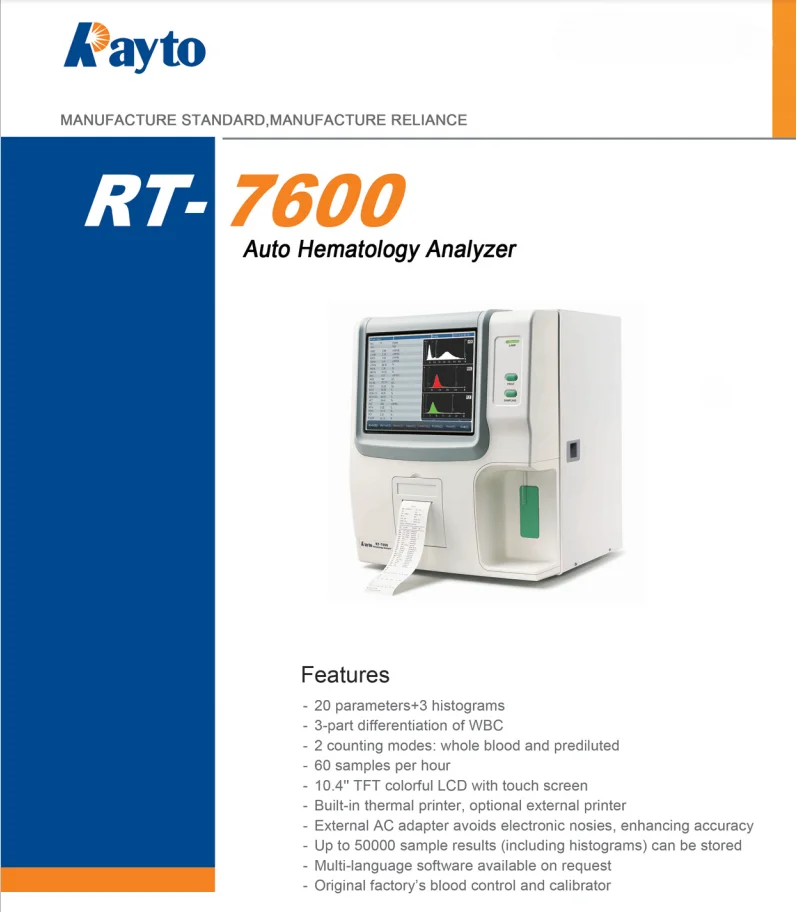
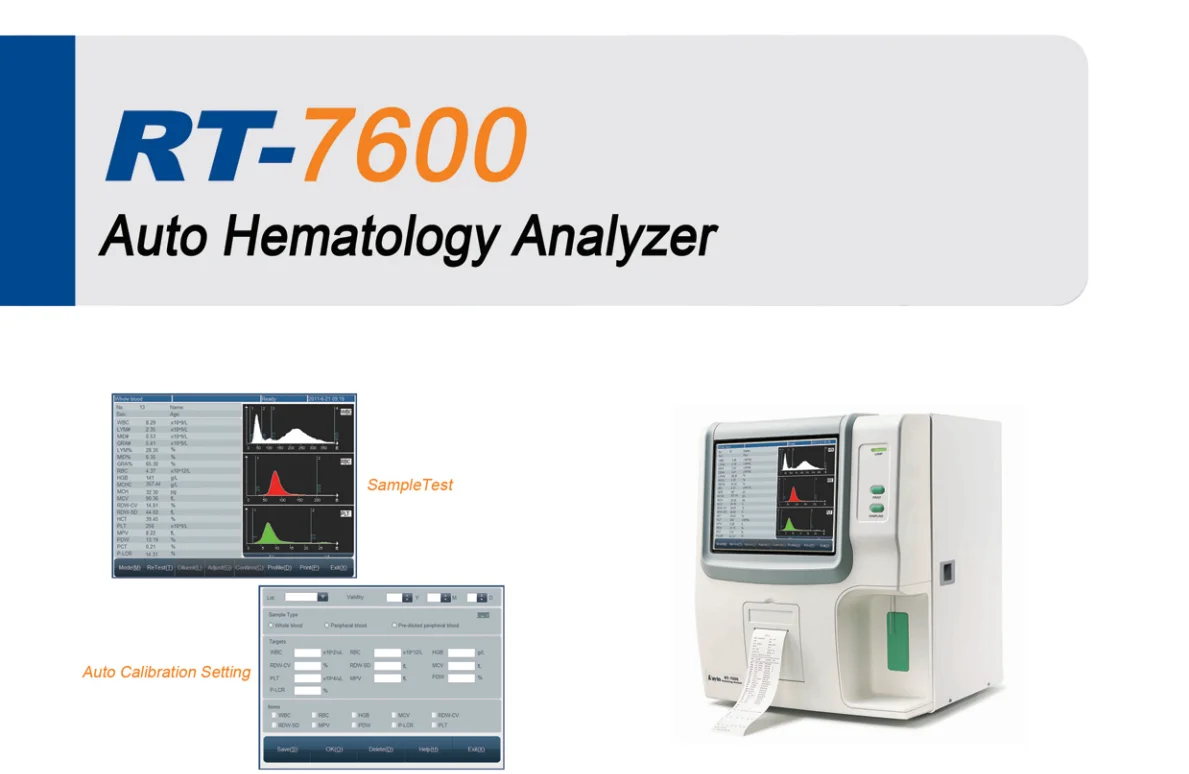
The RT-7600 Blood Analysis System is a high-performance instrument designed to provide precise and reliable results for blood cell counting. Utilizing electrical resistance principles for the accurate counting of WBC, RBC, and PLT, this system is ideal for laboratories and medical facilities seeking a fast and efficient hematology solution.
Key Features
- Electrical Resistance Principle: Utilizes the electrical resistance method for the accurate counting of white blood cells (WBC), red blood cells (RBC), and platelets (PLT), ensuring high-quality results.
- Sample Volume: Offers two sampling options: 20µL for prediluted blood and 9.8µL for whole blood, making it versatile and convenient for different testing requirements.
- High Throughput: Capable of processing up to 60 samples per hour, allowing for quick and efficient analysis in busy laboratory environments.
- Error Alarms: The system provides error messages to alert users to potential issues during testing, enhancing ease of use and reliability.
- Multiple Input/Output Interfaces: Includes RS-232, USB, and LAN connectivity options, along with keyboard and mouse interfaces, offering flexible integration into existing laboratory systems.
- Thermal Printout: The built-in thermal recorder ensures that printouts of results are clear, reliable, and easy to interpret.
- Operating Environment: Designed to operate in environments with temperatures ranging from 15℃ to 35℃ and humidity levels of ≤80%, ensuring reliable performance in various conditions.
- Power Requirements: Operates with an AC power supply (100-240V, 50-60±1Hz), making it suitable for use in a wide range of regions.
- Compact Design: With dimensions of 468mm x 325mm x 395mm and a weight of just 16.5kg, the RT-7600 is designed for easy integration into laboratories with limited space.
The RT-7600 Blood Analysis System is an efficient and reliable choice for blood cell counting, offering high throughput, accuracy, and versatility in a compact design.
Product Info Gallery
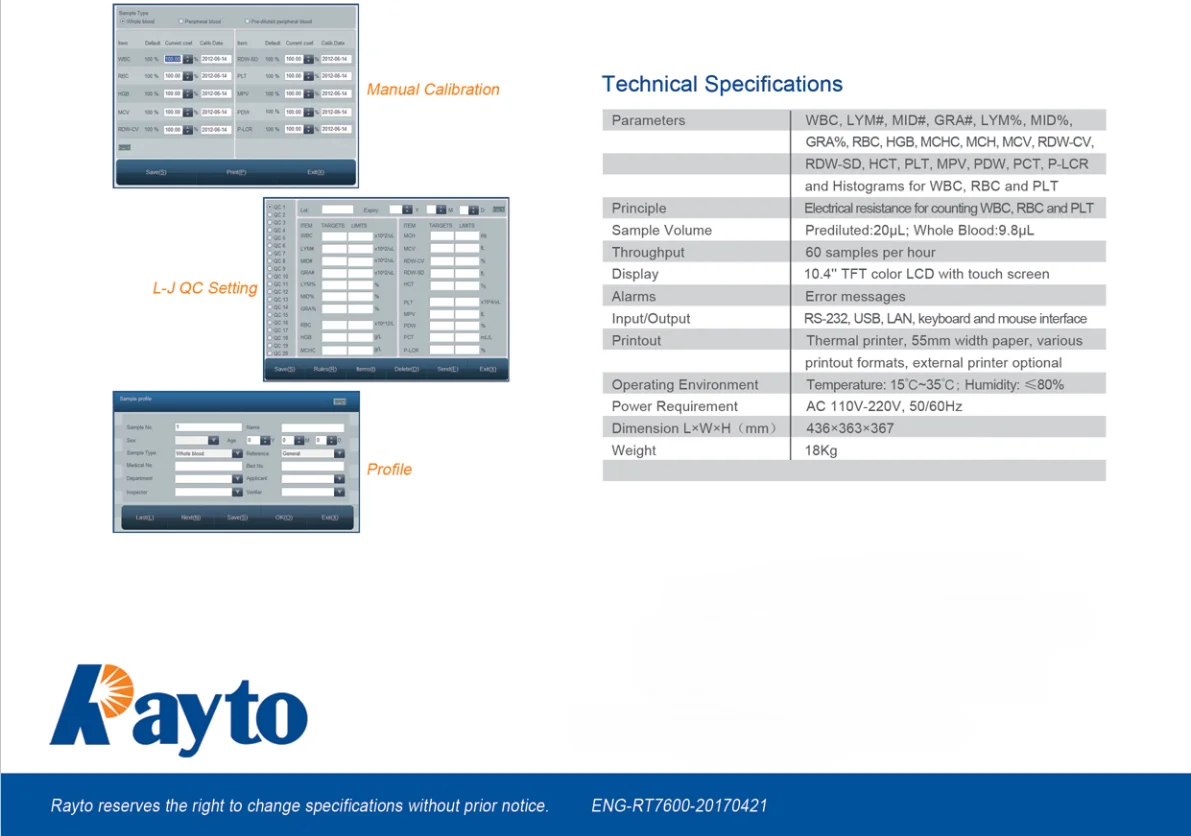
| Animal Type | Cat, Dog, Rabbit, Pig, Goat, Horse, Monkey plus 4 user-defined animal settings. | |||
| Parameters | WBC, LYM#, MID#, GRA#, LYM%, MID%, GRA%,RBC, HGB, MCHC, MCH, MCV, RDW-CV,RDW-SD, HCT, PLT, MPV, PDW, PCT, P-LCR and Histograms for WBC, RBC and PLT | |||
| Principle | Electrical resistance for counting WBC, RBC and PLT | |||
| Sample Volume | Prediluted:20μL; Whole Blood:9 8μL | |||
| Throughput | 60 samples per hour |
- Shipping Timeframes: All orders are processed within 2-5 business days (excluding weekends and holidays). After your order has been processed, the estimated delivery time is before 24 Jun, 2026, depending on customs, Please note that due to high demand, some items may experience longer shipping times, which will be communicated at order confirmation email.
- Order Processing Time: Please allow 2-5 business days for us to process your order before it is shipped . Orders placed after 16:00 on Fridays, or during weekends and public holidays, will begin processing on the next business day. Processing times may be extended during peak seasons or sales events.
- Manufacturing Time: Some products needs manufacturing time, the manufacturing process will take approximately 10-30 business days depending on the product. This timeframe may vary depending on the complexity of the product and current demand. but this will be communicated with you during order confirmation.
- Returns and Exchanges: We offer a 30-day return policy for most items. If you are not completely satisfied with your purchase, you may return it within 30 days of receipt for a refund or exchange. Items must be unused, in their original packaging, and accompanied by proof of purchase. Return shipping costs are the responsibility of the customer, unless the item was damaged or defective upon arrival.
1. What parameters does the RT-7600 measure?
The RT-7600 measures WBC, LYM#, MID#, GRA#, LYM%, MID%, GRA%, RBC, HGB, MCHC, MCH, MCV, RDW-CV, RDW-SD, HCT, PLT, MPV, PDW, PCT, P-LCR and provides histograms for WBC, RBC and PLT.
2. What measurement principle does the RT-7600 use?
It uses the electrical resistance (impedance) principle for accurate counting of WBC, RBC and platelets (PLT).
3. What sample volumes and sample types are supported?
Two sampling options: 20 µL for prediluted blood and 9.8 µL for whole blood. The system supports multiple animal types including cat, dog, rabbit, pig, goat, horse, monkey and four user-defined animal settings.
4. How many samples per hour can the RT-7600 process?
The RT-7600 has a high throughput capability of up to 60 samples per hour.
5. What connectivity and data export options are available?
Interfaces include RS-232, USB and LAN for data transfer and integration. The unit also supports keyboard and mouse input and can export results to laboratory information systems via standard serial/ network connections (LIS connectivity depends on site configuration).
6. Does the RT-7600 provide printed reports?
Yes. It includes a built-in thermal recorder/printer for clear, immediate printouts of results.
7. What are the operating environment and power requirements?
Recommended operating temperature is 15°C to 35°C with relative humidity ≤80%. Power requirement is AC 100–240 V, 50–60 ±1 Hz.
8. What are the physical dimensions and weight of the instrument?
Compact footprint: 468 mm x 325 mm x 395 mm, with a weight of approximately 16.5 kg — suitable for labs with limited bench space.
9. How does the system handle errors or problematic samples?
The RT-7600 features error alarms and on-screen error messages to alert operators to instrument or sample issues (e.g., clogging, abnormal counts), allowing timely troubleshooting and reducing the risk of reporting incorrect results.
10. Are histograms and flags provided for review?
Yes. The system produces histograms for WBC, RBC and PLT and applies internal flags/alerts for abnormal patterns that may require review or manual smear confirmation.
11. What routine maintenance is required?
Regular maintenance typically includes daily startup checks and cleaning of sampling probes, periodic flushing of fluidics, replacement of consumables as needed, and scheduled calibration/QC. Follow the user manual for detailed daily, weekly and monthly procedures.
12. How is the RT-7600 calibrated and what quality control is recommended?
Calibration and QC should be performed per the manufacturer's instructions. Use recommended control materials and run internal QC procedures at defined intervals (e.g., daily or batch-based) to verify accuracy and precision. Retain QC records for compliance and troubleshooting.
13. What consumables and reagents are required?
Common consumables include diluents, calibration and control materials, sample cups/tubes, and any specific tubing or probes recommended by the manufacturer. Use only approved reagents and consumables to maintain performance and warranty coverage.
14. How does the RT-7600 handle samples with platelet clumping, hemolysis or lipemia?
Abnormal samples (platelet clumps, hemolyzed or highly lipemic samples) may generate flags or abnormal histograms. The instrument will alert the user; such samples typically require manual review, repeat testing after proper sample preparation or confirmation by peripheral smear.
15. What training, technical support and certifications are available?
Manufacturers or authorized distributors typically provide user training, technical support and service. Certification and regulatory approvals (e.g., CE, ISO) vary by region—contact your supplier for details on available certifications, warranty terms and post-sales support options.
Latest Order Arrivals
Discover our latest orders
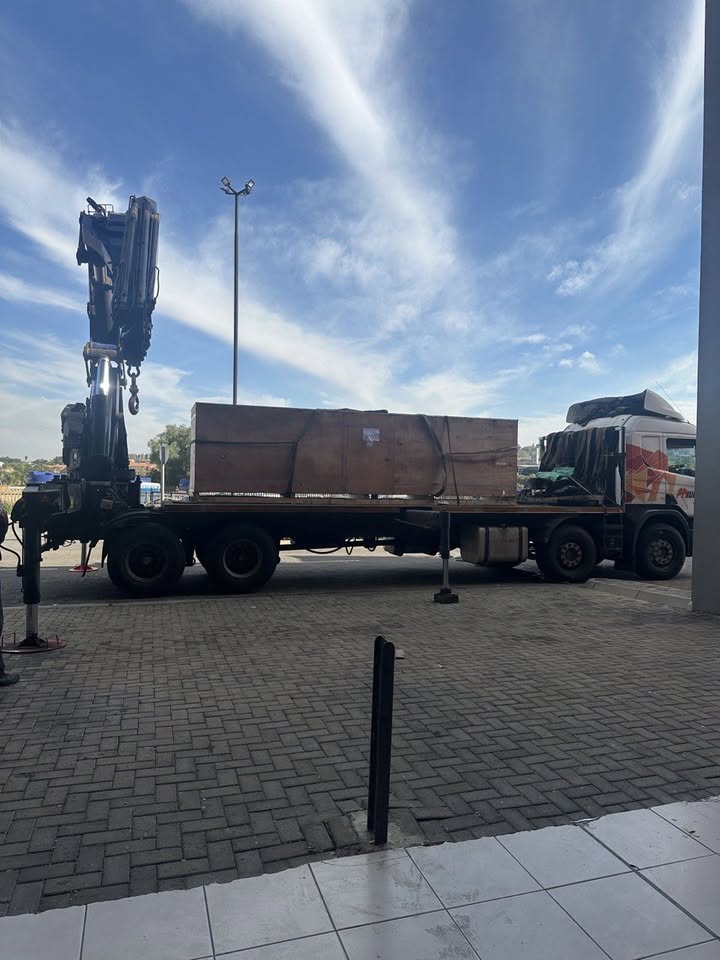
12 Heads Embroidery Machine
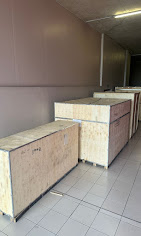
Toilet Paper Machine Machine
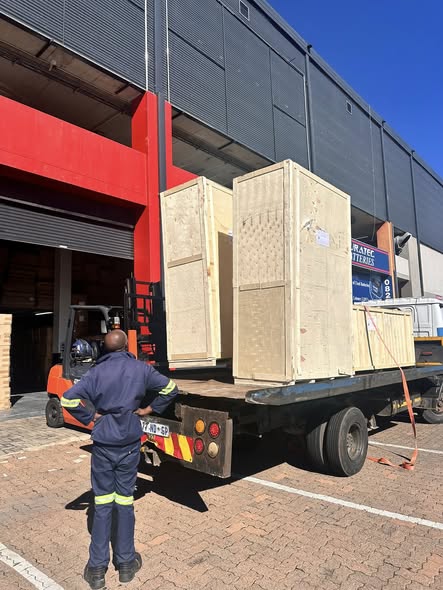
Order Collection
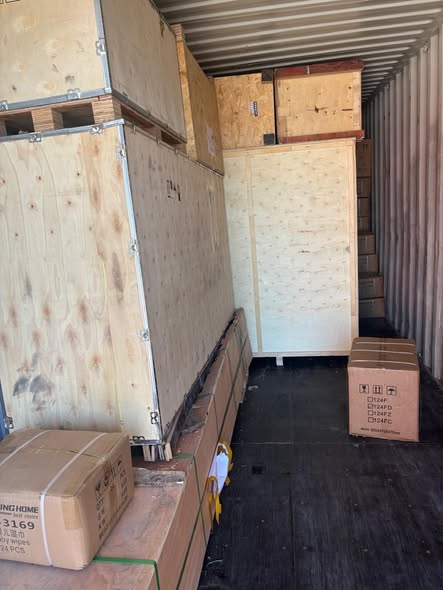
Cross Border Clients
Order cros border countries Collected
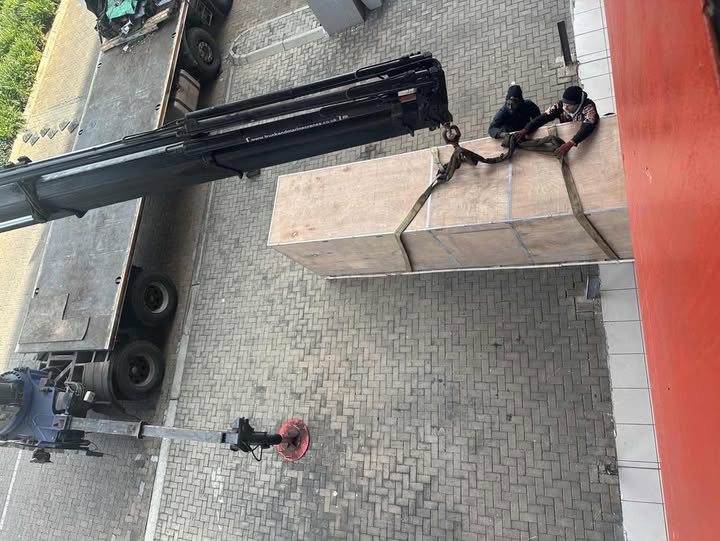
Industrial Machine Cllection
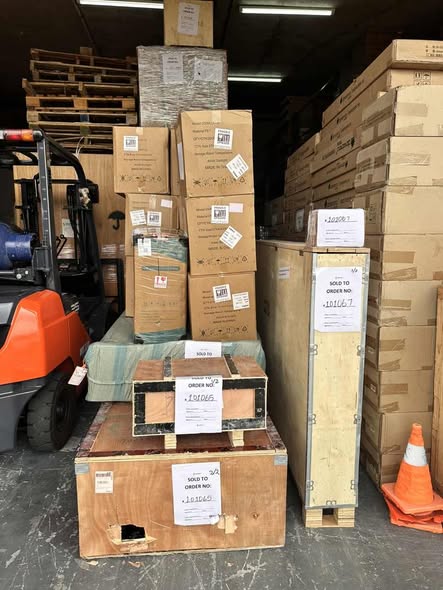
Agriculture Processing Machines
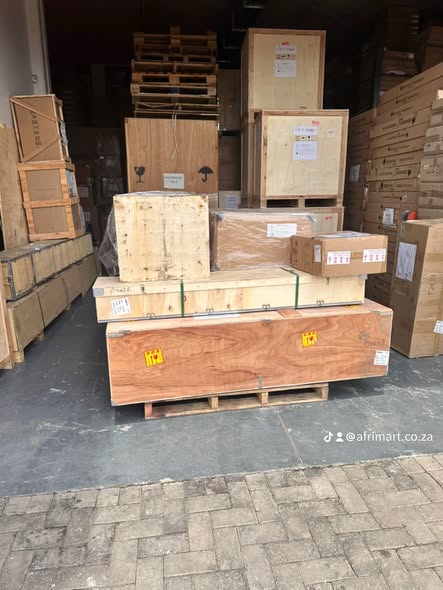
Ready for collection
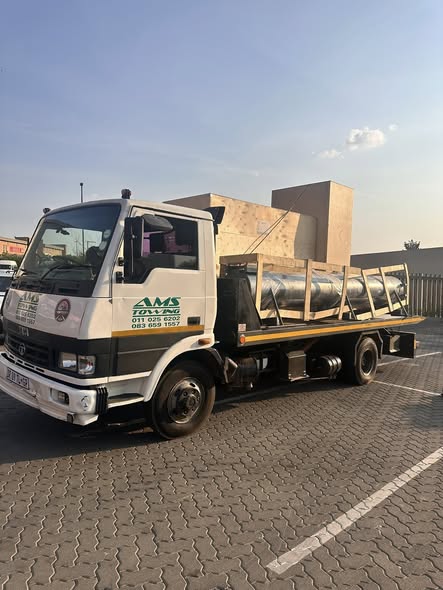
Water Pump Equipment
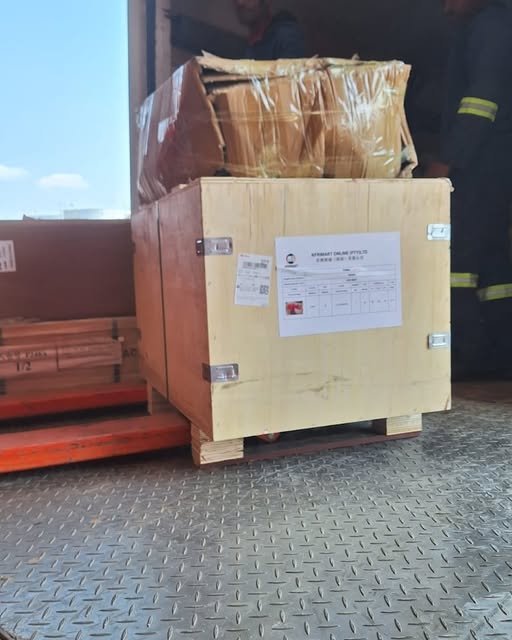
Packaging Machine and accessories
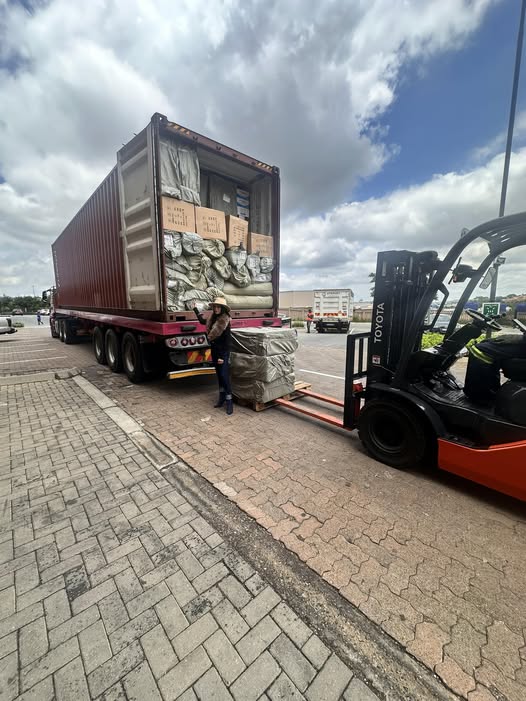
Fabrics Manufacturing Equipment
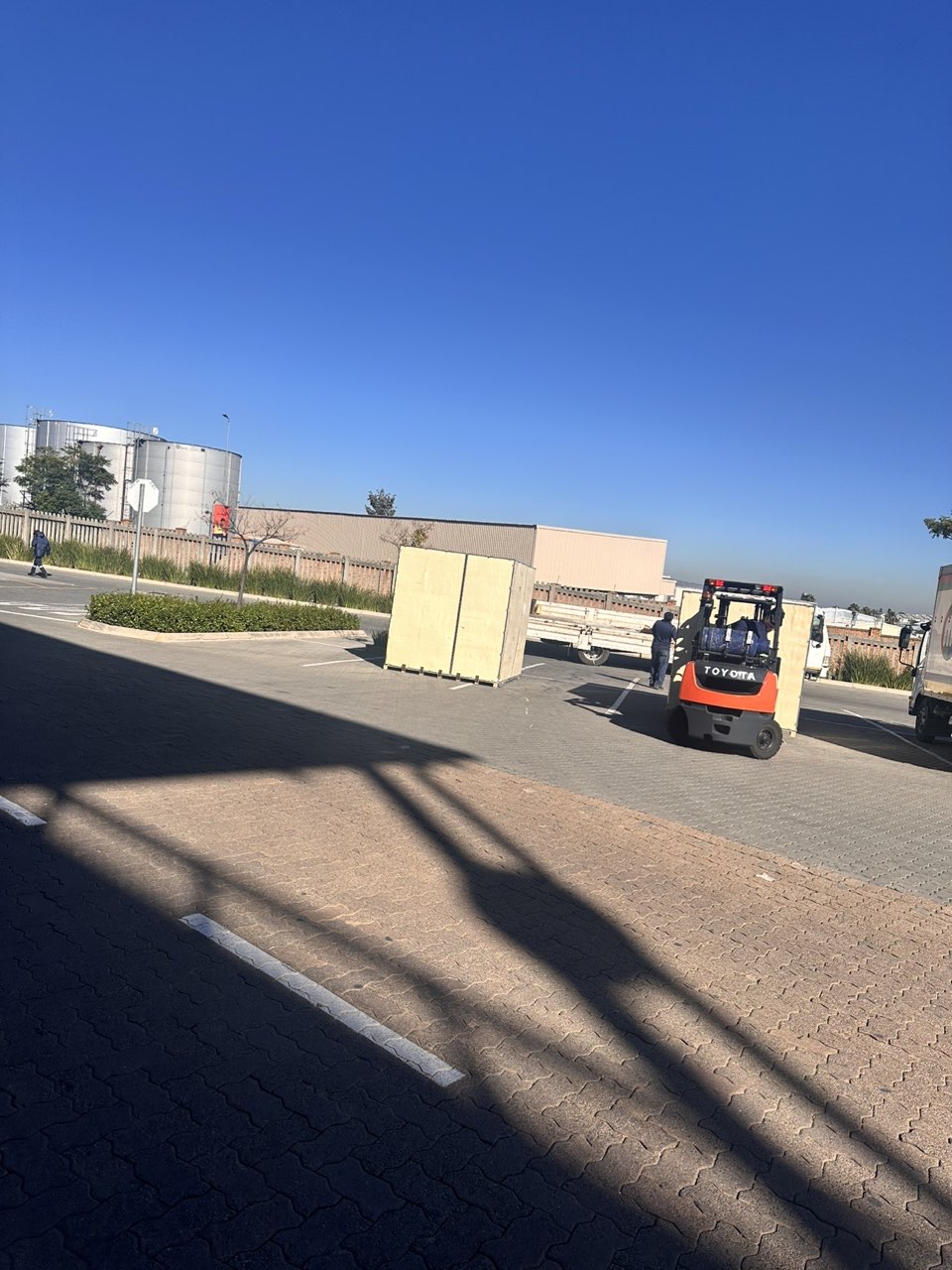
Mining Equipments
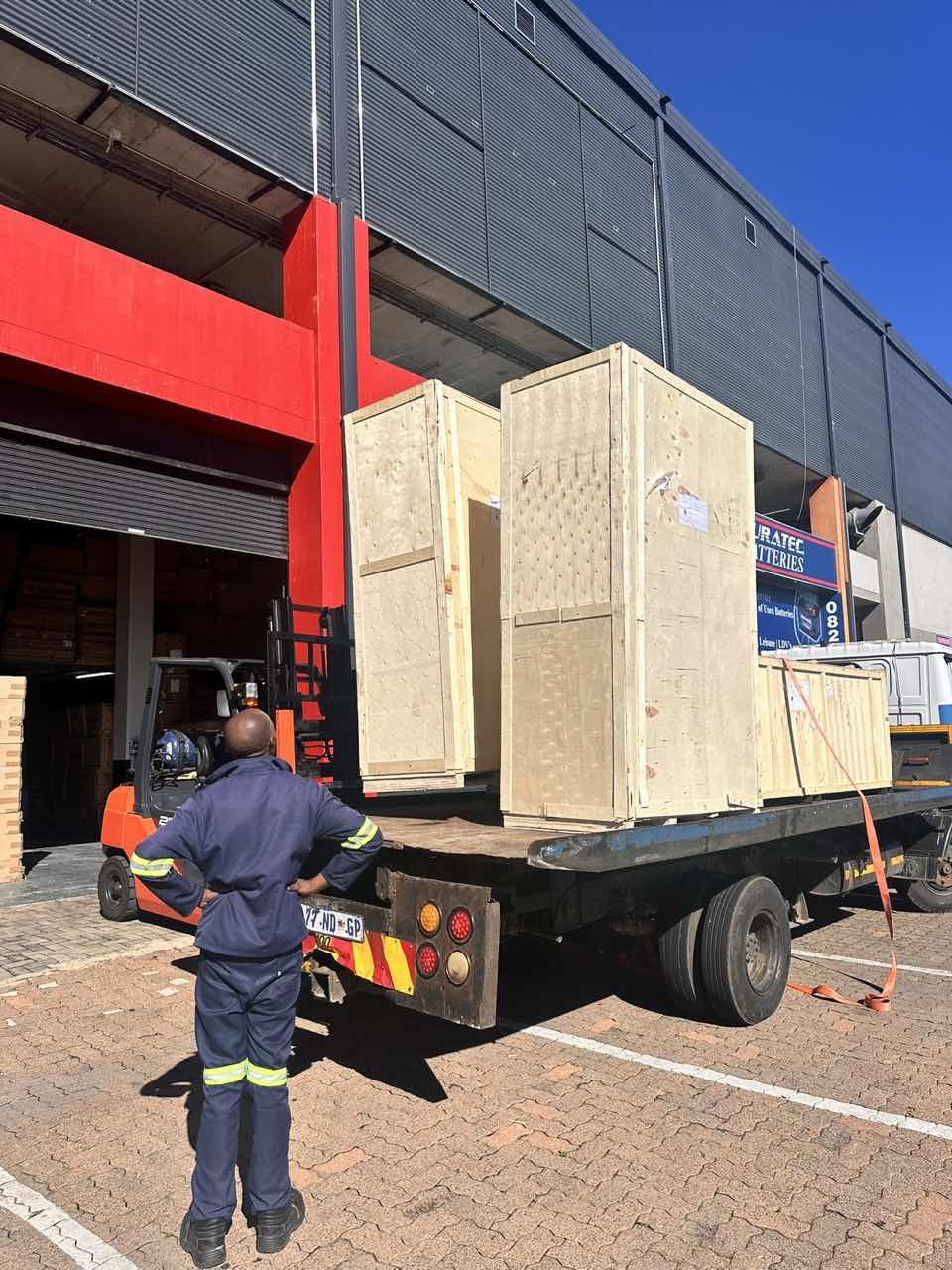
Food Processing Machine
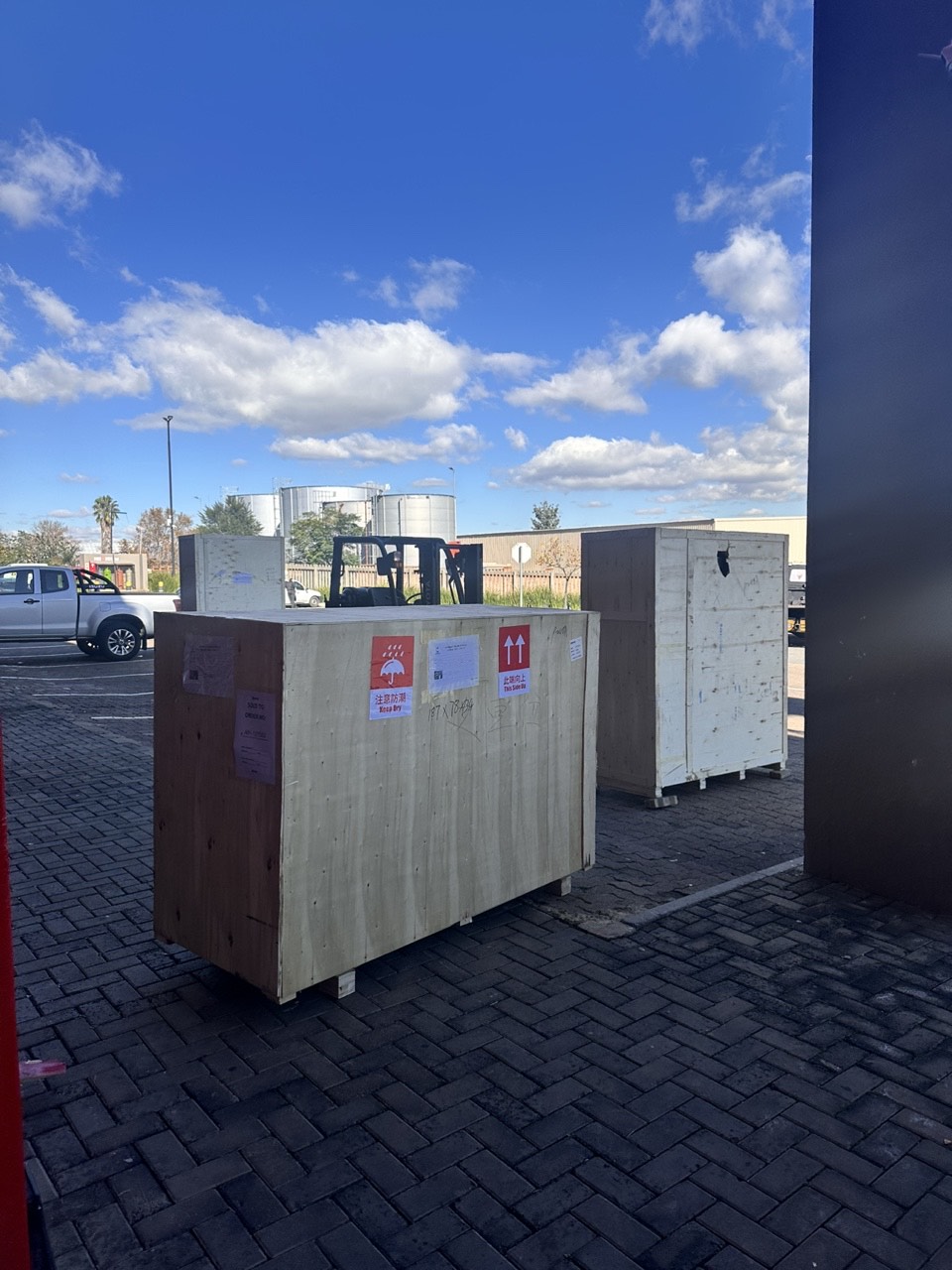
Batch of Orders
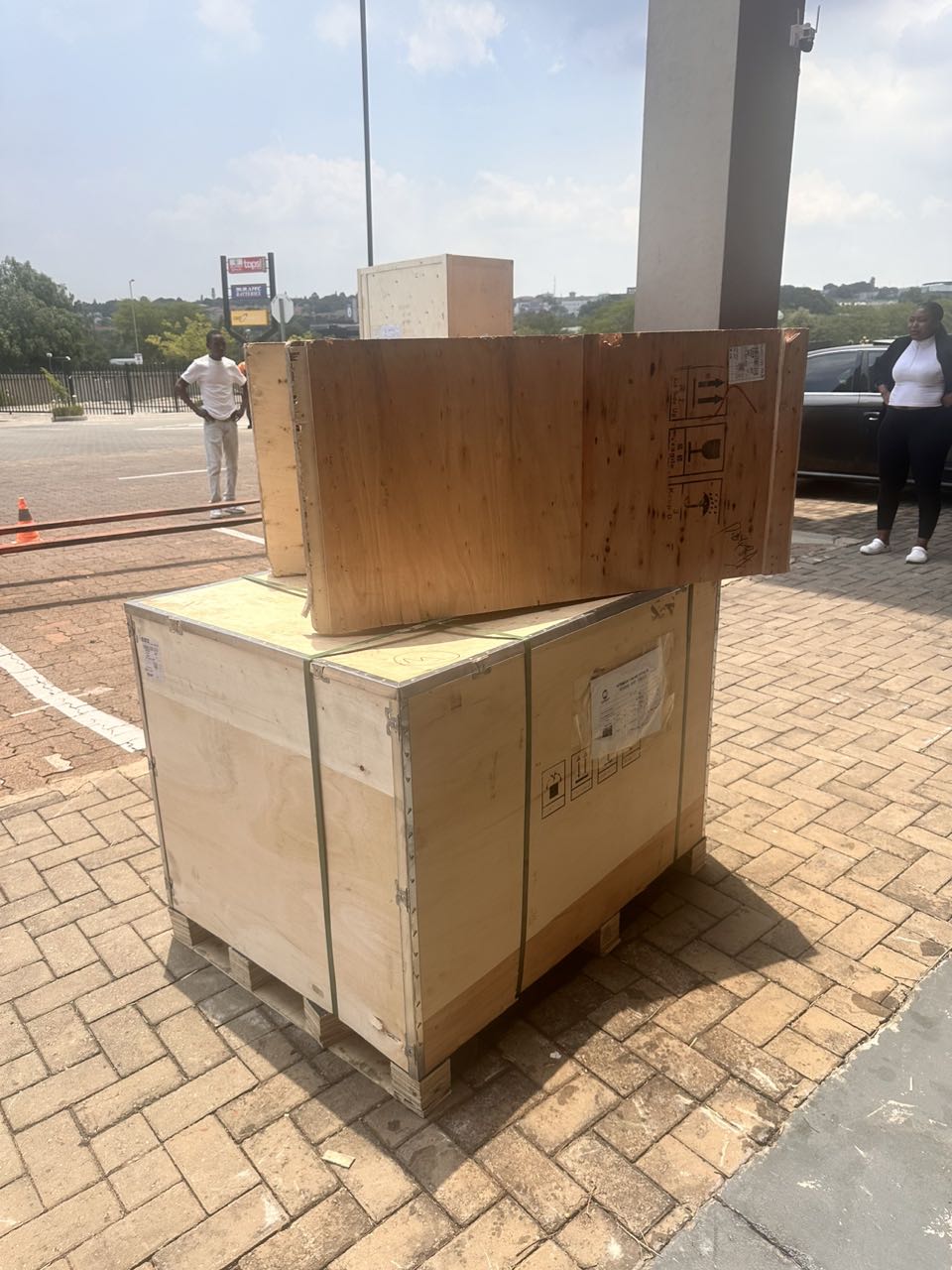
Batch of Orders
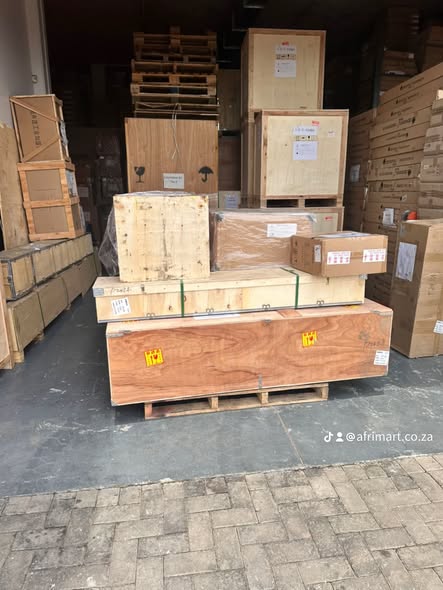
Latest Orders Labelled
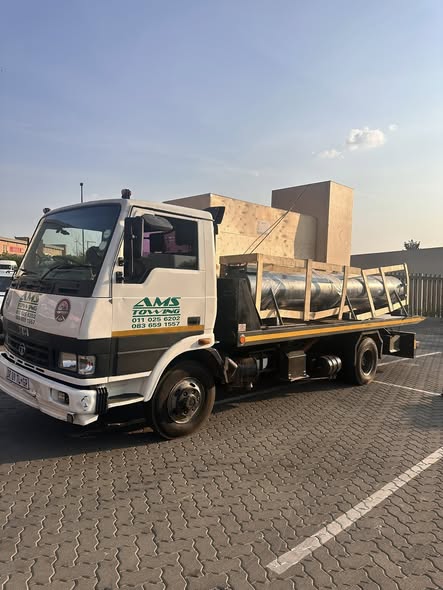
wheel alignment machines
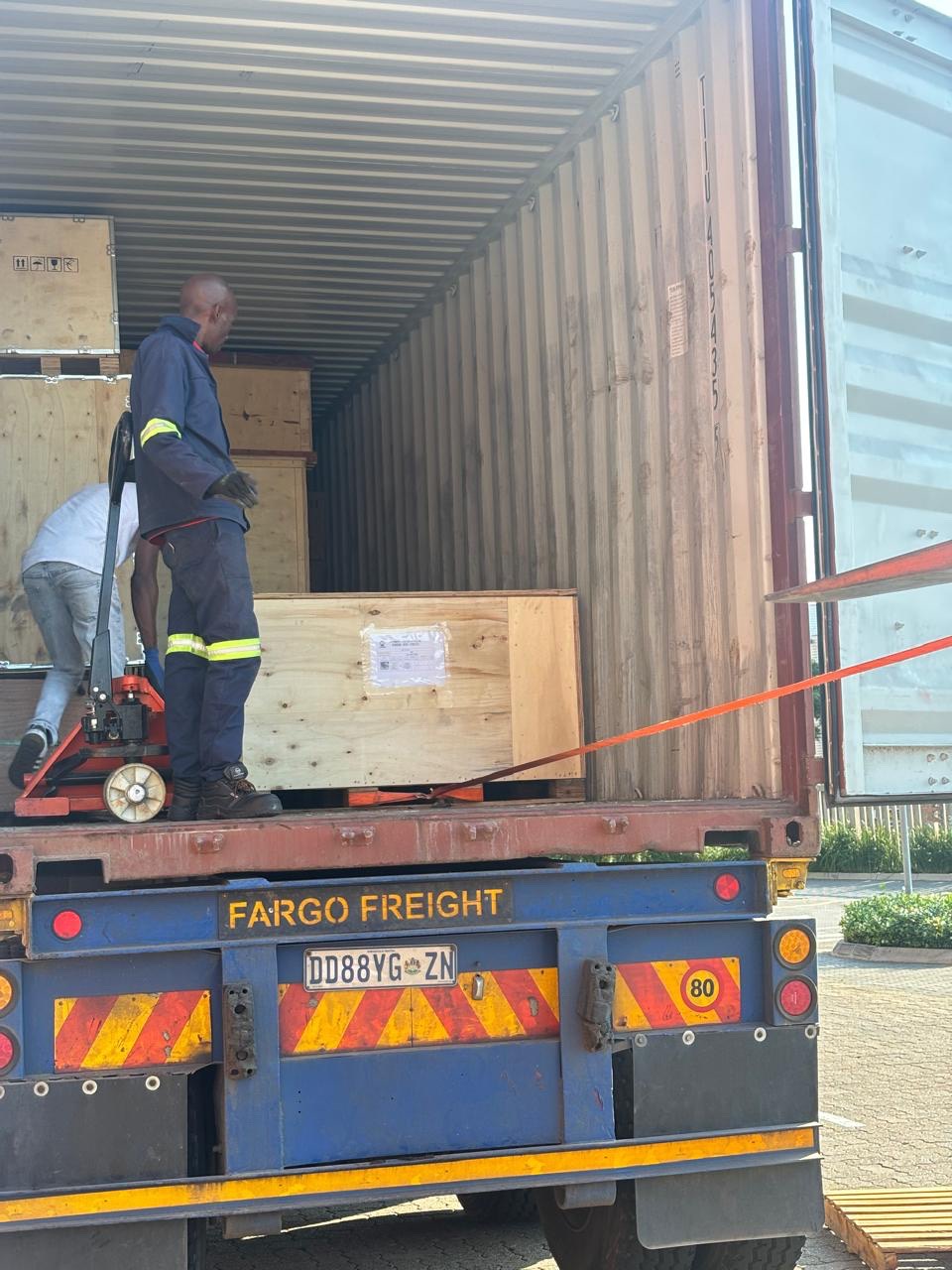
new arrivals
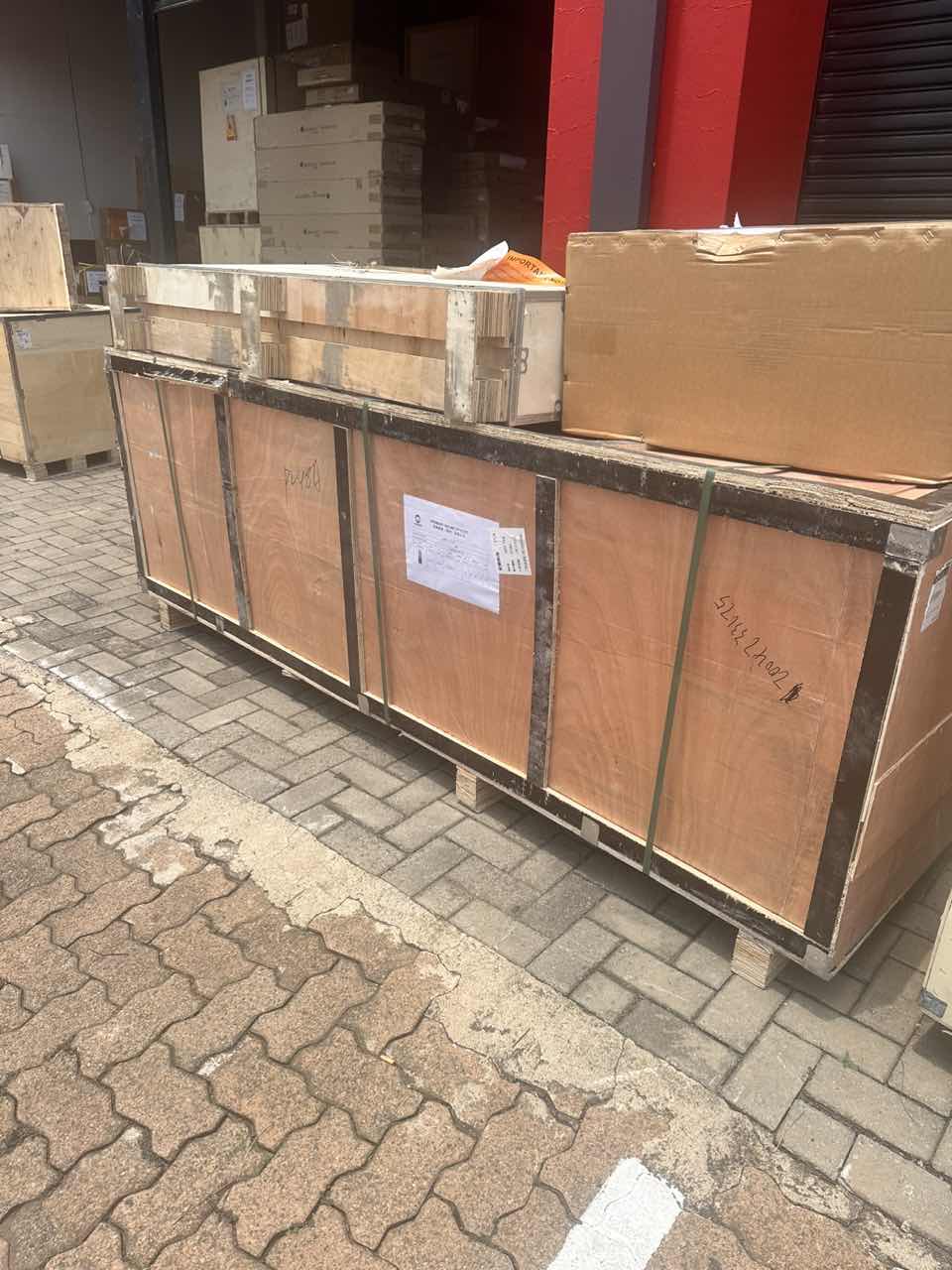
Pre Orders Offloading
Latest Arrivals
Latest Arrivals
Latest Arrivals
Loading
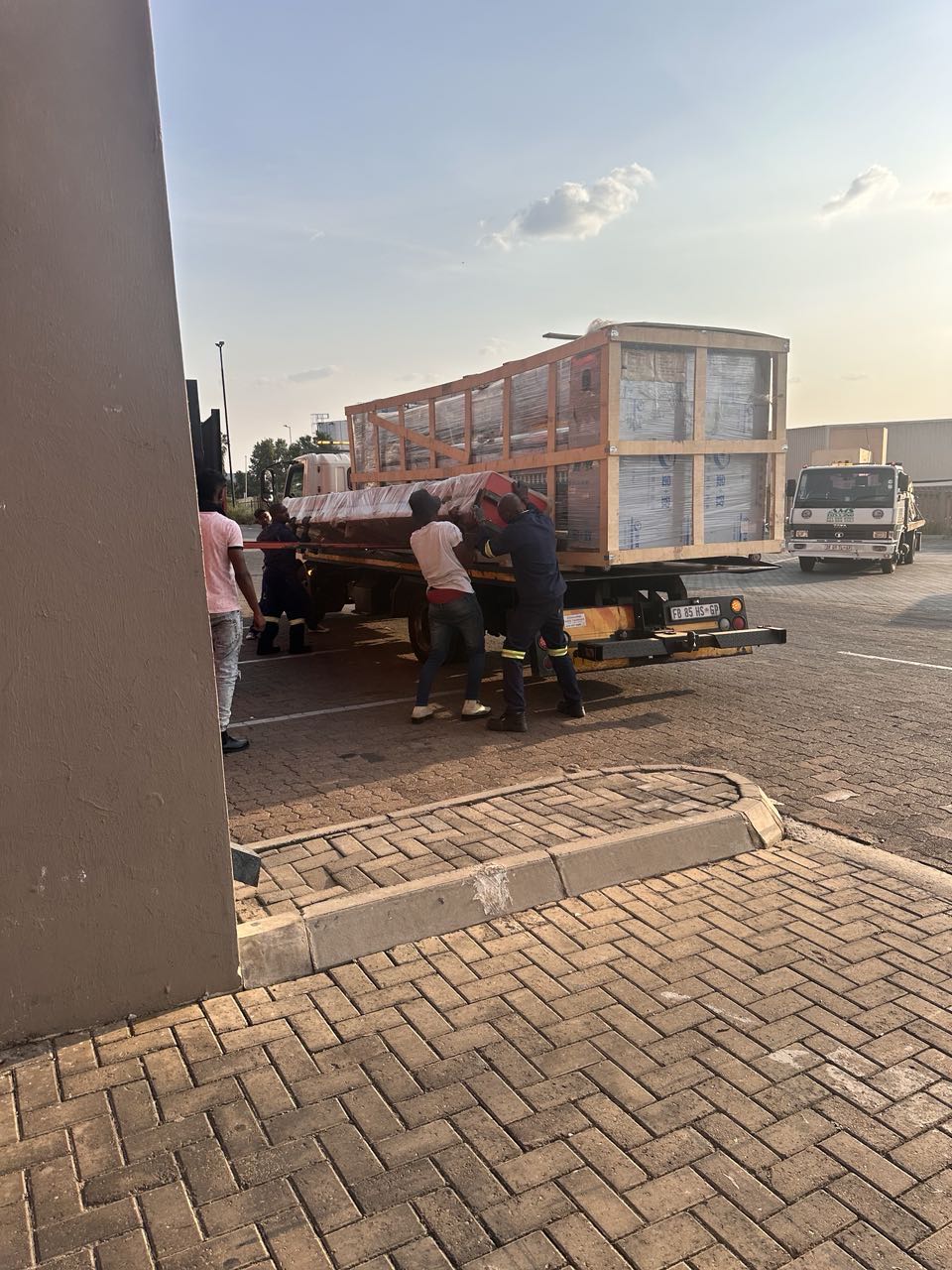
Toilet paper making machine
Toilet paper making machine
Toilet paper Rewinding Machine
latest arrivals
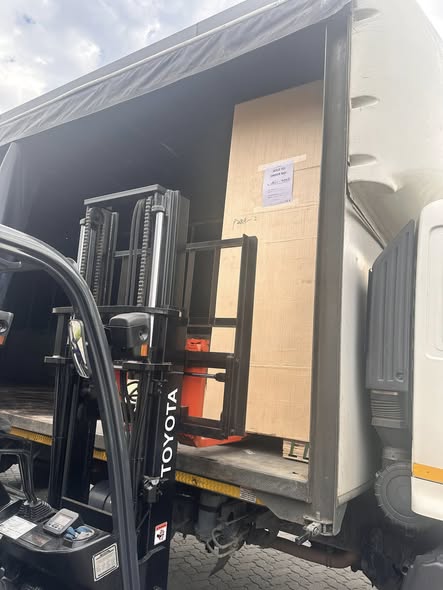
offloading
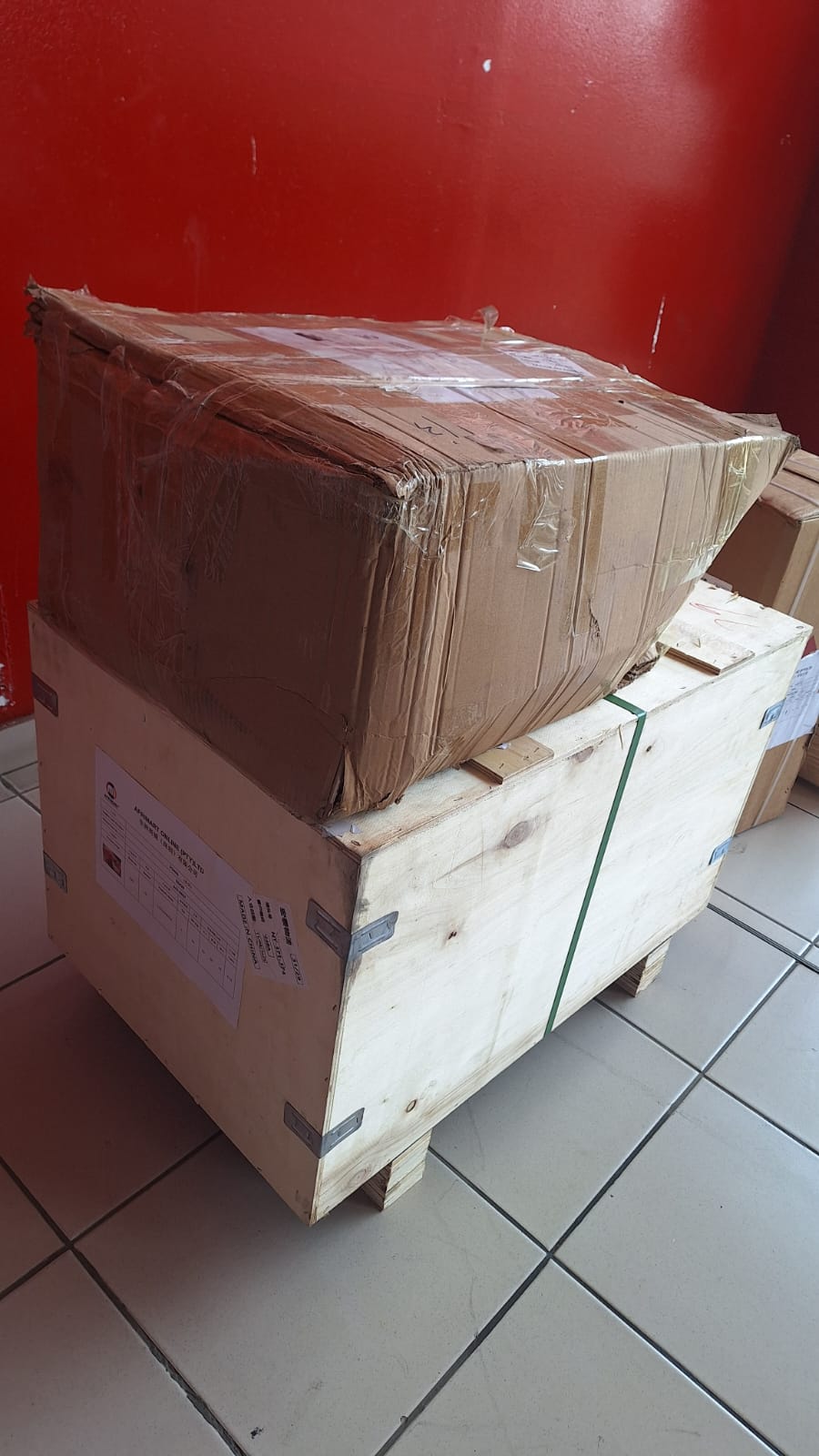
order success
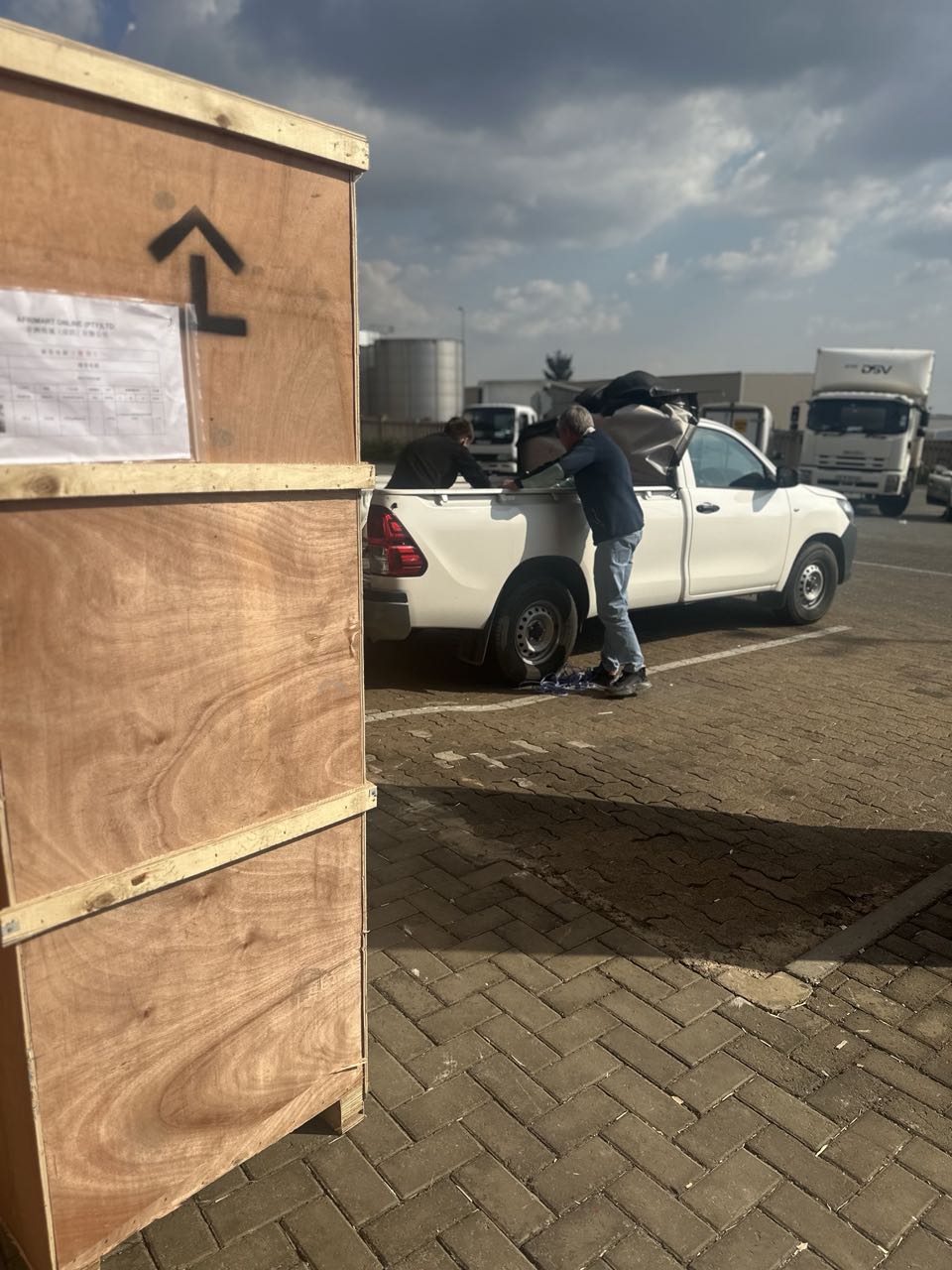
order collection
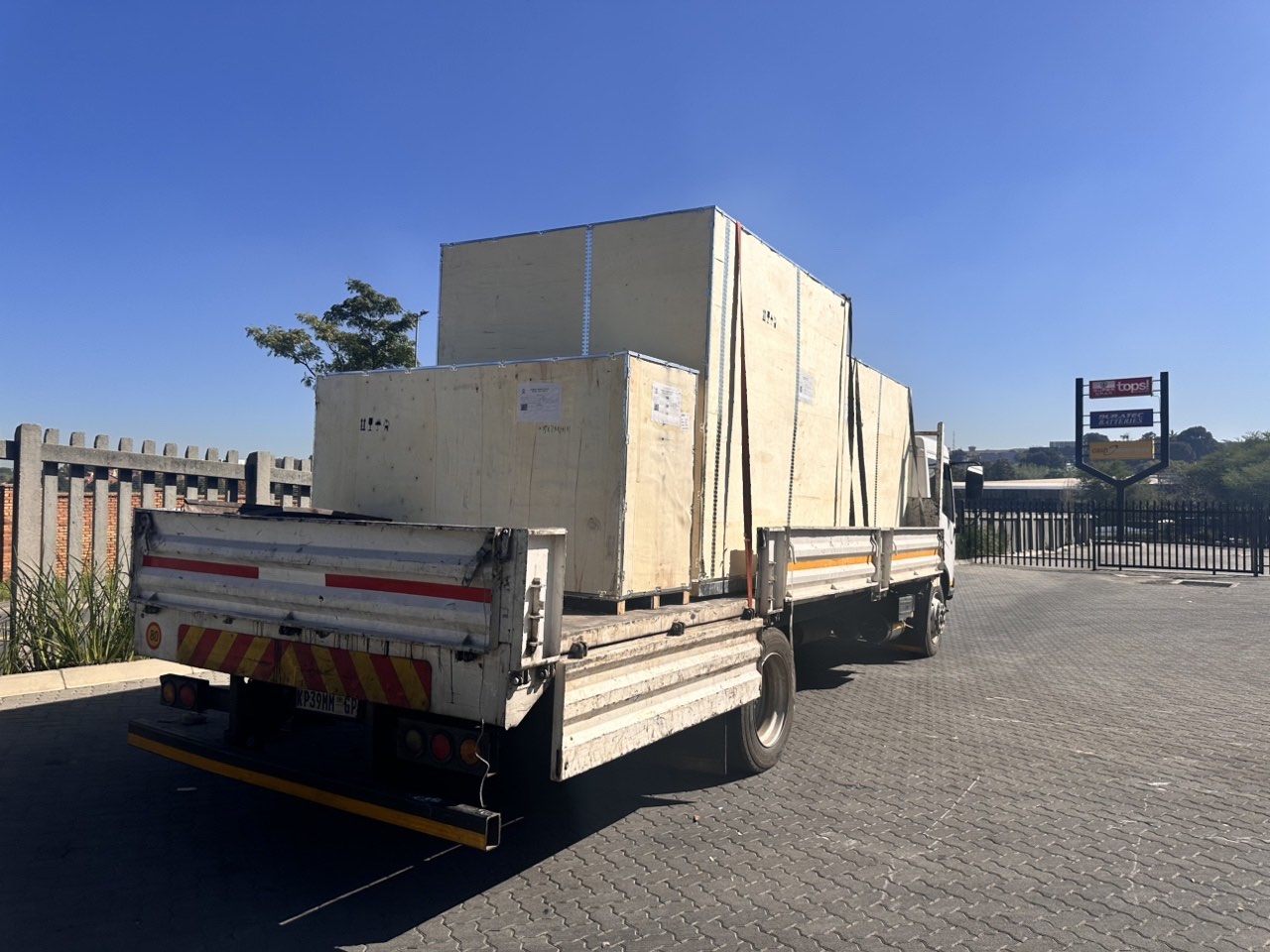
order offloading