B21, China Town Mall, Midrand


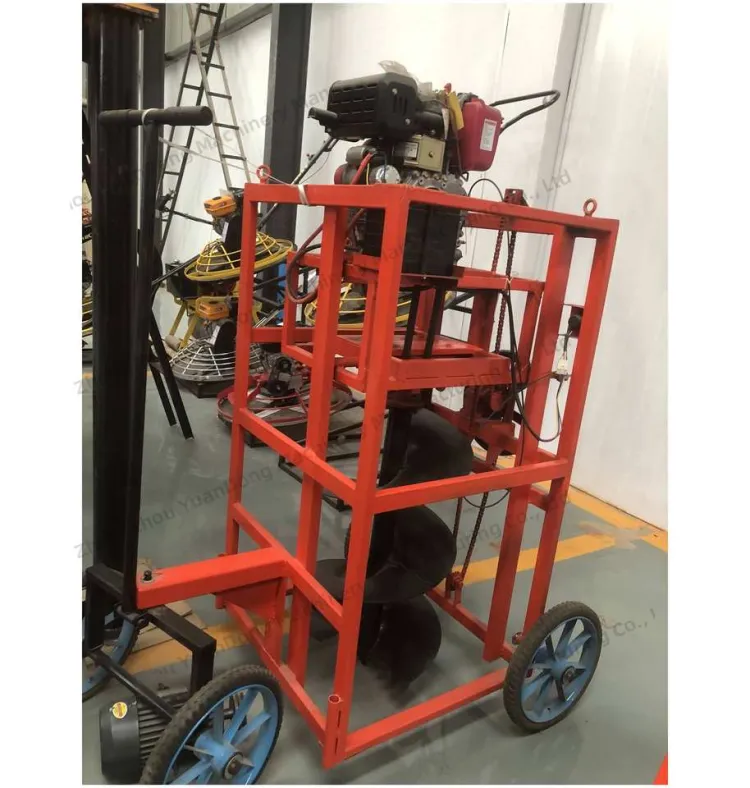
Rotary Borehole Hydraulic Drilling Machine
Asset finance available
Do you want funding for this equipment?
Afrimart can connect you with trusted funding partners who specialise in asset finance for businesses like yours. Compare options and apply in minutes — final approval is subject to provider review.
Check funding options
Secure & no obligation

- Section : Machinery
- Category : Mining Machinery
- SKU : 1600919590702

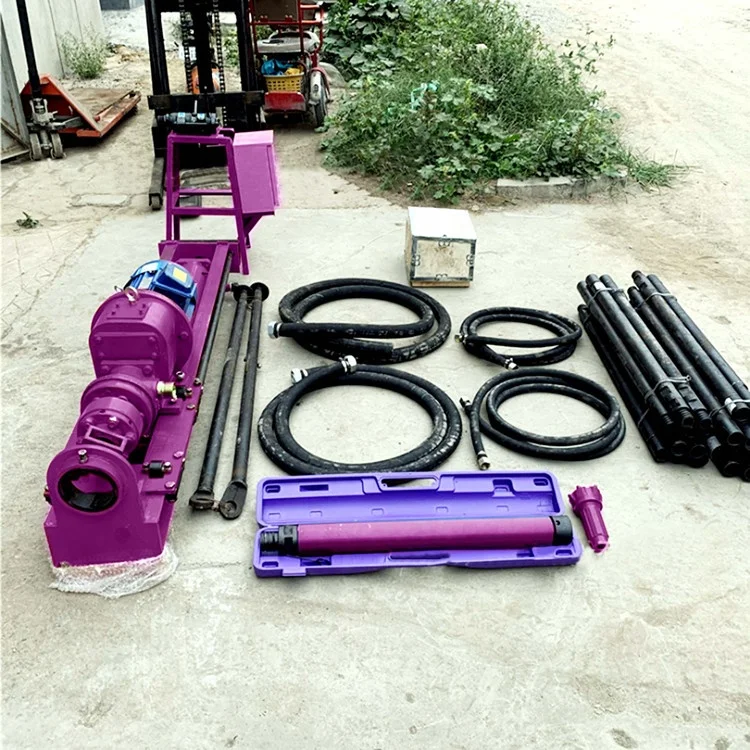
Portable DTH Drilling Rig
Introducing our Portable DTH Drilling Rig, expertly designed for efficiency and ease of use, making it a perfect choice for various industries such as construction and energy & mining.
Key Features
Easy Operation: User-friendly design ensures that operators can get started with minimal training, making it accessible for all skill levels.
High Efficiency: With a focus on fast drilling performance, this rig significantly reduces downtime, helping you complete projects swiftly.
Reliable Components: Core components like the pressure vessel, pump, and engine are backed by a 1-year warranty, providing peace of mind against potential defects.
Comprehensive Support: The machine comes with video outgoing inspections and a machinery test report, assuring users of its quality and reliability.
Versatile Applications: Suitable for various applications in construction, mining, and more, this portable drilling rig adapts to diverse project needs.
Elevate your drilling capabilities with our Portable DTH Drilling Rig—efficiency and reliability in one powerful package!
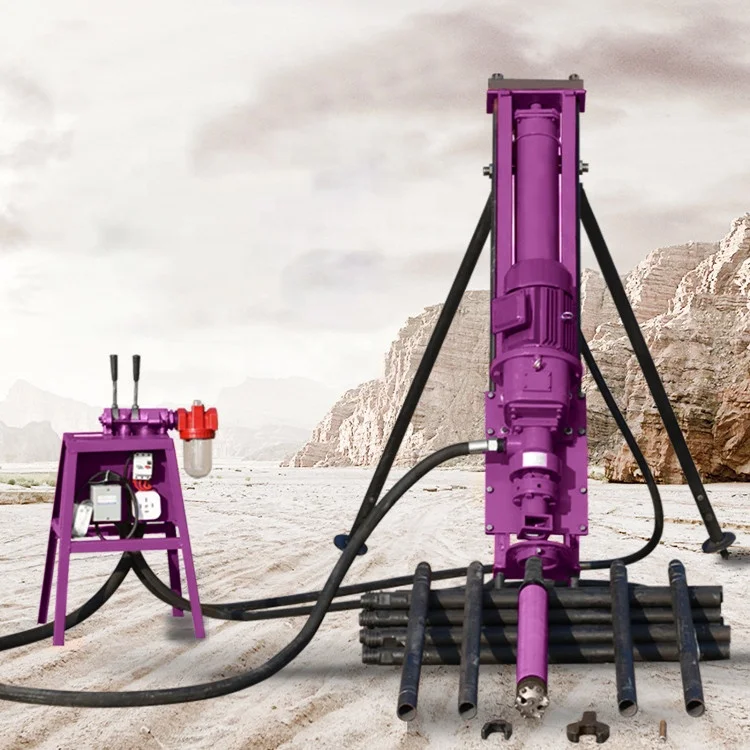
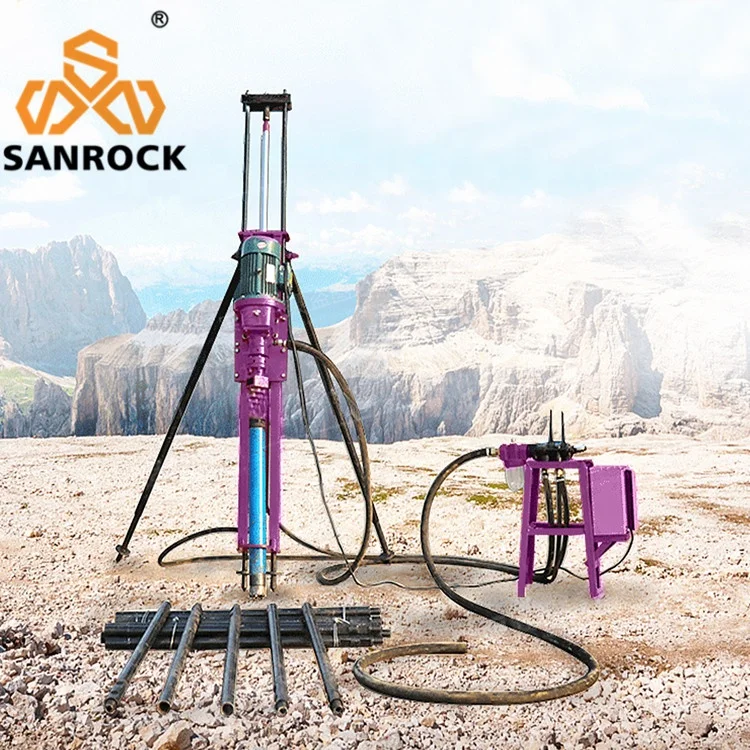
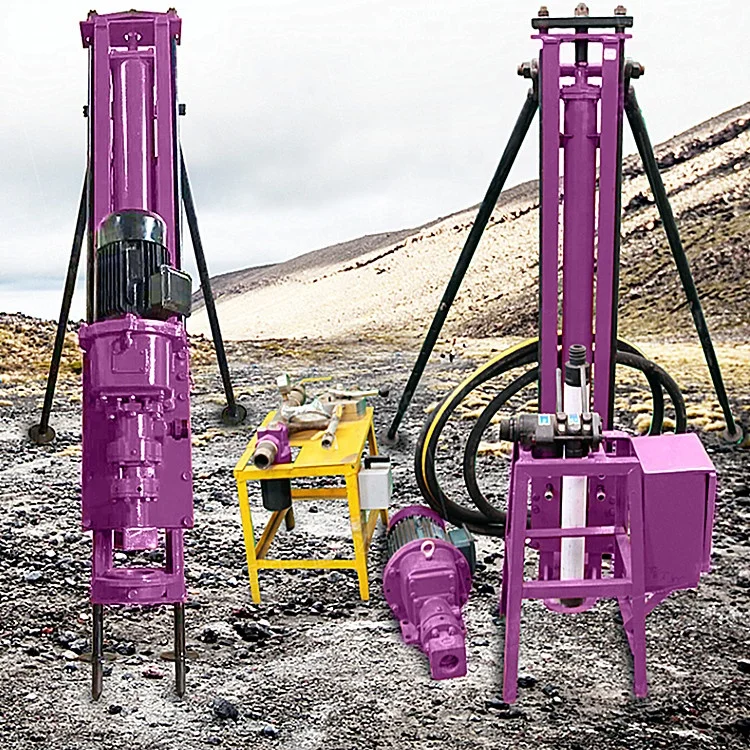
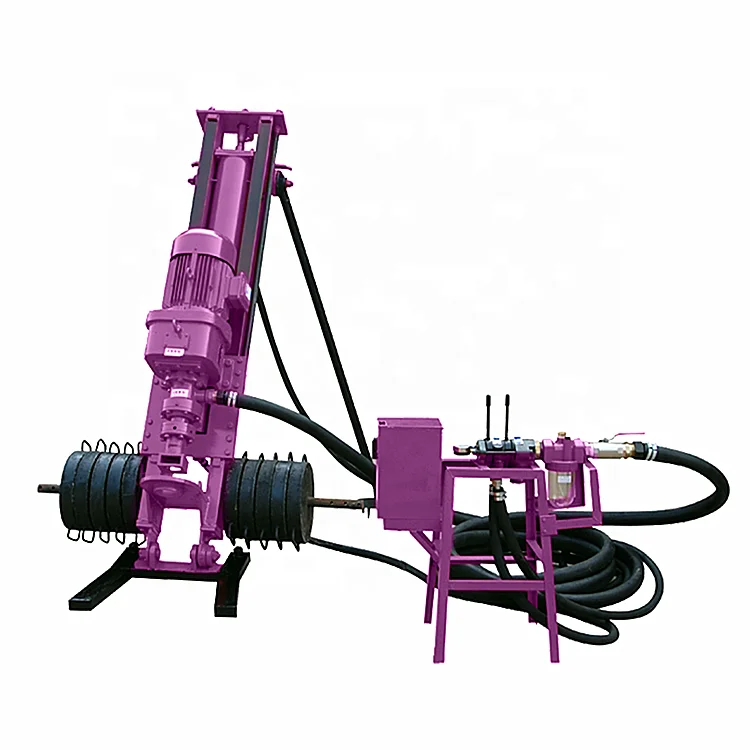
| Product name:DTH Drilling Rig | |||||
| Name:Small Borehole Drilling Rig | |||||
| Model:SRQD100 | |||||
| Dia.hole:80-100mm | |||||
| Drilling depth:≥20m | |||||
| Working pressure:0.5-1.0Mpa | |||||
| Rotate speed:0-65 rpm | |||||
| Lift power:9600N | |||||
| Motor Power:4kw | |||||
| Air consumption:≥7 m3/min | |||||
| Dimension(L*W*H):2300*600*750mm | |||||
| Weight:550 KG |
1.high efficiency ,good performance, motor driven down the rotary borehole 2.simple structure and single dynamic 3.adapt to any geological feature 4.stable and reliable operation 5. big swing torque, high efficiency
- Shipping Timeframes: All orders are processed within 2-5 business days (excluding weekends and holidays). After your order has been processed, the estimated delivery time is before 03 Aug, 2026, depending on customs, Please note that due to high demand, some items may experience longer shipping times, which will be communicated at order confirmation email.
- Order Processing Time: Please allow 2-5 business days for us to process your order before it is shipped . Orders placed after 16:00 on Fridays, or during weekends and public holidays, will begin processing on the next business day. Processing times may be extended during peak seasons or sales events.
- Manufacturing Time: Some products needs manufacturing time, the manufacturing process will take approximately 10-30 business days depending on the product. This timeframe may vary depending on the complexity of the product and current demand. but this will be communicated with you during order confirmation.
- Returns and Exchanges: We offer a 30-day return policy for most items. If you are not completely satisfied with your purchase, you may return it within 30 days of receipt for a refund or exchange. Items must be unused, in their original packaging, and accompanied by proof of purchase. Return shipping costs are the responsibility of the customer, unless the item was damaged or defective upon arrival.
1. What is the Rotary Borehole Hydraulic Drilling Machine (Portable DTH Drilling Rig) used for?
It's a portable down-the-hole (DTH) drilling rig designed for small borehole drilling in construction, energy, mining and other industries. Typical uses include geotechnical drilling, anchor and piling holes, exploration and water well drilling where an 80–100 mm hole is required.
2. What are the main technical specifications of this model (SRQD100)?
Model SRQD100, hole diameter 80–100 mm, drilling depth ≥20 m, working air pressure 0.5–1.0 MPa, rotation speed 0–65 rpm, lift power 9600 N, motor power 4 kW, air consumption ≥7 m3/min. Dimensions: 2300 × 600 × 750 mm, weight 550 kg.
3. What drilling depth and hole diameter can I expect?
The rig is specified for holes 80–100 mm in diameter and a typical drilling depth of 20 meters or more depending on ground conditions, tooling and rig setup.
4. What power and compressed air supply are required to operate the rig?
The rig uses a 4 kW motor. The DTH hammer requires compressed air: working pressure of 0.5–1.0 MPa and air consumption of at least 7 m3/min. Verify that your compressor can maintain those parameters under load.
5. Is the machine easy to operate for new users?
Yes. The rig is designed with user-friendly controls and a simple structure so operators can start with minimal training. We still recommend reading the operator manual and following an on-site familiarization session.
6. What warranty and quality assurances are provided?
Core components such as the pressure vessel, pump and engine are backed by a 1-year warranty against defects. Each machine is supplied with video outgoing inspections and a machinery test report to verify condition before delivery.
7. What maintenance is required to keep the rig reliable?
Regular maintenance includes checking and changing engine/motor oil and filters per the manual, inspecting and servicing the air system and hammer, greasing bearings and sliding parts, checking hoses and seals for wear, and replacing worn drill bits and O-rings. Follow the supplied maintenance schedule for best results.
8. What consumables and spare parts should I keep on hand?
Common consumables are DTH hammers, drill bits (button bits), drill rods, seals/O-rings, air filters and engine/motor filters. It's recommended to stock critical wear parts and a basic service kit to minimize downtime.
9. How portable is the rig and how is it transported on site?
The rig is compact (2300 × 600 × 750 mm) and weighs about 550 kg. It can be moved with a small truck, trailer or forklift depending on site layout. Its size makes it suitable for confined sites and easier to reposition than larger rigs.
10. What types of ground or geological conditions can this rig handle?
The rig is described as adaptable to a wide range of geological features. DTH systems are especially effective in fractured rock, medium-hard to hard rock and many consolidated formations. Very soft, unconsolidated ground may require different tooling or methods.
11. What safety precautions should operators follow?
Use appropriate PPE (helmets, eye/face protection, hearing protection, gloves). Ensure the rig is level and secured, check air pressure and hoses for leaks before operation, follow lockout procedures for maintenance, and avoid loose clothing around rotating parts. Only trained personnel should operate and maintain the machine.
12. What performance (speed and torque) can I expect during drilling?
Rotation speed is variable from 0–65 rpm and the rig provides a high swing torque for efficient rock penetration. Actual penetration rates depend on rock type, bit selection, air pressure and operator technique.
13. Does the machine include accessories or tooling (bits, hammers, rods)?
Standard delivery content may vary by supplier. Commonly sold separately or as optional kits are DTH hammers, drill bits, drill rods and compressor packages. Contact the supplier to confirm included items and available accessory packages.
14. What service and technical support are available after purchase?
The machine comes with a test report and video inspection. For after-sales support, spare parts and technical guidance, contact the vendor or authorized service partner. They can provide maintenance advice, replacement parts and troubleshooting assistance.
15. How do I order the rig or request a custom configuration?
Contact the manufacturer's sales team or your authorized dealer with your project requirements (desired hole diameter, depth, site conditions, and compressor availability). They can advise on configurations, accessories, lead time, pricing and delivery. Ask for the machinery test report and warranty details before purchase.
Latest Order Arrivals
Discover our latest orders
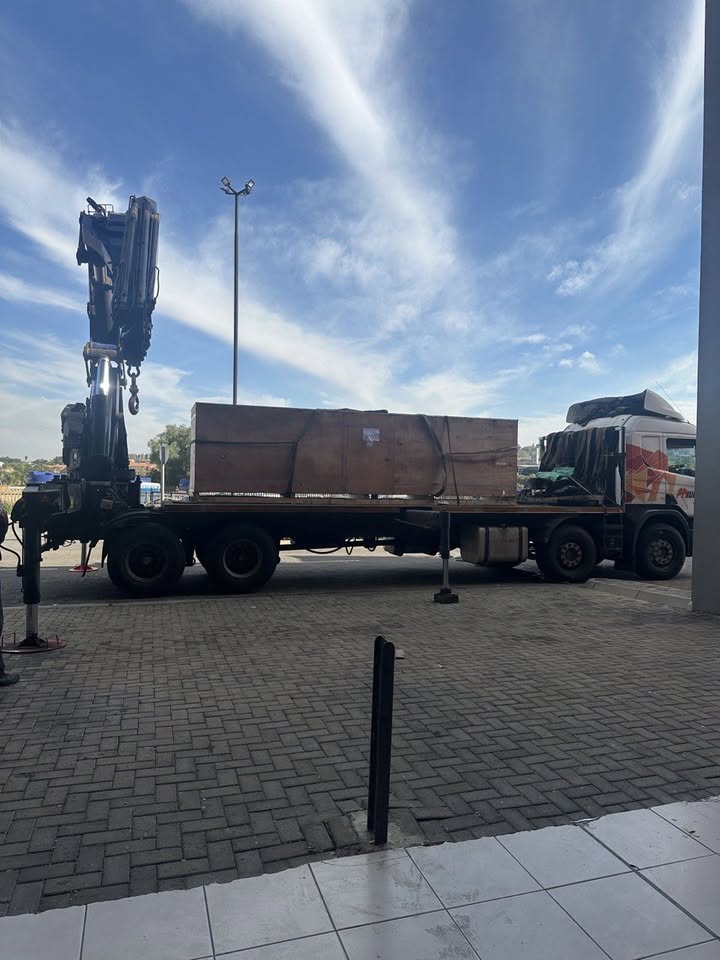
12 Heads Embroidery Machine
Toilet Paper Machine Machine
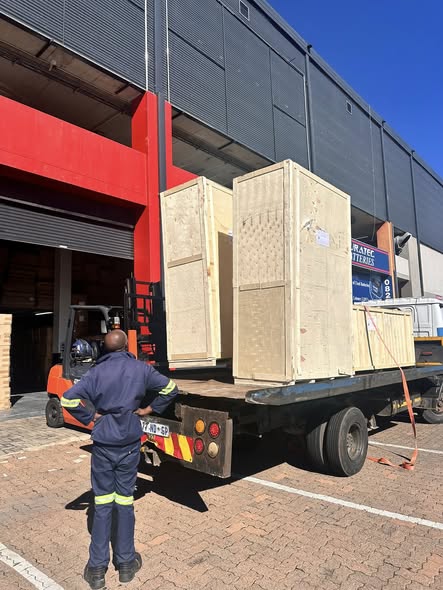
Order Collection
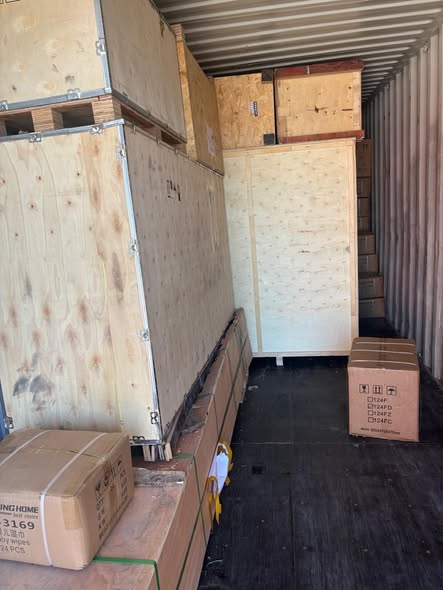
Cross Border Clients
Order cros border countries Collected
Industrial Machine Cllection
Agriculture Processing Machines
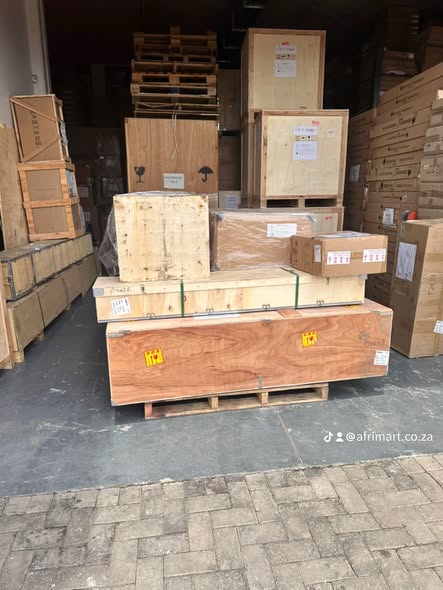
Ready for collection
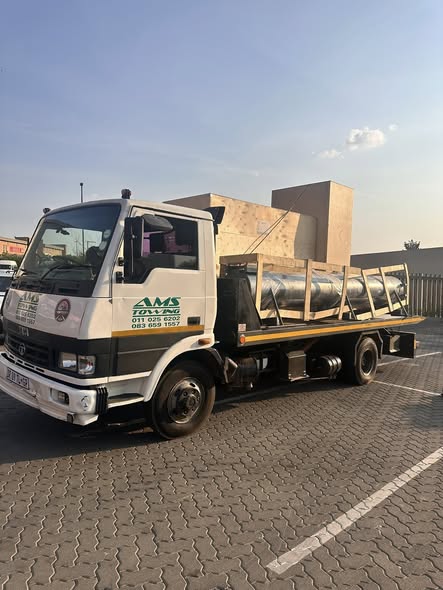
Water Pump Equipment
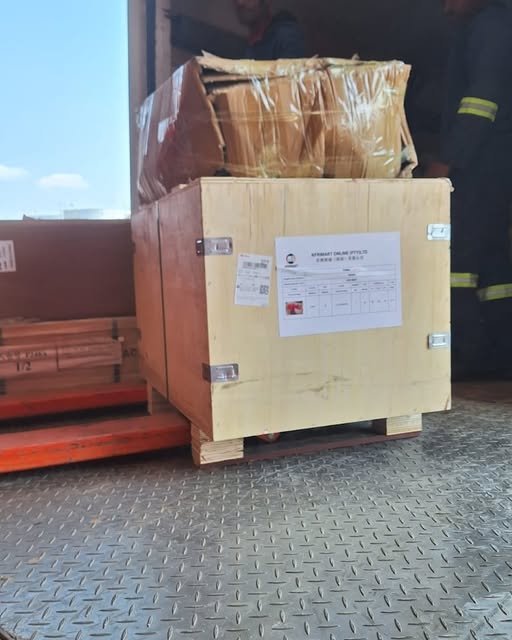
Packaging Machine and accessories
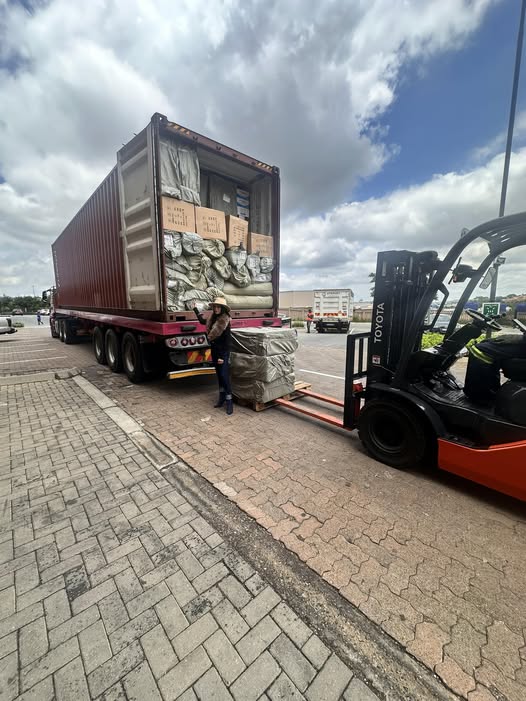
Fabrics Manufacturing Equipment
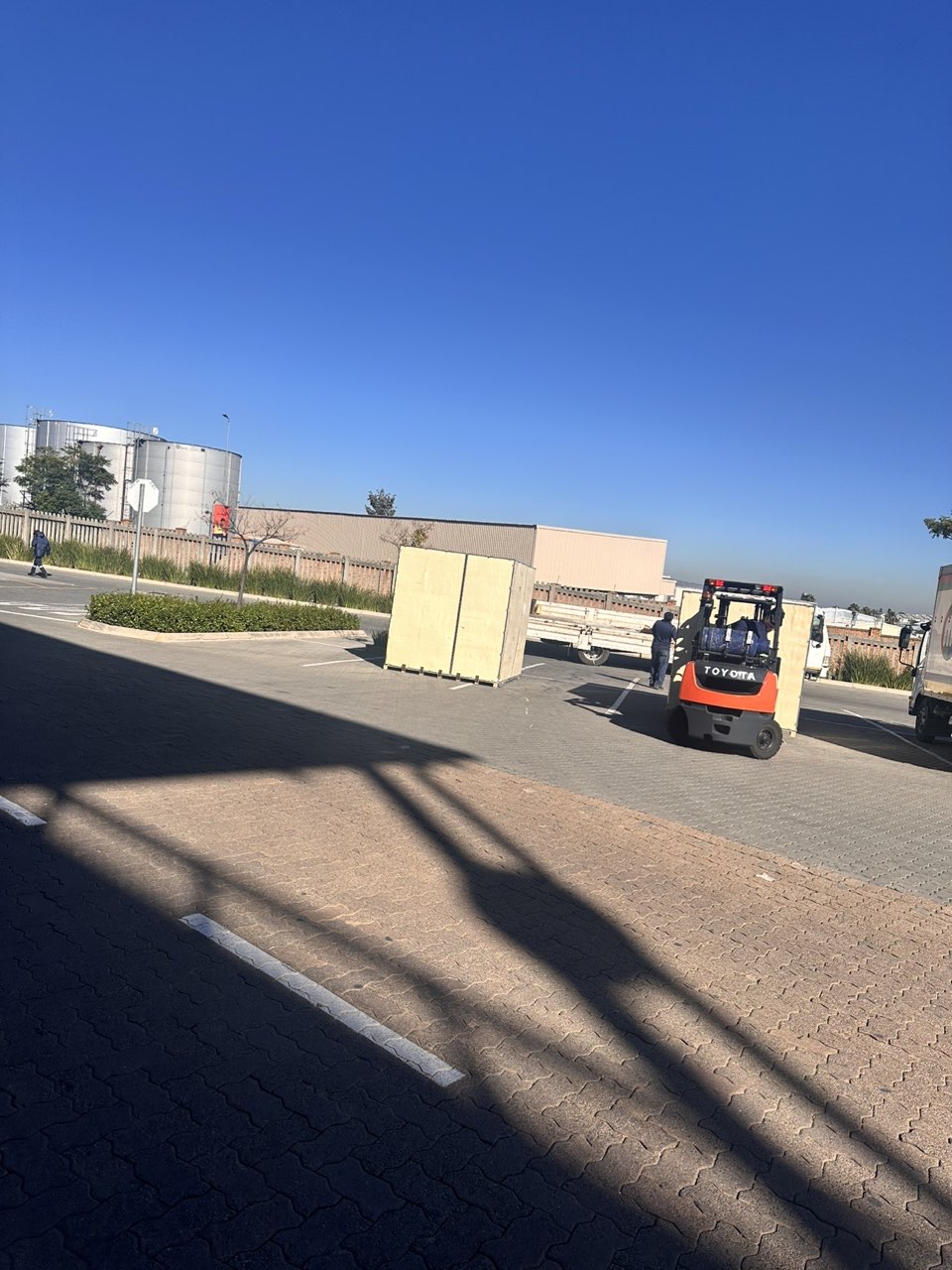
Mining Equipments
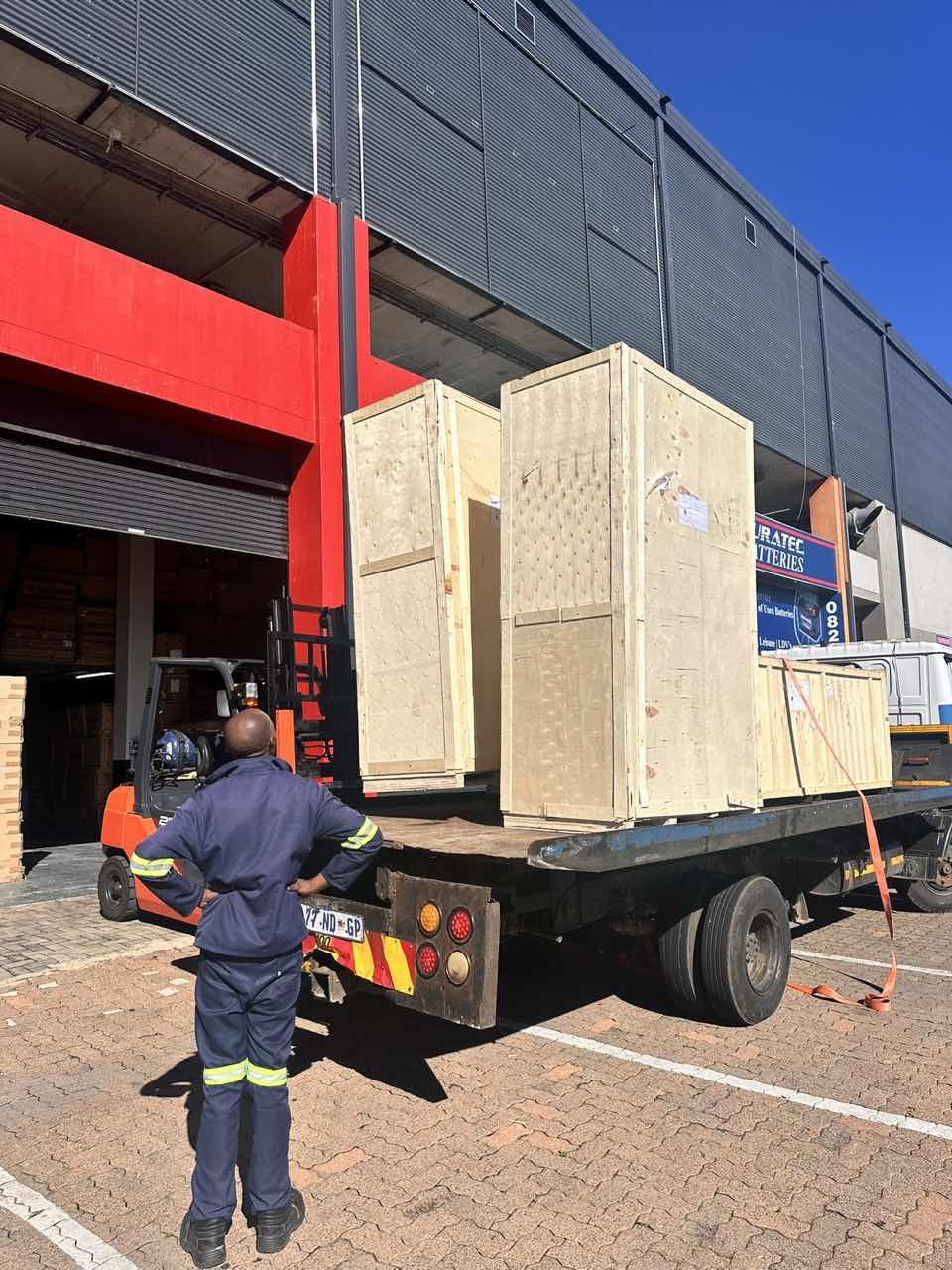
Food Processing Machine
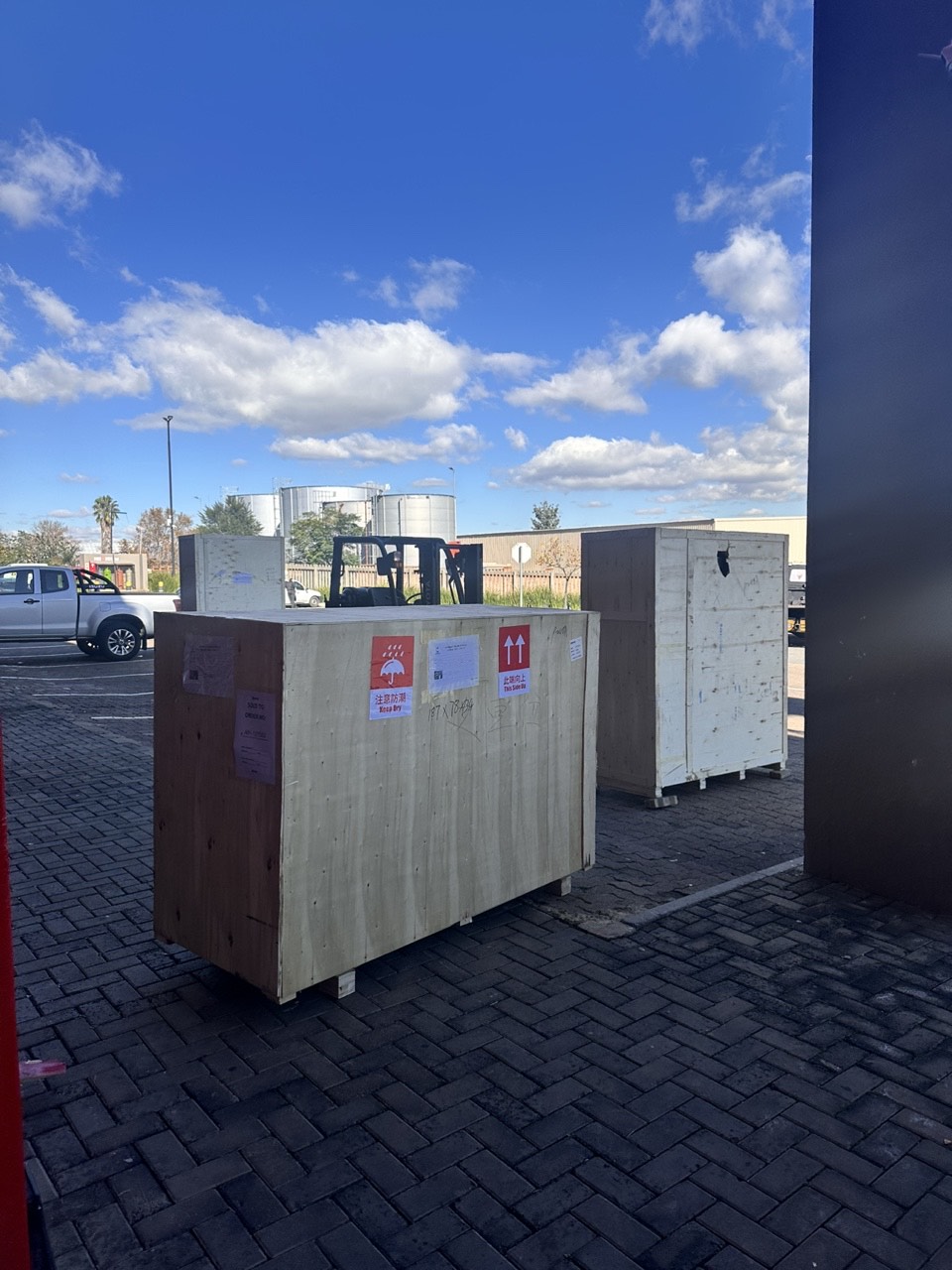
Batch of Orders
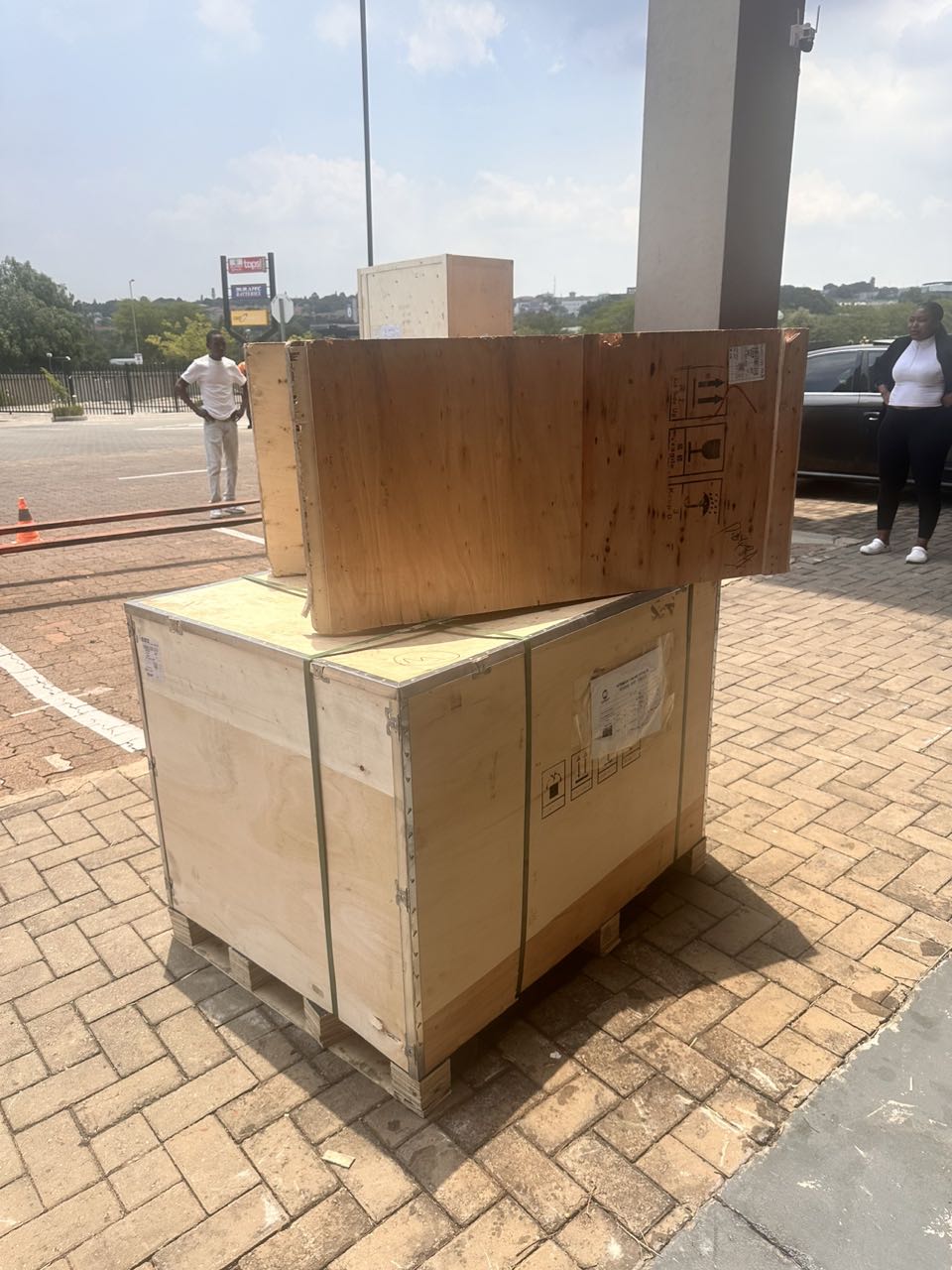
Batch of Orders
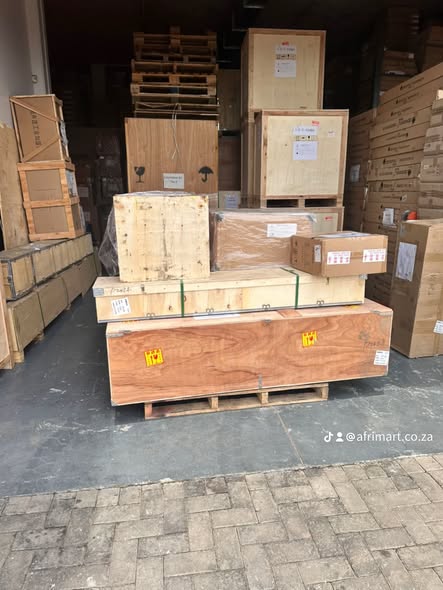
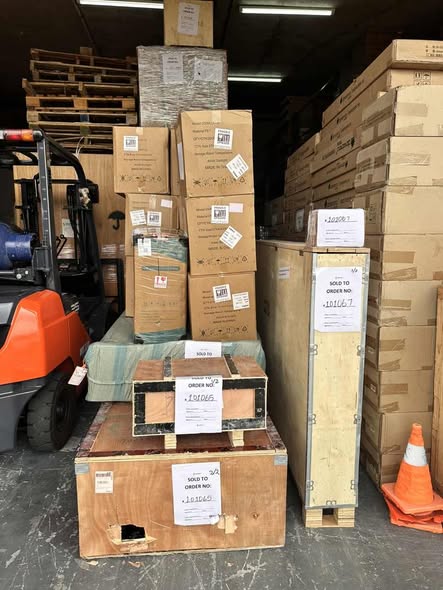
Latest Orders Labelled
wheel alignment machines
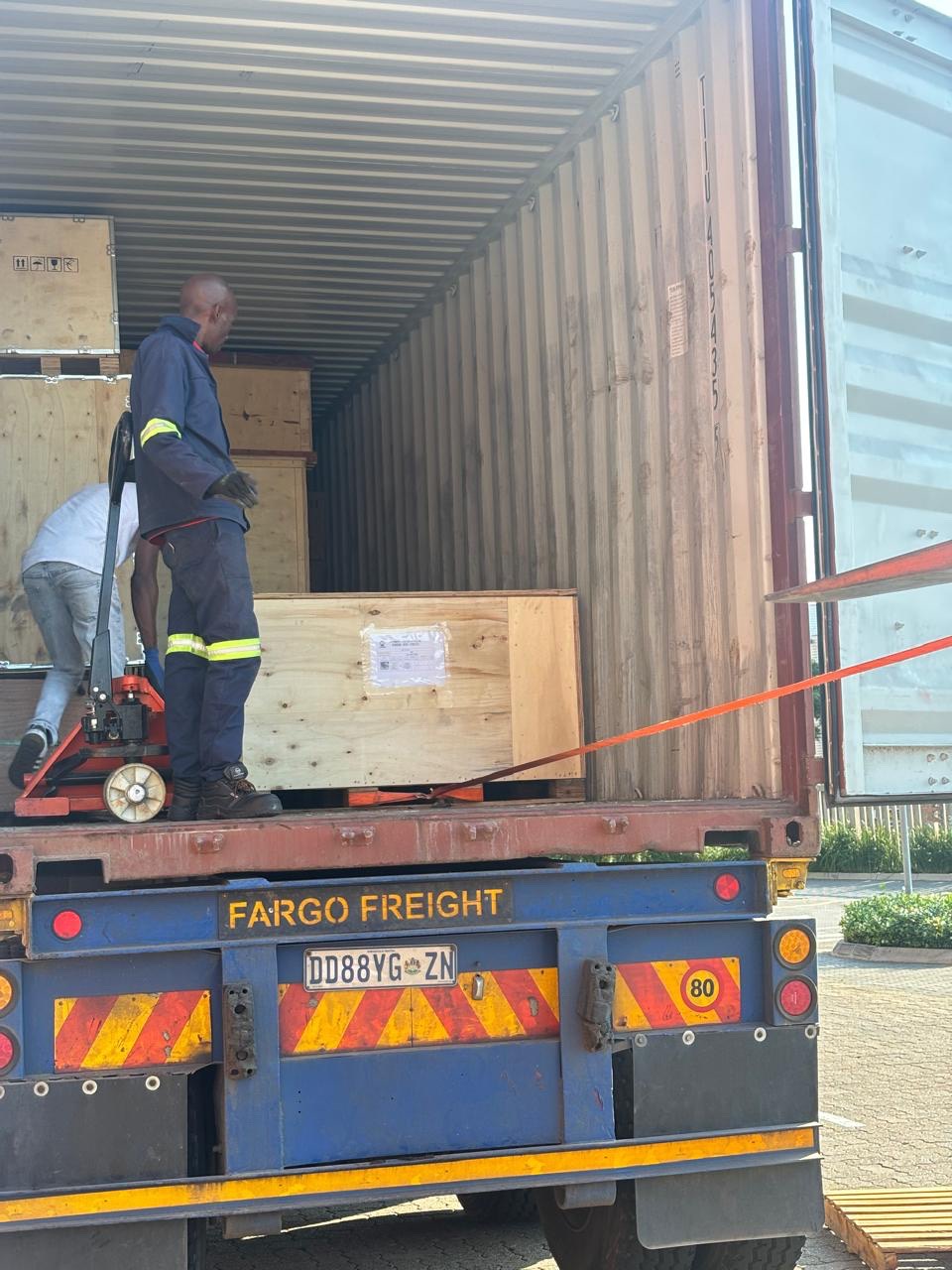
new arrivals
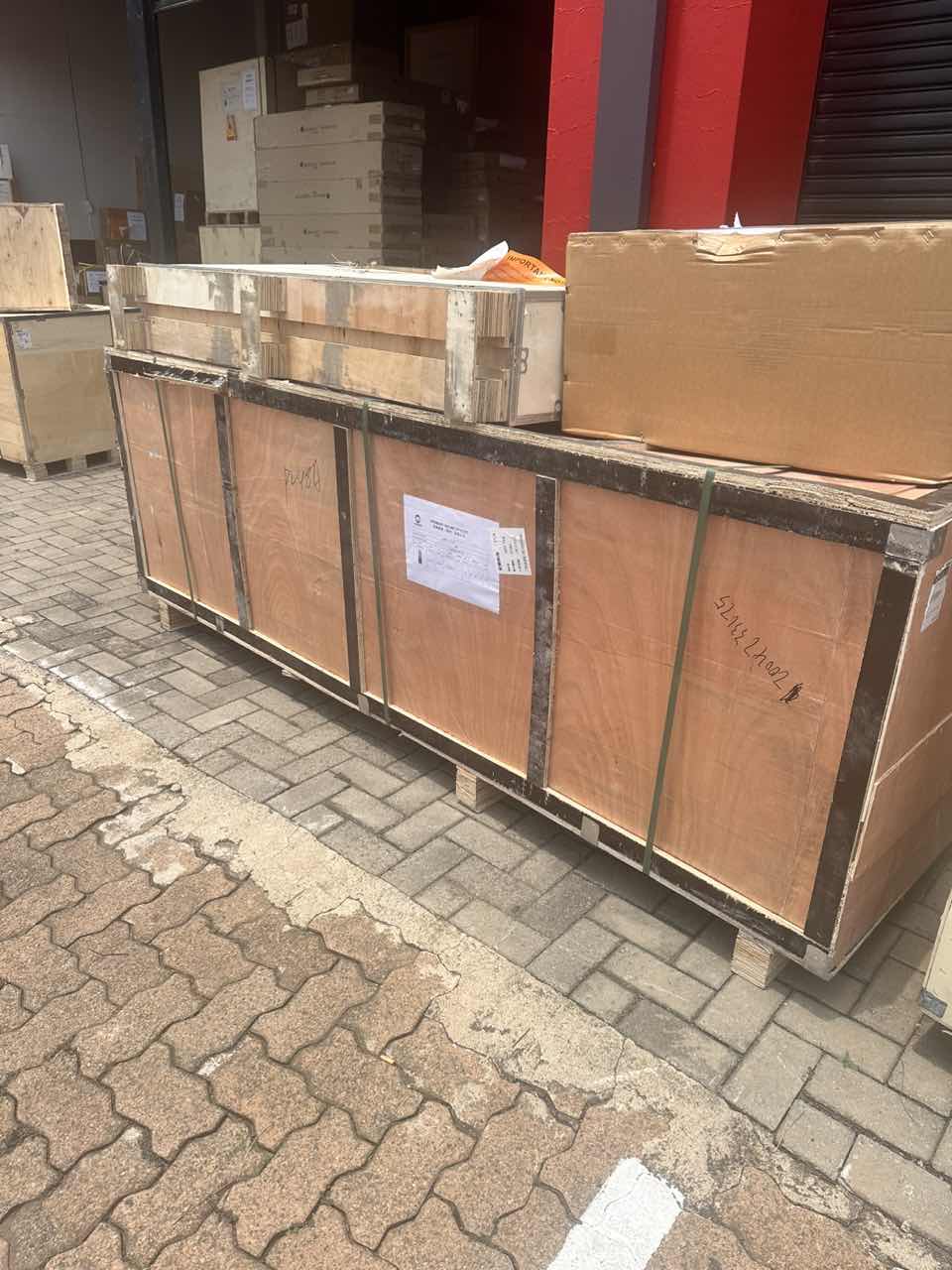
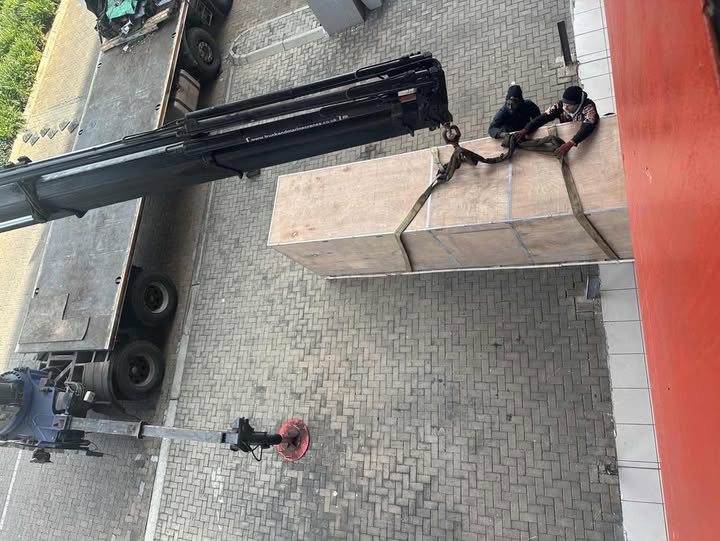
Pre Orders Offloading
Latest Arrivals
Latest Arrivals
Latest Arrivals
Loading
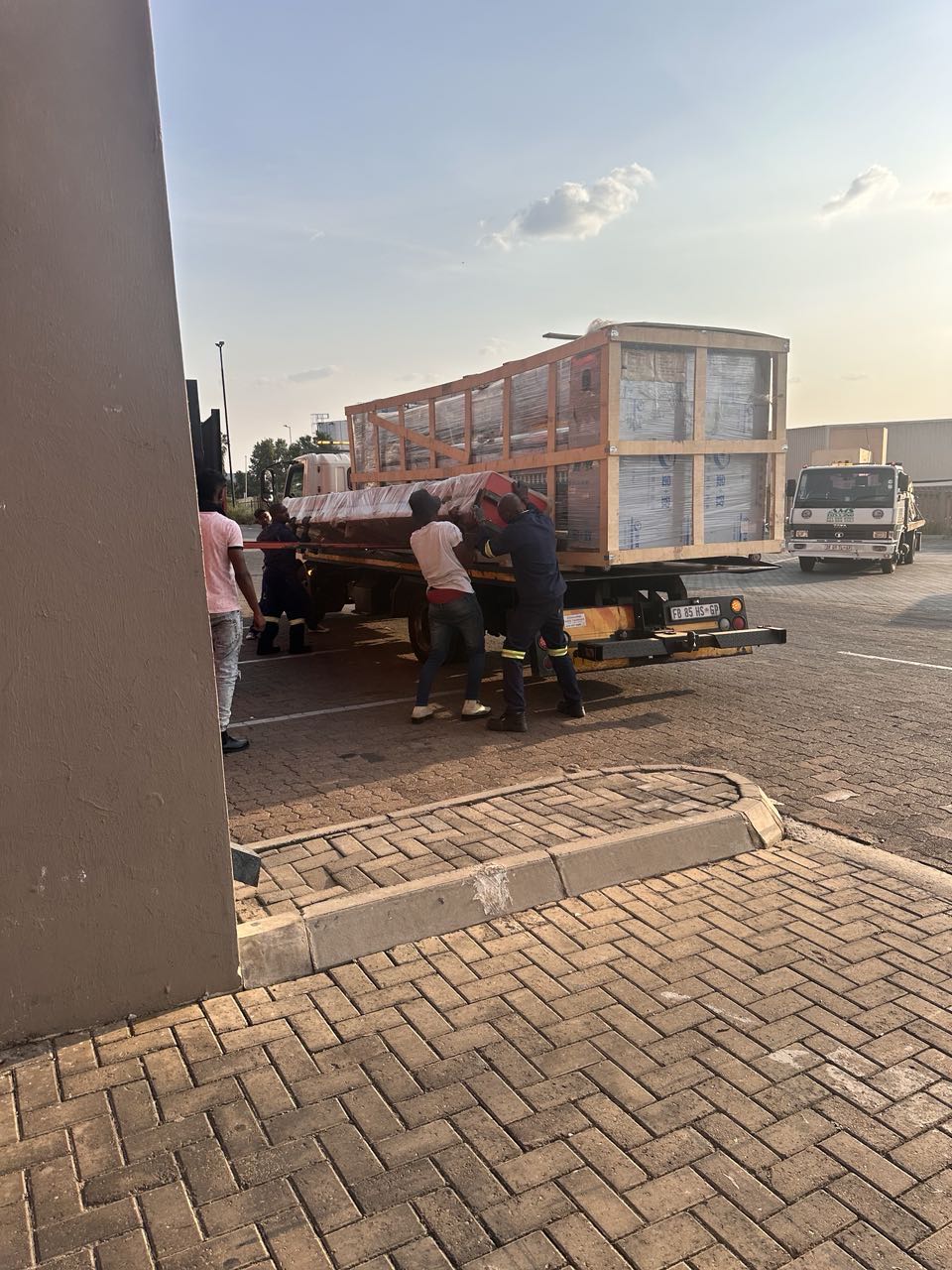
Toilet paper making machine
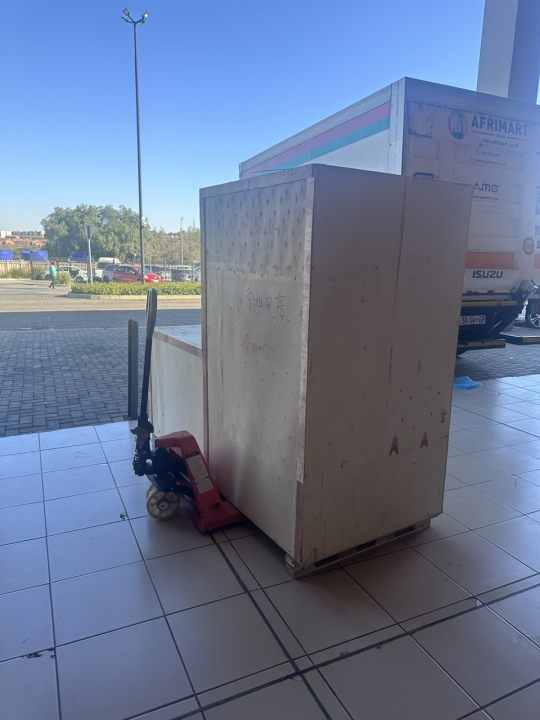
Toilet paper making machine
Toilet paper Rewinding Machine
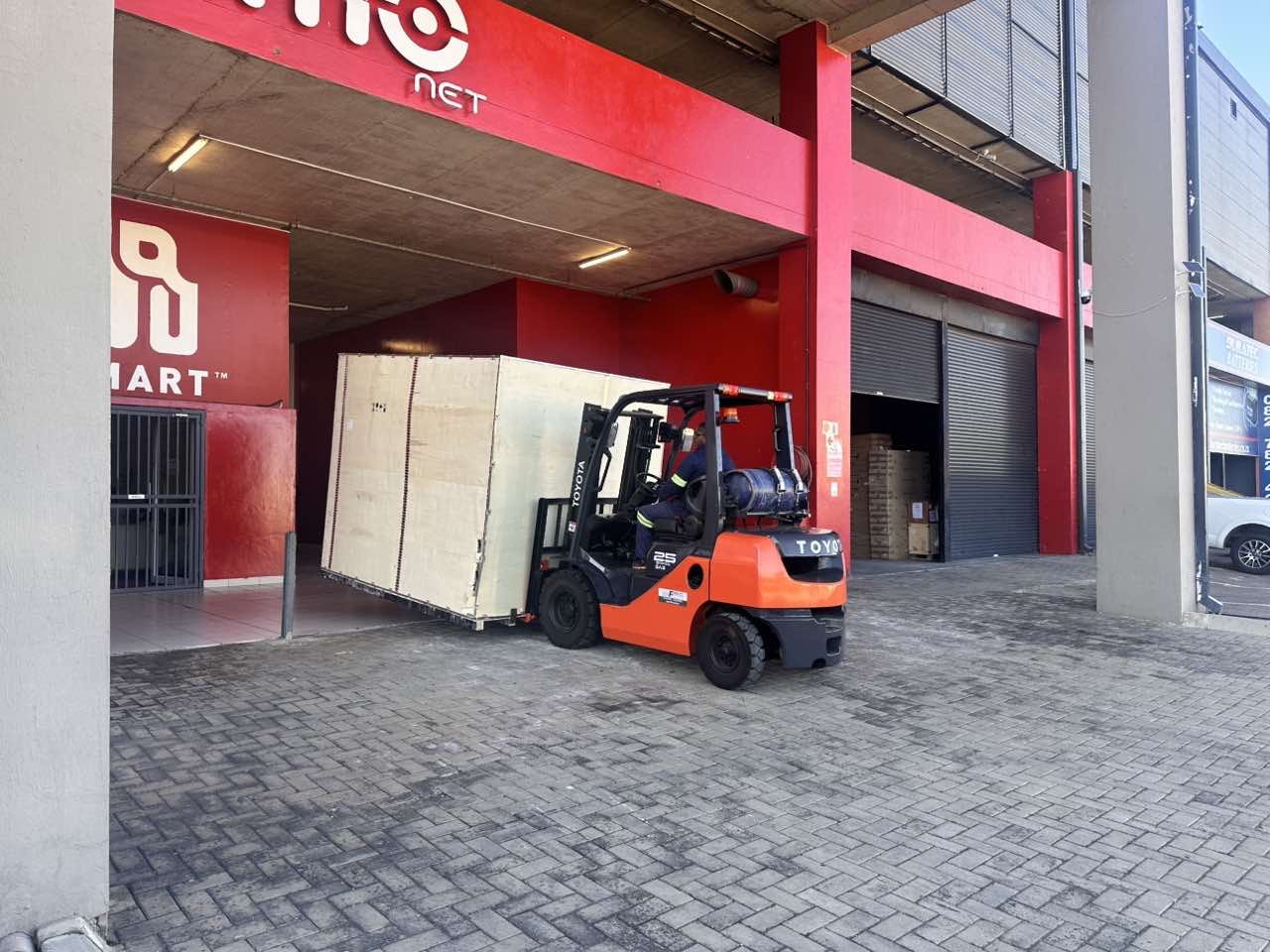
latest arrivals
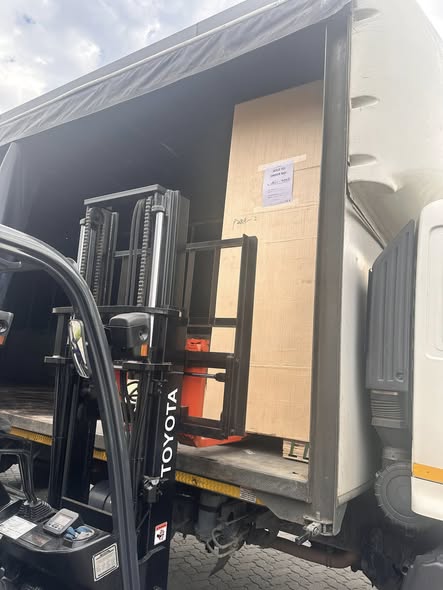
offloading
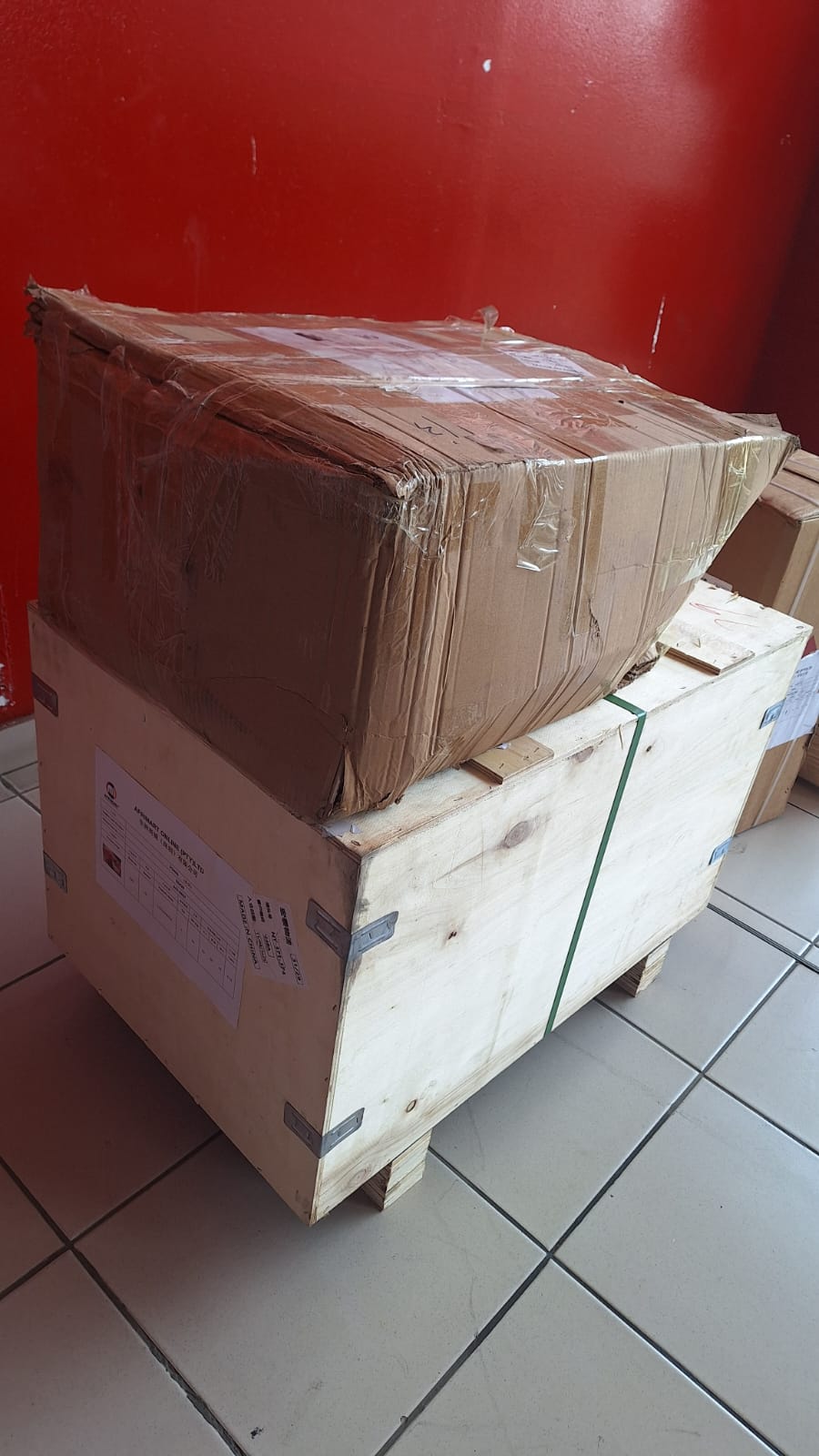
order success
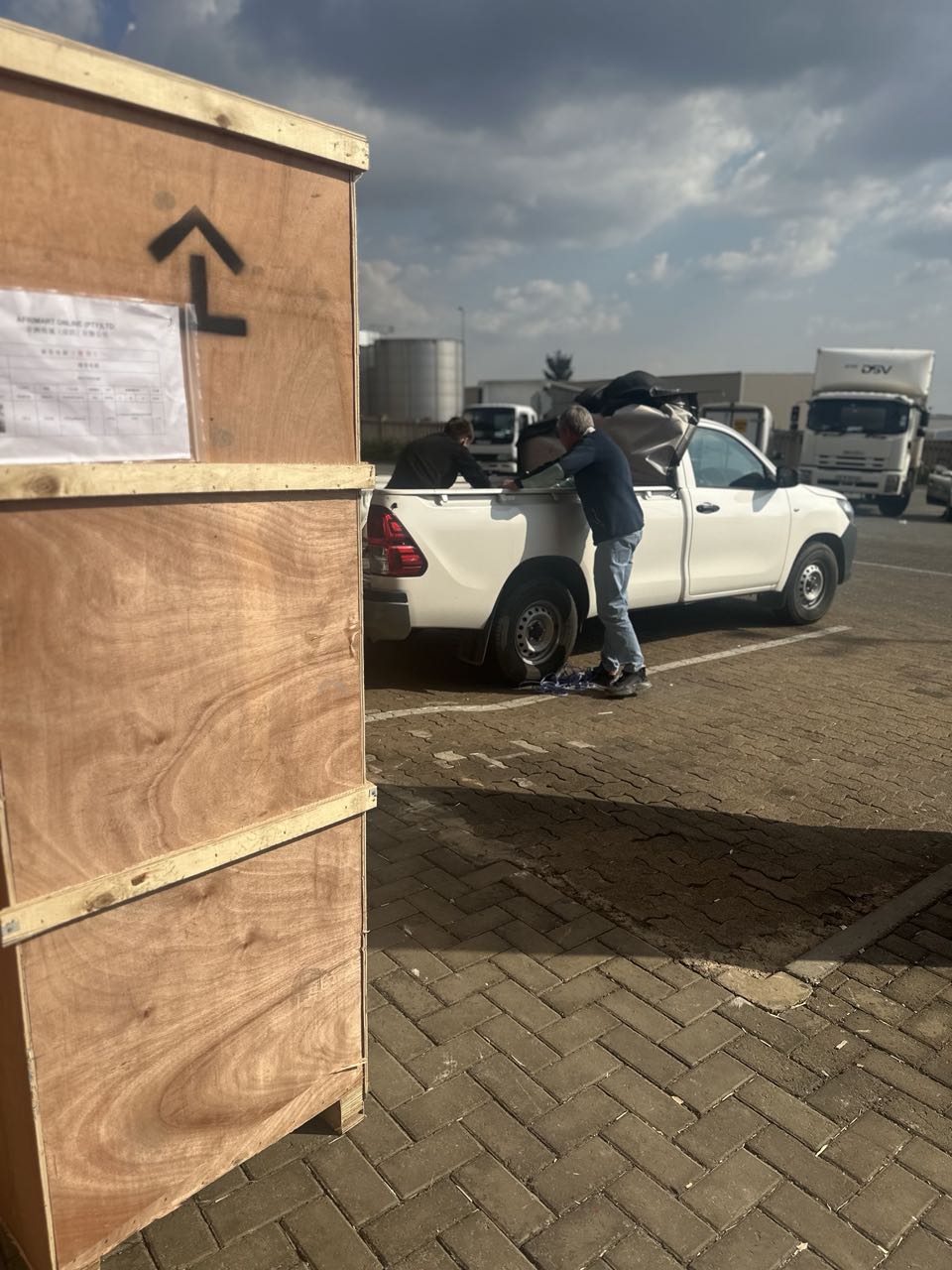
order collection
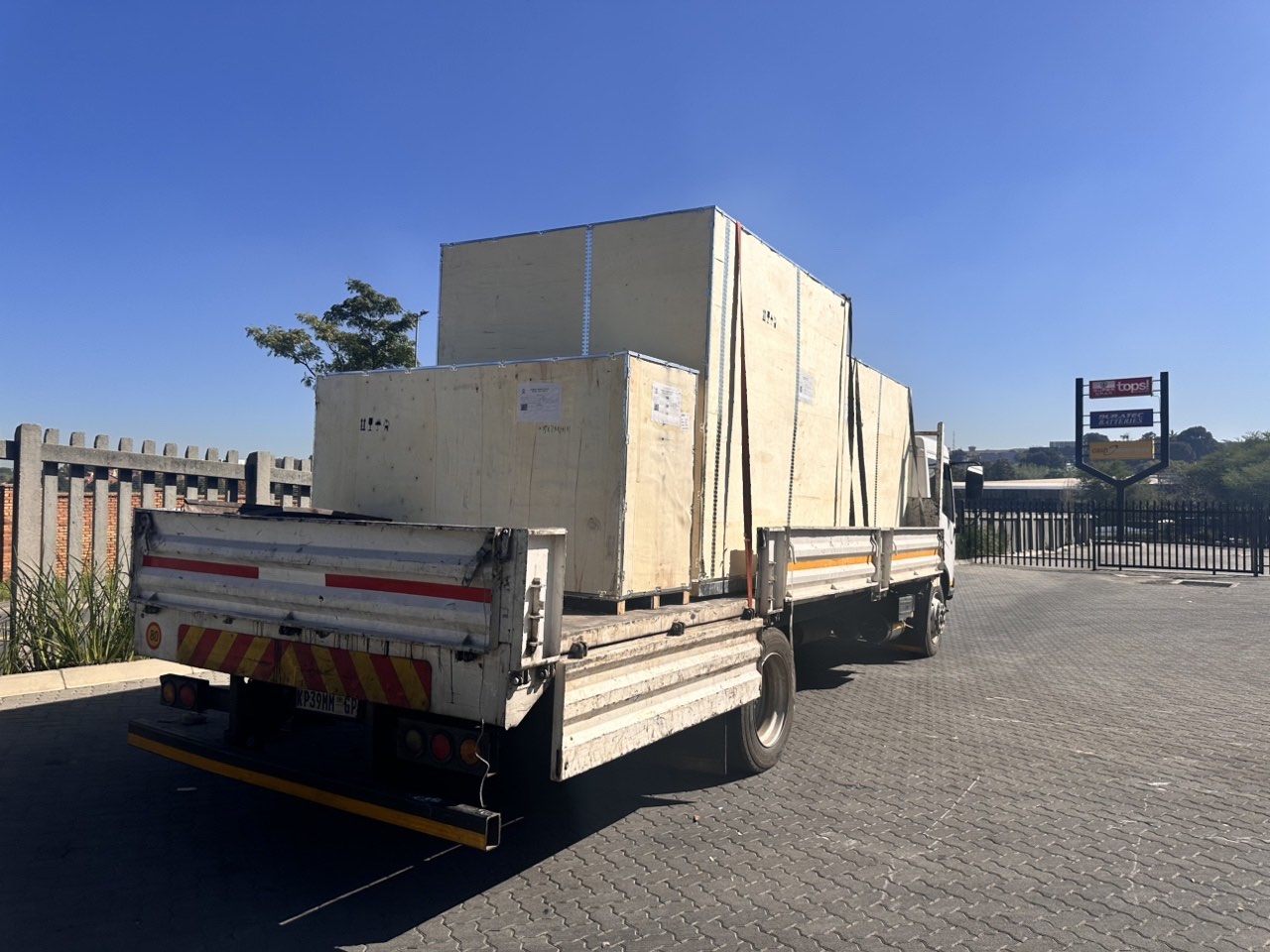
order offloading