B21, China Town Mall, Midrand



Product Description


- Shipping Timeframes: All orders are processed within 2-5 business days (excluding weekends and holidays). After your order has been processed, the estimated delivery time is before 11 Mar, 2026, depending on customs, Please note that due to high demand, some items may experience longer shipping times, which will be communicated at order confirmation email.
- Order Processing Time: Please allow 2-5 business days for us to process your order before it is shipped . Orders placed after 16:00 on Fridays, or during weekends and public holidays, will begin processing on the next business day. Processing times may be extended during peak seasons or sales events.
- Manufacturing Time: Some products needs manufacturing time, the manufacturing process will take approximately 10-30 business days depending on the product. This timeframe may vary depending on the complexity of the product and current demand. but this will be communicated with you during order confirmation.
- Returns and Exchanges: We offer a 30-day return policy for most items. If you are not completely satisfied with your purchase, you may return it within 30 days of receipt for a refund or exchange. Items must be unused, in their original packaging, and accompanied by proof of purchase. Return shipping costs are the responsibility of the customer, unless the item was damaged or defective upon arrival.
1. What is a rice milling machine?
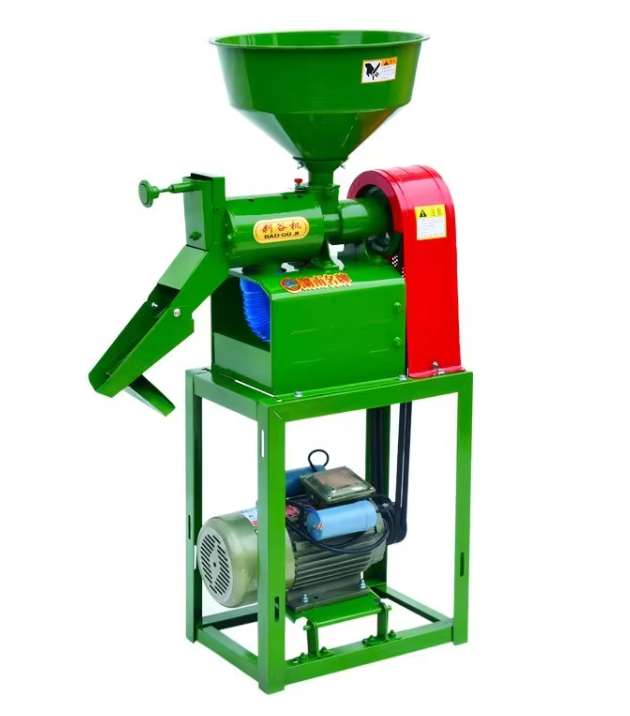
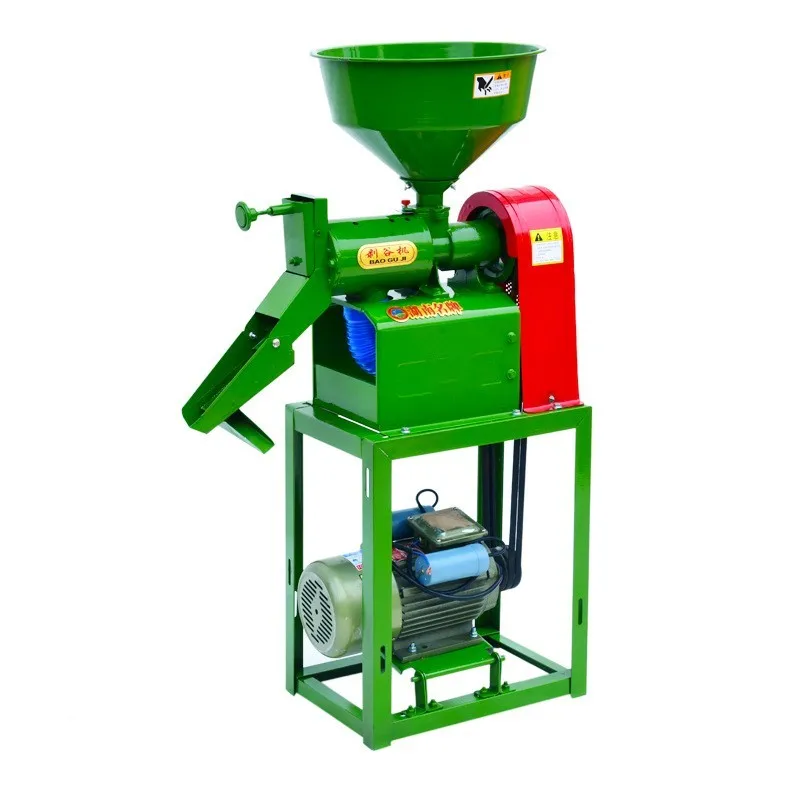
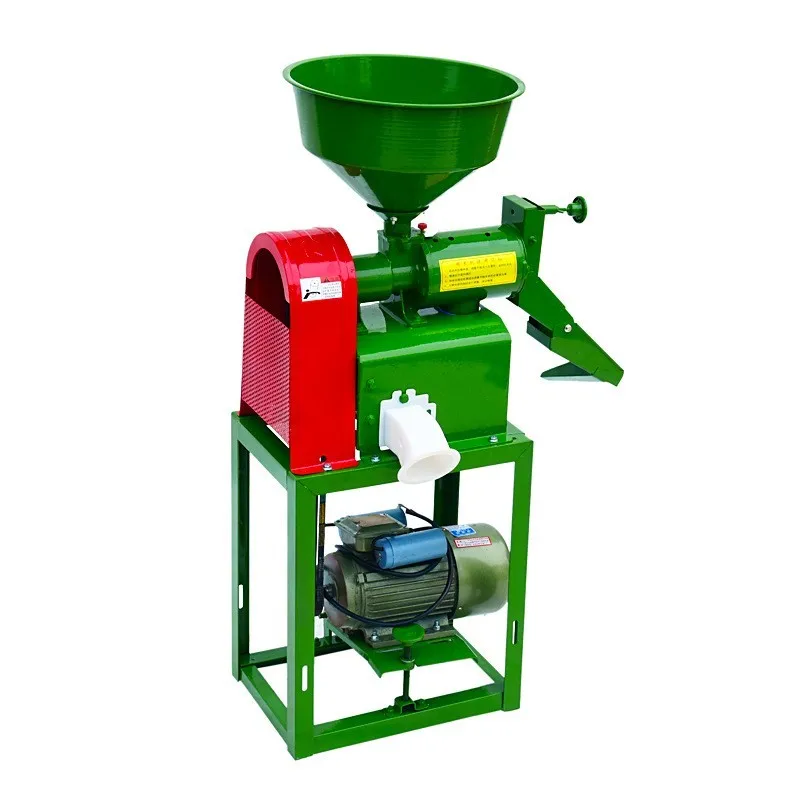
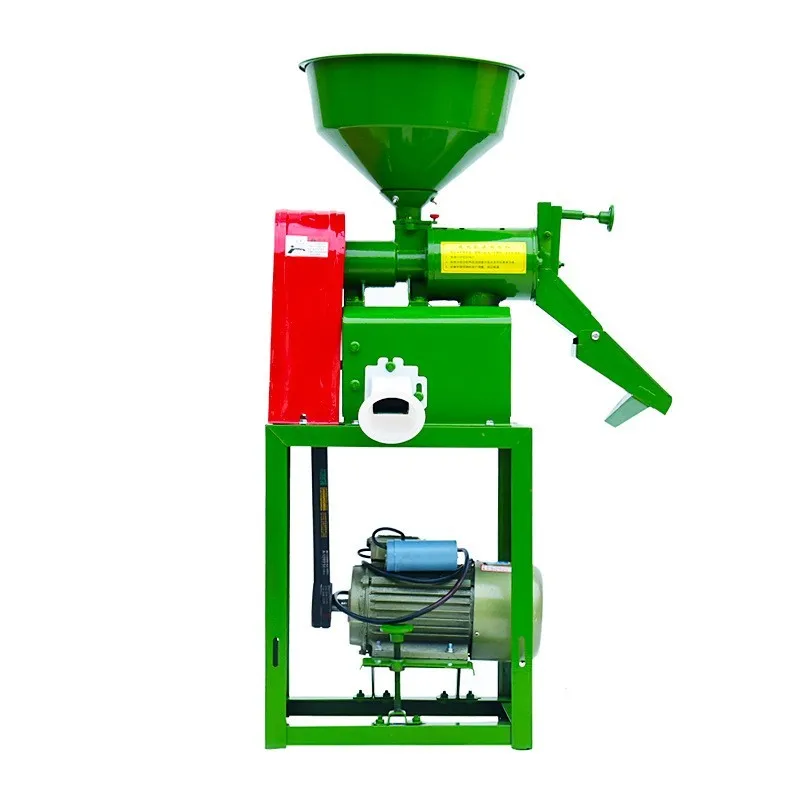
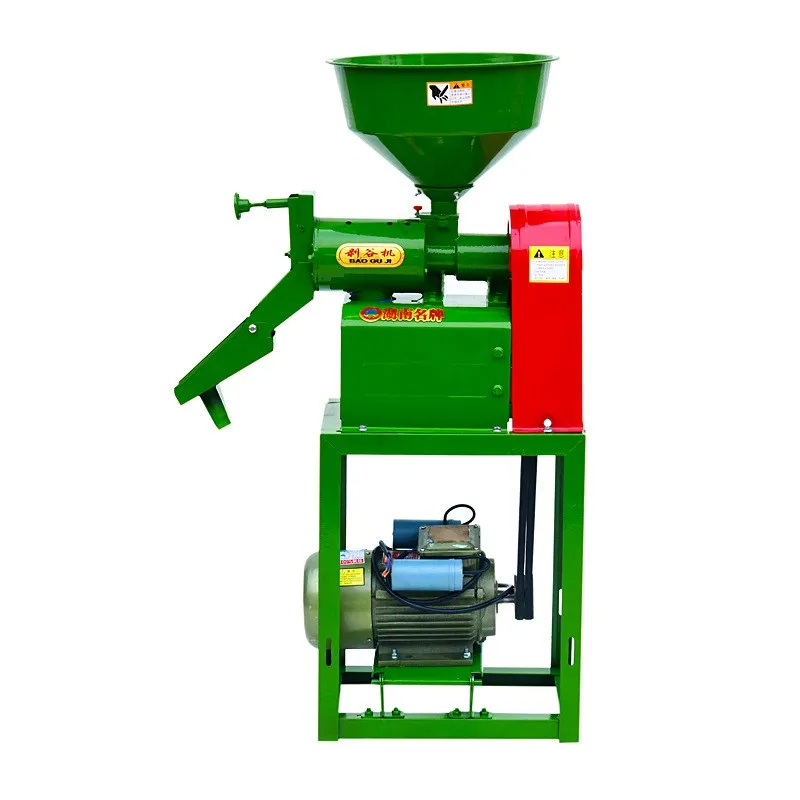
A rice milling machine is a device used to remove the husk and bran layers from harvested rice grains, transforming them into white rice ready for consumption.
2. How does a rice milling machine work?
The machine works by passing the harvested rice through a series of processes that include husking, whitening, and polishing, using various components such as hoppers, separators, and grinders.
3. What types of rice milling machines are available?
Rice milling machines are available in various types, including small-scale, medium-scale, and large-scale models suitable for different production capacities.
4. What is the capacity of a typical rice milling machine?
The capacity of rice milling machines can vary widely, ranging from small models capable of processing a few hundred kilograms per hour to large industrial machines that can handle several tons.
5. Can a rice milling machine process other grains?
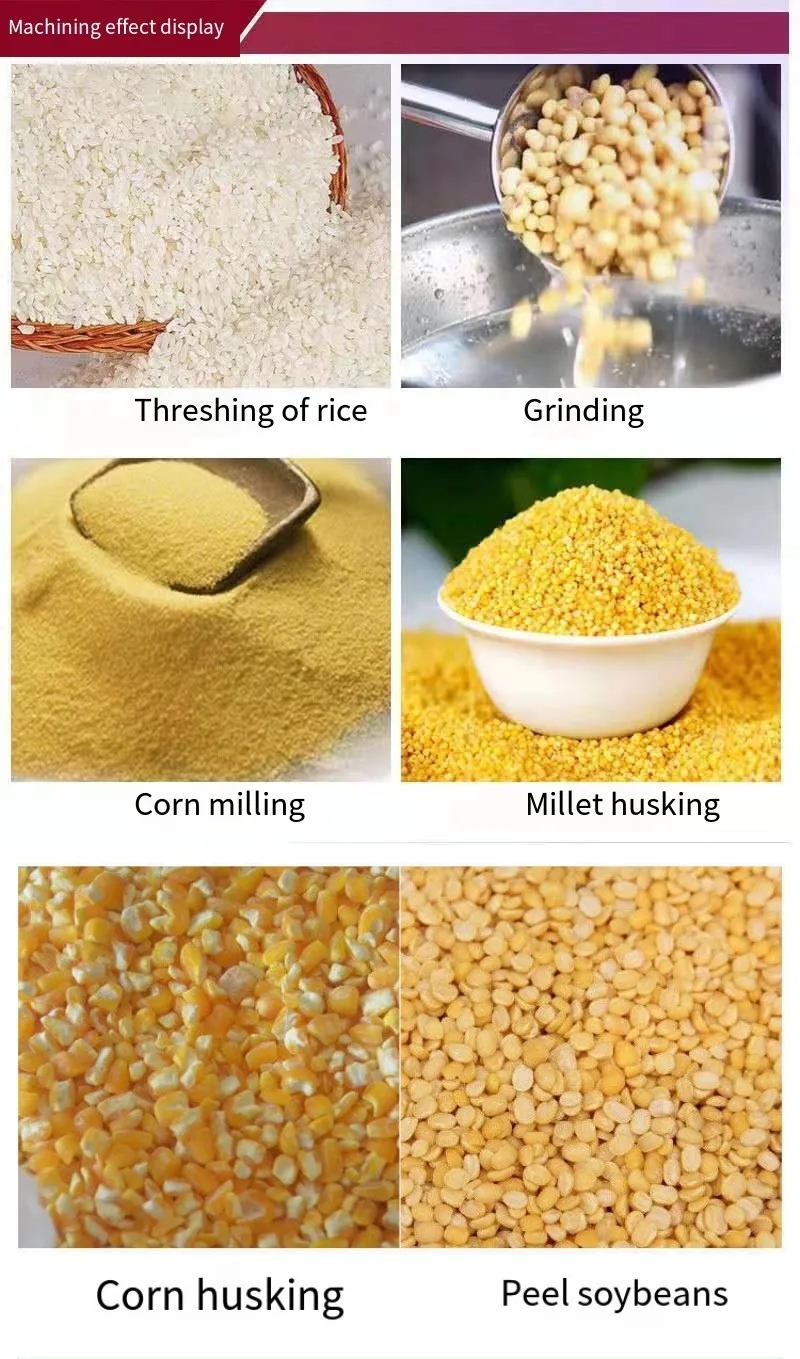
Some rice milling machines are versatile and can also process other grains such as wheat or barley, but it's essential to check the manufacturer's specifications for compatibility.
6. What maintenance is required for a rice milling machine?
Regular maintenance includes cleaning, lubricating moving parts, checking for wear and tear, and ensuring that the machine is properly calibrated for optimal performance.
7. Is it easy to operate a rice milling machine?
Most rice milling machines are designed to be user-friendly, with straightforward controls. However, operating larger machines may require some training or experience.
8. What are the power requirements for a rice milling machine?
Power requirements vary by model, but most machines need a three-phase power supply. It's essential to check the specifications to ensure compatibility with your electrical system.
9. What safety features should I look for in a rice milling machine?
Look for features such as automatic shut-off, overload protection, and safety guards to prevent accidents during operation.
10. How long does it take to mill rice using this machine?
The milling time depends on the machine's capacity and the amount of rice being processed, but typically, it can take anywhere from a few minutes to an hour for larger batches.
11. What is the cost range of rice milling machines?
Prices for rice milling machines can range from a few hundred to several thousand dollars, depending on the size, capacity, and features.
12. Where can I buy a rice milling machine?
Rice milling machines can be purchased from agricultural equipment suppliers, online marketplaces, and specialized manufacturers.
13. Do rice milling machines require special installation?
While some machines can be set up easily, larger, industrial models may require professional installation to ensure proper setup and safety.
14. What is the warranty period for a rice milling machine?
Warranty periods vary by manufacturer, but they typically range from one year to several years, covering defects in materials and workmanship.
15. Can I get spare parts for my rice milling machine?
Yes, most manufacturers provide spare parts for their machines. It's best to check with the supplier for availability and compatibility.
Latest Order Arrivals
Discover our latest orders
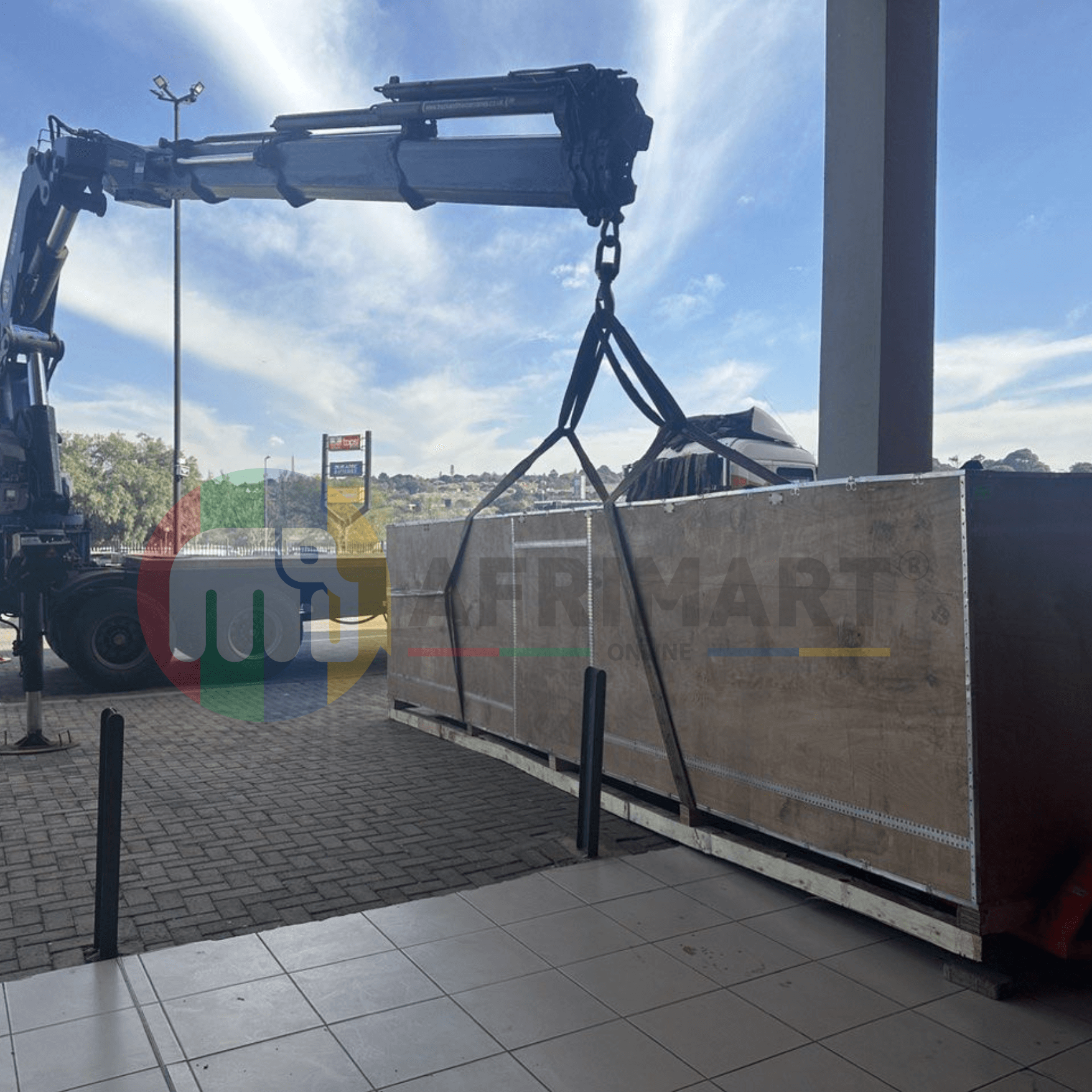
12 Heads Embroidery Machine
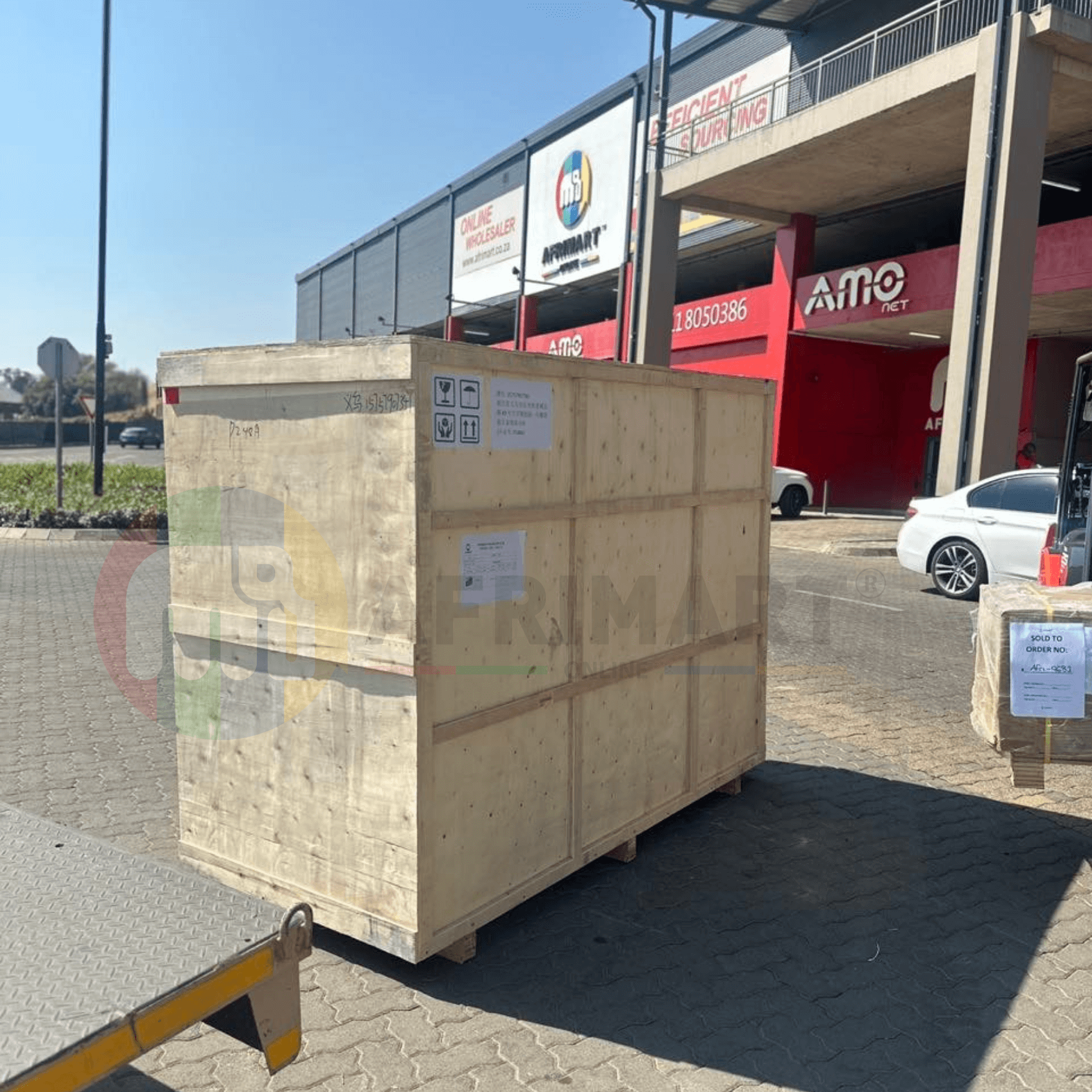
Dewatering Pump Machine
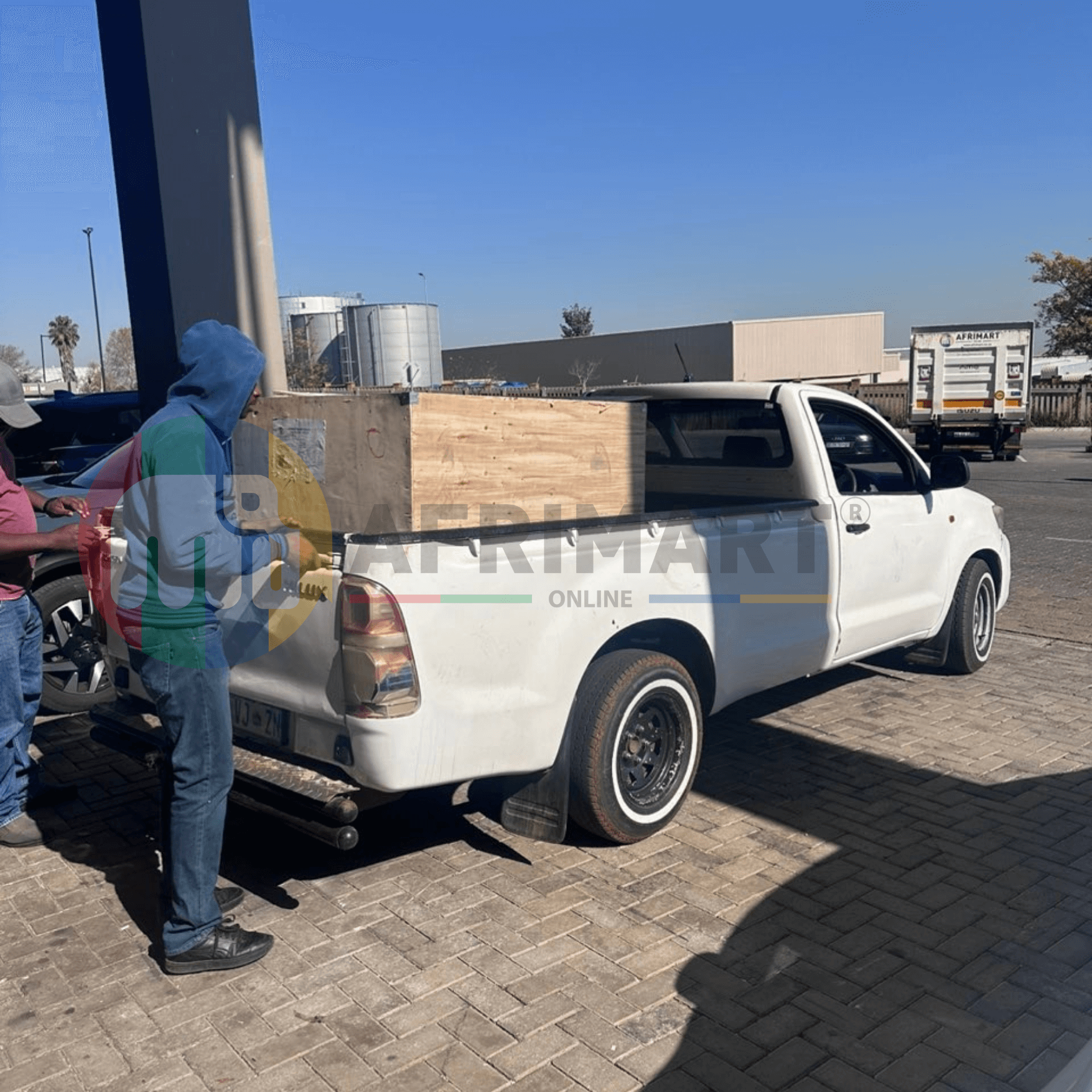
Order Collection
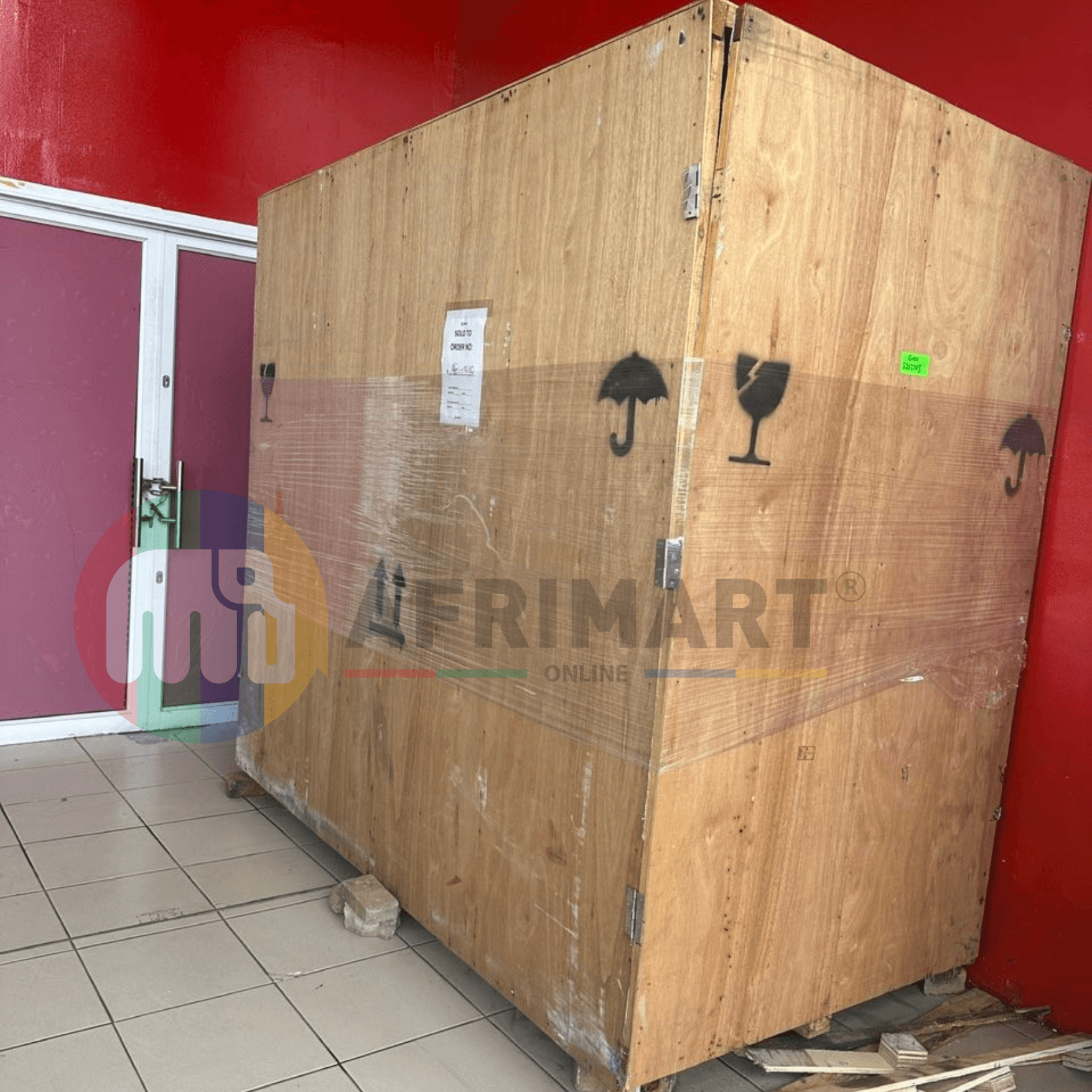
Portable Water Drilling Rig
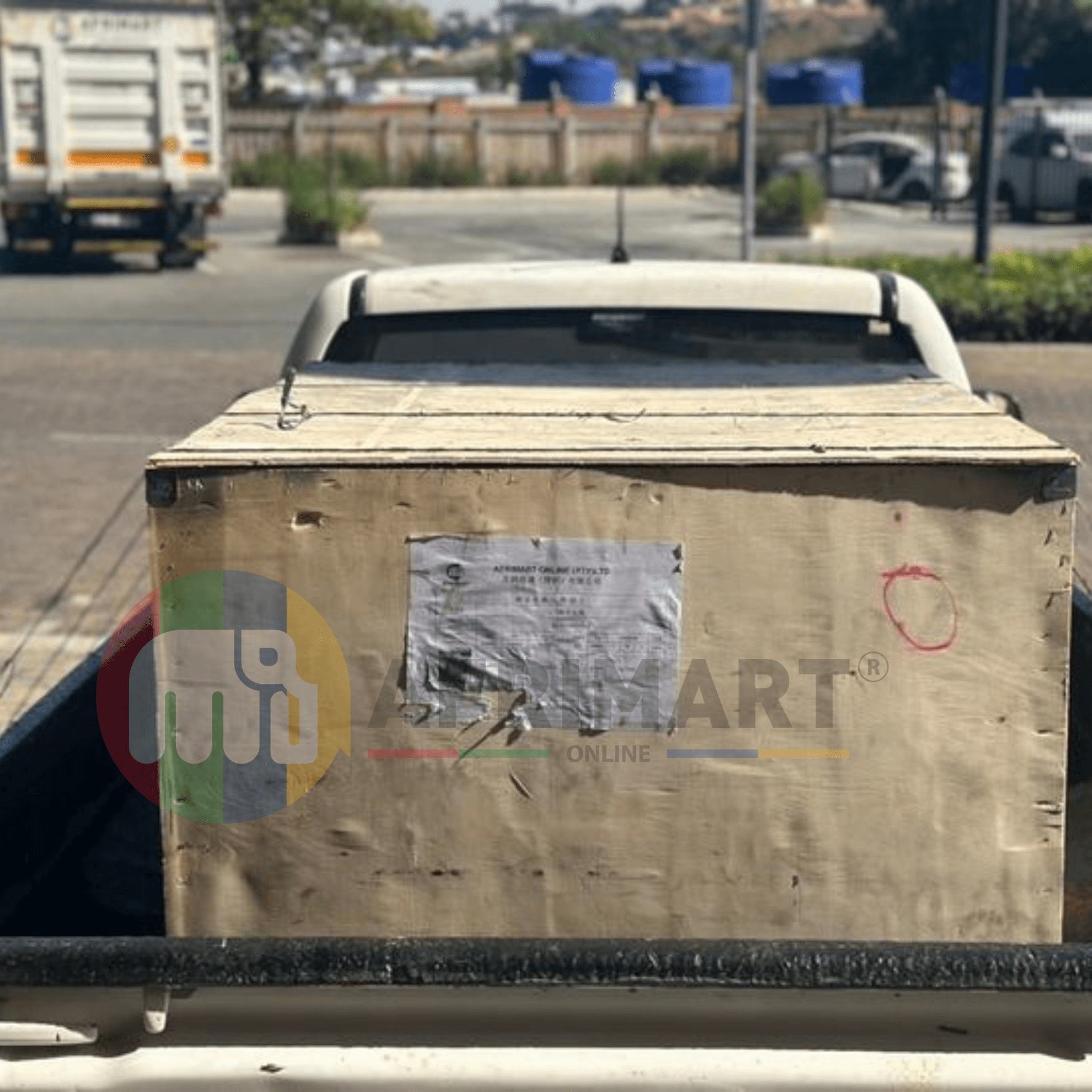
Order Usefully Collected
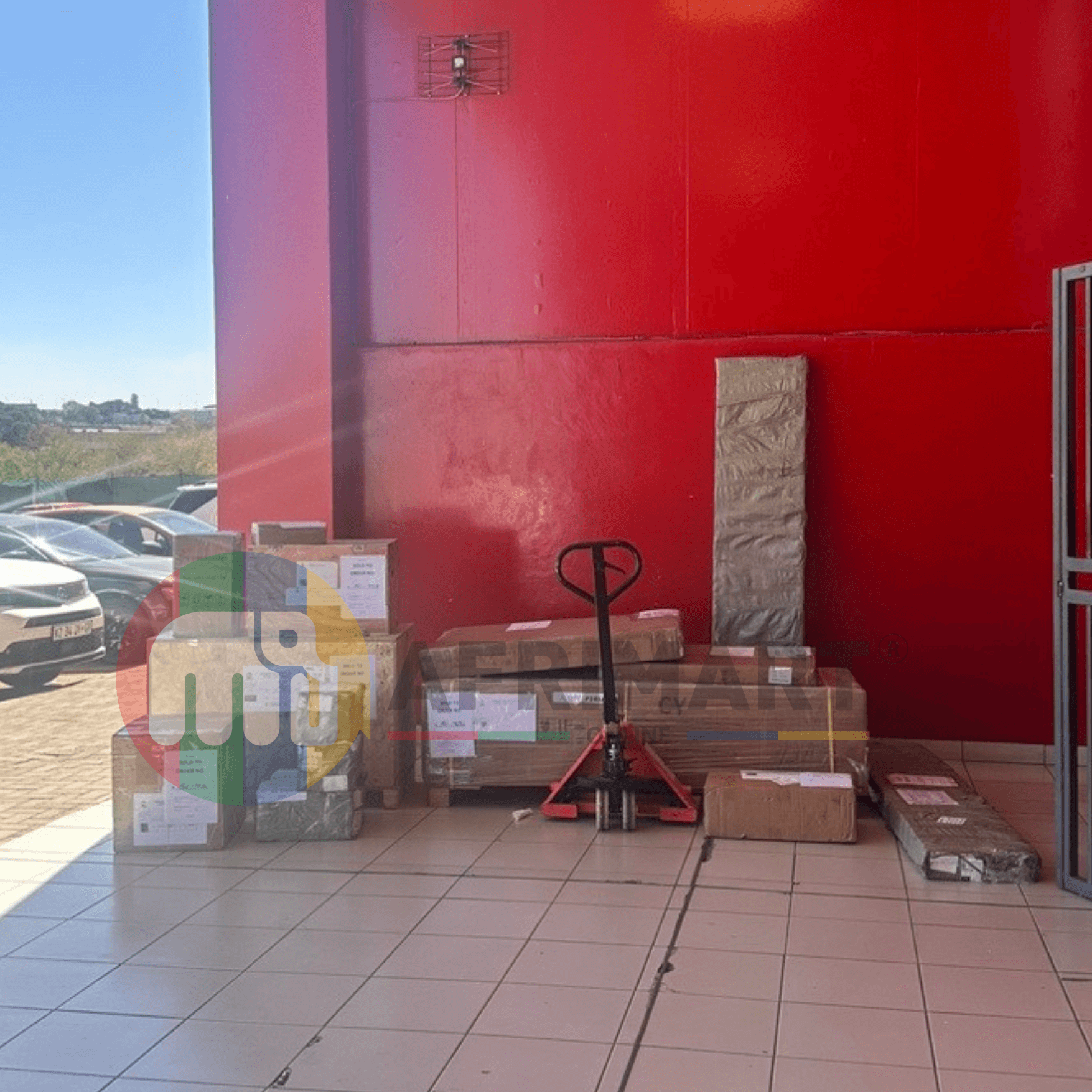
Batch of Orders
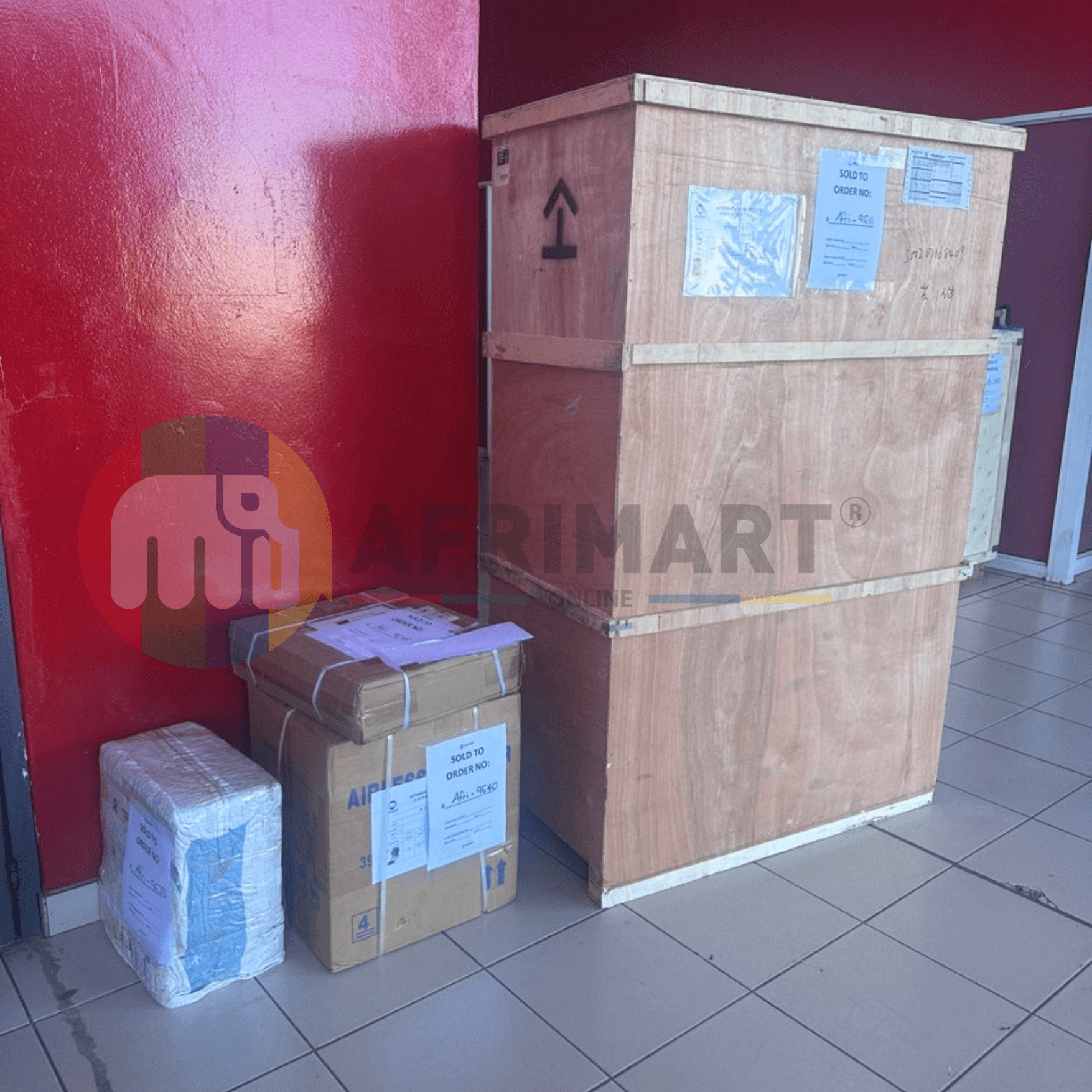
Agriculture Processing Machines
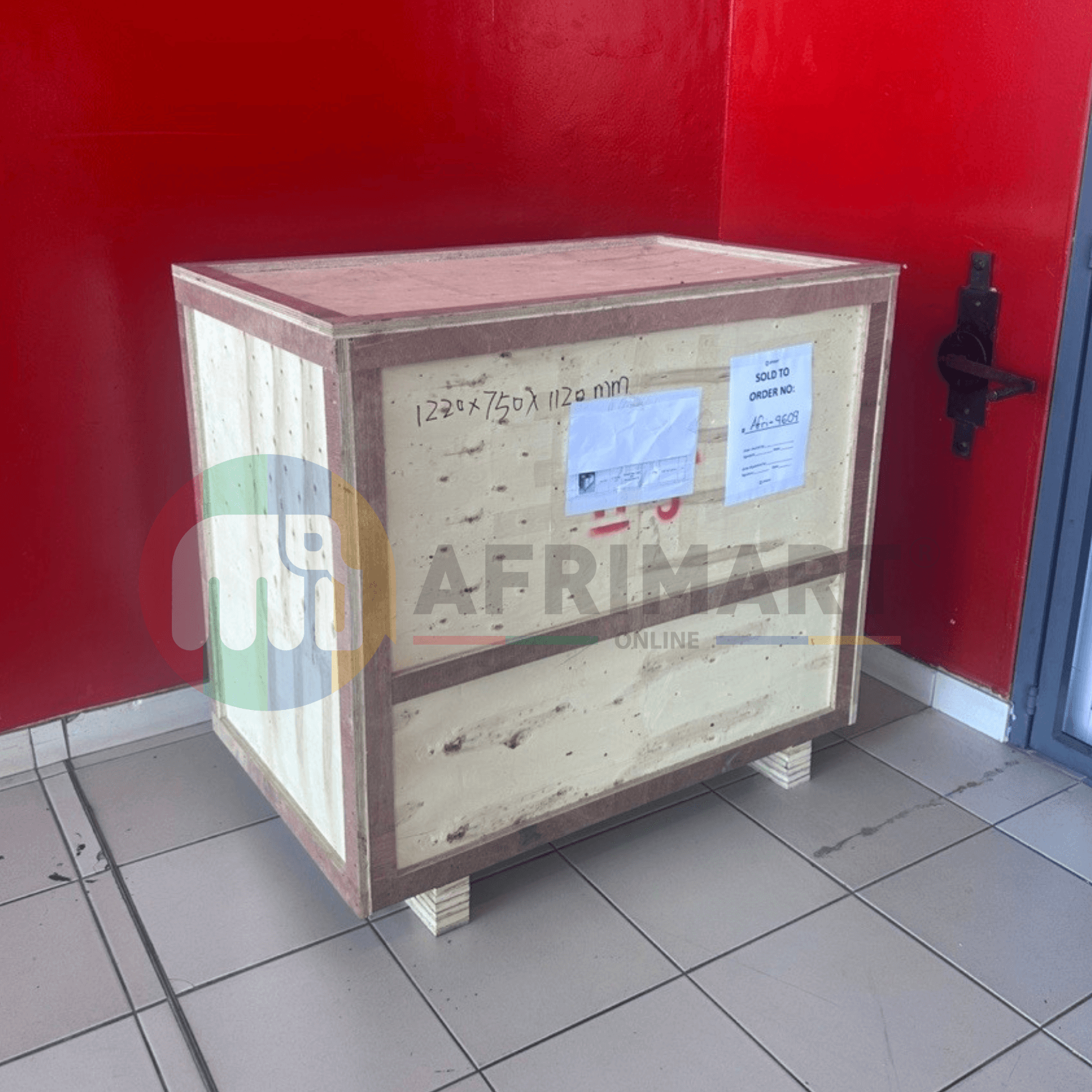
Meat Grinder Machine
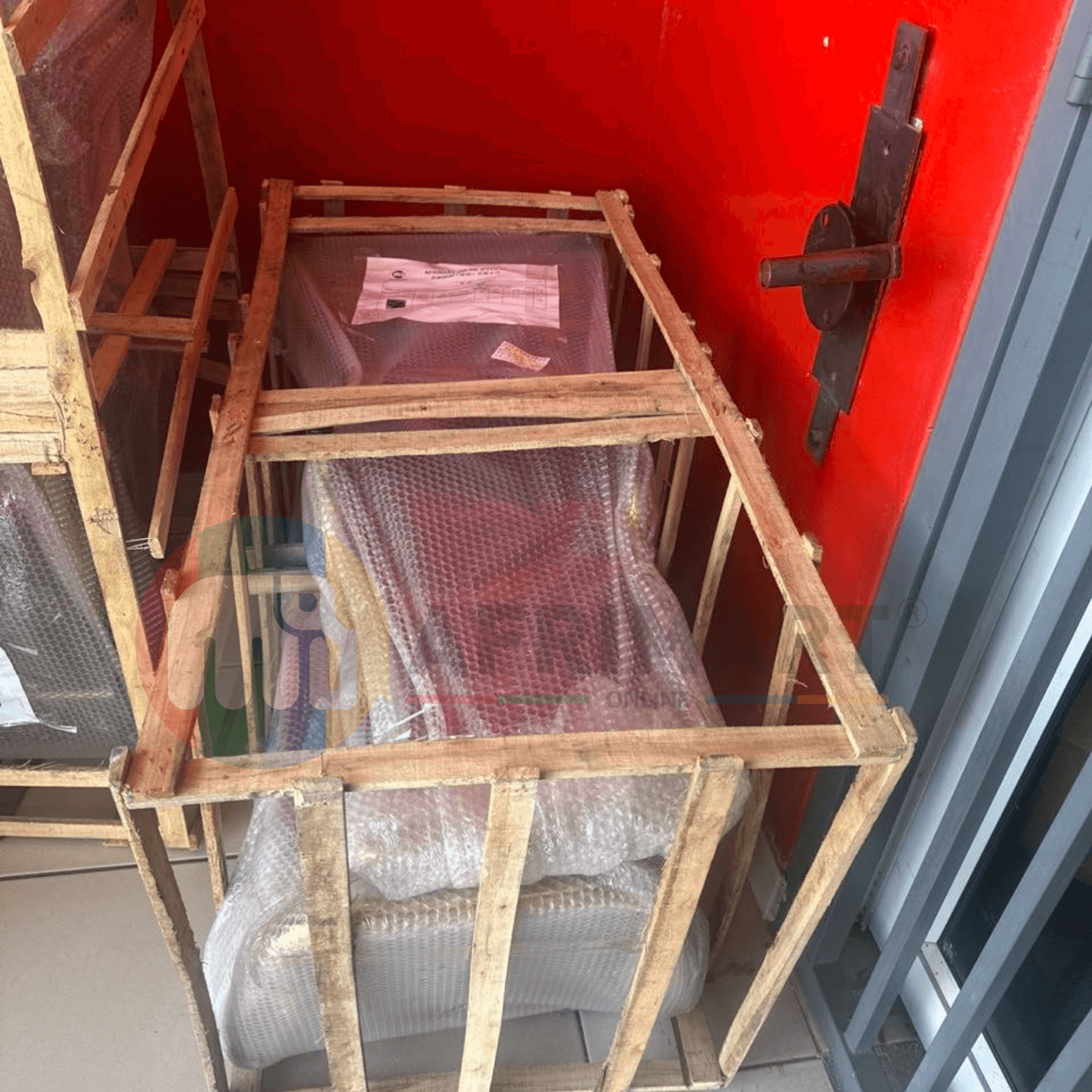
Water Pump Equipment
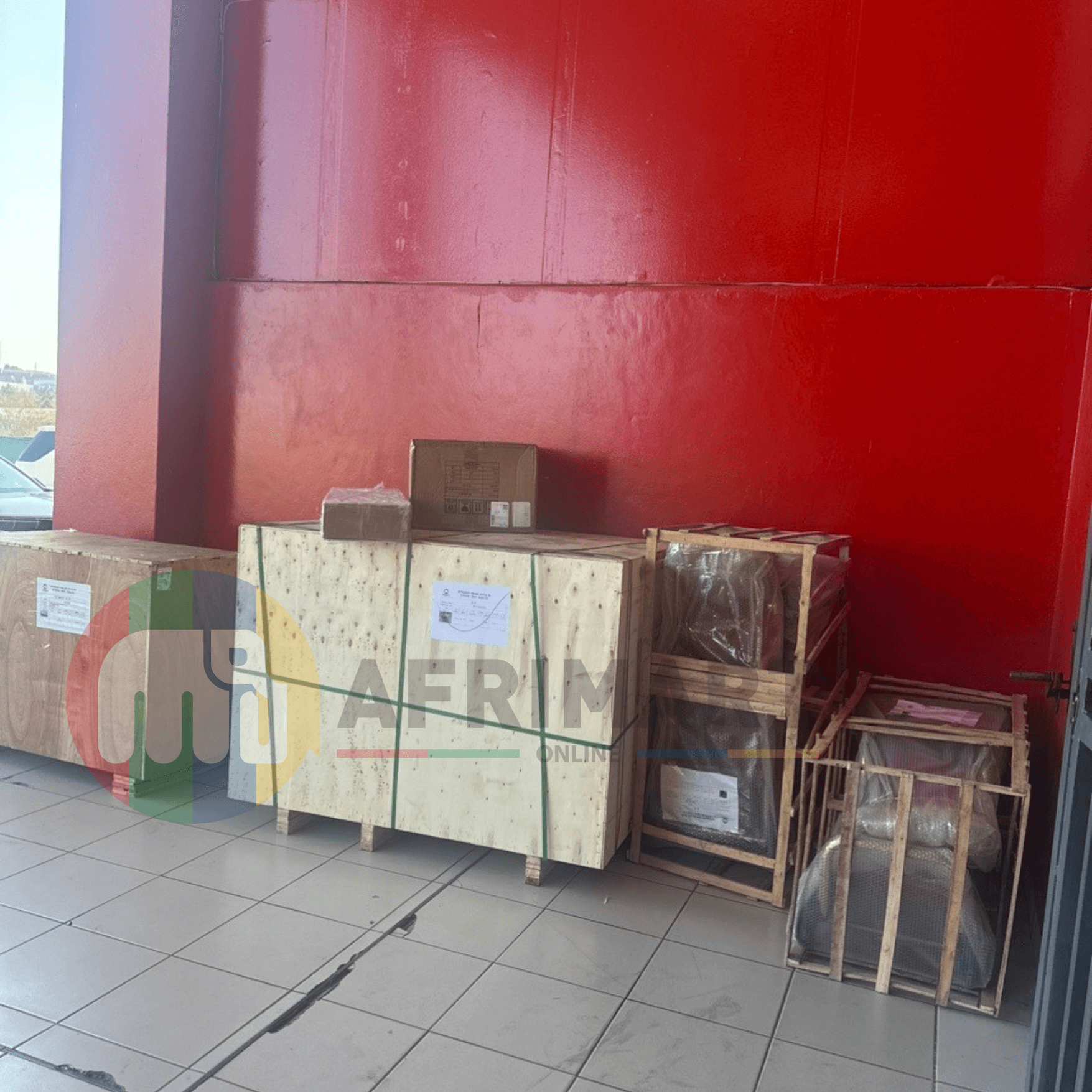
Packaging Machine and accessories
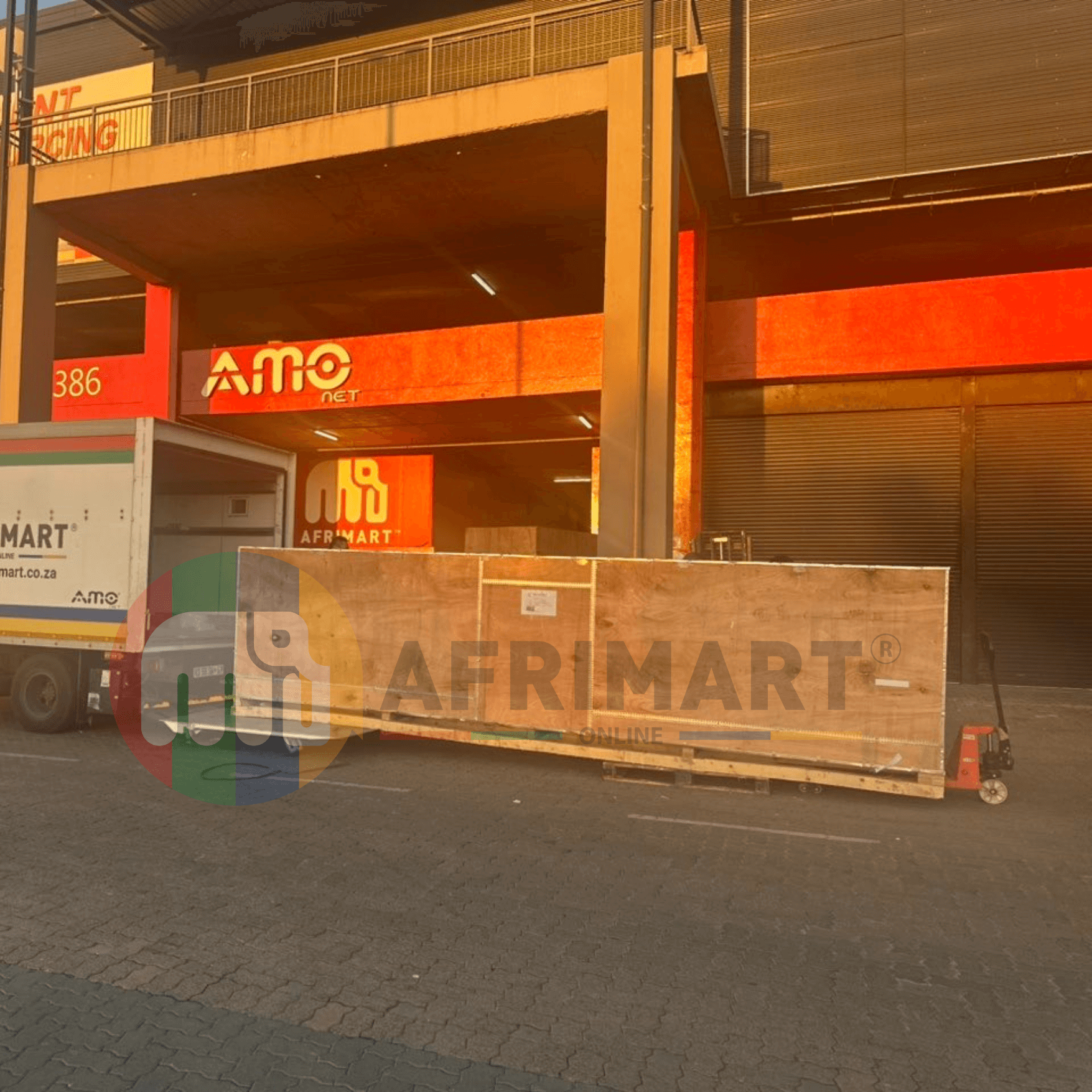
Fabrics Manufacturing Equipment
Mining Equipments
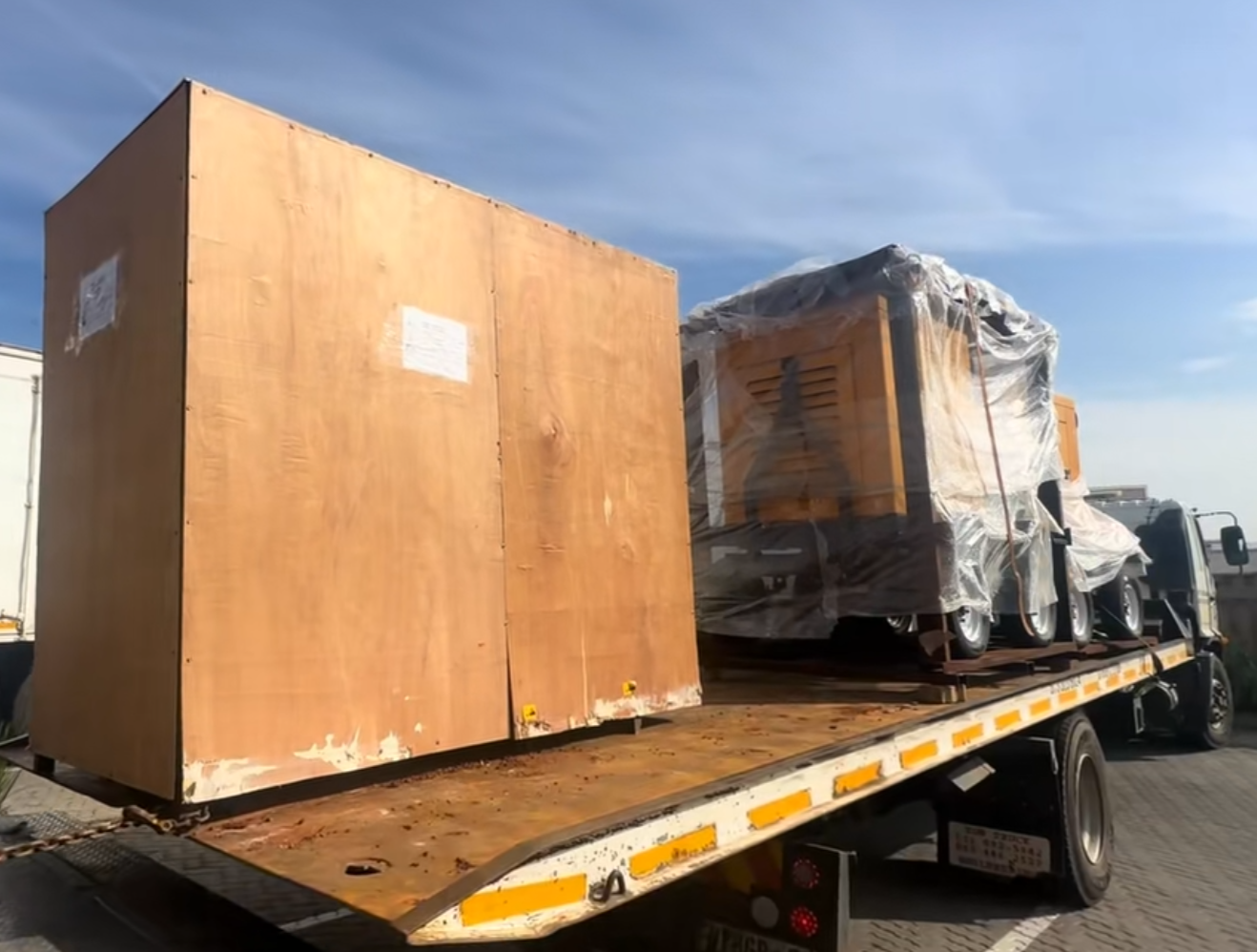
Food Processing Machine
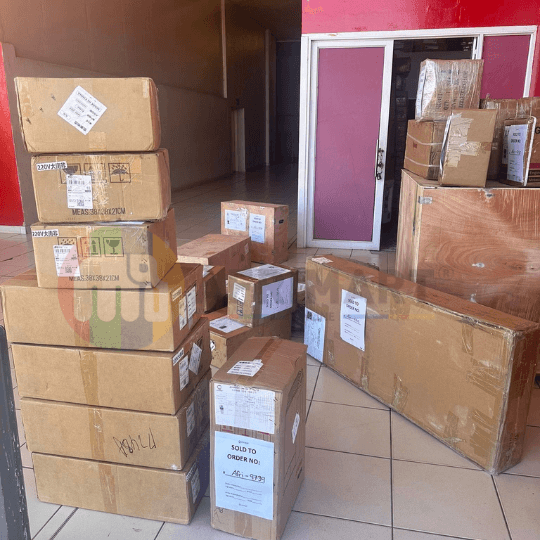
Batch of Orders
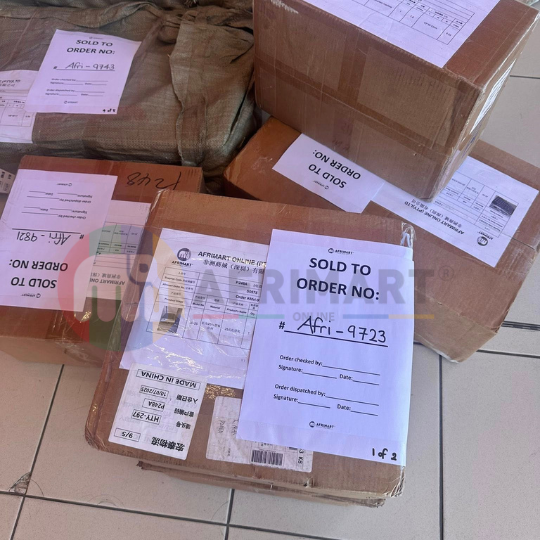
Batch of Orders
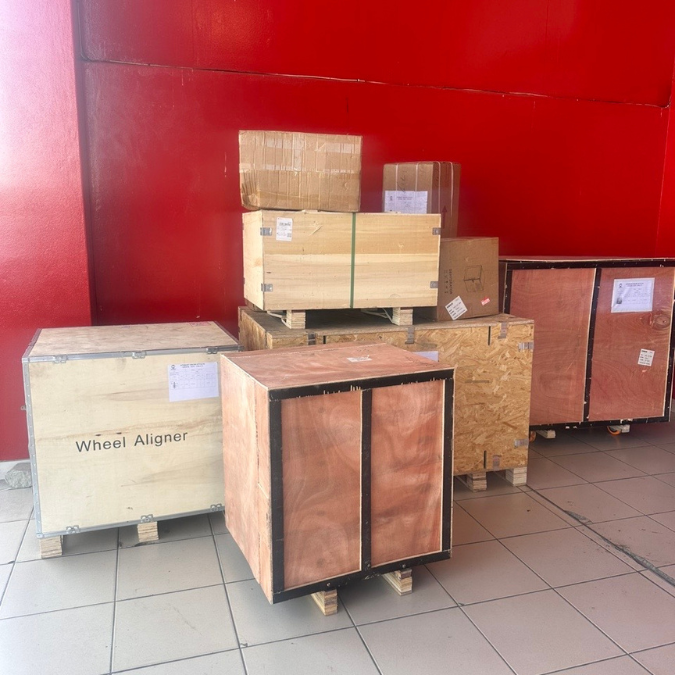
Latest Orders Labelled
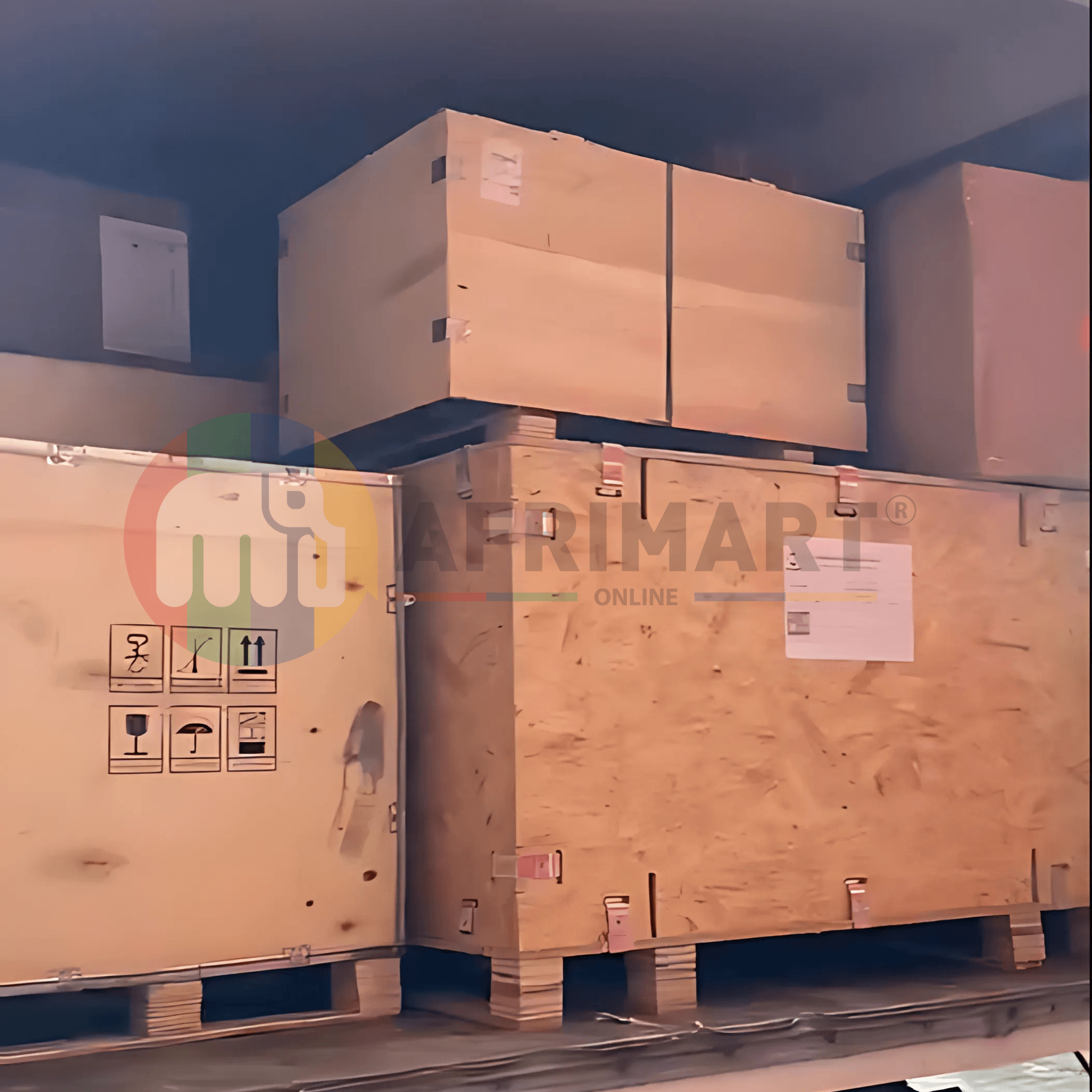
wheel alignment machines
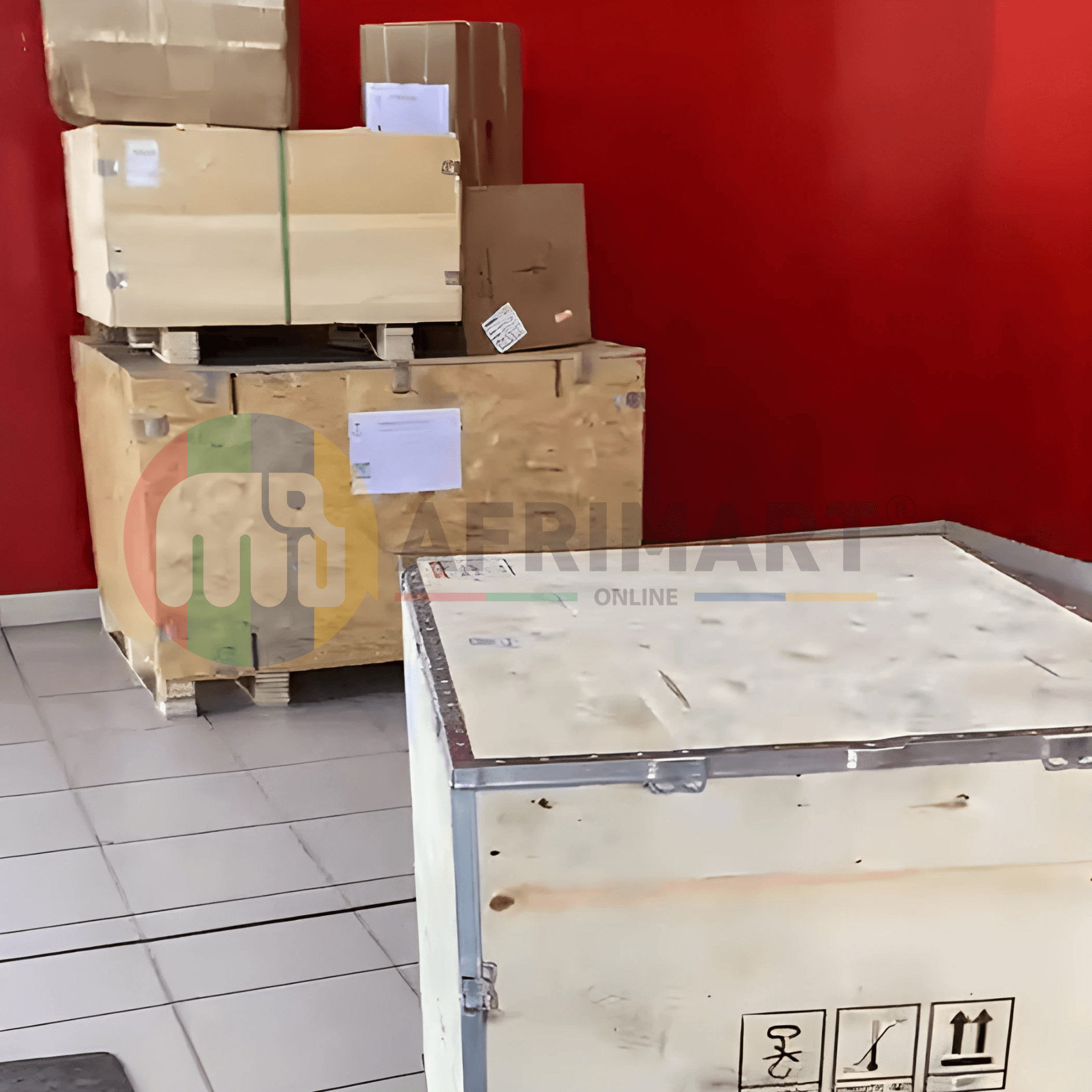
new arrivals
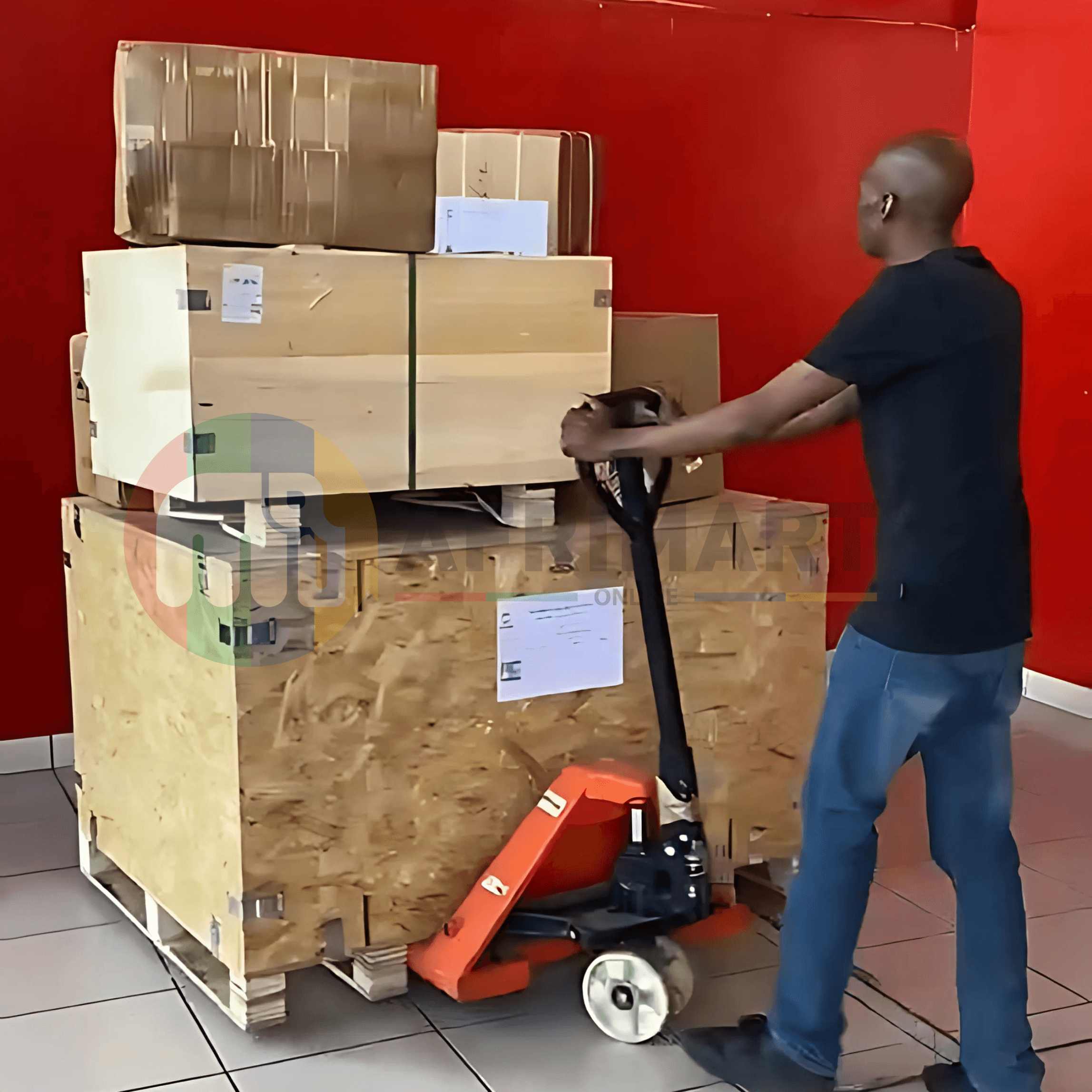
Pre Orders Offloading
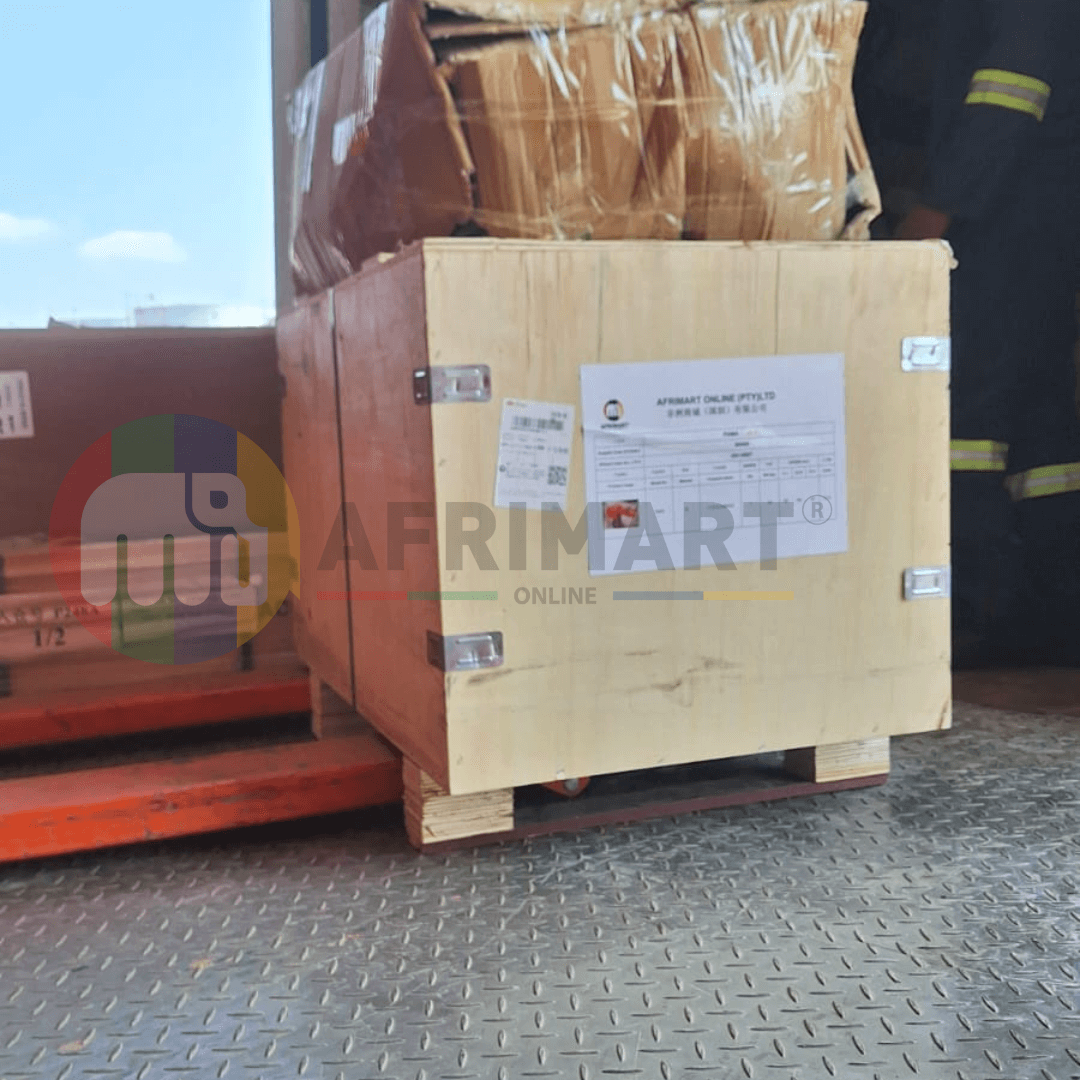
Latest Arrivals
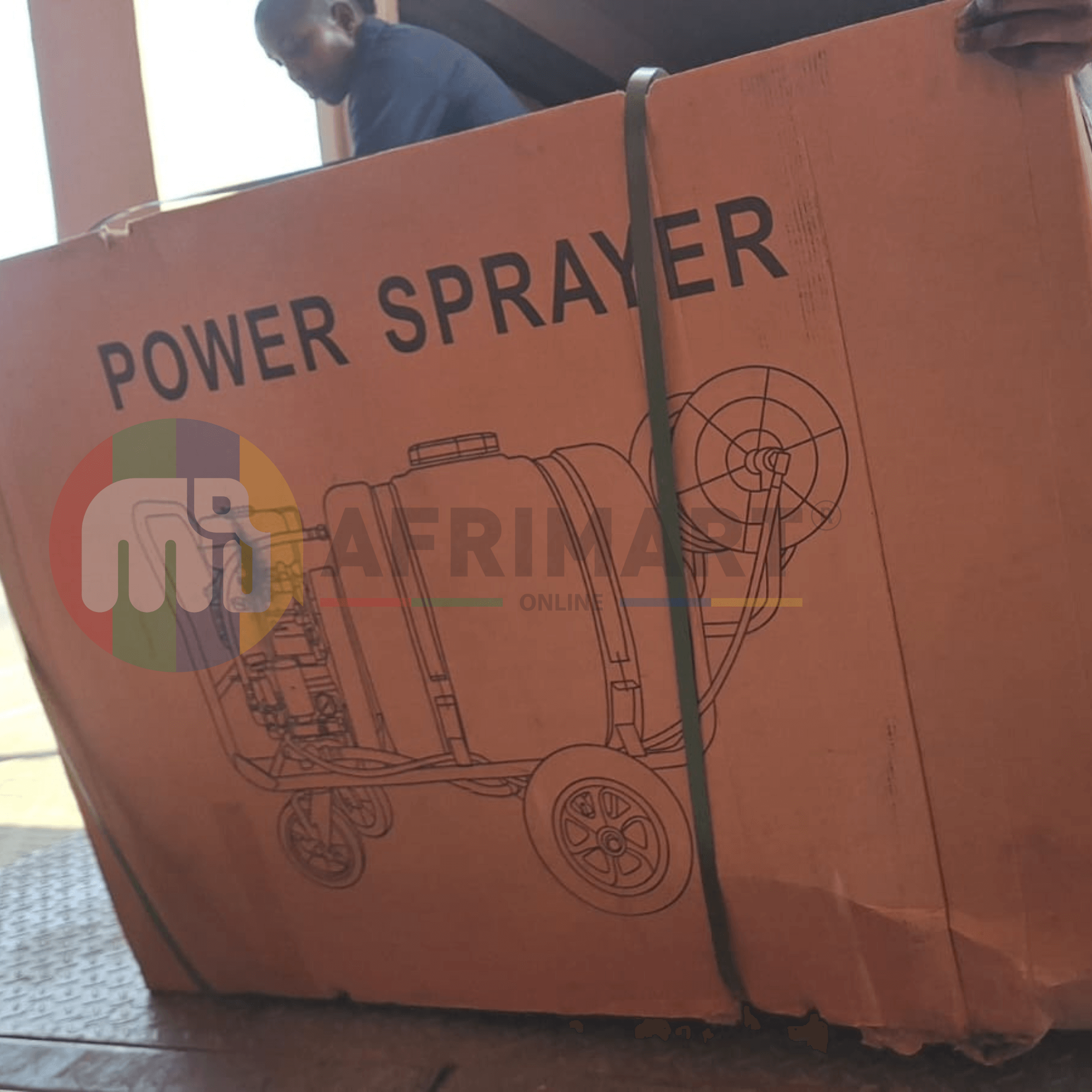
Latest Arrivals