B21, China Town Mall, Midrand


Remote Unmanned Remote Control spray Fully Automatic Intelligent Control for Pesticides in Orchards and Fruit Trees
Asset finance available
Do you want funding for this equipment?
Afrimart can connect you with trusted funding partners who specialise in asset finance for businesses like yours. Compare options and apply in minutes — final approval is subject to provider review.
Check funding options
Secure & no obligation

- Section : Machinery
- Category : Other Agricultural Equipment
- SKU : 1601436058614

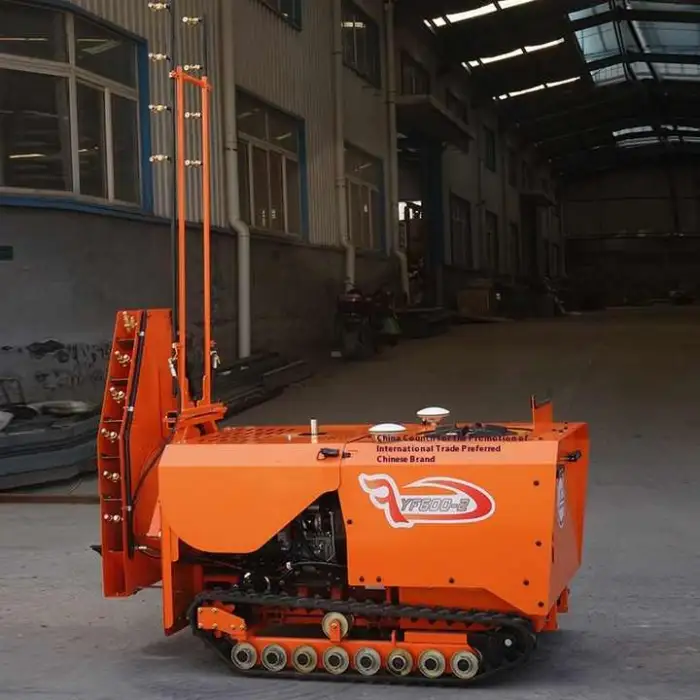
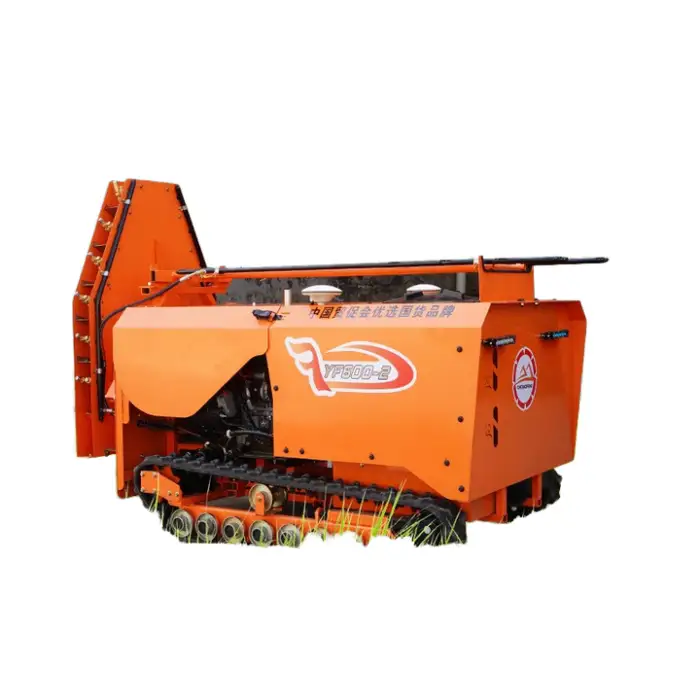
Remote Unmanned Remote Control Spray - Fully Automatic Intelligent Control for Pesticides in Orchards and Fruit Trees
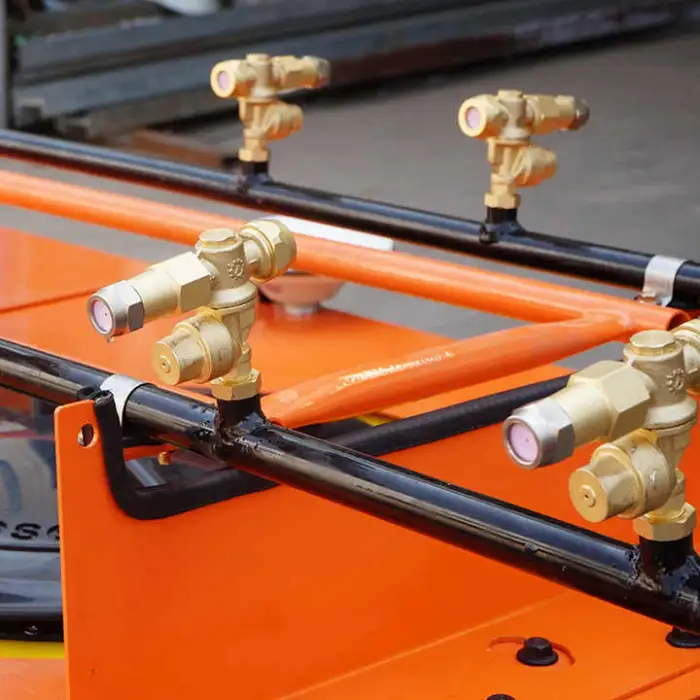
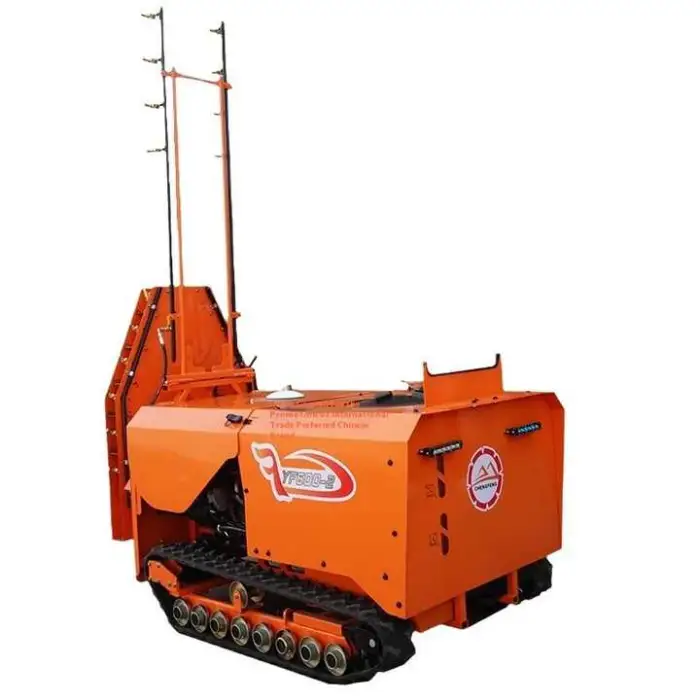
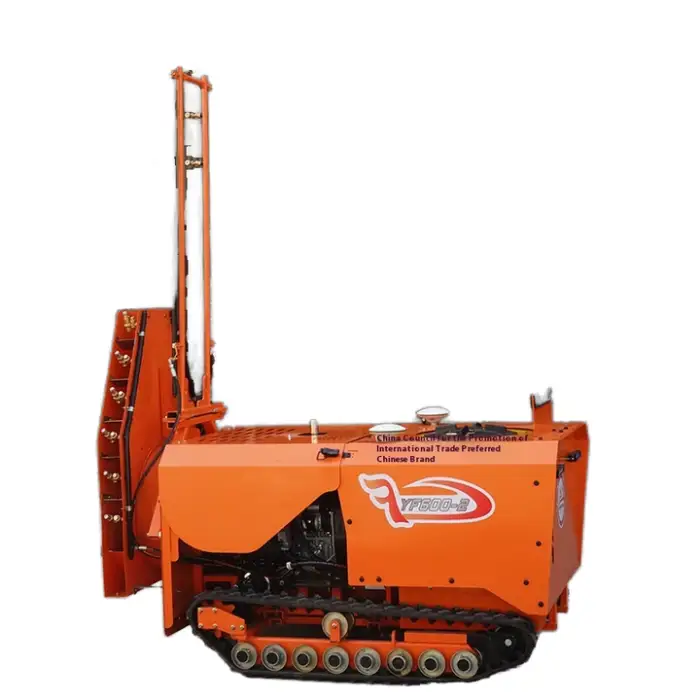
Introducing the Remote Unmanned Remote Control Spray, a fully automatic and intelligent solution for applying pesticides in orchards and fruit trees. This advanced sprayer makes it easy to protect your crops without the need for manual labor. With its long service life and efficient design, it is the perfect tool for modern farming.
Specifications
| Attribute | Details |
|---|---|
| Sprayer Type | Pump |
| Core Components | Engine |
| Key Selling Points | Long Service Life |
| Weight | 340 KG |
| Selling Units | Single Item |
| Single Package Size | 200 X 110 X 100 cm |
| Single Gross Weight | 950 KG |
Key Features
- Remote control operation for easy use.
- Fully automatic spraying for efficiency.
- Intelligent control system for precise application.
- Durable construction for a long service life.
- Lightweight design for easy handling.
Applications
- Perfect for orchards of all sizes.
- Ideal for fruit tree maintenance.
- Great for large-scale pesticide application.
- Suitable for organic and chemical pesticide use.
- Helps in reducing labor costs in farming.
Product Info Gallery
- Shipping Timeframes: All orders are processed within 2-5 business days (excluding weekends and holidays). After your order has been processed, the estimated delivery time is before 03 Aug, 2026, depending on customs, Please note that due to high demand, some items may experience longer shipping times, which will be communicated at order confirmation email.
- Order Processing Time: Please allow 2-5 business days for us to process your order before it is shipped . Orders placed after 16:00 on Fridays, or during weekends and public holidays, will begin processing on the next business day. Processing times may be extended during peak seasons or sales events.
- Manufacturing Time: Some products needs manufacturing time, the manufacturing process will take approximately 10-30 business days depending on the product. This timeframe may vary depending on the complexity of the product and current demand. but this will be communicated with you during order confirmation.
- Returns and Exchanges: We offer a 30-day return policy for most items. If you are not completely satisfied with your purchase, you may return it within 30 days of receipt for a refund or exchange. Items must be unused, in their original packaging, and accompanied by proof of purchase. Return shipping costs are the responsibility of the customer, unless the item was damaged or defective upon arrival.
1. What is the Remote Unmanned Remote Control Spray?
A fully automatic, remotely operated sprayer designed for applying pesticides in orchards and on fruit trees. It combines remote control operation with an intelligent control system to enable efficient, unmanned pesticide application and reduce labor costs.
2. How is the sprayer controlled?
It is remotely controlled and supports fully automatic operation via its intelligent control system. Control interfaces vary by model and may include a handheld remote, onboard controller, or optional software/app-based mission planning—check the specific model for available control options.
3. Is the unit truly unmanned/autonomous?
Yes — the product is designed for unmanned operation. Depending on the model and configuration, it can operate remotely under manual command or execute pre-programmed automatic spraying routines. Autonomy features (path planning, obstacle avoidance) depend on the selected configuration.
4. What types of pesticides can I use with this sprayer?
The sprayer is suitable for both approved chemical pesticides and many organic sprays. Always confirm chemical compatibility with the manufacturer, use only approved formulations, and follow local regulations and label directions.
5. What are the machine's weight and shipping/package dimensions?
Net weight of the machine is listed as 340 KG. Single package size is 200 x 110 x 100 cm and the single gross weight is 950 KG. Verify final shipping dimensions/weights with the supplier for logistics planning.
6. What powers the pump and sprayer system?
The core components include a pump and engine. Powertrain details (diesel, gasoline, or electric drive) vary by model and market. Check the model specification or consult the supplier to confirm the power source for the unit you intend to buy.
7. What is the coverage area and application rate?
Coverage and application rate depend on tank capacity, nozzle selection, pressure settings, and operating speed. These parameters are typically configurable for different orchard sizes and spray targets—refer to the model's technical sheet or contact the vendor for performance maps and example application rates.
8. What nozzle types and spray patterns are supported?
The system supports common agricultural nozzles and adjustable pressure settings to achieve different droplet sizes and spray patterns. Specific nozzle kits and atomization options may be offered as accessories—use manufacturer-recommended nozzles for best results.
9. What maintenance is required?
Routine maintenance includes cleaning the tank and lines after each use, regular pump and filter inspection, nozzle maintenance, engine servicing (if applicable), checking electrical connections and firmware updates for the control system. Follow the supplier's maintenance schedule for safe, long service life.
10. What safety features are included?
Typical safety features include emergency stop functionality, fail-safe controls, pressure relief/protection for the pump, and remote shutoff. Specific safety systems such as obstacle detection or geofencing depend on model options—confirm included safety features before purchase.
11. Can it operate on uneven or sloped orchard terrain?
The sprayer is designed for orchard environments, but actual off-road capability (ground clearance, traction, stability on slopes) varies by model and configuration. Discuss your field conditions with the supplier to select a unit suited to your terrain.
12. Is training provided for operators?
Most suppliers provide operator training, commissioning support, and user manuals. Training typically covers safe operation, remote control usage, routine maintenance, and software configuration. Confirm training availability when ordering.
13. What warranty and after-sales support are available?
Warranty terms and after-sales support vary by manufacturer and distributor. Standard offerings often include a limited warranty on major components and options for extended support contracts. Ask the vendor for detailed warranty conditions and local service arrangements.
14. How do I clean and store the sprayer between seasons?
Flush the tank, pumps, and lines with clean water (and compatible cleaning agents if required), remove and clean nozzles and filters, drain fuel if required by the engine type, and store in a dry protected area. Follow winterization instructions from the manufacturer to prevent freeze or corrosion damage.
15. Where can I get spare parts and consumables?
Spare parts, nozzles, filters, and consumables are usually available through the manufacturer or authorized dealers. Provide the model and serial number when ordering parts to ensure compatibility; consider stocking commonly replaced items like nozzles and filters.
Latest Order Arrivals
Discover our latest orders

12 Heads Embroidery Machine

Toilet Paper Machine Machine

Order Collection

Cross Border Clients

Order cros border countries Collected

Industrial Machine Cllection

Agriculture Processing Machines

Ready for collection

Water Pump Equipment

Packaging Machine and accessories

Fabrics Manufacturing Equipment

Mining Equipments

Food Processing Machine

Batch of Orders

Batch of Orders

Latest Orders Labelled

wheel alignment machines

new arrivals

Pre Orders Offloading

Latest Arrivals

Latest Arrivals

Latest Arrivals

Loading

Toilet paper making machine

Toilet paper making machine

Toilet paper Rewinding Machine

latest arrivals

offloading

order success

order collection

order offloading