B21, China Town Mall, Midrand

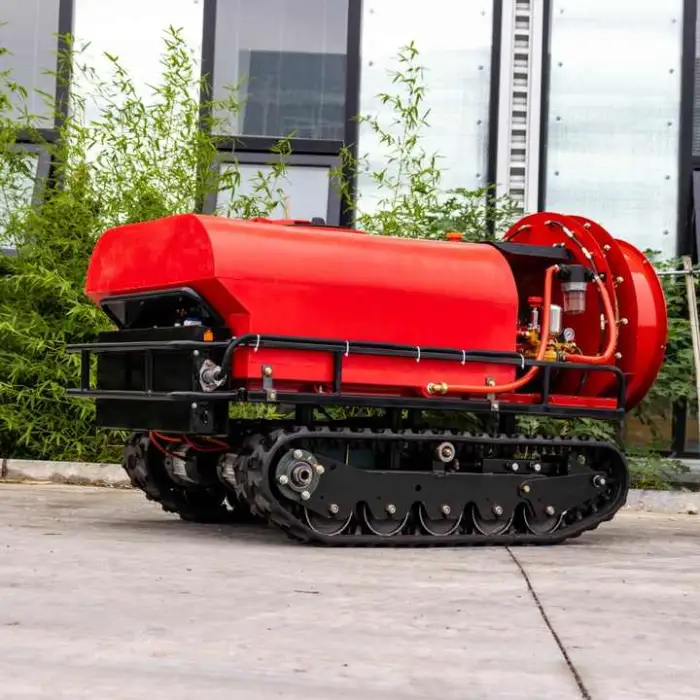
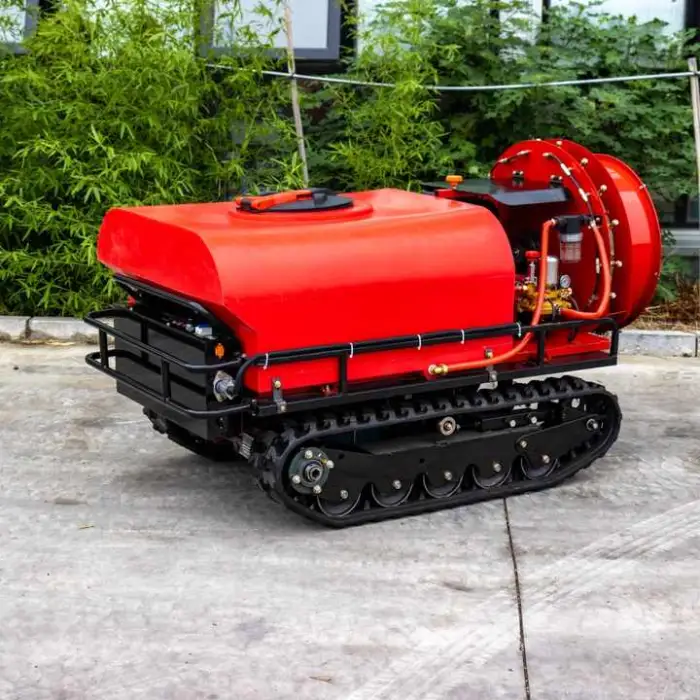
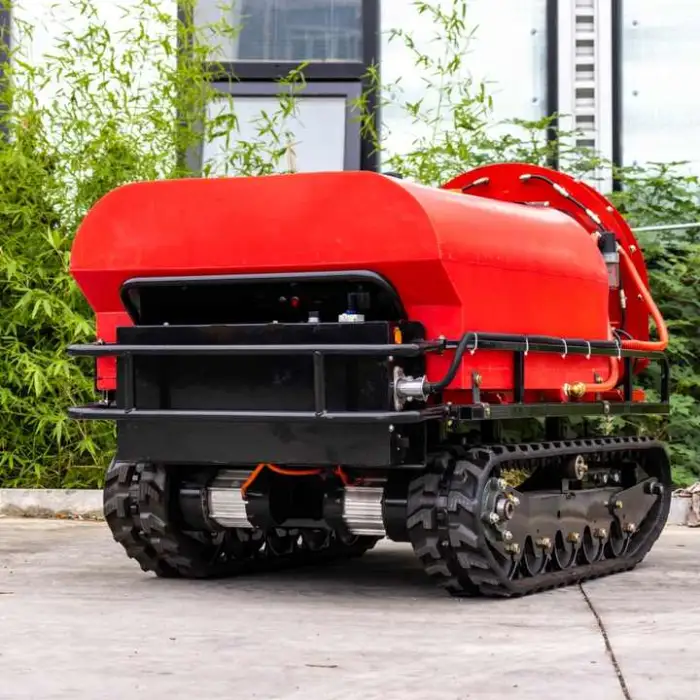
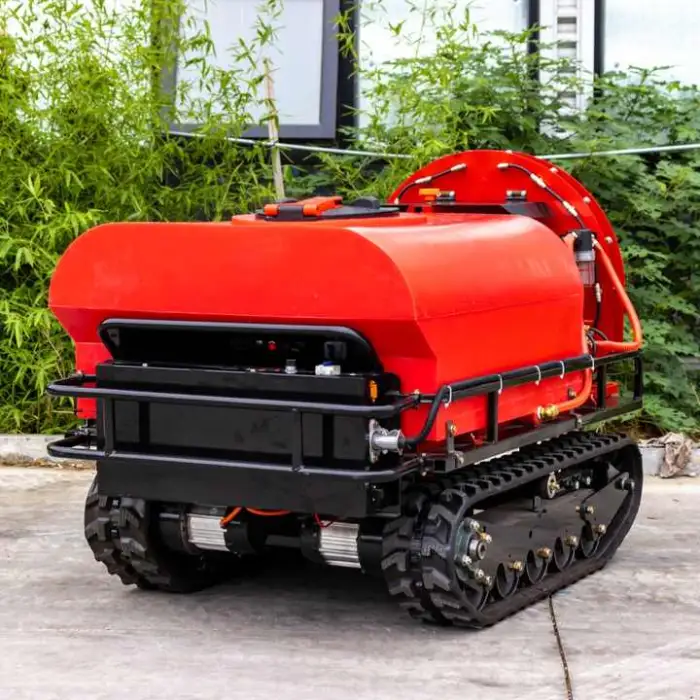
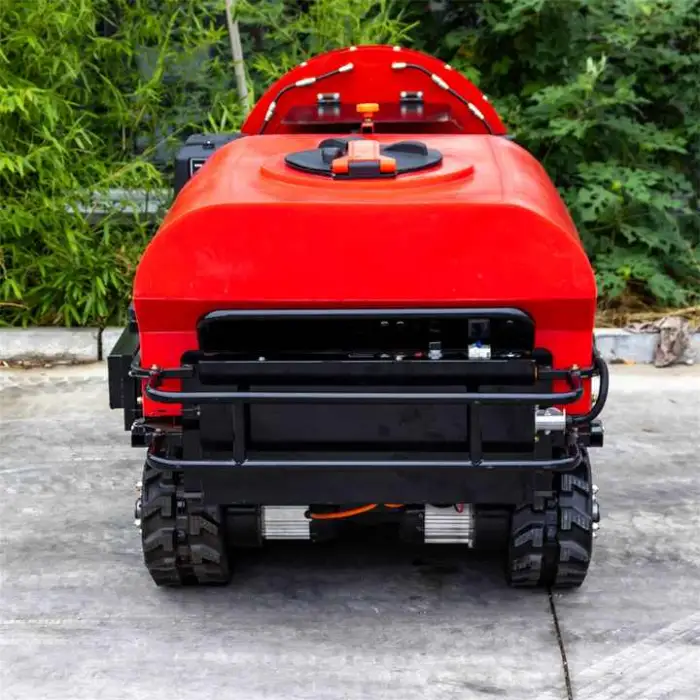
Remote Control Unmanned Robotic Sprayer for Disinfection Farmland Orchards Agriculture Sprayer with 400L Water Tank
Asset finance available
Do you want funding for this equipment?
Afrimart can connect you with trusted funding partners who specialise in asset finance for businesses like yours. Compare options and apply in minutes — final approval is subject to provider review.
Check funding options
Secure & no obligation
- Section : Machinery
- Category : Other Agricultural Equipment
- SKU : 1601348668545

Remote Control Unmanned Robotic Sprayer for Disinfection Farmland Orchards Agriculture Sprayer with 400L Water Tank
The Remote Control Unmanned Robotic Sprayer is an advanced solution for farmers looking to enhance their productivity. This innovative sprayer is designed to efficiently disinfect farmland and orchards, ensuring healthy crops and a clean environment. With a large 400L water tank, this sprayer can cover vast areas quickly and effectively, making it an essential tool for modern agriculture.
Specifications
| Attribute | Details |
|---|---|
| Weight (kg) | 520 |
| Type | Automatic |
| Uses | Sprayer |
| Core Components | Engine, Motor, Pump |
| Product Name | Remote Control Sprayer |
| Application | Agriculture |
Key Features
- High productivity with automatic operation.
- Large 400L water tank for extended use.
- Remote control for easy maneuverability.
- Designed for effective disinfection of farmland and orchards.
- Durable core components, including a powerful engine and pump.
Applications
- Disinfecting large agricultural fields.
- Spraying pesticides in orchards.
- Applying fertilizers efficiently over vast areas.
- Maintaining healthy crops and preventing diseases.
- Enhancing crop yield and quality through effective spraying.
Product Info Gallery


- Shipping Timeframes: All orders are processed within 2-5 business days (excluding weekends and holidays). After your order has been processed, the estimated delivery time is before 03 Aug, 2026, depending on customs, Please note that due to high demand, some items may experience longer shipping times, which will be communicated at order confirmation email.
- Order Processing Time: Please allow 2-5 business days for us to process your order before it is shipped . Orders placed after 16:00 on Fridays, or during weekends and public holidays, will begin processing on the next business day. Processing times may be extended during peak seasons or sales events.
- Manufacturing Time: Some products needs manufacturing time, the manufacturing process will take approximately 10-30 business days depending on the product. This timeframe may vary depending on the complexity of the product and current demand. but this will be communicated with you during order confirmation.
- Returns and Exchanges: We offer a 30-day return policy for most items. If you are not completely satisfied with your purchase, you may return it within 30 days of receipt for a refund or exchange. Items must be unused, in their original packaging, and accompanied by proof of purchase. Return shipping costs are the responsibility of the customer, unless the item was damaged or defective upon arrival.
1. What is the Remote Control Unmanned Robotic Sprayer and what is it used for?
It is an automatic remote-controlled agricultural sprayer designed to disinfect farmland and orchards and to apply pesticides and fertilizers over large areas efficiently, improving crop health and yield.
2. What is the tank capacity and how much area can it cover per fill?
The sprayer has a 400 L water tank. Coverage per fill depends on the application rate (L/ha). For example, at 40 L/ha a 400 L tank would cover about 10 hectares; to estimate your coverage divide 400 L by your planned L/ha application rate.
3. What are the main components and power source of the machine?
Core components listed include an engine, motor and pump. The exact engine type and power source (diesel, gasoline or electric hybrid) depend on the model/configuration—confirm with the supplier for your unit.
4. How is the sprayer controlled and what is the remote range?
The unit is controlled remotely for easy maneuverability. Remote-control range varies by supplier and radio system; industrial systems commonly provide several hundred meters to over a kilometer. Check the product specification for the exact remote range of your model.
5. Is the sprayer fully autonomous or does it require an operator?
The sprayer is an automatic/remote-controlled platform that reduces direct operator workload. Some tasks (refilling, maintenance, setup) require human involvement. Fully autonomous navigation capabilities depend on the specific configuration and optional guidance systems.
6. What types of spraying applications is this machine suitable for?
It is suitable for disinfecting fields and orchards, applying pesticides, herbicides and foliar fertilizers, and any liquid crop protection or sanitation application that fits the sprayer’s pressure and nozzle specifications.
7. What nozzle types and spray pressures does it support?
Nozzle compatibility and pressure range depend on the pump and boom/nozzle assembly. Typical agricultural sprayers accept common fan, cone, and low-drift nozzles across a range of pressures. Ask the supplier for supported nozzle types and recommended pressures for your application.
8. How do I estimate application rate and droplet size for my crop?
Application rate is set by selecting nozzle flow and ground speed. Use the formula: application rate (L/ha) = (nozzle flow rate (L/min) × number of nozzles × 600) / speed (m/min) / boom width (m). Droplet size is controlled by nozzle type and pressure—consult nozzle charts or your agronomist for crop-specific recommendations.
9. What maintenance is required to keep the sprayer running reliably?
Regular maintenance includes cleaning the tank and filters after use, flushing the pump and lines, inspecting and cleaning nozzles, checking hoses and fittings for leaks, servicing the engine/motor per manufacturer intervals, and storing the unit in a dry, sheltered place.
10. What safety features should I expect or request?
Expect or request safety features such as an emergency stop/kill switch on the remote, fail-safe remote communications, pressure relief valves, chemical-safe tank materials, and operator alarms. Always follow PPE guidelines and safe chemical handling procedures.
11. Can the sprayer operate on uneven or sloped terrain?
The unit is designed for agricultural terrain, but actual slope-handling capability depends on chassis, weight distribution, traction system and tire/track options. Confirm maximum safe slope and recommended terrain types with the manufacturer for your configuration.
12. How long does it take to refill the 400 L tank and can I link multiple tanks?
Refill time depends on your water source and pump used; using a high-flow pump or gravity fill will speed refilling. Some operations use a refill station or multiple tanks to minimize downtime—ask the supplier about linking or quick-change tank options.
13. What is the expected payload and the machine weight?
The listed weight is 520 kg. Payload capacity beyond the 400 L tank will depend on chassis rating and model configuration—confirm payload and gross vehicle weight limits with the supplier.
14. Are spare parts, warranty and after-sales support available?
Most manufacturers and distributors provide spare parts, service kits and warranty coverage—confirm the length and terms of the warranty, availability of local service, and lead times for common parts before purchase.
15. Do I need any special training or certification to operate this sprayer?
Operators should be trained on remote-control operation, safe handling of agrochemicals, maintenance procedures and local regulations for pesticide application. Some regions require certified pesticide applicator credentials—check local laws and arrange operator training as needed.
Latest Order Arrivals
Discover our latest orders
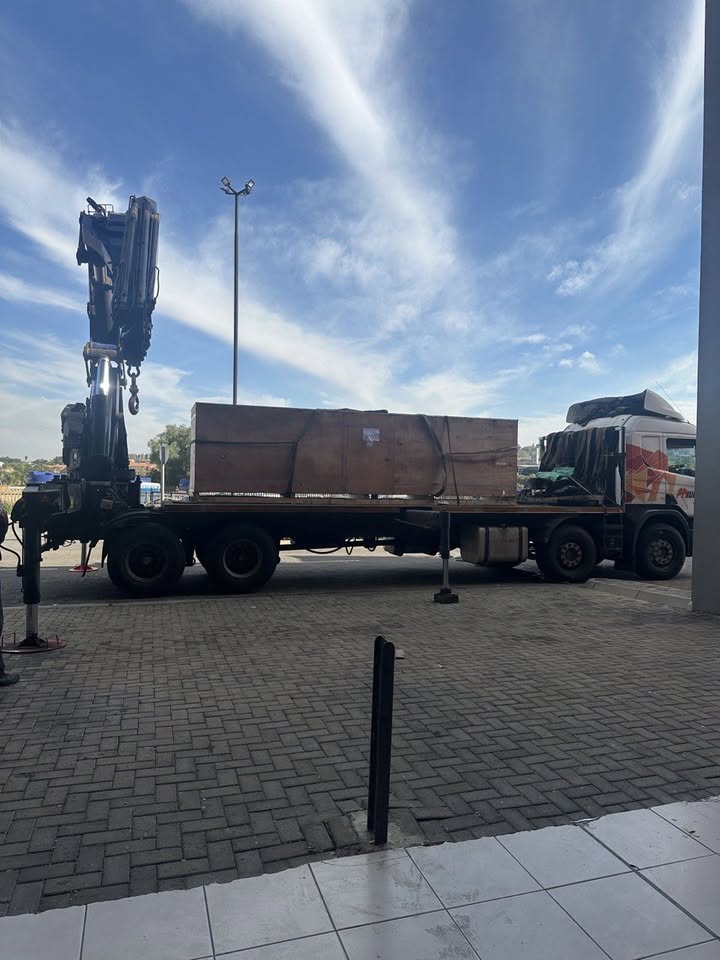
12 Heads Embroidery Machine
Toilet Paper Machine Machine
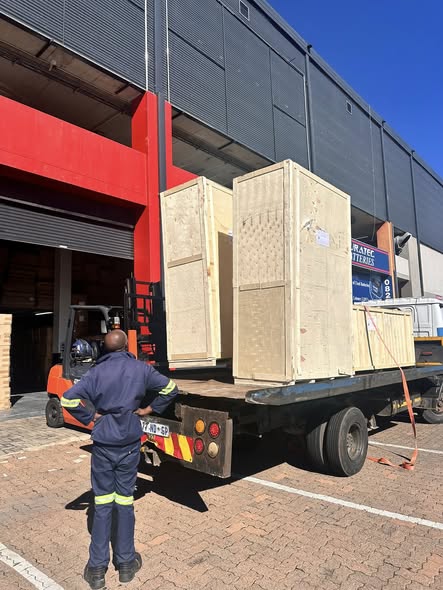
Order Collection
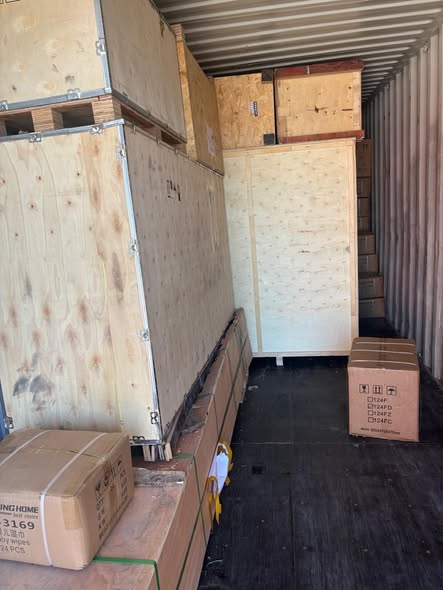
Cross Border Clients
Order cros border countries Collected
Industrial Machine Cllection
Agriculture Processing Machines
Ready for collection
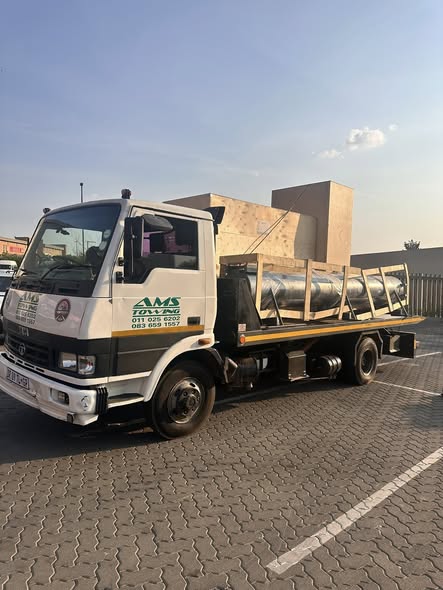
Water Pump Equipment
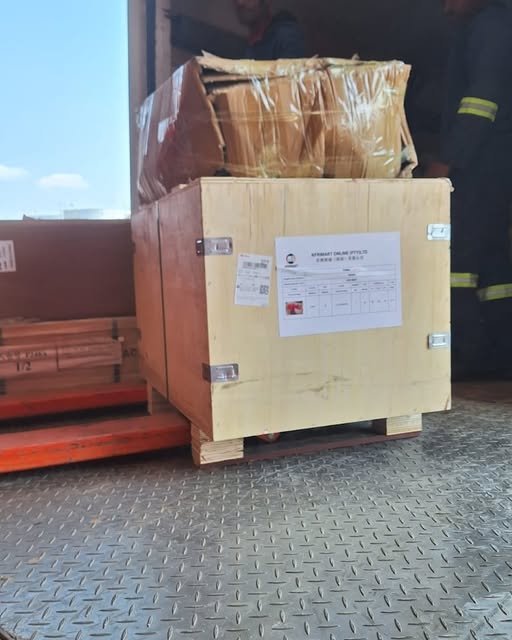
Packaging Machine and accessories
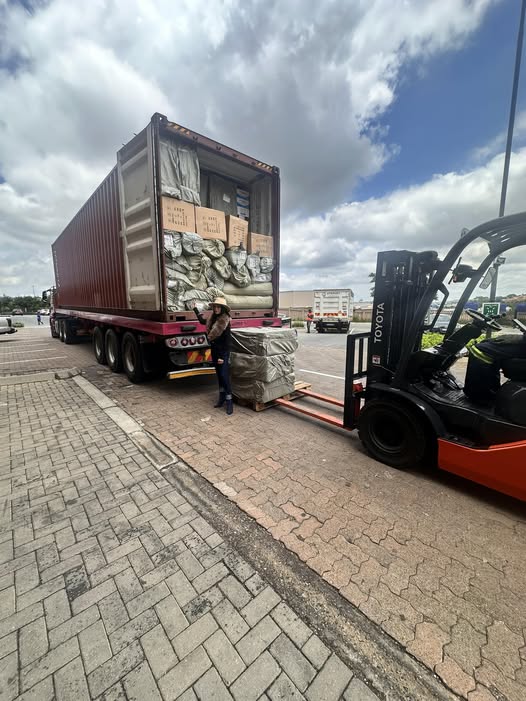
Fabrics Manufacturing Equipment
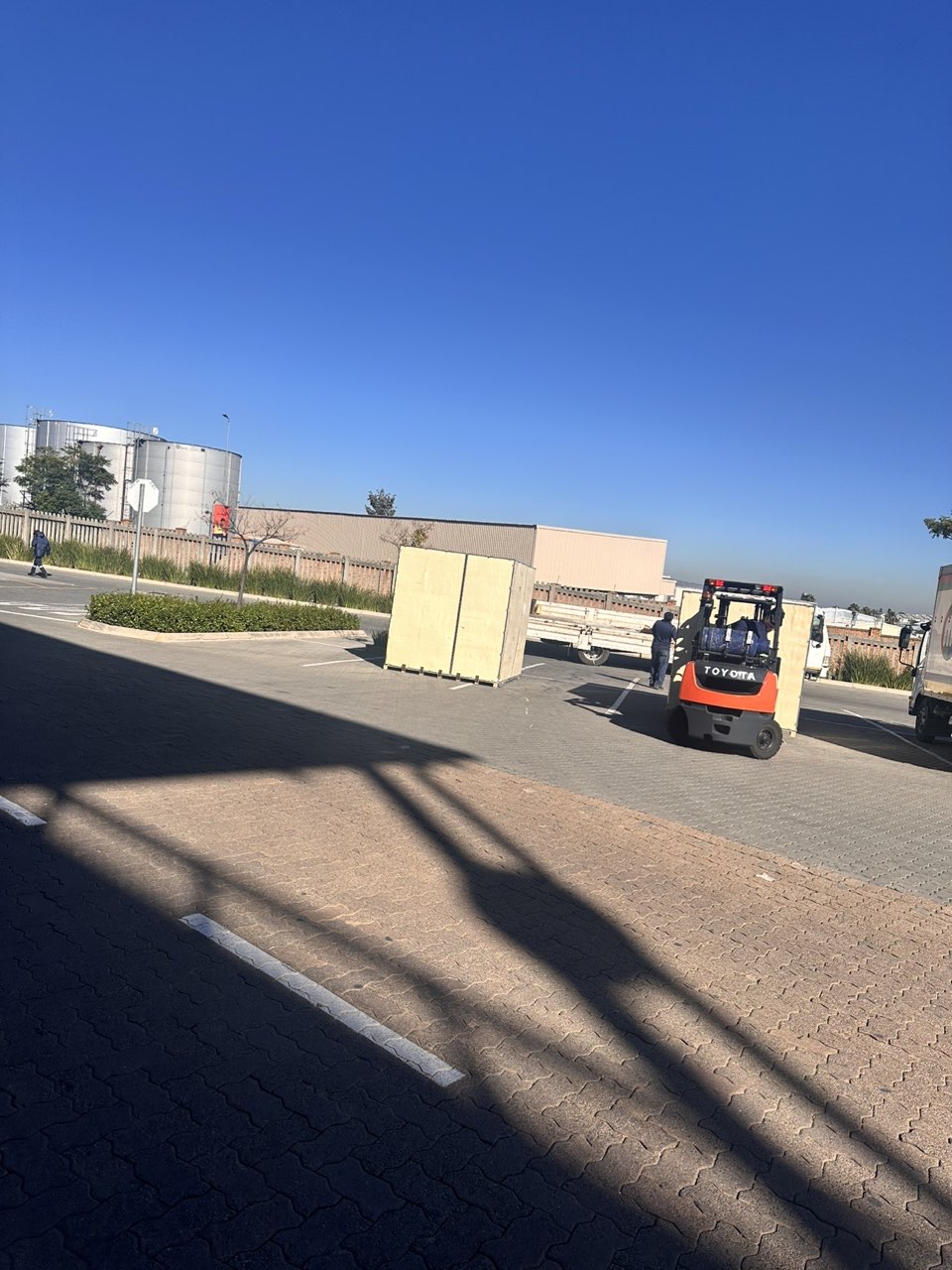
Mining Equipments
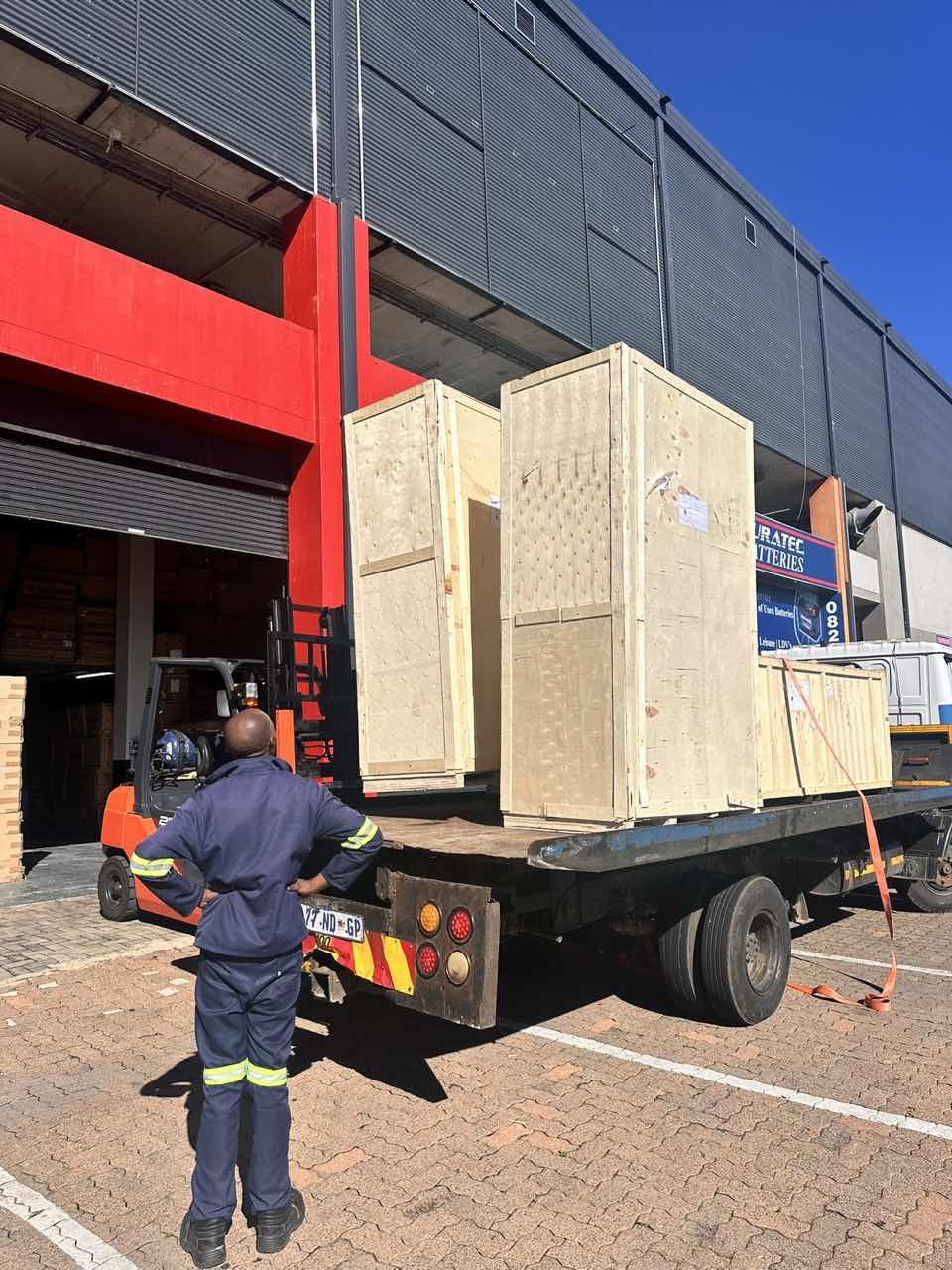
Food Processing Machine
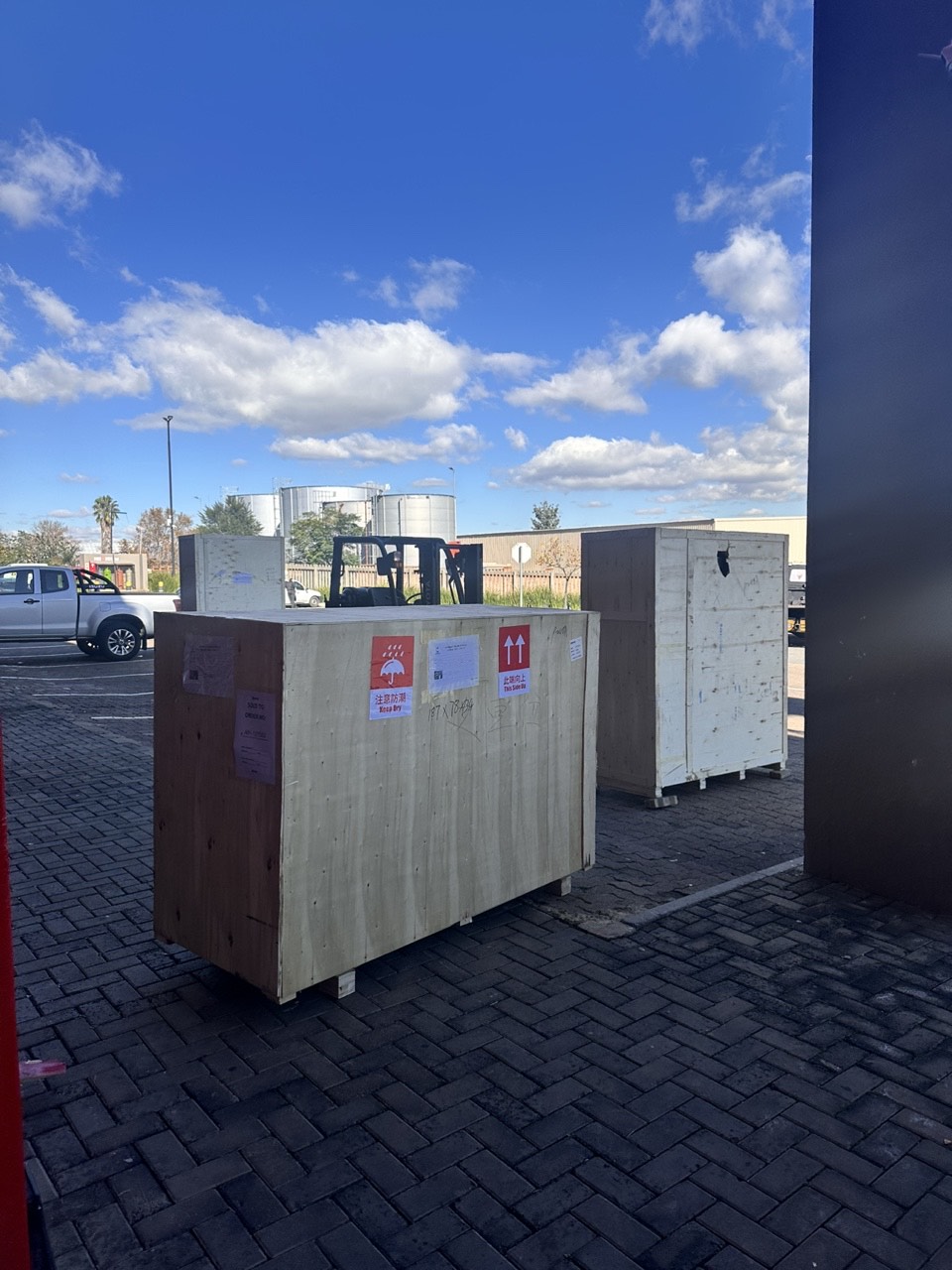
Batch of Orders
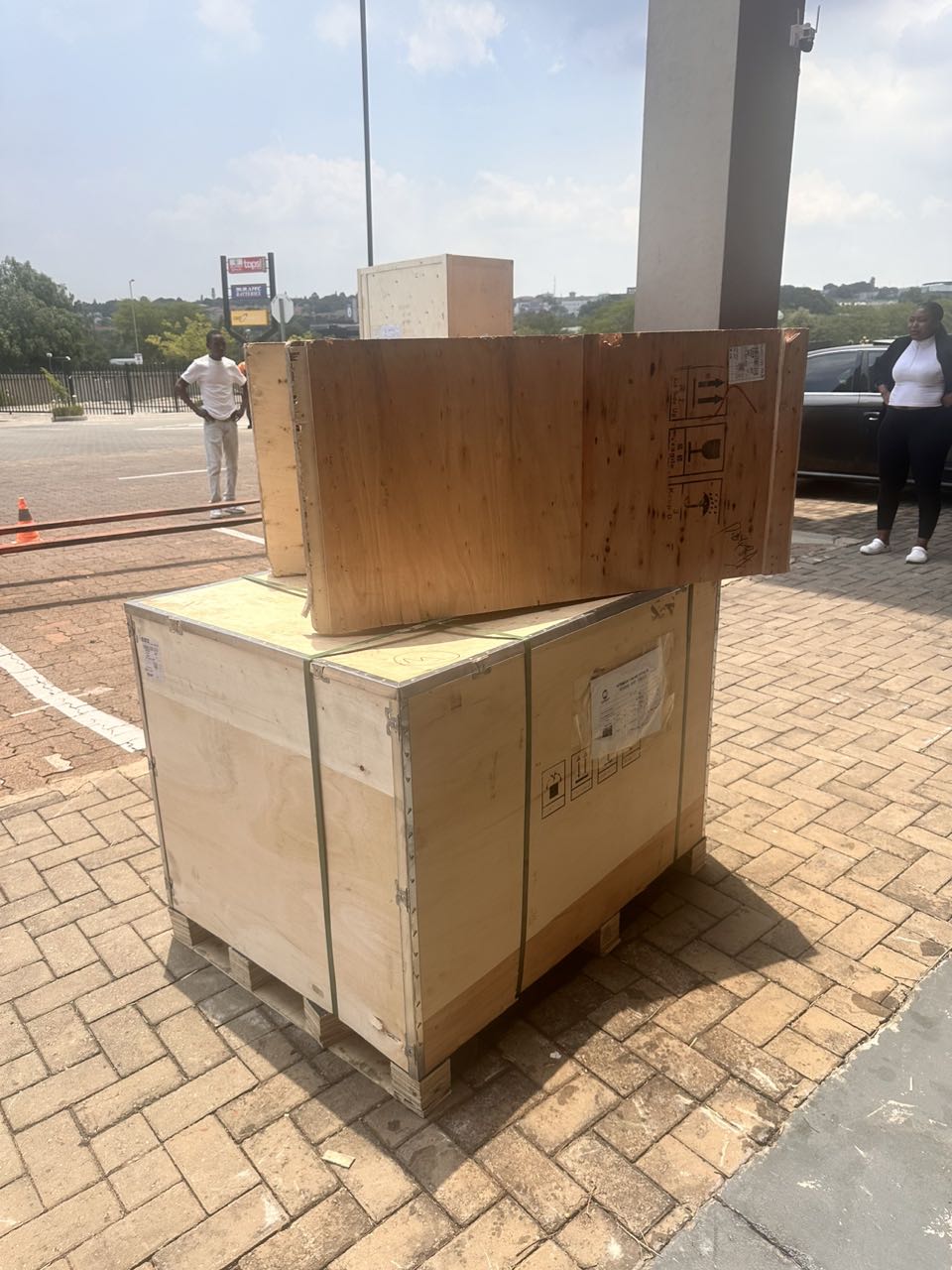
Batch of Orders
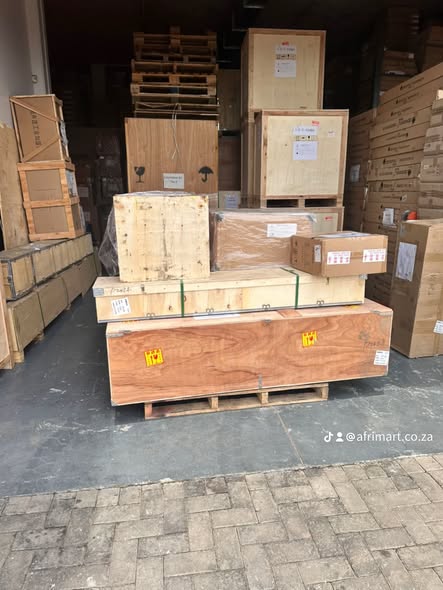
Latest Orders Labelled
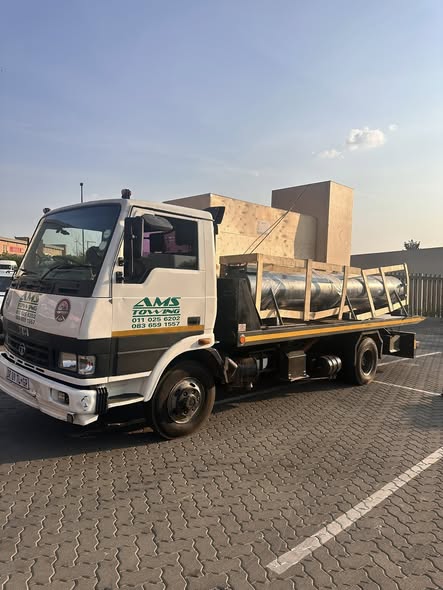
wheel alignment machines
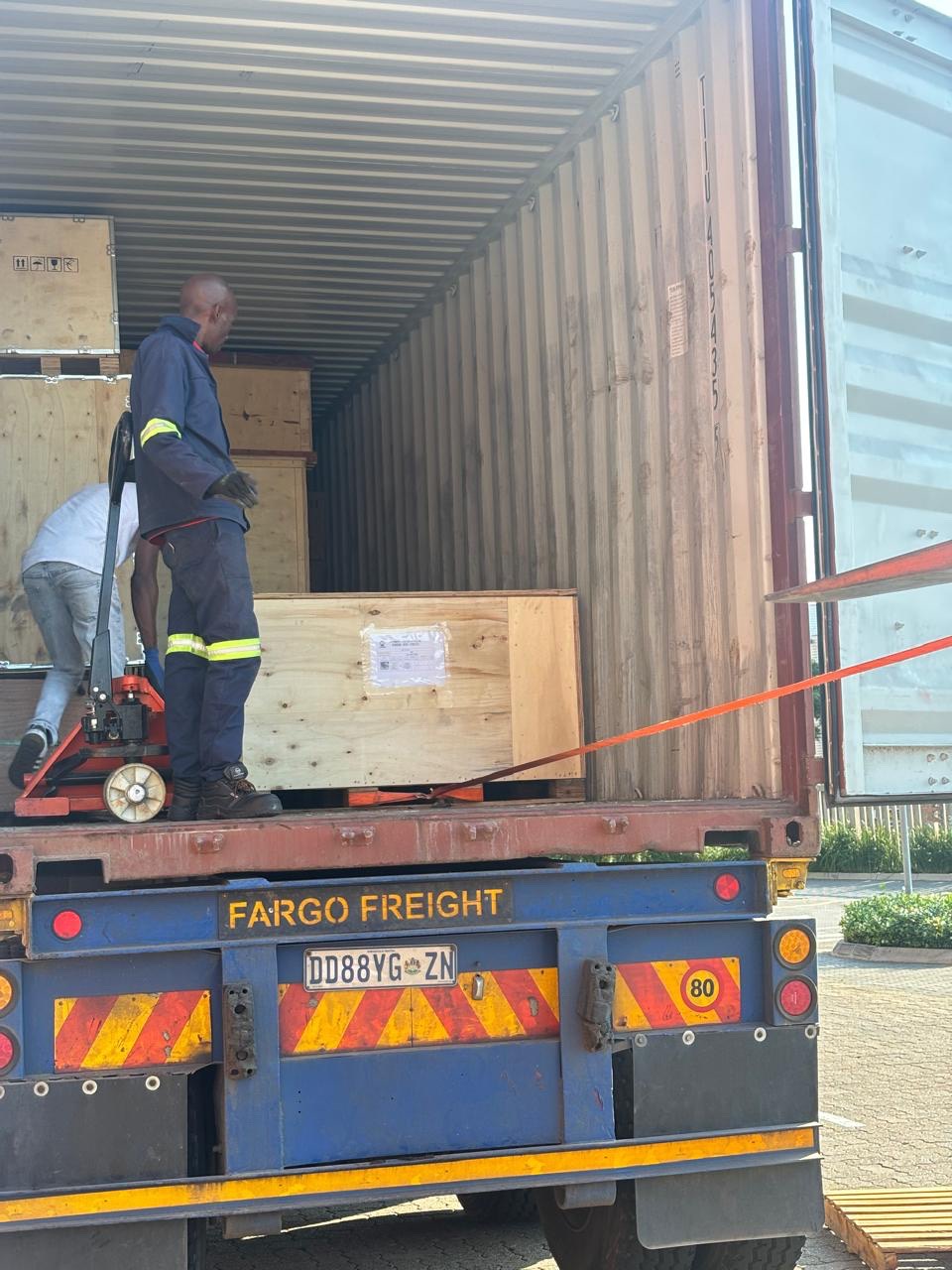
new arrivals
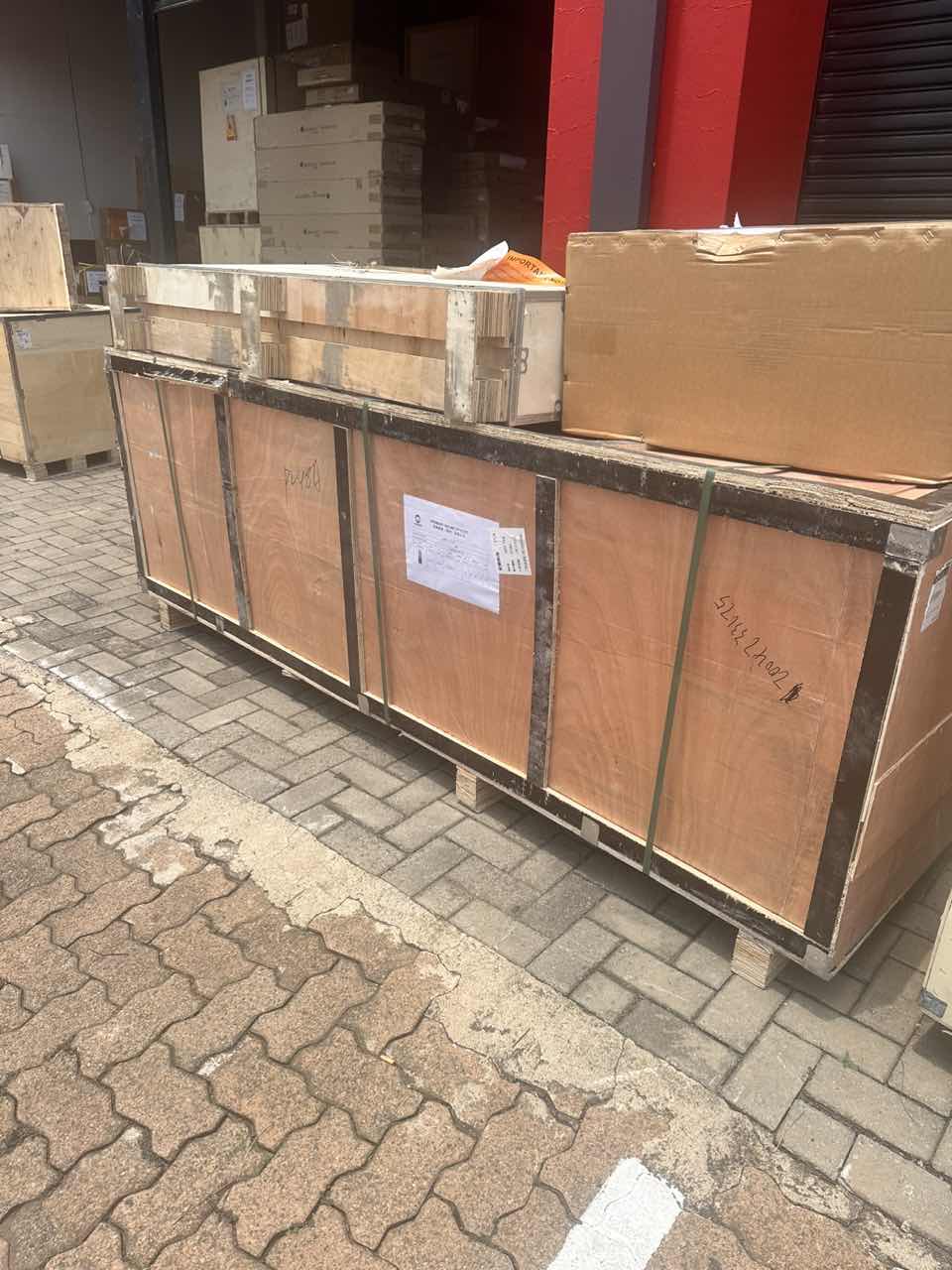
Pre Orders Offloading
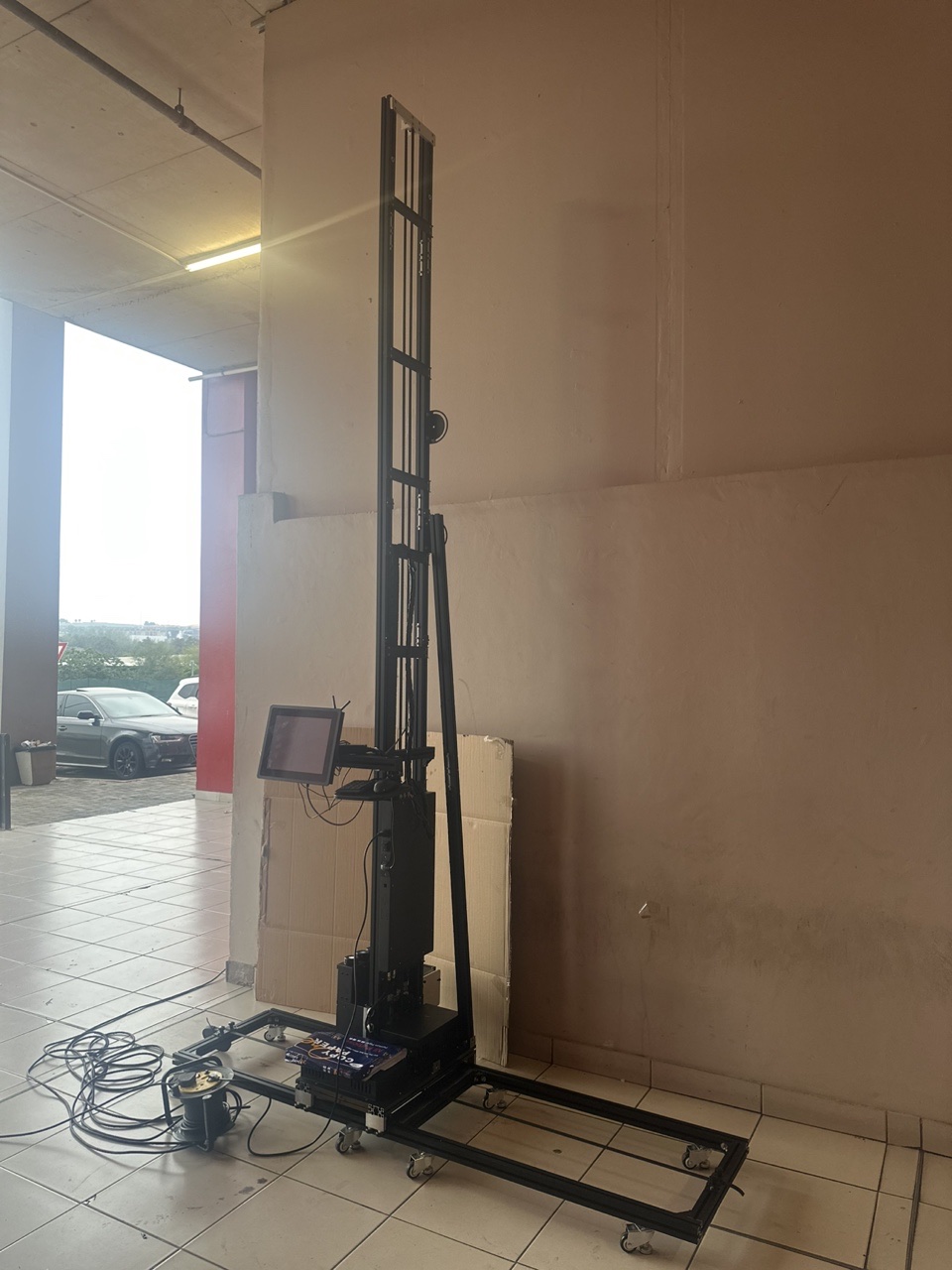
Latest Arrivals
Latest Arrivals
Latest Arrivals
Loading
Toilet paper making machine
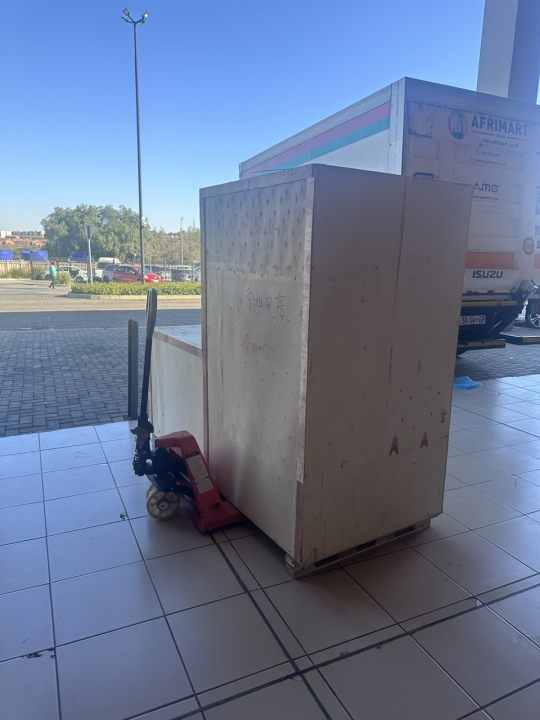
Toilet paper making machine
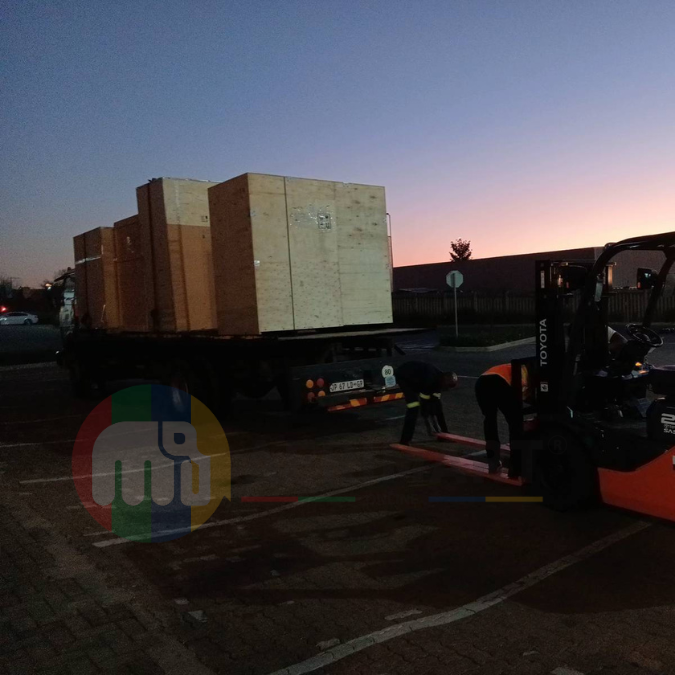
Toilet paper Rewinding Machine
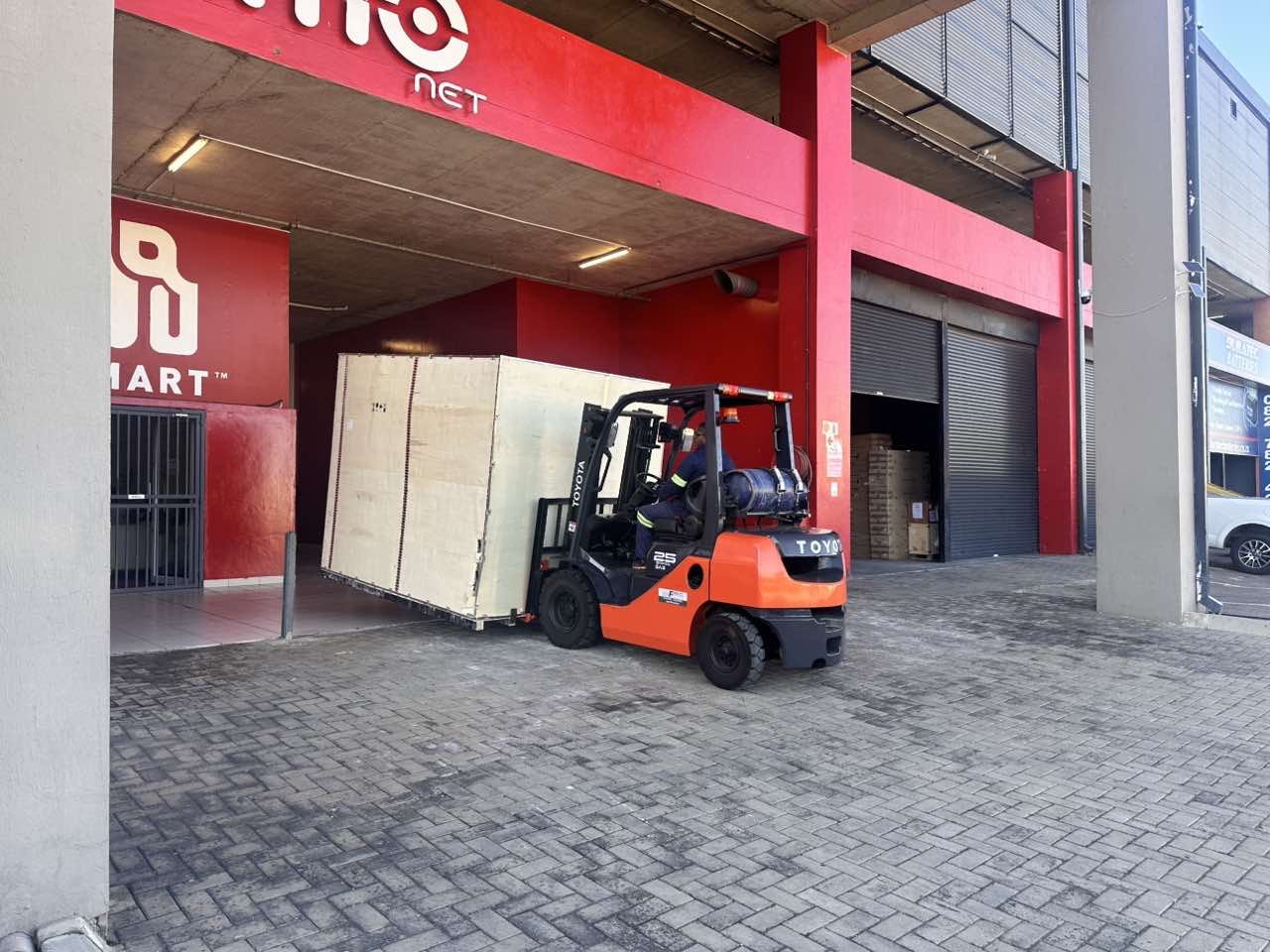
latest arrivals
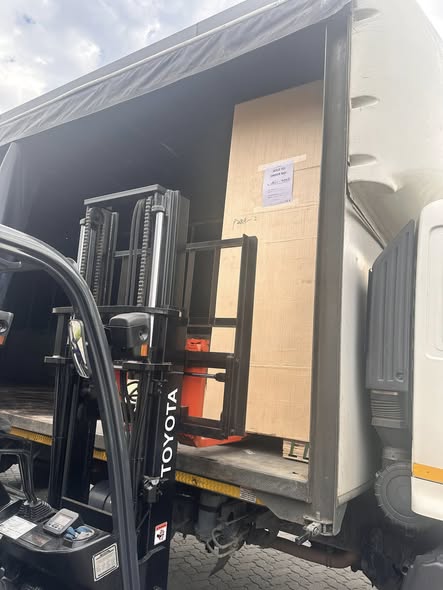
offloading
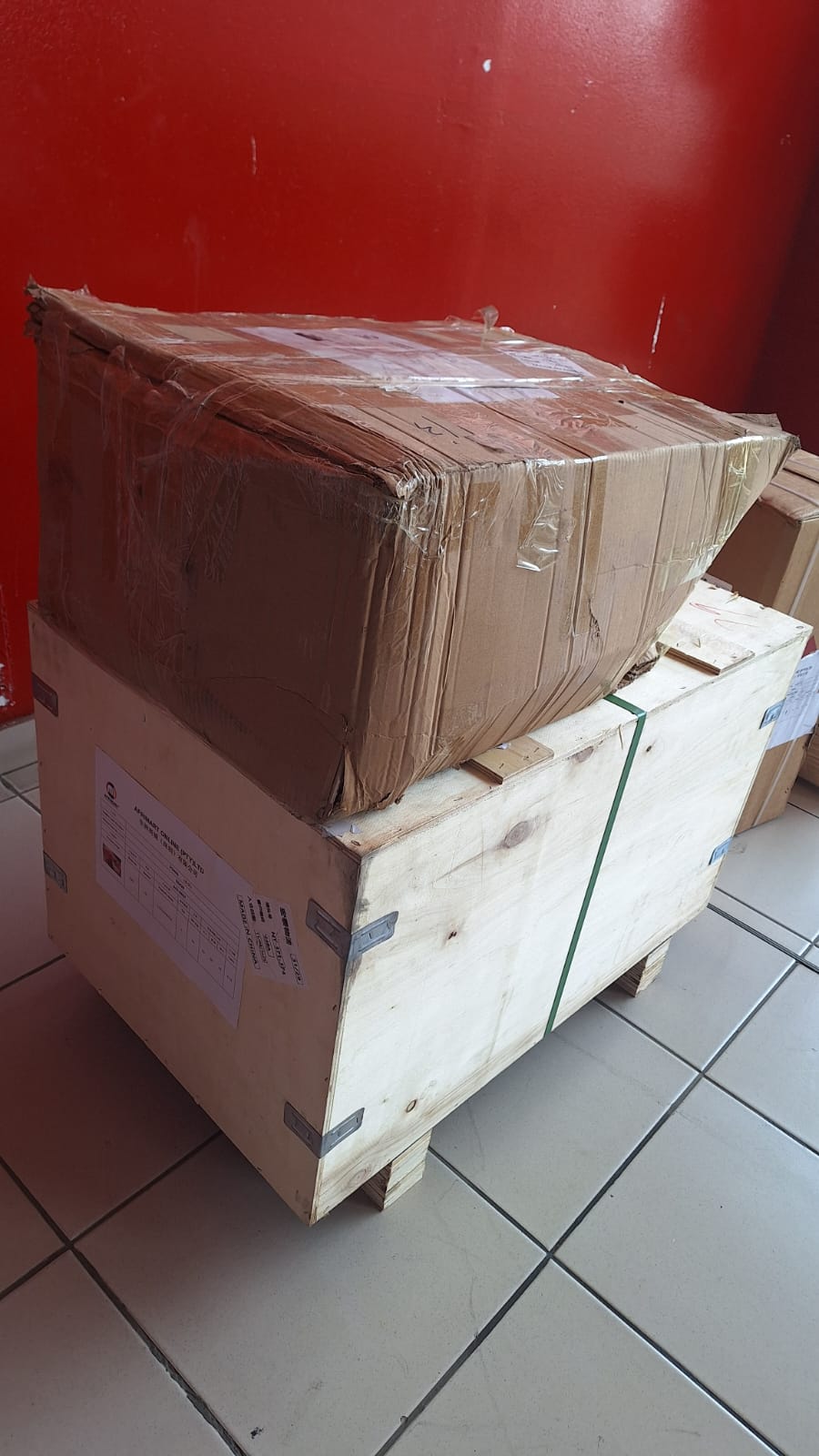
order success
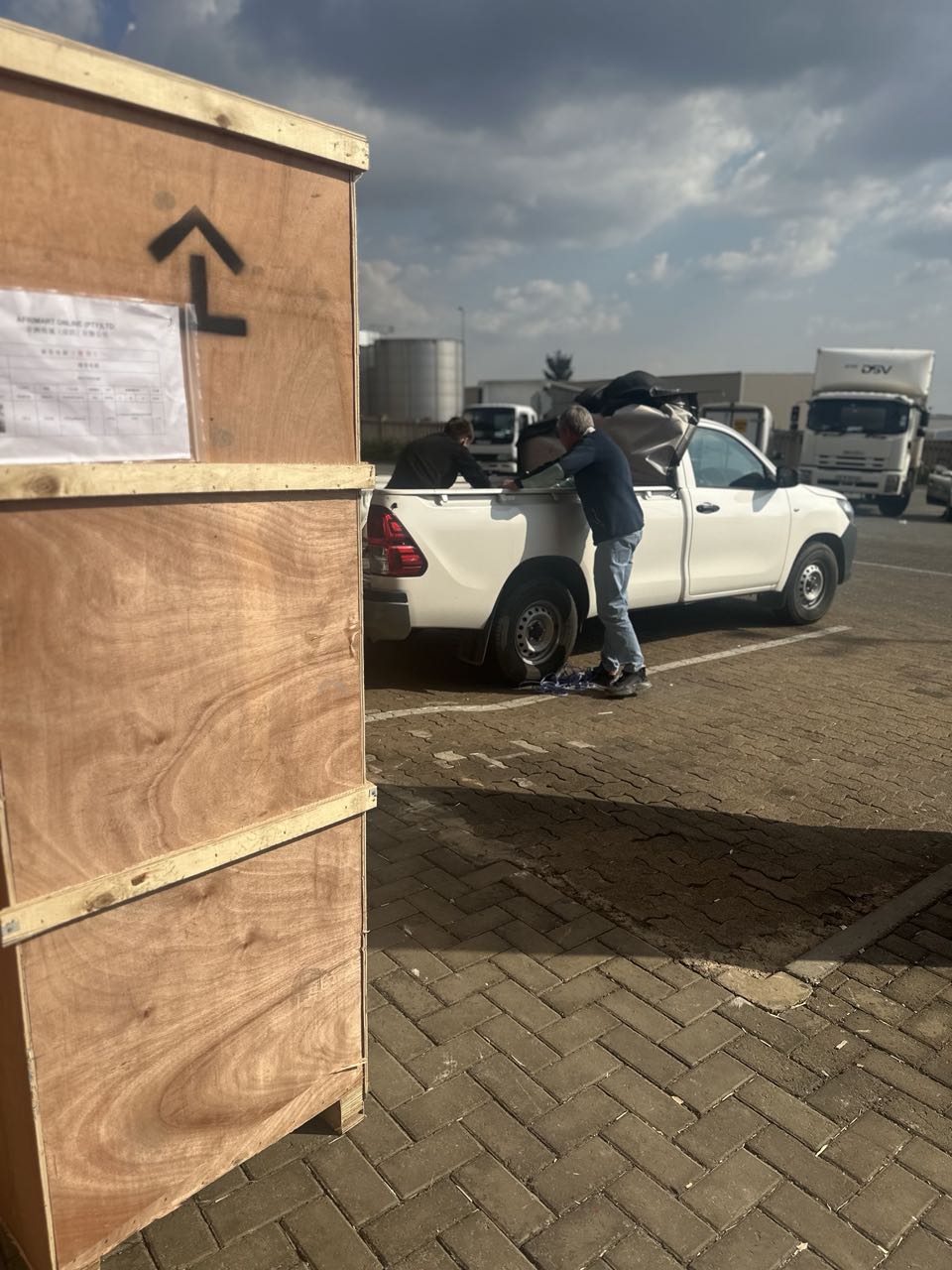
order collection
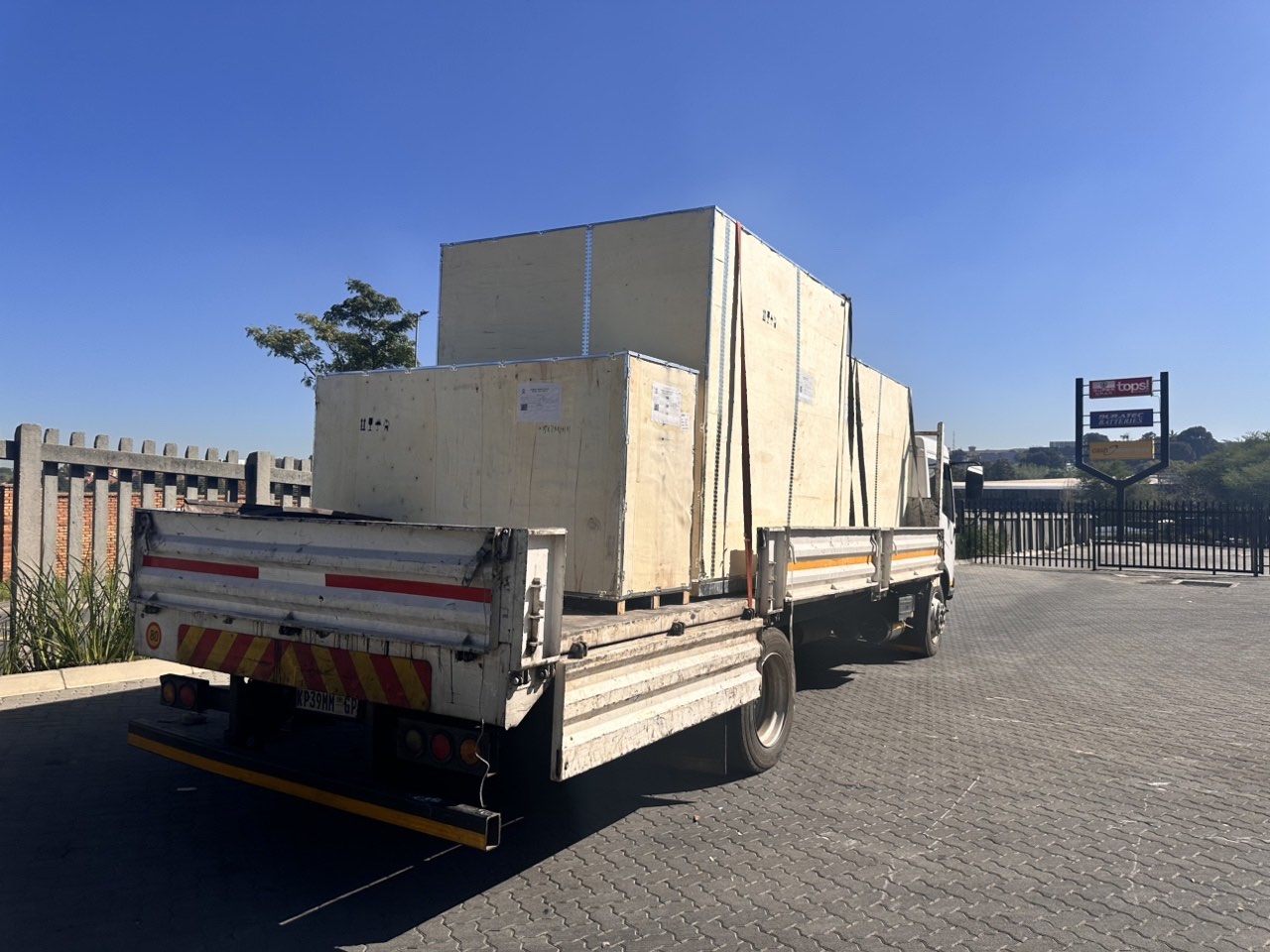
order offloading