B21, China Town Mall, Midrand


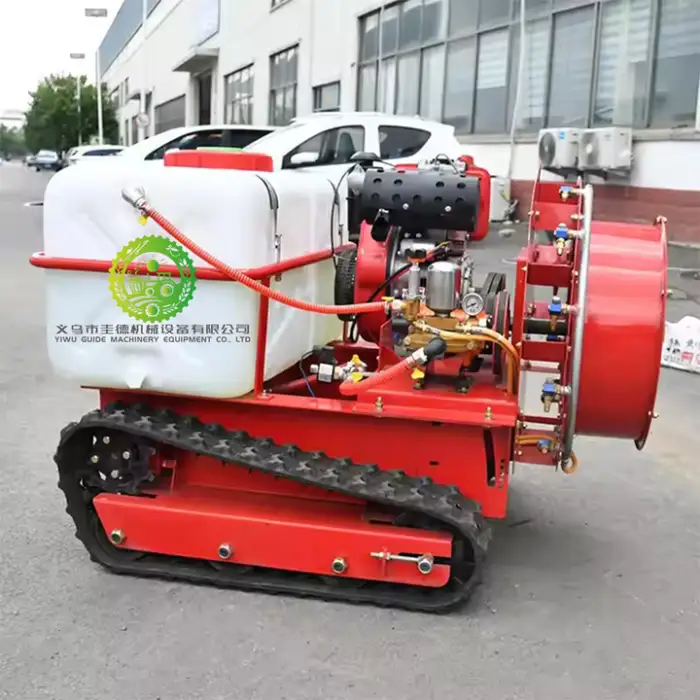
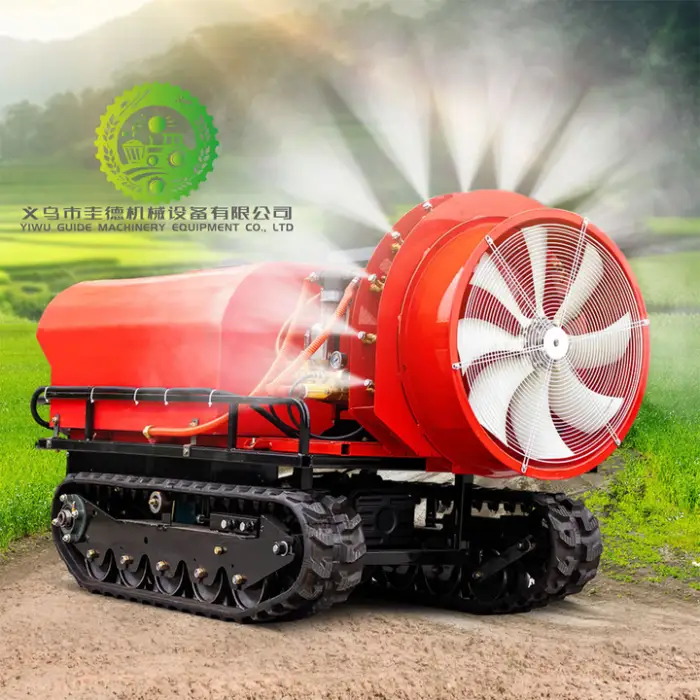
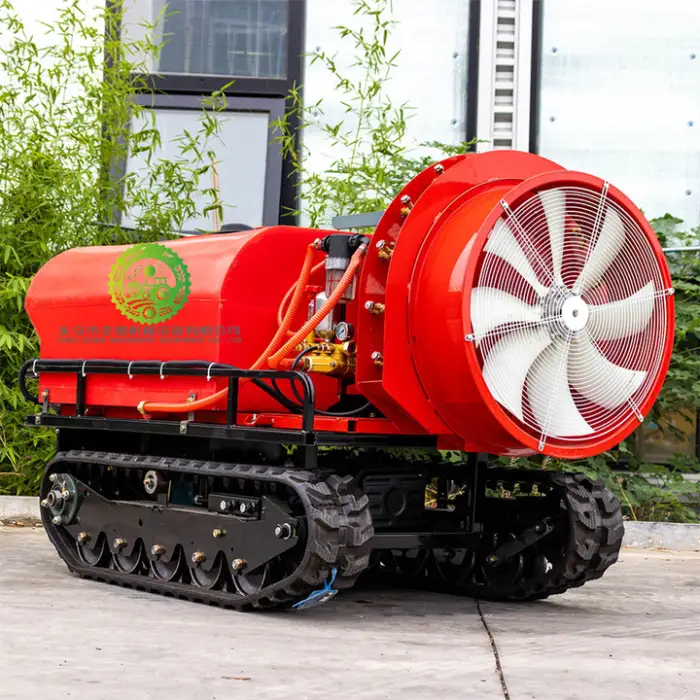
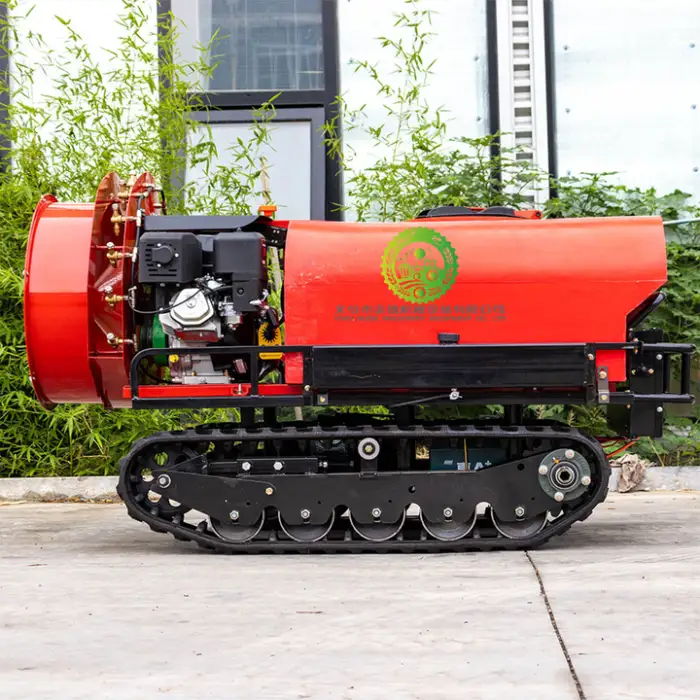
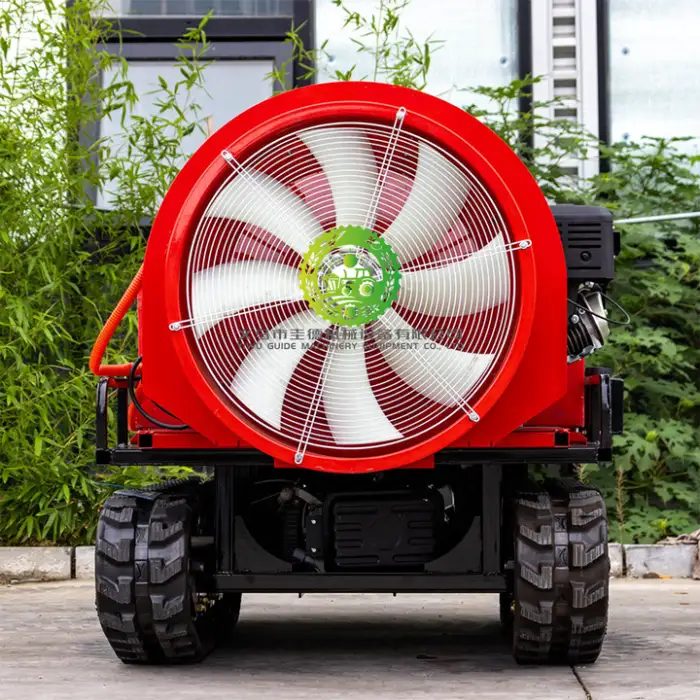
Remote Control Crawler Sprayer for Agriculture Driverless Farmland Orchards Spraying Machine Pump Motor Gear Core Components

- Section : Machinery
- Category : Other Agricultural Equipment
- SKU : 1601436762639

Remote Control Crawler Sprayer for Agriculture Driverless Farmland Orchards Spraying Machine Pump Motor Gear Core Components
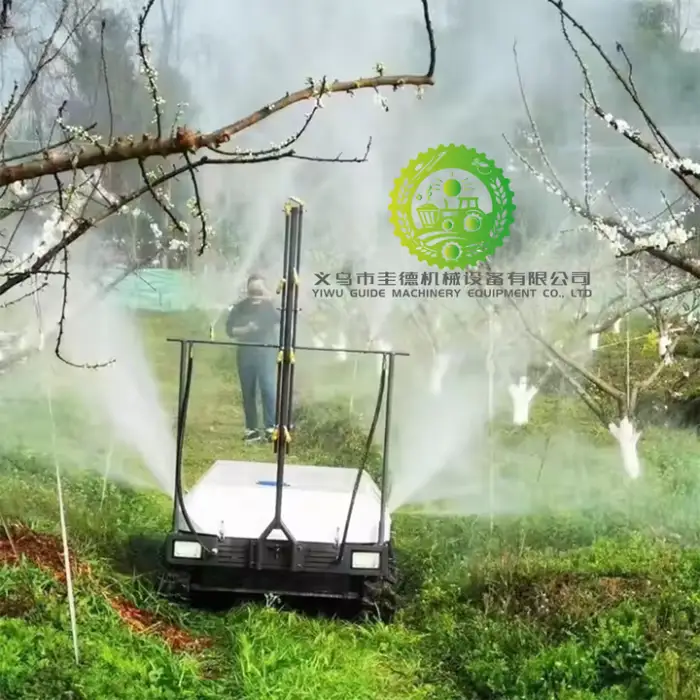
The Remote Control Crawler Sprayer is an innovative solution for agriculture. This driverless sprayer is perfect for spraying crops in farmland and orchards. With its advanced features, it makes spraying easier, faster, and more efficient. You can trust this machine to help you take care of your garden with ease.
Specifications
| Attribute | Details |
|---|---|
| Sprayer Type | Pump |
| Core Components | Engine, Pump, PLC, Gearbox, Gear, Motor, Bearing, Pressure Vessel |
| Key Selling Points | IoT |
| Usage | Garden |
| Weight | 500 |
| Brand Name | Guide |
| Diameter | 20 |
| Feature | Intelligent, Efficient |
| Selling Units | Single Item |
Key Features
- Remote control operation for convenience.
- Driverless technology for efficient spraying.
- Lightweight design for easy maneuverability.
- High-quality components ensure durability.
- Intelligent features enhance performance.
Applications
- Ideal for spraying crops in large farmland.
- Perfect for maintaining orchards and gardens.
- Suitable for various agricultural tasks.
- Can be used for pest control and fertilization.
- Efficient for large-scale farming operations.
Product Info Gallery

- Shipping Timeframes: All orders are processed within 2-5 business days (excluding weekends and holidays). After your order has been processed, the estimated delivery time is before 03 Aug, 2026, depending on customs, Please note that due to high demand, some items may experience longer shipping times, which will be communicated at order confirmation email.
- Order Processing Time: Please allow 2-5 business days for us to process your order before it is shipped . Orders placed after 16:00 on Fridays, or during weekends and public holidays, will begin processing on the next business day. Processing times may be extended during peak seasons or sales events.
- Manufacturing Time: Some products needs manufacturing time, the manufacturing process will take approximately 10-30 business days depending on the product. This timeframe may vary depending on the complexity of the product and current demand. but this will be communicated with you during order confirmation.
- Returns and Exchanges: We offer a 30-day return policy for most items. If you are not completely satisfied with your purchase, you may return it within 30 days of receipt for a refund or exchange. Items must be unused, in their original packaging, and accompanied by proof of purchase. Return shipping costs are the responsibility of the customer, unless the item was damaged or defective upon arrival.
1. What is the Remote Control Crawler Sprayer?
A driverless, remote-controlled crawler sprayer designed for agricultural use in farmland, orchards and gardens. It combines pump-driven spraying with crawler mobility and intelligent/IoT features to enable efficient pest control, fertilization and other spraying tasks.
2. What are the core components of this machine?
Key components include the engine, pump, PLC (programmable logic controller), gearbox, gears, motor, bearings and a pressure vessel. These are the main serviceable and replaceable parts that enable spraying and mobility.
3. Is the sprayer truly driverless and remotely controlled?
Yes — the unit supports driverless operation with remote control. It also includes intelligent/IoT features and PLC control for automated or semi-automated operation, though exact autonomy and control modes depend on the model/configuration.
4. What types of applications is this sprayer suitable for?
It is ideal for large-scale farmland spraying, orchard maintenance, garden spraying and tasks such as pesticide application, foliar fertilization and other liquid treatments across varied agricultural settings.
5. What is the machine's weight and physical size?
The specification lists a weight of 500 and a diameter of 20. The unit of measure and whether 'diameter' refers to track/wheel size or another dimension are not specified — confirm exact weight units and dimensions with the supplier before purchase.
6. What powers the sprayer — petrol engine, electric motor, or both?
The product lists both engine and motor among core components, which suggests different powertrain options or hybrid configurations may be available. Exact power source (diesel/petrol/electric/battery) depends on the model — check the vendor spec sheet for the configuration you need.
7. What are the pump and spray performance specifications?
The listing indicates a pump-driven sprayer but does not state flow rate, pressure range or tank capacity. Pump type, maximum pressure and nozzle options vary by model — request the detailed pump and nozzle specs from the supplier to match your application.
8. How far can the remote control reach and what IoT features are supported?
Remote range and IoT capabilities depend on the model and optional modules. The unit supports IoT integration for telemetry and remote monitoring, and typical systems offer radio or cellular connectivity. Confirm the specific communication range and supported IoT features with the manufacturer.
9. Can the crawler sprayer handle rough terrain and orchard slopes?
The crawler design improves maneuverability and traction for uneven ground typical in orchards and fields. However, maximum slope/climb capability and ground clearance vary by model — review the technical datasheet for exact terrain performance limits.
10. What maintenance does the sprayer require?
Regular maintenance includes cleaning and flushing the pump and hoses after use, inspecting and greasing bearings and gearbox, checking belts/chains, testing electrical/PLC systems and replacing worn nozzles and filters. Follow the manufacturer maintenance schedule for service intervals.
11. Are spare parts and core components (pump, gearbox, motor) available?
Yes — core components are listed and typically available as spare parts. Contact the supplier or authorized dealer to order genuine replacement parts (engine, pump, PLC, gearbox, bearings, pressure vessel, etc.) and confirm part numbers and lead times.
12. Is the sprayer compatible with all pesticides and fertilizers?
It is designed for common liquid pesticides and foliar fertilizers, but chemical compatibility depends on pump materials, seals and hoses. Always verify material compatibility with the supplier and the chemical manufacturer before use to avoid corrosion or seal damage.
13. What safety features does the machine have?
Typical safety features include remote emergency stop, pressure-relief mechanisms on the pressure vessel, PLC-controlled fail-safes and alarms. Operators should also follow PPE and pesticide-handling guidelines. Confirm the exact safety feature set for your model.
14. Is training required to operate the sprayer?
Yes. While the remote control simplifies operation, safe and effective use requires training on machine controls, PLC/interface operation, spray calibration, chemical handling and routine maintenance. The supplier or dealer can often provide or recommend training.
15. How do I get warranty, delivery and after-sales support?
Warranty terms, delivery options and after-sales service vary by seller and region. The product listing shows Brand Name: Guide and the unit is sold as a single item. Contact the manufacturer or authorized dealer to obtain warranty details, service network information and shipping arrangements.
Latest Order Arrivals
Discover our latest orders
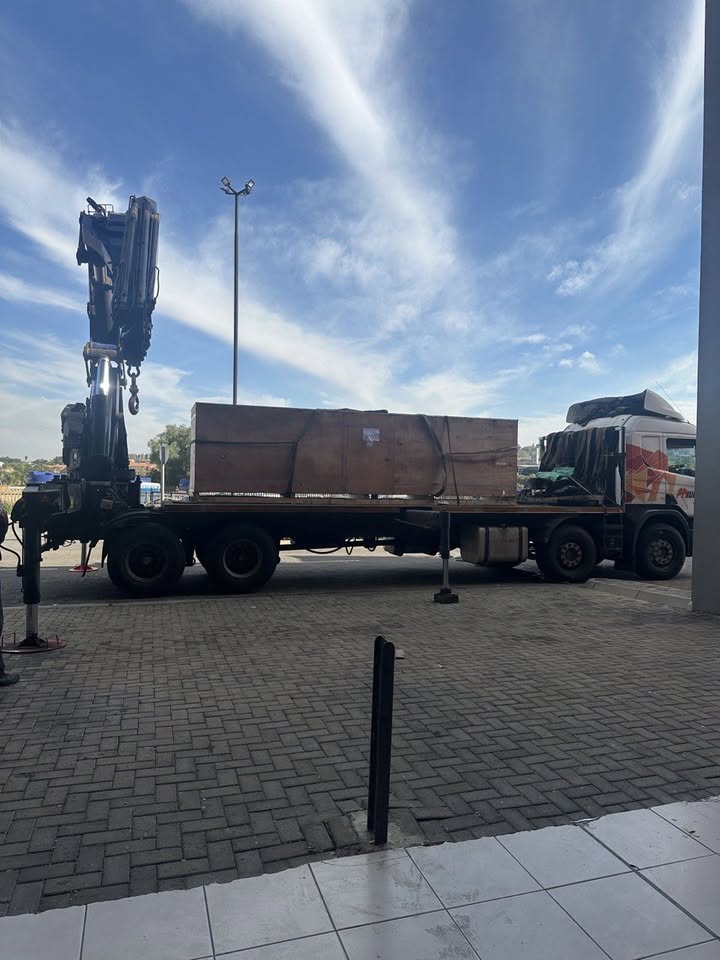
12 Heads Embroidery Machine
Toilet Paper Machine Machine
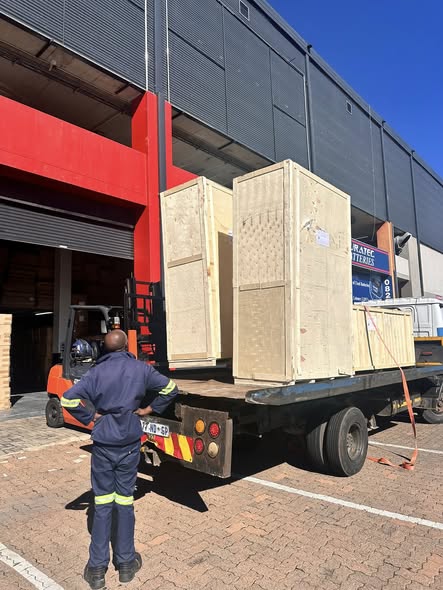
Order Collection
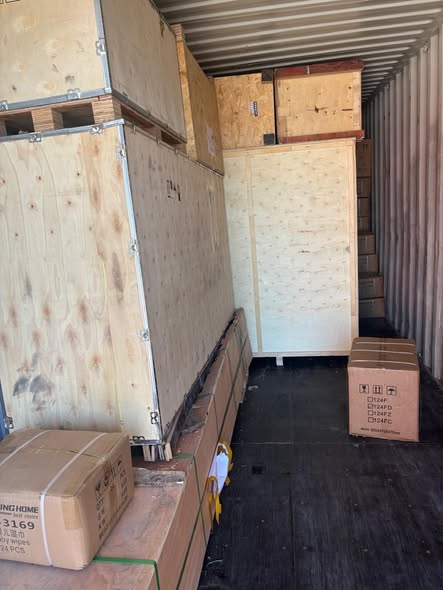
Cross Border Clients
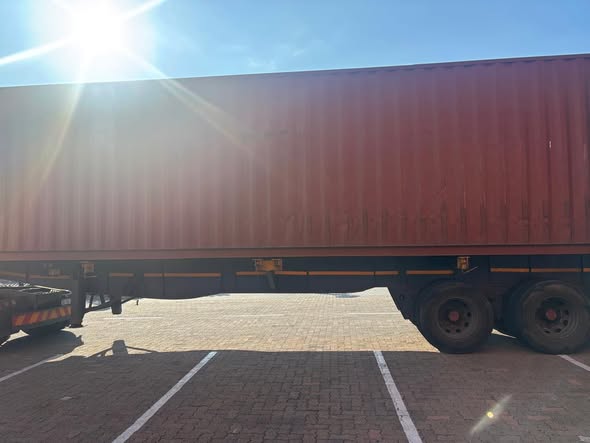
Order cros border countries Collected
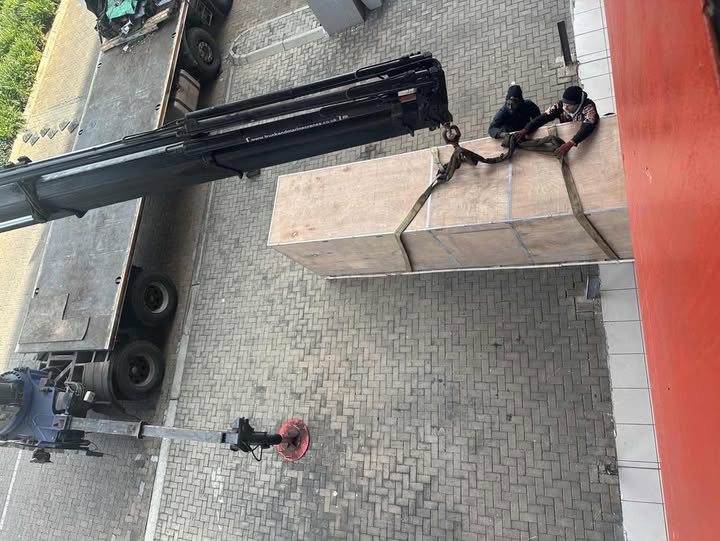
Industrial Machine Cllection
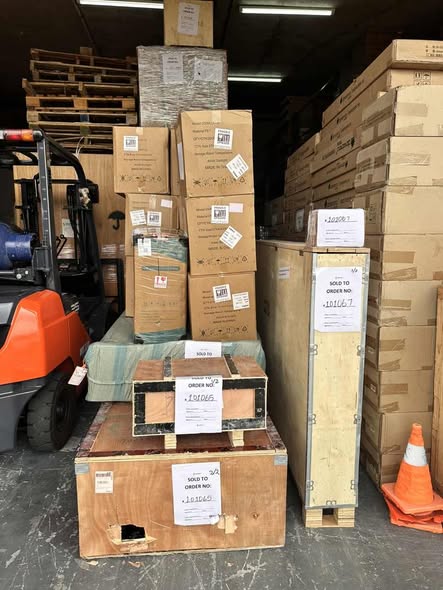
Agriculture Processing Machines
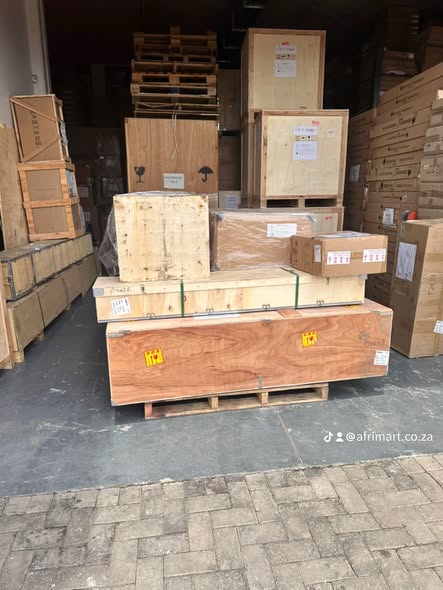
Ready for collection
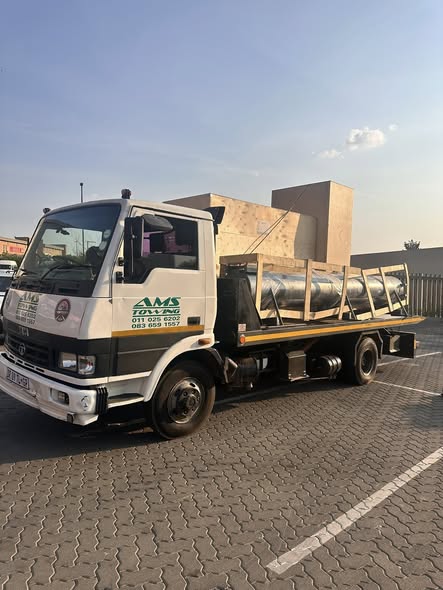
Water Pump Equipment
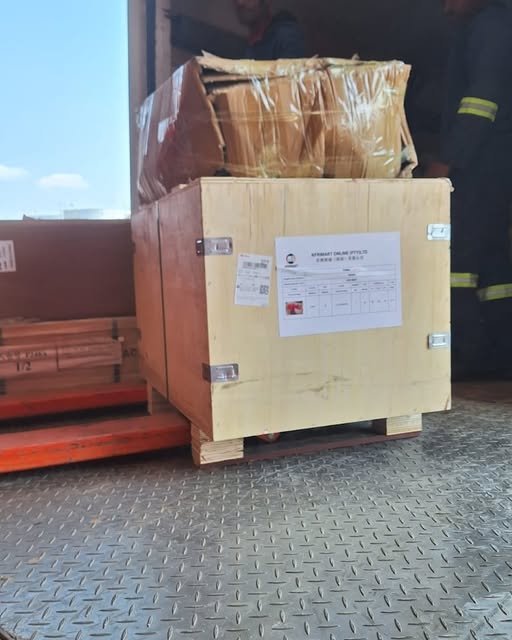
Packaging Machine and accessories
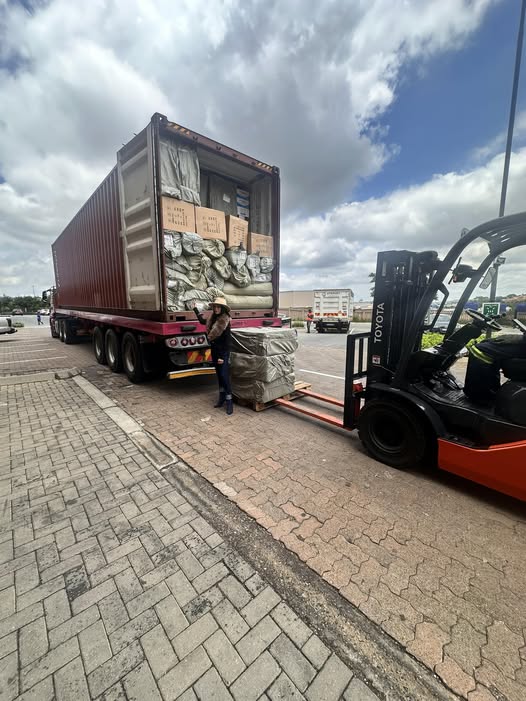
Fabrics Manufacturing Equipment
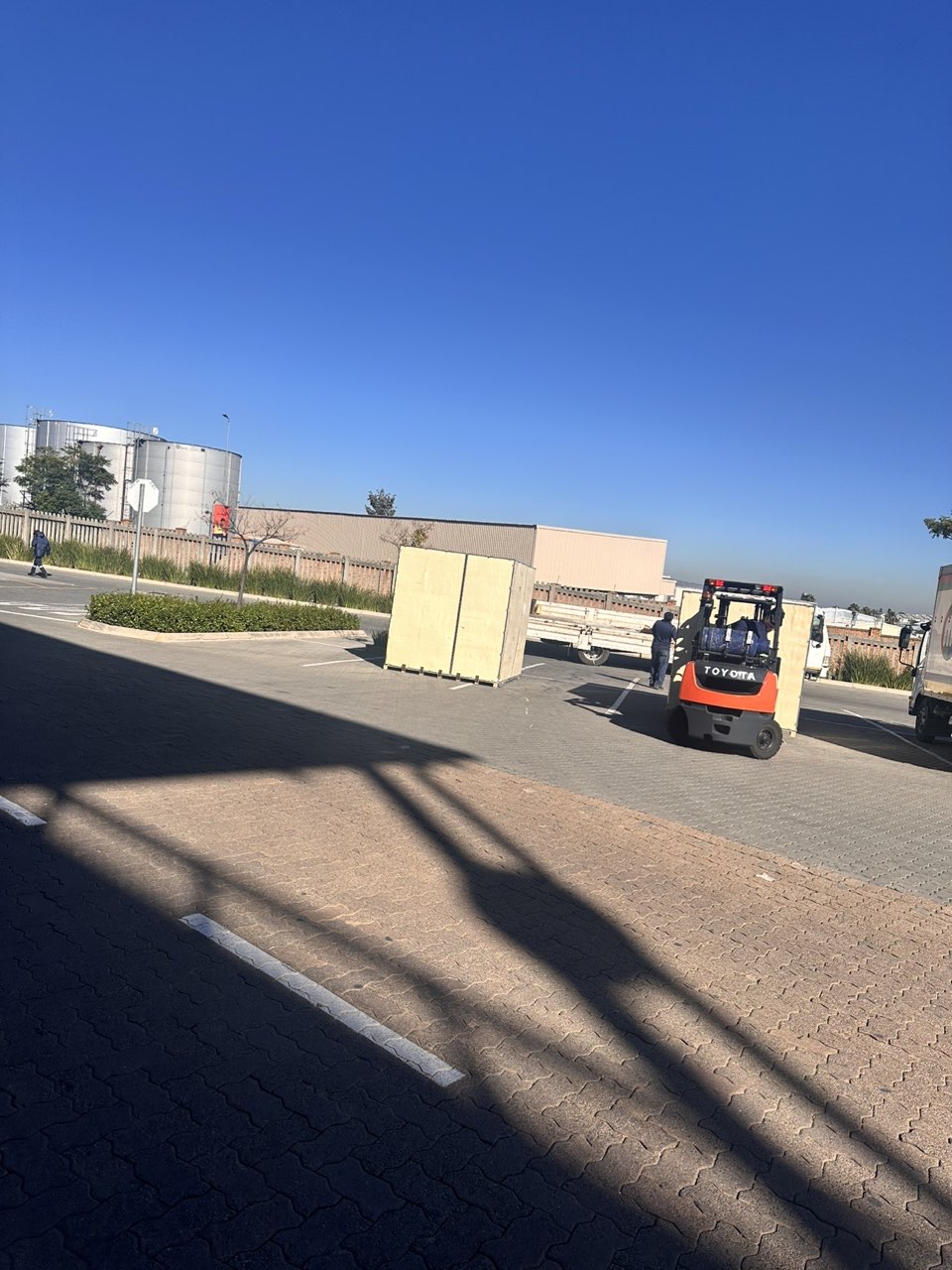
Mining Equipments
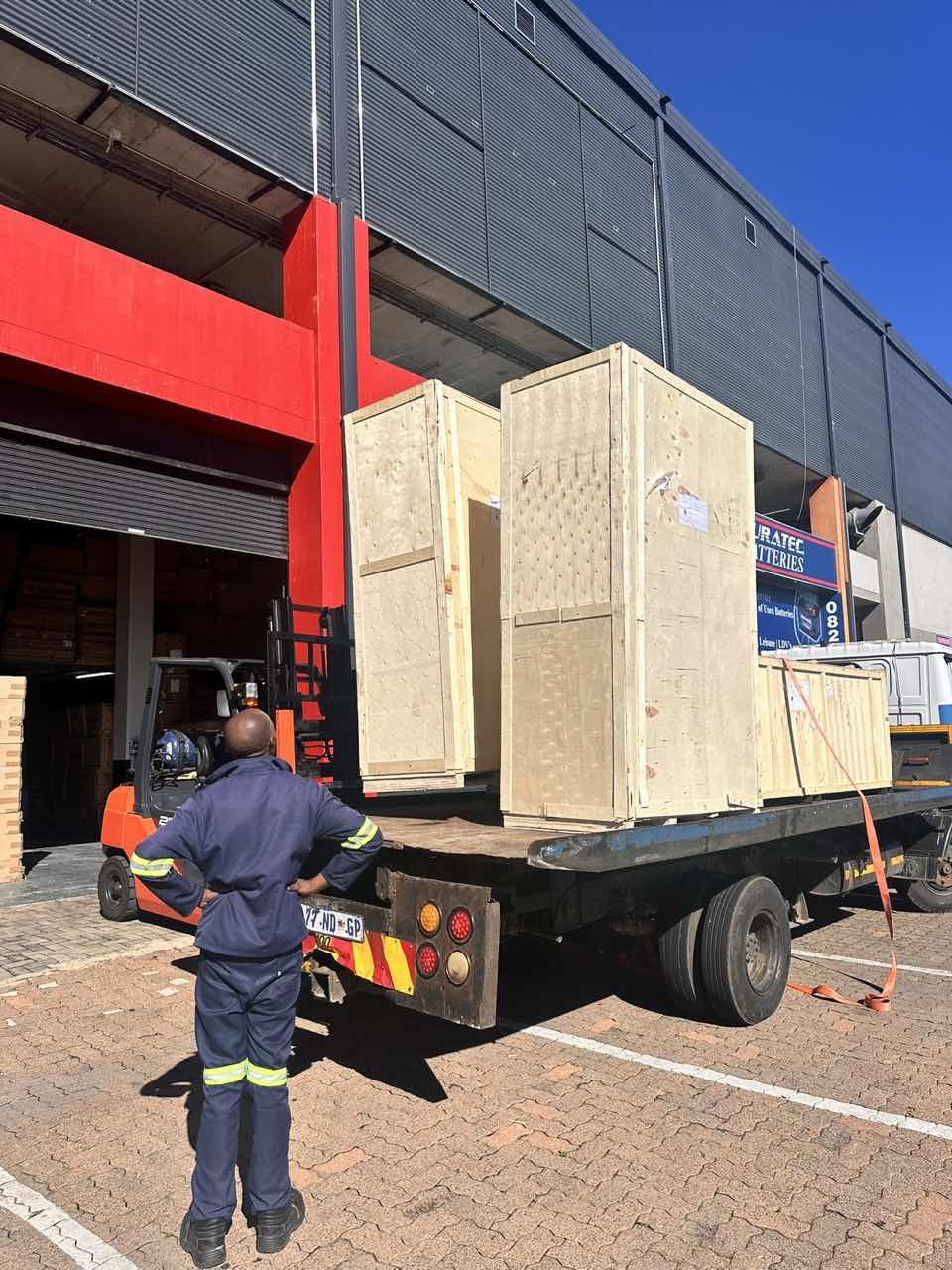
Food Processing Machine
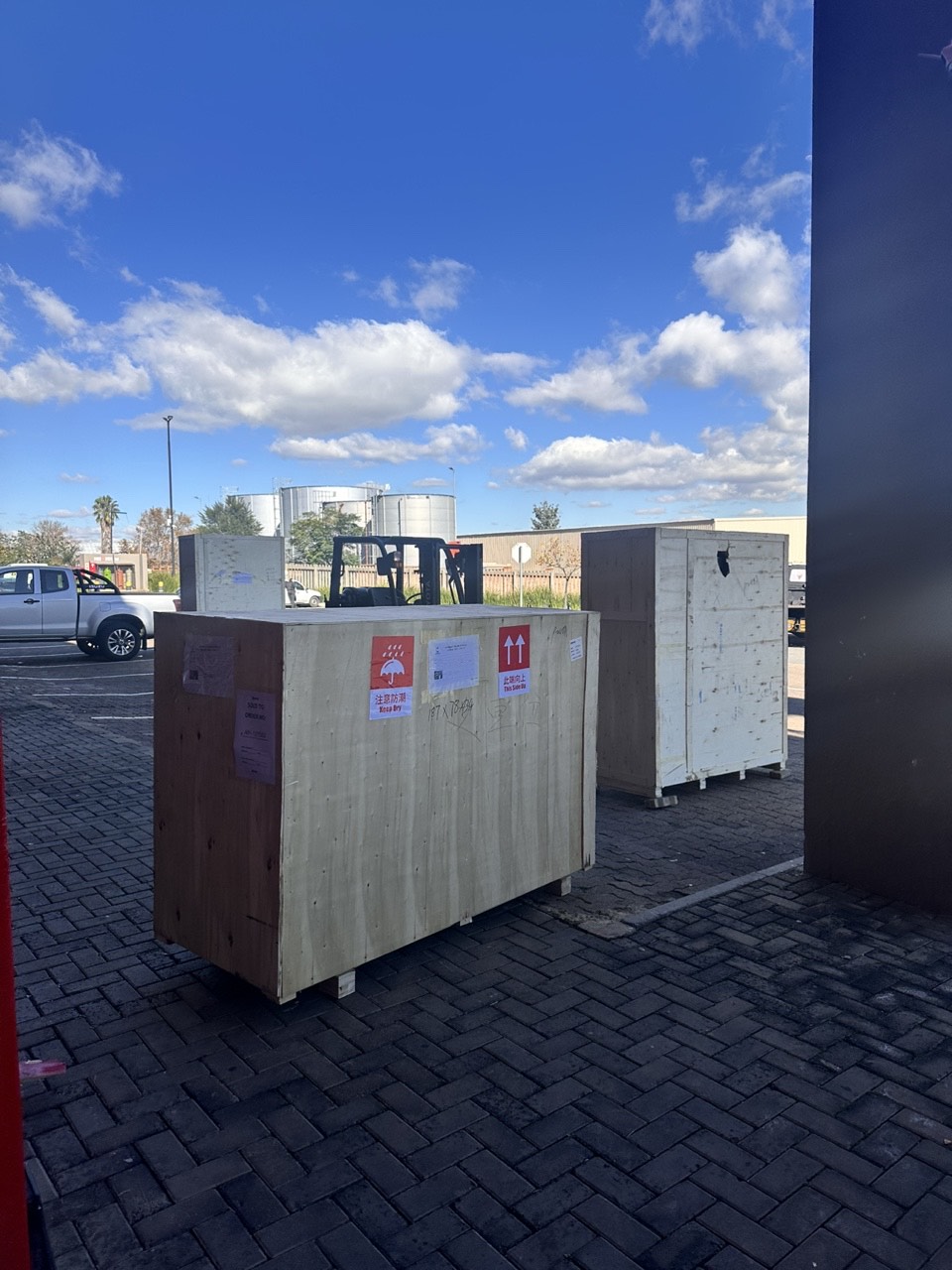
Batch of Orders
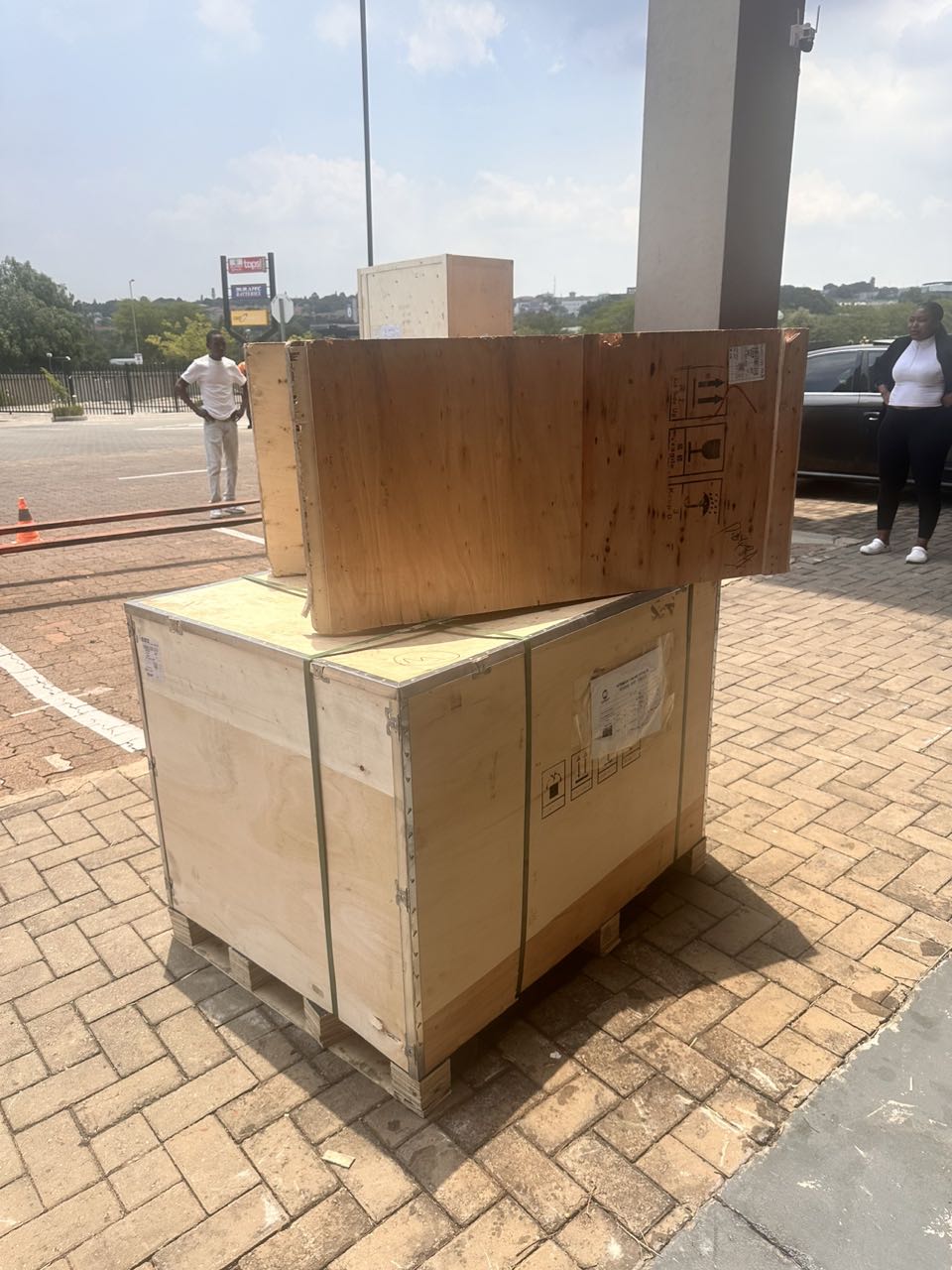
Batch of Orders
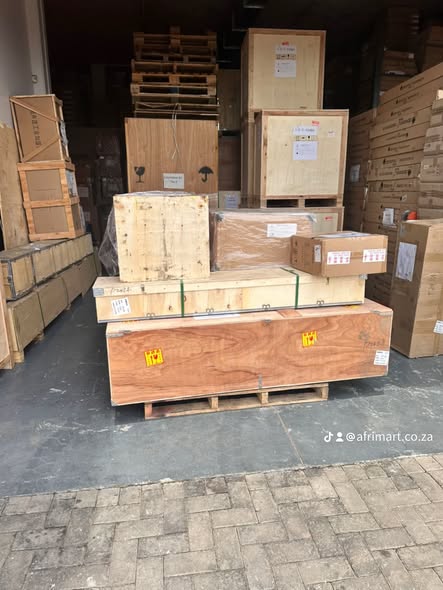
Latest Orders Labelled
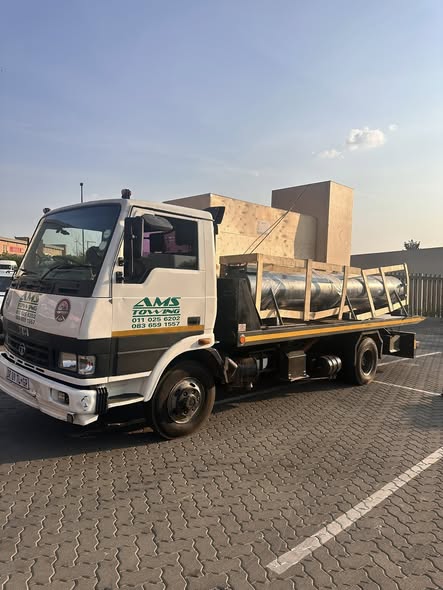
wheel alignment machines
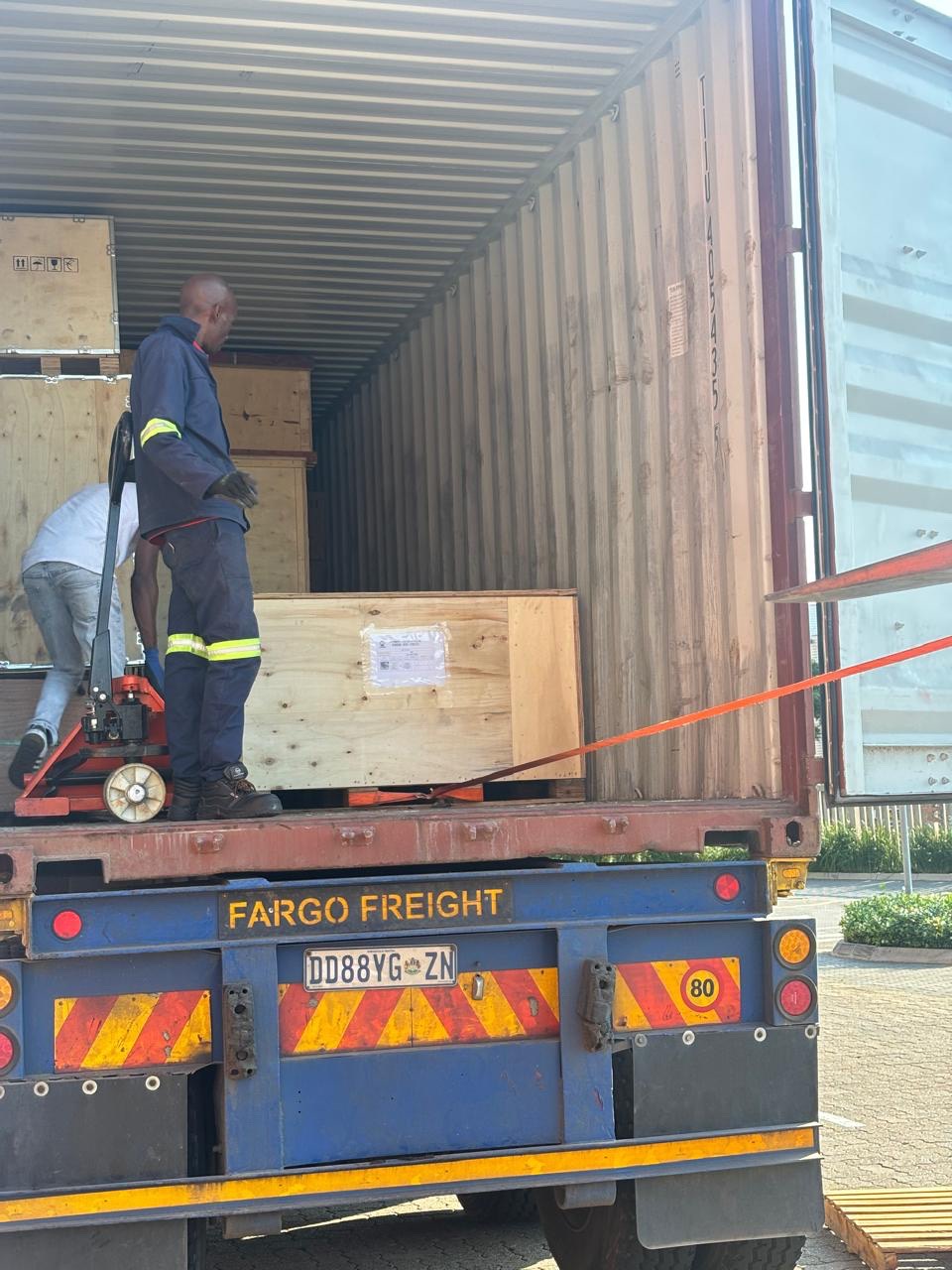
new arrivals
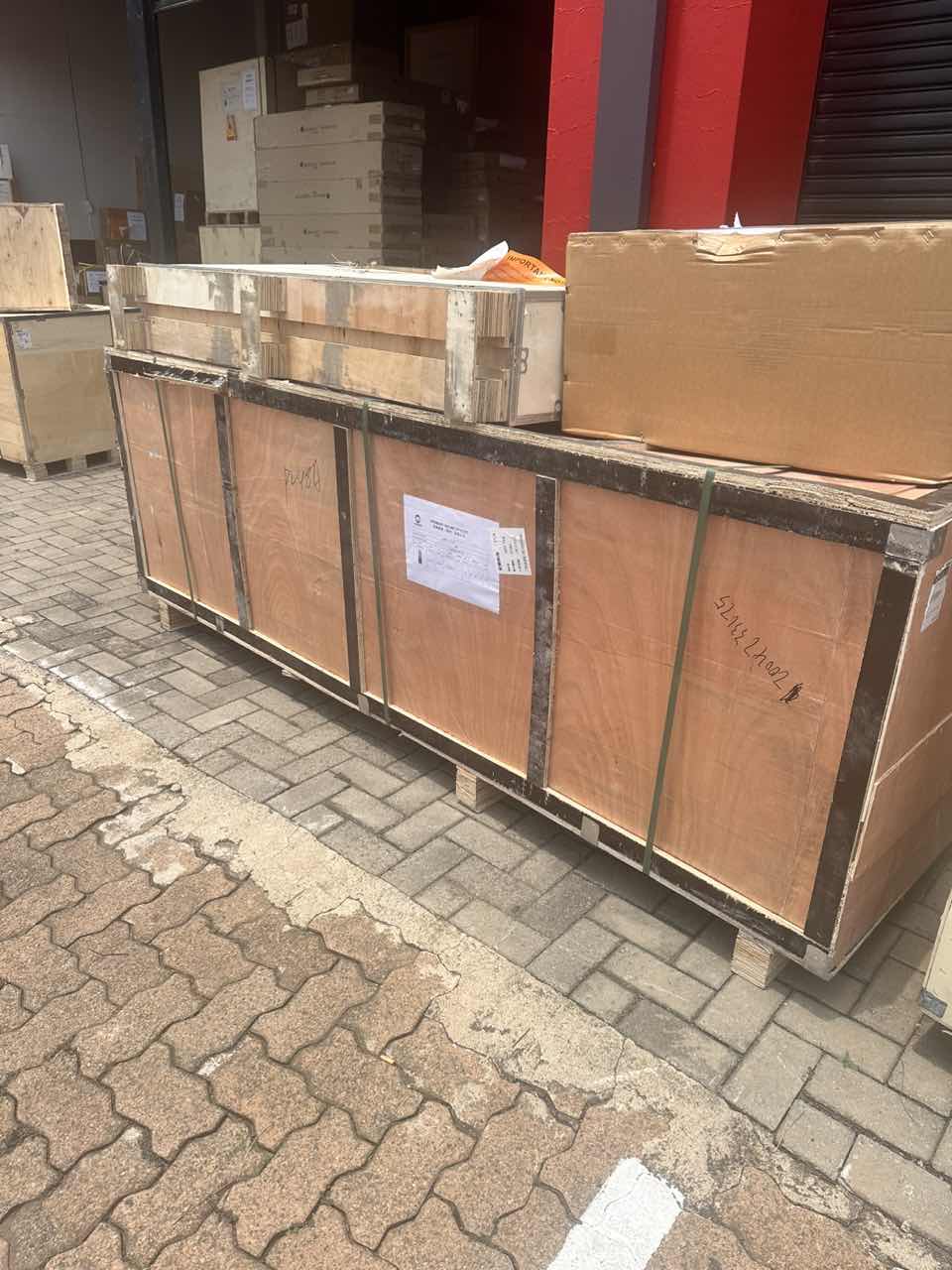
Pre Orders Offloading
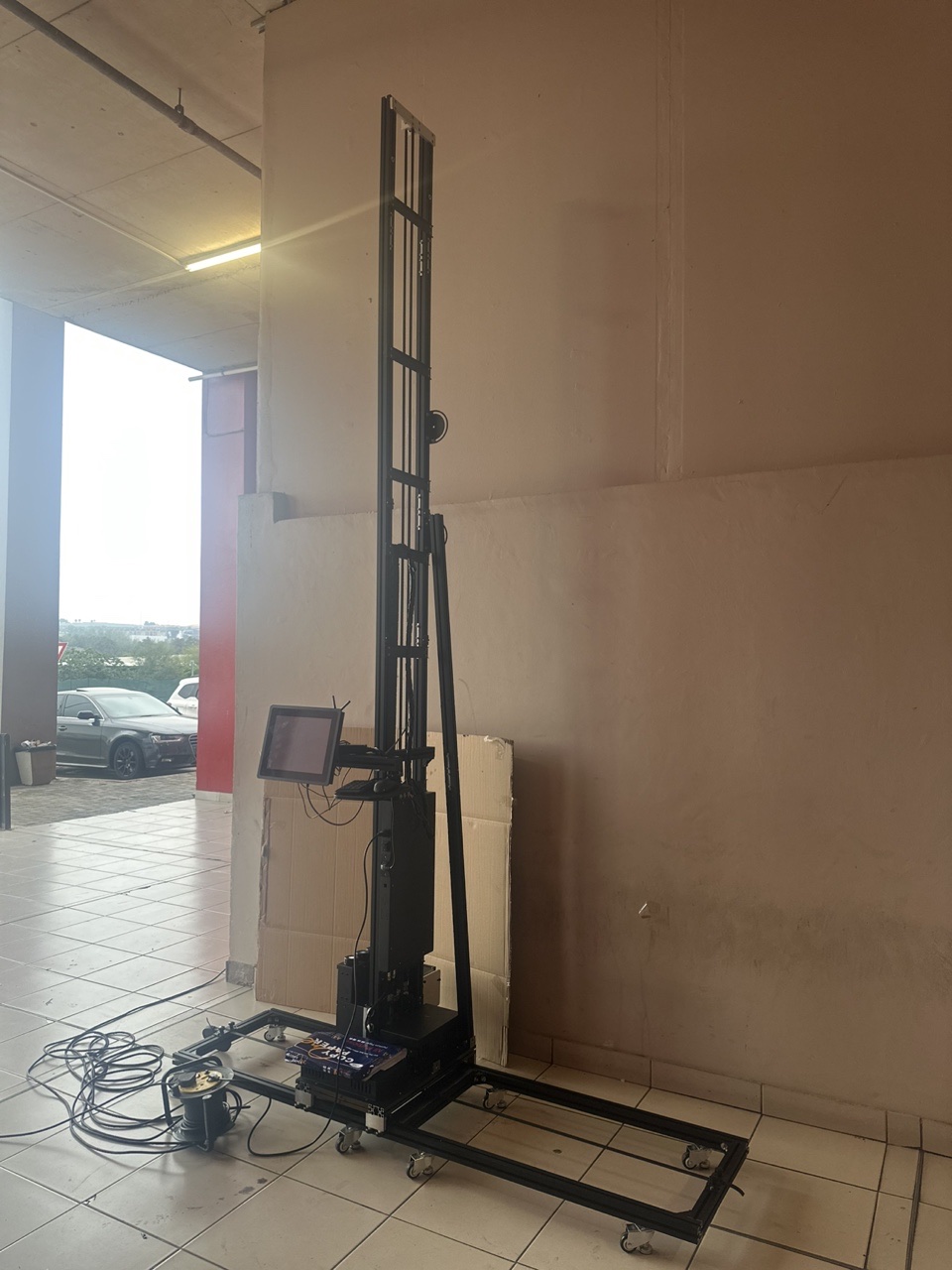
Latest Arrivals
Latest Arrivals
Latest Arrivals
Loading
Toilet paper making machine
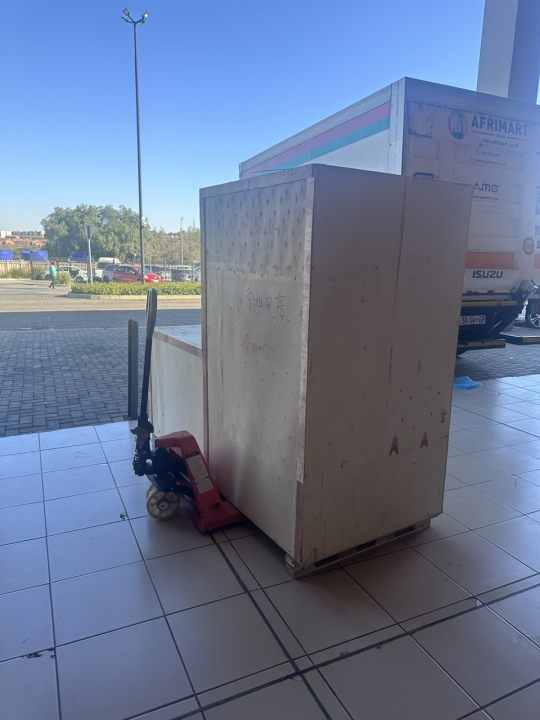
Toilet paper making machine
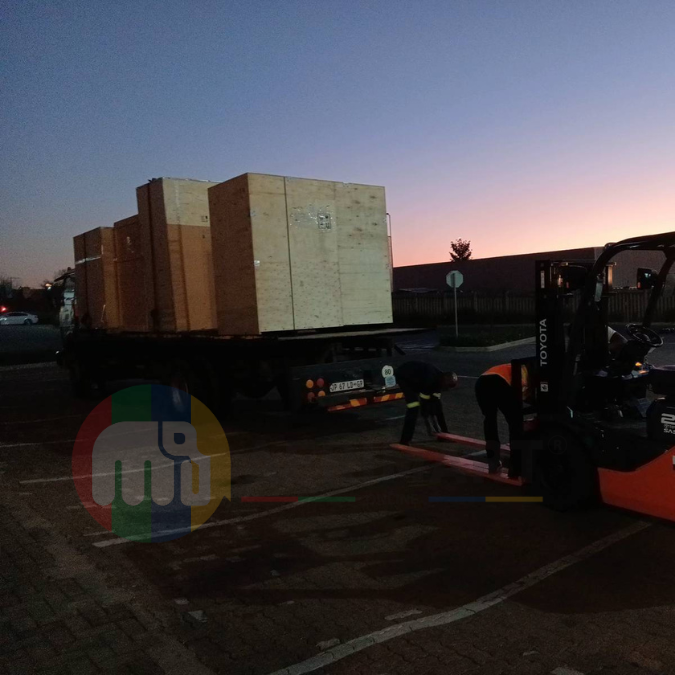
Toilet paper Rewinding Machine
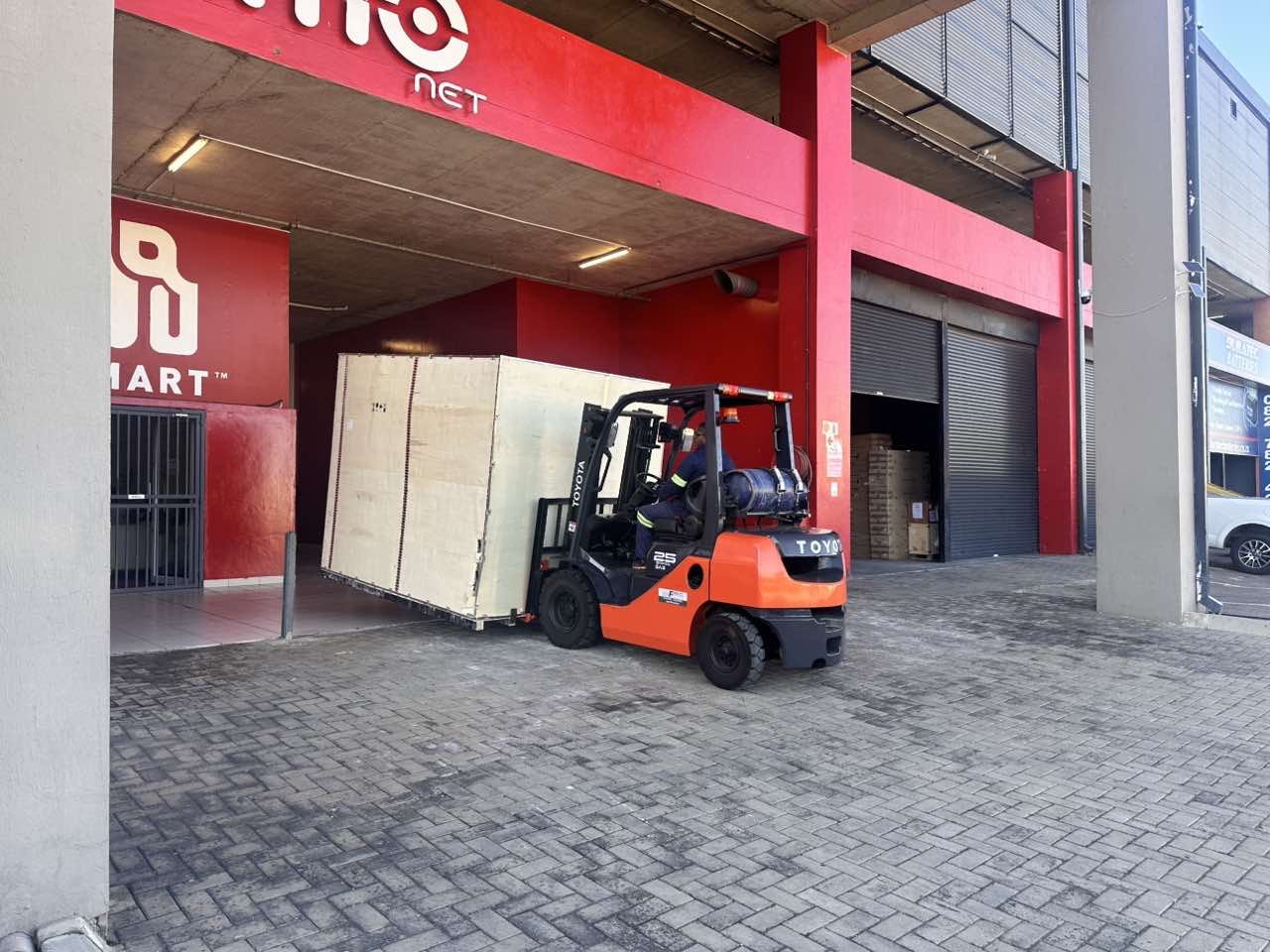
latest arrivals
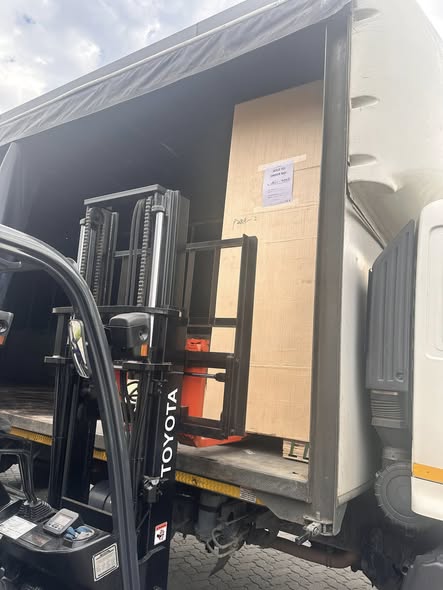
offloading
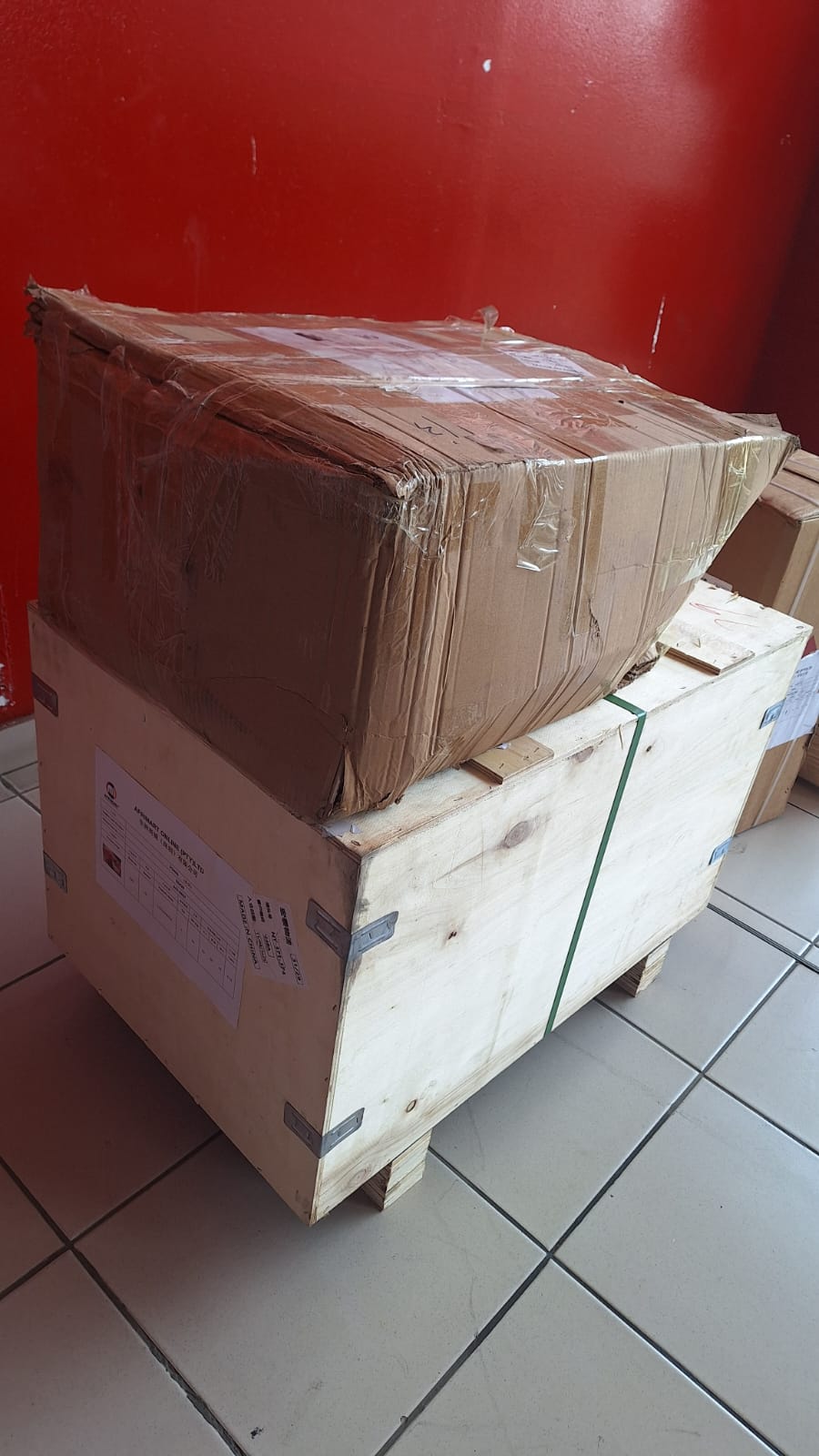
order success
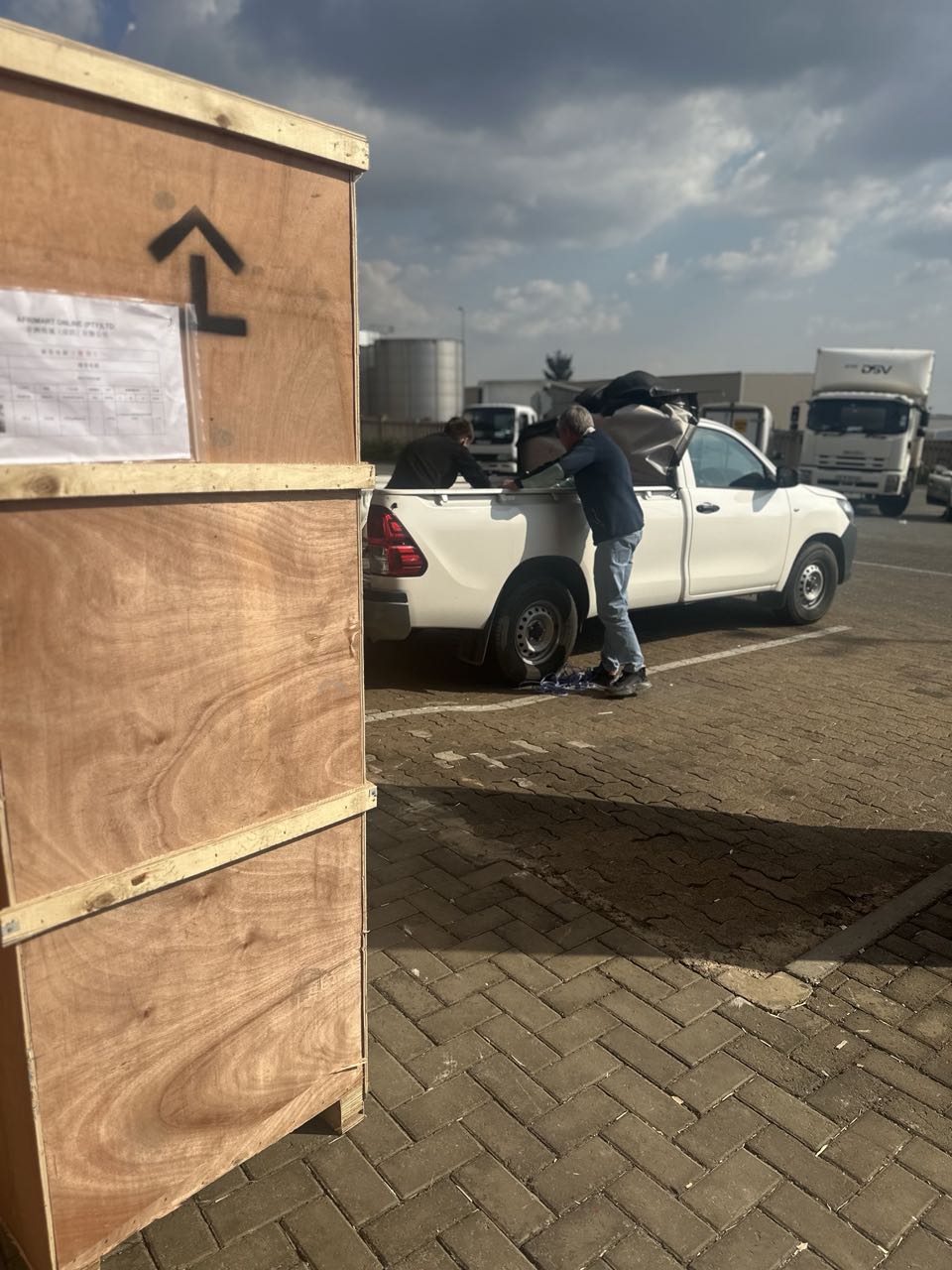
order collection
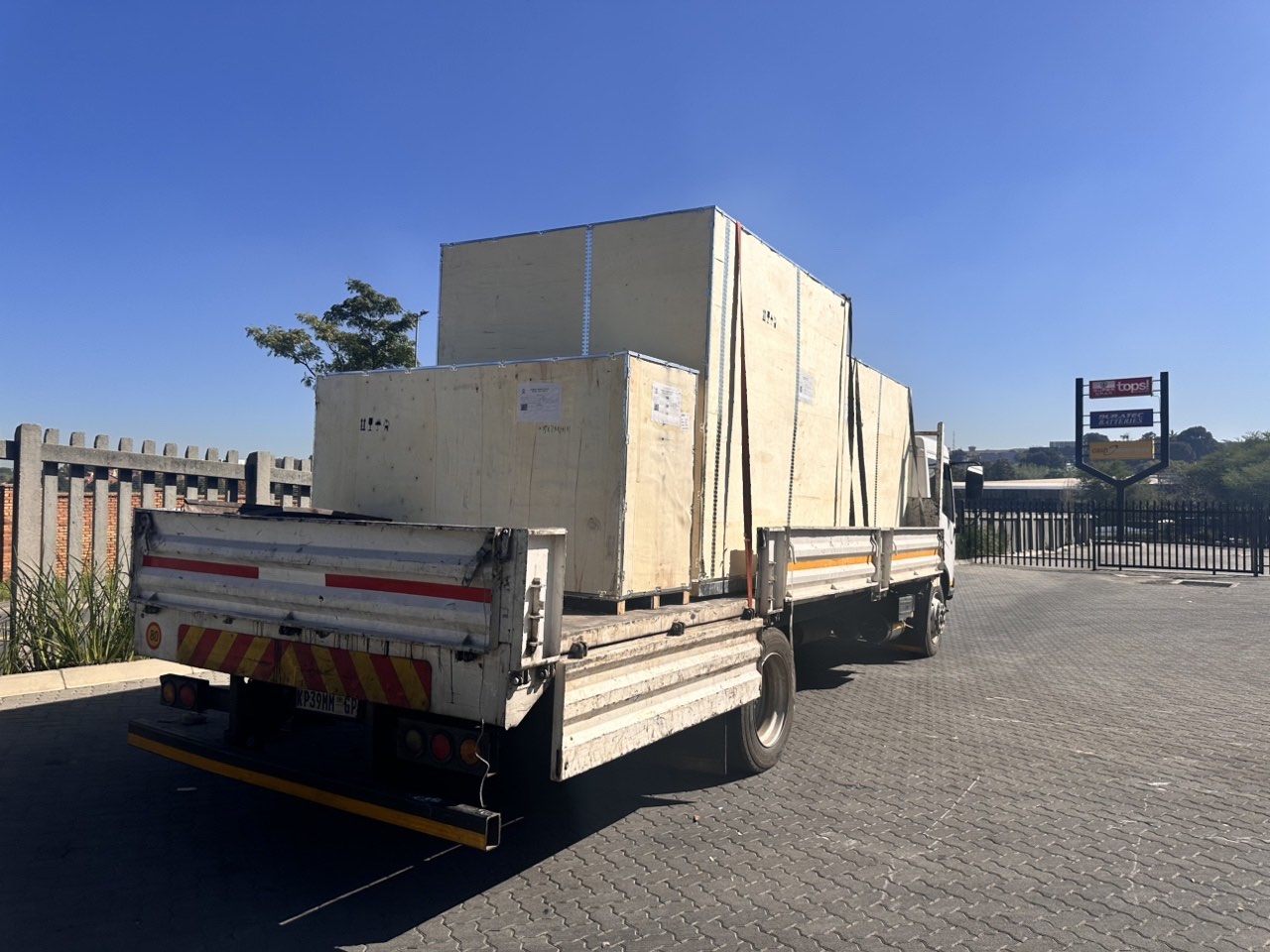
order offloading