B21, China Town Mall, Midrand

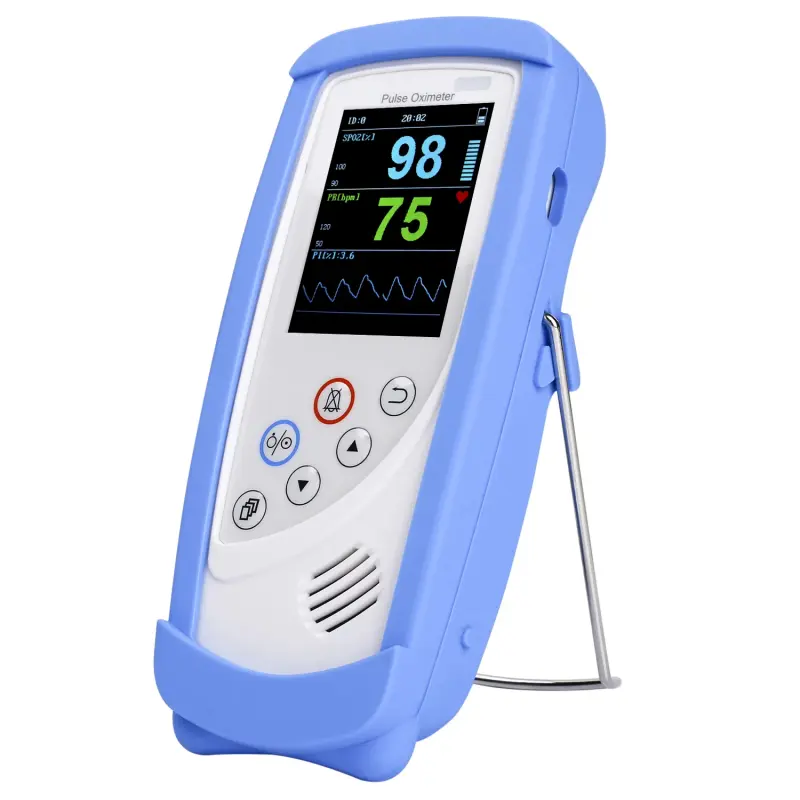
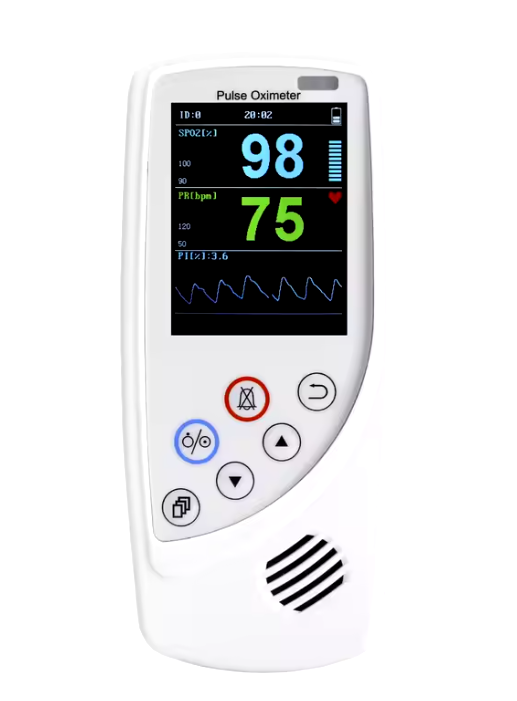
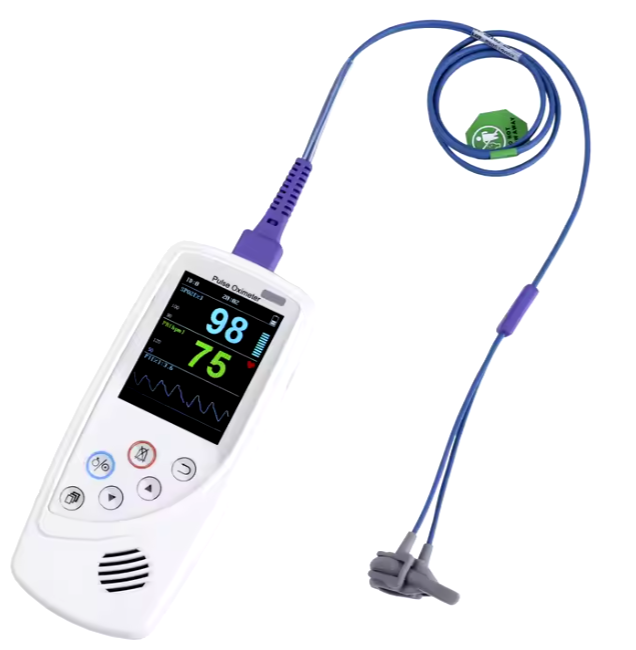
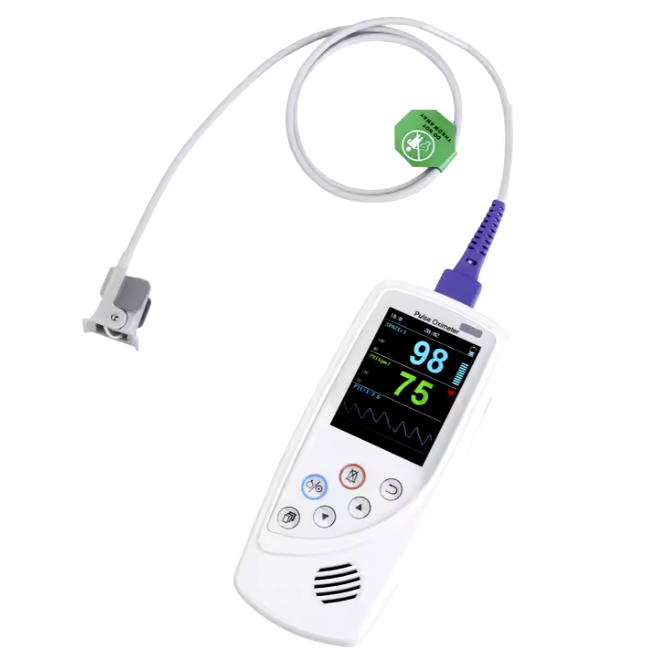
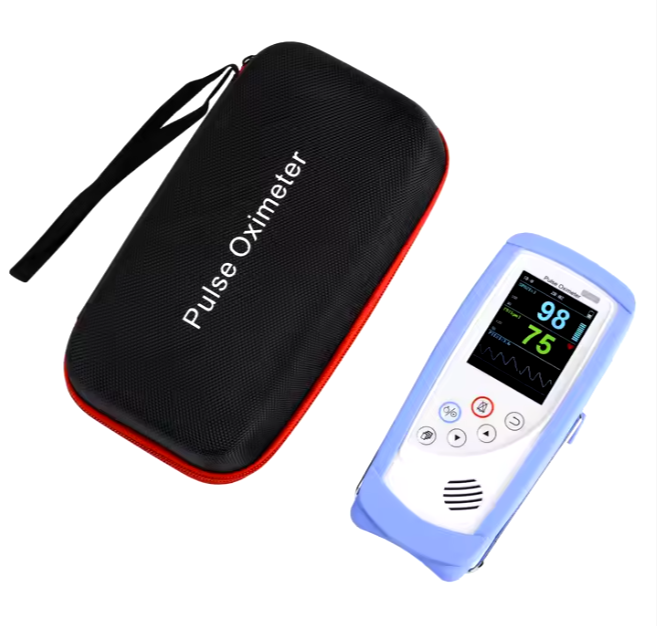
Rechargeable Medical Oximetro De Pulso Handheld Pulse Oximeter For Baby

- Section : Medical Supplies
- Category : Pulse Oximeters
- SKU : 1600965850270

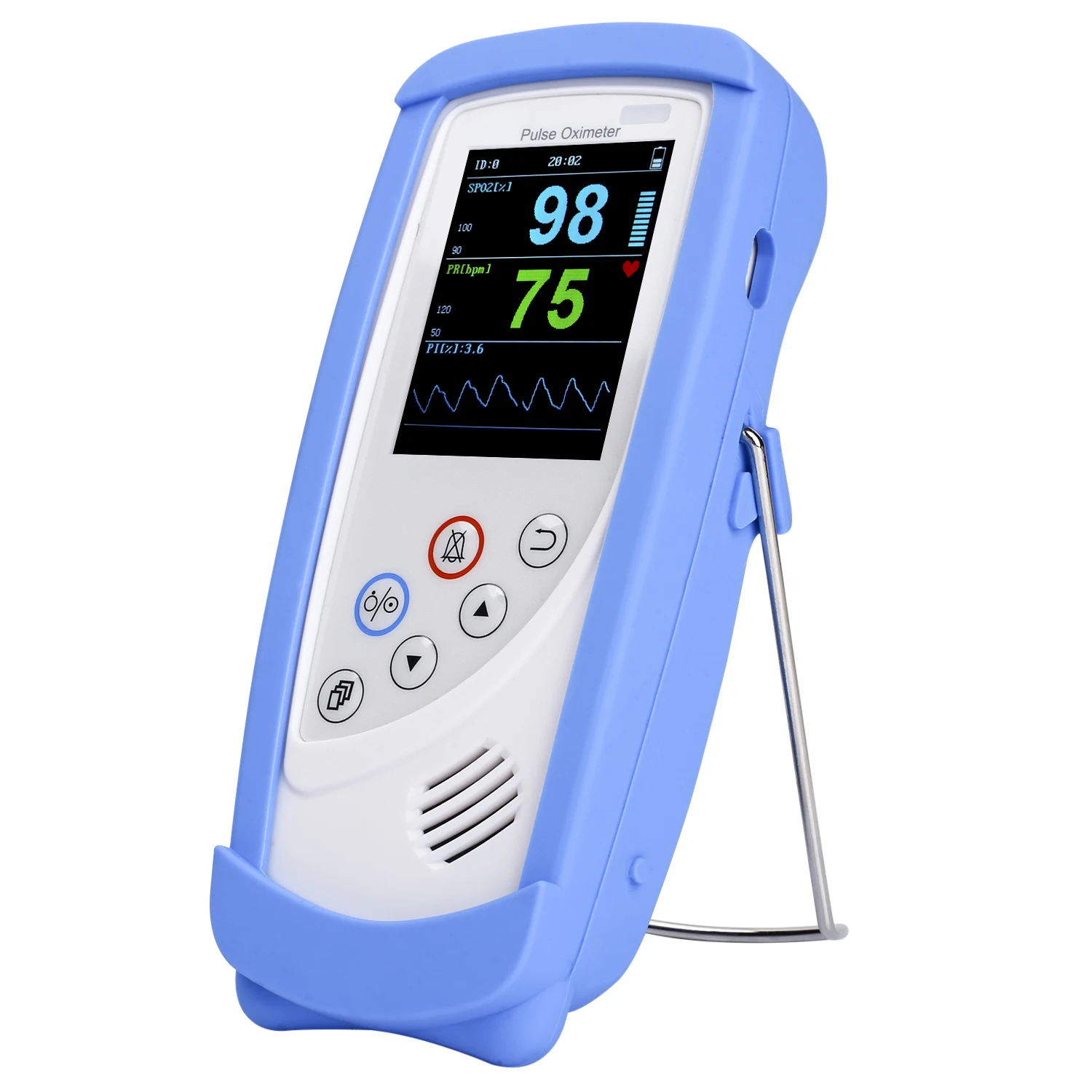
Handheld Pulse Oximeter for Baby Model: H200
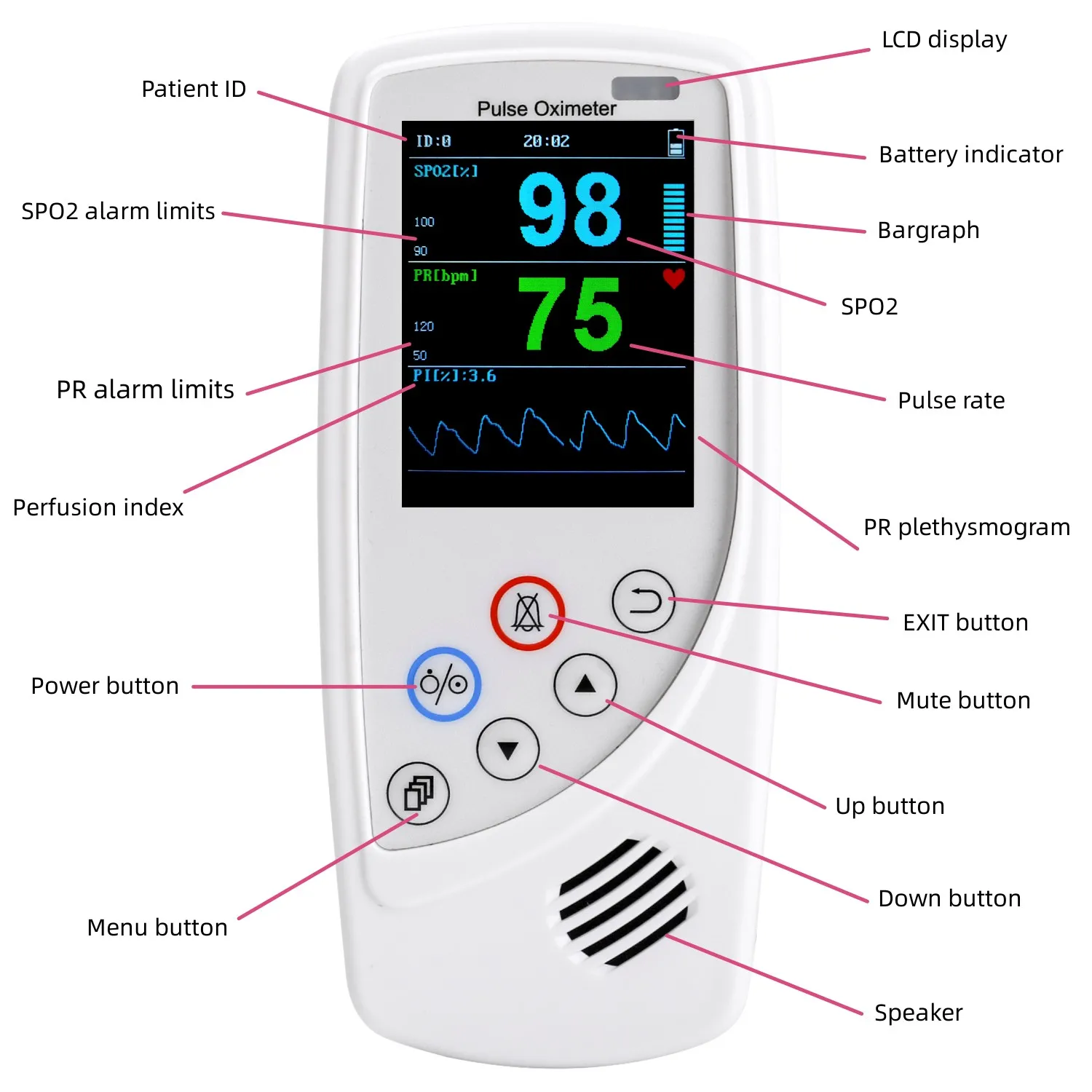
The H200 Handheld Pulse Oximeter is a portable, user-friendly device designed to measure SpO₂ (blood oxygen saturation), PR (pulse rate), and PI (perfusion index). It delivers accurate and fast results, making it ideal for health monitoring across various scenarios.
Key Features
- Comprehensive Measurements: Monitors SpO₂, PR, and PI for detailed health insights.
- Quick and Accurate: Uses a fingertip sensor to provide precise results in seconds.
- Portable Design: Compact and lightweight for ease of use at home or on the go.
- Wide Applicability: Suitable for babies, athletes, the elderly, and individuals with respiratory or cardiac conditions.
- Health Monitoring: Helps track vital health metrics, providing a valuable reference for early warnings or trends.
Applications
The H200 Handheld Pulse Oximeter is ideal for:
- Babies: Ensures gentle and reliable monitoring for infants.
- Daily Health Checks: Perfect for routine monitoring at home or in healthcare settings.
- Active Individuals: Beneficial for athletes to track performance and recovery.
- Patients with Health Conditions: A vital tool for managing respiratory or cardiac issues.
This device combines convenience and precision, offering a practical solution for comprehensive health monitoring.

- Shipping Timeframes: All orders are processed within 2-5 business days (excluding weekends and holidays). After your order has been processed, the estimated delivery time is before 12 Mar, 2026, depending on customs, Please note that due to high demand, some items may experience longer shipping times, which will be communicated at order confirmation email.
- Order Processing Time: Please allow 2-5 business days for us to process your order before it is shipped . Orders placed after 16:00 on Fridays, or during weekends and public holidays, will begin processing on the next business day. Processing times may be extended during peak seasons or sales events.
- Manufacturing Time: Some products needs manufacturing time, the manufacturing process will take approximately 10-30 business days depending on the product. This timeframe may vary depending on the complexity of the product and current demand. but this will be communicated with you during order confirmation.
- Returns and Exchanges: We offer a 30-day return policy for most items. If you are not completely satisfied with your purchase, you may return it within 30 days of receipt for a refund or exchange. Items must be unused, in their original packaging, and accompanied by proof of purchase. Return shipping costs are the responsibility of the customer, unless the item was damaged or defective upon arrival.
1. What parameters does the H200 Handheld Pulse Oximeter measure?
The H200 measures SpO₂ (blood oxygen saturation), PR (pulse rate) and PI (perfusion index) to give a quick overview of oxygenation and circulation.
2. Is this pulse oximeter safe and suitable for babies?
Yes. The H200 is designed for gentle fingertip monitoring and is suitable for infants. Always ensure the sensor fits properly and follow the user manual for infant-specific guidance.
3. Is the device rechargeable and how do I charge it?
Yes. The H200 includes a rechargeable battery and charges with the supplied charging cable. For exact charging procedure and recommended charging times, follow the instructions in the user manual supplied with the unit.
4. How long does the battery last on a single charge?
Run time depends on usage patterns and display settings. Battery life and full-charge time can vary; refer to the product manual or manufacturer specifications for typical runtime figures.
5. How do I take a reading with the H200?
Open the fingertip sensor, place the baby's finger (or adult fingertip) fully into the sensor, ensure it is seated securely, keep still for a few seconds and read the SpO₂, PR and PI values on the display.
6. How fast and accurate are the readings?
The H200 is designed to provide fast and reliable readings within seconds. For the device's specific accuracy tolerances and performance data, consult the technical specifications in the user manual or product datasheet.
7. What measurement ranges does the H200 support?
Typical pulse oximeters measure SpO₂ across the full 0–100% scale and pulse rates within a wide clinical range. For the H200's exact measurement ranges and limits, see the technical specifications in the manual.
8. What is Perfusion Index (PI) and how should I interpret it?
PI indicates the strength of the pulse (local blood flow) at the sensor site. Higher PI means stronger signal; low PI may lead to unstable SpO₂ readings. Use PI to evaluate signal quality—consult the manual for recommended PI thresholds.
9. Can readings be affected by movement, cold fingers, or nail polish?
Yes. Excessive movement, poor peripheral perfusion (cold extremities), nail polish or artificial nails, and ambient light may affect readings. Keep the subject still, warm the extremity if needed, and ensure proper sensor placement.
10. Does the H200 have data memory or connectivity (Bluetooth/PC)?
The basic description highlights on-screen real-time monitoring. Some models offer memory or connectivity as optional features—check the specific H200 variant and product specs or contact the seller for details about data storage and transfer capabilities.
11. How do I clean and disinfect the device?
Turn off the device and remove any detachable parts. Clean the sensor and housing with a soft cloth lightly dampened with 70% isopropyl alcohol or manufacturer-recommended disinfectant. Do not immerse the device in liquid or use abrasive cleaners. Follow the cleaning instructions in the manual.
12. What safety precautions should I follow when using the H200 on infants?
Ensure correct sensor placement, supervise infants during measurement, avoid prolonged continuous use on the same site, keep the device away from excessive moisture, and follow all warnings and contraindications in the user manual. Seek medical advice for concerning readings.
13. What should I do if I get an error message or no reading?
Check sensor placement, ensure the finger is warm and immobile, confirm battery is charged, and remove nail polish or foreign materials. If problems persist, consult the troubleshooting section of the manual or contact customer support.
14. Are there any certifications or regulatory approvals for the H200?
Certifications vary by market and model. Check the product packaging or documentation for CE, FDA, or other regulatory marks, or request certification information from the seller or manufacturer.
15. What accessories are included and are replacement sensors available?
Typical packages include the H200 unit, a charging cable, and a user manual; accessories and replacement probes may be available separately. Confirm the exact contents with the retailer and ask the manufacturer about replacement parts and authorized accessories.
Latest Order Arrivals
Discover our latest orders

12 Heads Embroidery Machine
Dewatering Pump Machine

Order Collection
Portable Water Drilling Rig

Order Usefully Collected
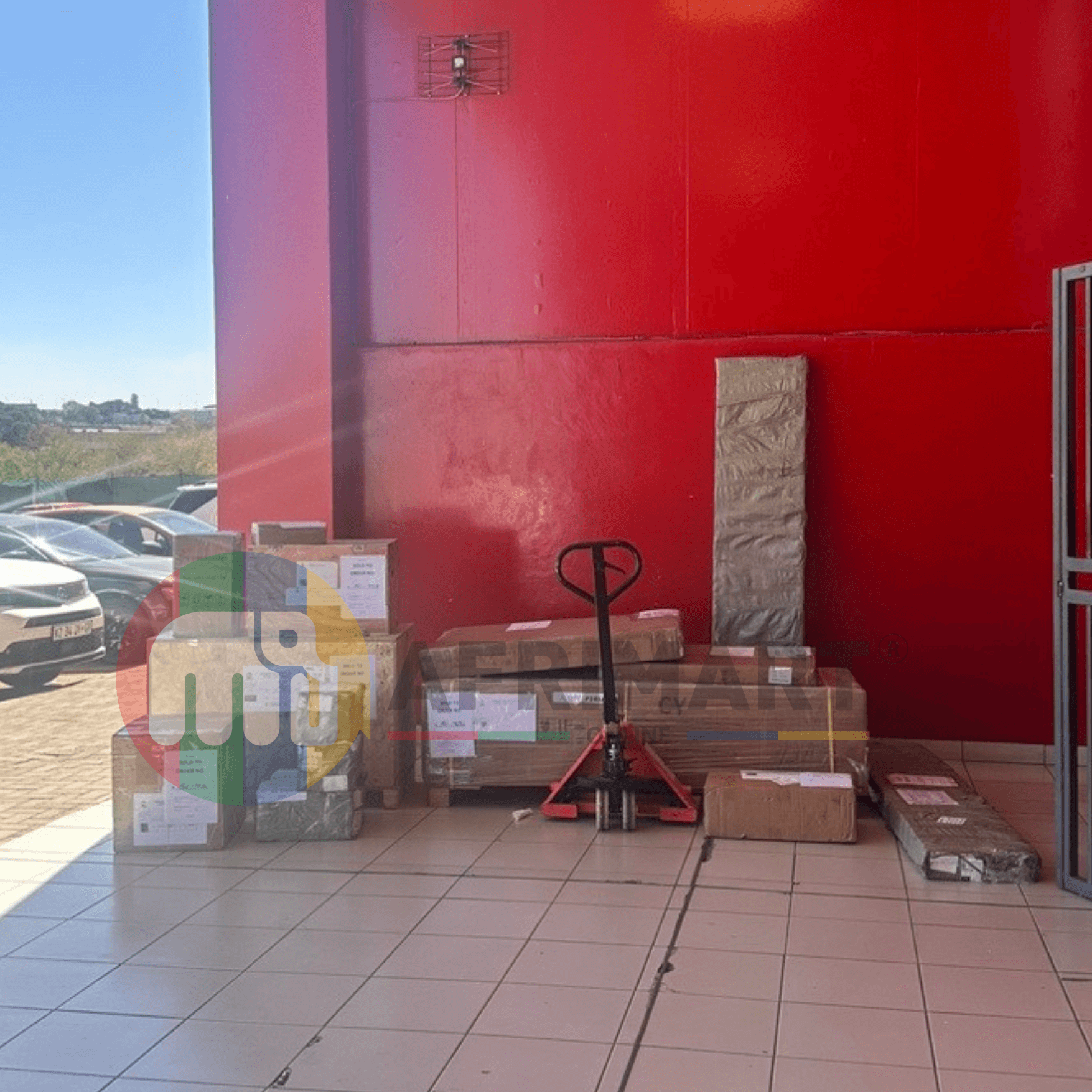
Batch of Orders
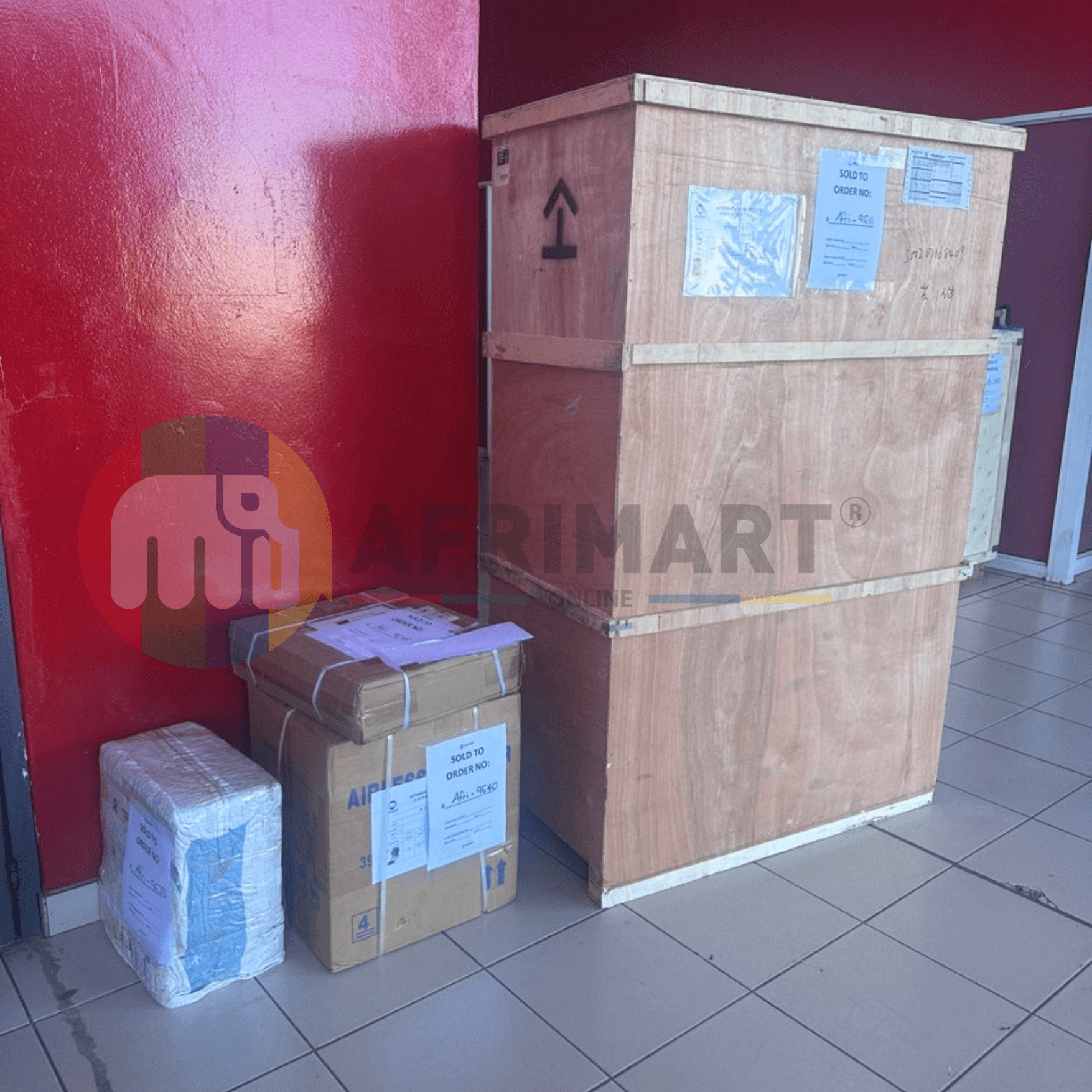
Agriculture Processing Machines
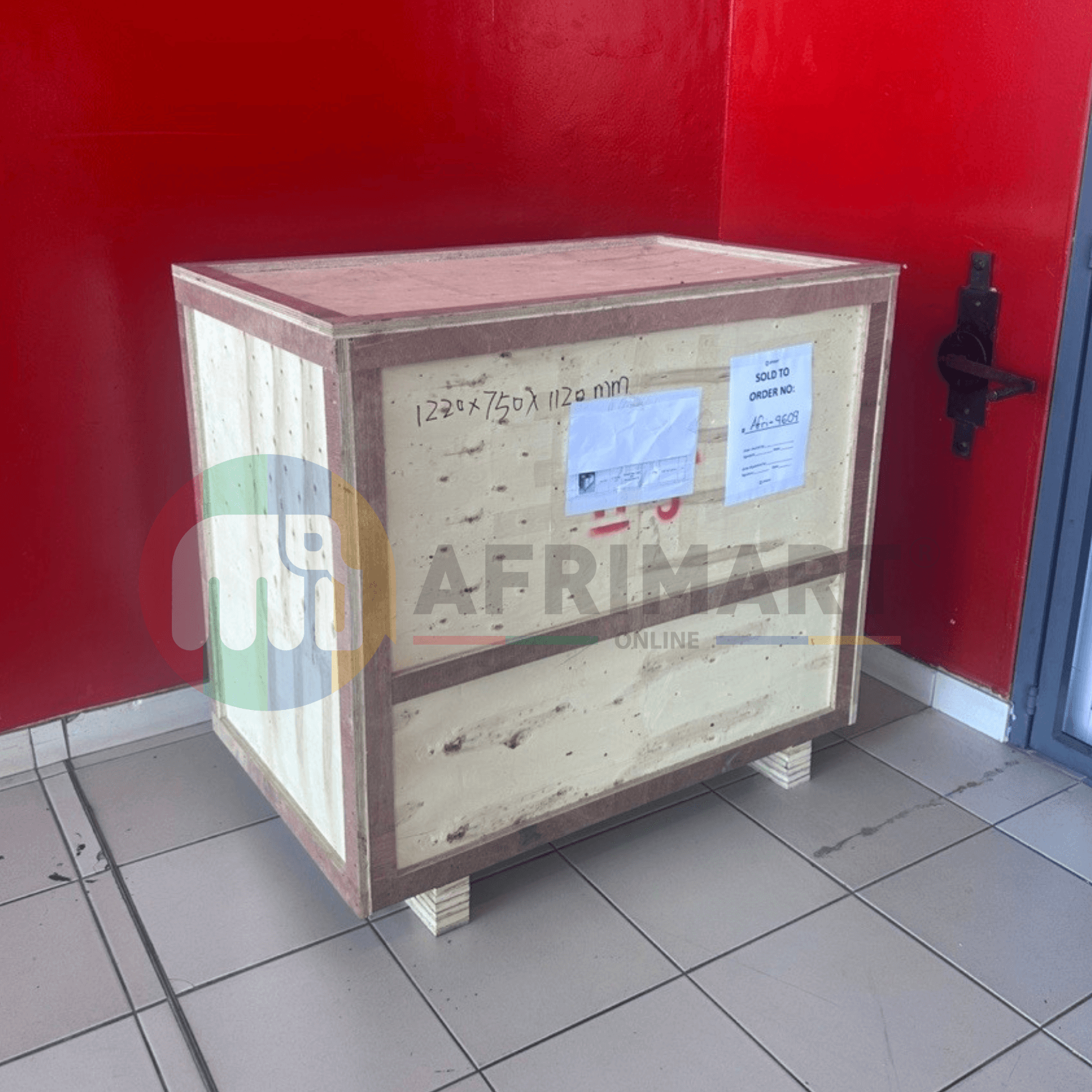
Meat Grinder Machine
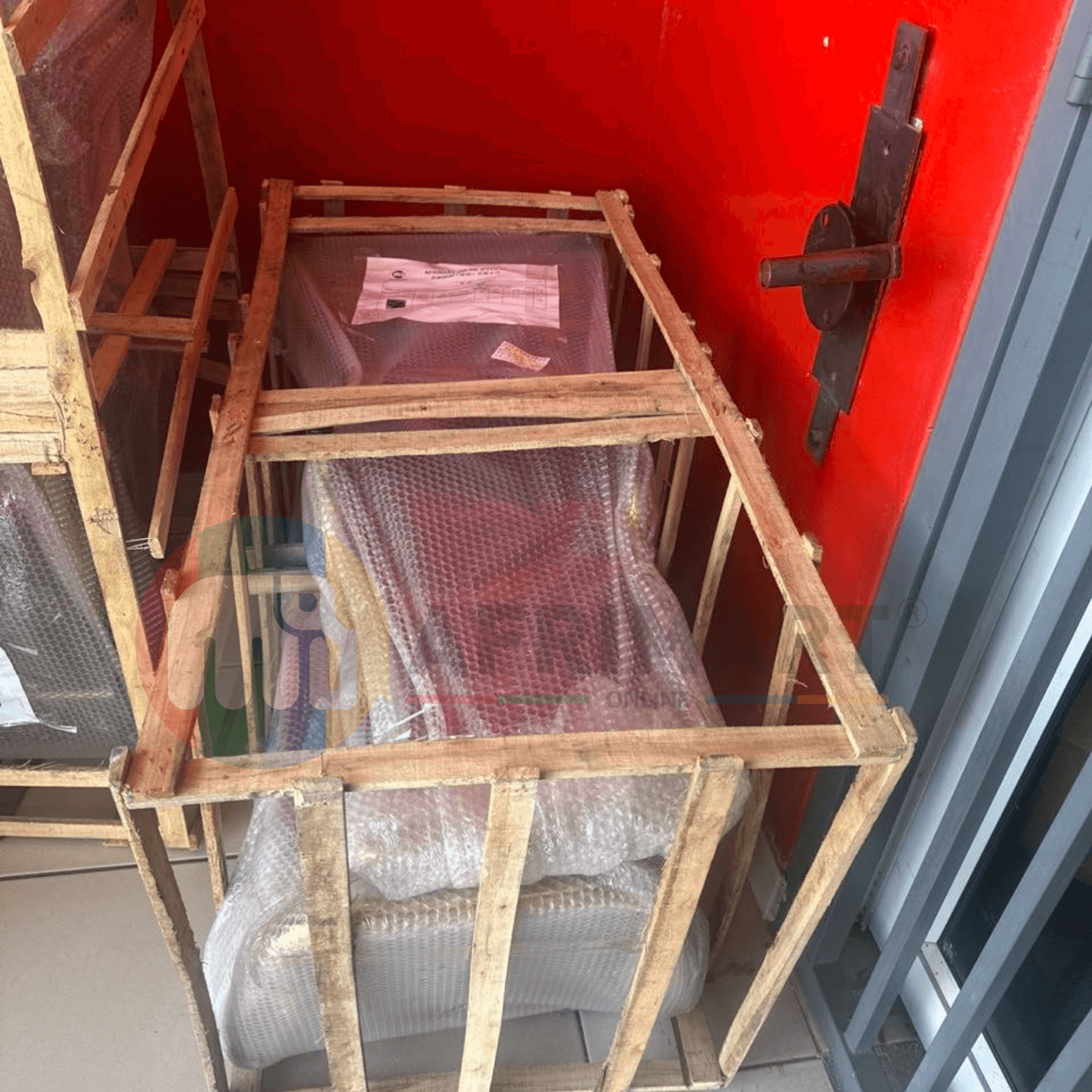
Water Pump Equipment
Packaging Machine and accessories

Fabrics Manufacturing Equipment
Mining Equipments
Food Processing Machine
Batch of Orders
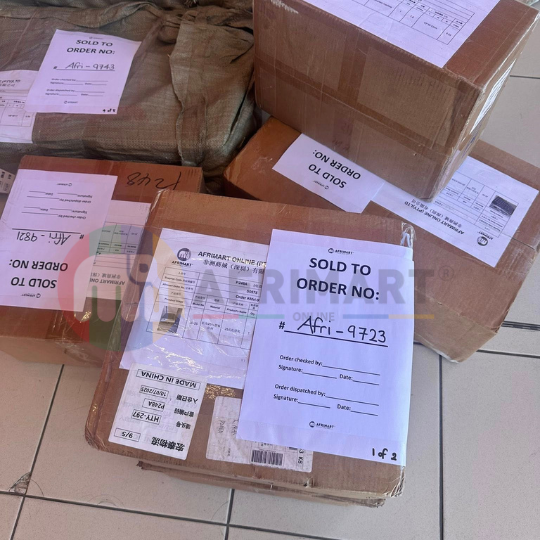
Batch of Orders
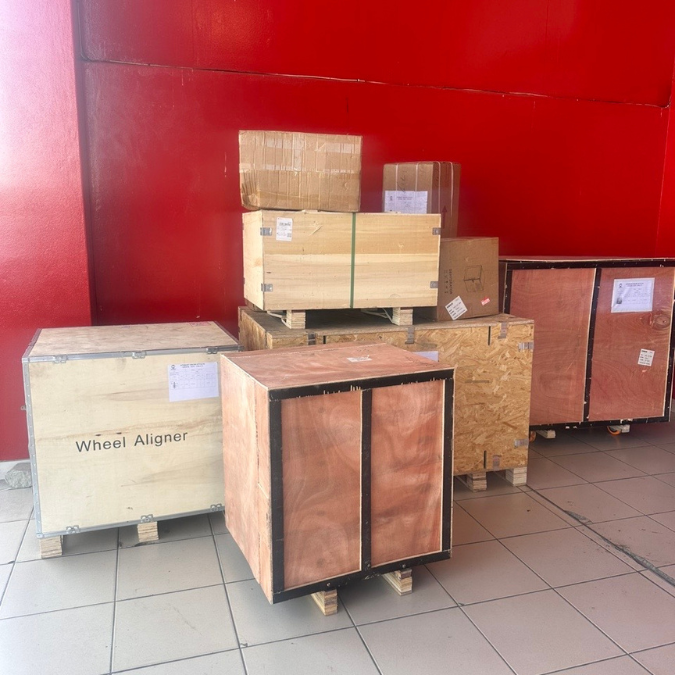
Latest Orders Labelled
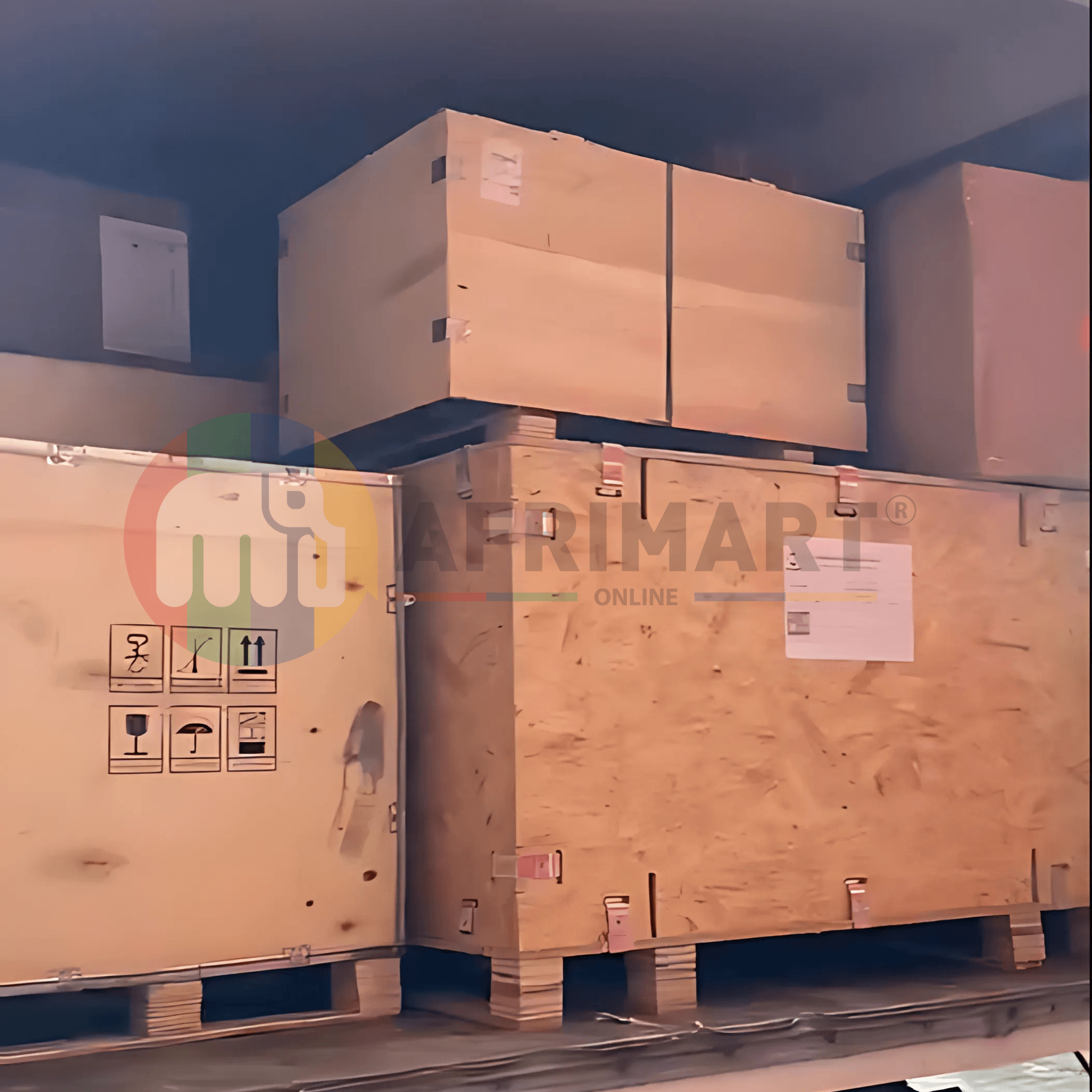
wheel alignment machines
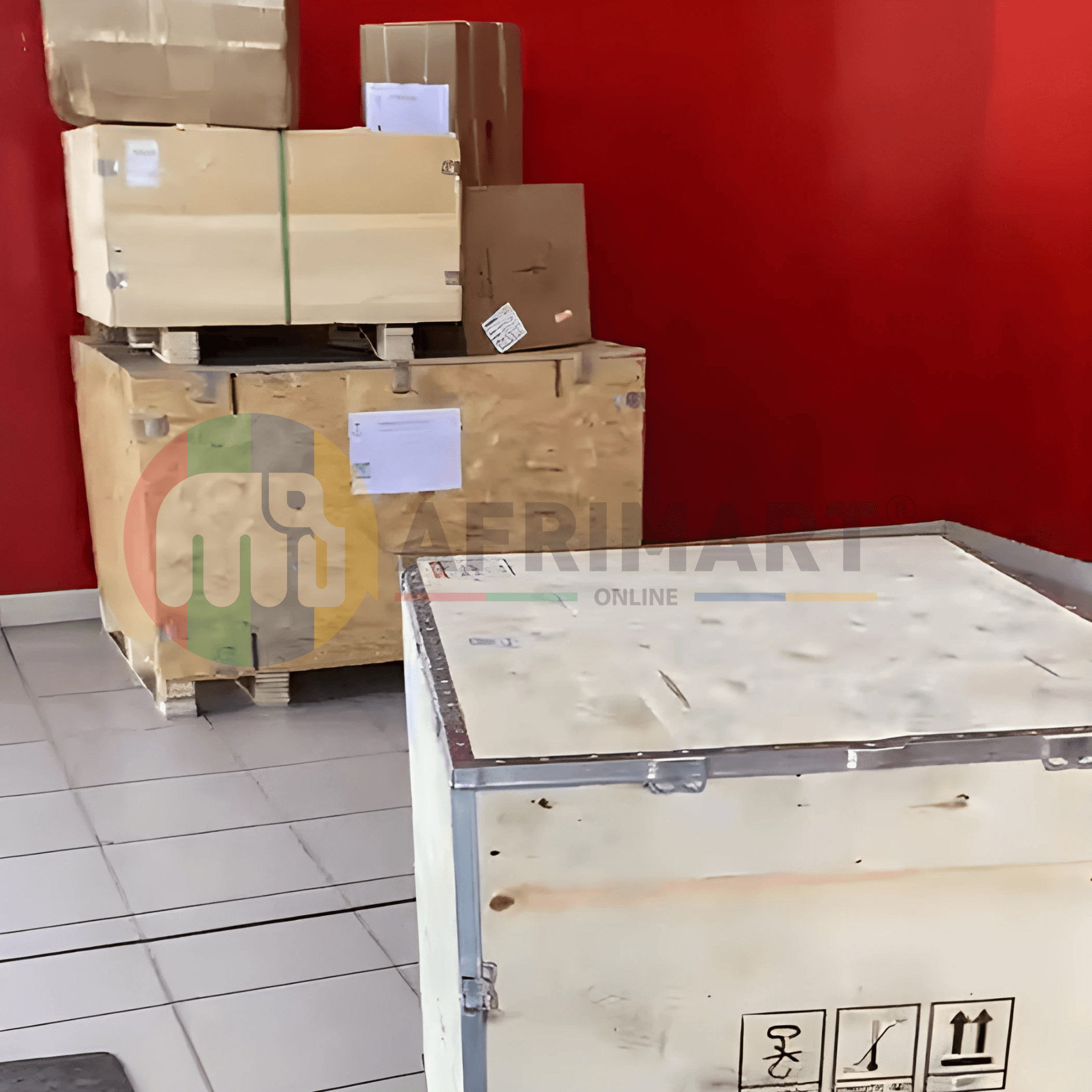
new arrivals
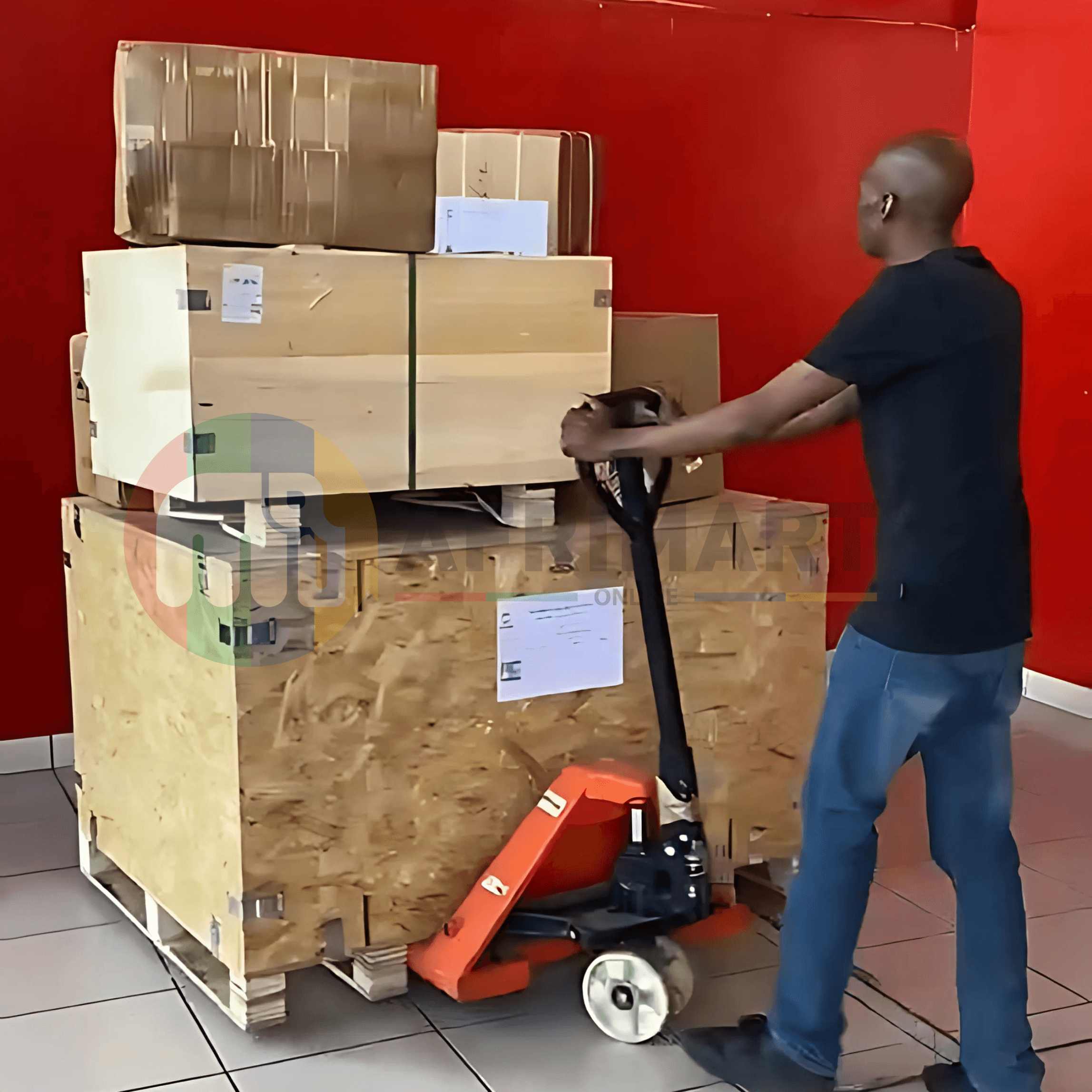
Pre Orders Offloading
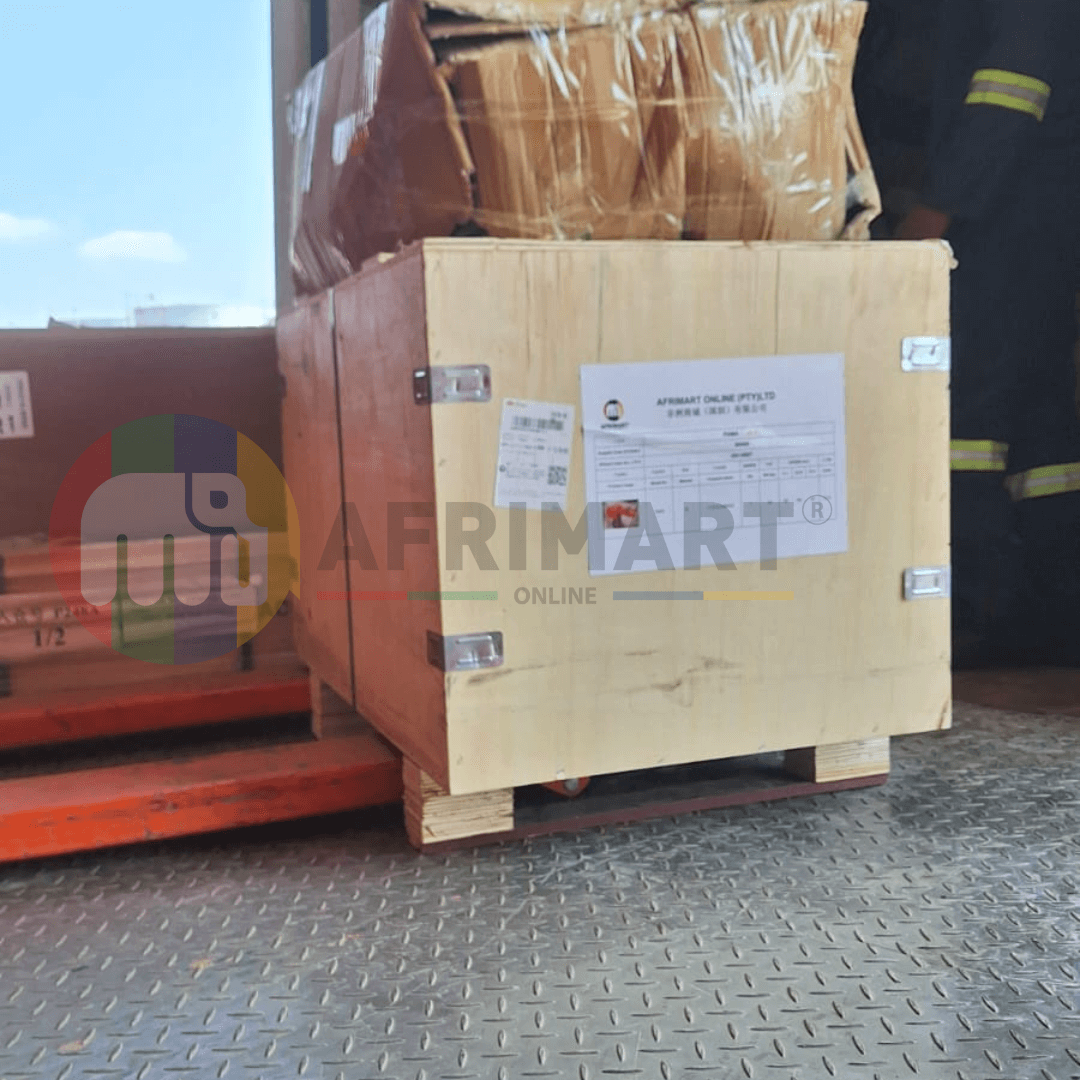
Latest Arrivals
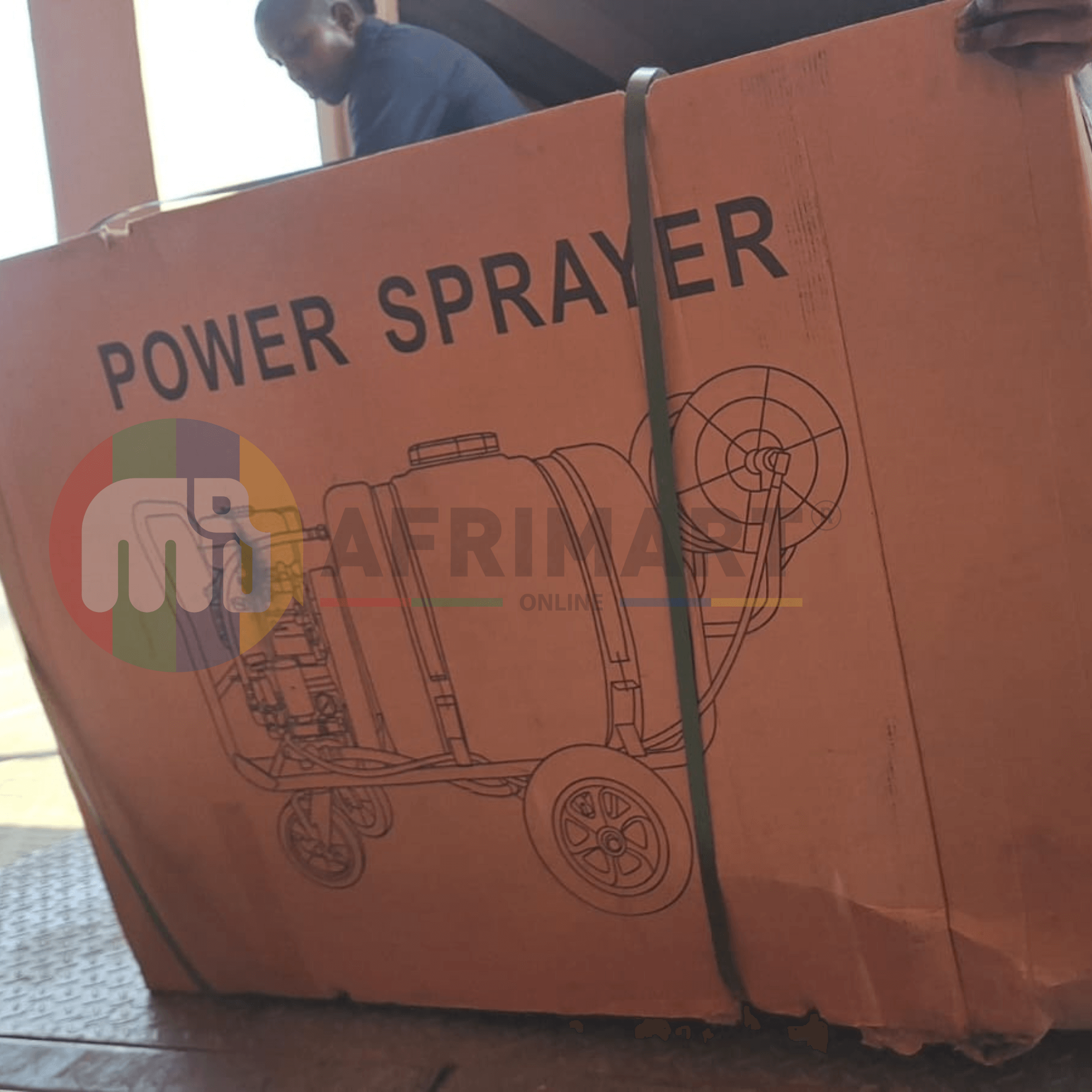
Latest Arrivals