B21, China Town Mall, Midrand


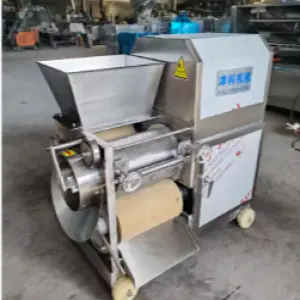
Qianying Commercial Rice Huller Machine

- Section : Machinery
- Category : Industrial Machinery
- SKU : 1600901159731

Qianying Commercial Rice Huller Machine
The Qianying Commercial Rice Huller Machine is designed for high productivity in agricultural applications, making it ideal for dehulling various seeds.
Key Features
High Efficiency: This huller operates effectively to shell and dehull hemp seeds, rice, buckwheat, and coffee beans, ensuring high throughput.
Durable Construction: Made from stainless steel, the machine is built to withstand rigorous use in agricultural settings.
User-Friendly Design: Easy to operate, the machine simplifies the dehulling process, making it accessible for users of all skill levels.
Compact Size: With dimensions of 500x500x1020 mm and a weight of 90 kg, it is suitable for various spaces without sacrificing performance.
Reliable Support: The machine comes with a 2-year warranty and provides video technical support for after-sales service, ensuring peace of mind for users.
In conclusion, the Qianying Commercial Rice Huller Machine is an efficient and versatile solution for seed dehulling, offering excellent performance and user-friendly features for agricultural needs.
Product Info Gallery
| Model | QY-W400 |
| Voltage | 220V 50HZ 2.2KW |
| Capacity | 300-400kg/h |
| Size | 50*50*102cm |
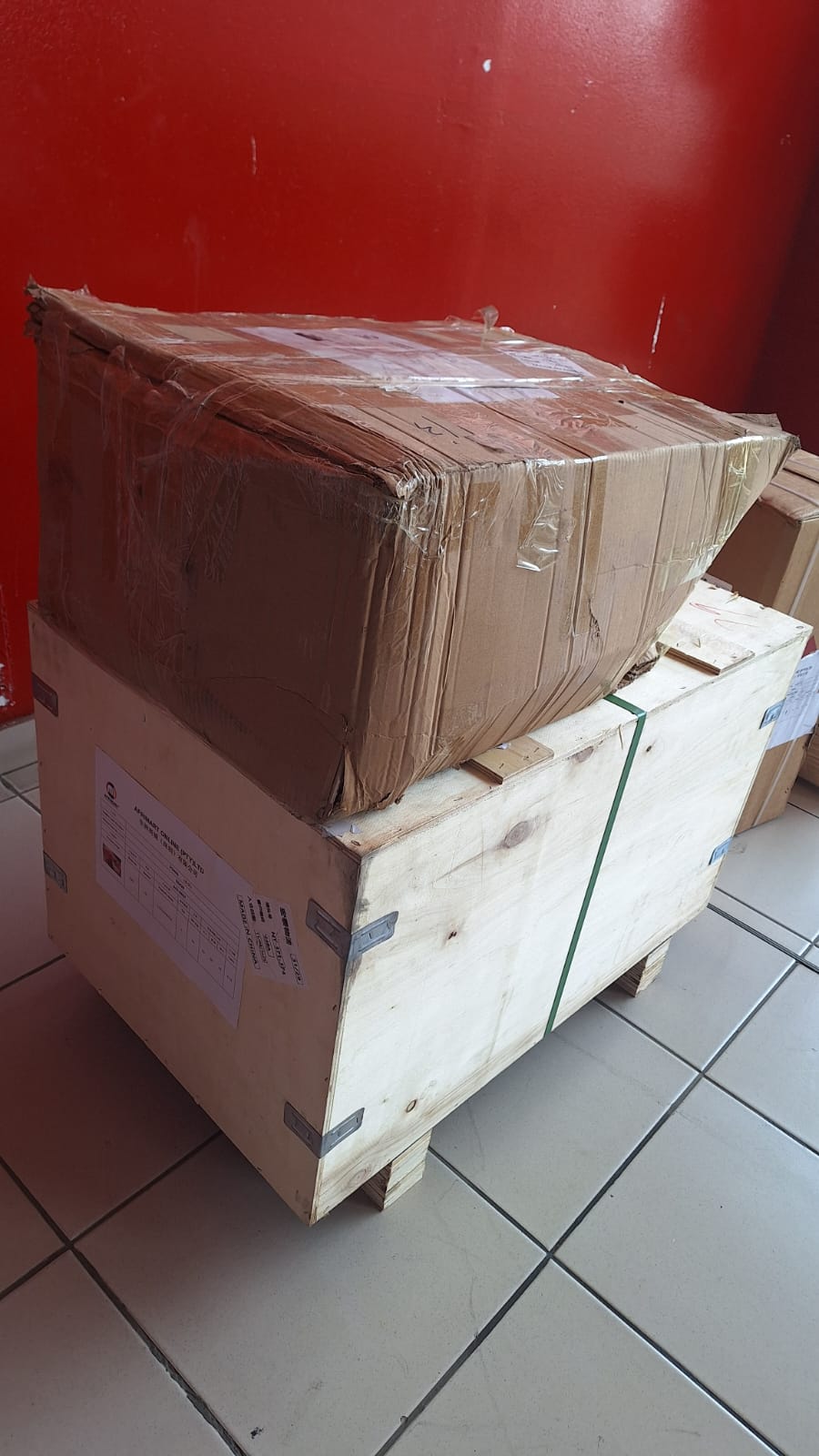
| Packing | Wooden package |
| Weight | 90kg |


- Shipping Timeframes: All orders are processed within 2-5 business days (excluding weekends and holidays). After your order has been processed, the estimated delivery time is before 03 Aug, 2026, depending on customs, Please note that due to high demand, some items may experience longer shipping times, which will be communicated at order confirmation email.
- Order Processing Time: Please allow 2-5 business days for us to process your order before it is shipped . Orders placed after 16:00 on Fridays, or during weekends and public holidays, will begin processing on the next business day. Processing times may be extended during peak seasons or sales events.
- Manufacturing Time: Some products needs manufacturing time, the manufacturing process will take approximately 10-30 business days depending on the product. This timeframe may vary depending on the complexity of the product and current demand. but this will be communicated with you during order confirmation.
- Returns and Exchanges: We offer a 30-day return policy for most items. If you are not completely satisfied with your purchase, you may return it within 30 days of receipt for a refund or exchange. Items must be unused, in their original packaging, and accompanied by proof of purchase. Return shipping costs are the responsibility of the customer, unless the item was damaged or defective upon arrival.
1. What is the Qianying Commercial Rice Huller Machine?
The Qianying Commercial Rice Huller Machine (model QY-W400) is a stainless-steel dehulling machine designed for high-productivity agricultural use to shell and dehull seeds such as rice, hemp seeds, buckwheat, and coffee beans.
2. Which crops and seeds can this machine process?
It is suitable for dehulling rice, hemp seeds, buckwheat and coffee beans, and can also be used for similar small seed crops where mechanical dehulling is appropriate.
3. What are the model and main technical specifications?
Model: QY-W400. Voltage: 220V 50Hz. Power: 2.2 kW. Capacity: 300–400 kg/h. Size: 50 × 50 × 102 cm. Weight: 90 kg.
4. What is the machine's processing capacity?
The rated processing capacity is 300–400 kg per hour, depending on seed type, moisture content and operator feed rate.
5. What are the machine's dimensions and weight?
Overall dimensions are approximately 500 × 500 × 1,020 mm (50 × 50 × 102 cm) and the machine weighs about 90 kg.
6. What electrical supply is required?
The machine requires a 220V, 50Hz single-phase supply and uses a 2.2 kW motor. Ensure the circuit and wiring meet local electrical codes and the motor's current draw.
7. What materials is the machine made from?
Key structural and contact parts are made from stainless steel to provide durability and corrosion resistance suitable for agricultural environments.
8. What warranty and after-sales support are provided?
The machine comes with a 2-year warranty. After-sales support includes video technical assistance; for parts or in-person service contact your supplier or authorized dealer.
9. Is the machine easy to operate for non-experts?
Yes. The Qianying huller is designed with a user-friendly interface and straightforward controls so operators with minimal training can run it safely and effectively.
10. What are the recommended installation and setup steps?
Place the machine on a flat, stable surface, secure it if required, connect to the proper 220V supply, check that all guards are in place, and perform a short no-load run to verify correct rotation before feeding material.
11. How should I clean and maintain the machine?
Regularly clean the huller to remove dust and husk residues, inspect and lubricate bearings per the manual, check for worn or damaged dehulling parts, and replace wear items as needed to maintain performance.
12. Are spare parts and wear components available?
Yes. Wear parts (rollers, screens, seals, belts) are generally available through the manufacturer or authorized dealers. Contact your supplier to order replacements.
13. What safety precautions should operators take?
Always disconnect power before maintenance, keep guards and covers in place during operation, avoid placing hands near moving parts, wear appropriate PPE, and follow the user manual's safety instructions.
14. How is the machine packaged for shipment?
The machine is typically packed in a wooden crate/package to protect it during transport.
15. What should I do if the machine has low throughput or won't start?
For low throughput: check feed rate and seed moisture, inspect for blockages, and examine wear on dehulling parts. If it won't start: verify electrical supply, check fuses/breakers and wiring, and ensure the emergency stop and safety switches are not engaged. Contact technical support or your dealer if the issue persists.
Latest Order Arrivals
Discover our latest orders
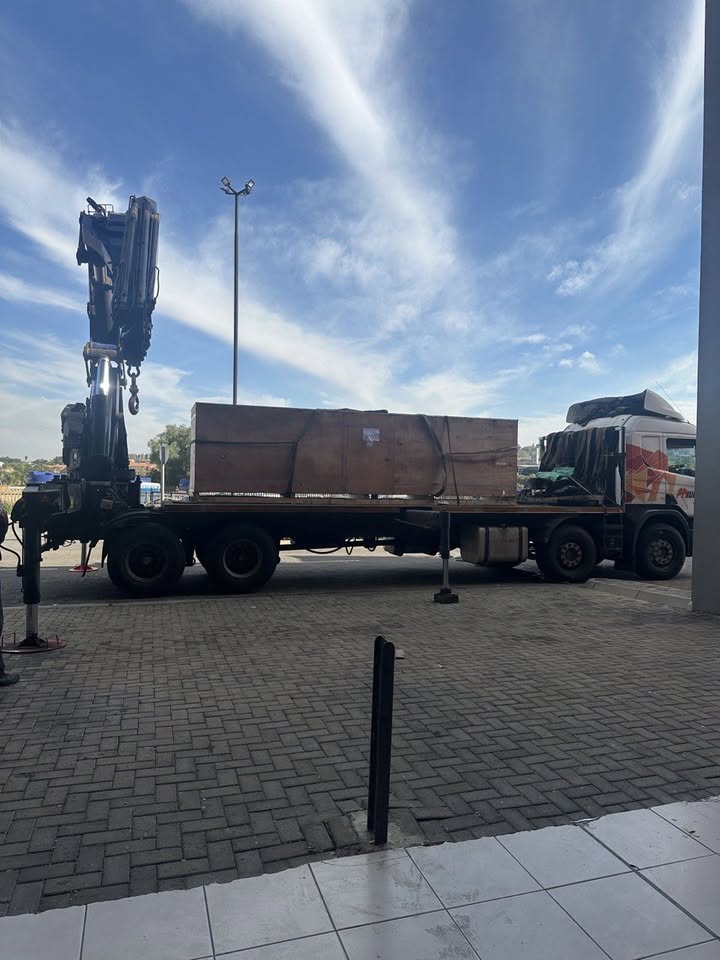
12 Heads Embroidery Machine
Toilet Paper Machine Machine
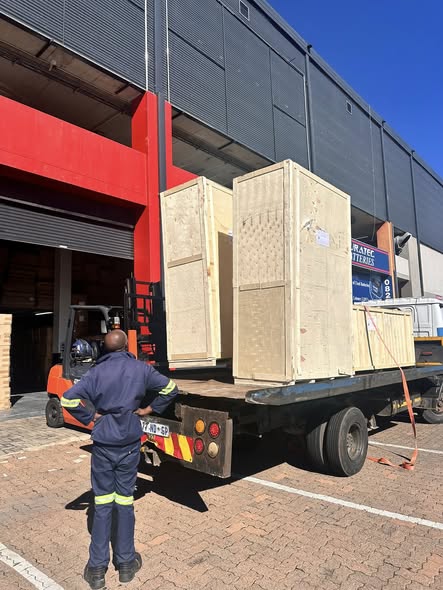
Order Collection
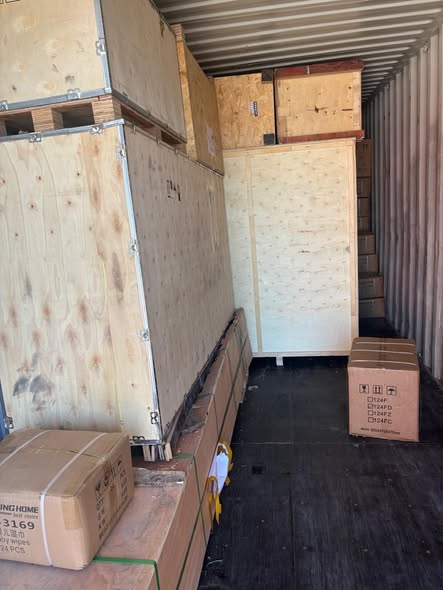
Cross Border Clients
Order cros border countries Collected
Industrial Machine Cllection
Agriculture Processing Machines
Ready for collection
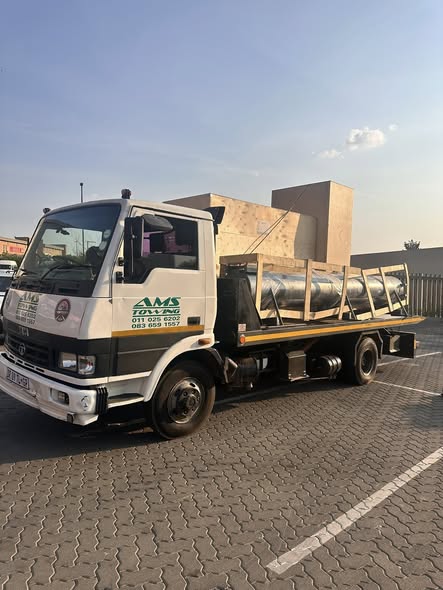
Water Pump Equipment
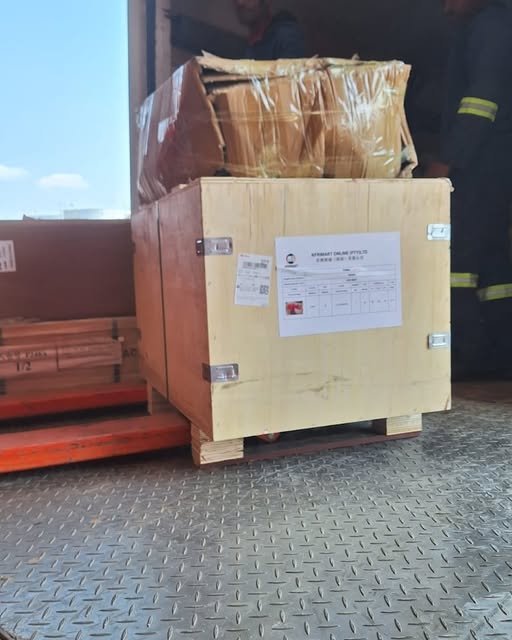
Packaging Machine and accessories
Fabrics Manufacturing Equipment
Mining Equipments
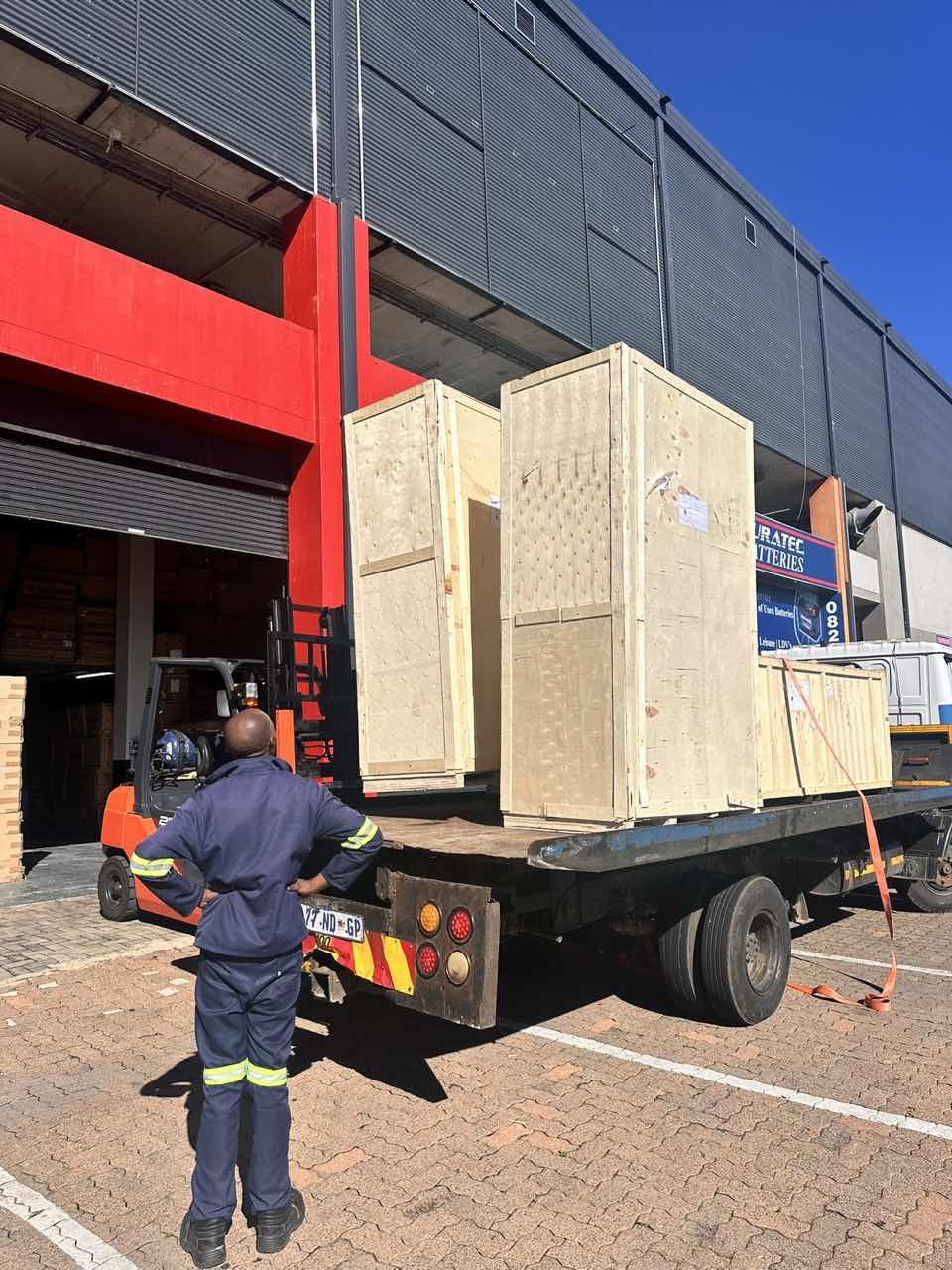
Food Processing Machine
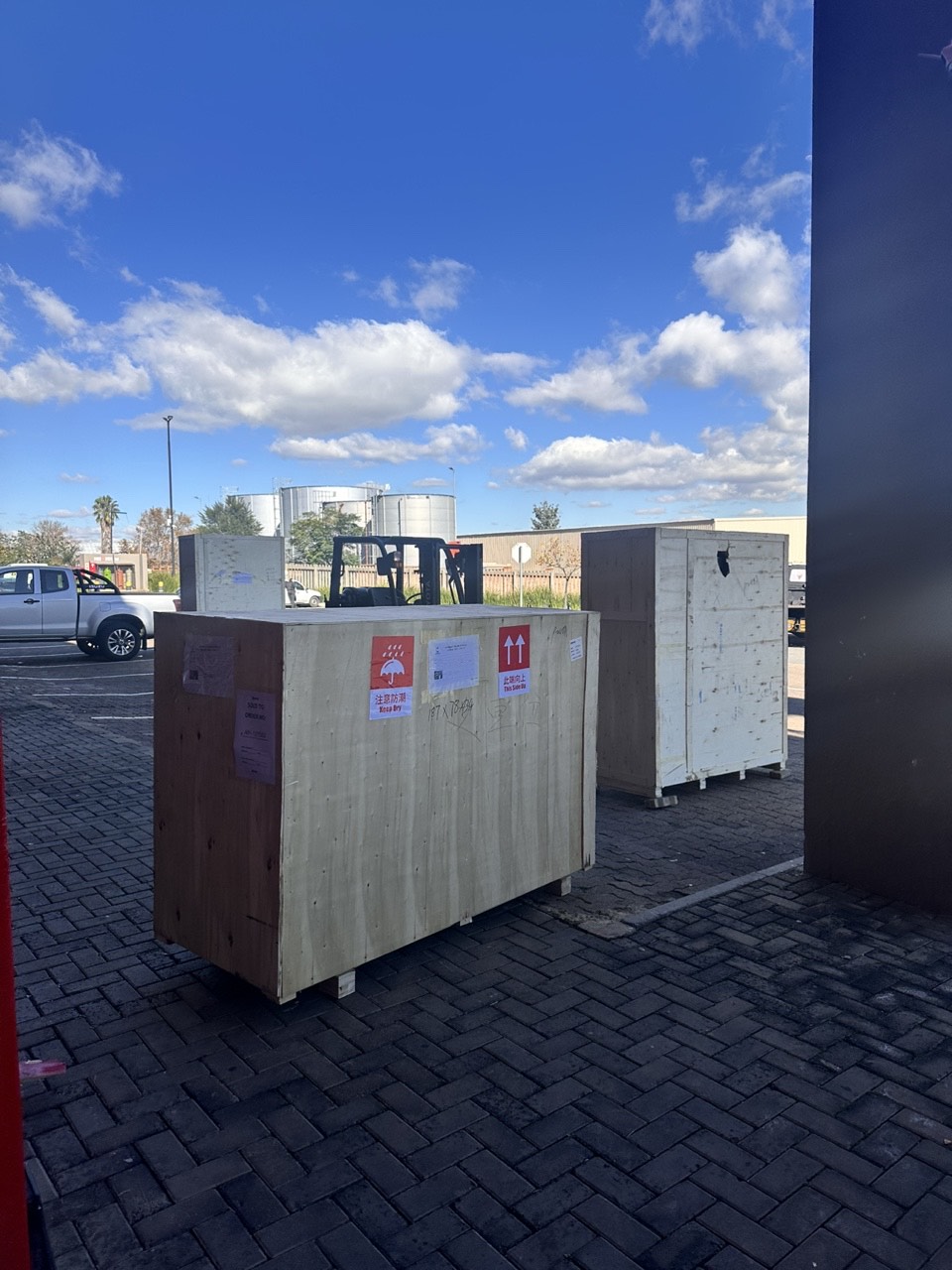
Batch of Orders
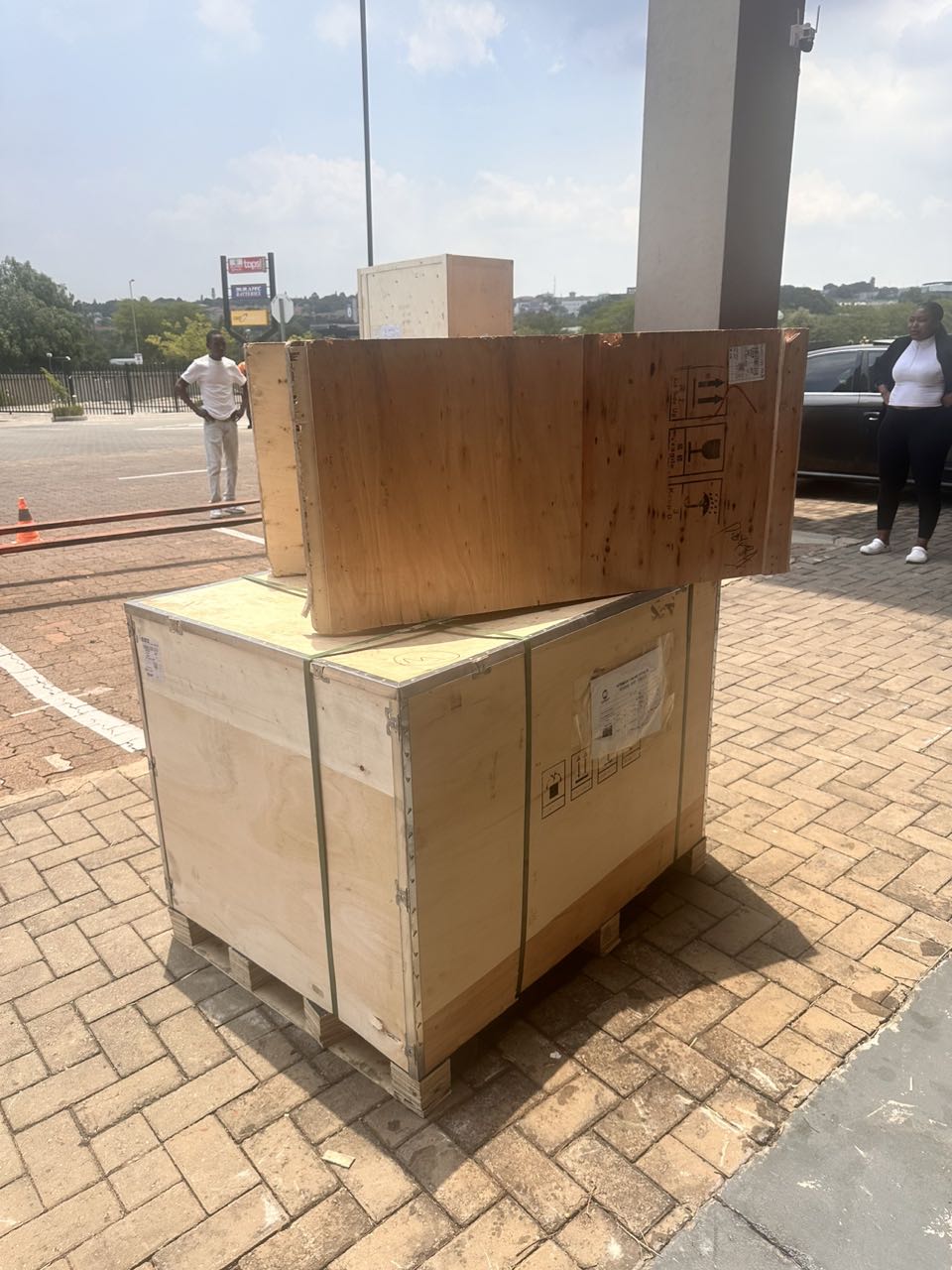
Batch of Orders
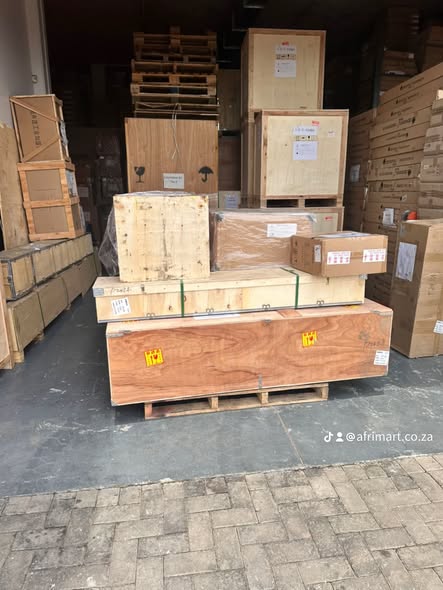
Latest Orders Labelled
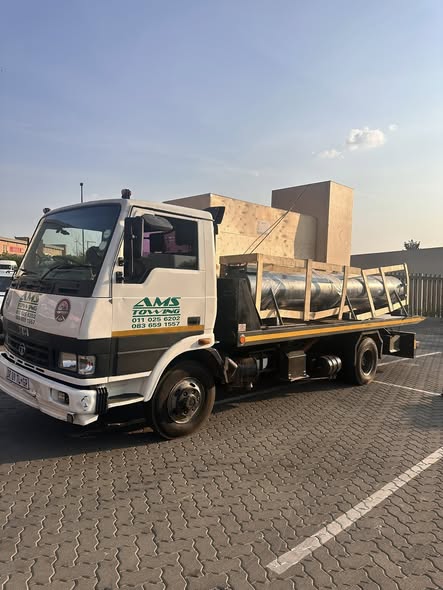
wheel alignment machines
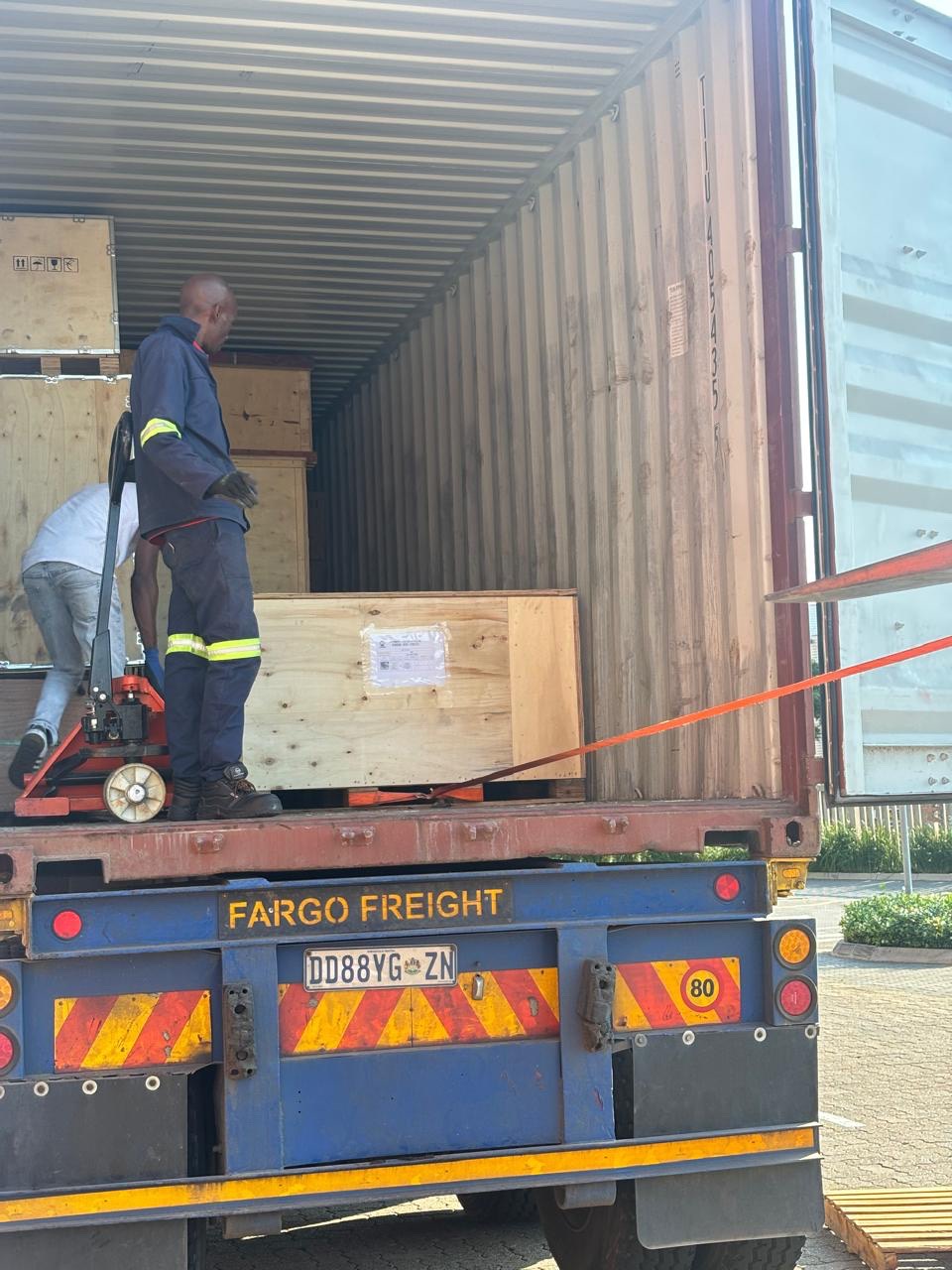
new arrivals
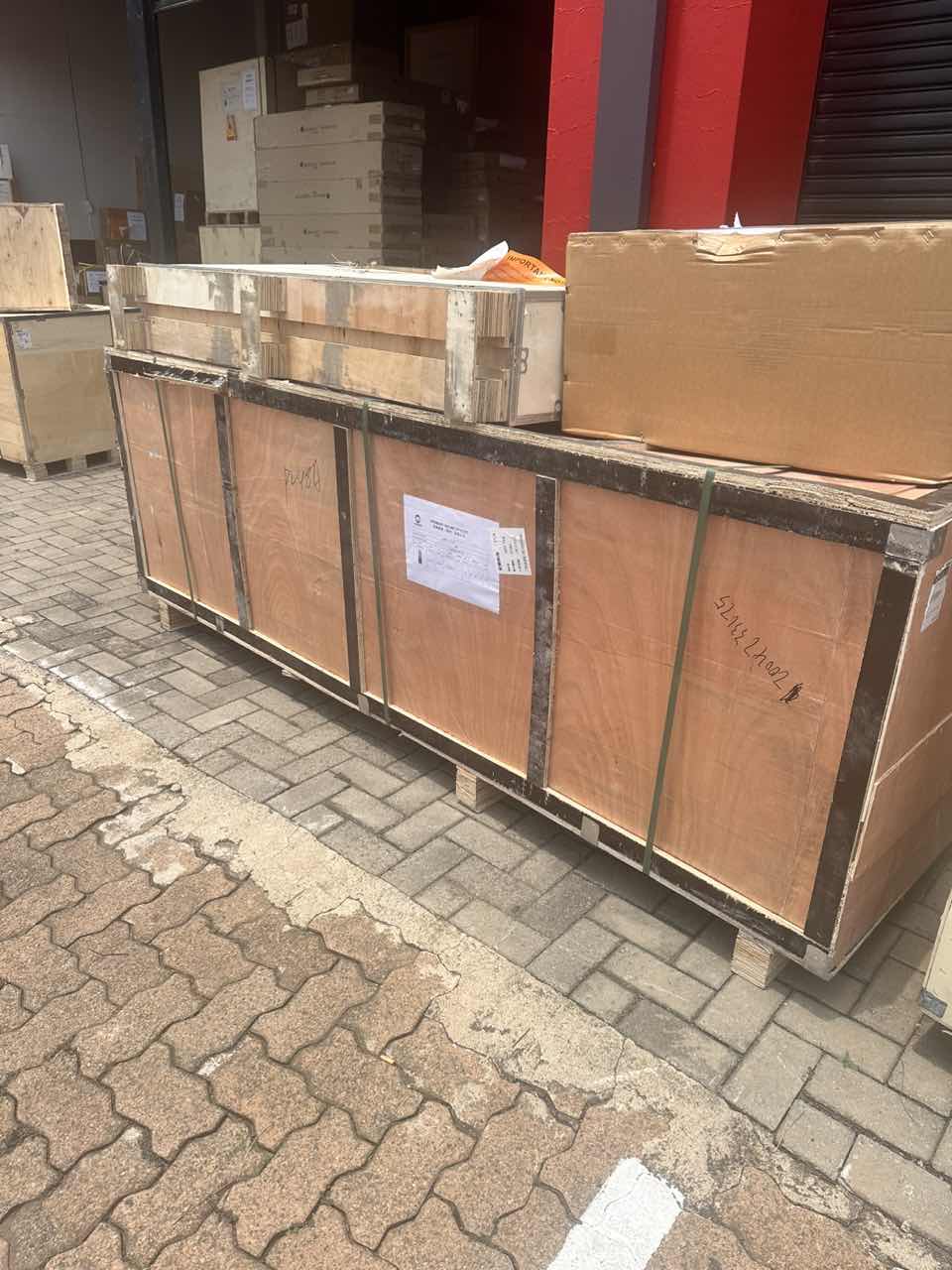
Pre Orders Offloading
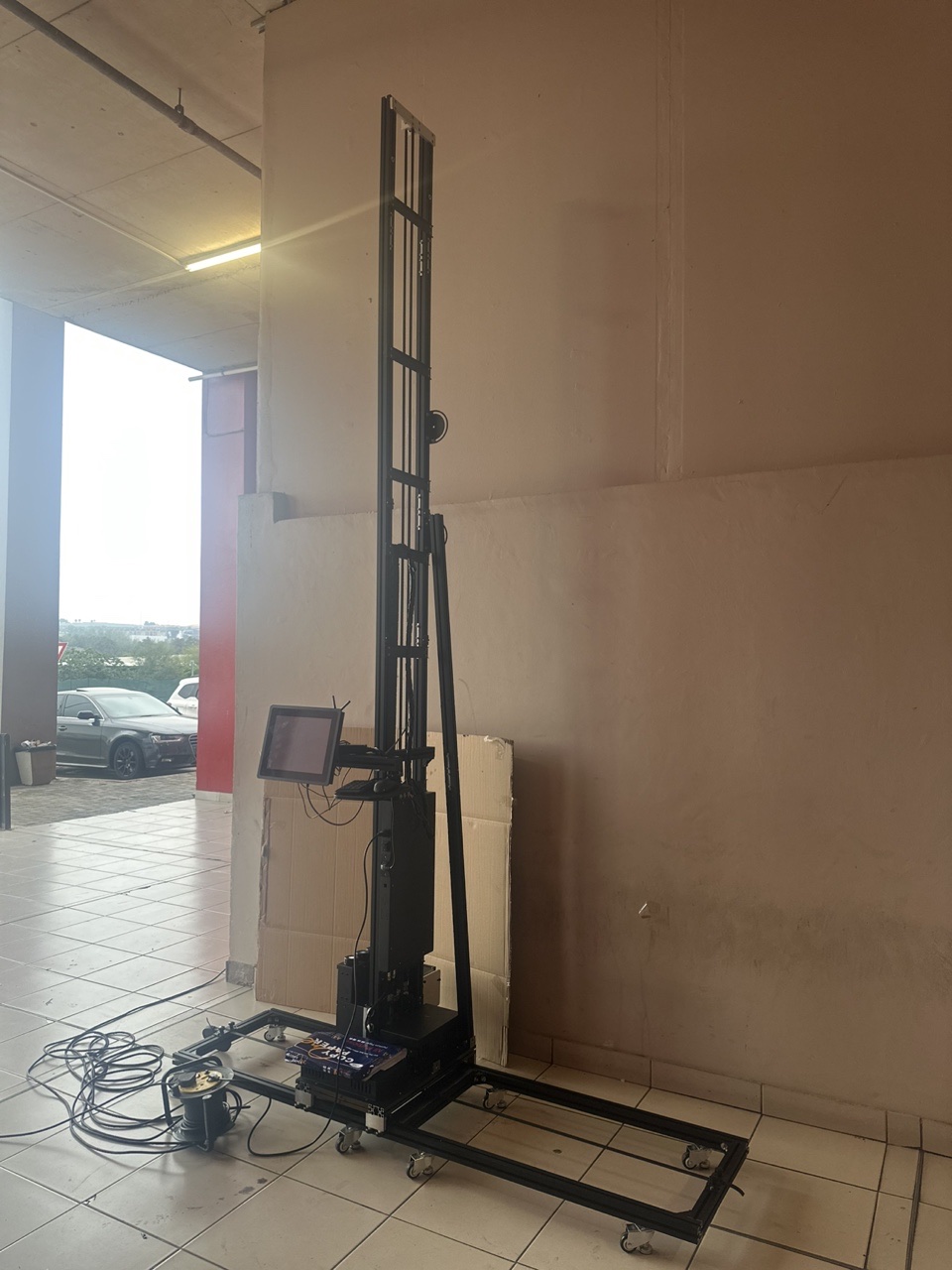
Latest Arrivals
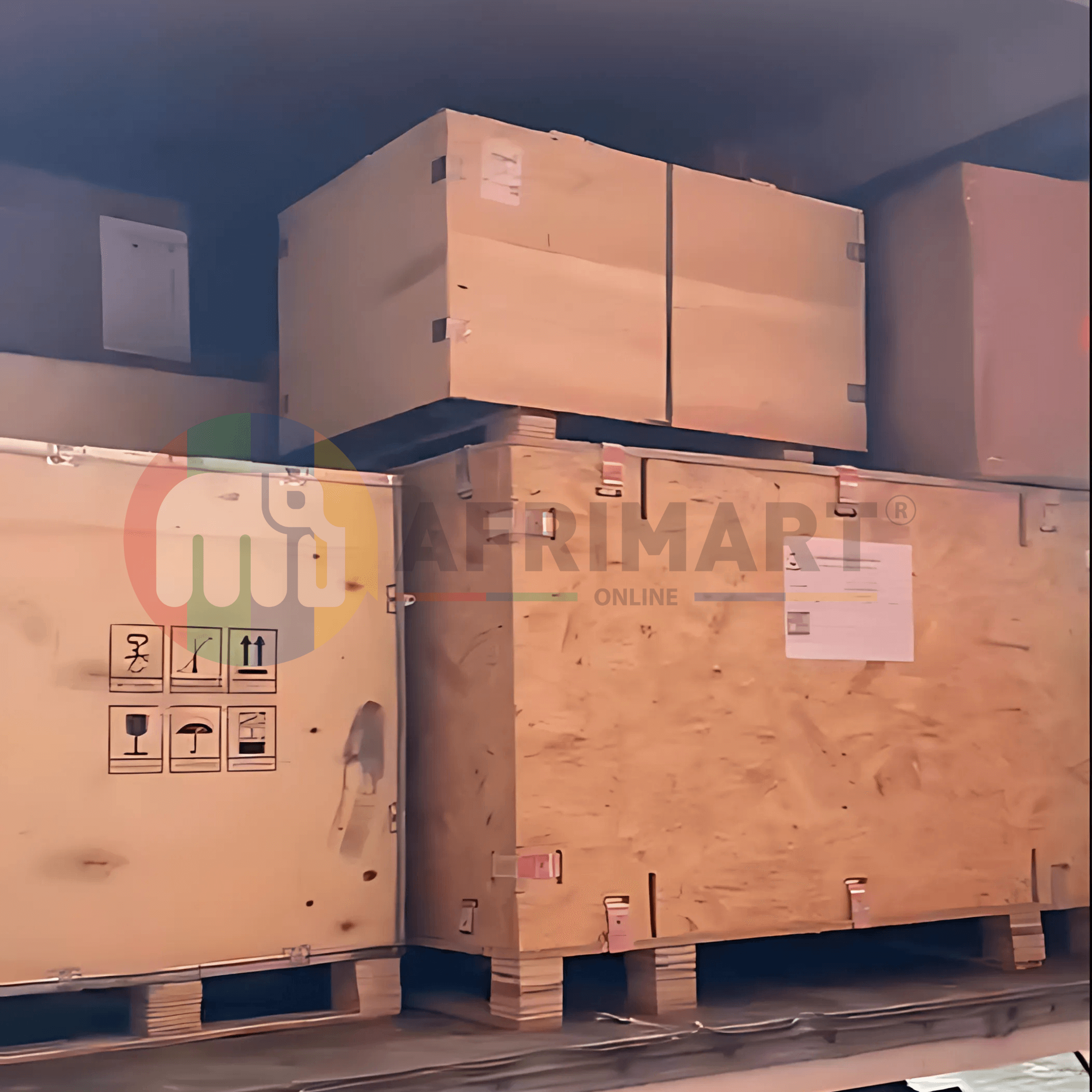
Latest Arrivals
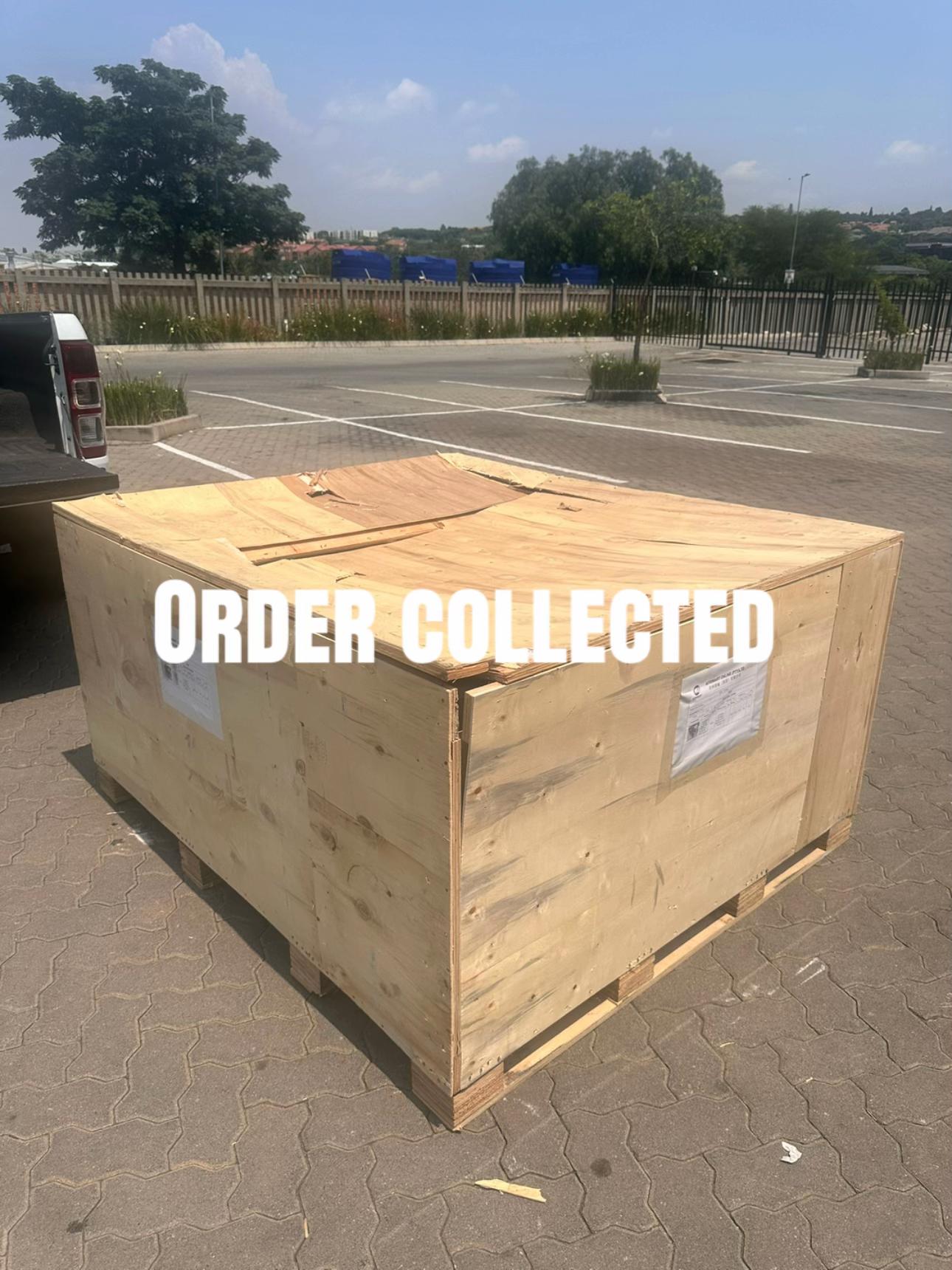
Latest Arrivals
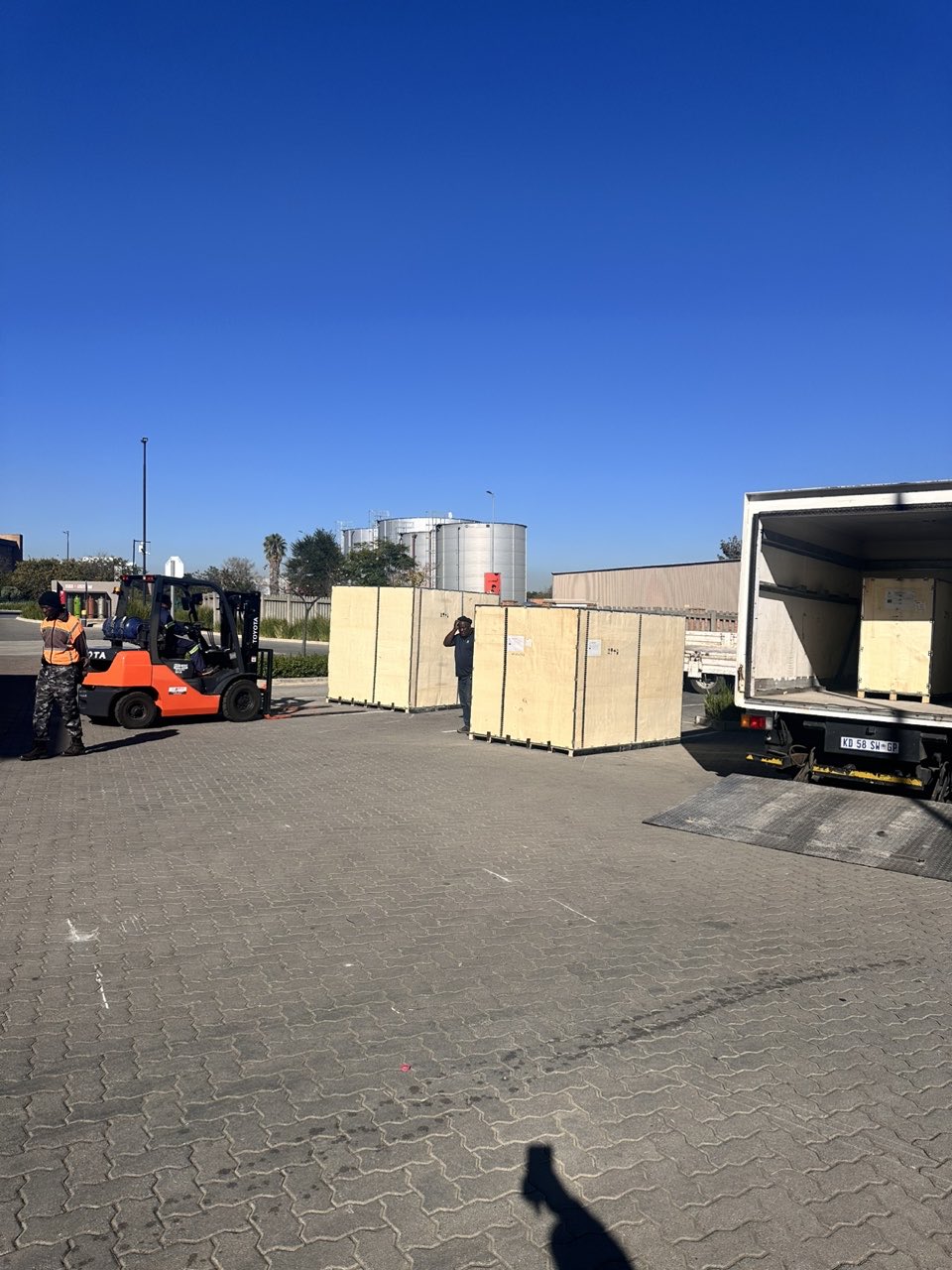
Loading
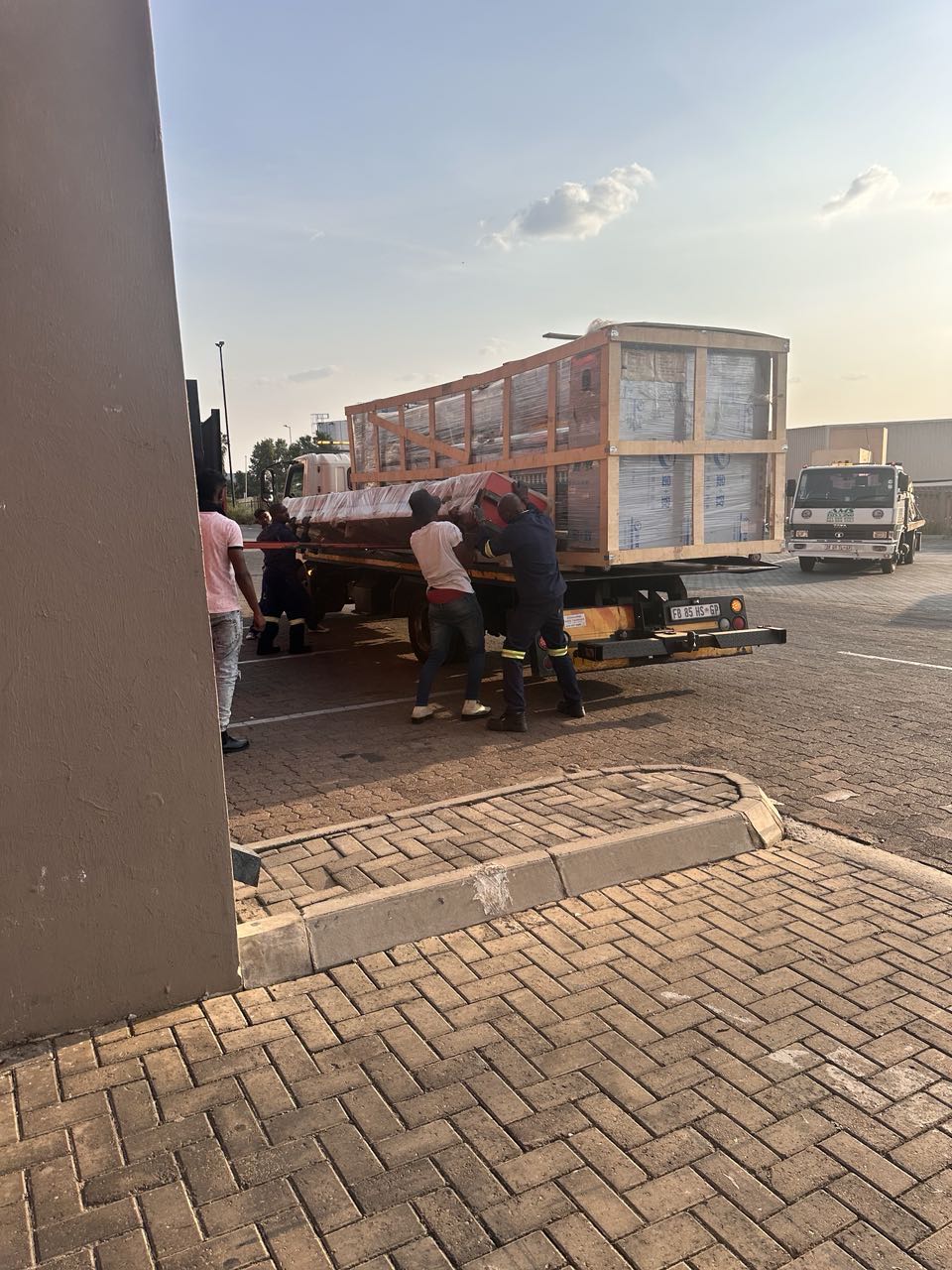
Toilet paper making machine
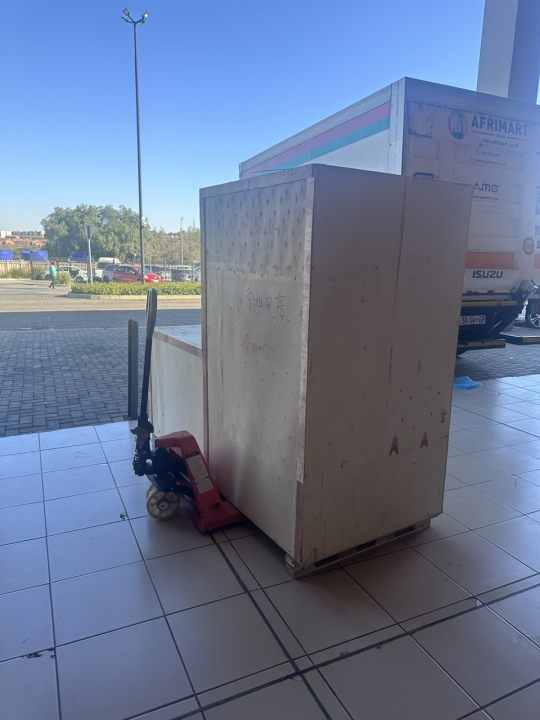
Toilet paper making machine
Toilet paper Rewinding Machine
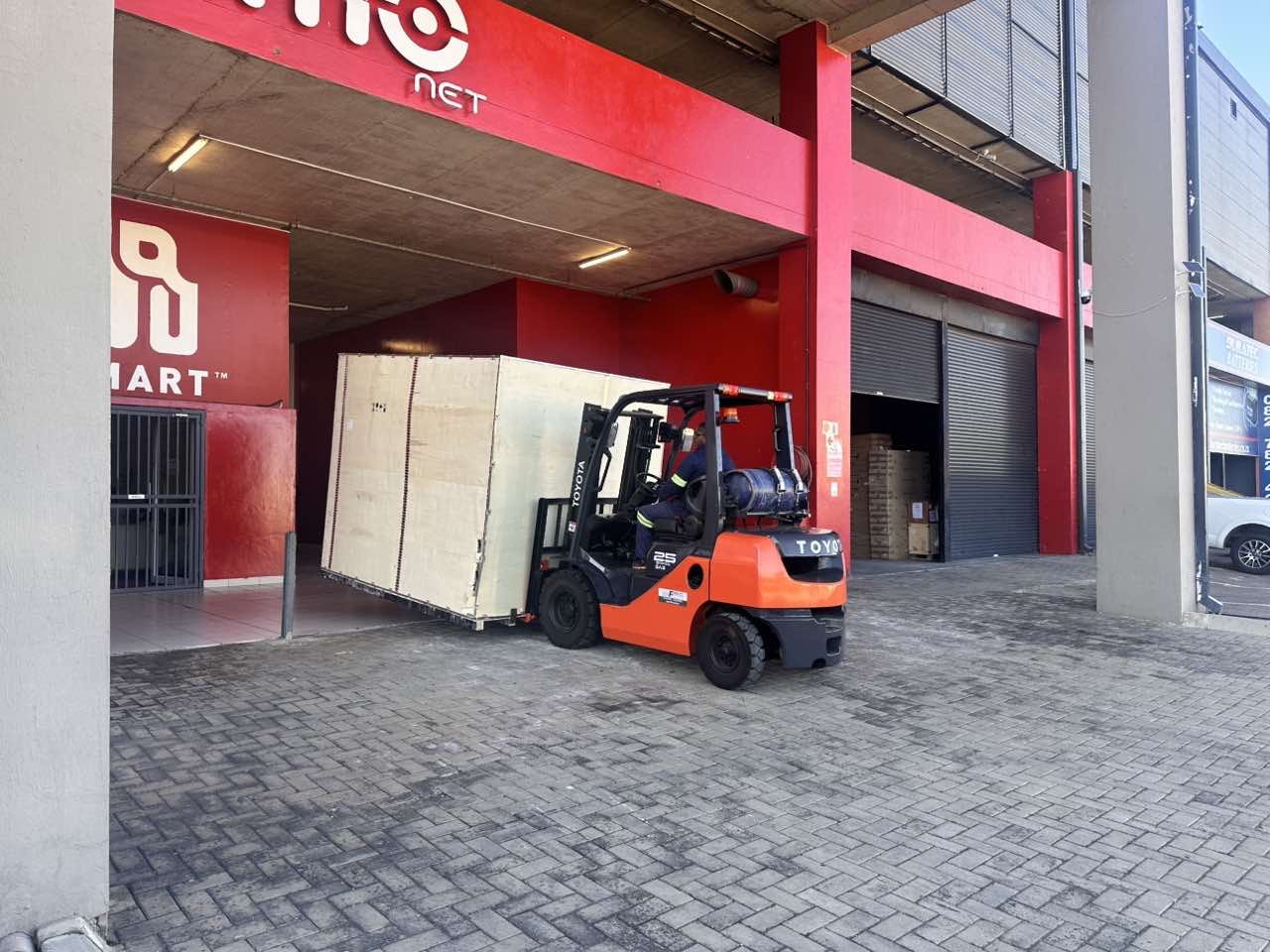
latest arrivals
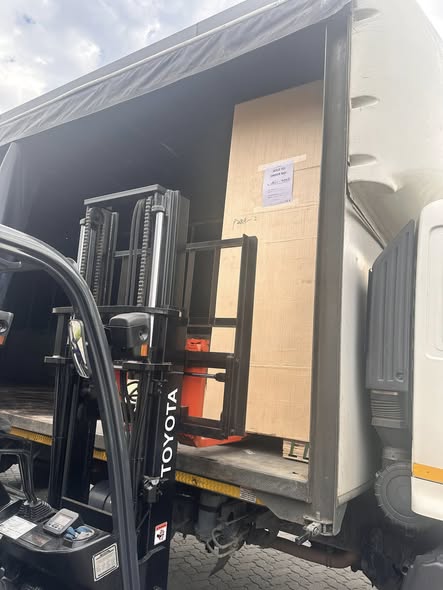
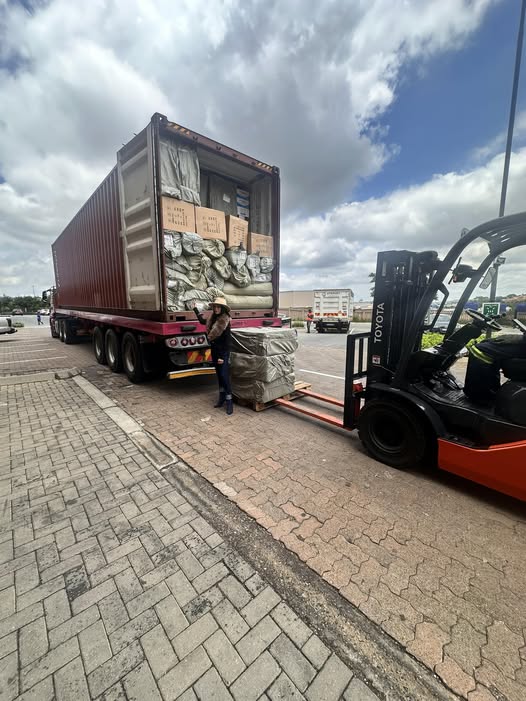
offloading
order success
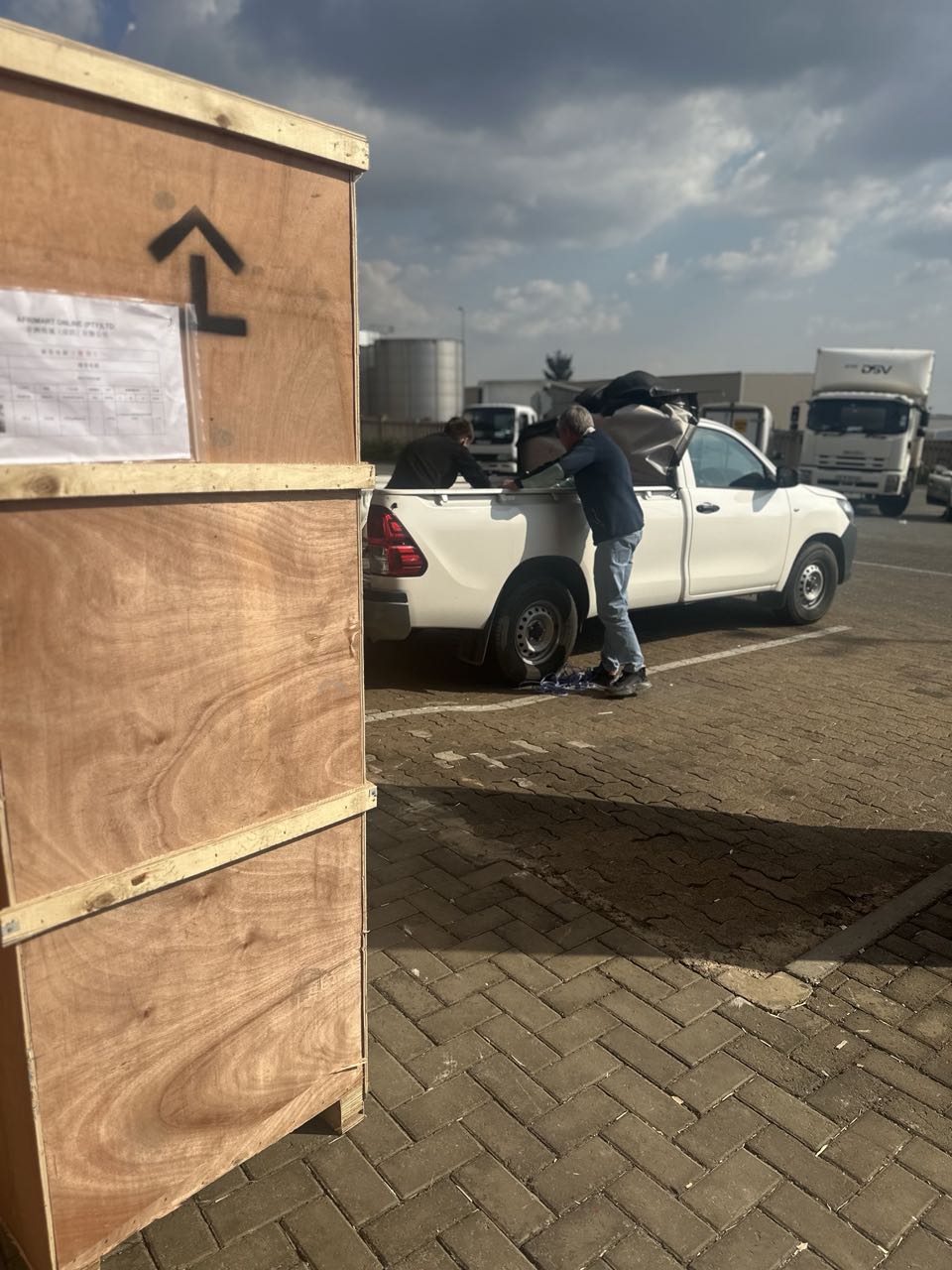
order collection
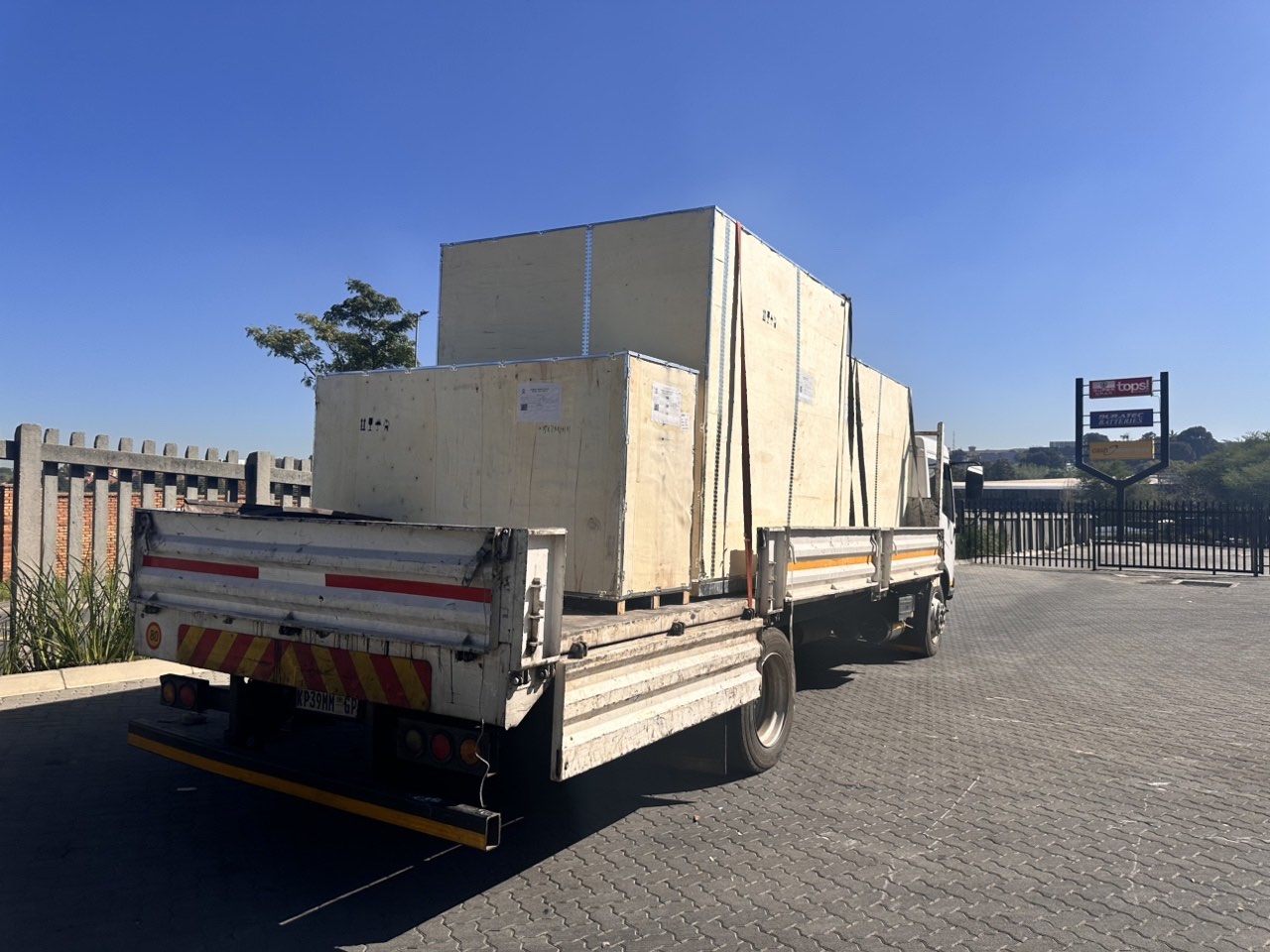
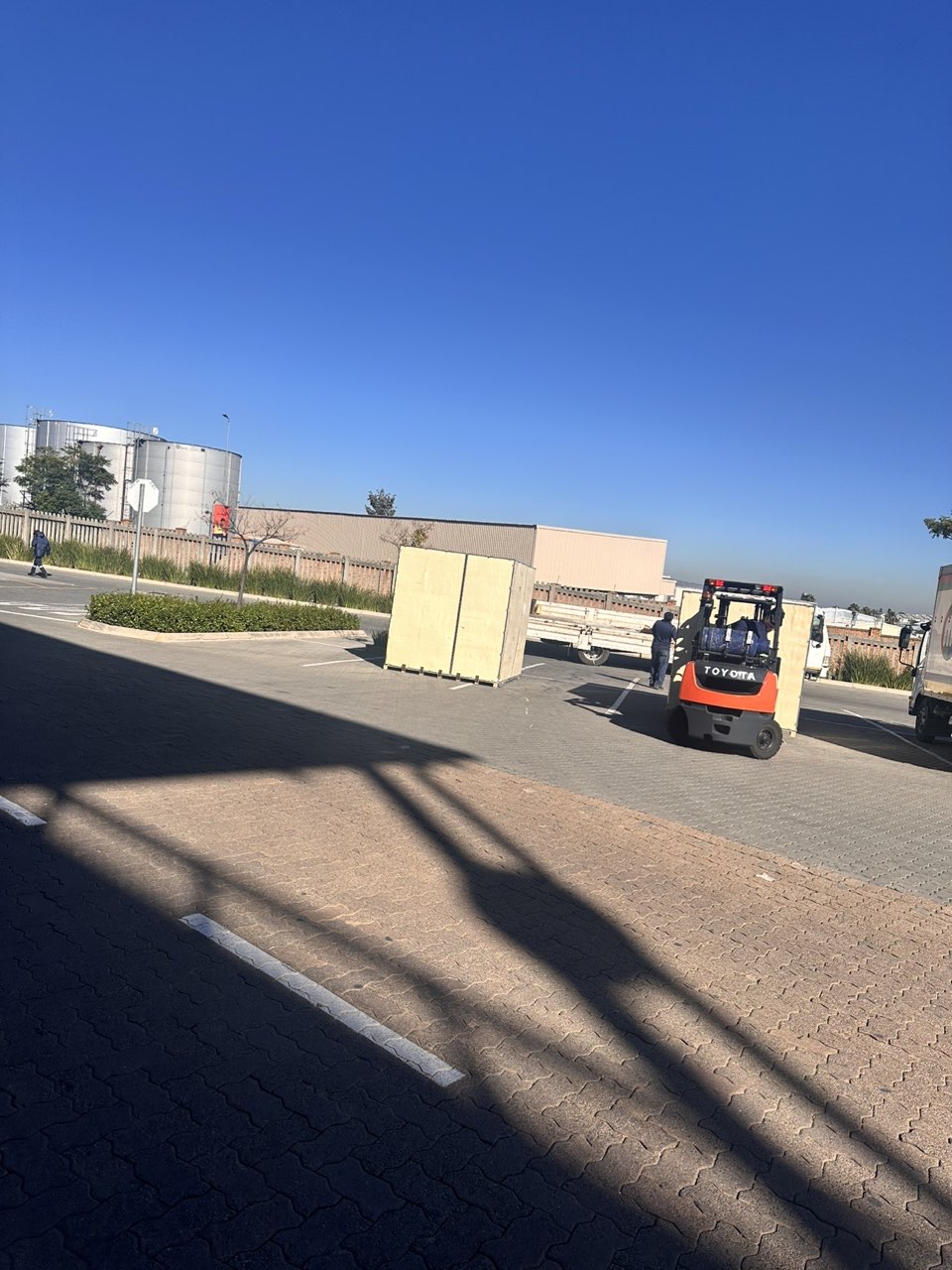
order offloading