B21, China Town Mall, Midrand

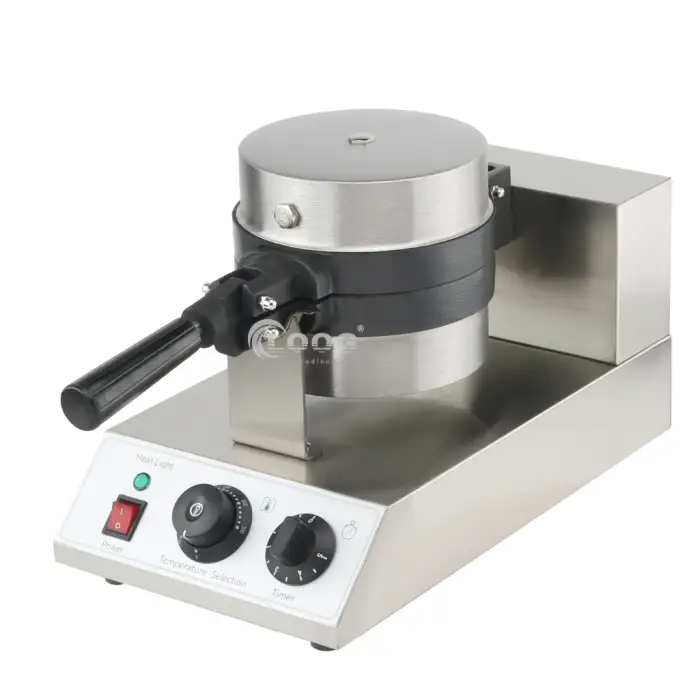
Professional Restaurant Kitchen Equipment Electric Ice Cream Gelato Panini Press Sandwich Maker Commercial UFO Burger Machine

- Section : Machinery
- Category : Other Food Processing Machinery
- SKU : 1600281520082

Professional Restaurant Kitchen Equipment Electric Ice Cream Gelato Panini Press Sandwich Maker Commercial UFO Burger Machine
The Professional Restaurant Kitchen Equipment Electric Ice Cream Gelato Panini Press Sandwich Maker Commercial UFO Burger Machine is a versatile and efficient appliance for any commercial kitchen. It allows you to create delicious burgers, paninis, and gelato with ease. Its sturdy design and powerful features make it a must-have for busy restaurants and cafes.
Specifications
| Attribute | Details |
|---|---|
| Brand Name | Goodloog |
| Weight | 14 kg |
| Voltage | 220V |
| Dimensions (L*W*H) | 470*250*300 mm |
| Material | Stainless Steel + Aluminum Plate |
| Timer | 0-5 Minutes |
| Thermostat | 50-300 degrees |
| Coating | 3 Layers Nonstick Coating |
| Warranty | 1 Year |
| Condition | New |
| Packing Size | 510*320*360 mm |
Key Features
- High productivity for fast service
- Electric heat source for consistent cooking
- Built-in timer for perfect cooking every time
- Durable stainless steel and aluminum construction
- Nonstick coating for easy cleaning
Applications
- Perfect for making UFO burgers
- Ideal for paninis and grilled sandwiches
- Great for preparing ice cream gelato
- Suitable for commercial kitchens and food trucks
- Excellent for cafes and restaurants serving fast food
Get the Professional Restaurant Kitchen Equipment Electric Ice Cream Gelato Panini Press Sandwich Maker Commercial UFO Burger Machine today and elevate your culinary offerings!
Product Info Gallery
- Shipping Timeframes: All orders are processed within 2-5 business days (excluding weekends and holidays). After your order has been processed, the estimated delivery time is before 17 Jan, 2026, depending on customs, Please note that due to high demand, some items may experience longer shipping times, which will be communicated at order confirmation email.
- Order Processing Time: Please allow 2-5 business days for us to process your order before it is shipped . Orders placed after 16:00 on Fridays, or during weekends and public holidays, will begin processing on the next business day. Processing times may be extended during peak seasons or sales events.
- Manufacturing Time: Some products needs manufacturing time, the manufacturing process will take approximately 10-30 business days depending on the product. This timeframe may vary depending on the complexity of the product and current demand. but this will be communicated with you during order confirmation.
- Returns and Exchanges: We offer a 30-day return policy for most items. If you are not completely satisfied with your purchase, you may return it within 30 days of receipt for a refund or exchange. Items must be unused, in their original packaging, and accompanied by proof of purchase. Return shipping costs are the responsibility of the customer, unless the item was damaged or defective upon arrival.
1. What is this machine used for?
This appliance is a heavy-duty commercial unit primarily designed for grilling and pressing sandwiches, panini and burgers. The product name may include variants or attachments (for example gelato/ice-cream or different plate styles), so confirm which functions and accessories are included for the specific model you are buying.
2. Is this suitable for a professional/restaurant environment?
Yes — it’s marketed as professional restaurant kitchen equipment. Make sure the specific model’s duty cycle, certification (CE/ETL/UL), capacity and power requirements meet your kitchen’s needs before purchase.
3. What are the electrical requirements?
Electrical specs vary by model. Commercial units commonly run on 110–240V single phase and can draw a substantial wattage. Always check the label/manual or product listing for the exact voltage, amperage and plug type for the unit you are ordering.
4. What kind of cooking plates does it have and are they non-stick?
Models typically use heavy-duty cast iron or aluminum alloy plates and many have a commercial-grade non-stick coating. Some versions offer grooved grill plates or flat griddles. Confirm the plate material and coating in the product details.
5. Are the plates removable for cleaning?
Some models include removable plates for easier cleaning; others have fixed plates with a removable drip tray. Check the product specifications to see whether the plates are removable and whether they are dishwasher-safe.
6. What temperature range and controls does it have?
Temperature ranges and control types vary by model. Many units offer adjustable thermostats or digital temperature controls and indicator lights. Refer to the product manual for exact temperature limits and recommended settings for different foods.
7. How many sandwiches or burgers can it cook per hour?
Throughput depends on plate size and cook time. A single-plate press may produce roughly 12–30 items per hour depending on the recipe and cook time; larger or multi-plate/continuous models will produce more. Use actual cycle times from the product specs to estimate capacity for your operation.
8. Can I cook frozen items directly on this machine?
Yes, frozen items can generally be cooked, but they will take longer and may require different temperature settings. Preheating the plates and adjusting timing is recommended. Always follow the food manufacturer’s guidelines and the appliance manual.
9. How do I clean and maintain the machine?
Unplug and allow the unit to cool before cleaning. Wipe plates with a soft cloth or non-abrasive pad and warm soapy water; empty and clean drip tray regularly. Do not immerse the whole unit in water. Follow the manufacturer’s maintenance schedule and instructions for seasoning or re-coating plates if applicable.
10. What safety features should I expect?
Common safety features include cool-touch handles, indicator lights for power/ready, thermostatic over-temperature protection and non-slip feet. Verify the safety features for your specific model and ensure proper ventilation and clearances in your kitchen.
11. Does this unit come with a warranty and replacement parts?
Warranties vary by manufacturer; many commercial units offer limited warranties (commonly 1 year) and availability of replacement parts. Check the seller or manufacturer warranty terms and whether spare parts and service are available locally.
12. What certifications should I look for?
For commercial use, look for recognized safety certifications such as CE, ETL, UL or NSF (where applicable). Certification requirements vary by region and use case — confirm the unit meets local regulatory standards for commercial kitchens.
13. Are there different plate options or accessory kits available?
Yes — some models offer interchangeable plates (flat/grill/waffle), drip trays, spatulas, or special pressing plates for burgers. Check the product listing for included accessories and whether optional plates are available separately.
14. How easy is it to operate?
Operation is typically straightforward: preheat the unit, adjust the thermostat or set the timer, place the food, close the lid and cook until desired doneness. Commercial models sometimes include adjustable hinge height and pressure settings for consistent results.
15. What should I check before buying this product?
Confirm the exact model’s functions, included accessories, plate materials, removable plate capability, electrical requirements, certifications, warranty, dimensions (to fit your counter space) and expected throughput to ensure it matches your menu and kitchen demands.
Latest Order Arrivals
Discover our latest orders
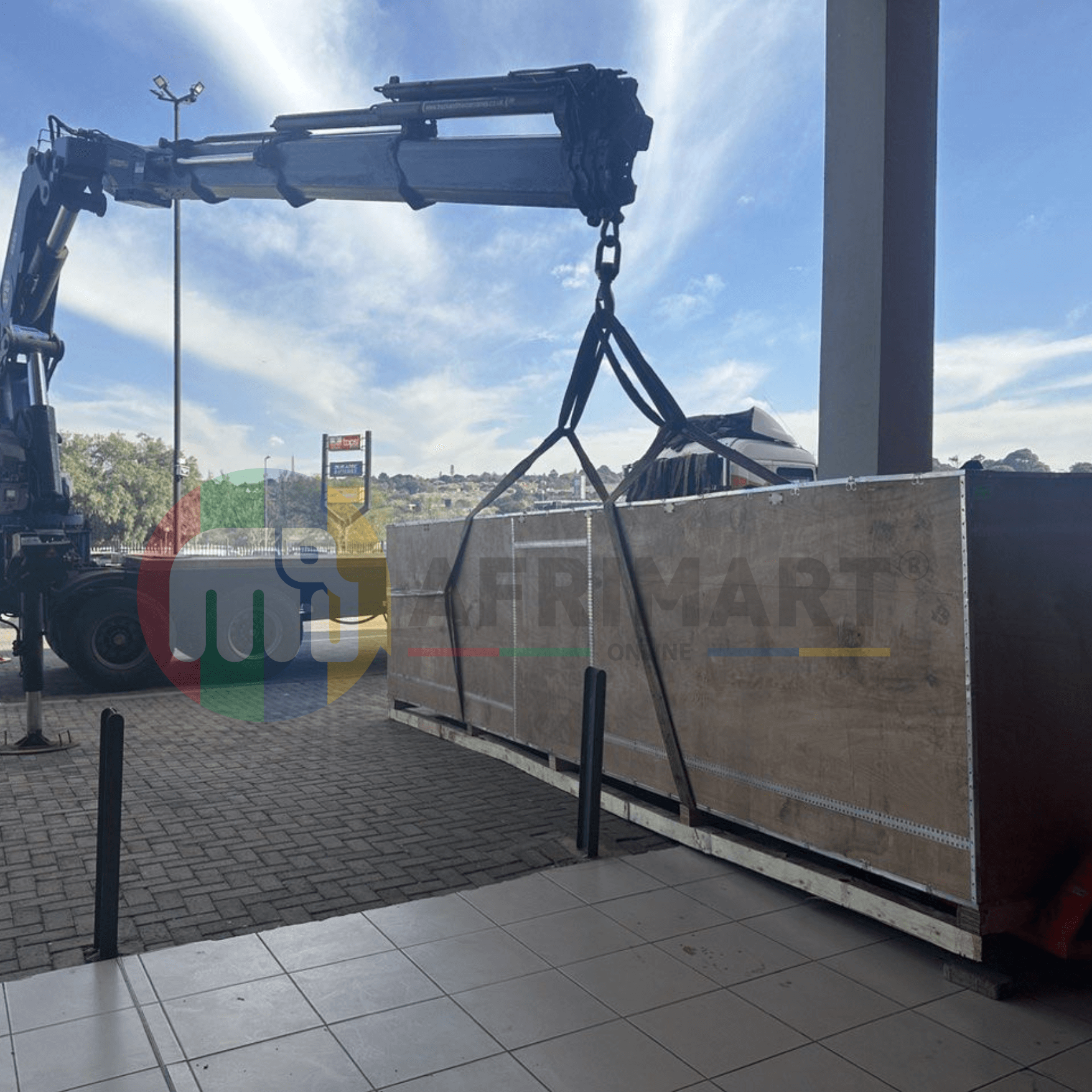
12 Heads Embroidery Machine
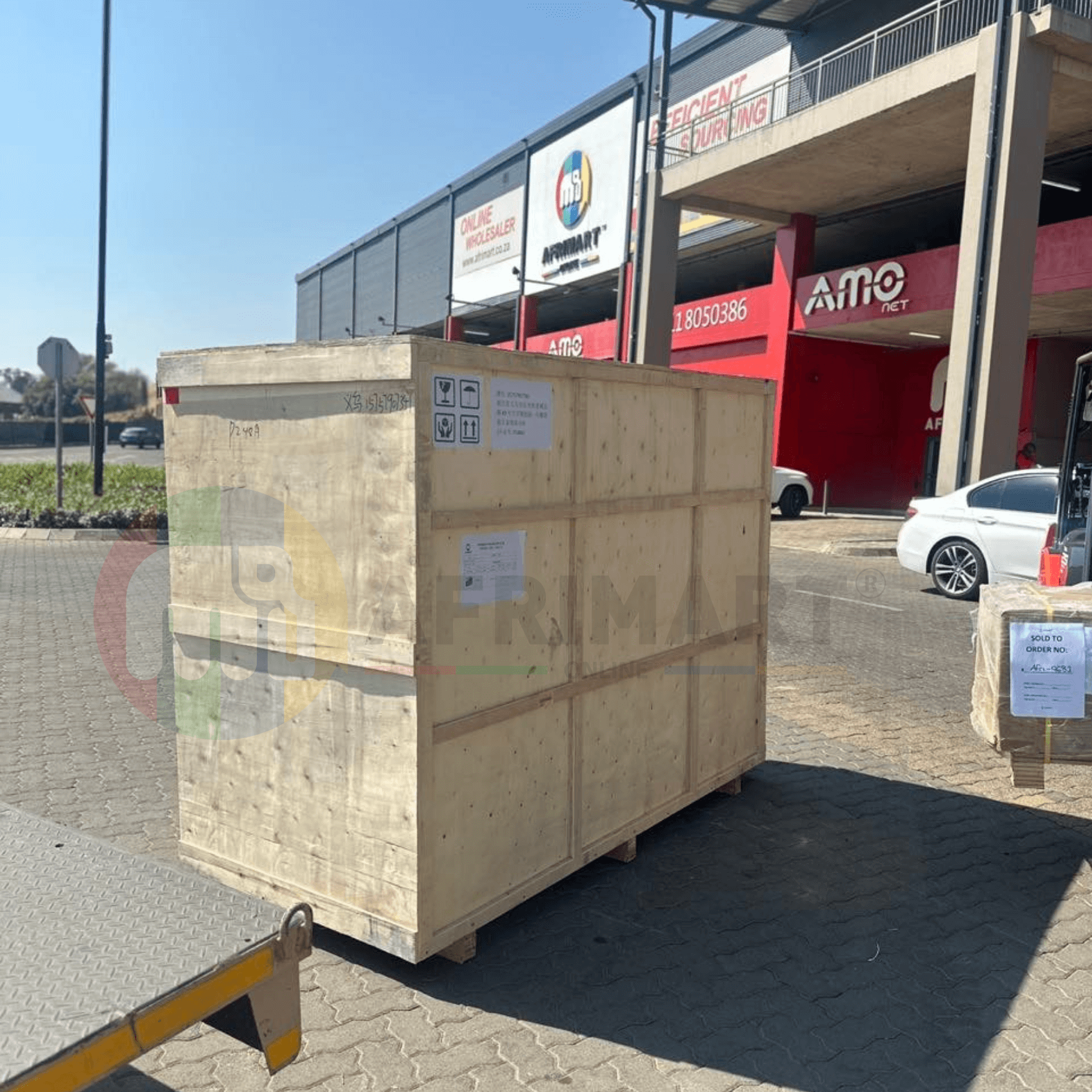
Dewatering Pump Machine
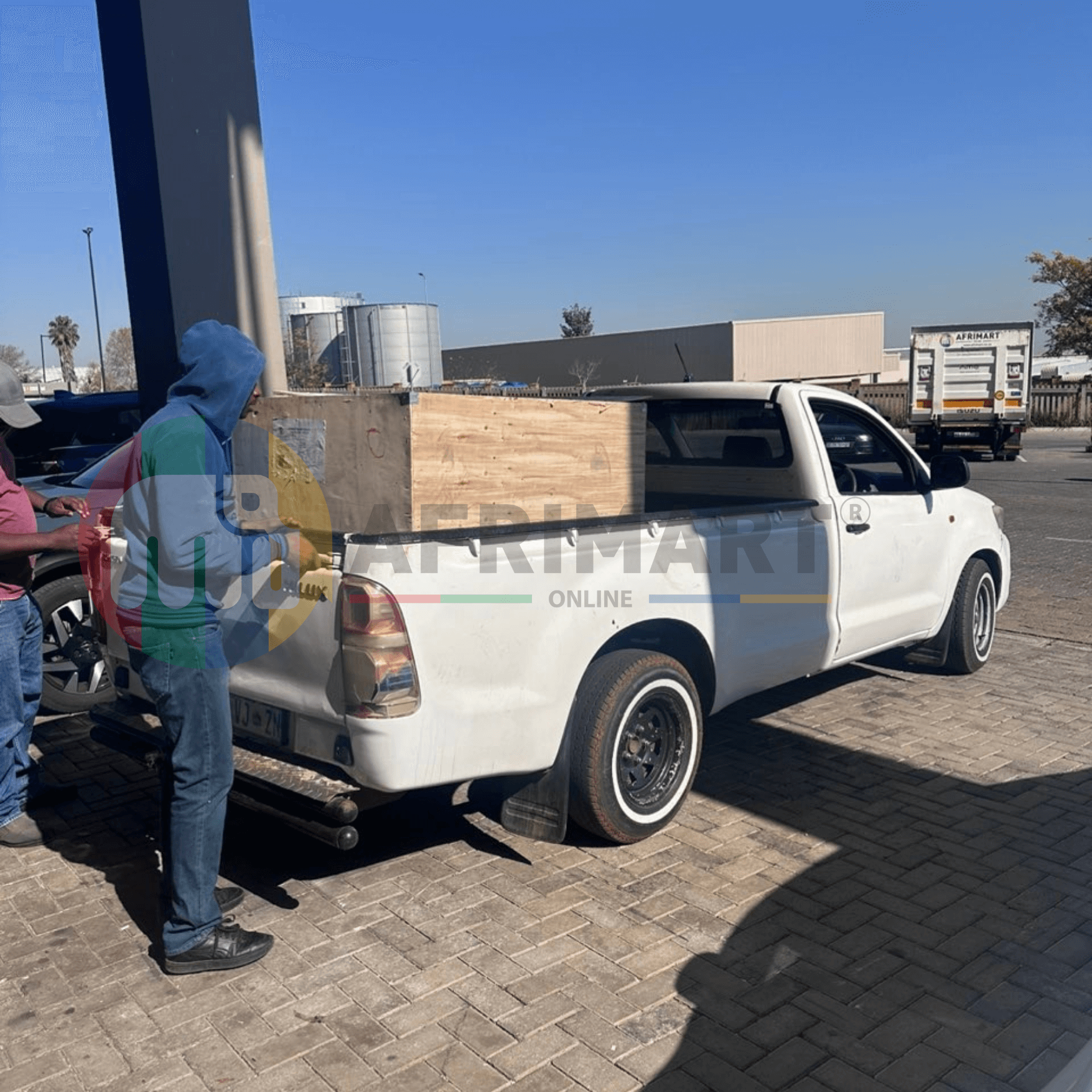
Order Collection
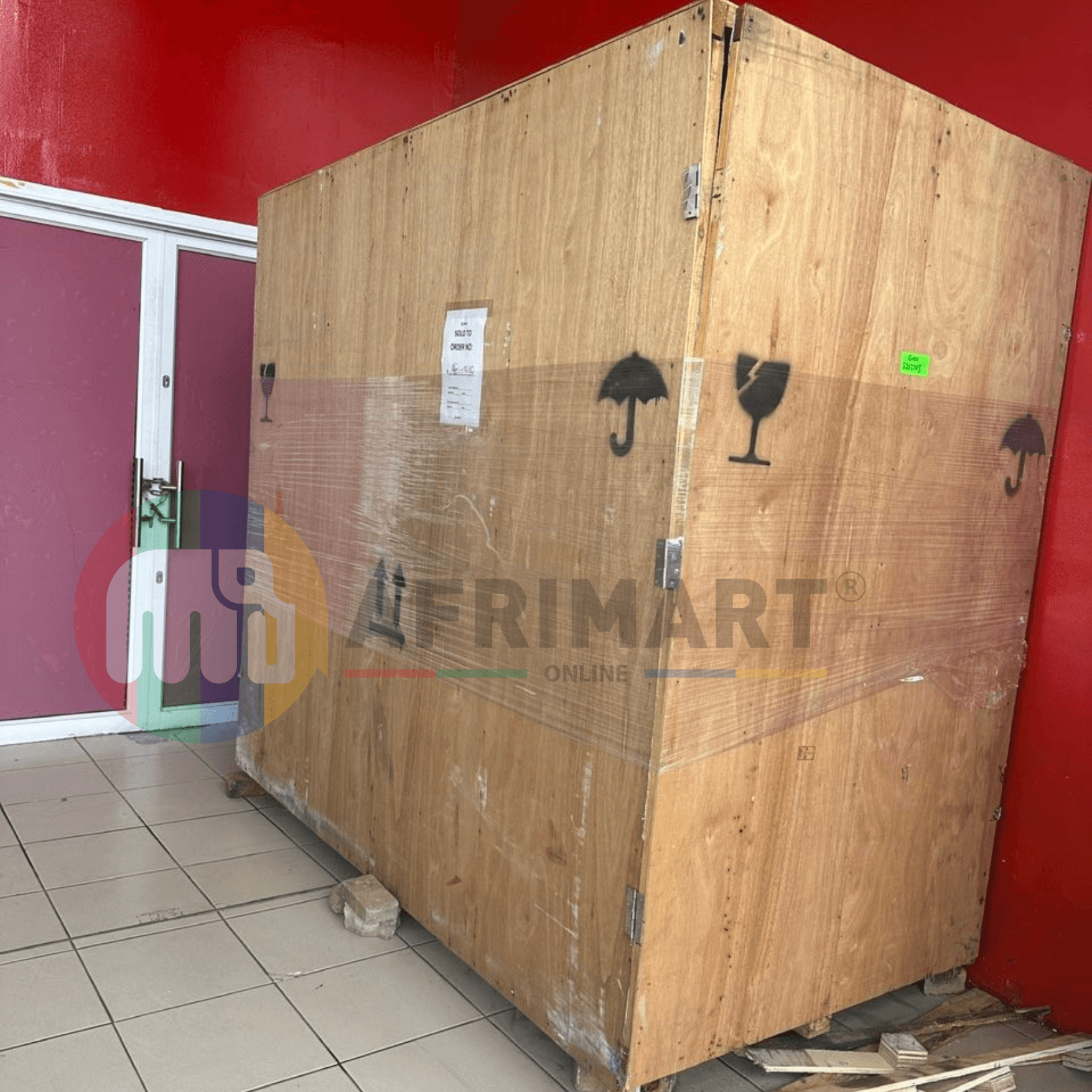
Portable Water Drilling Rig
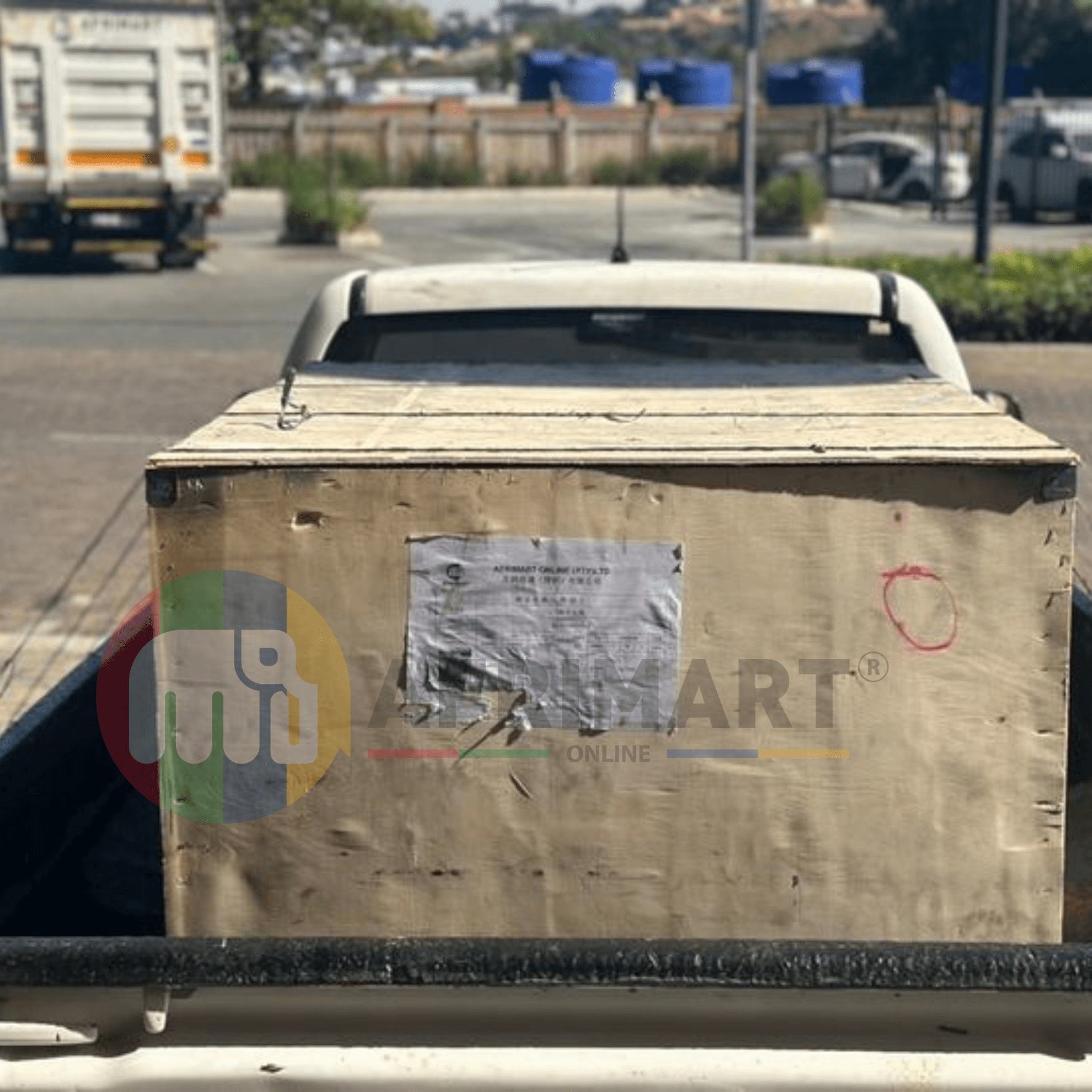
Order Usefully Collected
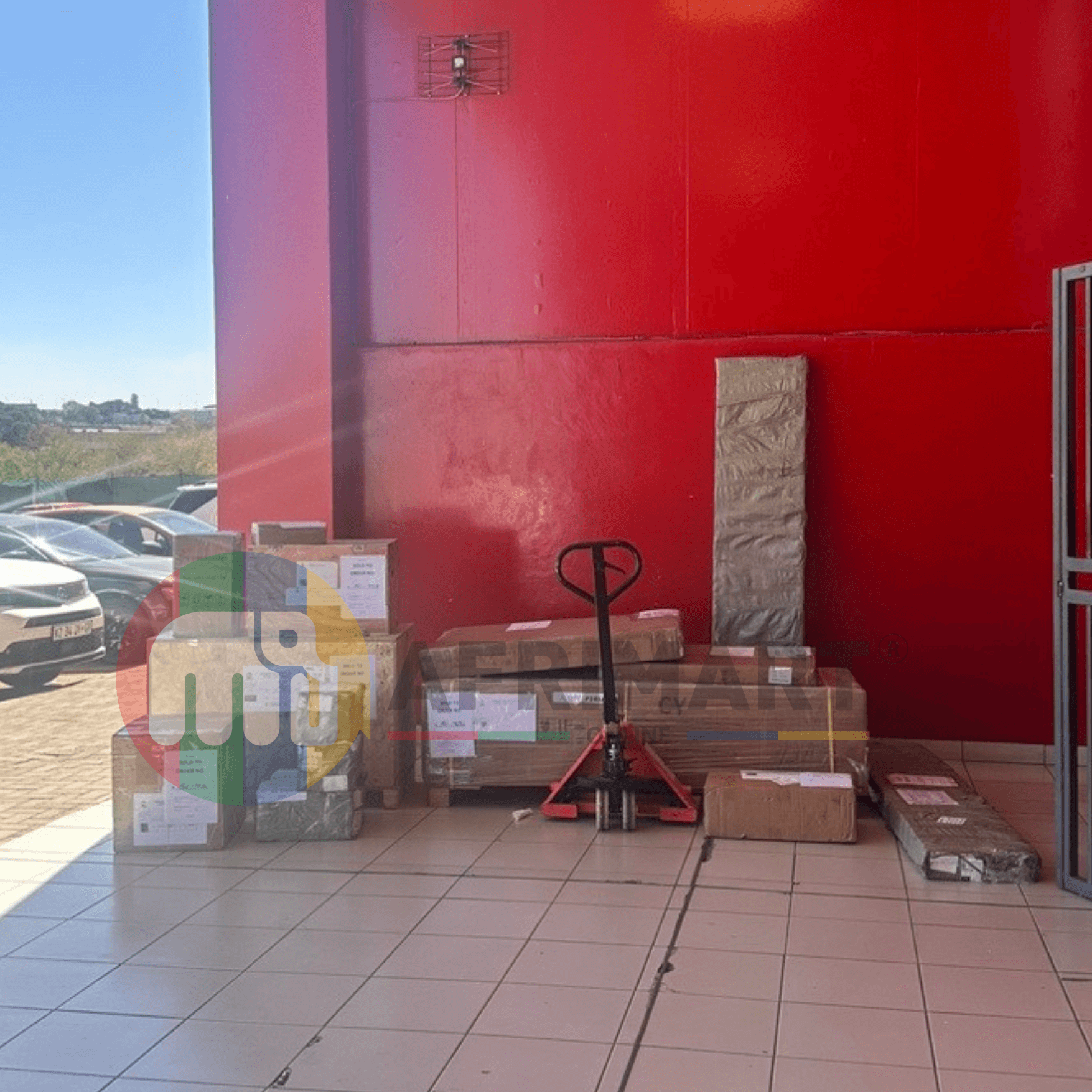
Batch of Orders
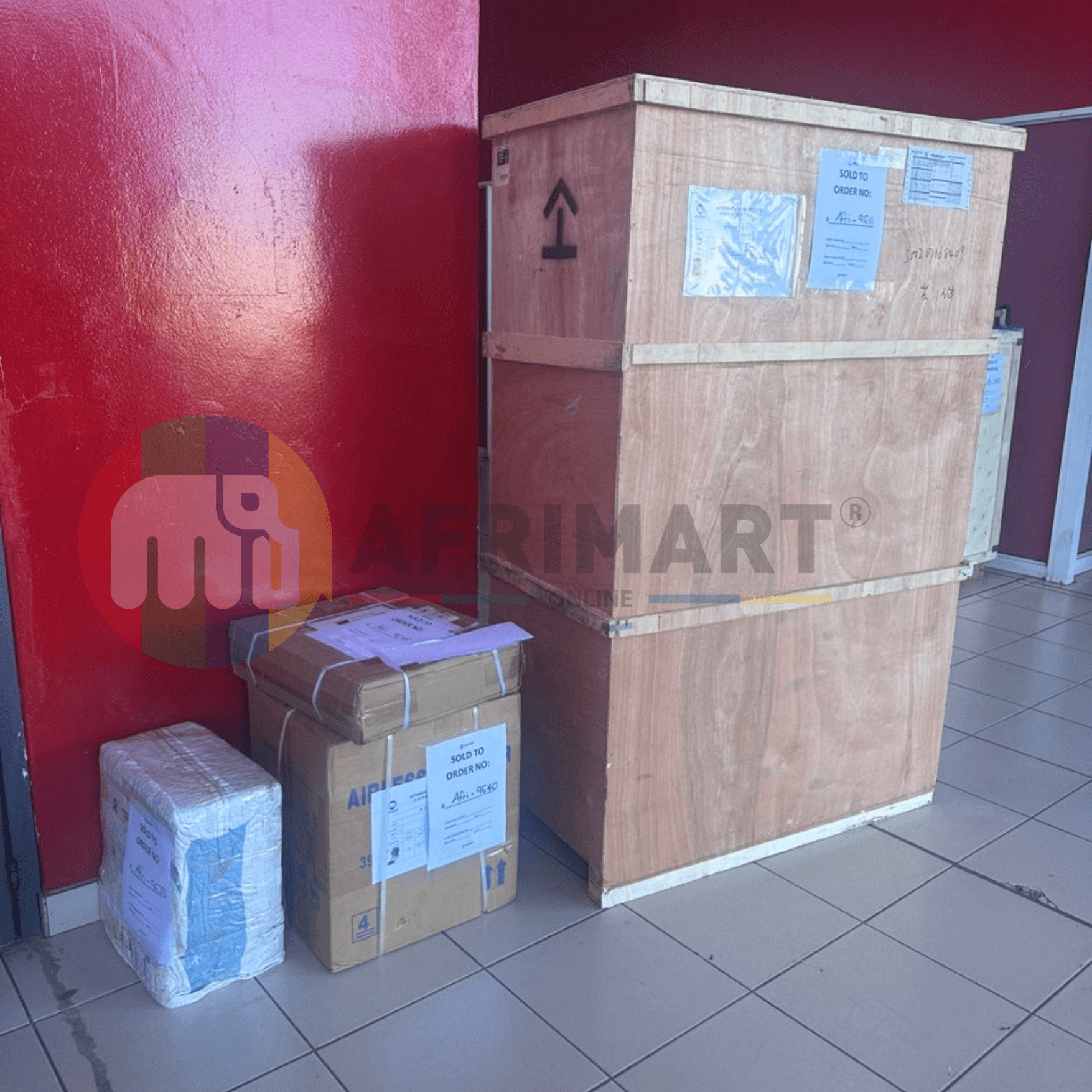
Agriculture Processing Machines
Meat Grinder Machine
Water Pump Equipment
Packaging Machine and accessories
Fabrics Manufacturing Equipment
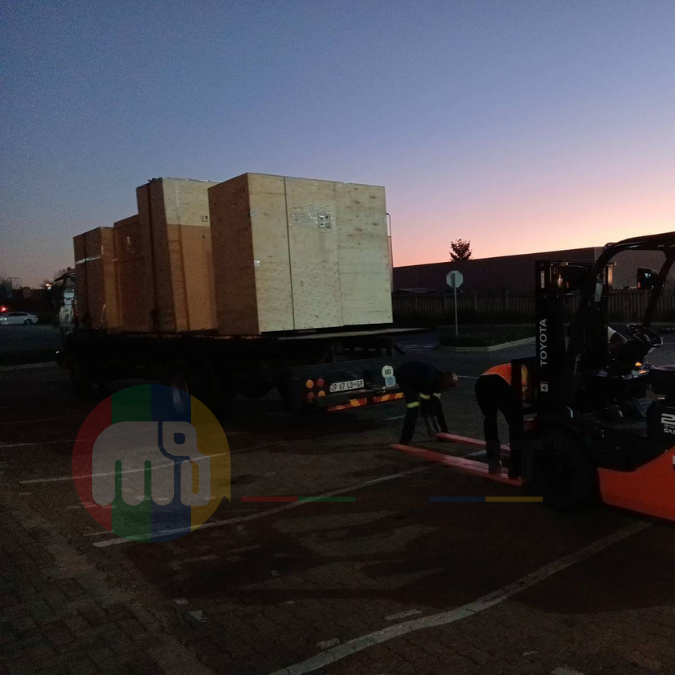
Mining Equipments
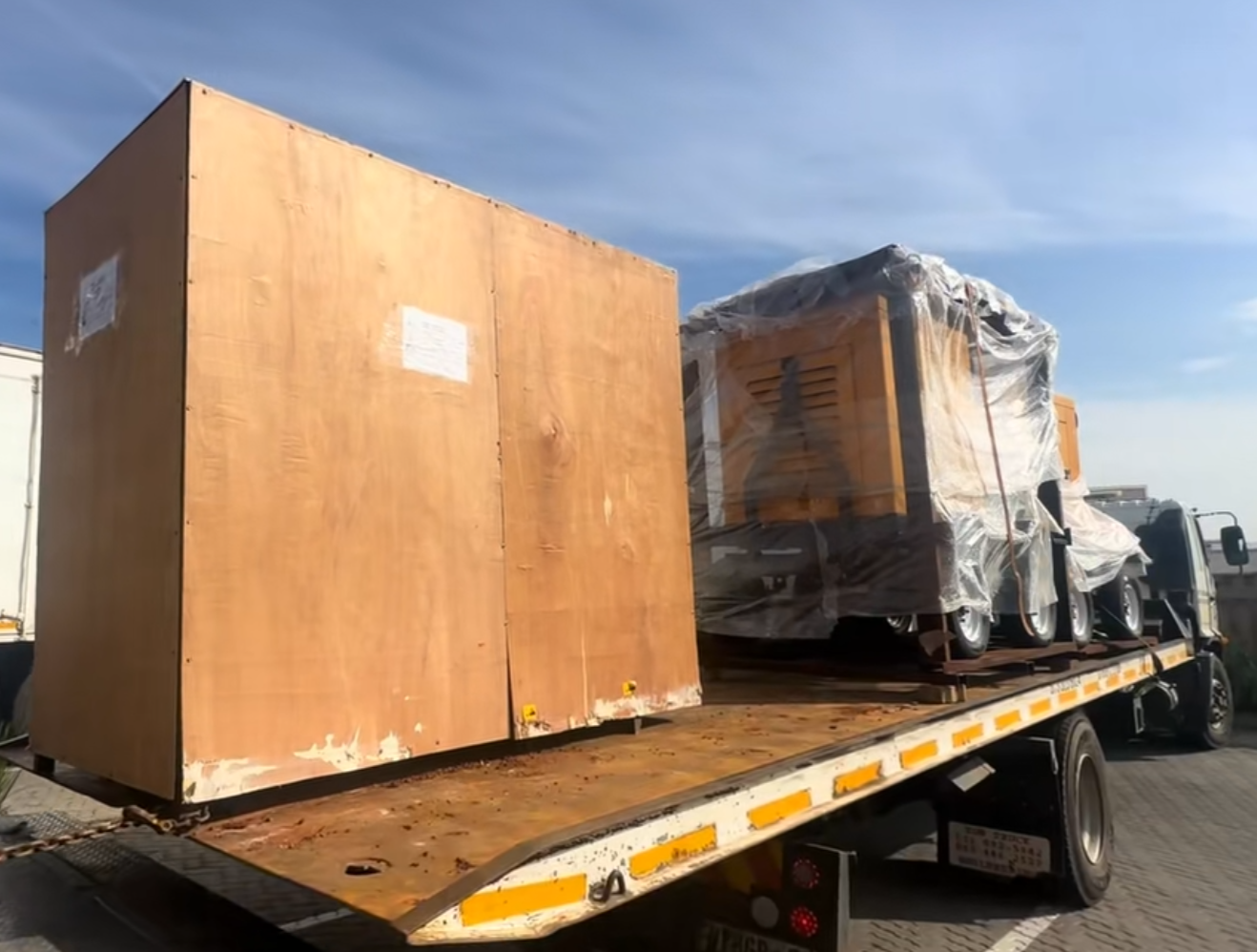
Food Processing Machine
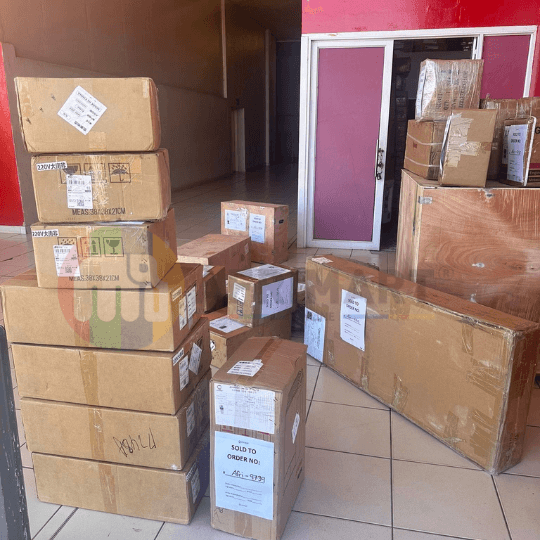
Batch of Orders
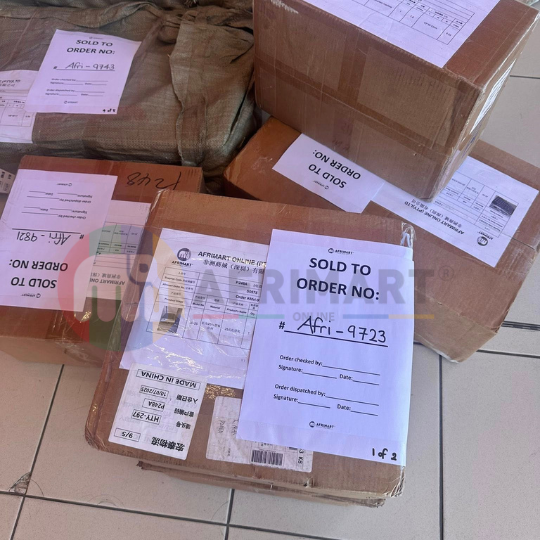
Batch of Orders
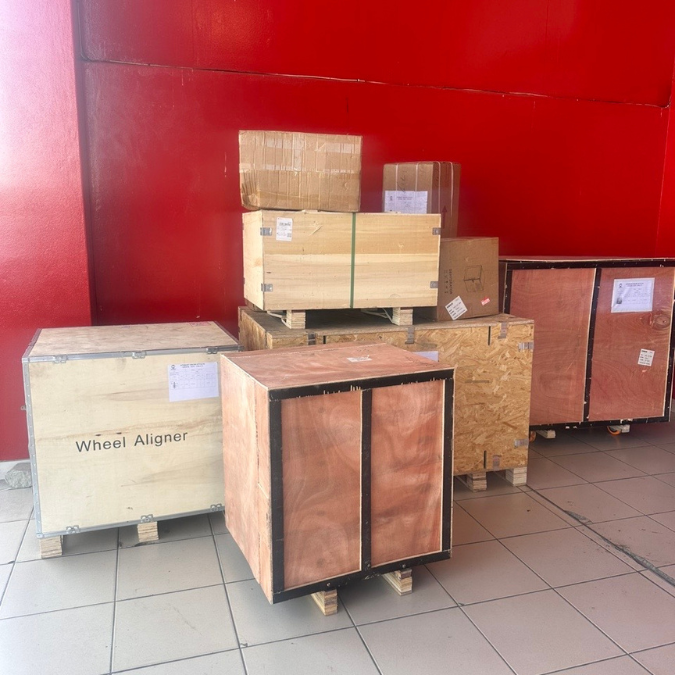
Latest Orders Labelled
wheel alignment machines
new arrivals
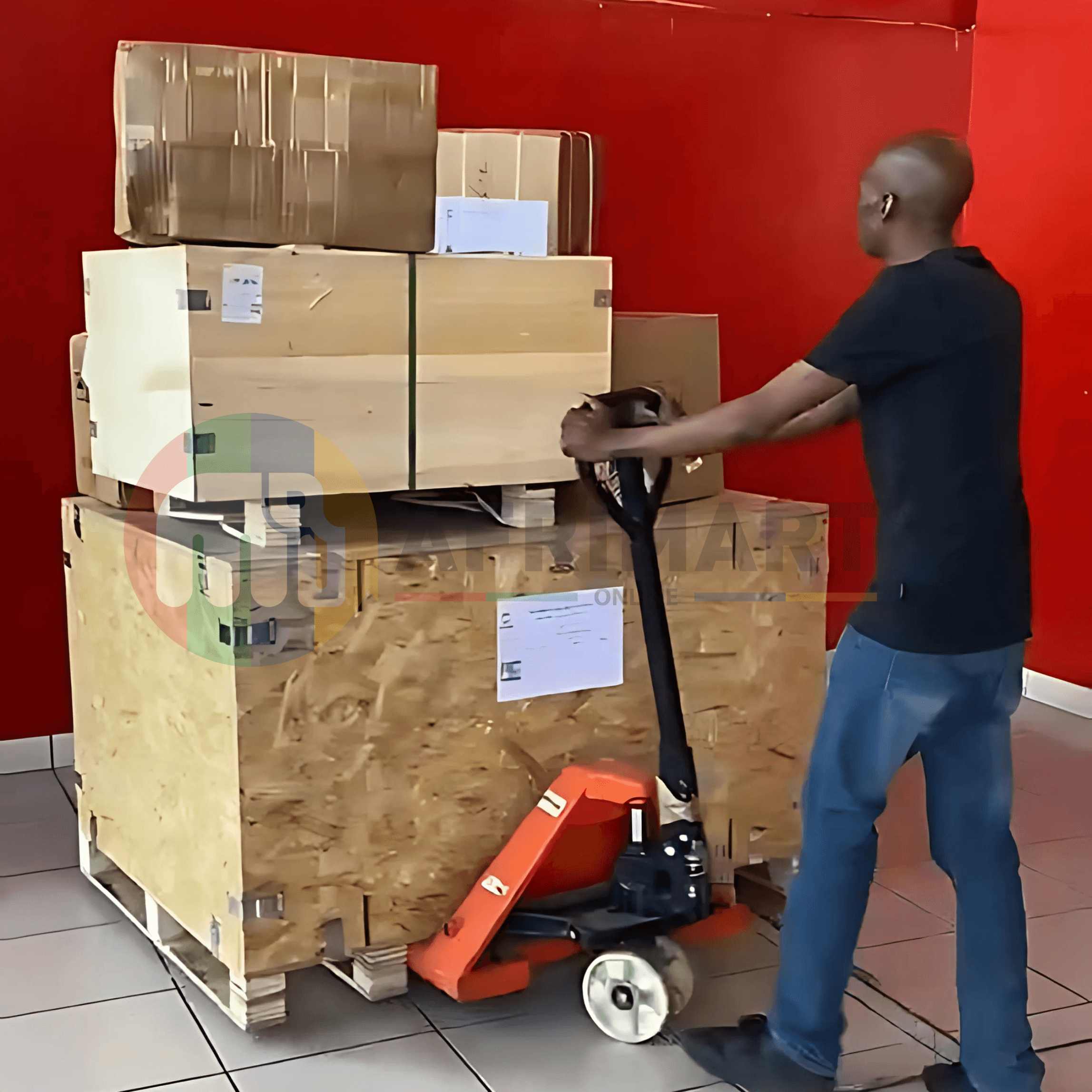
Pre Orders Offloading
Latest Arrivals
Latest Arrivals