B21, China Town Mall, Midrand

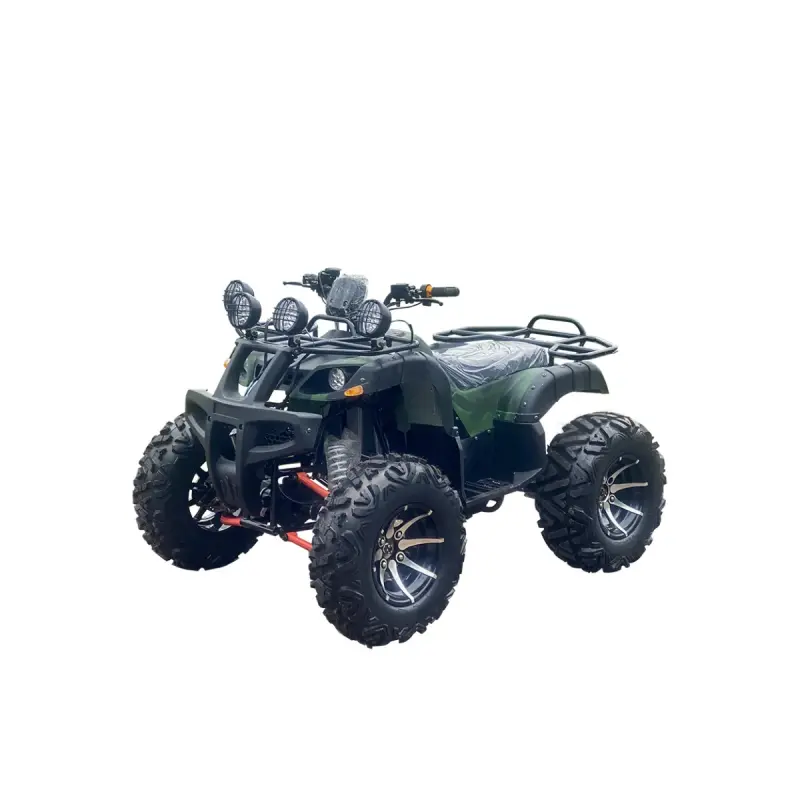
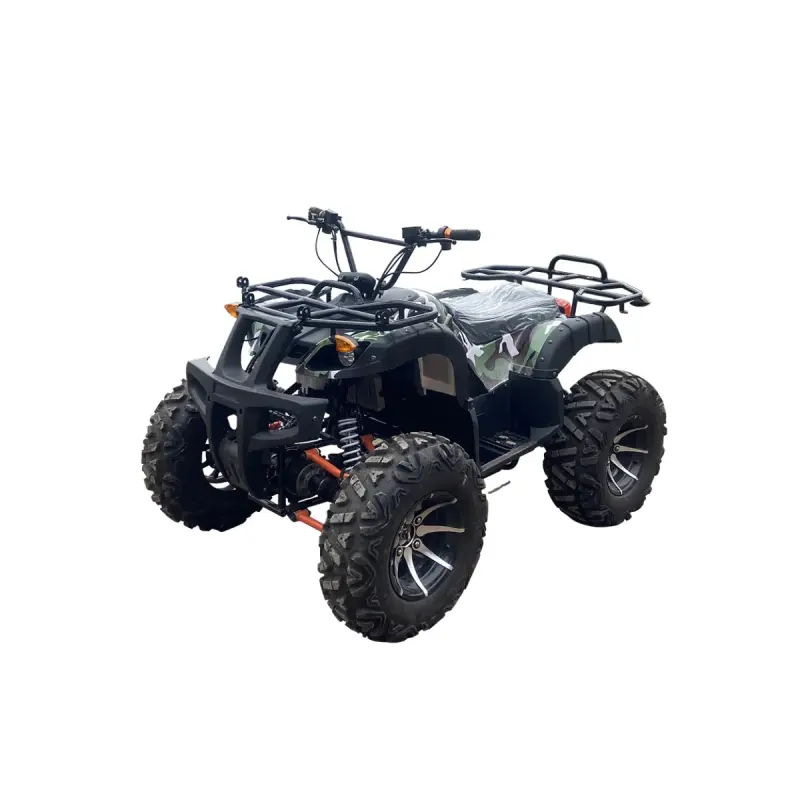
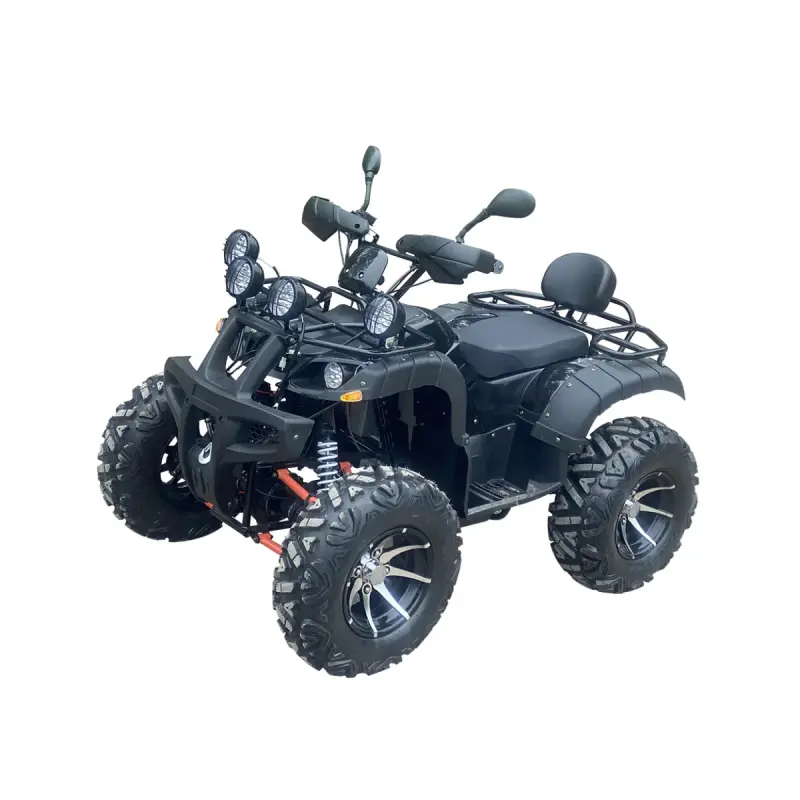
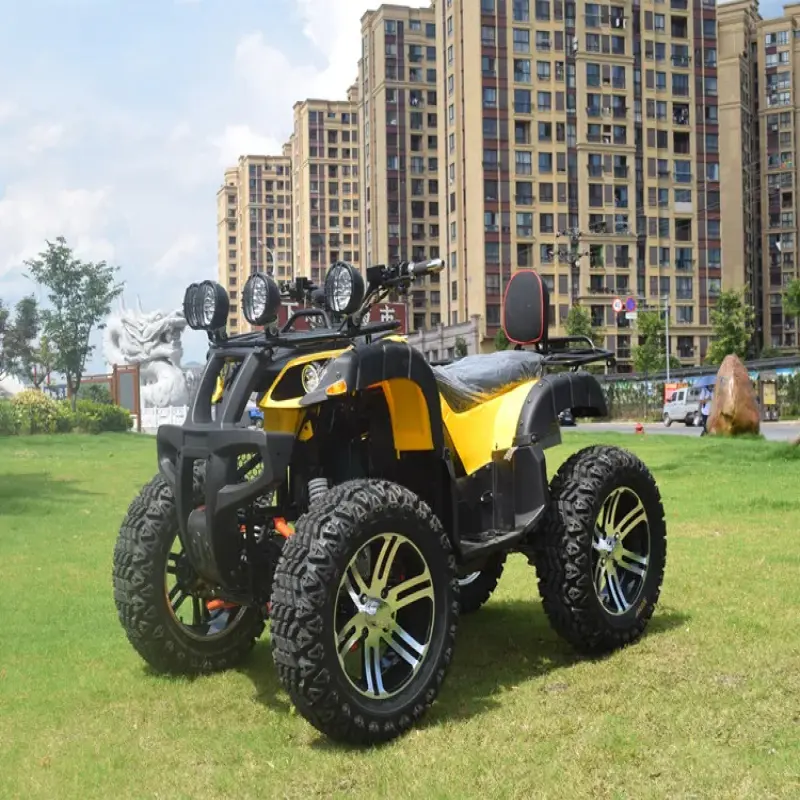
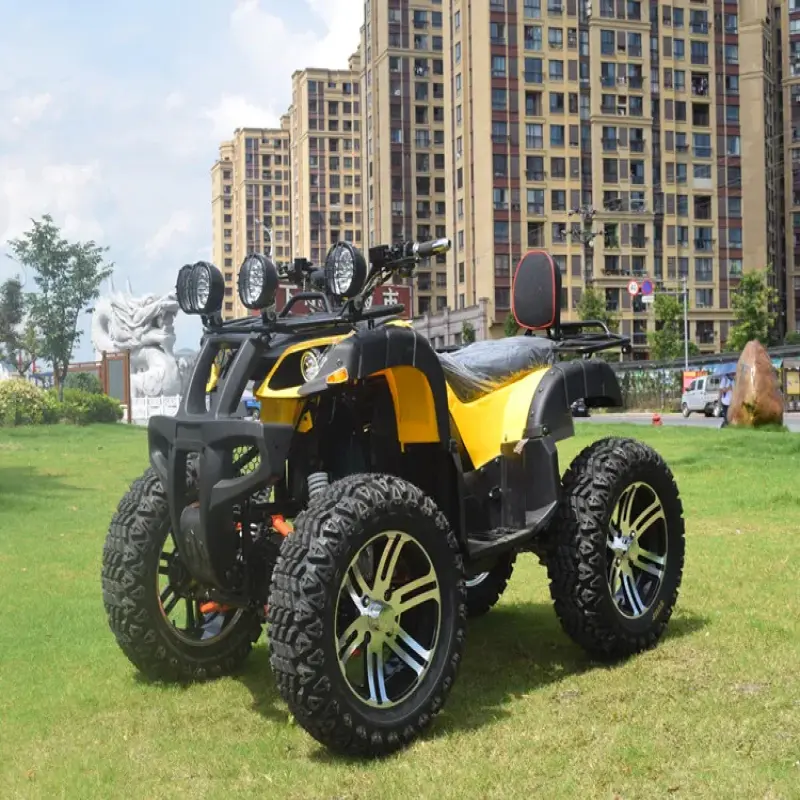
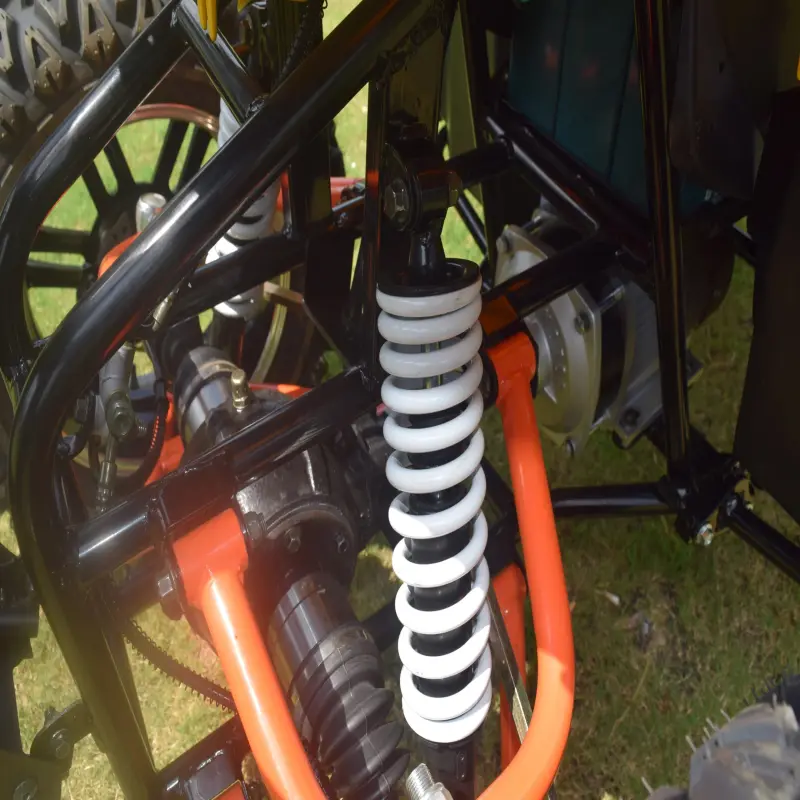
Powerful Four-wheel Adult Electric ATV 72V 4000W Electric Quad Bike
Asset finance available
Do you want funding for this equipment?
Afrimart can connect you with trusted funding partners who specialise in asset finance for businesses like yours. Compare options and apply in minutes — final approval is subject to provider review.
Check funding options
Secure & no obligation

- Section : Sports & Entertainment
- Category : Electric ATVs
- SKU : 1601017431638

Product Details
| Hot Product Powerful Four-wheel Adult Electric ATV 72V 4000W Electric Quad Bike |


- Shipping Timeframes: All orders are processed within 2-5 business days (excluding weekends and holidays). After your order has been processed, the estimated delivery time is before 12 Jul, 2026, depending on customs, Please note that due to high demand, some items may experience longer shipping times, which will be communicated at order confirmation email.
- Order Processing Time: Please allow 2-5 business days for us to process your order before it is shipped . Orders placed after 16:00 on Fridays, or during weekends and public holidays, will begin processing on the next business day. Processing times may be extended during peak seasons or sales events.
- Manufacturing Time: Some products needs manufacturing time, the manufacturing process will take approximately 10-30 business days depending on the product. This timeframe may vary depending on the complexity of the product and current demand. but this will be communicated with you during order confirmation.
- Returns and Exchanges: We offer a 30-day return policy for most items. If you are not completely satisfied with your purchase, you may return it within 30 days of receipt for a refund or exchange. Items must be unused, in their original packaging, and accompanied by proof of purchase. Return shipping costs are the responsibility of the customer, unless the item was damaged or defective upon arrival.
1. What are the key specifications of the Powerful Four-wheel Adult Electric ATV 72V 4000W?
The product name indicates a 72V electrical system and a 4000W motor designed for adult riders on a four-wheel electric ATV/quad platform. Exact specs (battery capacity in Ah, controller type, top speed, weight, payload, suspension, brakes and dimensions) can vary by model—check the seller's detailed specification sheet for the exact configuration.
2. How fast can this 72V 4000W electric quad bike go?
Top speed depends on rider weight, terrain, tire size and controller settings. A 72V 4000W setup typically reaches highway-capable speeds for off-road use (commonly in the range of about 40–80 km/h / 25–50 mph) on flat ground. Refer to the seller or product spec for the guaranteed top speed for the specific model.
3. What is the range per charge for this electric ATV?
Range depends primarily on the battery capacity (Ah), riding conditions, rider weight and speed. Typical ranges for similar 72V systems are highly variable—expect anywhere from around 30 km to over 100 km per charge depending on battery size and usage. Ask the seller for the battery Ah and tested range figures for the exact model.
4. How long does it take to fully charge the battery?
Charging time depends on battery capacity and the charger output. With a standard onboard/offboard charger, typical full-charge times are roughly 6–12 hours. Fast chargers or higher-amp chargers can shorten this. Confirm charger specifications with the seller.
5. What is the payload or maximum rider weight capacity?
Payload (including rider and gear) varies by frame and suspension design. Many adult electric ATVs support payloads between 150 kg and 300 kg. Check the manufacturer's rated load capacity for the specific model before use.
6. Is the ATV suitable for off-road and rough terrain?
Yes — electric ATVs like this are intended primarily for off-road use (trails, fields, dunes, and light to moderate rough terrain). Suitability for very rocky, steep or highly technical terrain depends on suspension travel, ground clearance and tire choice—verify those specs for your intended use.
7. What safety features should I expect or look for?
Common safety features include front and rear brakes (often hydraulic disc), robust suspension, headlights/taillights, horn, speed limiter or governor, key/remote cut-off switch and sturdy footrests/guards. Always wear appropriate protective gear (helmet, gloves, boots) and confirm the model's specific safety equipment.
8. Does this electric ATV require assembly on delivery?
Many ATVs ship partially assembled (wheels, handlebars, and a few components may need fitting). Assembly requirements vary by seller—ask what pre-delivery assembly is included and whether professional assembly is recommended.
9. What maintenance does a 72V electric quad require?
Regular maintenance typically includes checking and inflating tires, inspecting brakes and suspension, keeping electrical connections clean and tight, maintaining battery health (proper charging, storage, and temperature precautions), and periodic fastener torque checks. Follow the manufacturer's maintenance schedule.
10. Is there a warranty and what does it cover?
Warranty coverage varies by manufacturer and seller. Common warranties cover the motor, controller and battery for limited periods, and defects in materials or workmanship. Always request written warranty terms, duration, what's excluded (e.g., wear items, misuse), and how warranty service is handled.
11. Do I need a driver's license or registration to operate this electric ATV?
Legal requirements vary by country, state and local jurisdiction. Some places treat off-road ATVs differently from on-road vehicles; others may require registration, a license, or restrict use to private property. Check local regulations before purchasing or riding.
12. Can I add accessories like cargo racks, winches or storage boxes?
Many electric ATVs support aftermarket accessories such as cargo racks, storage boxes, tow hitches, skid plates and winches. Compatibility depends on mounting points and electrical capacity—confirm load limits and electrical allowances before adding accessories.
13. How heavy is the vehicle and can I transport it on a trailer?
Curb weights vary by frame, battery size and components—electric adult ATVs can weigh several hundred kilograms. Most models are trailer-transportable but you should check the exact weight and ensure your trailer and vehicle for towing are rated appropriately.
14. Are replacement batteries and service parts readily available?
Availability depends on the manufacturer and regional dealers. Many sellers offer replacement batteries, controllers and mechanical parts, but lead times and compatibility can vary. Confirm spare-part availability and recommended service centers before purchase.
15. What should I consider when storing the ATV long-term?
For long-term storage: charge the battery to the manufacturer-recommended storage level (usually around 40–60%), store in a cool, dry place away from freezing temperatures, disconnect the battery if instructed, keep tires slightly inflated and perform periodic inspections. Follow the manufacturer’s storage guidelines to maximize battery life.
Latest Order Arrivals
Discover our latest orders
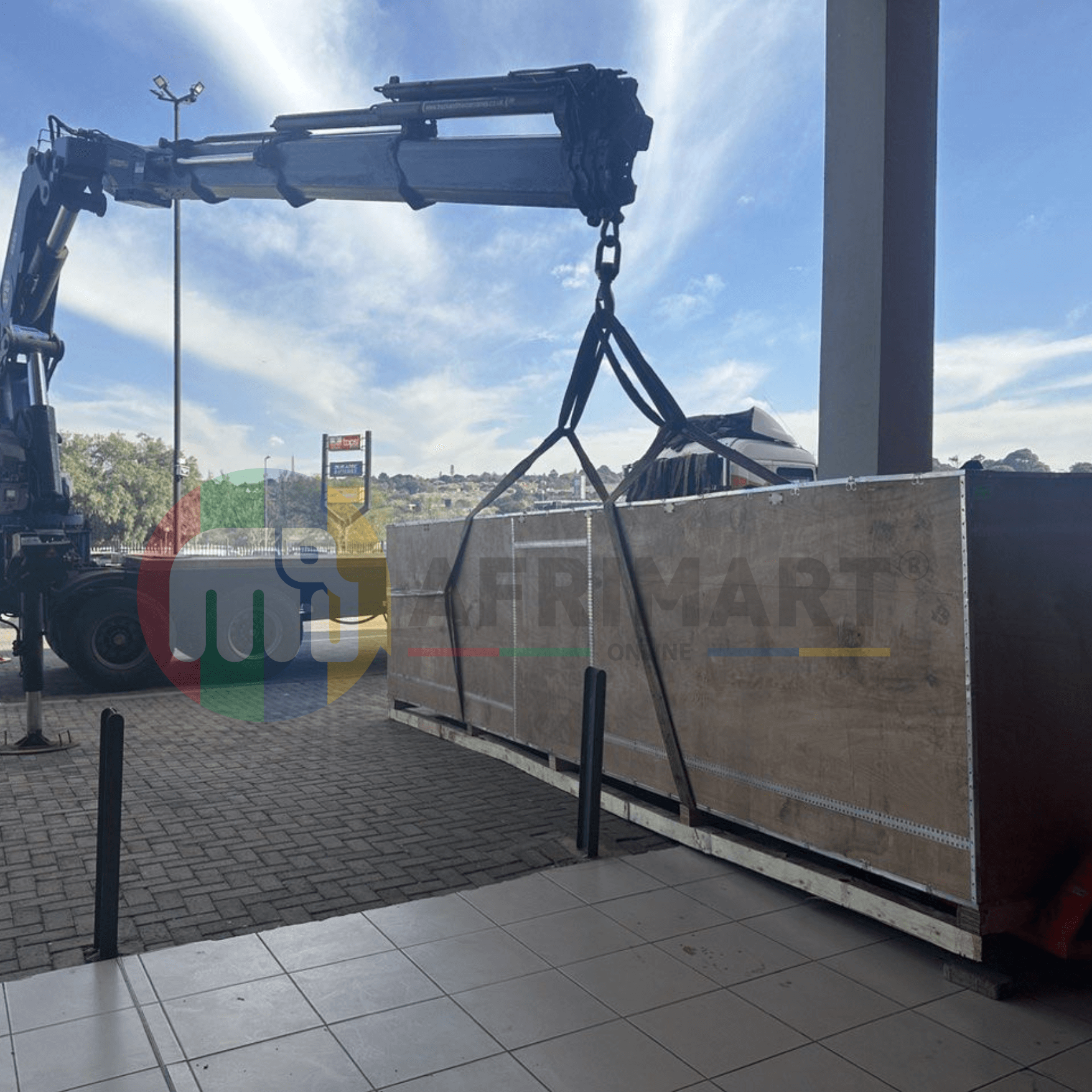
12 Heads Embroidery Machine
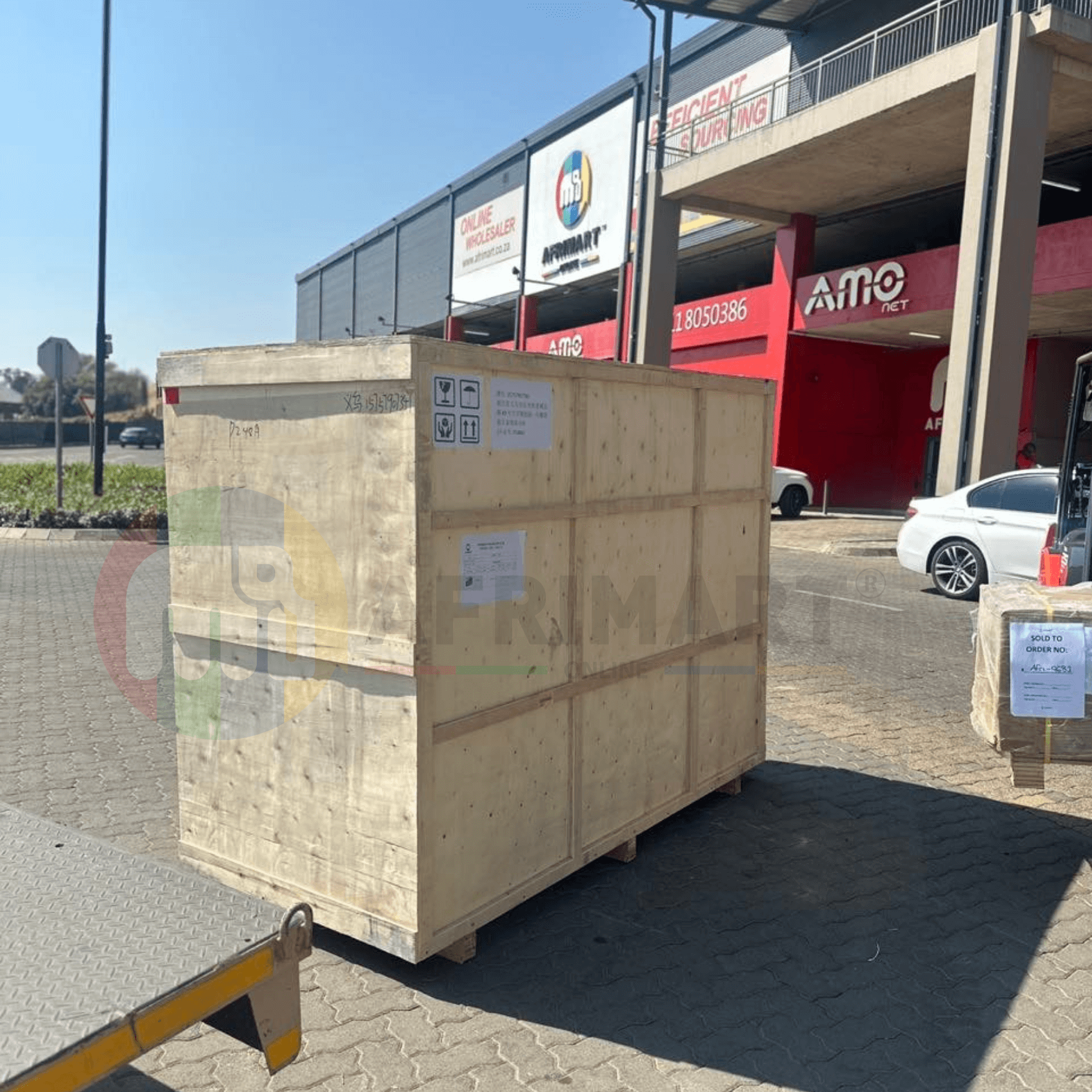
Dewatering Pump Machine
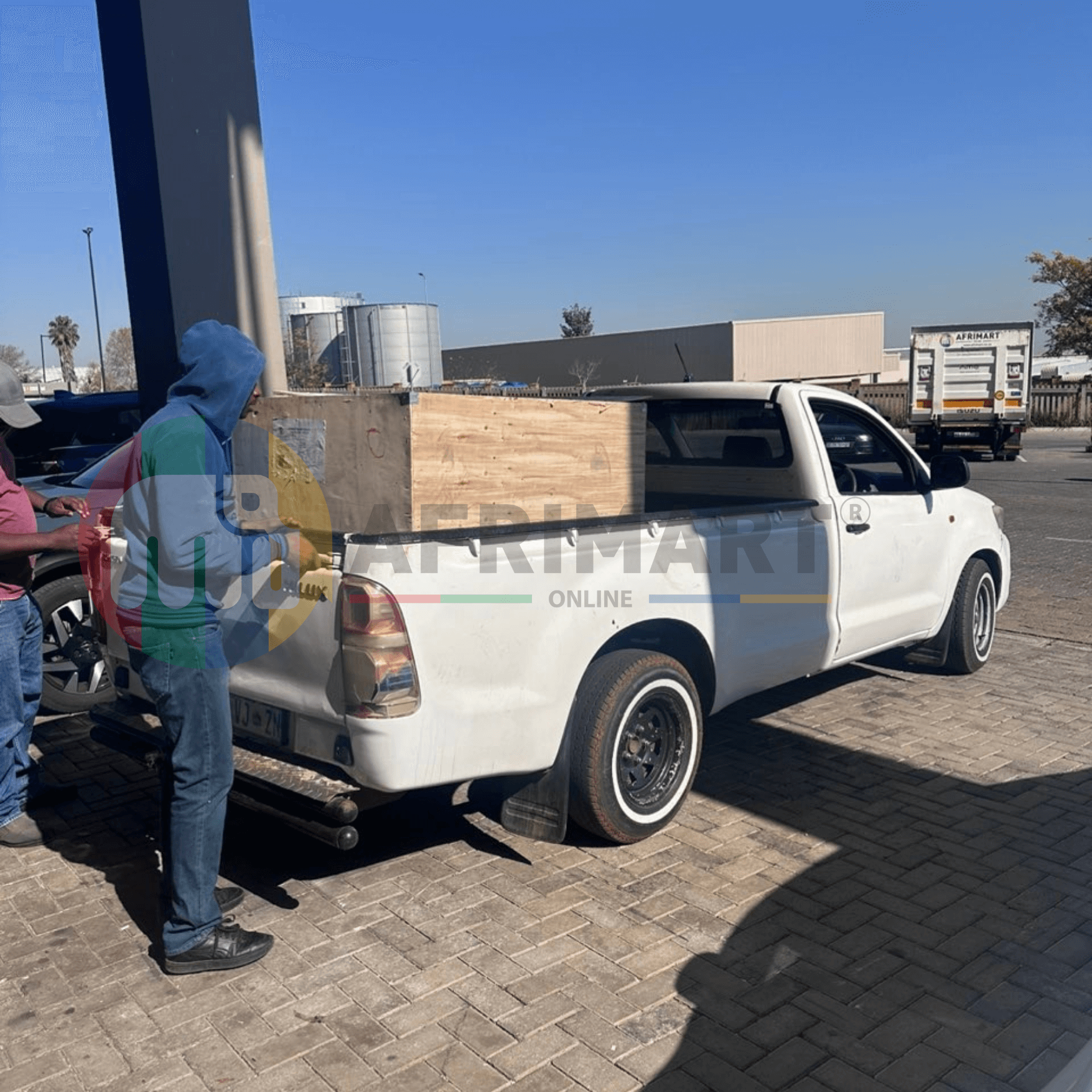
Order Collection
Portable Water Drilling Rig
Order Usefully Collected
Batch of Orders
Agriculture Processing Machines
Meat Grinder Machine
Water Pump Equipment
Packaging Machine and accessories

Fabrics Manufacturing Equipment
Mining Equipments
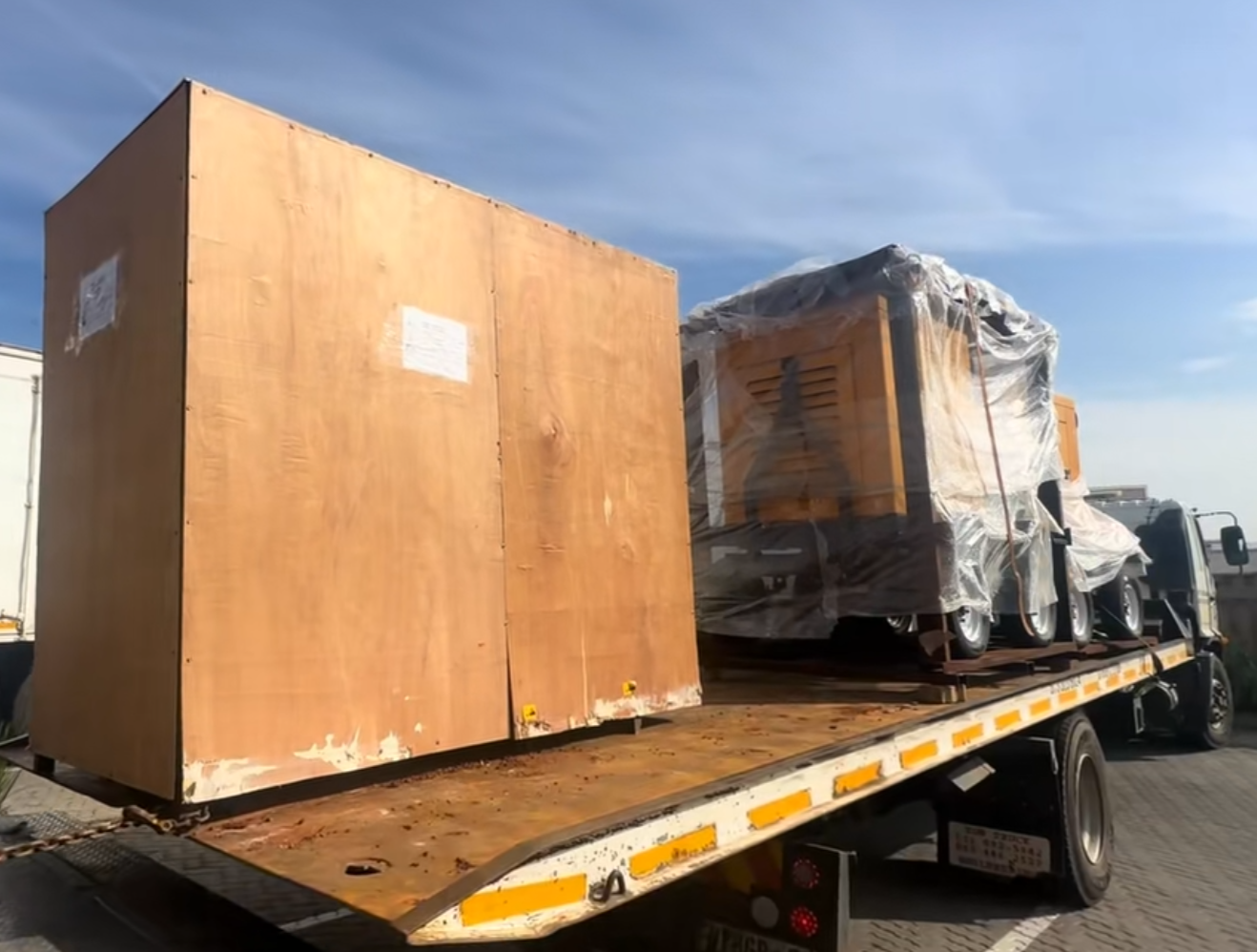
Food Processing Machine
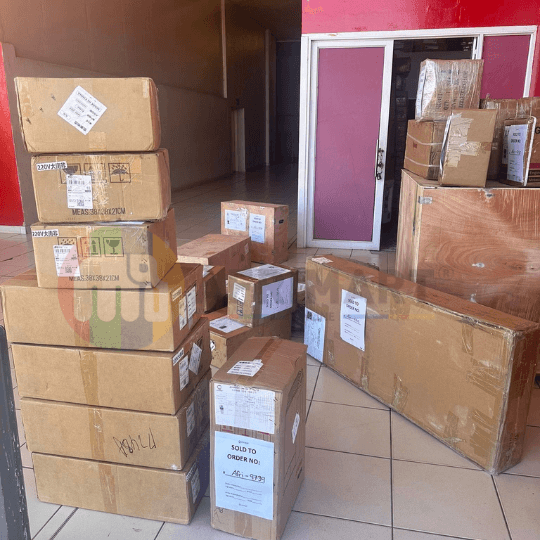
Batch of Orders

Batch of Orders
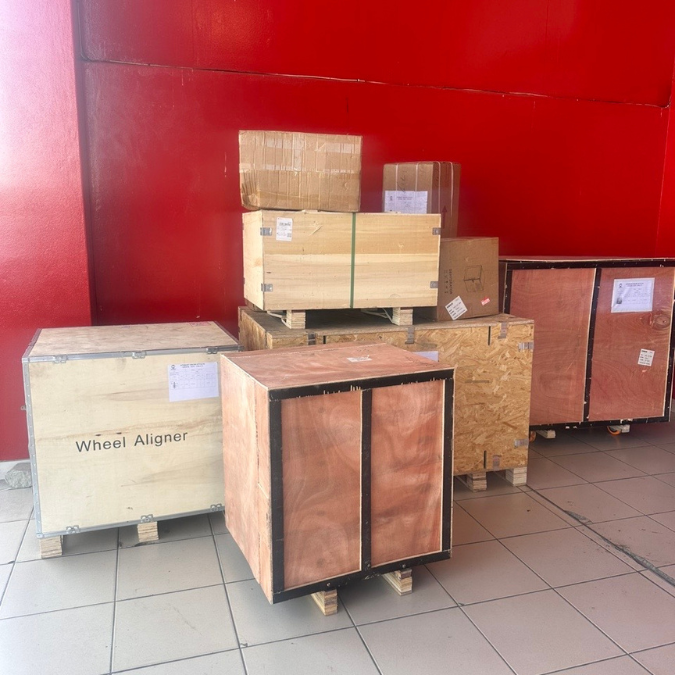
Latest Orders Labelled
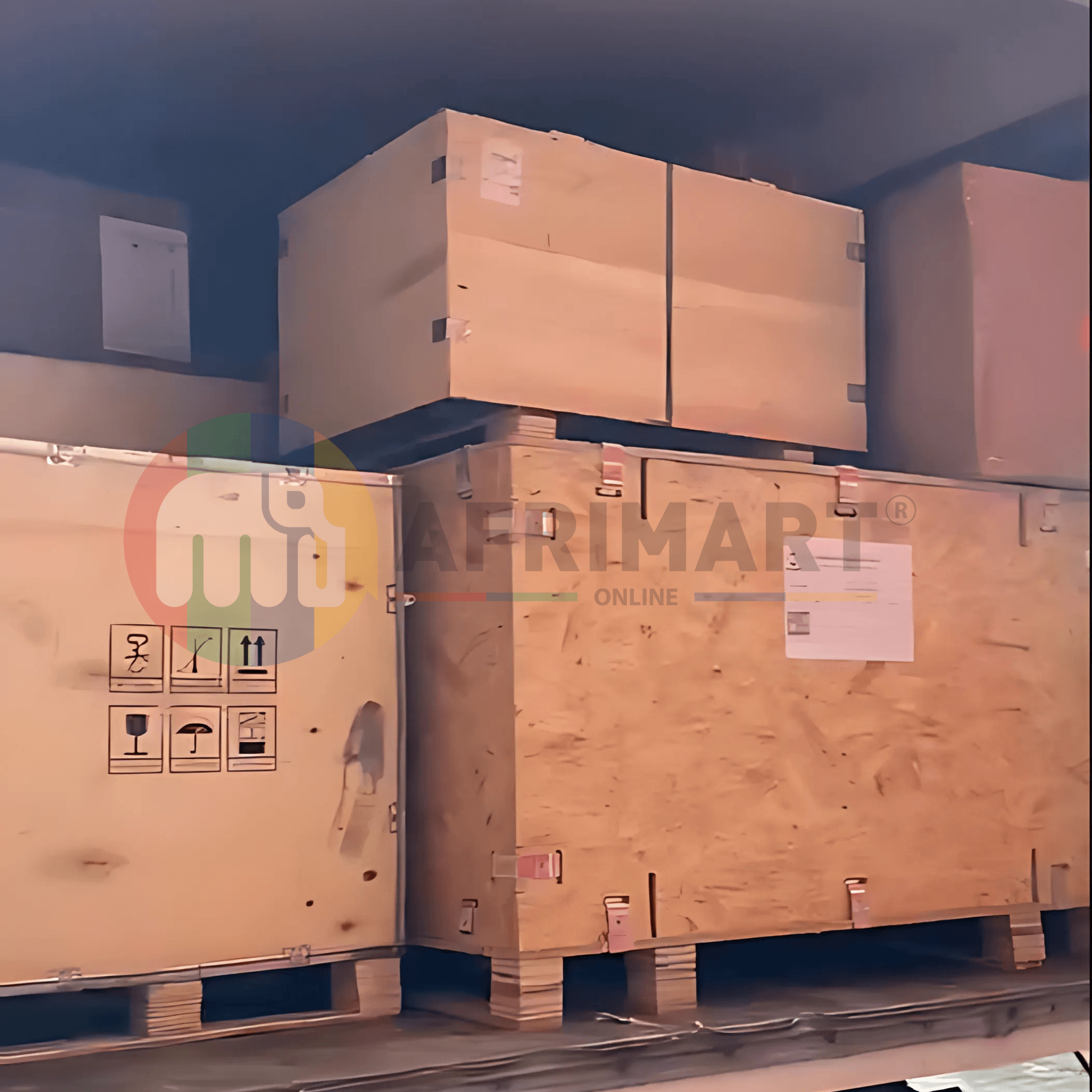
wheel alignment machines
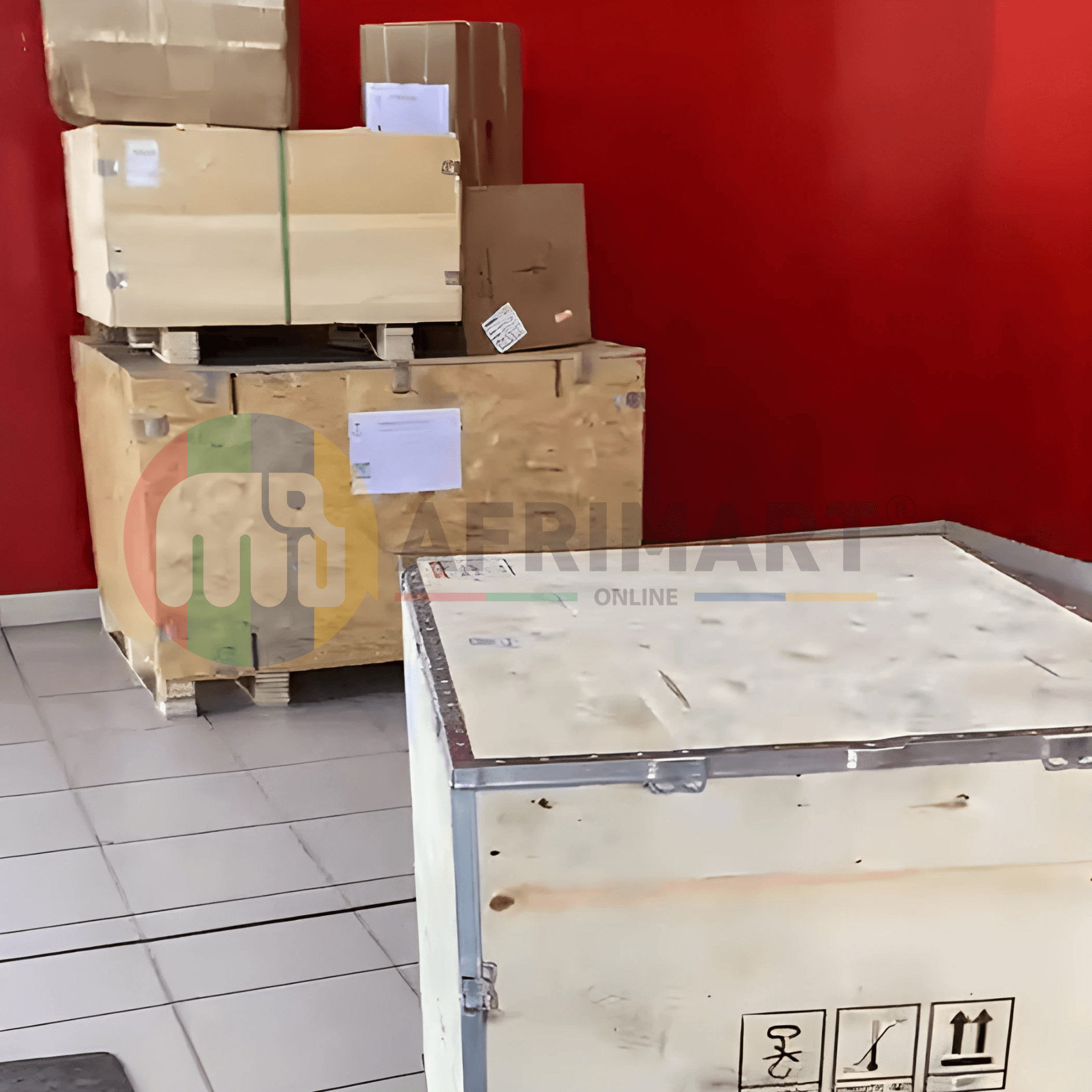
new arrivals
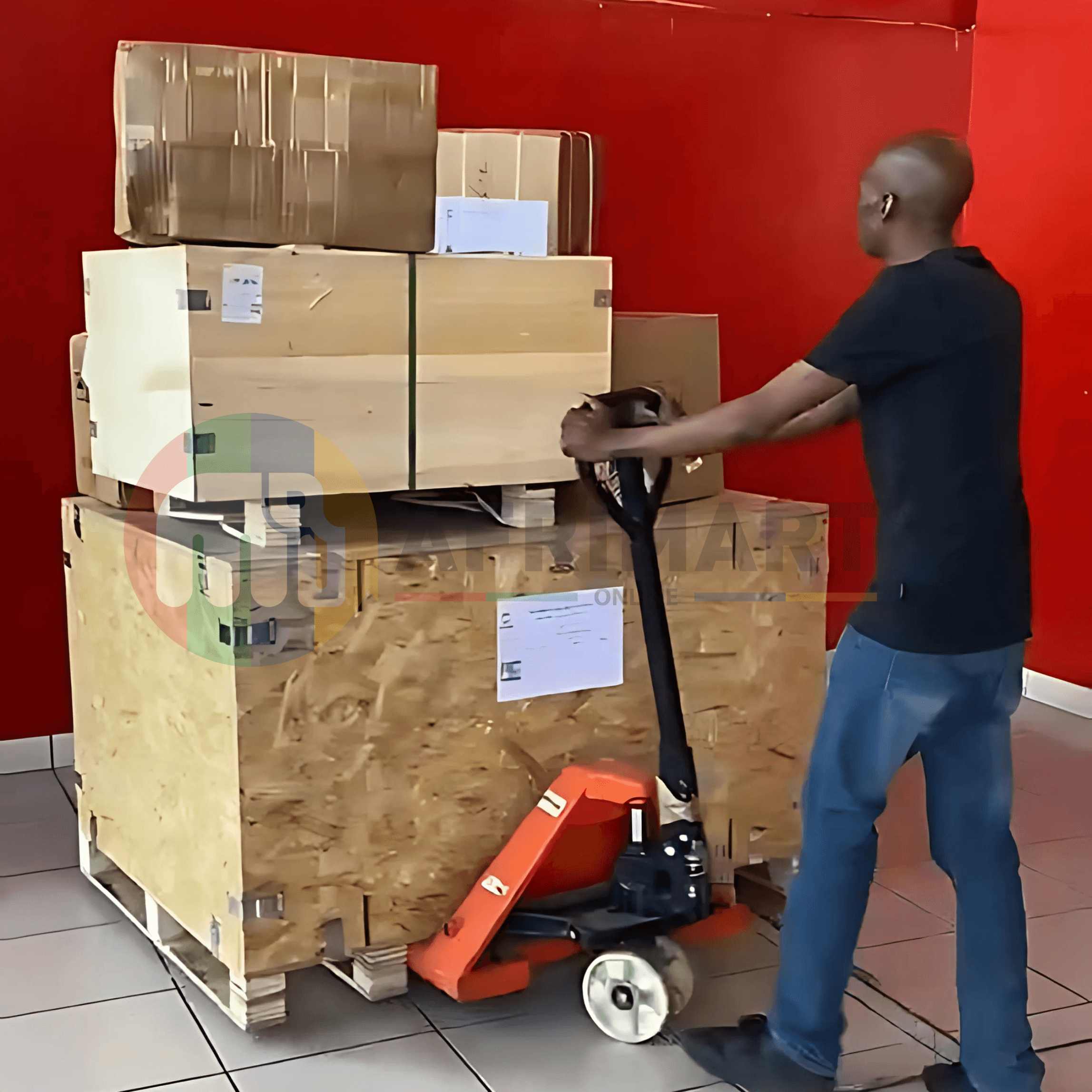
Pre Orders Offloading
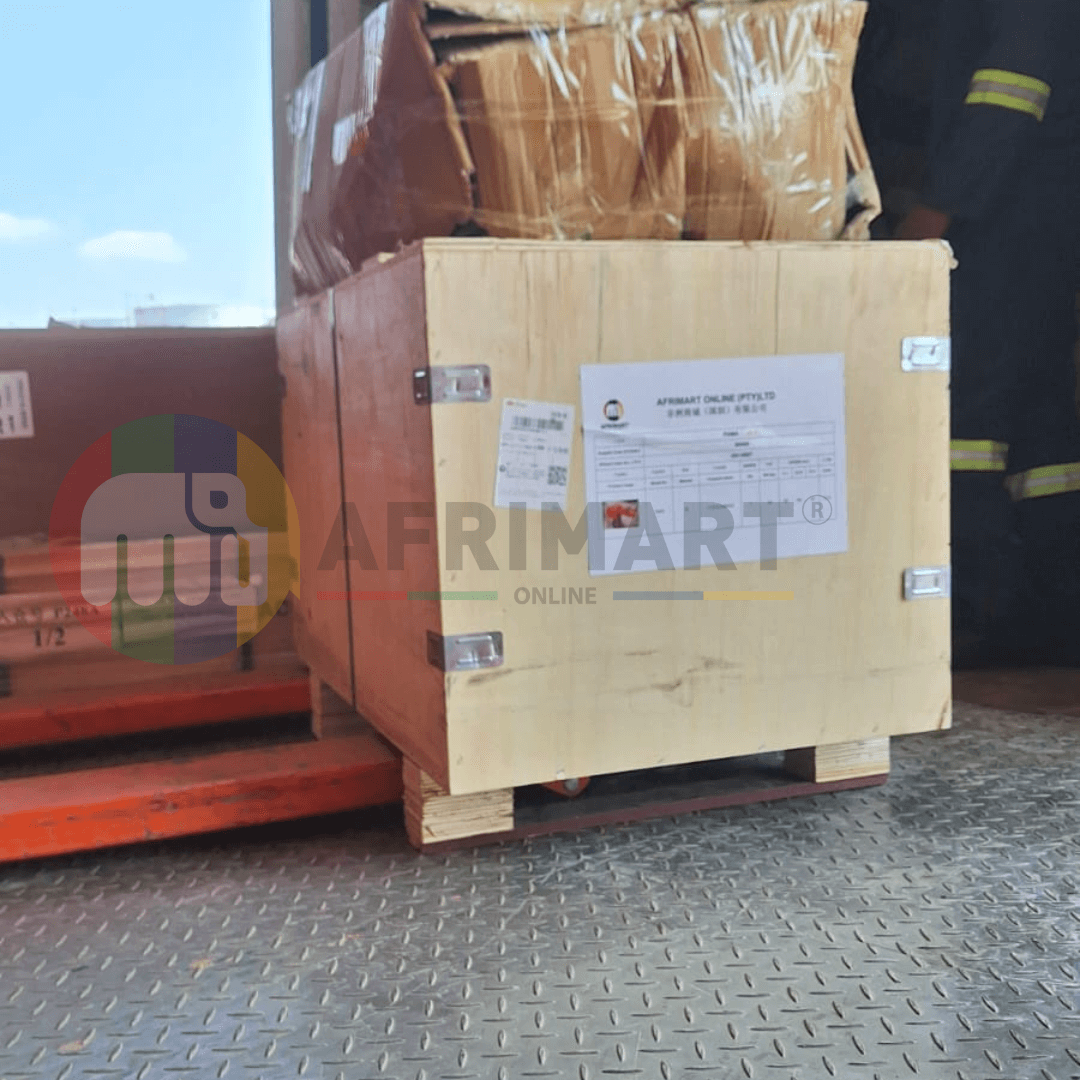
Latest Arrivals
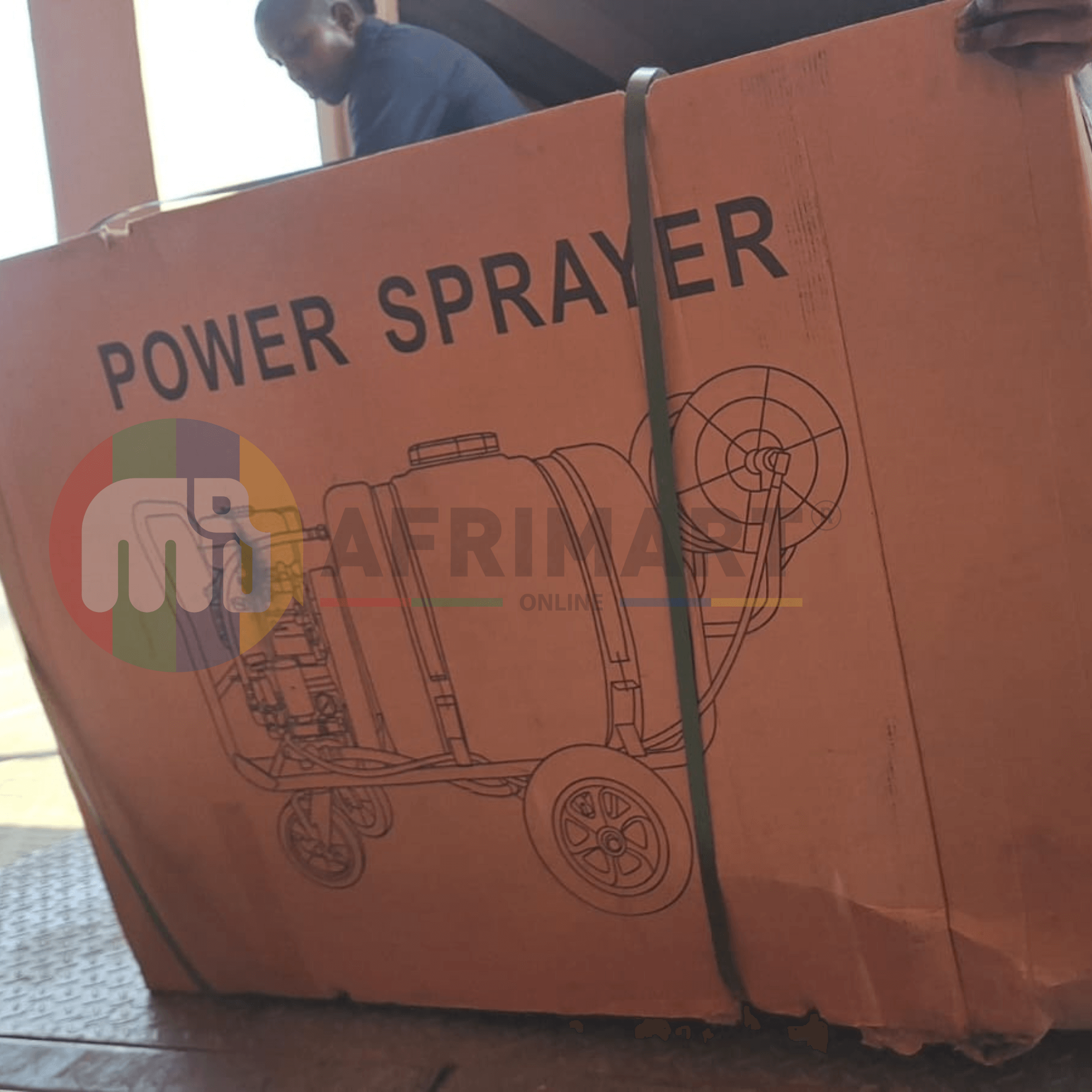
Latest Arrivals
Latest Arrivals
26 January 2026
Toilet paper making machine
Toilet paper making machine
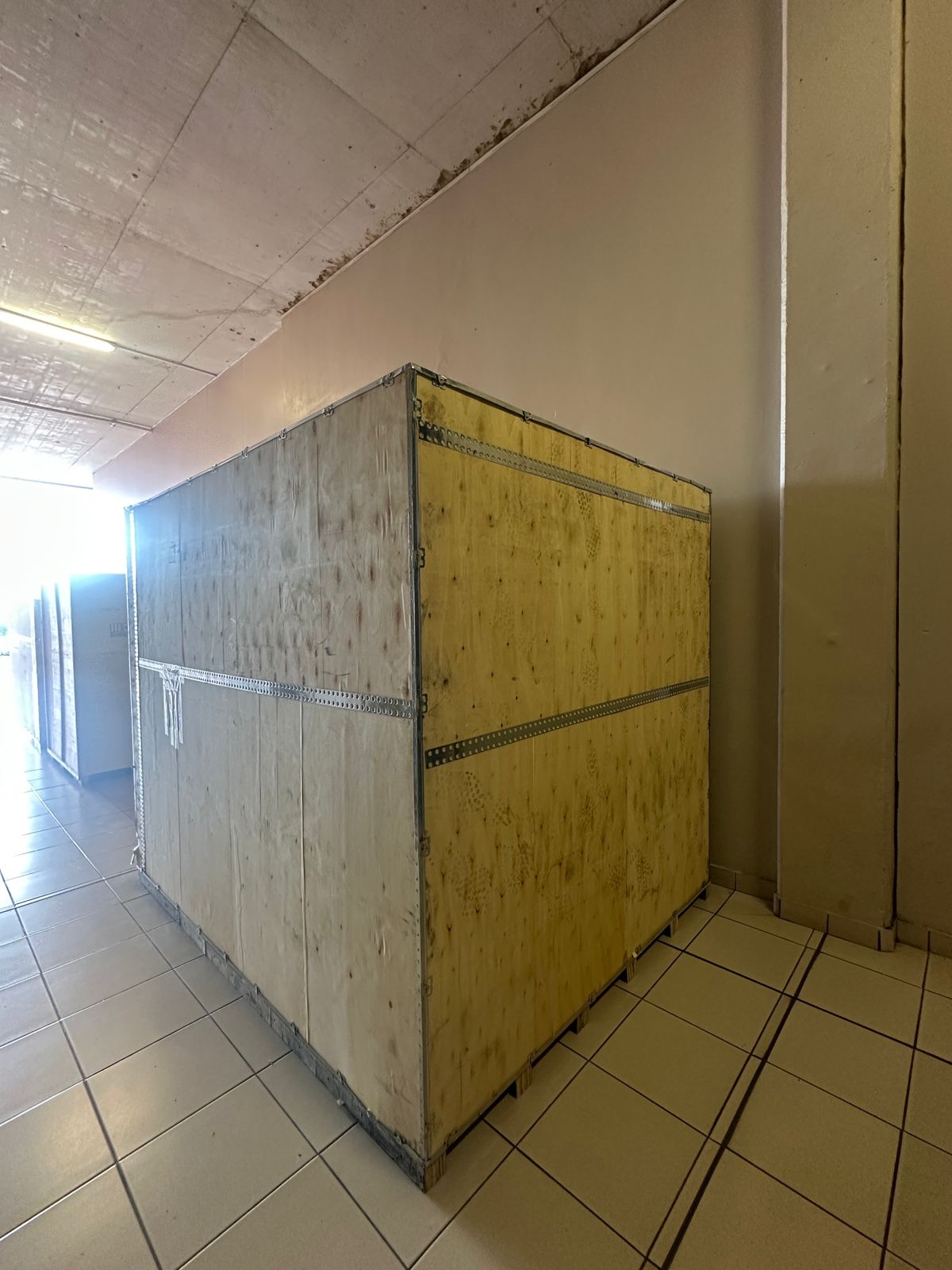
Toilet paper Rewinding Machine
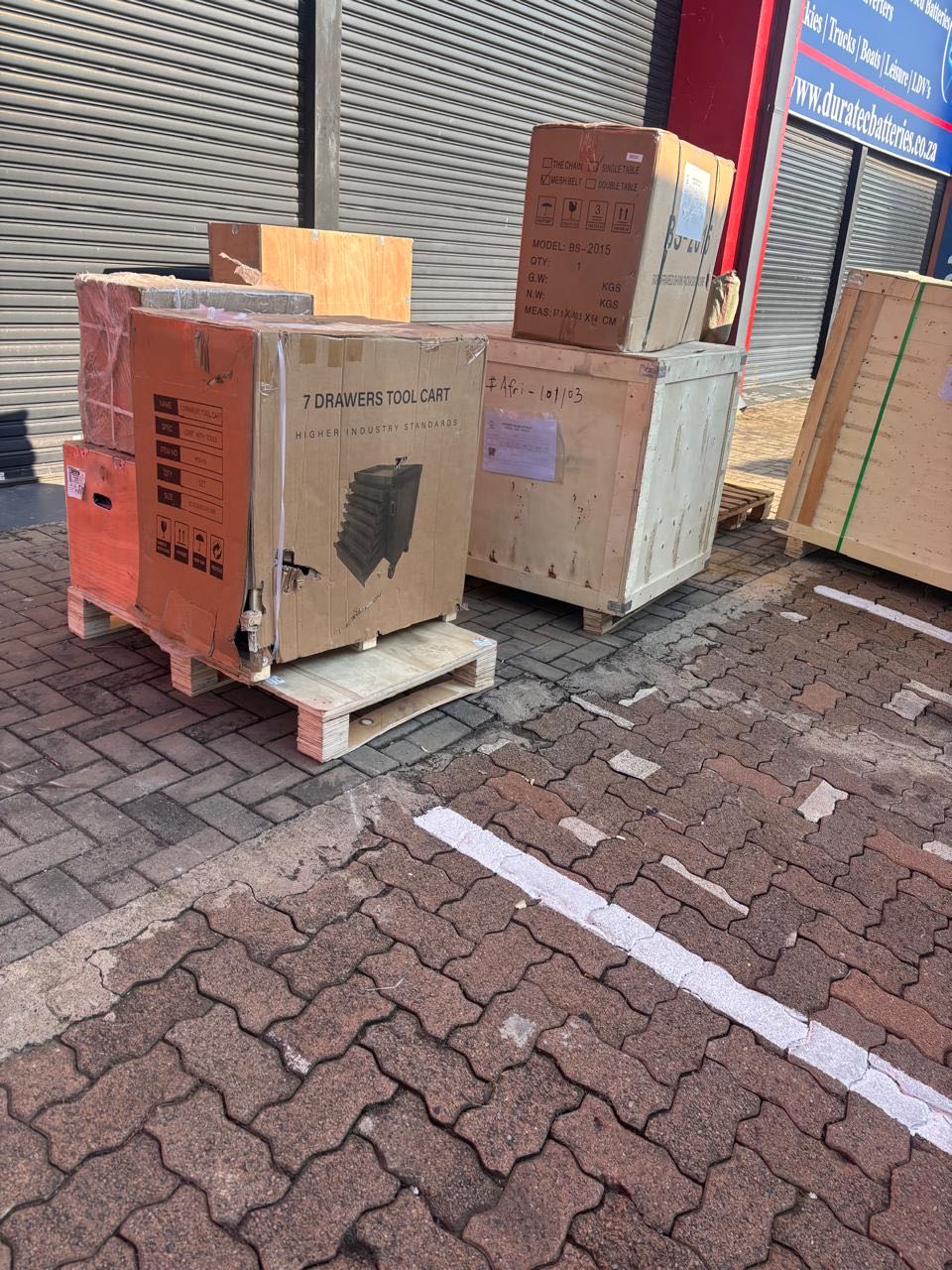
latest arrivals
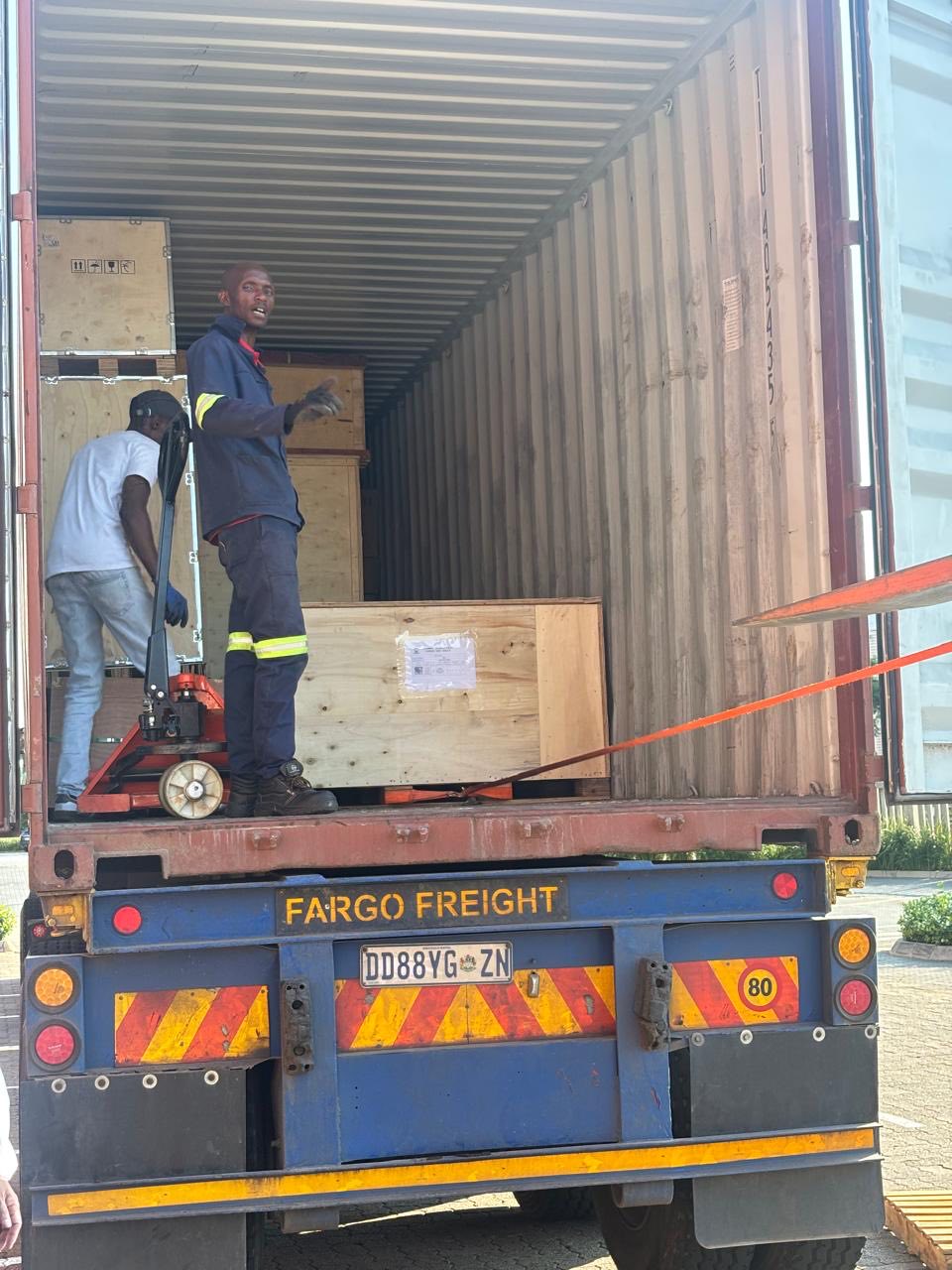
offloading
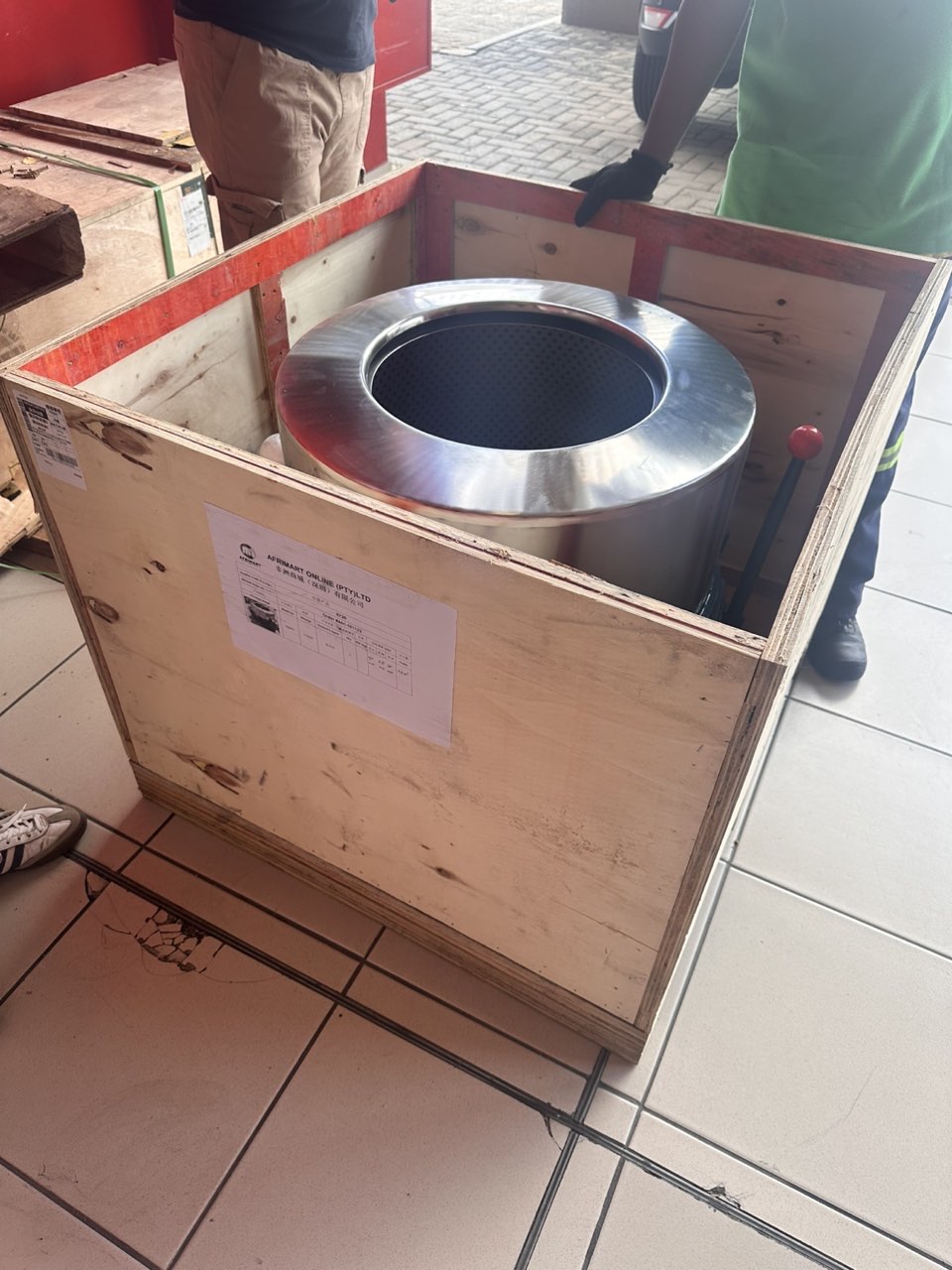
order success
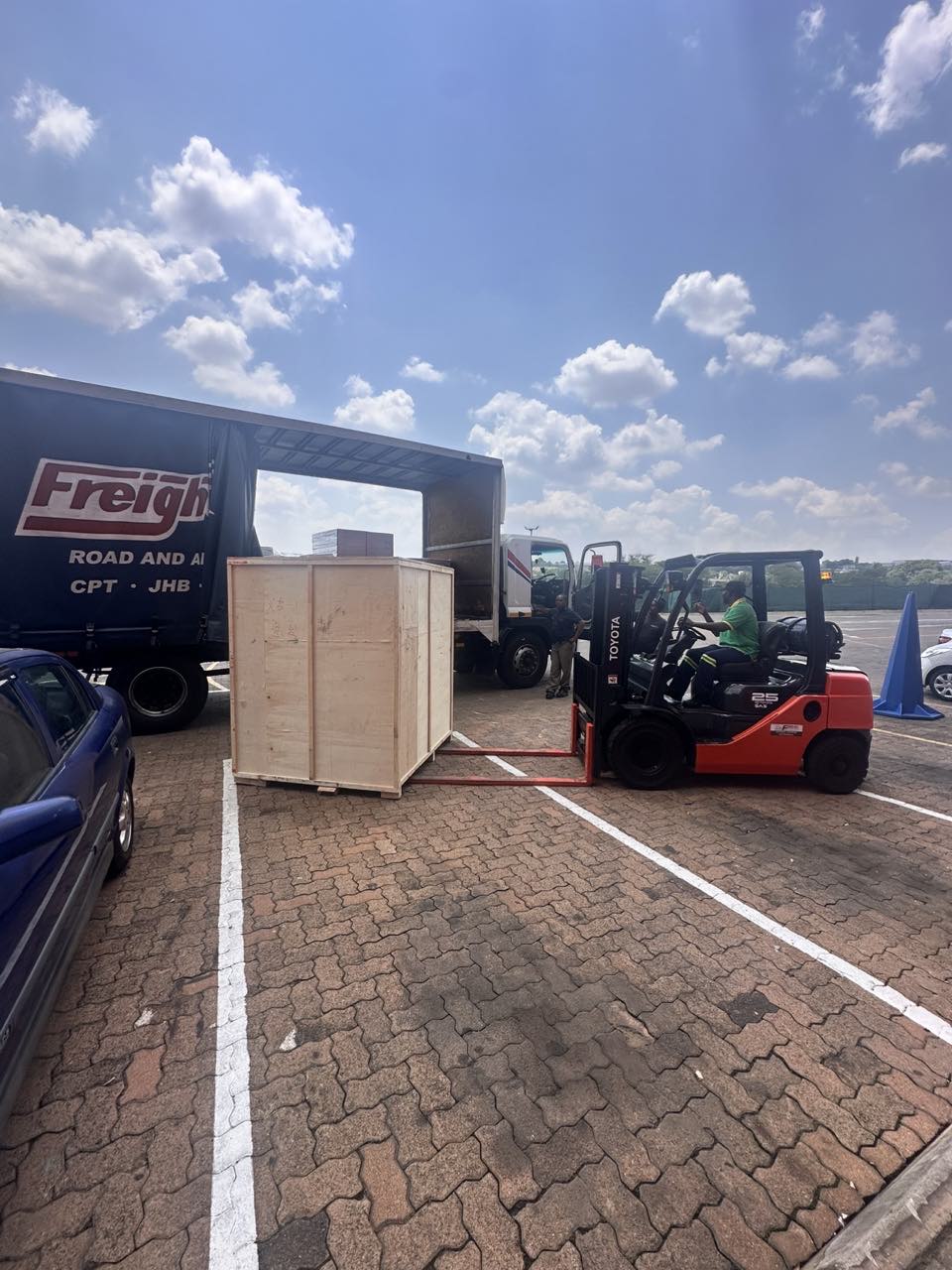
order collection
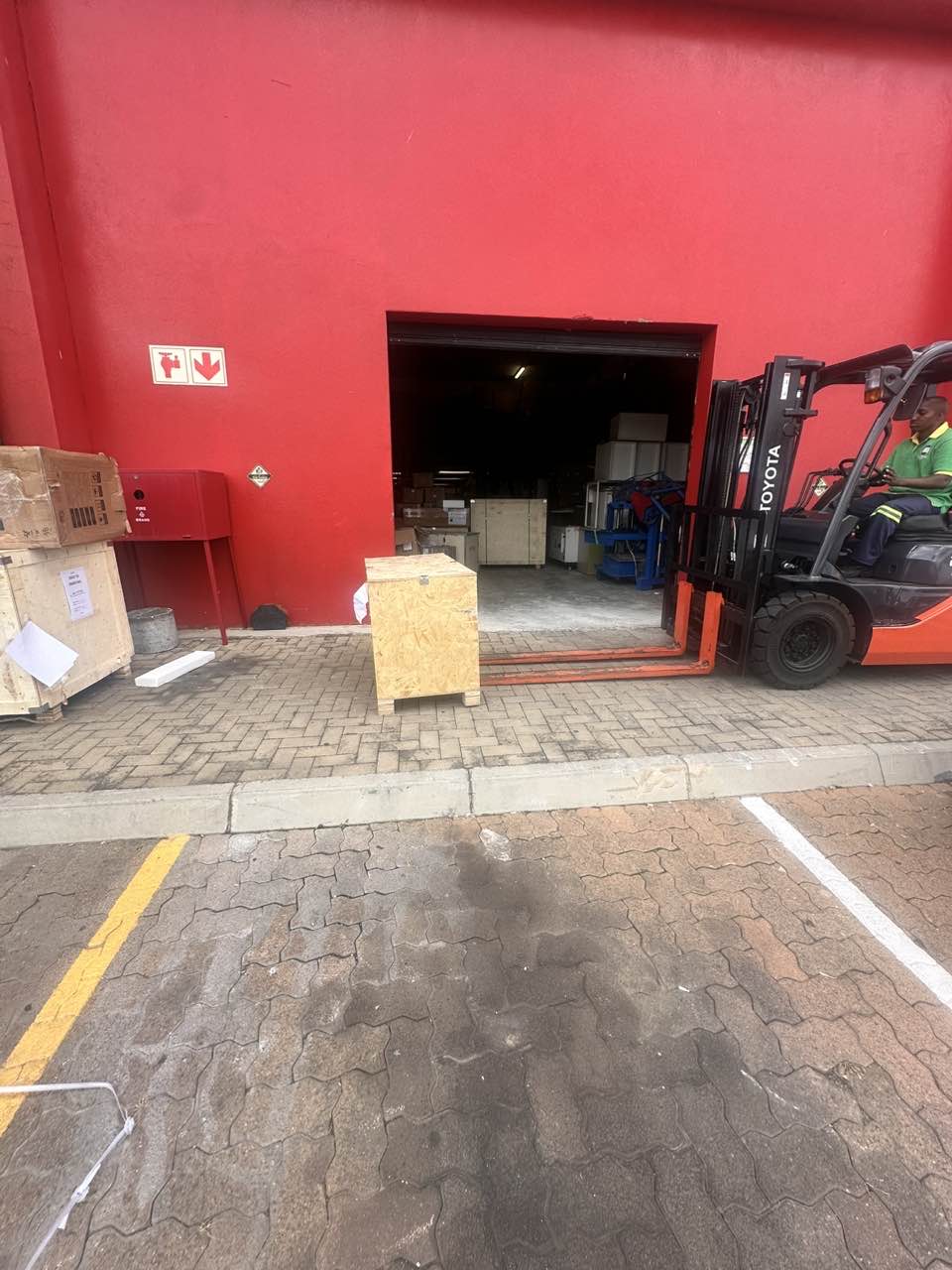
order offloading