B21, China Town Mall, Midrand



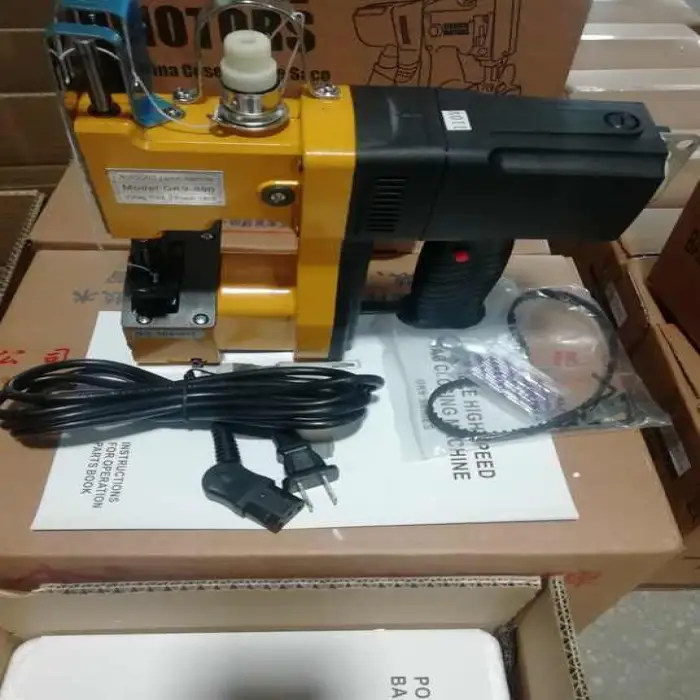
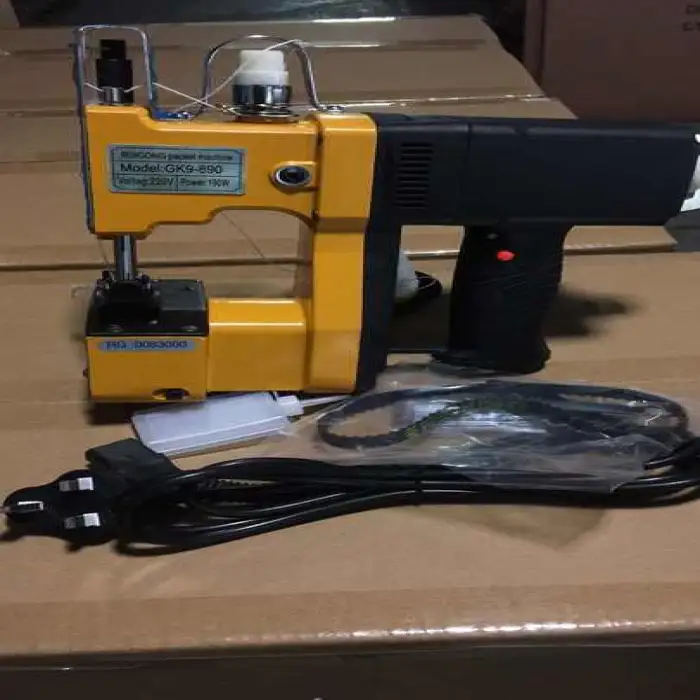
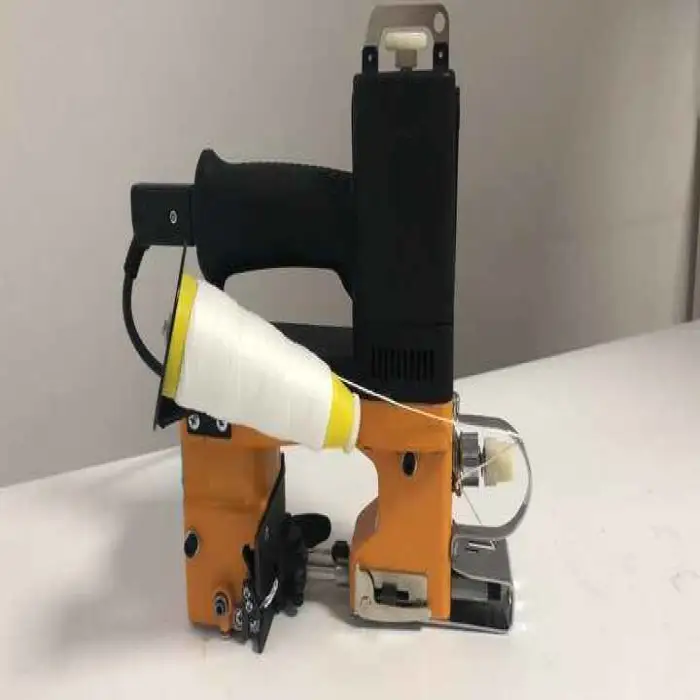
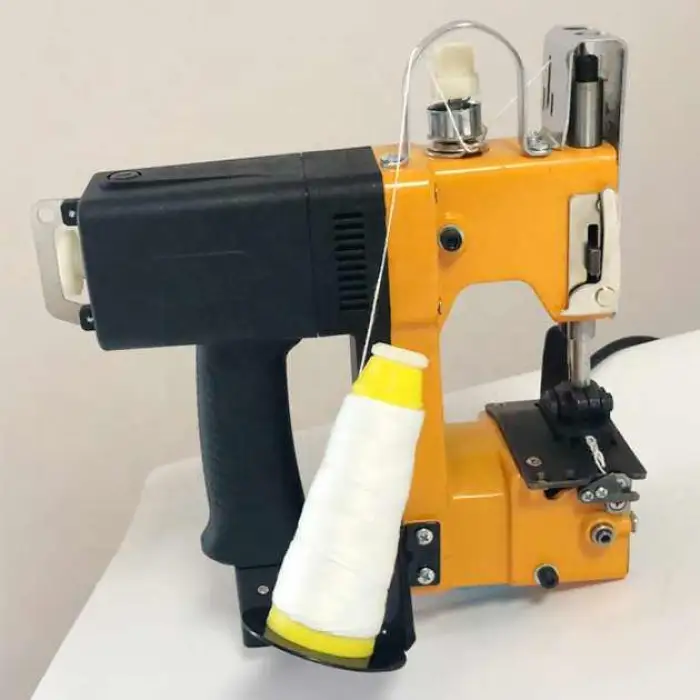
Portable Handheld Electric Bag Closer Pleeting Bag Closing Machine Industrial Sewing Machine

- Section : Machinery
- Category : Apparel Machinery
- SKU : 1601022713001

Portable Handheld Electric Bag Closer Pleeting Bag Closing Machine Industrial Sewing Machine
The Portable Handheld Electric Bag Closer is a powerful and efficient tool for closing bags in various settings. With its high-speed operation and easy-to-use design, this industrial sewing machine is perfect for both professional and home use. It is lightweight and portable, making it an ideal choice for anyone needing to close bags quickly and neatly.
Specifications
| Attribute | Details |
|---|---|
| Feed Mechanism | Manual |
| Operation Speed | High-Speed |
| Condition | New |
| Type | Industrial Sewing Machine |
| Stitch Formation | Chain Stitch |
| Mechanical Configuration | Cylinder-Bed |
| Max. Sewing Thickness | 25000rpm |
| Stitch Length | 2-5mm |
| Power | 190W |
| Weight | 3 KG |
| Dimensions | 250*190*160mm |
| Net Weight | 2.8kg |
| Material | Aluminium alloy, Insulating material |
| Color | Yellow Black |
Key Features
- High-speed operation for quick bag closing.
- Portable and handheld design for easy use.
- Neat stitch formation with a chain stitch type.
- Lightweight at just 2.8kg for easy handling.
- Eco-friendly materials used in construction.
Applications
- Building Material Shops for closing bags of cement or sand.
- Manufacturing Plants for packaging products.
- Food & Beverage Factories for sealing food bags.
- Farms for closing seed or feed bags.
- Home Use for various DIY projects and packaging needs.
Product Info Gallery
- Shipping Timeframes: All orders are processed within 2-5 business days (excluding weekends and holidays). After your order has been processed, the estimated delivery time is before 25 Feb, 2026, depending on customs, Please note that due to high demand, some items may experience longer shipping times, which will be communicated at order confirmation email.
- Order Processing Time: Please allow 2-5 business days for us to process your order before it is shipped . Orders placed after 16:00 on Fridays, or during weekends and public holidays, will begin processing on the next business day. Processing times may be extended during peak seasons or sales events.
- Manufacturing Time: Some products needs manufacturing time, the manufacturing process will take approximately 10-30 business days depending on the product. This timeframe may vary depending on the complexity of the product and current demand. but this will be communicated with you during order confirmation.
- Returns and Exchanges: We offer a 30-day return policy for most items. If you are not completely satisfied with your purchase, you may return it within 30 days of receipt for a refund or exchange. Items must be unused, in their original packaging, and accompanied by proof of purchase. Return shipping costs are the responsibility of the customer, unless the item was damaged or defective upon arrival.
1. What is the Portable Handheld Electric Bag Closer and what is it used for?
A lightweight, handheld industrial sewing machine designed to close bags quickly and neatly. It is used for sealing sacks and bags in settings such as building material shops, manufacturing plants, food & beverage factories, farms and home/DIY packaging.
2. What are the main specifications?
Key specs: high-speed operation (up to 25,000 rpm), power 190 W, stitch formation: chain stitch, stitch length 2–5 mm, mechanical configuration: cylinder-bed, material: aluminum alloy and insulating materials, color: yellow/black, net weight ~2.8 kg, dimensions 250×190×160 mm.
3. What type of stitch does it form?
It forms a chain stitch, which is the standard stitch type for bag-closing machines and provides a secure, continuous seam for most packaging materials.
4. Which bag materials can it handle?
Designed for common packaging materials such as woven polypropylene (PP) sacks, jute, paper bags, laminated plastic, and similar bag fabrics used for cement, seed, feed, grains and packaged foods. For unusually thick or specialty materials, perform a test or consult the seller.
5. What is the maximum sewing thickness?
The specification sheet does not list a numeric maximum thickness. The tool is intended for standard industrial bag materials; if you need to close very thick or multi-layer materials, test the machine first or contact the seller for guidance.
6. Is the machine truly portable and easy to handle?
Yes. With a net weight of about 2.8 kg and compact dimensions (250×190×160 mm), it is designed to be handheld and portable for mobile or on-site bag closing tasks.
7. What are the power and electrical requirements?
Power consumption is 190 W. Voltage and plug type are not specified in the product description—confirm the required voltage (e.g., 110 V or 220 V) and plug configuration with the seller before purchase.
8. What thread and needle should I use?
The machine uses a chain stitch and is compatible with standard industrial bag-closing threads and needles. The exact recommended needle size and thread type are not listed—check the seller’s documentation or ask the supplier for recommended needle and thread sizes for your application.
9. How do I operate the bag closer (basic steps)?
Basic steps: fit the correct thread and needle, set the stitch length (2–5 mm as needed), place the bag edge under the presser/feed, switch on the motor, guide the bag manually to form the seam, and cut the thread or use any built-in cutter when finished. Refer to the supplier/manual for detailed operating instructions.
10. What routine maintenance is required?
Regular maintenance includes cleaning lint and debris from the needle area, periodically oiling moving parts per supplier recommendations, checking and tightening screws, replacing worn needles and blades, and storing the machine in a dry, dust-free place.
11. What should I do if the machine jams or skips stitches?
Common fixes: stop and unplug the machine, remove lint and broken thread, inspect and replace a bent or dull needle, re-thread the machine carefully, ensure thread tension is correct, and check that the feed and presser are functioning freely. If the motor stalls or unusual noise persists, contact the seller or a qualified technician.
12. Is the machine safe to use? Any safety tips?
Yes if used correctly. Safety tips: always unplug before performing maintenance, keep fingers clear of the needle area while operating, wear appropriate PPE (gloves/eye protection if required), avoid prolonged continuous operation to prevent motor overheating, and follow any safety instructions provided by the seller.
13. What accessories are included or commonly supplied?
Accessories commonly supplied with bag closers may include spare needles, screwdriver/wrench, oil, a thread spool holder, and a carrying case. Actual included accessories vary by seller—check the product listing for the exact package contents.
14. Is this machine suitable for food packaging environments?
It is used in food & beverage factories for sealing packaged food bags. For food industry use, ensure you follow local hygiene and safety regulations and confirm with the seller whether the machine and any additional accessories meet your facility’s sanitation requirements.
15. What about warranty, spare parts and after-sales support?
The product listing does not specify warranty or service details. Before buying, confirm warranty length, availability of spare parts (needles, blades, motor) and local service or repair options with the seller or distributor, and retain purchase documentation for support.
Latest Order Arrivals
Discover our latest orders
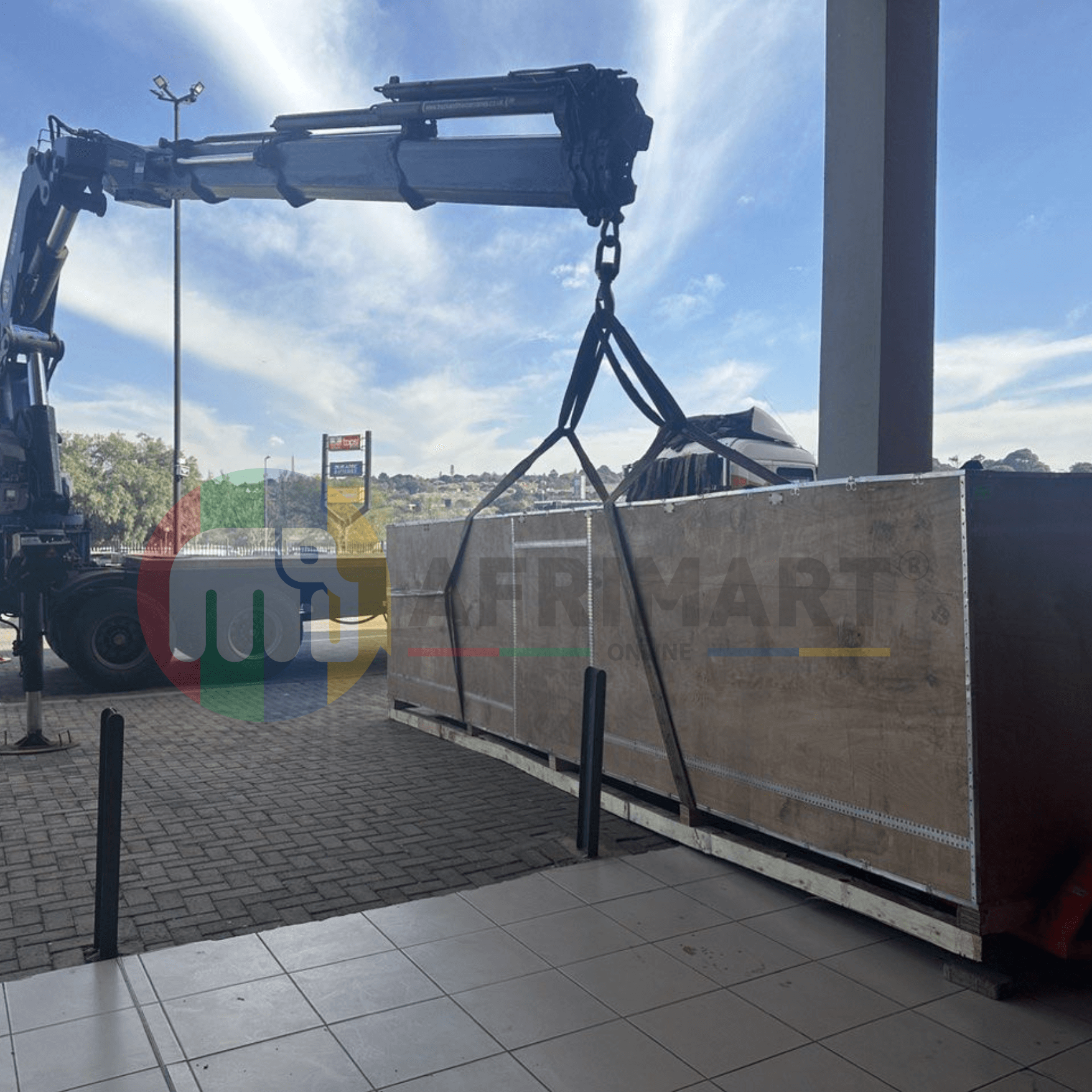
12 Heads Embroidery Machine
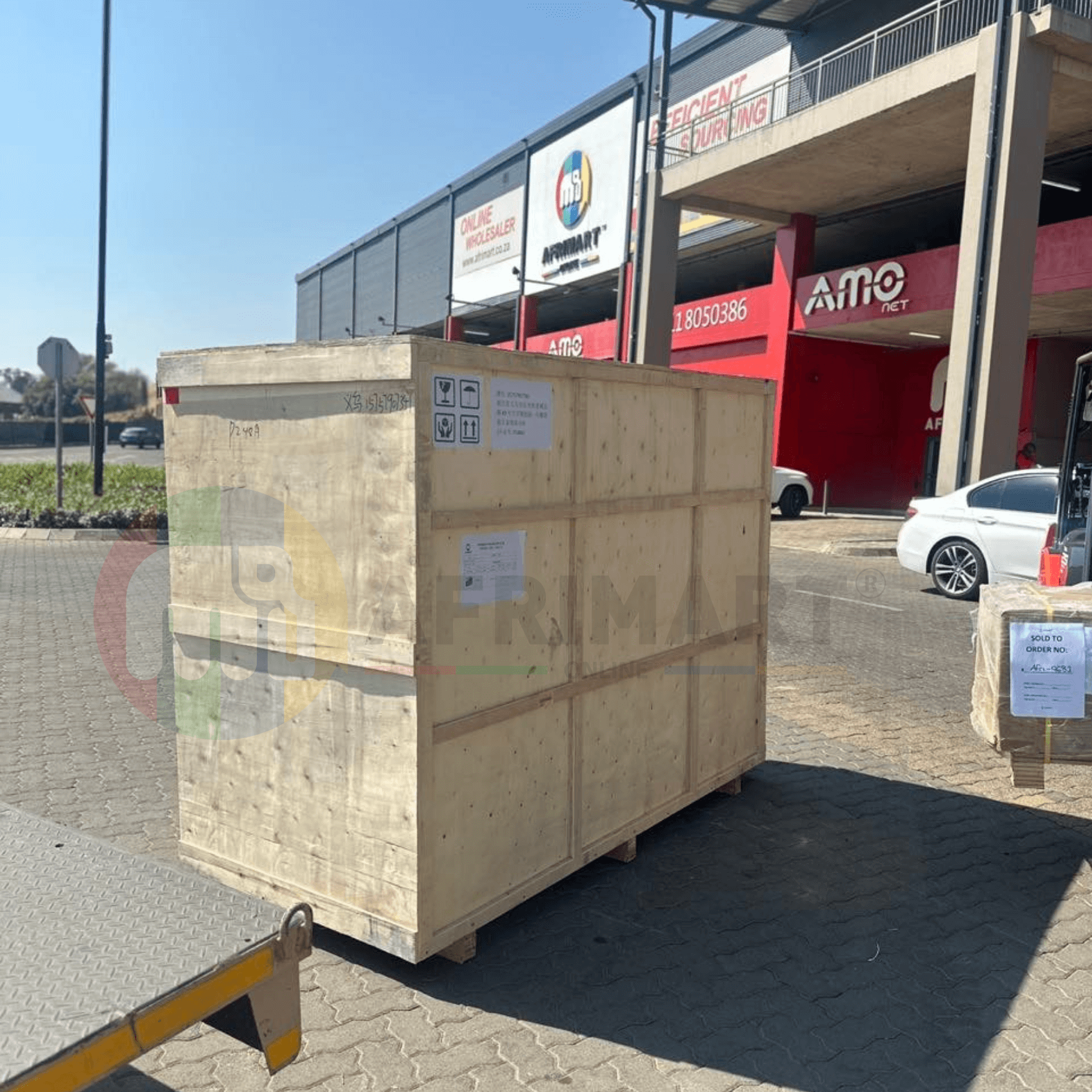
Dewatering Pump Machine
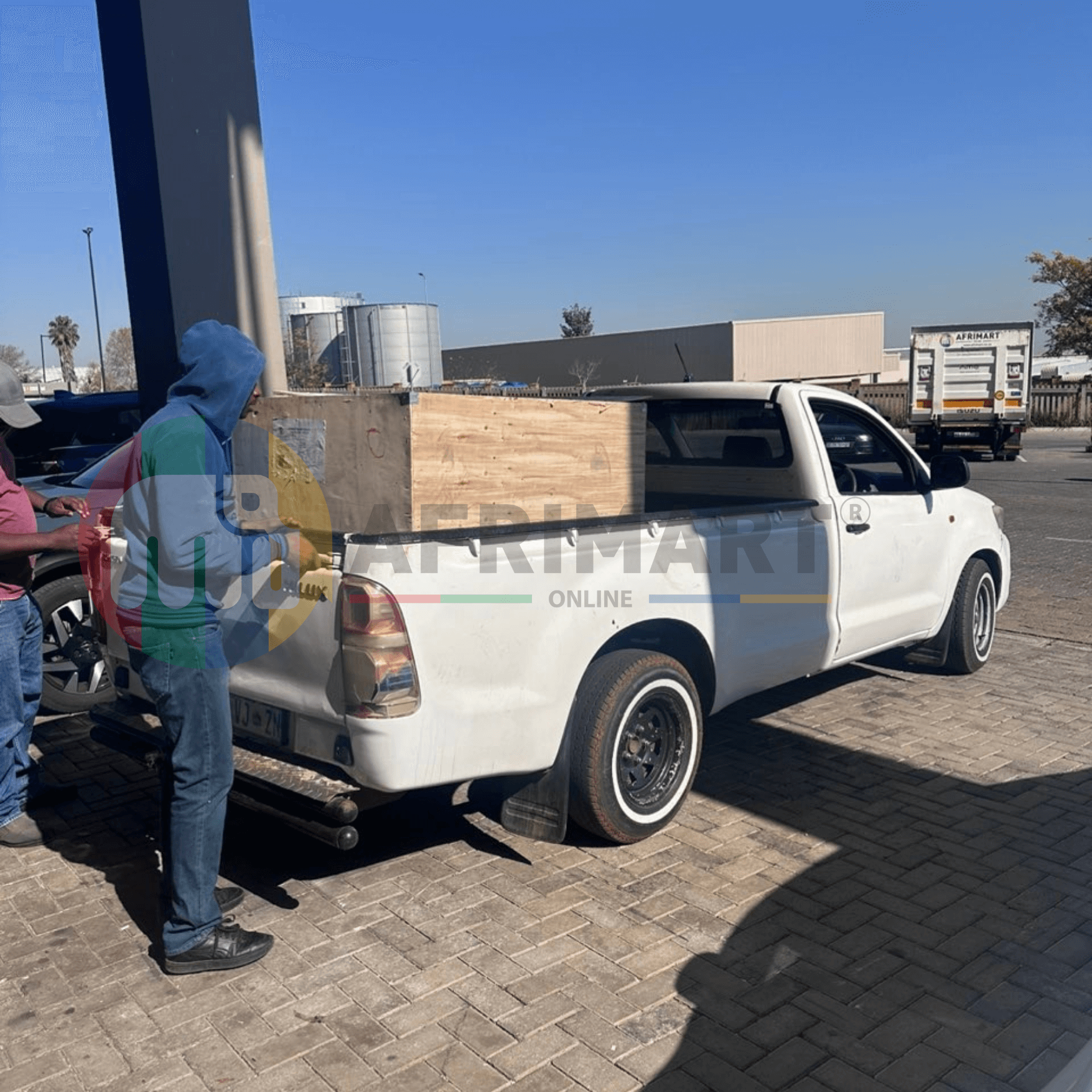
Order Collection
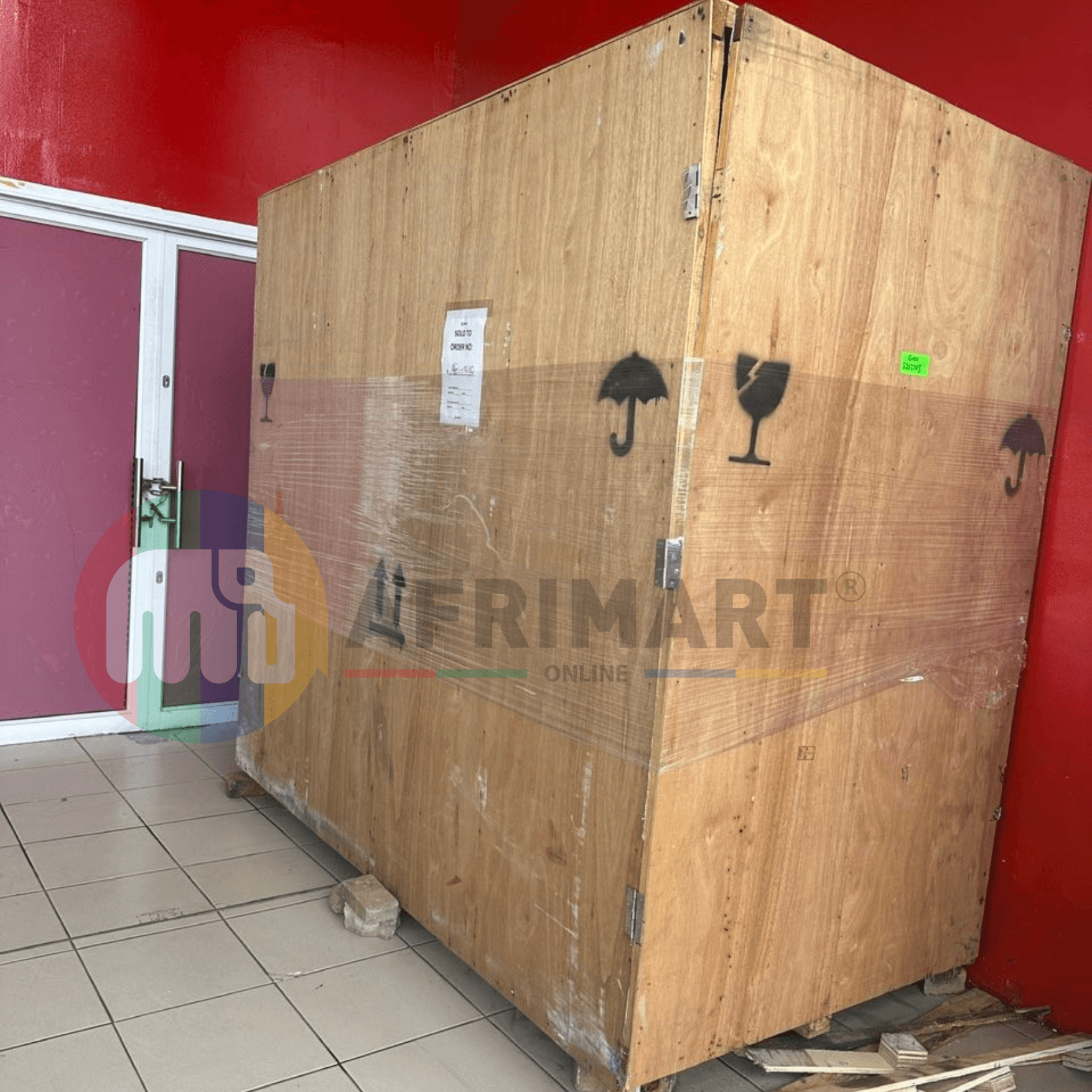
Portable Water Drilling Rig
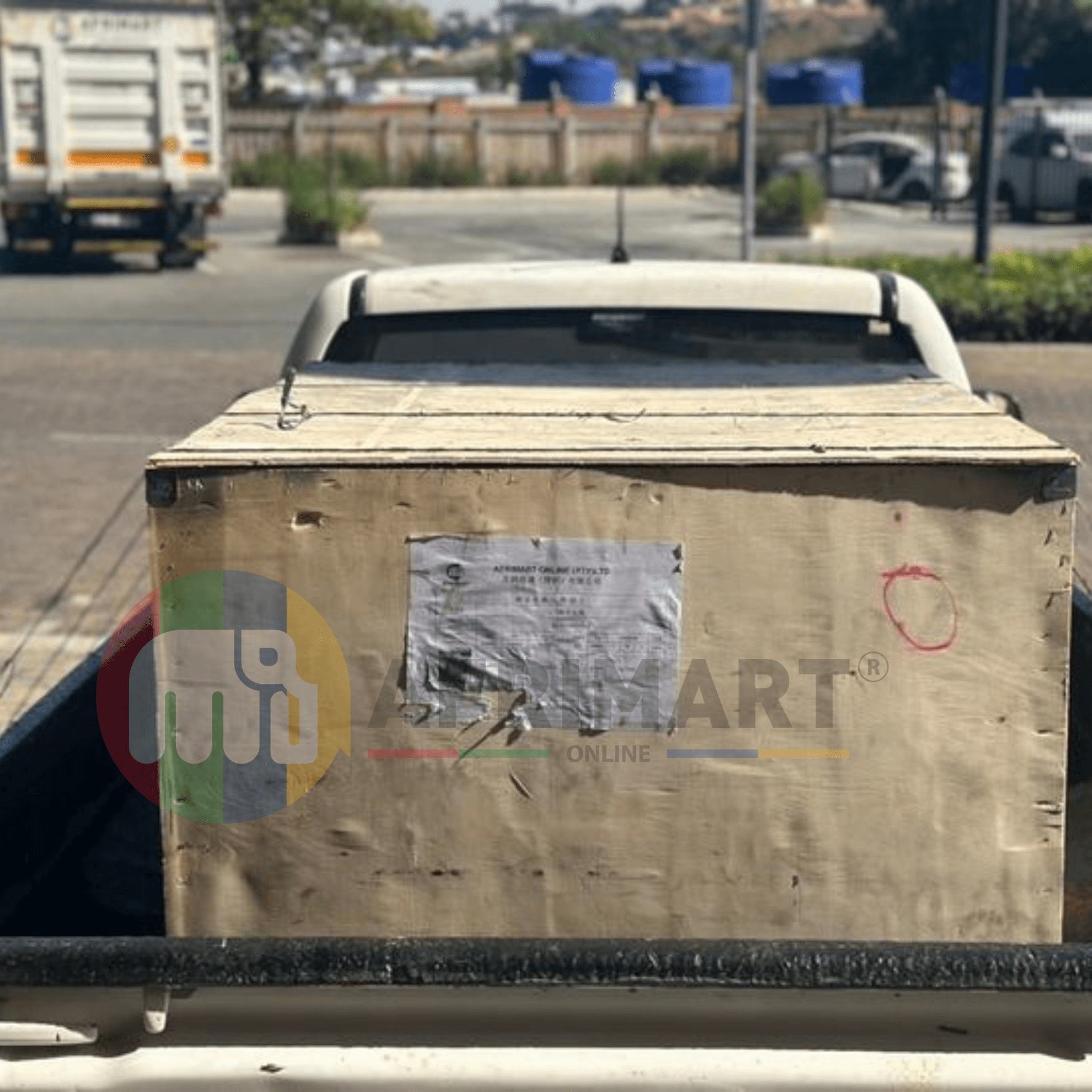
Order Usefully Collected
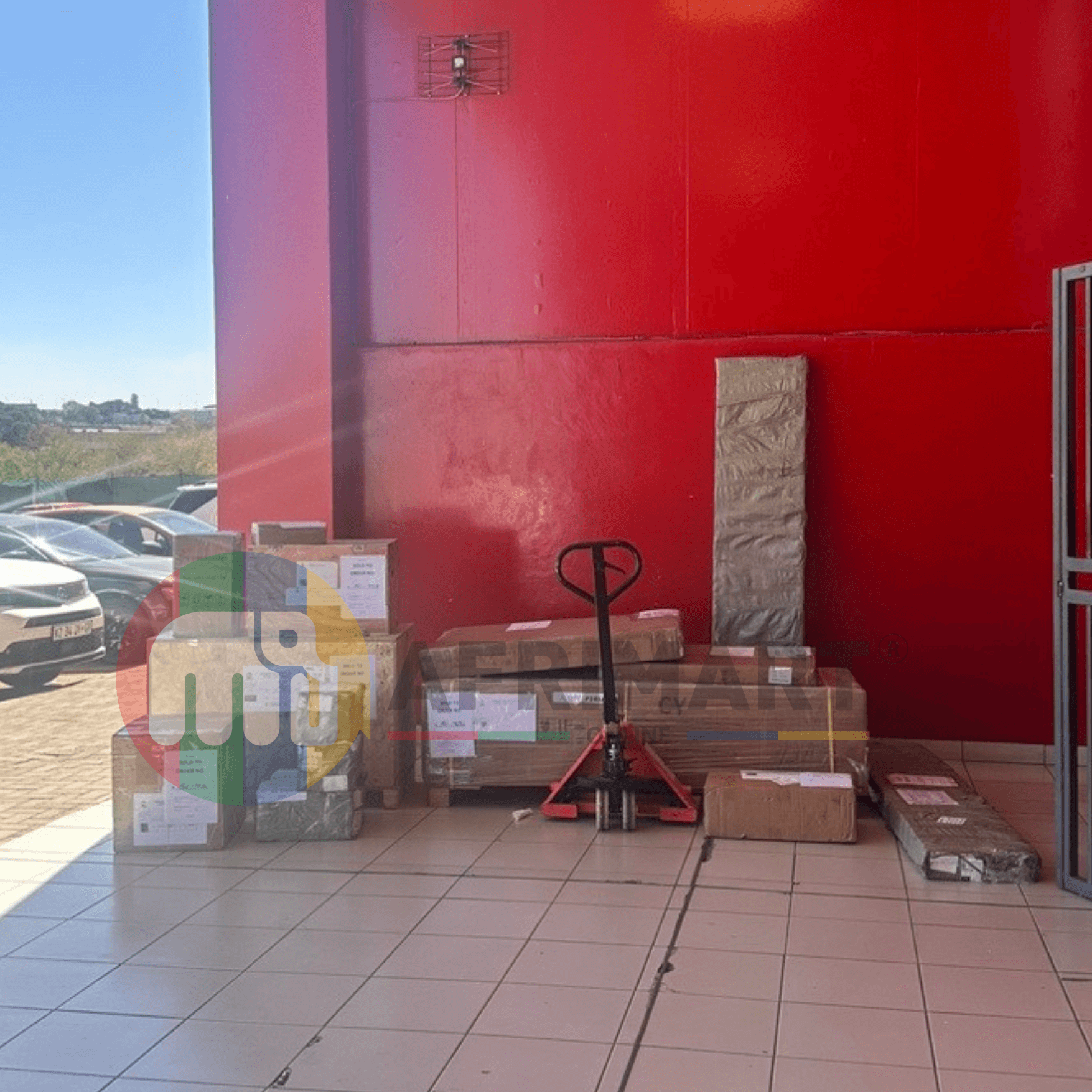
Batch of Orders
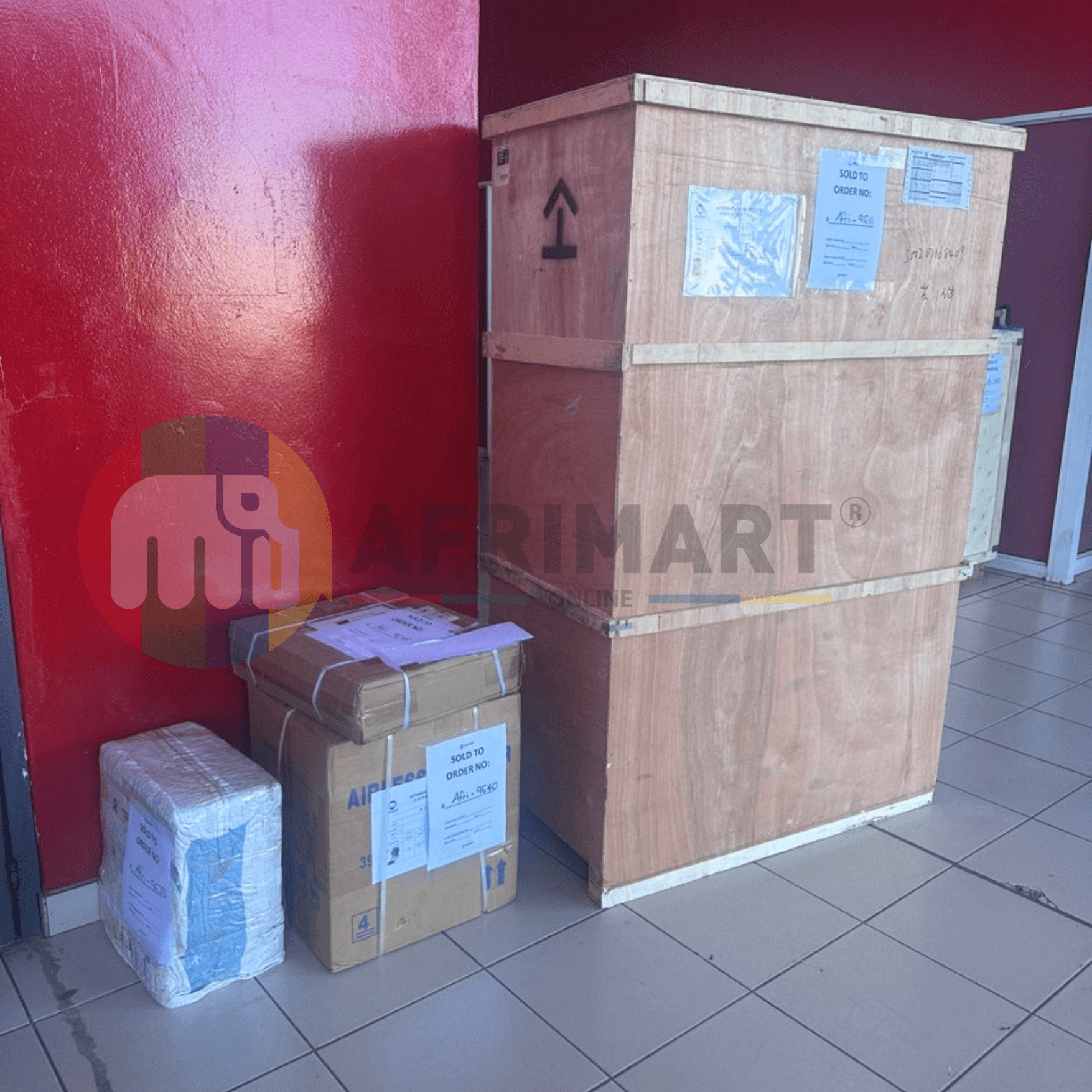
Agriculture Processing Machines
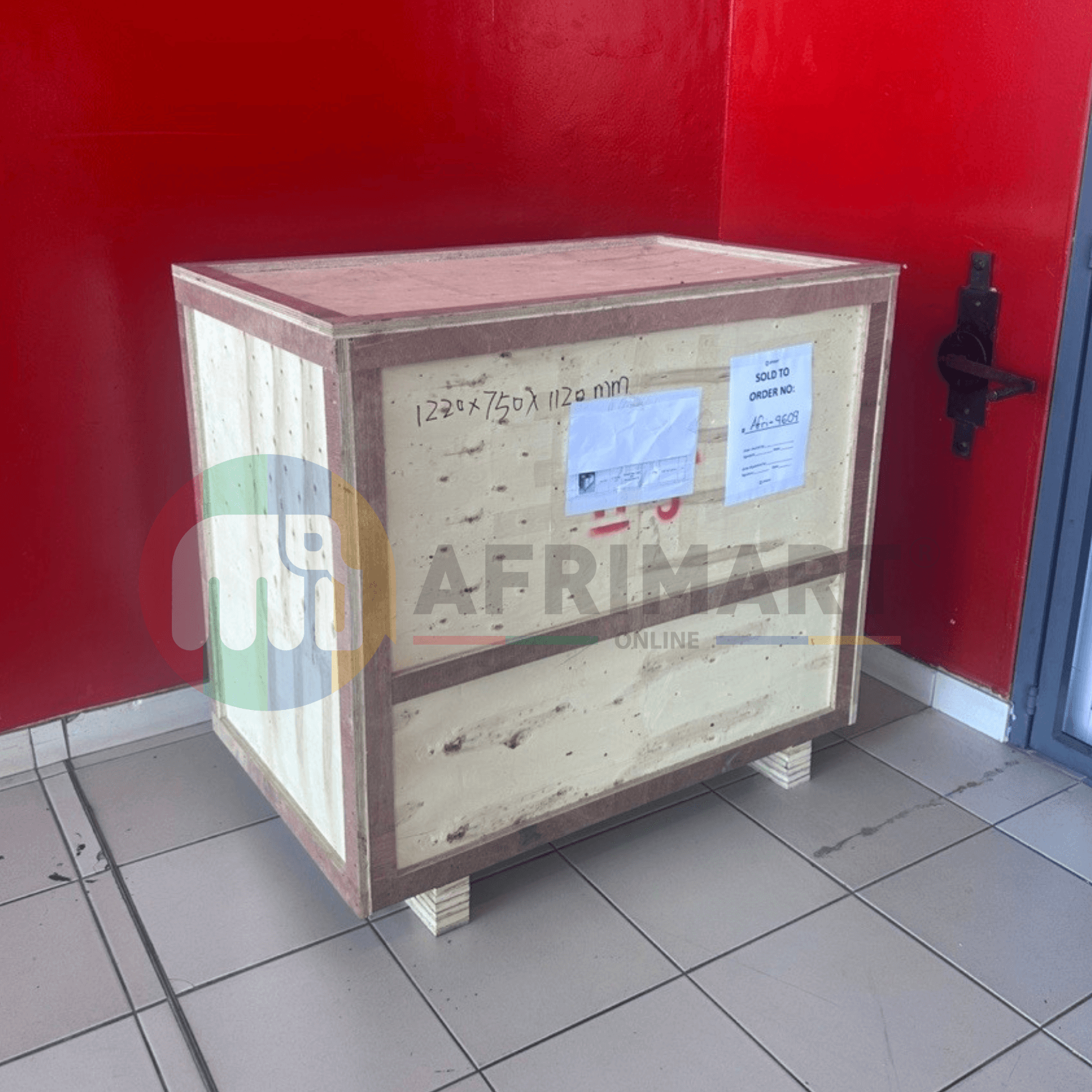
Meat Grinder Machine
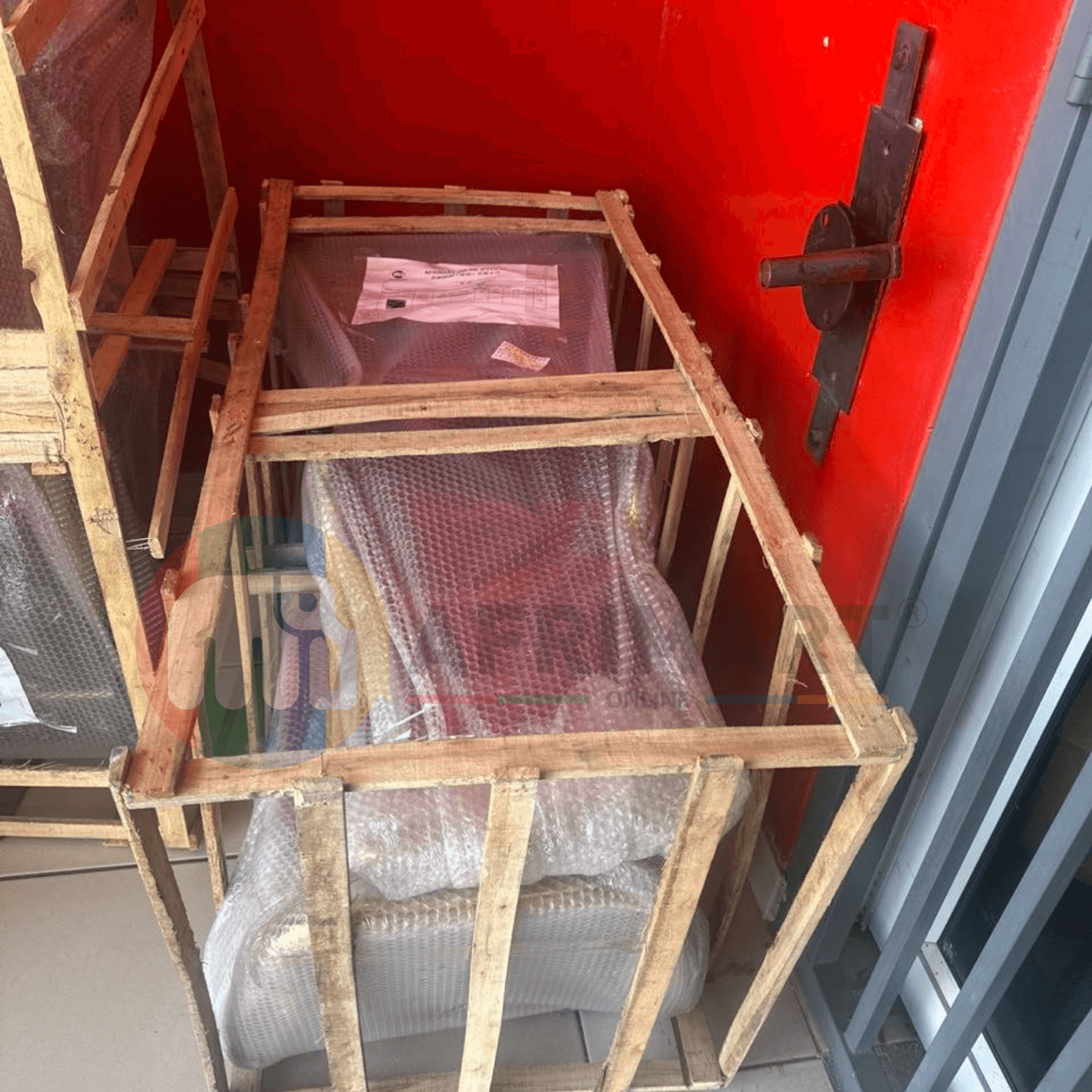
Water Pump Equipment
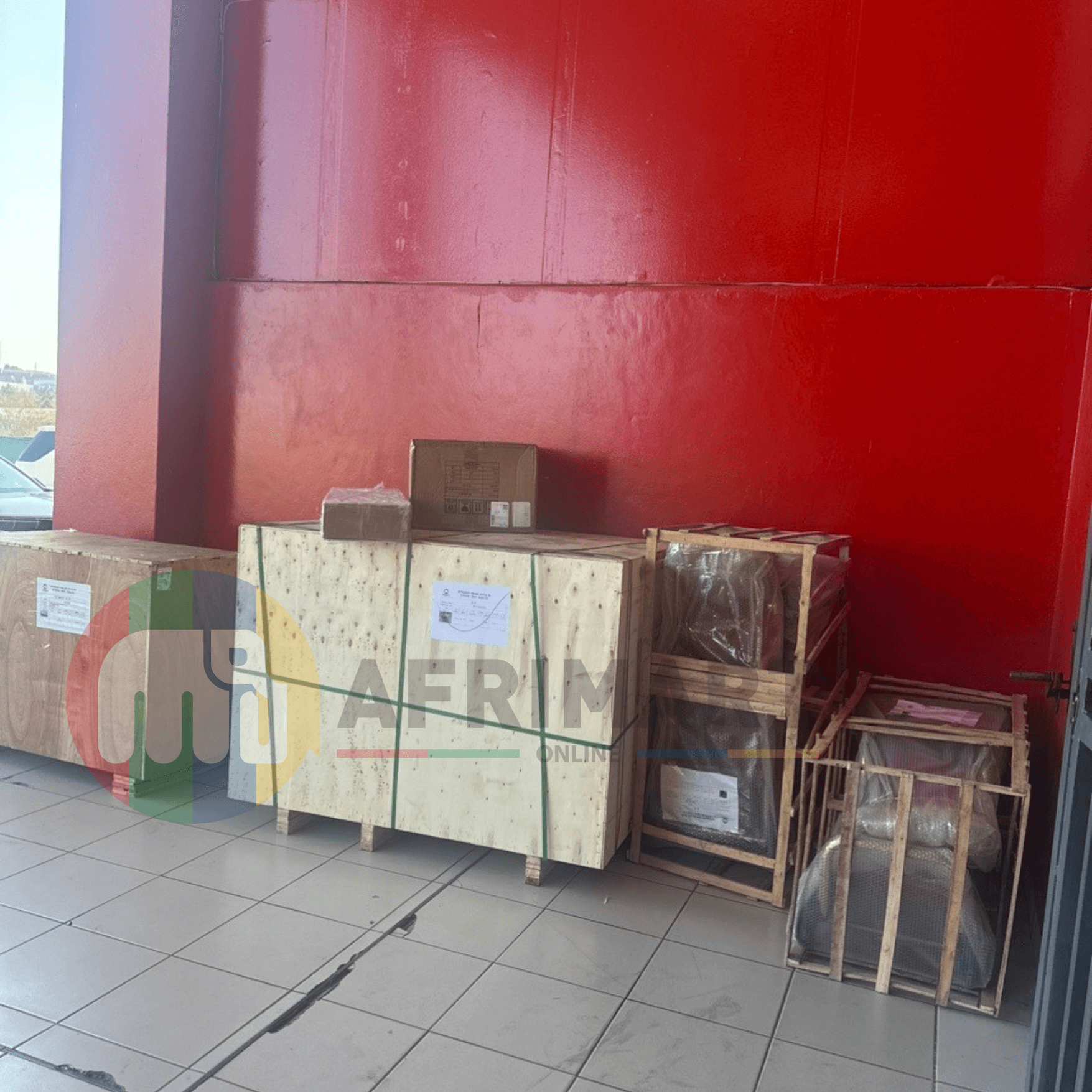
Packaging Machine and accessories
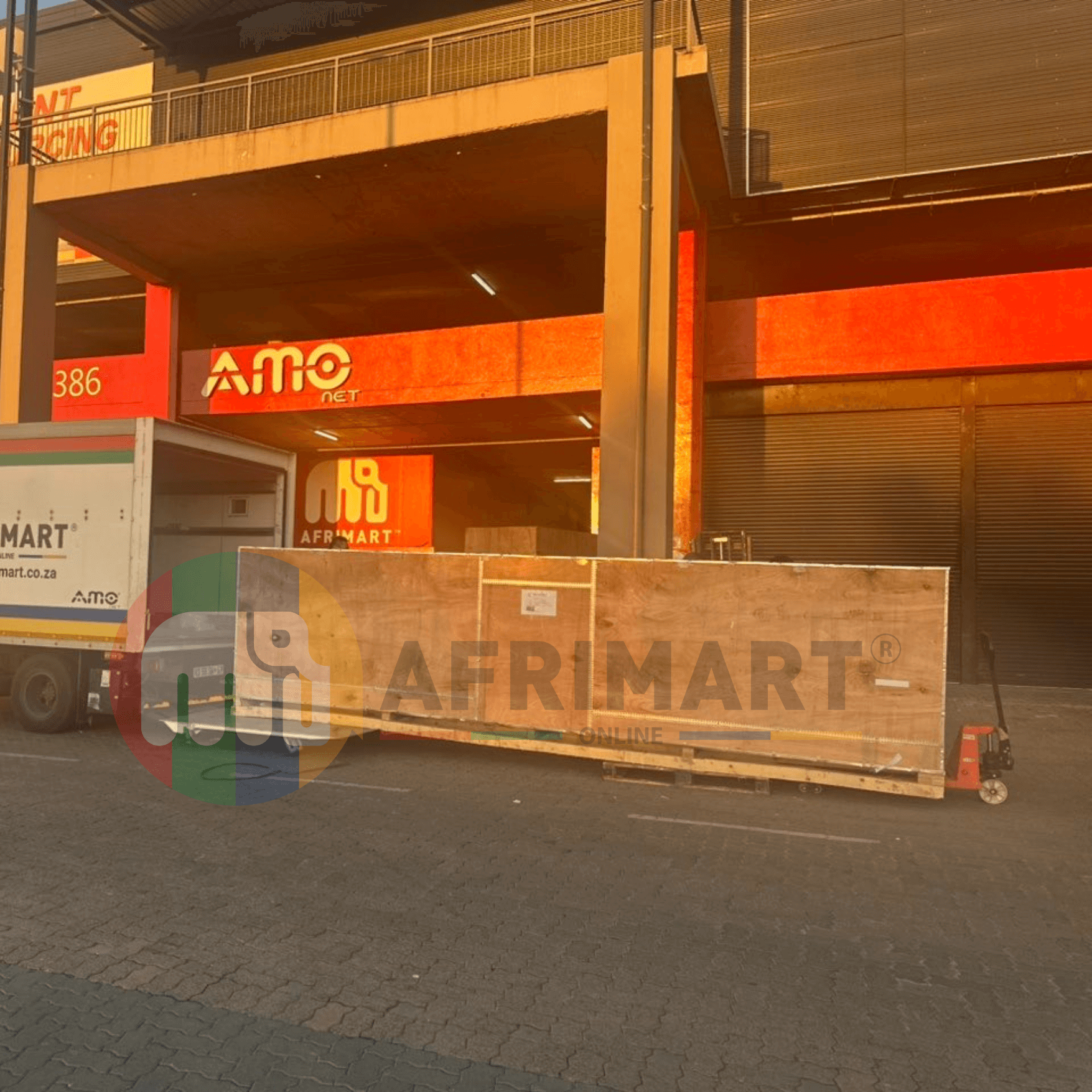
Fabrics Manufacturing Equipment
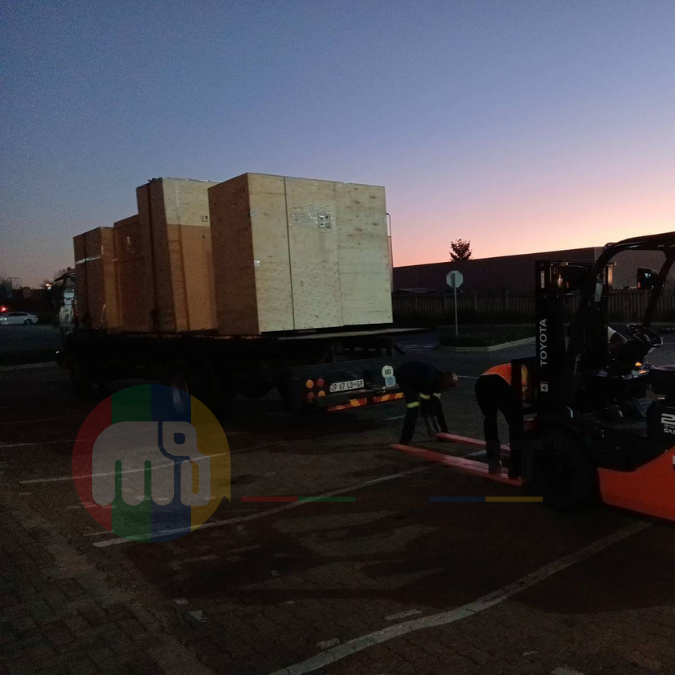
Mining Equipments
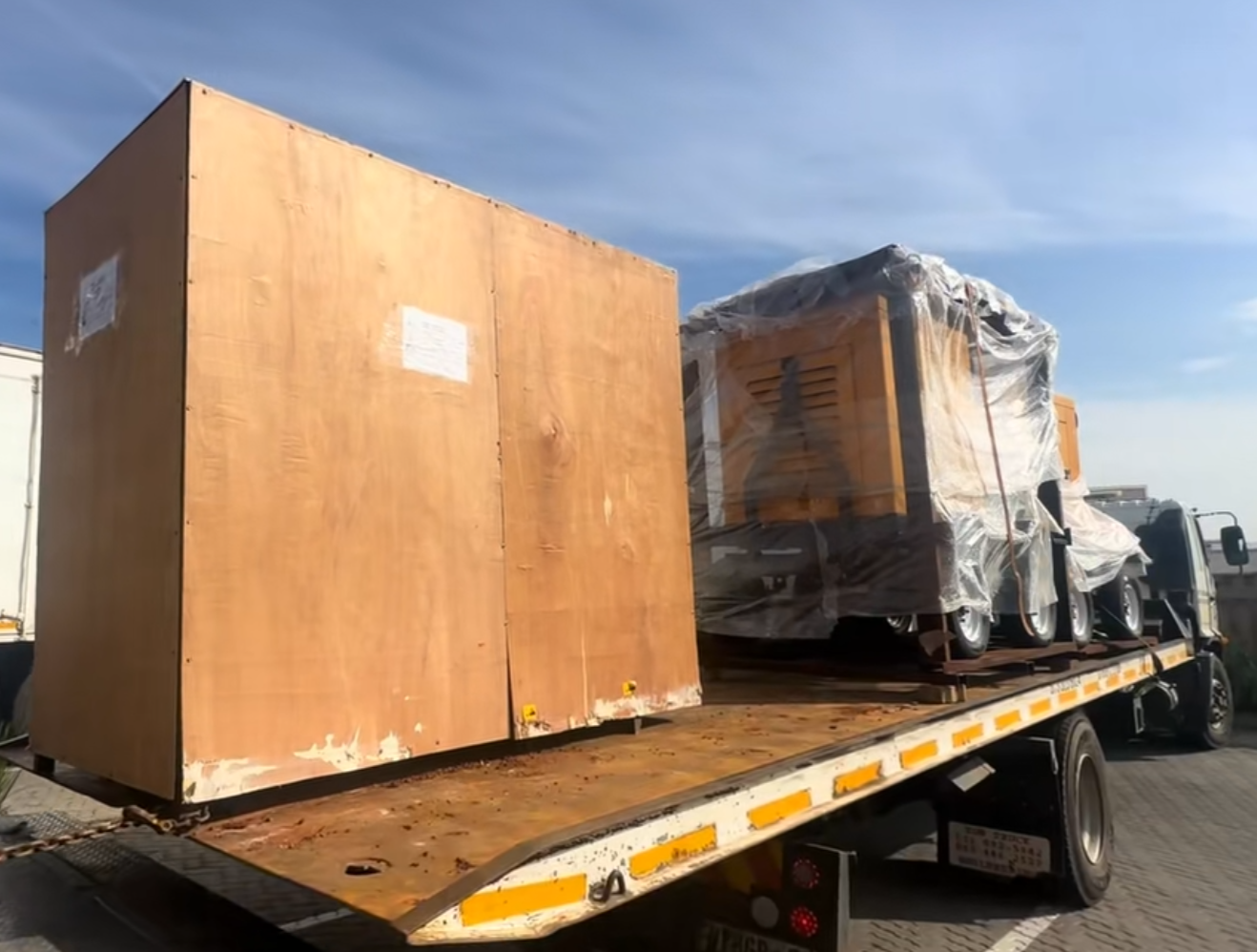
Food Processing Machine
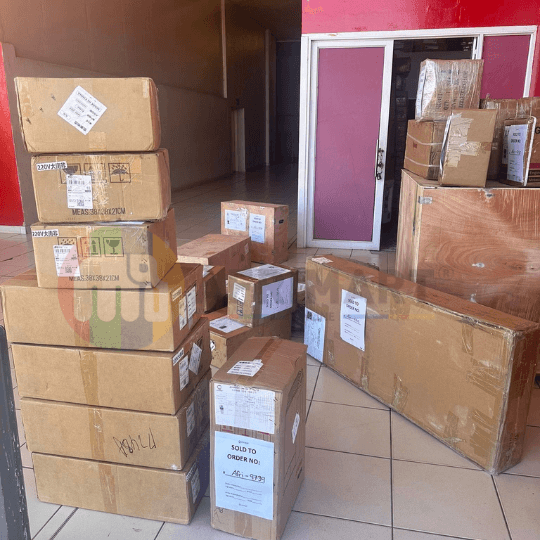
Batch of Orders
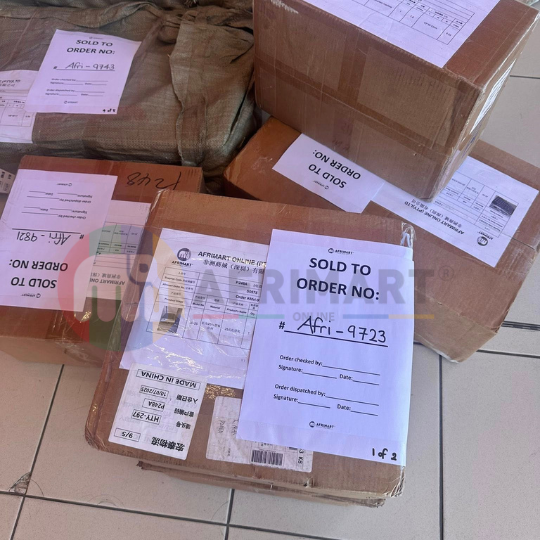
Batch of Orders
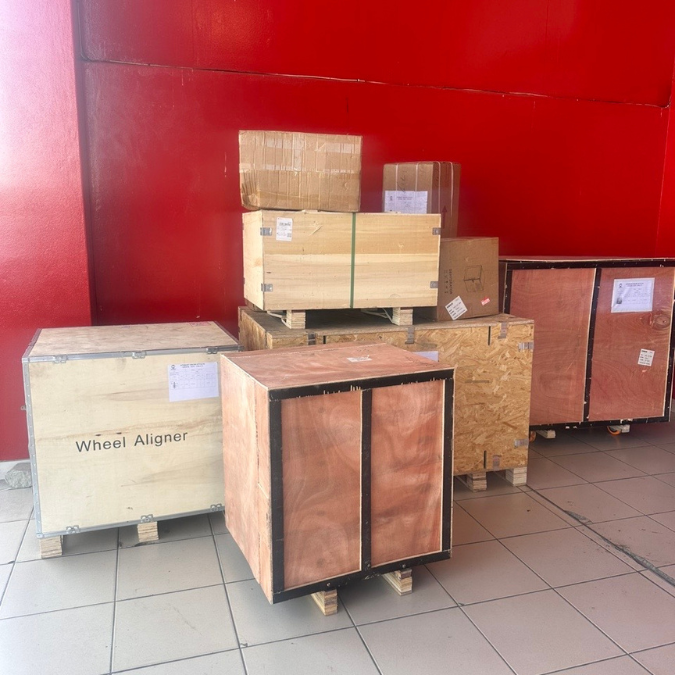
Latest Orders Labelled
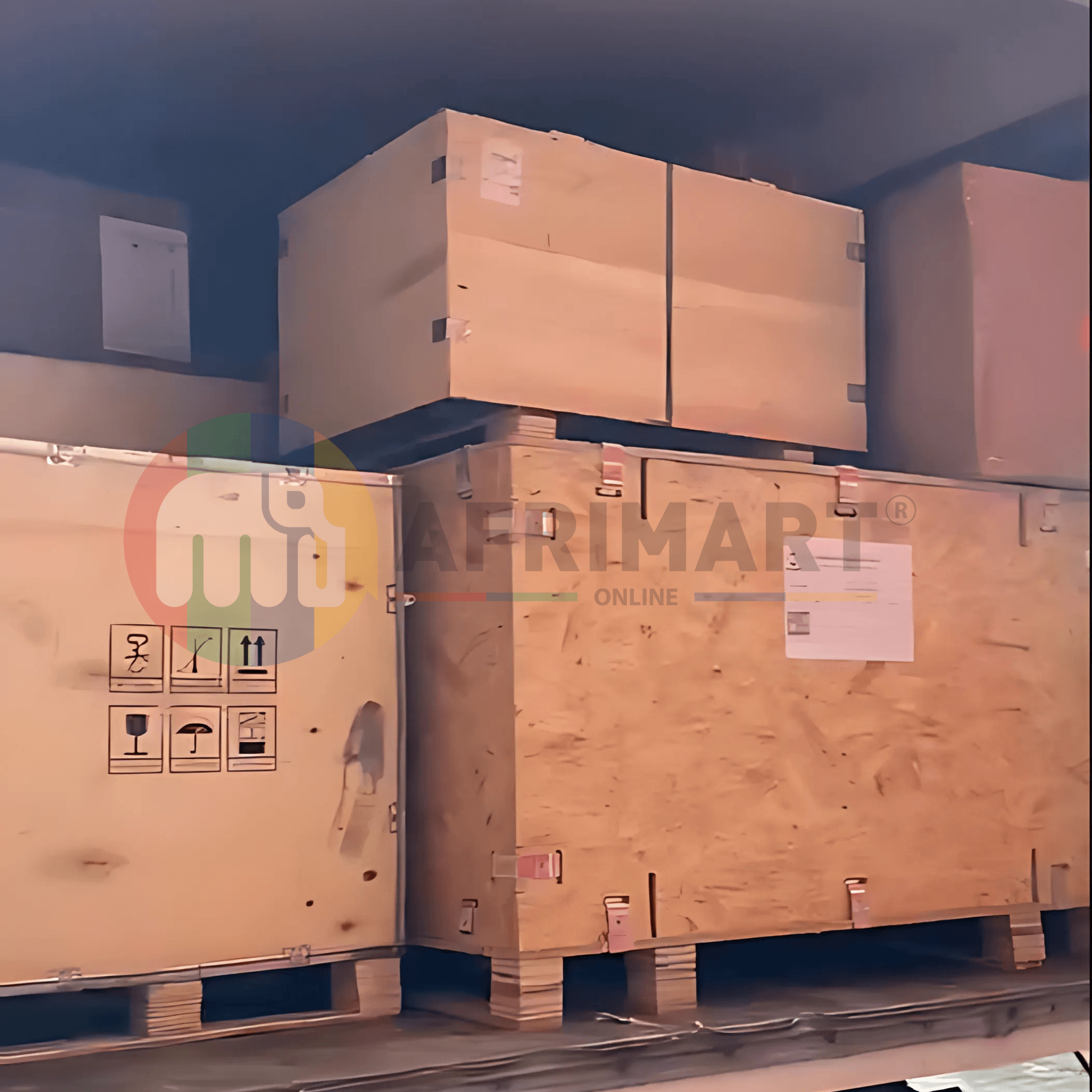
wheel alignment machines
new arrivals
Pre Orders Offloading
Latest Arrivals
Latest Arrivals