B21, China Town Mall, Midrand

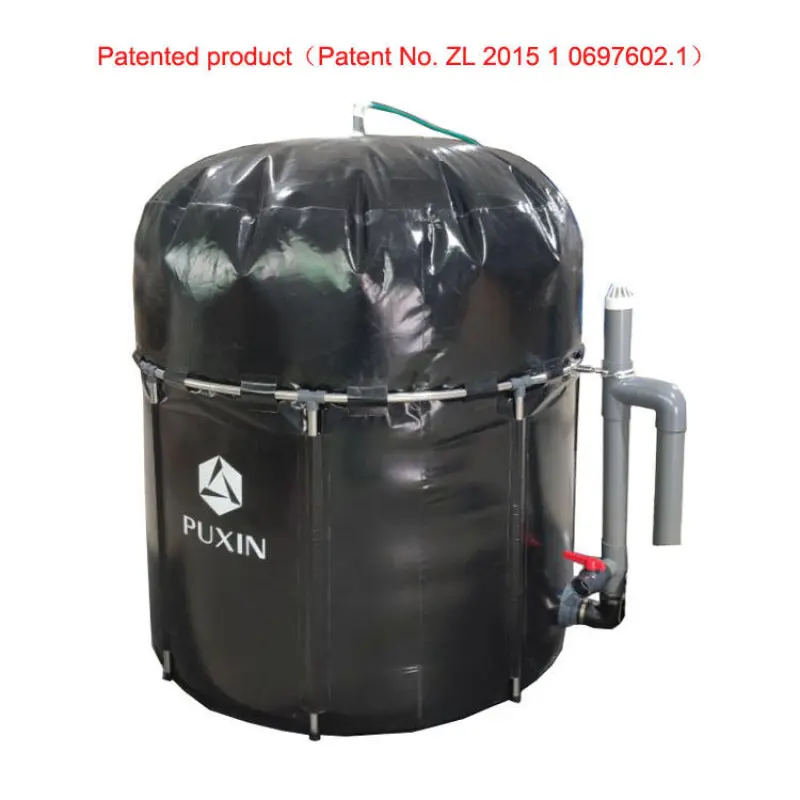
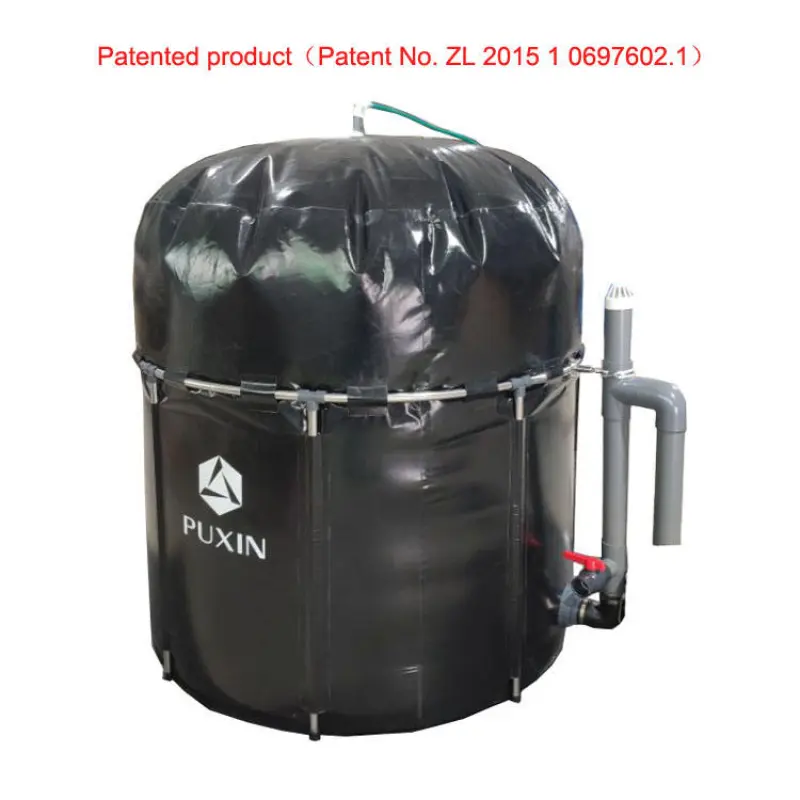
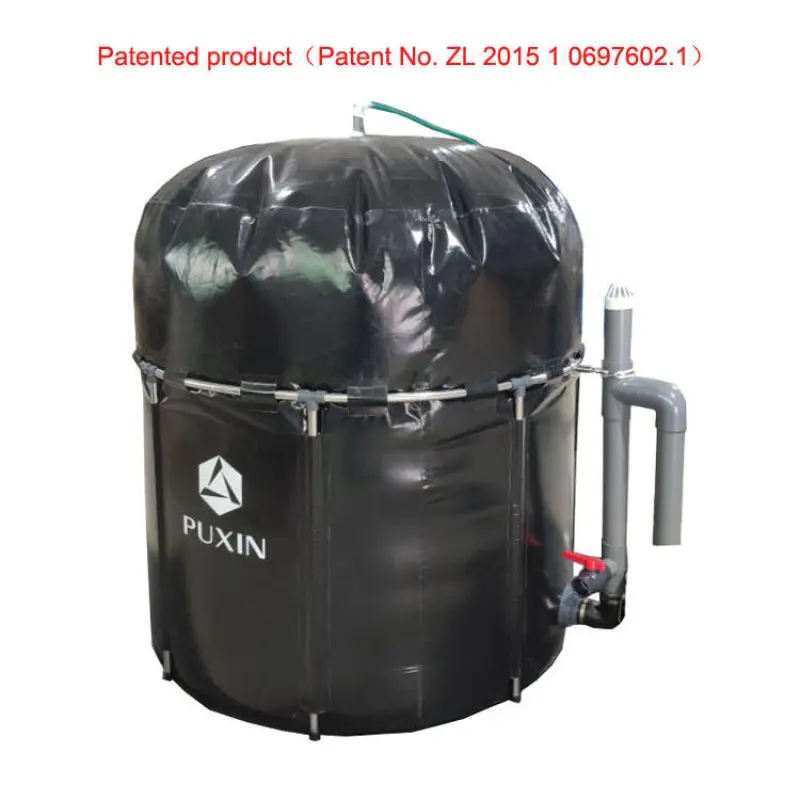
Portable Biomass Anaerobic Digesters Turn Food Waste into Energy Biogas and Organic Fertilizer
- Section : Machinery
- Category : Waste Treatment Machinery
- SKU : 1600126699655

Product Description
maximum biogas production is 1.8m3 per day. It can be used for biogas stove with double burner for cooking 4hours for one burner. Output: Biogas and Clean natural liquid fertilizer Minimum Ambient Temperature:10°C Total volume:2.65m3

Specification
(1) PUXIN Light Household Biogas Plant is composed of a membrane digester bag with a gas storage bag combined in one, a support frame to support the digester bag, a feed pump for feeding the fermentation material, an outlet for flowing out the slurry, a biogas filter to clean the biogas, a biogas pump to supply the pressure for the biogas stove.
(2) The digester bag is made by special material, has the characteristics of anti-aging, acid and alkali resistant, ultraviolet-proof.
(3) Biogas and bio-slurry are the product of the biogas digester. Biogas is a kind of renewable clean energy, can be used for cooking and power generation, bio-slurry is a kind of high quality organic fertilizer can be used in agriculture.


- Shipping Timeframes: All orders are processed within 2-5 business days (excluding weekends and holidays). After your order has been processed, the estimated delivery time is before 01 Jul, 2026, depending on customs, Please note that due to high demand, some items may experience longer shipping times, which will be communicated at order confirmation email.
- Order Processing Time: Please allow 2-5 business days for us to process your order before it is shipped . Orders placed after 16:00 on Fridays, or during weekends and public holidays, will begin processing on the next business day. Processing times may be extended during peak seasons or sales events.
- Manufacturing Time: Some products needs manufacturing time, the manufacturing process will take approximately 10-30 business days depending on the product. This timeframe may vary depending on the complexity of the product and current demand. but this will be communicated with you during order confirmation.
- Returns and Exchanges: We offer a 30-day return policy for most items. If you are not completely satisfied with your purchase, you may return it within 30 days of receipt for a refund or exchange. Items must be unused, in their original packaging, and accompanied by proof of purchase. Return shipping costs are the responsibility of the customer, unless the item was damaged or defective upon arrival.
1. What is the maximum biogas production of this digester?
The unit can produce up to about 1.8 m³ of biogas per day under optimal conditions.
2. What is the total volume and physical format of the system?
Total internal volume is 2.65 m³. The product is a portable membrane digester bag with an integrated gas storage bag mounted on a support frame.
3. What inputs (feedstock) can I use?
It's intended for household organic waste such as food scraps, vegetable peelings and similar biodegradable kitchen waste. Small amounts of animal manure can be used. Avoid large bone pieces, excessive fats/oils or non-biodegradable materials.
4. What can the produced biogas be used for?
Biogas is suitable for cooking (e.g., a double-burner biogas stove) and can also be used for small-scale power generation with appropriate equipment. At maximum output it can run one burner for around 4 hours per day (depending on cooking intensity).
5. What are the non-gas outputs and how do I use them?
The digester produces bio-slurry (liquid organic fertilizer). This is a nutrient-rich, clean liquid fertilizer suitable for agricultural or garden use after appropriate dilution and testing for nutrient content.
6. What is the minimum operating ambient temperature?
The minimum recommended ambient temperature is 10°C. Biogas production will slow below this temperature; performance improves at warmer temperatures.
7. What are the main components included with the product?
The system includes a membrane digester bag combined with a gas storage bag, a support frame, a feed pump, a slurry outlet, a biogas filter to clean the gas, and a biogas pump to supply pressure to the stove.
8. What is the digester bag made of and how durable is it?
The digester bag is made of a specialized material that is anti-aging, resistant to acids and alkalis, and UV-proof, designed for long-term outdoor use. Actual lifespan depends on exposure and maintenance.
9. How long does it take to start producing usable biogas?
Start-up time varies with temperature and feedstock; under suitable conditions you may see gas production within days to a few weeks. Stable, maximal production often takes longer as the microbial community establishes.
10. How do I maintain the system and how often?
Regular tasks include feeding with appropriate organic waste, checking and cleaning the biogas filter and pump, inspecting the bag and frame for damage, and periodically removing excess slurry. Frequency depends on use, but weekly visual checks are recommended.
11. What safety precautions should I take when using biogas?
Treat biogas as a flammable gas: ensure good ventilation, check for leaks regularly, avoid open flames/sparks near storage and piping, install gas-tight connections, and use a certified biogas stove or burner. Follow local codes for gas appliance use.
12. What should I do if gas production is low?
Check feedstock quality and quantity, ensure ambient temperature is above 10°C, inspect for leaks in piping or the bag, verify pumps and filters are functioning, and avoid overloading with fats or non-degradable waste. If problems persist, consult the supplier for troubleshooting.
13. How is the biogas cleaned before use?
The system includes a biogas filter that removes impurities and moisture to provide cleaner gas for cooking and small-scale appliances. Filters should be inspected and maintained per supplier instructions.
14. Is the system portable and suitable for off-grid use?
Yes — it is a light household biogas plant designed to be portable and is suitable for off-grid situations. It requires regular feeding and basic maintenance but does not need grid gas supply.
15. Can I scale this system for larger needs or connect multiple units?
Multiple units can be deployed in parallel for increased capacity. For significantly larger or commercial-scale needs, consult the manufacturer or an installer to design an appropriately sized system.
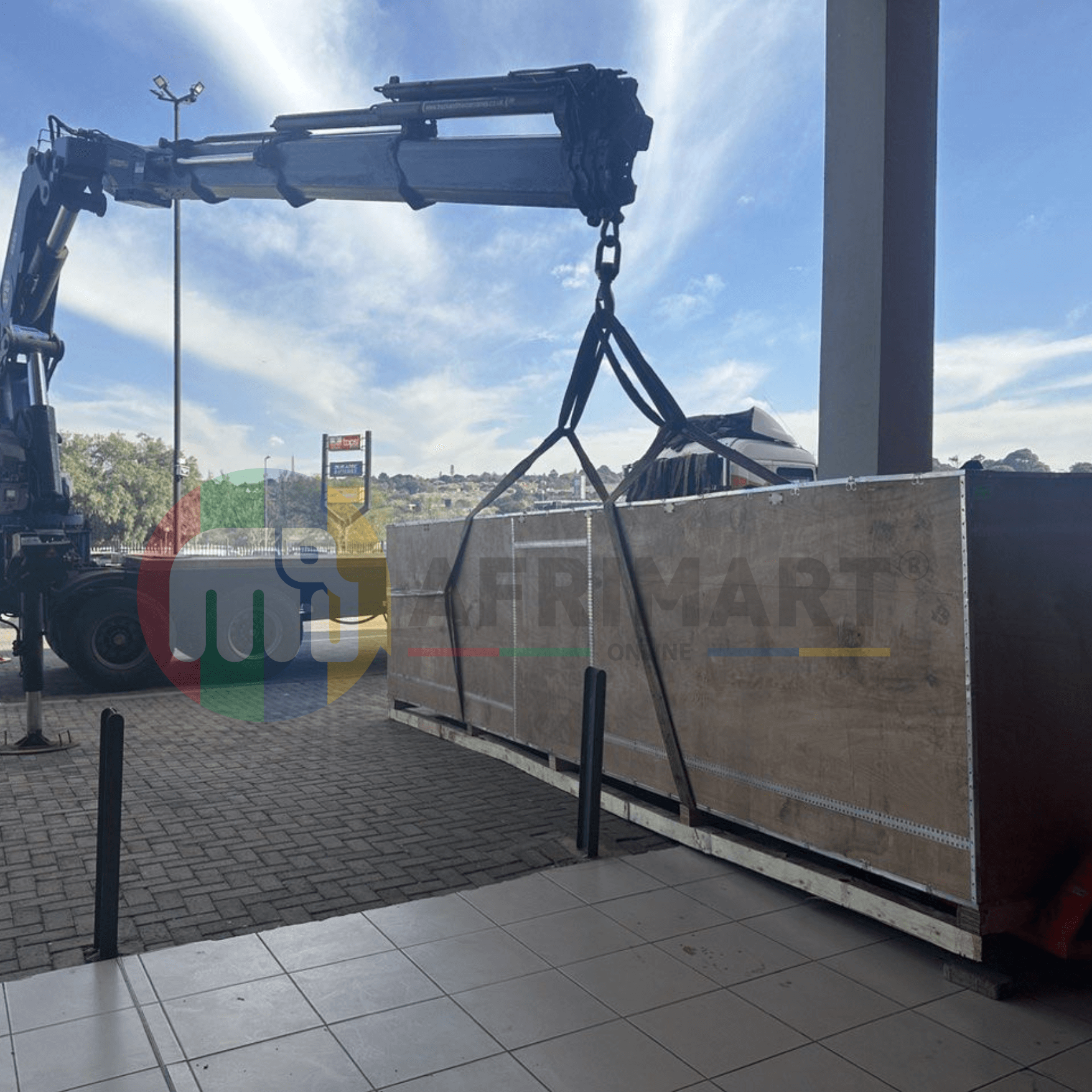
Latest Order Arrivals
Discover our latest orders
12 Heads Embroidery Machine
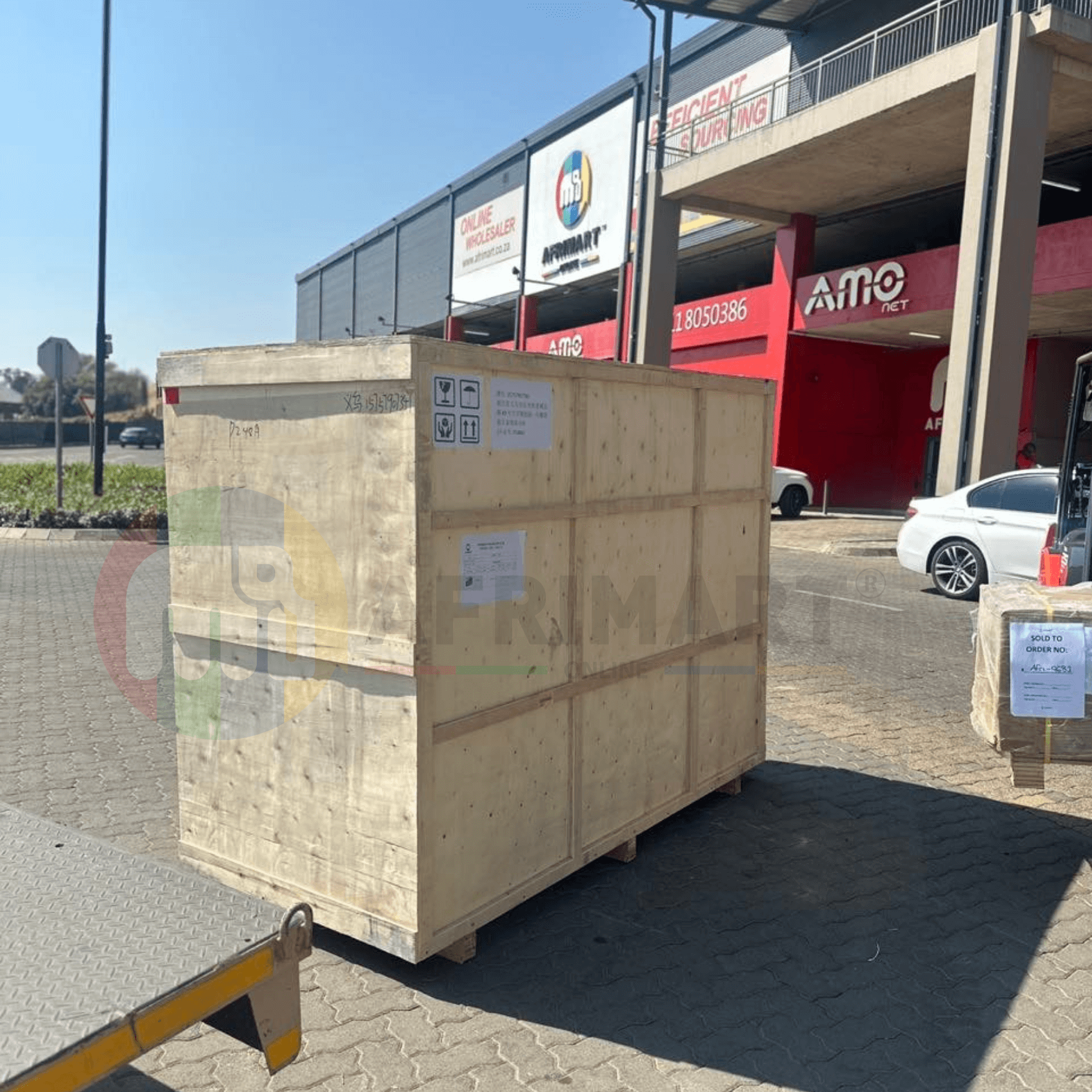
Dewatering Pump Machine
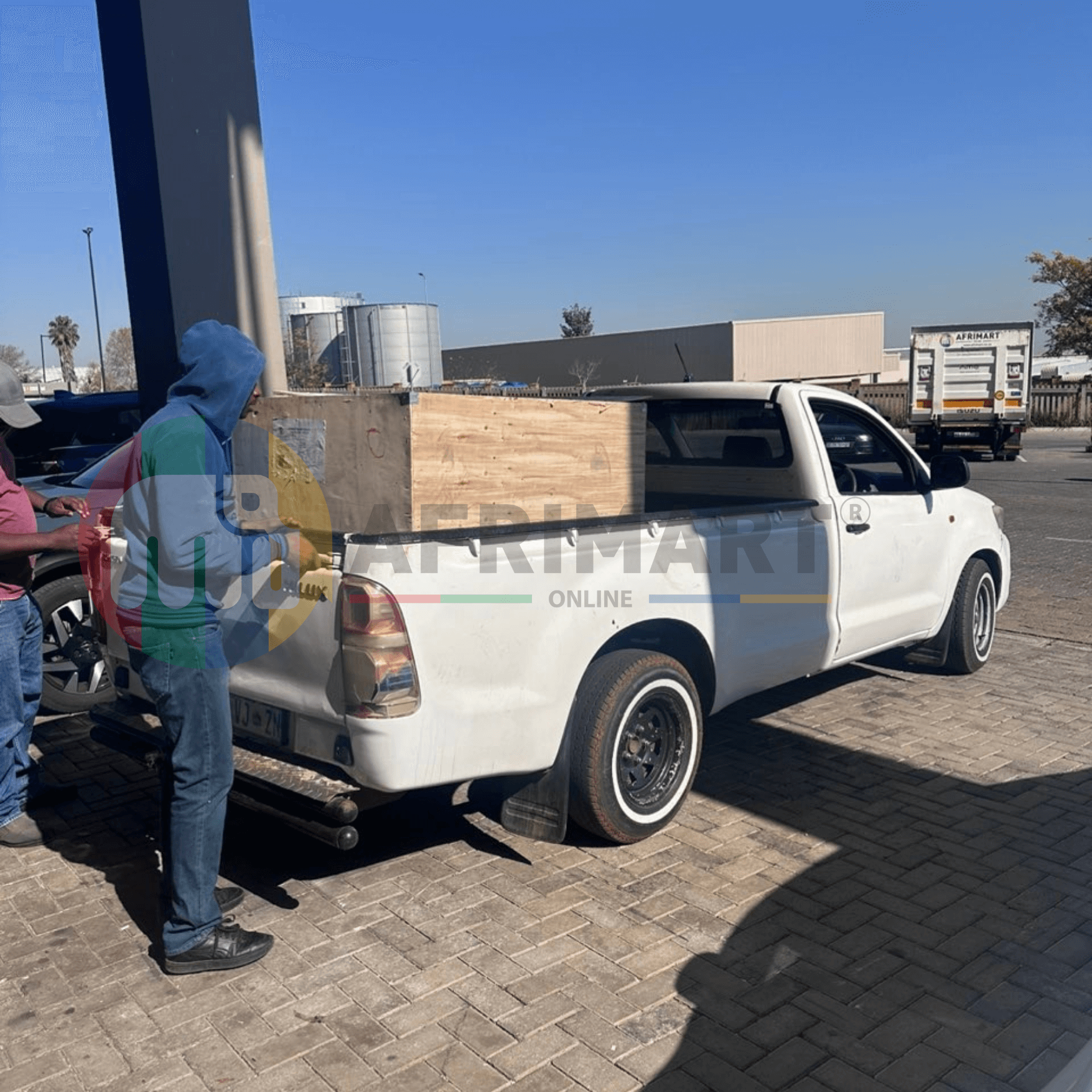
Order Collection
Portable Water Drilling Rig
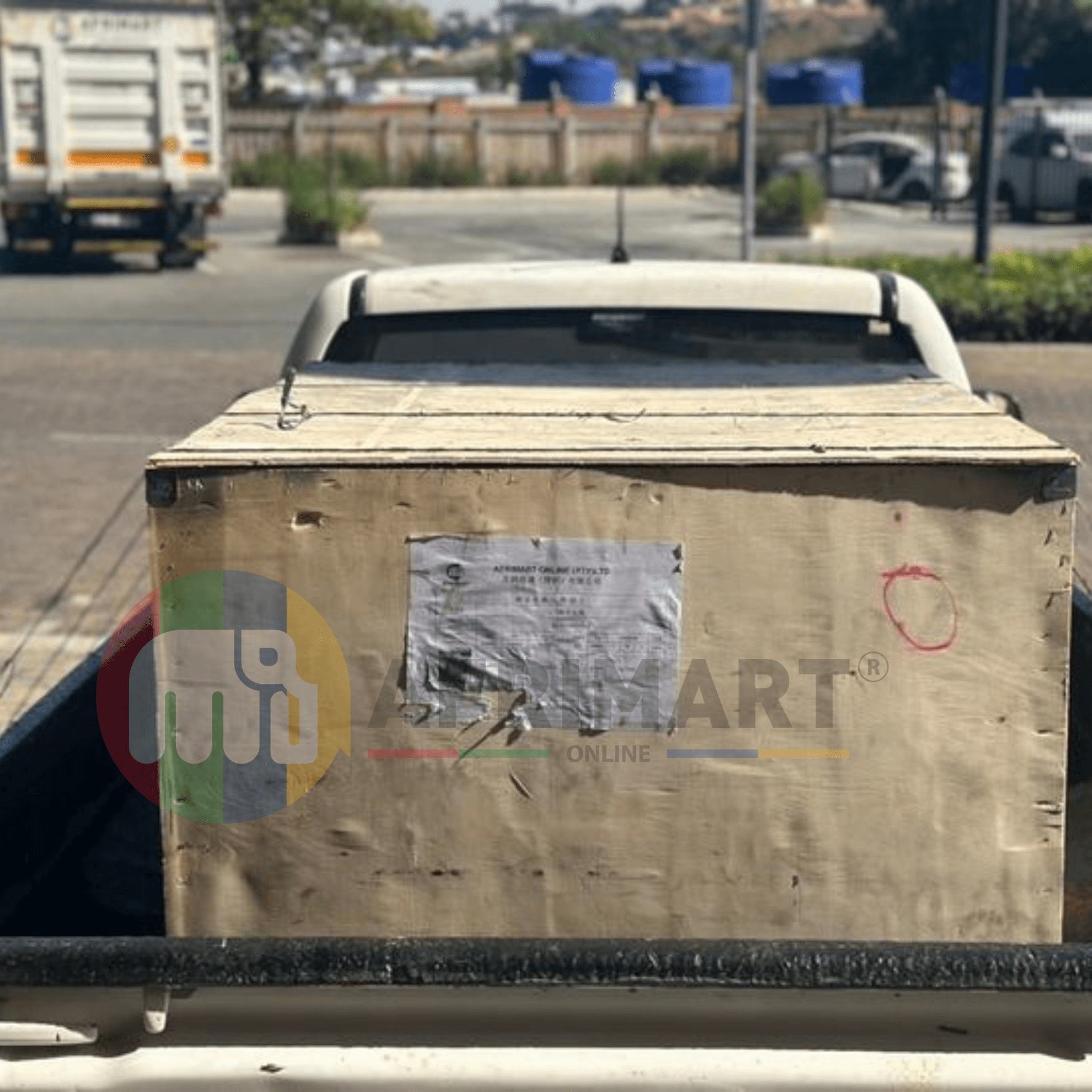
Order Usefully Collected
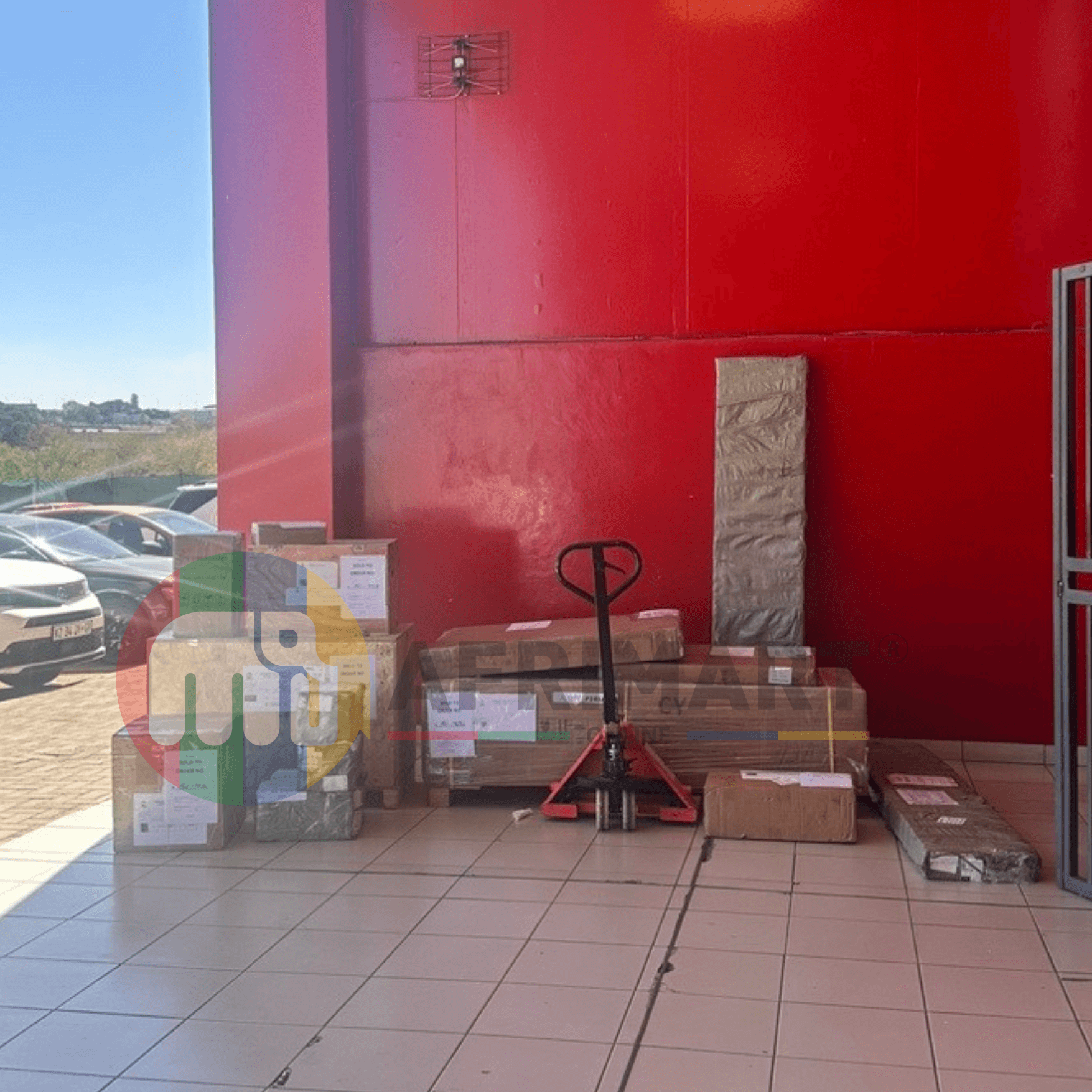
Batch of Orders
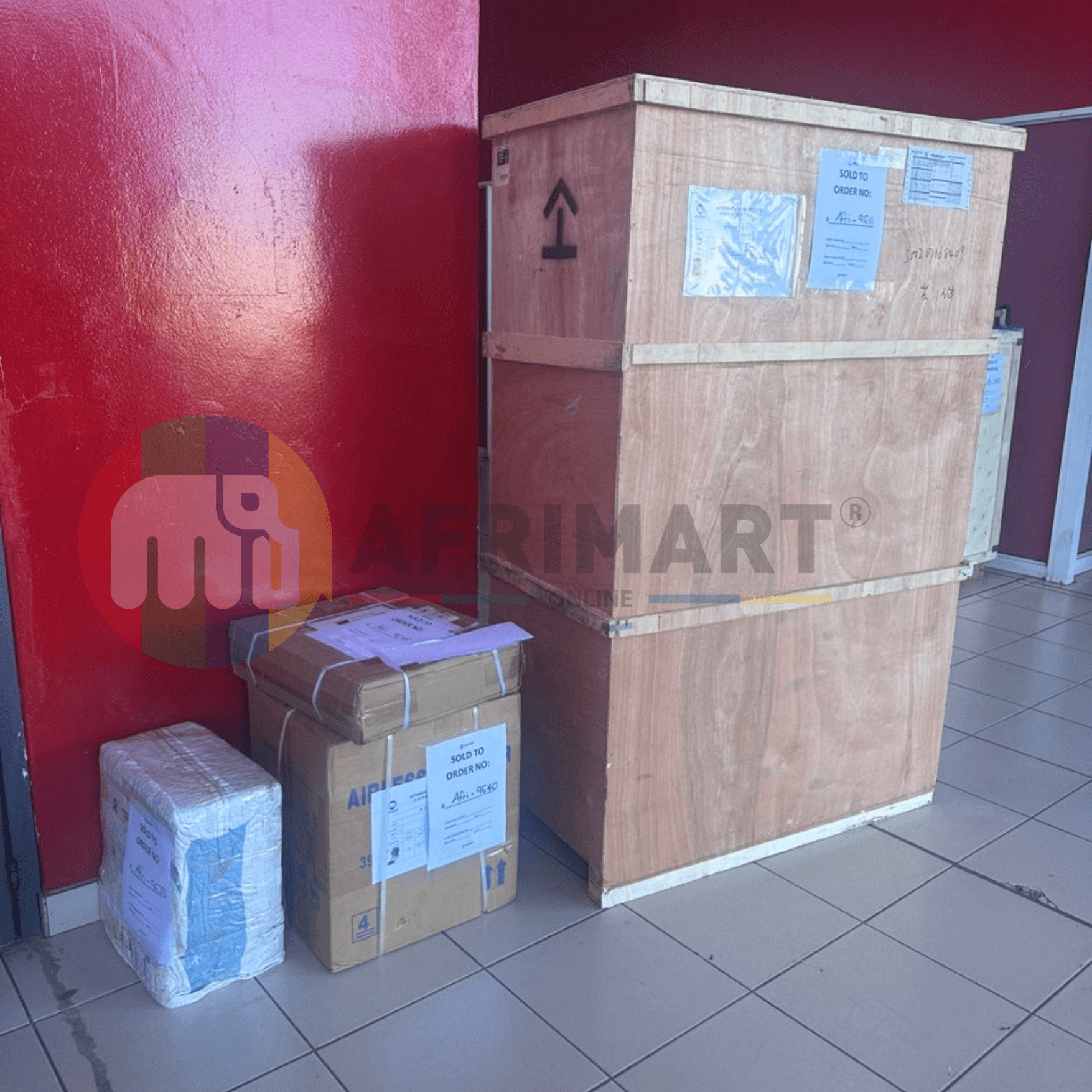
Agriculture Processing Machines
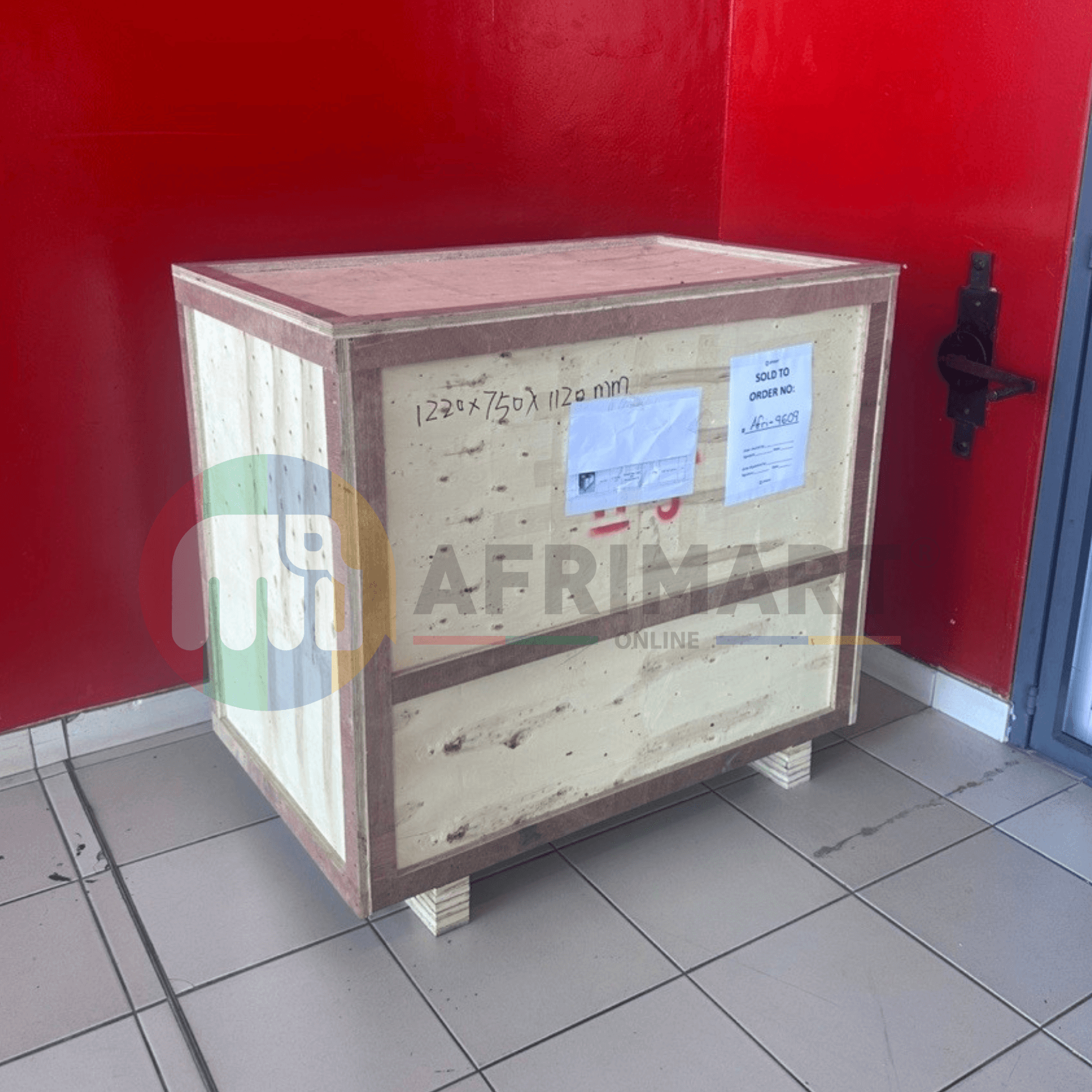
Meat Grinder Machine
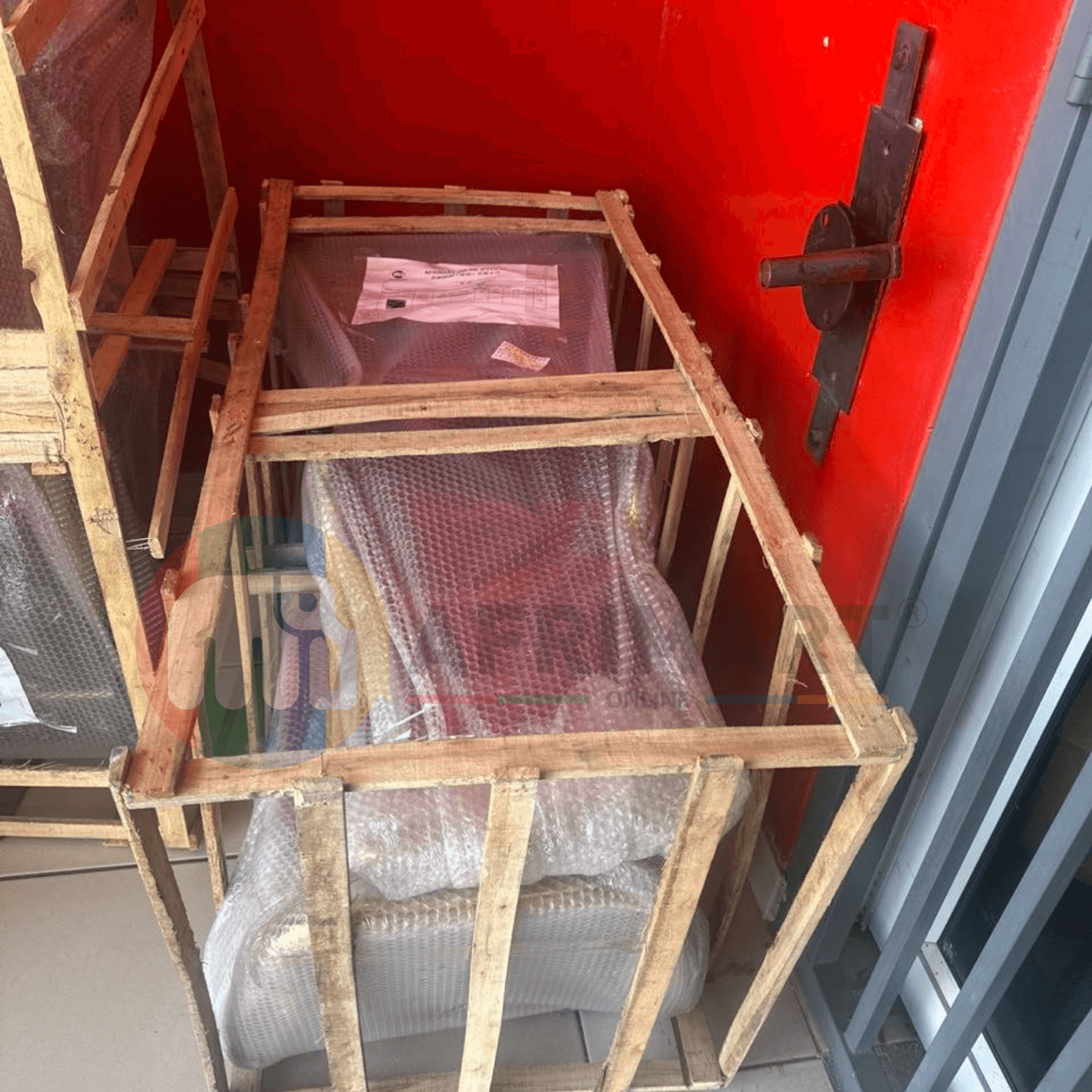
Water Pump Equipment
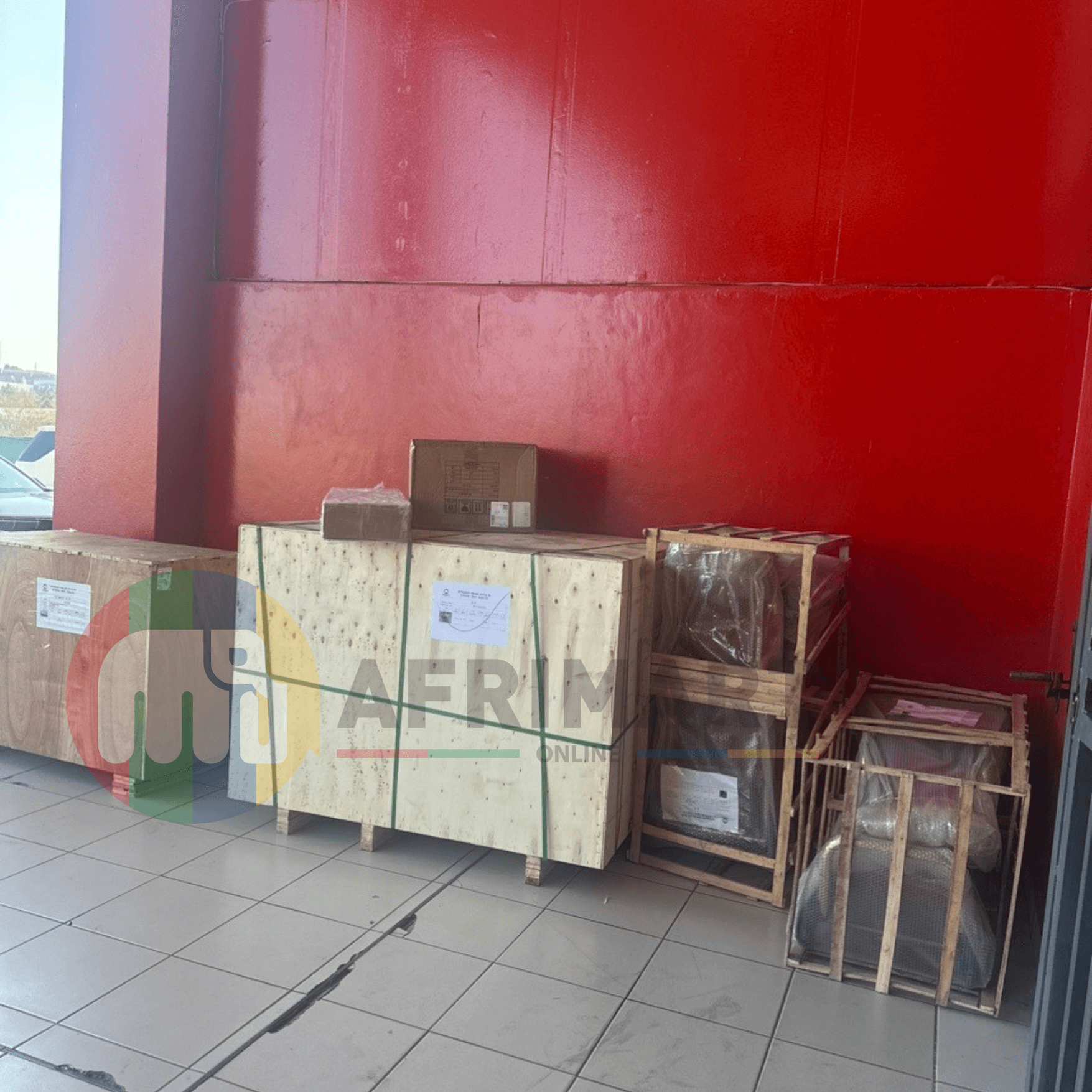
Packaging Machine and accessories
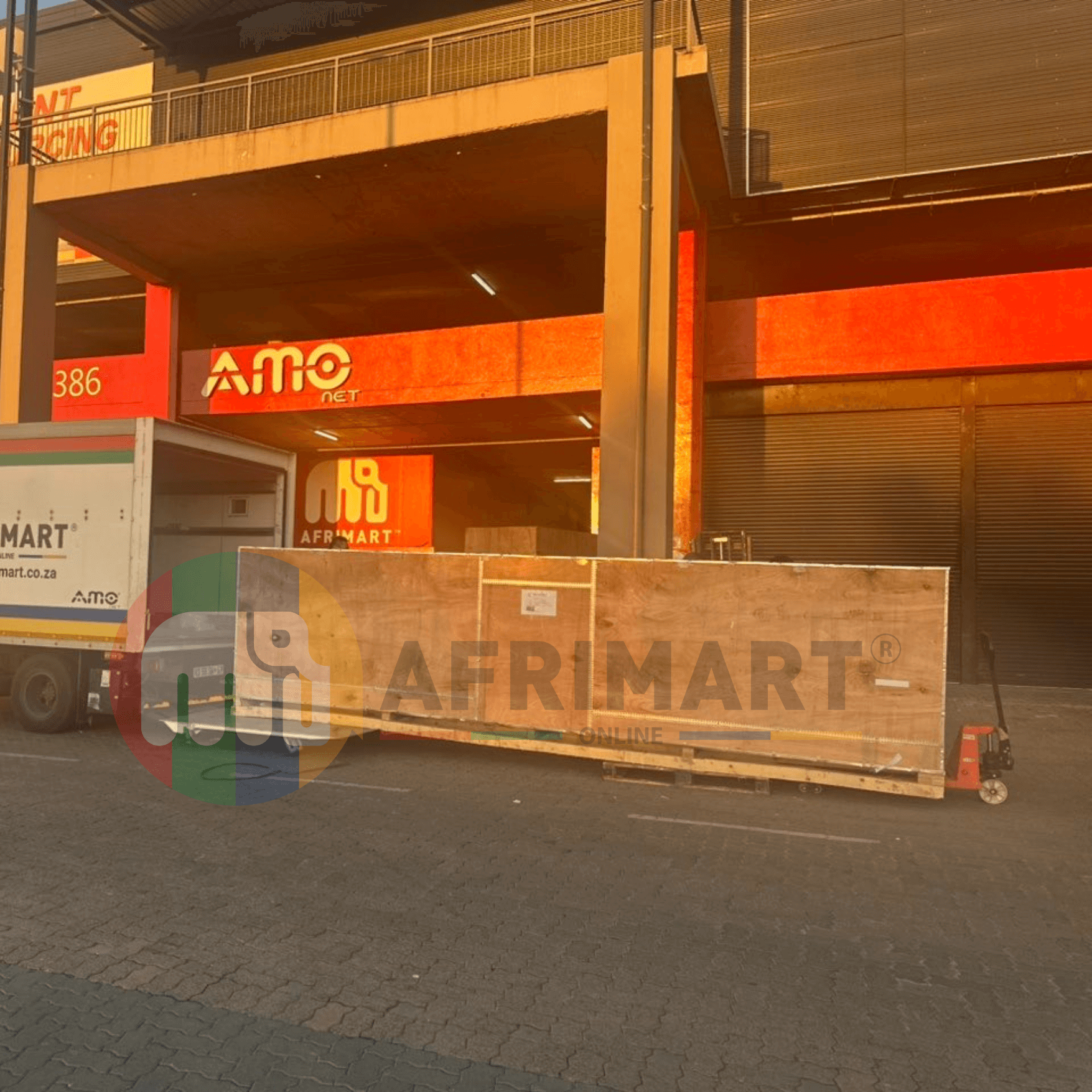
Fabrics Manufacturing Equipment
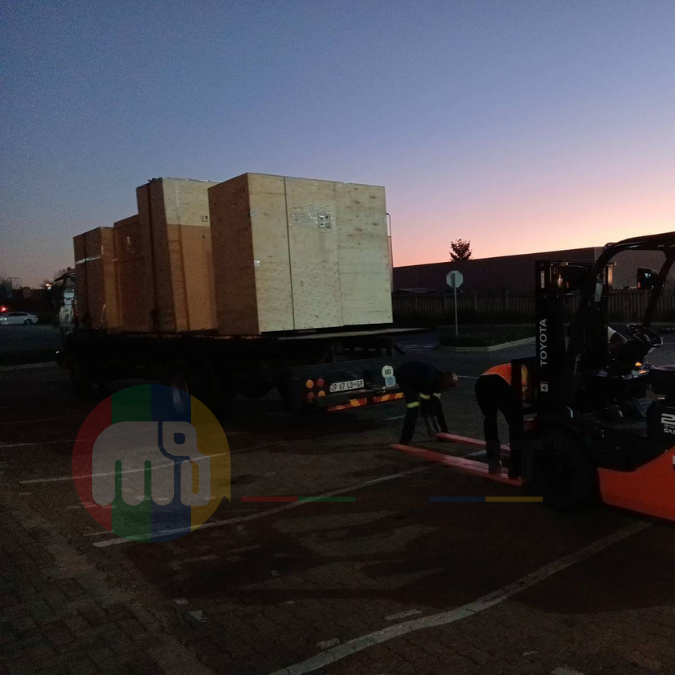
Mining Equipments
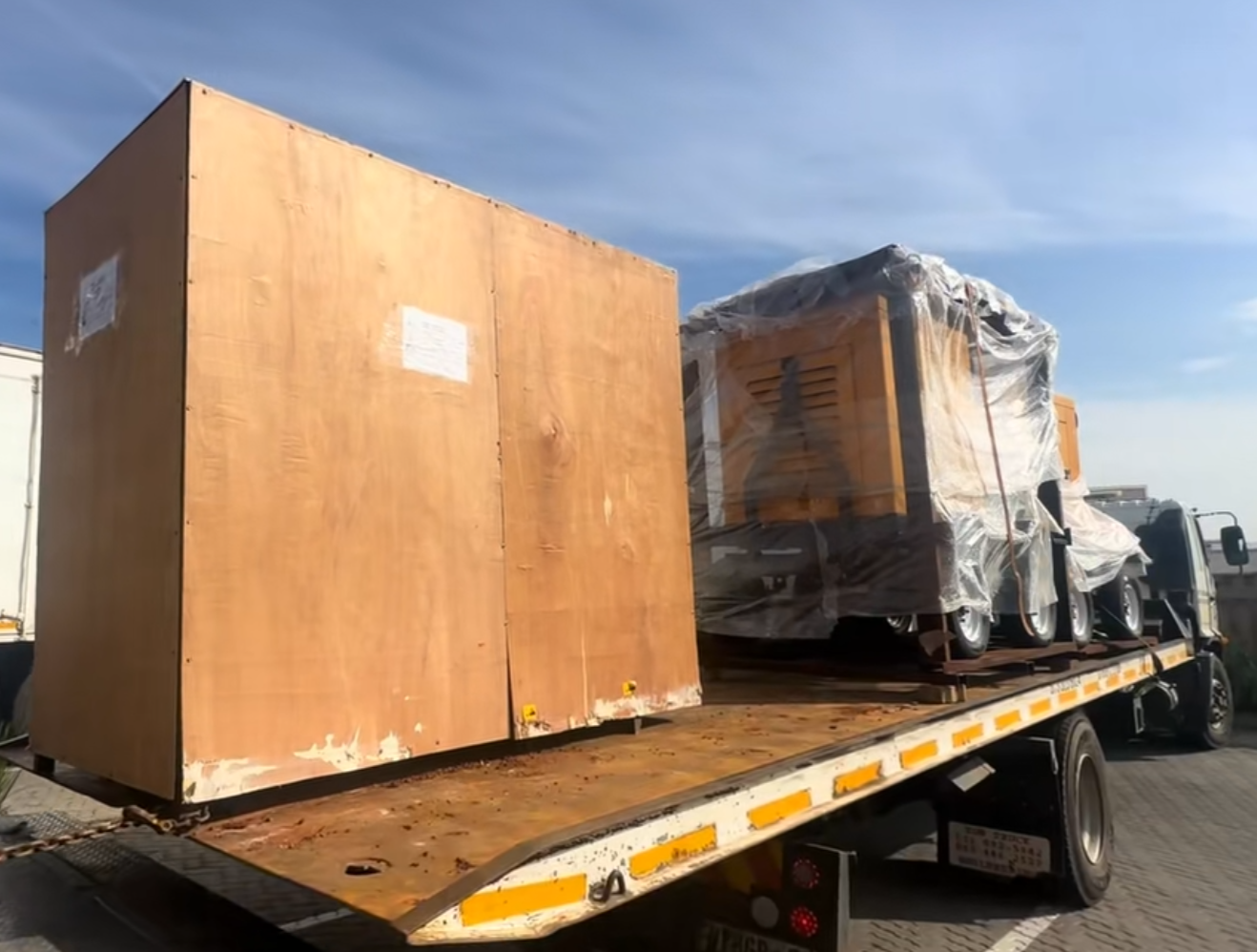
Food Processing Machine
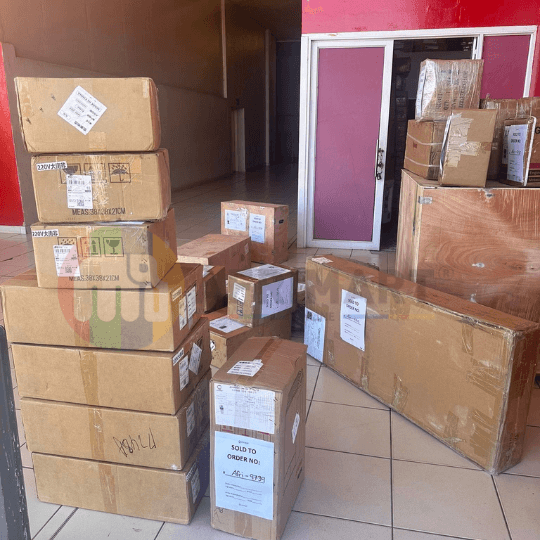
Batch of Orders
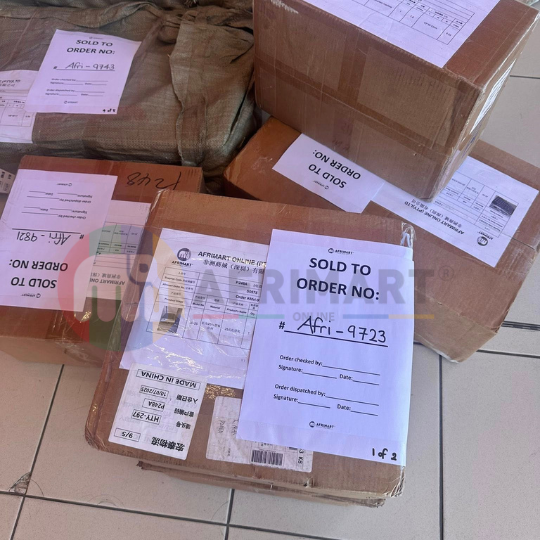
Batch of Orders
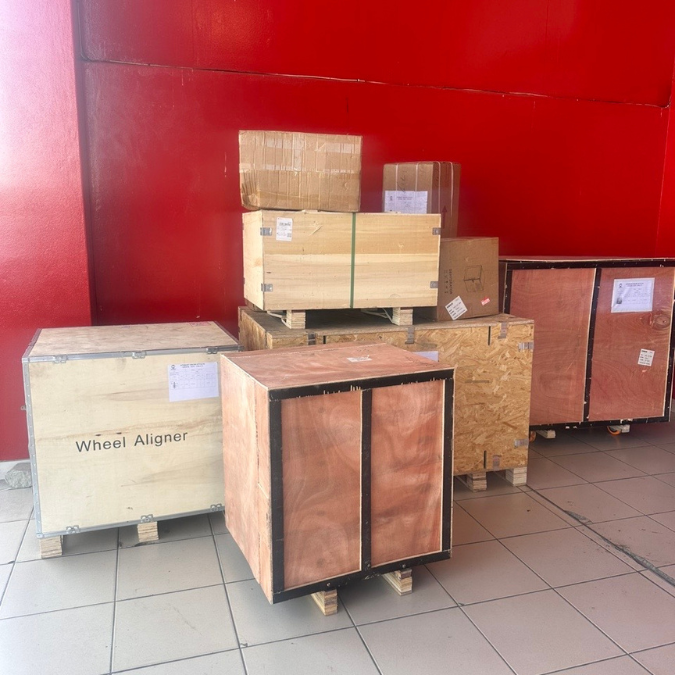
Latest Orders Labelled
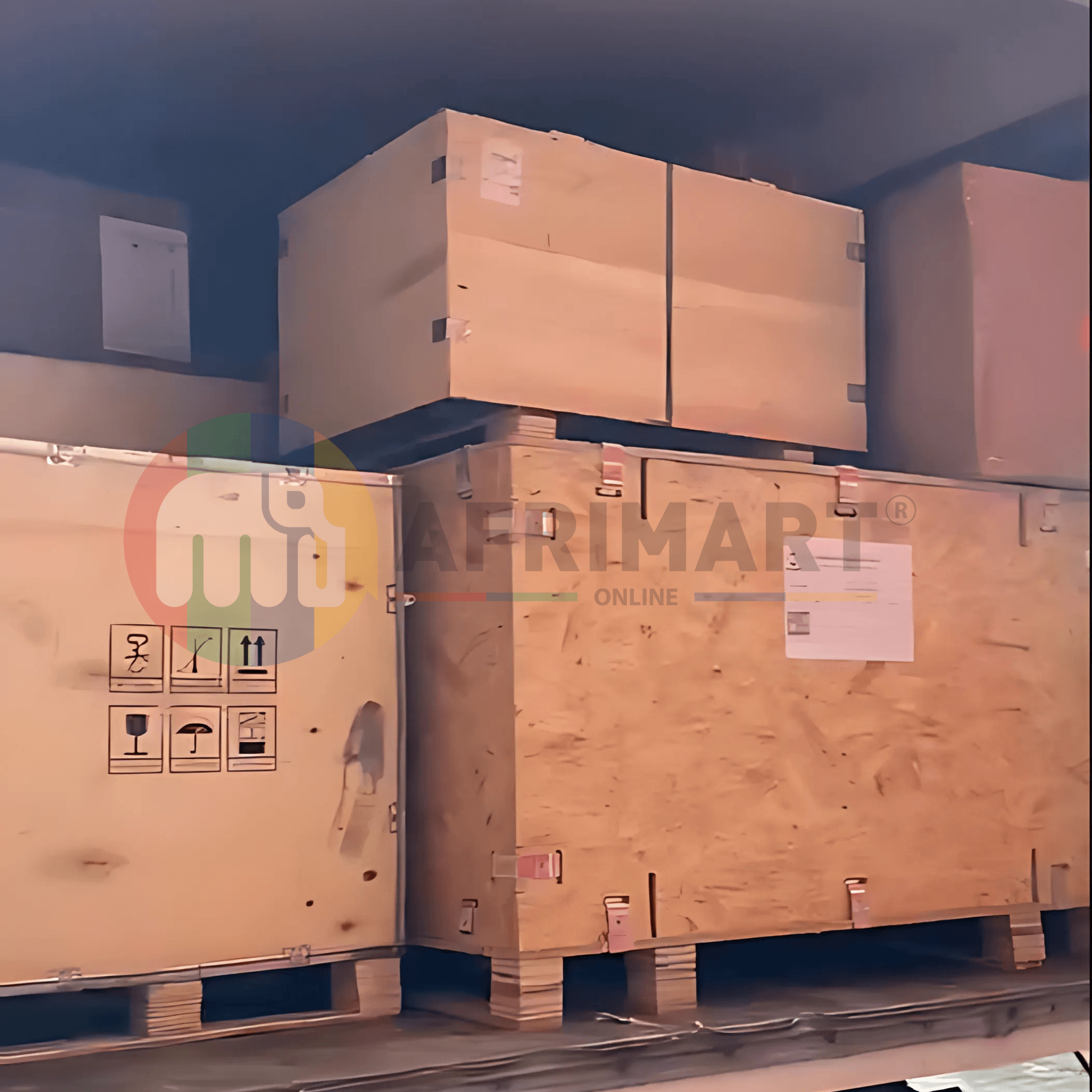
wheel alignment machines
new arrivals
Pre Orders Offloading
Latest Arrivals
Latest Arrivals
Latest Arrivals
26 January 2026
Toilet paper making machine
Toilet paper making machine
Toilet paper Rewinding Machine
latest arrivals
offloading
order success
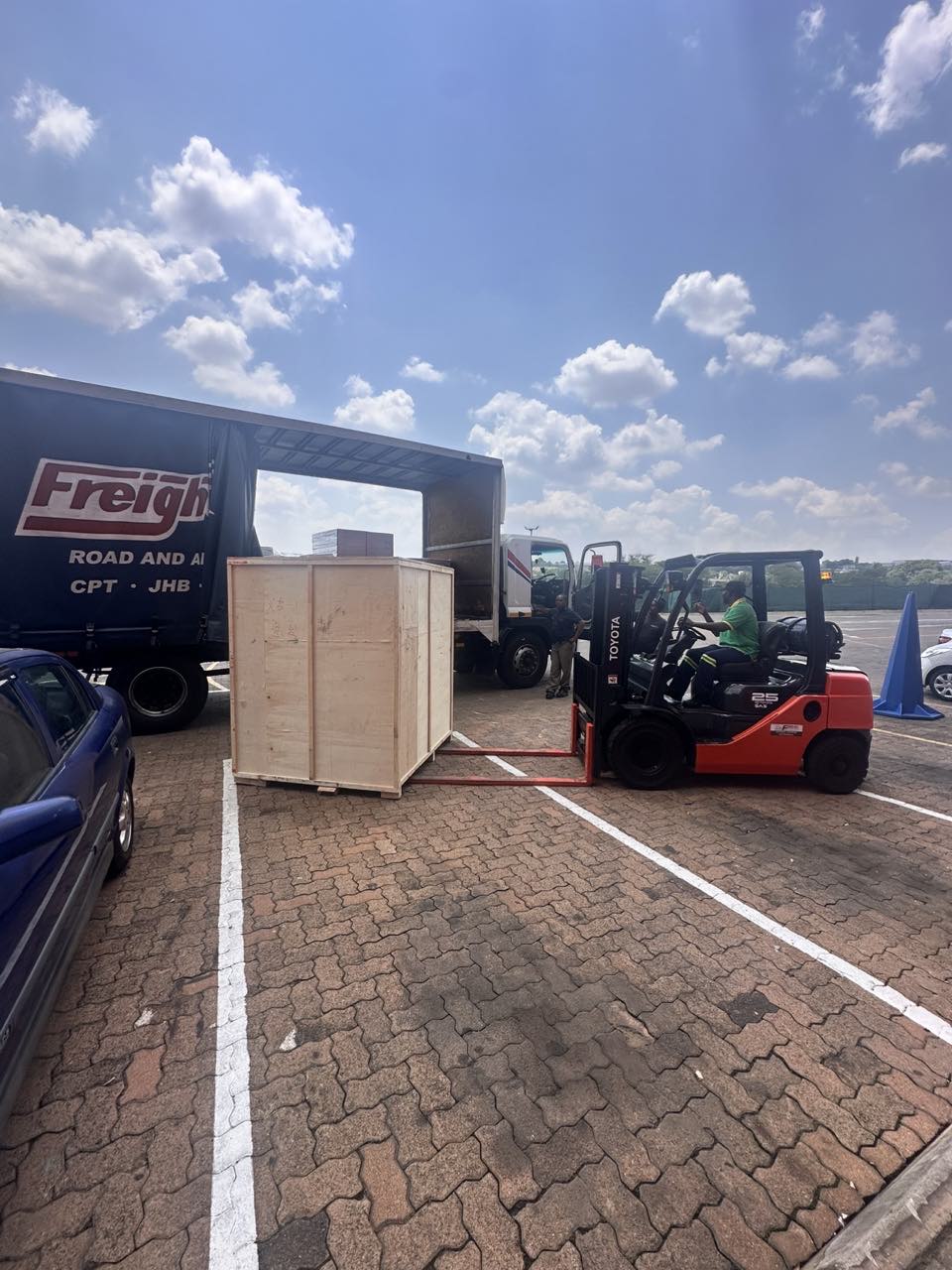
order collection
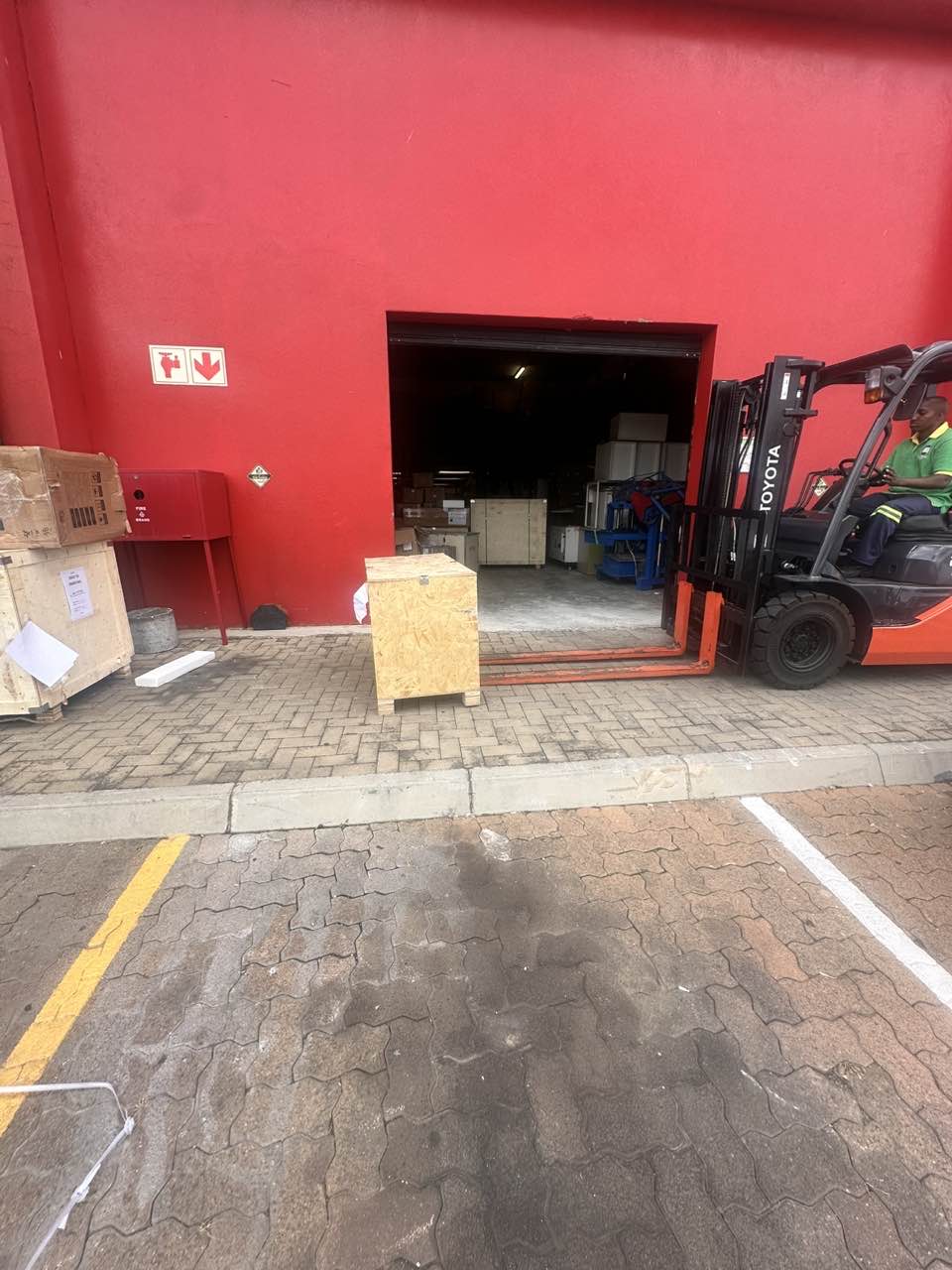
order offloading