B21, China Town Mall, Midrand


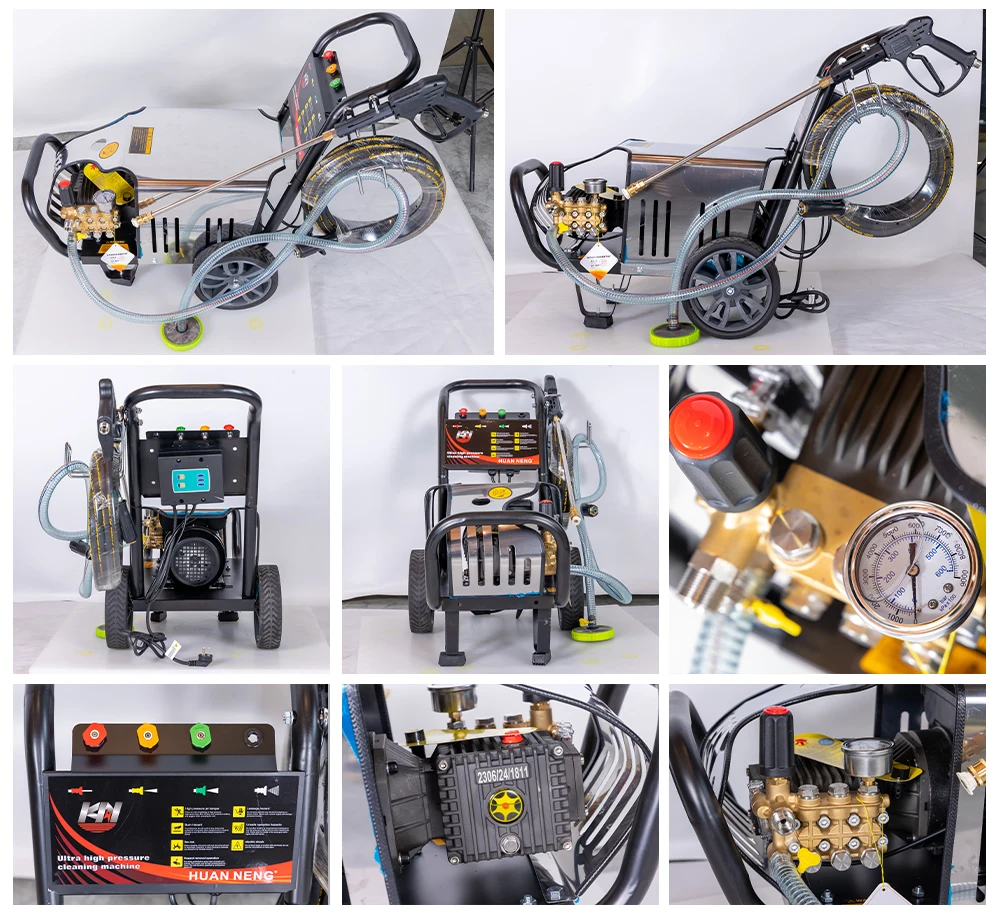
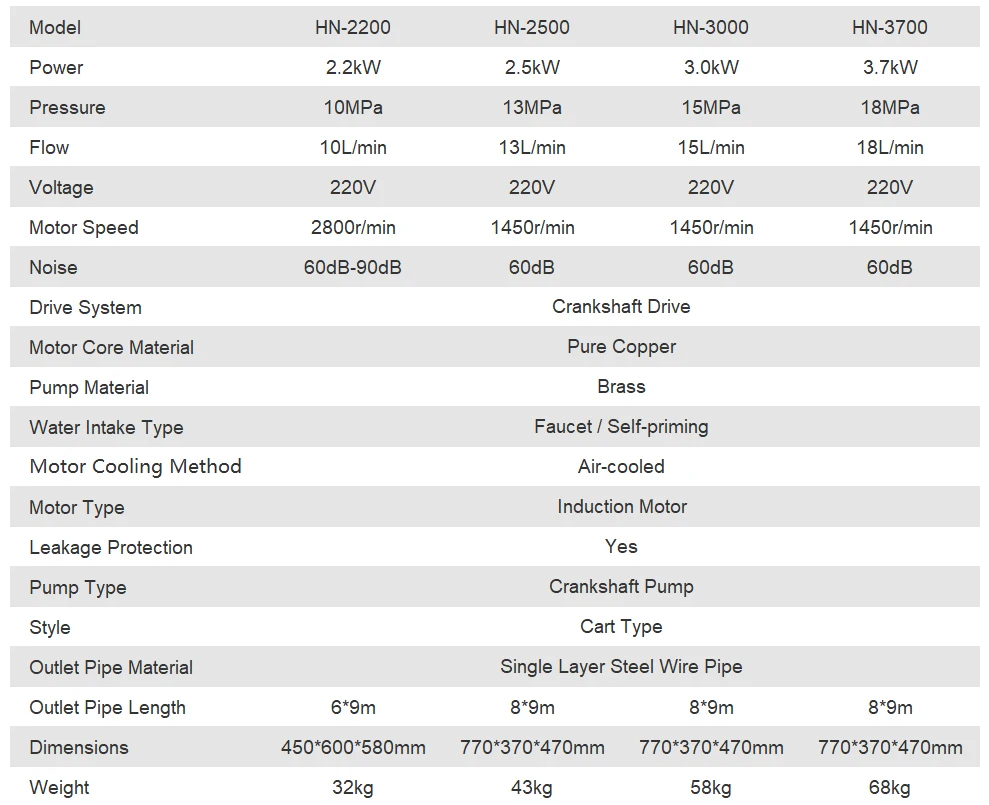
Portable 500 Bar 10000 PSI 200 Bar Electric Power Car Washer

- Section : Machinery
- Category : Cleaning Equipment
- SKU : 1600888224069

— High Pressure Cleaner —
- Shipping Timeframes: All orders are processed within 2-5 business days (excluding weekends and holidays). After your order has been processed, the estimated delivery time is before 03 Aug, 2026, depending on customs, Please note that due to high demand, some items may experience longer shipping times, which will be communicated at order confirmation email.
- Order Processing Time: Please allow 2-5 business days for us to process your order before it is shipped . Orders placed after 16:00 on Fridays, or during weekends and public holidays, will begin processing on the next business day. Processing times may be extended during peak seasons or sales events.
- Manufacturing Time: Some products needs manufacturing time, the manufacturing process will take approximately 10-30 business days depending on the product. This timeframe may vary depending on the complexity of the product and current demand. but this will be communicated with you during order confirmation.
- Returns and Exchanges: We offer a 30-day return policy for most items. If you are not completely satisfied with your purchase, you may return it within 30 days of receipt for a refund or exchange. Items must be unused, in their original packaging, and accompanied by proof of purchase. Return shipping costs are the responsibility of the customer, unless the item was damaged or defective upon arrival.
1. What do the numbers in the name (Portable 500 Bar 10000 PSI 200 Bar) mean?
The product name includes multiple pressure figures that appear inconsistent. These typically refer to maximum rated pressures for different model variants or are marketing terms. Always check the technical specification sheet, product label, or user manual for the actual maximum working pressure (in bar or PSI) for the unit you receive.
2. Is this electric high-pressure washer suitable for cleaning cars?
Yes — high-pressure cleaners can be used for car washing, but you must use the correct nozzle, keep a safe distance (usually 20–30 cm / 8–12 in), and use a lower-pressure or wide-spray setting to avoid paint or trim damage. If unsure, use a foam lance or low-pressure detergent setting and rinse gently.
3. Is this unit battery powered or mains electric?
The name indicates an electric power washer, which typically means it runs on mains electricity (AC). Check the product listing or manual for required voltage (e.g., 110–120V or 220–240V) and whether a specific power cord or adapter is included.
4. How do I connect the washer to a water supply?
Connect a standard garden hose to the water inlet, making sure any supplied filter or strainer is fitted. Ensure the water supply is turned on and the hose is free of kinks. Prime the pump if instructed in the manual before starting the motor.
5. What accessories are included (nozzles, lance, foam cannon, hose)?
Included accessories vary by package or seller. Common items are a high-pressure hose, spray gun, lance, a set of nozzle tips, and sometimes a foam bottle or detergent injector. Verify the included accessories on the product page or packing list.
6. Which nozzle should I use for washing cars?
Use a wide-angle nozzle (e.g., 25° or 40°) or a low-pressure foam lance for general car washing. Avoid narrow, high-pressure nozzles (0° or 15°) close to painted surfaces to prevent damage.
7. Can I use detergents or car shampoo with this washer?
Yes — many electric washers support detergents via a built-in detergent suction or a foam lance accessory. Use only detergents formulated for pressure washers and cars, and follow dilution instructions in the manual.
8. Is this unit for cold water only or can it handle hot water?
Most consumer electric pressure washers are designed for cold water use only unless explicitly specified as a hot-water model. Check the product specifications or manual before using hot water.
9. What safety precautions should I take when using the pressure washer?
Wear eye protection and non-slip footwear, avoid pointing the spray at people, pets, or electrical components, never use ladders while operating the washer, maintain a safe distance from surfaces, and follow lockout procedures before performing maintenance.
10. How do I maintain the pressure washer to ensure long life?
After use, flush the system with clean water and detergent-free rinse, relieve pressure by triggering the gun, drain and store hoses dry, inspect and replace worn seals or O-rings, and follow any pump-oil change intervals stated in the manual.
11. What should I do if the washer has low pressure or won’t start?
Check the water supply and inlet filter for blockages, ensure the hose and nozzles are clear, verify the power supply and fuse/circuit breaker, inspect for air in the pump (prime it), and consult the troubleshooting section of the manual. Contact seller/manufacturer support if the issue persists.
12. Can I extend the high-pressure hose or use aftermarket hoses?
You can extend the reach but only with high-pressure rated hoses and proper fittings compatible with your unit’s pressure rating. Using inadequate hoses can be dangerous and cause leaks or failures. Check manufacturer recommendations for maximum hose length.
13. How noisy is the electric power washer?
Noise levels vary by motor size and design. Electric washers are generally quieter than petrol models but still produce significant sound. For exact dB(A) ratings, consult the product specifications or ask the seller.
14. Does this washer come with a warranty or after-sales support?
Warranty terms differ by manufacturer and retailer. Check the product listing, packaging, or manual for warranty length and coverage, and retain proof of purchase to access customer support or warranty service.
15. Will this pressure washer damage delicate parts like trim, decals, or tires?
High-pressure spray can damage delicate surfaces if used too close or with a narrow-angle nozzle. Use lower pressure settings, softer nozzles, or a wider spray pattern on trim, decals, and tires, and maintain a safe distance to minimize risk.
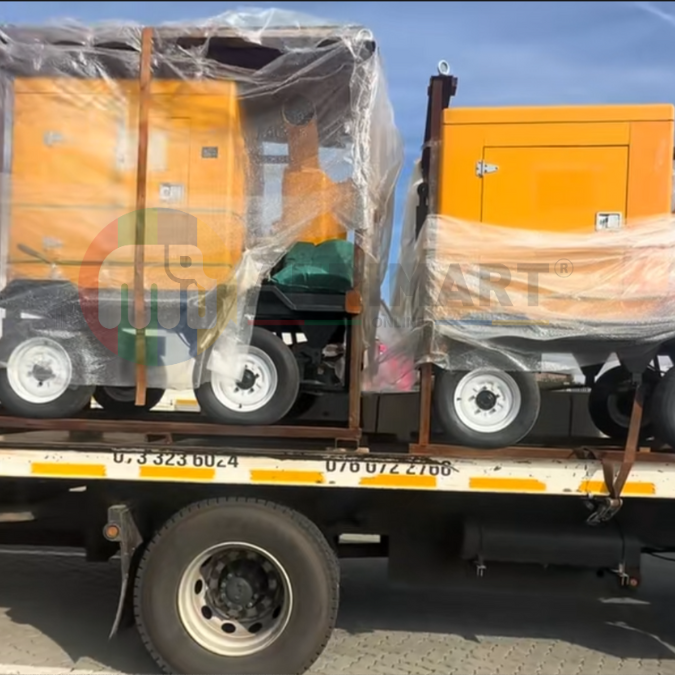
Latest Order Arrivals
Discover our latest orders
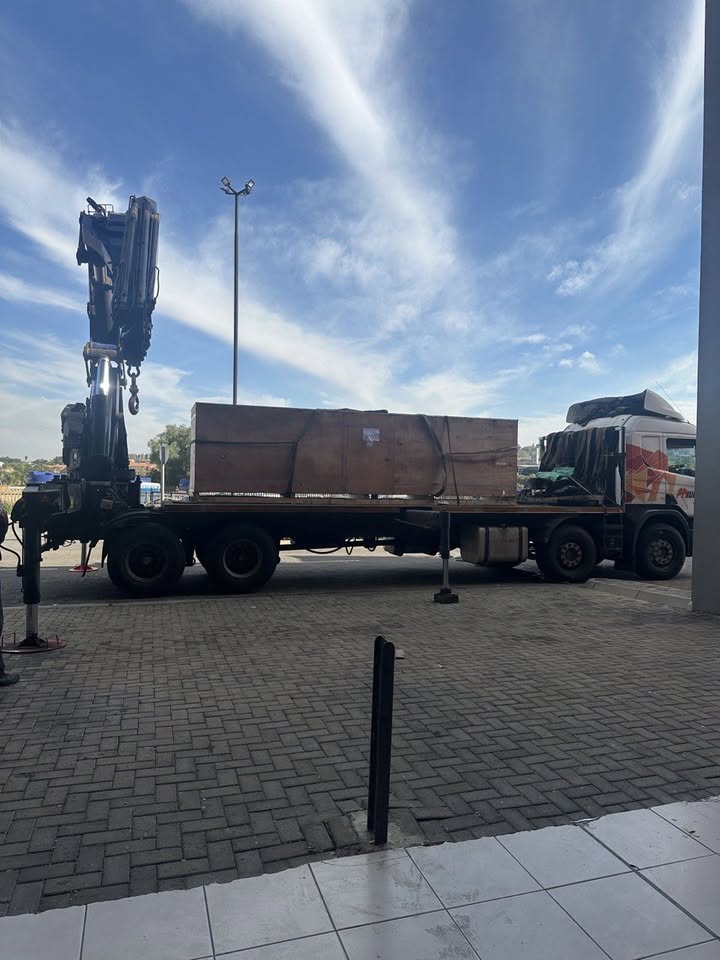
12 Heads Embroidery Machine
Toilet Paper Machine Machine
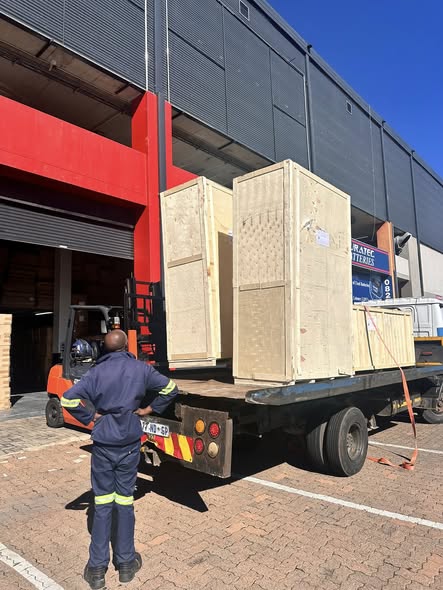
Order Collection
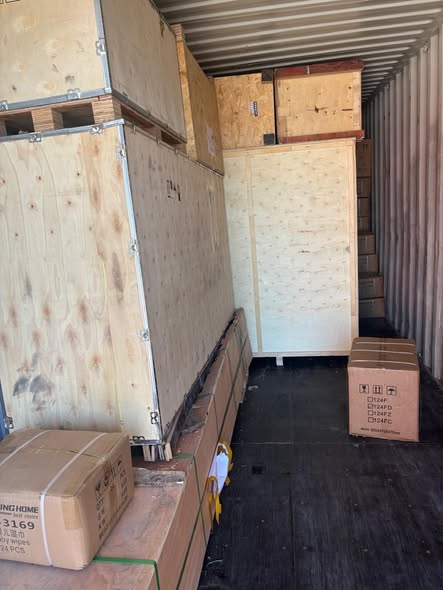
Cross Border Clients
Order cros border countries Collected
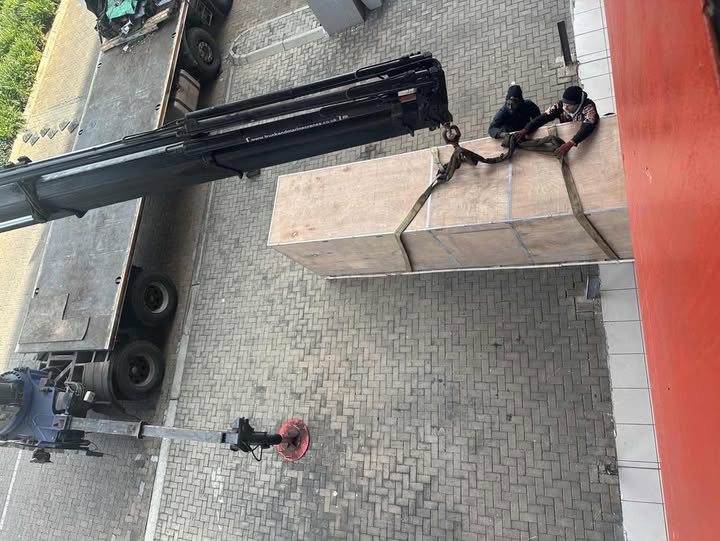
Industrial Machine Cllection
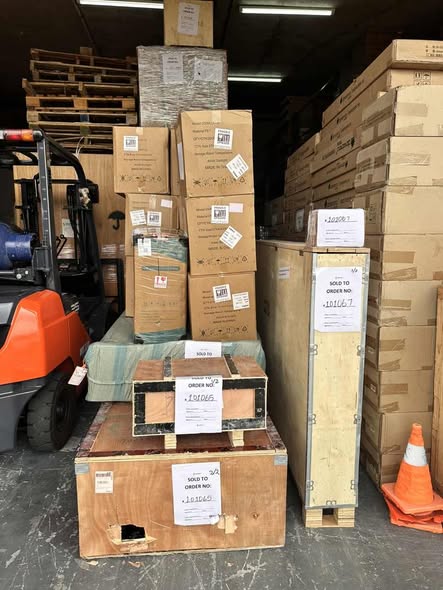
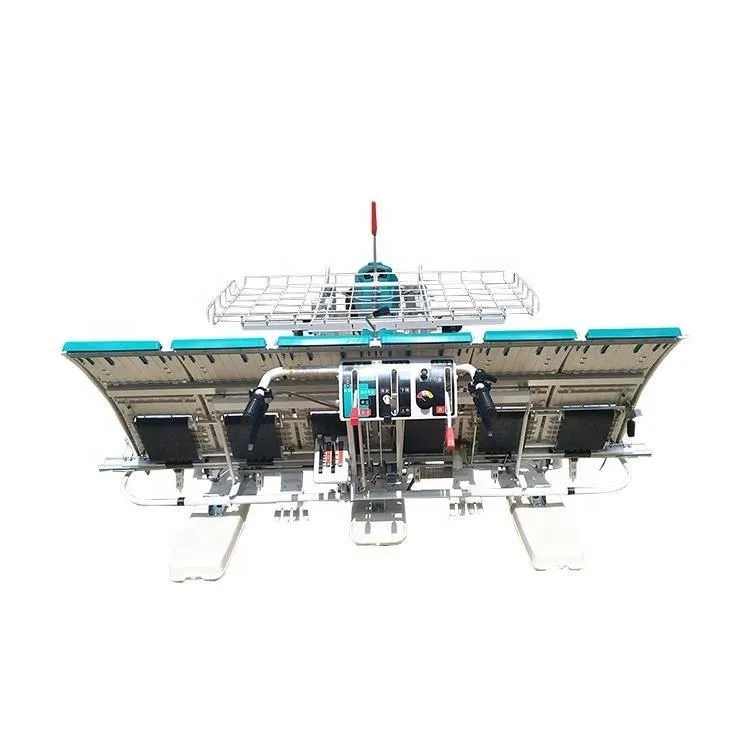
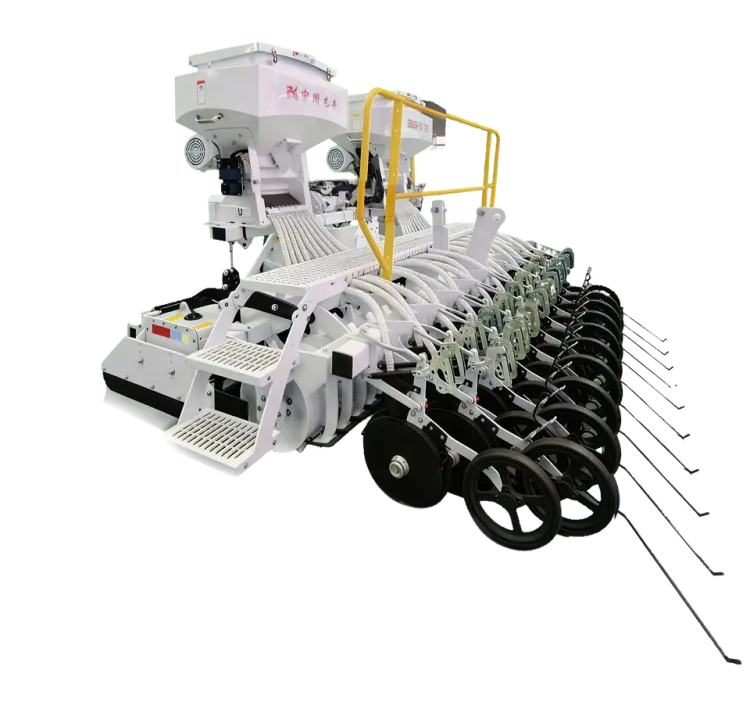
Agriculture Processing Machines
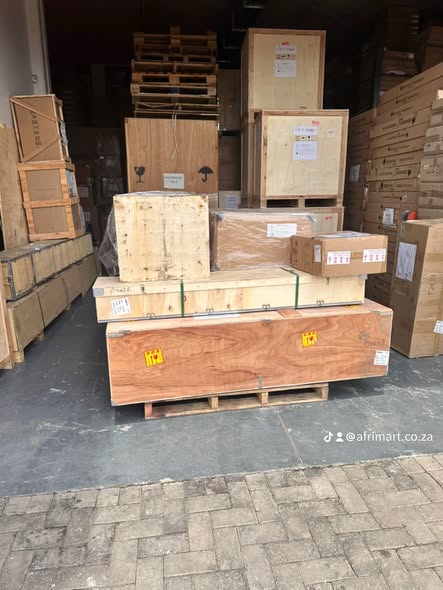
Ready for collection
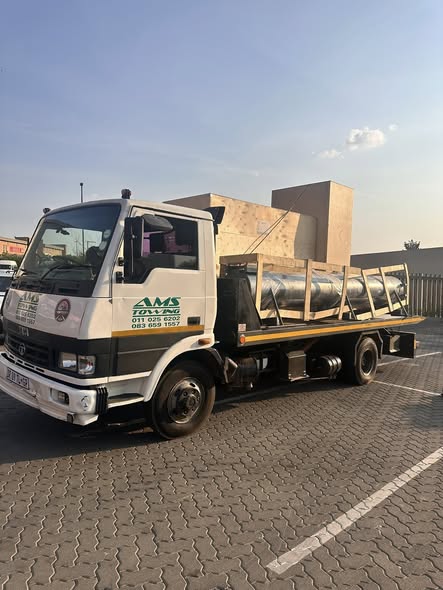
Water Pump Equipment
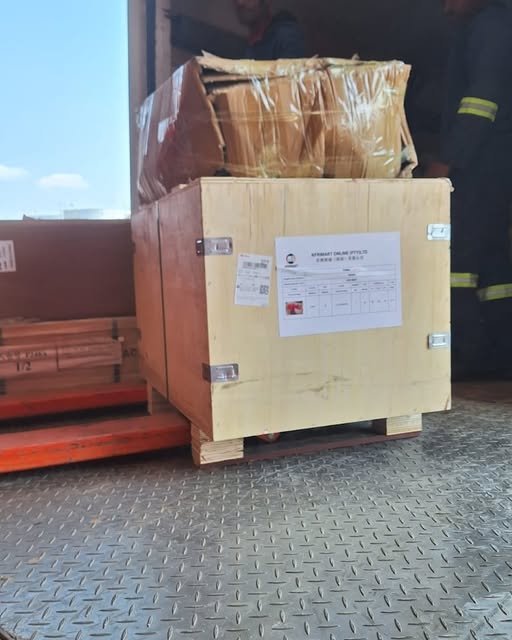
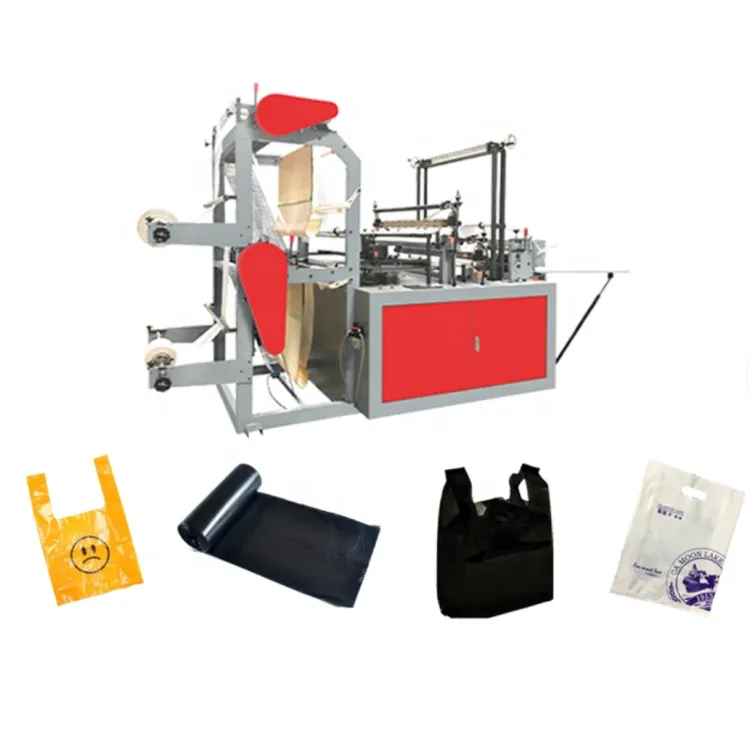
Packaging Machine and accessories
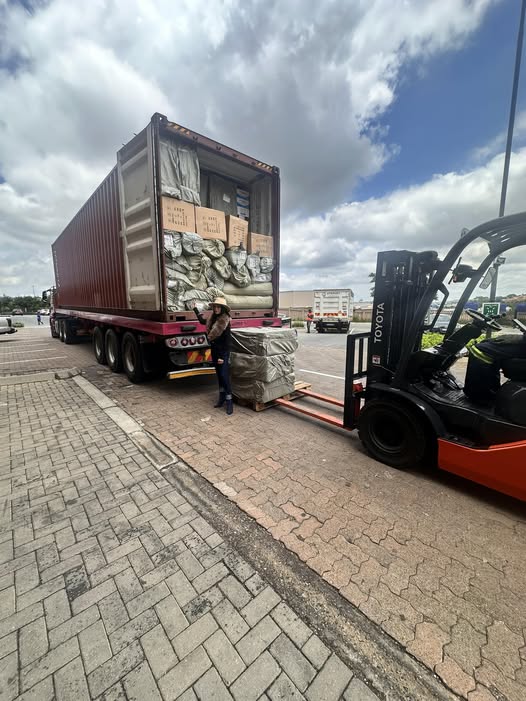
Fabrics Manufacturing Equipment
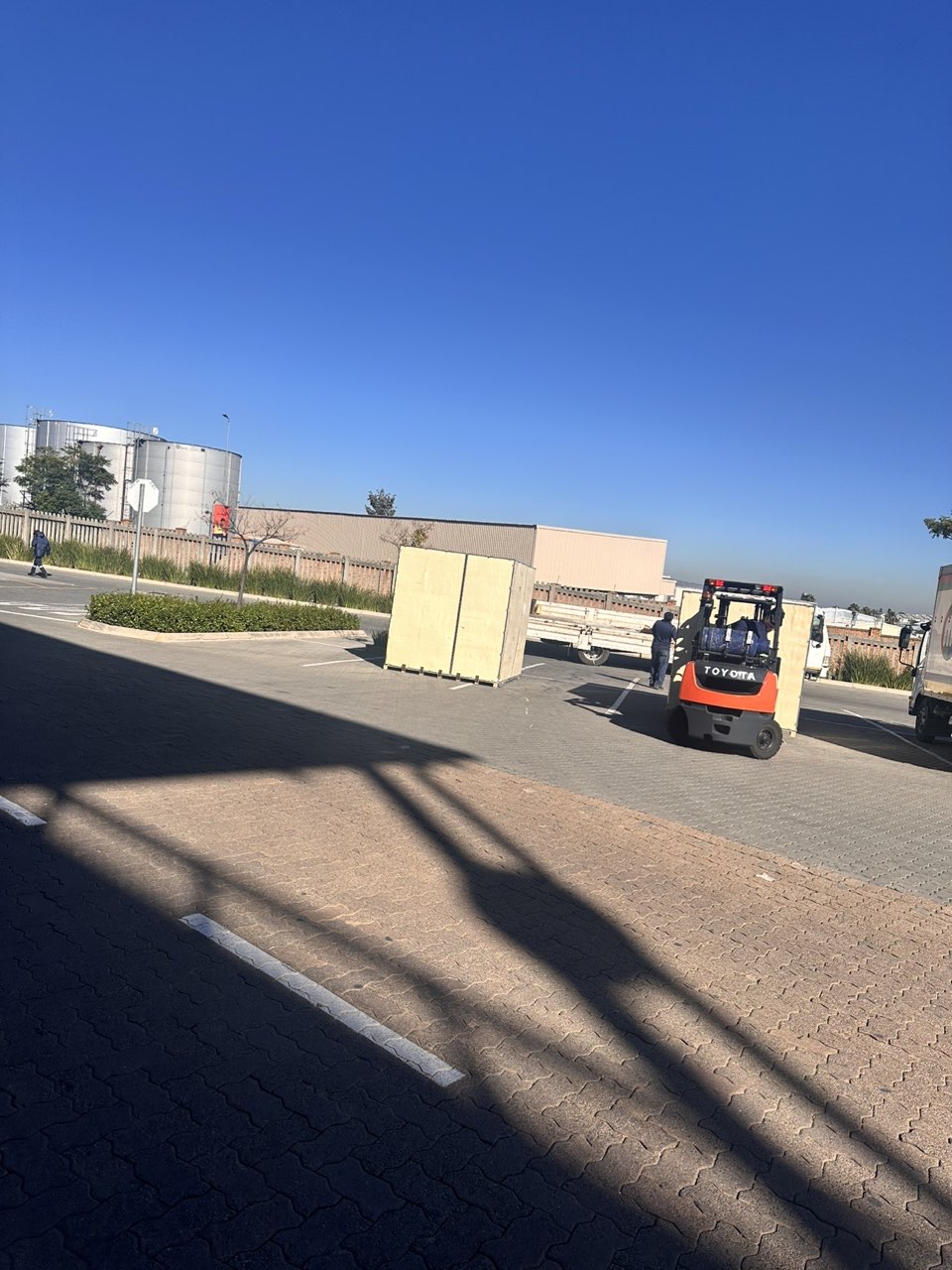
Mining Equipments
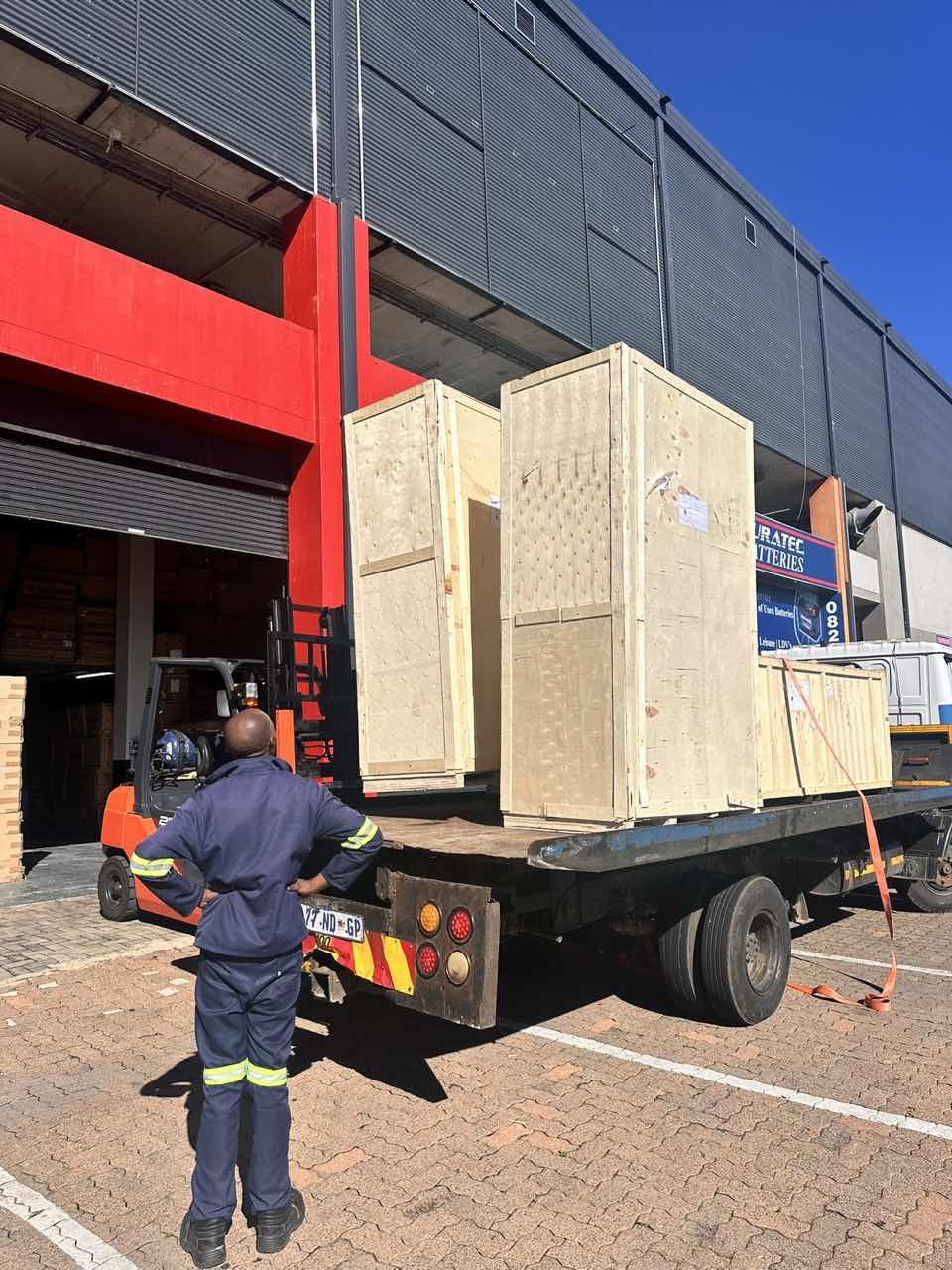
Food Processing Machine
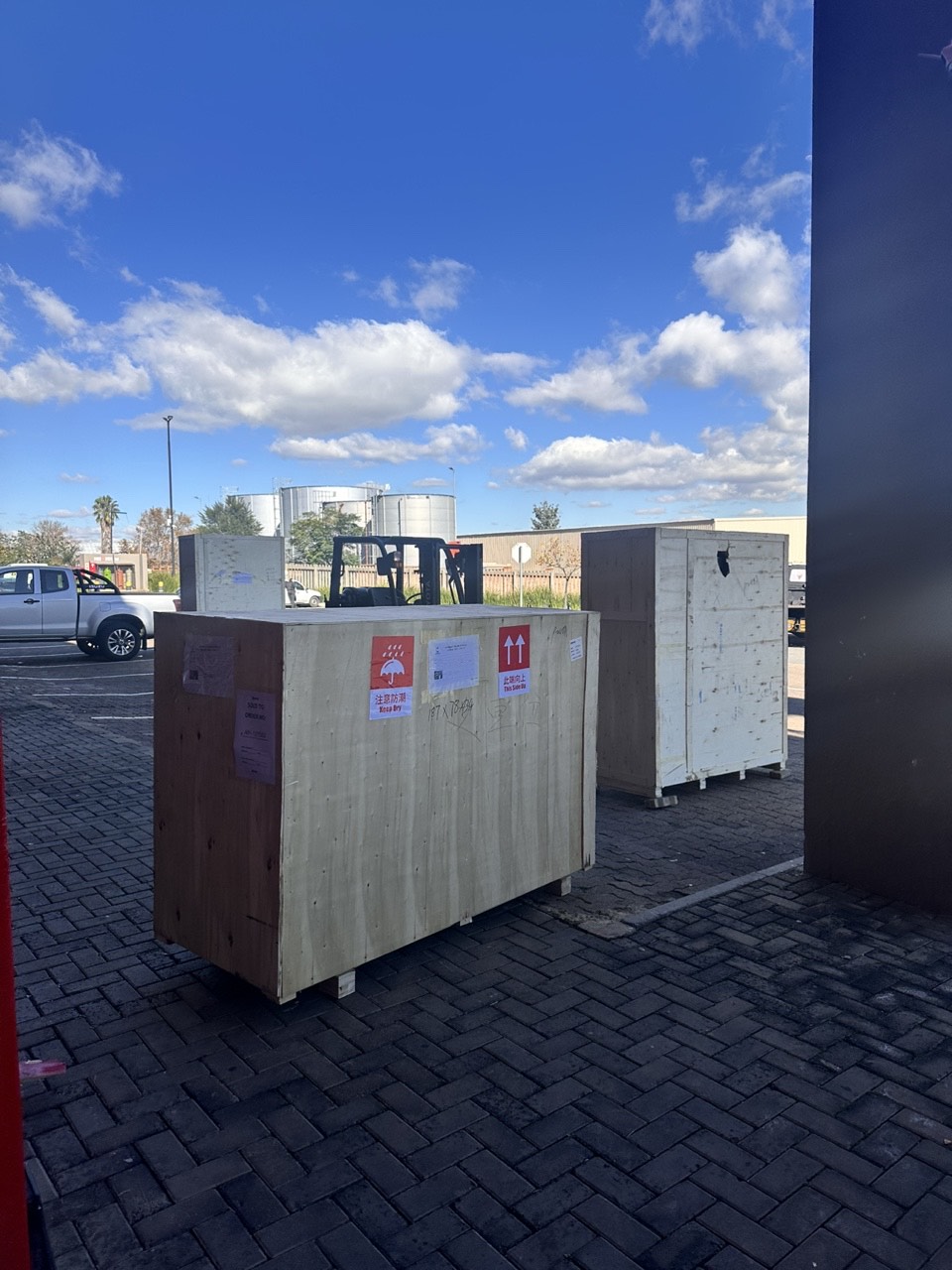
Batch of Orders
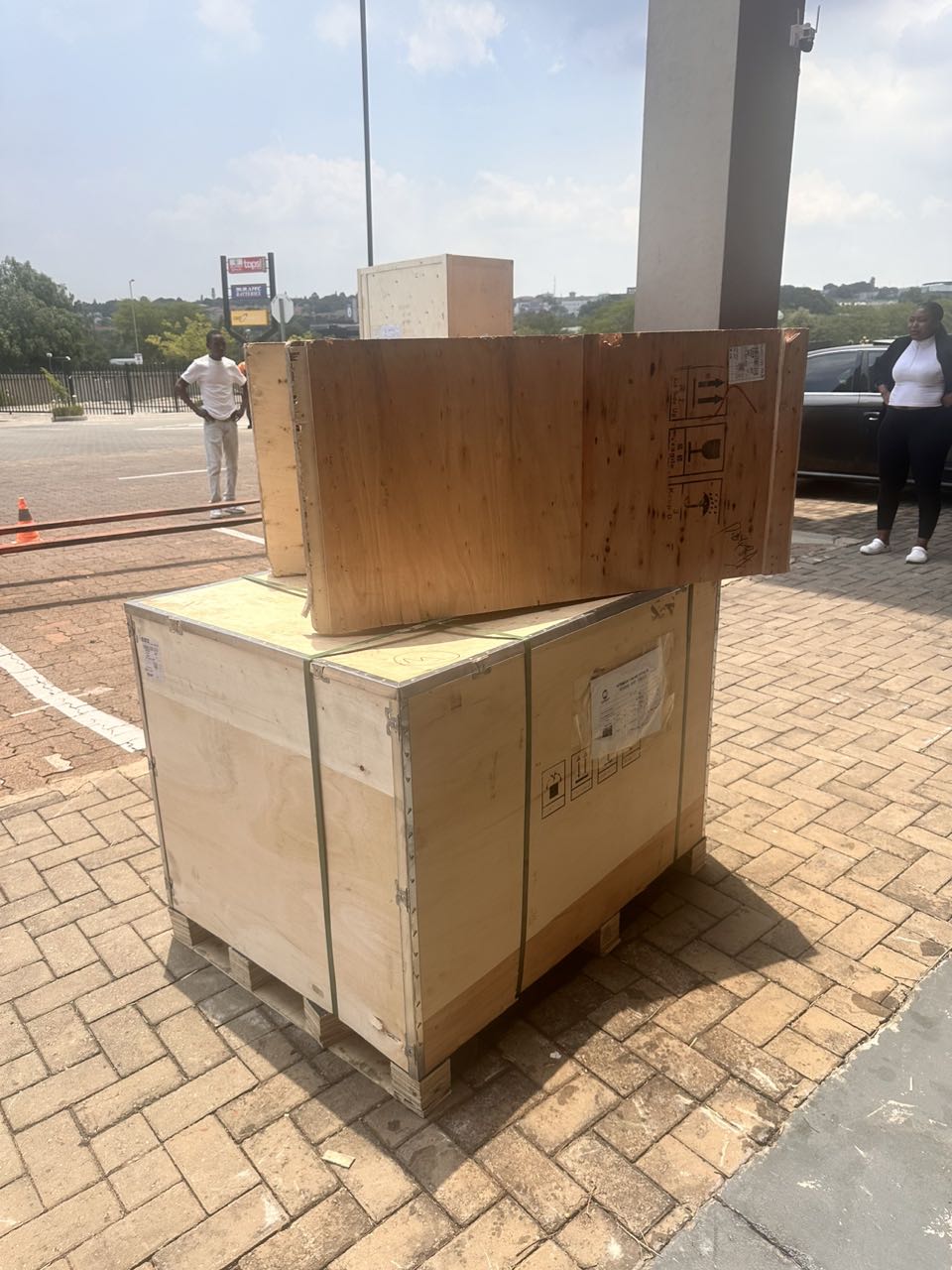
Batch of Orders
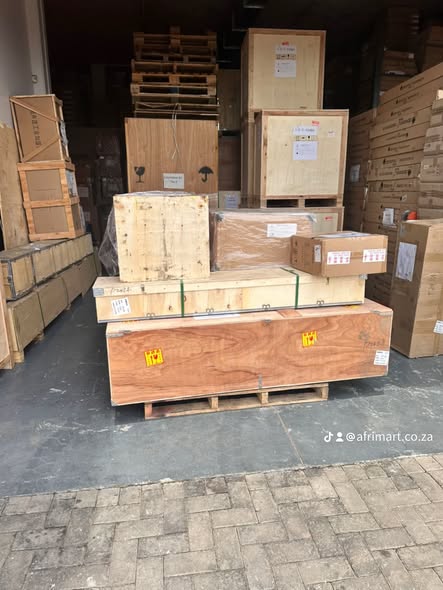
Latest Orders Labelled
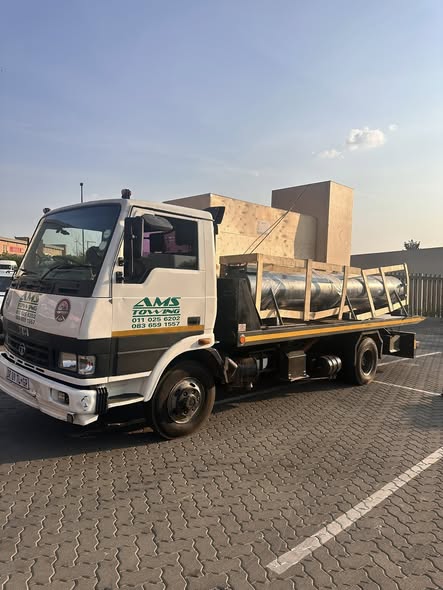
wheel alignment machines
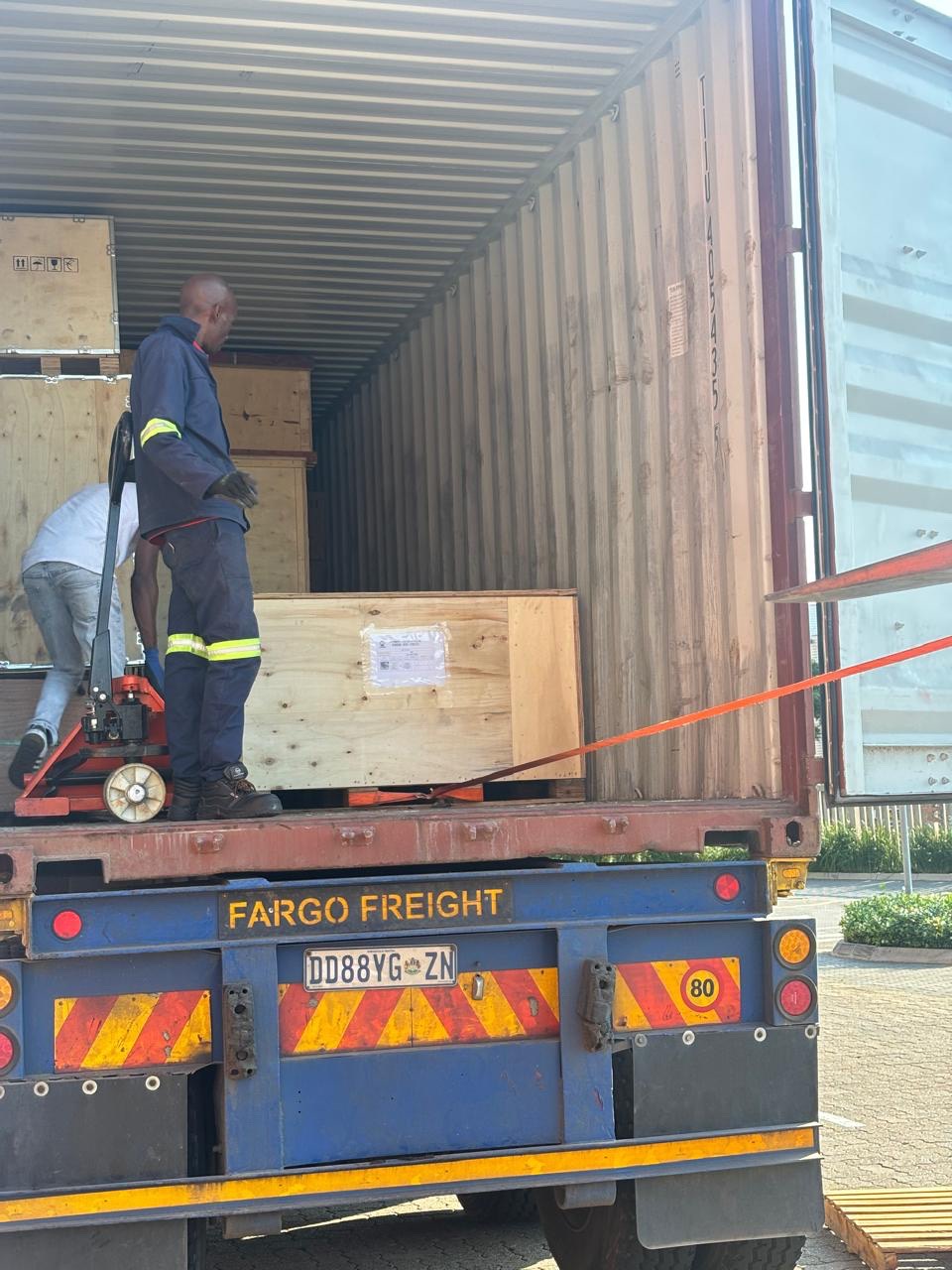
new arrivals
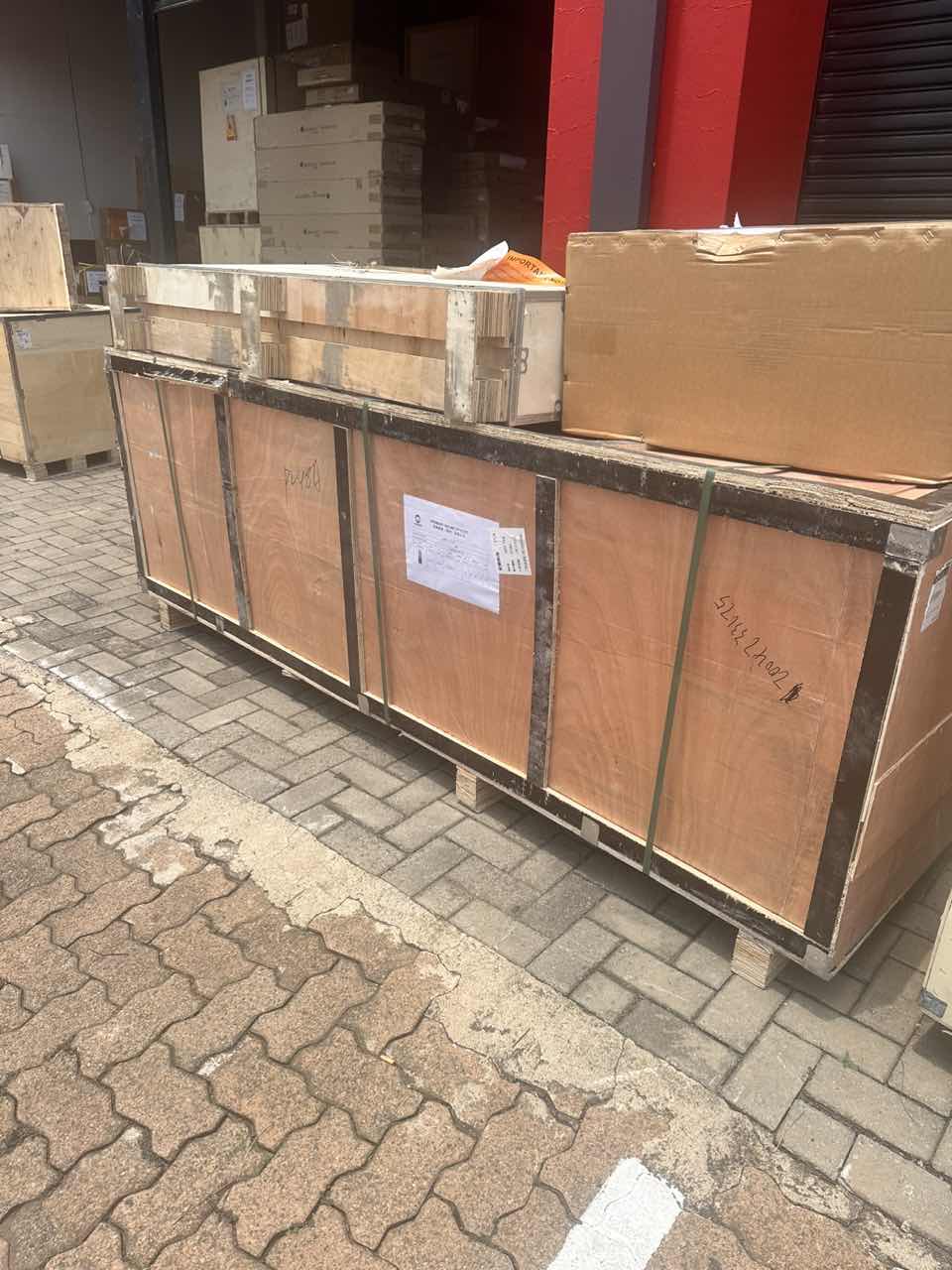
Pre Orders Offloading
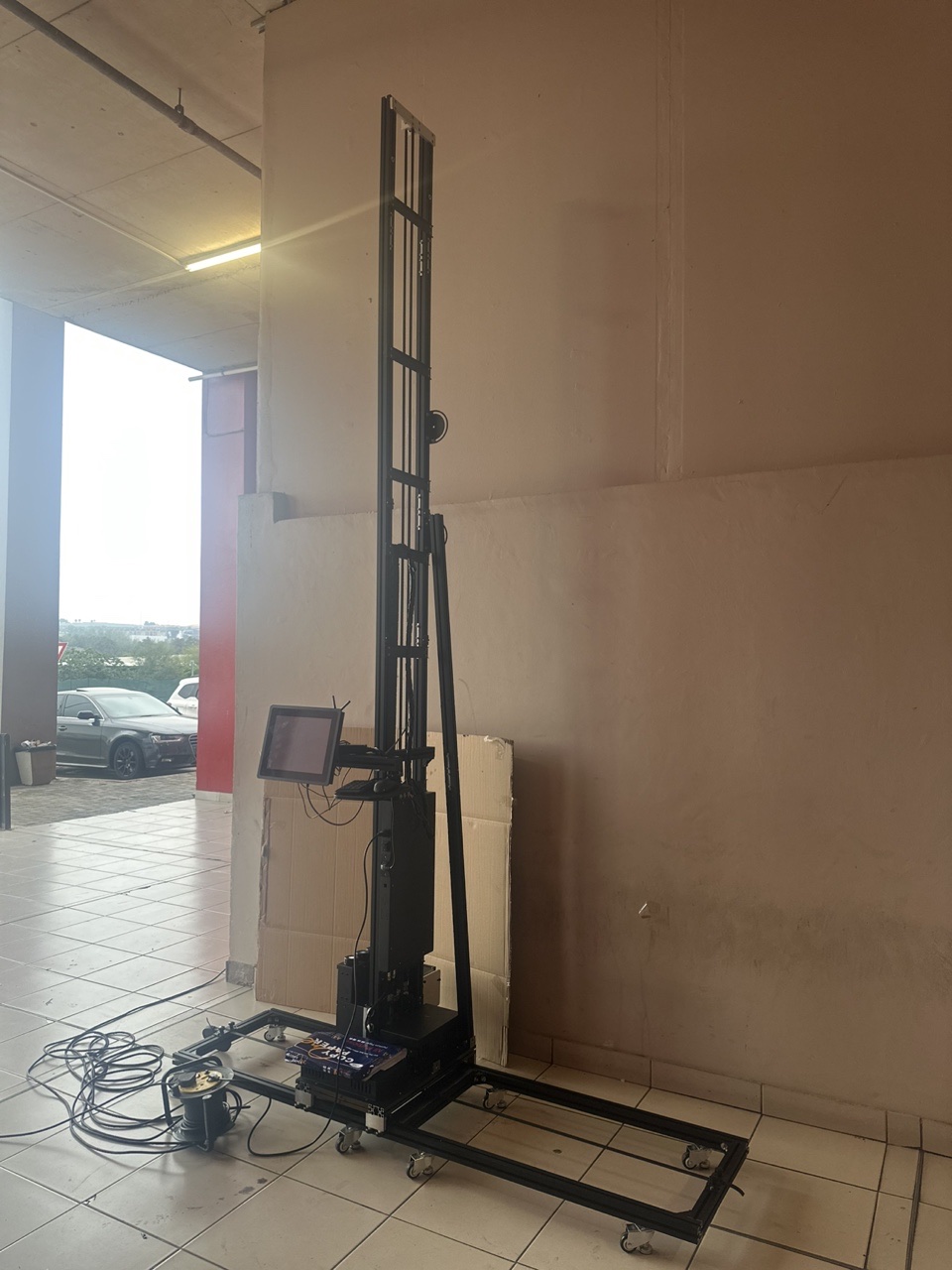
Latest Arrivals
Latest Arrivals
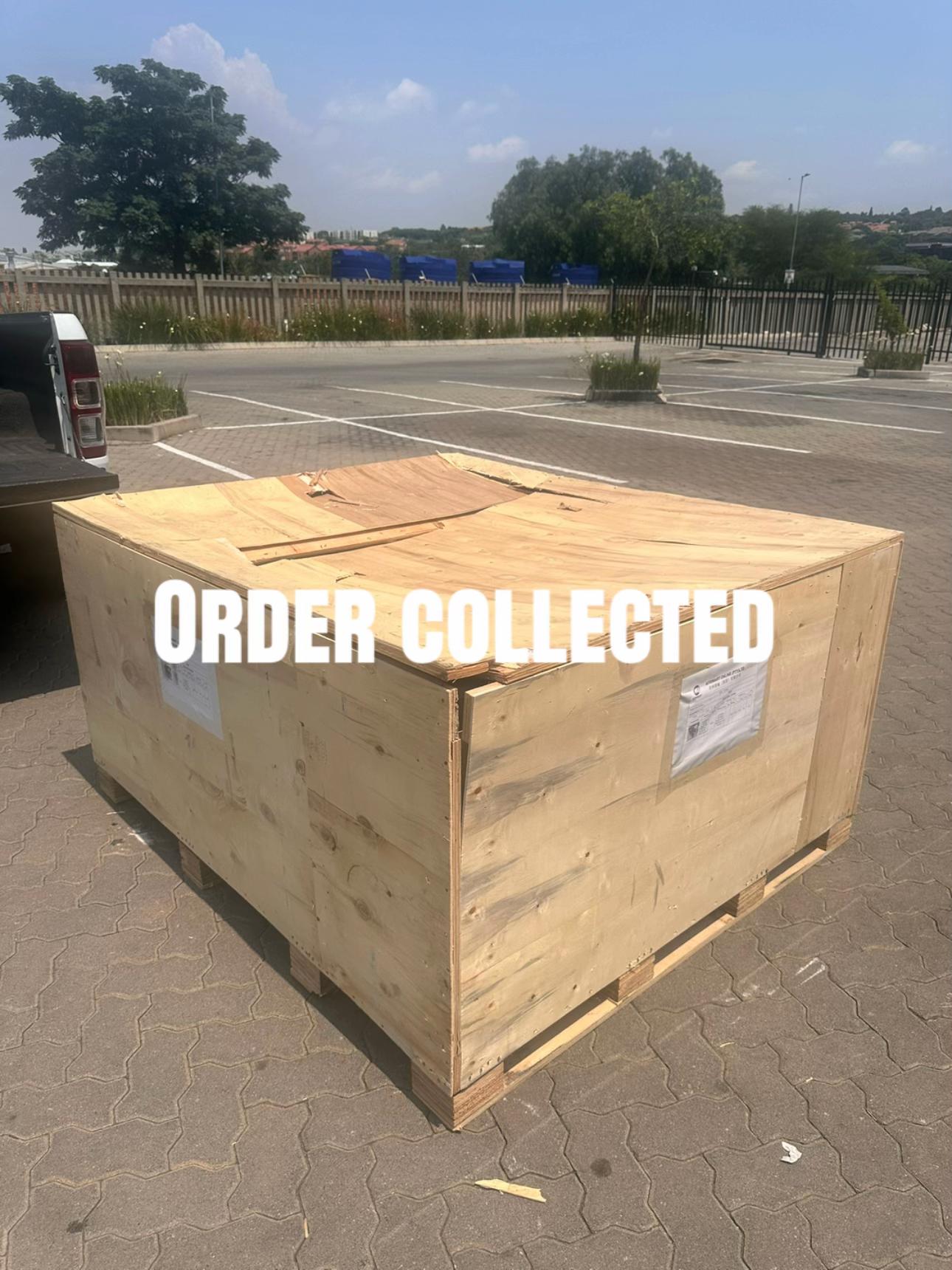
Latest Arrivals
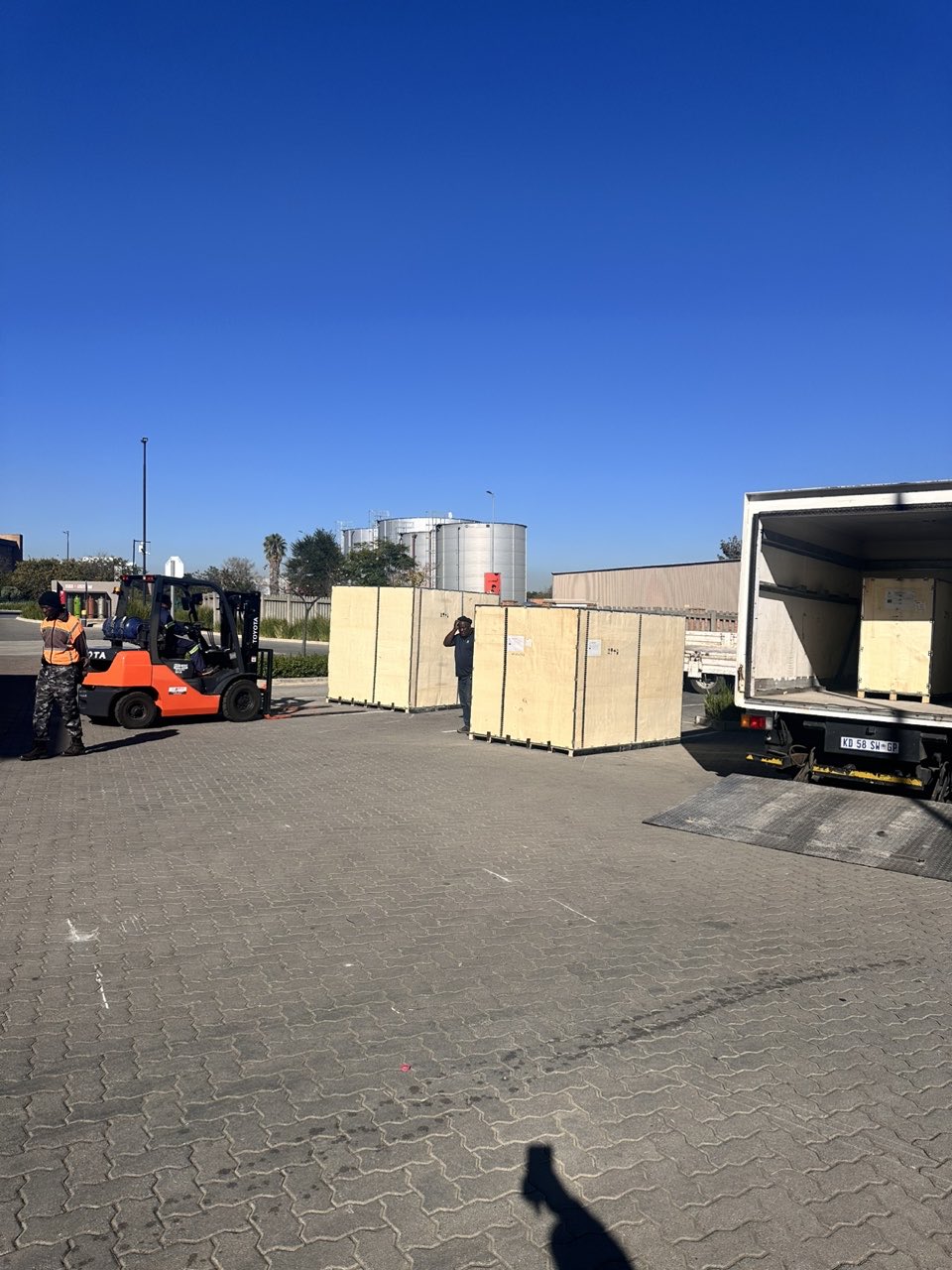
Loading
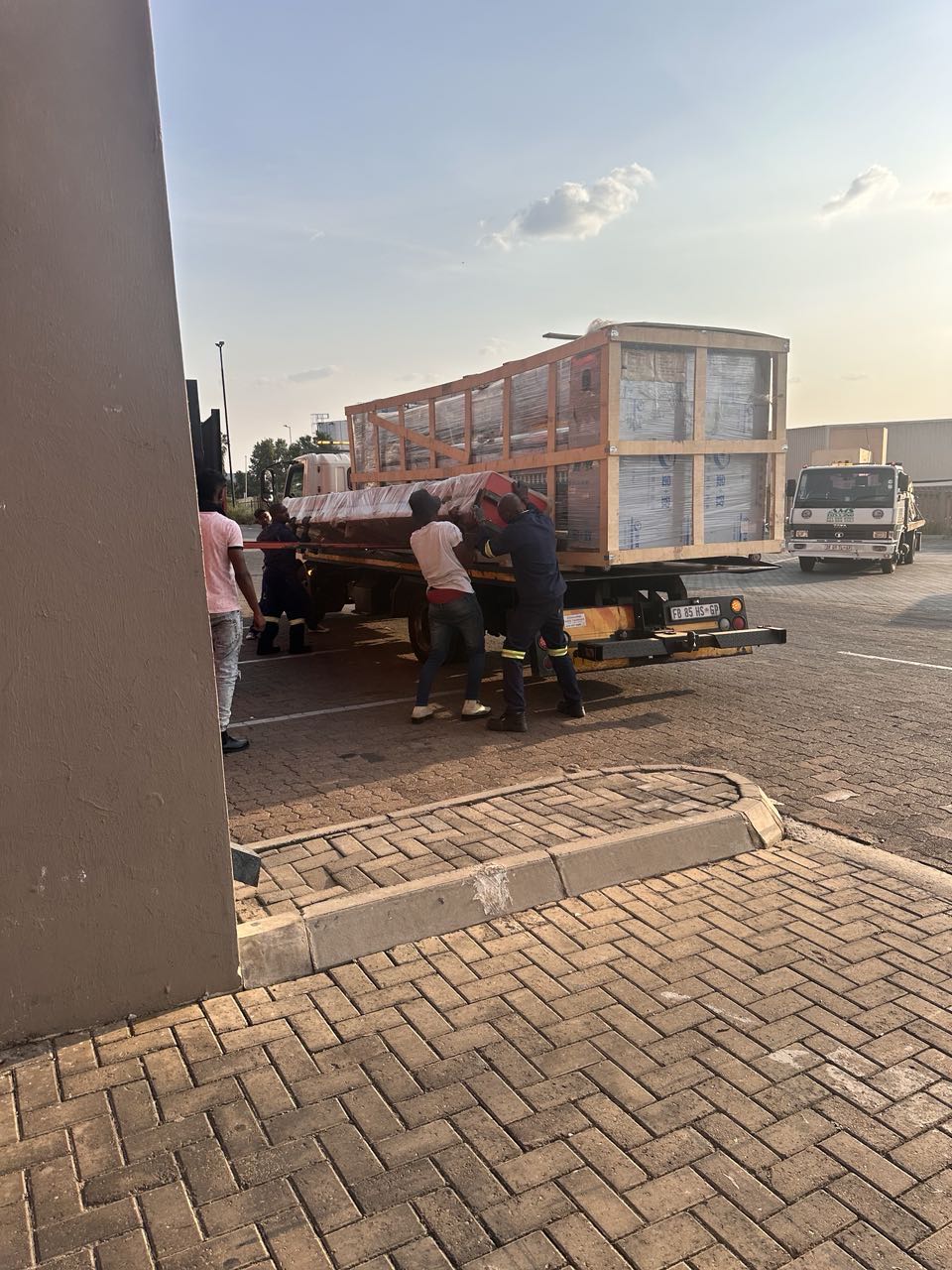
Toilet paper making machine
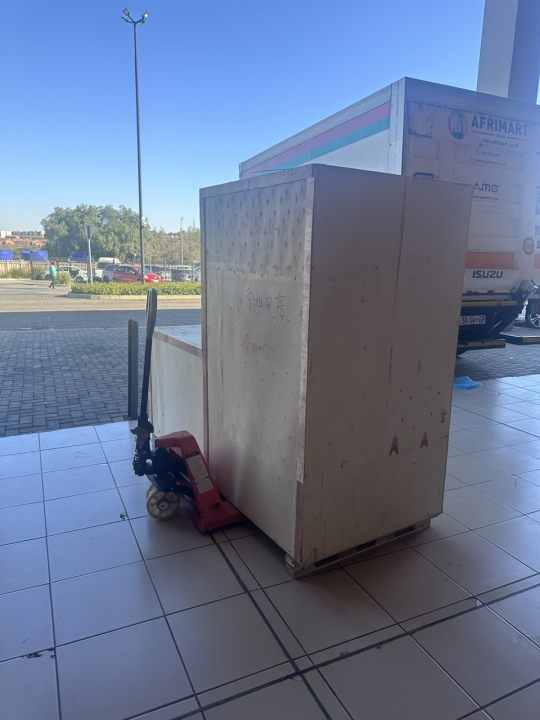
Toilet paper making machine
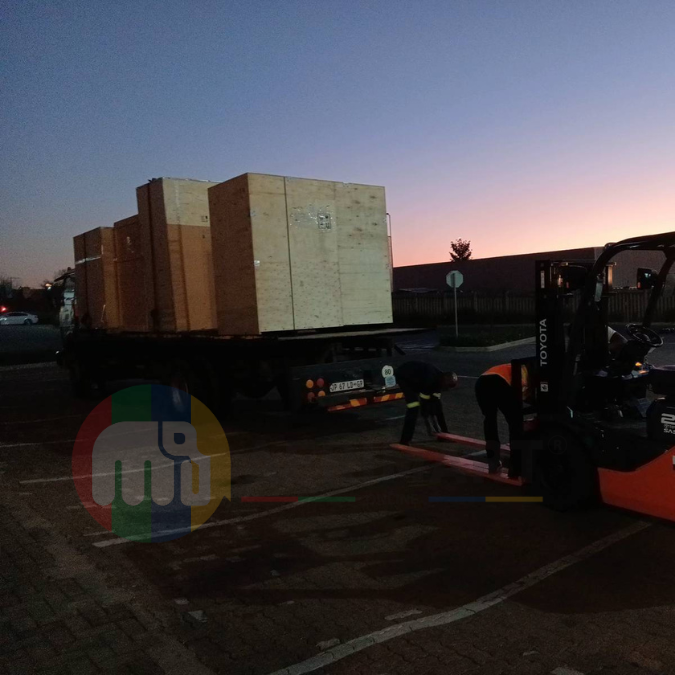
Toilet paper Rewinding Machine
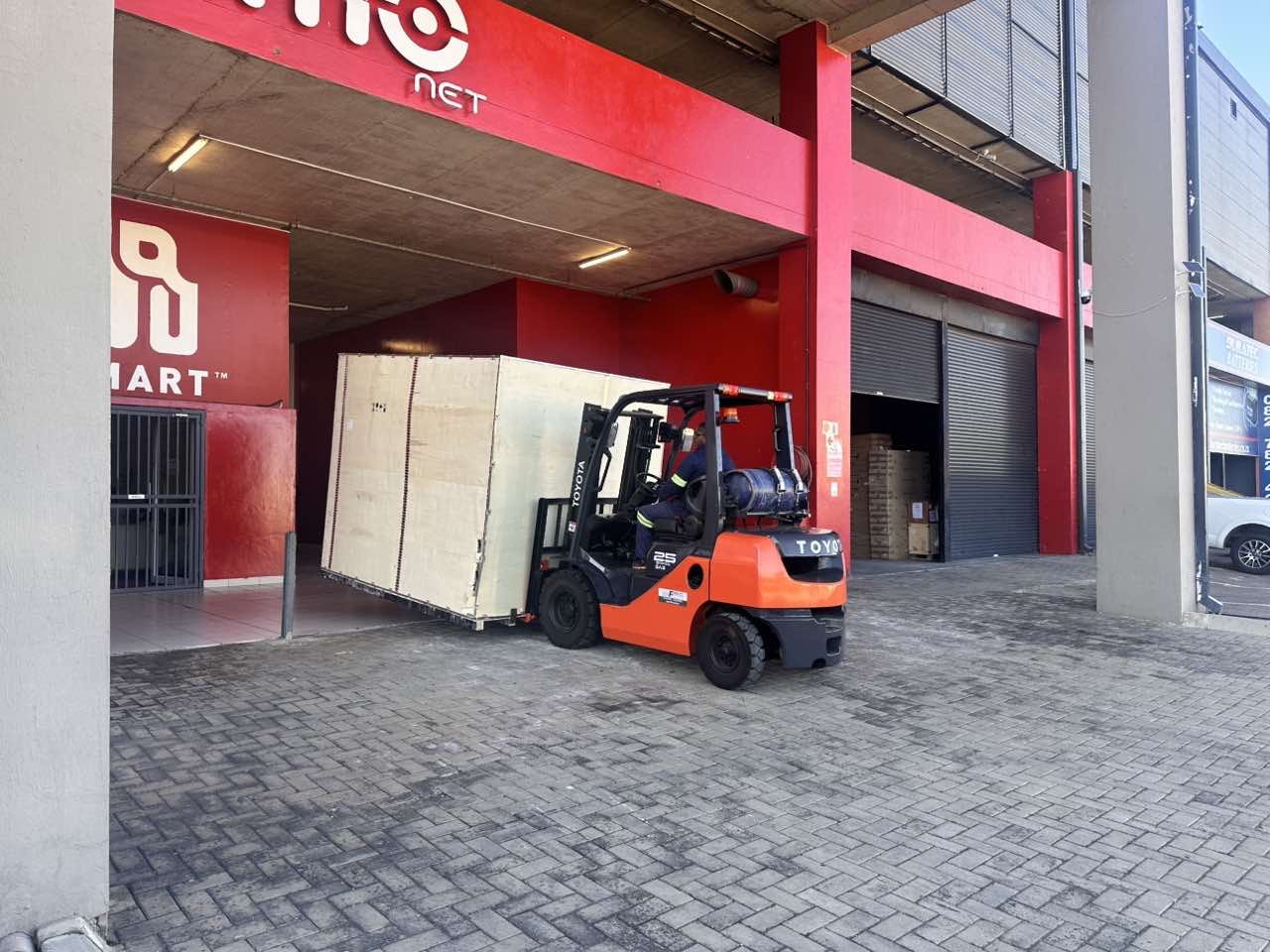
latest arrivals
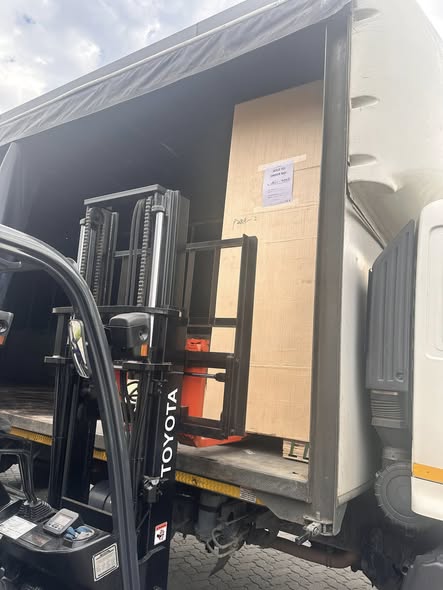
offloading
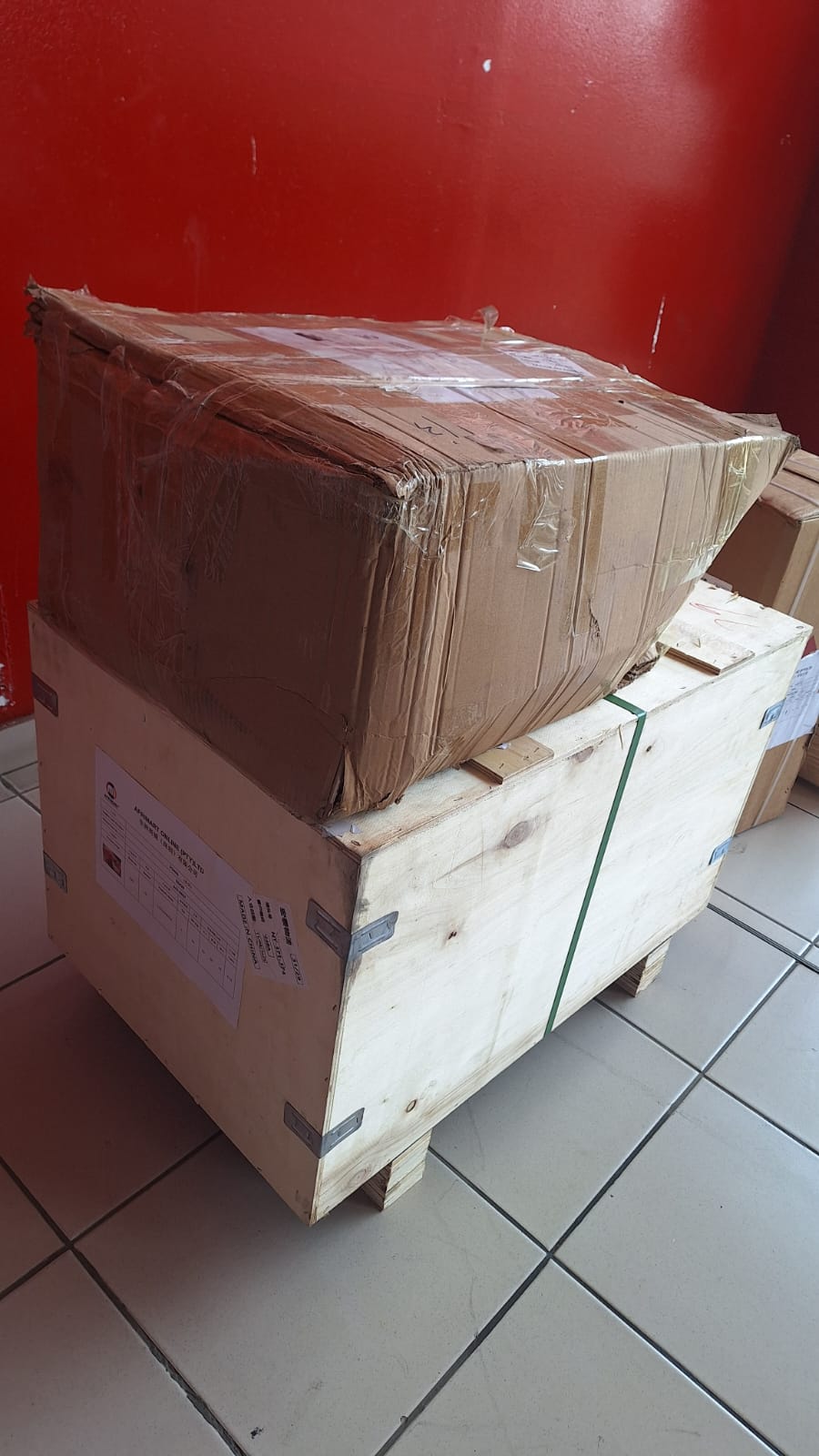
order success
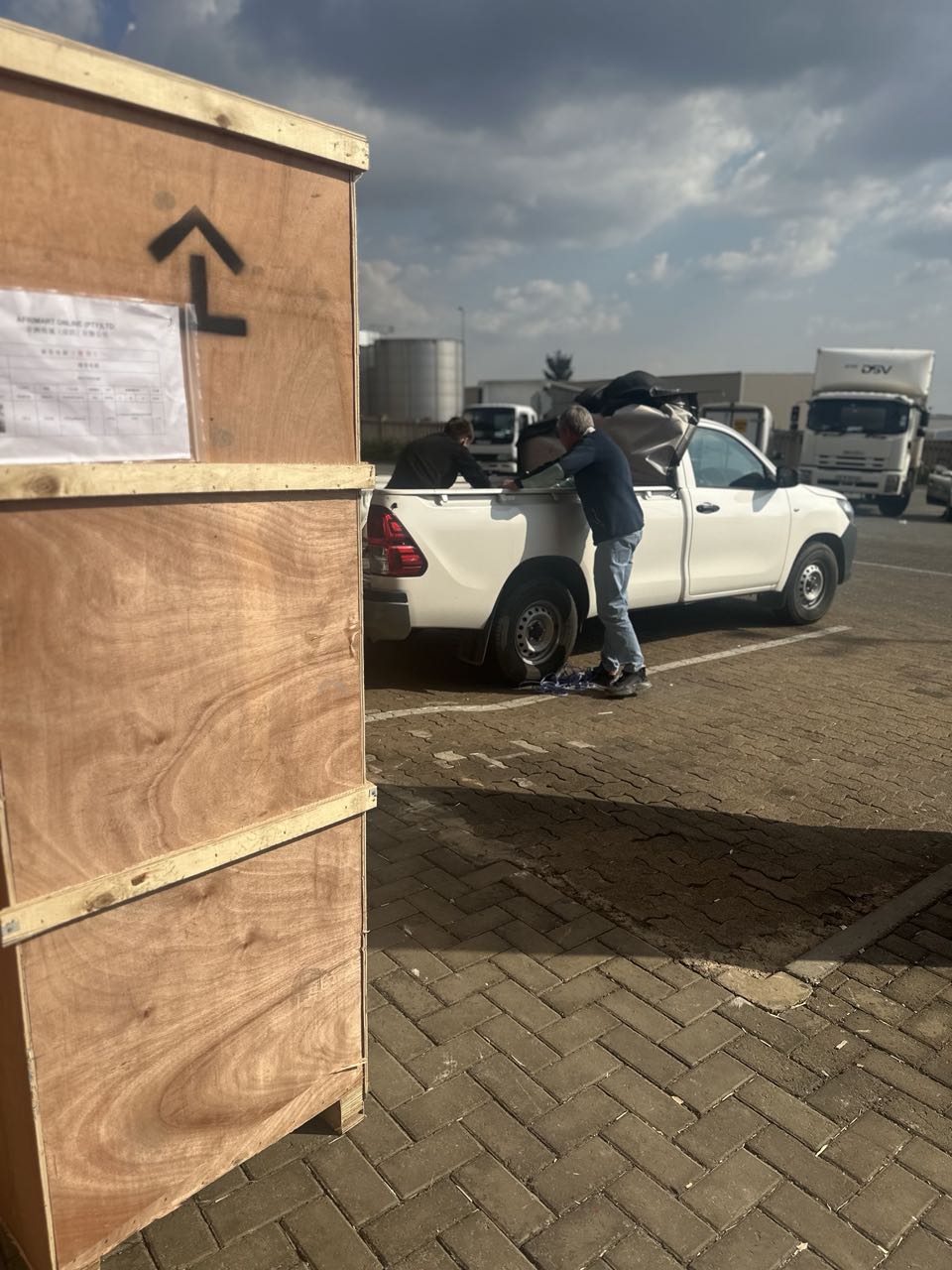
order collection
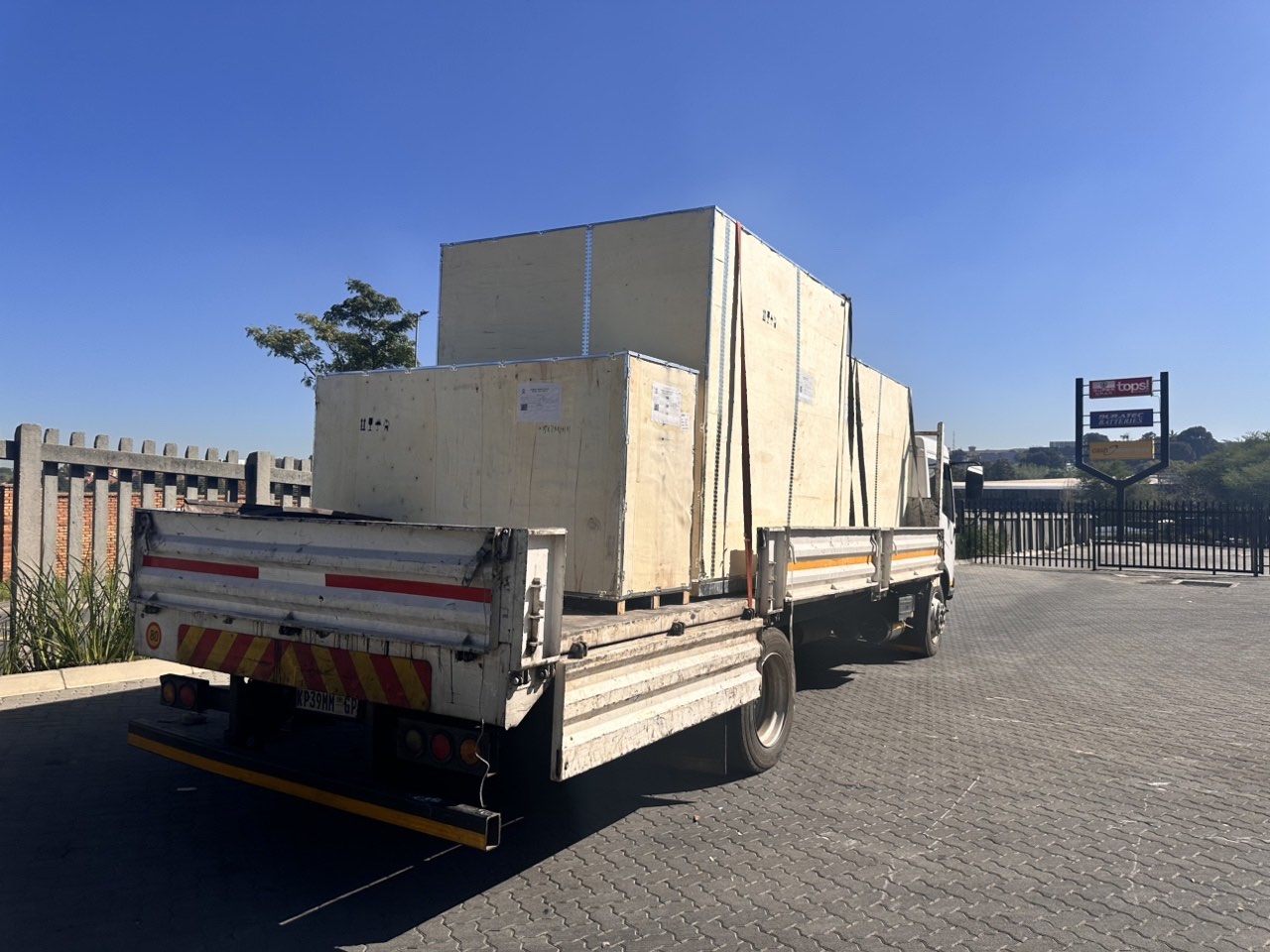
order offloading