B21, China Town Mall, Midrand


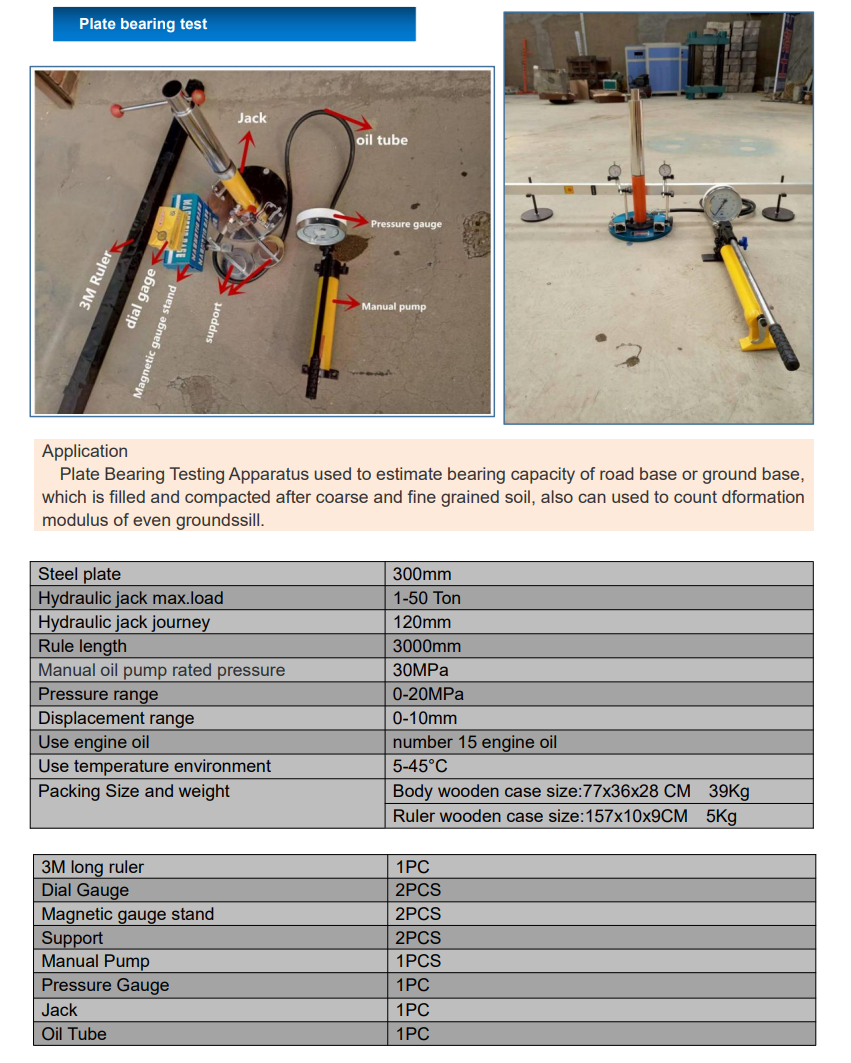
Plate Bearing Test

- Section : Machinery
- Category : Engineering & Construction Machinery
- SKU : 1600246314524

Product Description
- Shipping Timeframes: All orders are processed within 2-5 business days (excluding weekends and holidays). After your order has been processed, the estimated delivery time is before 03 Aug, 2026, depending on customs, Please note that due to high demand, some items may experience longer shipping times, which will be communicated at order confirmation email.
- Order Processing Time: Please allow 2-5 business days for us to process your order before it is shipped . Orders placed after 16:00 on Fridays, or during weekends and public holidays, will begin processing on the next business day. Processing times may be extended during peak seasons or sales events.
- Manufacturing Time: Some products needs manufacturing time, the manufacturing process will take approximately 10-30 business days depending on the product. This timeframe may vary depending on the complexity of the product and current demand. but this will be communicated with you during order confirmation.
- Returns and Exchanges: We offer a 30-day return policy for most items. If you are not completely satisfied with your purchase, you may return it within 30 days of receipt for a refund or exchange. Items must be unused, in their original packaging, and accompanied by proof of purchase. Return shipping costs are the responsibility of the customer, unless the item was damaged or defective upon arrival.
1. What is a Plate Bearing Test?
The Plate Bearing Test is a field test used to determine the load-bearing capacity of soil and pavement by measuring the deformation response of the ground under a known applied load.
2. How is the Plate Bearing Test conducted?
The test is typically conducted by placing a rigid plate on the ground, applying a known load, and measuring the resulting vertical deflections at various load increments.
3. What are the applications of the Plate Bearing Test?
It is commonly used in geotechnical engineering to assess soil strength, support design for foundations, evaluate pavement performance, and for construction site investigations.
4. What equipment is required for the Plate Bearing Test?
The main equipment includes a plate of specified dimensions, a loading device (like a hydraulic jack), measuring instruments for deflection, and sometimes a data recording system.
5. What soil conditions can the Plate Bearing Test assess?
The Plate Bearing Test can assess a variety of soil conditions, including cohesive and granular soils, as well as existing pavement structures.
6. How long does the Plate Bearing Test take?
The duration of the test can vary depending on site conditions and equipment used, but it typically takes a few hours to set up, conduct, and analyze the results.
7. What standards govern the Plate Bearing Test?
The test is often conducted following standards set by organizations such as ASTM (American Society for Testing and Materials) or AASHTO (American Association of State Highway and Transportation Officials).
8. What is the significance of the test results?
The results provide valuable information on the load capacity of the soil or pavement, which is crucial for engineering design and ensuring safety and stability in construction projects.
9. Can the Plate Bearing Test be performed in wet conditions?
While it is possible to perform the test in wet conditions, it may affect the accuracy of the results. It’s best to conduct the test when the soil is at a stable moisture content.
10. Is the Plate Bearing Test suitable for all types of projects?
Yes, it is suitable for various projects including roads, buildings, bridges, and any construction requiring knowledge of soil bearing capacity.
11. What preparation is needed before performing the test?
The test site should be cleared of debris, and the ground should be level and stable. A site assessment may also be conducted to determine the best location for the test.
12. How are the results of the Plate Bearing Test interpreted?
Results are typically presented as load vs. deflection curves, which help engineers determine the modulus of subgrade reaction and other important parameters.
13. Can the Plate Bearing Test be used for pavement analysis?
Yes, the test is frequently used for pavement analysis to evaluate the structural capacity and performance of existing pavement systems.
14. What factors can affect the test results?
Factors such as soil moisture content, soil type, plate size, and the method of load application can all influence the results of the Plate Bearing Test.
15. Are there any safety precautions to consider during the test?
Yes, safety precautions include ensuring that the area is free from hazards, using proper lifting equipment for heavy loads, and following standard safety protocols during testing.
Latest Order Arrivals
Discover our latest orders
12 Heads Embroidery Machine
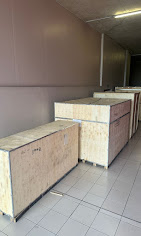
Toilet Paper Machine Machine
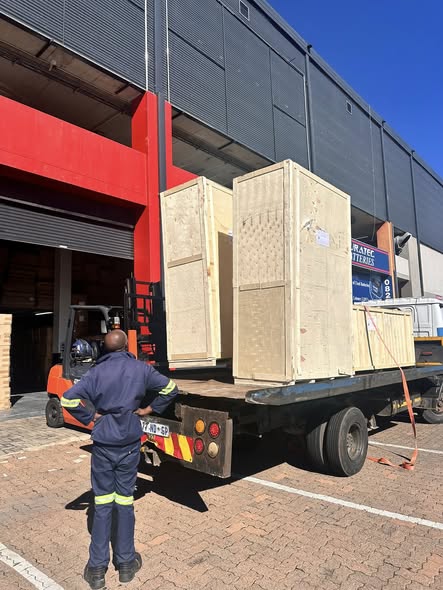
Order Collection
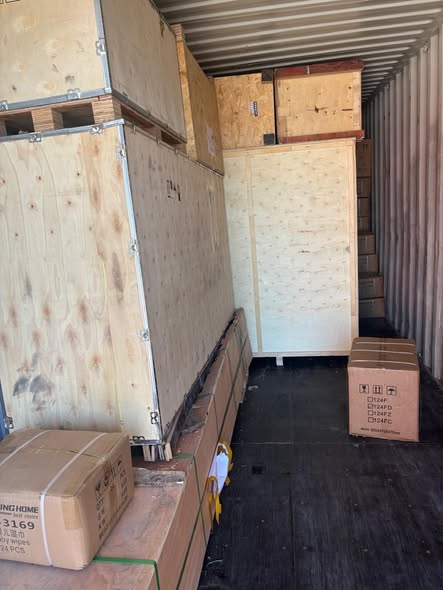
Cross Border Clients
Order cros border countries Collected
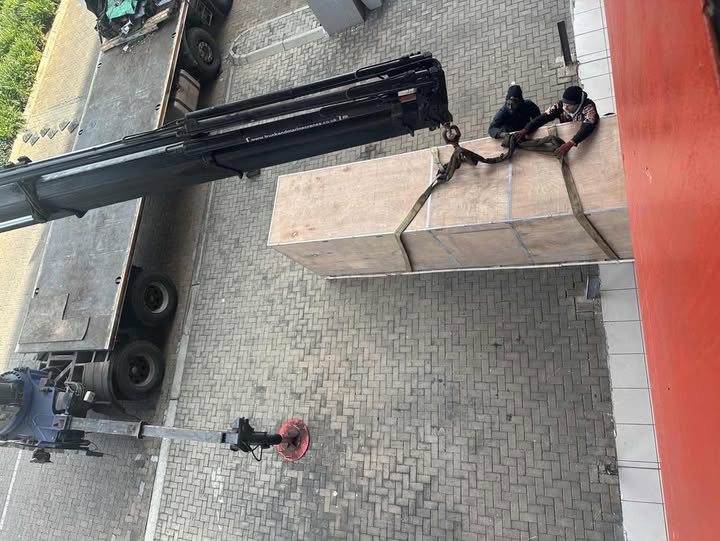
Industrial Machine Cllection
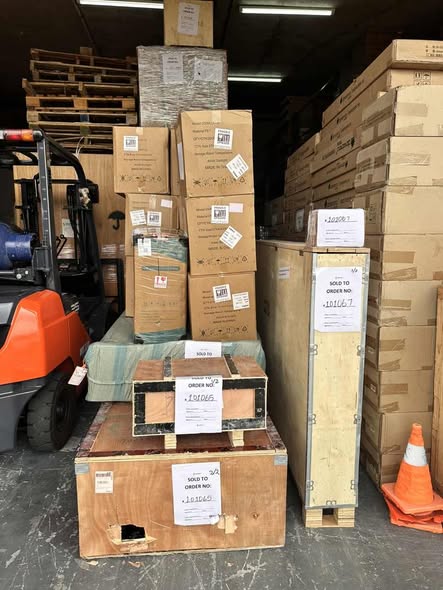
Agriculture Processing Machines
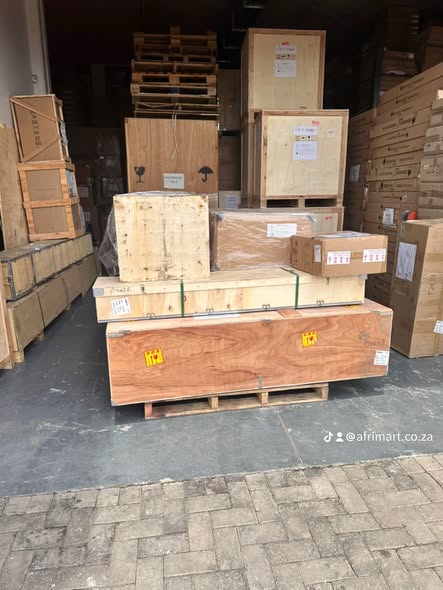
Ready for collection
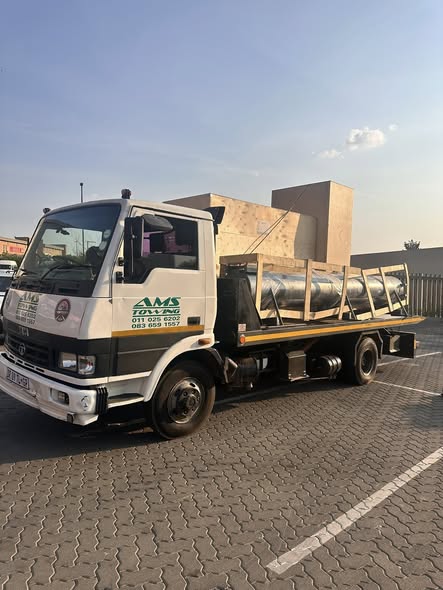
Water Pump Equipment
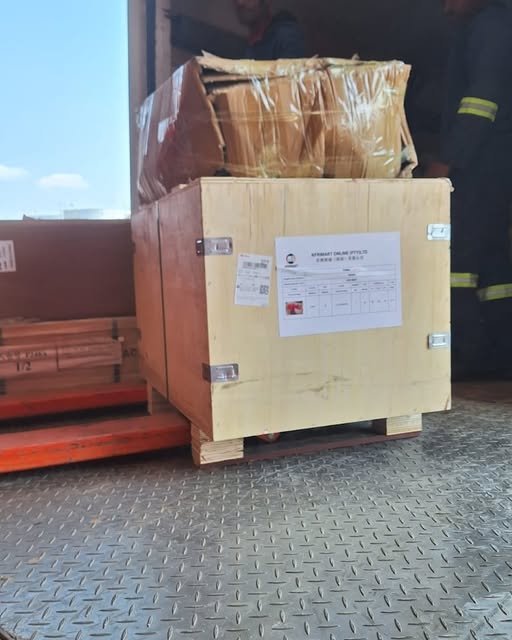
Packaging Machine and accessories
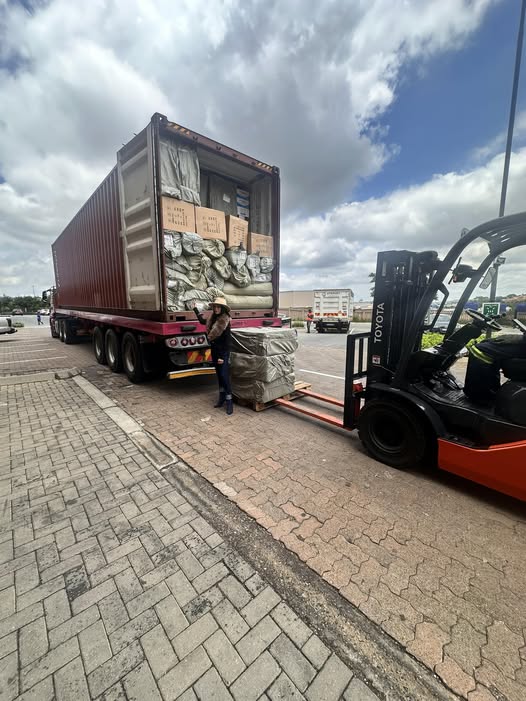
Fabrics Manufacturing Equipment
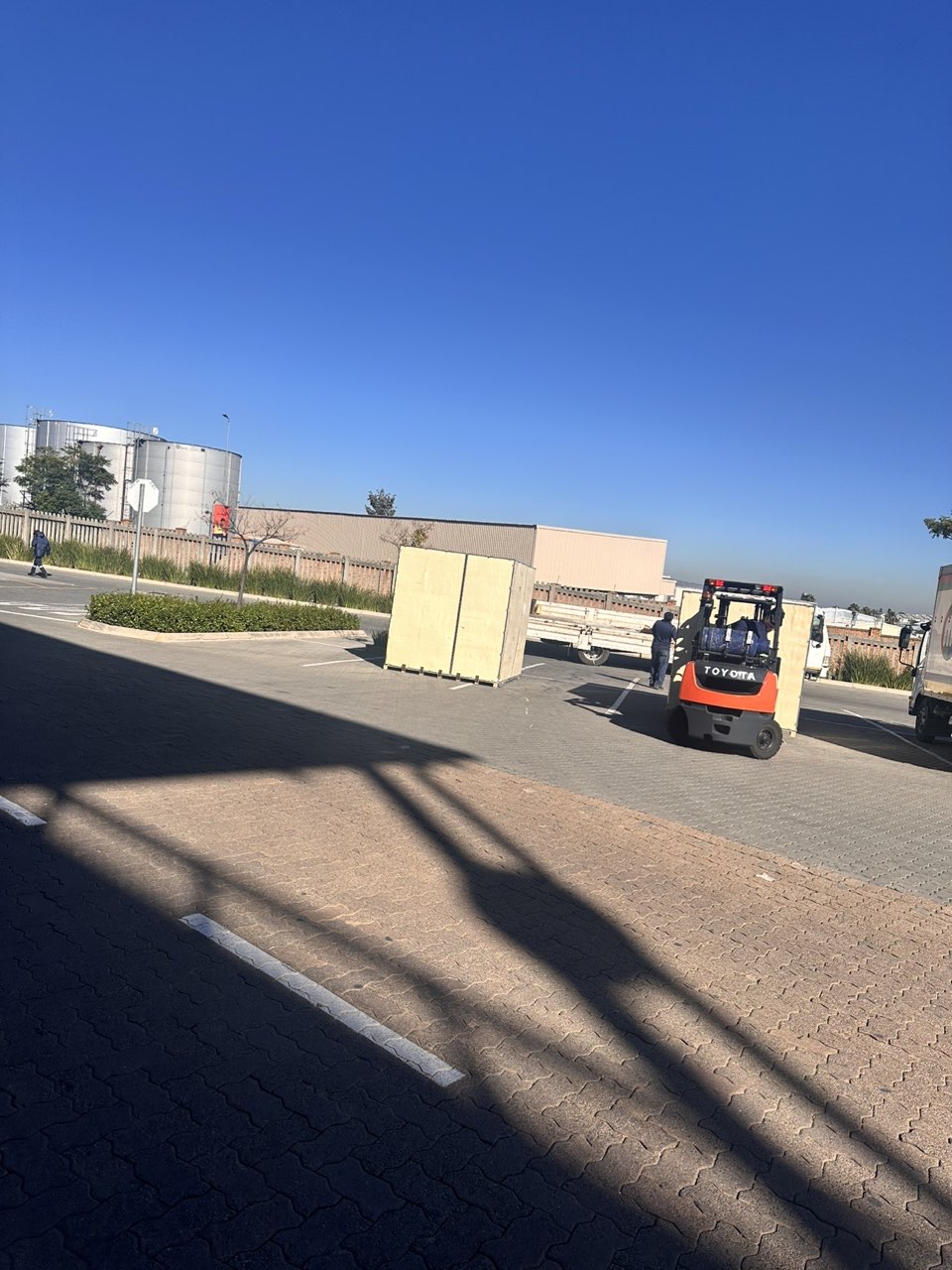
Mining Equipments
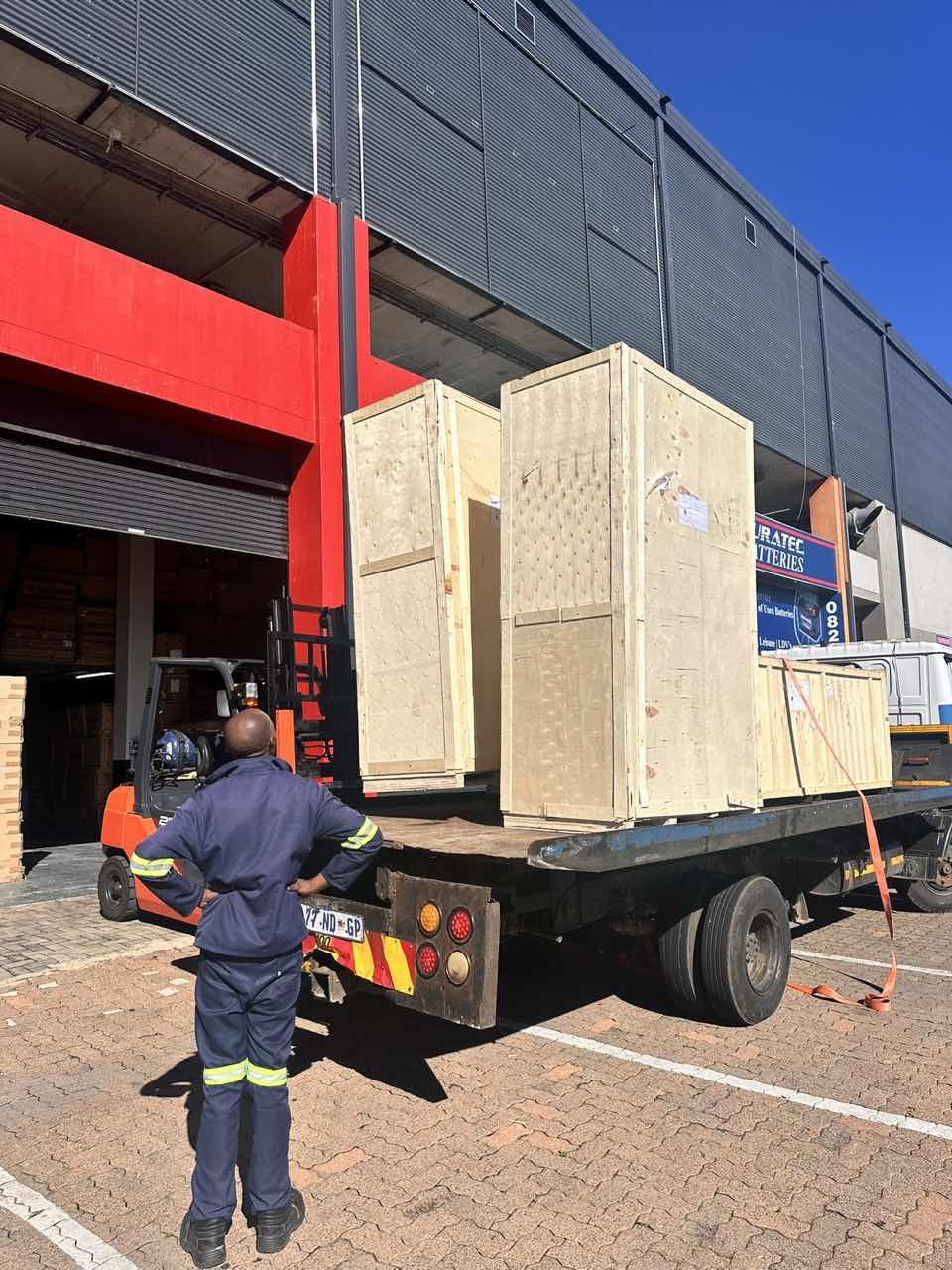
Food Processing Machine
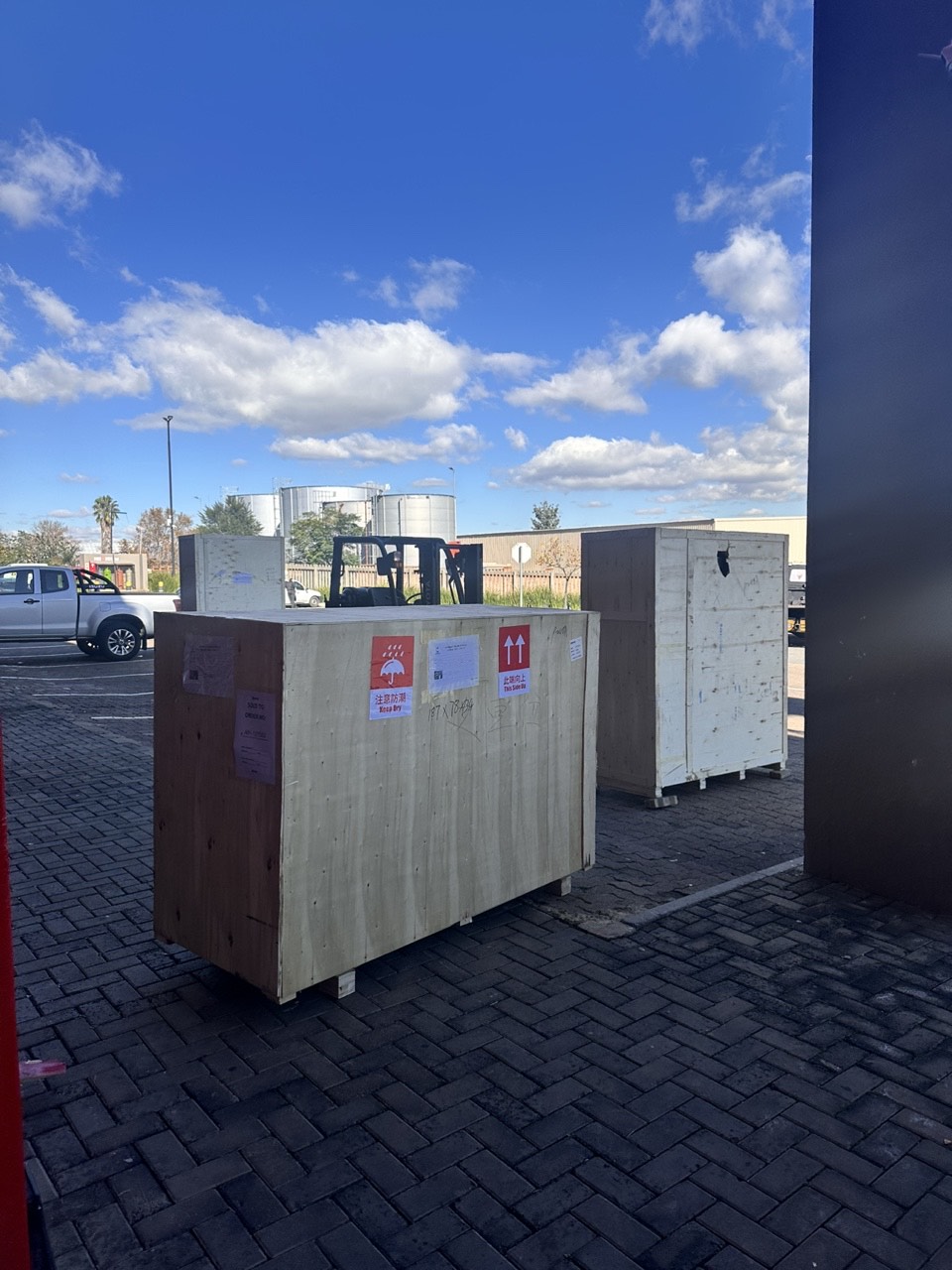
Batch of Orders
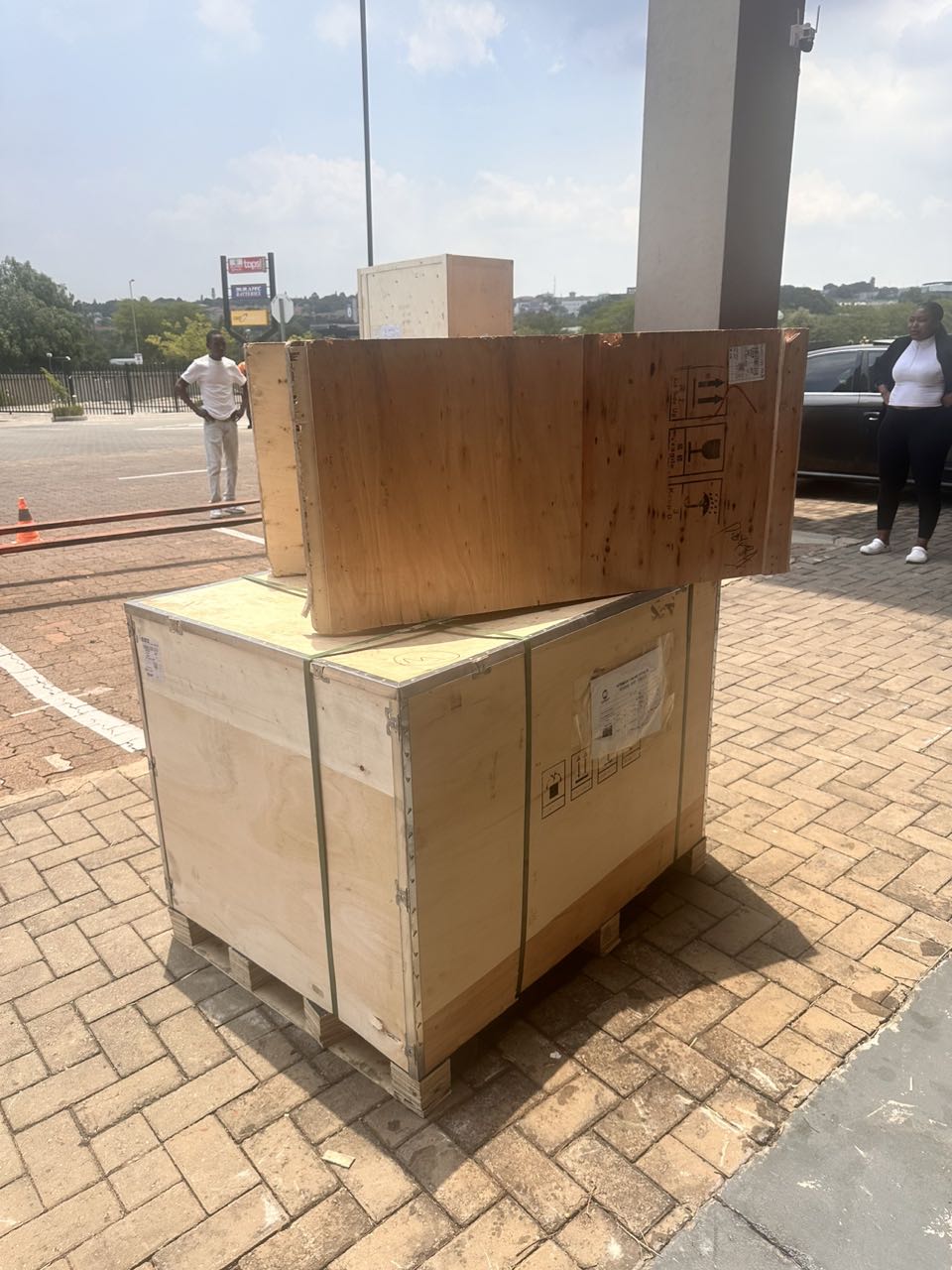
Batch of Orders
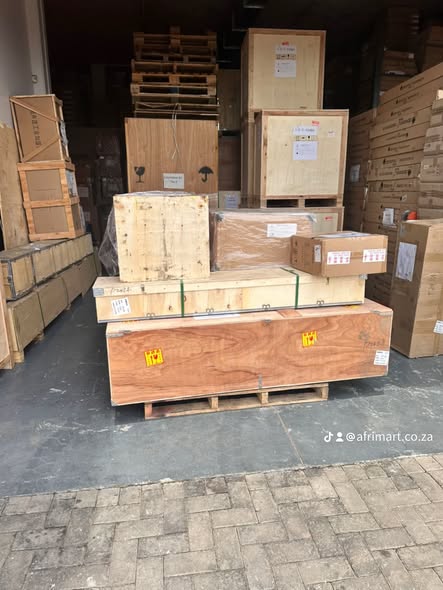
Latest Orders Labelled
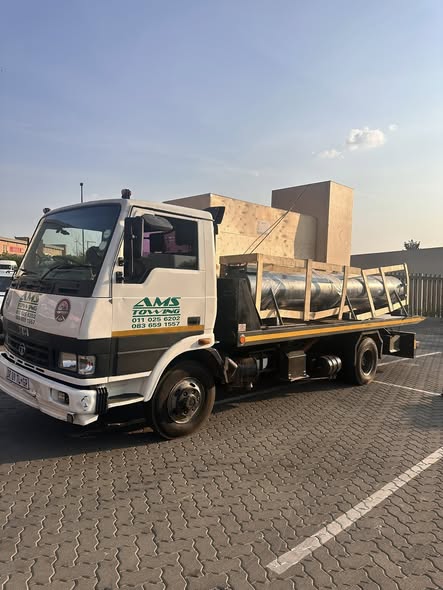
wheel alignment machines
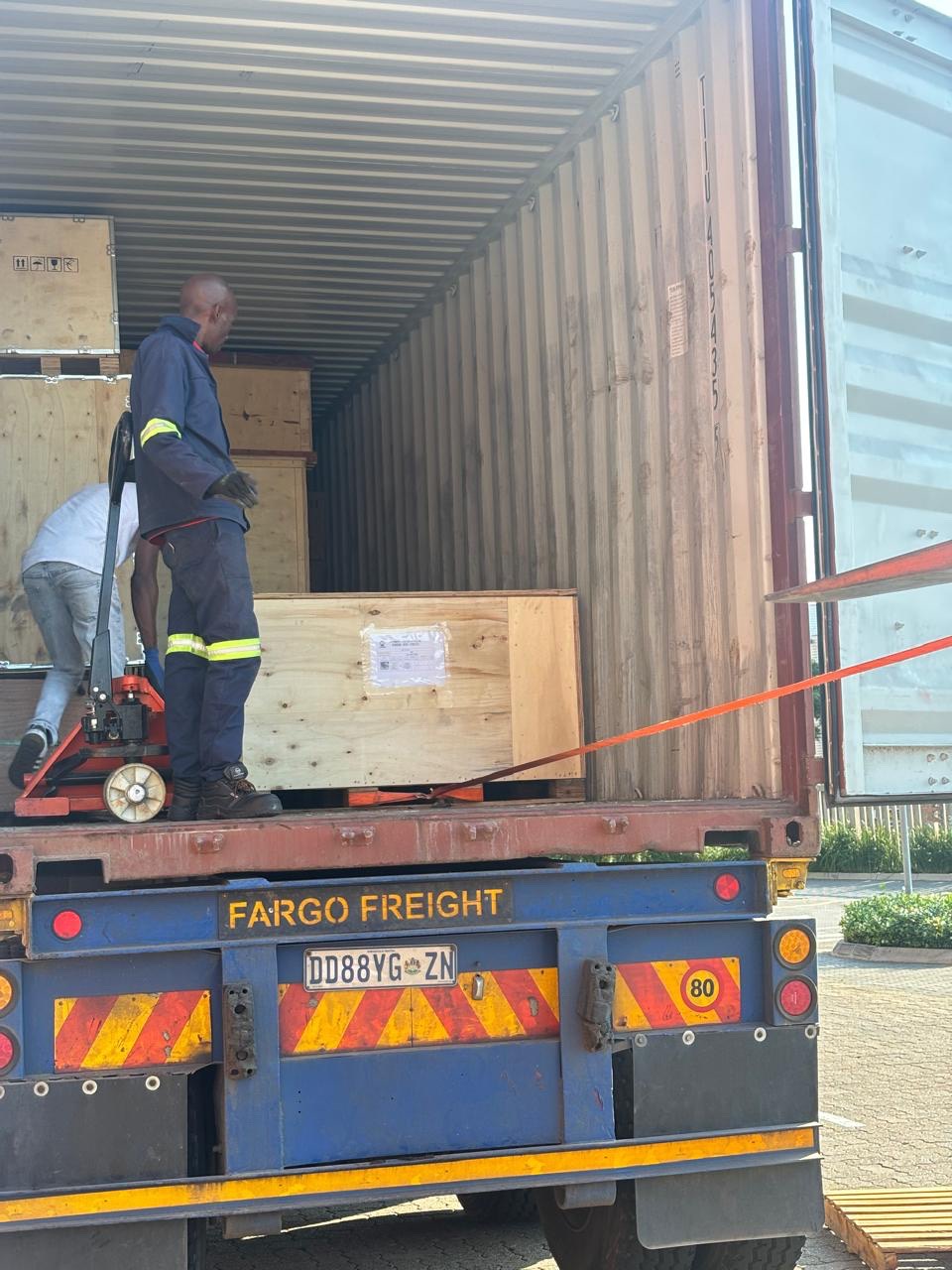
new arrivals
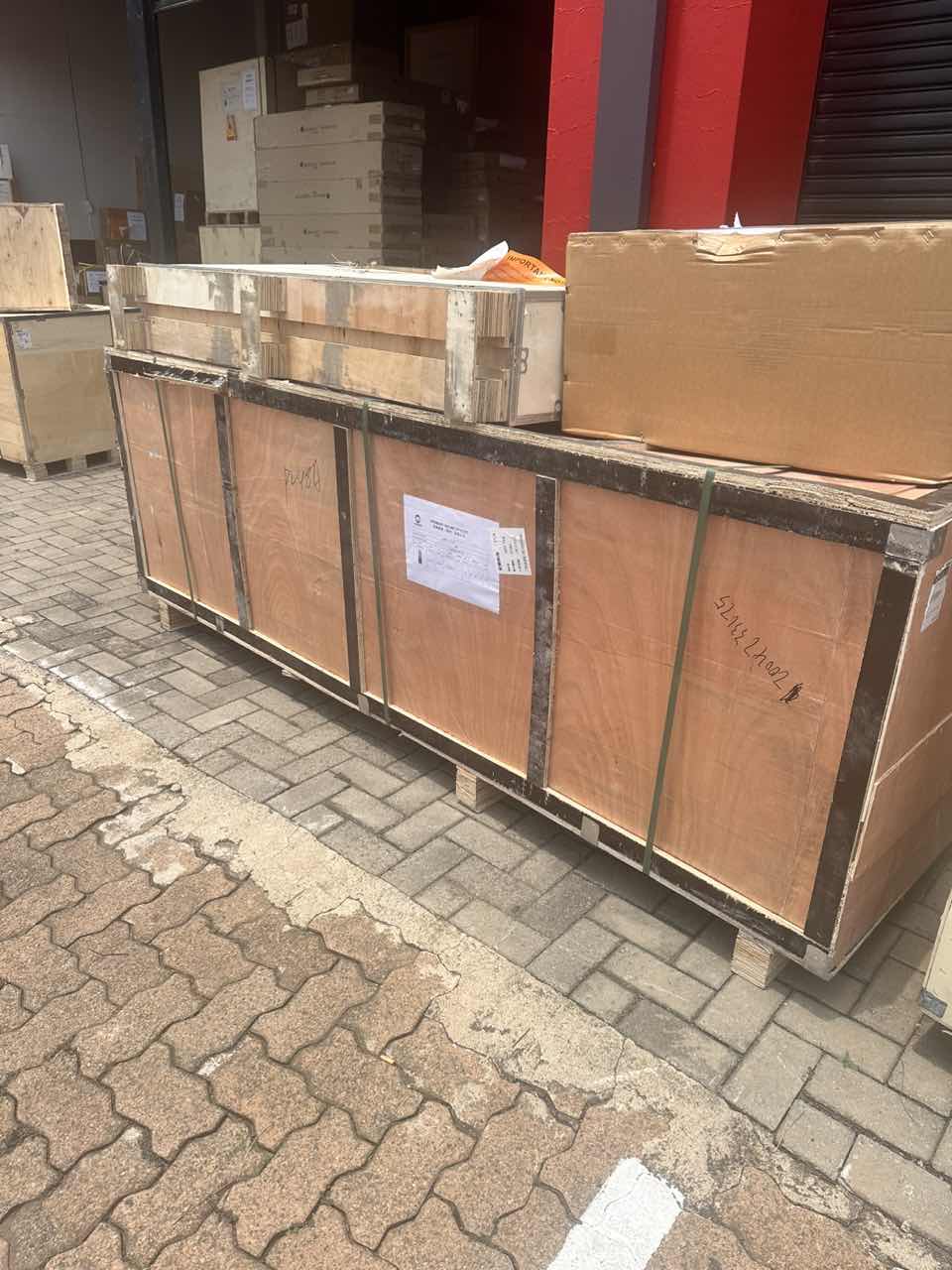
Pre Orders Offloading
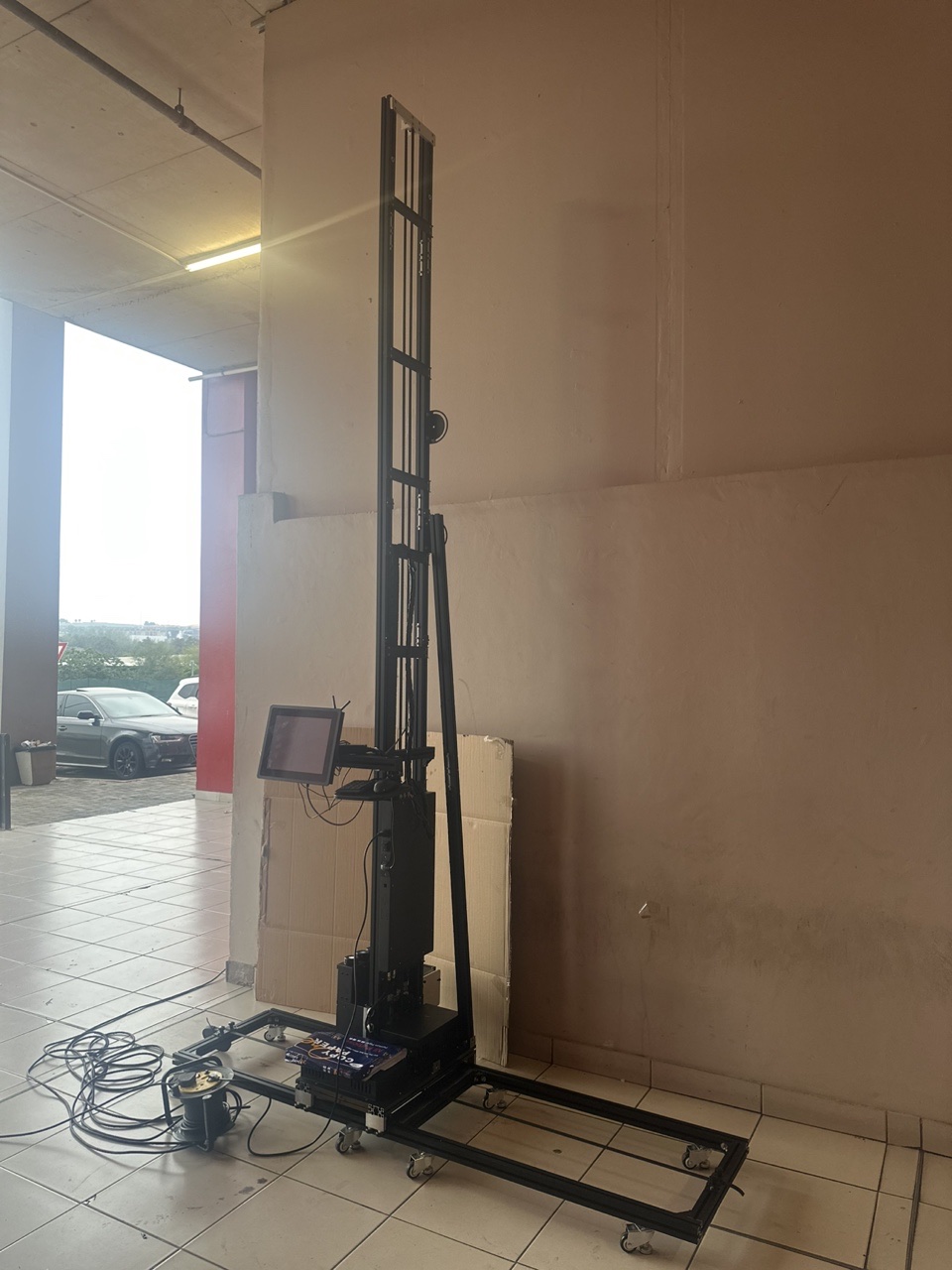
Latest Arrivals
Latest Arrivals
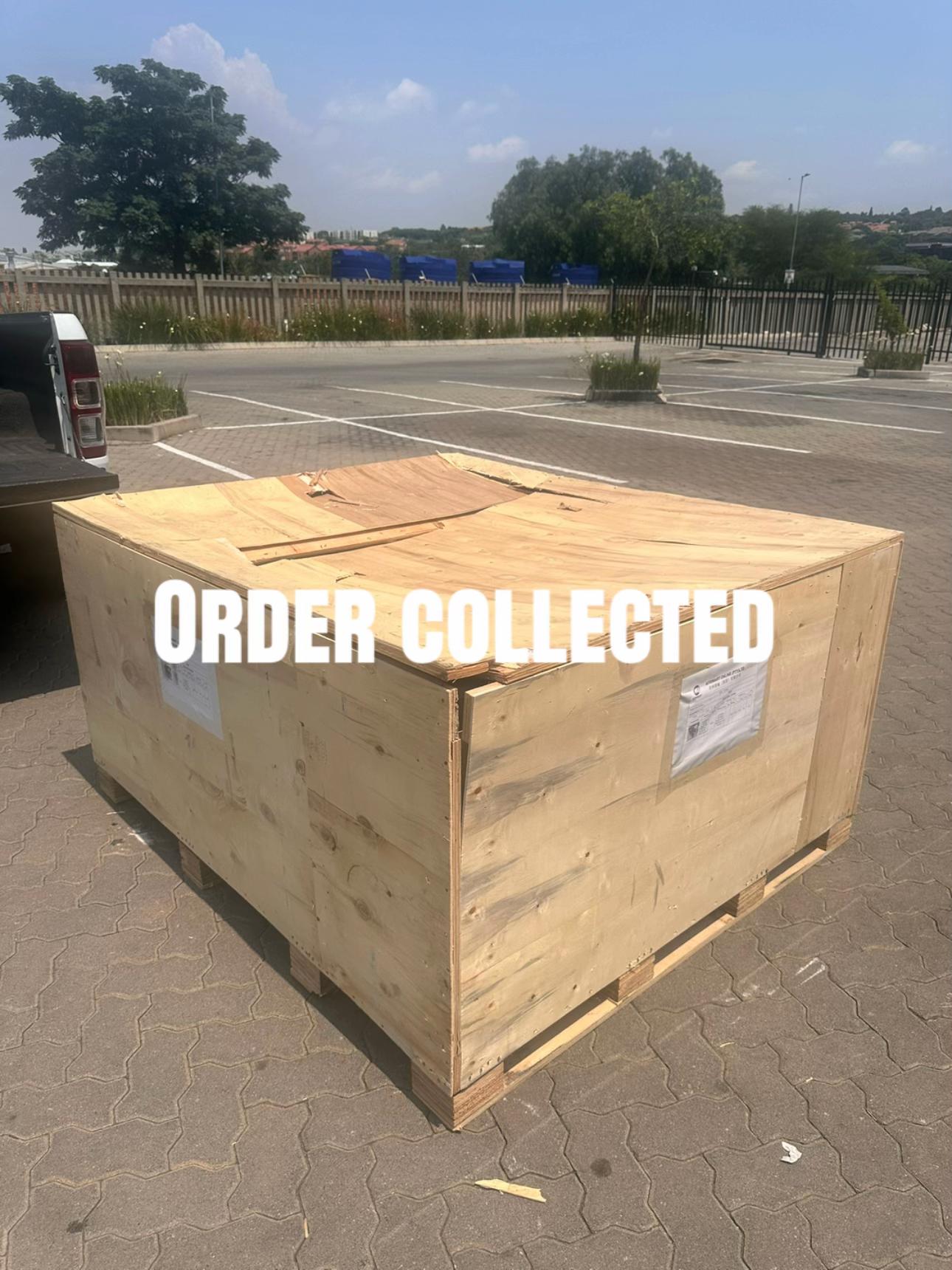
Latest Arrivals
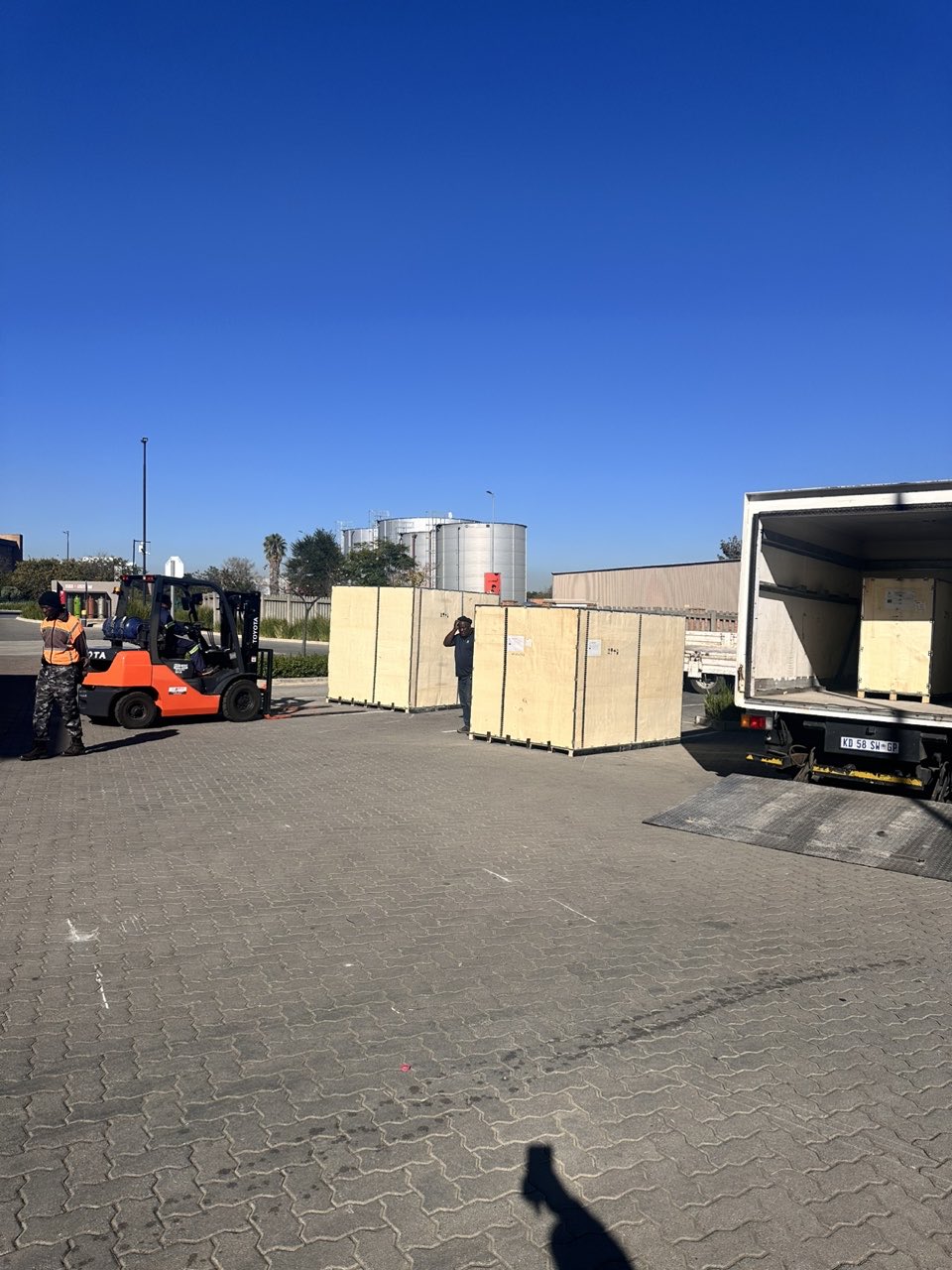
Loading
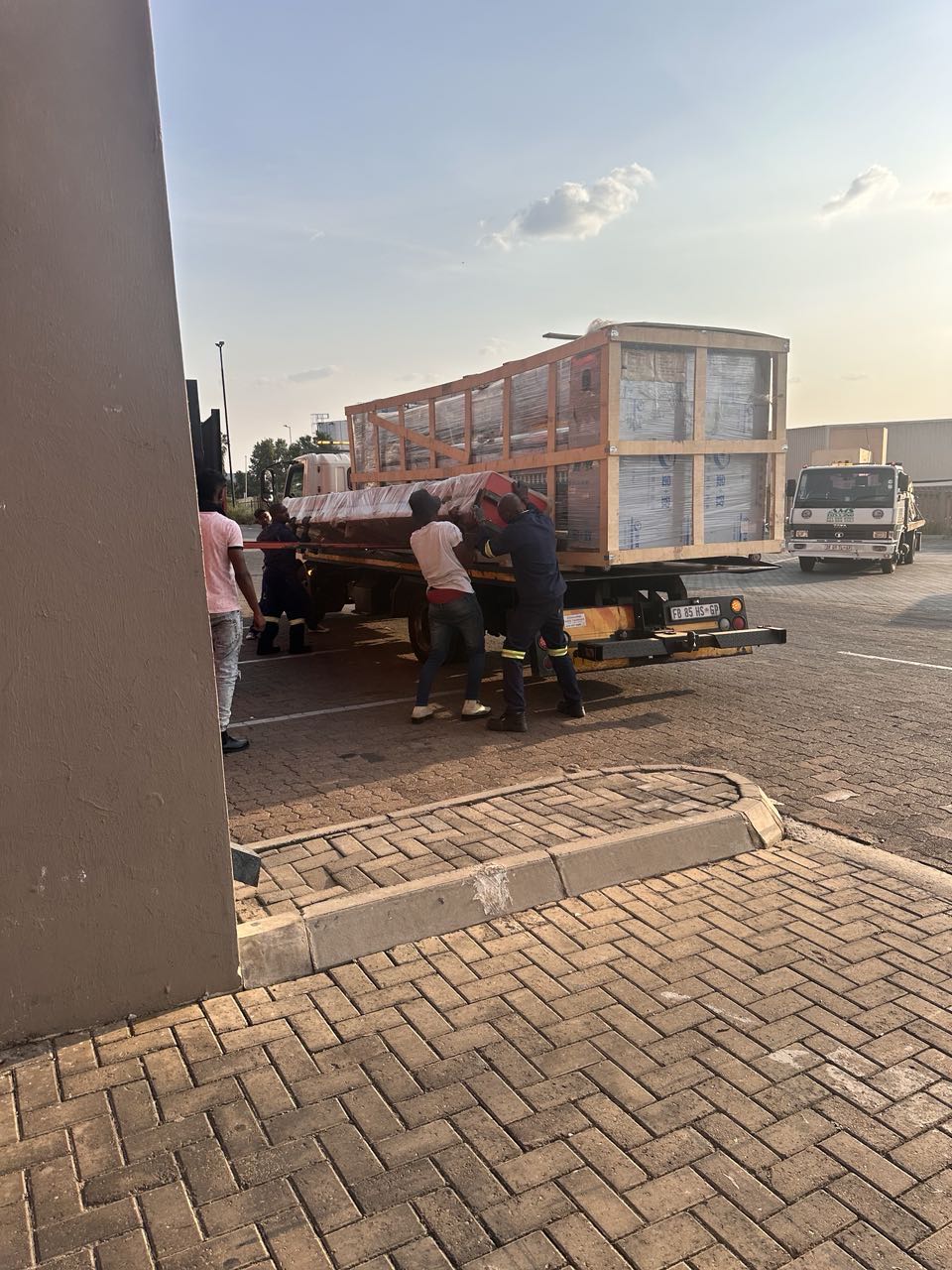
Toilet paper making machine
Toilet paper making machine
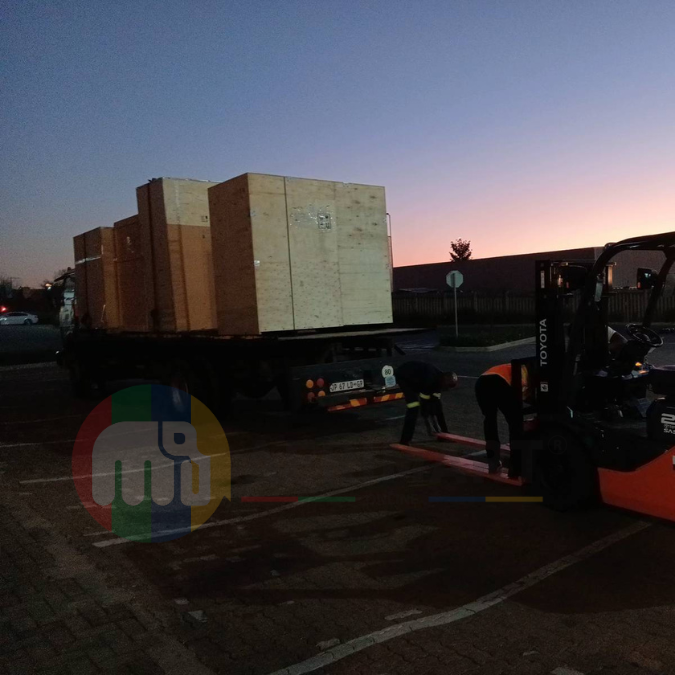
Toilet paper Rewinding Machine
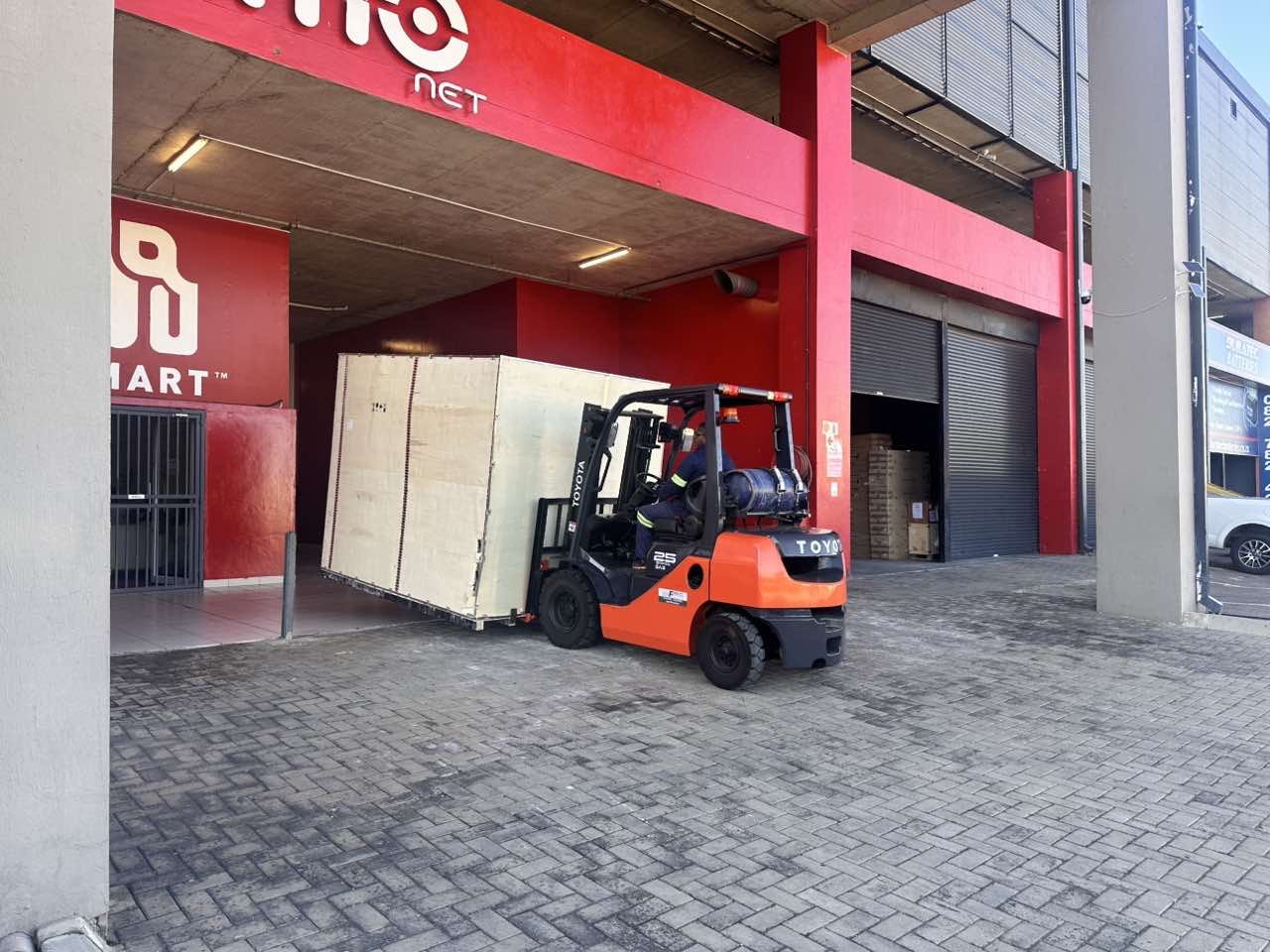
latest arrivals
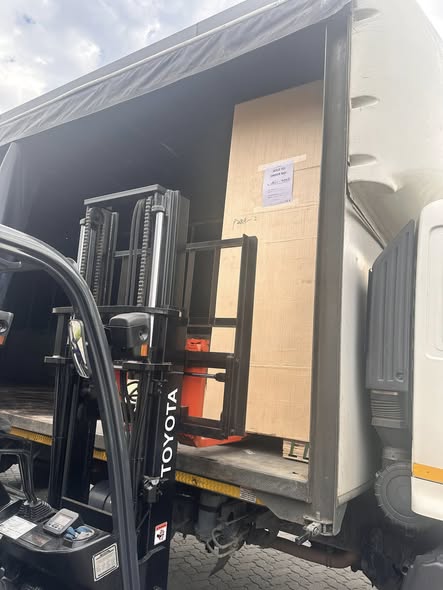
offloading
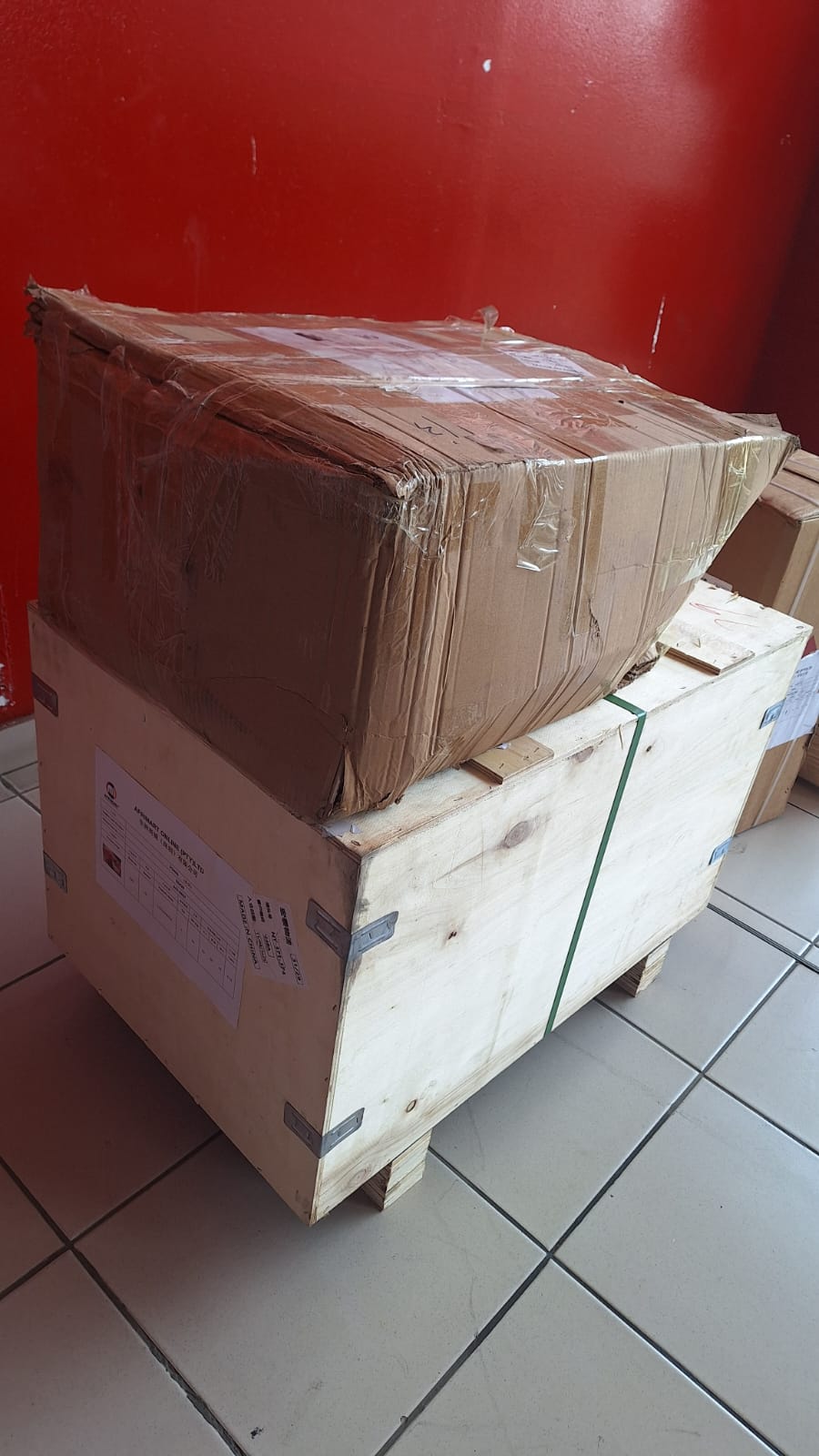
order success
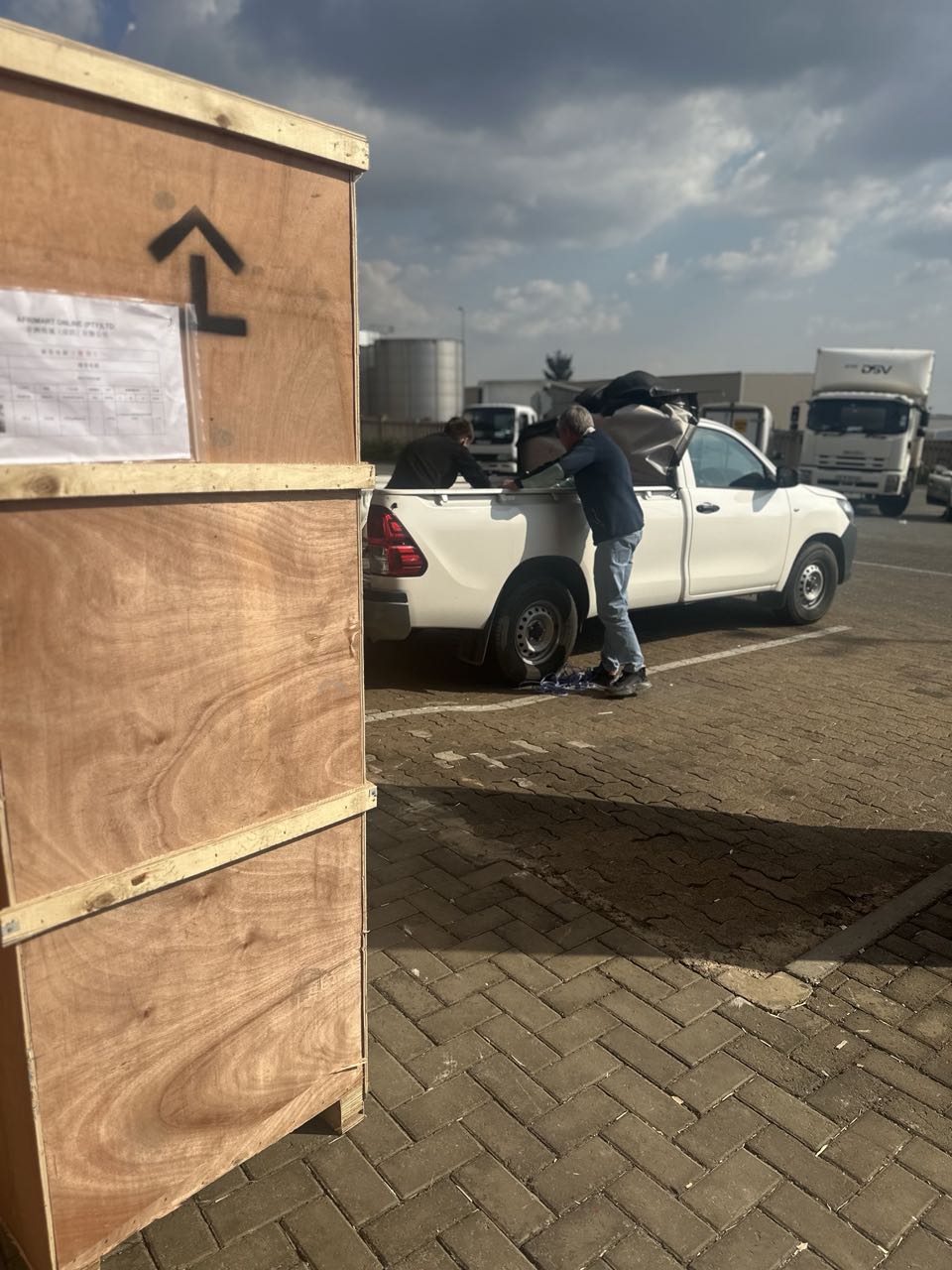
order collection
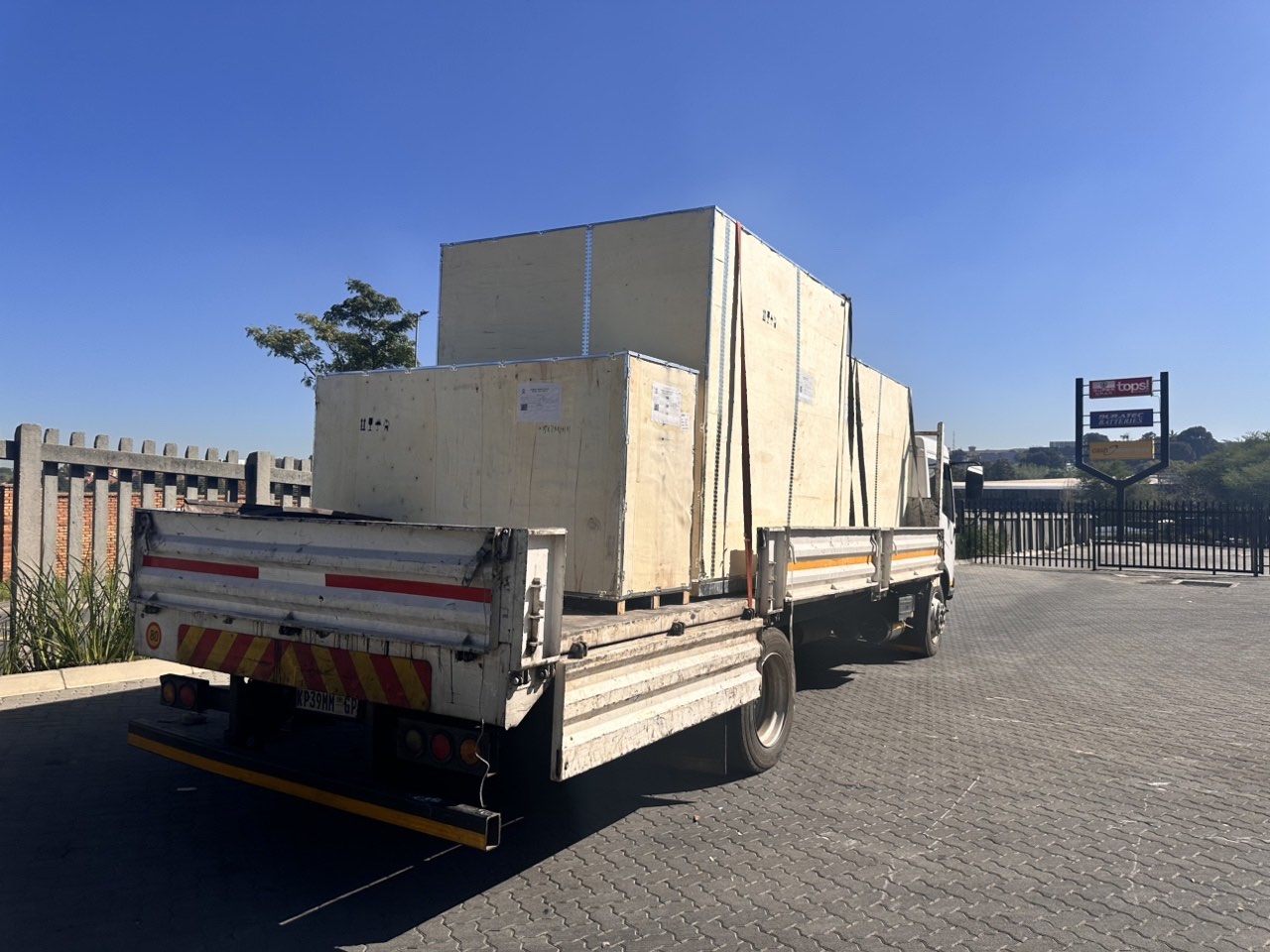
order offloading