B21, China Town Mall, Midrand

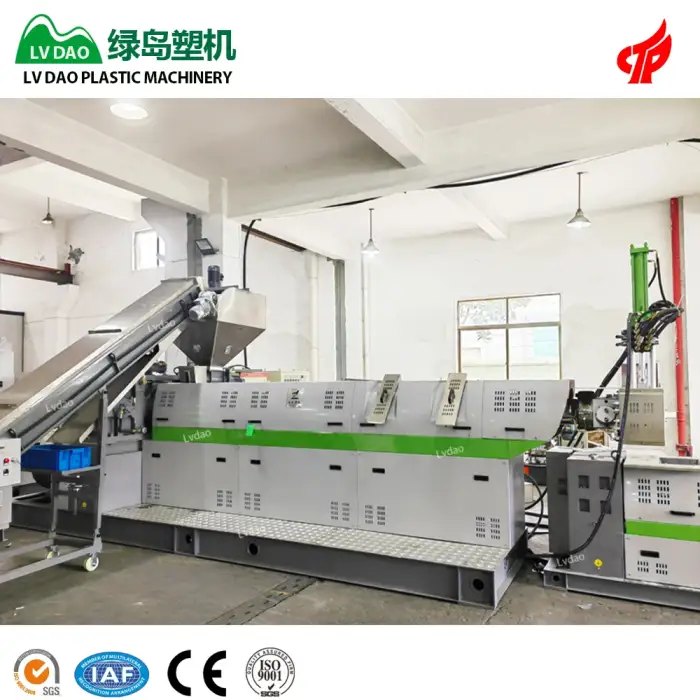
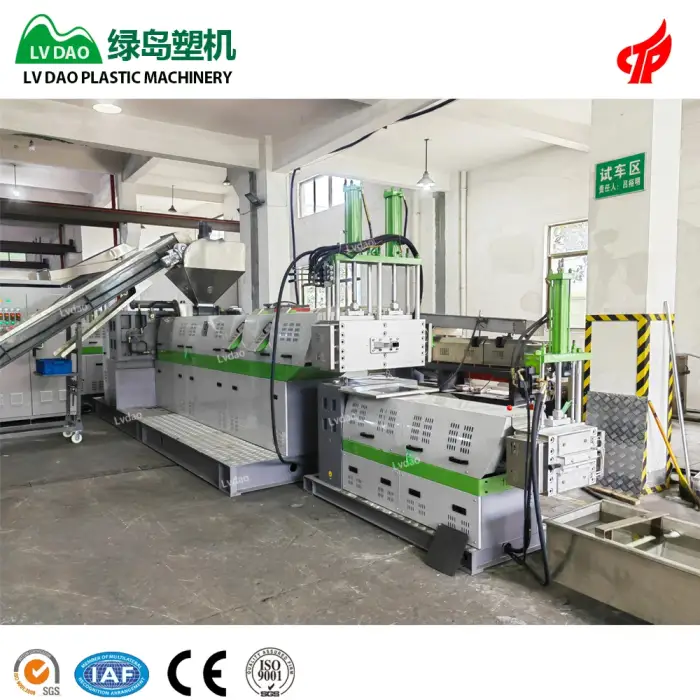
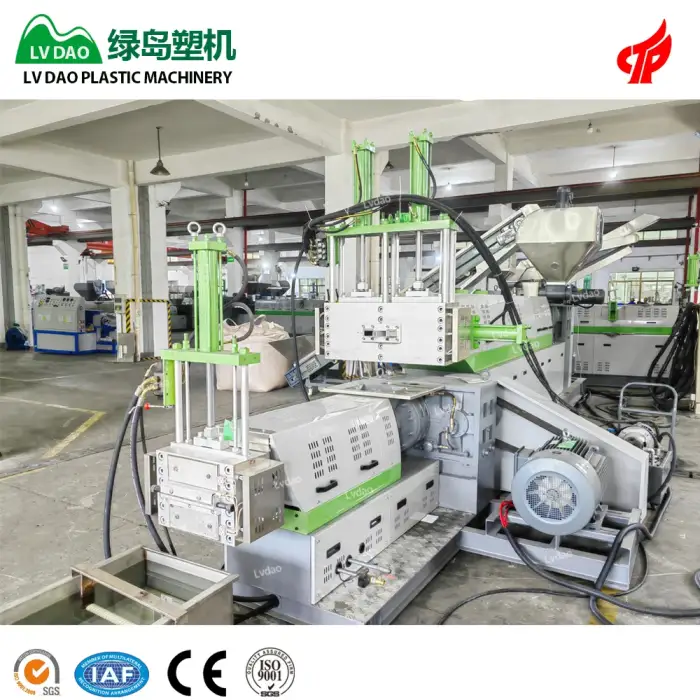
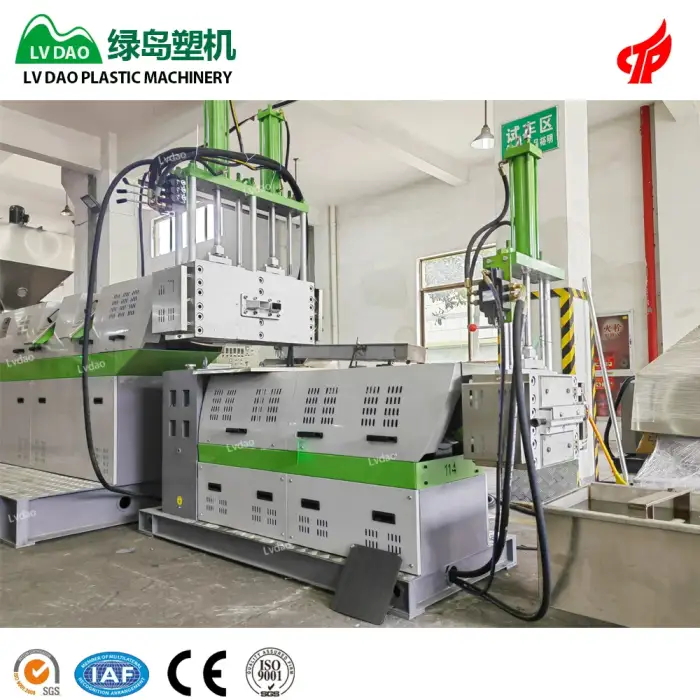
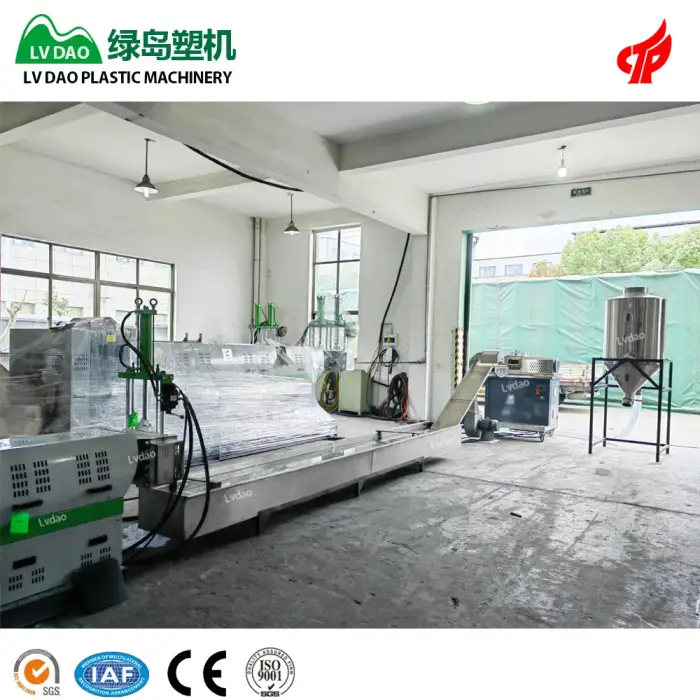
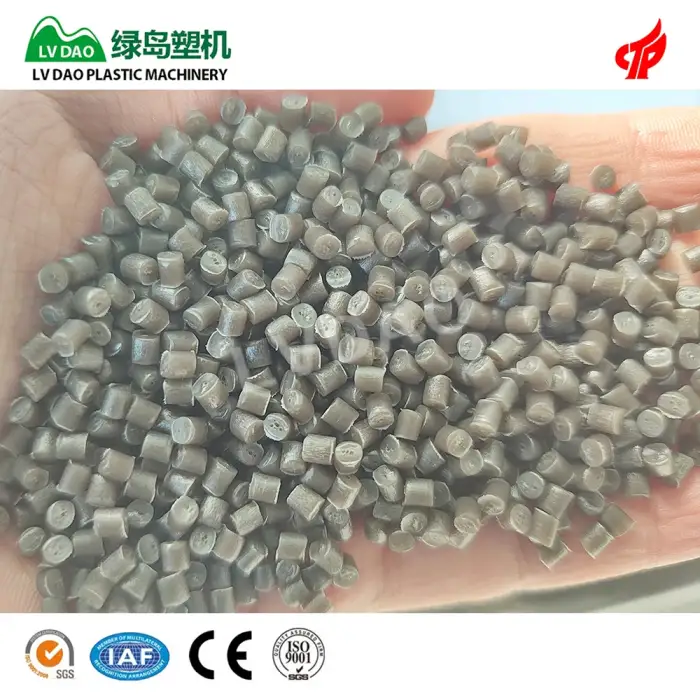
Plastic Recycling Machine pellet Plastic granulator wast plastic machine pelletizing PE PP PS ABS PC High Capacity machine
- Section : Machinery
- Category : Road Machinery
- SKU : 1600797299973

Product Description

Usage:
This machine can process a variety of thermoplastic plastics,such as PC,PA,PP,ABS,PE,POM,PET etc. Different from LDC series, this kind of machine has two even three stages.
Features:
LDD series is used for PP PE ABS PA PS PET crushed material extruding and granule-making. It adopt the two-step structure to meet the the double-layer filter purpose. It can effectively remove the impurities from the recycling material and fully exhaust the gas.It can produce ample,consolidated and fine luster granules.
Material:
PP PE ABS PA PS
Parameter trable:
| Model | Screw dia | Long dia. ratio | Output (kg/h) | Screw rotate speed(r/min) | Power (KW) |
| LDD-SJP-80-70 | Φ80 φ70 | 28:1 10:1 | 50-100 | 10-75 | 18.5/7.5 |
| LDD-SJP-90-85 | Φ90 φ85 | 28:1 10:1 | 100-150 | 10-75 | 22/7.5 |
| LDD-SJP-100-95 | φ100 φ95 | 28:1-10:1 | 150-200 | 10-75 | 30/11 |
| LDD-SJP-110-105 | φ110 φ105 | 28:1-10:1 | 200-250 | 10-75 | 37/11 |
| LDD-SJP-120-110 | φ120 φ110 | 28:1-10:1 | 250-300 | 10-75 | 45/15 |
| LDD-SJP-130-120 | φ130 φ120 | 28:1-10:1 | 300-350 | 10-75 | 55/15 |
| LDD-SJP-140-130 | φ140 φ130 | 28:1-10:1 | 350-400 | 10-75 | 75/18.5 |
| LDD-SJP-150-140 | φ150 φ140 | 28:1-10:1 | 400-500 | 10-75 | 90/22 |
| LDD-SJP-160-150 | φ160 φ150 | 28:1-10:1 | 500-600 | 10-75 | 110/30 |
| LDD-SJP-180-160 | Φ180 φ160 | 28:1-10:1 | 600-700 | 10-75 | 132/37 |


- Shipping Timeframes: All orders are processed within 2-5 business days (excluding weekends and holidays). After your order has been processed, the estimated delivery time is before 25 May, 2026, depending on customs, Please note that due to high demand, some items may experience longer shipping times, which will be communicated at order confirmation email.
- Order Processing Time: Please allow 2-5 business days for us to process your order before it is shipped . Orders placed after 16:00 on Fridays, or during weekends and public holidays, will begin processing on the next business day. Processing times may be extended during peak seasons or sales events.
- Manufacturing Time: Some products needs manufacturing time, the manufacturing process will take approximately 10-30 business days depending on the product. This timeframe may vary depending on the complexity of the product and current demand. but this will be communicated with you during order confirmation.
- Returns and Exchanges: We offer a 30-day return policy for most items. If you are not completely satisfied with your purchase, you may return it within 30 days of receipt for a refund or exchange. Items must be unused, in their original packaging, and accompanied by proof of purchase. Return shipping costs are the responsibility of the customer, unless the item was damaged or defective upon arrival.
1. What types of plastics can the Plastic Recycling Machine process?
The machine can process a variety of thermoplastic plastics, including PC, PA, PP, ABS, PE, POM, and PET.
2. How does the two-step structure benefit the recycling process?
The two-step structure allows for double-layer filtering, effectively removing impurities from the recycled material and ensuring a higher quality output.
3. What is the output capacity of the machine?
The output capacity varies depending on the model, ranging from 50 kg/h to 1600 kg/h.
4. Is this machine suitable for industrial use?
Yes, this high-capacity machine is suitable for industrial applications, especially for large-scale plastic recycling operations.
5. What is the power requirement for the different models?
The power requirement ranges from 18.5 KW for smaller models to 132 KW for larger models.
6. What is the significance of the screw diameter and length-to-diameter ratio?
The screw diameter and length-to-diameter ratio are critical for determining the efficiency of the extrusion process, affecting the output and quality of the granules produced.
7. Can the machine handle mixed plastic types?
Yes, the machine is capable of processing mixed plastic types, as long as they fall within the specified thermoplastic categories.
8. What maintenance is required for the machine?
Regular maintenance includes cleaning the filters, checking the screws for wear, and ensuring that all electrical components are functioning properly.
9. Does the machine come with a warranty?
Yes, the machine typically comes with a manufacturer's warranty, but the specific terms may vary, so it's advisable to check with the supplier.
10. What kind of granules does this machine produce?
The machine produces ample, consolidated, and fine luster granules, suitable for further processing or sale.
11. How do I choose the right model for my needs?
Choosing the right model depends on your production requirements, including the type of plastic you will be processing and the desired output capacity.
12. Is training provided for operating the machine?
Many suppliers offer training for operating the machine as part of the purchase agreement, but it's best to confirm with the specific supplier.
13. What are the safety features of the machine?
The machine is equipped with safety features such as emergency stop buttons, overload protection, and safety guards to ensure safe operation.
14. Can this machine be used for small-scale operations?
While the machine is designed for high capacity, smaller models are available that can suit small-scale operations.
15. What are the dimensions of the machine?
The dimensions vary by model, so it is important to check the specifications for each model to ensure it fits your space requirements.
Latest Order Arrivals
Discover our latest orders
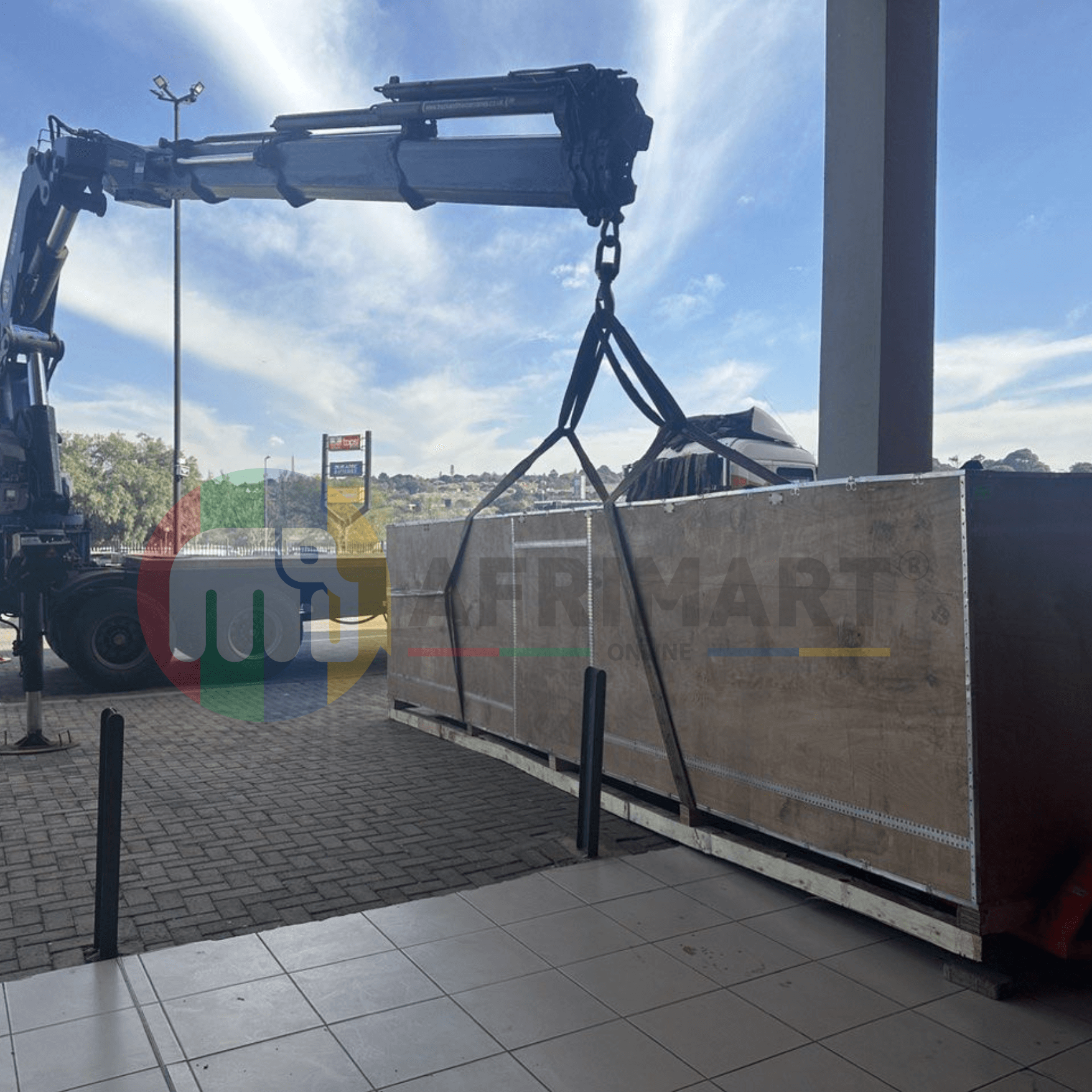
12 Heads Embroidery Machine
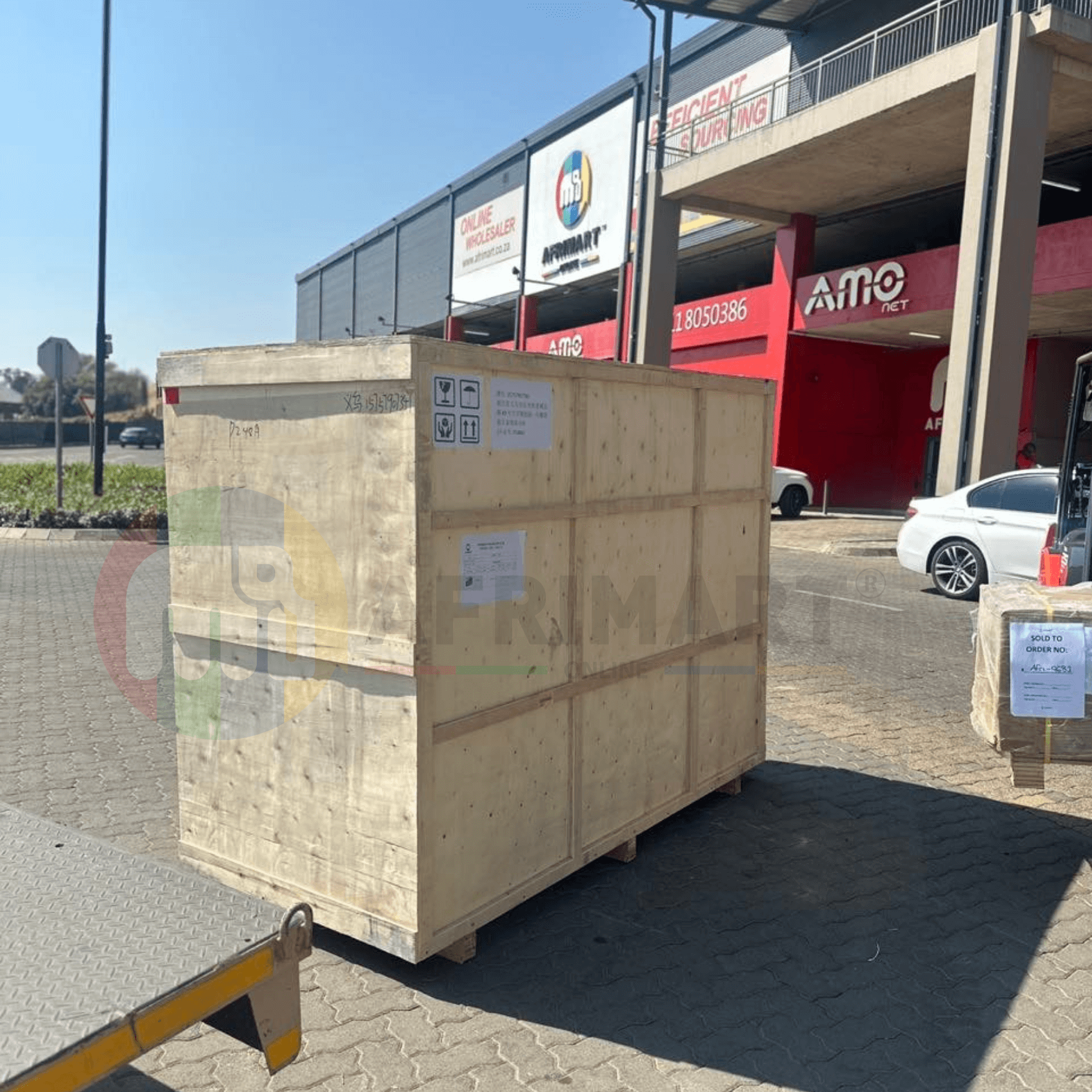
Dewatering Pump Machine
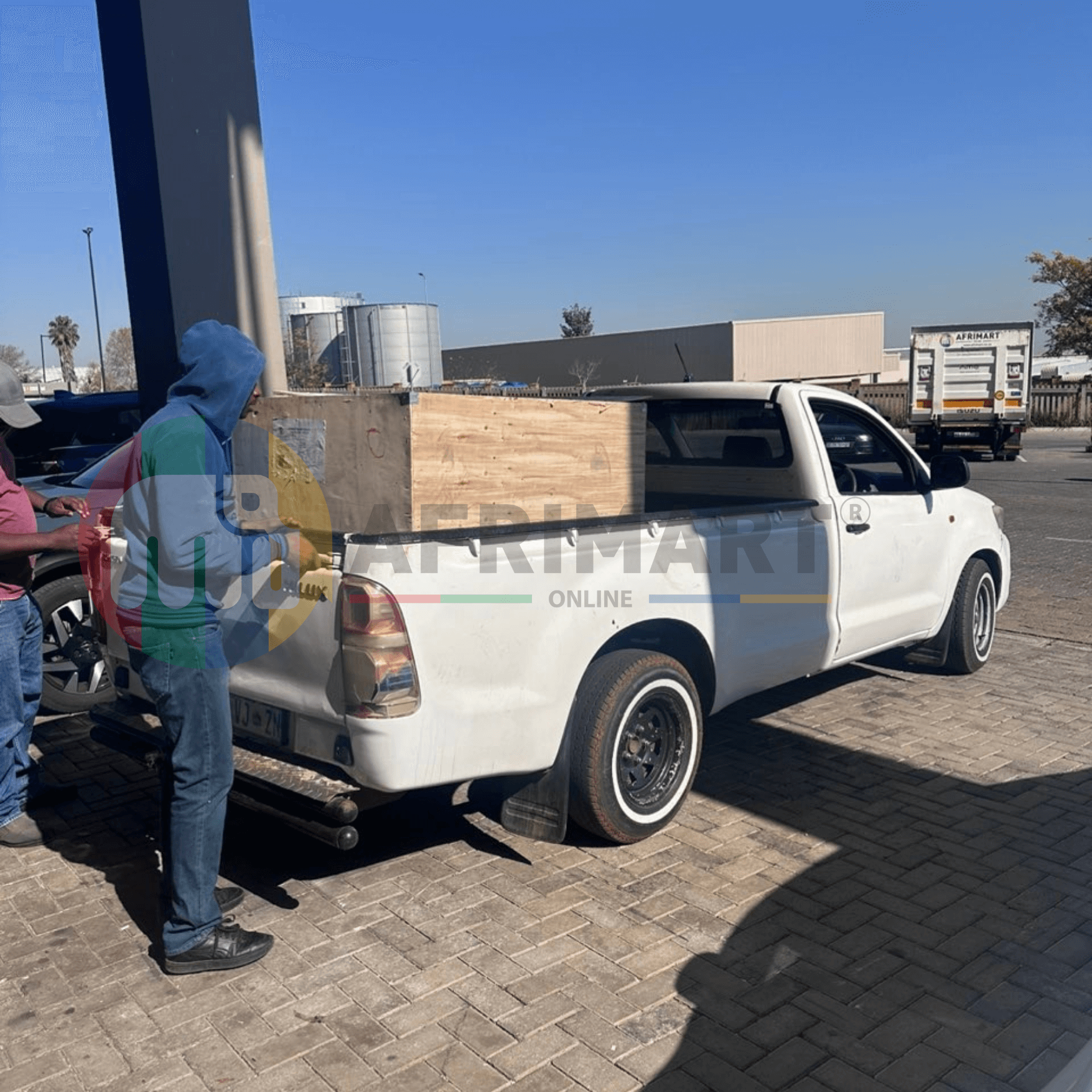
Order Collection
Portable Water Drilling Rig
Order Usefully Collected
Batch of Orders
Agriculture Processing Machines
Meat Grinder Machine
Water Pump Equipment
Packaging Machine and accessories
Fabrics Manufacturing Equipment
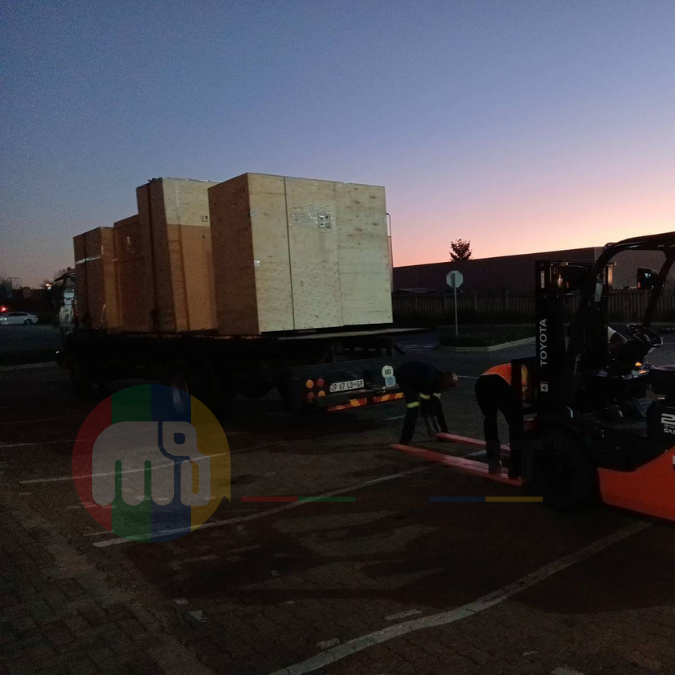
Mining Equipments
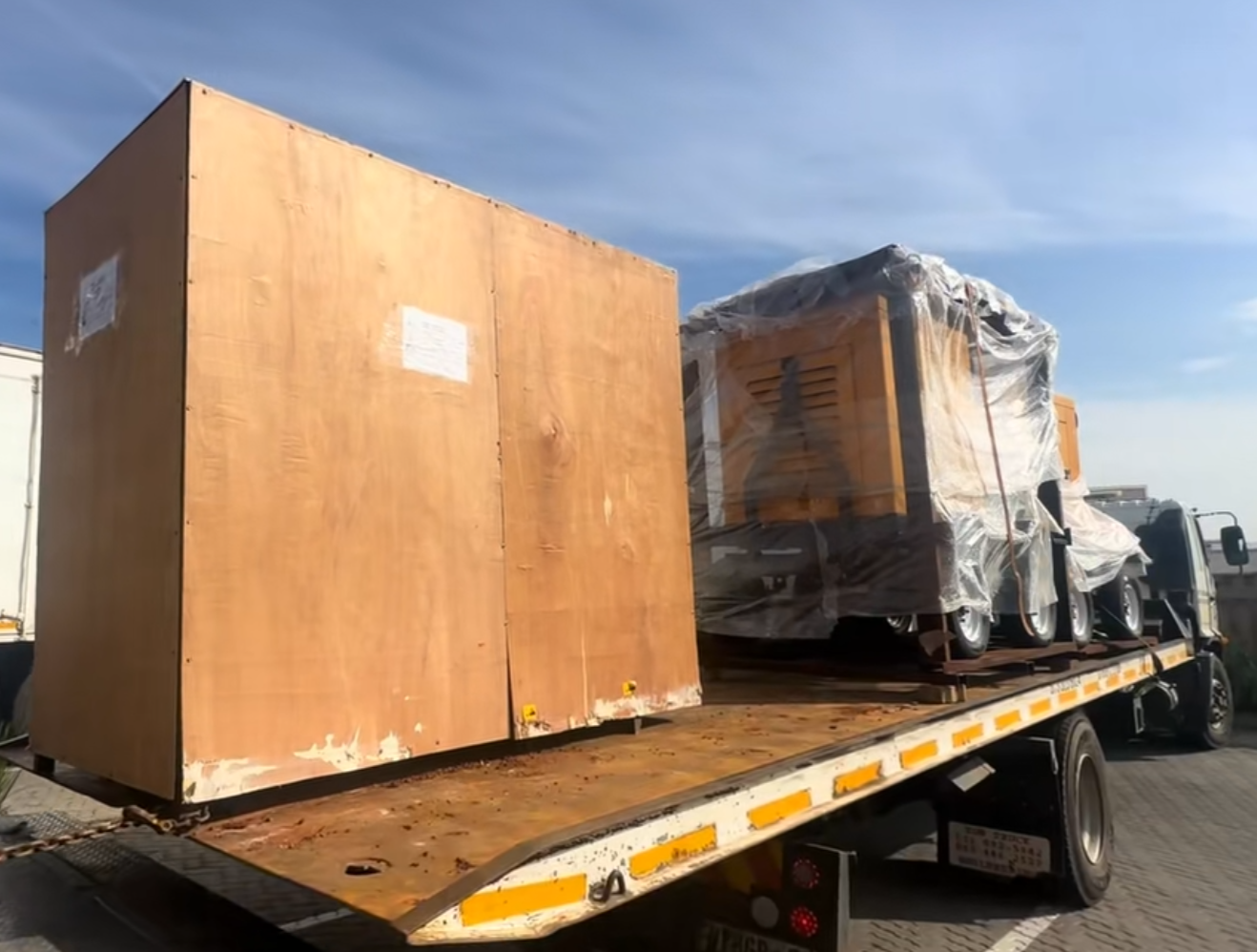
Food Processing Machine
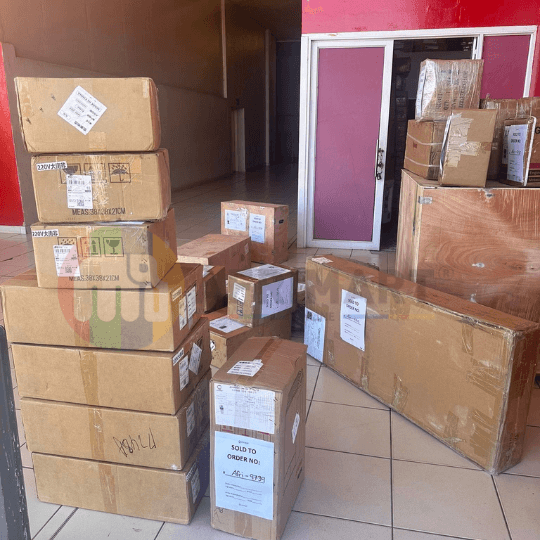
Batch of Orders
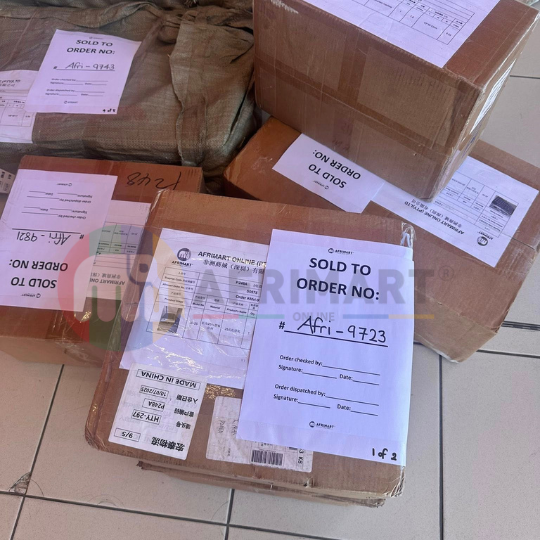
Batch of Orders
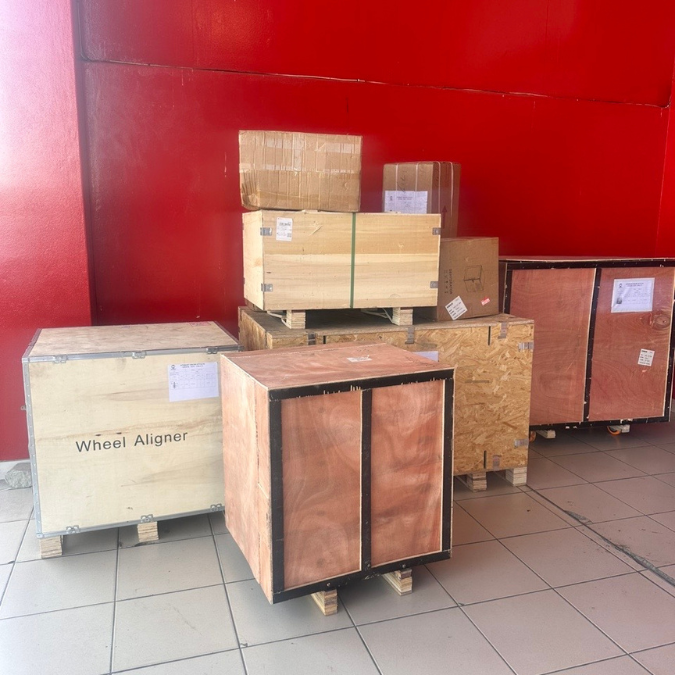
Latest Orders Labelled
wheel alignment machines
new arrivals
Pre Orders Offloading
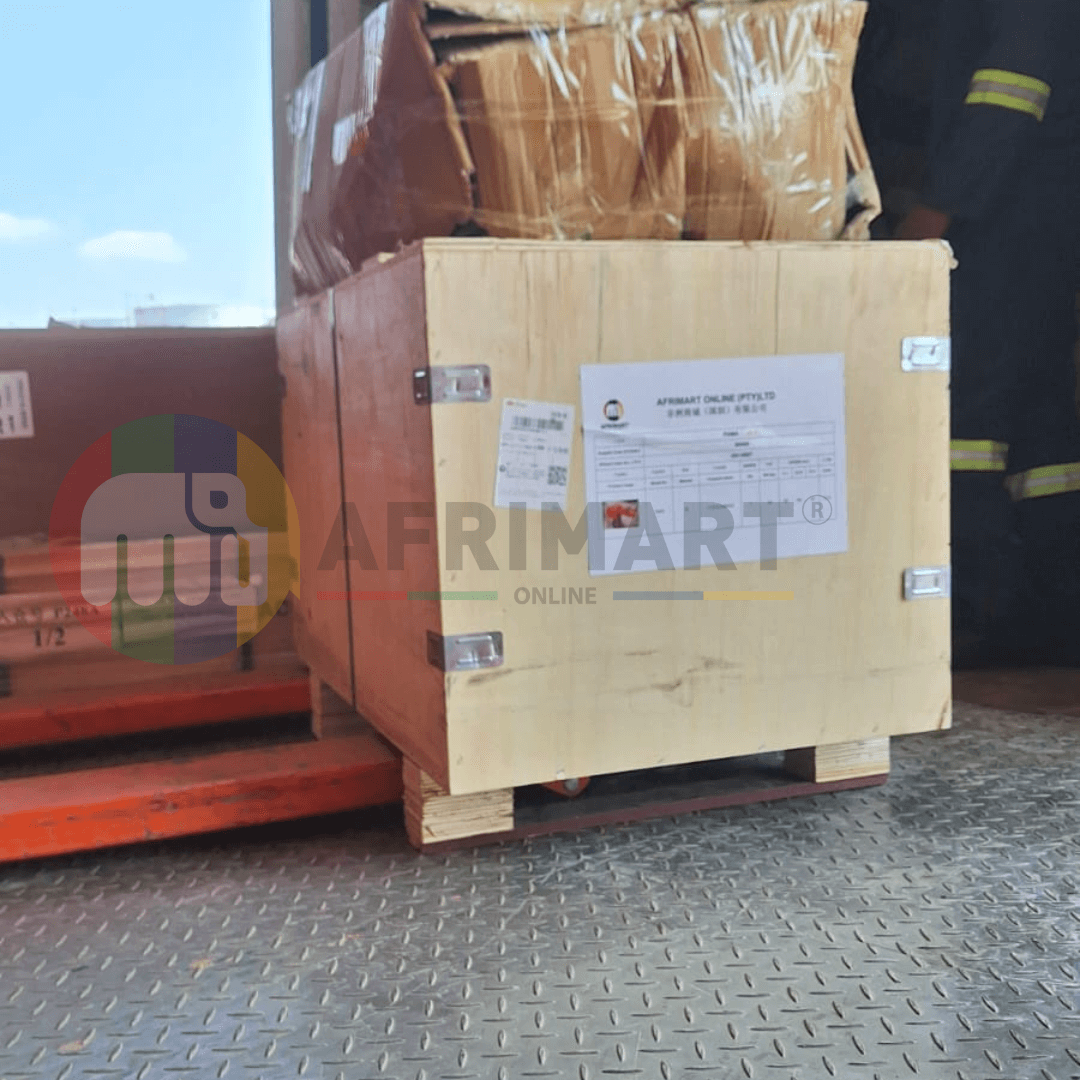
Latest Arrivals
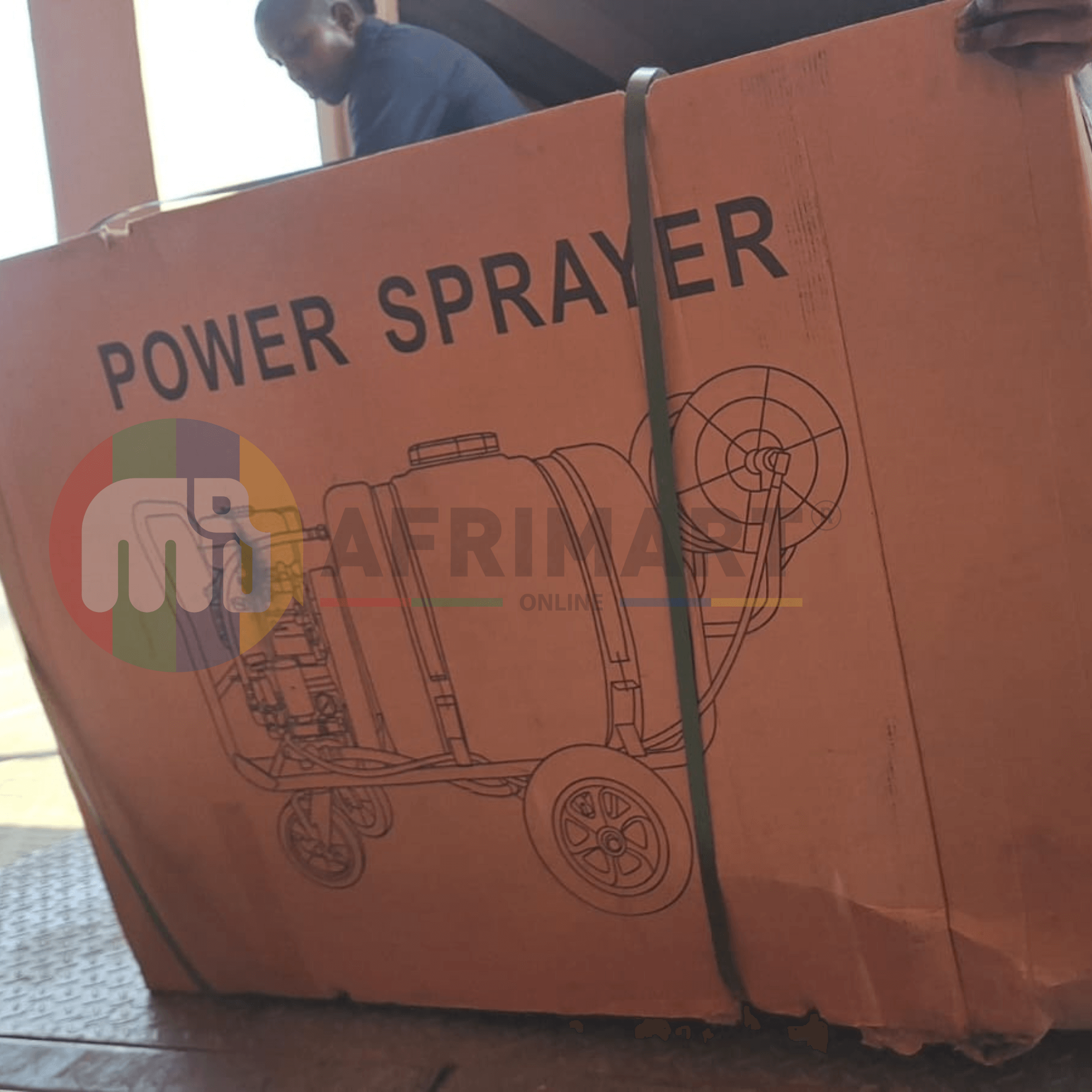
Latest Arrivals
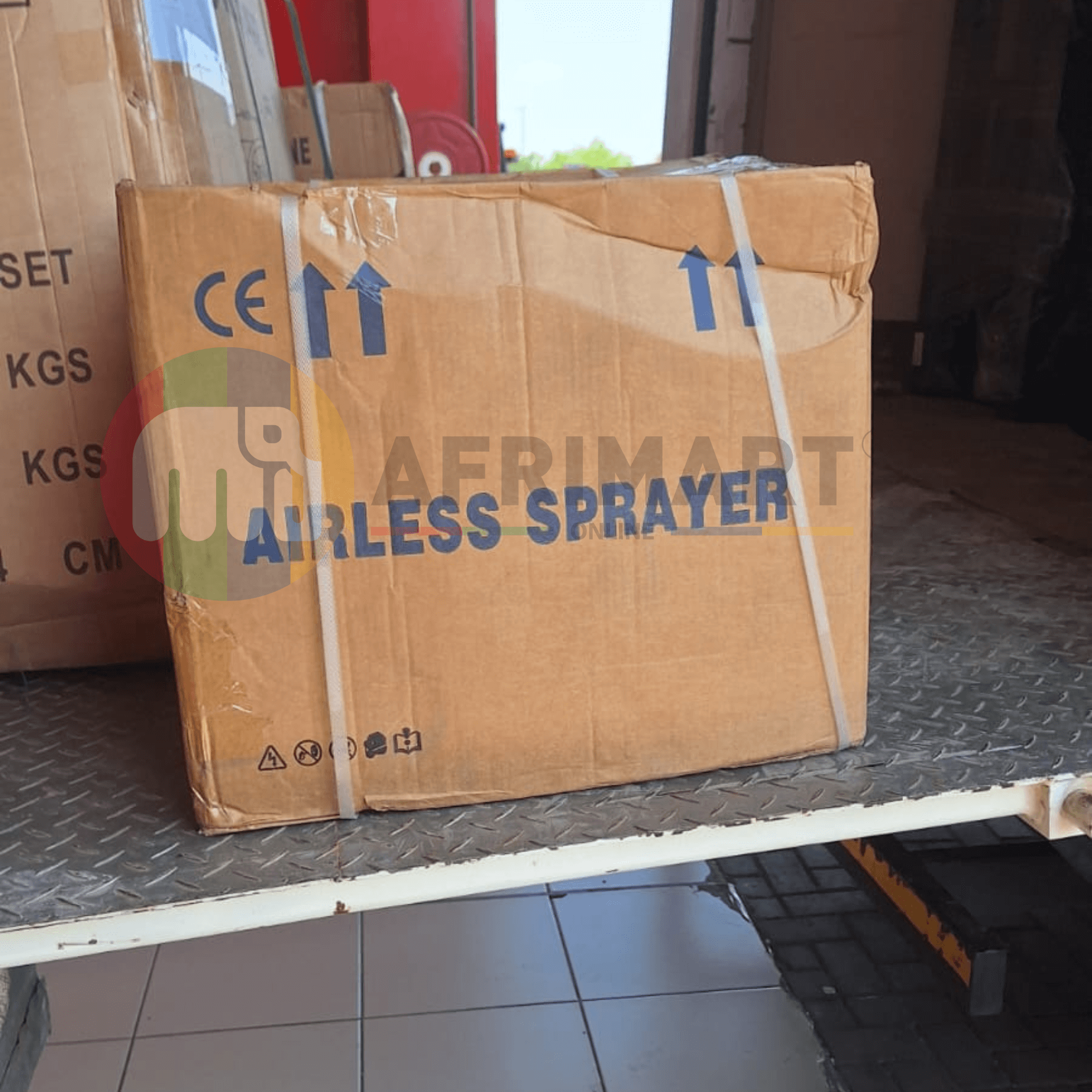
Latest Arrivals
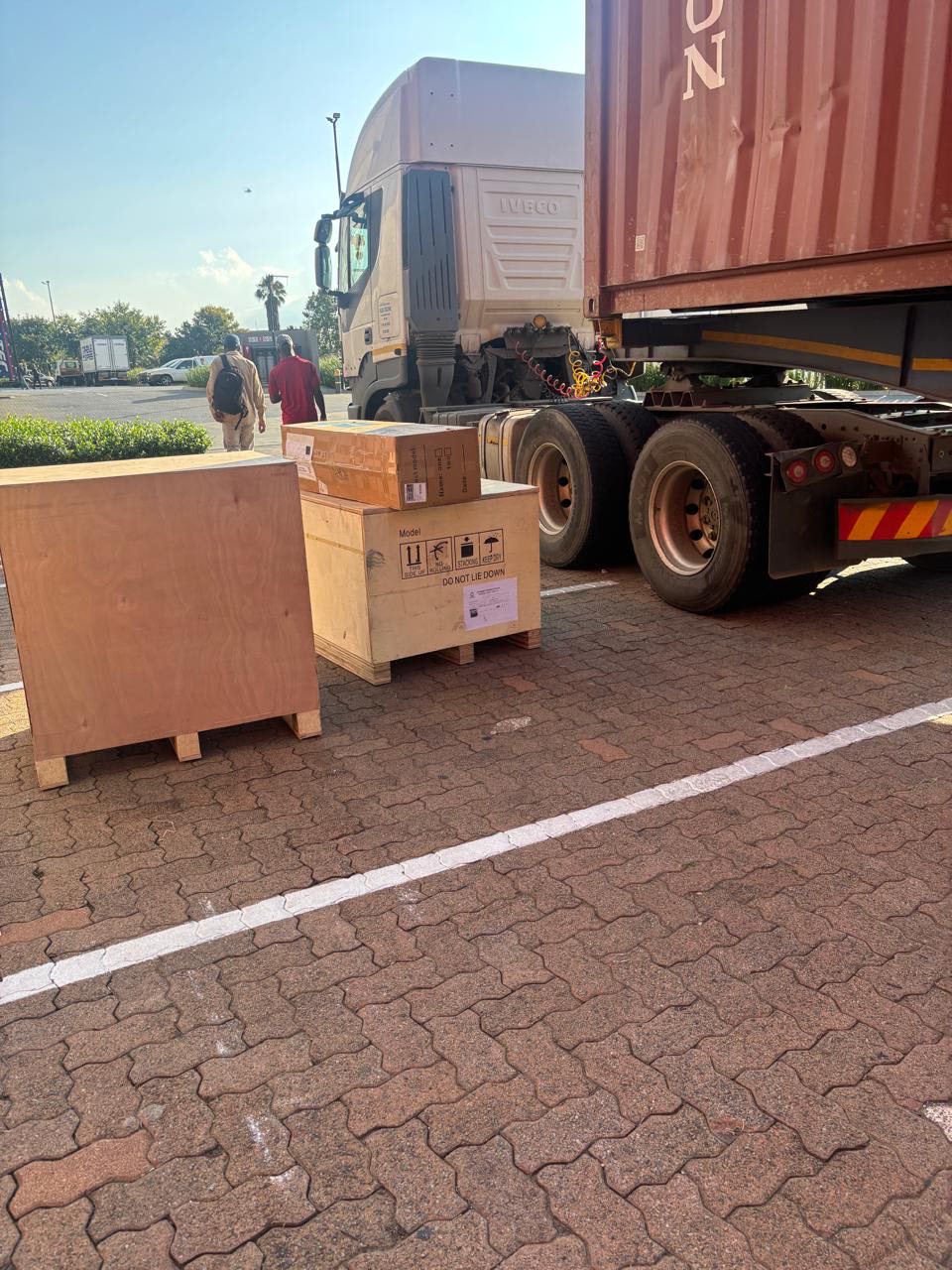
26 January 2026
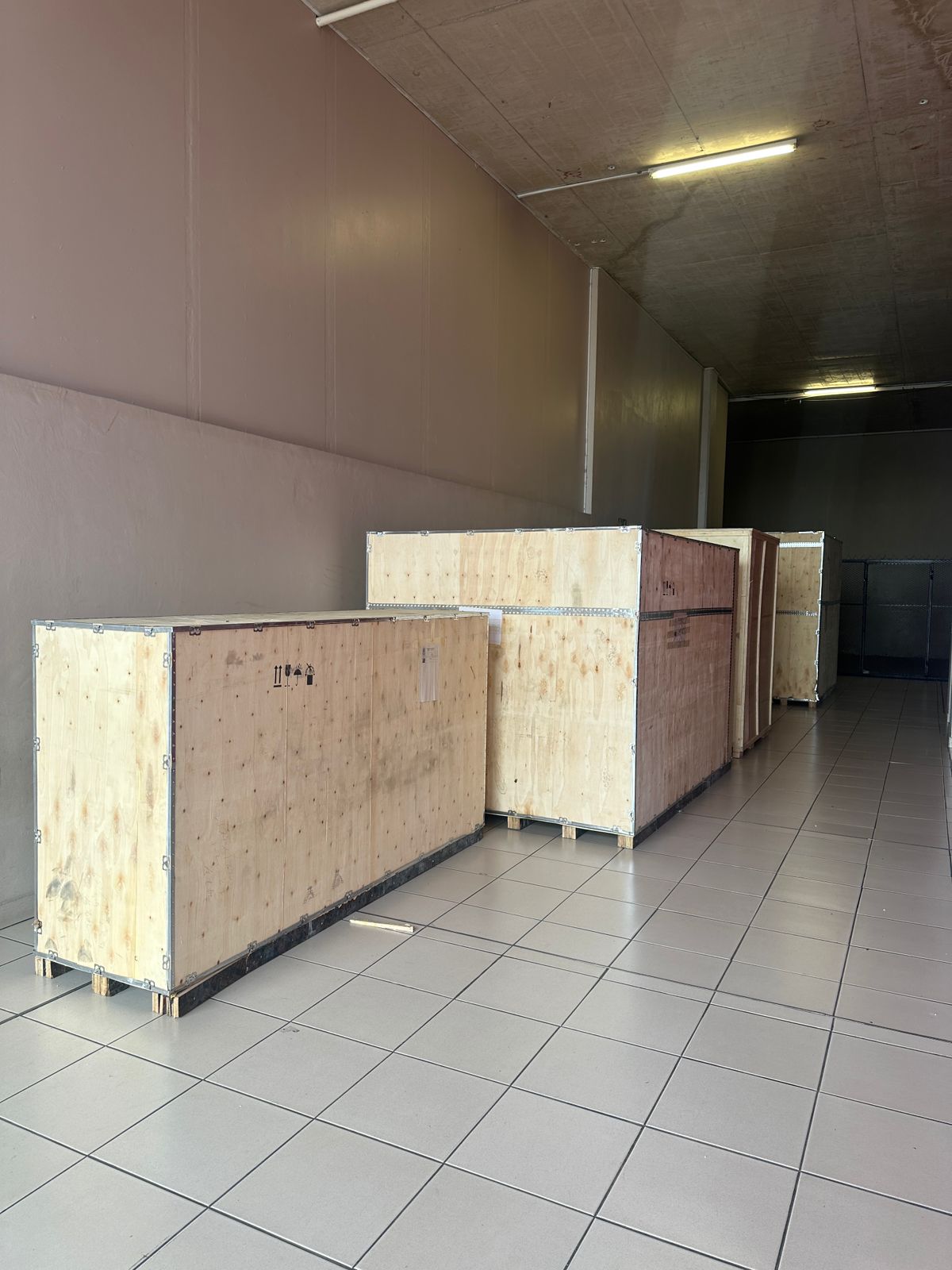
Toilet paper making machine
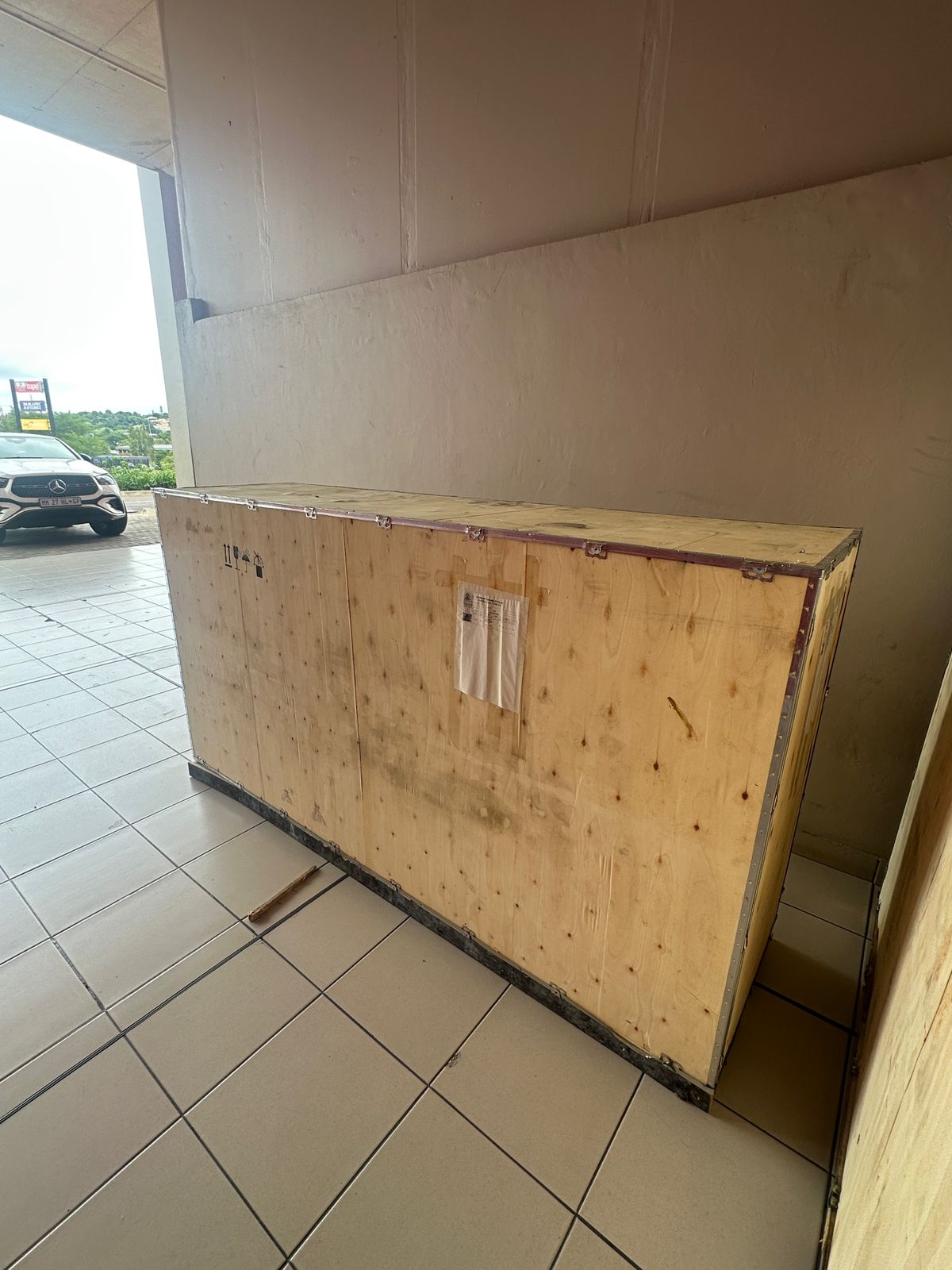
Toilet paper making machine
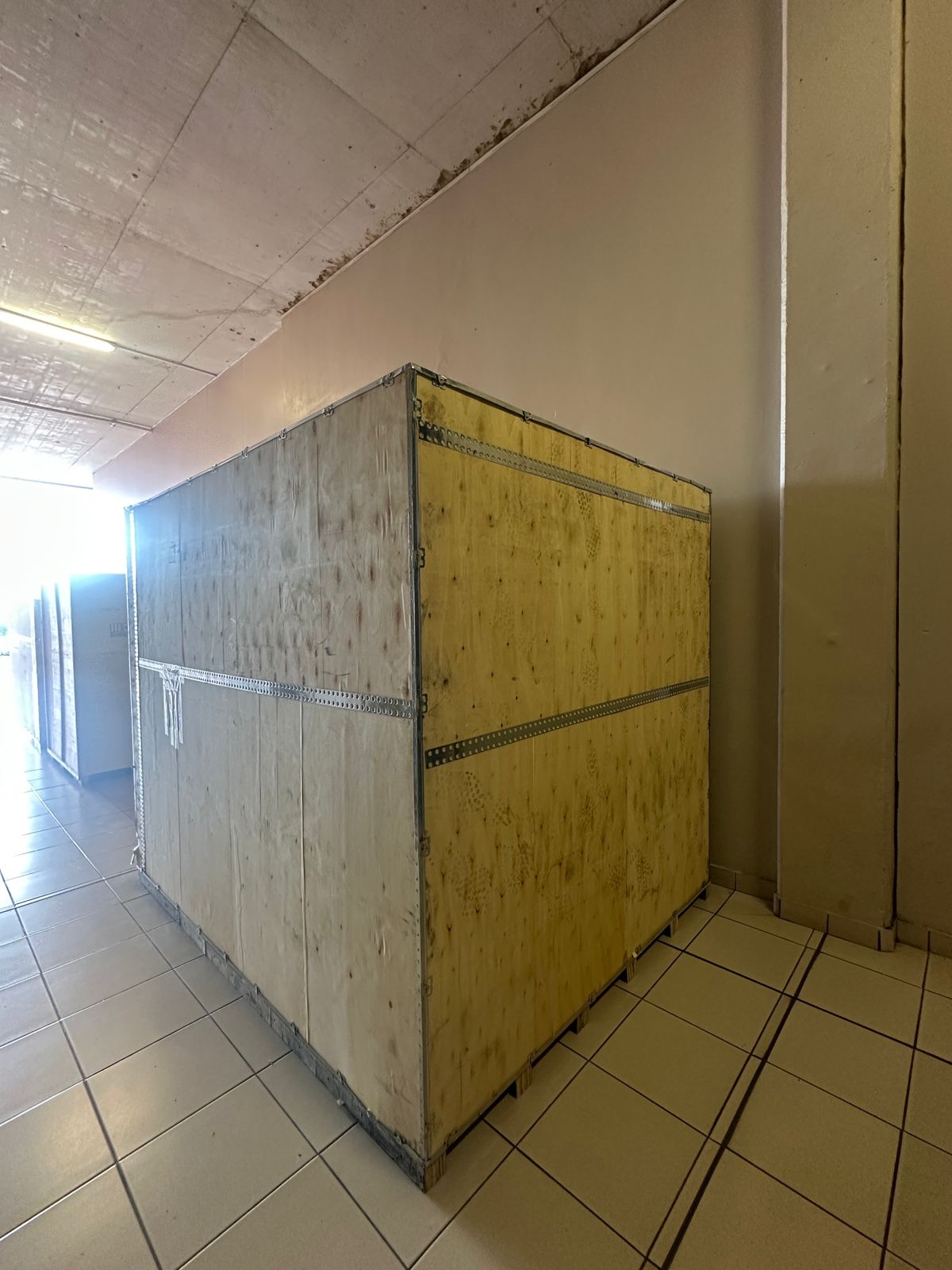
Toilet paper Rewinding Machine
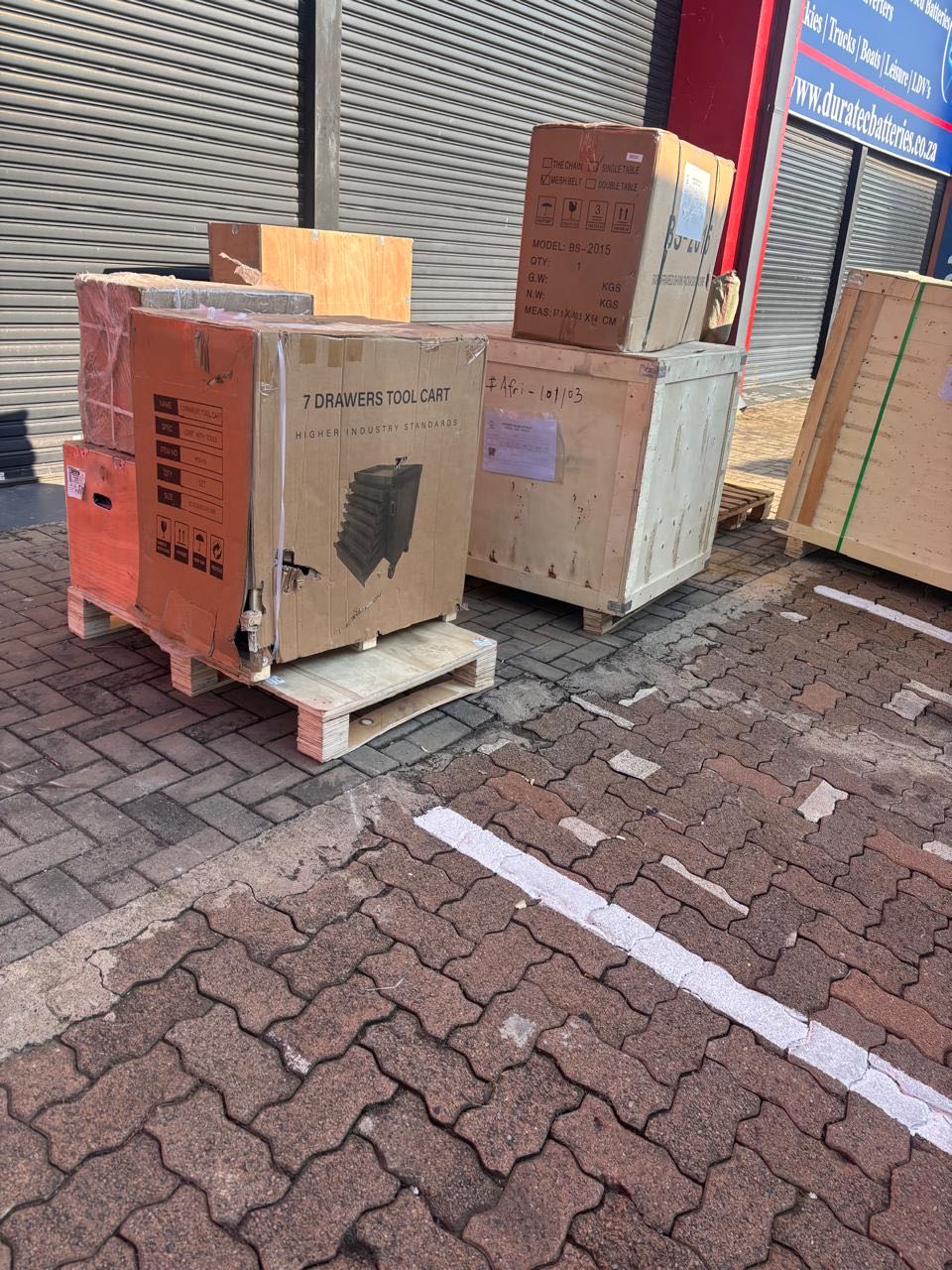
latest arrivals
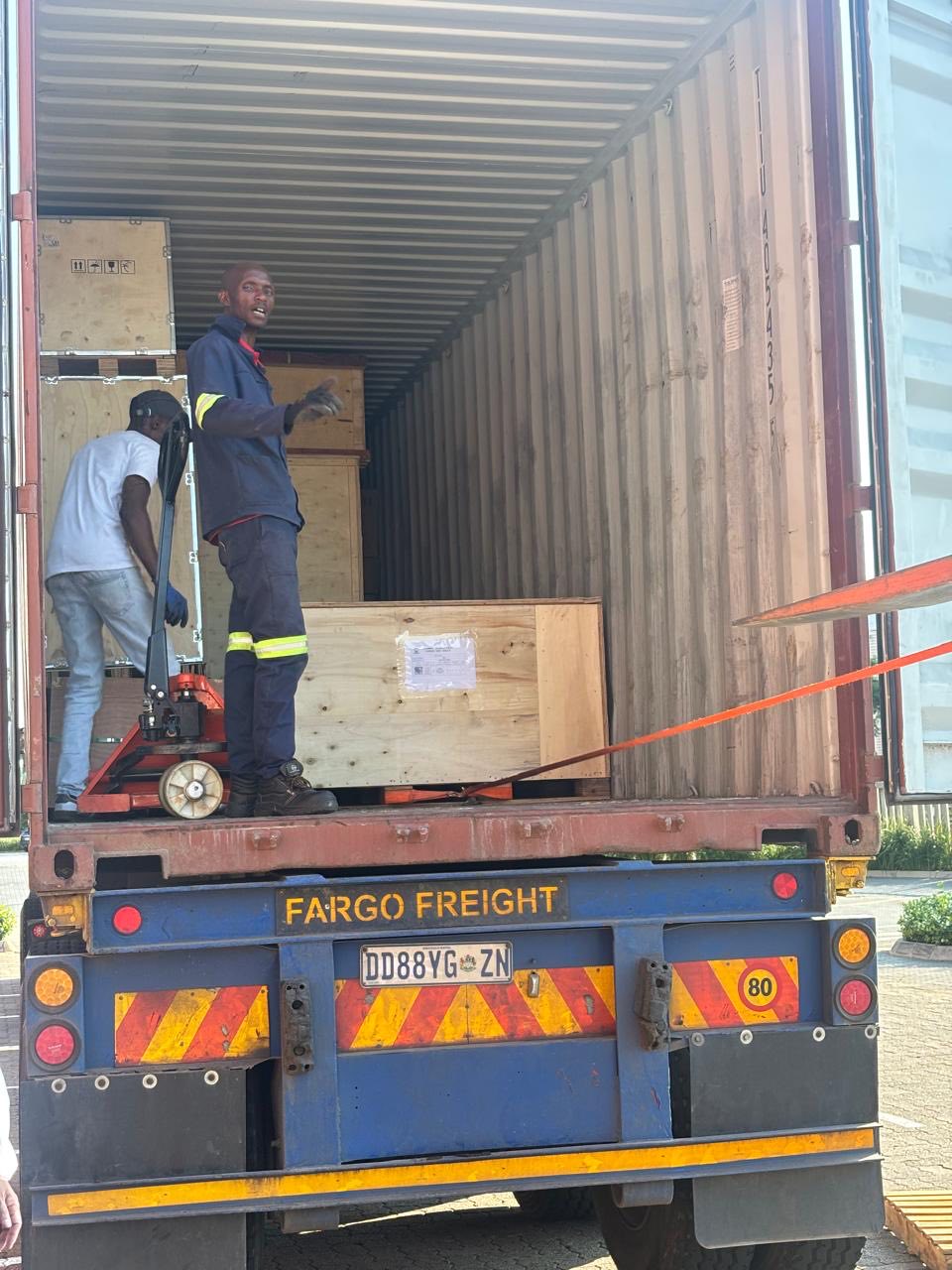
offloading
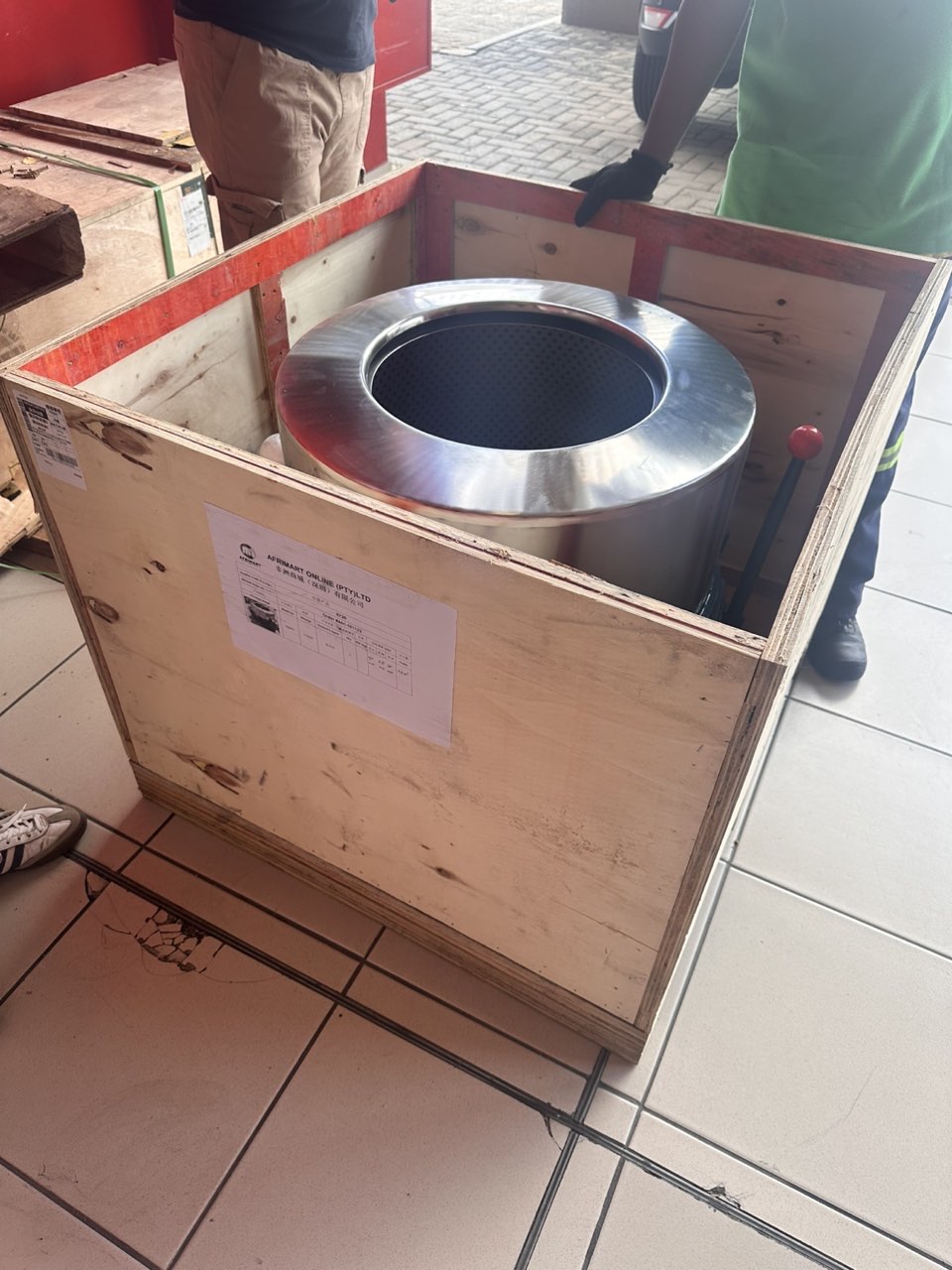
order success
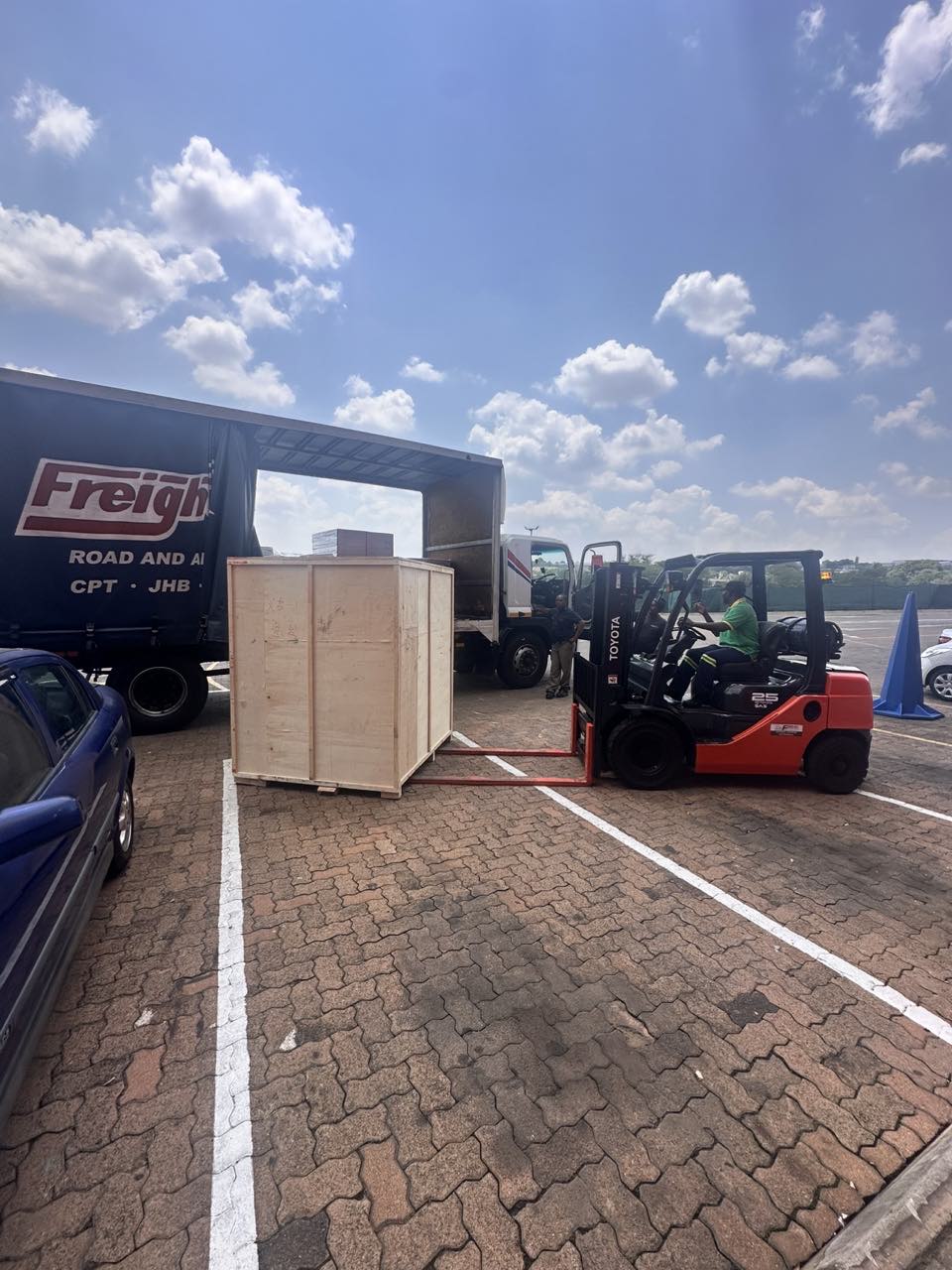
order collection
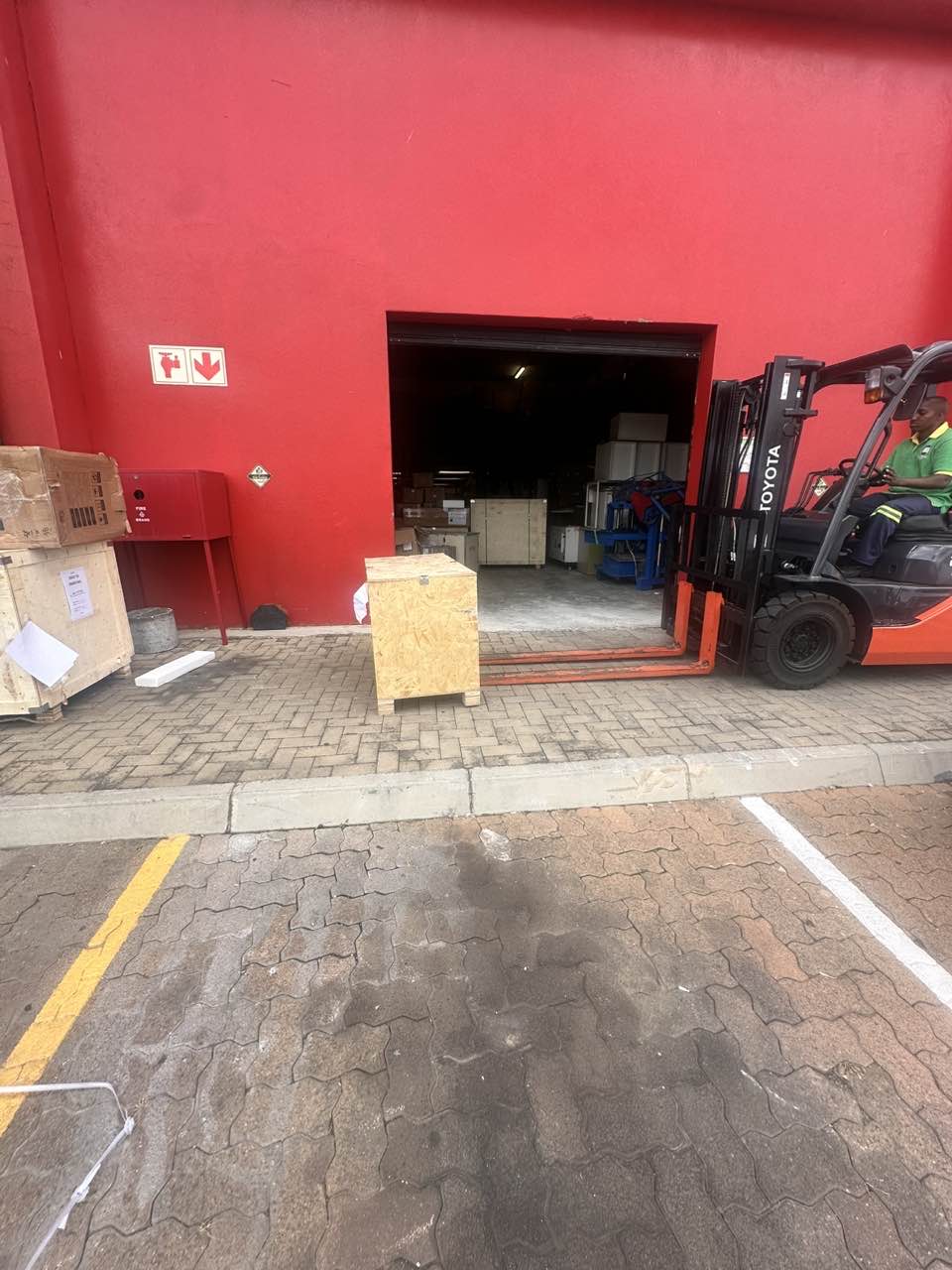
order offloading