B21, China Town Mall, Midrand

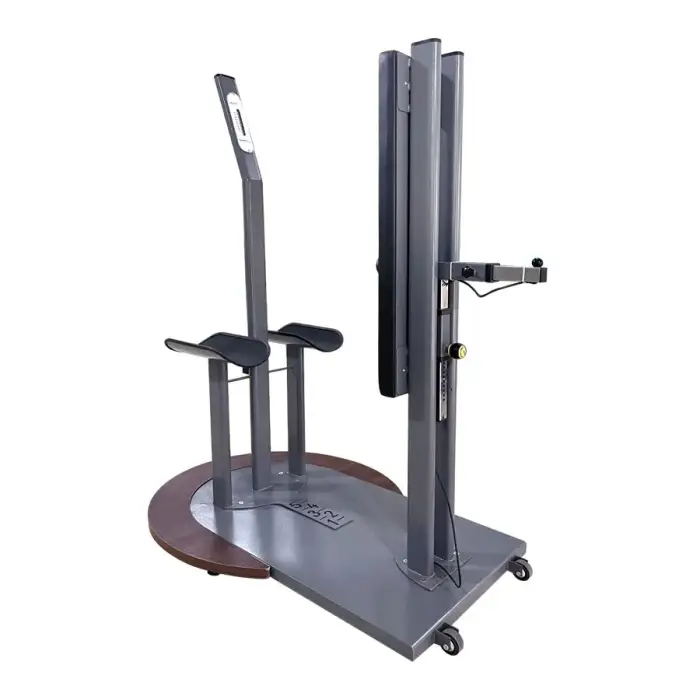
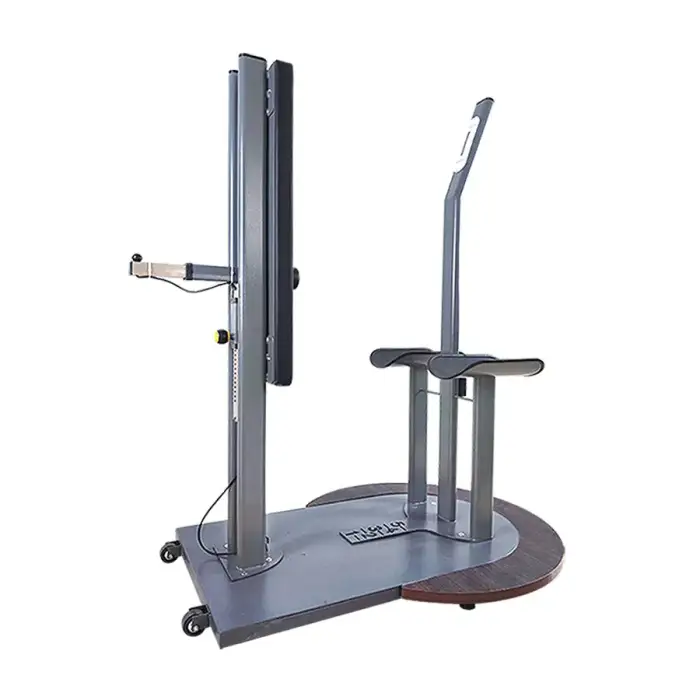
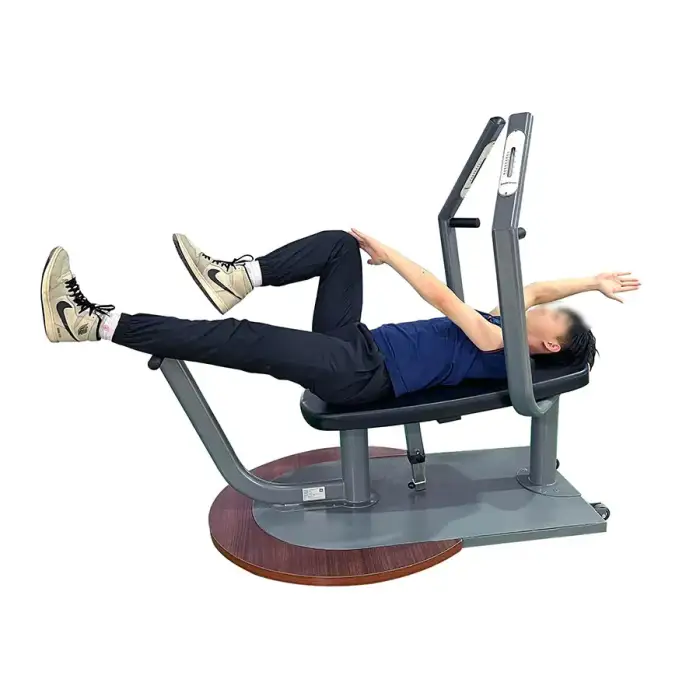
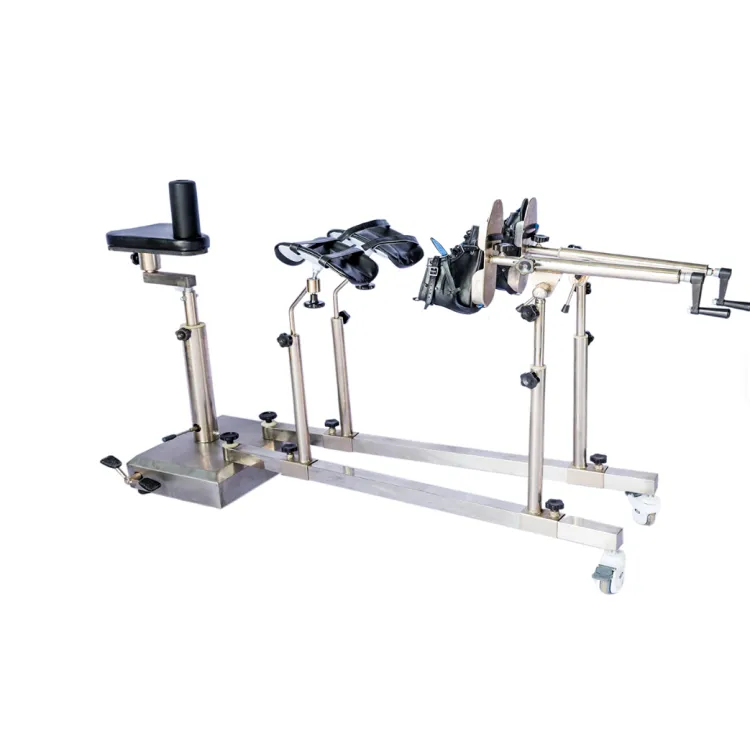
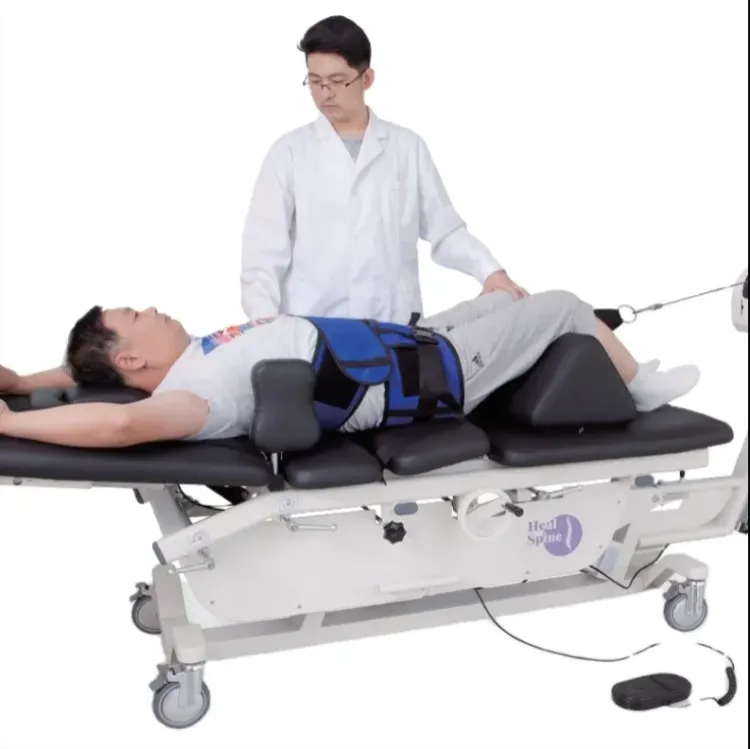
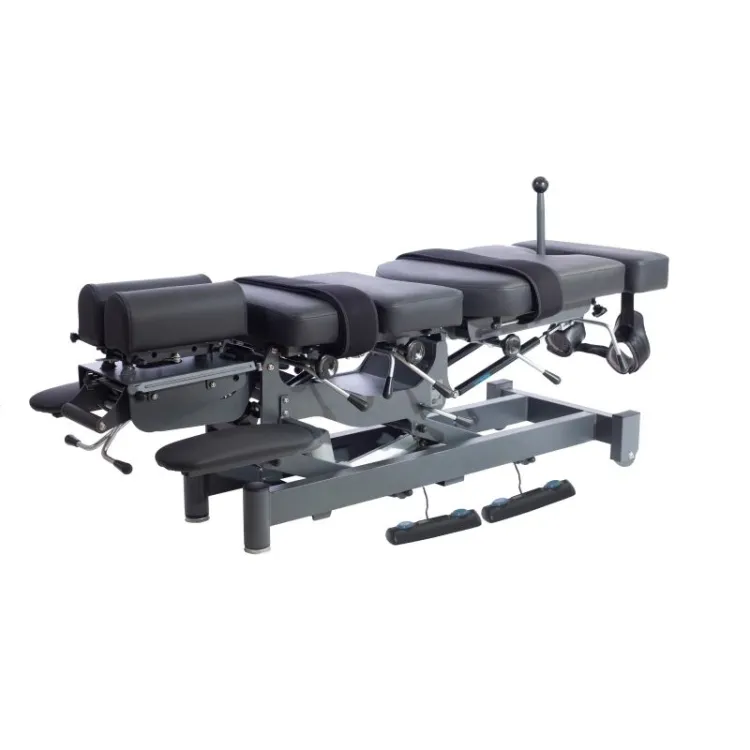
Physical Therapy Equipments Physical Therapy Upper And Lower Limbs Rehabilitation Trainer
Asset finance available
Do you want funding for this equipment?
Afrimart can connect you with trusted funding partners who specialise in asset finance for businesses like yours. Compare options and apply in minutes — final approval is subject to provider review.
Check funding options
Secure & no obligation

- Section : Medical Supplies
- Category : Rehabilitation Equipment
- SKU : 1601207079303

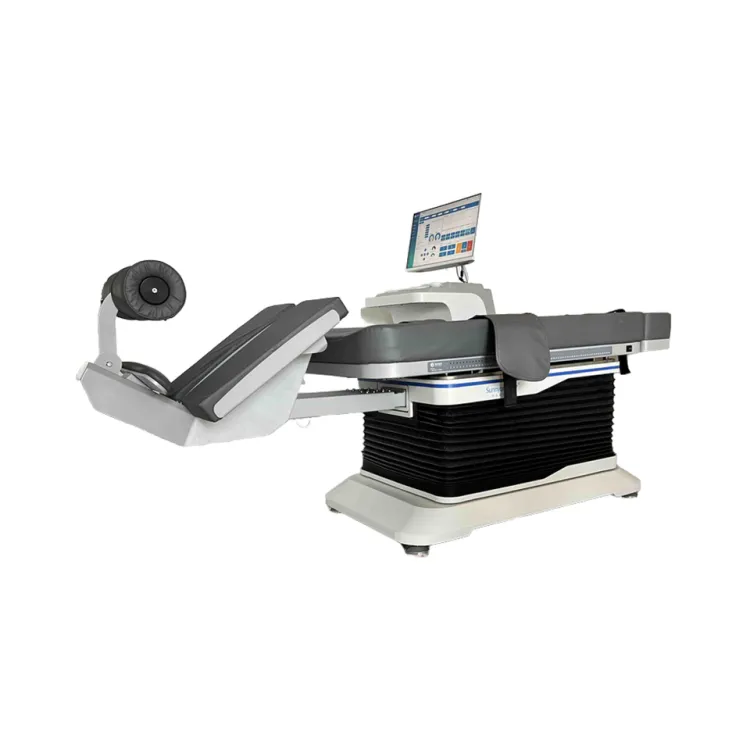
Spinal Segmental Stabilization Rehabilitation System
This advanced rehabilitation system is designed to enhance spinal function through targeted therapy, with exercises in sitting, standing, and prone positions. It integrates lumbar sensors, visual feedback, and real-time data display, enabling precise spinal movement training. The system aims to improve spinal stability, motor coordination, and overall movement patterns, especially beneficial for patients recovering from spinal injuries or dysfunction.
Key Features:
Sitting Position Rehabilitation:
- Activates and strengthens spinal control through resistance movements of the upper limbs while in a sitting position.
- Focuses on spinal function recovery during upper limb movement.
- Incorporates lumbar position sensors and a display screen for real-time feedback of lumbar movement amplitude.
- Helps avoid compensatory movements and enhances training quality.
Standing Posture Rehabilitation:
- In the standing posture, the spine supports the body weight, replicating the control needed for daily walking and sports.
- Combines upper and lower limb movements to strengthen spinal function and improve motor coordination.
- Utilizes lumbar sensors and visual feedback for precise tracking of spinal movement.
- Promotes correct movement patterns to avoid compensations and improve training quality.
Prone Position Rehabilitation:
- In the prone position, minimal spinal pressure is applied to activate spinal muscles.
- Aids in establishing spinal stability and correct movement patterns in the early rehabilitation stage.
- Provides lumbar position sensors and display screens for real-time visual feedback on spinal movement amplitude.
Spinal Segmental Stabilization Rehabilitation:
- Focuses on strengthening deep stabilizing muscles of the spine, such as the transverse abdominal and multifidus muscles.
- Offers real-time feedback on spinal position to enhance training effectiveness.
- Adapts to different stages of spinal dysfunction, with training tailored for early to advanced stages.
- Includes 3D, multi-plane training for functional spinal stabilization and improved movement control.
- Designed to simulate real-life movements, promoting spinal function while training limb movements.
Four-Stage Rehabilitation Process:
- Stage 1: Focuses on activating the transverse abdominal and multifidus muscles to stimulate spinal stability.
- Stage 2: Builds and optimizes spinal posture and muscle stability with varying movement difficulties.
- Stage 3: Transfers spinal stabilization ability to real-life daily movements, enhancing functional control.
- Stage 4: Engages in dynamic strength exercises for limbs while maintaining spinal control.
System Benefits:
- Improved Spinal Function: Helps patients recover spinal stability through targeted exercises designed to activate deep muscle groups.
- Tailored for All Stages: Designed to accommodate patients at different stages of spinal dysfunction, with progressive difficulty.
- Enhanced Coordination: Combines upper and lower limb movements with spinal control to improve motor coordination.
- Real-Time Feedback: Utilizes sensors and visual displays for instant feedback, ensuring proper form and maximizing the training effect.
Applications:
- Rehabilitation: Ideal for patients recovering from spinal injuries, dysfunction, or surgeries.
- Motor Coordination Training: Improves motor function and coordination for individuals with mobility impairments.
- Posture and Stability: Strengthens spinal muscles to maintain proper posture and stability during movement.
This spinal stabilization rehabilitation system offers a comprehensive, multi-stage approach to spinal recovery, making it a valuable tool in both clinical and home rehabilitation settings.
Product Info Gallery


- Shipping Timeframes: All orders are processed within 2-5 business days (excluding weekends and holidays). After your order has been processed, the estimated delivery time is before 04 Aug, 2026, depending on customs, Please note that due to high demand, some items may experience longer shipping times, which will be communicated at order confirmation email.
- Order Processing Time: Please allow 2-5 business days for us to process your order before it is shipped . Orders placed after 16:00 on Fridays, or during weekends and public holidays, will begin processing on the next business day. Processing times may be extended during peak seasons or sales events.
- Manufacturing Time: Some products needs manufacturing time, the manufacturing process will take approximately 10-30 business days depending on the product. This timeframe may vary depending on the complexity of the product and current demand. but this will be communicated with you during order confirmation.
- Returns and Exchanges: We offer a 30-day return policy for most items. If you are not completely satisfied with your purchase, you may return it within 30 days of receipt for a refund or exchange. Items must be unused, in their original packaging, and accompanied by proof of purchase. Return shipping costs are the responsibility of the customer, unless the item was damaged or defective upon arrival.
1. What is the primary benefit of the Physical Therapy Upper And Lower Limbs Rehabilitation Trainer?
The primary benefit of this rehabilitation trainer is to enhance spinal function and stability through targeted therapy exercises in various positions, aiding patients recovering from spinal injuries or dysfunction.
2. How does the system provide real-time feedback during exercises?
The system utilizes lumbar sensors and a display screen to provide real-time visual feedback on lumbar movement amplitude, helping users track their progress and maintain proper form.
3. In what positions can exercises be performed using this rehabilitation system?
Exercises can be performed in sitting, standing, and prone positions, each targeting different aspects of spinal function and stability.
4. Who can benefit from using this rehabilitation system?
This system is ideal for patients recovering from spinal injuries, dysfunction, or surgeries, as well as individuals with mobility impairments seeking to improve motor coordination.
5. Can this system adapt to different stages of spinal dysfunction?
Yes, the system is designed to accommodate patients at different stages of spinal dysfunction, with exercises tailored from early to advanced stages.
6. What are the key features of the sitting position rehabilitation?
The sitting position rehabilitation activates and strengthens spinal control through resistance movements of the upper limbs while providing real-time feedback to avoid compensatory movements.
7. How does the standing posture rehabilitation work?
In the standing posture, the system combines upper and lower limb movements to strengthen spinal function and improve motor coordination, replicating the control needed for daily activities.
8. What is the purpose of the prone position rehabilitation?
The prone position rehabilitation minimizes spinal pressure to activate spinal muscles, aiding in establishing stability and correct movement patterns, especially in the early stages of recovery.
9. What types of exercises does the four-stage rehabilitation process include?
The four-stage process includes activating deep stabilizing muscles, optimizing spinal posture, transferring stabilization to daily movements, and engaging in dynamic strength exercises for limbs.
10. How does the system enhance motor coordination?
The system enhances motor coordination by combining upper and lower limb movements while maintaining spinal control, promoting better overall movement patterns.
11. Is the rehabilitation system suitable for home use?
Yes, this spinal stabilization rehabilitation system can be used in both clinical and home settings, making it versatile for patient recovery.
12. What specific muscles does the system target for spinal stabilization?
The system specifically targets deep stabilizing muscles of the spine, including the transverse abdominal and multifidus muscles, to enhance spinal stability.
13. Does the system come with any instructional materials?
The system typically includes user guides and instructional materials to help users understand how to perform exercises correctly and maximize training effectiveness.
14. Can the system help with improving posture?
Yes, the system is designed to strengthen spinal muscles, which helps maintain proper posture and stability during movement.
15. What is the advantage of using visual feedback during training?
Visual feedback helps users understand their spinal movement amplitude in real-time, ensuring proper form and maximizing the training effect for better recovery outcomes.
Latest Order Arrivals
Discover our latest orders
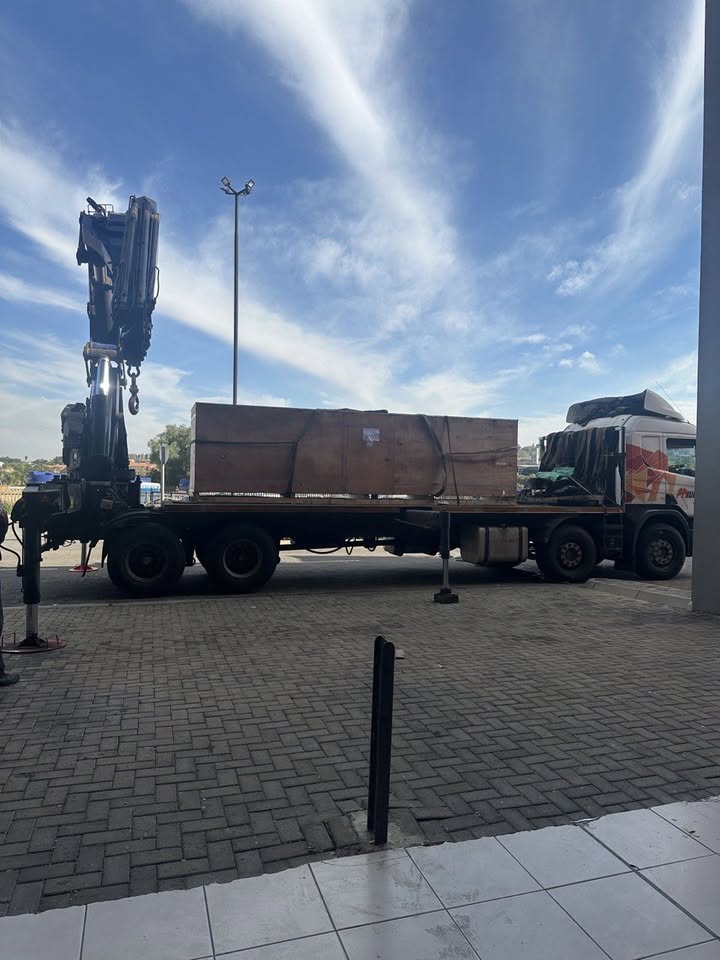
12 Heads Embroidery Machine
Toilet Paper Machine Machine
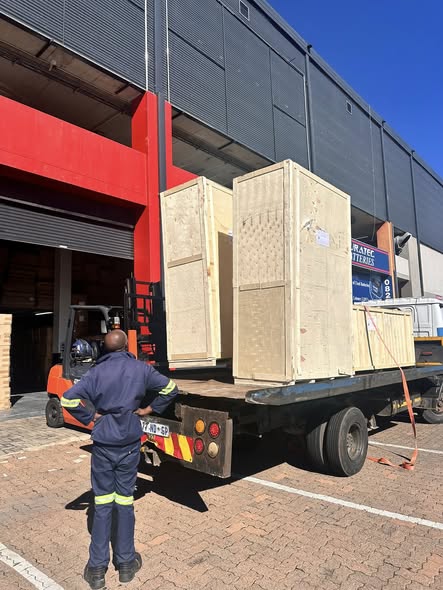
Order Collection
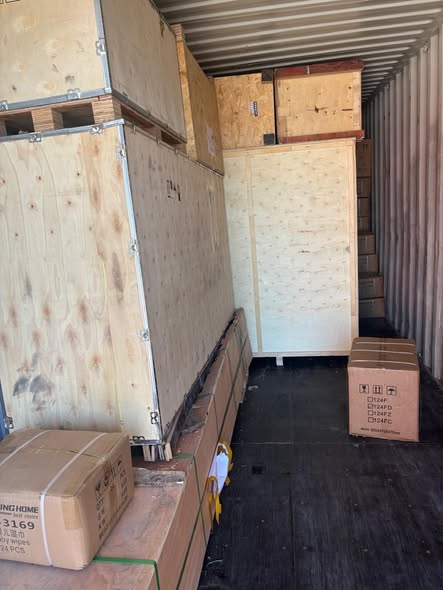
Cross Border Clients
Order cros border countries Collected
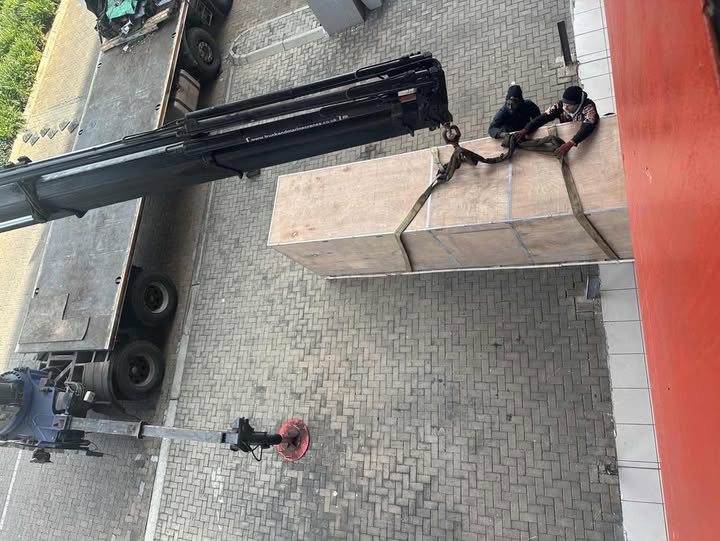
Industrial Machine Cllection
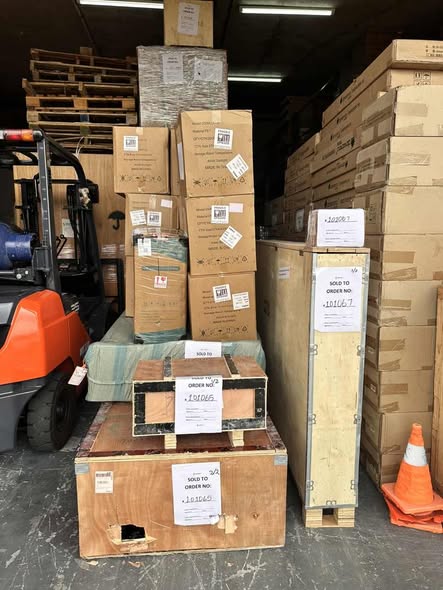
Agriculture Processing Machines
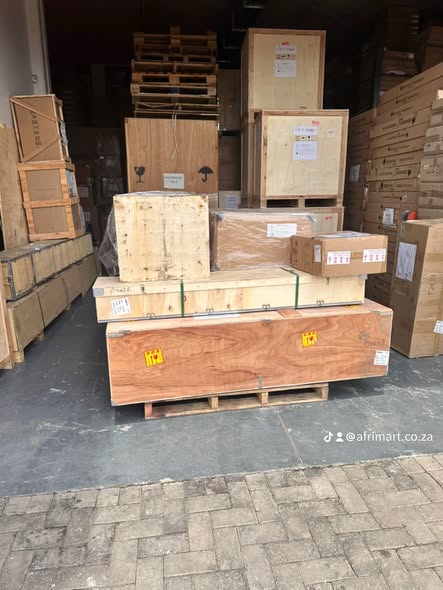
Ready for collection
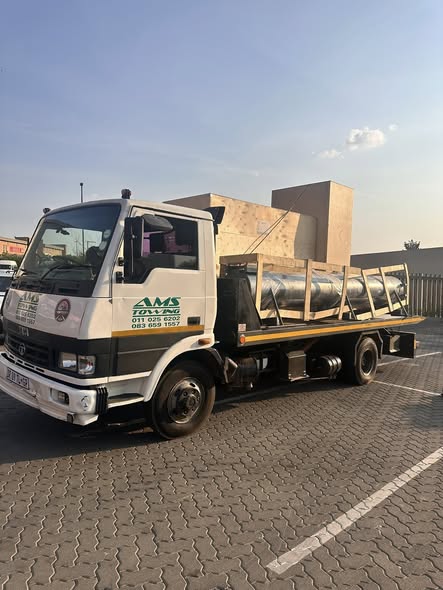
Water Pump Equipment
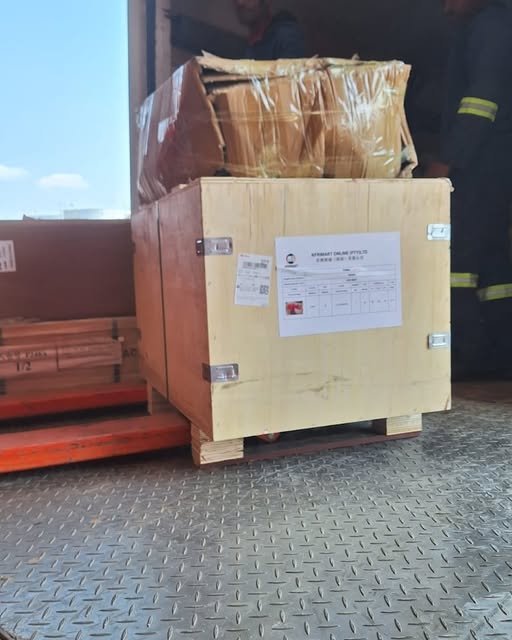
Packaging Machine and accessories
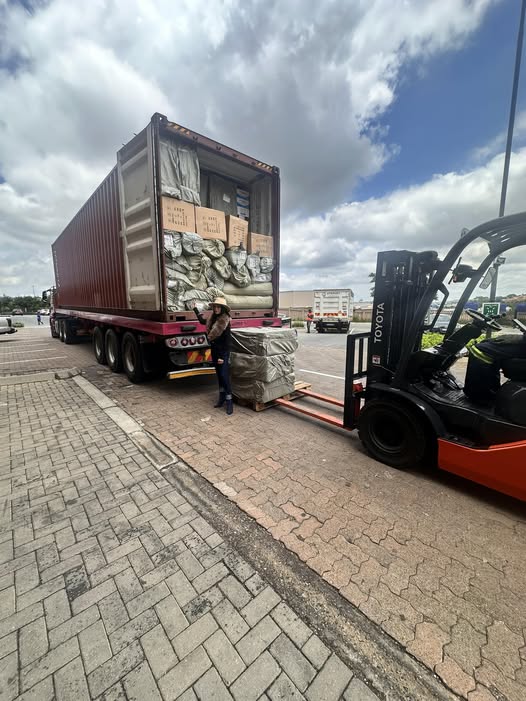
Fabrics Manufacturing Equipment
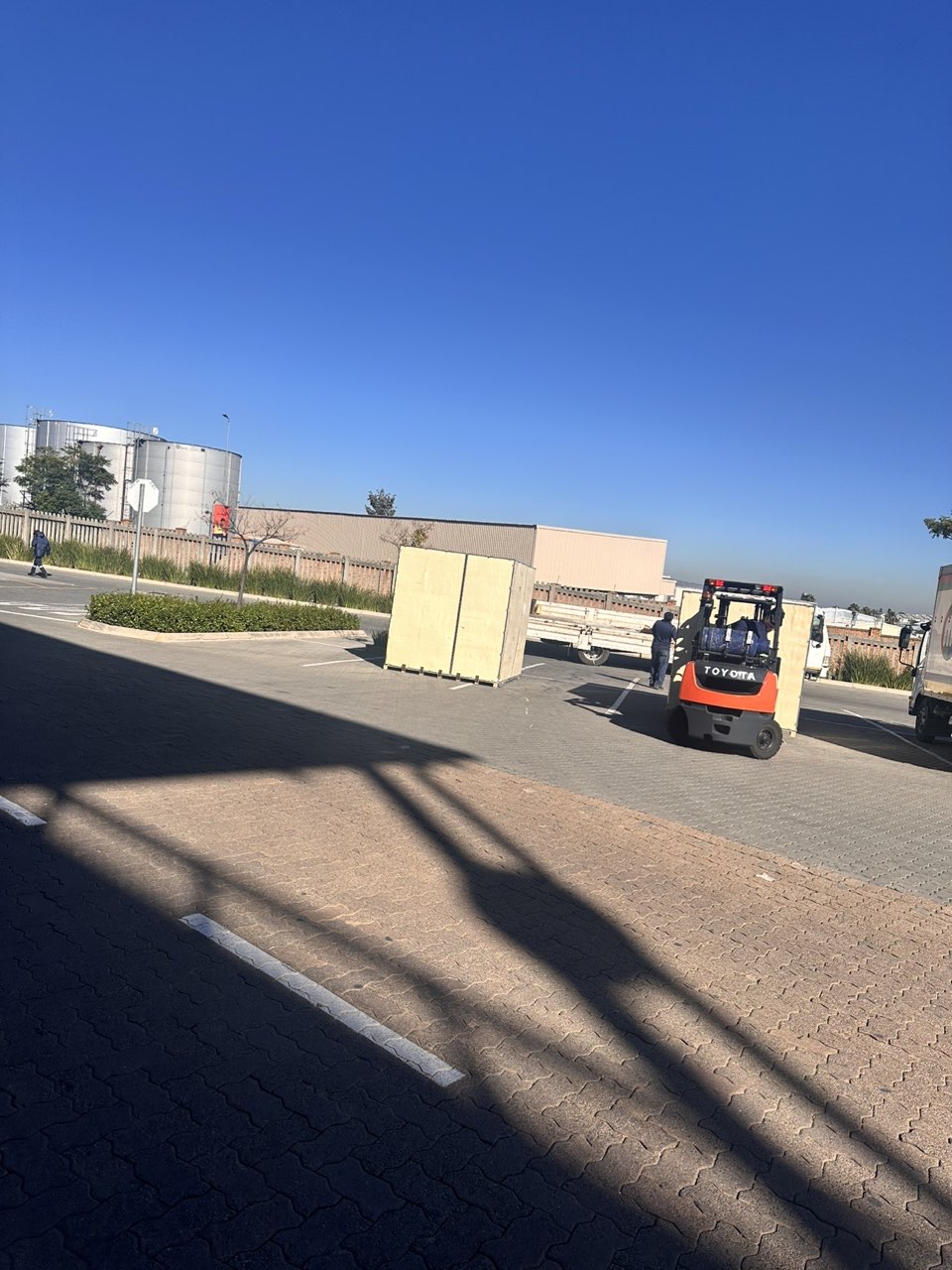
Mining Equipments
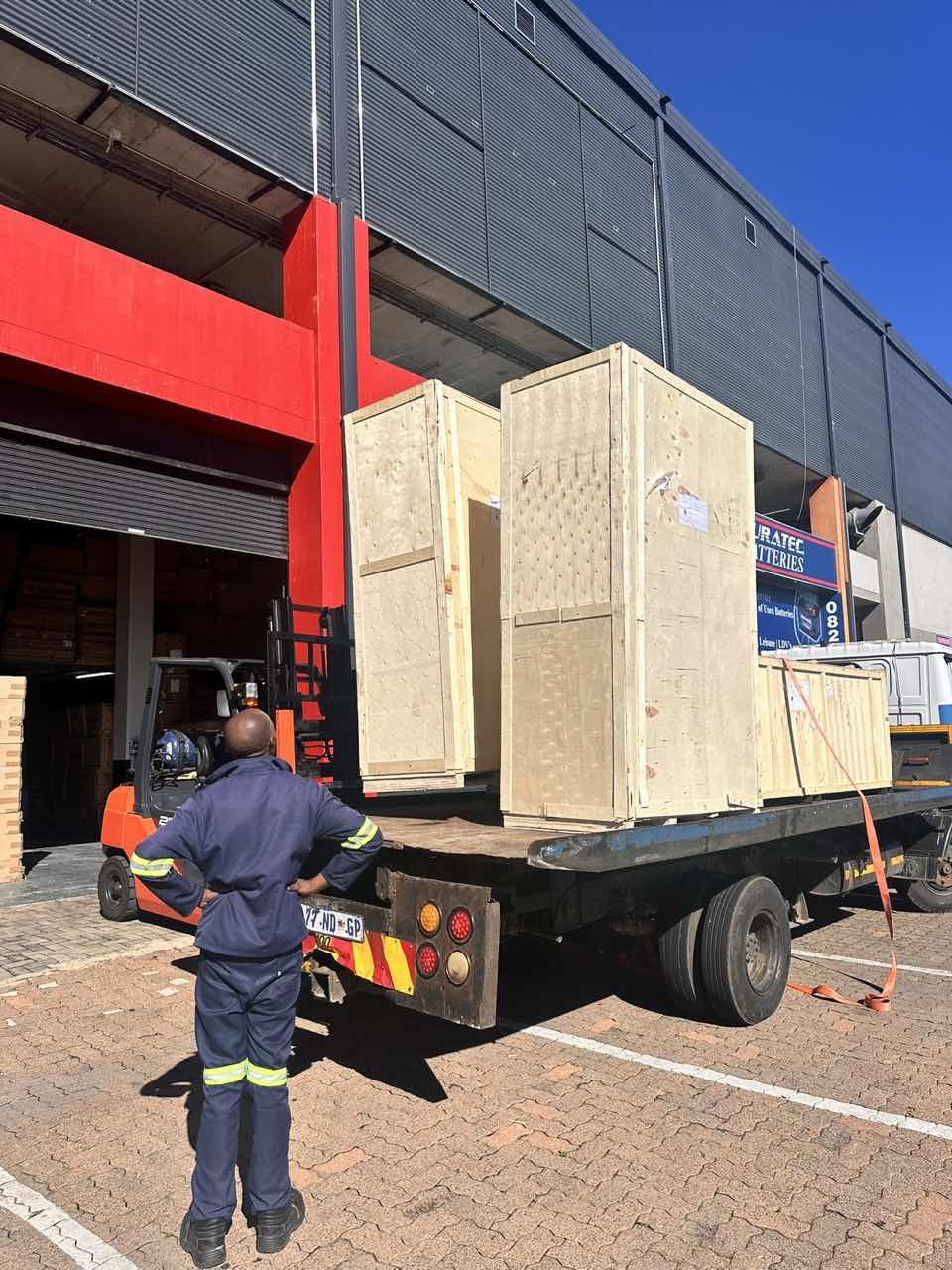
Food Processing Machine
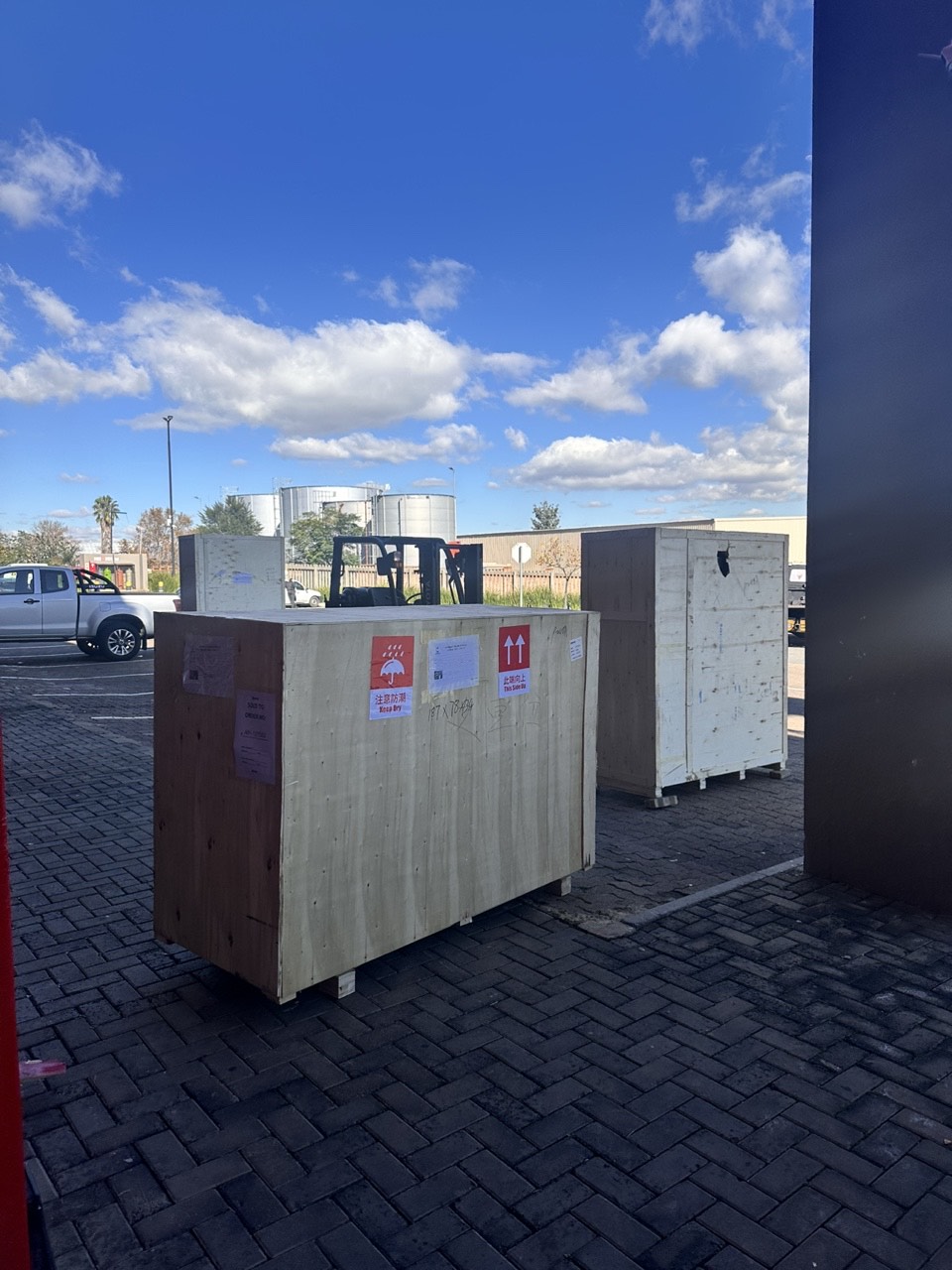
Batch of Orders
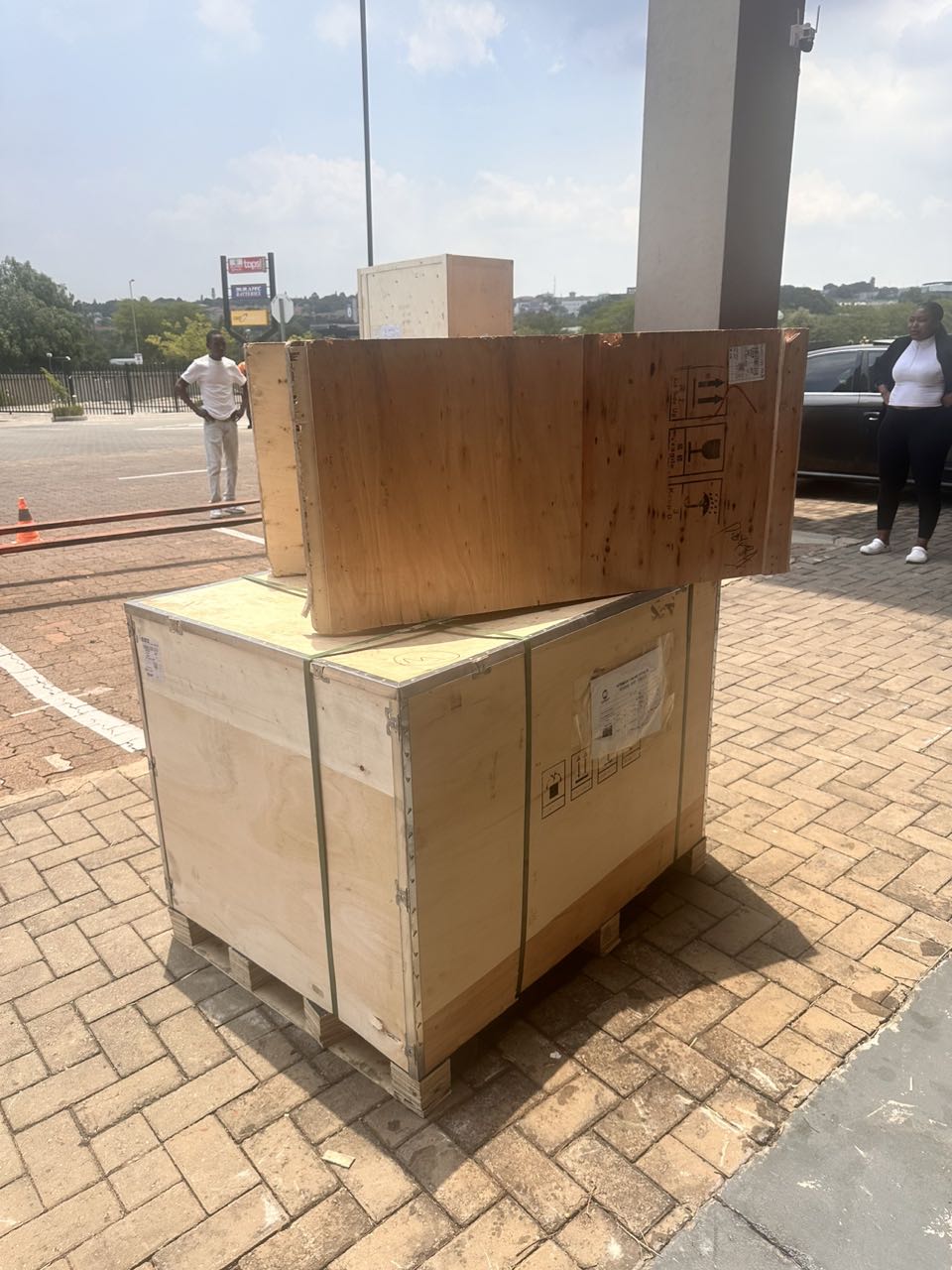
Batch of Orders
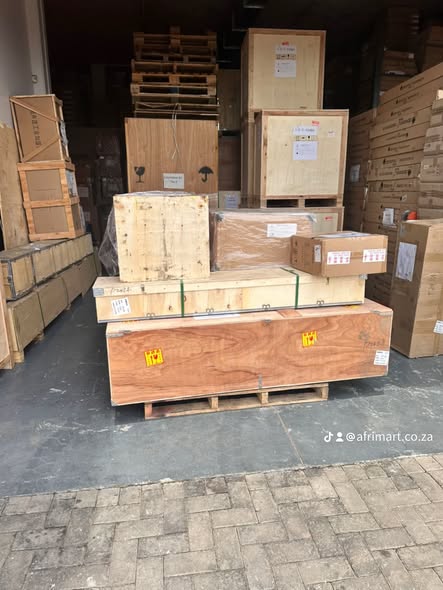
Latest Orders Labelled
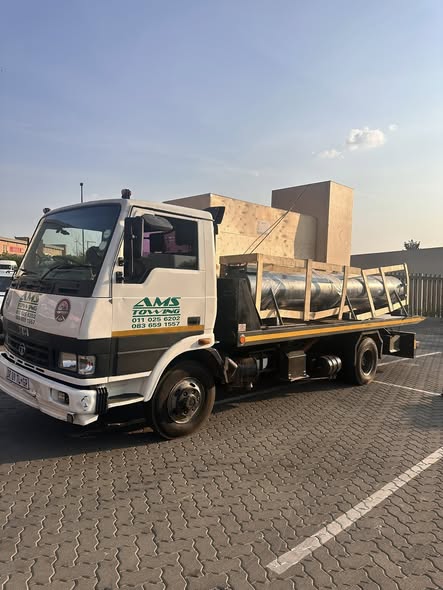
wheel alignment machines
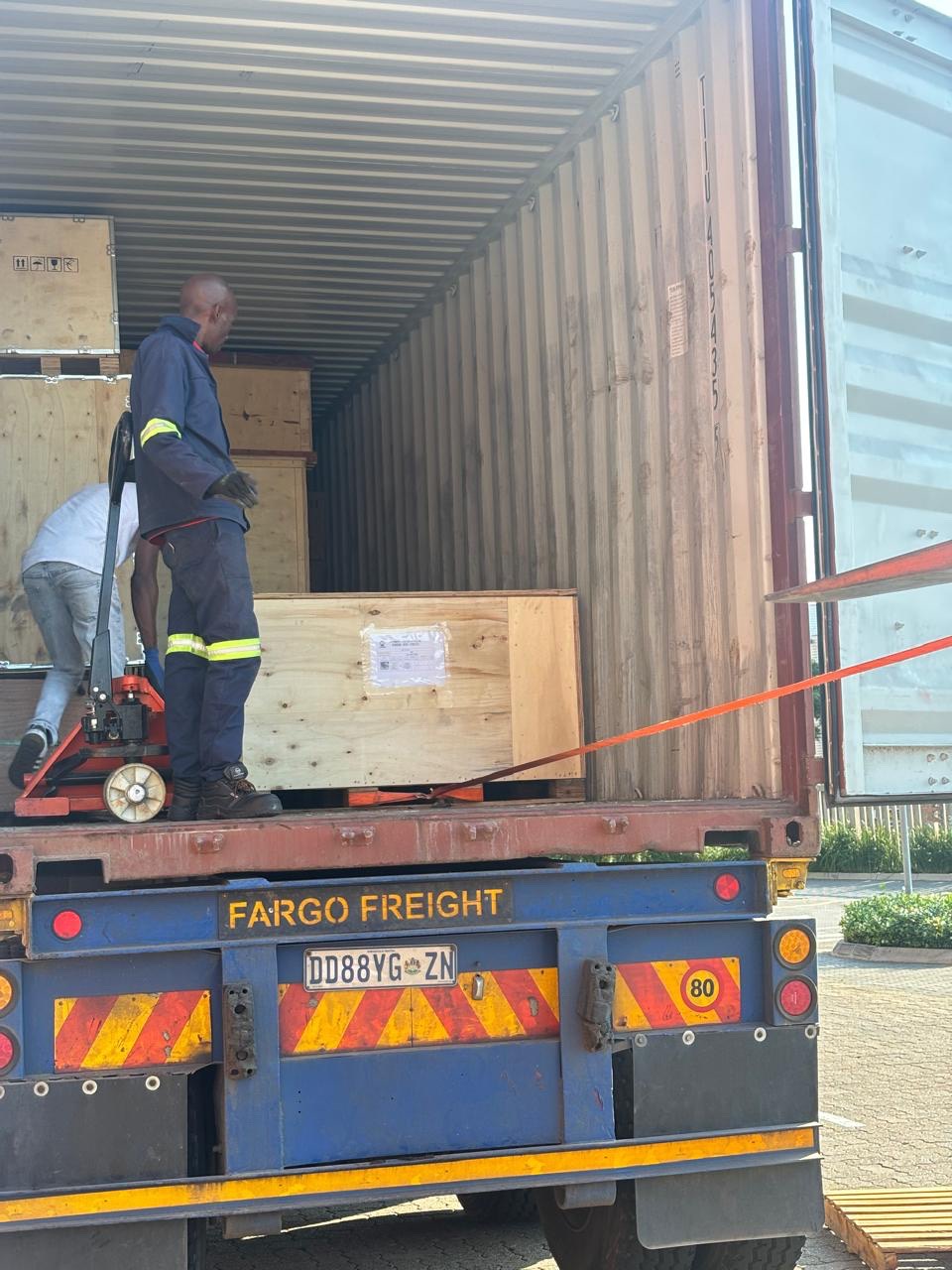
new arrivals
Pre Orders Offloading
Latest Arrivals
Latest Arrivals
Latest Arrivals
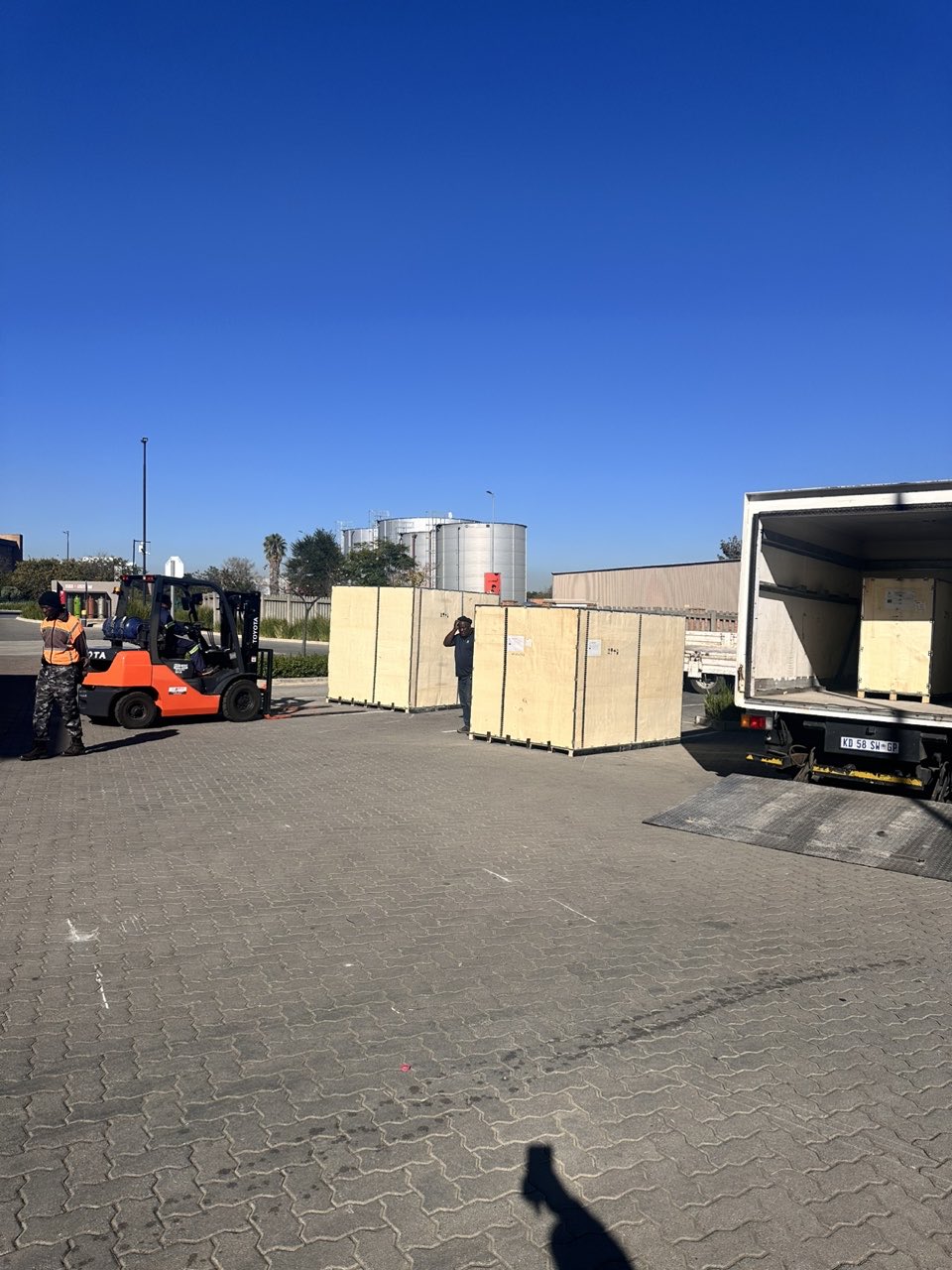
Loading
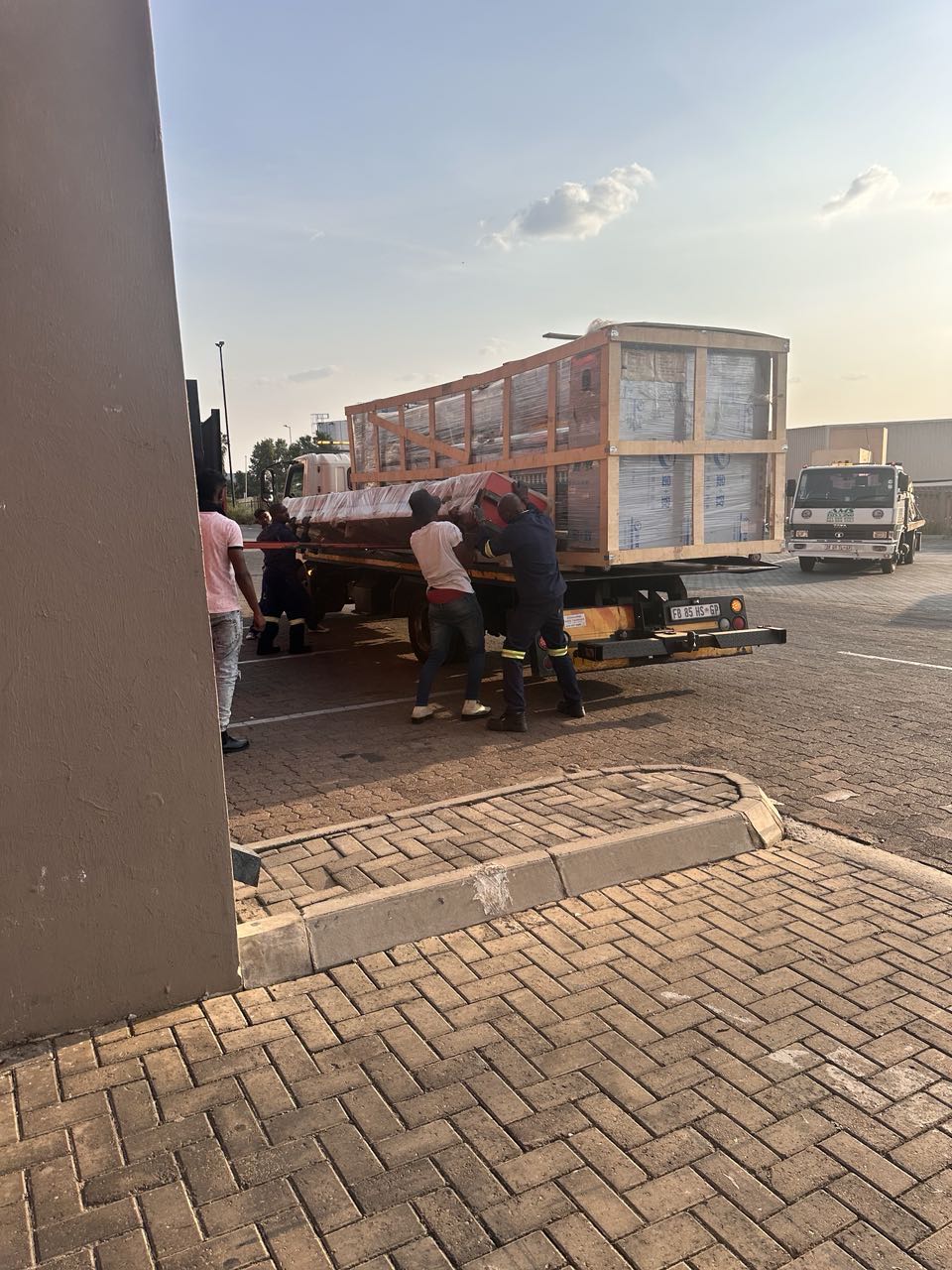
Toilet paper making machine
Toilet paper making machine
Toilet paper Rewinding Machine
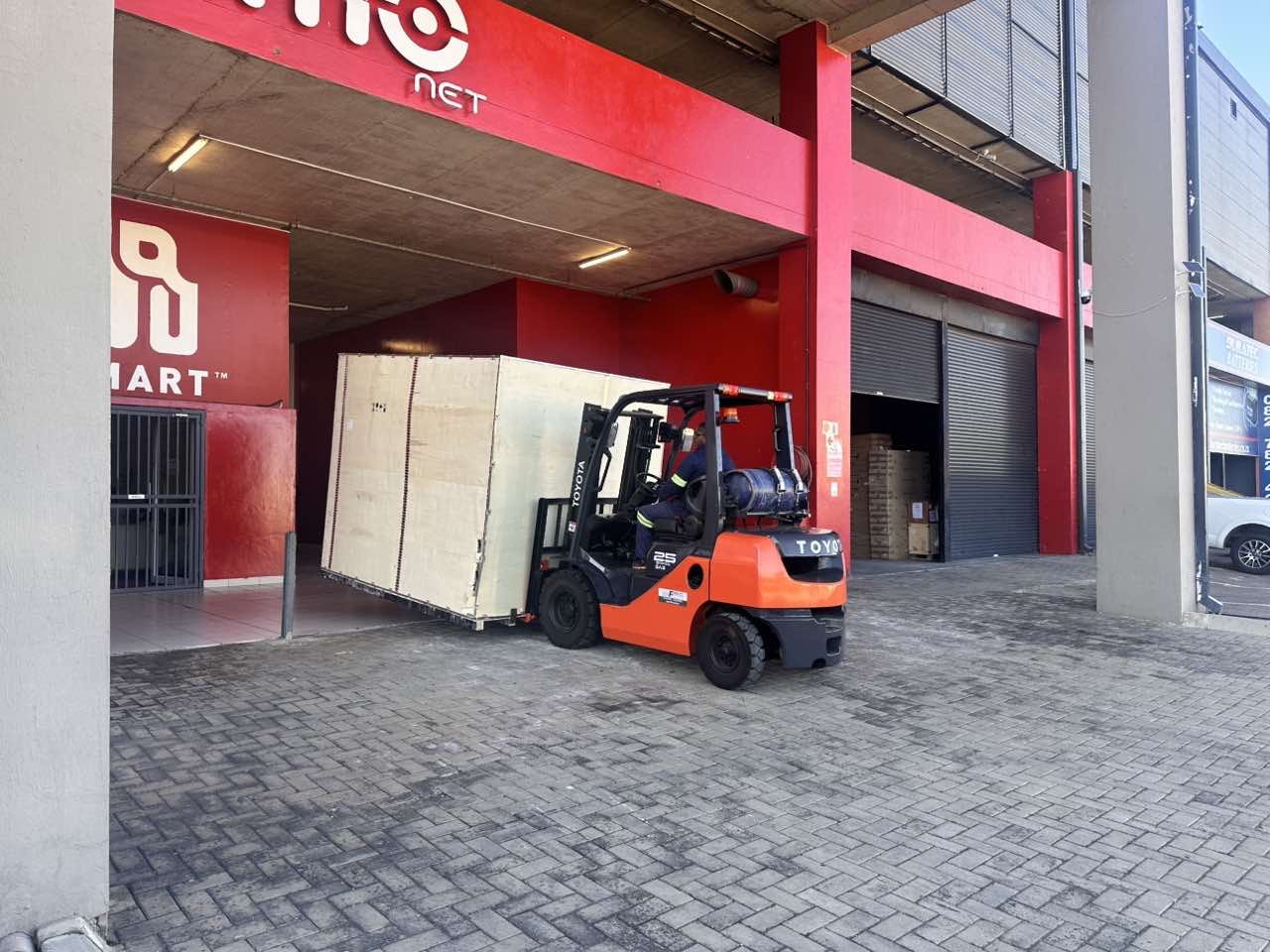
latest arrivals
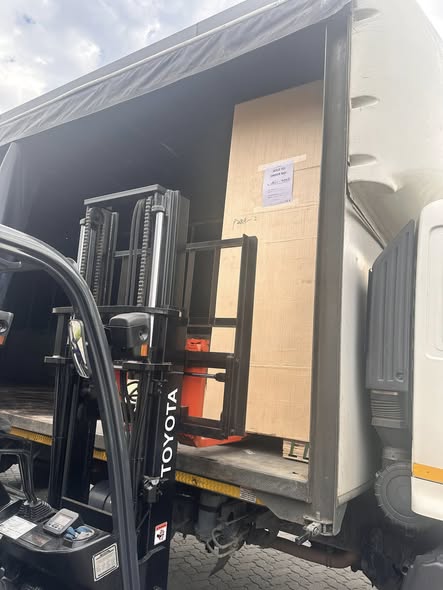
offloading
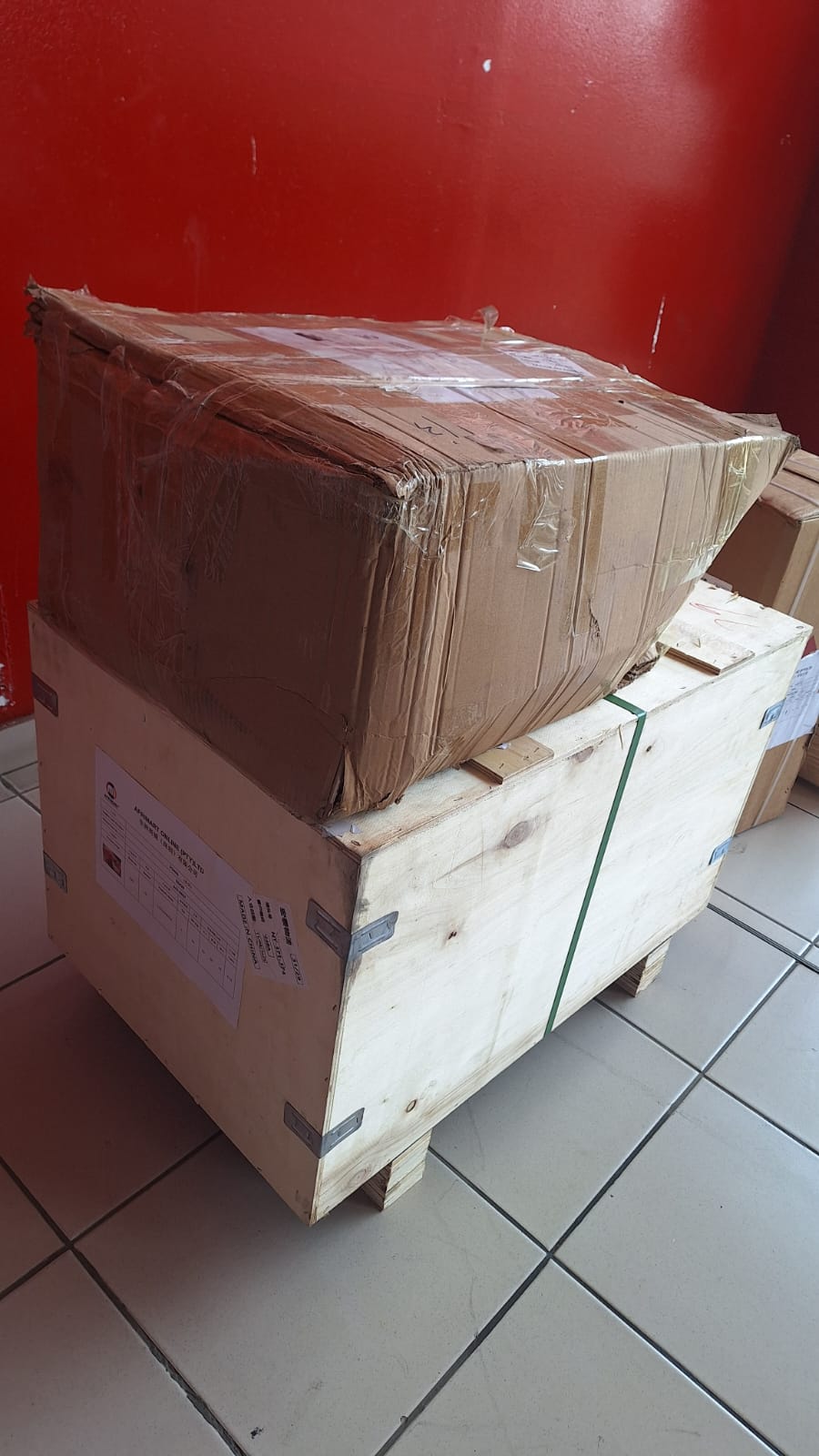
order success
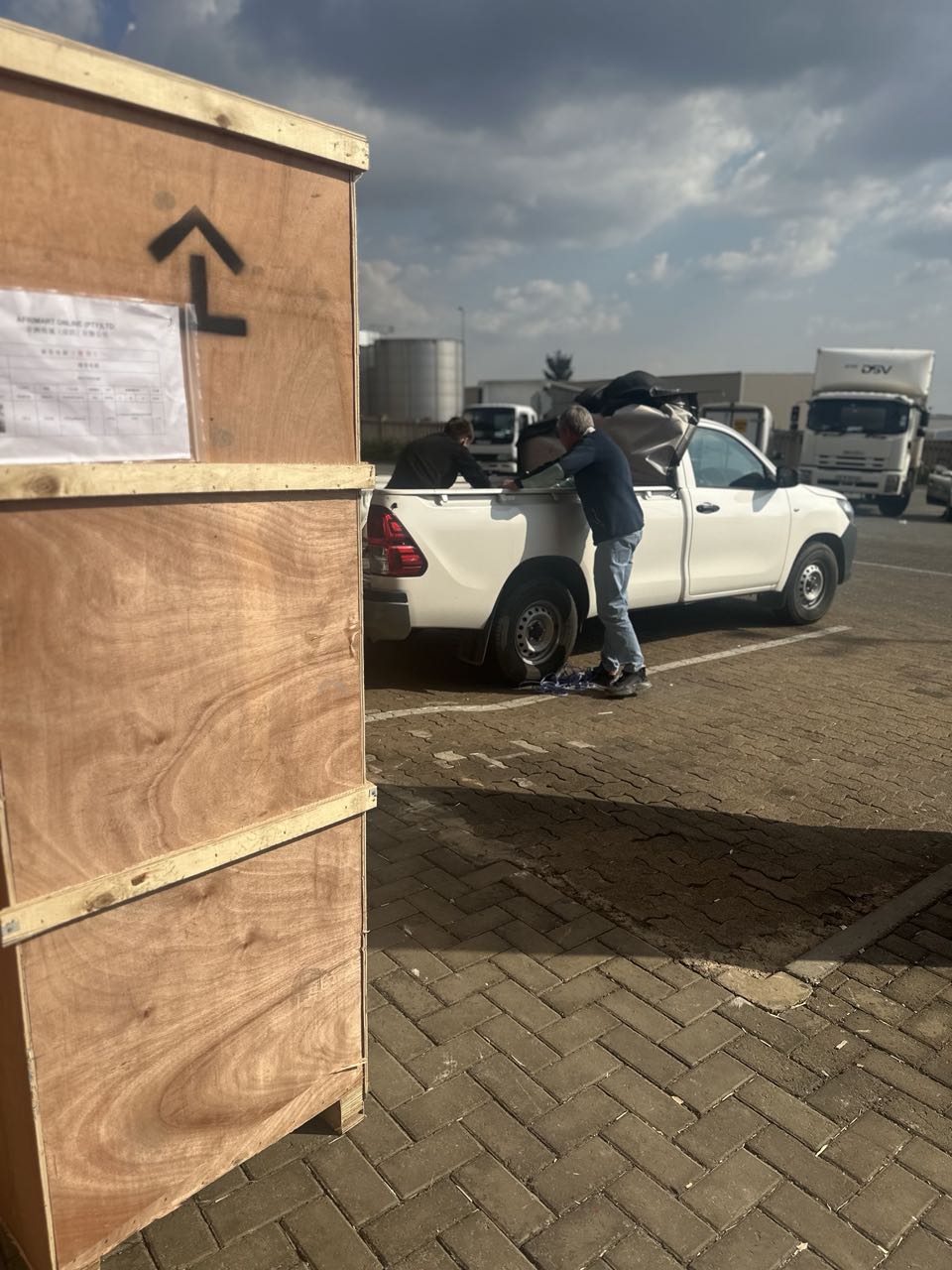
order collection
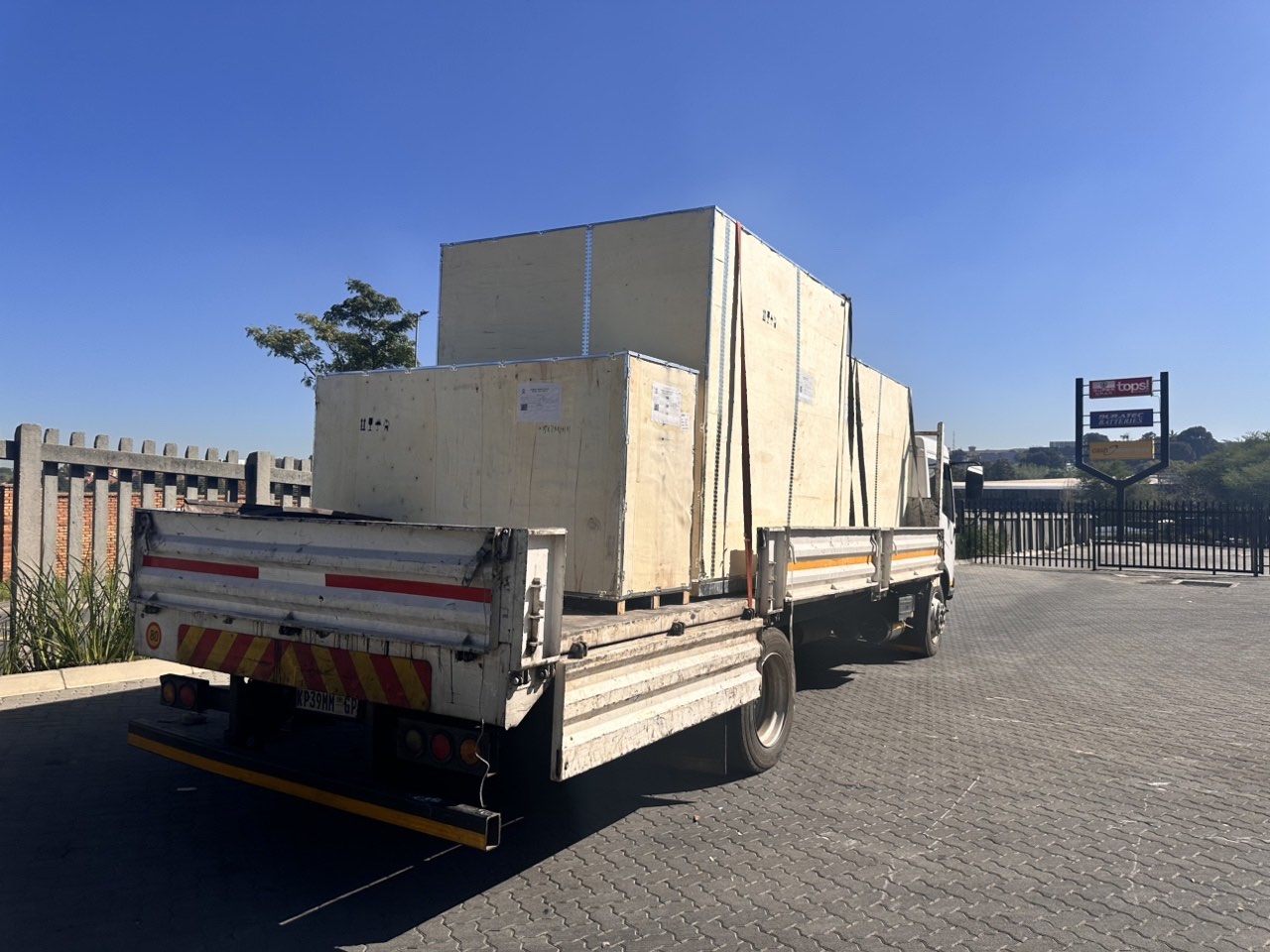
order offloading