B21, China Town Mall, Midrand

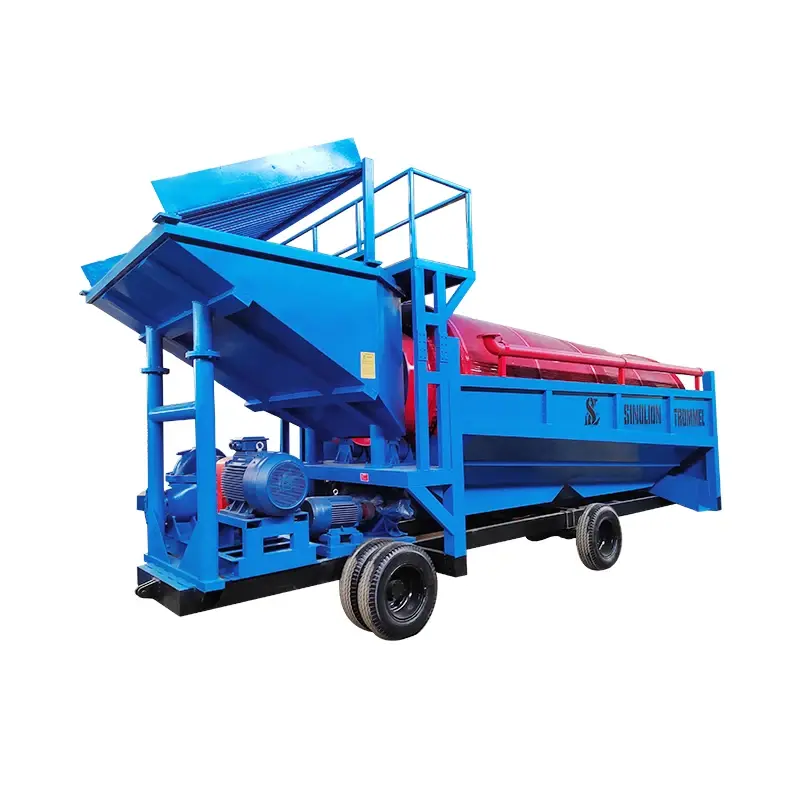
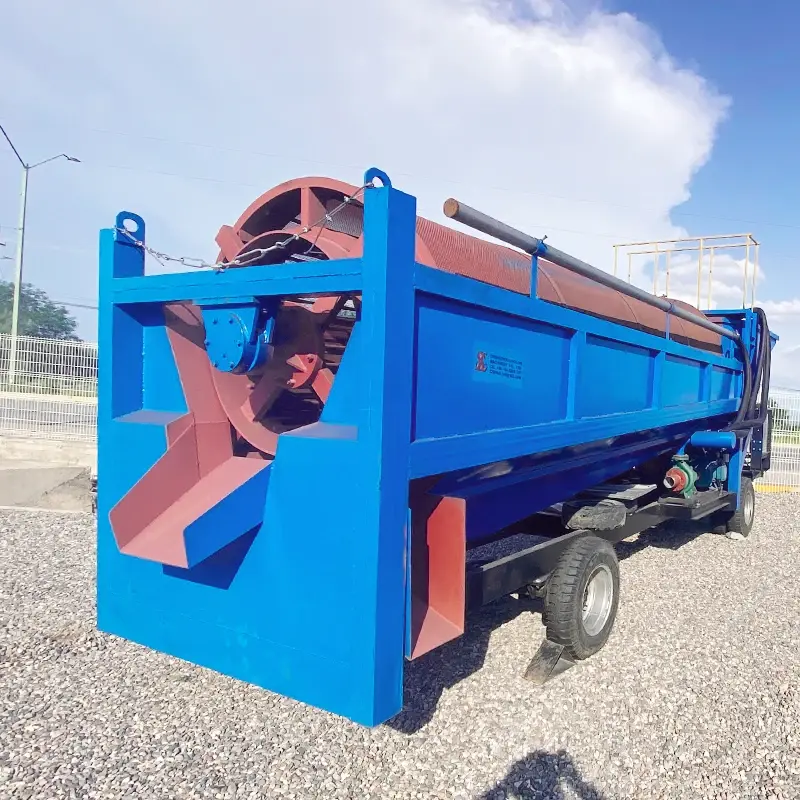
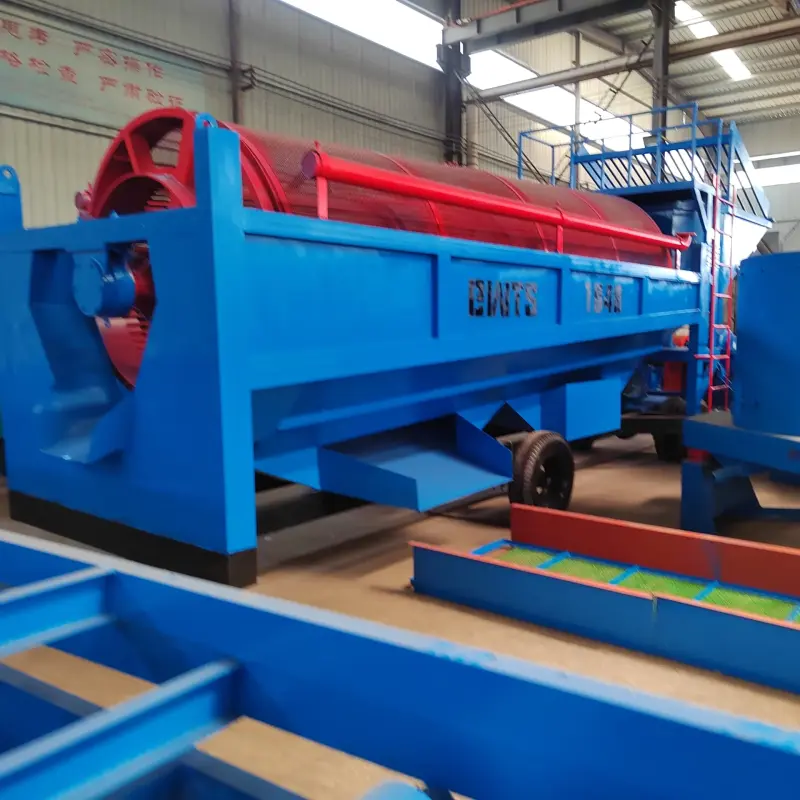
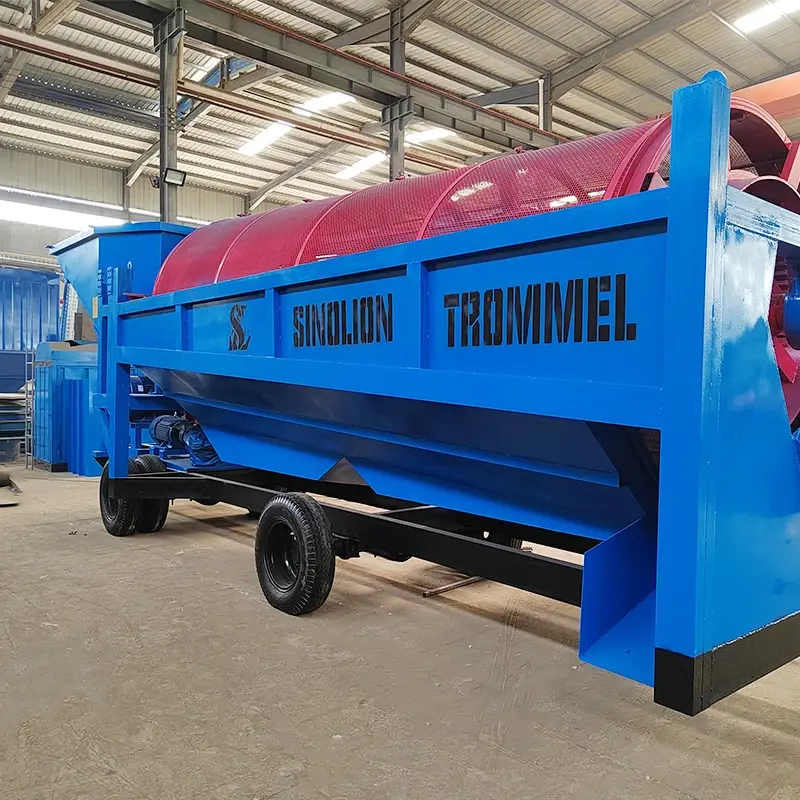
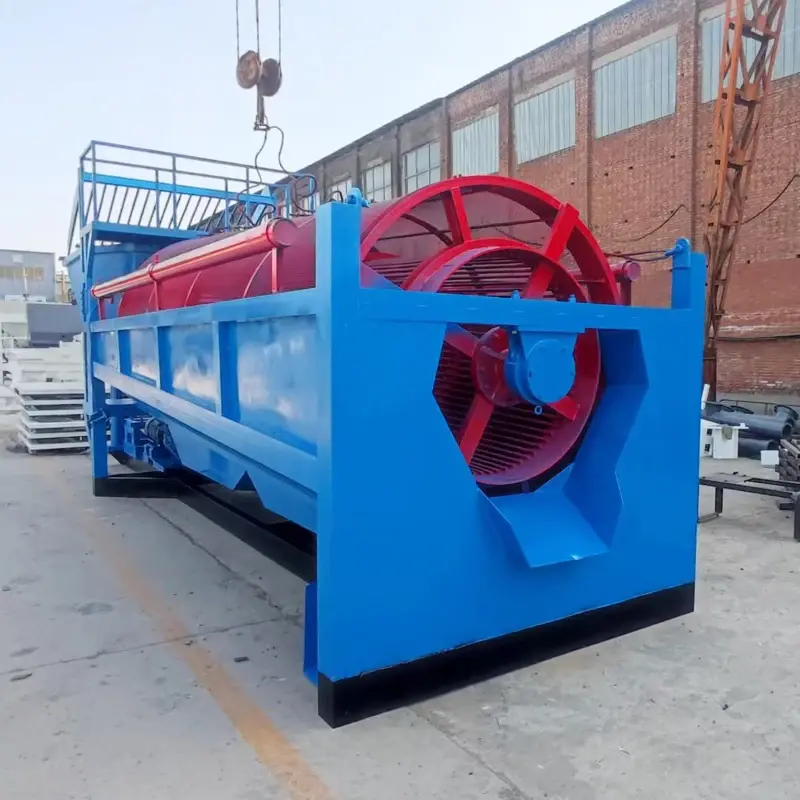
Mobile stationary sand trommel screen for river gold mining equipment mobile gold trommel screen
Asset finance available
Do you want funding for this equipment?
Afrimart can connect you with trusted funding partners who specialise in asset finance for businesses like yours. Compare options and apply in minutes — final approval is subject to provider review.
Check funding options
Secure & no obligation

- Section : Machinery
- Category : Mining Machinery
- SKU : 1600230042119

Mobile stationary sand trommel screen for river gold mining equipment mobile gold trommel screen


Mobile Stationary Sand Trommel Screen For River Gold Mining Equipment
Mobile Gold Mining Equipment Is Represented By Trommel Screen, Which Is Also Widely Used In Separation Technology. Its Working Principle Is To Control The Size Of Particle Size To Control The Separation Of Waste, Thus Improving The Separation Efficiency.The Advantages Of Small Trommel Screen Are Obvious, And It Is More Flexible And Convenient Than Large-scale Mobile Screen In Terms Of Movement. Trommel Screen Internal Equipment, The Main Roller Screen Shall Have Motor, Reducer, Roller Device, Frame, Seal Cover, Inlet And Outlet Composition. The Roller Device Is Tilted On The Rack And Passed Through The Drum Device. The Axles Are Connected Together To Drive The Drum Device To Rotate Around Its Axis.


Structure and Principle
The Alluvial Gold Trommel Screen Machine Uses The Principle Of Gravity Separation, The Original Ore Through A Layer Of Screening And Classification Under The Impact Of Water Into The Agitation Sluice Chute For Next Step Coarse Separation, If There Is Capillary Gold In The Original Mine, Adding The Agitation Chute Fixed Chute In The Tail To Avoid Tails Running. If There Is Clay Mud In Original Ore, We Will Add Stirring In Front Of The Screen And Flushing Device In Screen Drum, So That The Unfavorable Factors Caused By High Mud Content Can Be Solved Well, And Can Be Adjusted According To Ore Body Condition And Site.
1. Input Of Raw Materials Raw Materials Inputted Through The Entrance Of The Hopper Will Be Pushed Into The Trommel Screen By The
Strong Water Pressure Of The Shower Equipped In The Hopper. 2. Selection And Cleaning Of Raw Materials Raw Materials Of The
Trommel Screen Will Be Cleaned And Selected By The Rotation Of Trommel Screen And By Watering Of The Shower Inside, Run Into The
Gold Dust Separate Panel. 3. Collecting Of Gold Dust Separated Soil And Sands With Lighter Specific Gravity Will Flow Away But
Gold Dusts With Greater Specific Gravity Will Be Staying In The Gathering Mat To Be Collected.

| Product Name | Gold Trommel Screen | ||||
| Model | GMTS0519 | GMTS1020 | GMTS1225 | GMTS1548 | GMTS1848 |
| Capacity (t/h) | 5-10 | 10-30 | 30-50 | 80-150 | 100-200 |
| Power(kw) | 1.5 | 4 | 5.5 | 11 | 15 |
| Diameter(mm) | 500 | 1000 | 1200 | 1500 | 1800 |
| Length(mm) | 1910 | 2000 | 2500 | 4800 | 4800 |


- Shipping Timeframes: All orders are processed within 2-5 business days (excluding weekends and holidays). After your order has been processed, the estimated delivery time is before 12 Jul, 2026, depending on customs, Please note that due to high demand, some items may experience longer shipping times, which will be communicated at order confirmation email.
- Order Processing Time: Please allow 2-5 business days for us to process your order before it is shipped . Orders placed after 16:00 on Fridays, or during weekends and public holidays, will begin processing on the next business day. Processing times may be extended during peak seasons or sales events.
- Manufacturing Time: Some products needs manufacturing time, the manufacturing process will take approximately 10-30 business days depending on the product. This timeframe may vary depending on the complexity of the product and current demand. but this will be communicated with you during order confirmation.
- Returns and Exchanges: We offer a 30-day return policy for most items. If you are not completely satisfied with your purchase, you may return it within 30 days of receipt for a refund or exchange. Items must be unused, in their original packaging, and accompanied by proof of purchase. Return shipping costs are the responsibility of the customer, unless the item was damaged or defective upon arrival.
1. What is the "mobile stationary sand trommel screen" and what is it used for?
The machine is a trommel (rotary) screen designed for alluvial/river gold mining and sand separation. It washes, classifies and separates material by particle size and specific gravity using a rotating drum, internal showers and gravity separation to concentrate heavier gold particles while lighter sands and slimes are discharged.
2. How does the trommel screen work (working principle)?
Raw material is fed into a hopper and washed by a high-pressure shower. The rotating drum screens and classifies material; lighter sand flows away while heavier gold-bearing particles settle and are guided to a collection mat or sluice. For fine/capillary gold an agitation/fixed sluice can be added at the tail to improve recovery.
3. What are the main components of the trommel screen?
Main components include the feeder hopper and shower system, rotating drum (screen), motor and reducer, axle/roller device, frame, seal cover, inlet and outlet, and optional agitation/sluice chutes and flushing devices for high-mud ores.
4. What models and capacities are available?
Available models: GMTS0519 (5–10 t/h), GMTS1020 (10–30 t/h), GMTS1225 (30–50 t/h), GMTS1548 (80–150 t/h), GMTS1848 (100–200 t/h).
5. What are the power, diameter and length specifications for each model?
Typical specs by model: GMTS0519 — Power 1.5 kW, Diameter 500 mm, Length 1910 mm; GMTS1020 — Power 4.5 kW, Diameter 1000 mm, Length 2000 mm; GMTS1225 — Power 5.5 kW, Diameter 1200 mm, Length 2500 mm; GMTS1548 — Power 11 kW, Diameter 1500 mm, Length 4800 mm; GMTS1848 — Power 15 kW, Diameter 1800 mm, Length 4800 mm.
6. Is this unit mobile or stationary?
There are compact/ small trommel designs that are easily moved on site and are more flexible than large fixed installations. The product supports both mobile deployment (for portable operations) and stationary installation depending on site needs and mounting.
7. How does the machine handle high clay or mud content in ore?
For clay/mud the system can include a pre-screen stirring device before the drum and a flushing device inside the drum. These additions break up and wash away clay, preventing blinding and maintaining screening efficiency. Settings can be adjusted to match site conditions.
8. How is fine or capillary gold recovered?
If capillary or very fine gold is present, an agitation sluice or fixed chute can be added at the trommel's tail to provide additional agitation and capture, reducing loss to tails and improving fine-gold recovery.
9. What feed material size and type can the trommel handle?
The trommel is intended for alluvial sands, gravels and similar materials. Exact maximum feed size depends on drum diameter and chosen screen mesh; the mesh and drum configuration should be selected to match your target particle size and feed characteristics.
10. What water supply is required?
The trommel requires a reliable water supply for the hopper shower and drum flushing. A strong, pressurized shower in the hopper is used to transport and wash material; exact flow/pressure depends on model and onsite conditions and should be sized to achieve effective washing without oversaturation.
11. What factors affect the machine's processing capacity?
Capacity depends on model (drum diameter/length), screen mesh size, feed gradation and moisture, water pressure, and feed rate/feeder performance. Harder-to-wash or clay-rich ore and finer meshes reduce throughput compared with coarse, easily washed material.
12. How do I choose the right model for my operation?
Select a model based on required throughput (t/h), available power, site mobility needs, and the physical properties of your ore (particle size, clay content, desired cut size). Lower-capacity models are more portable; larger models provide higher throughput but are less mobile.
13. What are routine maintenance tasks and service intervals?
Regular tasks include inspecting and replacing worn screen panels, greasing bearings and rollers, checking/replacing seals, inspecting the motor and reducer, cleaning showers and sluices, and checking fasteners. Frequency depends on operating hours and abrasive wear — inspect daily during heavy operation and perform preventive maintenance per operating hours.
14. What safety precautions should be followed during operation?
Ensure all guards and seal covers are in place, lock out electrical power before maintenance, keep hands and tools away from the rotating drum, wear appropriate PPE, secure the machine on level ground, and ensure proper grounding and electrical protection. Train operators on safe startup/shutdown and emergency procedures.
Latest Order Arrivals
Discover our latest orders
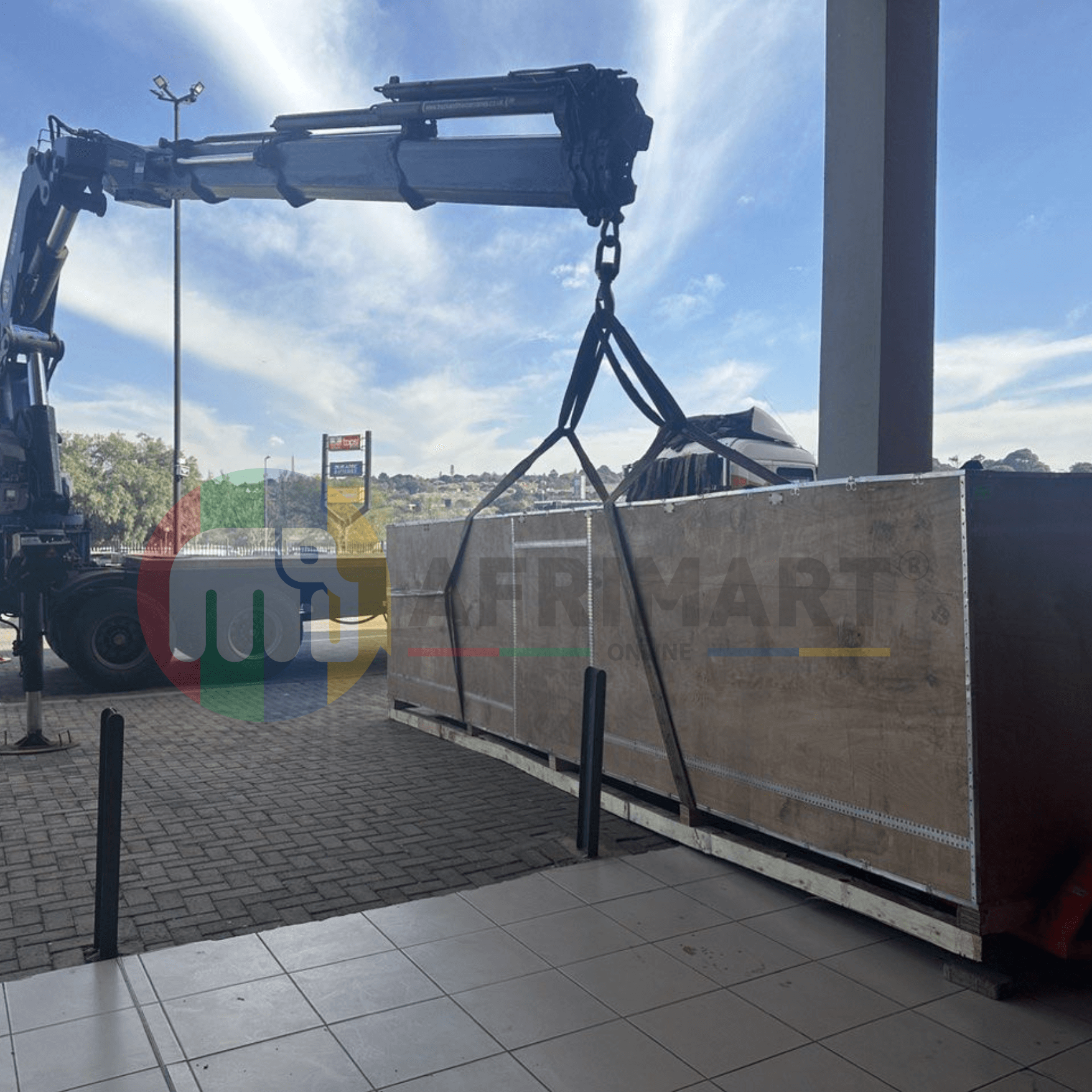
12 Heads Embroidery Machine
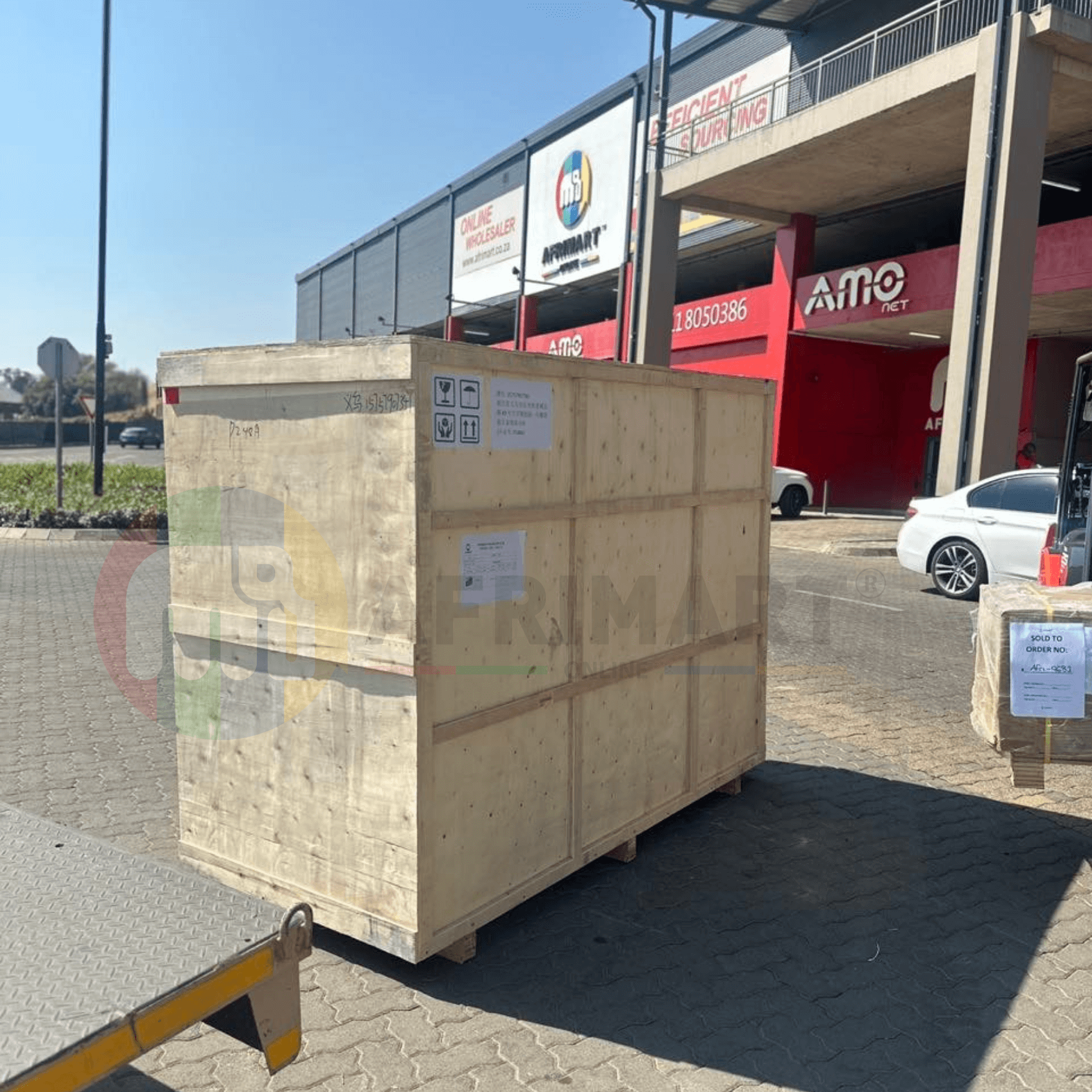
Dewatering Pump Machine
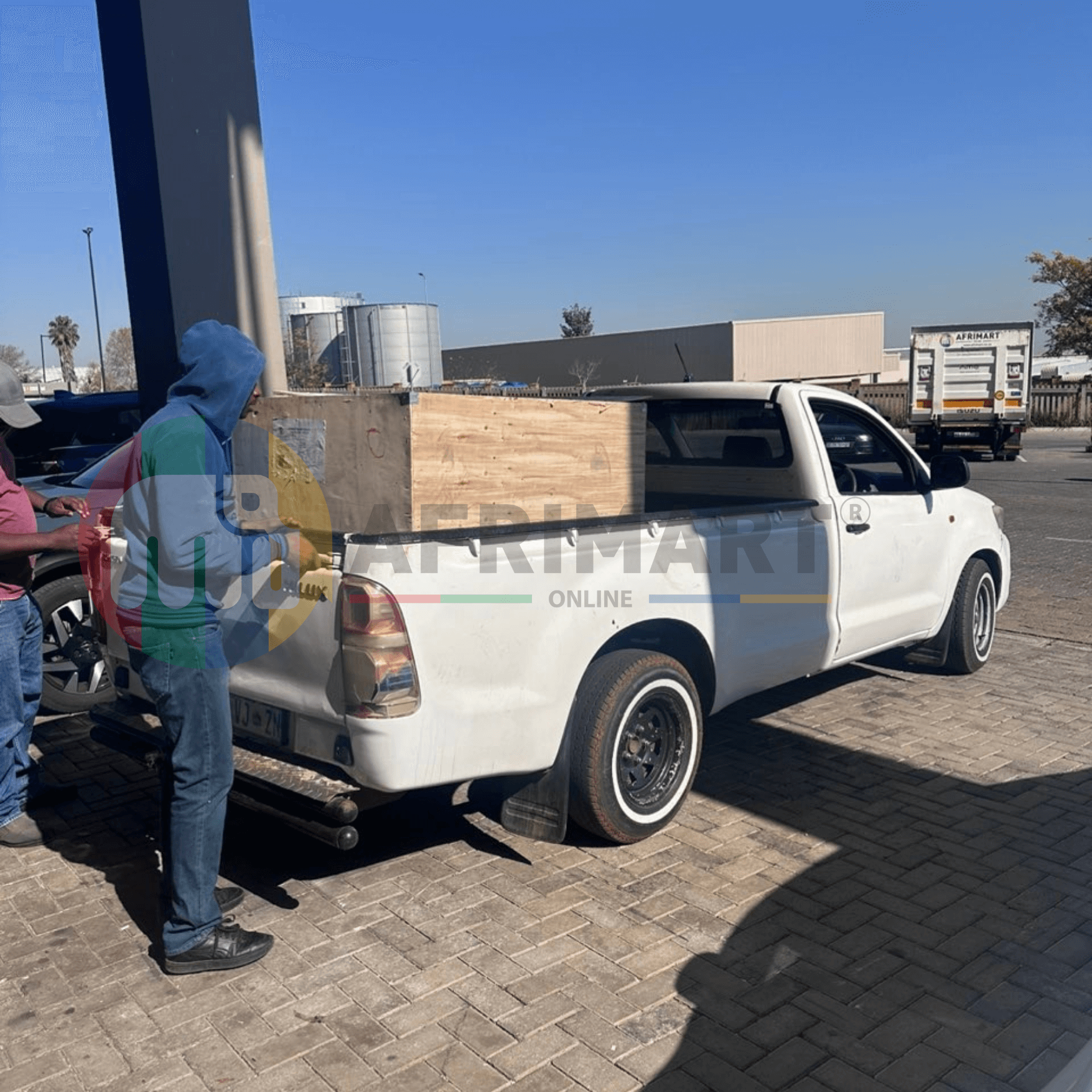
Order Collection
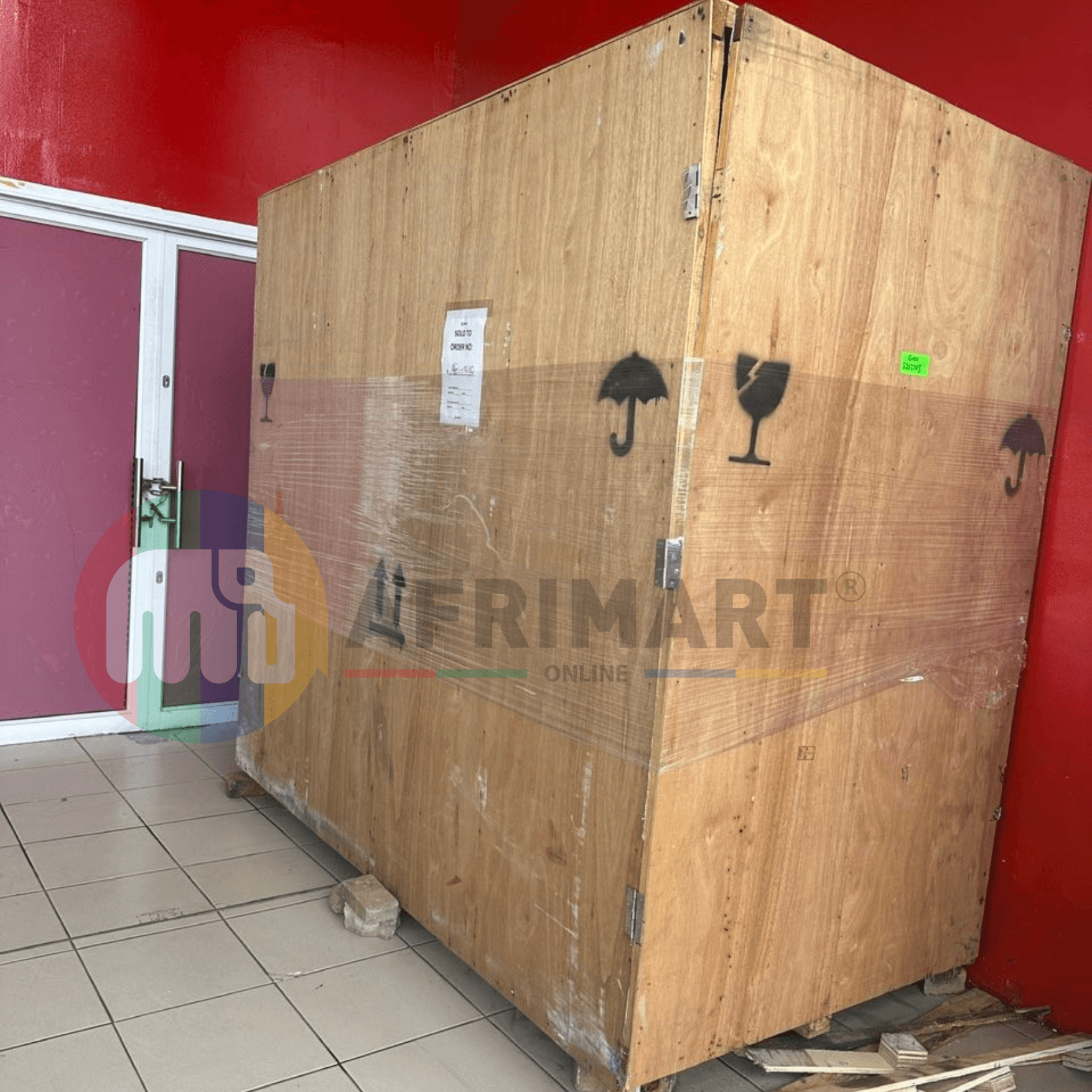
Portable Water Drilling Rig
Order Usefully Collected
Batch of Orders
Agriculture Processing Machines
Meat Grinder Machine
Water Pump Equipment
Packaging Machine and accessories
Fabrics Manufacturing Equipment
Mining Equipments
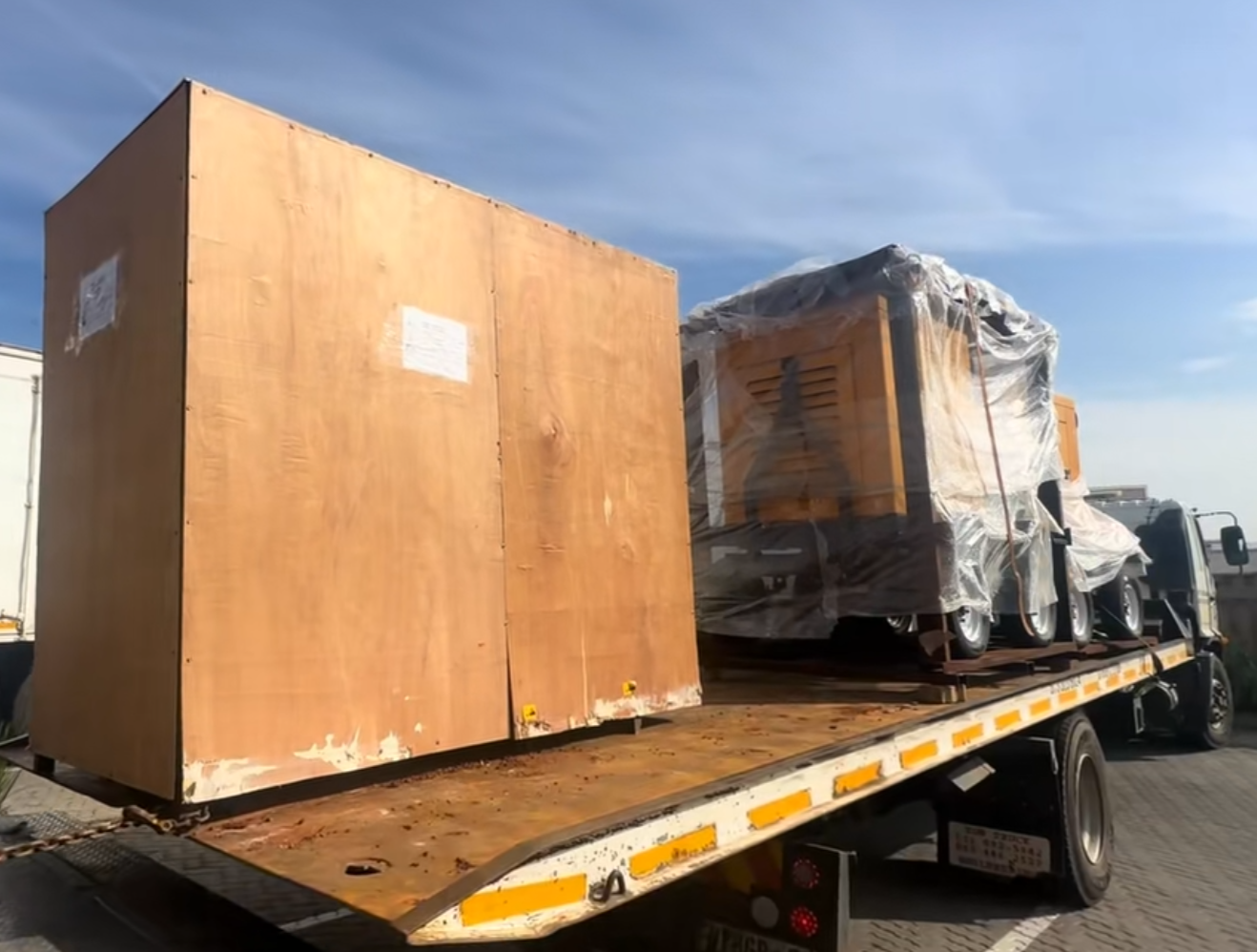
Food Processing Machine
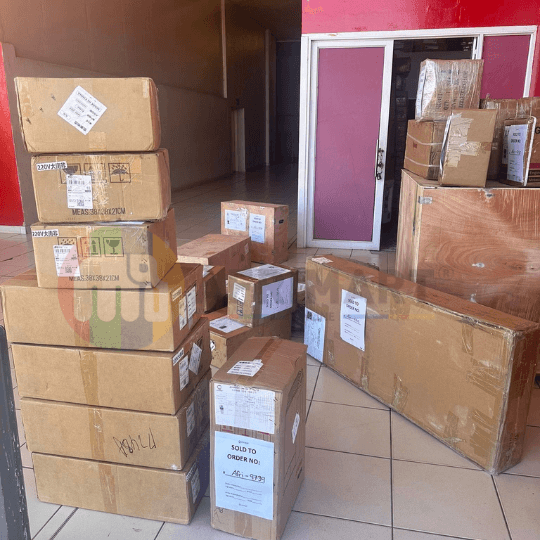
Batch of Orders
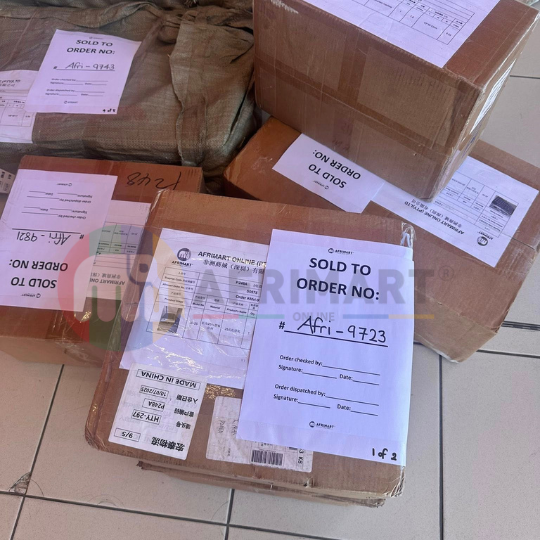
Batch of Orders
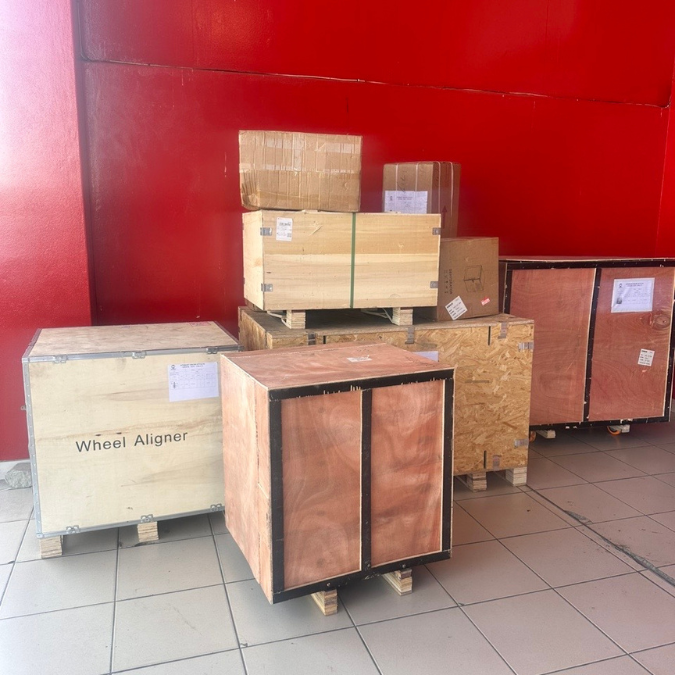
Latest Orders Labelled
wheel alignment machines
new arrivals
Pre Orders Offloading
Latest Arrivals
Latest Arrivals
Latest Arrivals
26 January 2026
Toilet paper making machine
Toilet paper making machine
Toilet paper Rewinding Machine
latest arrivals
offloading
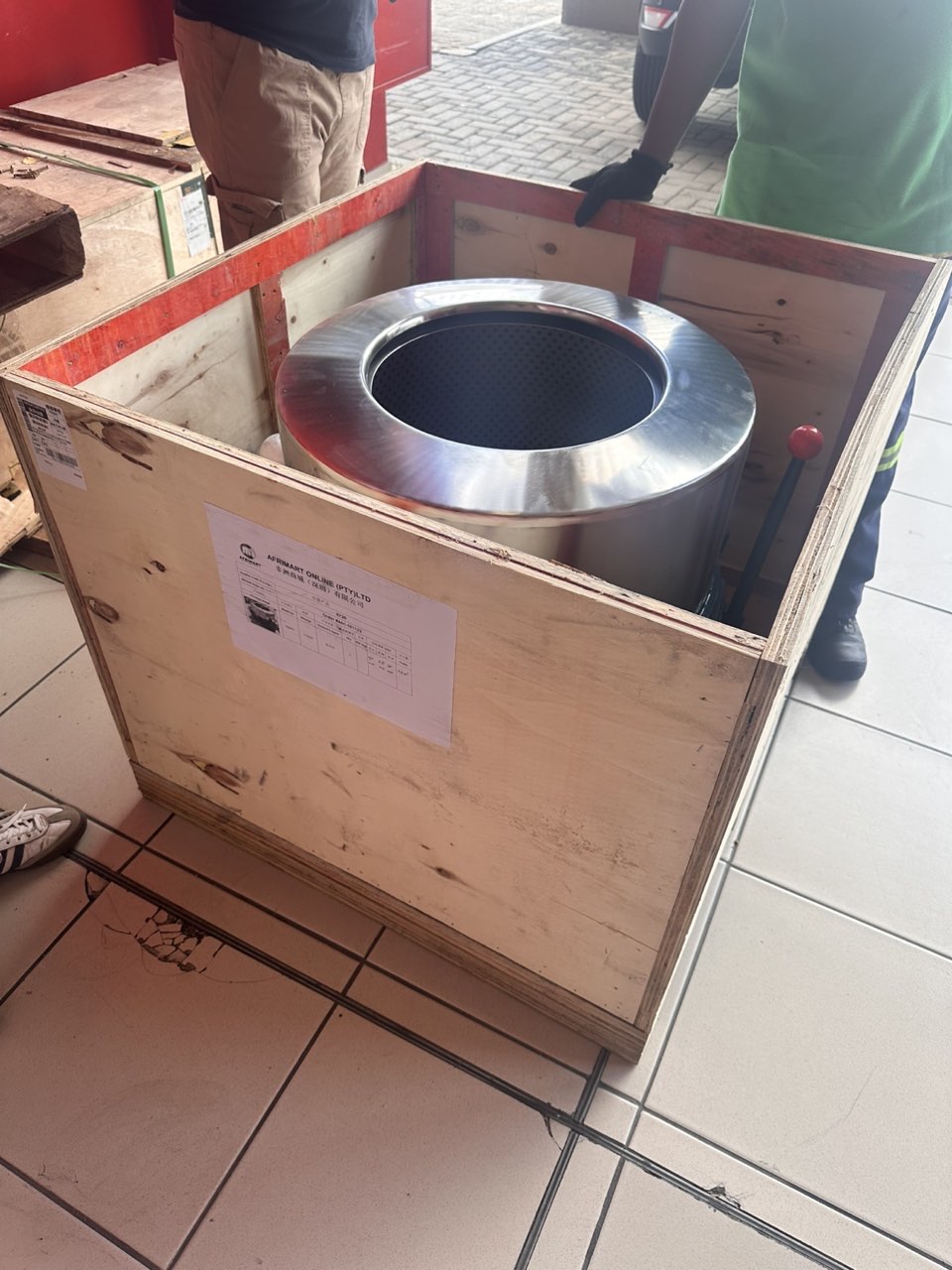
order success
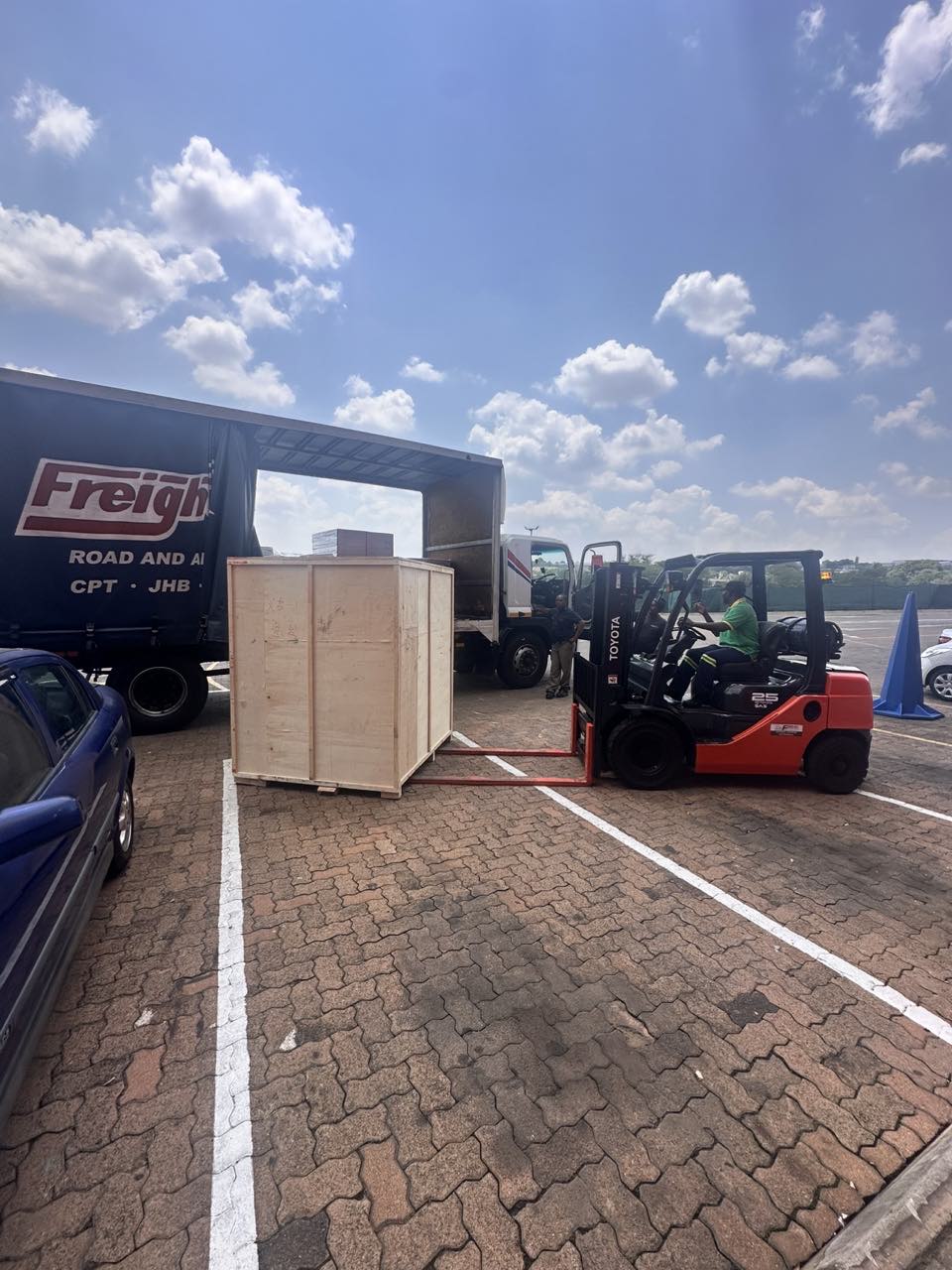
order collection
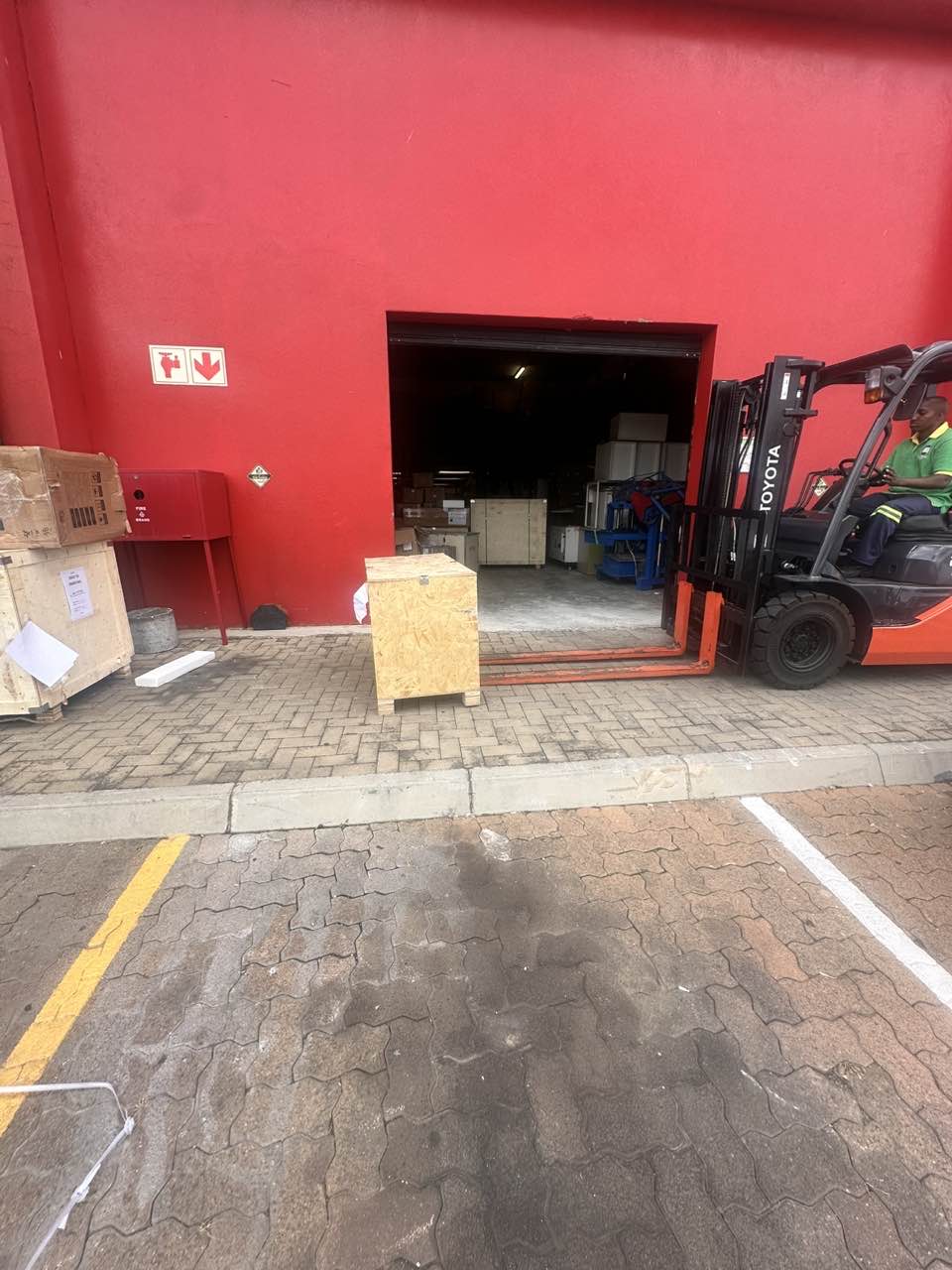
order offloading