B21, China Town Mall, Midrand

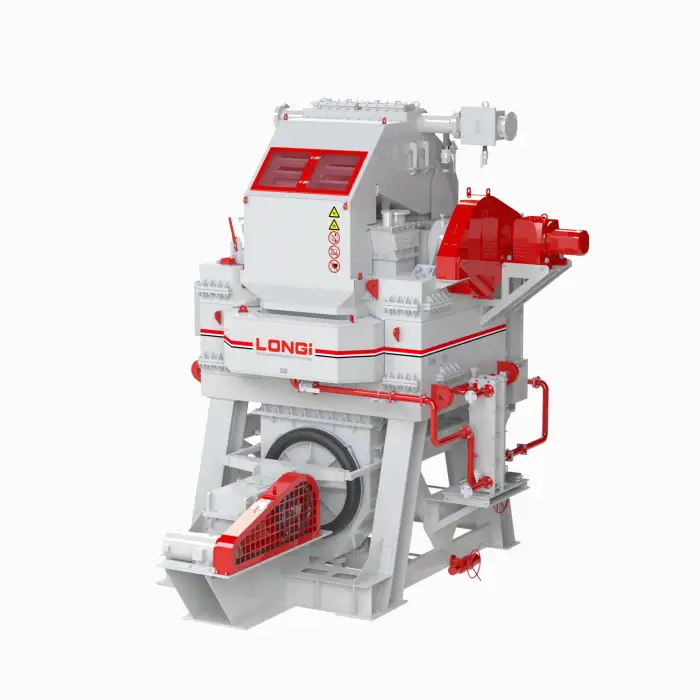
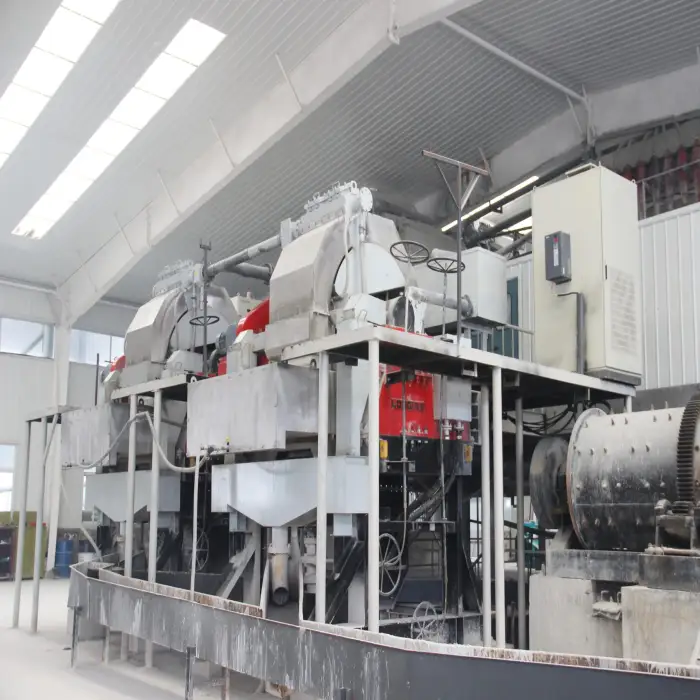
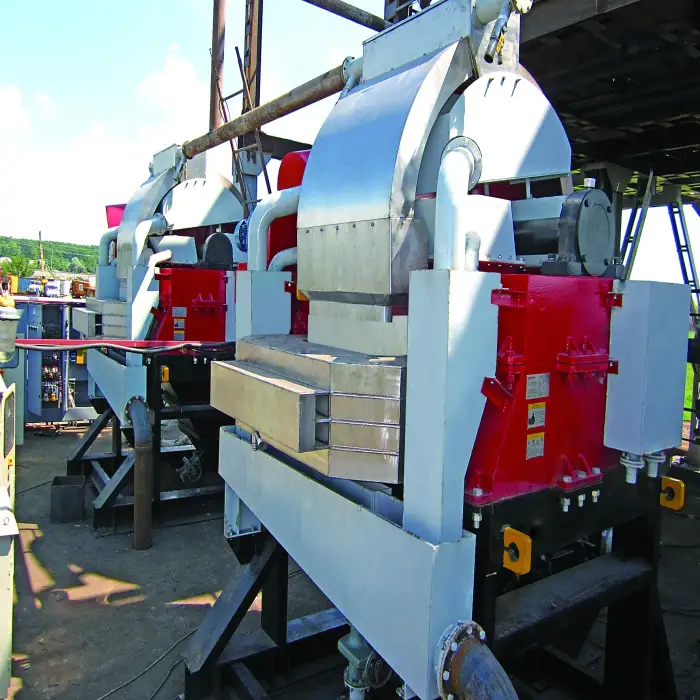
Mineral processing Intensity Magnetic Separator for Feldspar
Asset finance available
Do you want funding for this equipment?
Afrimart can connect you with trusted funding partners who specialise in asset finance for businesses like yours. Compare options and apply in minutes — final approval is subject to provider review.
Check funding options
Secure & no obligation

- Section : Machinery
- Category : Mining Machinery
- SKU : 1600296849867



Wet High Intensity Magnetic Separator for Feldspar is vital equipment in the flow to process the feldspar. The proposed processes combine the typical process of crushing, grinding and classifying, attrition scrubber, with the wet high intensity magnetic separator (WHIMS) and the direct flotation of feldspar. WHIMS is used to remove muscovite, biotite and garnet which are the causes of high Fe-content. The results showed that efficient separation of Fe-bearing minerals could be achieved by WHIMS in thecommercial scale and create the environmental friendly manner.
- Shipping Timeframes: All orders are processed within 2-5 business days (excluding weekends and holidays). After your order has been processed, the estimated delivery time is before 03 Aug, 2026, depending on customs, Please note that due to high demand, some items may experience longer shipping times, which will be communicated at order confirmation email.
- Order Processing Time: Please allow 2-5 business days for us to process your order before it is shipped . Orders placed after 16:00 on Fridays, or during weekends and public holidays, will begin processing on the next business day. Processing times may be extended during peak seasons or sales events.
- Manufacturing Time: Some products needs manufacturing time, the manufacturing process will take approximately 10-30 business days depending on the product. This timeframe may vary depending on the complexity of the product and current demand. but this will be communicated with you during order confirmation.
- Returns and Exchanges: We offer a 30-day return policy for most items. If you are not completely satisfied with your purchase, you may return it within 30 days of receipt for a refund or exchange. Items must be unused, in their original packaging, and accompanied by proof of purchase. Return shipping costs are the responsibility of the customer, unless the item was damaged or defective upon arrival.
1. What is the main purpose of the Mineral Processing Intensity Magnetic Separator for Feldspar?
The main purpose of the Wet High Intensity Magnetic Separator (WHIMS) for Feldspar is to efficiently remove impurities such as muscovite, biotite, and garnet, which contribute to high iron content in feldspar.
2. How does the WHIMS process work?
The WHIMS process involves passing a slurry of feldspar through a magnetic field, where magnetic minerals are attracted and removed, allowing for the separation of desired feldspar from unwanted impurities.
3. What types of impurities does the separator target?
The separator specifically targets iron-bearing minerals, such as muscovite, biotite, and garnet, which can adversely affect the quality of feldspar.
4. Is the WHIMS process environmentally friendly?
Yes, the WHIMS process is designed to be environmentally friendly, as it minimizes the use of harmful chemicals and reduces waste compared to traditional methods.
5. What are the key steps involved in the feldspar processing flow?
The key steps in the feldspar processing flow include crushing, grinding, classifying, attrition scrubbing, and using the WHIMS followed by direct flotation.
6. Can the WHIMS be used on a commercial scale?
Yes, the WHIMS has been shown to achieve efficient separation of Fe-bearing minerals on a commercial scale, making it suitable for large-scale feldspar processing.
7. What advantages does the WHIMS have over traditional magnetic separation methods?
The WHIMS provides higher separation efficiency, better removal of impurities, and is capable of processing fine particles compared to traditional magnetic separation methods.
8. What is the expected output quality after using the WHIMS?
The expected output quality after using the WHIMS is high-purity feldspar with significantly reduced iron content, making it suitable for various industrial applications.
9. What is the role of attrition scrubbers in the feldspar processing?
Attrition scrubbers are used to further clean the feldspar by removing surface impurities and enhancing the effectiveness of the subsequent magnetic separation process.
10. What industries can benefit from using the Mineral Processing Intensity Magnetic Separator?
Industries such as ceramics, glass manufacturing, and construction materials can benefit from using the WHIMS to obtain high-quality feldspar.
11. How does WHIMS compare to flotation methods?
WHIMS is often more effective at removing specific iron-bearing minerals, while flotation methods are generally used for separating non-magnetic impurities. They can also be used in conjunction for optimal results.
12. What is the typical maintenance required for the WHIMS?
Typical maintenance for the WHIMS includes regular cleaning of the magnetic elements, inspection of wear parts, and ensuring the proper functioning of pumps and other mechanical components.
13. Is training available for operating the WHIMS?
Yes, training is usually provided for operators to ensure they understand the equipment's operation, maintenance, and safety procedures.
14. What is the estimated lifespan of the WHIMS?
The estimated lifespan of a WHIMS can vary based on usage and maintenance, but with proper care, it can last several years.
15. Are there any safety precautions to consider when using the WHIMS?
Yes, operators should follow standard safety protocols, including wearing protective gear, ensuring proper ventilation, and being trained in emergency procedures.
Latest Order Arrivals
Discover our latest orders
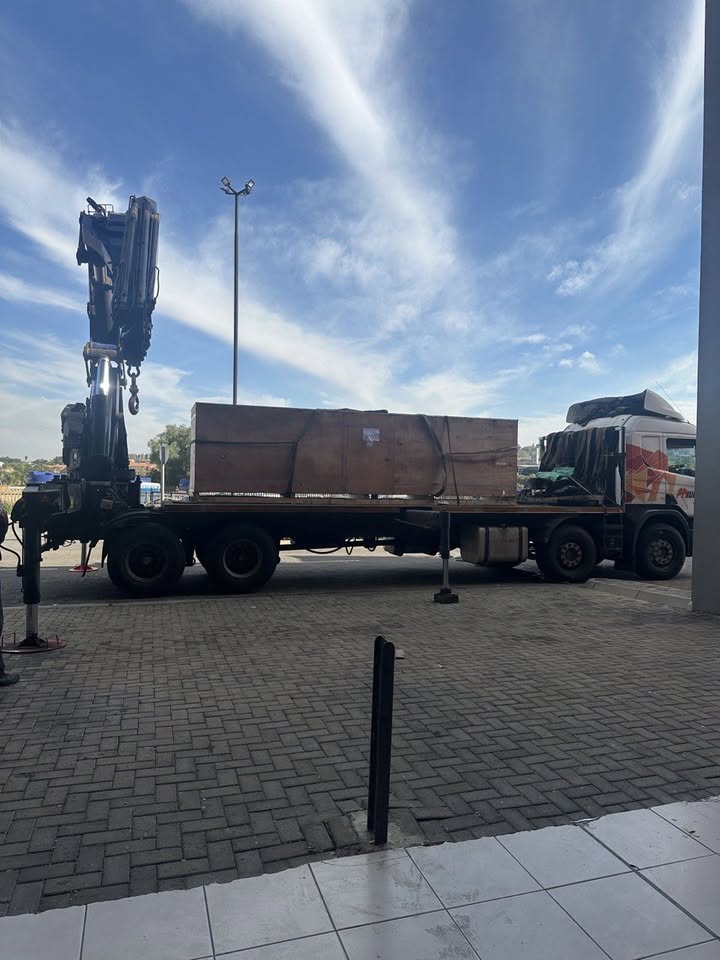
12 Heads Embroidery Machine
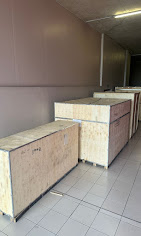
Toilet Paper Machine Machine
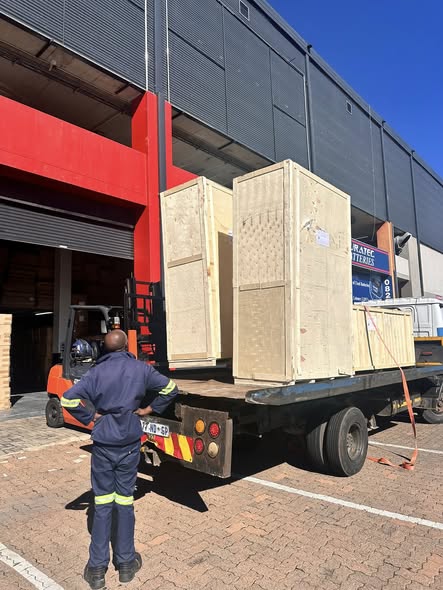
Order Collection
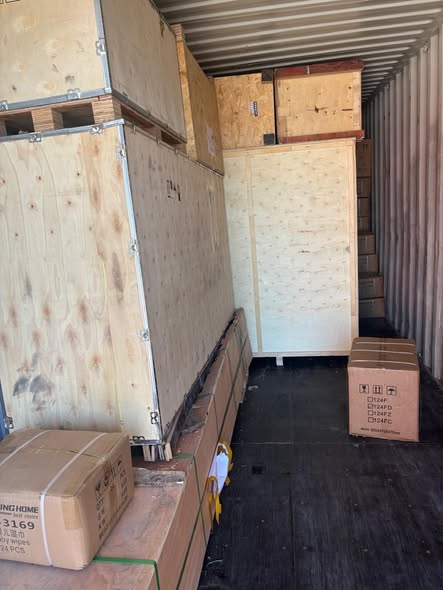
Cross Border Clients
Order cros border countries Collected
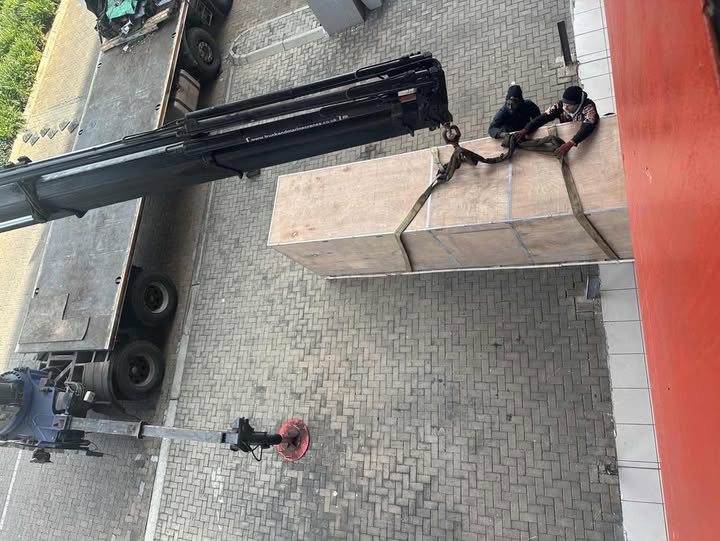
Industrial Machine Cllection
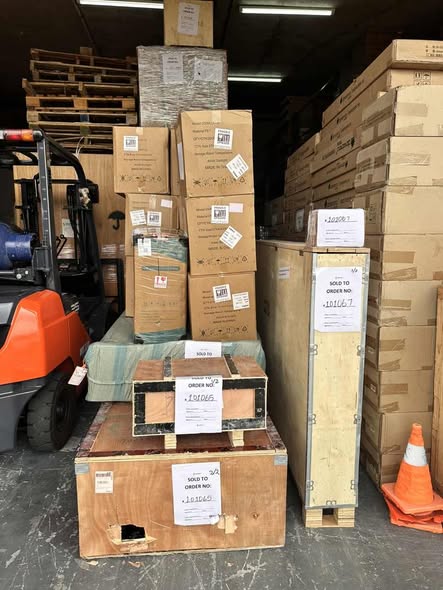
Agriculture Processing Machines
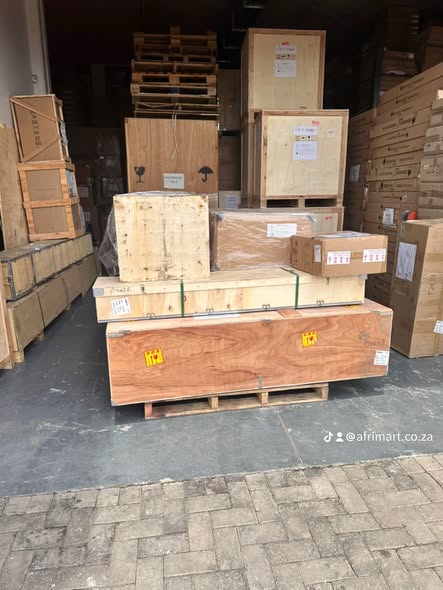
Ready for collection
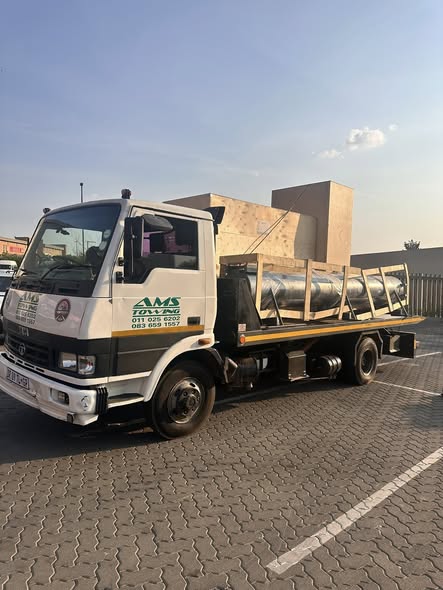
Water Pump Equipment
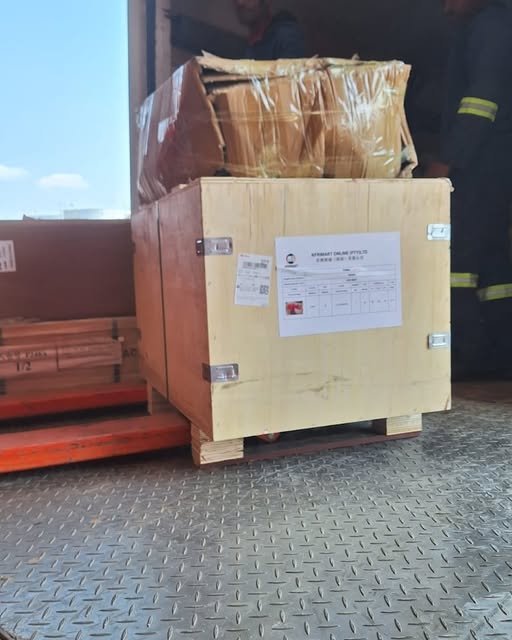
Packaging Machine and accessories
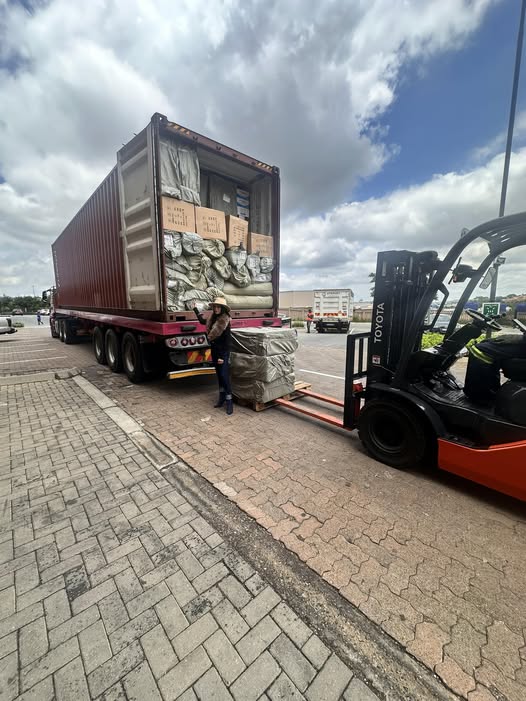
Fabrics Manufacturing Equipment
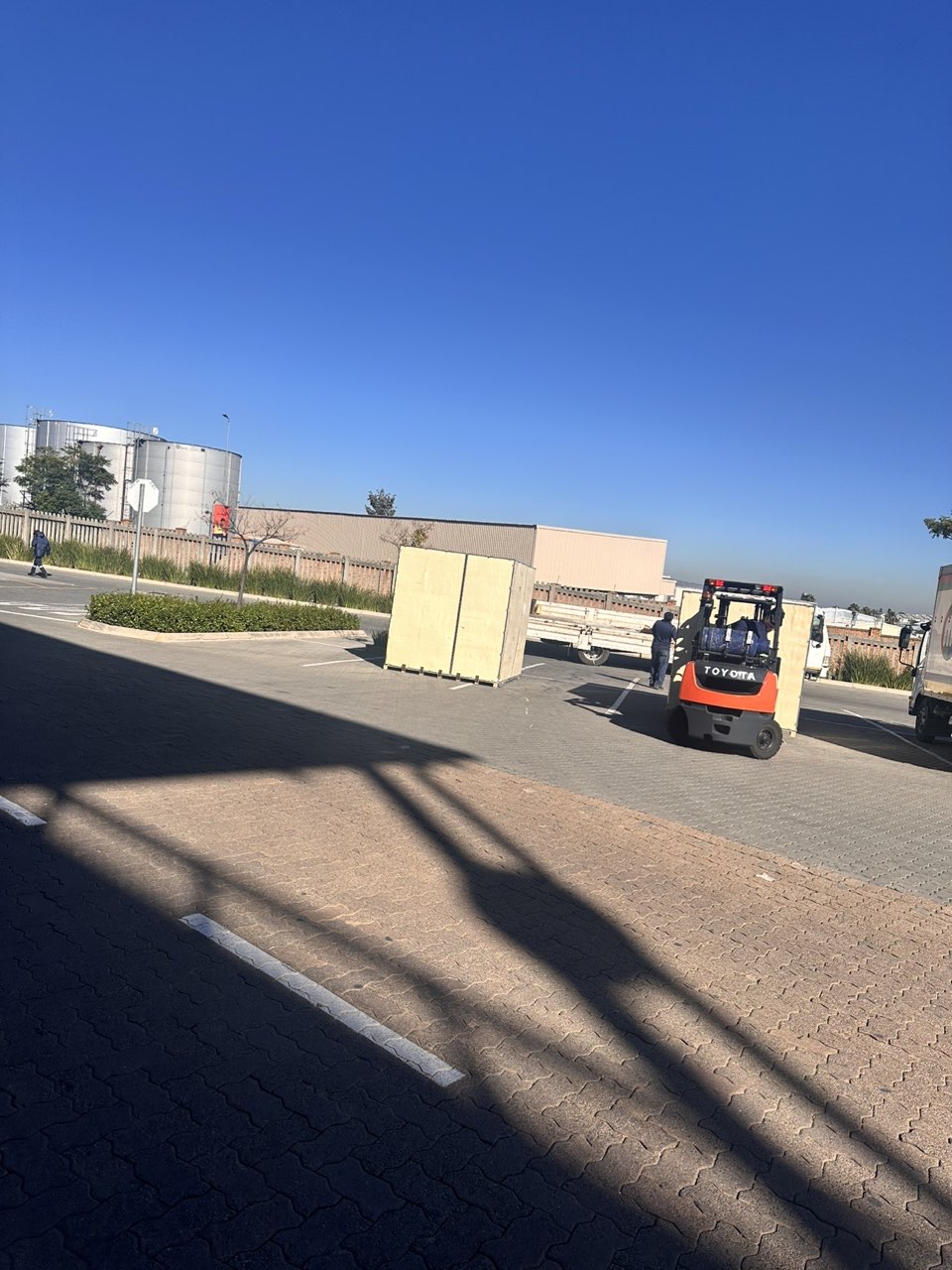
Mining Equipments
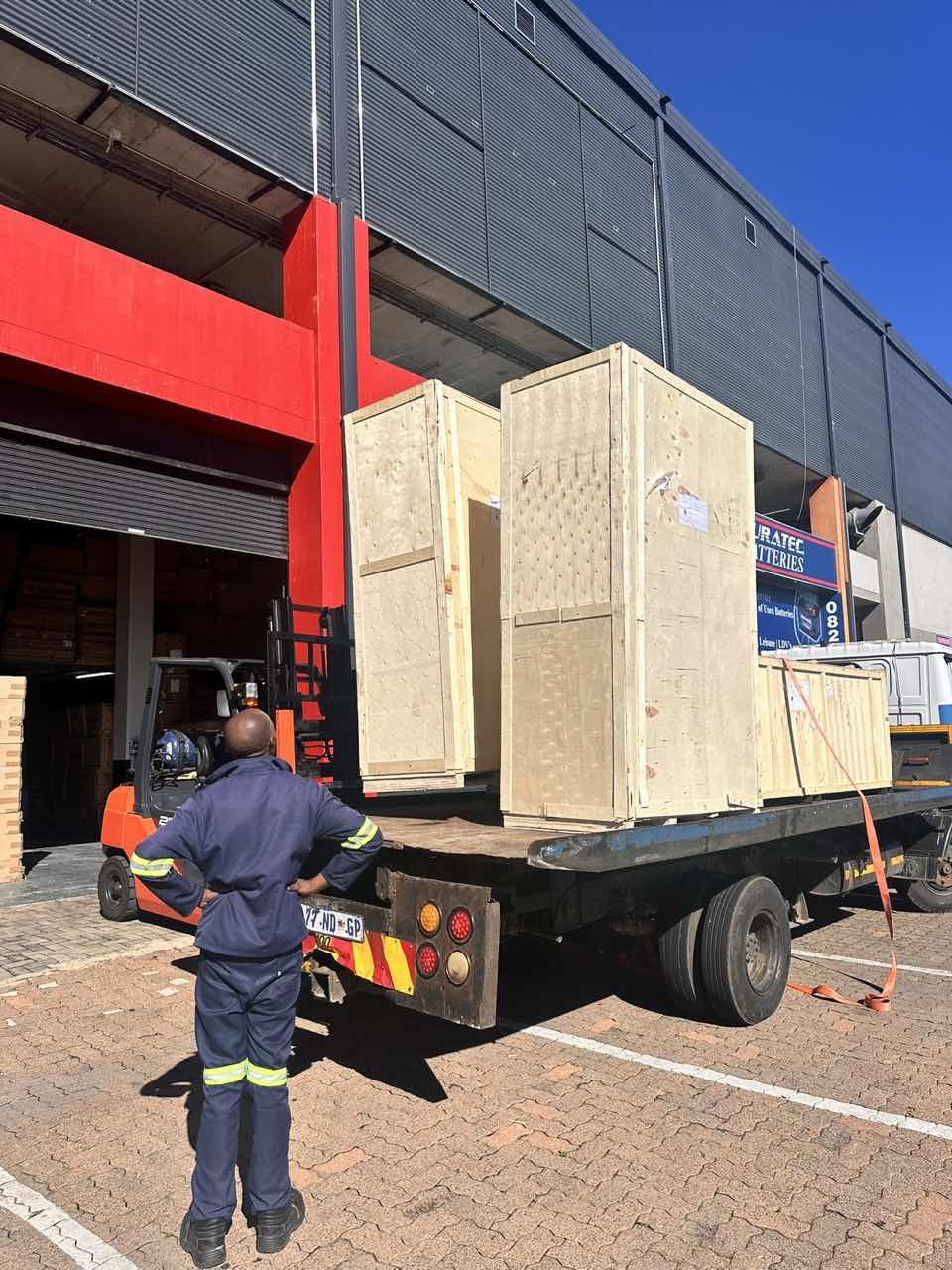
Food Processing Machine
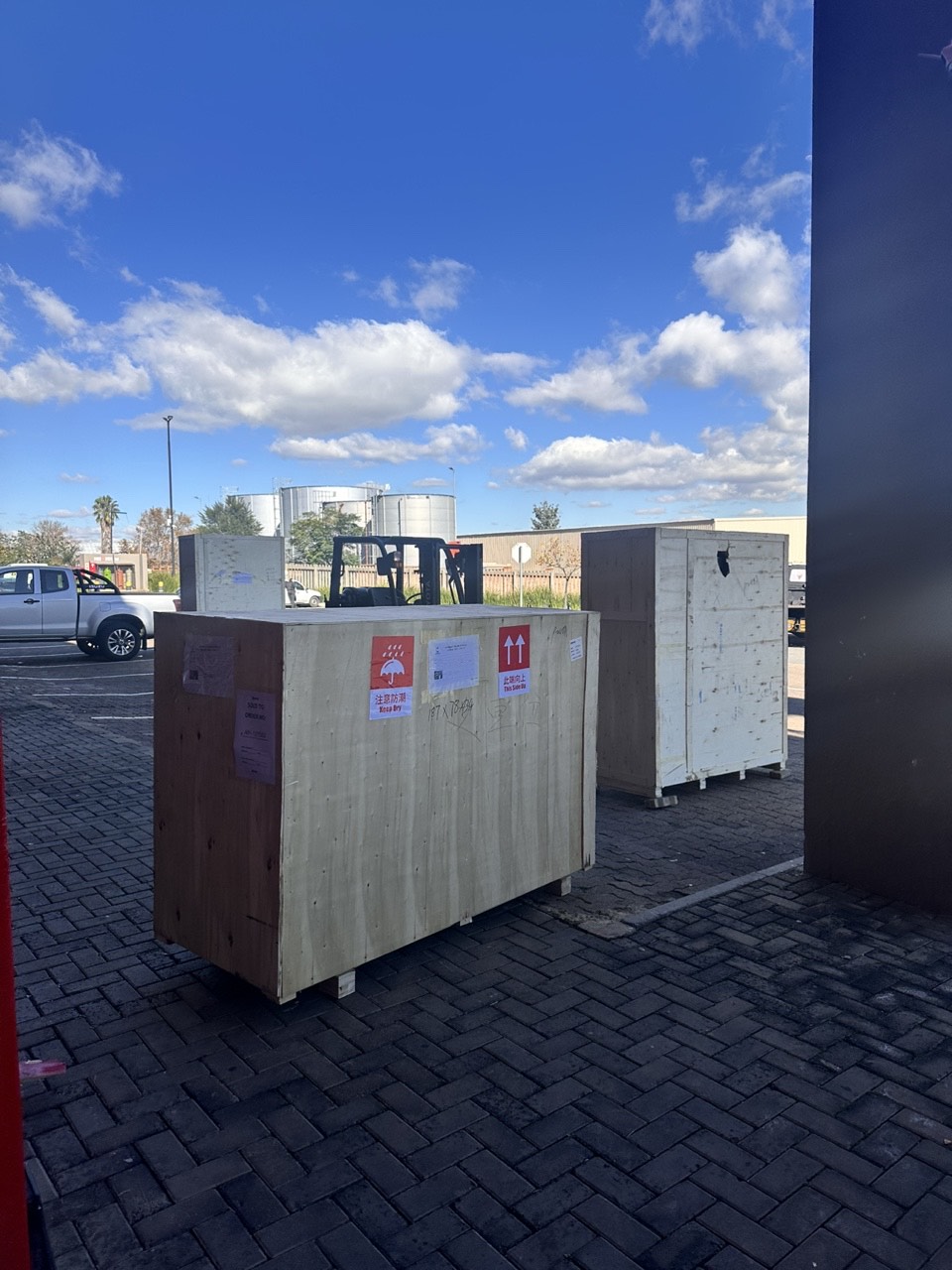
Batch of Orders
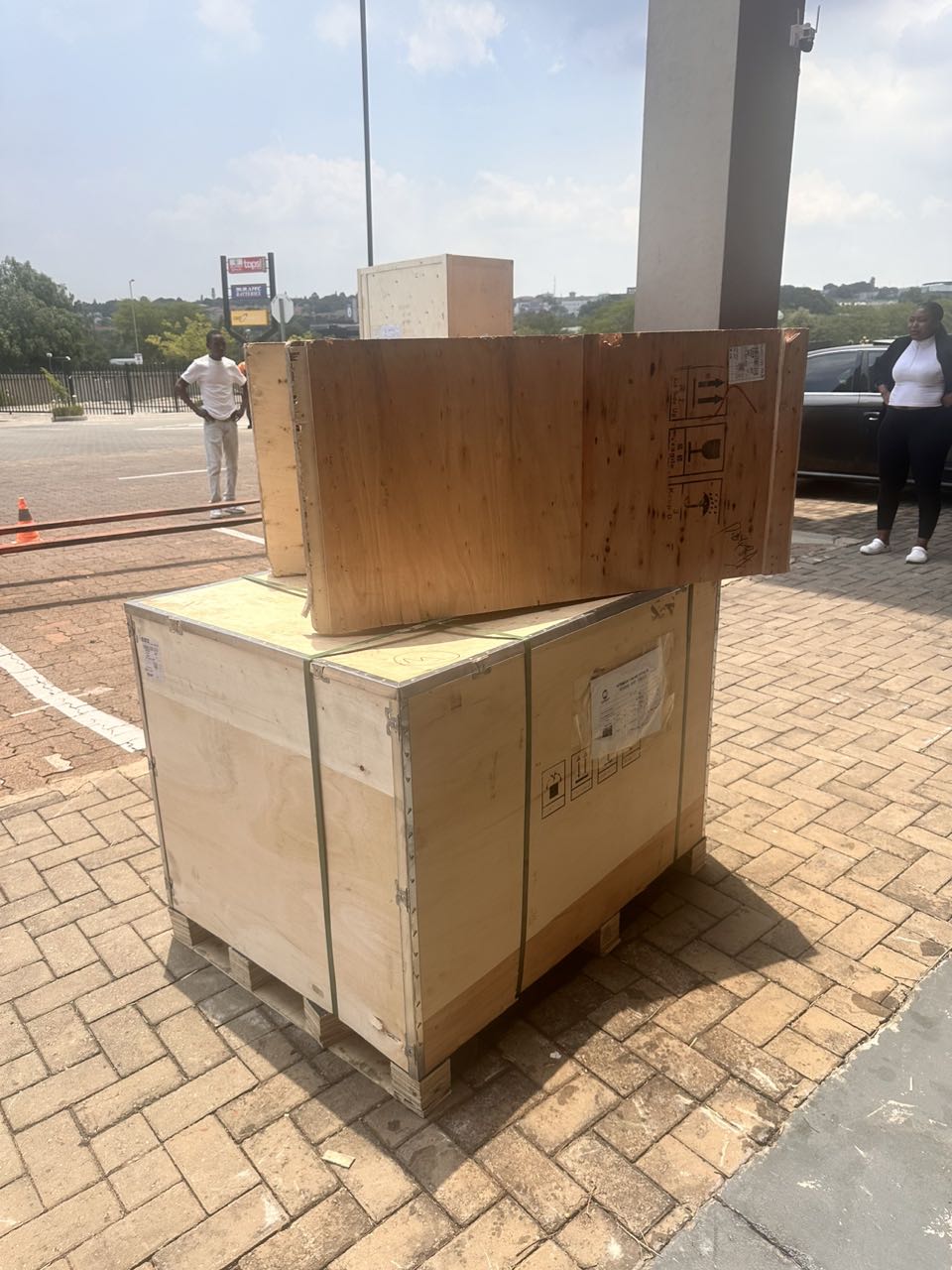
Batch of Orders
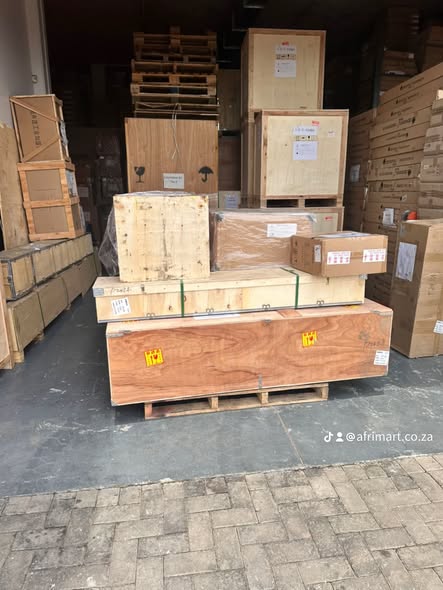
Latest Orders Labelled
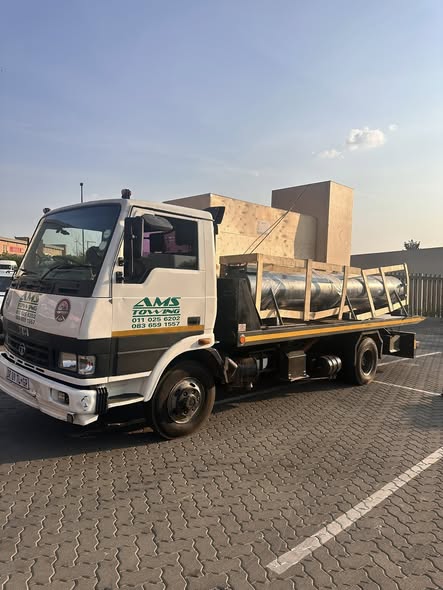
wheel alignment machines
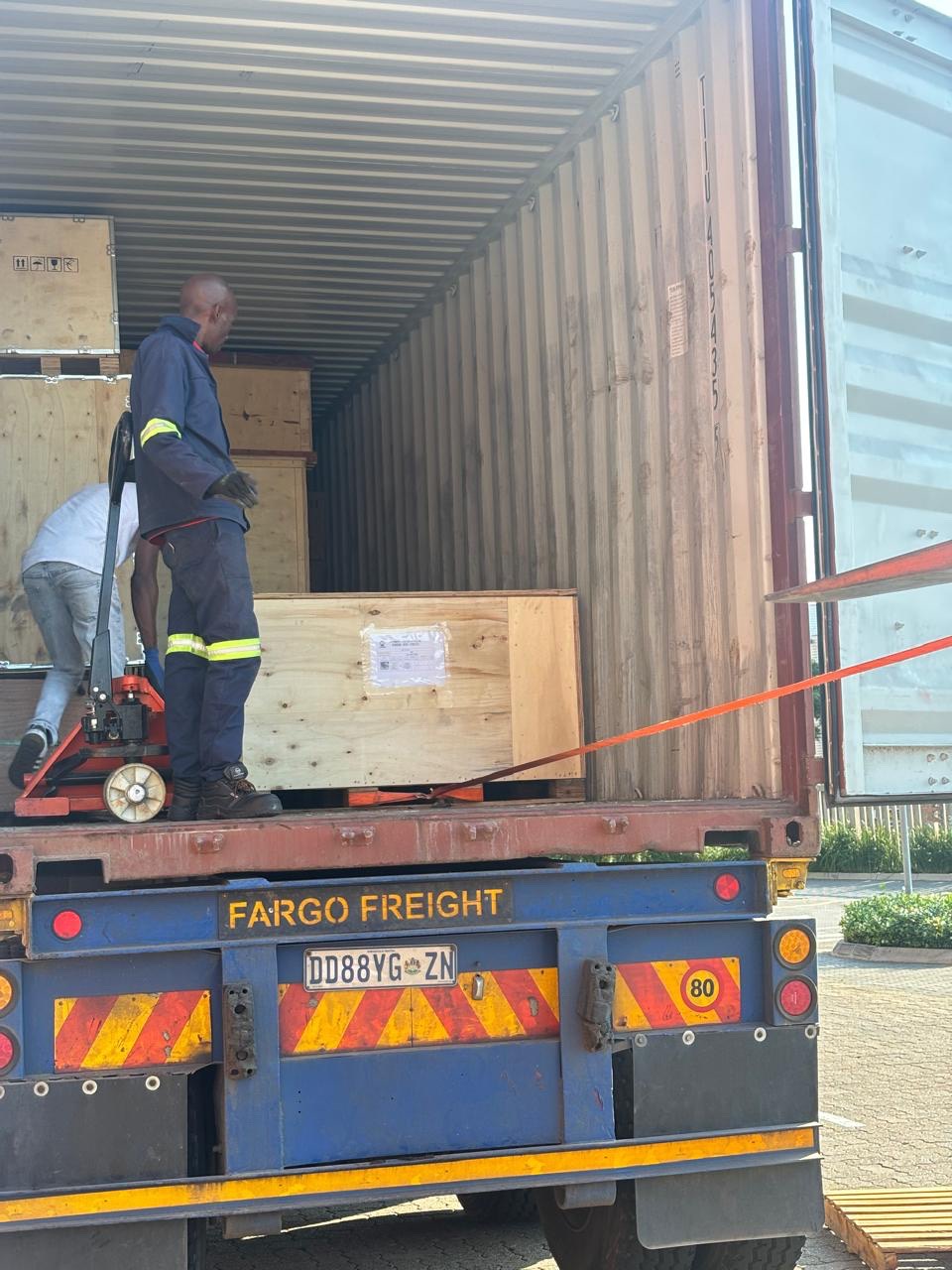
new arrivals
Pre Orders Offloading
Latest Arrivals
Latest Arrivals
Latest Arrivals
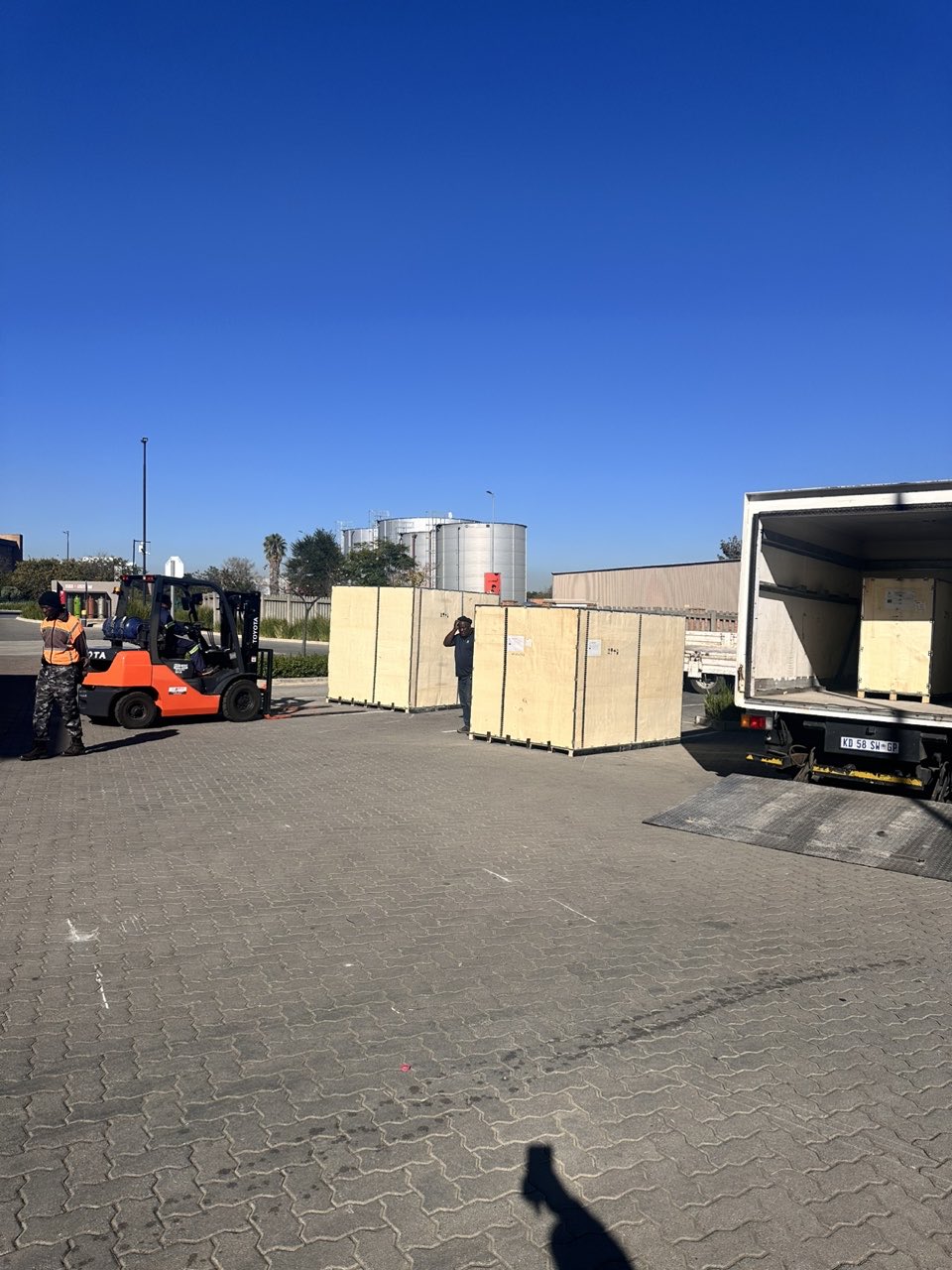
Loading
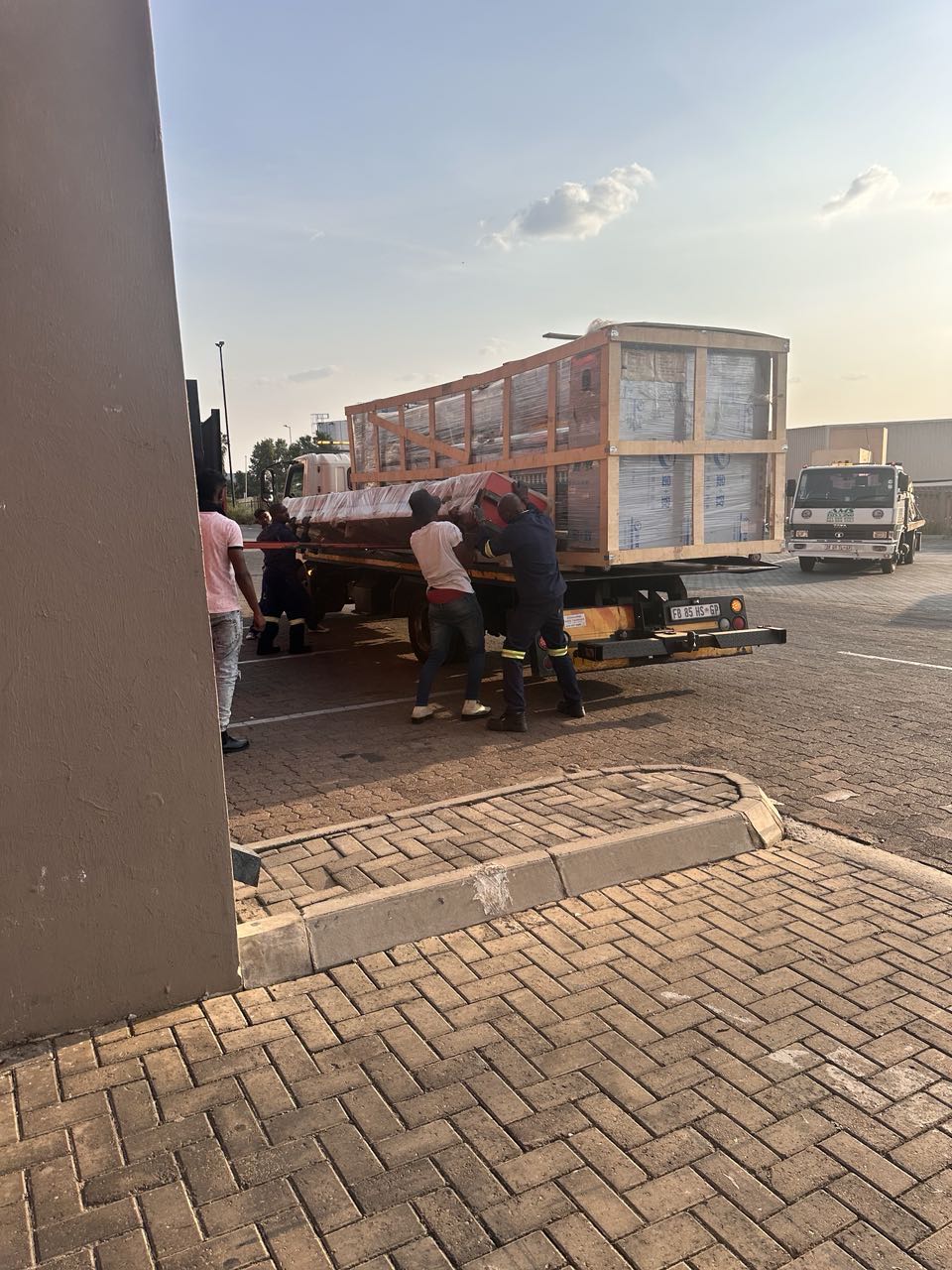
Toilet paper making machine
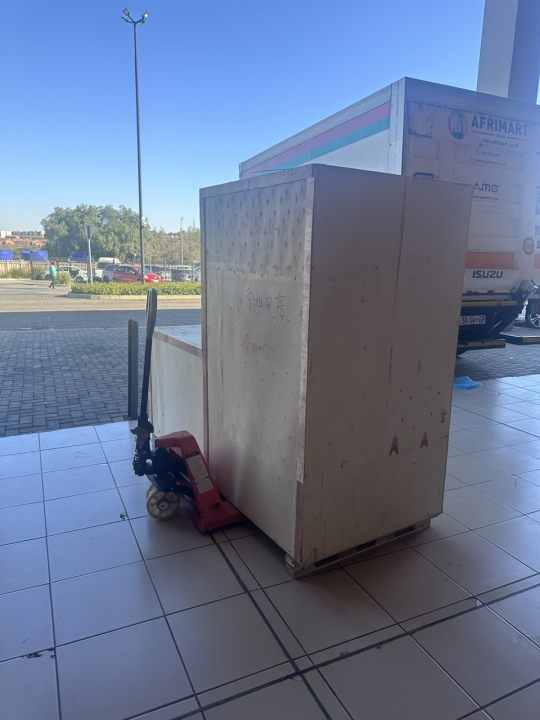
Toilet paper making machine
Toilet paper Rewinding Machine
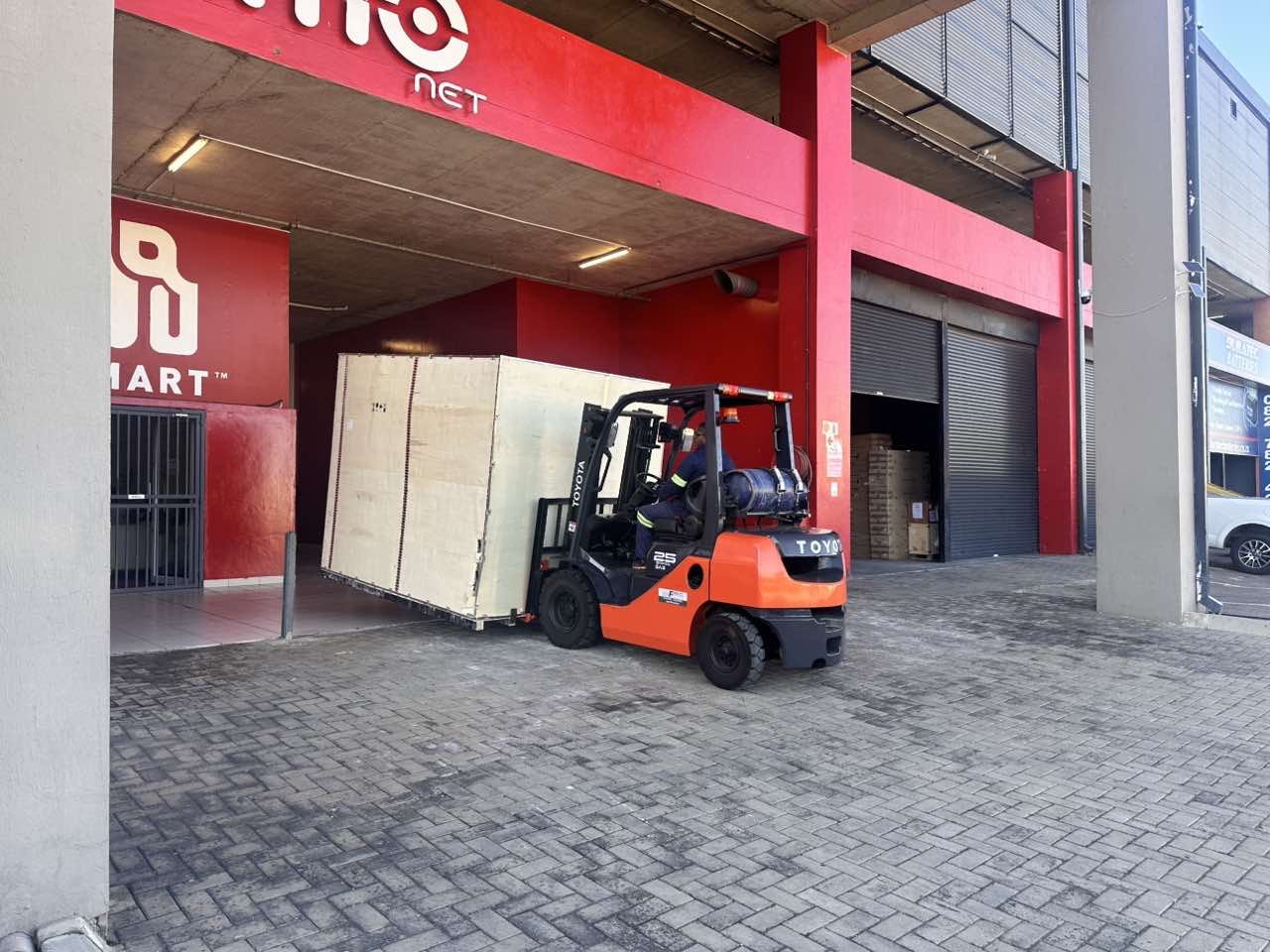
latest arrivals
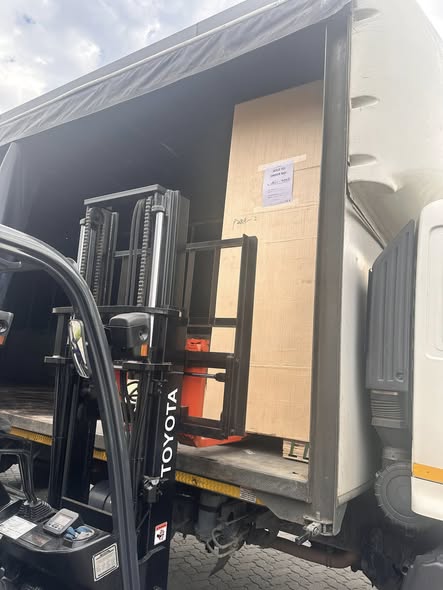
offloading
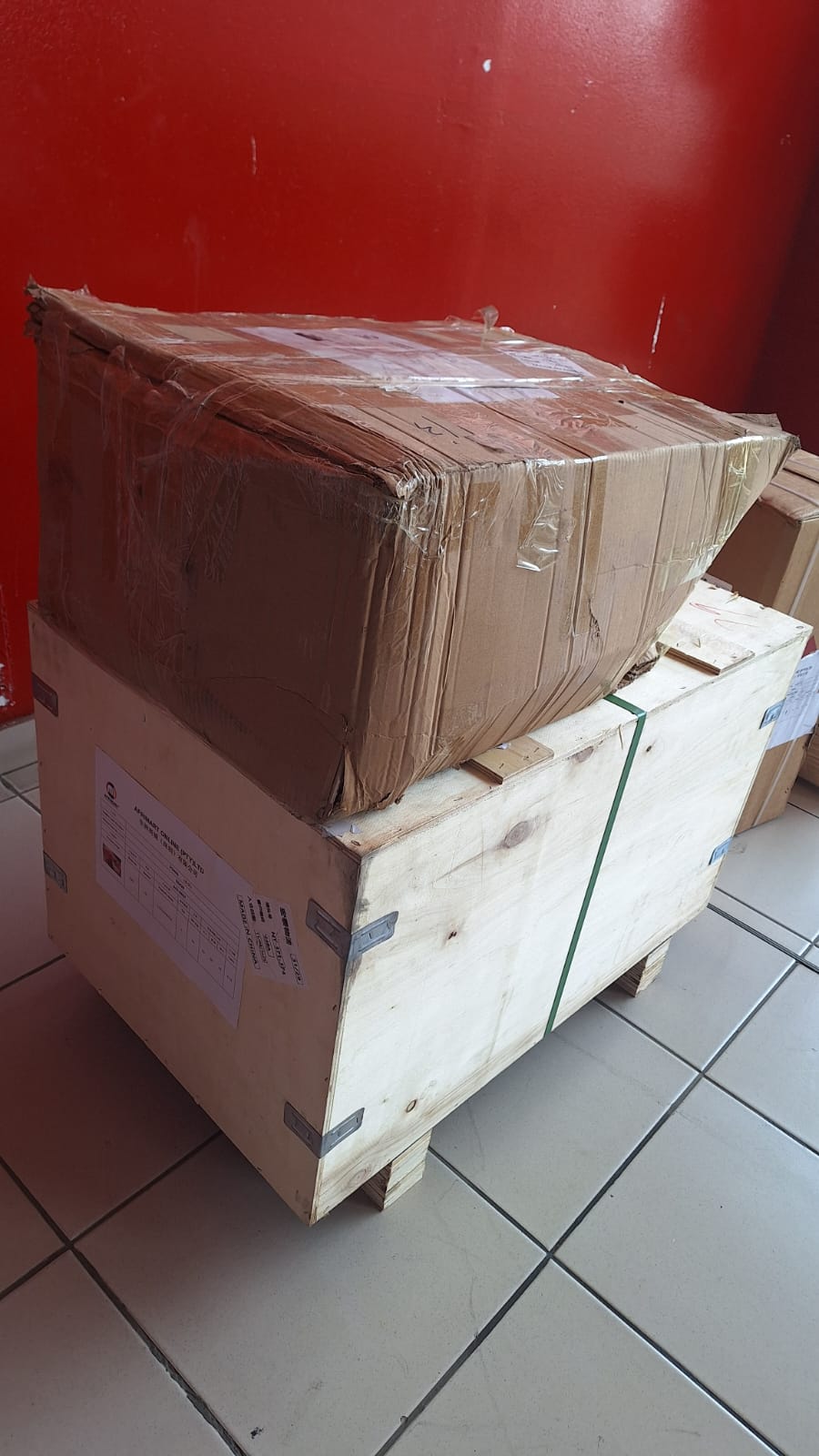
order success
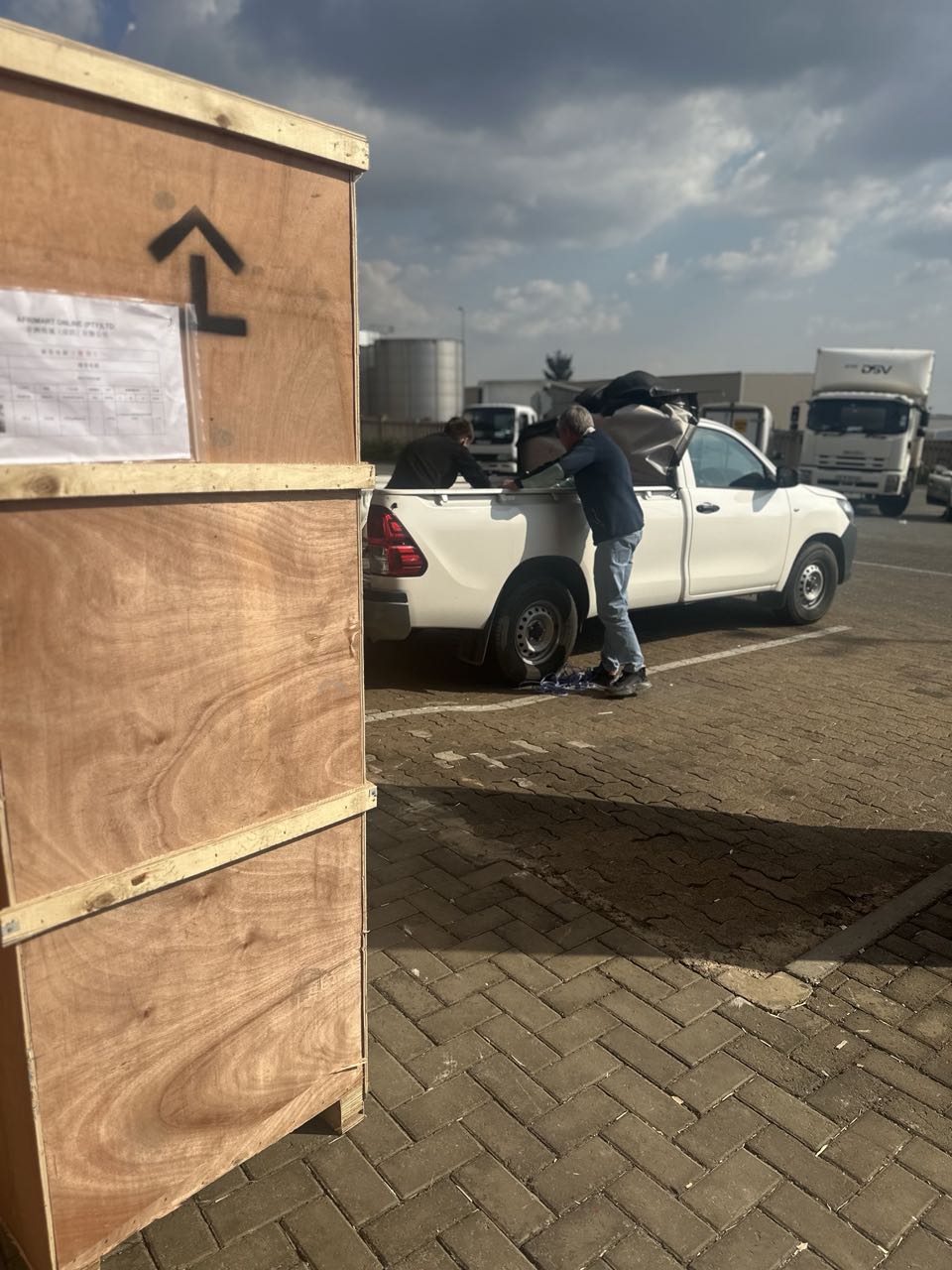
order collection
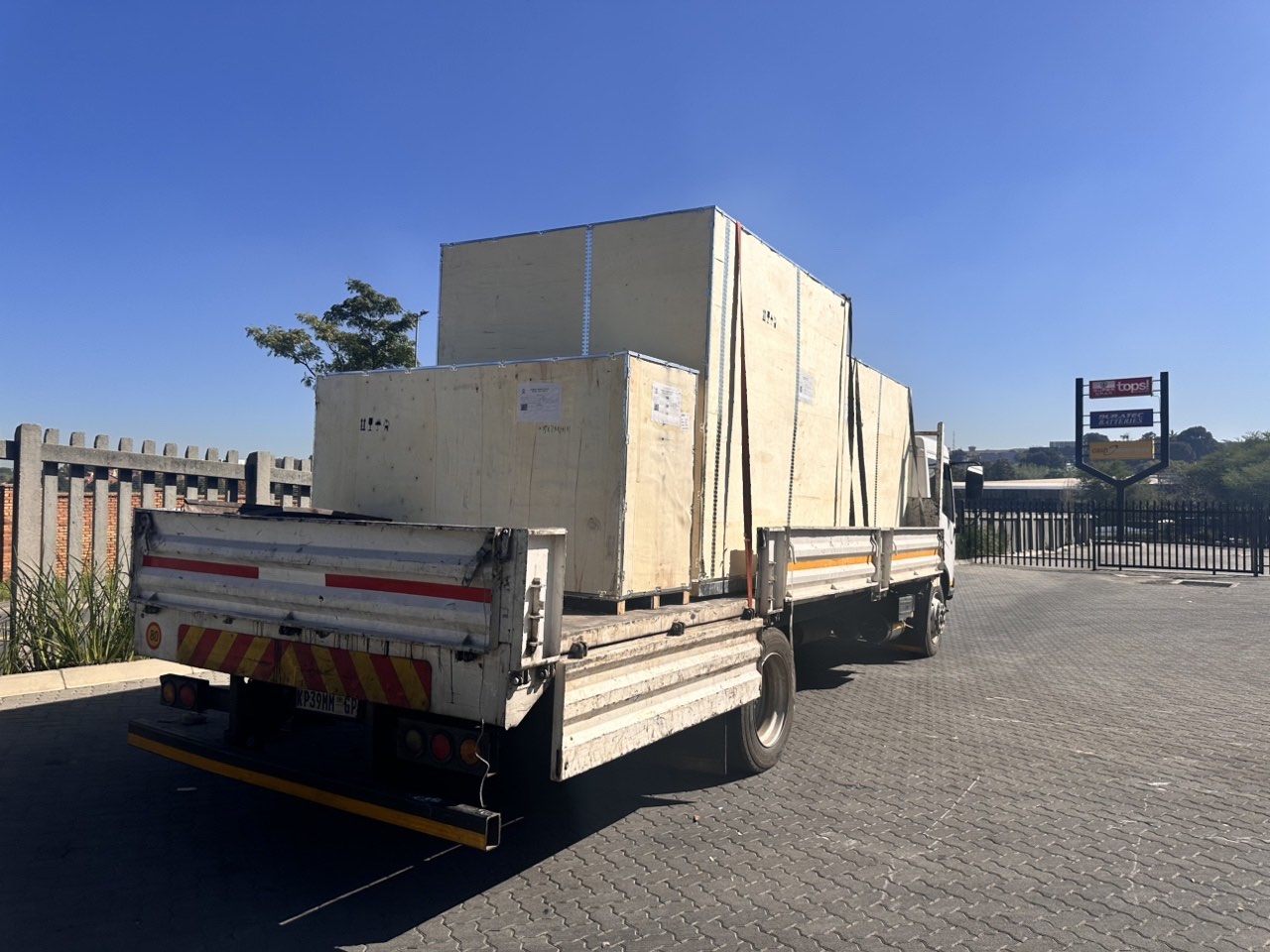
order offloading