B21, China Town Mall, Midrand

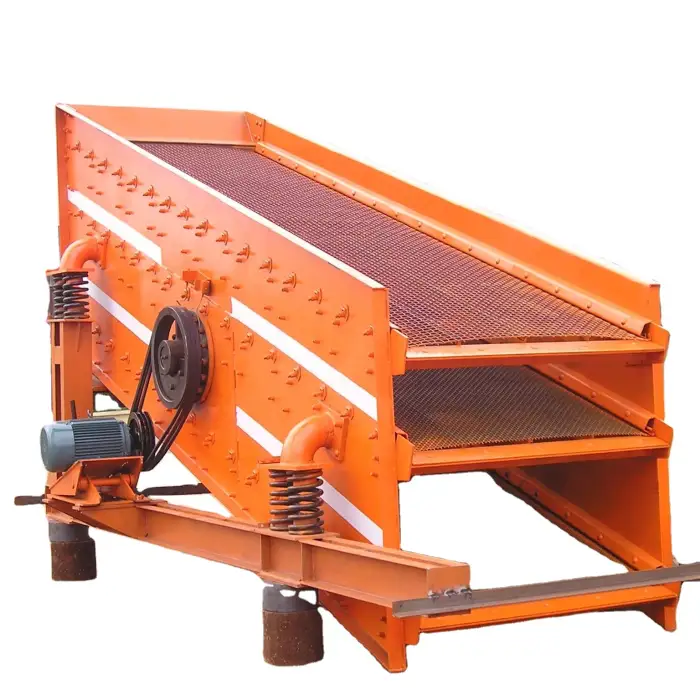
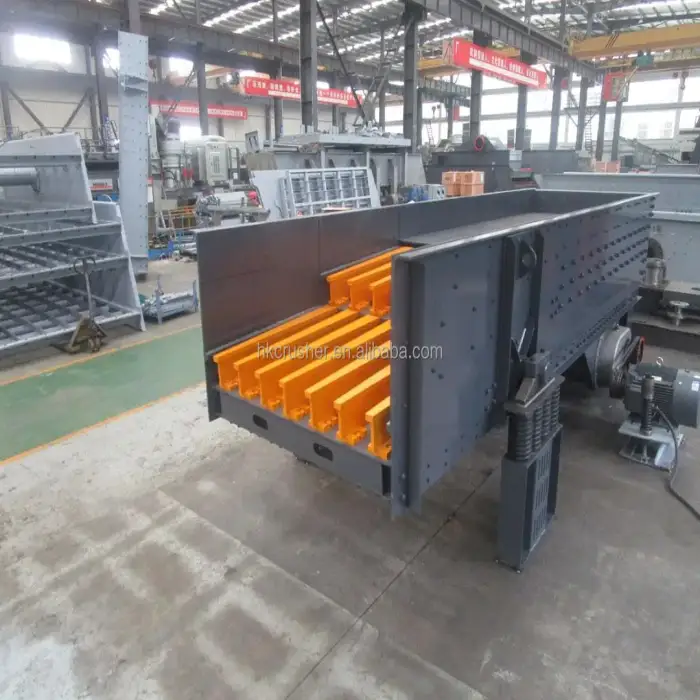
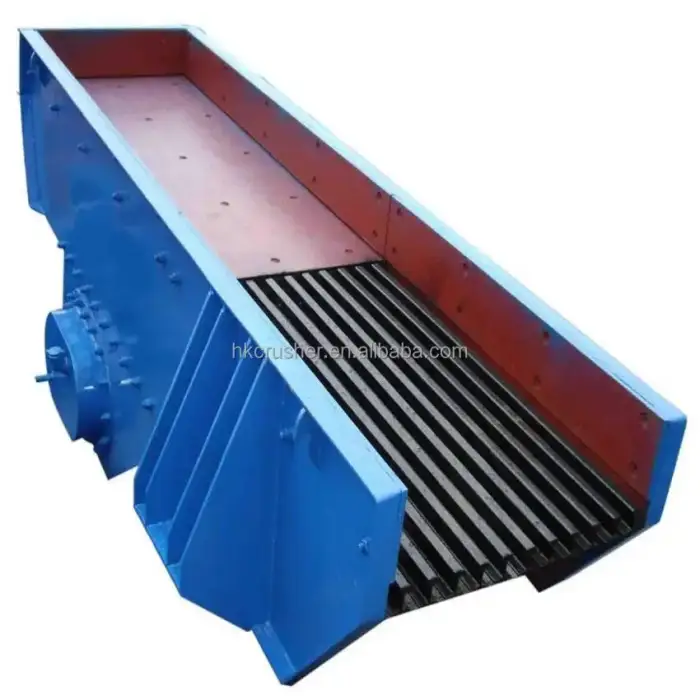
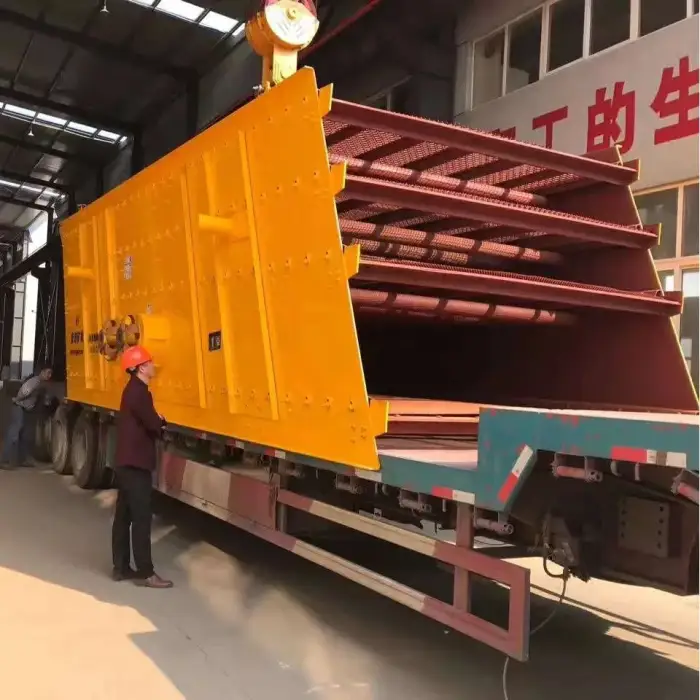
Mineral Processing Electromagnetic Vibrating Feeder

- Section : Machinery
- Category : Mining Machinery
- SKU : 1600843375611


Description:
Vibrating Feeder is a kind of linear direction feeding equipment. It features smooth vibrating, reliable operation, long service life and being suitable for feeding. Vibrating feeders are widely used in mining, building-material, silicate andchemical industry in the crushing and screening plants.In the Sand-Stone production line, vibrating feeder can send materials to crusher evenly and continuously and at the same time, it can screen materials roughly.Vibrating feeder can be used in these areas such as metallurgical industry, coal mining industry, mining-selecting, building, chemical and grinding industry, etc.
Structure of Vibrating Feeder:
Vibrating feeder mainly consists of feeding trough, spring bearing, vibrating device, motor and so on. The vibrating device is made of two fixed eccentric shafts and gears. Driving shaft is transmitted by motor via V-belt, and then driven shaft is transmitted by meshing with driving shaft's gear. Driving and driven shaft rotates at the same time in reverse direction to make the feeding trough vibrate. Materials will flow continuously, thus the conveying of materials can be carried out.

Specification and technical parameters:
| Model | Capacity(t/h) | Max feed size(mm) | Motor power | Weight(kg) | |
| Level | -10° | ||||
| GZ1 | 5 | 7 | 50 | 0.06 | 73 |
| GZ2 | 10 | 14 | 50 | 0.15 | 146 |
| GZ3 | 25 | 35 | 75 | 0.2 | 217 |
| GZ4 | 50 | 70 | 100 | 0.45 | 412 |
| GZ5 | 100 | 140 | 150 | 0.65 | 656 |
| GZ6 | 150 | 210 | 200 | 1.5 | 1252 |
| GZ7 | 250 | 350 | 250 | 3 | 1920 |
| GZ8 | 400 | 560 | 300 | 4 | 3040 |
| GZ9 | 600 | 840 | 350 | 5.5 | 3750
|

- Shipping Timeframes: All orders are processed within 2-5 business days (excluding weekends and holidays). After your order has been processed, the estimated delivery time is before 20 Jun, 2026, depending on customs, Please note that due to high demand, some items may experience longer shipping times, which will be communicated at order confirmation email.
- Order Processing Time: Please allow 2-5 business days for us to process your order before it is shipped . Orders placed after 16:00 on Fridays, or during weekends and public holidays, will begin processing on the next business day. Processing times may be extended during peak seasons or sales events.
- Manufacturing Time: Some products needs manufacturing time, the manufacturing process will take approximately 10-30 business days depending on the product. This timeframe may vary depending on the complexity of the product and current demand. but this will be communicated with you during order confirmation.
- Returns and Exchanges: We offer a 30-day return policy for most items. If you are not completely satisfied with your purchase, you may return it within 30 days of receipt for a refund or exchange. Items must be unused, in their original packaging, and accompanied by proof of purchase. Return shipping costs are the responsibility of the customer, unless the item was damaged or defective upon arrival.
1. What is the primary function of the Mineral Processing Electromagnetic Vibrating Feeder?
The primary function of the Mineral Processing Electromagnetic Vibrating Feeder is to provide a consistent and controlled flow of materials to crushers and other processing equipment in various industries such as mining, construction, and chemical processing.
2. What industries commonly use vibrating feeders?
Vibrating feeders are widely used in the mining, building materials, silicate, and chemical industries, particularly in crushing and screening plants.
3. What are the main components of the vibrating feeder?
The main components of the vibrating feeder include the feeding trough, spring bearing, vibrating device, and motor.
4. How does the vibrating device work in the feeder?
The vibrating device consists of two fixed eccentric shafts and gears. The driving shaft is powered by the motor via a V-belt, and it drives the driven shaft through meshing gears, causing the feeding trough to vibrate.
5. What are the benefits of using an electromagnetic vibrating feeder?
The benefits of using an electromagnetic vibrating feeder include smooth operation, reliable performance, long service life, and the ability to evenly and continuously feed materials.
6. What is the maximum feed size for different models of the feeder?
The maximum feed size varies by model: for example, the GZ150 model has a max feed size of 73mm, while the GZ960 model allows up to 350mm.
7. What is the weight range of the different models of the vibrating feeder?
The weight of the vibrating feeders ranges from 412 kg for the GZ450 model to 7500 kg for the GZ960 model.
8. Can the vibrating feeder be adjusted for different material types?
Yes, the vibrating feeder can be adjusted for different material types by changing the amplitude and frequency of the vibrations, allowing for optimal feeding of various materials.
9. What is the capacity range of the mineral processing vibrating feeders?
The capacity of the mineral processing vibrating feeders ranges from 0.067 t/h for the GZ150 model to 43 t/h for the GZ960 model.
10. Is the vibrating feeder suitable for outdoor use?
Yes, the vibrating feeder is suitable for outdoor use, but it should be protected from harsh weather conditions to ensure its longevity and performance.
11. What maintenance is required for the vibrating feeder?
Regular maintenance includes checking and adjusting the tension of the V-belt, inspecting the springs and bearings, and ensuring that the motor and vibrating device are functioning properly.
12. Does the vibrating feeder require a specific electrical supply?
Yes, the vibrating feeder requires a specific voltage and frequency supply as specified in the motor specifications. Always refer to the product manual for exact requirements.
13. What safety features are included with the vibrating feeder?
Safety features may include overload protection, emergency stop buttons, and guards to prevent accidental contact with moving parts.
14. Can the vibrating feeder handle wet materials?
Yes, the vibrating feeder can handle wet materials, but it is important to ensure that the design and specifications are suitable for the specific moisture content.
15. What type of warranty is offered with the vibrating feeder?
Warranty details may vary by manufacturer, but typically a warranty of 1-2 years is offered, covering defects in materials and workmanship.
Latest Order Arrivals
Discover our latest orders
12 Heads Embroidery Machine
Dewatering Pump Machine
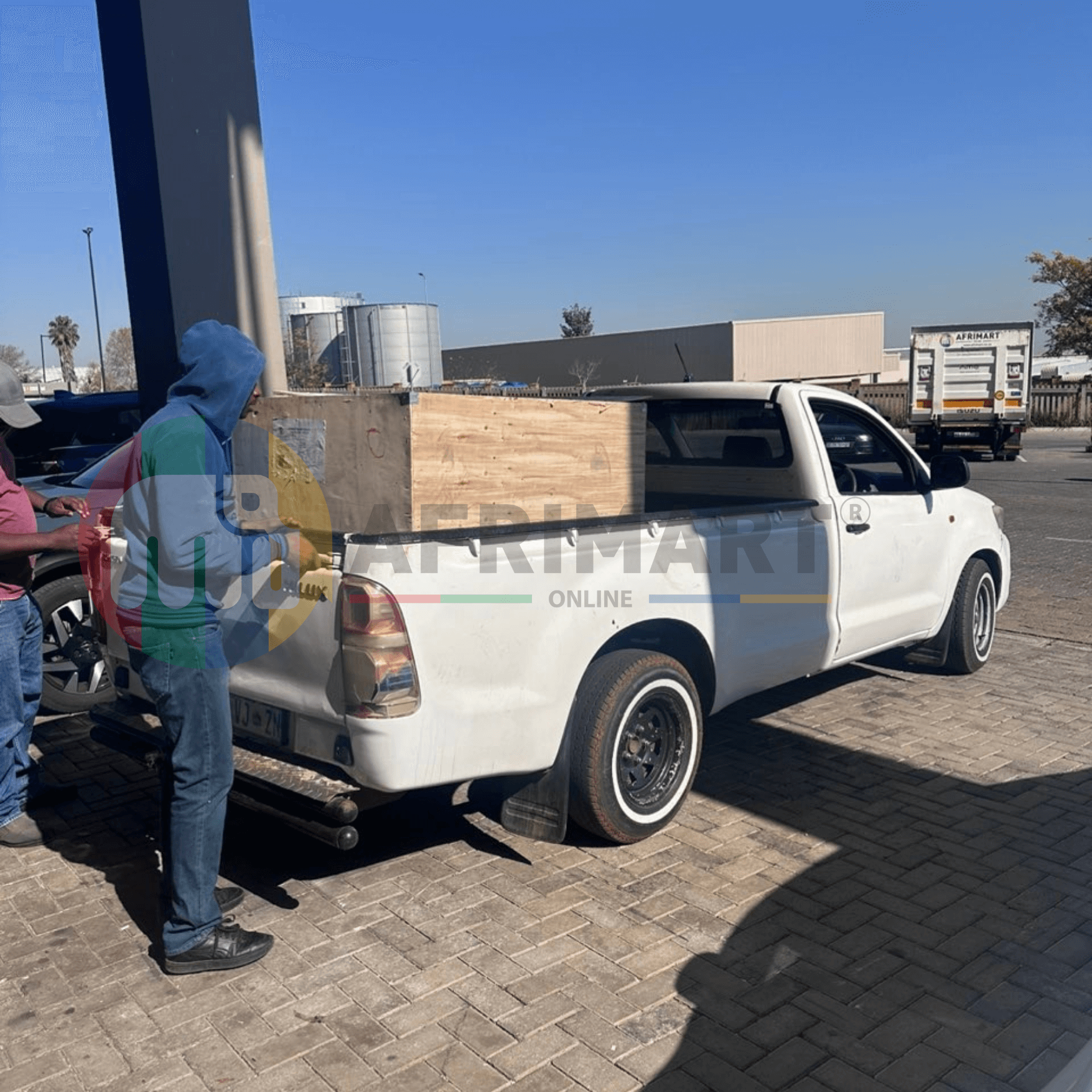
Order Collection
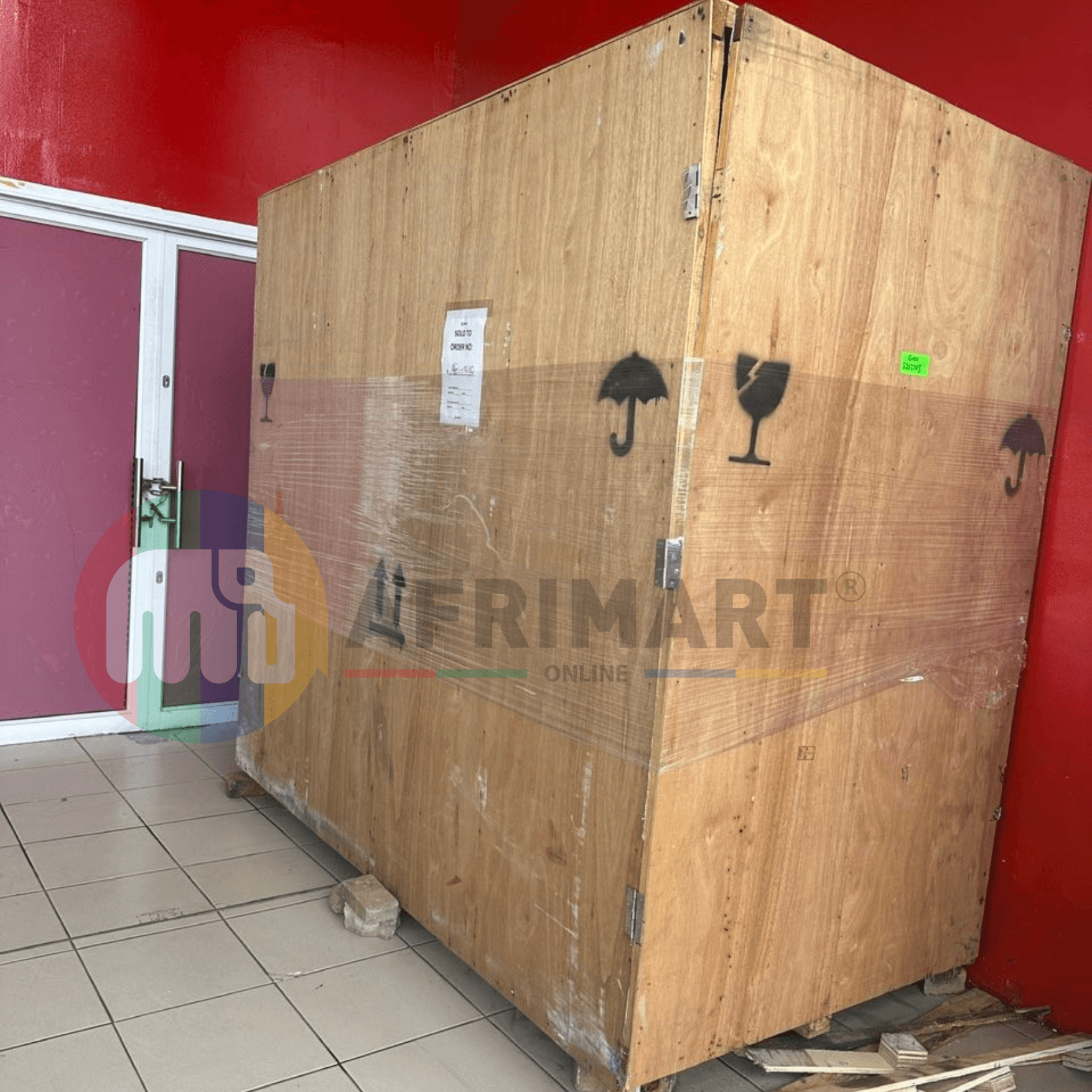
Portable Water Drilling Rig
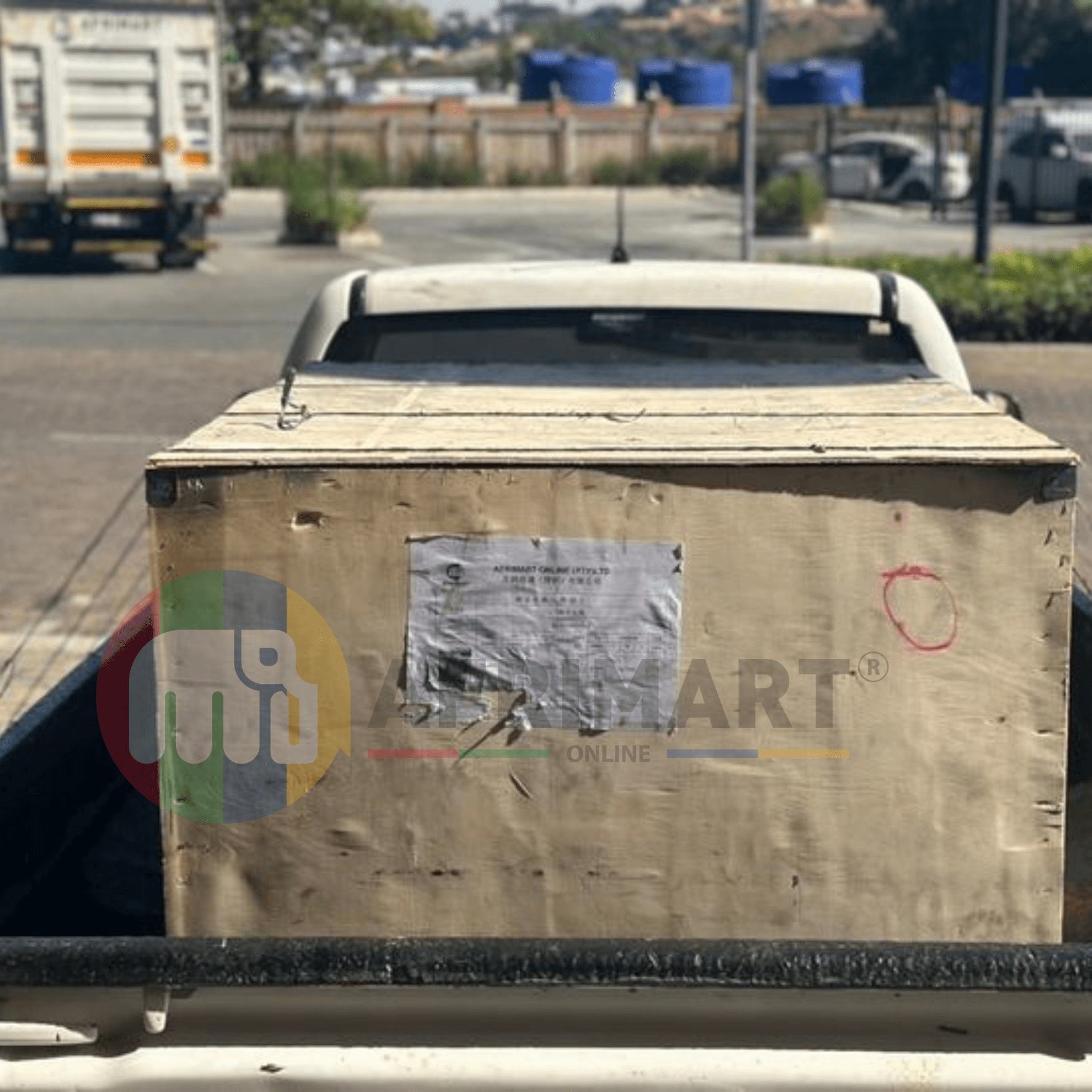
Order Usefully Collected
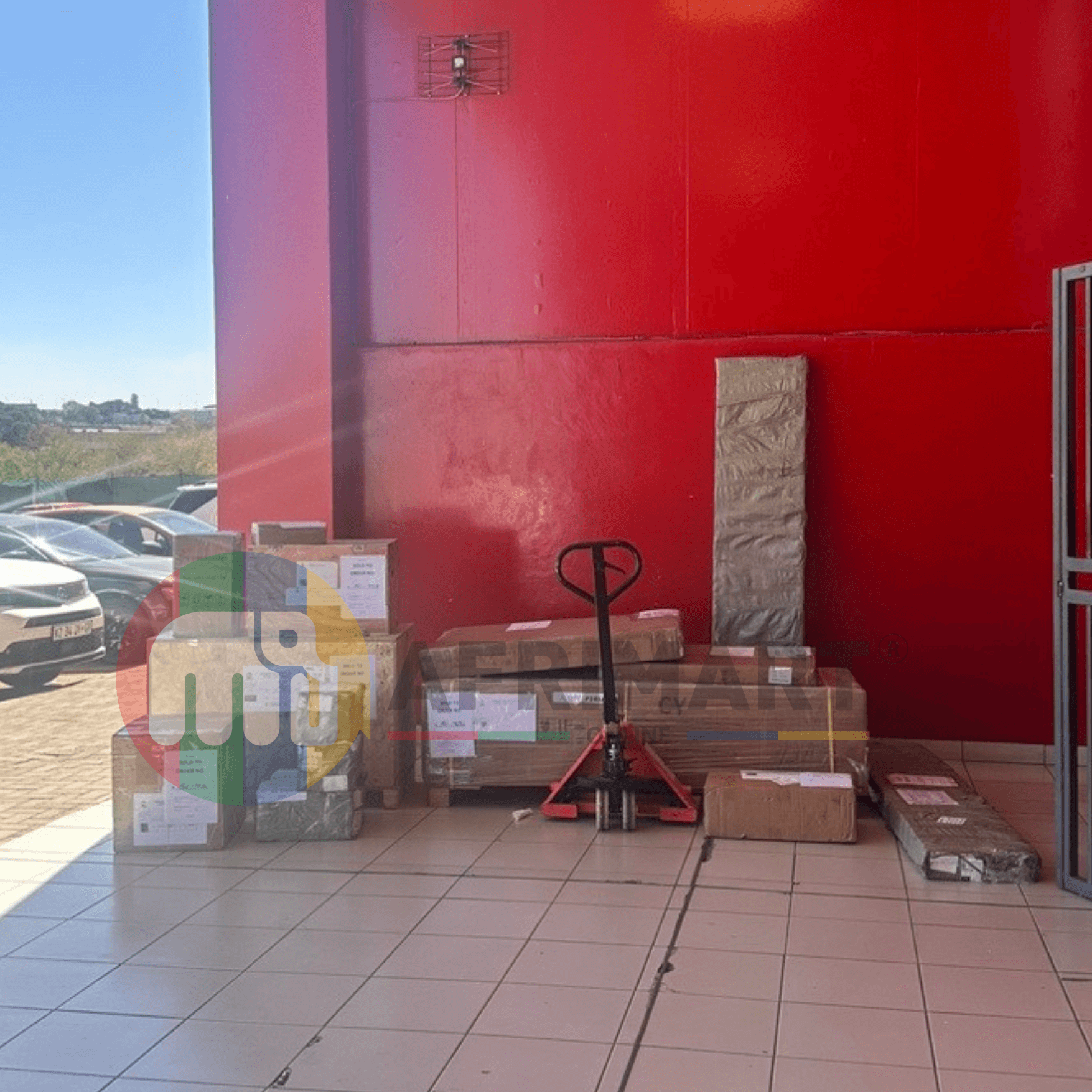
Batch of Orders
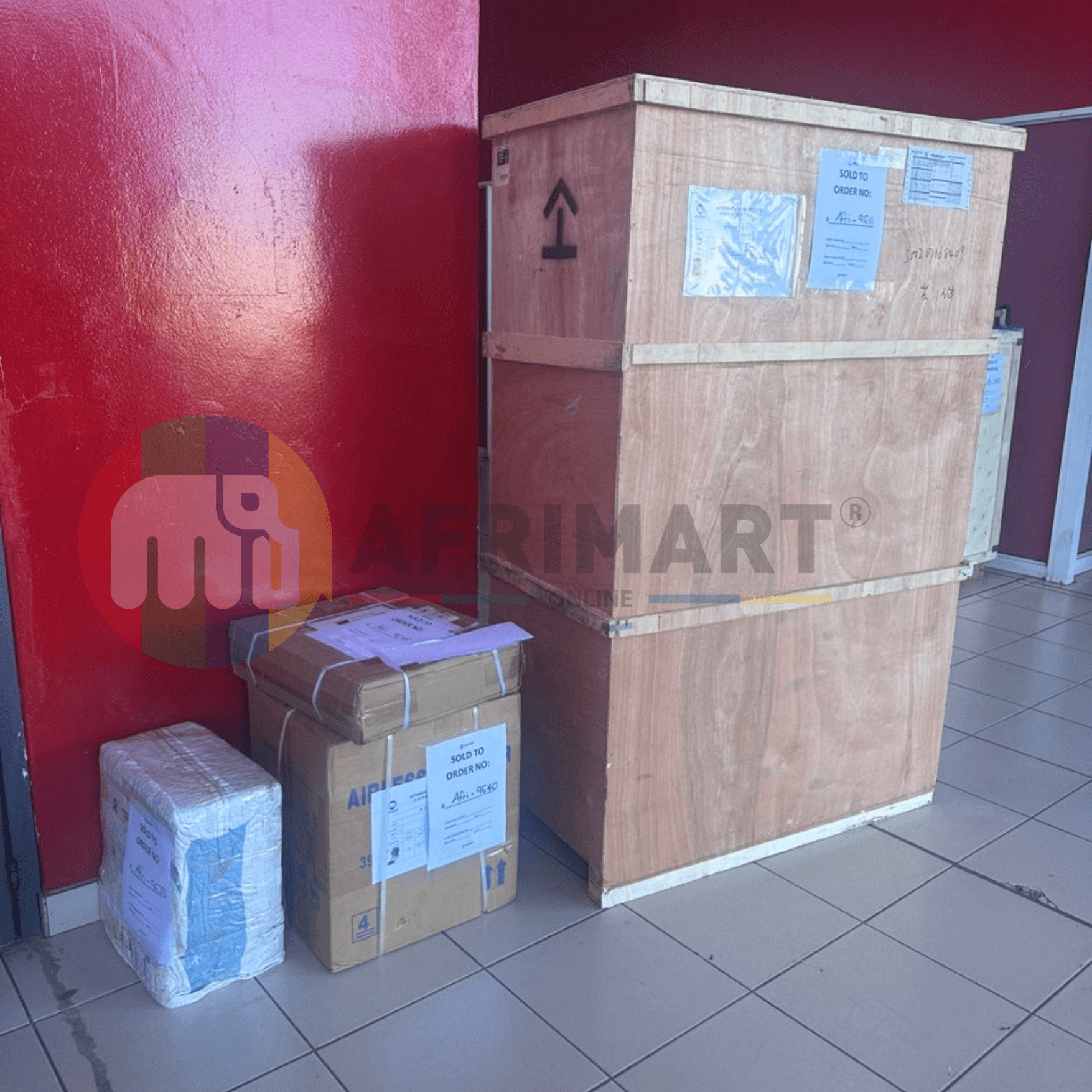
Agriculture Processing Machines
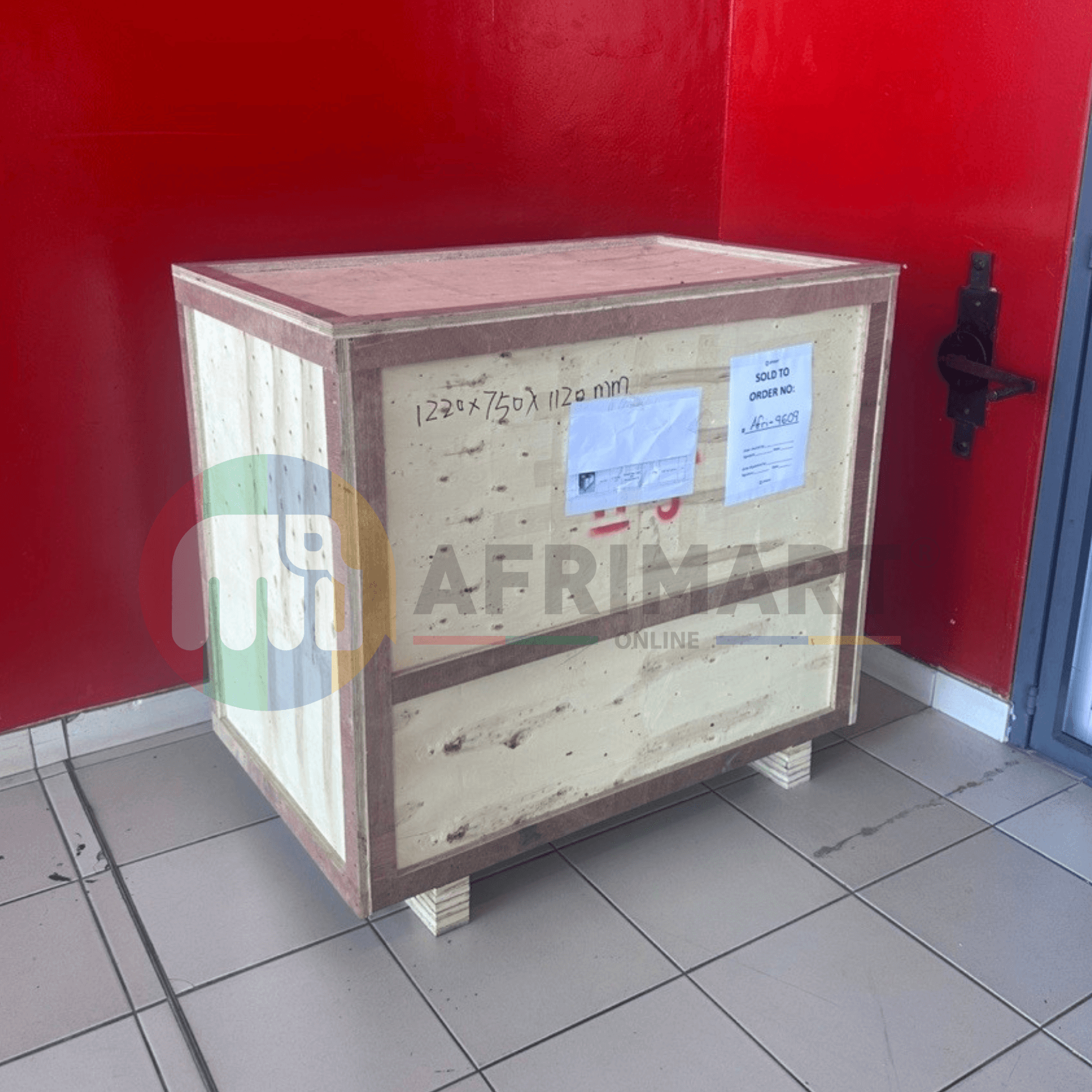
Meat Grinder Machine
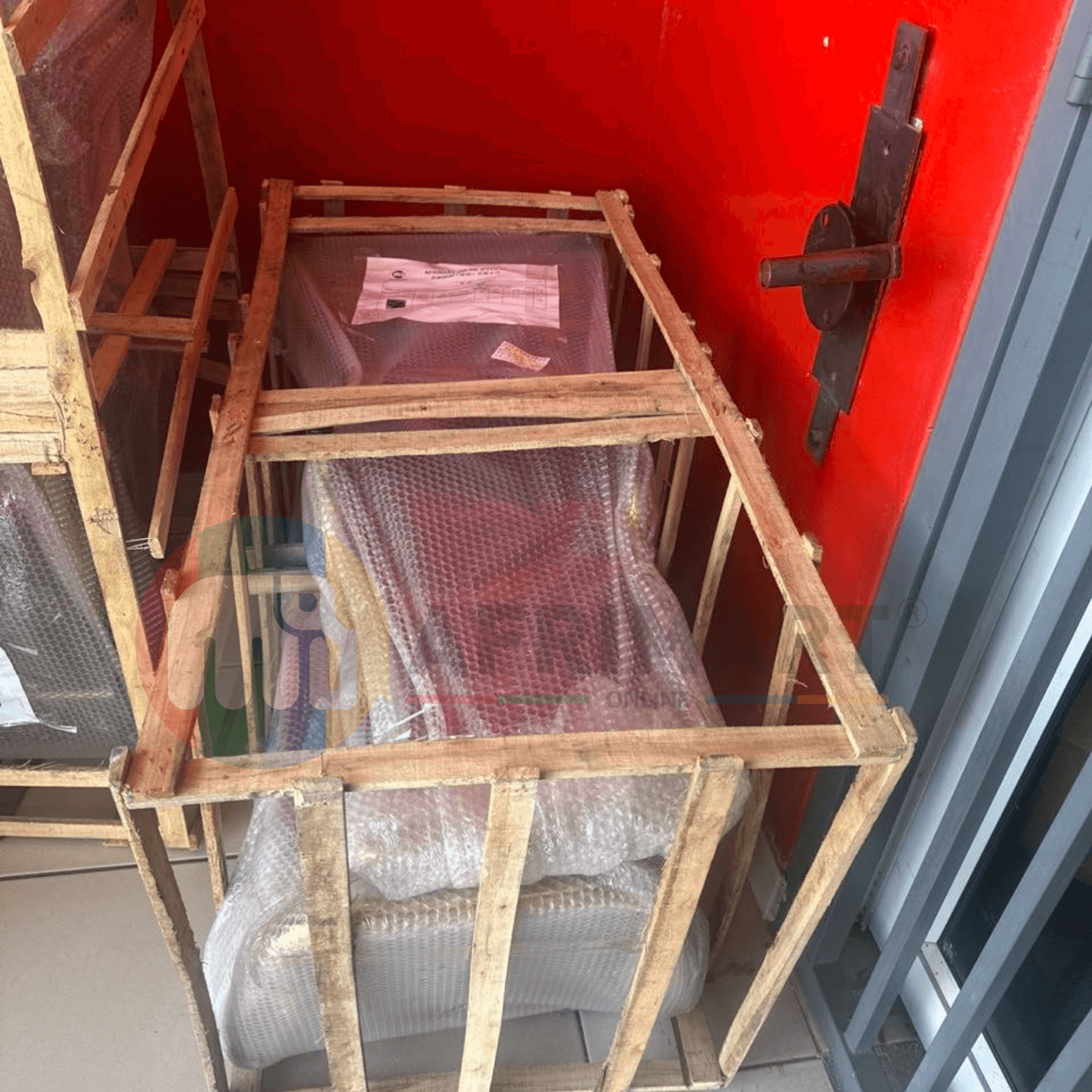
Water Pump Equipment
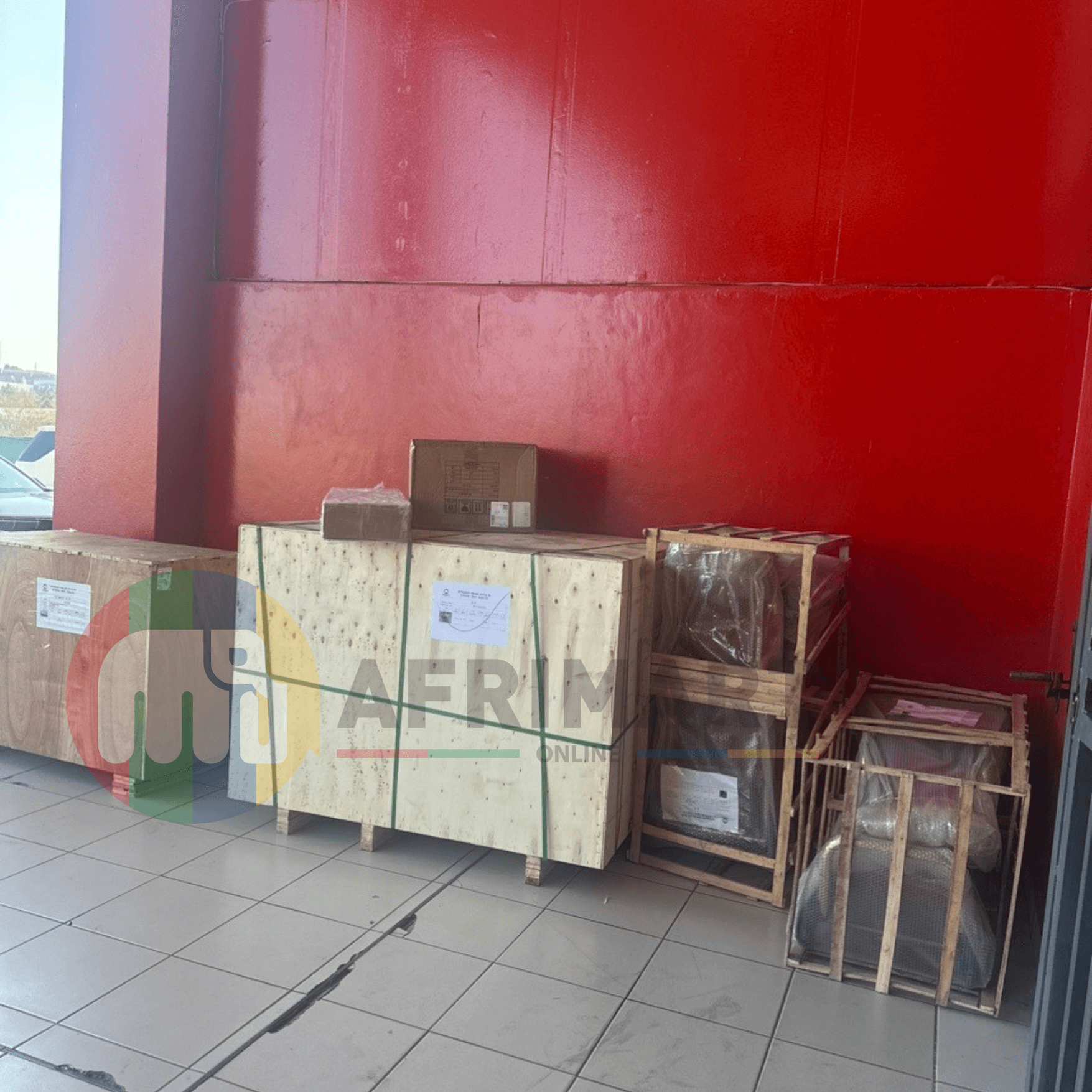
Packaging Machine and accessories
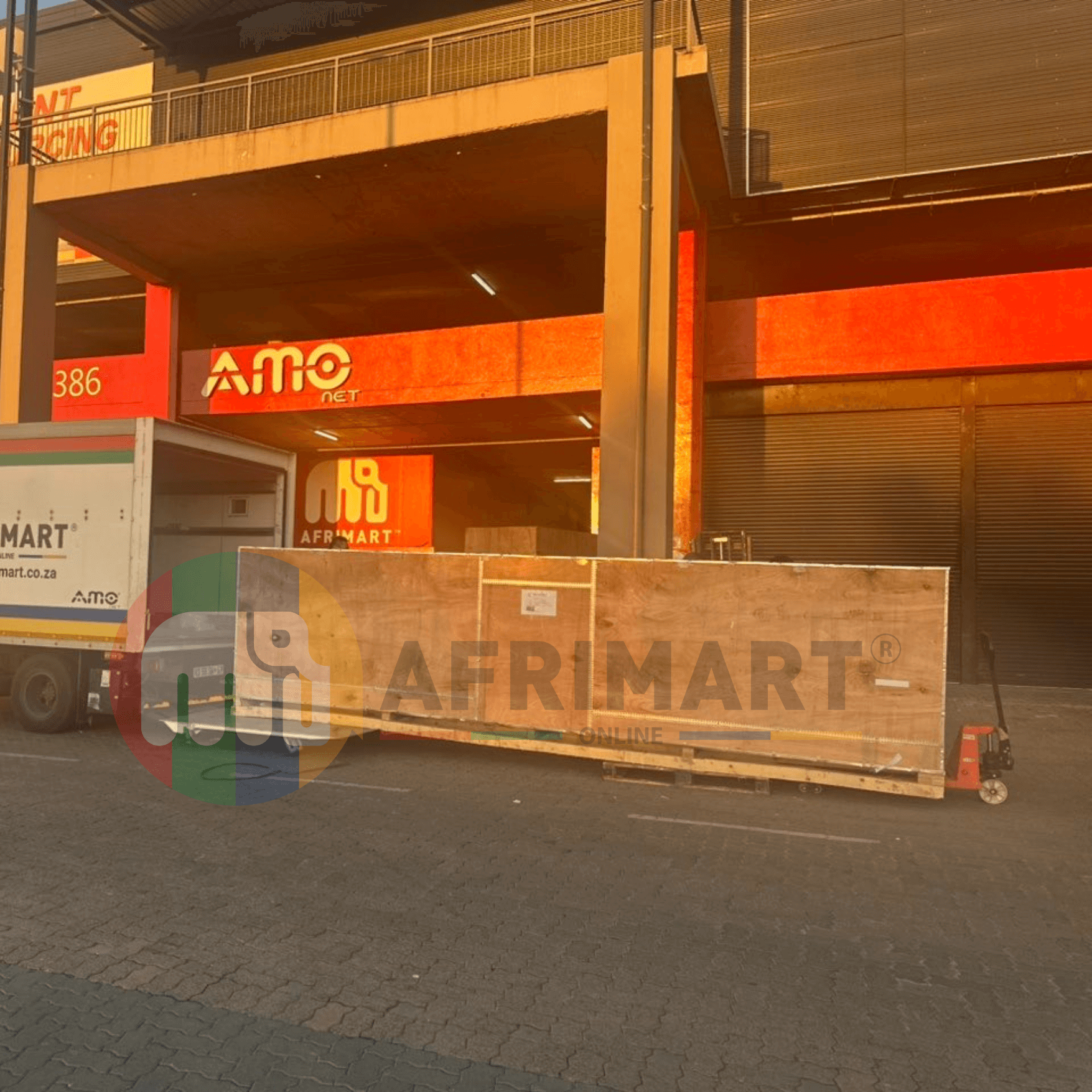
Fabrics Manufacturing Equipment
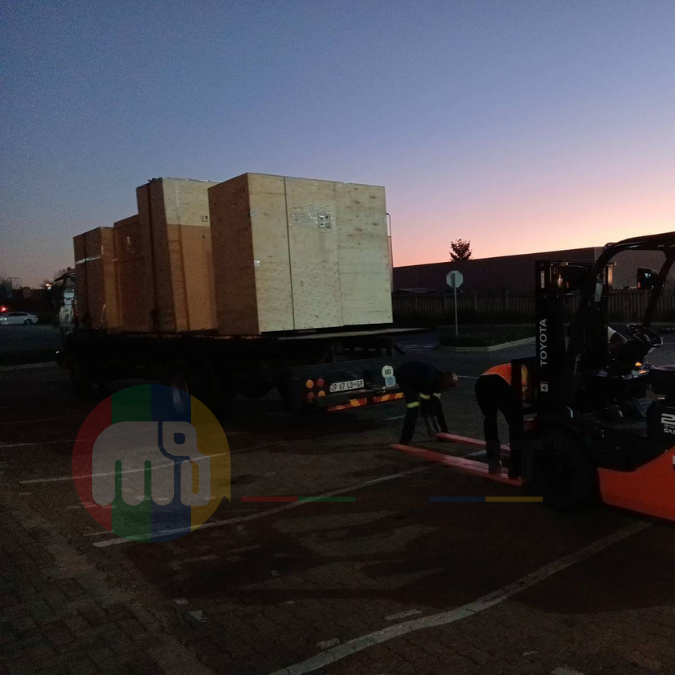
Mining Equipments
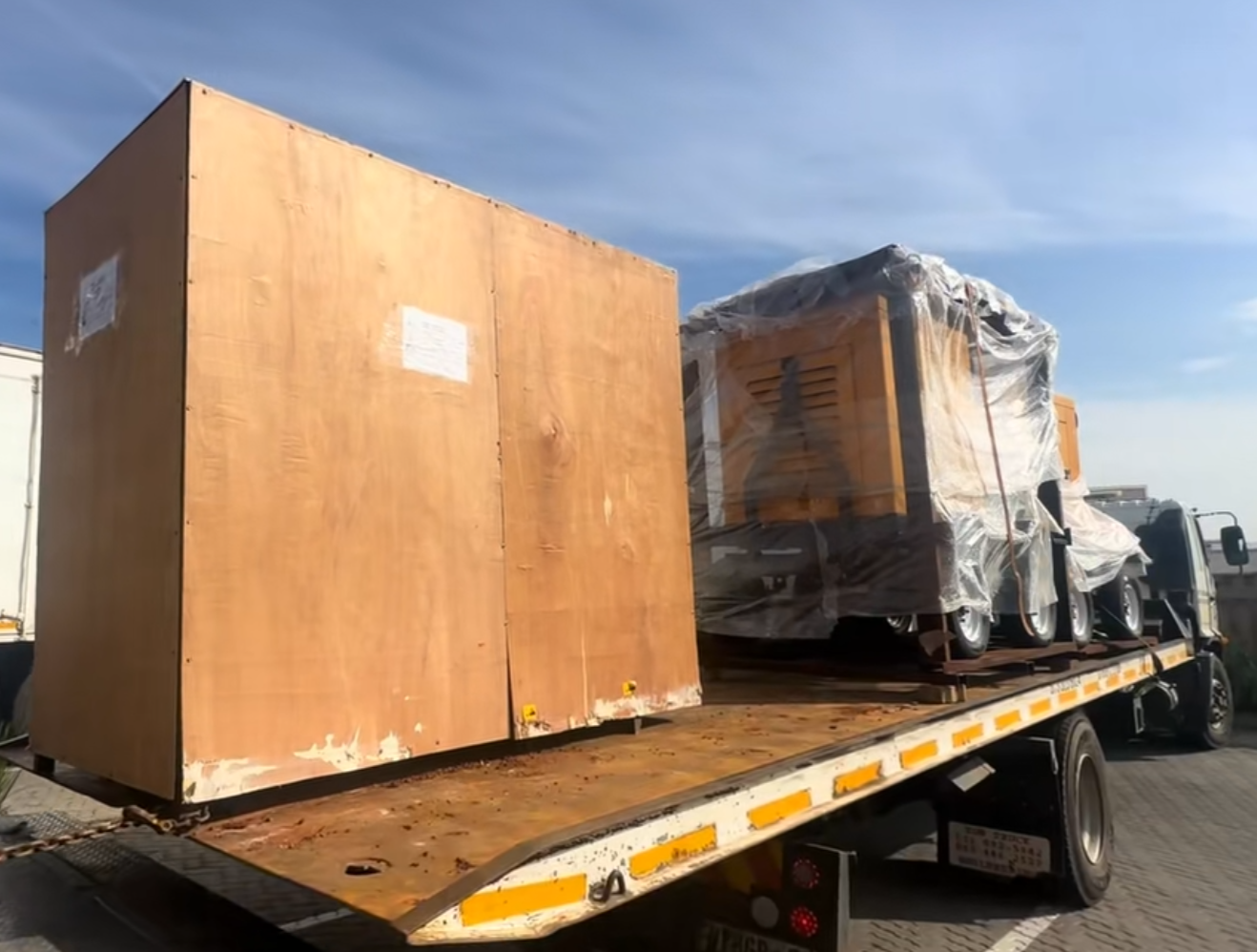
Food Processing Machine
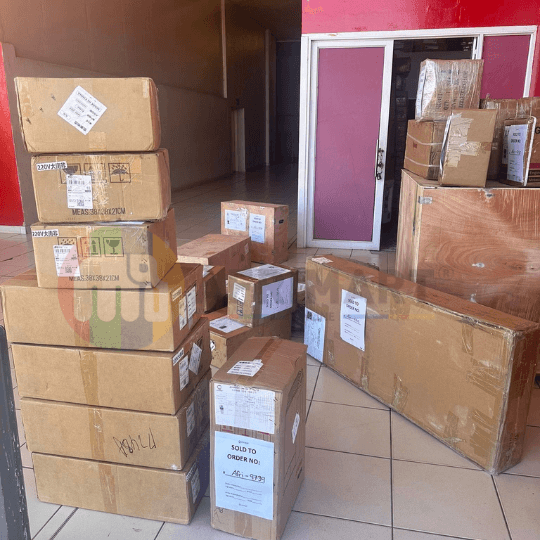
Batch of Orders
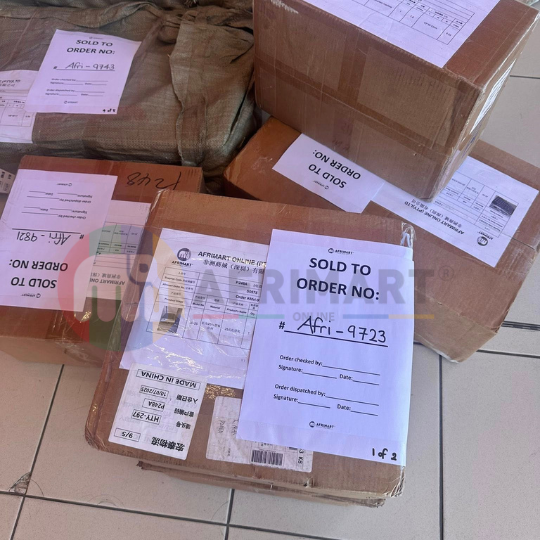
Batch of Orders
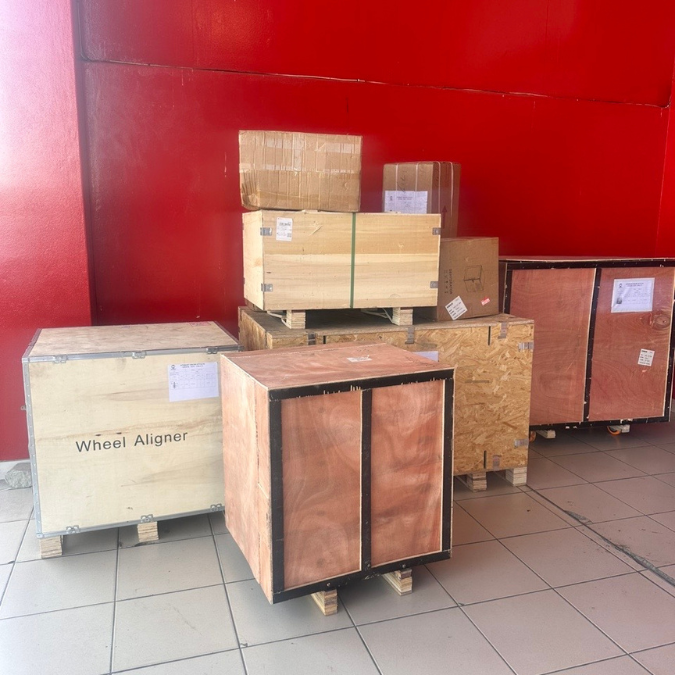
Latest Orders Labelled
wheel alignment machines
new arrivals
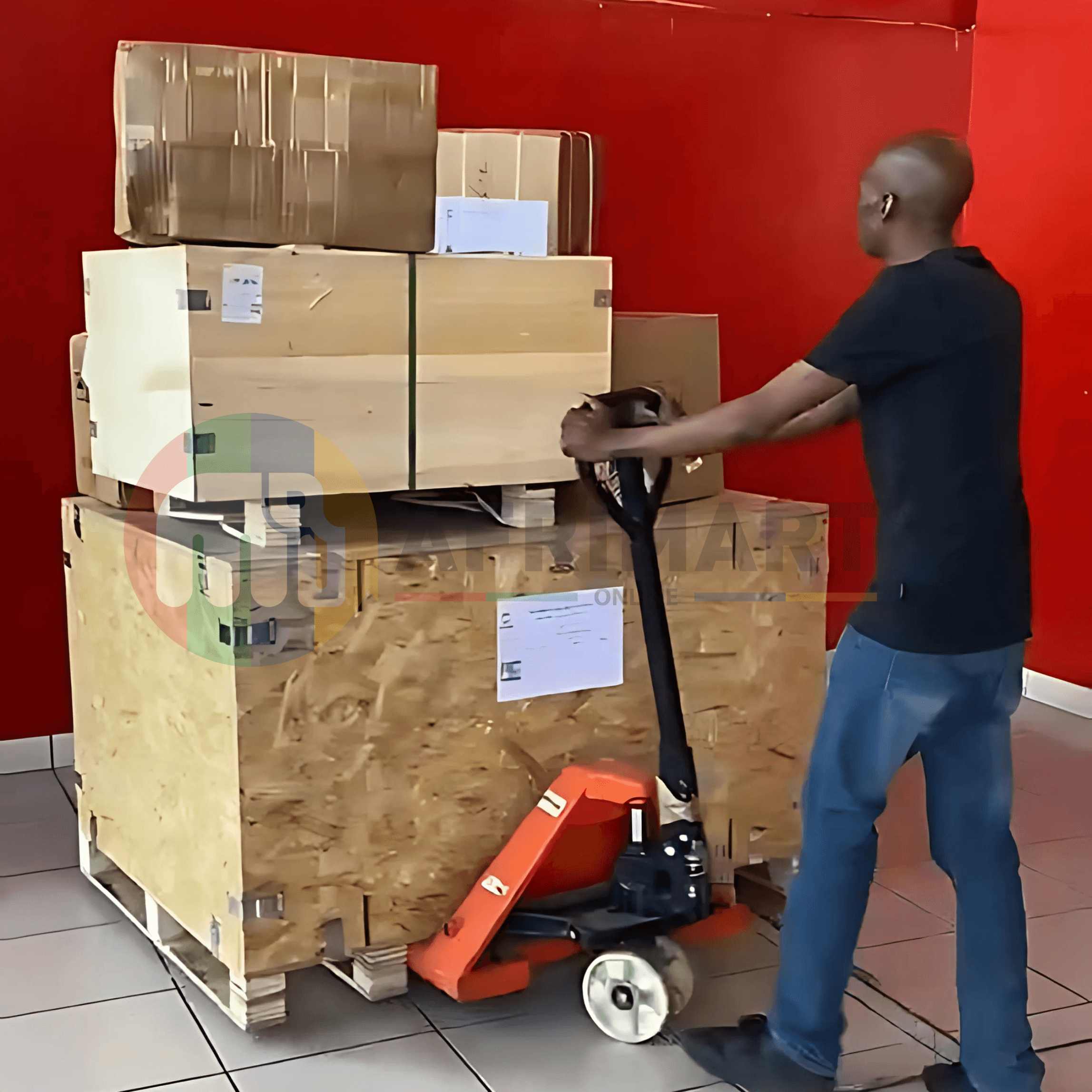
Pre Orders Offloading
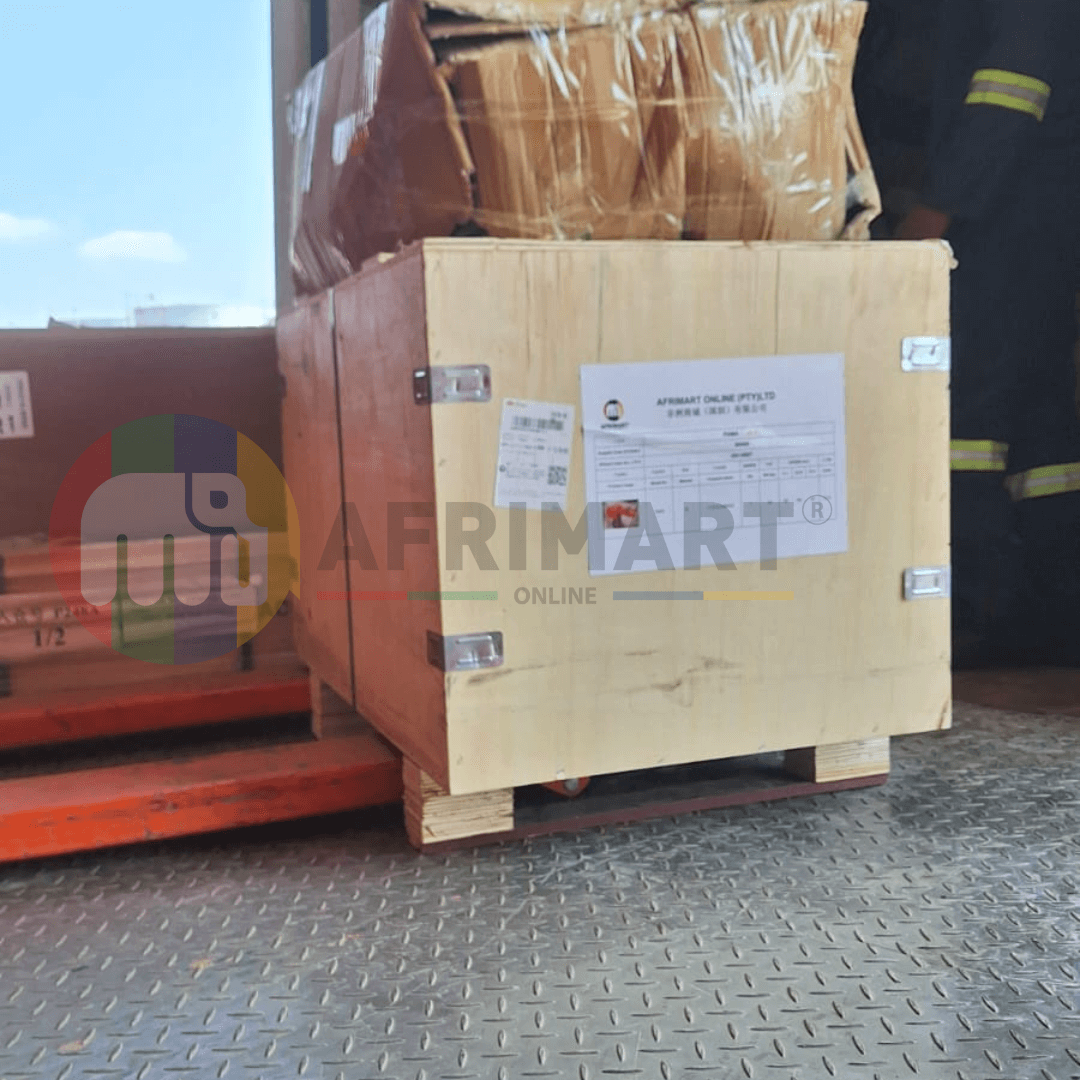
Latest Arrivals
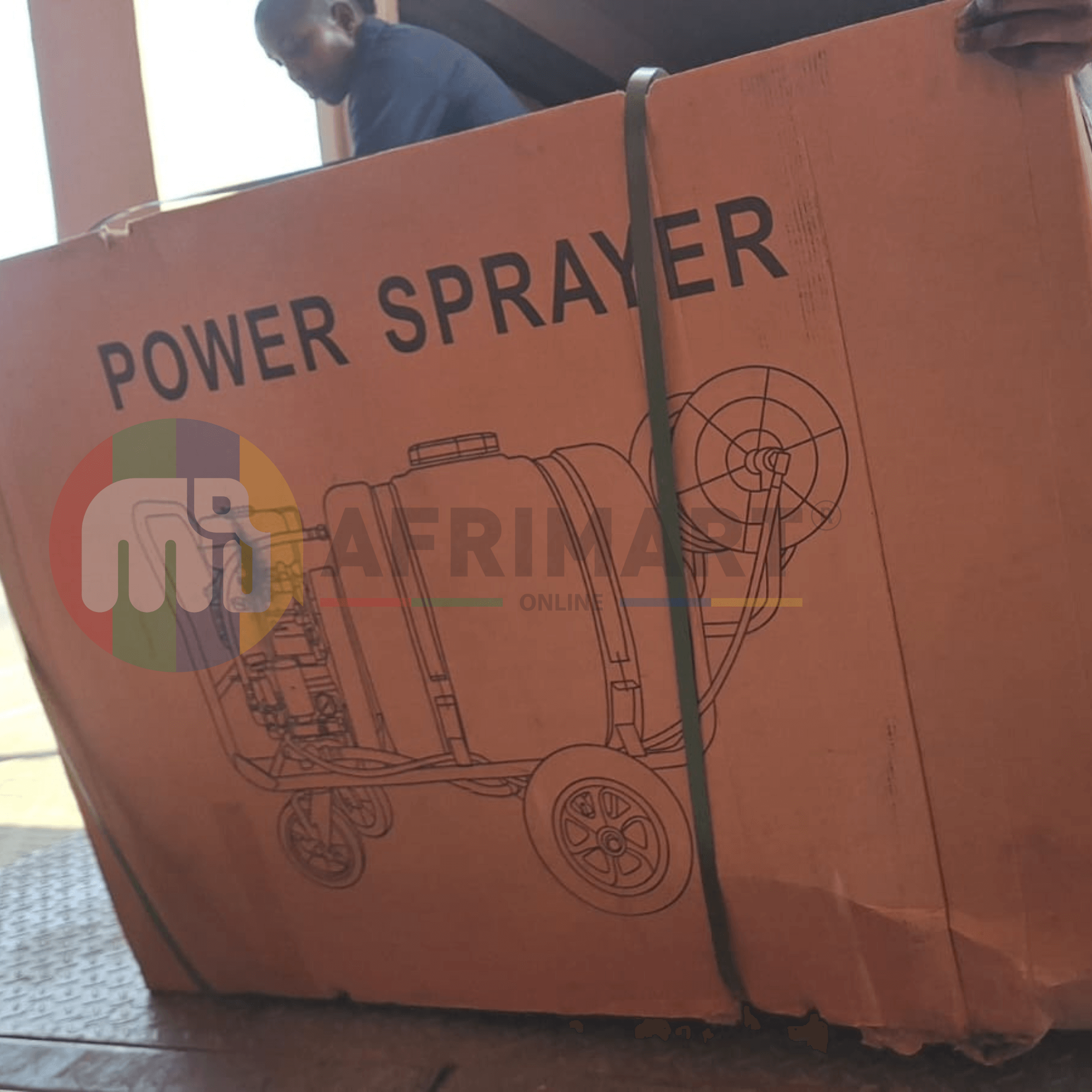
Latest Arrivals
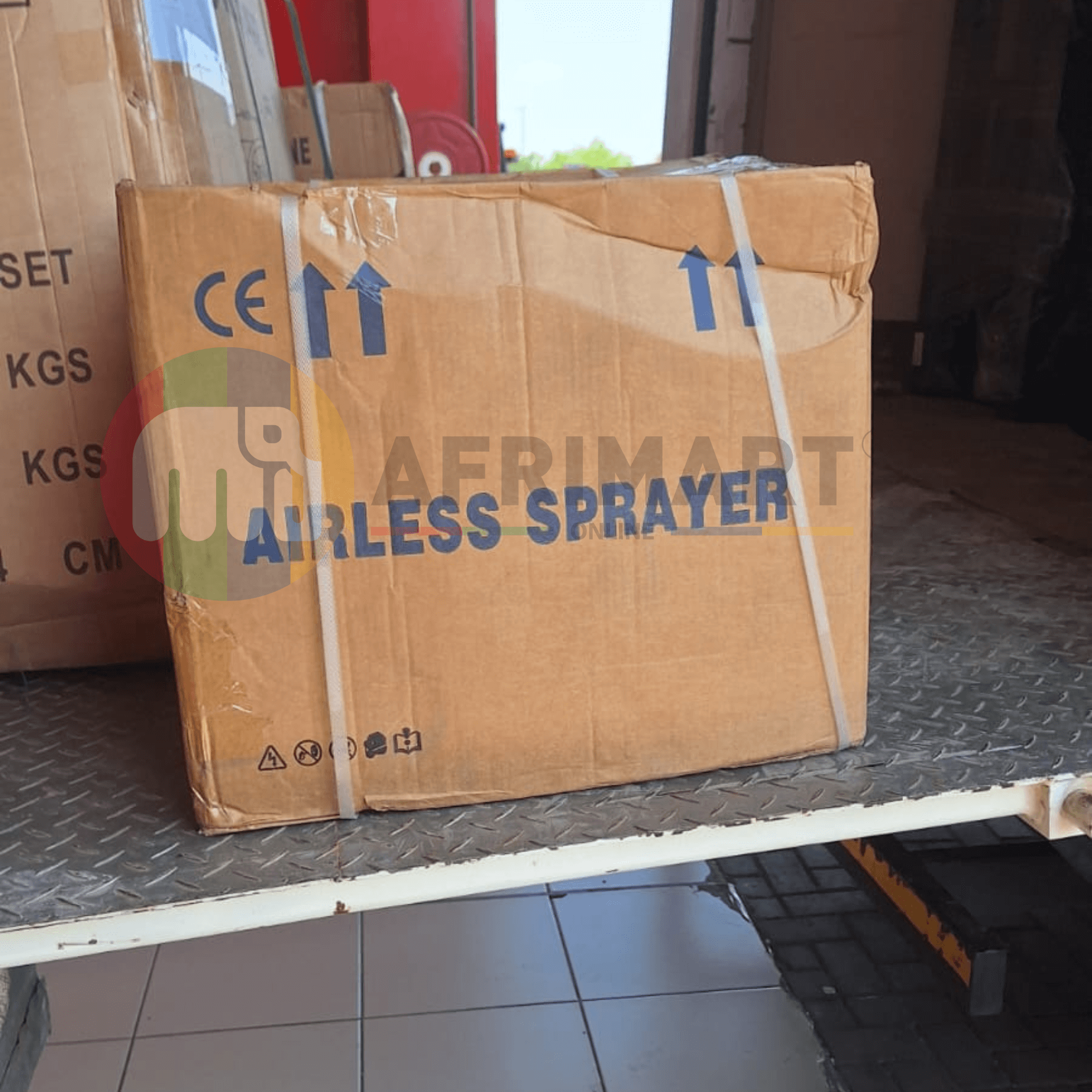
Latest Arrivals
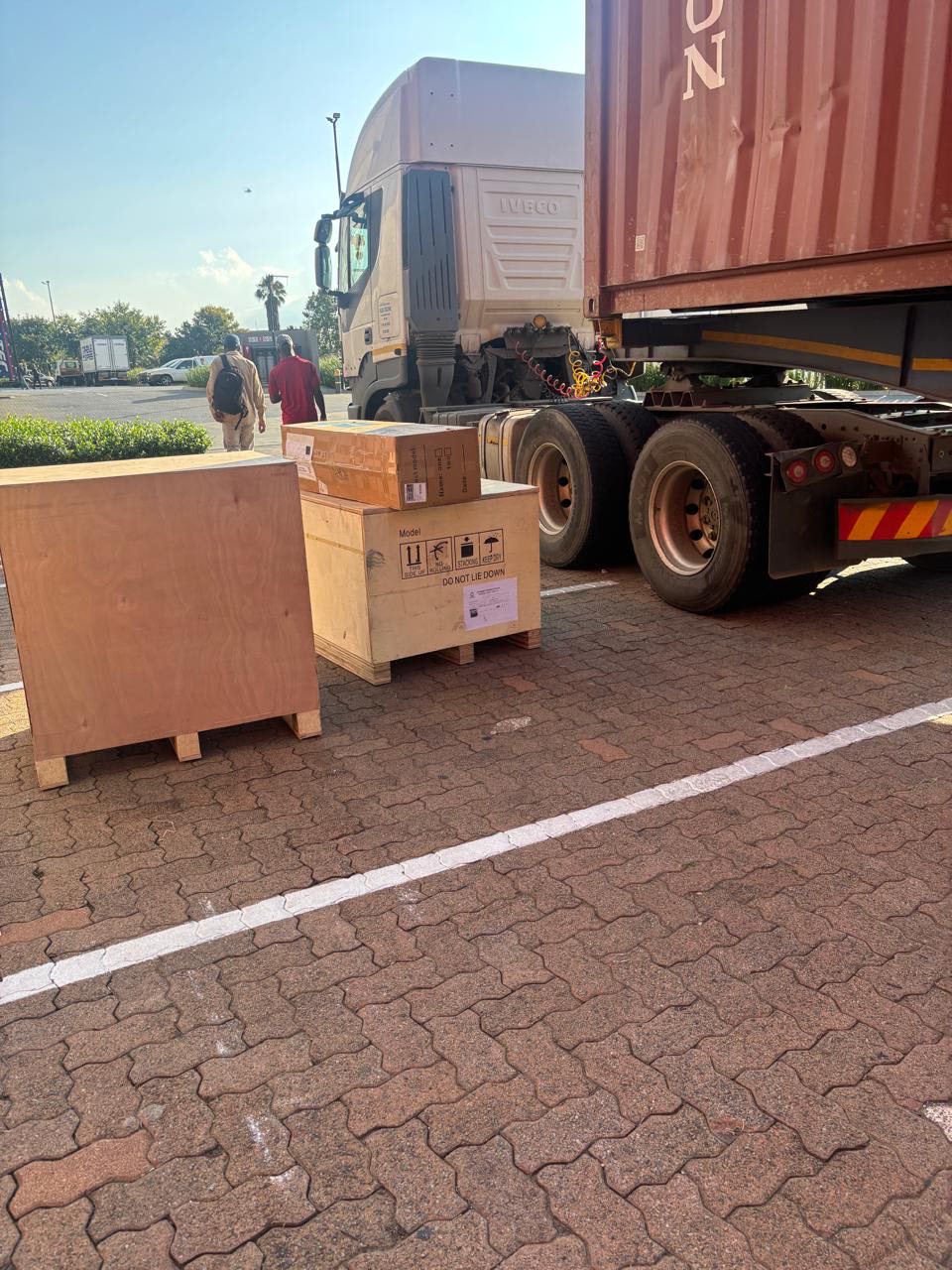
26 January 2026
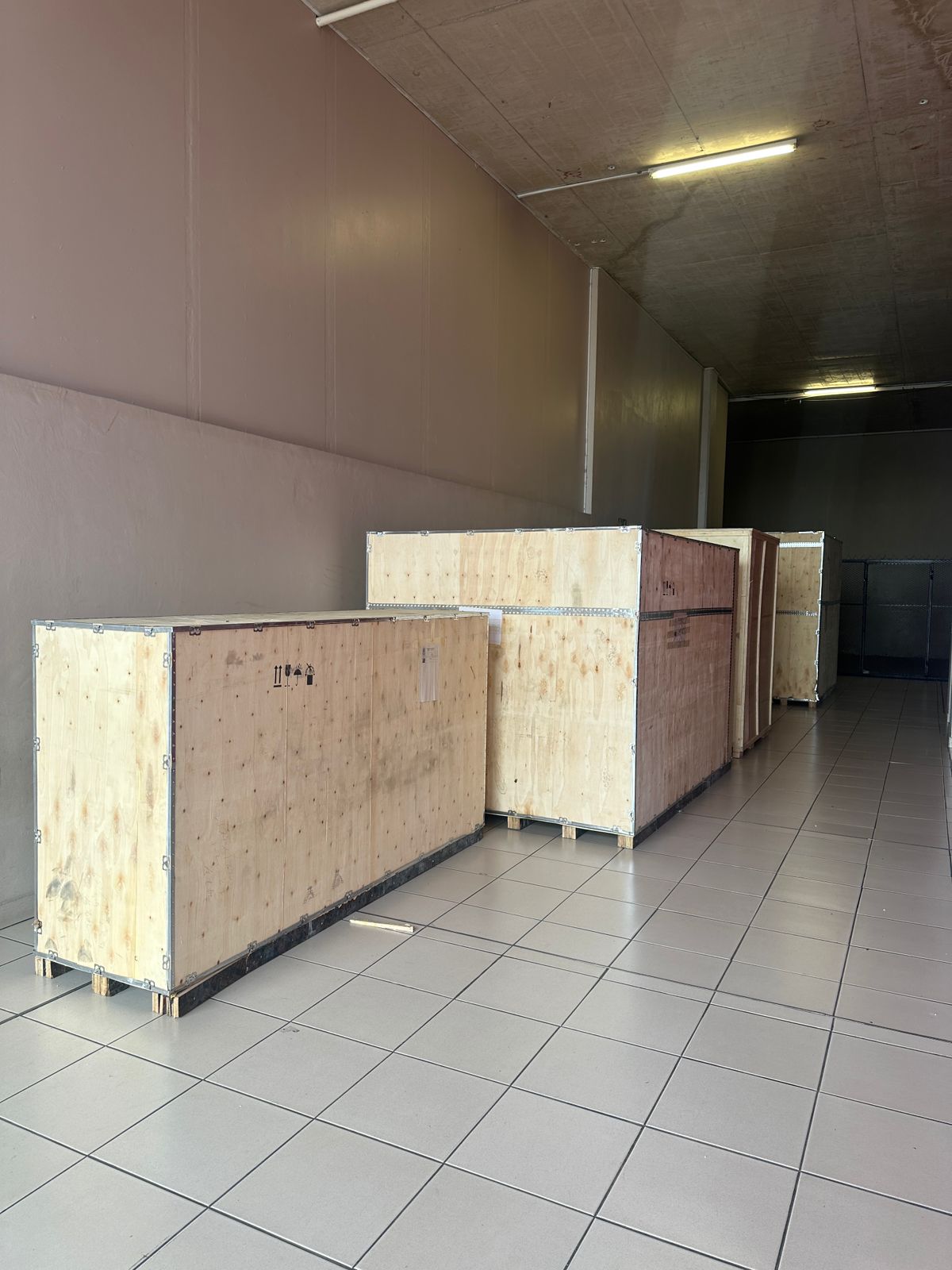
Toilet paper making machine
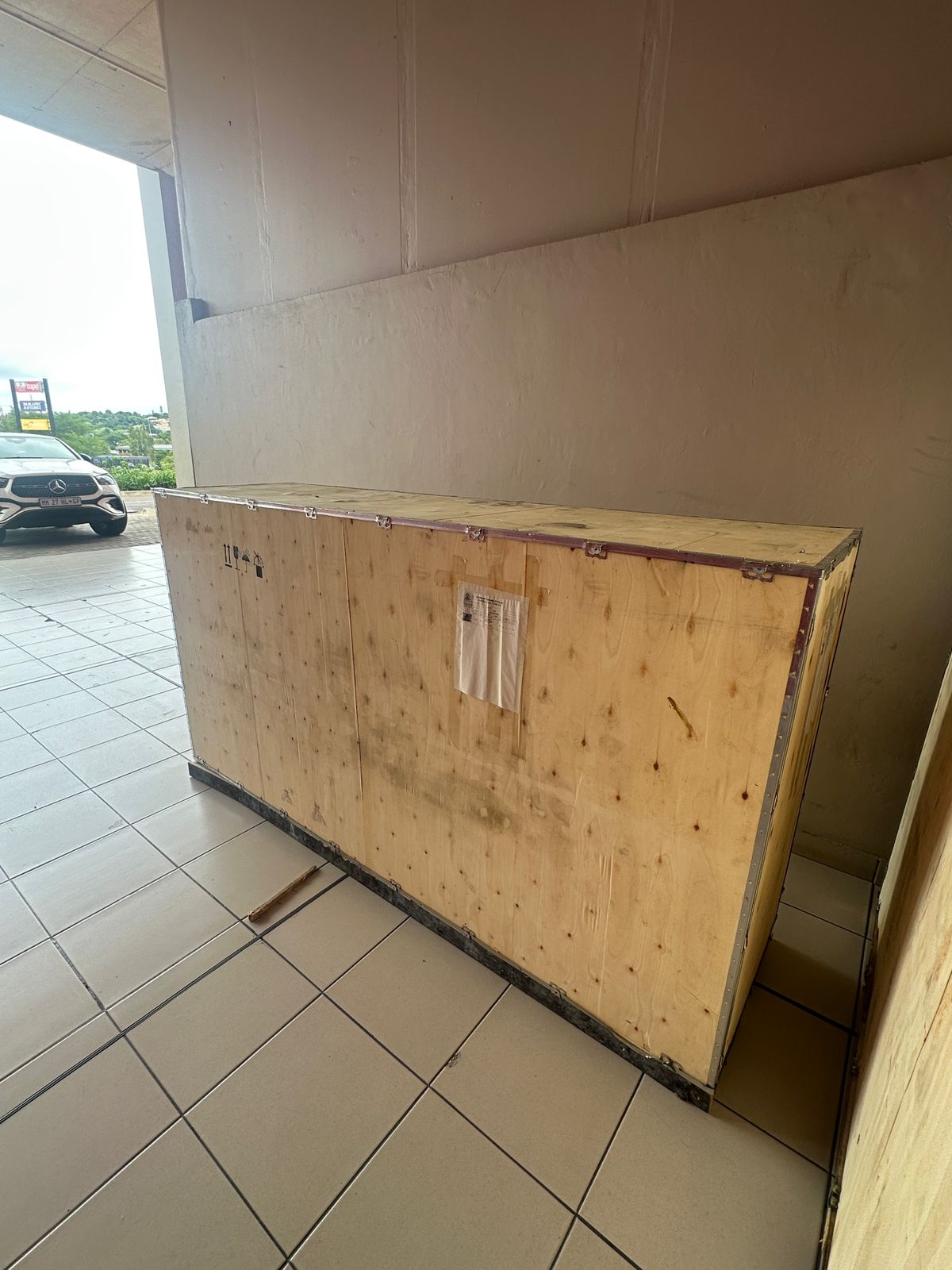
Toilet paper making machine
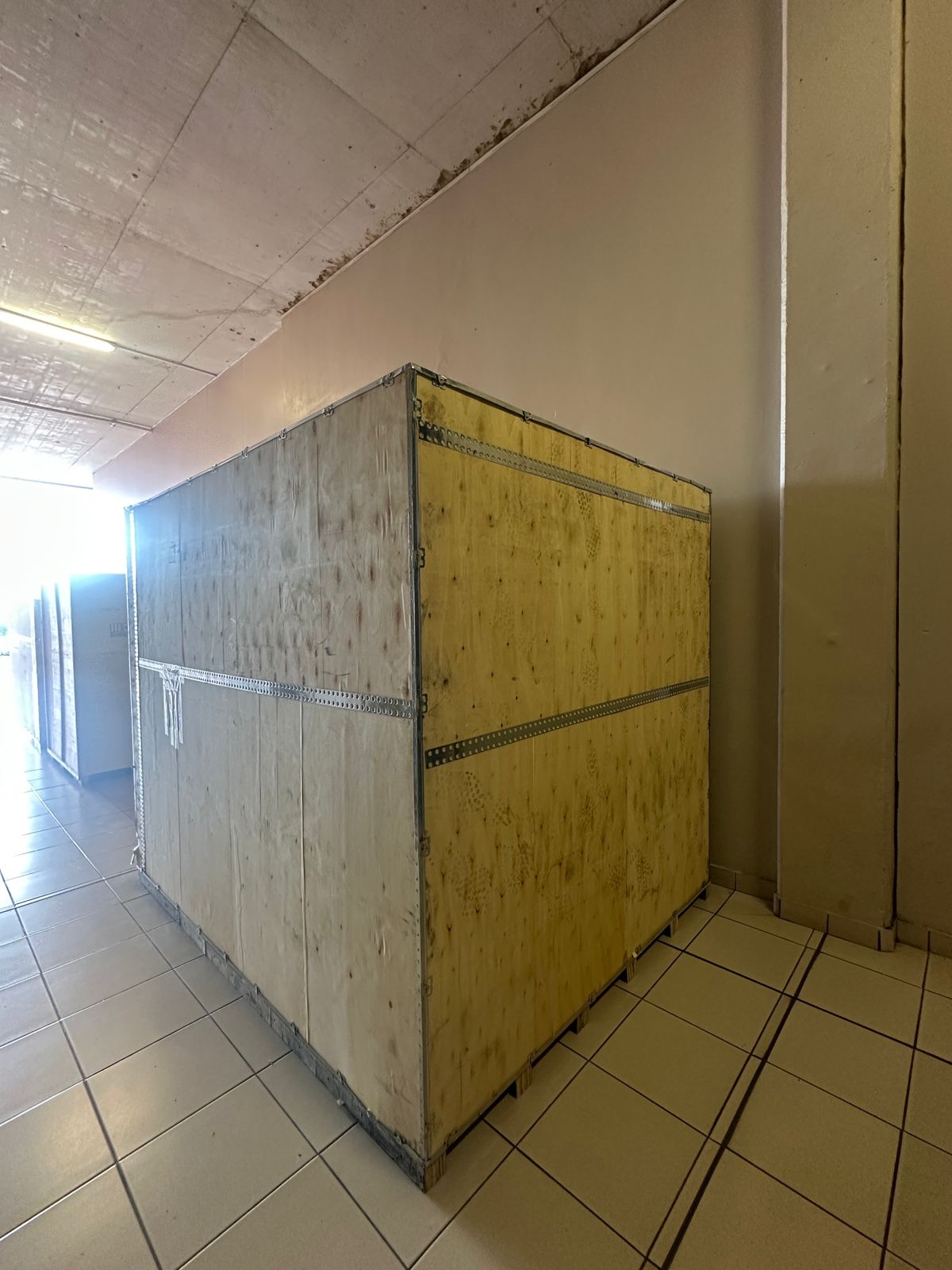
Toilet paper Rewinding Machine
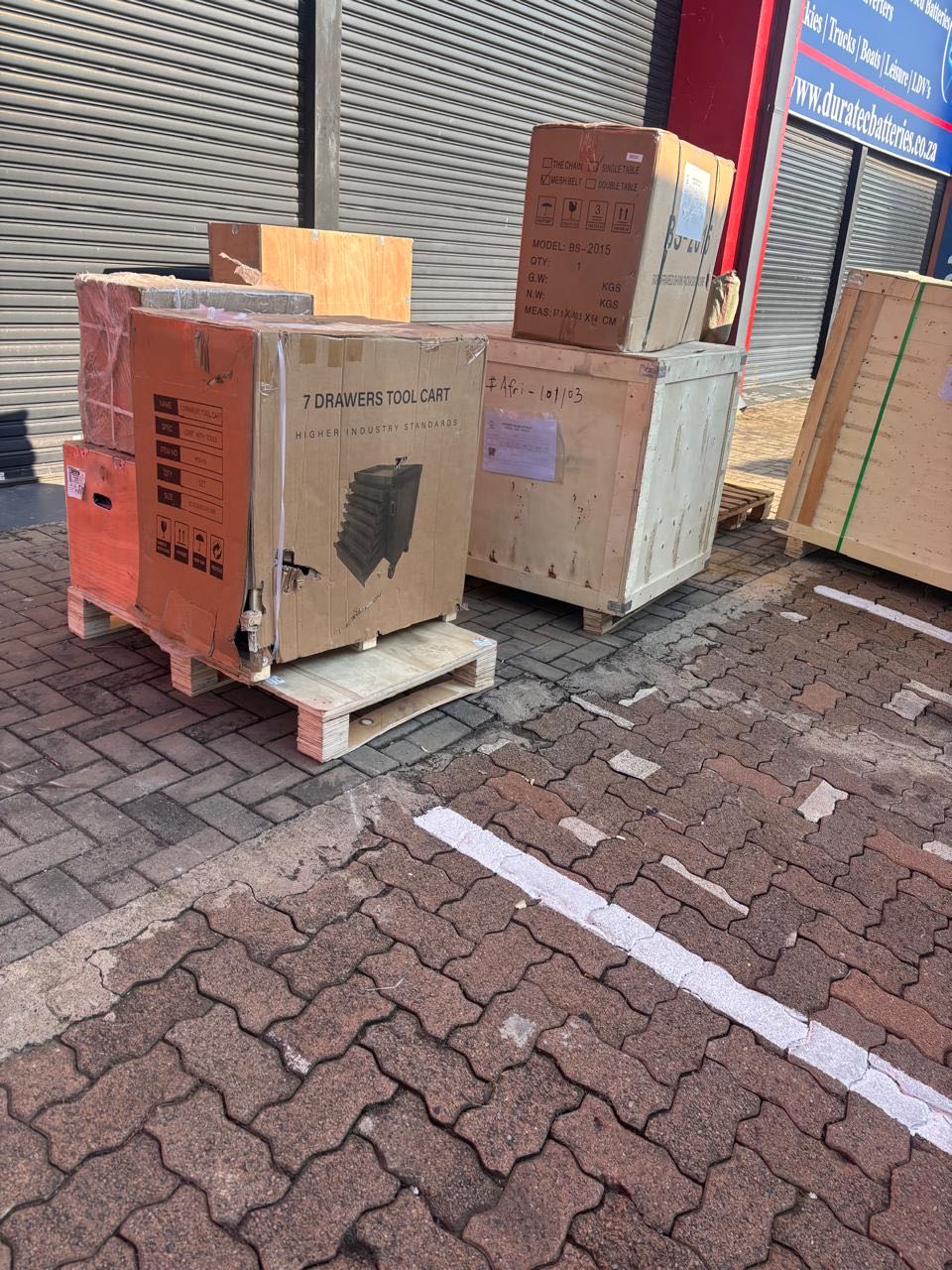
latest arrivals
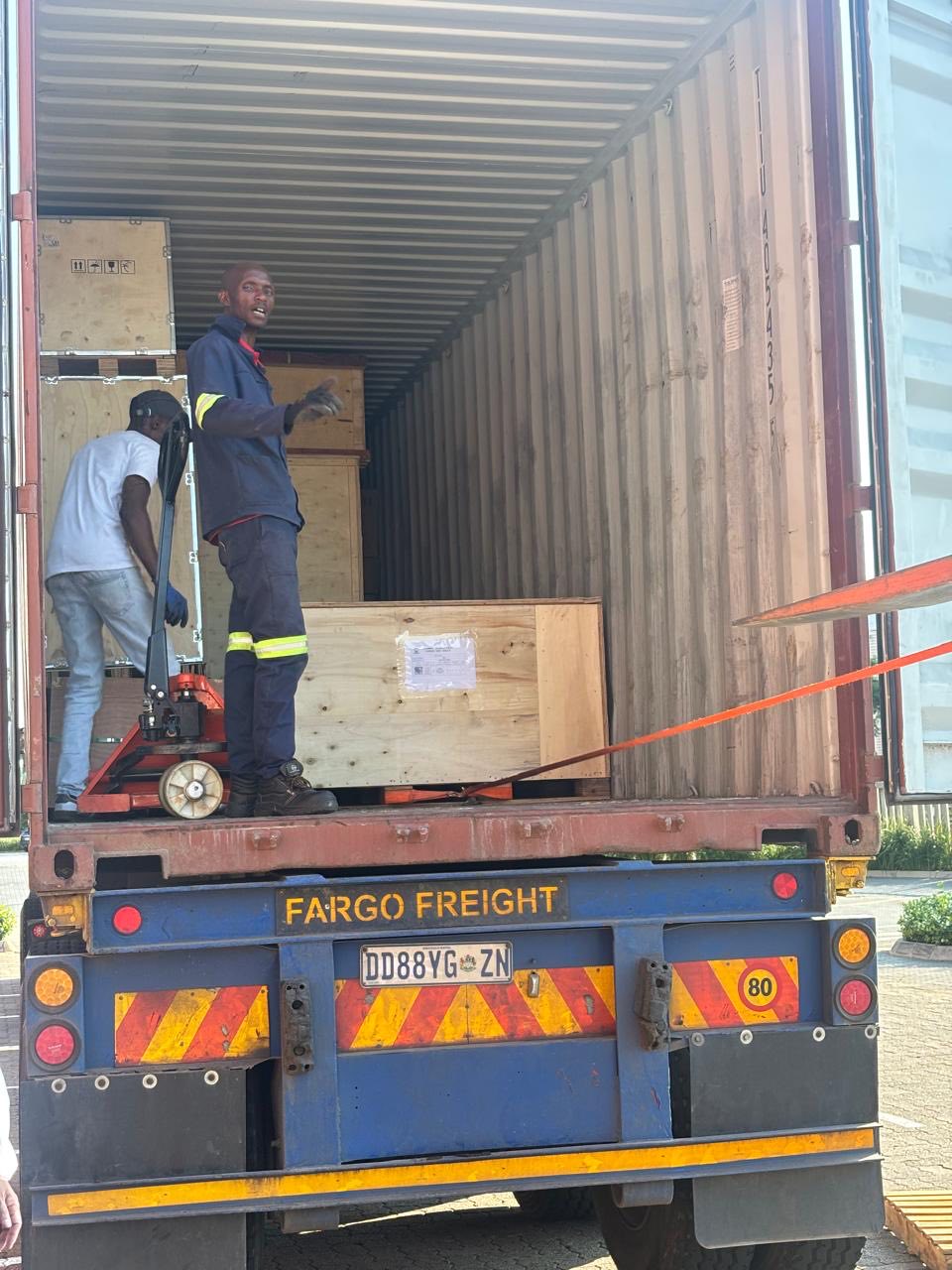
offloading
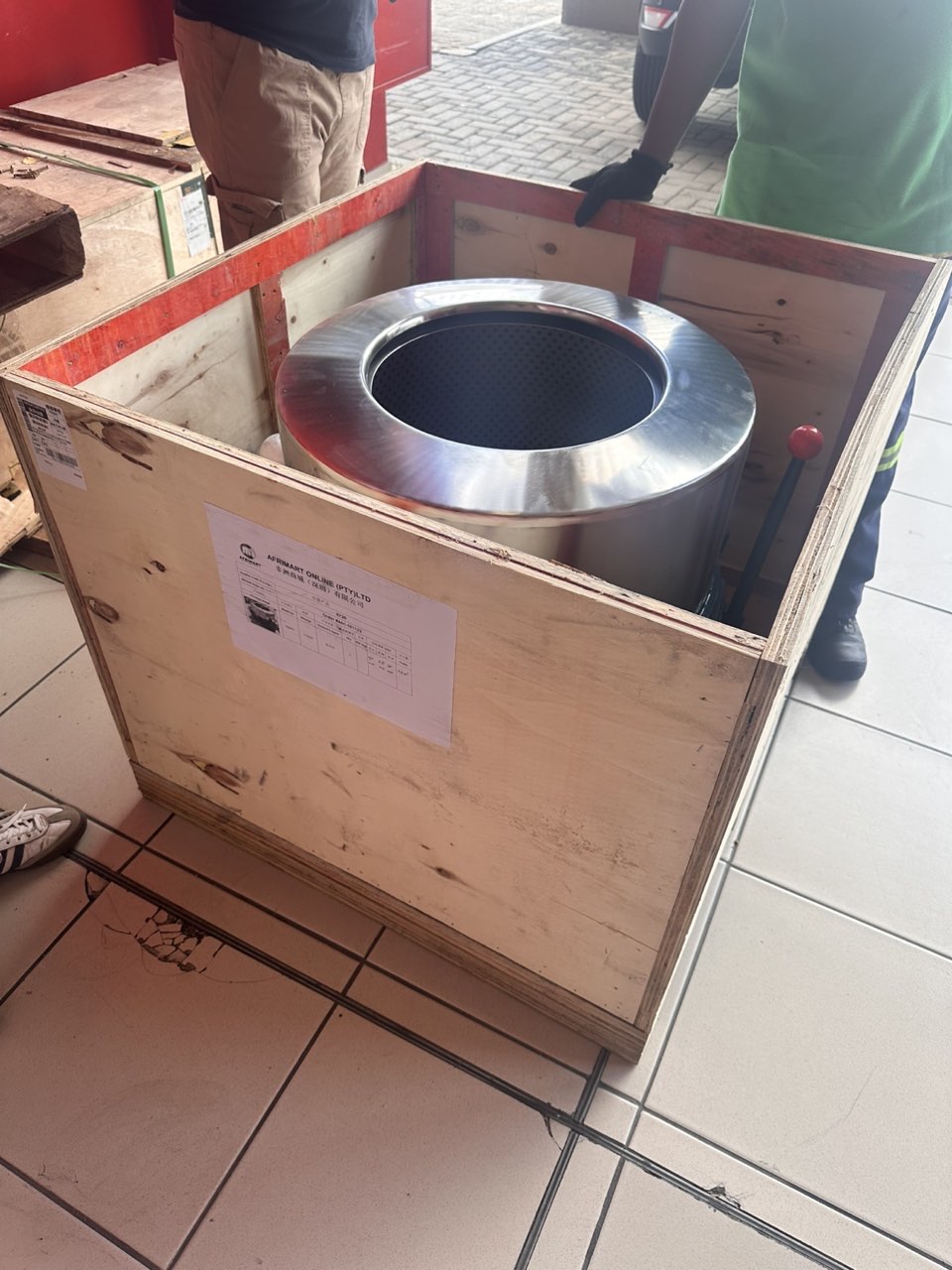
order success
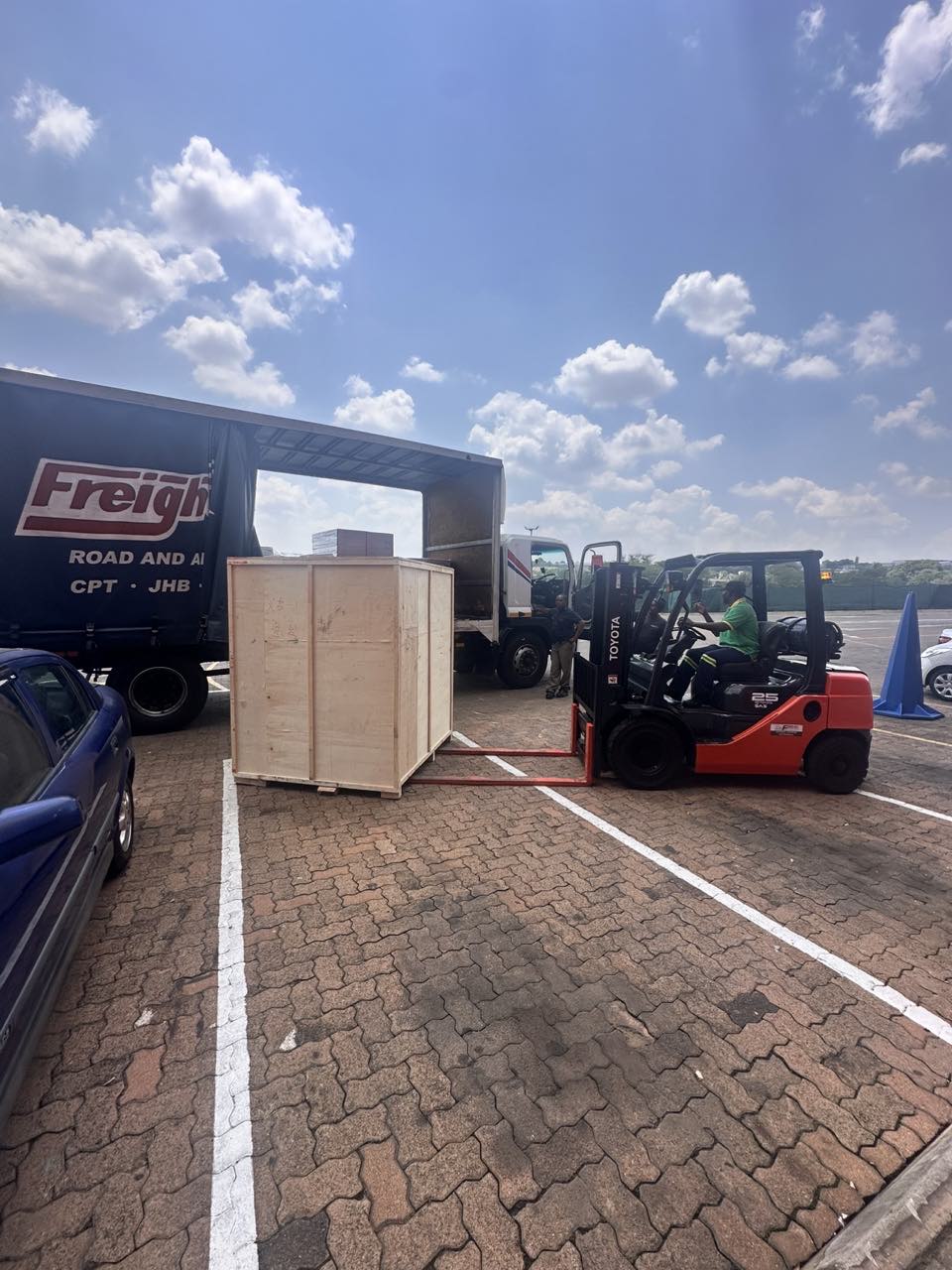
order collection
order offloading