B21, China Town Mall, Midrand

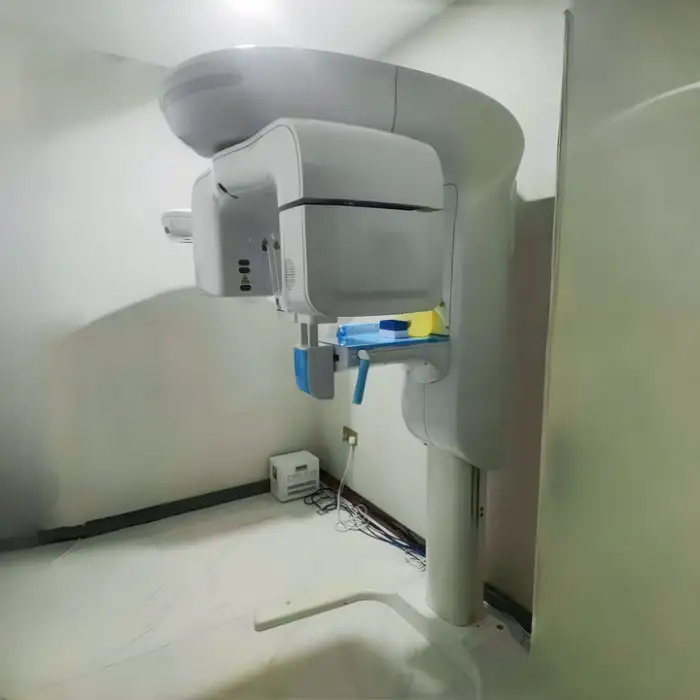
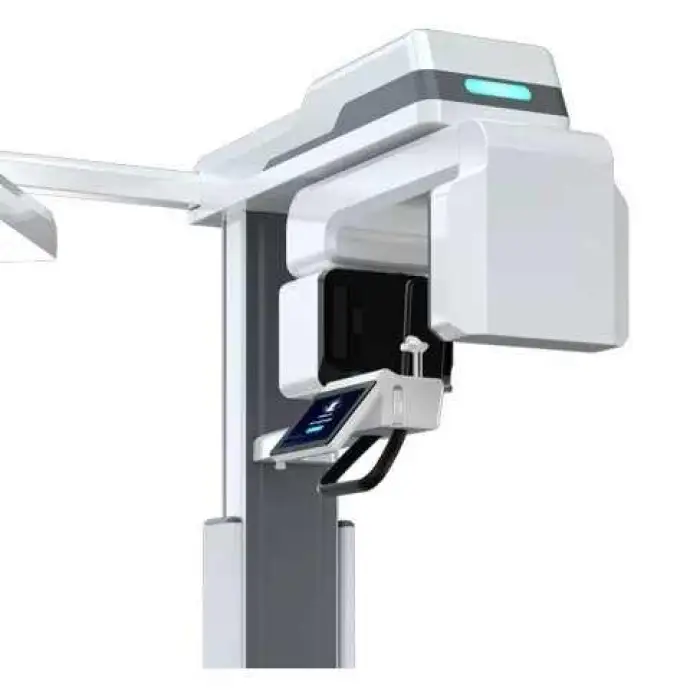
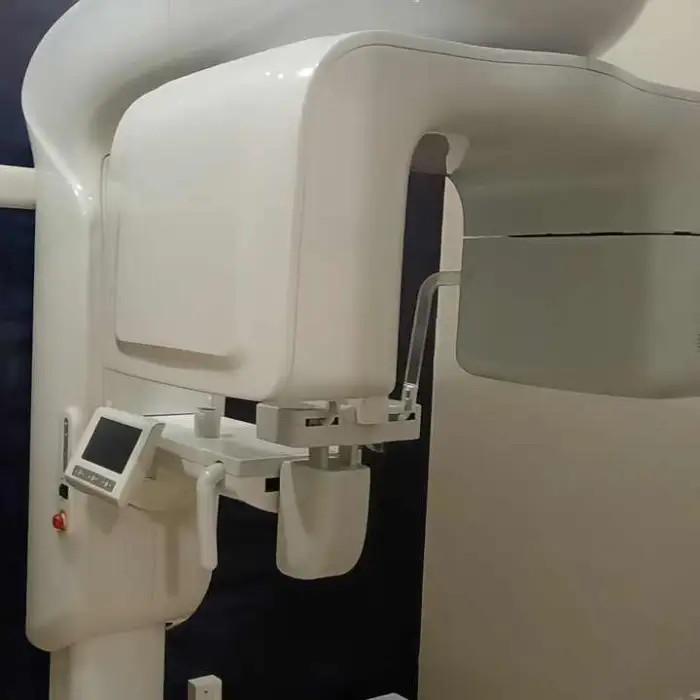
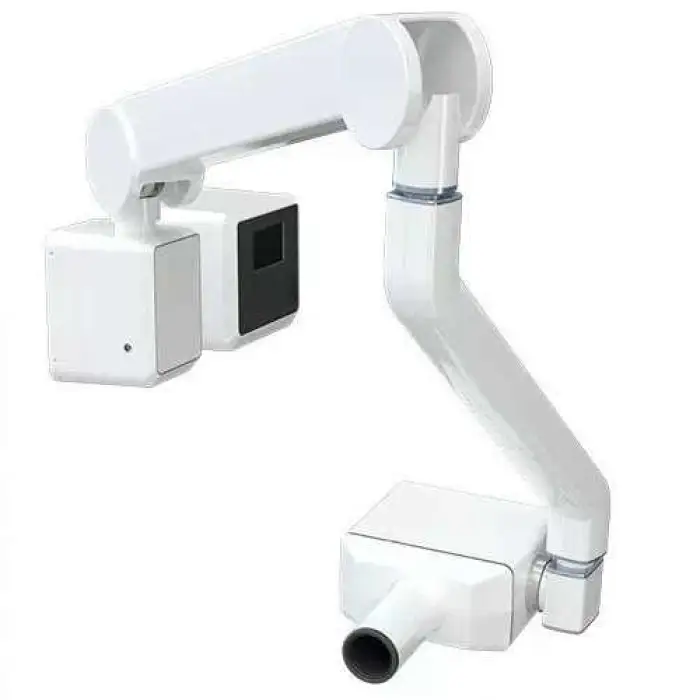
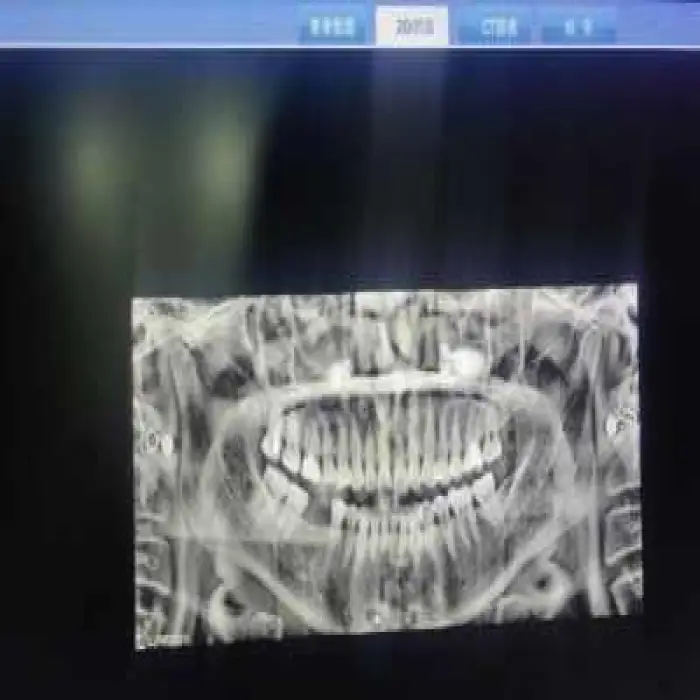
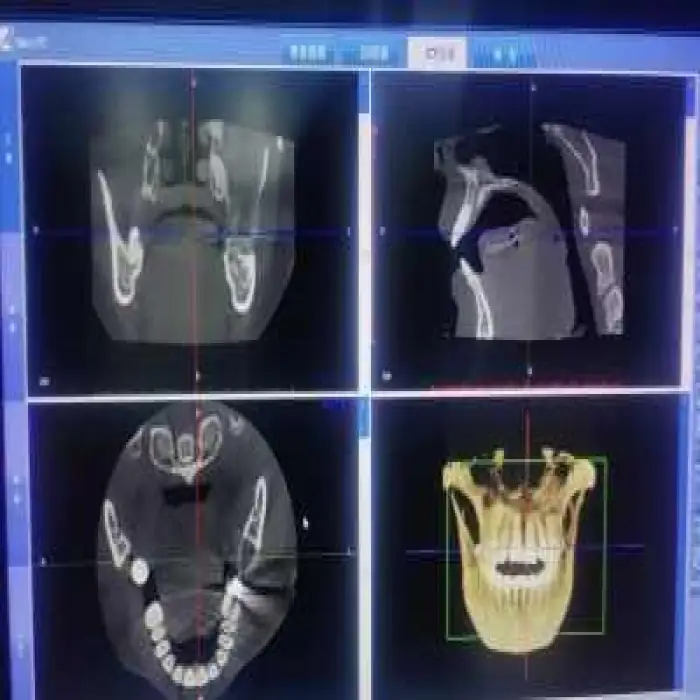
Medical Equipment Used 3-in-1 Digital CBCT 3D Panoramic Dental Machine
Asset finance available
Do you want funding for this equipment?
Afrimart can connect you with trusted funding partners who specialise in asset finance for businesses like yours. Compare options and apply in minutes — final approval is subject to provider review.
Check funding options
Secure & no obligation

- Section : Medical Supplies
- Category : Oral Therapy Equipments
- SKU : 1601447868388

Medical Equipment Used 3-in-1 Digital CBCT 3D Panoramic Dental Machine
The Medical Equipment Used 3-in-1 Digital CBCT 3D Panoramic Dental Machine is an essential tool for dental professionals. This advanced machine combines three functions in one, making it a versatile choice for oral therapy. With its high-quality imaging and reliable performance, it helps dentists provide top-notch care to their patients.
Specifications
| Attribute | Details |
|---|---|
| Instrument Classification | Class III |
| Model Number | Not Specified |
| Power Source | Electric |
| Shelf Life | 1 year |
| Quality Certification | Not Specified |
| Single Package Size | 171X86X172 cm |
| Single Gross Weight | 450.000 KG |
Key Features
- 3-in-1 functionality for versatile use.
- High-quality 3D imaging technology.
- Easy to operate with an electric power source.
- Durable construction with a shelf life of 1 year.
- Designed for Class III instrument classification.
Applications
- Dental diagnostics and treatment planning.
- Orthodontic evaluations and assessments.
- Oral and maxillofacial surgery preparations.
- Implant planning and visualization.
- Routine dental check-ups and follow-ups.
Product Info Gallery
- Shipping Timeframes: All orders are processed within 2-5 business days (excluding weekends and holidays). After your order has been processed, the estimated delivery time is before 03 Aug, 2026, depending on customs, Please note that due to high demand, some items may experience longer shipping times, which will be communicated at order confirmation email.
- Order Processing Time: Please allow 2-5 business days for us to process your order before it is shipped . Orders placed after 16:00 on Fridays, or during weekends and public holidays, will begin processing on the next business day. Processing times may be extended during peak seasons or sales events.
- Manufacturing Time: Some products needs manufacturing time, the manufacturing process will take approximately 10-30 business days depending on the product. This timeframe may vary depending on the complexity of the product and current demand. but this will be communicated with you during order confirmation.
- Returns and Exchanges: We offer a 30-day return policy for most items. If you are not completely satisfied with your purchase, you may return it within 30 days of receipt for a refund or exchange. Items must be unused, in their original packaging, and accompanied by proof of purchase. Return shipping costs are the responsibility of the customer, unless the item was damaged or defective upon arrival.
1. What does "3-in-1" mean for this dental machine?
The term "3-in-1" indicates the unit combines three imaging modes in one platform: cone beam CT (CBCT) 3D volumetric imaging, panoramic radiography, and commonly cephalometric (ceph) imaging. Confirm the exact modes with the seller before purchase.
2. Is this unit new or used?
The product name indicates it is a used medical equipment unit. Ask the seller for the condition report, service history, refurbishment details and any warranty offered for used equipment.
3. What image quality and CBCT specifications can I expect?
The description states high-quality 3D imaging but does not list voxel size, resolution, FOV ranges or exposure settings. Request the technical datasheet for voxel size, field-of-view (FOV) options, detector type and typical example images to assess image quality.
4. Is the machine safe for patients and staff?
CBCT and X‑ray systems involve ionizing radiation. Safety depends on correct operation, dose settings and shielding. Use ALARA principles, ensure operators are trained and verify dose per scan values from the seller. Confirm local regulatory compliance before use.
5. What regulatory classification and certifications does it have?
The listing notes a Class III instrument classification. Quality certification is not specified. Ask the supplier for applicable certifications (CE, FDA 510(k), ISO) and evidence of compliance with your country's medical device regulations.
6. What are the power and installation requirements?
Power source is electric. The exact voltage and frequency are not provided — request the electrical specifications from the seller. Because the unit is heavy (gross weight ~450 kg), plan for proper floor loading, clearances and a professional installation.
7. What are the unit dimensions and weight for shipping and site planning?
Single package size is listed as 171 x 86 x 172 cm and single gross weight about 450.000 KG. Use these figures to plan doorways, elevator access and floor reinforcement; confirm exact unpacked dimensions with the vendor.
8. What does the listed "shelf life: 1 year" mean?
A declared "shelf life" of 1 year is unusual for imaging equipment. Clarify with the seller whether this refers to warranty period, recommended storage limits for certain consumables, or another metric. For used equipment, functional lifetime depends on maintenance and parts condition.
9. Which clinical applications is this machine suitable for?
Typical uses include dental diagnostics, orthodontic assessment, oral and maxillofacial surgery planning, and implant planning/visualization. Confirm specific clinical workflows and software support for your practice's needs.
10. Is the machine compatible with third-party planning software and PACS?
Compatibility is not specified. Most modern CBCT units support DICOM and common implant/orthodontic planning software, but you should verify DICOM export, network/PACS connectivity and support for any specific third-party applications you use.
11. What routine maintenance and consumables should I expect?
Routine tasks include calibration, detector/tube checks, cleaning, and possible X‑ray tube replacements over time. Ask for the service history, recommended maintenance schedule, typical consumables and estimated replacement costs.
12. Do operators require special training or certification?
Yes. Although described as easy to operate, staff should receive manufacturer or vendor training for safe operation, image acquisition protocols, patient positioning, radiation safety and basic troubleshooting.
13. How can I verify the working condition before buying a used unit?
Request recent test scans and sample images, full service and repair records, hours of use, test reports (e.g., phantom scans), and if possible an on-site demonstration or third-party inspection. Confirm availability of replacement parts and technical support.
14. What warranty and after‑sales support should I request?
For used equipment, seek a written warranty period (even limited), return/test period, and clear terms for technical support, spare parts availability and optional service contracts. Ask about remote support and on-site service options.
15. What are the recommended logistics for shipping and installing this heavy used unit?
Arrange specialized medical-equipment movers, theft/damage insurance and, if applicable, customs clearance for imports. Plan for professional unpacking, floor protection, precise positioning, electrical hook‑up by a qualified electrician and manufacturer or vendor-supervised commissioning.
Latest Order Arrivals
Discover our latest orders

12 Heads Embroidery Machine

Toilet Paper Machine Machine

Order Collection

Cross Border Clients

Order cros border countries Collected

Industrial Machine Cllection

Agriculture Processing Machines

Ready for collection

Water Pump Equipment

Packaging Machine and accessories

Fabrics Manufacturing Equipment

Mining Equipments

Food Processing Machine

Batch of Orders

Batch of Orders

Latest Orders Labelled

wheel alignment machines

new arrivals

Pre Orders Offloading

Latest Arrivals

Latest Arrivals

Latest Arrivals

Loading

Toilet paper making machine

Toilet paper making machine

Toilet paper Rewinding Machine

latest arrivals

offloading

order success

order collection

order offloading