B21, China Town Mall, Midrand


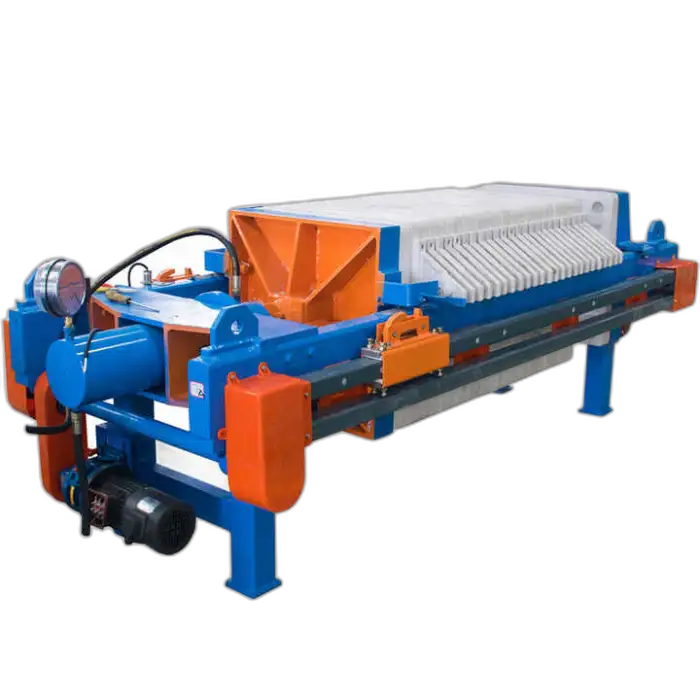
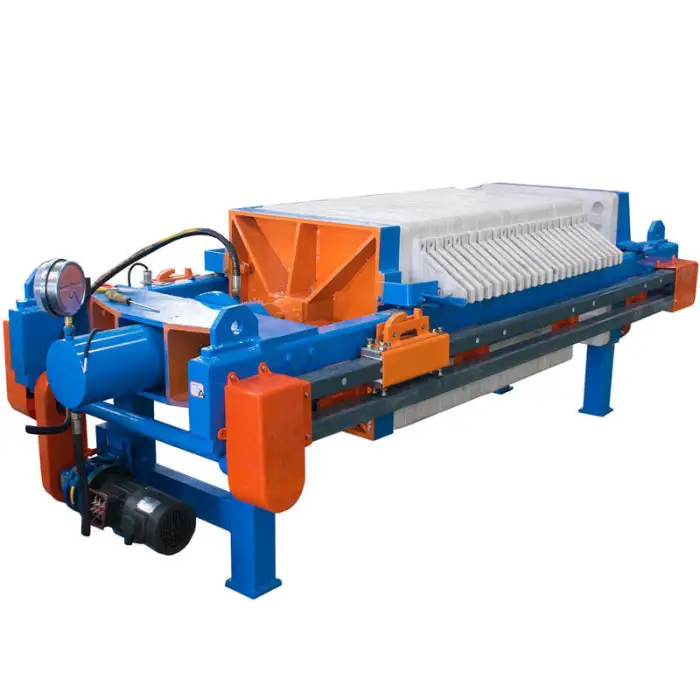
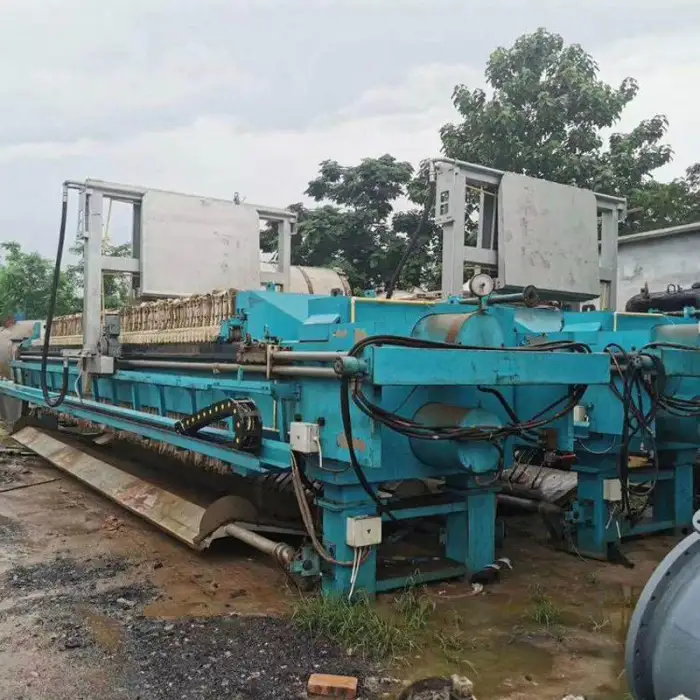
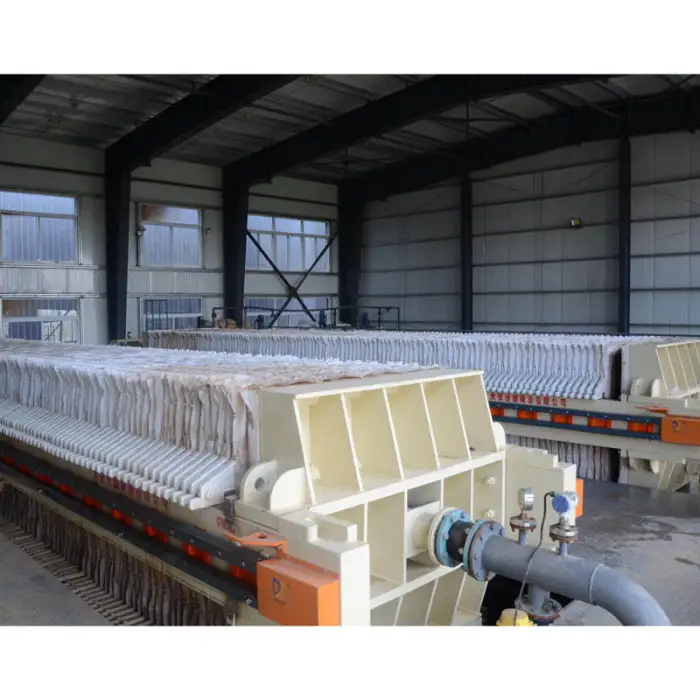
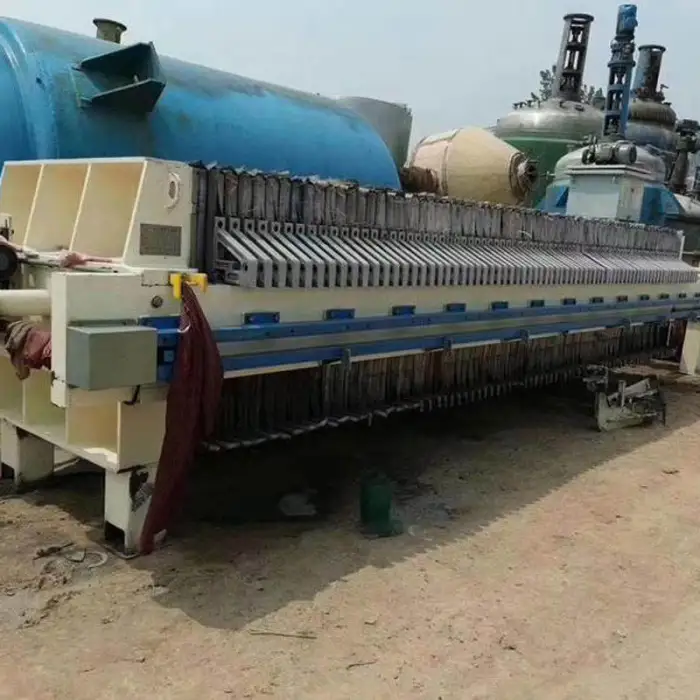
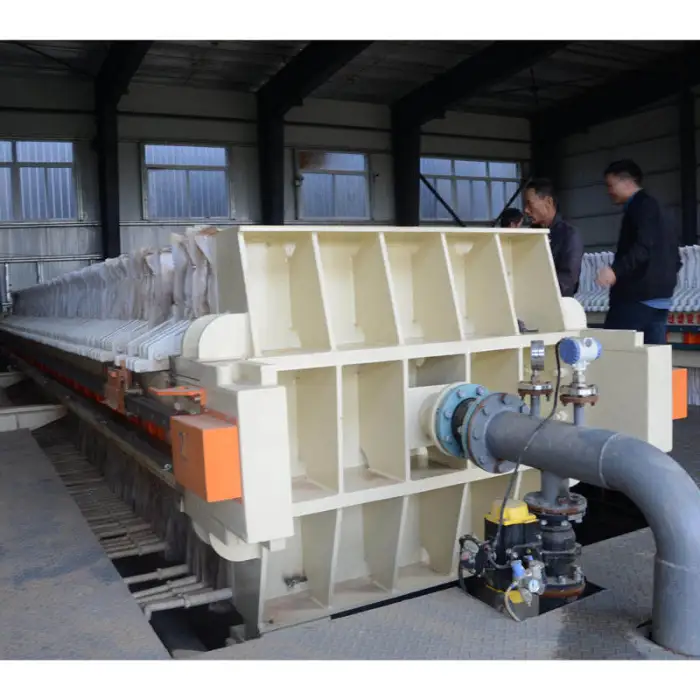
Manual Operation Sludge Dewatering Filter Press Machine for Solid Liquid Separation

- Section : Machinery
- Category : Cleaning Equipment
- SKU : 60793957187

Manual Operation Sludge Dewatering Filter Press Machine for Solid Liquid Separation
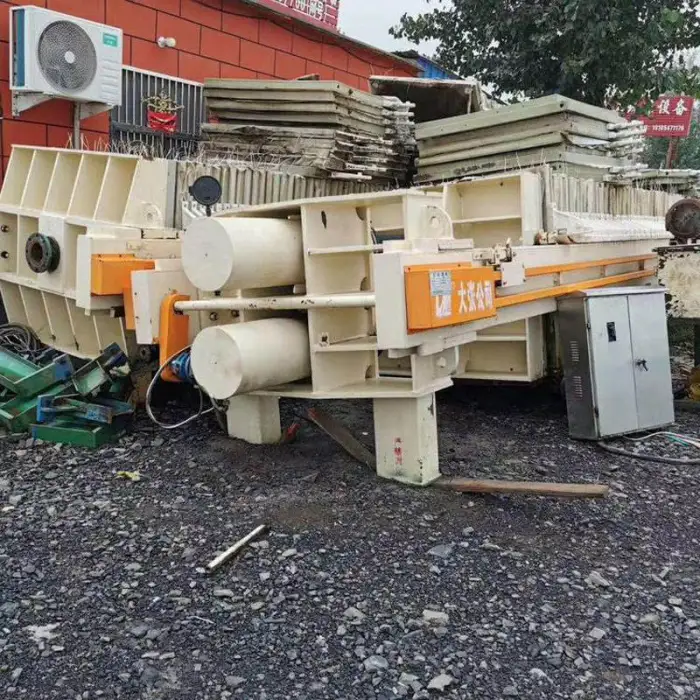
The Manual Operation Sludge Dewatering Filter Press Machine is designed for effective solid-liquid separation. This machine is ideal for various industries that require reliable dewatering solutions. With its manual operation, it provides ease of use and efficiency in processing sludge. The sturdy design ensures durability, making it a great addition to your operations.
Specifications
| Attribute | Details |
|---|---|
| Automatic Grade | Manual |
| Condition | New |
| Voltage | 0 |
| Power (W) | 0 |
| Weight | 1257 kg |
| Dimensions (L*W*H) | 2250*1080*1060 mm |
| Service Provided | Engineers available to service machinery overseas |
| Selling Units | Single item |
| Supply Ability | 1000 sets per month |
Key Features
- Manual operation for simple control
- Heavy-duty construction for long-lasting use
- Efficient solid-liquid separation process
- Lightweight and compact design
- Easy to transport and install
Applications
- Wastewater treatment facilities
- Food processing industries
- Mining and mineral processing
- Sludge management in construction
- Chemical and pharmaceutical applications
Product Info Gallery
- Shipping Timeframes: All orders are processed within 2-5 business days (excluding weekends and holidays). After your order has been processed, the estimated delivery time is before 03 Aug, 2026, depending on customs, Please note that due to high demand, some items may experience longer shipping times, which will be communicated at order confirmation email.
- Order Processing Time: Please allow 2-5 business days for us to process your order before it is shipped . Orders placed after 16:00 on Fridays, or during weekends and public holidays, will begin processing on the next business day. Processing times may be extended during peak seasons or sales events.
- Manufacturing Time: Some products needs manufacturing time, the manufacturing process will take approximately 10-30 business days depending on the product. This timeframe may vary depending on the complexity of the product and current demand. but this will be communicated with you during order confirmation.
- Returns and Exchanges: We offer a 30-day return policy for most items. If you are not completely satisfied with your purchase, you may return it within 30 days of receipt for a refund or exchange. Items must be unused, in their original packaging, and accompanied by proof of purchase. Return shipping costs are the responsibility of the customer, unless the item was damaged or defective upon arrival.
1. What is the Manual Operation Sludge Dewatering Filter Press Machine?
It is a manually operated filter press designed for solid-liquid separation and dewatering of sludge. It uses filter plates and cloths to trap solids and discharge filtrate, providing an effective mechanical dewatering solution for various industries.
2. What does 'manual operation' mean for this filter press?
Manual operation means the opening, closing and plate compression are performed by hand via a mechanical mechanism (e.g., hand screw or lever) rather than by electric or hydraulic power. Filtration cycles and cake discharge are also initiated and handled manually.
3. Does this machine require electricity?
No. The product specifications list voltage and power as 0, indicating the basic unit operates without electrical power. Optional accessories (e.g., feed pumps, screwdrivers or hydraulic helpers) may require power if added.
4. What are the machine dimensions and weight?
The machine's listed dimensions are 2250 x 1080 x 1060 mm (L x W x H) and the weight is 1257 kg.
5. What types of sludge or materials can it process?
It is suitable for a wide range of sludges including municipal wastewater sludge, food processing sludge, mineral and mining sludge, construction sludge, and many chemical or pharmaceutical slurries. Performance depends on feed solids concentration and sludge characteristics.
6. What level of dryness (cake moisture) can be achieved?
Cake dryness depends on the type of sludge, feed concentration, conditioning (polymer dosing), and operating technique. Typical cake moisture ranges can be roughly 30–70% under normal conditions; exact results should be confirmed via a site trial.
7. What materials are used for construction? Are corrosion-resistant options available?
The standard machine is heavy-duty steel construction for durability. Corrosion-resistant materials, such as stainless steel components or protective coatings, are commonly available as options for corrosive or sanitary applications.
8. What filter plates and cloths are used and can they be replaced?
The unit uses replaceable filter plates and filter cloths suitable for dewatering. Different plate styles, sizes and cloth materials (polypropylene, polyester, etc.) are available and are replaceable for wear or to suit different applications.
9. How is the machine installed and transported?
Due to its compact footprint, the machine can be transported by forklift or crane depending on packaging. Install on a flat, level foundation capable of supporting the 1257 kg weight. Basic mechanical anchoring and access for feed and filtrate piping are required.
10. What routine maintenance is required?
Routine maintenance includes inspecting and cleaning filter cloths and plates after each run, checking frame bolts and closing mechanism for wear, lubricating moving parts per supplier guidance, and replacing worn cloths or plates as needed.
11. Is on-site service available?
Yes — the specification notes that engineers are available to service machinery overseas. Contact the supplier to arrange installation, commissioning or maintenance support.
12. What safety precautions should operators follow?
Operators should wear appropriate PPE (gloves, eye protection), ensure the machine is secured and stable, avoid putting hands between plates during operation, follow lockout/tagout procedures if using powered accessories, and follow supplier safety instructions.
13. Can this machine be customized?
Yes. Common customizations include plate size and count, cloth material, frame coating or stainless construction, and optional powered feed or plate-closing systems. Contact the supplier with your process details for a tailored solution.
14. What is the supply ability and typical lead time?
The supplier lists a supply ability of 1000 sets per month. Lead time varies by order size, customization and current factory load—contact the supplier for a specific delivery estimate for your order.
15. Is there a warranty or spare parts availability?
Warranty terms are not listed in the basic spec; typically suppliers offer warranty and spare parts packages. Ask the supplier for warranty details, recommended spare parts (filter cloths, plates, seals) and pricing when ordering.
Latest Order Arrivals
Discover our latest orders
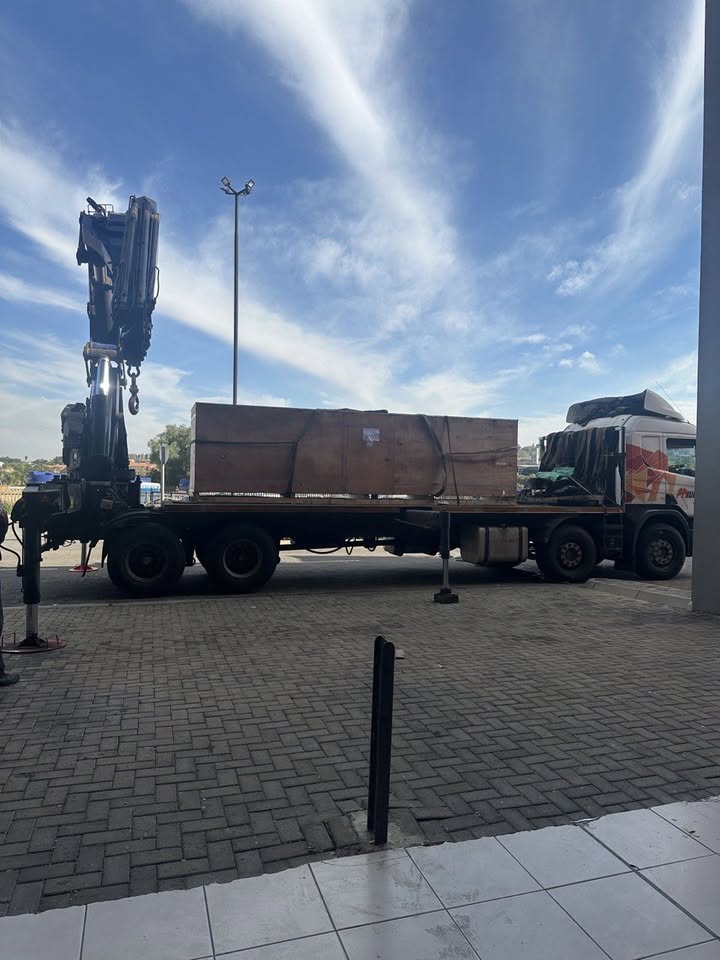
12 Heads Embroidery Machine
Toilet Paper Machine Machine
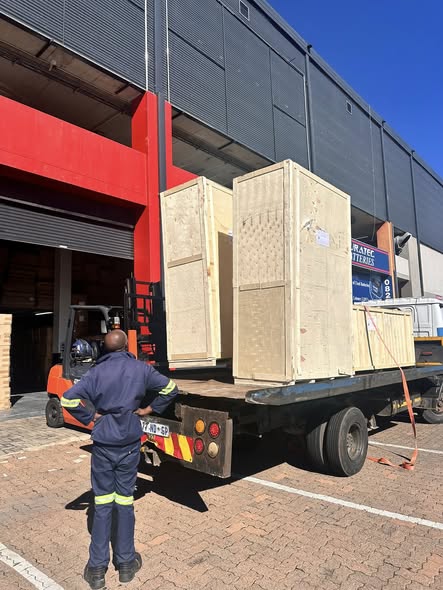
Order Collection
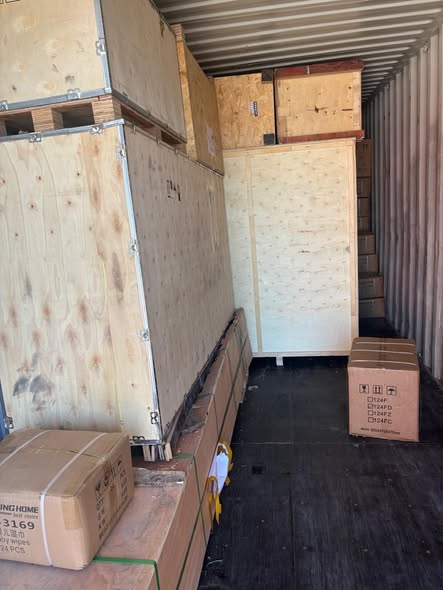
Cross Border Clients
Order cros border countries Collected
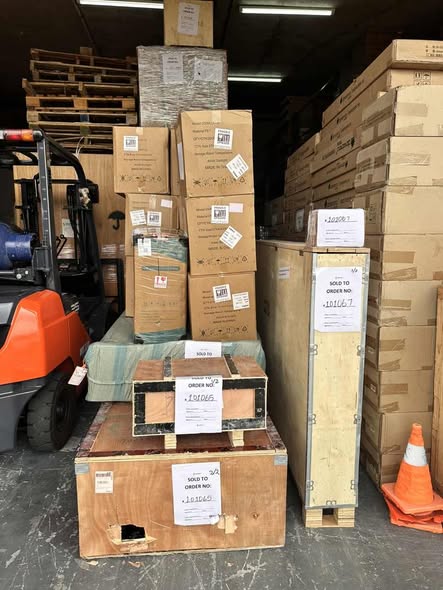
Industrial Machine Cllection
Agriculture Processing Machines
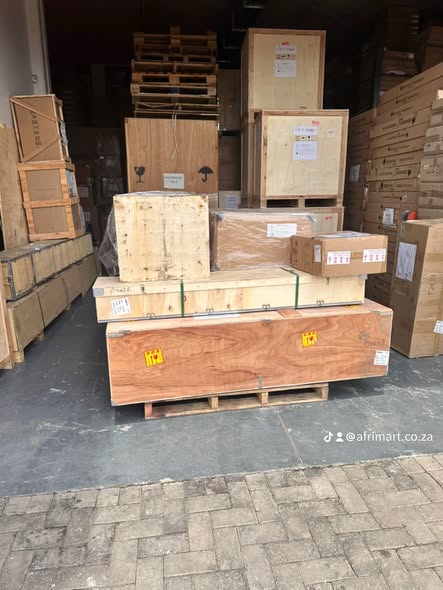
Ready for collection
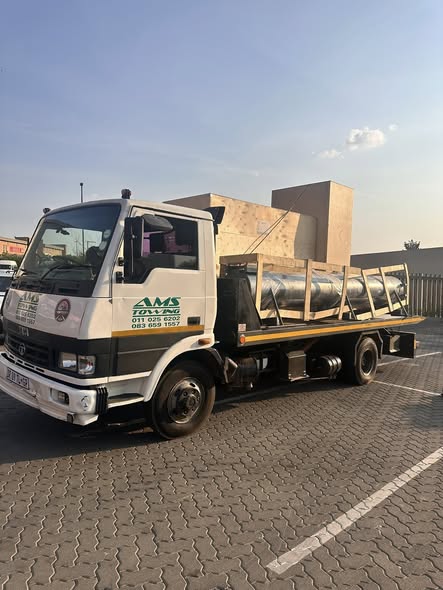
Water Pump Equipment
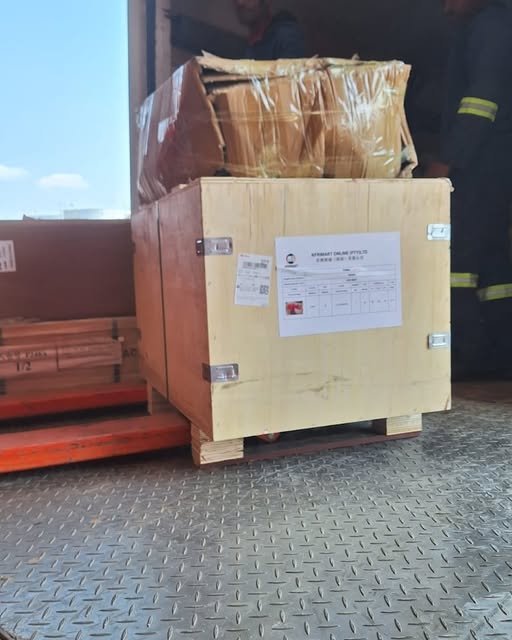
Packaging Machine and accessories
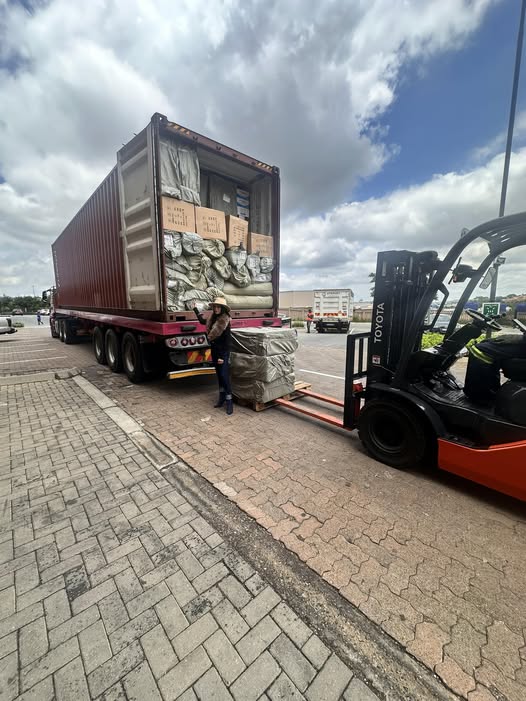
Fabrics Manufacturing Equipment
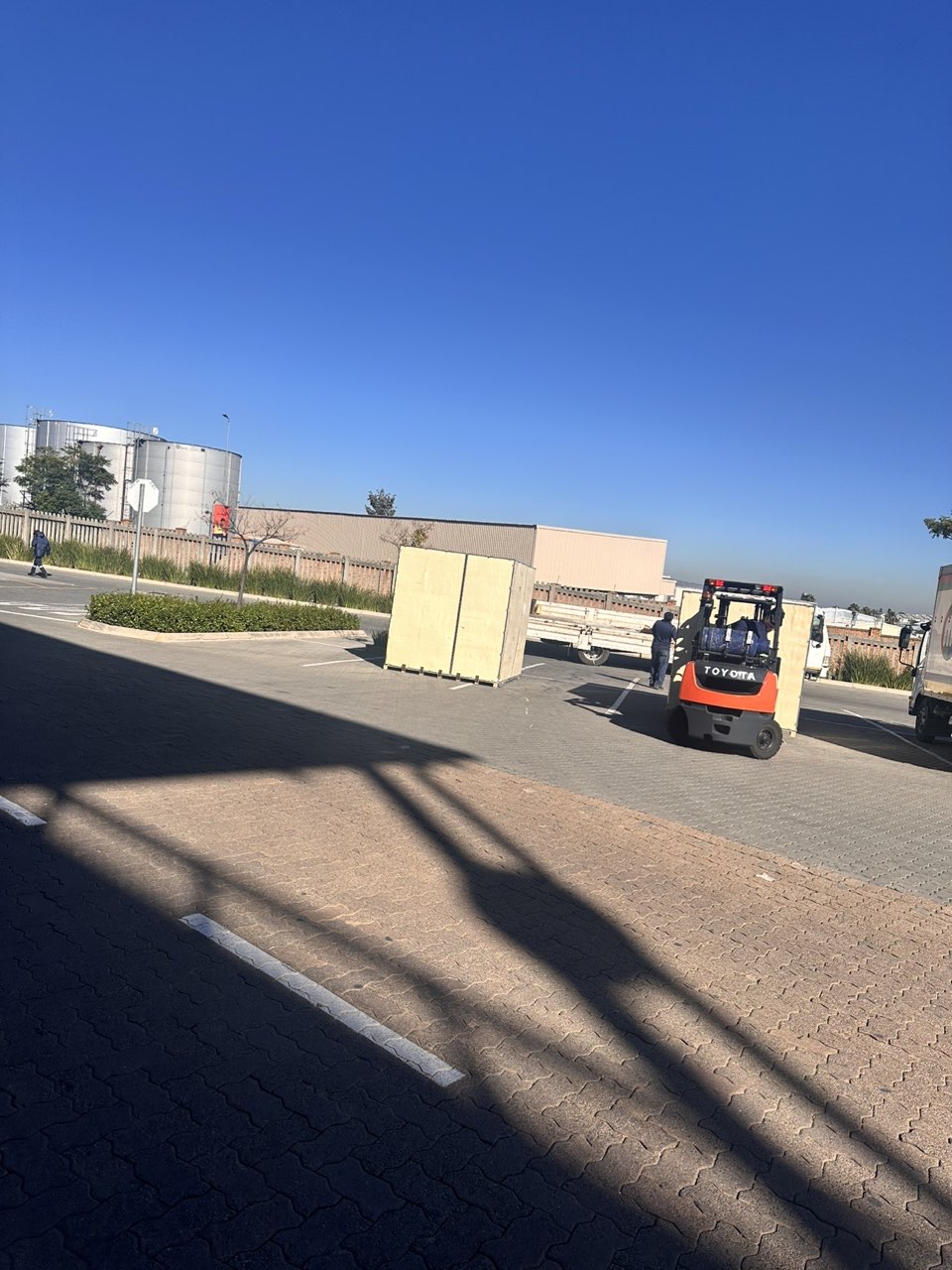
Mining Equipments
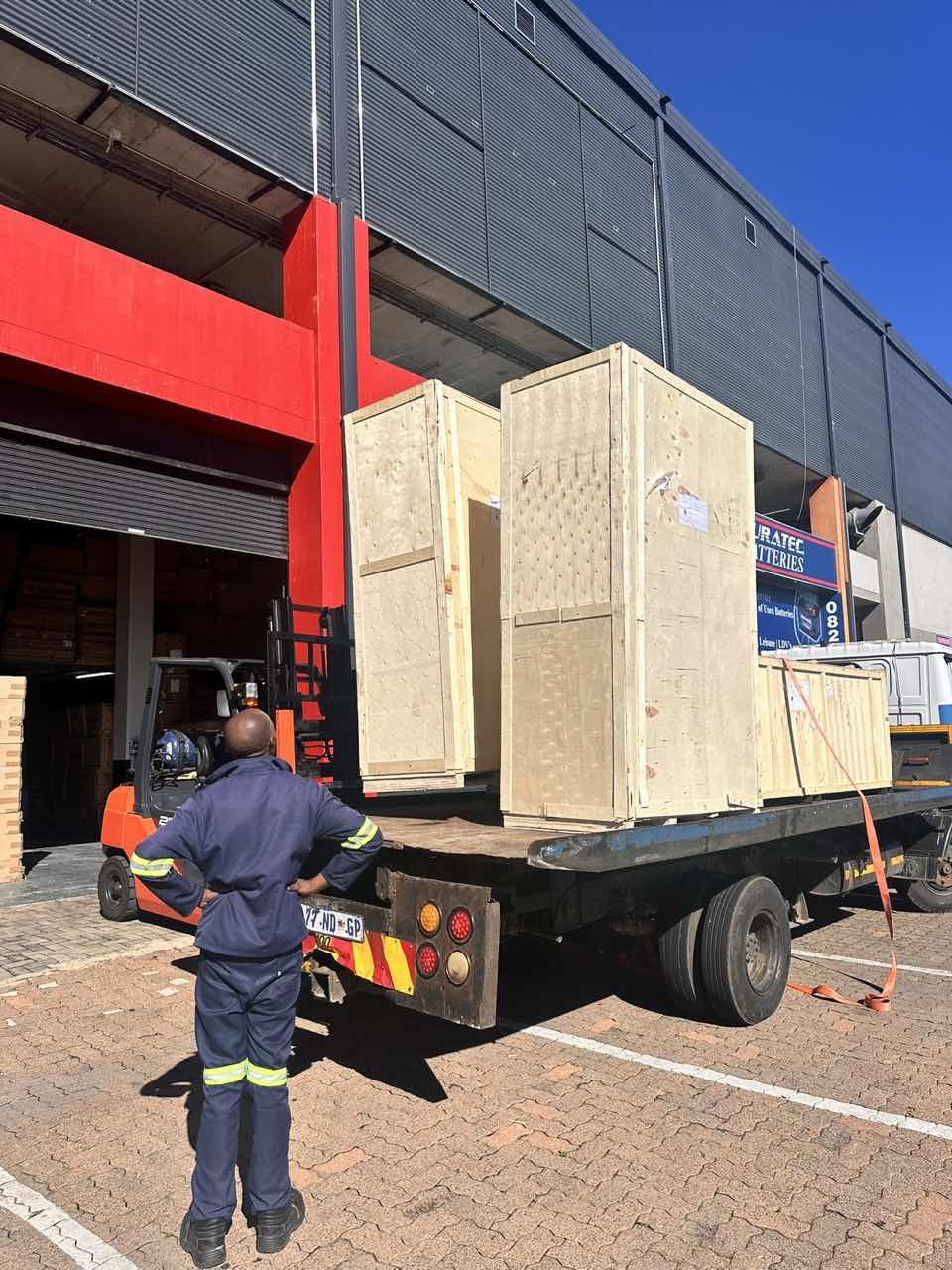
Food Processing Machine
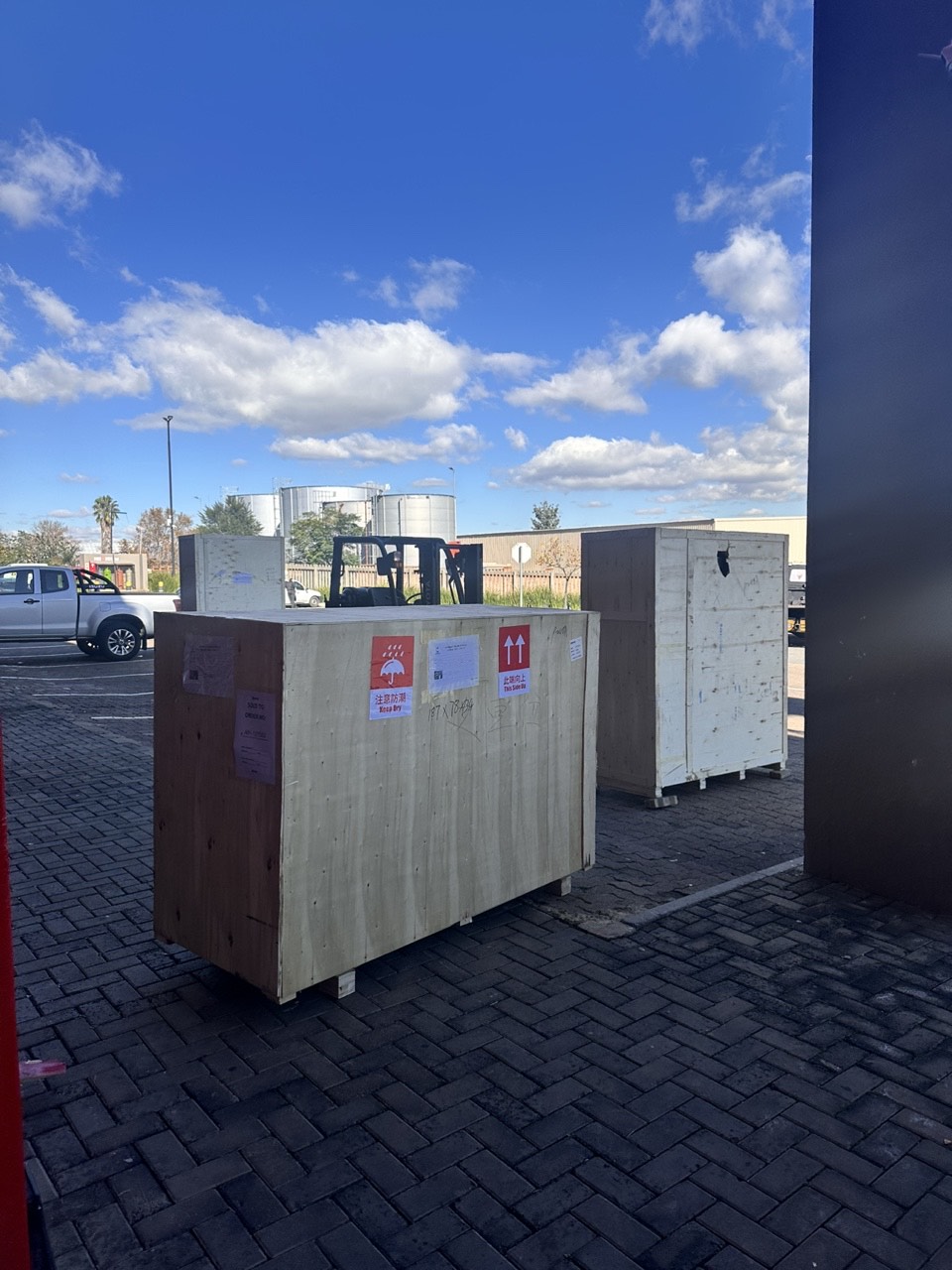
Batch of Orders
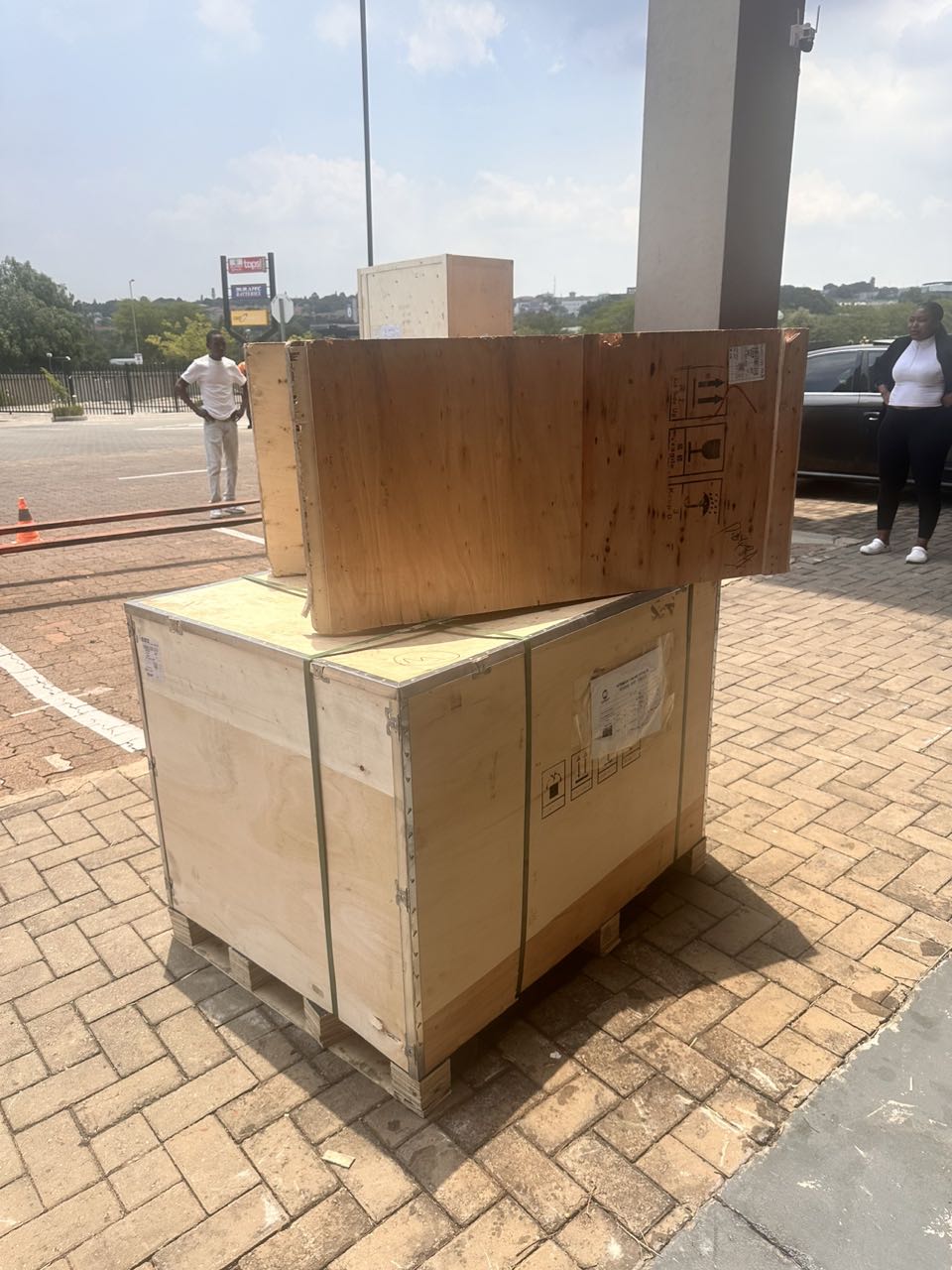
Batch of Orders
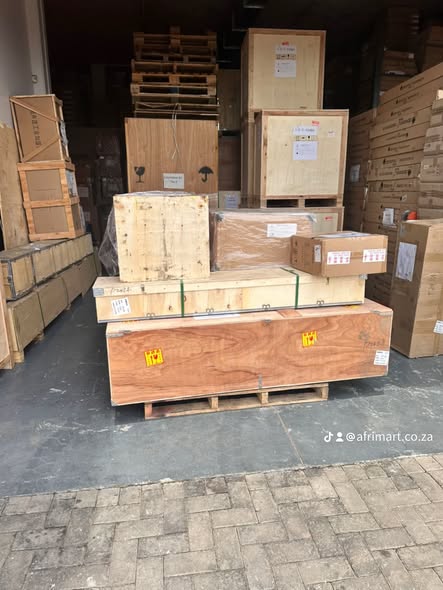
Latest Orders Labelled
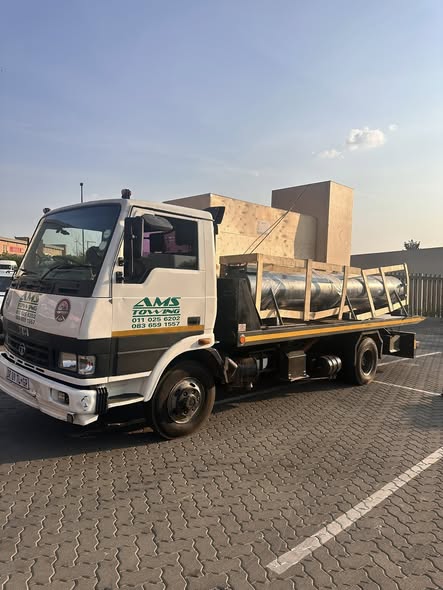
wheel alignment machines
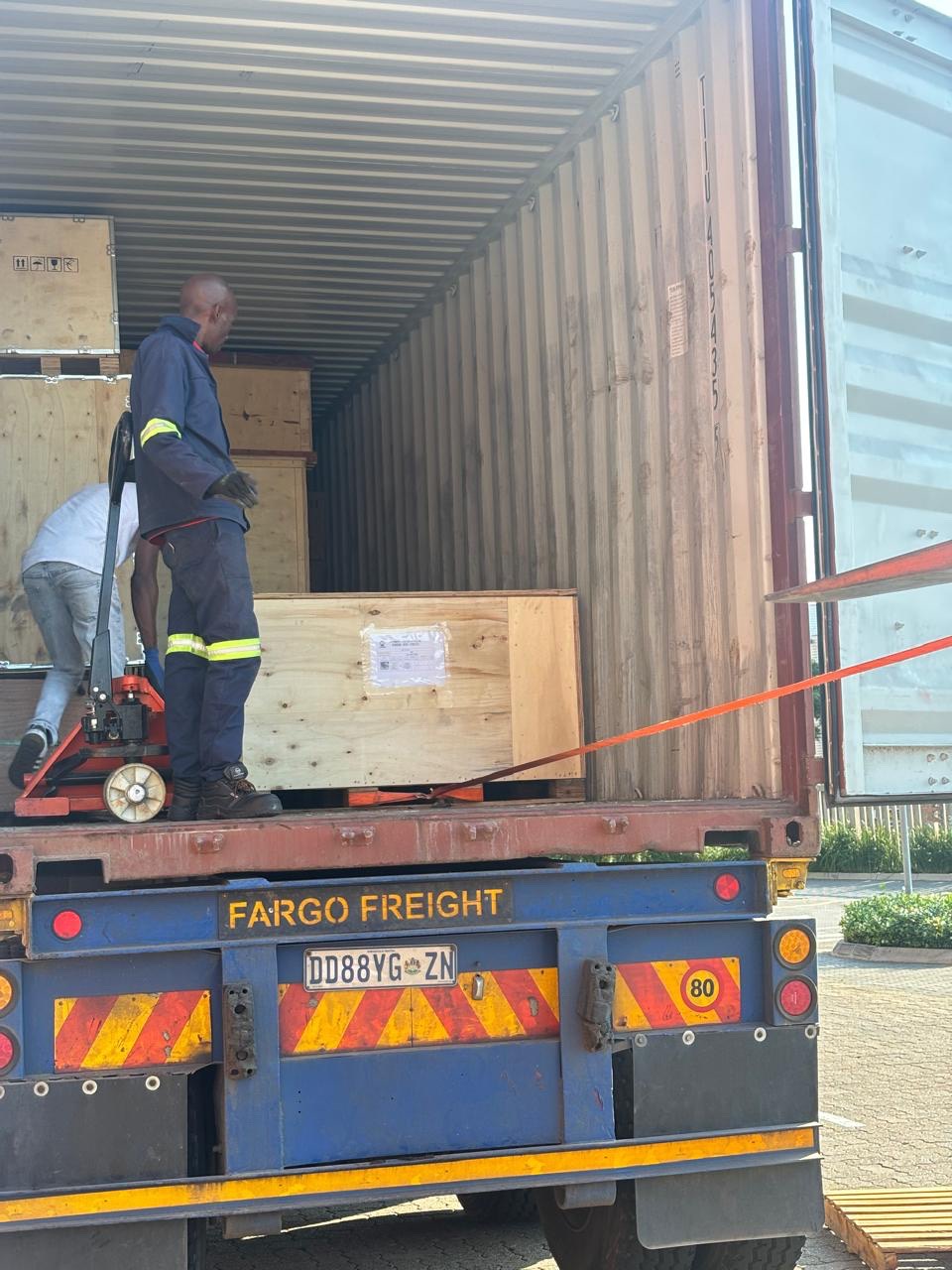
new arrivals
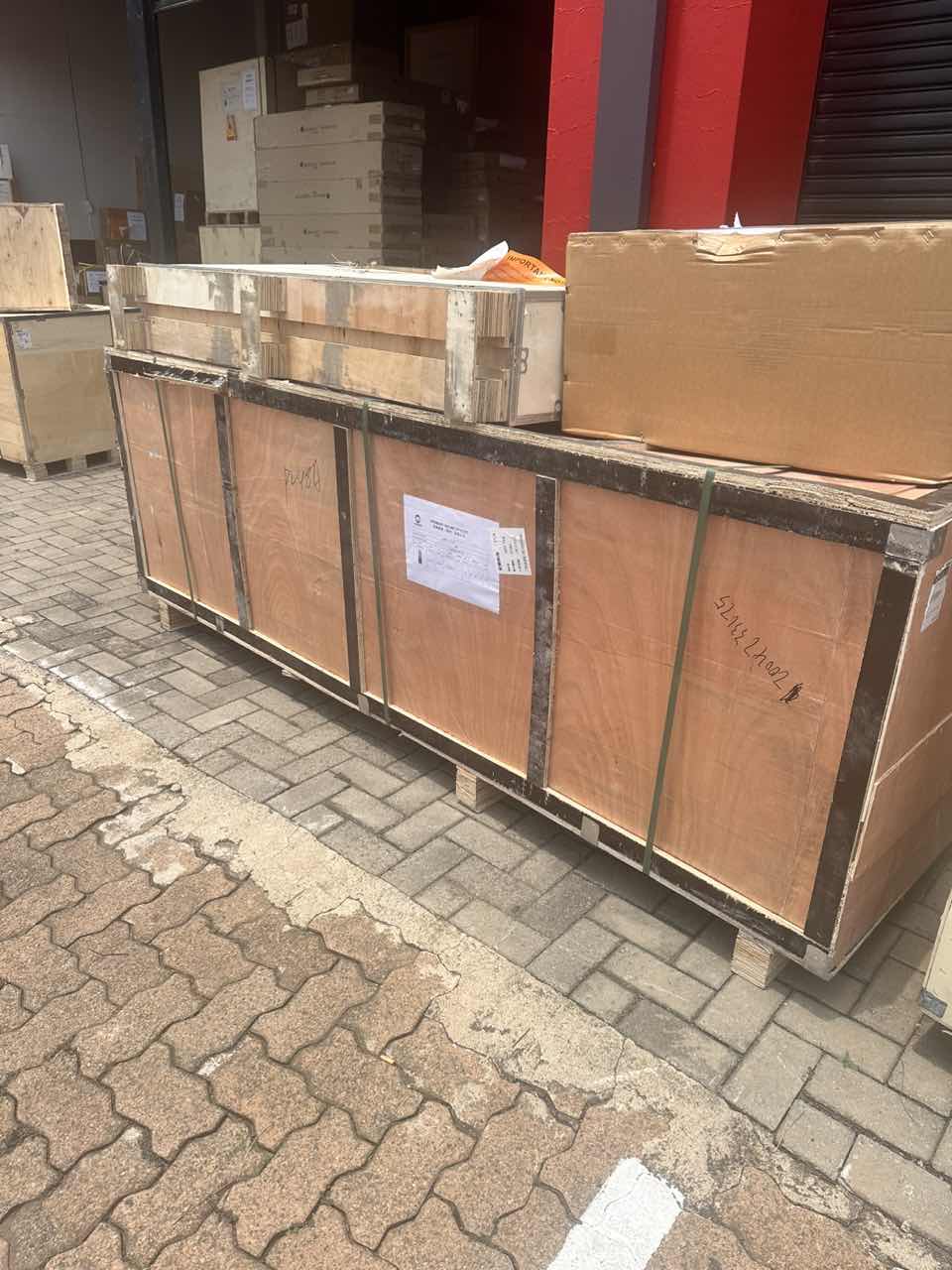
Pre Orders Offloading
Latest Arrivals
Latest Arrivals
Latest Arrivals
Loading
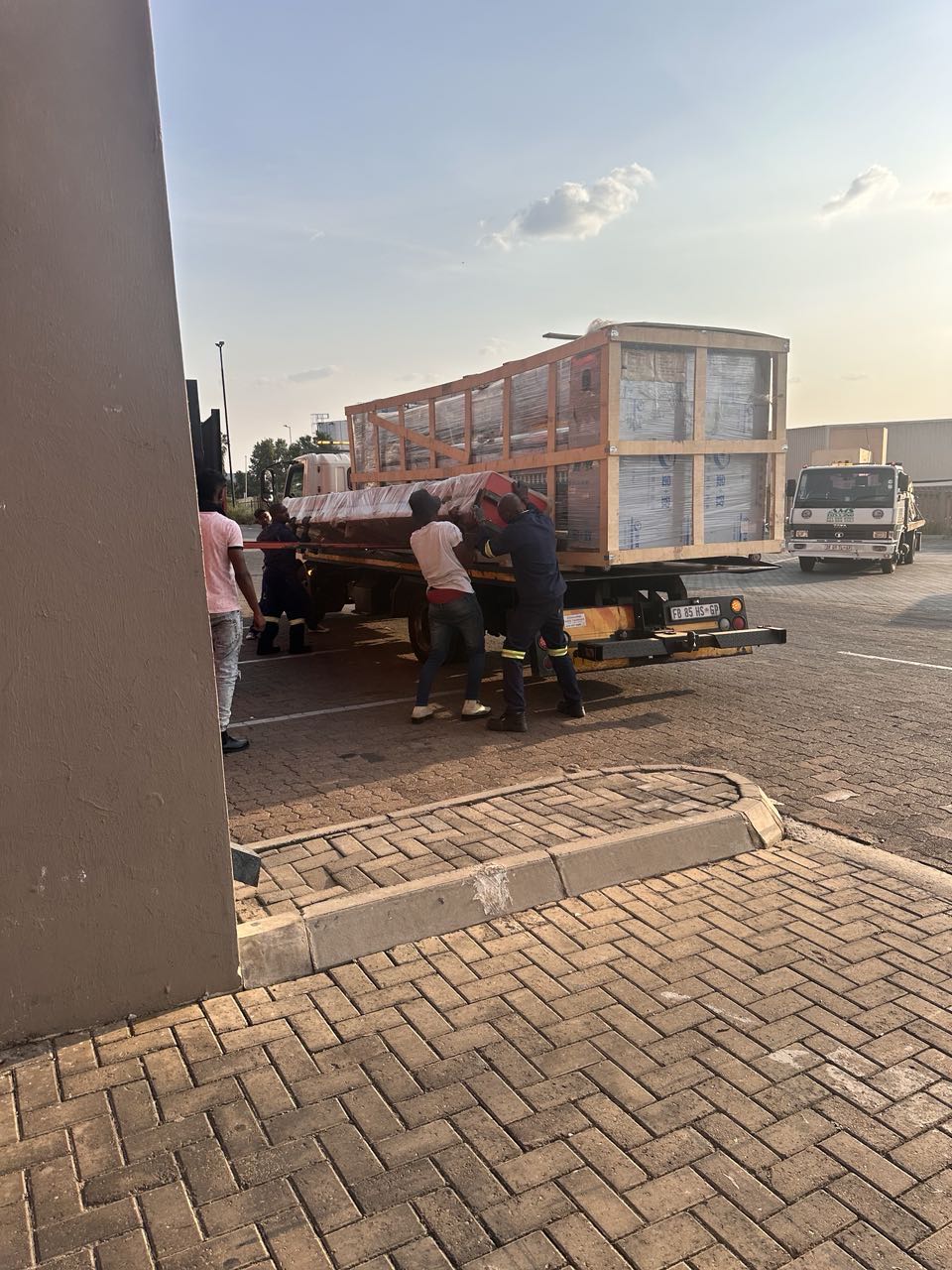
Toilet paper making machine
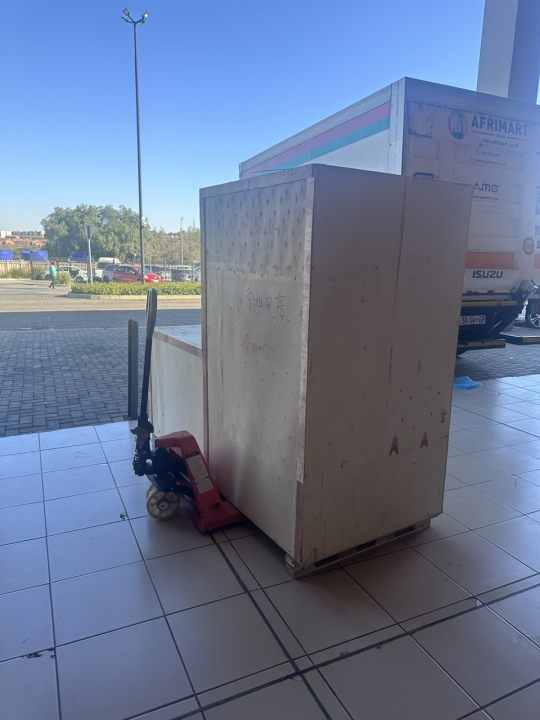
Toilet paper making machine
Toilet paper Rewinding Machine
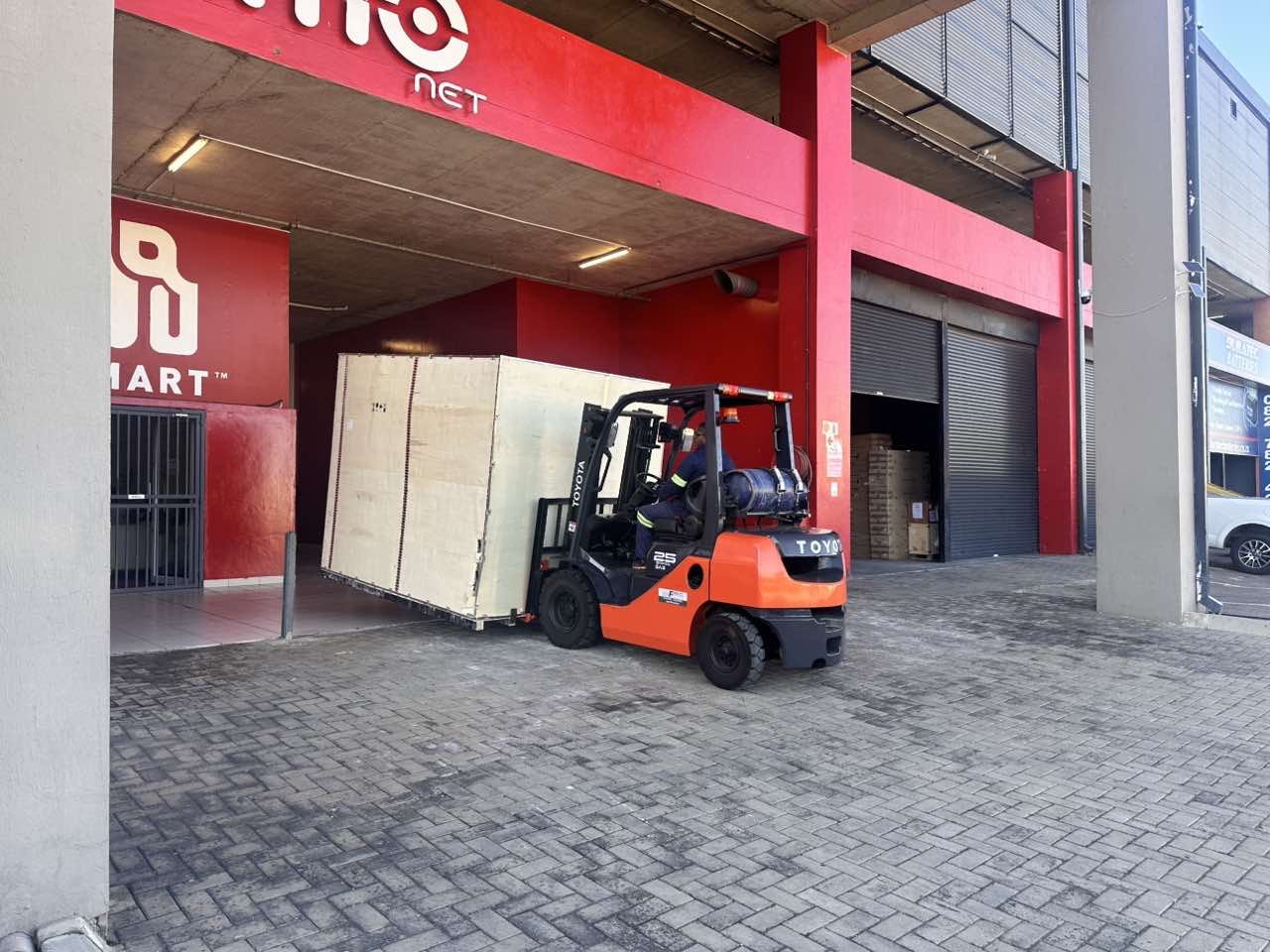
latest arrivals
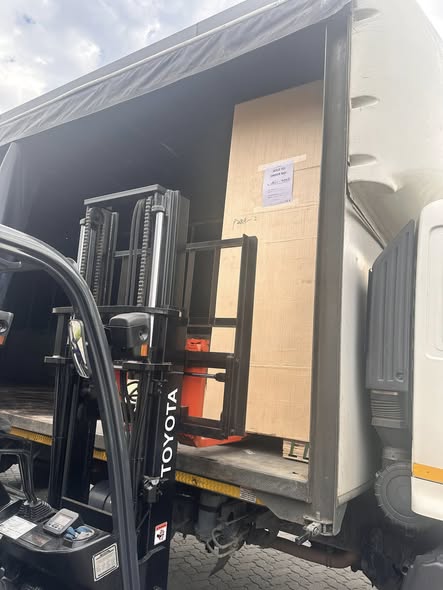
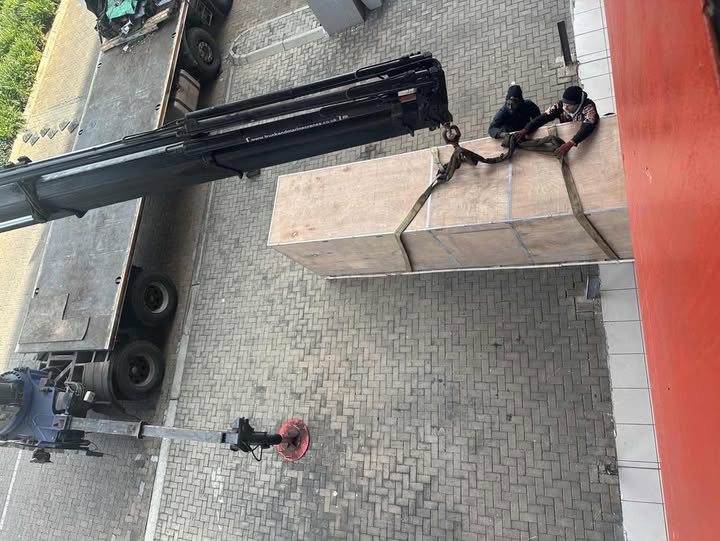
offloading
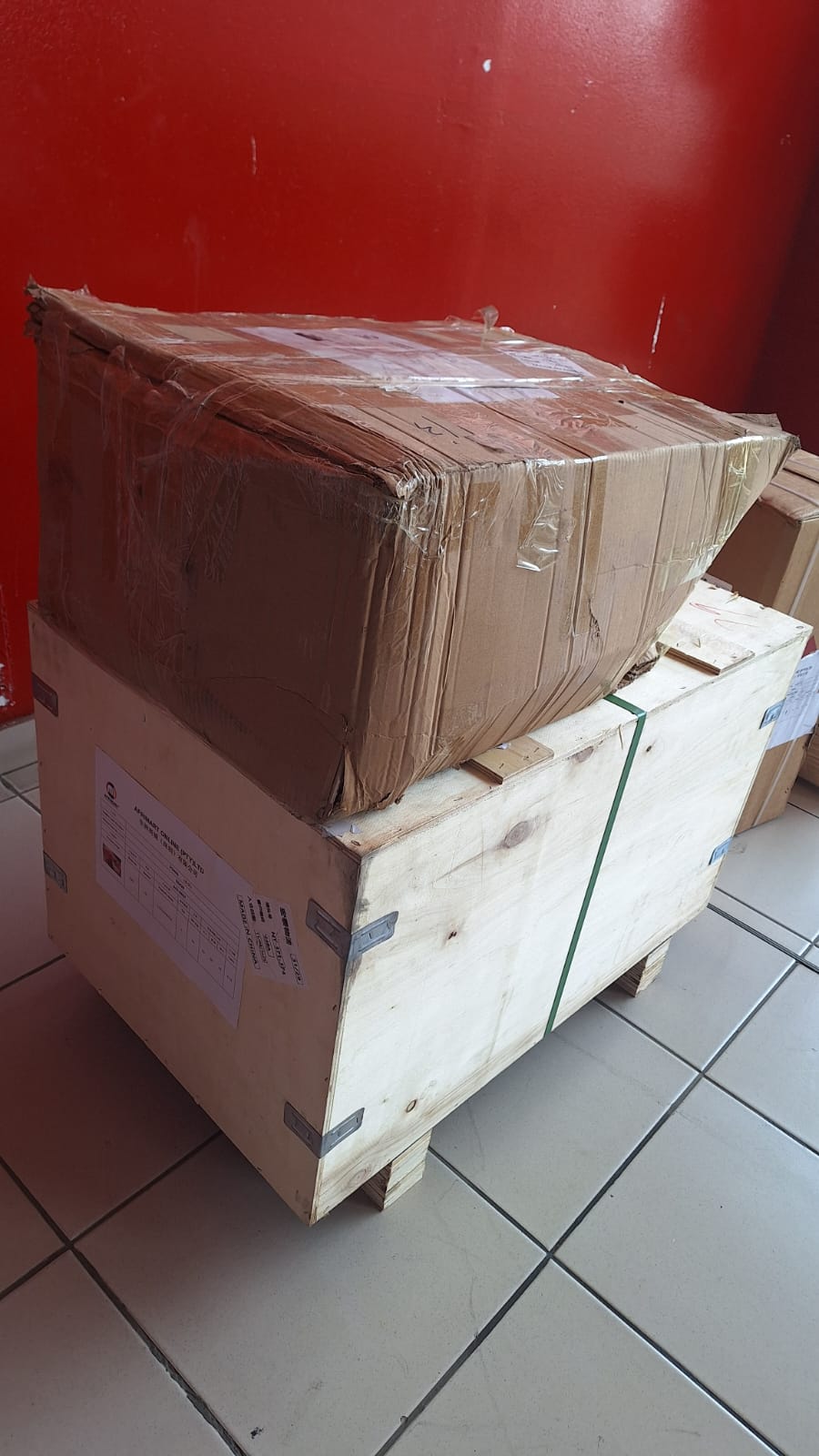
order success
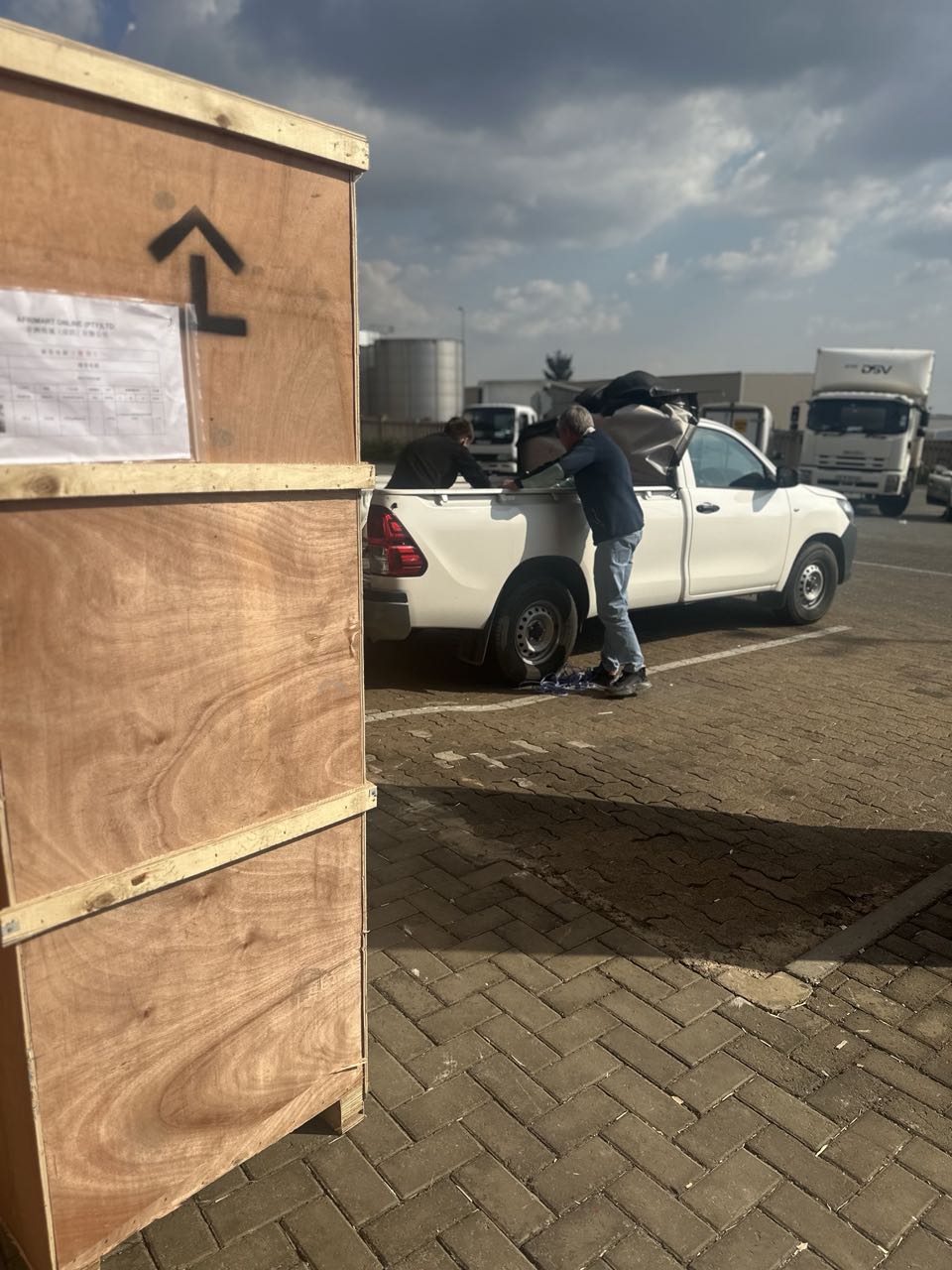
order collection
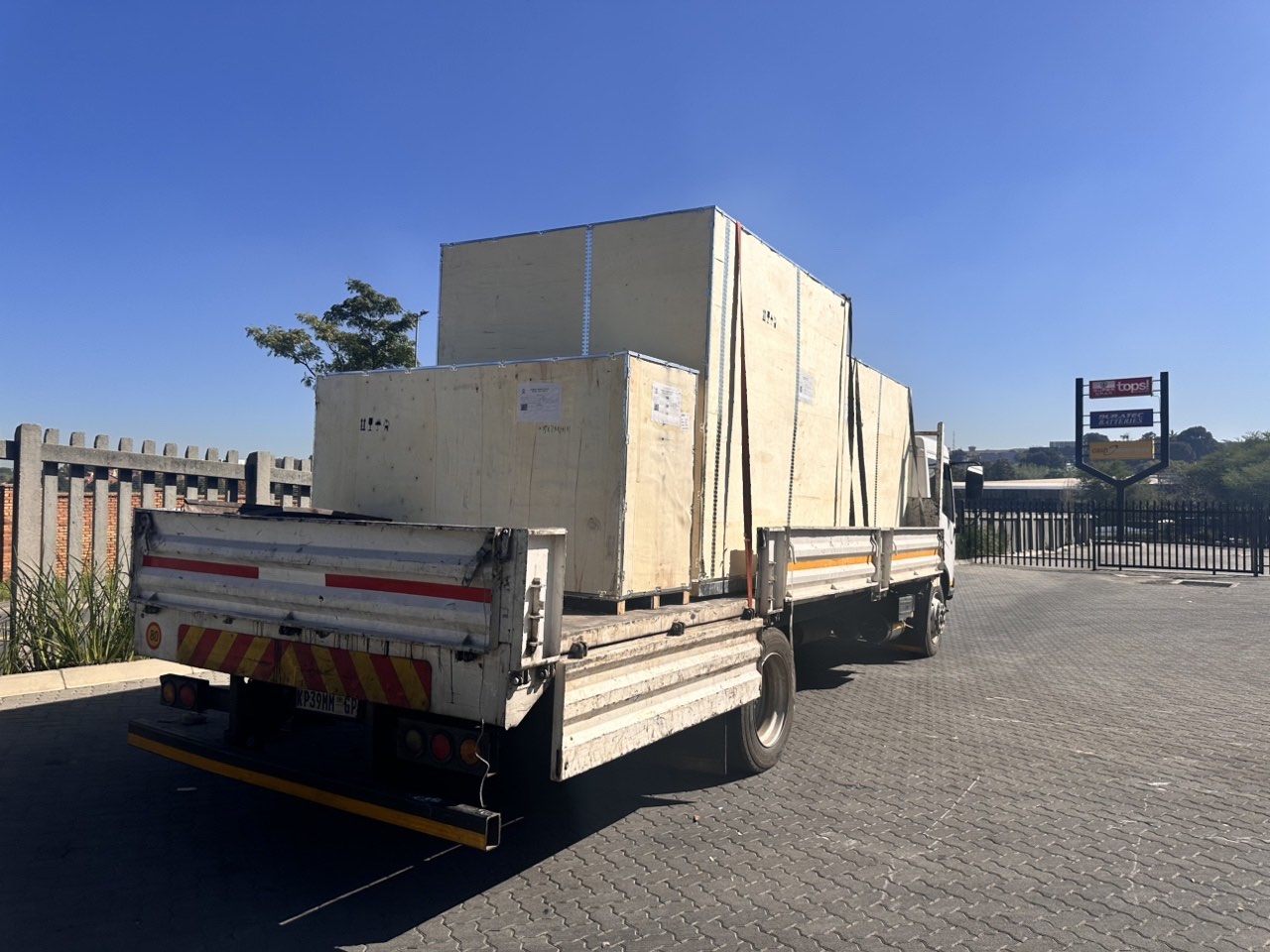
order offloading