B21, China Town Mall, Midrand

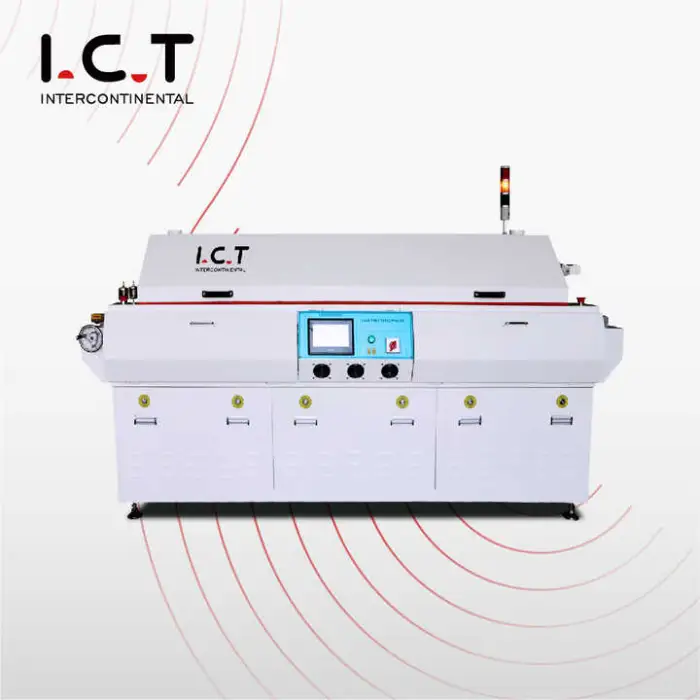
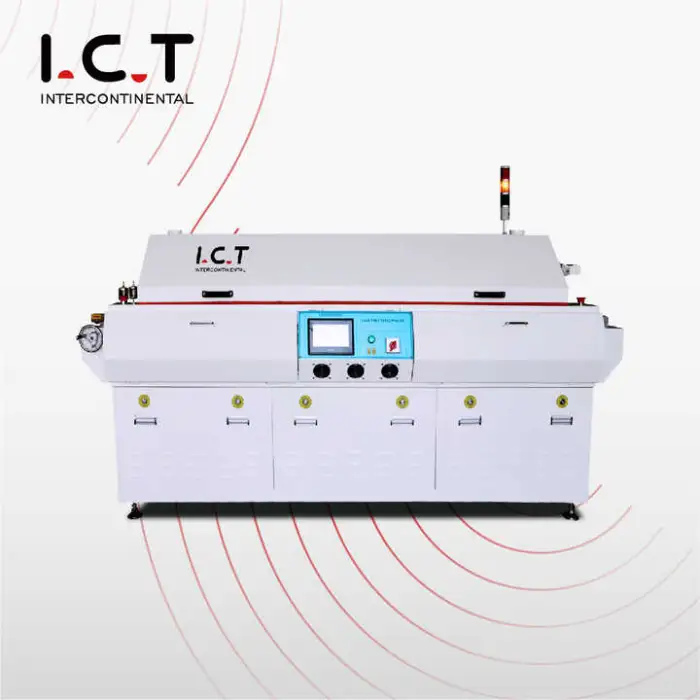
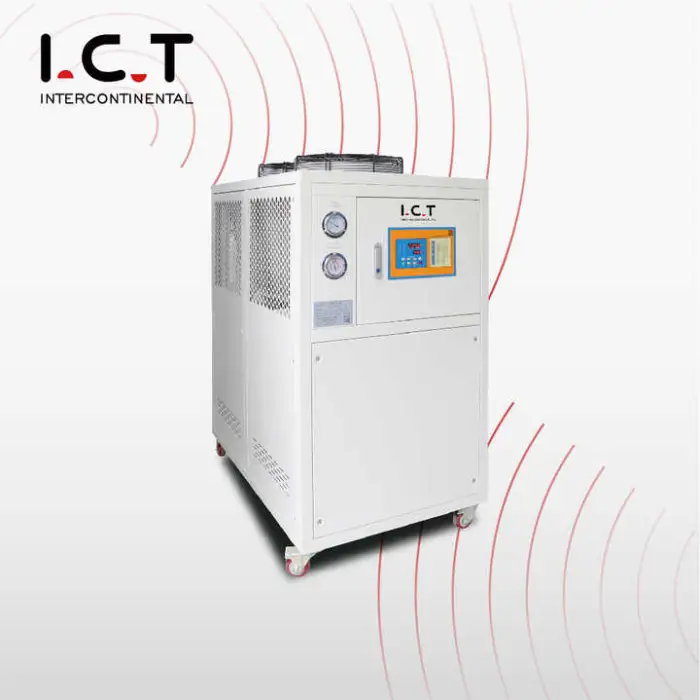
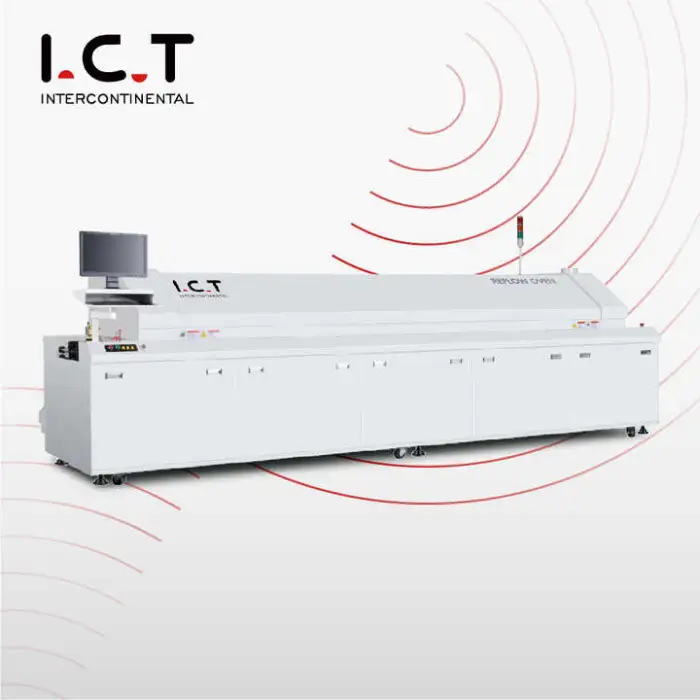
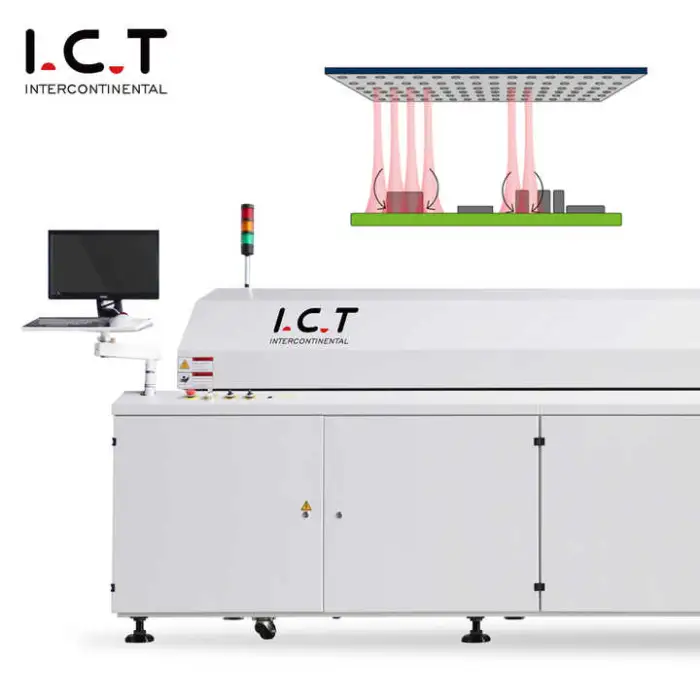
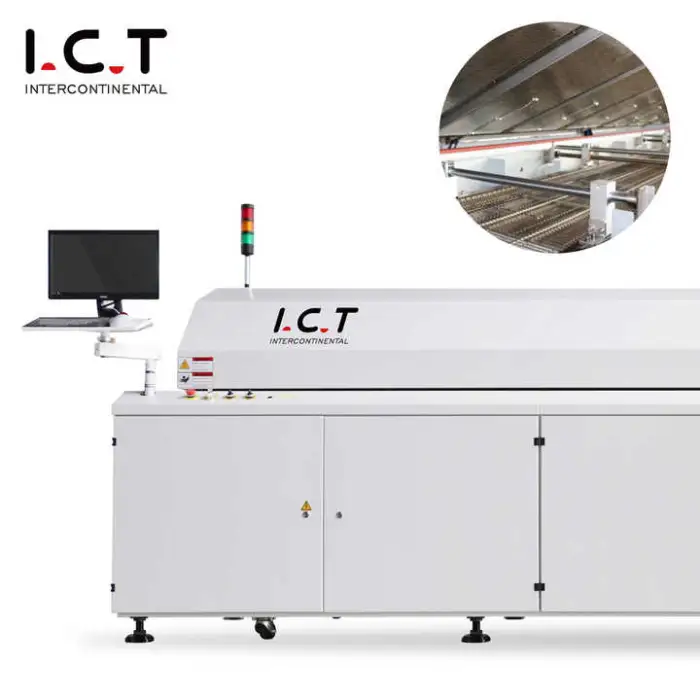
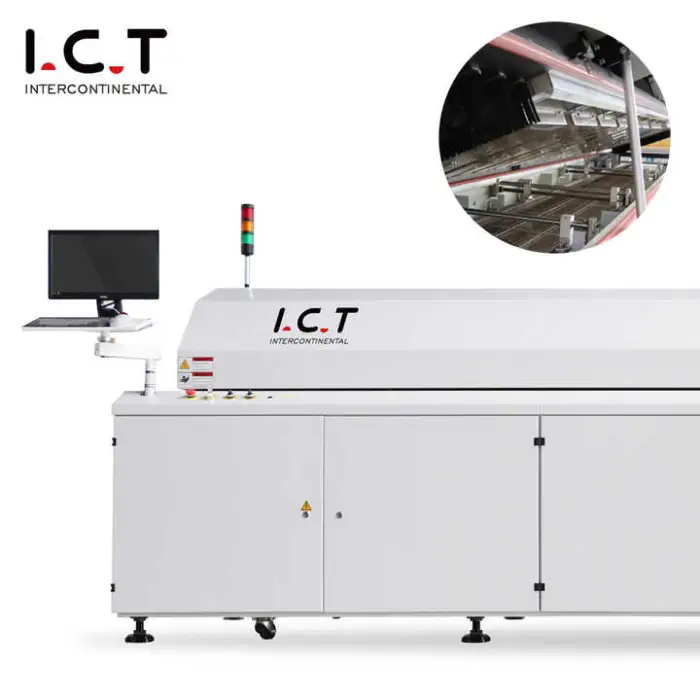
LED Compact Soldering Machine Assembly Equipment Reflow Solders Machine
Asset finance available
Do you want funding for this equipment?
Afrimart can connect you with trusted funding partners who specialise in asset finance for businesses like yours. Compare options and apply in minutes — final approval is subject to provider review.
Check funding options
Secure & no obligation

- Section : Machinery
- Category : Welding Equipment
- SKU : 1601059096894

LED Compact Soldering Machine Assembly Equipment Reflow Solders Machine
The LED Compact Soldering Machine Assembly Equipment Reflow Solders Machine is a powerful tool for any electronics manufacturer. Designed for high efficiency, it ensures excellent soldering quality for PCB assembly. This machine combines modern technology with user-friendly features, making it a great choice for both beginners and experts in the field.
Specifications
| Attribute | Details |
|---|---|
| Type | Reflow Solder |
| Voltage | 380V |
| Rated Capacity | 3 Phase, 380V 50/60Hz |
| Condition | New |
| Brand Name | I.C.T |
| Usage | PCB Reflow Soldering |
| Dimensions | 5150*1400*1500mm |
| Rated Duty Cycle | 10M3/min x 2 Exhausts |
| Current | 3 Phase, 380V 50/60Hz |
| Weight | 2400 KG |
| Name | Reflow Oven |
| Control System | PLC + Computer |
| Transmission Agent | Chain + Mesh |
| Max. Width Of PCB | 460mm |
| Mesh Width | Standard 440mm (Option 560 & 680mm) |
| Rail Width | Single Rail: 50 - 460mm |
| Temperature Control Precision | ± 1.0℃ |
| Max. Temp. Gap Between Preheat Zones | 40℃ |
| Components Clearance | Top/Bottom is 25mm |
| Warm up time | ca. 20 min |
| Selling Units | Single item |
| Single package size | 50X50X50 cm |
| Single gross weight | 20.000 KG |
Key Features
- High precision temperature control for reliable soldering.
- Compact design fits into small production spaces.
- Fast warm-up time of just 20 minutes.
- Robust construction with a weight of 2400 KG.
- Compatible with various PCB sizes up to 460mm wide.
Applications
Product Info Gallery
- Shipping Timeframes: All orders are processed within 2-5 business days (excluding weekends and holidays). After your order has been processed, the estimated delivery time is before 03 Aug, 2026, depending on customs, Please note that due to high demand, some items may experience longer shipping times, which will be communicated at order confirmation email.
- Order Processing Time: Please allow 2-5 business days for us to process your order before it is shipped . Orders placed after 16:00 on Fridays, or during weekends and public holidays, will begin processing on the next business day. Processing times may be extended during peak seasons or sales events.
- Manufacturing Time: Some products needs manufacturing time, the manufacturing process will take approximately 10-30 business days depending on the product. This timeframe may vary depending on the complexity of the product and current demand. but this will be communicated with you during order confirmation.
- Returns and Exchanges: We offer a 30-day return policy for most items. If you are not completely satisfied with your purchase, you may return it within 30 days of receipt for a refund or exchange. Items must be unused, in their original packaging, and accompanied by proof of purchase. Return shipping costs are the responsibility of the customer, unless the item was damaged or defective upon arrival.
1. What is the LED Compact Soldering Machine Assembly Equipment Reflow Solders Machine used for?
This is a reflow oven designed for PCB reflow soldering and LED assembly. It is used to thermally profile printed circuit boards to melt solder paste and form reliable solder joints for surface-mount components.
2. What are the electrical and power requirements?
The machine requires three-phase power: 380V, 50/60Hz. Ensure your facility can supply a 3-phase 380V line and appropriate breaker protection sized for the machine; consult the supplier for exact current/power ratings for your configuration.
3. What are the machine dimensions and weight?
The machine footprint is approximately 5150 × 1400 × 1500 mm and the unit weight is listed as 2400 kg. Note: the listed single-package gross weight (20.000 KG) and package size (50×50×50 cm) appear inconsistent with the unit weight—confirm shipping and crating details with the vendor.
4. What PCB sizes and conveyer/mesh widths are supported?
Maximum PCB width supported is 460 mm. The standard mesh width is 440 mm, with optional mesh widths of 560 mm and 680 mm. Rail (single-rail) width adjustable from 50 mm to 460 mm.
5. What is the maximum component height (clearance) the oven can handle?
The top and bottom component clearance is 25 mm, which sets the maximum component height allowed on the board during the reflow process.
6. How precise is the temperature control and how many zones can I program?
Temperature control precision is ±1.0°C. The oven uses PLC + computer control, allowing you to set multiple zones and custom profiles. The specification notes a maximum temperature gap between preheat zones of 40°C, so zone-to-zone changes should be within that range.
7. How long does the machine take to warm up?
Warm-up time is approximately 20 minutes to reach operational temperature, though actual time may vary with ambient conditions and the target profile.
8. What does the rated duty cycle '10M3/min x 2 Exhausts' mean?
This likely refers to the exhaust/airflow capacity: two exhausts each rated at about 10 m3/min. Proper exhaust/ventilation is required to remove flux fumes and maintain stable process conditions; confirm exact airflow figures with the supplier.
9. Is the oven suitable for lead-free soldering?
Reflow ovens of this type are generally suitable for lead-free soldering, but successful lead-free profiles require correct temperature profiling and process setup. Confirm the maximum achievable peak temperature with the vendor and validate with your solder paste and component thermal limits.
10. What installation and site preparation are required?
You will need a stable, level floor capable of supporting the machine weight, a 3-phase 380V power connection, proper grounding, and ducting for exhaust to a safe location. Allow adequate clearance for loading/unloading and maintenance. The supplier should provide a detailed install checklist.
11. What maintenance and consumables are required?
Routine maintenance includes cleaning the conveyor mesh and heater zones, replacing filters for fans/exhausts, inspecting/adjusting the chain and mesh transmission, checking heaters and thermocouples, and occasional replacement of worn parts (conveyor mesh, bearings, filters). Follow the manufacturer maintenance schedule.
12. What safety features should I expect and what certifications are available?
Typical safety features include emergency stop, proper guarding of moving parts, overtemperature protection, and electrical grounding. Certification (CE, UL, etc.) is model/supplier dependent—request certification and compliance documents from the vendor before purchase.
13. Can I customize the machine for different production needs?
Yes. Options listed include alternative mesh widths (560 mm and 680 mm) and adjustable rail widths. Additional customizations (special exhaust arrangements, extra zones, automated loading/unloading) may be available—discuss options with the manufacturer.
14. What support, training, and warranty are available?
Support and warranty terms vary by supplier. Ask the vendor about warranty length and coverage, availability of spare parts, onsite commissioning, operator training, and remote or field service options before buying.
Latest Order Arrivals
Discover our latest orders

12 Heads Embroidery Machine

Toilet Paper Machine Machine

Order Collection

Cross Border Clients

Order cros border countries Collected

Industrial Machine Cllection

Agriculture Processing Machines

Ready for collection

Water Pump Equipment

Packaging Machine and accessories

Fabrics Manufacturing Equipment

Mining Equipments

Food Processing Machine

Batch of Orders

Batch of Orders

Latest Orders Labelled

wheel alignment machines

new arrivals

Pre Orders Offloading

Latest Arrivals

Latest Arrivals

Latest Arrivals

Loading

Toilet paper making machine

Toilet paper making machine

Toilet paper Rewinding Machine

latest arrivals

offloading

order success

order collection

order offloading