B21, China Town Mall, Midrand

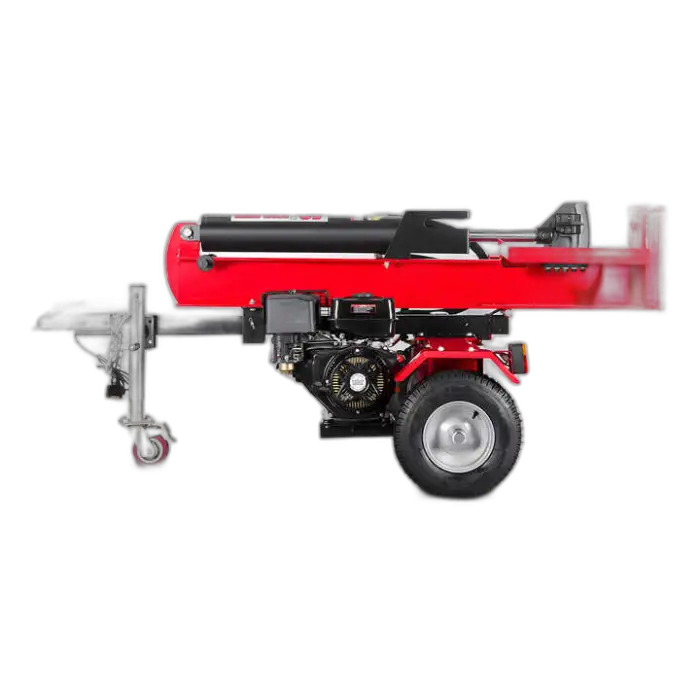
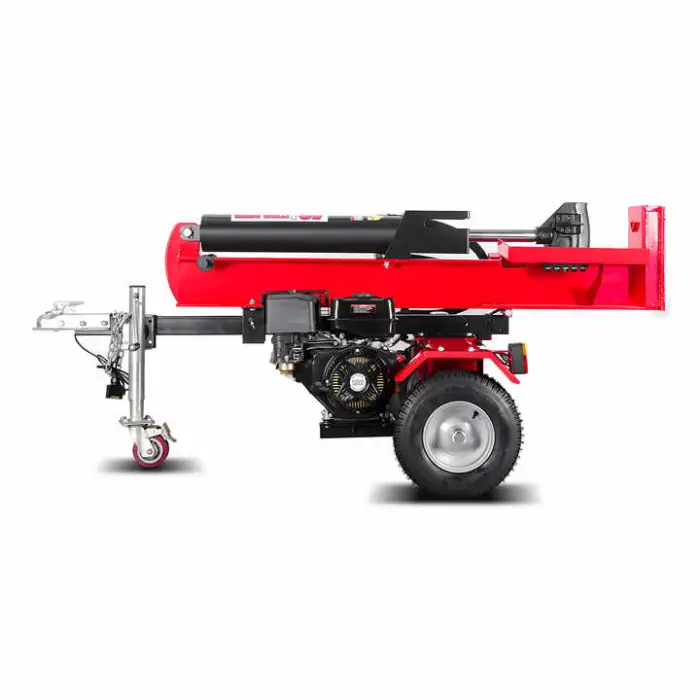
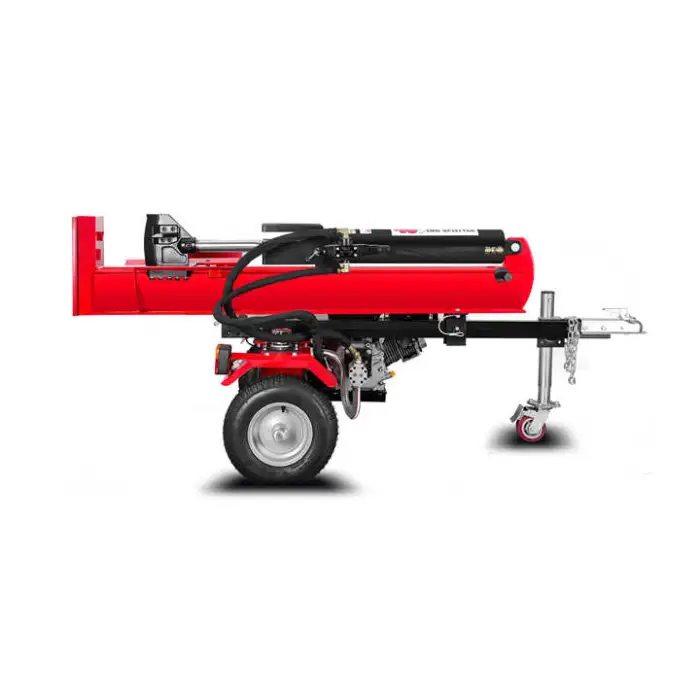
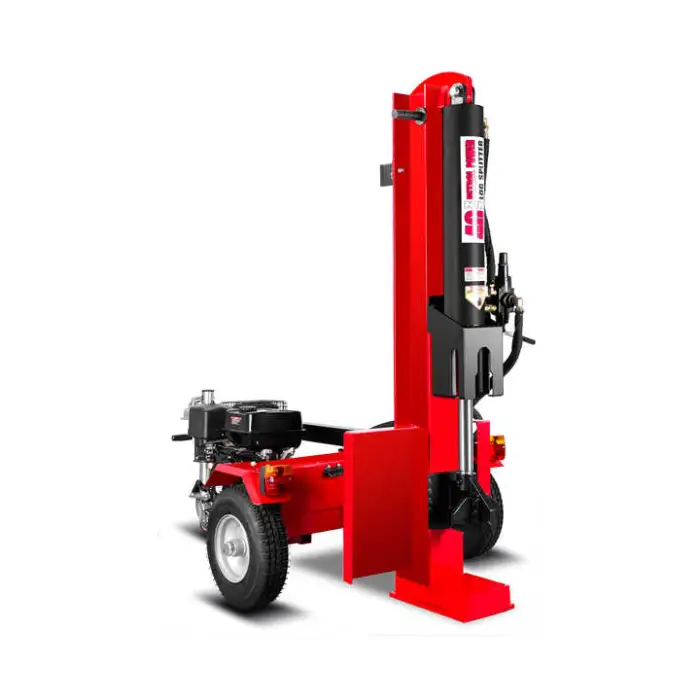
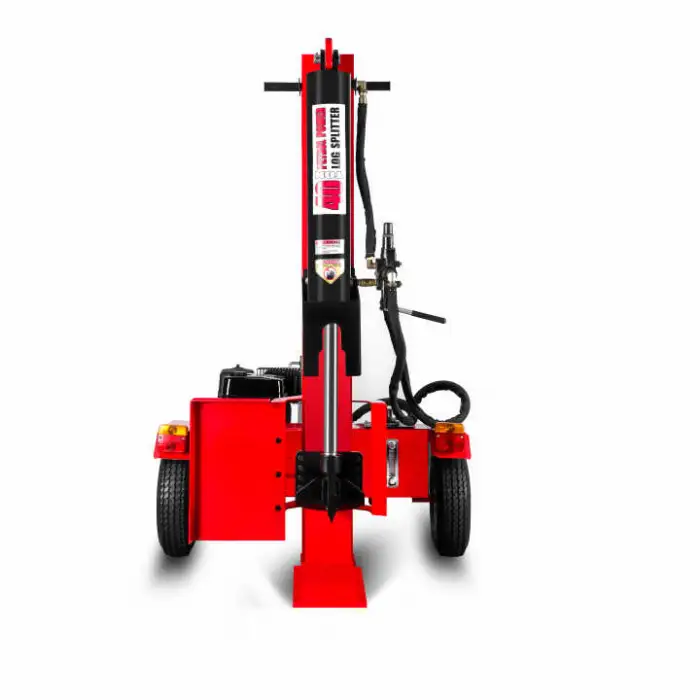
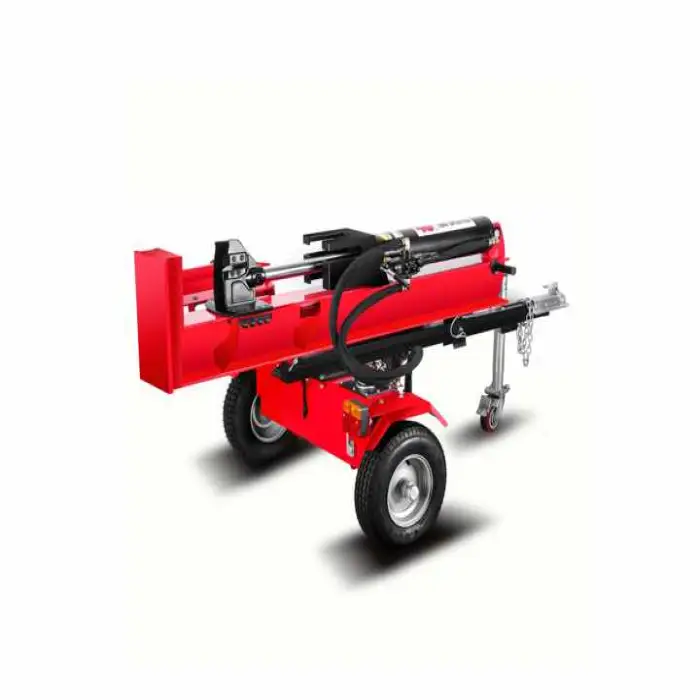
K-Maxpower Wood Splitter Hydraulic Powered Industrial Log Splitter with Auto-Feed 40-Ton Cutting Capacity Firewood Machine

- Section : Machinery
- Category : Other Agricultural Equipment
- SKU : 1601400396348

K-Maxpower Wood Splitter Hydraulic Powered Industrial Log Splitter with Auto-Feed 40-Ton Cutting Capacity Firewood Machine
The K-Maxpower Wood Splitter is a powerful tool designed for cutting wood efficiently. With a strong 40-ton cutting capacity, this hydraulic log splitter makes splitting firewood easy and quick. It is perfect for both industrial and home use, ensuring you have all the firewood you need for your fireplace or wood stove.
Specifications
| Attribute | Details |
|---|---|
| Power Type | Gasoline |
| Splitting Force | 40 Tons |
| Cylinder Size | 5 inch |
| Hydraulic System | Yes |
| Pump | 16 Gal two stage pump |
| Beam Dimensions | 150*175 mm |
| Tires | 16*6.5-8 / 16*4.8-8 |
| Weight | 330 KG |
| Dimensions (L*W*H) | 2300*1130*970 mm |
| Valve | 100L, 21MPA auto-return |
Key Features
- Powerful 40-ton cutting capacity for efficient wood splitting.
- Hydraulic system for smooth operation.
- Auto-feed feature for faster splitting.
- Durable construction for long-lasting use.
- Factory direct sale ensures competitive pricing.
Applications
- Splitting firewood for home heating.
- Preparing wood for outdoor cooking.
- Use in lumberyards for processing logs.
- Assisting in landscaping projects.
- Ideal for farms and cabins needing firewood.
Product Info Gallery
- Shipping Timeframes: All orders are processed within 2-5 business days (excluding weekends and holidays). After your order has been processed, the estimated delivery time is before 03 Aug, 2026, depending on customs, Please note that due to high demand, some items may experience longer shipping times, which will be communicated at order confirmation email.
- Order Processing Time: Please allow 2-5 business days for us to process your order before it is shipped . Orders placed after 16:00 on Fridays, or during weekends and public holidays, will begin processing on the next business day. Processing times may be extended during peak seasons or sales events.
- Manufacturing Time: Some products needs manufacturing time, the manufacturing process will take approximately 10-30 business days depending on the product. This timeframe may vary depending on the complexity of the product and current demand. but this will be communicated with you during order confirmation.
- Returns and Exchanges: We offer a 30-day return policy for most items. If you are not completely satisfied with your purchase, you may return it within 30 days of receipt for a refund or exchange. Items must be unused, in their original packaging, and accompanied by proof of purchase. Return shipping costs are the responsibility of the customer, unless the item was damaged or defective upon arrival.
1. What is the splitting power of the K-Maxpower Wood Splitter?
The K-Maxpower Wood Splitter delivers a 40-ton splitting force using a hydraulic system, designed for heavy-duty industrial and large-scale home firewood processing.
2. What power source does this log splitter use?
This model is gasoline-powered. It combines the gasoline engine with a hydraulic pump to drive the splitting ram and auto-feed mechanism.
3. What are the key hydraulic specifications?
Key hydraulic specs listed are a 5-inch cylinder, a two-stage 16 Gal pump, and a 100L, 21MPa auto-return valve. For full hydraulic maintenance and service specifications, refer to the operator manual.
4. What is the machine's weight and overall size?
The unit weighs 330 kg and its overall dimensions are 2300 mm (L) x 1130 mm (W) x 970 mm (H).
5. Does the machine have transport tires and what size are they?
Yes. It comes with transport tires sized 16*6.5-8 and 16*4.8-8 to assist moving the unit. Always secure the splitter properly during transport.
6. What does the auto-feed feature do and how does it improve productivity?
The auto-feed system automatically advances logs into the splitting zone after each cycle, reducing manual handling and increasing throughput compared with single-manual-feed splitters.
7. What types of applications is this splitter suited for?
It’s suitable for producing firewood for home heating and cooking, use in lumberyards, landscaping projects, farms, cabins, and other industrial or high-volume wood-processing environments.
8. What safety features and precautions should operators follow?
Always read the operator manual before use. Use appropriate PPE (safety glasses, gloves, steel-toe boots, hearing protection), keep hands away from the splitting zone and moving parts, shut off the engine and relieve hydraulic pressure before maintenance, and never bypass safety controls.
9. What routine maintenance is required?
Regular tasks include checking and topping hydraulic fluid, inspecting hoses and fittings for leaks or wear, changing hydraulic oil and filters per the manual schedule, tightening fasteners, checking tire pressure, and servicing the gasoline engine (oil, spark plug, air filter). Follow the manufacturer maintenance intervals.
10. What type of hydraulic oil should I use?
Use the hydraulic oil grade recommended in the product manual. If the manual is not available, contact the seller or manufacturer for the specified oil type and viscosity for your climate and operating conditions.
11. How do I troubleshoot if the splitter is slow or lacks full power?
Common causes include low hydraulic fluid level, air in the hydraulic system, worn pump or seals, clogged filters, or engine performance issues. Check hydraulic fluid level and condition, inspect for leaks, bleed the system per the manual, and verify engine operation. Contact an authorized technician if the problem persists.
12. What should I do if the auto-feed jams or misfeeds?
Turn off the engine and ensure all hydraulic pressure is relieved before clearing the jam. Inspect the feed mechanism for debris, damaged parts, or improperly sized logs. Only perform repairs with the machine de-energized and follow the manual instructions.
13. What log sizes (length/diameter) can this splitter handle?
Maximum workable log size is not specified in the brief product description. Capacity depends on log species and orientation. Refer to the operator manual or contact the manufacturer/seller for maximum recommended log length and diameter for safe operation.
14. Is assembly required and does the product come with a manual?
Some setup or final assembly is typically required (mounting tires, connecting controls, etc.). The machine should ship with an operator manual; contact the factory or seller if the manual is missing or to request assembly guidance.
15. What warranty and factory support are available?
Warranty terms are not listed in the description. Because this is sold factory-direct, warranty coverage, spare parts, and technical support are provided by the manufacturer—check the sales documentation or contact the seller for specific warranty terms and post-sale support options.
Latest Order Arrivals
Discover our latest orders
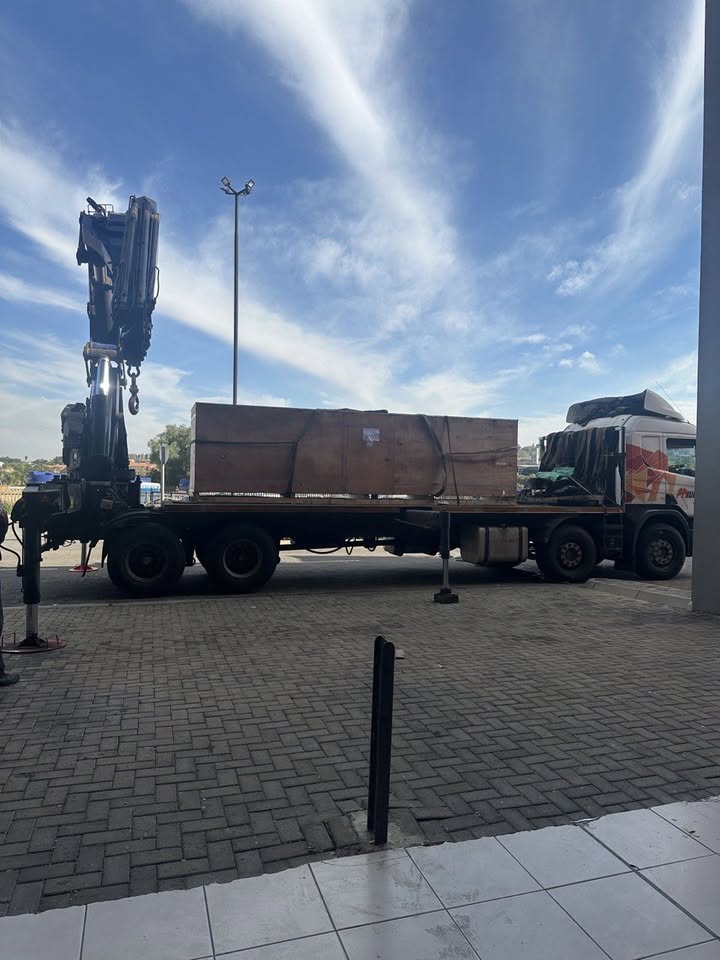
12 Heads Embroidery Machine
Toilet Paper Machine Machine
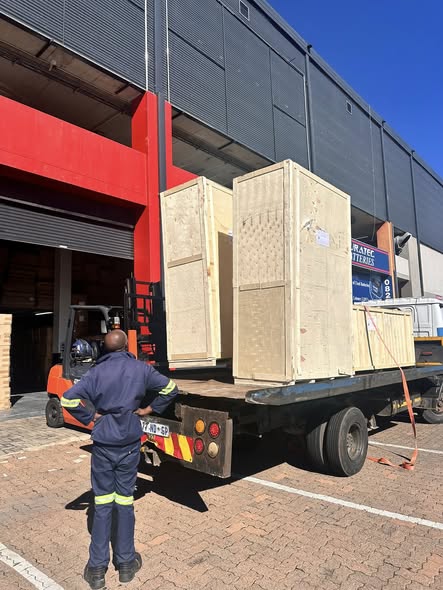
Order Collection
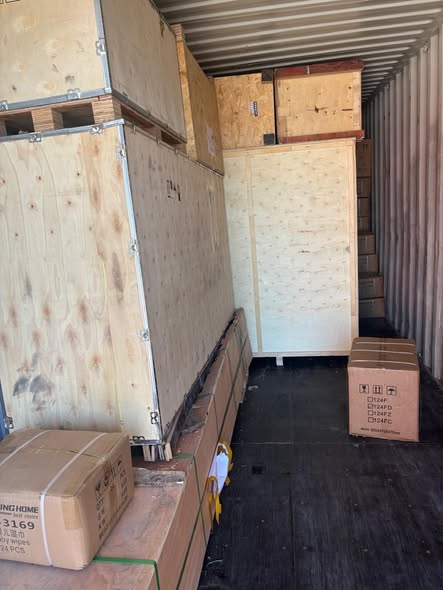
Cross Border Clients
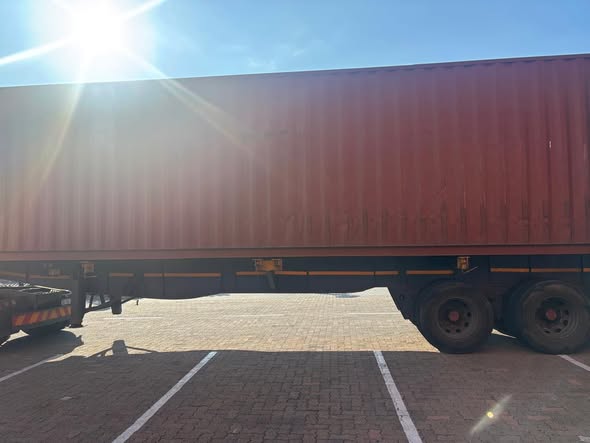
Order cros border countries Collected
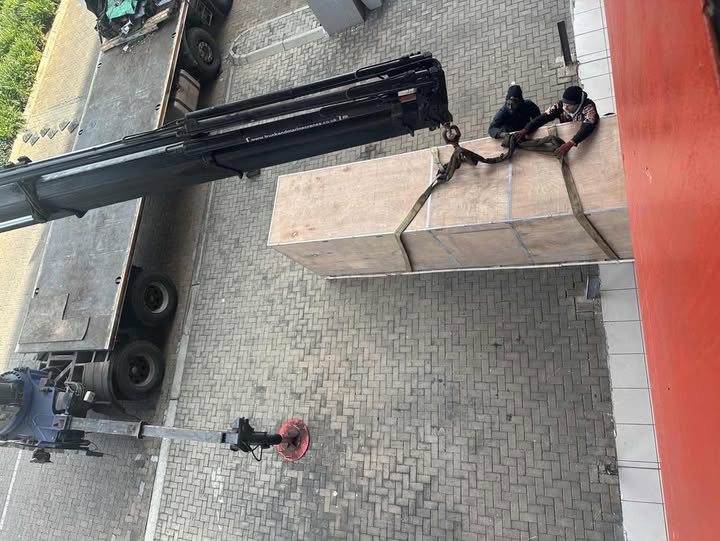
Industrial Machine Cllection
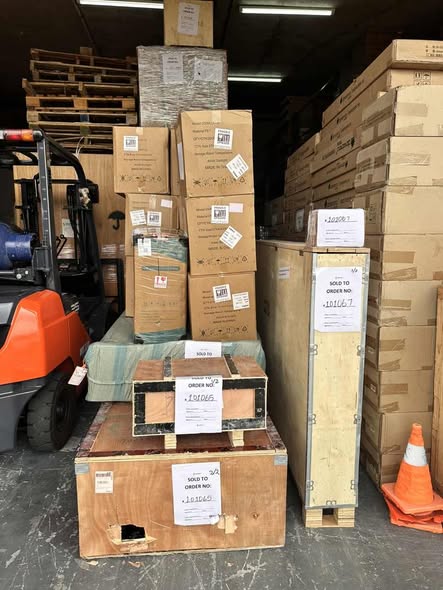
Agriculture Processing Machines
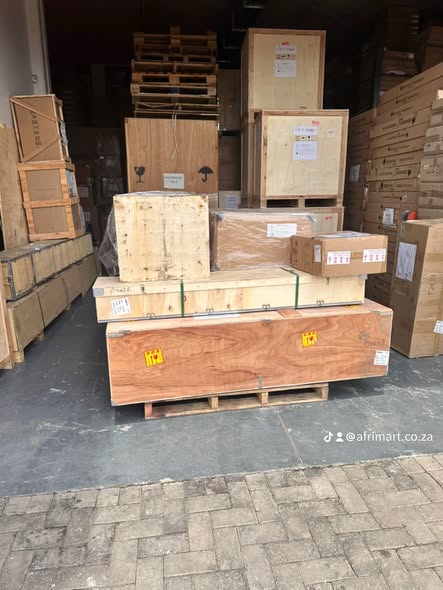
Ready for collection
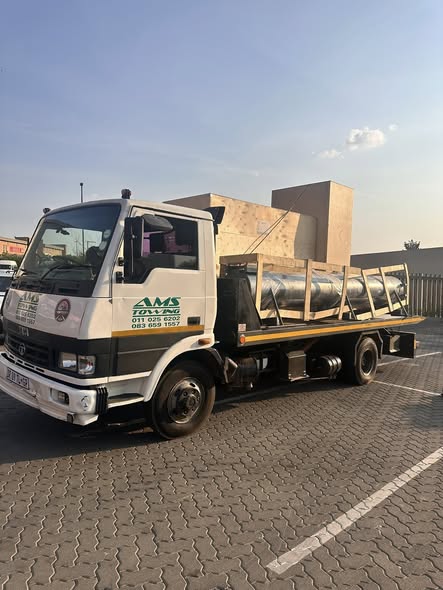
Water Pump Equipment
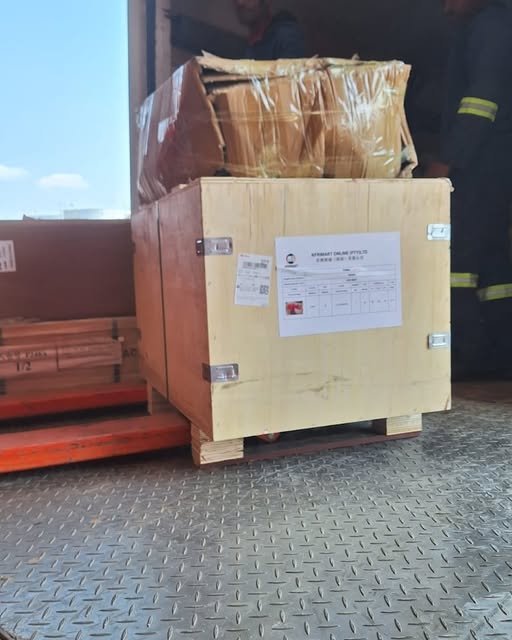
Packaging Machine and accessories
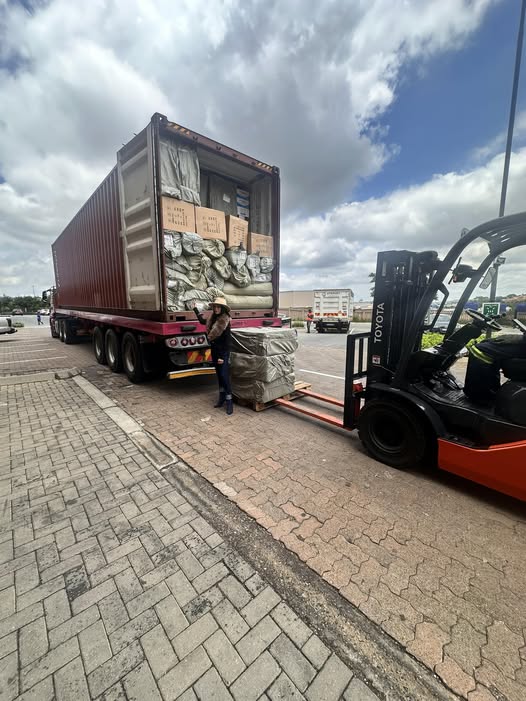
Fabrics Manufacturing Equipment
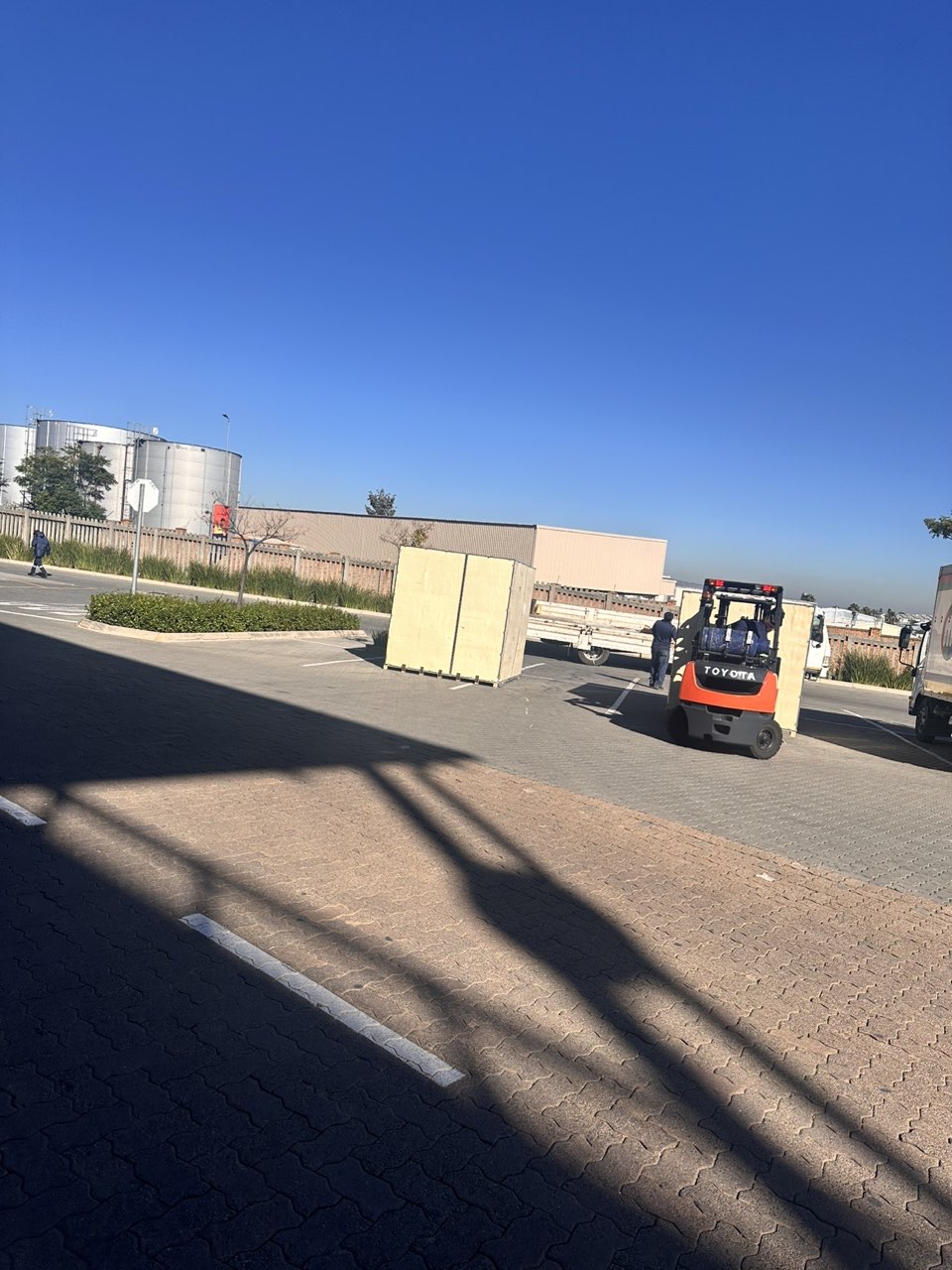
Mining Equipments
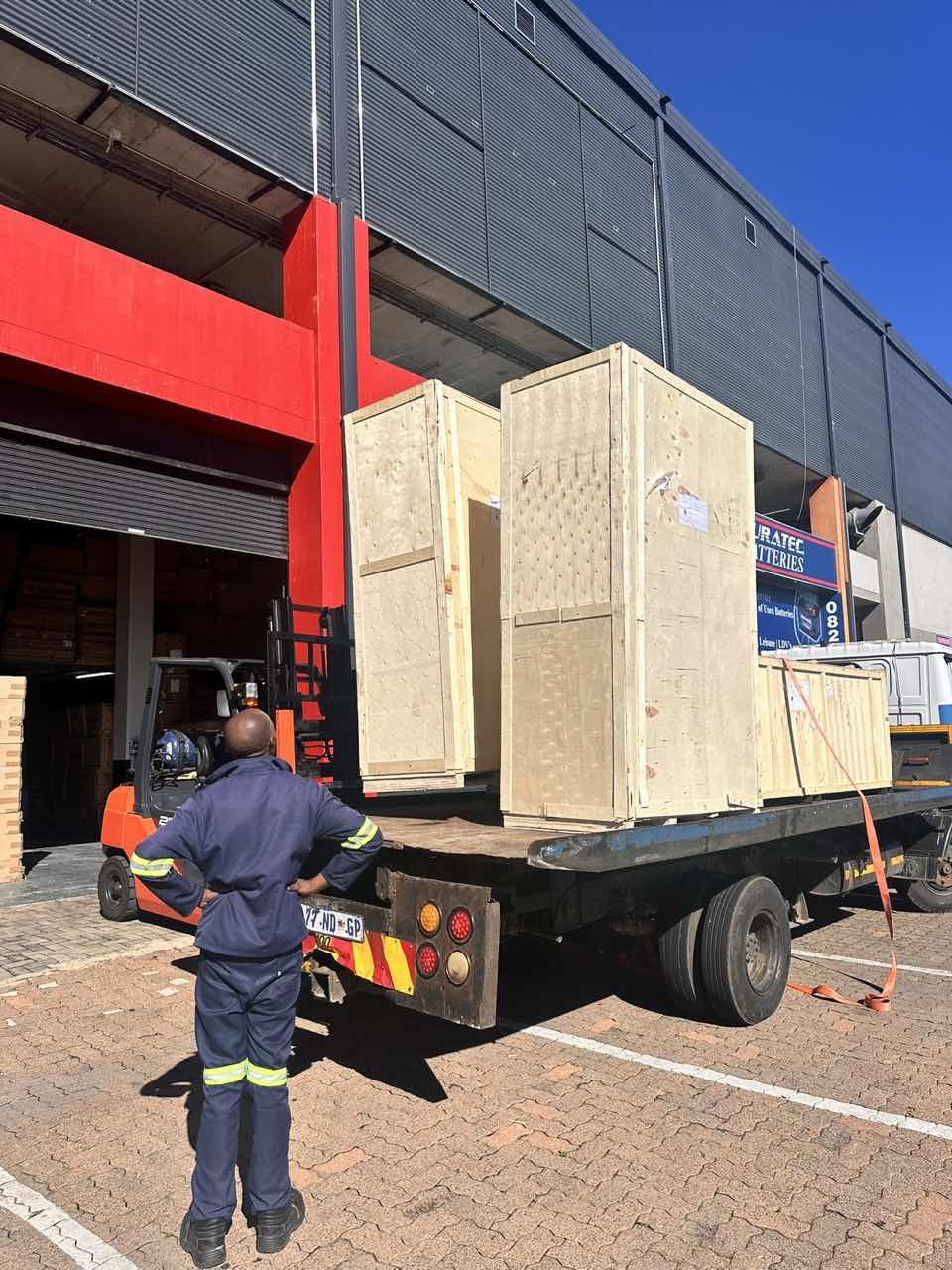
Food Processing Machine
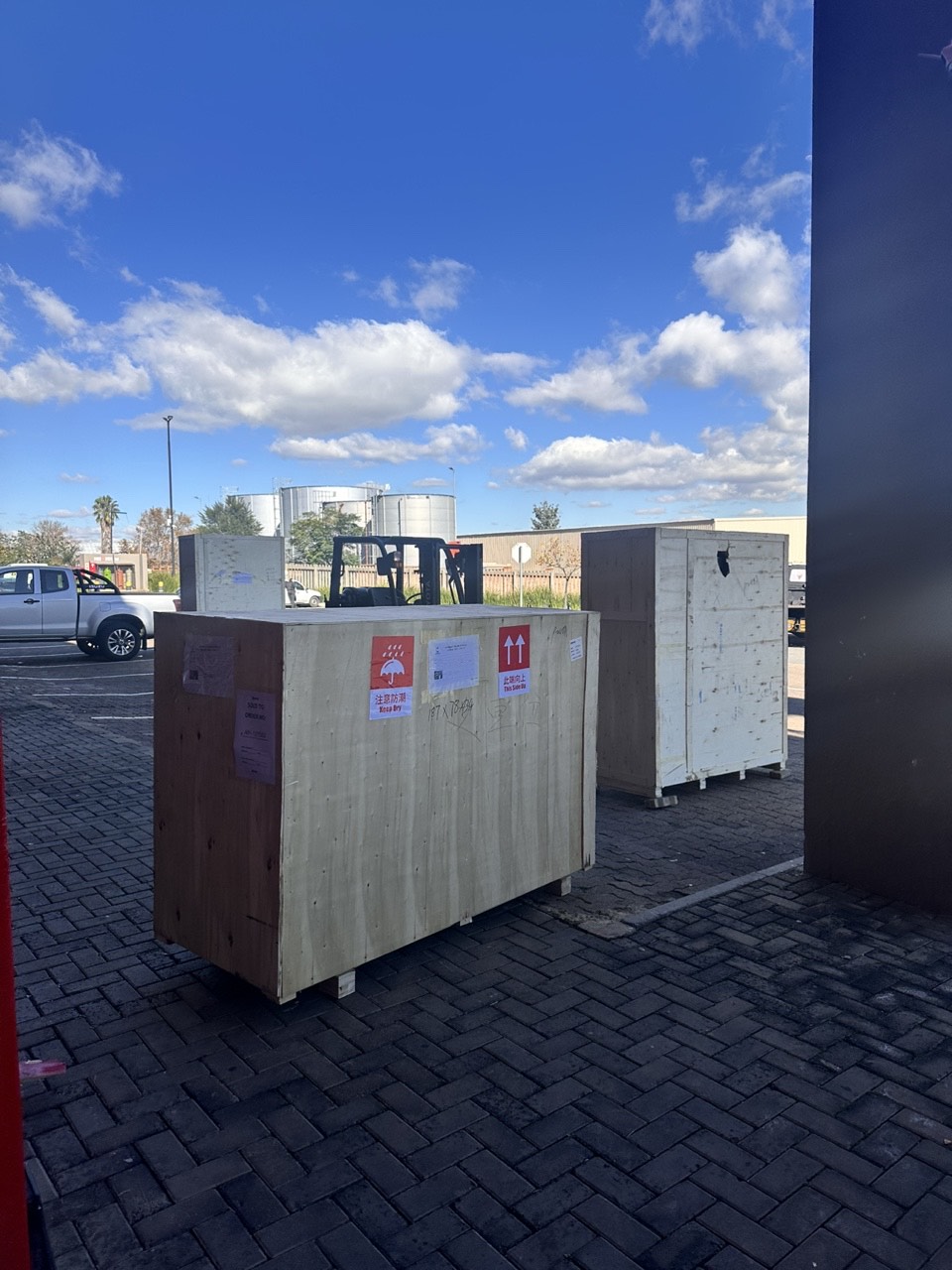
Batch of Orders
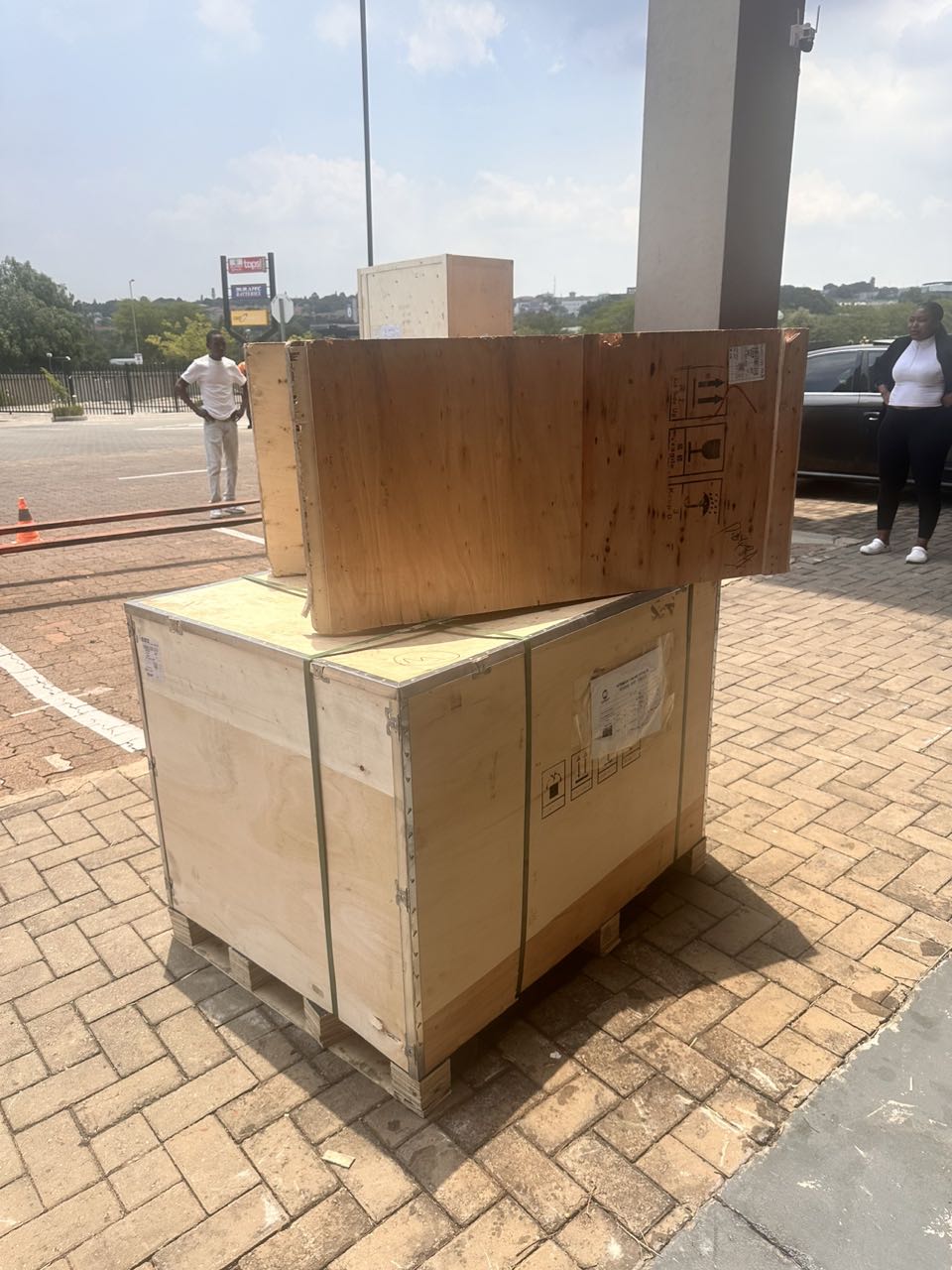
Batch of Orders
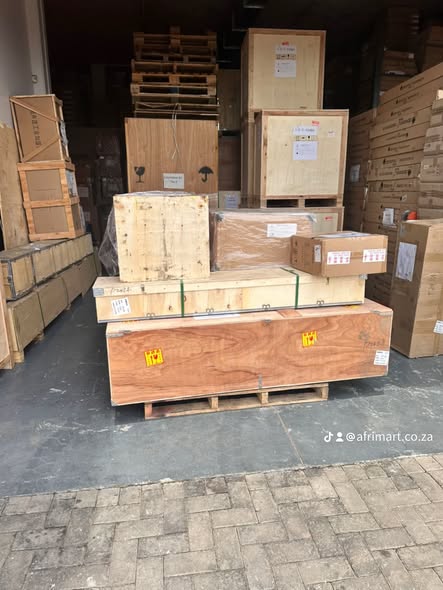
Latest Orders Labelled
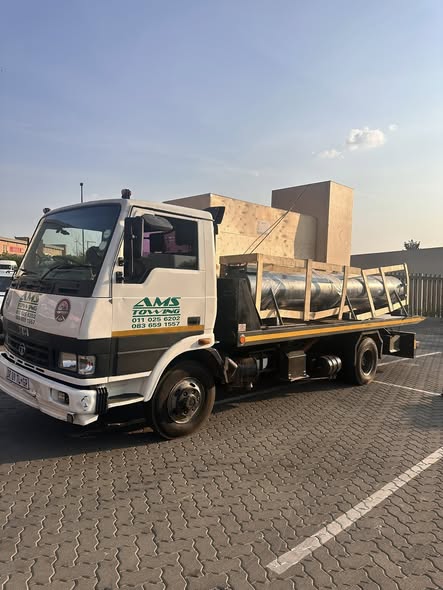
wheel alignment machines
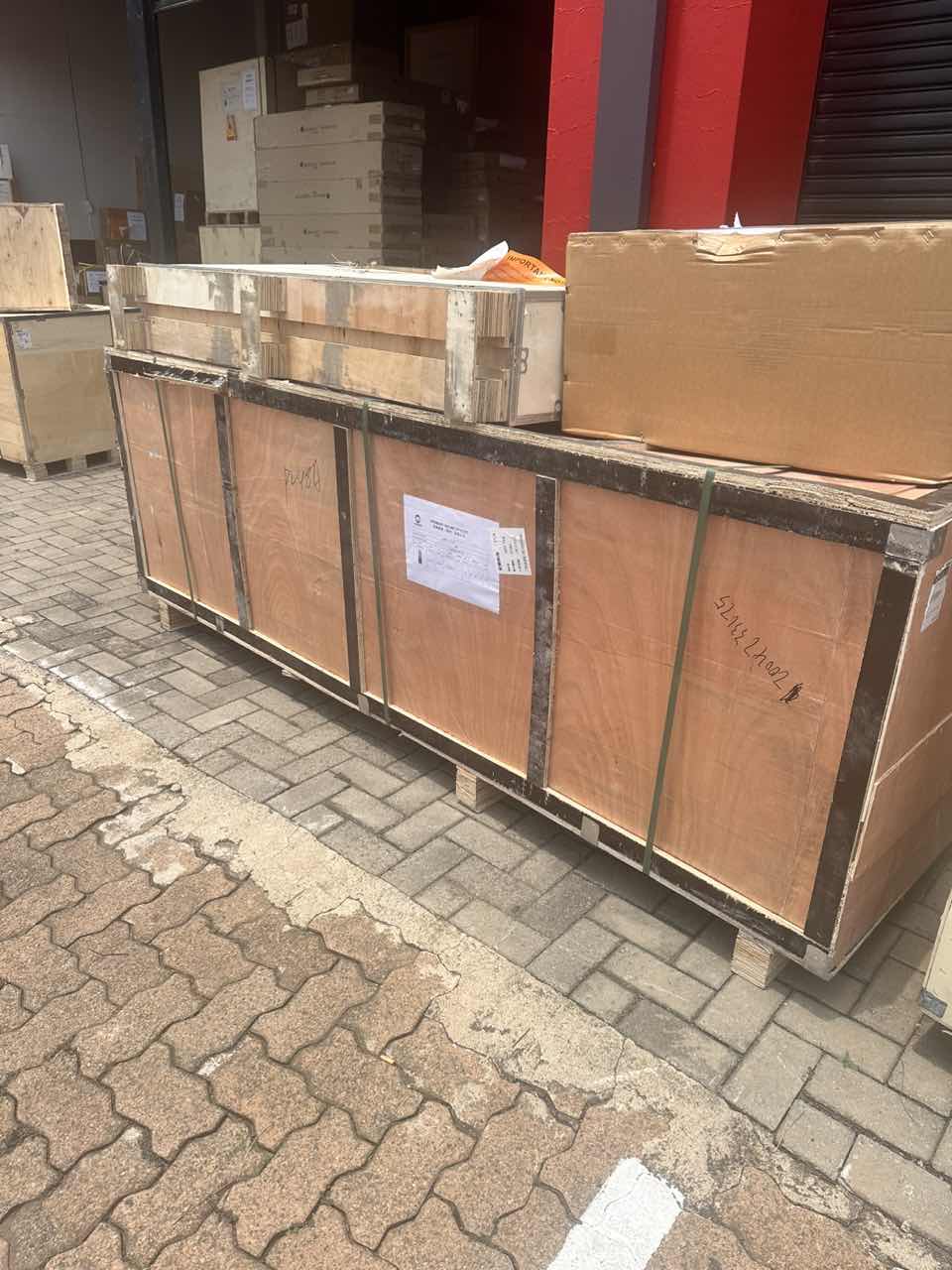
new arrivals
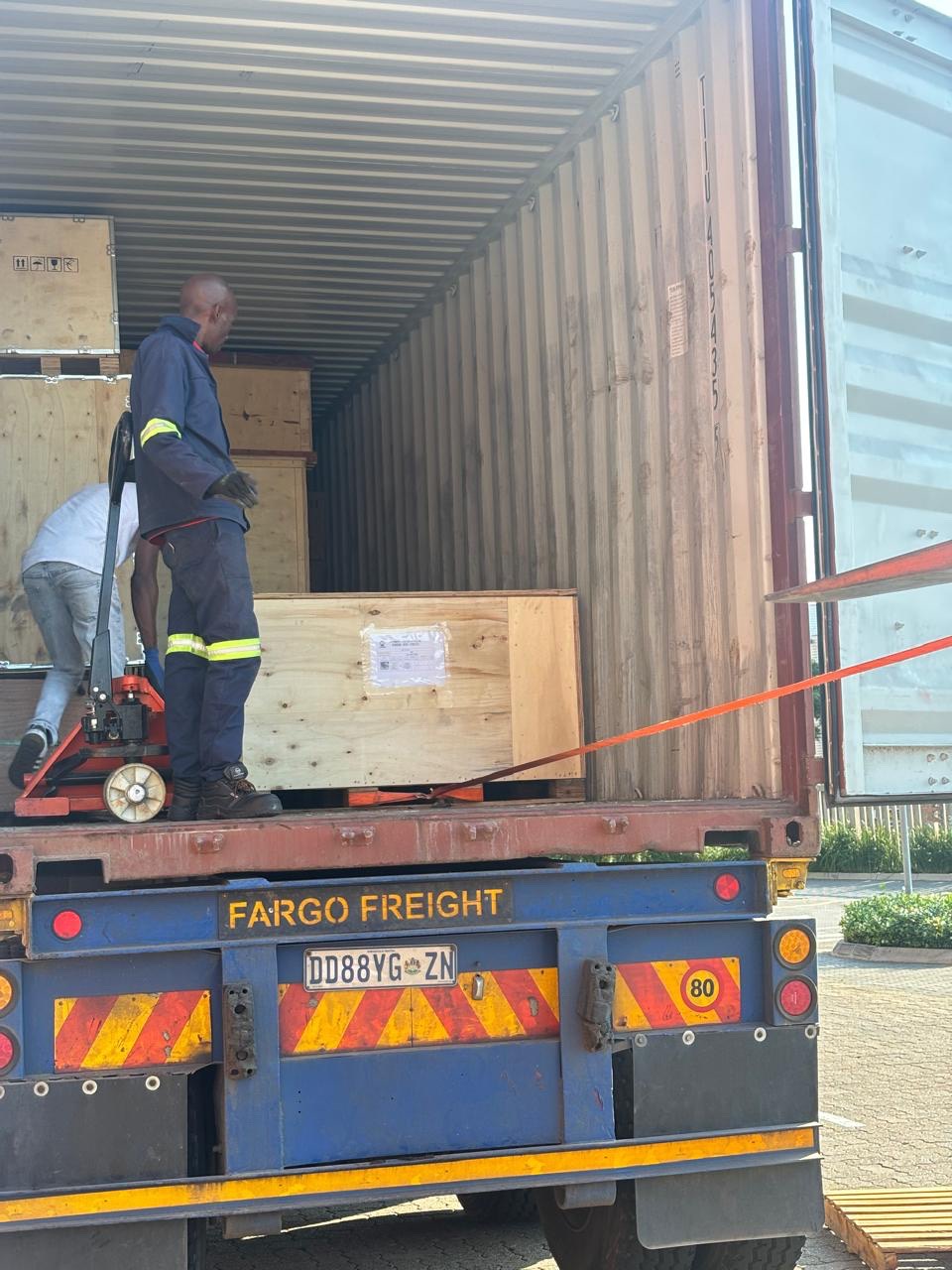
Pre Orders Offloading
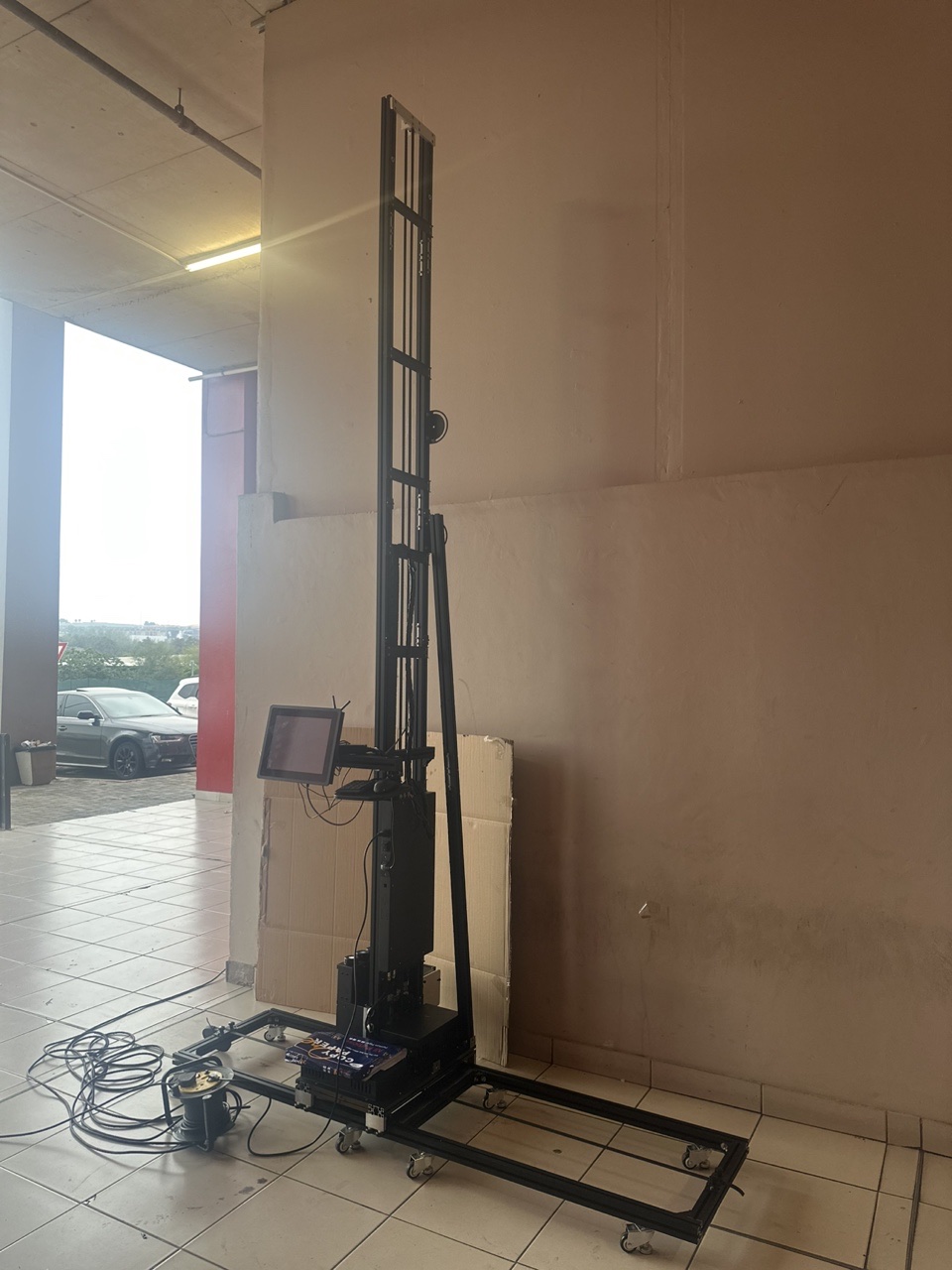
Latest Arrivals
Latest Arrivals
Latest Arrivals
Loading
Toilet paper making machine
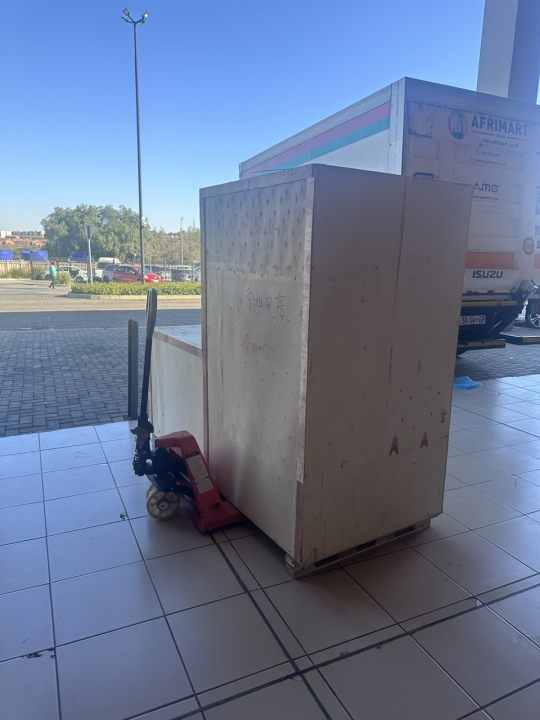
Toilet paper making machine
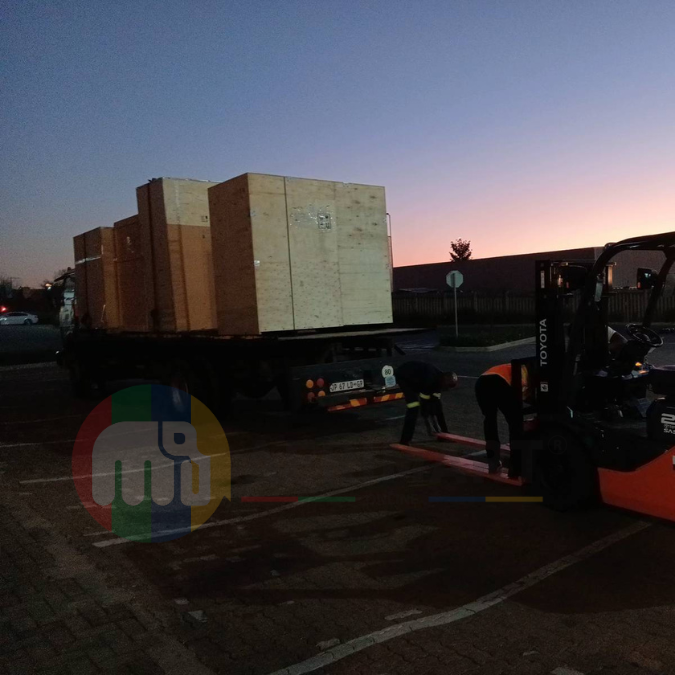
Toilet paper Rewinding Machine
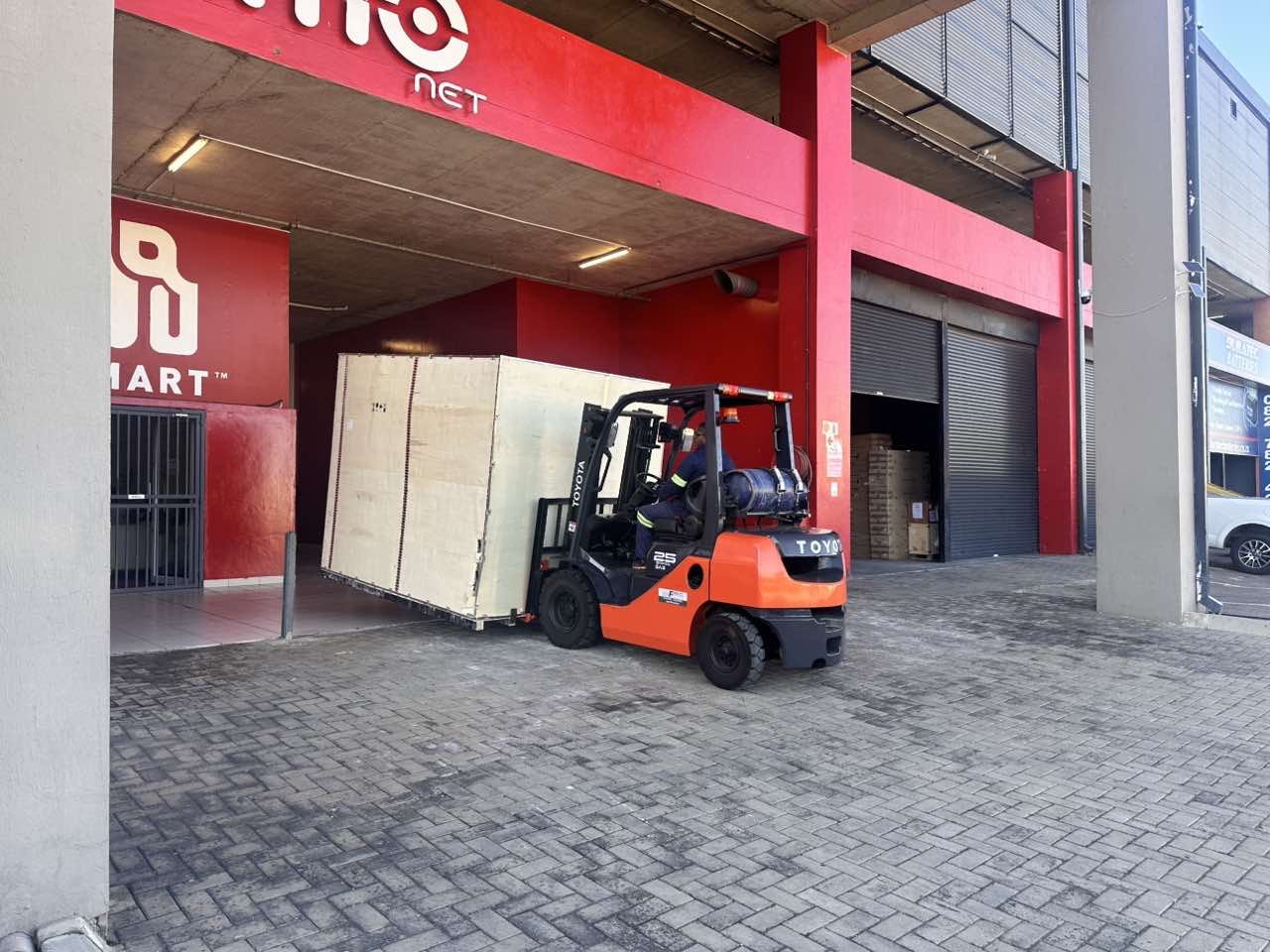
latest arrivals
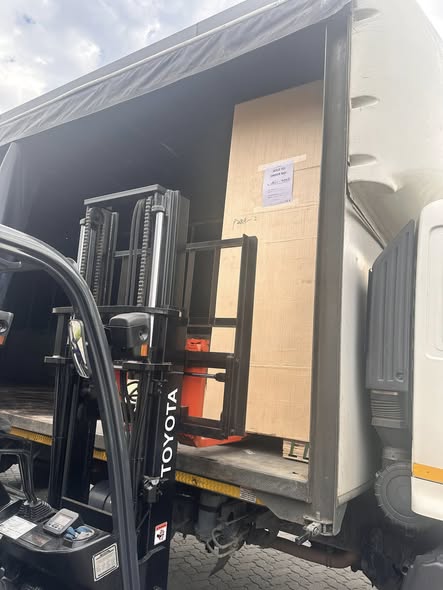
offloading
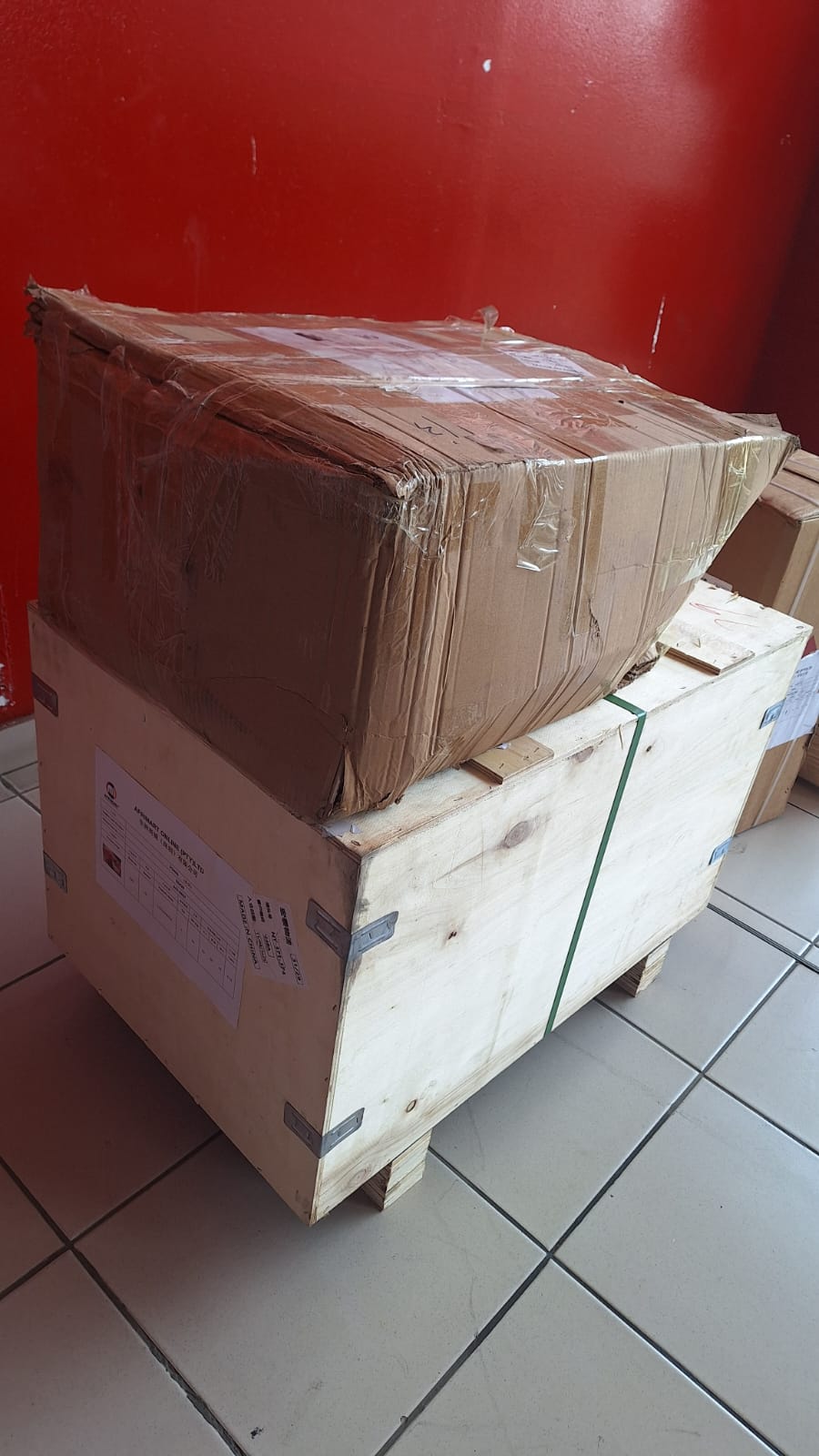
order success
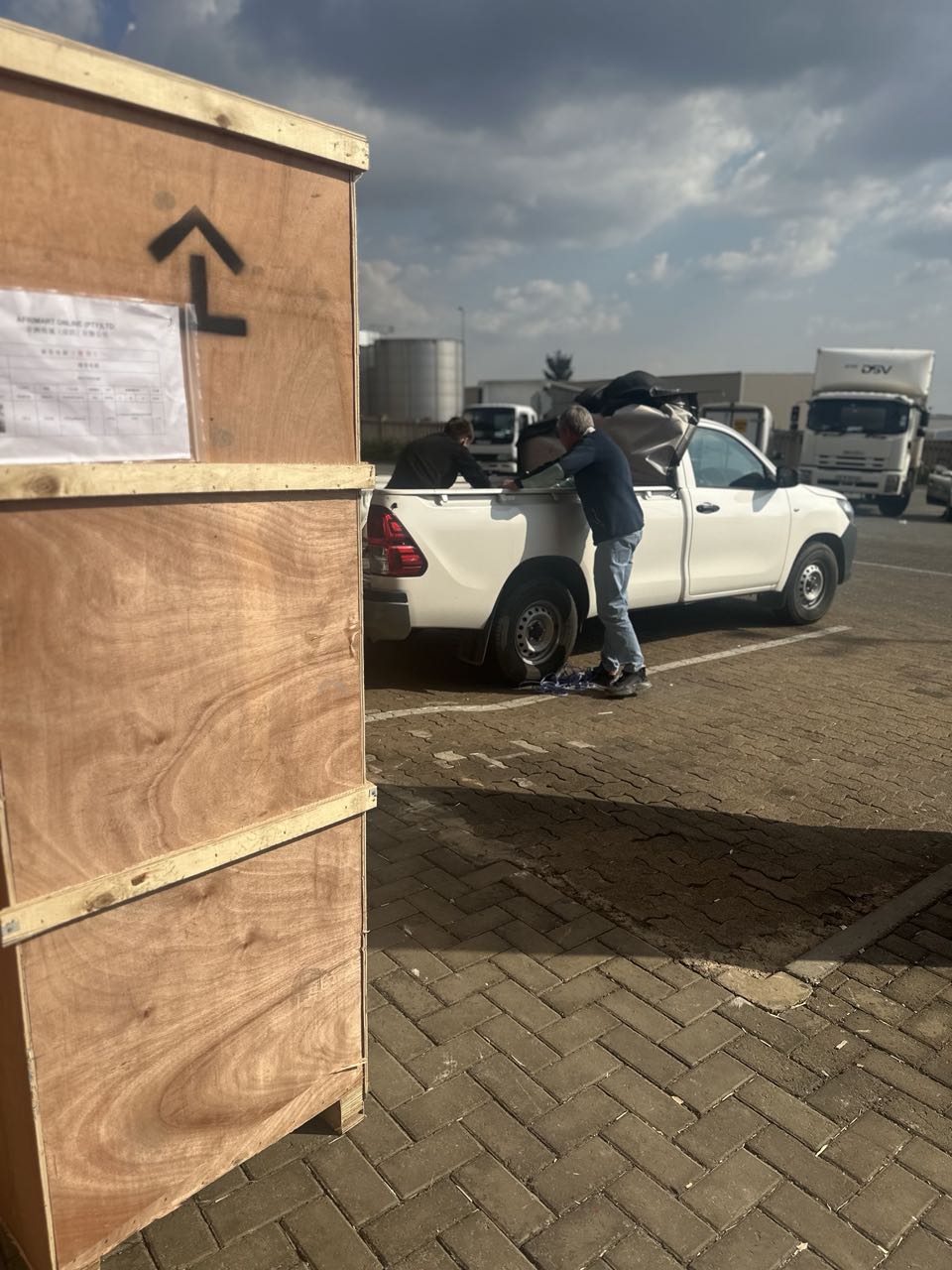
order collection
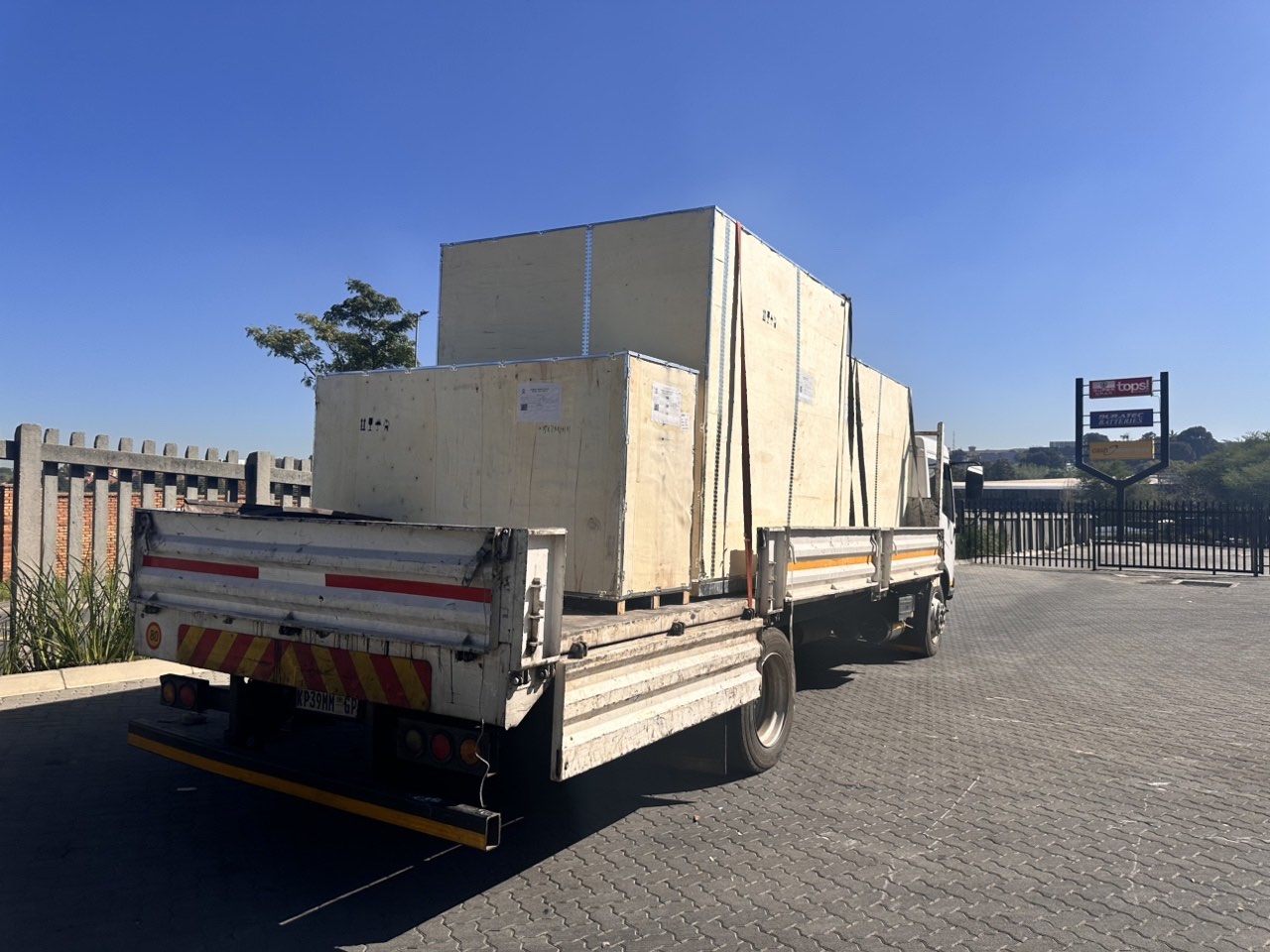
order offloading