B21, China Town Mall, Midrand

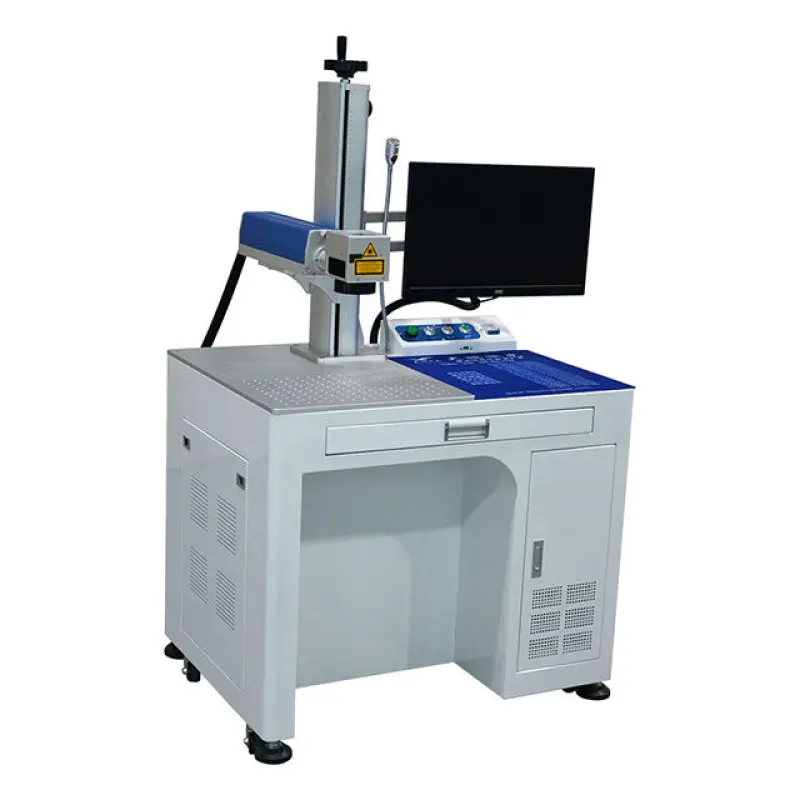
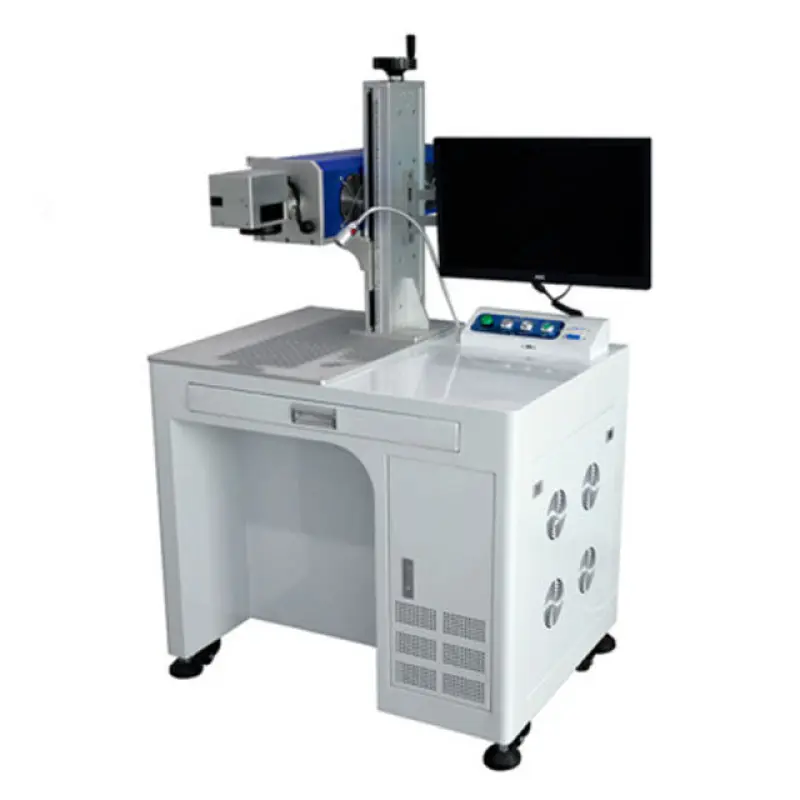
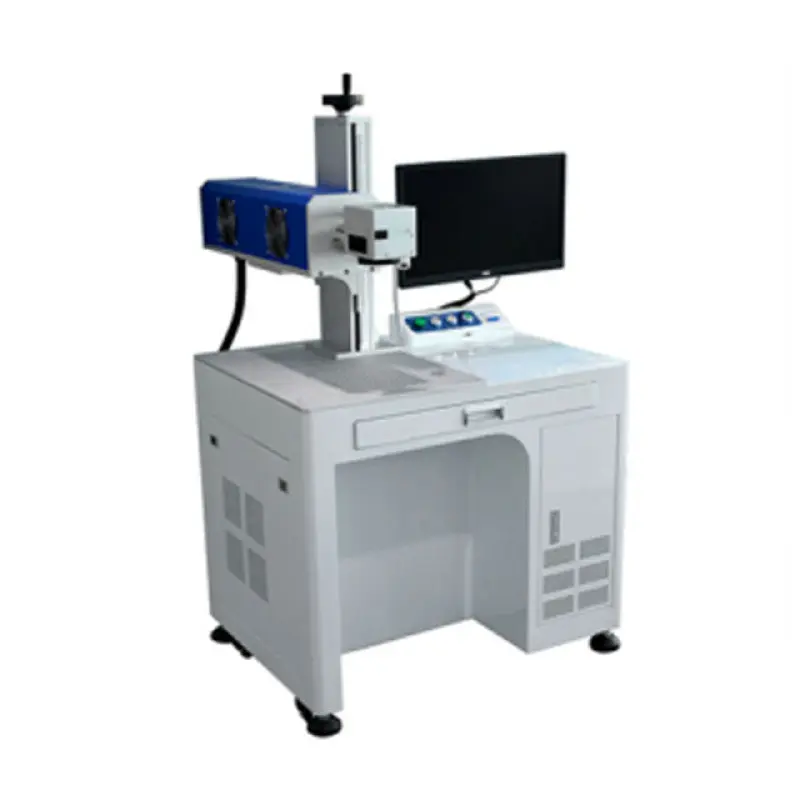
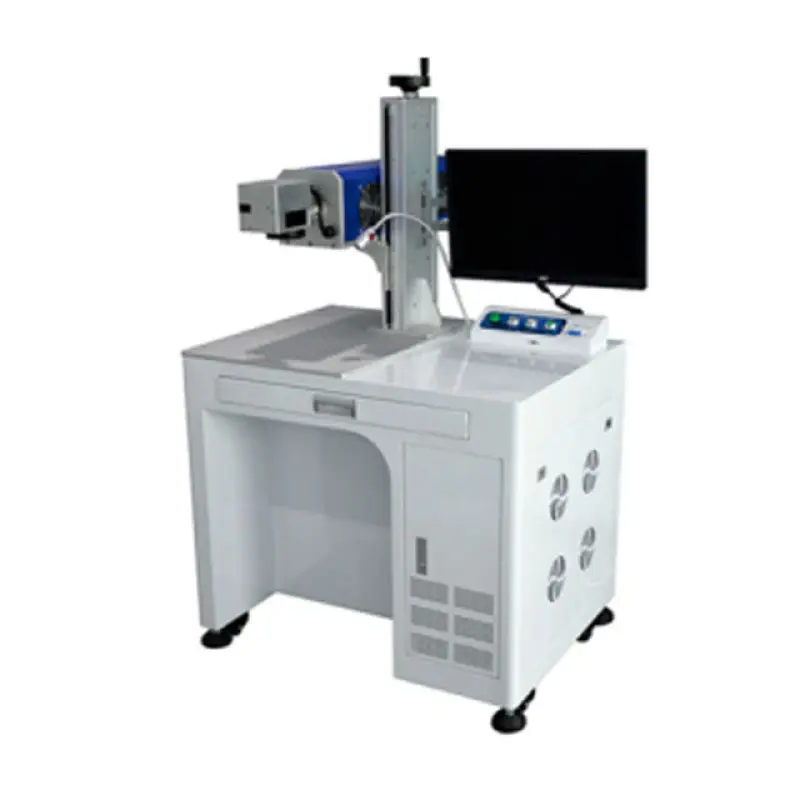
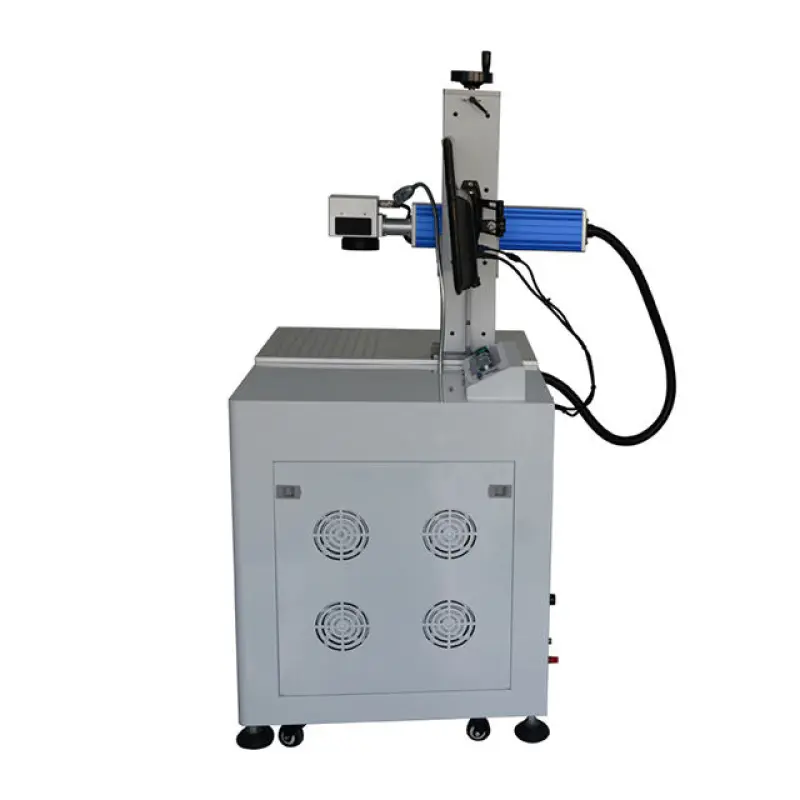
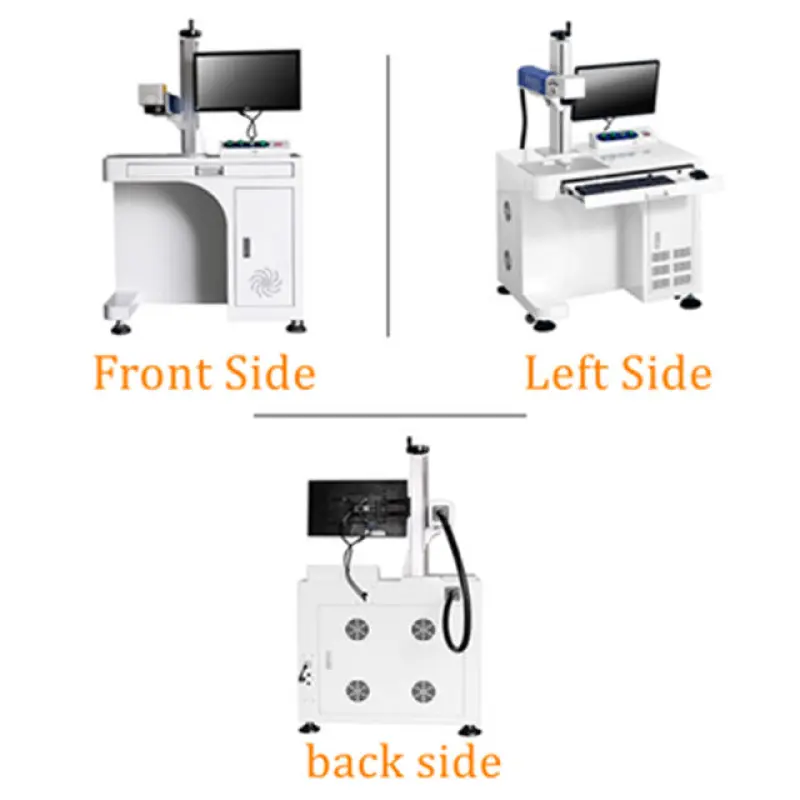
Jpt 50w 2d 3d Fiber Laser Metal Engraving 20w 30w Color Laser Printer Desktop Laser Marking Machine
Asset finance available
Do you want funding for this equipment?
Afrimart can connect you with trusted funding partners who specialise in asset finance for businesses like yours. Compare options and apply in minutes — final approval is subject to provider review.
Check funding options
Secure & no obligation
- Section : Consumer Electronics
- Category : Laser Machines
- SKU : 1600412063656

| Wave Length | 10600nm |
| Adjustable Power Range | 10-100% |
| Repetition Frequency | 20-80KHz |
| Output Beam Quality | M2:1.2~1.8 |
| Marking Linear Depth | 0.01-0.2mm |
| Min.Spot Diameter | 0.01mm |
| Min.Character Size | 0.1mm |
| Repetition Accuracy | ±0.002mm |
| Max. Liner Marking Speed | 9000mm/s |
| Stand Marking Area | 100X100-150X150mm(optional) |

- Shipping Timeframes: All orders are processed within 2-5 business days (excluding weekends and holidays). After your order has been processed, the estimated delivery time is before 06 Aug, 2026, depending on customs, Please note that due to high demand, some items may experience longer shipping times, which will be communicated at order confirmation email.
- Order Processing Time: Please allow 2-5 business days for us to process your order before it is shipped . Orders placed after 16:00 on Fridays, or during weekends and public holidays, will begin processing on the next business day. Processing times may be extended during peak seasons or sales events.
- Manufacturing Time: Some products needs manufacturing time, the manufacturing process will take approximately 10-30 business days depending on the product. This timeframe may vary depending on the complexity of the product and current demand. but this will be communicated with you during order confirmation.
- Returns and Exchanges: We offer a 30-day return policy for most items. If you are not completely satisfied with your purchase, you may return it within 30 days of receipt for a refund or exchange. Items must be unused, in their original packaging, and accompanied by proof of purchase. Return shipping costs are the responsibility of the customer, unless the item was damaged or defective upon arrival.
1. What laser power options are available for this machine?
The product listing references multiple power levels (20W, 30W, 50W). The unit also supports an adjustable power range of 10–100% so you can fine‑tune output for different materials and effects. Confirm the exact model/power when ordering.
2. What is the laser wavelength and is it suitable for metal marking?
The specification lists a 10600 nm wavelength (typical of CO2 lasers). CO2 lasers work very well on organic materials (wood, acrylic, leather, glass) but are not ideal for direct marking of most metals. The product name mentions 'fiber laser' (which normally uses ~1064 nm for metal marking), so please verify with the seller which laser source/wavelength the unit actually uses before purchasing if you need metal marking.
3. What are the maximum and optional marking areas?
Standard marking areas are 100 x 100 mm, with optional larger fields up to 150 x 150 mm. Confirm available optics/configurations with the supplier if you need a different working area.
4. How deep and how fine are the marks this machine can produce?
Marking linear depth is listed as 0.01–0.2 mm. Minimum spot diameter is 0.01 mm and the minimum character height is 0.1 mm, allowing for very fine, high‑resolution marking. Actual depth/clarity will vary by material and settings.
5. What is the repeatability and positional accuracy?
Repetition accuracy is specified as ±0.002 mm, which supports consistent, high‑precision marking for tight tolerance applications.
6. How fast can the machine mark?
The maximum linear marking speed is listed as 9000 mm/s. Effective marking speed will depend on material, power, frequency, and the complexity of the artwork.
7. What repetition frequency and beam quality does it have?
Repetition frequency is specified at 20–80 kHz. Output beam quality is given as M2: 1.2–1.8, which indicates a relatively good beam for small spot sizes and fine detail.
8. Does this machine do 2D and 3D marking, and what does 3D mean here?
The product name refers to 2D/3D marking. '3D' marking usually refers to grayscale or variable‑height marking achieved by modulating laser power and focal position to create depth/relief effects. Exact 3D capability (true 3D surface contour following versus simulated 3D texture) should be confirmed with the seller.
9. Can this machine produce color marking?
The product name includes 'Color Laser Printer', but color marking methods vary. Some systems produce 'color' on metals via controlled oxidation/annealing (fiber lasers) or by using colorizing inks/films with CO2 lasers. Because the listed wavelength is 10600 nm (CO2), color marking on metals may be limited. Confirm the intended color marking method with the supplier.
10. What materials can this machine mark?
If this is a CO2 (10600 nm) unit, typical materials include wood, acrylic, leather, glass, paper, some plastics and coated metals. If it is actually a fiber laser (≈1064 nm), it will be ideal for metals and some plastics. Material compatibility depends on the actual laser source—please verify the laser type with the seller for a definitive materials list.
11. What software and file formats are supported?
Common laser marking controllers support formats such as PLT, DXF, BMP, JPG, PNG, and GIF and integrate with software like CorelDraw or other marking software. The exact software bundle and supported formats should be confirmed with the vendor.
12. What cooling and power requirements does this desktop machine need?
The listing doesn't specify cooling/power details. Higher‑power lasers often require a chiller or adequate ventilation and a stable mains supply. Because this is marketed as a desktop unit, confirm the recommended cooling method, voltage, and amperage with the supplier before installation.
13. What maintenance and consumables are required?
Regular maintenance typically includes keeping optics (lenses and mirrors) clean, checking beam alignment, replacing protective windows or filters as needed, and ensuring proper ventilation and cooling. Consumables vary by laser type — e.g., CO2 tubes or protective windows for CO2, or nonelectrode fiber source for fiber lasers. Ask the vendor for a maintenance schedule and parts availability.
14. What safety measures should I follow when using this laser?
Follow standard laser safety: use appropriate laser safety eyewear for the wavelength, operate in a controlled area with interlocks and warning signs, provide adequate ventilation for fumes/particles, avoid reflective targets, and follow the manufacturer's operating and maintenance instructions. Confirm required PPE and safety features with the seller.
Latest Order Arrivals
Discover our latest orders
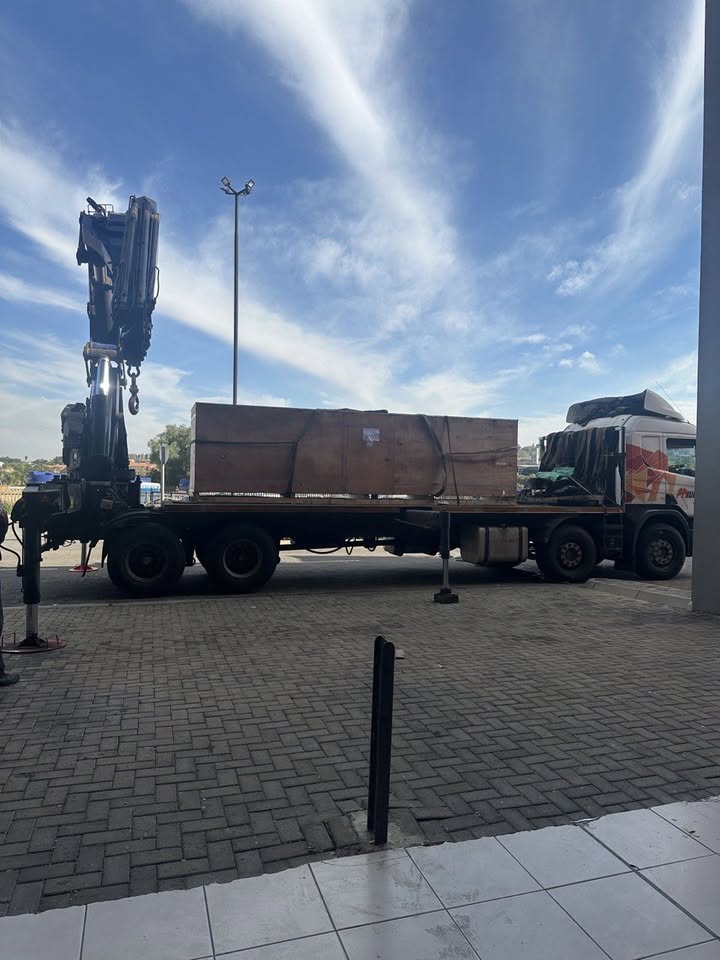
12 Heads Embroidery Machine
Toilet Paper Machine Machine
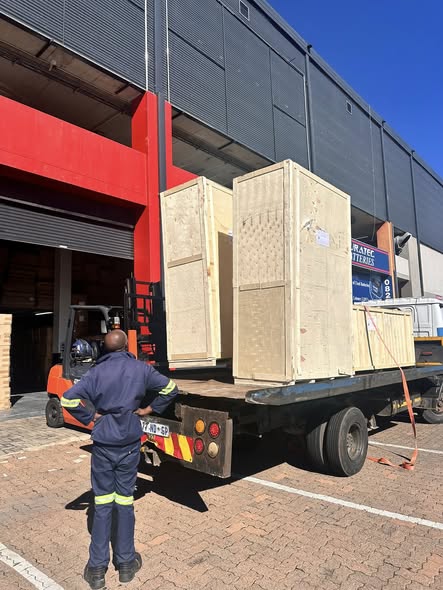
Order Collection
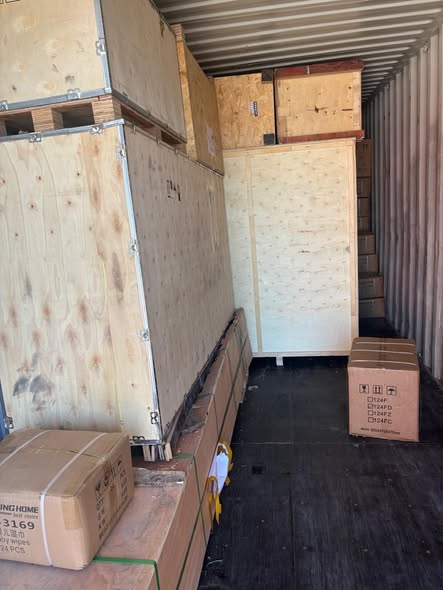
Cross Border Clients
Order cros border countries Collected
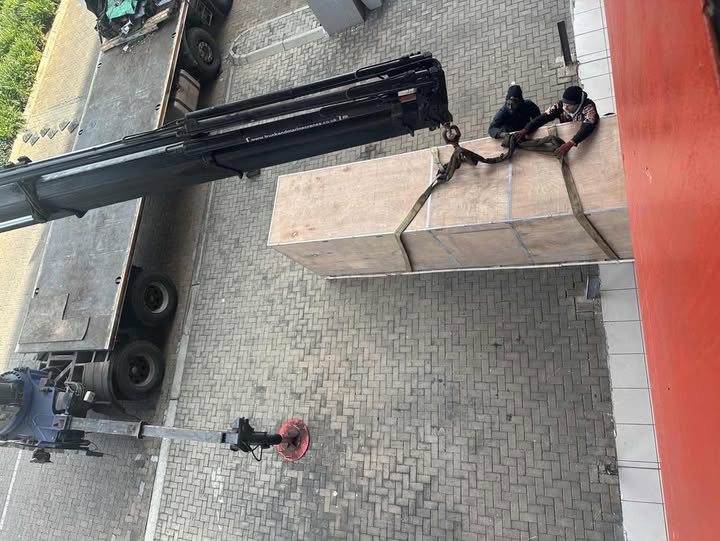
Industrial Machine Cllection
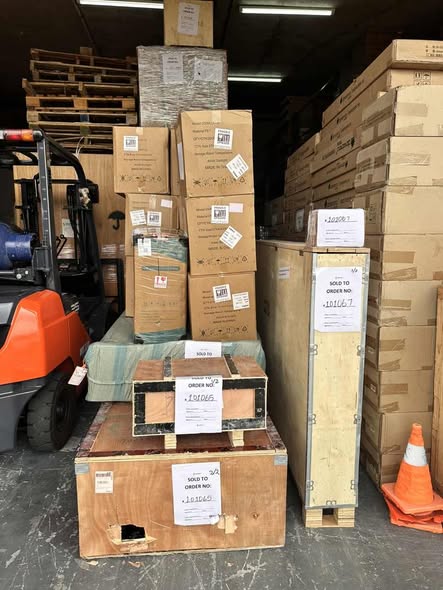
Agriculture Processing Machines
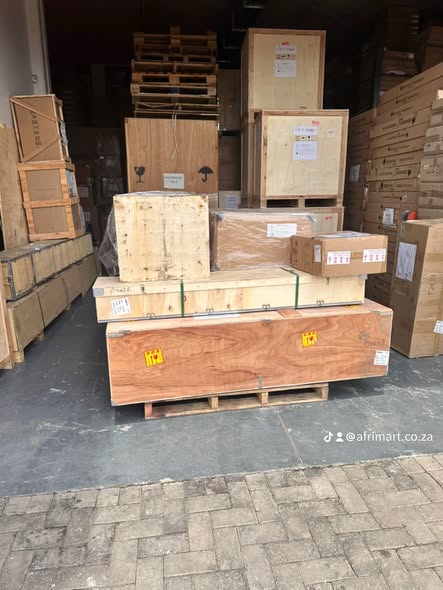
Ready for collection
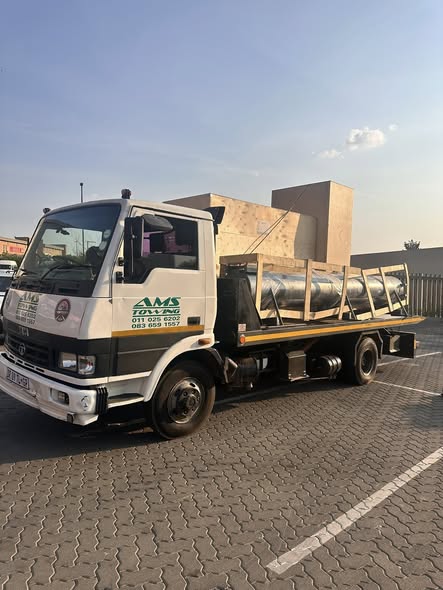
Water Pump Equipment
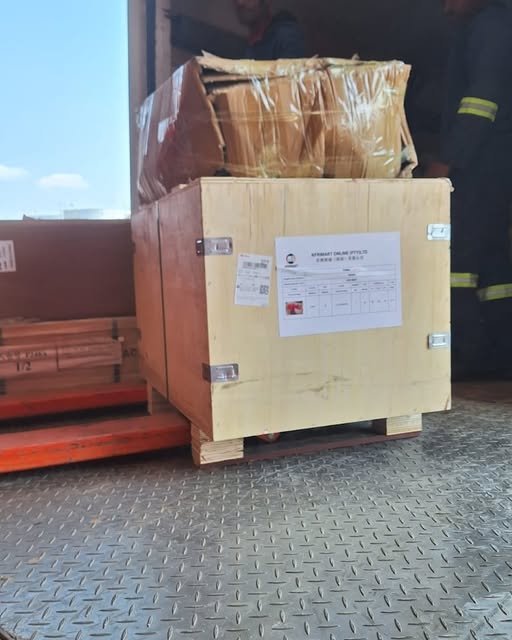
Packaging Machine and accessories
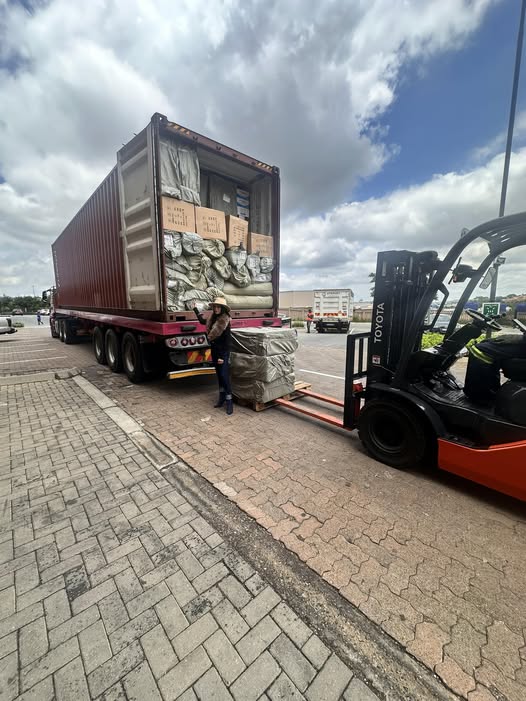
Fabrics Manufacturing Equipment
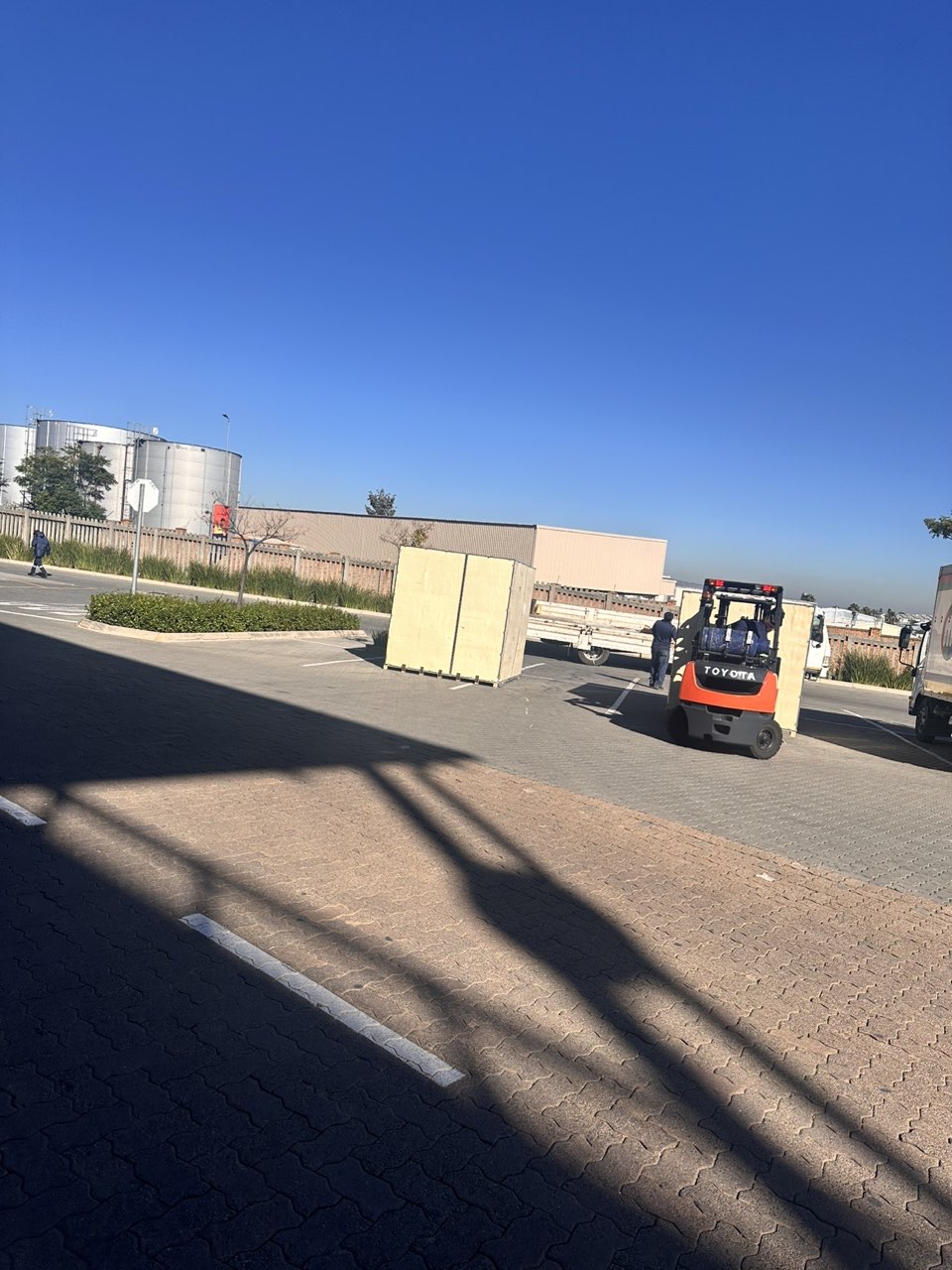
Mining Equipments
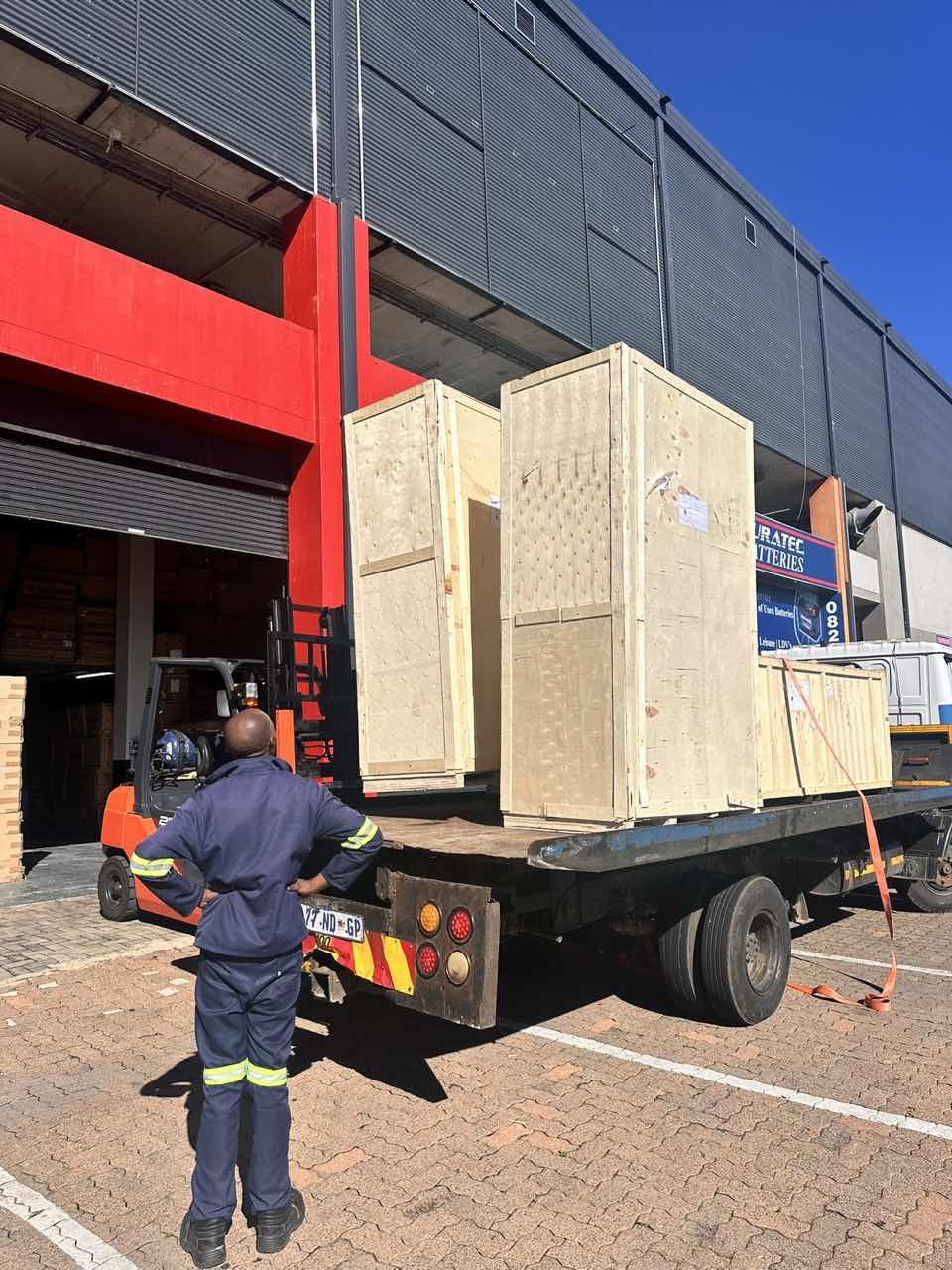
Food Processing Machine
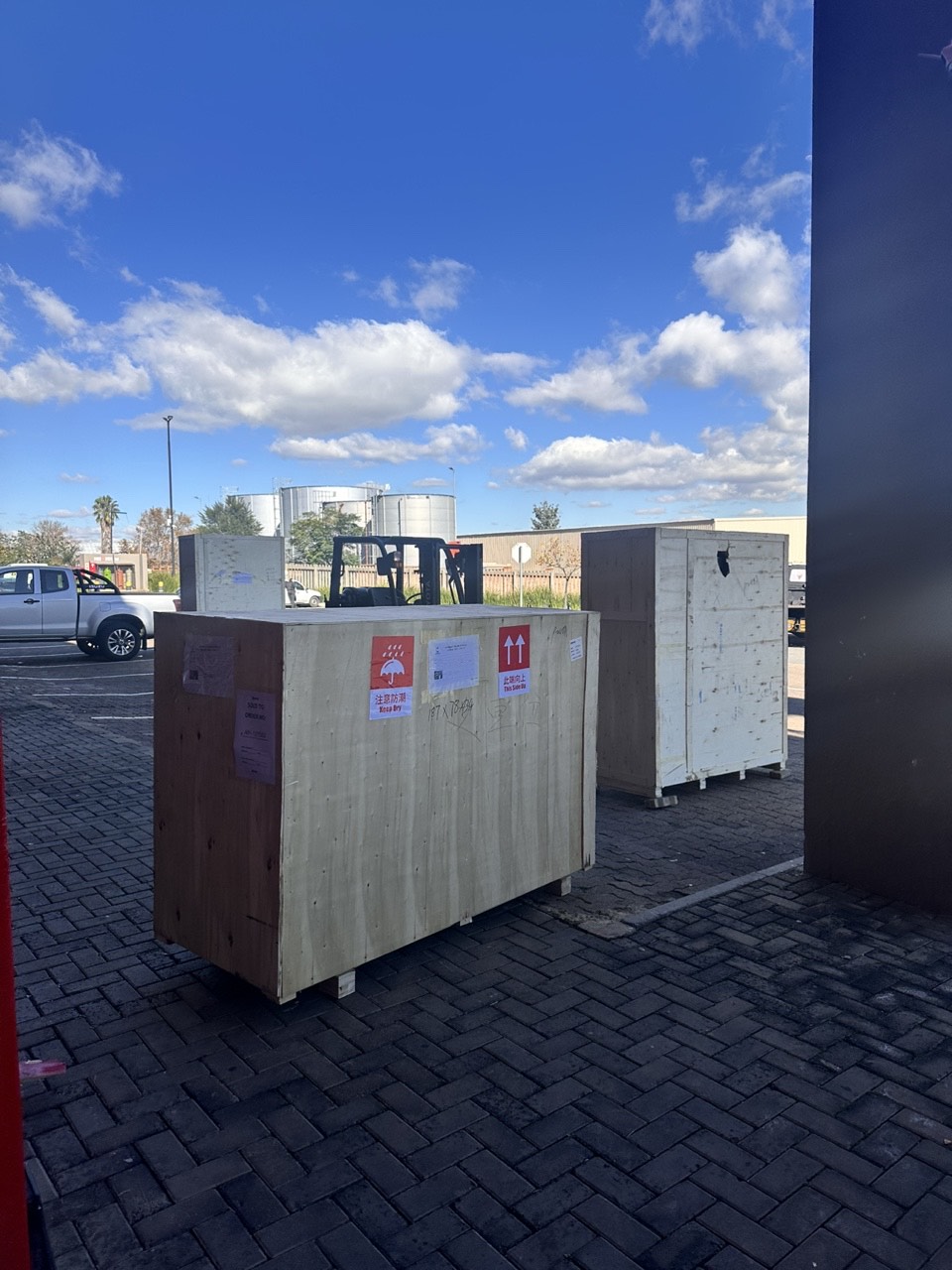
Batch of Orders
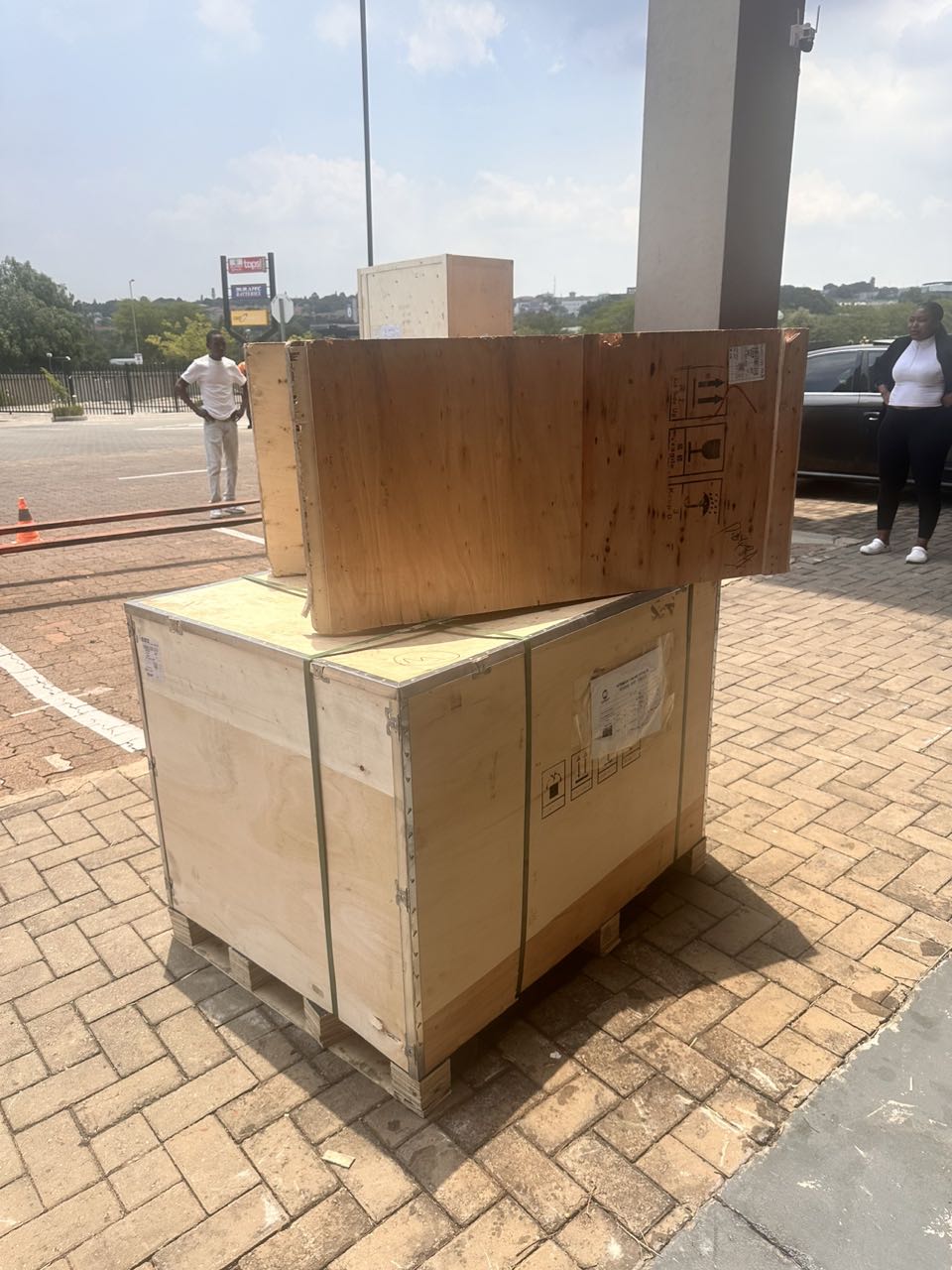
Batch of Orders
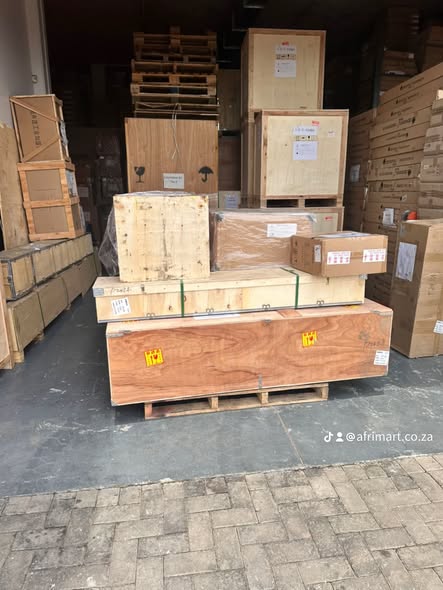
Latest Orders Labelled
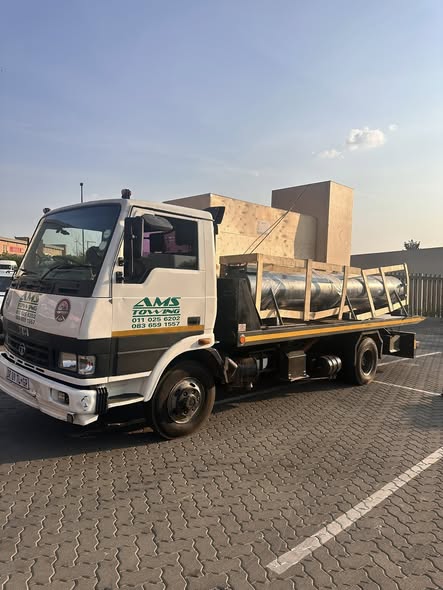
wheel alignment machines
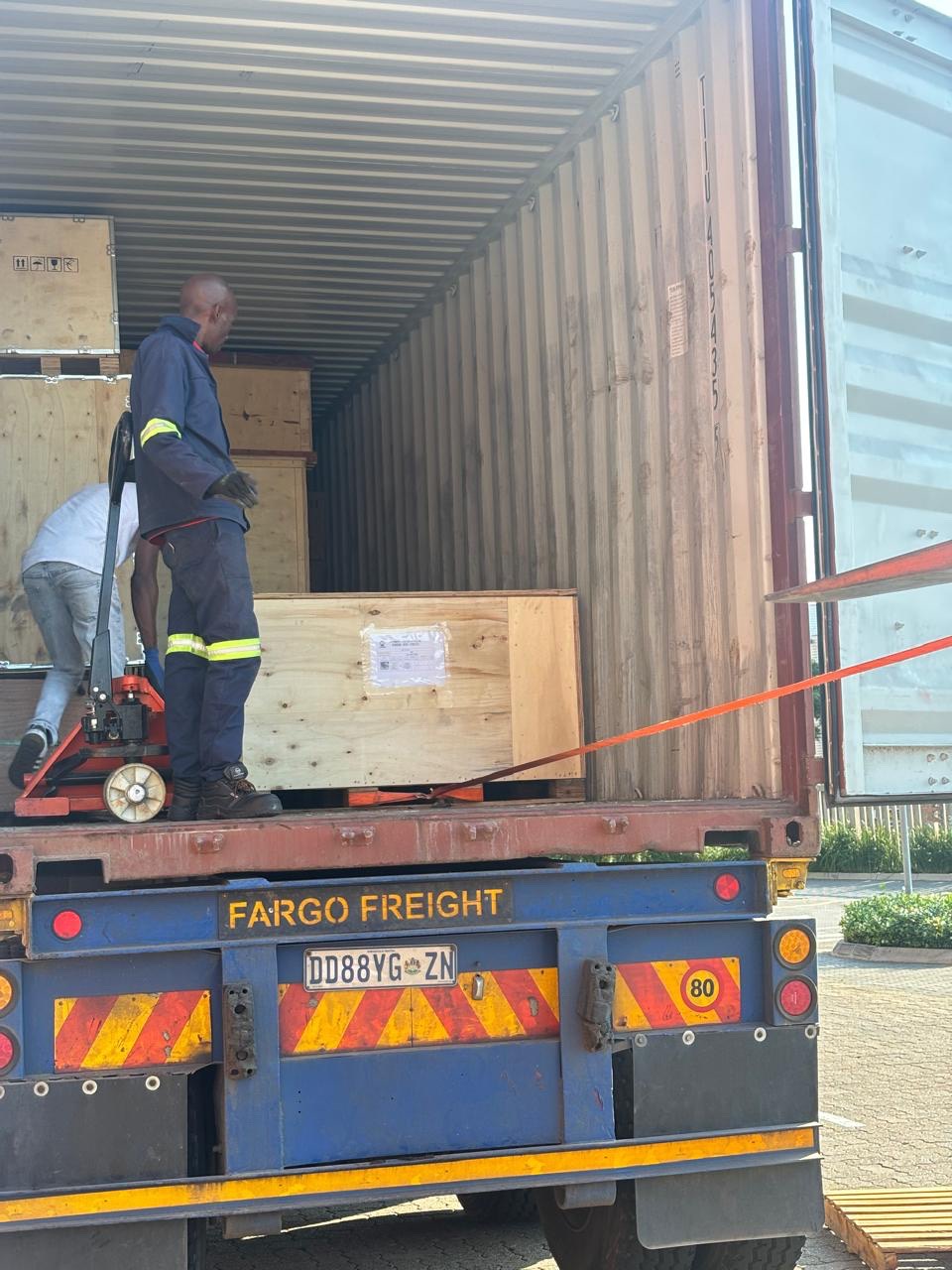
new arrivals
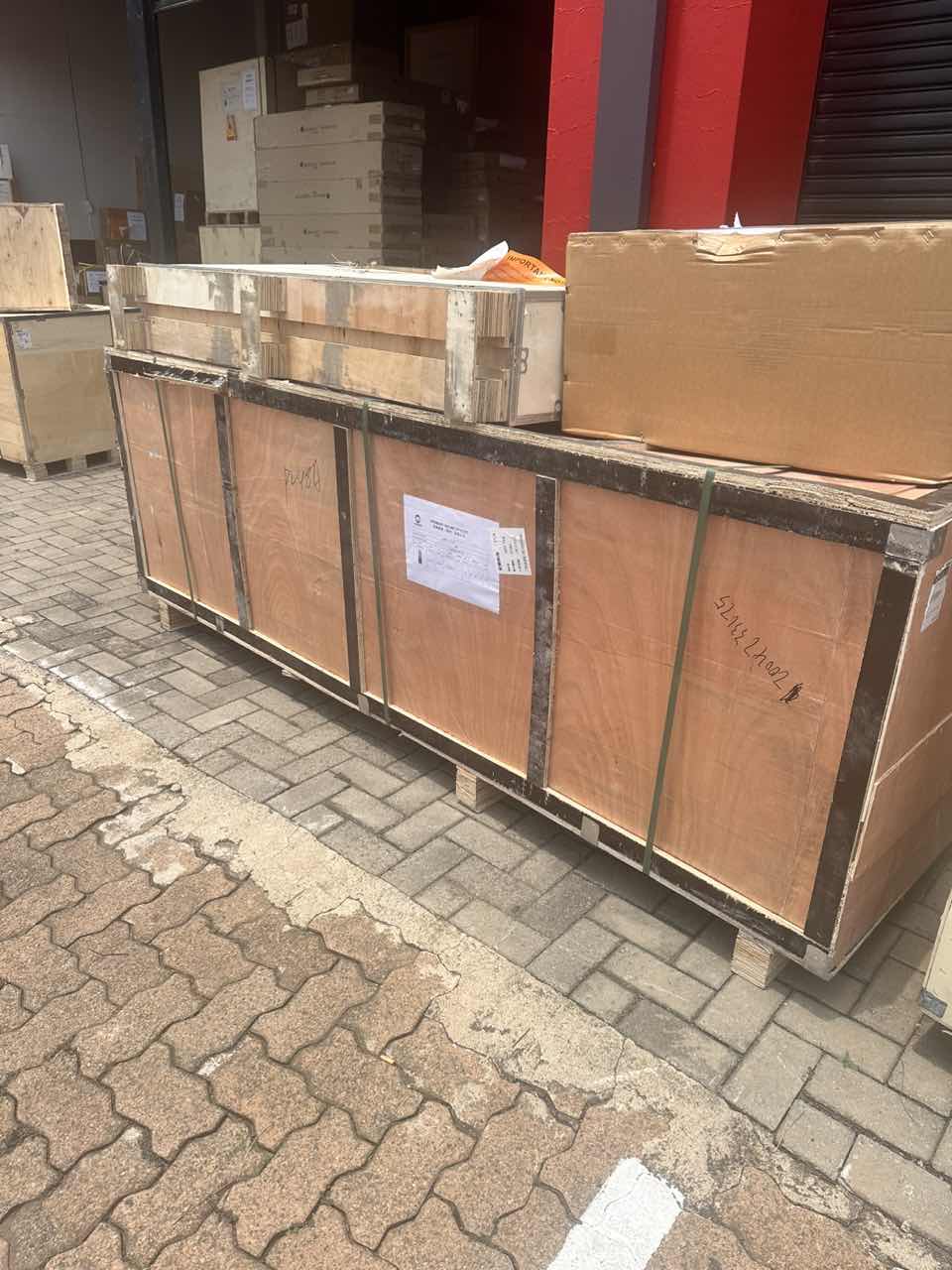
Pre Orders Offloading
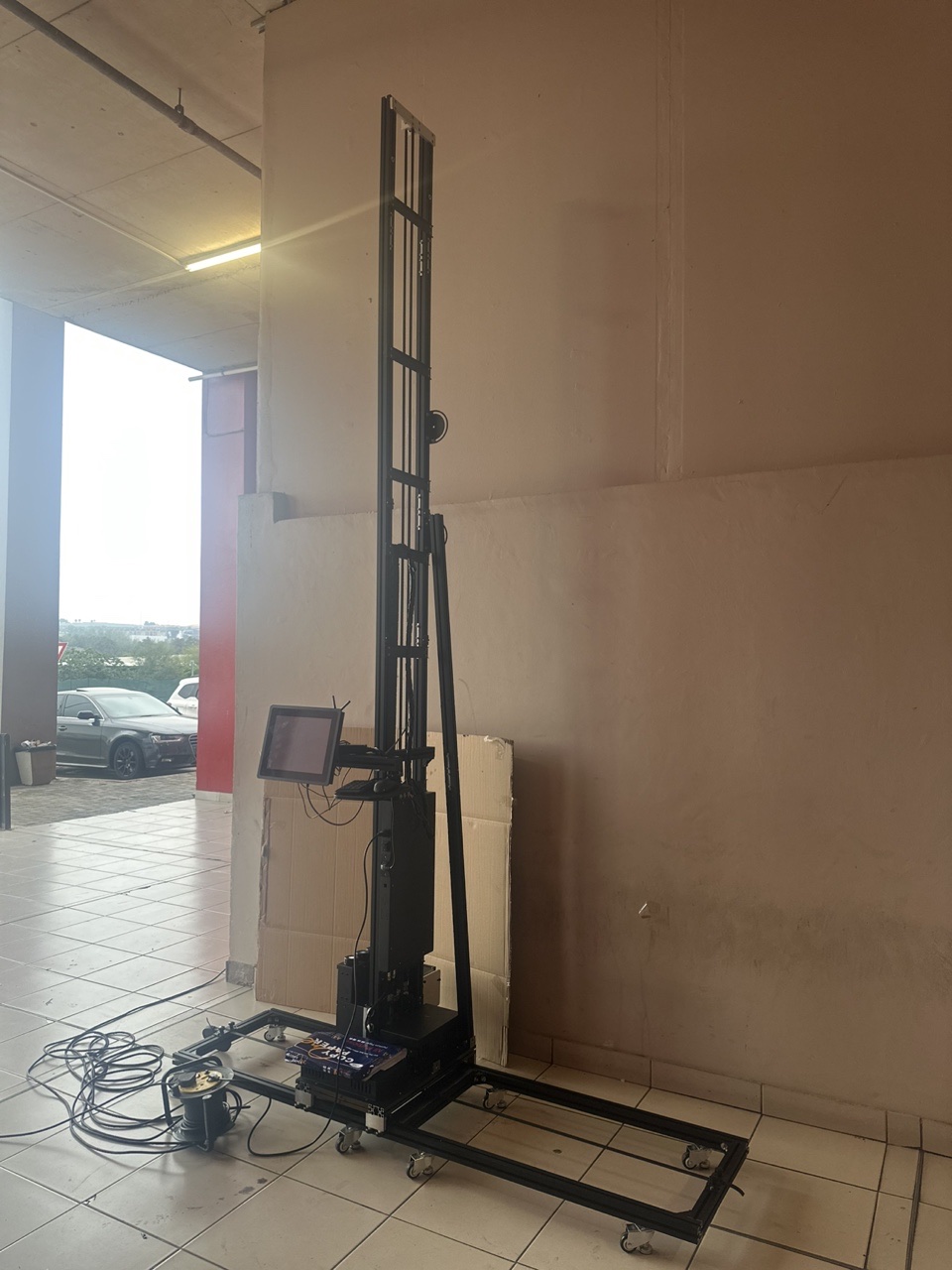
Latest Arrivals
Latest Arrivals
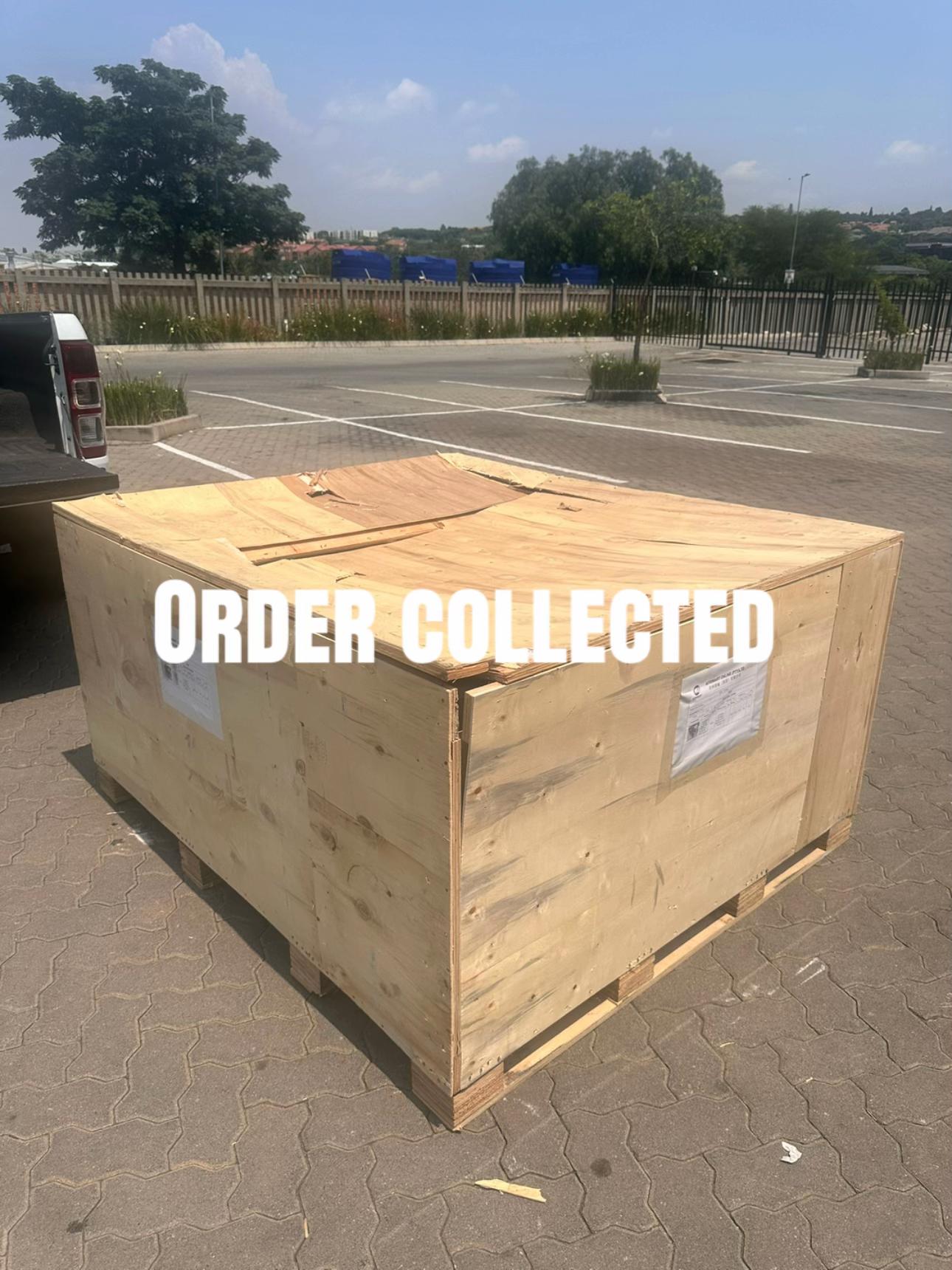
Latest Arrivals
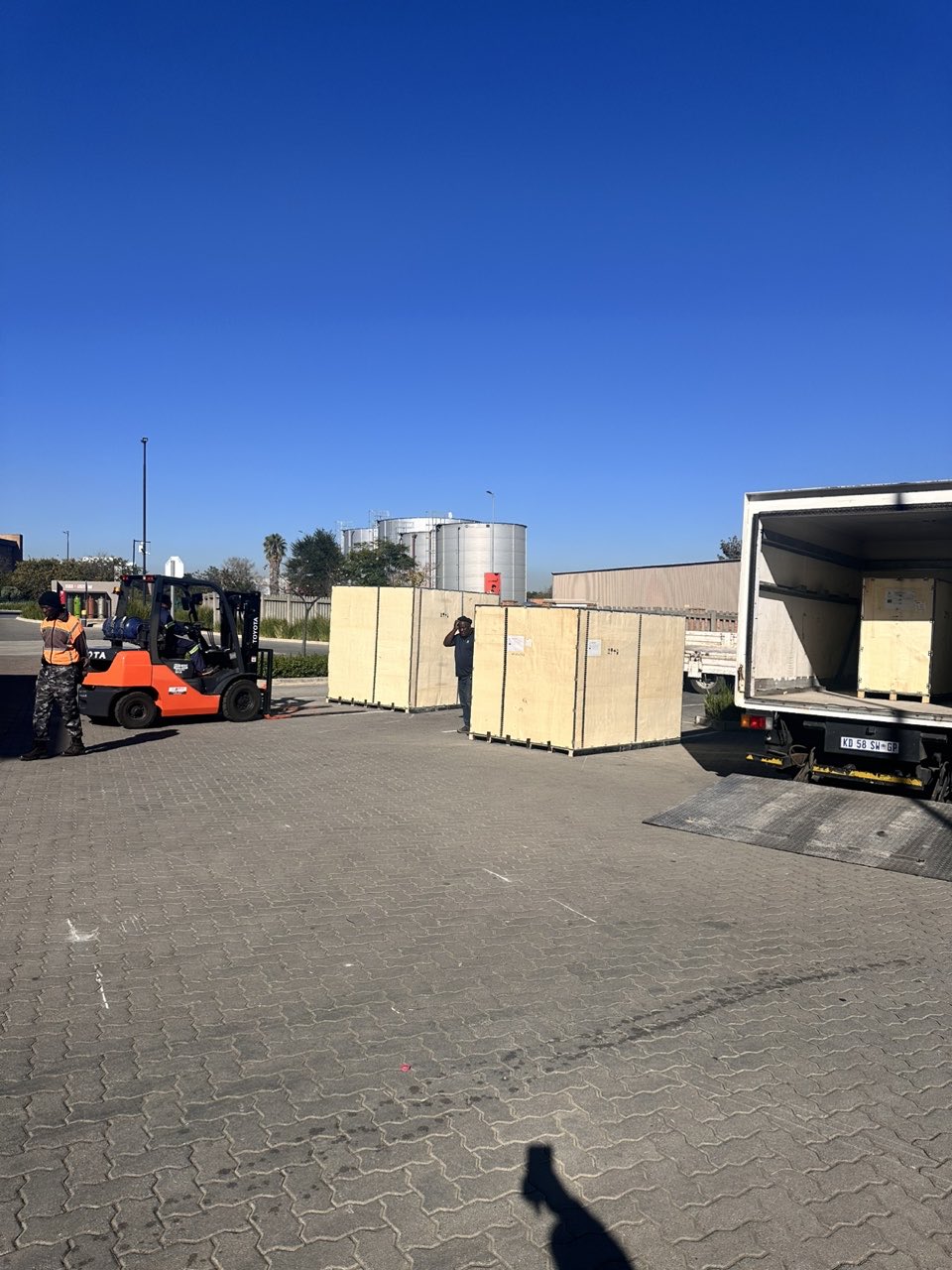
Loading
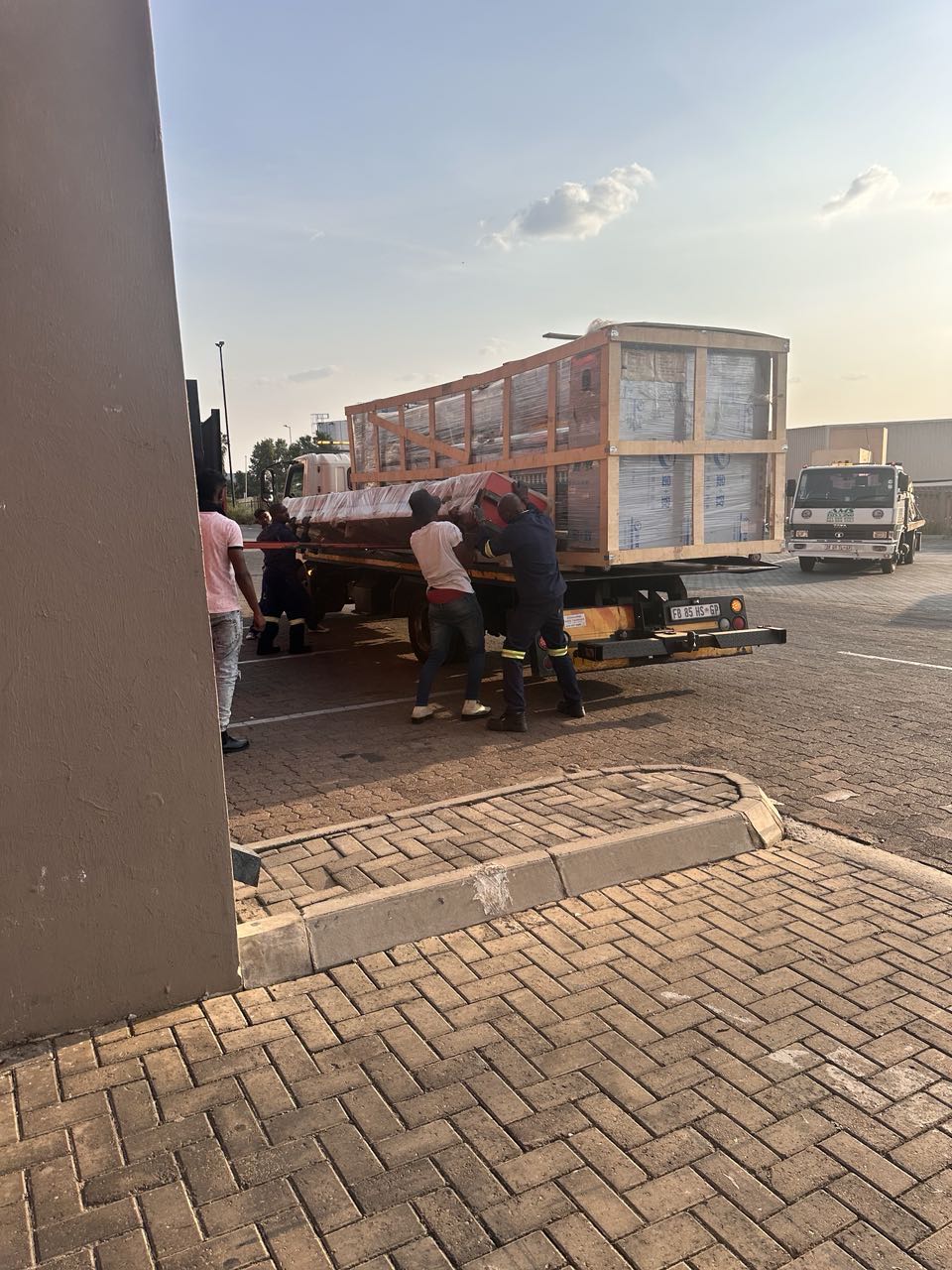
Toilet paper making machine
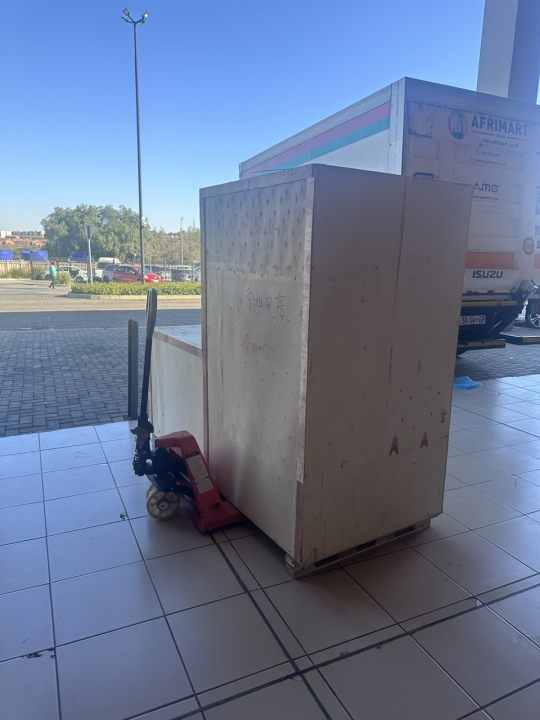
Toilet paper making machine
Toilet paper Rewinding Machine
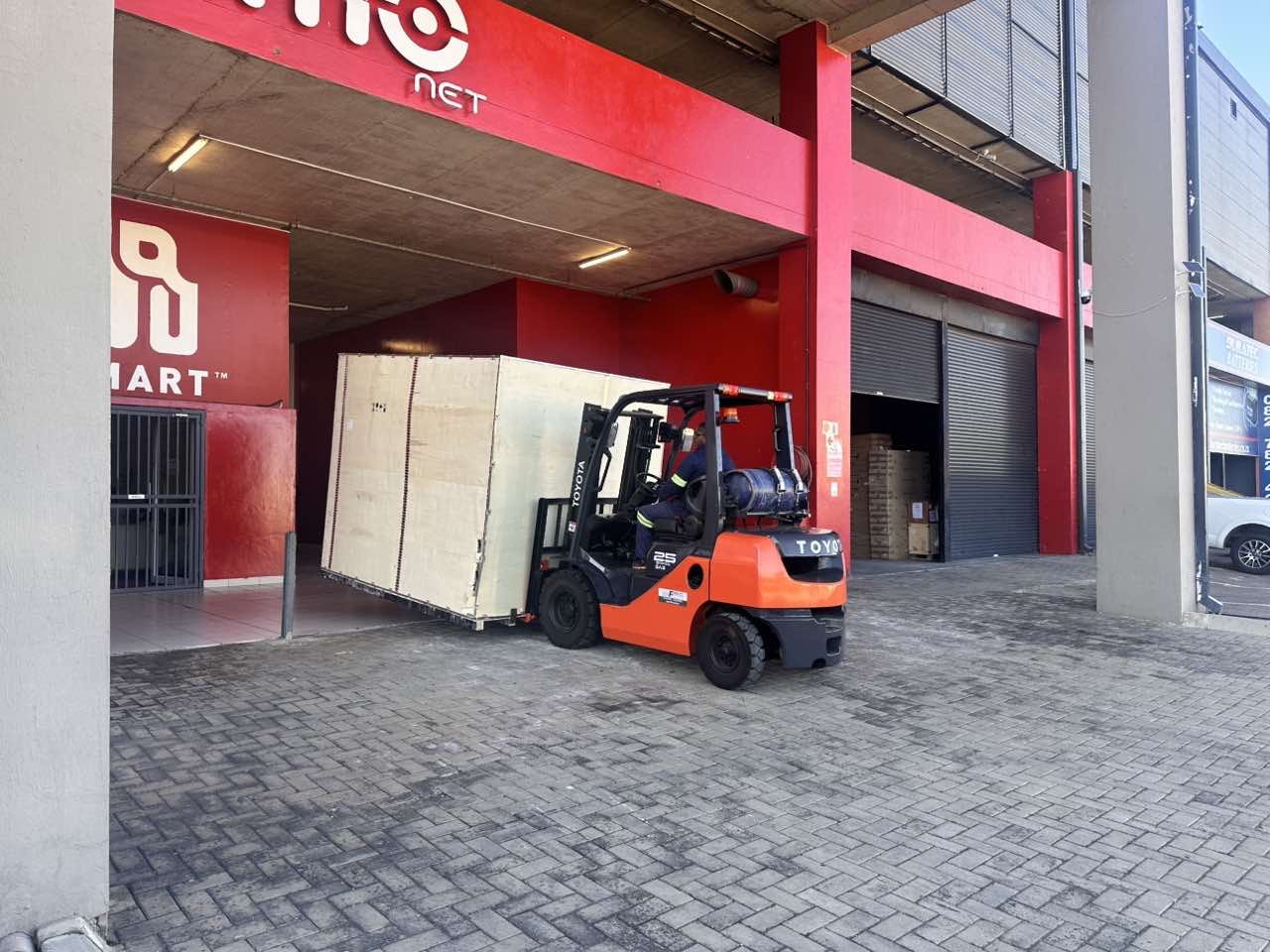
latest arrivals
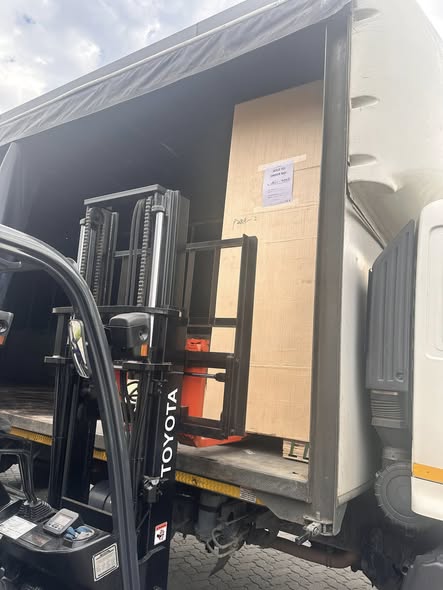
offloading
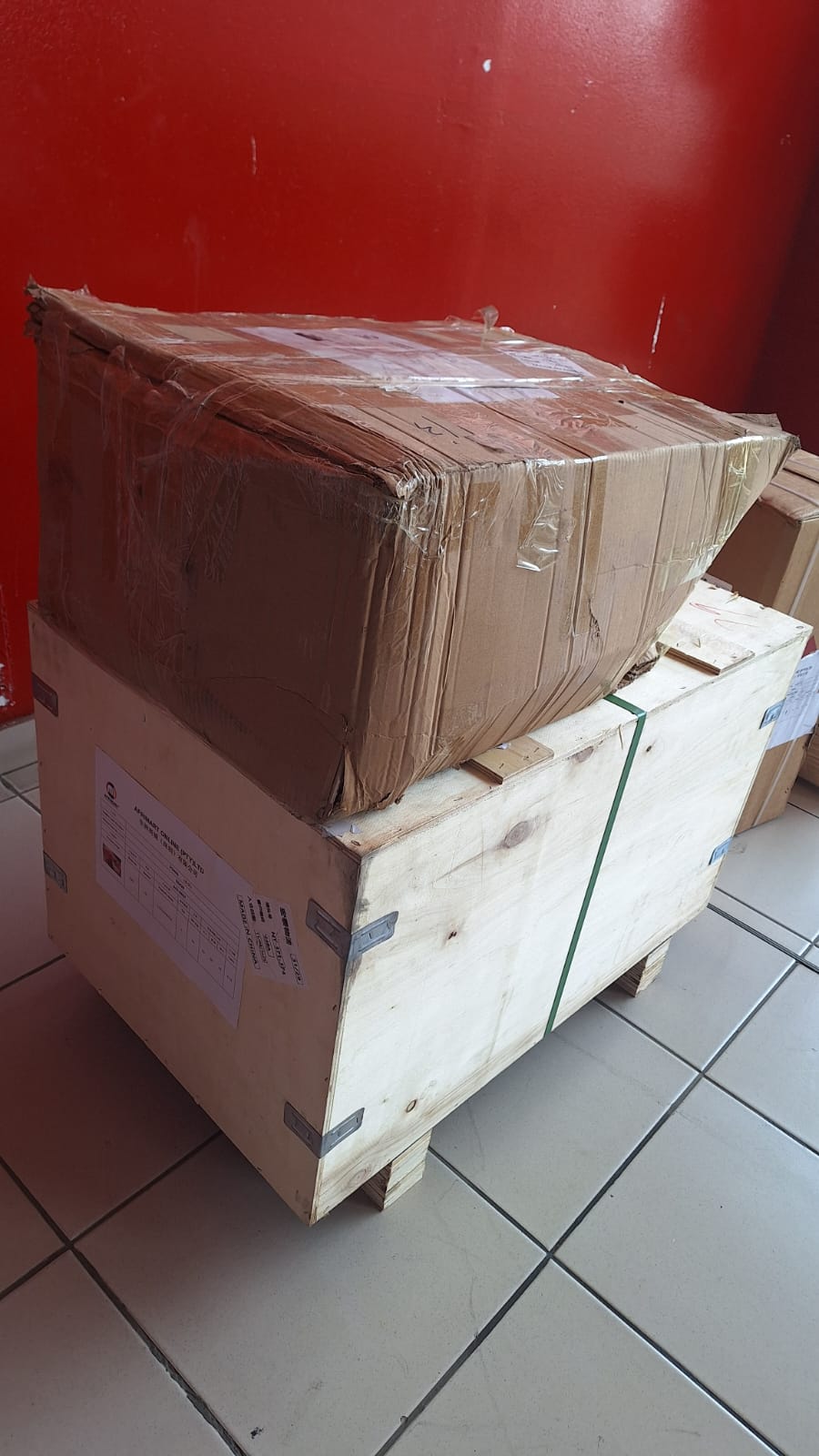
order success
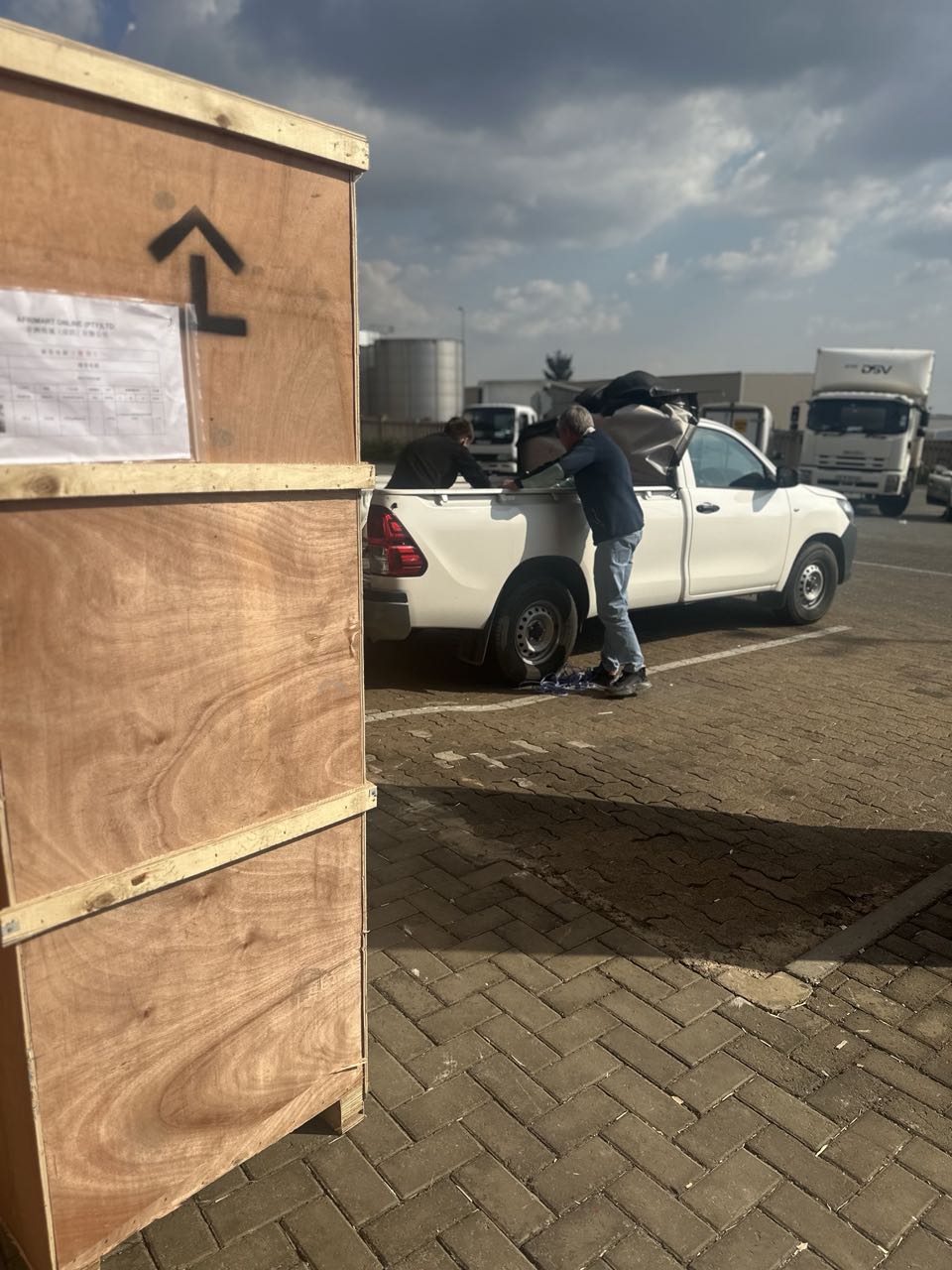
order collection
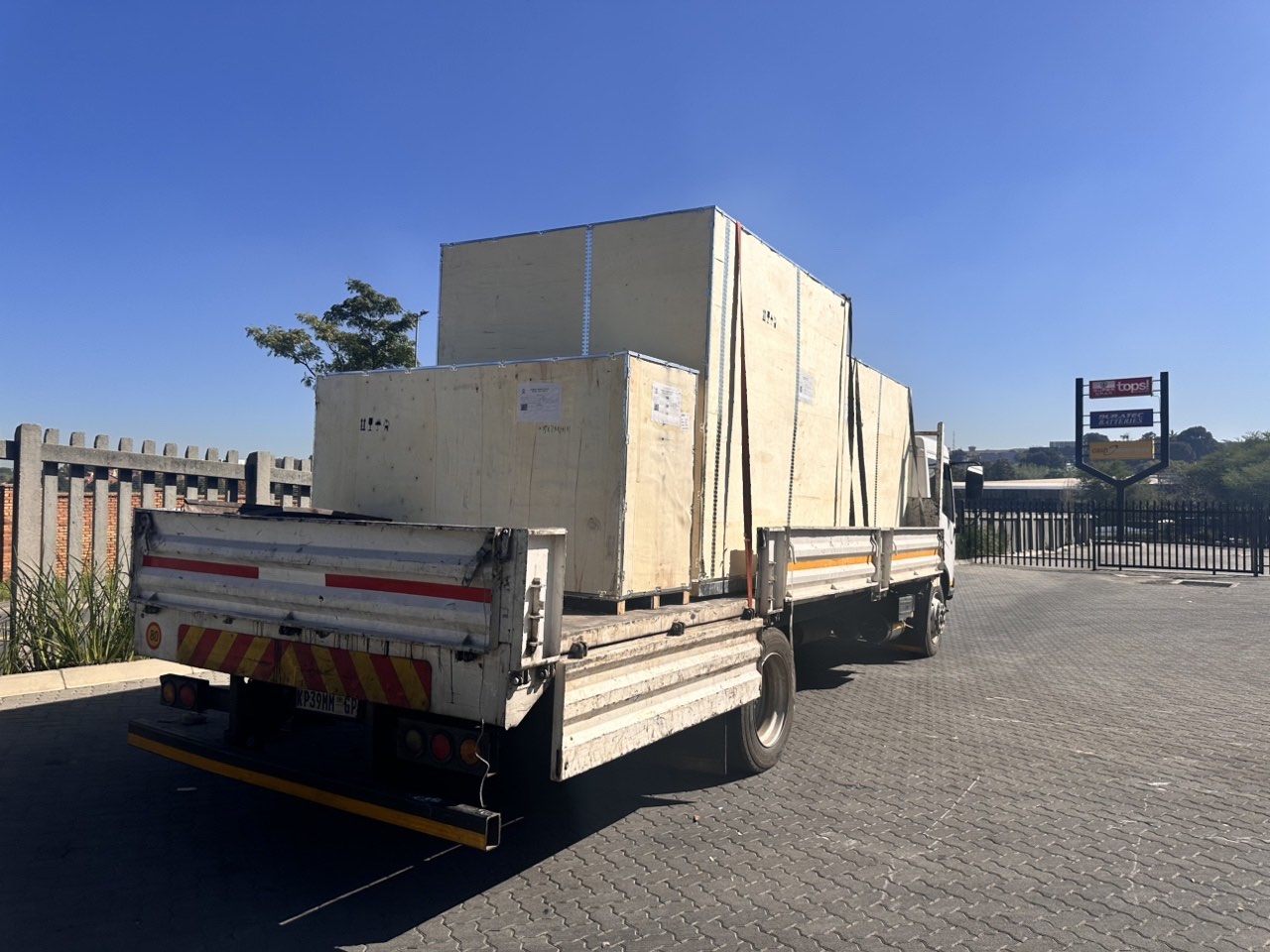
order offloading